

 English
 Français
 Español
 Português
 عربى





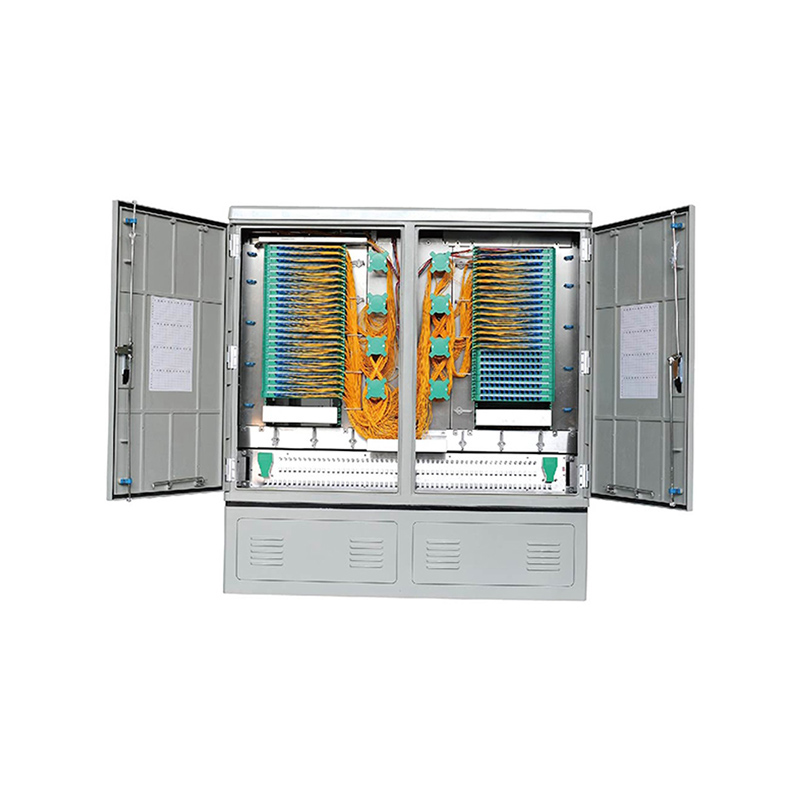
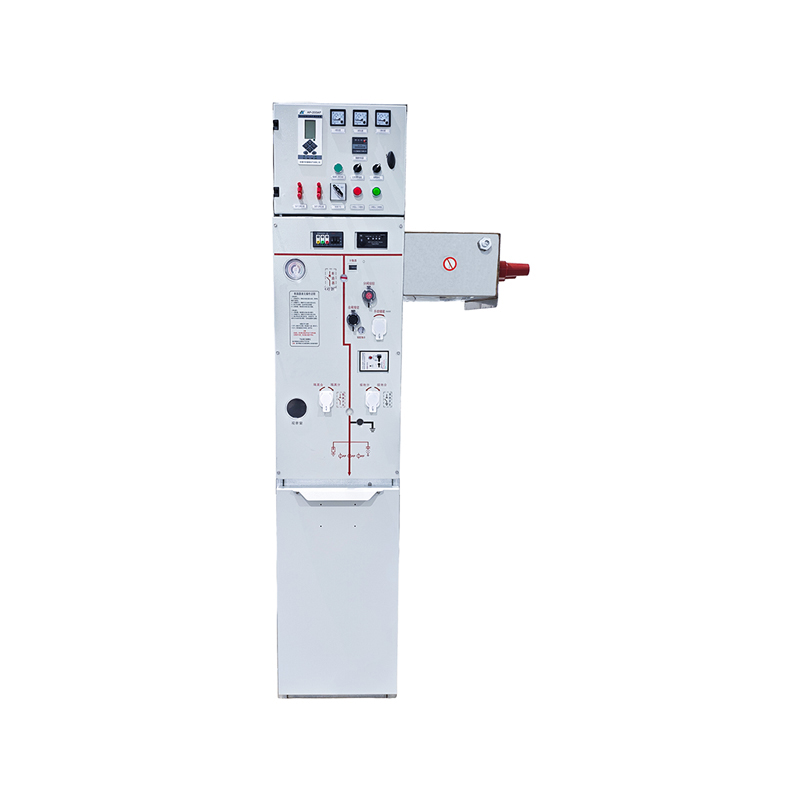
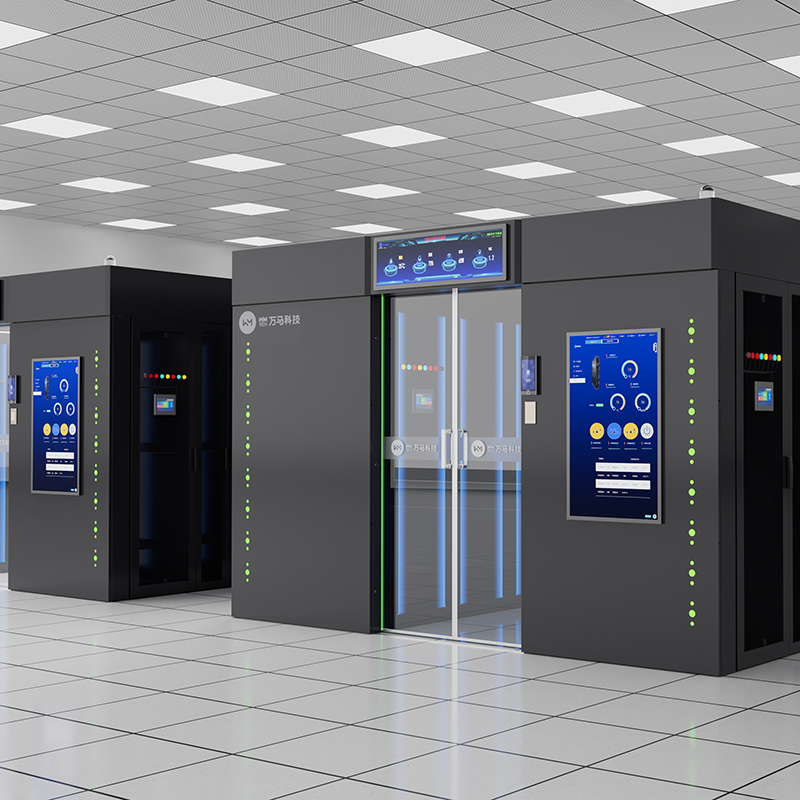
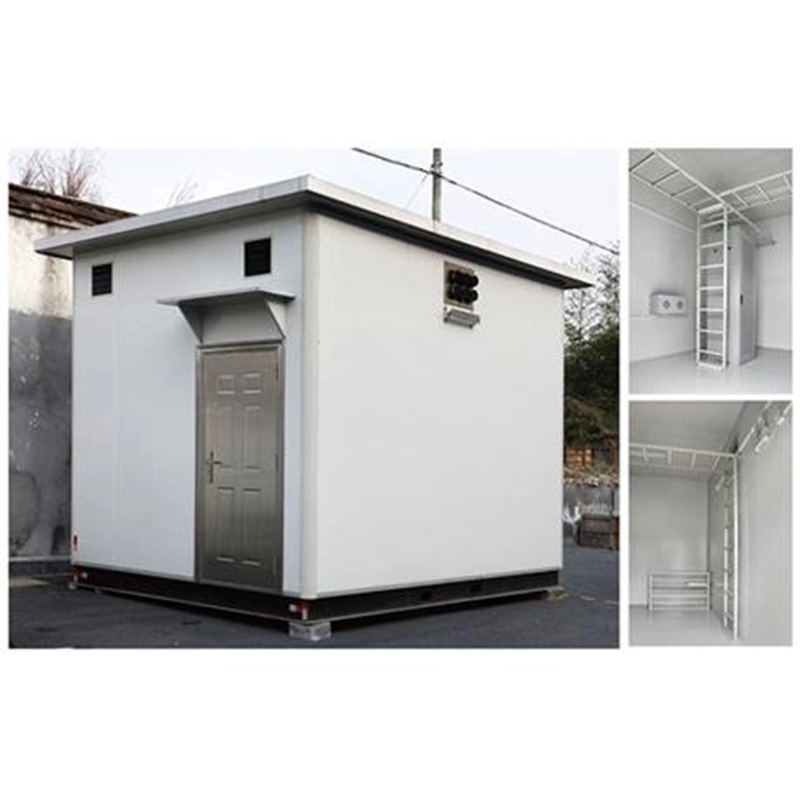

Product Overview The ODC series SMC Optical Fiber Cross Connection Cabinet is used for optical cable connection, distribution and management in outdoor fiber networks. The cabinet adopts an SMC enclos...
See Details576-Core Double-Sided SMC Fiber Optic Cable Distribution Box: Outdoor Capacity, Protection, and Network Management
Content
- 1 1. The Role of a Fiber Distribution Cabinet in Modern Networks
- 2 2. Product Overview
- 3 3. Main Technical Characteristics
- 4 4. Why SMC Is Suitable for Outdoor Fiber Infrastructure
- 5 5. Capacity and Double-Sided Access
- 6 6. Structural Design for Established Telecom Environments
- 7 7. Locking and Access-Control Options
- 8 8. Manufacturing Strengths and Quality-Oriented Production
- 9 9. Advantages Compared with Conventional Alternatives
- 10 10. Comparison with the ODC-288A Configuration
- 11 11. Installation Planning and Site Preparation
- 12 12. Fiber Management and Maintenance Considerations
- 13 13. Applications in Telecom and Mobile Networks
- 14 14. Applications in Railways and Urban Transit
- 15 15. Applications in Network Expansion Projects
- 16 16. Company Manufacturing and Supply Capability
- 17 17. Selection Guidance for Network Operators
- 18 18. Practical Benefits Over the Product Lifecycle
- 19 19. Frequently Asked Questions
- 19.1 Q1: What is the main purpose of the ODC-576D?
- 19.2 Q2: What does the 576-core designation mean?
- 19.3 Q3: Is the cabinet suitable for outdoor installation?
- 19.4 Q4: How does the double-sided structure help technicians?
- 19.5 Q5: What are the overall dimensions of the ODC-576D?
- 19.6 Q6: Can the panels be supplied in different thicknesses?
- 19.7 Q7: What lock options are available?
- 19.8 Q8: How does the ODC-288A differ from the ODC-576D?
- 19.9 Q9: Is SMC better than metal for every application?
- 19.10 Q10: What should be checked before installation?
- 19.11 Q11: Can the cabinet support future network expansion?
- 19.12 Q12: What type of organizations may use this product?
- 20 20. Conclusion
- 21 References
- 22 Product: 576-Core Double-Sided (1450×750×540) SMC Fiber Optic Cable Distribution Box
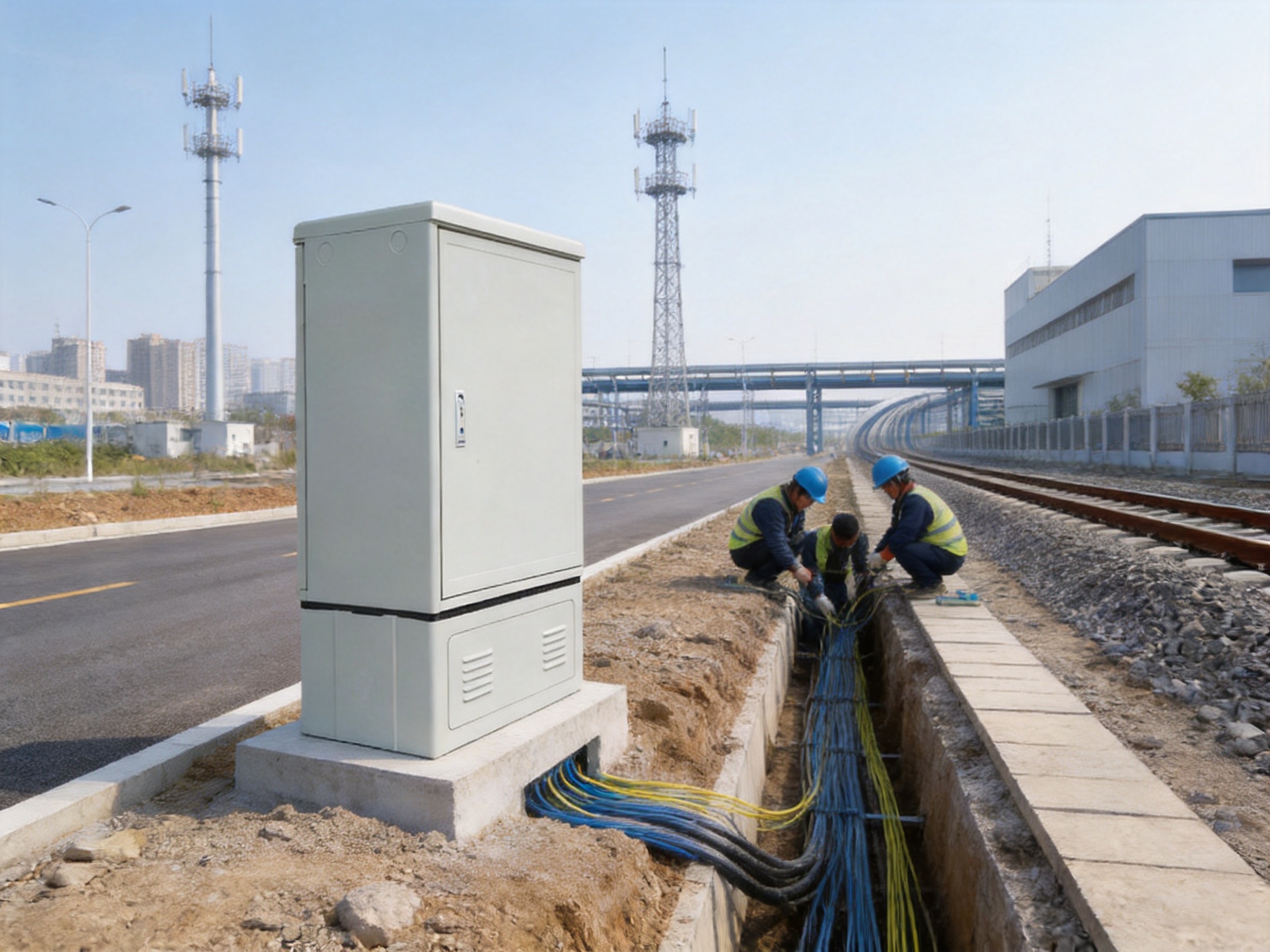
Modern communication networks depend on reliable outdoor infrastructure as much as they depend on optical fibers, active transmission equipment, and software platforms. At the edge of an access network, a fiber distribution cabinet must protect cables, organize connections, support maintenance, and provide sufficient capacity for future expansion. If the cabinet is poorly designed, even a high-performance optical network can suffer from difficult installation, excessive maintenance time, water ingress, cable congestion, or limited upgrade options.
The 576-Core Double-Sided SMC Fiber Optic Cable Distribution Box is engineered for these demanding outdoor requirements. It is a high-capacity optical fiber cross-connection cabinet designed for optical cable connection, distribution, and management in telecom, mobile operator, metro access, and other outdoor fiber network applications. Its traditional double-sided structure, SMC enclosure, IP65 protection level, front-and-back access, and ground-installation configuration provide a practical solution for operators that need organized and serviceable fiber infrastructure.
The cabinet belongs to the ODC series of SMC optical fiber cross-connection products. The principal model discussed in this article is ODC-576D, a 576-core double-sided configuration with an overall cabinet and base dimension of approximately 1450 × 750 × 540 mm. The related ODC-288A model is also considered where it provides a useful comparison for capacity planning and deployment flexibility. Together, these configurations address different requirements, from established standard network structures to heightened and deepened cabinets intended for expansion and larger internal arrangements.
1. The Role of a Fiber Distribution Cabinet in Modern Networks
Fiber distribution cabinets form an important transition point between outside-plant optical cables and the distribution architecture of an access or transport network. They can receive feeder cables, organize fiber routing, support splicing and cross-connection, and provide a controlled point for distributing fibers toward customers, buildings, base stations, railway facilities, metro systems, or other network locations.
In a typical outdoor deployment, cables may arrive from several directions and may need to be connected to different distribution routes. Without a structured cabinet, technicians must work among exposed cable loops, unprotected splice points, and poorly labeled connections. This increases the possibility of incorrect patching and makes restoration work slower. A properly designed cabinet creates a defined environment in which cables can be routed, secured, identified, and accessed in a logical sequence.
The capacity of the cabinet is particularly important in dense fiber networks. A 576-core cabinet can support a substantial number of optical connections while reducing the need for several smaller cabinets at the same site. Consolidation can simplify civil works, site planning, and long-term asset management. It may also provide greater room for organized expansion than a cabinet selected only for the immediate number of subscribers or network endpoints.
Outdoor cabinets must also remain dependable through seasonal temperature changes, rain, dust, sunlight, and repeated maintenance activity. These conditions make enclosure material, sealing, door design, mechanical strength, and installation method essential factors. The ODC-576D addresses these needs with an SMC enclosure and IP65 protection, while its double-sided access supports maintenance from both the front and rear.
2. Product Overview
The ODC-576D is a 576-core double-sided SMC optical fiber cross-connection cabinet. Its stated overall dimensions are 1450 mm in height, 750 mm in width, and 540 mm in depth, including the cabinet body and base. The enclosure section is approximately 1100 × 750 × 540 mm, while the base section is approximately 350 × 750 × 540 mm. The cabinet shape dimensions are listed as approximately 1020 × 720 × 508 mm, and the installation dimensions are approximately 615 × 384 mm.
The product uses SMC as its principal enclosure material. SMC, or sheet molding compound, is a composite material formed by combining resin, reinforcement fibers, and selected fillers through a controlled molding process. It is widely used for outdoor electrical and communication enclosures because it can provide a balance of mechanical performance, dimensional stability, corrosion resistance, and design flexibility.
The cabinet has an IP65 protection level. This rating indicates protection against dust ingress and protection against water jets from different directions. The rating is valuable in outdoor network planning because it provides a defined enclosure-protection reference for engineers and operators. Actual site performance still depends on correct installation, proper closure of doors, suitable cable-entry arrangements, and routine inspection.
The traditional box structure of the ODC-576D is intended for regular internal designs used in telecommunications and mobile network environments. This familiar configuration can make the cabinet easier to integrate into existing network standards, maintenance procedures, and equipment layouts. Operators do not necessarily need to redesign their entire outside-plant workflow when introducing the cabinet into an established access network.
Side panels and door panels are available in standard and thickened versions. The thickened version is specified as approximately 8 mm, providing an additional option for projects that place greater emphasis on panel rigidity or mechanical robustness. The final selection can be made according to the installation environment, operator requirements, and project specification.
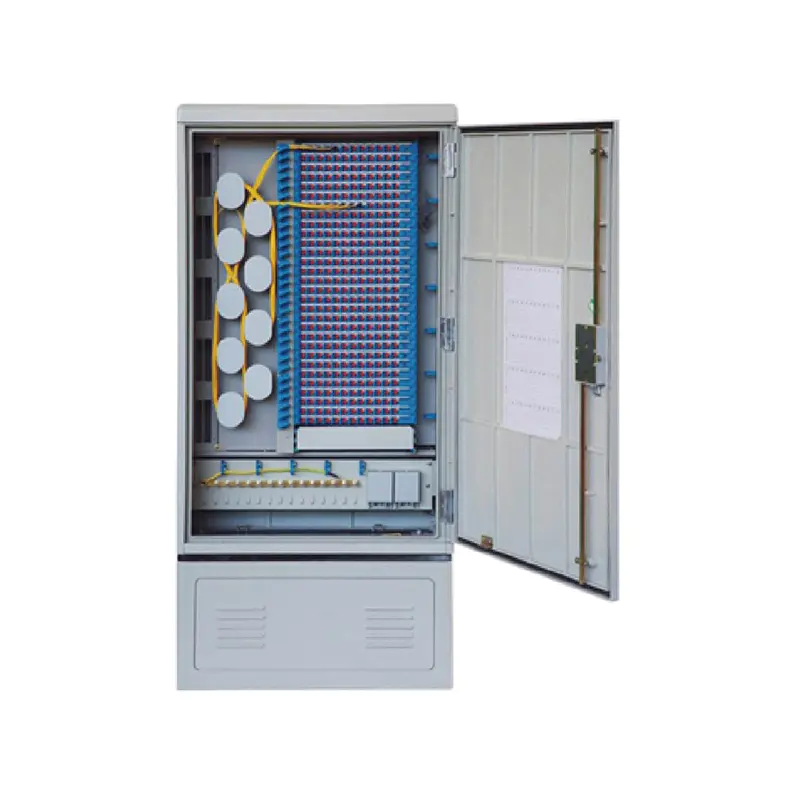
576-Core Double-Sided (1450×750×540) SMC Fiber Optic Cable Distribution Box
3. Main Technical Characteristics
| Item | ODC-576D Specification | Engineering Significance |
|---|---|---|
| Product type | 576-core double-sided optical fiber cross-connection cabinet | Supports high-density outdoor fiber distribution and management |
| Enclosure material | SMC | Suitable for molded outdoor communication enclosures |
| Protection level | IP65 | Provides dust protection and resistance to water jets |
| Overall size | Approximately 1450 × 750 × 540 mm | Includes the enclosure and base for ground installation |
| Enclosure size | Approximately 1100 × 750 × 540 mm | Defines the principal cabinet body |
| Base size | Approximately 350 × 750 × 540 mm | Supports ground installation and cabinet positioning |
| Shape size | Approximately 1020 × 720 × 508 mm | Provides a reference for the external molded cabinet shape |
| Installation size | Approximately 615 × 384 mm | Supports foundation and installation planning |
| Door access | Front and back door opening | Enables access to both sides of the internal arrangement |
| Installation method | Ground installation | Suitable for outdoor cabinet sites and network access points |
| Lock options | MS864-4 imitation Cologne lock, life-long padlock, or MS712 | Allows project-specific security and access selection |
The dimensions and installation data should be reviewed during the preliminary design stage. The cabinet foundation, cable approach, working clearance, drainage arrangement, and maintenance access area should all be considered. Although the cabinet footprint is defined, technicians also need sufficient space to open both doors and work safely around the enclosure.
4. Why SMC Is Suitable for Outdoor Fiber Infrastructure
Material selection has a direct effect on the service life and maintenance requirements of an outdoor cabinet. Metallic cabinets may provide high mechanical strength, but they can require protective coatings and corrosion management, particularly in humid, coastal, industrial, or chemically aggressive environments. SMC provides an alternative enclosure solution that is not dependent on conventional painted metal surfaces for its basic outdoor enclosure function.
SMC is a molded composite material. Its manufacturing process allows the enclosure to be formed into complex shapes with integrated ribs, edges, door interfaces, and mounting features. This can support a consistent enclosure design while reducing the number of separate parts that might otherwise create additional joints or potential paths for environmental ingress.
The material is also suitable for applications in which electrical insulation is useful. Optical cabinets generally manage passive fiber connections rather than high-voltage electrical equipment, but nonmetallic enclosure characteristics can still be advantageous in an infrastructure environment containing grounding systems, power facilities, and multiple types of communication equipment.
Another benefit is resistance to many forms of environmental degradation. SMC does not rust in the same way as untreated steel. This makes it attractive for outdoor deployments where routine repainting or corrosion treatment would be difficult. However, correct material formulation, molding quality, sealing, hardware selection, and installation remain important. A composite enclosure is not a substitute for engineering discipline; it is one part of an integrated outdoor protection strategy.
The cabinet’s IP65 rating complements the SMC structure. The enclosure protects the internal fiber management space from dust and water jets when the cabinet is correctly closed and maintained. This is especially important at roadside sites, network boundary points, railway corridors, mobile access locations, and other areas where dust and rain may be unavoidable.
5. Capacity and Double-Sided Access
The central advantage of the ODC-576D is its high 576-core capacity in a double-sided cabinet format. High capacity is valuable where multiple feeder cables, distribution cables, and network expansion routes converge. Rather than dividing a large connection point among several separate low-capacity enclosures, an operator can use one structured cabinet to centralize a significant portion of the optical distribution work.
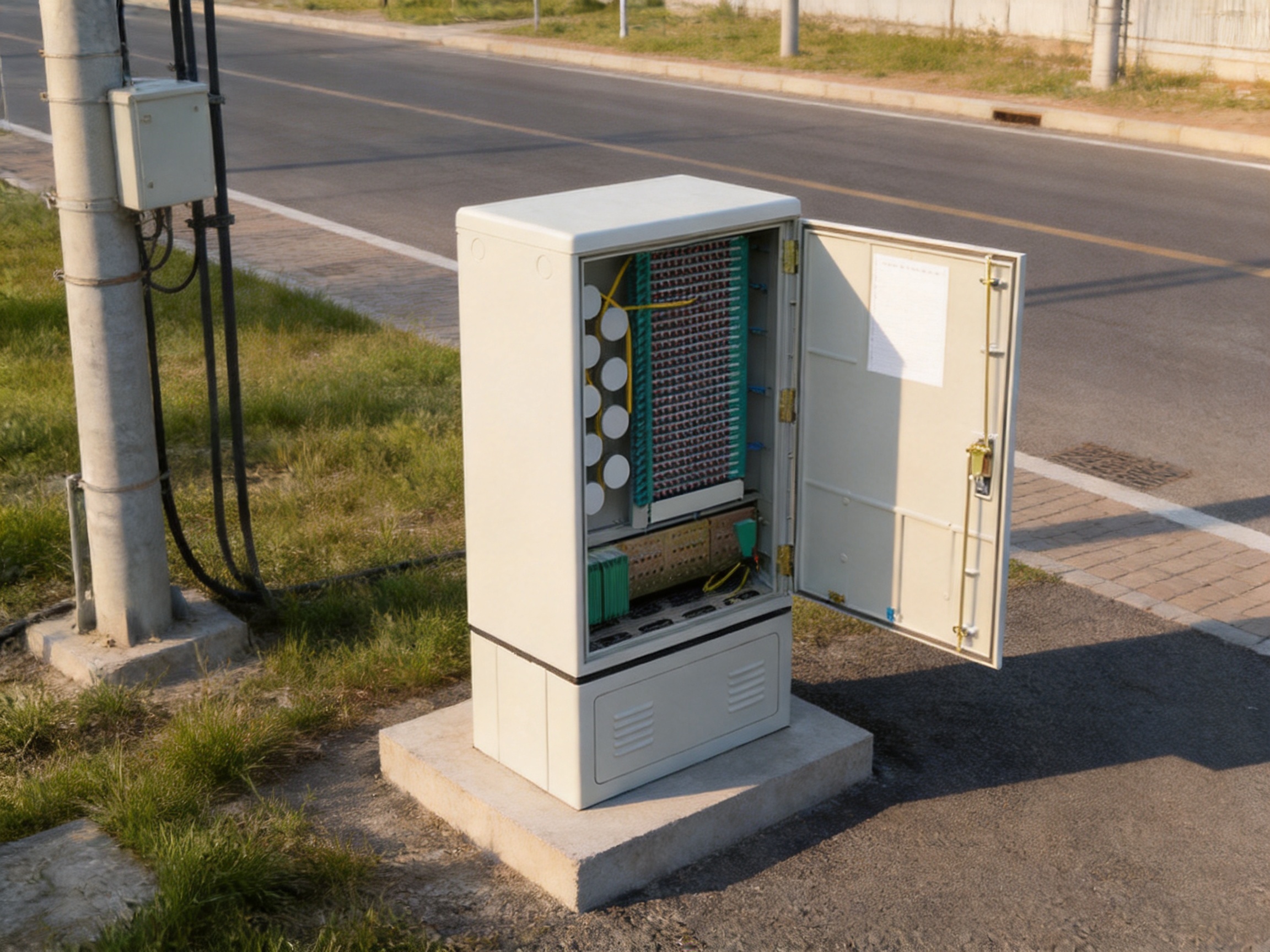
Double-sided access is equally important. A front-and-back door configuration provides technicians with access to the internal arrangement from two directions. This can make installation and maintenance more efficient, particularly when the internal design separates cable entry, splicing, patching, and distribution functions between opposing sides.
Two-sided access may also improve working conditions at sites where the cabinet is positioned near a wall, fence, road, or other obstacle. The site designer must still provide adequate clearance, but the cabinet gives the project more flexibility than a cabinet restricted to a single access face. In a well-planned installation, technicians can approach the side most suitable for the task being performed.
High capacity does not mean that the cabinet should be filled without an organization plan. Fiber distribution requires careful labeling, bend-radius control, slack management, route separation, and connection records. The cabinet provides the physical platform, while the operator’s engineering rules determine how efficiently and safely that capacity is used.
For networks with uncertain growth, the 576-core model may also provide a larger planning margin. Capacity reserved for future deployment can reduce the frequency of cabinet replacement or additional civil construction. This can be especially useful in areas experiencing rapid FTTH growth, mobile network densification, industrial development, or transport-network modernization.
6. Structural Design for Established Telecom Environments
The ODC-576D adopts a traditional box structure. This design choice is practical rather than merely visual. Many telecom and mobile operators have established standards for cabinet positioning, internal connection procedures, access control, labeling, and maintenance. A traditional enclosure can be easier to incorporate into these established systems than an unconventional structure requiring new tools or revised work methods.
The standard cabinet format also supports straightforward planning by civil contractors. The height, width, depth, base, and installation dimensions give engineering teams defined reference points for foundations, cable trenches, ducts, and external working areas. These details help reduce uncertainty during construction and improve coordination between the cabinet supplier, network designer, civil contractor, and field installation team.
Panel options provide another level of flexibility. Standard panels may be appropriate for normal outdoor applications, while approximately 8 mm thickened side and door panels can be selected for projects requiring additional panel robustness. This allows the same general product family to respond to different site conditions without abandoning the established cabinet architecture.
The design is also compatible with the practical realities of network maintenance. Outdoor cabinets are opened repeatedly during installation, fault location, fiber rerouting, and capacity expansion. A durable door and suitable lock system help protect the internal environment while allowing authorized technicians to perform work when necessary.
7. Locking and Access-Control Options
Security is an important consideration at outdoor optical connection points. A cabinet may contain valuable network infrastructure and detailed information about fiber routes and subscribers. Unauthorized access can cause service interruptions, accidental disconnections, or deliberate damage. For this reason, the ODC series provides several lock options.
The listed choices include the MS864-4 imitation Cologne lock, a life-long padlock, and the MS712 lock. These options allow the project team to select an access arrangement that is compatible with local maintenance procedures and security requirements. A network operator may prefer a standardized lock used throughout a region, while another project may require a padlock arrangement for site-specific control.
Lock selection should be considered together with key management, emergency access, technician authorization, and inspection procedures. The strongest lock is not effective if keys are uncontrolled or if the door is not fully closed after maintenance. Similarly, a convenient lock can support faster authorized access while still preventing casual entry into the cabinet.
The door and locking system also contribute to environmental protection. A properly closed and secured door helps maintain the enclosure’s protective condition. Technicians should inspect seals, hinges, lock bodies, and panel alignment during routine maintenance, especially after severe weather or repeated access.
8. Manufacturing Strengths and Quality-Oriented Production
A reliable fiber cabinet is the result of more than a product drawing. It depends on material selection, tooling, molding control, dimensional inspection, hardware integration, assembly discipline, and final quality checks. The manufacturer behind this product has specialized in communication cabinets, communication electronic equipment, and passive optical components since 1997. This long experience gives the company a relevant manufacturing background for developing and producing optical network infrastructure.
SMC enclosure production requires controlled preparation of the molding compound and accurate use of dedicated tooling. The material must be distributed consistently so that the finished enclosure has the intended thickness, geometry, and reinforcement. The molding process must also be managed to reduce defects that could affect panel fit, mechanical performance, or appearance.
Tooling quality is particularly important for large molded cabinets. The enclosure must maintain stable dimensions across doors, side panels, bases, mounting interfaces, and sealing surfaces. Consistent dimensions support smoother assembly and help ensure that doors close correctly. They also make it easier to maintain repeatable installation procedures across multiple projects.
After molding, components must be inspected and prepared for assembly. Hardware such as hinges, locks, fasteners, mounting parts, and cable-management elements must be installed in a controlled manner. The finished cabinet should be checked for panel alignment, door operation, lock engagement, surface condition, and compatibility with the specified installation dimensions.
The manufacturer’s experience in both passive optical components and communication equipment is significant because the cabinet is part of a complete optical infrastructure ecosystem. Understanding how cables, splice systems, adapters, patching arrangements, and distribution networks are used helps inform the design of the enclosure that houses and protects them.
Manufacturing strength also includes the ability to support customized integrated solutions. Different operators may require variations in capacity, internal layout, door arrangement, lock type, panel thickness, labeling, or installation details. A supplier that develops, manufactures, and markets its own products can coordinate these requirements more directly than a company that only resells standard items.
9. Advantages Compared with Conventional Alternatives
The ODC-576D offers several practical advantages over smaller single-sided cabinets, basic metal boxes, and low-capacity enclosures that do not provide a clear expansion strategy.
High capacity in one organized enclosure
A 576-core capacity can reduce the need for multiple cabinets at a high-density access site. Consolidation may reduce the number of foundations, cable approaches, and inspection points. It can also simplify asset records because a larger share of a local distribution area is managed through one principal cross-connection location.
Double-sided maintenance access
Many compact outdoor cabinets provide access from only one side. The ODC-576D provides front and rear door opening, which can improve technician access and enable more logical separation of internal operations. This feature can reduce congestion during installation and make later maintenance less disruptive.
Composite outdoor enclosure
The SMC body provides a nonmetallic alternative to conventional steel enclosures. Its resistance to rust-related deterioration and suitability for molding make it attractive for outdoor network locations where long-term exposure is a concern. The IP65 rating further supports the outdoor application.
Compatibility with established network practices
The traditional box structure is familiar to telecom and mobile operators. A product that matches existing practices can reduce training requirements and simplify maintenance documentation. It may also be easier to include in standard network construction specifications.
Flexible panel and lock options
The availability of standard or approximately 8 mm thickened panels allows the cabinet to be matched to project conditions. Multiple lock choices support different operator access policies and security arrangements.
Future expansion potential
A high-capacity cabinet provides space for network growth when the project is properly planned. This is particularly useful for FTTH expansion, mobile backhaul development, urban access upgrades, industrial parks, and transport corridors where fiber demand can increase over time.
10. Comparison with the ODC-288A Configuration
The ODC-288A is a related SMC optical fiber cross-connection cabinet intended for a different capacity and structural requirement. It is specified as a 288-core configuration with overall dimensions of approximately 1590 × 750 × 360 mm. Its enclosure is approximately 1240 × 750 × 360 mm, and its base is approximately 350 × 750 × 360 mm.
Unlike the traditional double-sided ODC-576D structure, the ODC-288A uses a heightened and deepened housing. This configuration is described as suitable for large-capacity arrangements, expansion, and optical cable transfer applications. Its shape dimensions are approximately 1066 × 720 × 320 mm, with an installation size of approximately 615 × 220 mm.
The ODC-288A supports single front door opening or front-and-back door opening. It can be installed on the ground or in a hanging, wall-mounted arrangement. These options make it useful where the site has limited depth, where a wall-mounted installation is preferred, or where a project needs a more specialized cabinet geometry.
The selection between the two models should be based on the network architecture rather than capacity alone. The ODC-576D is suitable when a traditional double-sided, high-capacity ground cabinet is required. The ODC-288A may be more appropriate when a heightened structure, reduced depth, or hanging installation is important. Both models use SMC and provide IP65 protection, but their access and installation configurations serve different deployment scenarios.
11. Installation Planning and Site Preparation
Ground installation begins with a site survey. The survey should confirm the available footprint, soil and foundation conditions, drainage, cable-route direction, working clearance, vehicle access, and exposure to traffic or other physical hazards. The cabinet should be positioned so that technicians can open the required doors without obstruction.
The foundation should match the cabinet’s installation dimensions and local construction requirements. The listed installation size for the ODC-576D is approximately 615 × 384 mm, but the complete civil design should also include cable ducts, anchor arrangements, drainage provisions, and safe clearance around the cabinet. Local regulations and project drawings take precedence over a simple dimensional reference.
Cable entries should be designed to prevent unnecessary stress on the fibers. Cables should approach the cabinet through suitable ducts or trenches, with adequate bend radius and slack. The entry arrangement should be coordinated with the internal routing plan before the cabinet is installed. Poorly planned cable entry can reduce the benefit of a high-capacity enclosure by creating congestion at the bottom or sides of the cabinet.
After positioning, the cabinet should be leveled and secured according to the approved installation procedure. Doors should be tested to confirm that they open and close correctly. Locks should be checked, and all relevant sealing interfaces should be inspected before the cabinet is placed into service.
Installation teams should maintain records of cabinet location, model, serial information where applicable, installed cable routes, connection assignments, and access-control details. These records support future maintenance and reduce the time required to identify the correct fiber route during network changes or fault restoration.
12. Fiber Management and Maintenance Considerations
The cabinet’s capacity can only be realized if fibers are managed in an orderly way. Every incoming and outgoing cable should be labeled using a consistent identification system. Fiber routes should be separated where practical, and bend-radius requirements should be respected throughout splicing, patching, and slack storage operations.
Technicians should avoid excessive pulling, twisting, or pressure on fiber cables. A cable cabinet is not simply a storage box; it is a controlled routing environment. Cables should be secured without crushing them, and slack should be stored so that future technicians can access the required connection without disturbing unrelated circuits.
Routine inspection should include the enclosure exterior, doors, hinges, locks, seals, cable-entry points, foundation, and surrounding drainage. The IP65 rating depends on the cabinet remaining correctly closed and structurally intact. Damage caused by impact, unauthorized modification, or improper drilling can reduce the original protection level.
Maintenance records should identify every change made inside the cabinet. When a fiber is rerouted, disconnected, or reconnected, the documentation should be updated immediately. Accurate records are especially important in a 576-core cabinet because a high number of connections can make manual identification difficult if labeling is inconsistent.
Cleaning should be performed using procedures suitable for optical equipment and enclosure materials. Dust should not be allowed to accumulate around adapters, splice areas, or sealing surfaces. Any replacement component should be compatible with the cabinet design and the operator’s technical requirements.
13. Applications in Telecom and Mobile Networks
The ODC-576D is suitable for telecom and mobile operator access networks where a high number of optical connections must be managed outdoors. It can serve as a central distribution location for residential access, business access, neighborhood fiber deployment, or mobile transport infrastructure.
In a mobile network, optical fiber may be used to connect base stations, radio access equipment, aggregation points, and transport nodes. As network capacity increases through 4G evolution, 5G deployment, small-cell densification, and edge-site expansion, organized outdoor fiber management becomes increasingly important. A high-capacity cabinet can provide a structured point for connecting existing and future routes.
In FTTH networks, a cabinet may connect feeder fibers from a central office or aggregation node to distribution cables serving homes, apartments, offices, or mixed-use developments. The 576-core format can be useful in areas where subscriber density is high or where several development phases are planned around one access location.
Metro and access networks also benefit from centralized fiber cross-connection points. The cabinet can be deployed near roads, utility corridors, industrial zones, or local exchanges, provided that the location and foundation meet project requirements. Its traditional structure makes it suitable for integration into network designs that use standardized outdoor cabinets across multiple regions.
14. Applications in Railways and Urban Transit
Railway and urban transit communication networks require dependable fiber infrastructure along stations, depots, tunnels, control centers, and trackside corridors. Fiber may support passenger information, surveillance, signaling-related communications, operational data, voice services, and general network connectivity.
An outdoor SMC cabinet can serve as a protected cross-connection point where feeder and distribution cables meet. The IP65 enclosure protection is useful in exposed locations, while the double-sided configuration can help maintenance crews work efficiently when access windows are limited.
Railway deployments also require careful attention to site safety, clearance, vibration, drainage, and access authorization. The product should be integrated into the railway operator’s engineering standards and installed by qualified personnel. The cabinet does not replace the need for project-specific environmental assessment, but it provides a suitable physical platform for managing outdoor optical connections.
In urban rail transit systems, cabinets may be placed near stations, equipment rooms, maintenance areas, or network access points. A high-capacity design can help reduce the number of separate distribution locations, provided that the site plan allows safe access and suitable cable routing.
15. Applications in Network Expansion Projects
Fiber infrastructure is rarely static. New buildings, additional mobile sites, enterprise customers, smart-city systems, industrial facilities, and transport services can all increase demand. A cabinet selected only for the initial deployment may become crowded or require replacement earlier than expected.
The ODC-576D provides a larger physical and connection capacity for expansion-oriented planning. Network planners can reserve connection positions, route future cables in advance where appropriate, and establish a clear growth strategy. This can reduce the disruption associated with adding a second cabinet at a later stage.
Expansion planning should still be disciplined. Spare capacity should be documented, cable entry routes should be protected, and unused areas should not be treated as unplanned storage. Clear separation between active connections, reserved positions, and future cable paths helps preserve maintainability.
The related ODC-288A can also support expansion applications where the project requires a heightened and deepened cabinet, wall-mounted installation, or a different capacity level. A product family with multiple configurations allows operators to standardize material selection while adapting the physical cabinet to different site conditions.
16. Company Manufacturing and Supply Capability
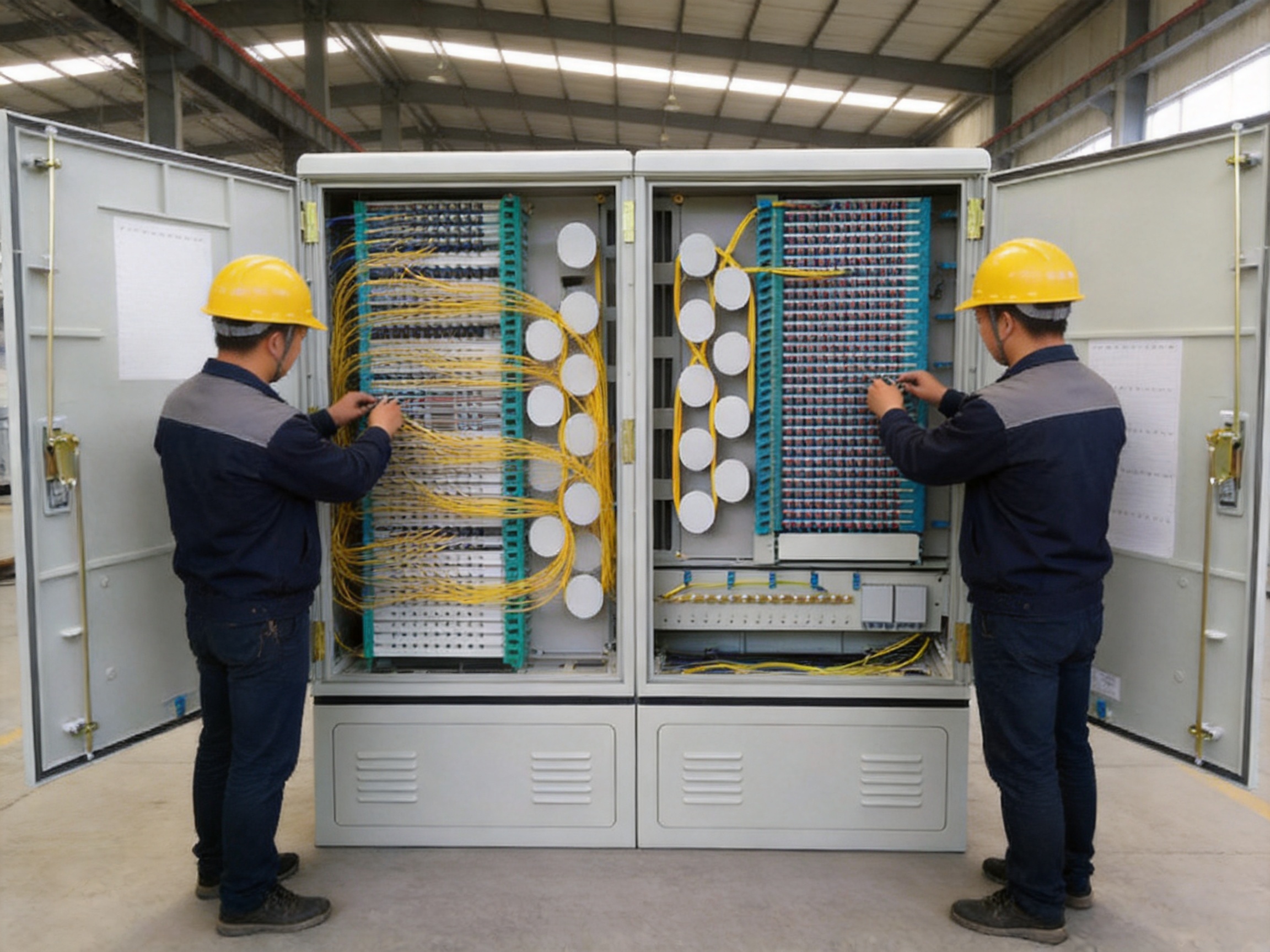
The manufacturer has operated since 1997 and focuses on communication cabinets, communication electronic equipment, and passive optical components. This specialization is directly relevant to the ODC series because the product combines enclosure engineering with optical network application knowledge.
The company develops, manufactures, and markets products under its own brand while also offering integrated solutions for customized products. This approach can support closer coordination between design, production, quality control, packaging, delivery, and technical communication. For network operators and system integrators, a supplier with in-house product development may be better positioned to respond to project-specific requirements than a purely trading organization.
The company’s products are used in Ethernet networks, optical communication networks, central equipment rooms, high-speed railway systems, and urban rail transit systems. These application areas require different combinations of environmental protection, mechanical design, fiber capacity, installation flexibility, and serviceability. Experience across these fields can contribute to more practical product development and manufacturing decisions.
The company also reports a sales network covering more than 20 countries and regions, including the United States, Australia, the United Kingdom, Italy, South Africa, and Ghana. International project experience can help a supplier understand differences in installation practices, climate, operator specifications, packaging requirements, and delivery coordination.
For large infrastructure projects, supply capability is as important as product design. Reliable delivery, clear technical documents, consistent product configuration, and responsive communication all affect the total project result. The company emphasizes product quality, timely delivery, and long-term strategic partnerships, which are important considerations for operators planning repeated network deployments.
17. Selection Guidance for Network Operators
Before ordering the ODC-576D, the project team should confirm the required core count, internal equipment arrangement, cable-entry direction, site footprint, foundation details, access method, lock preference, and panel thickness. These decisions should be documented in the technical specification so that the delivered product matches the construction plan.
The team should also determine whether front-and-back access is required at all times or whether one side may be positioned near a boundary. Even with a double-sided cabinet, safe working space is necessary for installation and maintenance. A site that does not allow practical door operation may reduce the benefits of the selected configuration.
Environmental conditions should be reviewed carefully. Coastal salt exposure, industrial pollutants, dust, high rainfall, extreme temperatures, flooding risk, and vehicle impact may affect the foundation, hardware, installation height, and maintenance schedule. The SMC enclosure and IP65 rating support outdoor deployment, but the complete installation must be designed for the actual environment.
Operators should compare the lifecycle cost rather than only the purchase price. A higher-capacity cabinet may require a larger initial investment, but it can reduce future civil work, simplify maintenance, and provide expansion capacity. Similarly, a durable outdoor enclosure may reduce the cost associated with corrosion treatment, replacement, or repeated site visits.
18. Practical Benefits Over the Product Lifecycle
During the initial installation phase, the cabinet provides a structured enclosure for terminating and organizing optical cables. Its defined dimensions and ground-installation base support coordinated civil and network work. The front-and-back door arrangement can help installation crews access the cabinet from the most convenient side.
During the operating phase, the SMC enclosure and IP65 protection help shield the internal optical connections from outdoor dust and water exposure. The locking options support controlled access, while the traditional structure fits established operator maintenance practices.
During expansion, the high-capacity format provides a basis for adding routes and connections without immediately replacing the cabinet. The ability to manage many fibers at one location can simplify network documentation and reduce the number of distributed outdoor assets.
During fault repair, two-sided access and organized internal routing can reduce the time needed to locate and service a connection. Faster restoration is important for access networks, mobile services, enterprise connectivity, railway communication, and urban transit systems.
At the end of the lifecycle, a well-documented cabinet is easier to decommission, relocate, or upgrade. Accurate records of cables, locks, foundations, and internal arrangements help operators make informed decisions rather than relying on incomplete field information.
19. Frequently Asked Questions
Q1: What is the main purpose of the ODC-576D?
The ODC-576D is designed for outdoor optical cable connection, distribution, cross-connection, and management. It is intended for telecom, mobile operator, metro access, and other fiber network applications requiring a high-capacity cabinet.
Q2: What does the 576-core designation mean?
The 576-core designation identifies the nominal fiber management capacity of the configuration. The exact internal arrangement and usable connection count should be confirmed against the project’s selected optical modules, splice trays, adapters, and internal layout.
Q3: Is the cabinet suitable for outdoor installation?
Yes. The cabinet uses an SMC enclosure and has an IP65 protection level. It is designed for outdoor installation, provided that the foundation, cable entries, doors, seals, drainage, and maintenance procedures are implemented correctly.
Q4: How does the double-sided structure help technicians?
The front-and-back door opening provides access to both sides of the internal cabinet arrangement. This can make cable installation, inspection, expansion, and fault repair more convenient than working through a single access door.
Q5: What are the overall dimensions of the ODC-576D?
The overall dimensions are approximately 1450 × 750 × 540 mm, including the enclosure and base. The enclosure portion is approximately 1100 × 750 × 540 mm, and the base is approximately 350 × 750 × 540 mm.
Q6: Can the panels be supplied in different thicknesses?
Yes. The product information identifies standard and thickened side and door panels. The thickened option is approximately 8 mm and can be selected according to project requirements.
Q7: What lock options are available?
The listed lock options include the MS864-4 imitation Cologne lock, a life-long padlock, and the MS712 lock. The appropriate choice depends on the operator’s security policy and maintenance procedures.
Q8: How does the ODC-288A differ from the ODC-576D?
The ODC-288A is a 288-core configuration with a heightened and deepened housing. It supports single front door or front-and-back door opening and can be installed on the ground or in a hanging arrangement. The ODC-576D is a 576-core traditional double-sided ground-installation cabinet.
Q9: Is SMC better than metal for every application?
No single enclosure material is automatically best for every site. SMC is advantageous where a molded, nonmetallic, corrosion-resistant outdoor enclosure is desired. Final selection should consider mechanical exposure, local environmental conditions, operator standards, installation requirements, and total lifecycle cost.
Q10: What should be checked before installation?
The project team should confirm the foundation, installation footprint, cable approach, drainage, door clearance, grounding or bonding requirements where applicable, lock arrangement, internal configuration, and maintenance access. The cabinet should be installed according to approved drawings and local requirements.
Q11: Can the cabinet support future network expansion?
Its high-capacity format is suitable for expansion-oriented planning. However, future capacity depends on the selected internal modules, cable-routing plan, reserved positions, and the way the operator documents and manages the connections.
Q12: What type of organizations may use this product?
Potential users include telecommunications operators, mobile network operators, broadband providers, railway communication departments, urban transit authorities, network integrators, contractors, and infrastructure owners managing outdoor optical networks.
20. Conclusion
The 576-Core Double-Sided SMC Fiber Optic Cable Distribution Box is a practical solution for outdoor optical fiber cross-connection and distribution. Its combination of 576-core capacity, traditional double-sided structure, SMC enclosure, IP65 protection, front-and-back access, ground installation, flexible panel choices, and multiple lock options addresses the requirements of dense and expanding communication networks.
Compared with smaller or single-sided alternatives, the cabinet offers greater capacity and more convenient access for installation and maintenance. Compared with basic metal boxes, its molded SMC structure provides a compelling option for outdoor applications where corrosion resistance, enclosure consistency, and environmental protection are important. Its familiar cabinet architecture also supports integration into established telecom and mobile operator practices.
The manufacturer’s experience in communication cabinets, passive optical components, railway communication applications, Ethernet networks, and optical infrastructure strengthens the product’s market position. Its ability to develop, manufacture, market, and customize communication products provides a foundation for supporting both standardized deployments and project-specific requirements.
When combined with correct site preparation, disciplined fiber management, accurate labeling, suitable maintenance, and a well-planned expansion strategy, the ODC-576D can provide a durable and organized platform for outdoor network development. It is particularly well suited to telecom access networks, 5G and FTTH modernization, metro and railway communication systems, mobile transport infrastructure, and other projects that require dependable high-capacity fiber management.
References
1. Product specification information for the ODC-576D 576-core double-sided SMC optical fiber cross-connection cabinet.
2. Product specification information for the ODC-288A 288-core heightened and deepened SMC optical fiber cross-connection cabinet.
3. International Electrotechnical Commission, “Degrees of Protection Provided by Enclosures,” enclosure protection classification reference.
4. International Organization for Standardization, “Quality Management Systems,” manufacturing and quality-management principles.
5. International Telecommunication Union, optical fiber access network and outside-plant infrastructure recommendations.
6. General engineering principles for outdoor telecommunications cabinet installation, cable routing, fiber management, and maintenance.
7. Manufacturer-provided company and product information concerning communication cabinets, passive optical components, optical networks, railway communication, and urban rail transit applications.
Product: 576-Core Double-Sided (1450×750×540) SMC Fiber Optic Cable Distribution Box
PREV:Fiber Solution Optical Main Distribution Frame for High-Capacity Communication Rooms
NEXT:Optical Main Distribution Frames for Scalable, Organized, and Reliable Fiber Infrastructure
NEXT:Optical Main Distribution Frames for Scalable, Organized, and Reliable Fiber Infrastructure
Interested in cooperation or have questions?
Related products
-
-
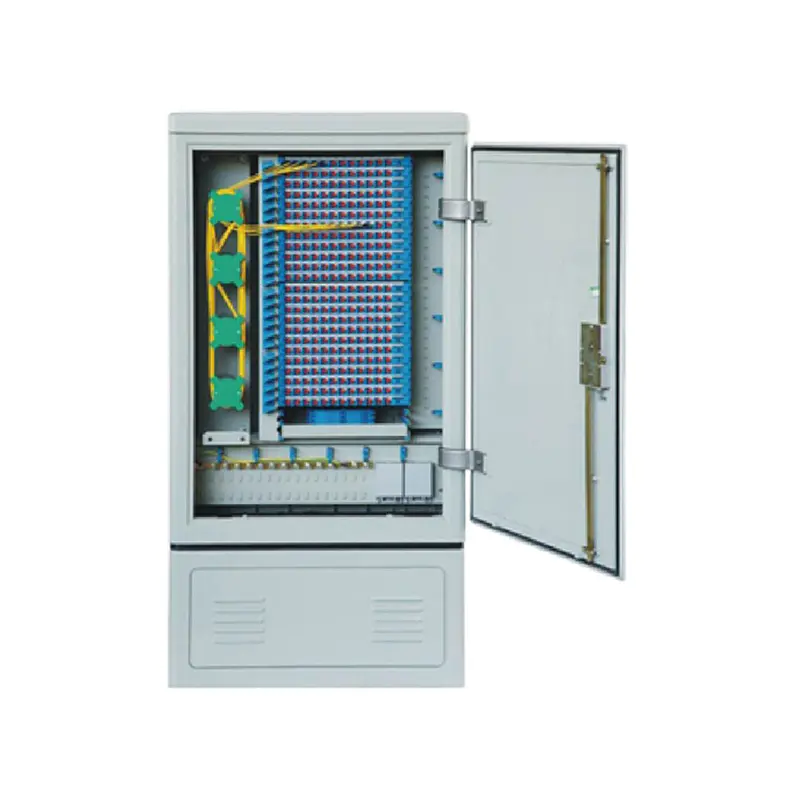
Product Overview The ODC-576B and ODC-576C SMC Optical Fiber Cross Connection Cabinets are used for outdoor optical cable connection, distribution and management. Both models support a capacity of 576...
See Details -
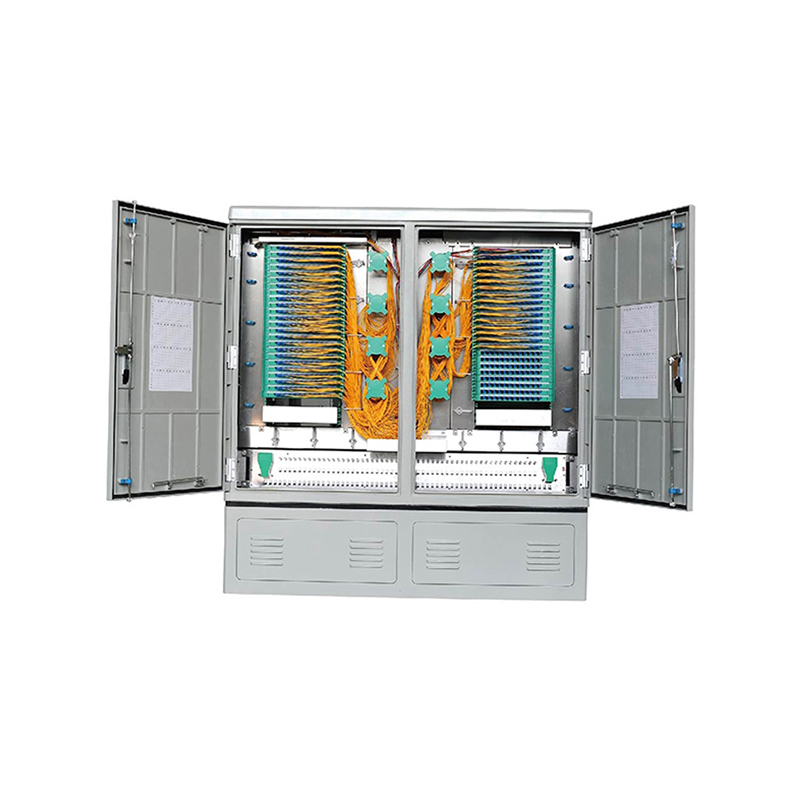
Product Overview The WM-G1152A and WM-G576A SMC Optical Fiber Cross Connection Cabinets are designed for outdoor optical cable connection, distribution and management. The cabinets adopt SMC enclosure...
See Details -
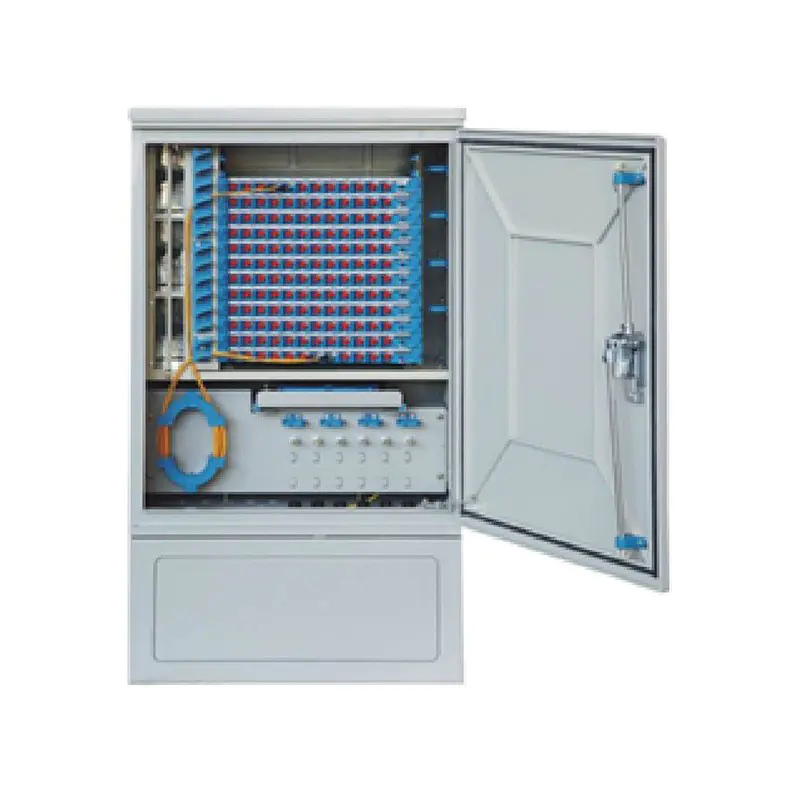
Product Overview The ODC series SMC fiber optic distribution box is an outdoor fiber optic distribution equipment designed for access and aggregation networks. It is primarily used for the interconne...
See Details
Ready to Get started ? Contact Us Now !

Product.
Contact Details.
-
 +86 13958188250
-
 +86 13958188250
-
 [email protected]
-
 AUDIT Email:[email protected]
- Wanma Industrial Park Taihu Yuan Town Lin'an District Hangzhou City China.
QR Code

Copyright © Wanma Technology Co., Ltd. All Rights Reserved.
Privacy
Custom Ethernet Optical Network Railway Transit Equipments Suppliers
