

 English
 Français
 Español
 Português
 عربى
عربى




-
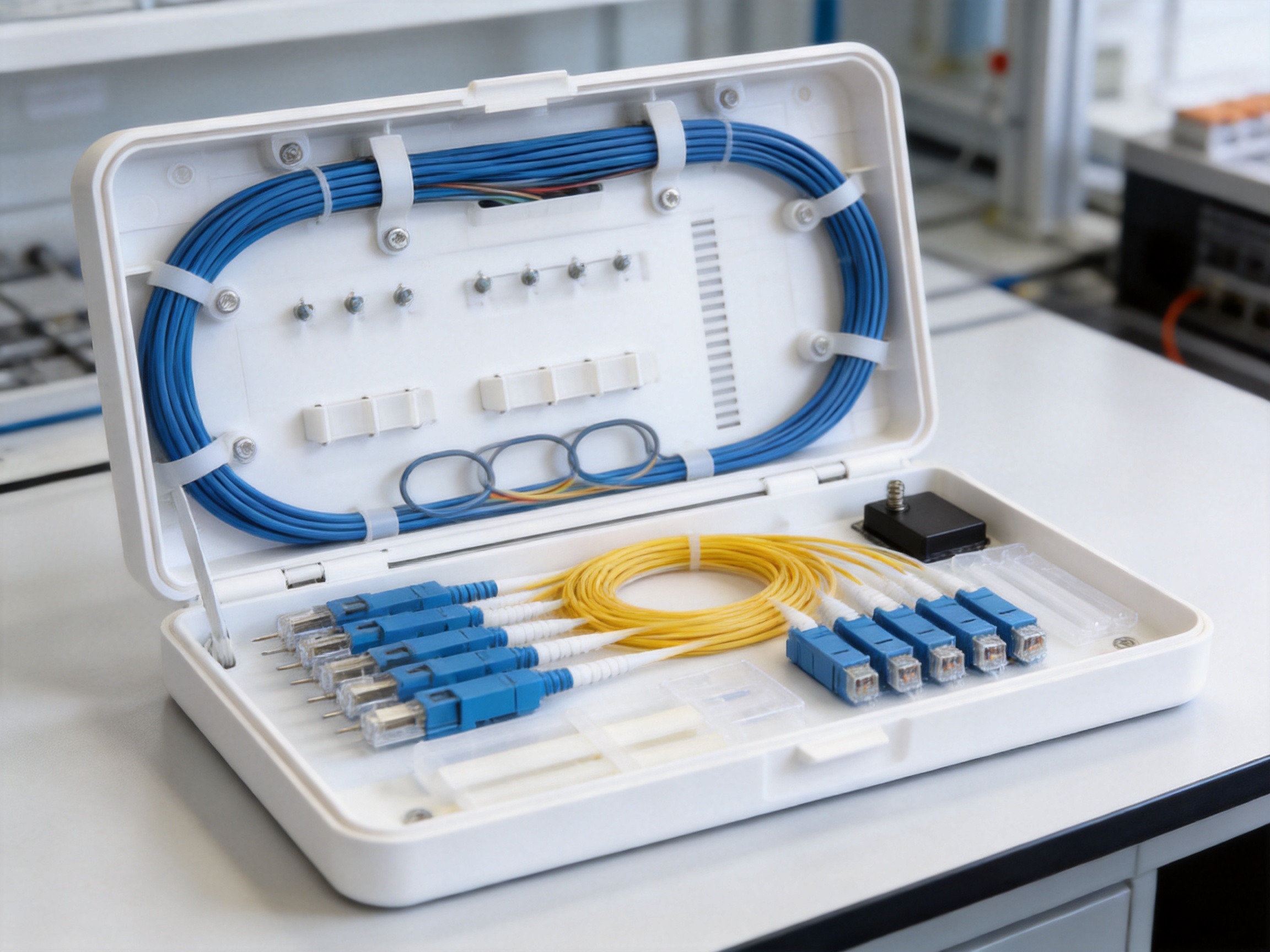 Fiber Solution Optical Fiber Socket Box for Reliable FTTH, FTTO, and FTTB Connectivity Read More
 Liao Wenjing — International Product Sales Manager
 -
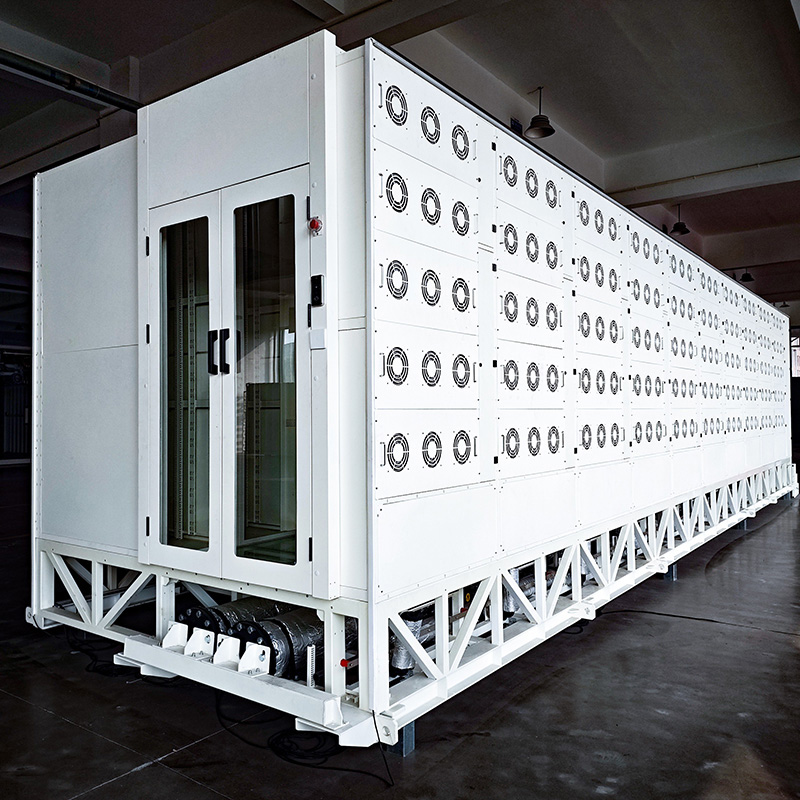
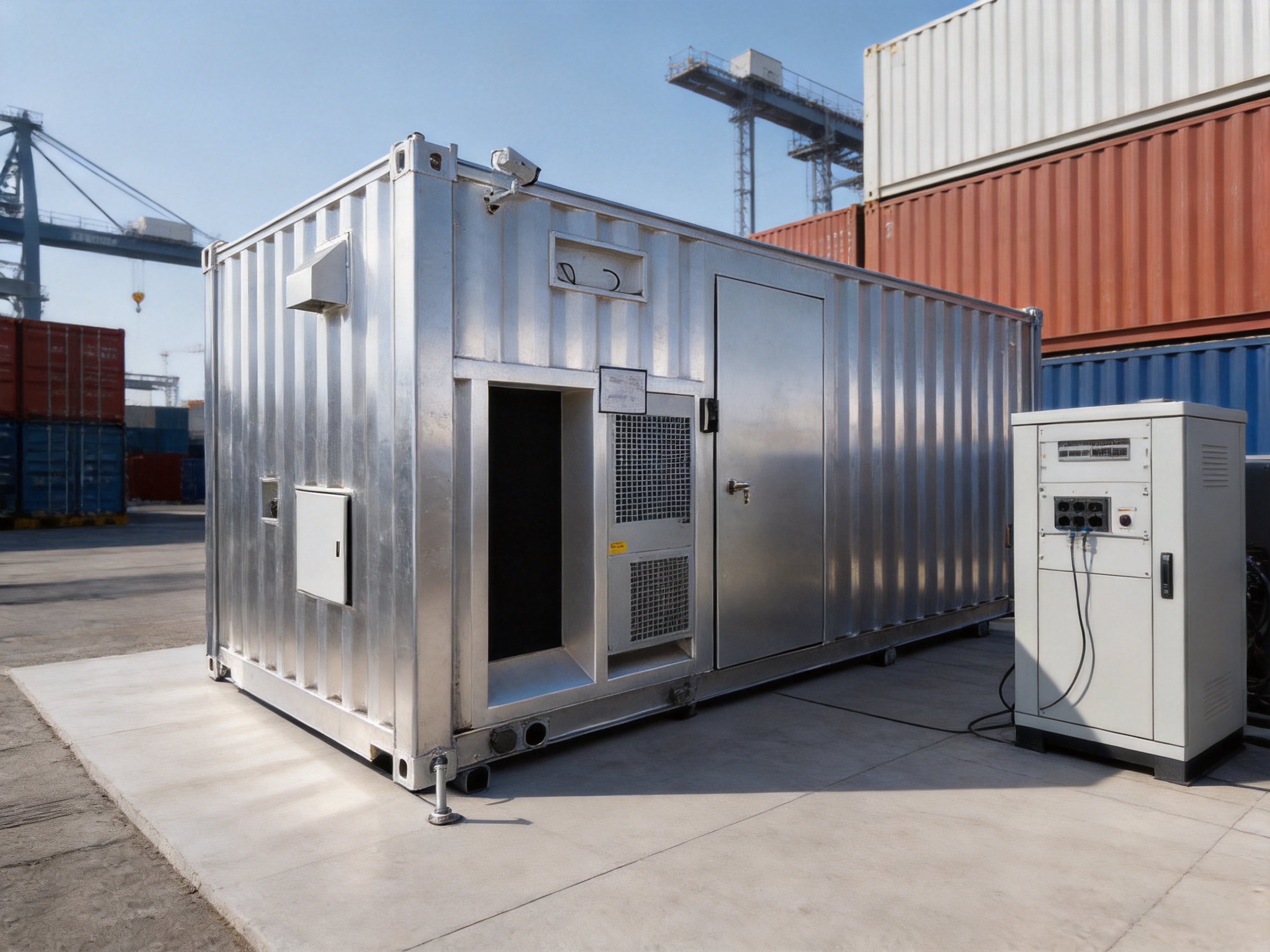 20-Foot Containerized Data Center for Rapid, Reliable, and Scalable Digital Infrastructure Read More
Shen Qiyue — After-Sales Service Manager
20-Foot Containerized Data Center for Rapid, Reliable, and Scalable Digital Infrastructure Read More
Shen Qiyue — After-Sales Service Manager -
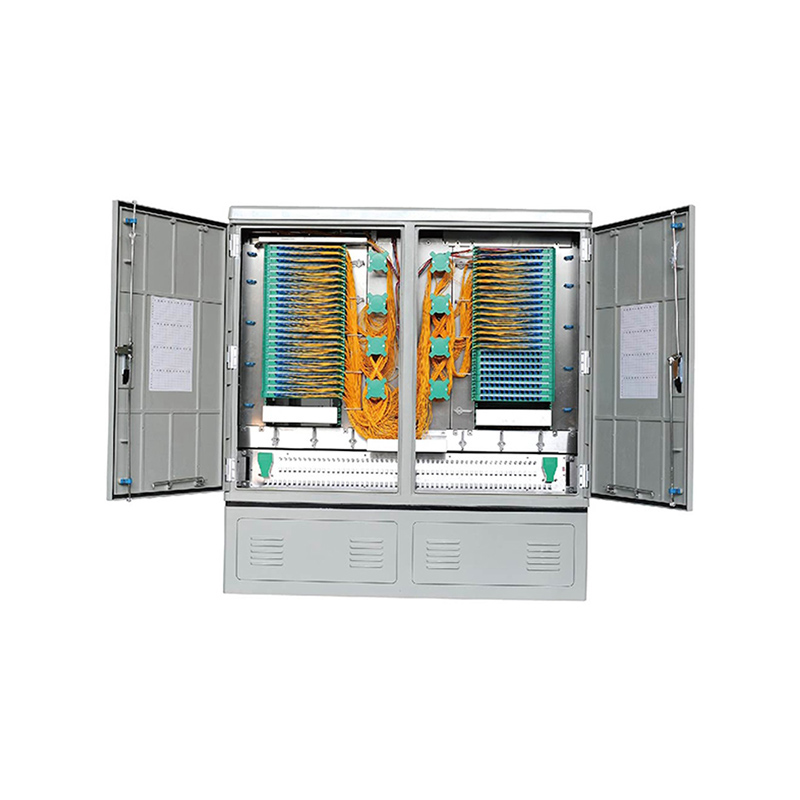
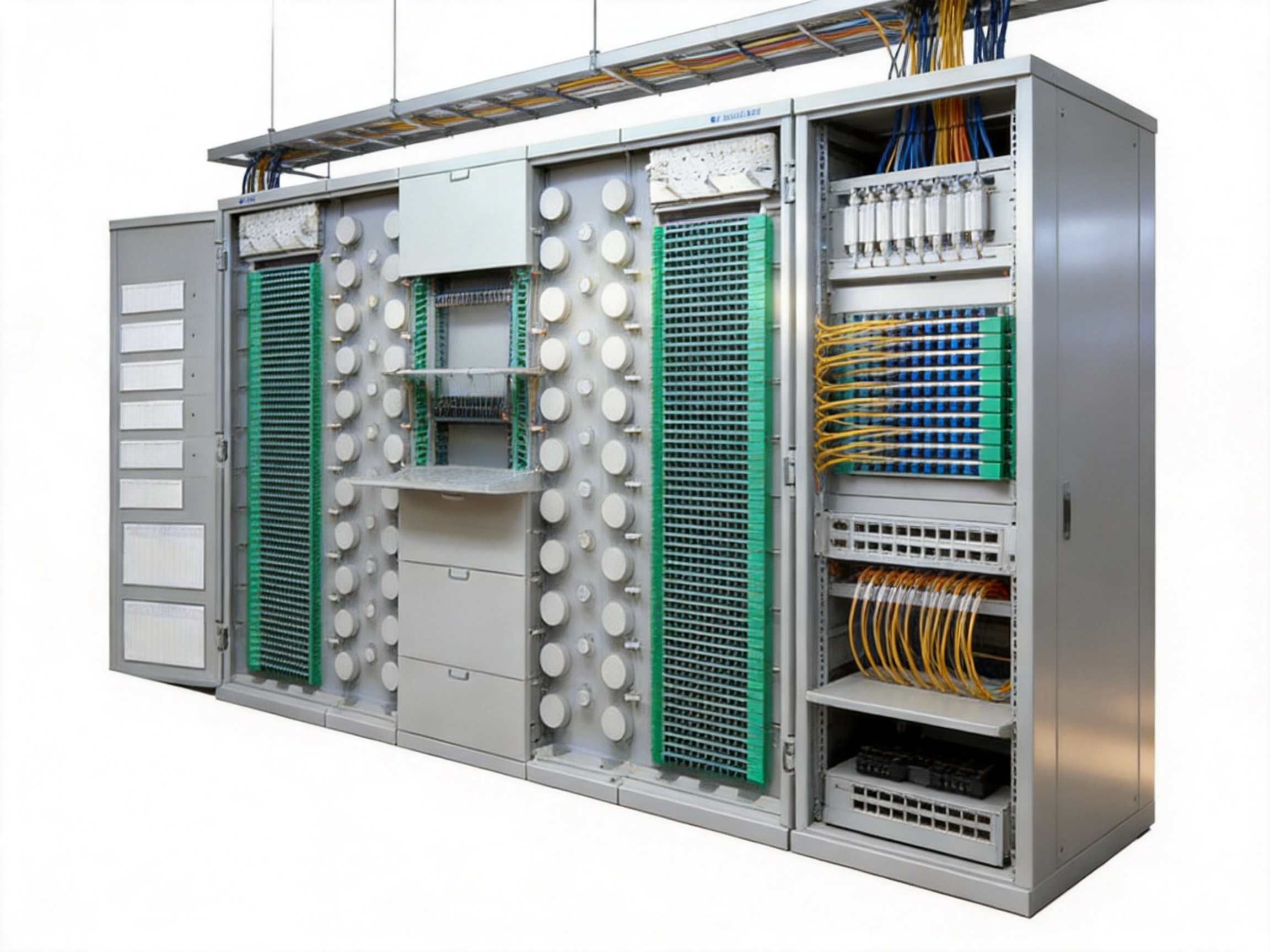 Access Layer Optical Distribution Frames for High-Density FTTH Networks Read More
Shen Qiyue — After-Sales Service Manager
Access Layer Optical Distribution Frames for High-Density FTTH Networks Read More
Shen Qiyue — After-Sales Service Manager -
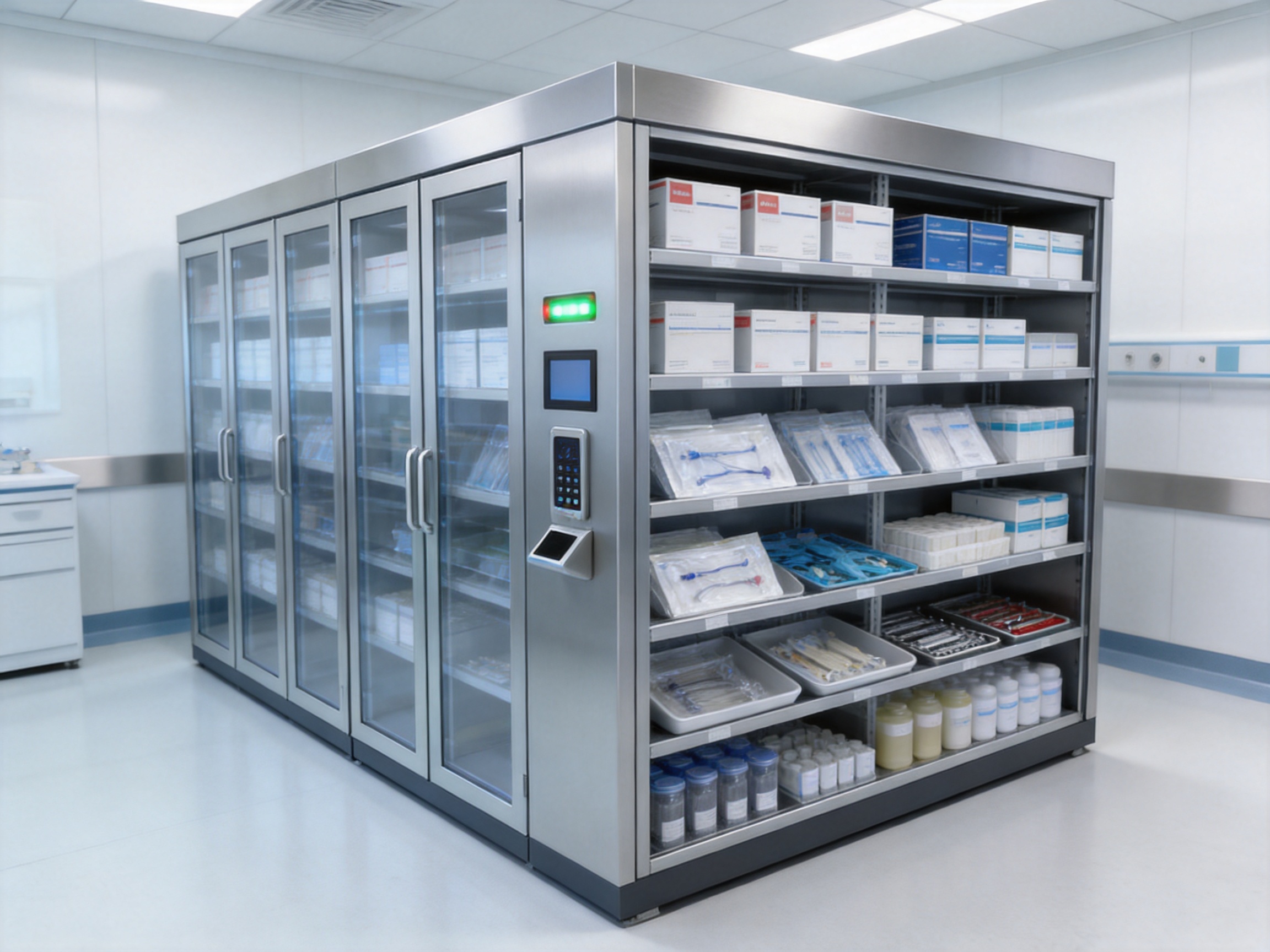 High-Value Consumables House for Secure Digital Hospital Supply Management Read More
Liao Wenjing — International Product Sales Manager
High-Value Consumables House for Secure Digital Hospital Supply Management Read More
Liao Wenjing — International Product Sales Manager -
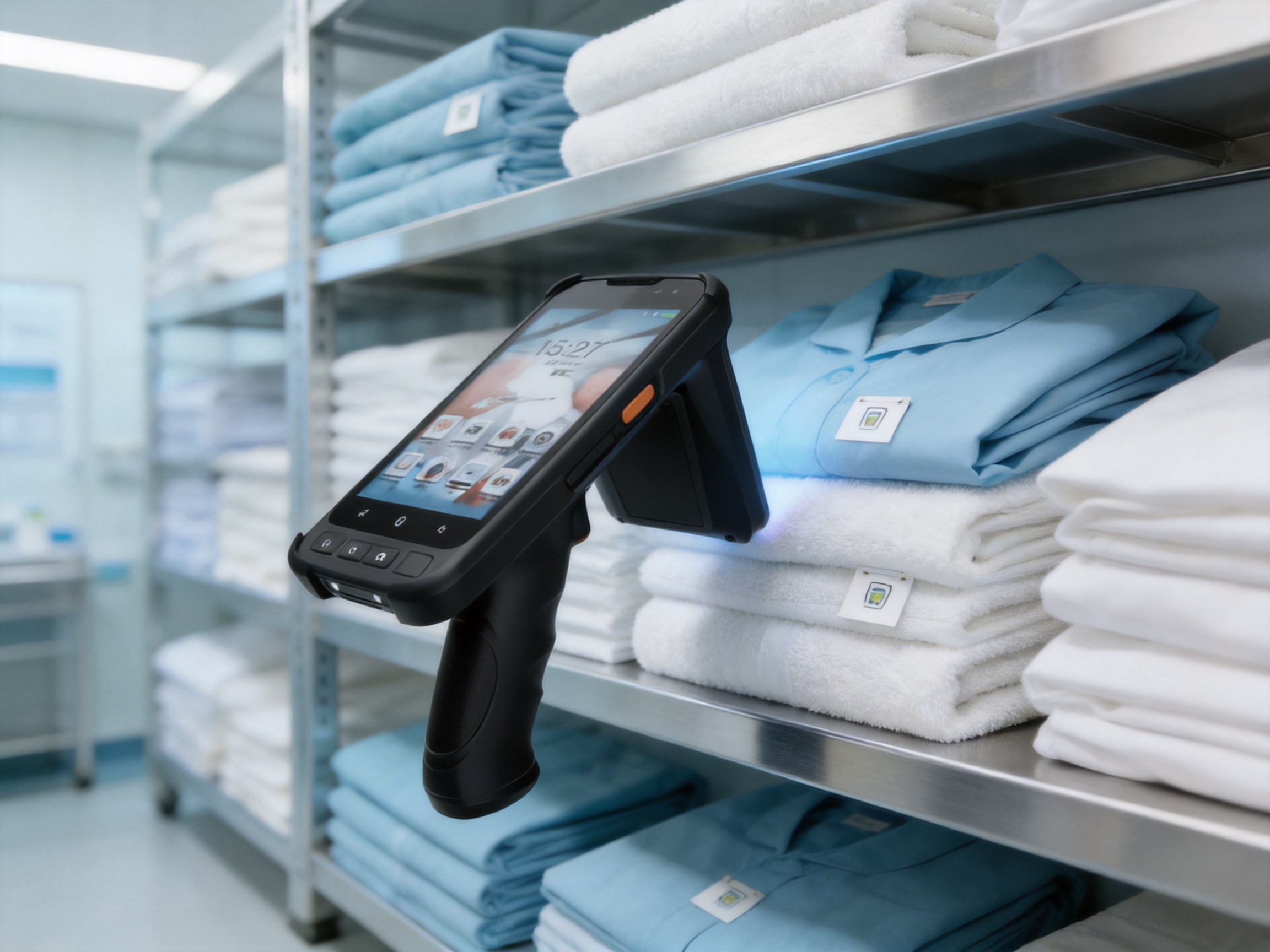 RFID Handheld Inventory Device for Intelligent Medical Fabric Management Read More
Tan Ruxin — Technical After-Sales Engineer
RFID Handheld Inventory Device for Intelligent Medical Fabric Management Read More
Tan Ruxin — Technical After-Sales Engineer -
 Intelligent Medical Carts with Personalized Drawers for Modern Ward Management Read More
Liao Wenjing — International Product Sales Manager
Intelligent Medical Carts with Personalized Drawers for Modern Ward Management Read More
Liao Wenjing — International Product Sales Manager -
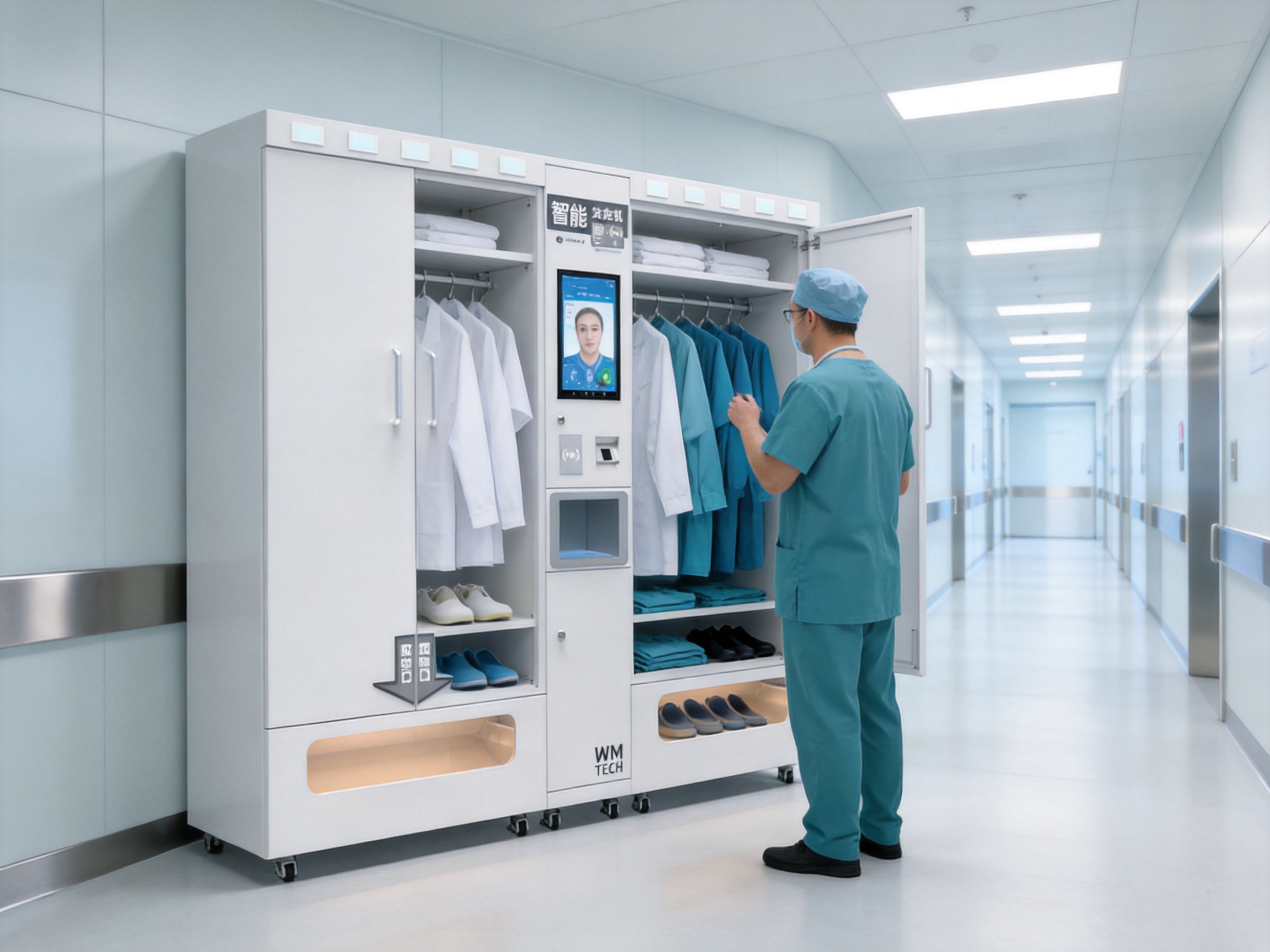 Turn-Over Intelligent Clothes and Shoes Machine for Closed-Loop Hospital Apparel Management Read More
Gao Shuyuan — Senior Product Sales Specialist
Turn-Over Intelligent Clothes and Shoes Machine for Closed-Loop Hospital Apparel Management Read More
Gao Shuyuan — Senior Product Sales Specialist -
 Intelligent ICU Medical Carts for Safer, Faster, and More Connected Bedside Care Read More
Liao Wenjing — International Product Sales Manager
Intelligent ICU Medical Carts for Safer, Faster, and More Connected Bedside Care Read More
Liao Wenjing — International Product Sales Manager -
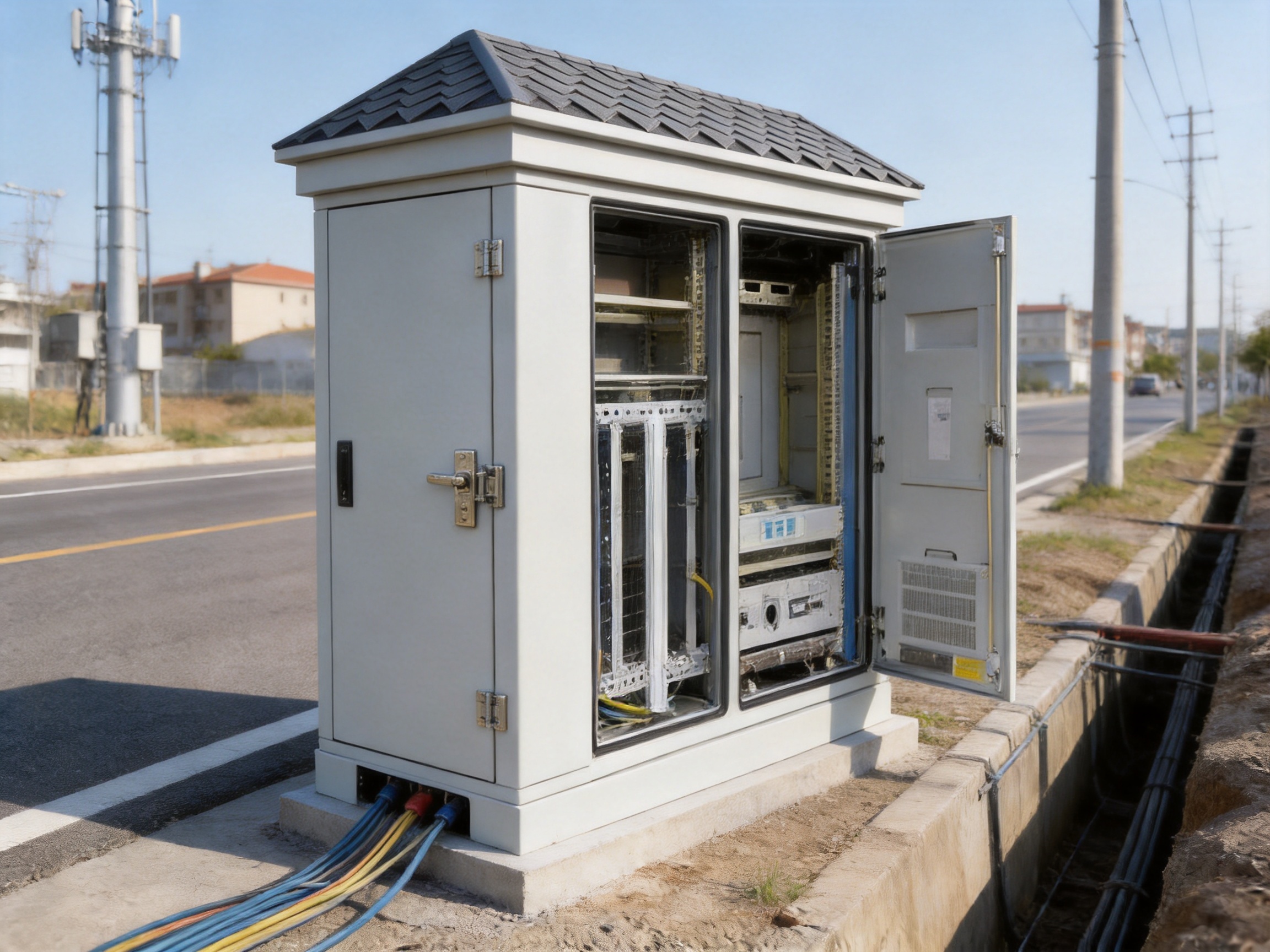 Outdoor Telecom Cabinets for Copper-to-Fiber Network Migration Read More
Liao Wenjing — International Product Sales Manager
Outdoor Telecom Cabinets for Copper-to-Fiber Network Migration Read More
Liao Wenjing — International Product Sales Manager -
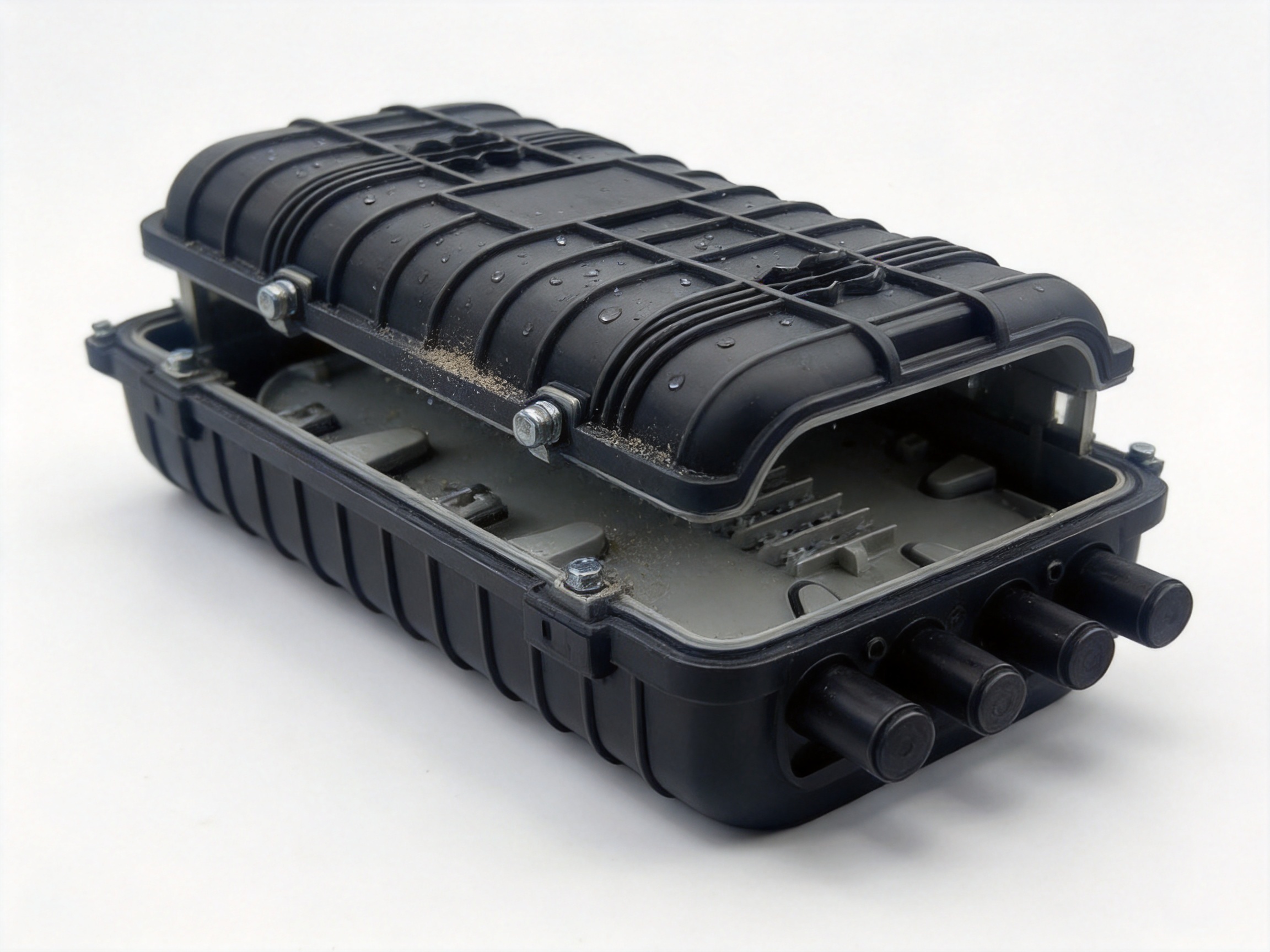 High-Capacity Fiber Optic Splice Closure for Durable FTTH and Backbone Network Protection Read More
Liao Wenjing — International Product Sales Manager
High-Capacity Fiber Optic Splice Closure for Durable FTTH and Backbone Network Protection Read More
Liao Wenjing — International Product Sales Manager -
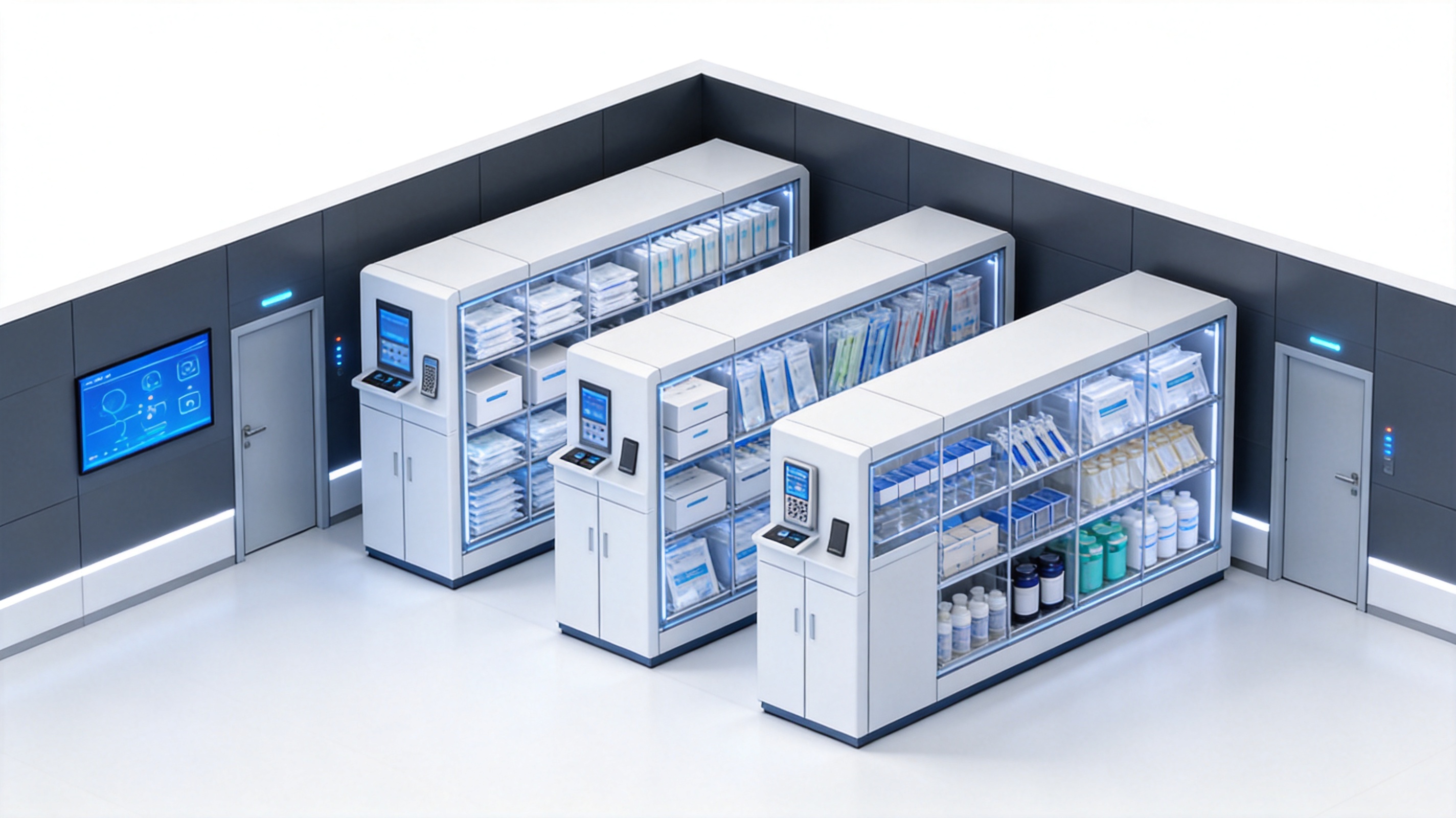 High-Value Consumables House: A Digital Management Hub for Safer Medical Supply Control Read More
Shen Qiyue — After-Sales Service Manager
High-Value Consumables House: A Digital Management Hub for Safer Medical Supply Control Read More
Shen Qiyue — After-Sales Service Manager -
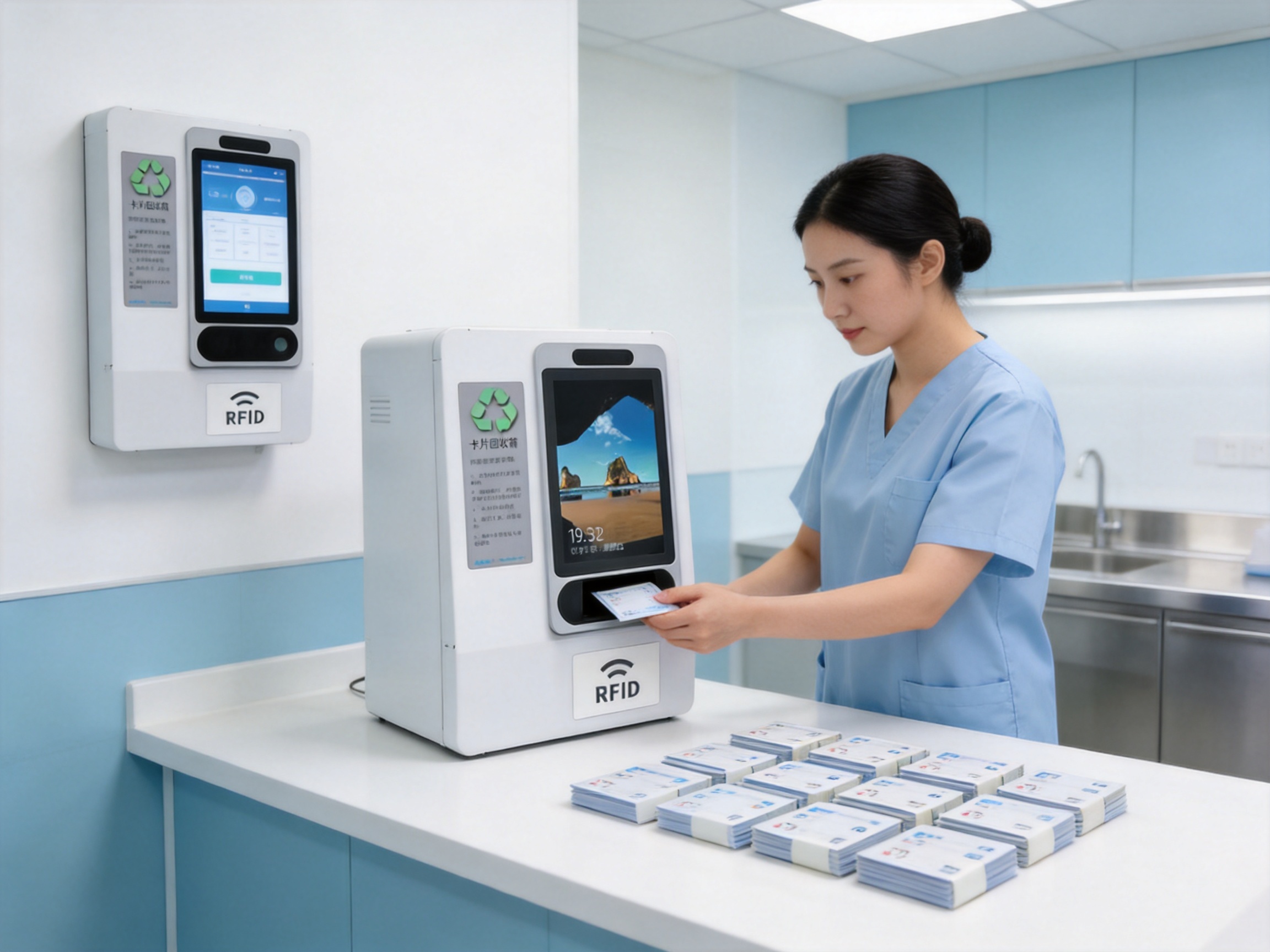 Intelligent RFID Card Recycling Cabinet for Secure Centralized Card Management Read More
Tan Ruxin — Technical After-Sales Engineer
Intelligent RFID Card Recycling Cabinet for Secure Centralized Card Management Read More
Tan Ruxin — Technical After-Sales Engineer
Ready to Get started ? Contact Us Now !

Product.
Contact Details.
-
 +86 13958188250
-
 +86 13958188250
-
 [email protected]
- Wanma Industrial Park Taihu Yuan Town Lin'an District Hangzhou City China.
QR Code

Copyright © Wanma Technology Co., Ltd. All Rights Reserved.
Custom Ethernet Optical Network Railway Transit Equipments Suppliers
