

 English
 Français
 Español
 Português
 عربى





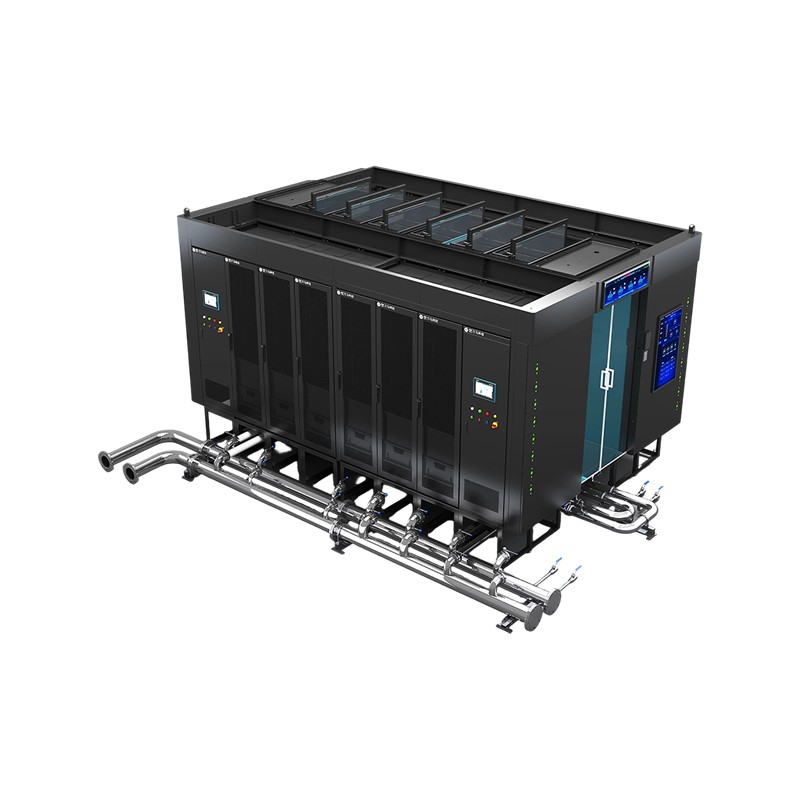
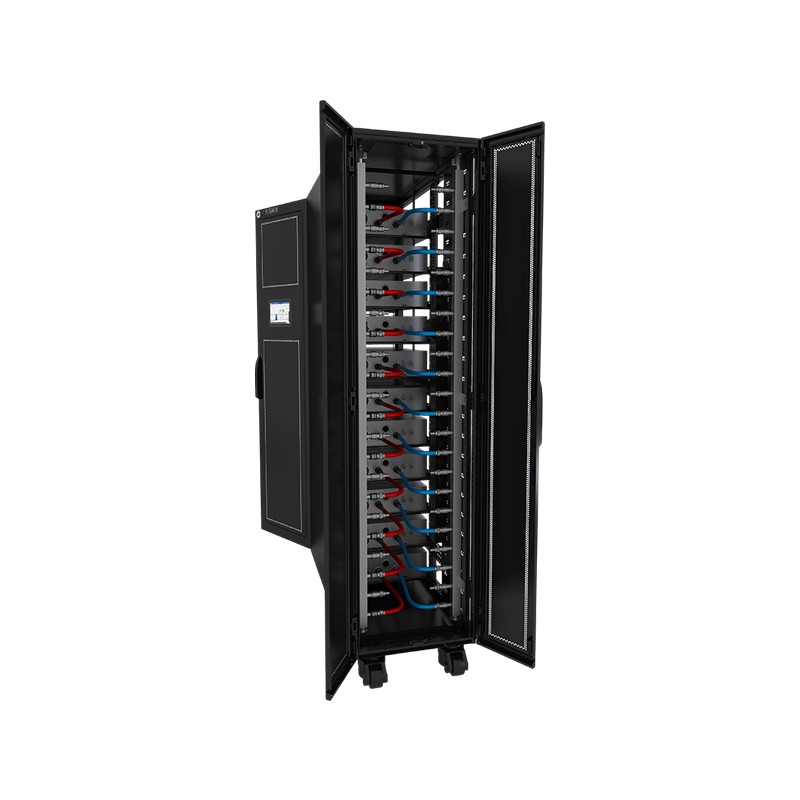
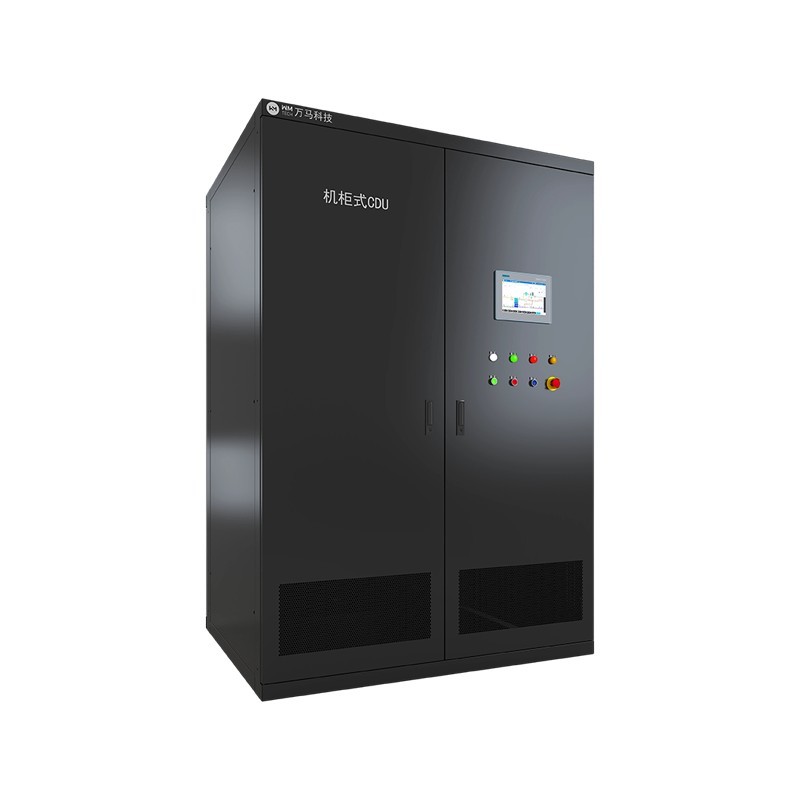

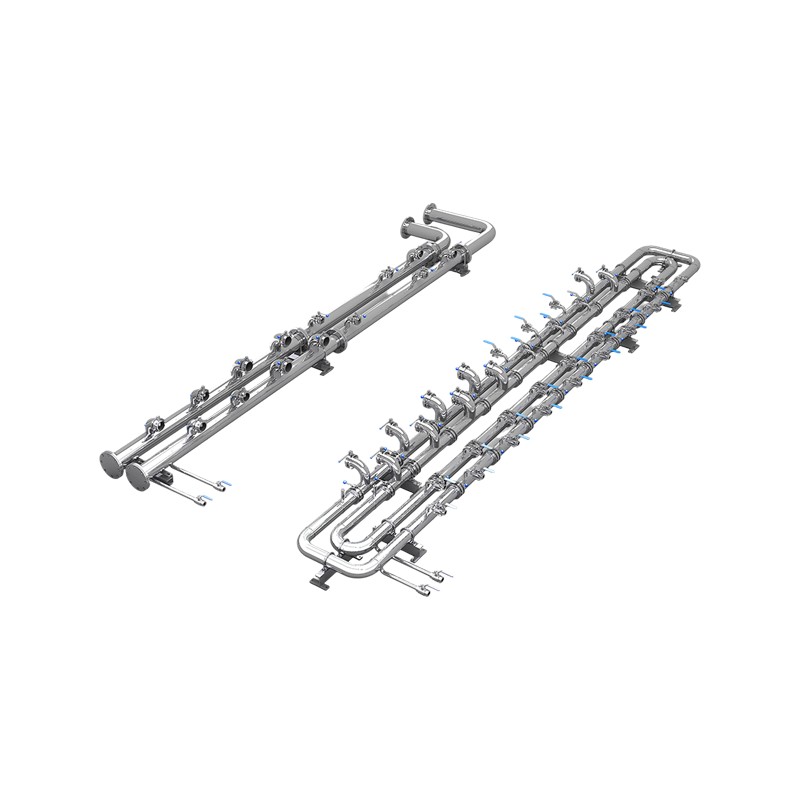
Product OverviewWM-SCL Secondary-Side Prefabricated Piping is a standardized coolant distribution system that connects the CDU to liquid-cooled server cabinets. The piping is prefabricated and quality...
See DetailsAdvanced Cabinet Liquid Cooling for High-Density Computing Infrastructure
Content
- 1 The Role of a Cabinet CDU in Modern Data Centers
- 2 Capacity Range for Different Computing Loads
- 3 Stable Thermal Performance for Sensitive IT Equipment
- 4 Variable-Frequency Pumping and Energy Efficiency
- 5 Redundancy and Continuous Operation
- 6 Intelligent Control and Human-Machine Interaction
- 7 Precision Filtration and Fluid Quality Management
- 8 Safety Protection for Equipment and Personnel
- 9 Flexible Piping and Installation Integration
- 10 Construction Quality and Materials
- 11 Manufacturing Strengths and Quality Assurance
- 12 Advantages in Comparison with Basic CDU Designs
- 13 Application Areas
- 14 Selection and System Design Considerations
- 15 Operation and Maintenance Benefits
- 16 Deployment, Commissioning, and Lifecycle Support
- 17 Conclusion
- 18 Questions and Answers
- 18.1 What is the primary function of the WM-Cabinet CDU?
- 18.2 What cooling capacity range does the series cover?
- 18.3 What fluids can be used on the primary side?
- 18.4 What fluids can be used on the secondary side?
- 18.5 How does the CDU improve pump energy efficiency?
- 18.6 Does the CDU support redundant operation?
- 18.7 How stable is the secondary-side temperature?
- 18.8 What filtration is included?
- 18.9 Can the CDU monitor fluid quality?
- 18.10 What control modes are supported?
- 18.11 Can multiple CDUs be connected?
- 18.12 What safety functions are included?
- 18.13 What is the maximum working pressure?
- 18.14 What piping connection options are available?
- 18.15 What power supply is specified?
- 18.16 How should a model be selected?
- 19 References
- 20 Product: WM-Cabinet CDU
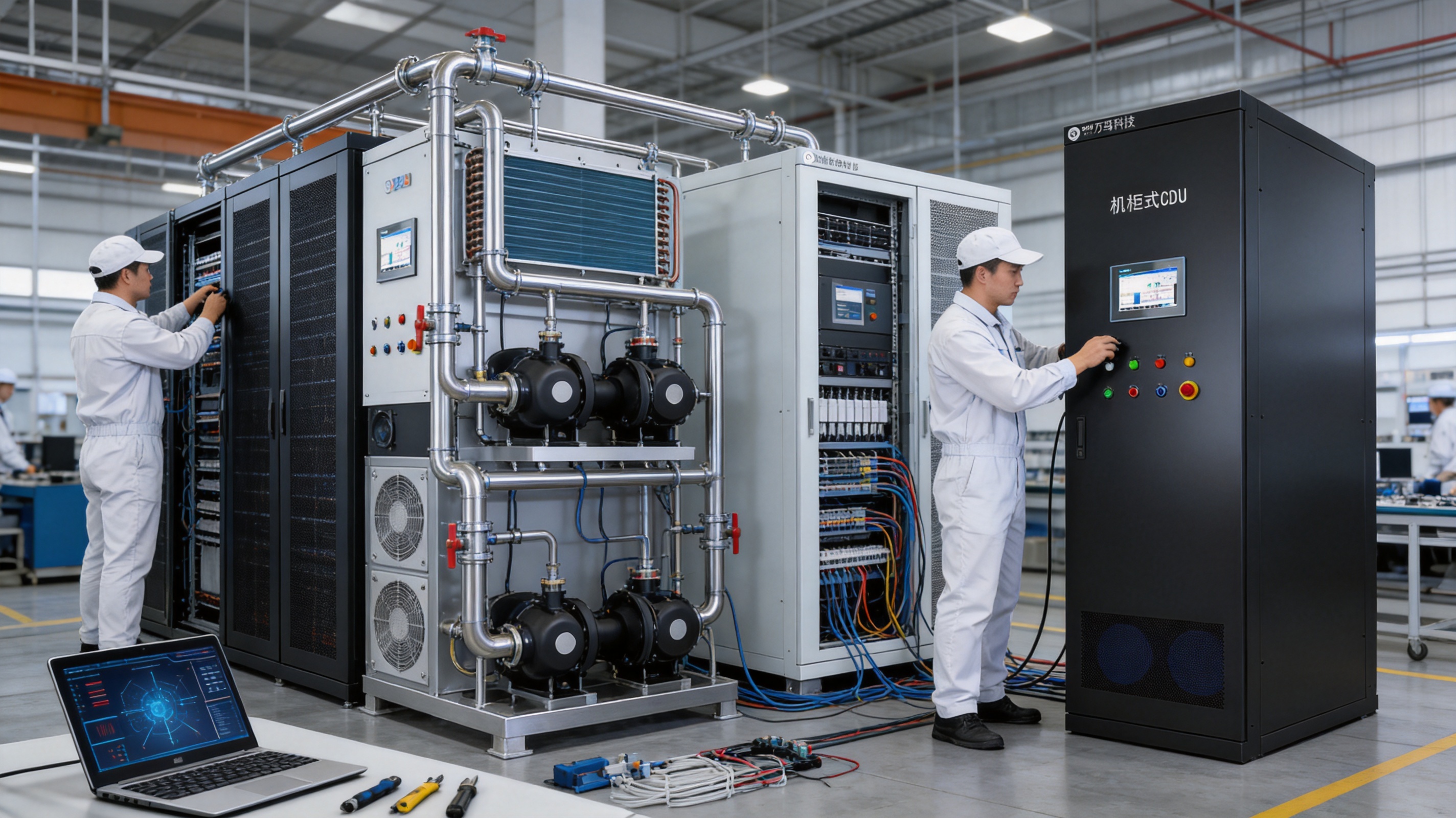
High-density computing is changing the requirements for data center thermal management. As processor power increases and server cabinets contain more computing equipment, conventional air cooling can become less efficient, less flexible, and more difficult to scale. Liquid cooling provides a practical response by transferring heat more effectively and by creating a controlled interface between heat-generating IT equipment and the facility cooling system. Within this environment, a cabinet-level coolant distribution unit must do more than circulate fluid. It must regulate temperatures, maintain pressure, protect equipment, support continuous operation, simplify maintenance, and integrate smoothly with the broader data center infrastructure.
The WM-Cabinet CDU is designed for this role. It provides a circulation and heat-exchange interface between liquid-cooled servers and a primary cooling source, supporting cold plate liquid cooling cabinets and micro-modular deployments. The series covers rated heat exchange capacities from 40 kW to 1.5 MW, including the listed CDU300, CDU400, CDU600, CDU800, CDU1200, and CDU1500 models. This range allows operators to select equipment according to cabinet density, heat load, available space, and future expansion plans.
Rather than functioning as a basic pump skid, the WM-Cabinet CDU combines heat exchange, variable-flow circulation, filtration, monitoring, automatic replenishment, safety protection, and intelligent control in one engineered platform. Its design is intended to improve energy efficiency while maintaining stable secondary-side conditions. Under stable operating conditions, the secondary-side supply liquid temperature fluctuation is no more than 0.5°C. During CDU switchover, the temperature fluctuation is no more than 1°C. These characteristics are important for high-density computing environments, where sudden thermal changes can affect equipment reliability and operational continuity.
The Role of a Cabinet CDU in Modern Data Centers
A cabinet CDU separates the primary facility cooling loop from the secondary loop serving liquid-cooled IT equipment. The primary side may use chilled water, closed cooling water, or ethylene glycol. The secondary side may use deionized water, ethylene glycol, or propylene glycol. The CDU transfers heat between these circuits while controlling the conditions delivered to the server-side equipment.
This separation provides several technical benefits. First, it allows the facility cooling source to operate under conditions suitable for the building-level system while the secondary loop is managed for the specific requirements of cold plates, liquid-cooled cabinets, or micro-modules. Second, the CDU helps reduce the risk that contamination, pressure instability, or unsuitable fluid conditions in one loop will directly affect the other. Third, it creates a centralized point for monitoring temperature, flow, pressure, filtration, and fluid quality.
The CDU can therefore serve as a foundation for a structured liquid cooling architecture. It may be integrated with liquid cooling cabinets, micro-modules, secondary-side piping, and precision air conditioning products. This makes it suitable for new installations as well as for modernization projects in which liquid cooling is introduced into an existing data center environment.
For operators, the value of a cabinet CDU is measured not only by nominal cooling capacity. Important considerations include temperature stability, pump efficiency, redundancy, serviceability, connection flexibility, control intelligence, fluid cleanliness, and the ability to operate continuously under changing loads. The WM-Cabinet CDU addresses these requirements through a combination of mechanical design and control functions.
Capacity Range for Different Computing Loads
High-density computing projects vary significantly in scale. A small deployment may support a limited number of liquid-cooled cabinets, while a larger installation may serve a dedicated high-performance computing area or a complete modular data center. A single fixed-capacity design cannot meet all of these requirements efficiently. The WM-Cabinet CDU series provides multiple capacity levels so that the cooling system can be matched more closely to the actual heat load.
The listed models range from CDU300 at 300 kW to CDU1500 at 1,500 kW. The product overview also identifies a broader WM-CDU series range from 40 kW to 1.5 MW, indicating that the platform can support applications below the largest cabinet-scale configurations through suitable model selection. This range gives system designers flexibility when planning phased deployments, high-density computing halls, research facilities, enterprise data centers, and modular infrastructure.
| Model | Rated Heat Exchange Capacity | Connection Size | Rated Power |
|---|---|---|---|
| CDU300 | 300 kW | DN80 | 4.5 kW |
| CDU400 | 400 kW | DN80 | 6 kW |
| CDU600 | 600 kW | DN100 | 8 kW |
| CDU800 | 800 kW | DN125 | 12 kW |
| CDU1200 | 1,200 kW | DN125 | 16 kW |
| CDU1500 | 1,500 kW | DN150 | 23 kW |
Capacity selection should be based on the expected heat load, design temperatures, fluid type, pressure drop, flow requirements, redundancy strategy, and expansion plan. Selecting a CDU with appropriate reserve capacity can help accommodate workload growth, while avoiding excessive oversizing can improve operating efficiency. The manufacturer can provide model selection guidance when a project requires parameters outside the standard configuration.
The rated heat transfer capacity is based on deionized water as the medium, with primary-side inlet and outlet temperatures of 35°C and 45°C and secondary-side inlet and outlet temperatures of 50°C and 40°C. These reference conditions provide a consistent basis for comparing the listed models, although actual project performance depends on the complete system design and operating conditions.
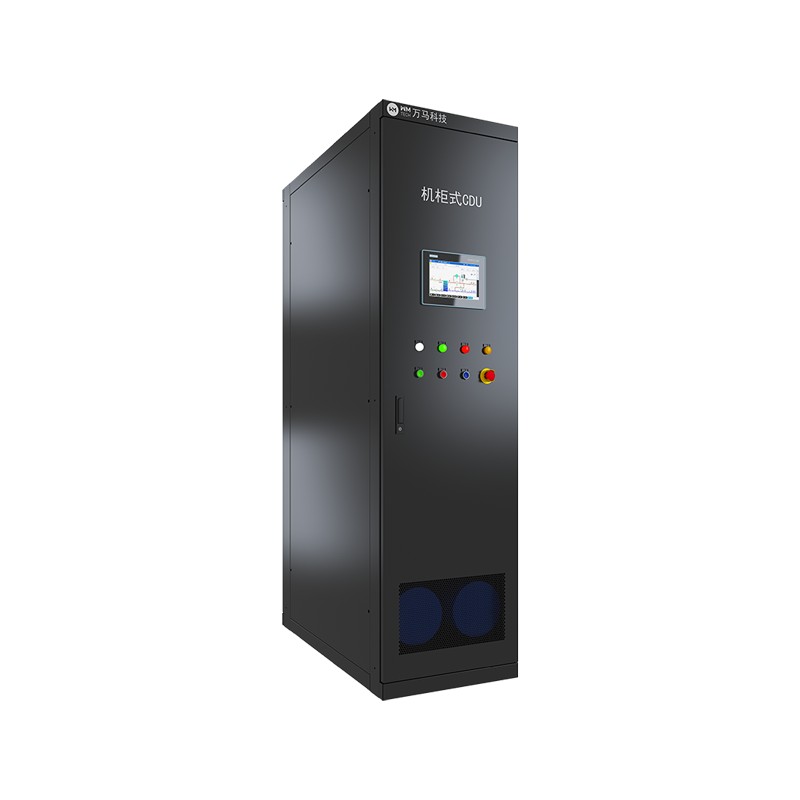
WM-Cabinet CDU
Stable Thermal Performance for Sensitive IT Equipment
Temperature stability is one of the most important performance characteristics in liquid-cooled computing. Servers and processors may operate at high thermal loads for extended periods, and the cooling system must respond to changes without creating unnecessary fluctuations. The WM-Cabinet CDU is designed to maintain a controlled secondary-side supply temperature, with fluctuations of no more than 0.5°C under stable operating conditions.
Switchover performance is equally important. Redundant systems are valuable only when they can change operating states without causing an unacceptable interruption or temperature disturbance. During CDU switchover, the temperature fluctuation is specified as no more than 1°C. This supports continuity when a pump is changed, when service work is performed, or when the system responds to an abnormal operating condition.
The standard design temperature points are 35°C/45°C on the primary side and 50°C/40°C on the secondary side, with the order defined by the product information as design inlet and outlet temperatures. The secondary-side outlet temperature range is listed as 25°C to 40°C. These parameters provide flexibility for different liquid cooling architectures and allow the system to be considered for applications with varying supply temperature requirements.
A stable temperature profile can provide several operational advantages. It helps prevent thermal cycling of IT components, supports predictable server performance, and makes it easier for operators to establish control limits. It can also reduce the likelihood of unnecessary alarms caused by small transient changes. In a properly engineered system, the CDU becomes an active thermal management device rather than a passive connection point.
Variable-Frequency Pumping and Energy Efficiency
Cooling systems often operate under changing loads. A data center may experience different thermal demand during normal business operation, batch processing, artificial intelligence workloads, maintenance periods, or partial occupancy. A pump that operates continuously at full speed can waste energy when the actual flow requirement is lower than the maximum design point.
The WM-Cabinet CDU uses variable-frequency pumps with a flow adjustment range of 10% to 100%. This allows the circulation rate to be adapted to the current requirement. The pump motors use high energy efficiency ratings, and the output is adjusted according to demand. When the load is reduced, the system can reduce pump output instead of maintaining unnecessary full-flow operation.
Variable-frequency control can also improve system stability. Gradual adjustment of pump speed helps the CDU respond to changes in flow demand without the abrupt hydraulic effects associated with frequent fixed-speed starts and stops. In addition, the control system can support constant-flow or constant-differential-pressure operation, allowing the design to be aligned with the characteristics of the secondary piping network and connected equipment.
Compared with a basic fixed-speed circulation package, a variable-frequency CDU offers a more adaptable operating profile. It can reduce the energy consumed by pumps, provide more precise hydraulic control, and better accommodate changes in the number of active cabinets. These advantages become more significant in large facilities where pumping energy contributes substantially to annual operating cost.
Energy efficiency is not limited to the pump motor itself. A well-matched CDU can reduce unnecessary flow, limit excess pressure, and help the cooling infrastructure operate closer to the actual thermal demand. This is especially useful in phased deployments where the installed computing capacity may increase over time. The operator can expand the connected load while retaining a control system capable of modulating output.
Redundancy and Continuous Operation
Data center cooling is a continuity function. If the liquid circulation system stops unexpectedly, the temperature of high-density equipment can rise rapidly. For this reason, the WM-Cabinet CDU includes design features intended to support continuous operation and maintenance flexibility.
Standard dual power supply is provided. A dual power arrangement can help reduce the impact of a failure in one electrical supply path, provided that the facility distribution system is designed to support the intended redundancy level. The CDU also offers optional dual-pump switchover. With this configuration, one pump can operate while another is available for standby or automatic changeover.
Dual-pump operation can support several maintenance strategies. A standby pump may be activated if the primary pump experiences a fault. It may also allow maintenance work to be conducted with less disruption to the cooling function. The exact redundancy behavior depends on the selected configuration, control logic, and project operating requirements, but the availability of single-pump and dual-pump options gives system designers greater flexibility.
The unit also includes automatic fluid replenishment functions. Both the makeup water tank and the system support automatic fluid replenishment to maintain stable system pressure and accommodate minor leakage. Maintaining pressure is essential for proper circulation, heat transfer, and air control. Automatic replenishment reduces the need for constant manual intervention and helps operators respond to small fluid losses before they develop into a larger operational issue.
Redundancy is most effective when it is combined with monitoring and alarms. A system must identify abnormal pressure, pump status, leakage, or temperature conditions before a protective action is required. The WM-Cabinet CDU integrates these functions into its control architecture, creating a coordinated approach to availability rather than relying on isolated components.
Intelligent Control and Human-Machine Interaction
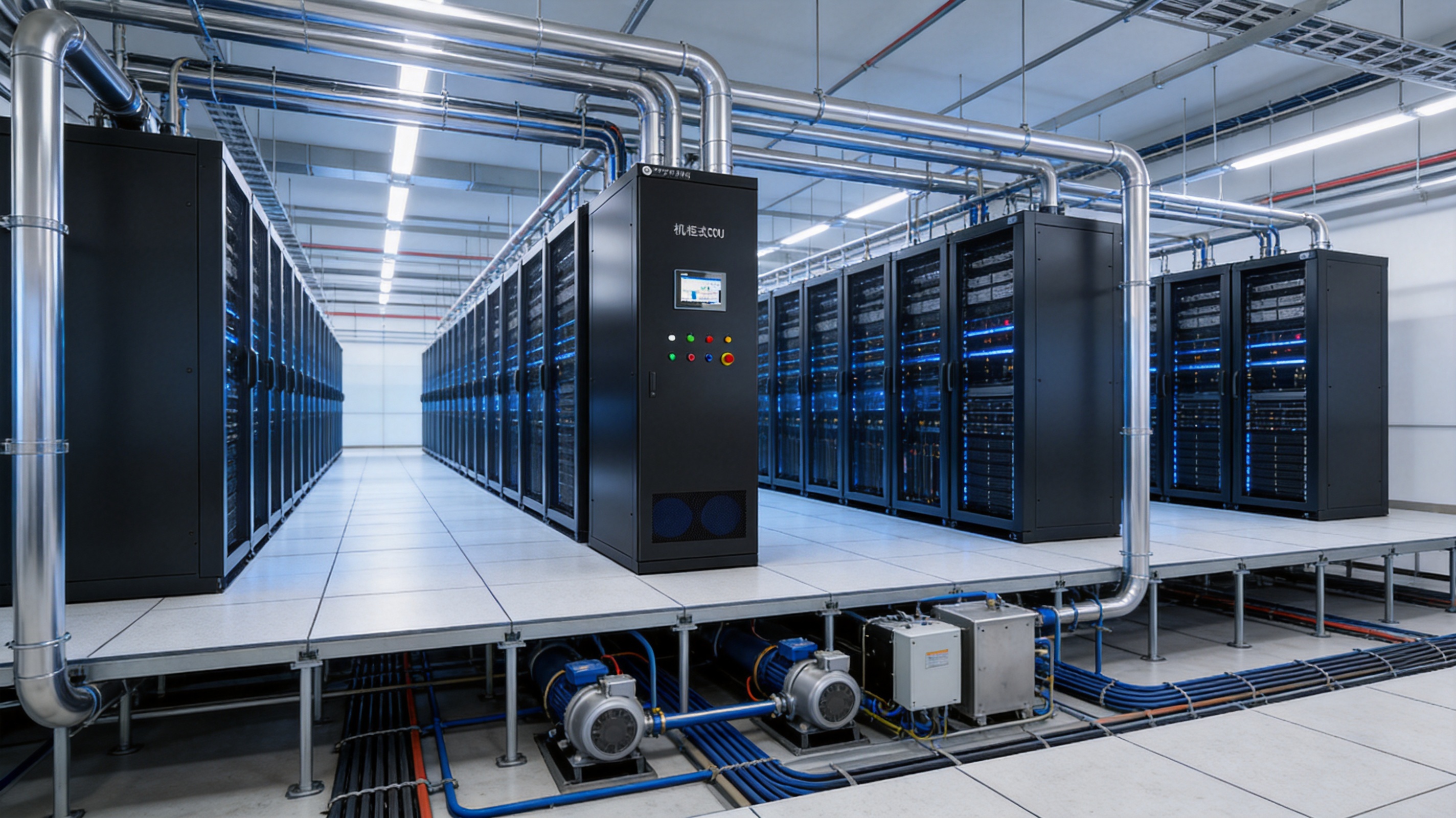
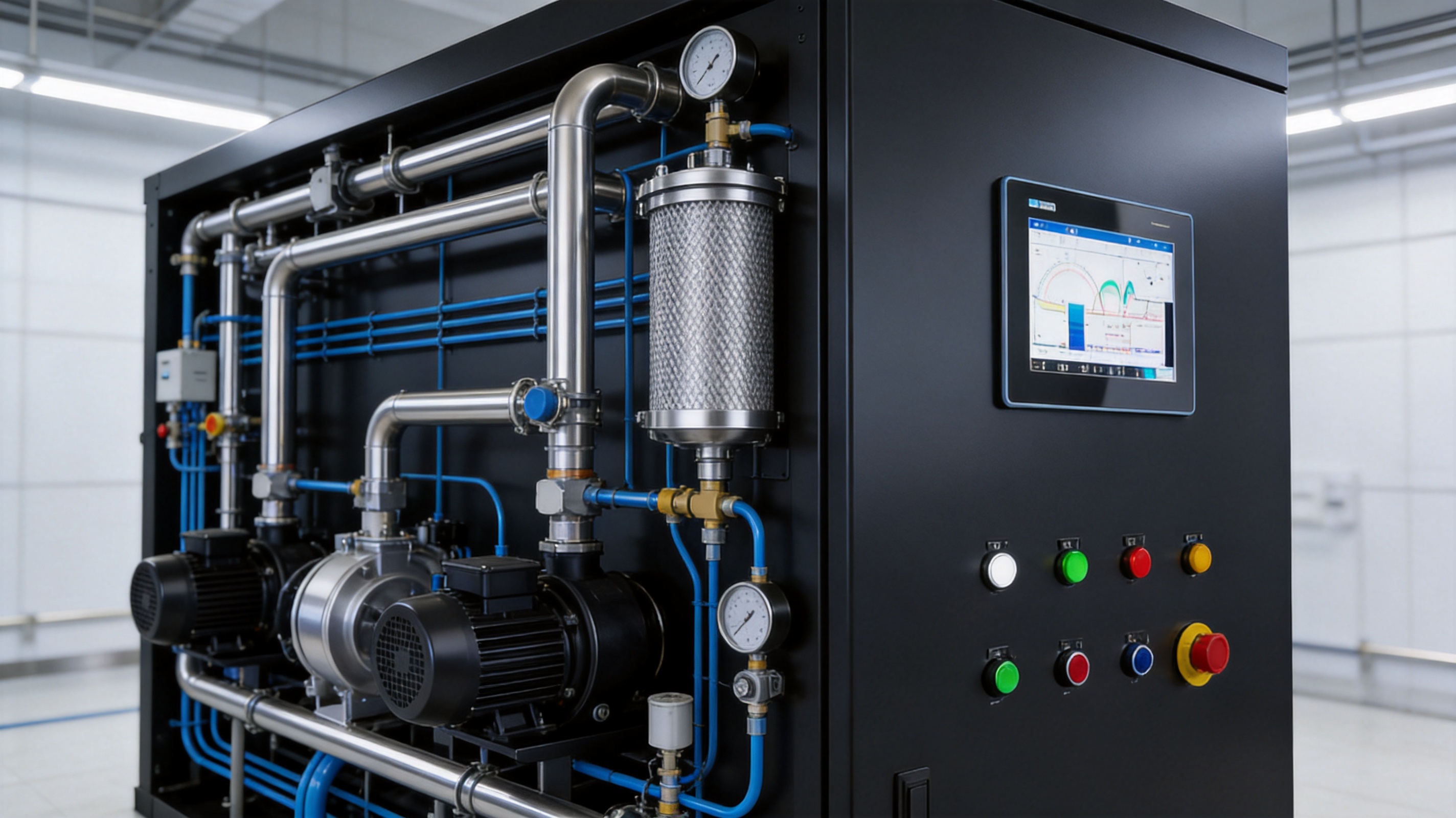
Modern cooling equipment must be understandable as well as technically capable. Operators need to see system status, operating temperatures, pump conditions, alarms, and control settings without depending on complicated manual procedures. The WM-Cabinet CDU includes a 10-inch color touchscreen for operation and monitoring.
A color touchscreen can provide a clear interface for viewing operating data and identifying abnormal conditions. It can help users review the status of pumps, fluid circuits, temperature points, pressure conditions, alarms, and operating modes. A centralized interface also reduces the need to inspect multiple local instruments during routine operation.
The CDU supports constant-flow and constant-differential-pressure control modes. These modes address different system design priorities. Constant-flow control may be suitable when the connected equipment requires a stable circulation rate. Constant-differential-pressure control may be more appropriate when the secondary network includes variable flow or when the system must maintain a defined pressure relationship across connected loads.
Multiple CDUs can be networked internally. This is useful for installations that require several units to support a large cooling zone. Networking can help operators coordinate equipment, view status across the system, and develop a more consistent operating strategy. It also creates a foundation for centralized management when the cooling plant expands beyond a single CDU.
The communication protocol is Modbus. This supports integration with compatible supervisory systems and building or data center management platforms. Through appropriate integration, CDU information can be included in broader operational dashboards, alarm management procedures, and maintenance records. The quality of the final integration depends on the facility control architecture and commissioning process, but the protocol provides a recognized communication basis.
Precision Filtration and Fluid Quality Management
Fluid cleanliness has a direct effect on the reliability of liquid cooling equipment. Particles can obstruct narrow passages, affect valves, reduce heat exchanger performance, and increase wear on pumps or other components. The WM-Cabinet CDU includes a 50-micron high-precision filter on the secondary side to help remove particulate contamination from the coolant circuit.
The filter is an important part of the CDU's protection strategy. It helps maintain the quality of the fluid delivered to liquid-cooled servers and connected cabinets. A cleaner circuit can support more consistent flow and reduce the risk of contamination-related service problems. Because liquid cooling systems may contain components with small channels and sensitive interfaces, filtration is particularly important during commissioning, expansion, and maintenance.
The filter supports online maintenance. This feature can reduce downtime by allowing service activities to be performed without requiring a complete shutdown of the cooling system, subject to the applicable operating procedure and system configuration. Online maintenance can also improve maintenance planning because operators have greater flexibility in choosing a service window.
Optional online monitoring functions are available for pH, conductivity, and turbidity. These measurements provide additional information about coolant condition. pH monitoring can help identify chemical changes, conductivity can provide an indication of ionic contamination, and turbidity can help reveal suspended particles. Together, these parameters support a more proactive water quality management strategy.
Fluid management should be treated as an ongoing operational discipline rather than a one-time installation task. Correct fluid selection, proper flushing, filtration, sampling, replenishment, and monitoring all contribute to long-term system performance. The CDU provides the hardware and monitoring options needed to make these activities more systematic.
Safety Protection for Equipment and Personnel
Liquid cooling systems require carefully coordinated safety functions because they combine electrical equipment, pressurized fluid, thermal energy, and sensitive computing hardware. The WM-Cabinet CDU includes overpressure protection, leak detection, anti-condensation control, and audible and visual alarms.
Overpressure protection helps safeguard the piping and components when pressure rises beyond the intended operating range. The maximum working pressure listed for the series is 1.0 MPa. Actual operating limits must be considered in relation to the complete installation, including piping, valves, heat exchangers, connected cabinets, and facility-side equipment.
Leak detection is essential in any liquid-cooled data center. Early identification of a leak can allow operators to take corrective action before fluid reaches sensitive electrical equipment or causes a significant loss of system pressure. The CDU's leak detection function works together with alarm outputs and other protective logic to improve response time.
Anti-condensation control is also important. If the temperature of a pipe or component falls below the surrounding air dew point, condensation may form on the external surface. In a data center, uncontrolled condensation can create a risk to equipment and cabling. Anti-condensation control helps the system manage this condition by coordinating temperature and operating parameters in accordance with the installation environment.
Audible and visual alarms provide immediate local notification when an abnormal state occurs. Multiple protective functions working together are more effective than a single alarm because they can identify different risk conditions and support a graduated response. Operators can use alarm information to determine whether the issue requires inspection, pump changeover, fluid service, load reduction, or system shutdown.
Flexible Piping and Installation Integration
Data centers are rarely identical. Some facilities route services overhead, while others use raised floors, side corridors, or dedicated mechanical spaces. The WM-Cabinet CDU supports flexible top or bottom piping connections, helping it adapt to different installation layouts.
Connection flexibility can simplify engineering and reduce the need for complex field modifications. It may also help improve cable and pipe organization, preserve service clearances, and accommodate existing room constraints. The listed connection sizes range from DN80 to DN150 depending on model and side of the system. These connection sizes are appropriate for the higher flow rates associated with large heat exchange capacities, although final pipe sizing must be verified through project hydraulic calculations.
The CDU can be integrated with liquid cooling cabinets, micro-modules, secondary-side piping systems, and precision air conditioning products. This integrated approach is valuable in mixed cooling environments. Not every area of a data center may require direct liquid cooling, and precision air conditioning can continue to serve spaces or equipment that are not connected to the liquid loop.
A coordinated product family can also simplify system responsibility. When the CDU, liquid cooling cabinets, micro-modules, and associated air conditioning equipment are engineered as part of a complete solution, the designer can better coordinate heat loads, control points, piping routes, alarms, and service procedures. This can reduce interface uncertainty during deployment and commissioning.
The cabinet form factor is intended for equipment-room deployment and organized plant layout. Listed dimensions include configurations such as 600 × 1,200 × 2,200 mm, 900 × 1,200 × 2,200 mm, 1,200 × 1,200 × 2,200 mm, and 1,200 × 1,500 × 2,000 mm. Actual dimensions depend on the model and selected configuration. Adequate access space should be provided for installation, filter service, pump maintenance, inspection, and safe operation.
Construction Quality and Materials
The WM-Cabinet CDU uses 304 stainless steel piping on the fluid side. Stainless steel provides corrosion resistance and is suitable for demanding water and glycol applications when properly selected, fabricated, cleaned, and maintained. Its use supports long service life and helps reduce the risk of internal corrosion products entering the circulation loop.
Material selection is only one part of construction quality. Reliable liquid cooling equipment also depends on the consistency of pipe fabrication, joint quality, cleanliness control, component installation, electrical assembly, pressure testing, and functional testing. A CDU that contains sophisticated controls but has poor internal cleanliness or inconsistent assembly cannot provide dependable long-term service.
The manufacturing approach behind the product is supported by the broader capabilities of Wanma Technology Co., Ltd. The company was established in 1997 and has experience in communication cabinets, communication electronic equipment, and passive optical components. Its products are used in Ethernet networks, optical communication networks, central equipment rooms, high-speed railway systems, and urban rail transit systems.
This background is relevant to the development of cabinet-based cooling equipment. Communication and data infrastructure products require organized cabinet construction, reliable electrical integration, disciplined manufacturing, and attention to long-term field operation. Experience in equipment rooms and network infrastructure can support the development of cooling products intended for similarly demanding technical environments.
The company develops, manufactures, and markets its own branded products while also providing integrated solutions for customized products. This combination can support both standardized CDU configurations and project-specific requirements. Standardized models help improve repeatability, while customization allows the cooling system to be adapted to unusual capacity, fluid, connection, control, or installation requirements.
Manufacturing Strengths and Quality Assurance
Advanced manufacturing is not defined only by the presence of modern machinery. It also includes process discipline, product consistency, design verification, documentation, quality inspection, and the ability to translate field requirements into repeatable assemblies. For a cabinet CDU, these factors influence heat transfer performance, hydraulic stability, control accuracy, electrical safety, and maintainability.
Wanma Technology's long-standing manufacturing activity across communication and infrastructure products provides a foundation for organized production. The company's product scope includes cabinets and electronic equipment that must be assembled in a controlled manner and delivered for use in mission-critical or infrastructure-oriented environments. This experience can contribute to practical design decisions such as service access, component arrangement, cable organization, enclosure construction, and system integration.
For the WM-Cabinet CDU, manufacturing strengths can be understood through the product's technical features. The use of 304 stainless steel piping demonstrates attention to corrosion resistance. The inclusion of a serviceable 50-micron filter reflects a design focus on operation and maintenance. Variable-frequency pumps, touchscreen control, dual power supply, alarm systems, and optional fluid monitoring show that the product is developed as a complete engineered system rather than as a collection of unrelated components.
Quality assurance should cover the complete product lifecycle. Incoming components need to meet the required specifications. Piping assemblies should be checked for dimensional accuracy, cleanliness, sealing integrity, and pressure performance. Electrical systems should be inspected for correct wiring, grounding, protection, and control response. Software and control logic should be verified against operating modes, alarm conditions, switchover behavior, and communication requirements.
Factory testing is particularly valuable for a CDU because many important functions are difficult to validate after installation. Testing can include pump operation, sensor response, alarm activation, automatic replenishment, flow control, pressure behavior, touchscreen functions, communication interfaces, and switching logic. A structured factory testing process helps reduce commissioning problems and gives the customer greater confidence before shipment.
When a project requires parameters beyond the standard models, consultation with the manufacturer is recommended. This enables the design team to evaluate the heat load, fluid properties, operating temperatures, pressure requirements, electrical supply, dimensions, control interfaces, and maintenance expectations before final selection. Early technical coordination is one of the most effective ways to avoid later changes to piping, power distribution, or room layout.
Advantages in Comparison with Basic CDU Designs
Every cooling project should be evaluated according to its specific requirements, but the WM-Cabinet CDU presents several advantages when compared with a basic circulation unit or a minimally equipped pump package.
First, it combines a broad capacity range with cabinet-level integration. A simple pump package may provide circulation but lack the heat exchange capacity, filtration, automatic replenishment, or monitoring required for a complete liquid cooling interface. The WM-Cabinet CDU is designed to connect the facility cooling source and the server-side loop while managing the operating conditions between them.
Second, variable-frequency pumping provides more efficient load adaptation than fixed-speed operation. The 10% to 100% flow adjustment range allows the system to respond to changing demand and can reduce unnecessary energy use. This is particularly relevant where server utilization varies or where a facility is expanded in stages.
Third, the product offers multiple continuity features. Dual power supply, optional dual-pump switchover, automatic replenishment, temperature stability, and alarm functions work together to support continuous data center operation. A basic design without these features may require more manual intervention or may provide less protection during faults and service events.
Fourth, the 50-micron secondary-side filter and optional online pH, conductivity, and turbidity monitoring provide a stronger fluid quality management framework. These features can help operators move from reactive maintenance to condition-based monitoring.
Fifth, flexible top or bottom piping connections and multiple dimensional configurations improve installation adaptability. Equipment that cannot accommodate the physical constraints of a facility may create additional design cost even if its nominal cooling capacity is adequate. Connection flexibility helps reduce that risk.
Finally, the combination of a touchscreen interface, Modbus communication, internal CDU networking, and selectable control modes supports more intelligent operation. This is an important distinction as data centers become more automated and as operators seek unified visibility across power, cooling, and IT infrastructure.
Application Areas
The WM-Cabinet CDU is designed for high-density computing thermal management. Potential application areas include data centers with cold plate liquid cooling, high-performance computing environments, artificial intelligence infrastructure, research computing facilities, modular data centers, and equipment rooms where rack heat density exceeds the practical capability of conventional air cooling.
It can also support hybrid cooling strategies. A facility may use liquid cooling for high-density cabinets while retaining precision air conditioning for general room conditions, lower-density equipment, or auxiliary spaces. By integrating the CDU with both liquid cooling and precision air conditioning products, operators can assign the most appropriate cooling method to each load category.
Micro-modular deployments are another important application. Modular systems often need compact, coordinated cooling equipment that can be installed and expanded in stages. The capacity range, flexible connections, monitoring, and communication functions of the CDU can support this type of structured deployment.
Railway transit, communications, and central equipment rooms may also benefit from the company's broader infrastructure experience. Although the correct CDU application must be assessed on its own technical requirements, the company's established presence in communications and transportation-related equipment environments demonstrates familiarity with applications where reliability, organized equipment installation, and long service life are important.
Selection and System Design Considerations
Choosing a CDU should begin with a complete load profile rather than a simple comparison of nameplate capacity. Designers should determine the maximum heat load, normal operating load, expected growth, redundancy target, primary-side conditions, secondary-side conditions, fluid type, required flow, pressure drop, available head, power supply, and connection arrangement.
The primary-side design uses chilled water, closed cooling water, or ethylene glycol. The secondary side uses deionized water, ethylene glycol, or propylene glycol. Fluid concentration, viscosity, specific heat, corrosion behavior, and compatibility with all connected components should be evaluated before final selection. The fluid must also be managed according to the requirements of the server cold plates, manifolds, hoses, seals, and heat exchanger.
The primary-side water pressure drop is listed as no more than 120 kPa, while the secondary-side available head or residual pressure is listed as no more than 200 kPa. These values should be considered alongside the actual pipe length, fittings, elevation, valves, cabinet manifolds, and terminal equipment. Hydraulic calculations are necessary to confirm that the selected CDU can deliver the required flow at the required pressure.
Electrical planning is also important. The standard power supply configuration is 3/N/PE AC 380 V, 50 Hz. The facility must provide suitable protection, grounding, isolation, and distribution capacity. The rated power varies by model, from 4.5 kW for CDU300 to 23 kW for CDU1500. Project engineers should verify starting, operating, standby, and redundant power requirements according to the selected pump arrangement.
Installation planning should include lifting, access, drainage, service clearance, pipe support, electrical routing, network communication, and environmental conditions. The location should allow technicians to inspect the touchscreen, filters, pumps, sensors, valves, electrical cabinet, and replenishment components. Maintenance access should be considered before the room layout is finalized.
Operation and Maintenance Benefits
A cooling system must remain serviceable throughout its operating life. The WM-Cabinet CDU supports maintenance through online filter servicing, touchscreen monitoring, alarm functions, automatic fluid replenishment, and accessible control information. These features can help reduce the time required to diagnose issues and perform routine work.
The filter's online maintenance capability is particularly valuable in facilities that cannot easily schedule long shutdowns. Operators can develop planned service procedures based on filter condition, pressure behavior, fluid cleanliness, and operating hours. When combined with optional turbidity and conductivity monitoring, filter maintenance can be based more closely on actual system condition rather than on a fixed calendar alone.
Preventive maintenance should include inspection of pump operation, temperature sensors, pressure sensors, fluid levels, connections, alarms, electrical components, and communication functions. The exact schedule depends on operating conditions and the manufacturer's procedures. Records should be retained so that changes in temperature, pressure, flow, and fluid quality can be identified over time.
Online monitoring can also support troubleshooting. For example, a change in differential pressure may indicate filter loading or a hydraulic issue. A change in conductivity may indicate fluid contamination or incorrect replenishment. A temperature deviation may indicate a change in load, flow, heat exchanger performance, or facility-side conditions. The CDU's control interface provides a central point for reviewing these indicators.
Good maintenance practice extends beyond the CDU itself. The connected piping, cabinet manifolds, hoses, valves, cold plates, and facility cooling source must all be included in the service plan. A reliable liquid cooling solution depends on the coordinated condition of the entire loop.
Deployment, Commissioning, and Lifecycle Support
Successful deployment begins before the equipment arrives. The design team should confirm the selected model, dimensions, connection orientation, power supply, communication requirements, fluid type, redundancy arrangement, and installation environment. Drawings and interface information should be reviewed by the mechanical, electrical, controls, data center, and operations teams.
During installation, piping cleanliness is critical. The secondary circuit should be flushed and prepared according to the applicable project procedure before sensitive liquid-cooled equipment is connected. Filters should be checked, valves should be installed in the correct direction, and sensors should be positioned according to the control design. Electrical and communication wiring should be labeled and tested before energization.
Commissioning should confirm both normal and abnormal operating conditions. Important checks include primary and secondary flow, inlet and outlet temperatures, pressure conditions, pump speed control, constant-flow operation, constant-differential-pressure operation, alarm behavior, leak detection, anti-condensation control, automatic replenishment, pump switchover, touchscreen operation, and Modbus communication.
Performance verification should be based on the actual design conditions of the project. The listed rated capacity is based on defined inlet and outlet temperatures and deionized water. If the project uses a different fluid, concentration, temperature range, or pressure condition, the manufacturer should be consulted for model confirmation and expected performance.
Lifecycle support is strengthened when the owner receives clear operating procedures, alarm response guidance, maintenance schedules, spare parts information, and training. Operators should understand how to identify a filter issue, respond to a leak alarm, check fluid quality, initiate or verify pump switchover, and coordinate with the facility cooling plant.
Conclusion
The WM-Cabinet CDU is designed as a complete liquid cooling interface for high-density computing environments. Its role extends beyond heat exchange. It manages circulation, temperature, filtration, pressure, fluid replenishment, control, alarms, and communication while connecting liquid-cooled servers to the primary cooling source.
The series offers a broad capacity range from the wider 40 kW platform range up to 1.5 MW, with listed models from CDU300 through CDU1500. Variable-frequency pumps support 10% to 100% flow adjustment, helping the system respond to changing demand and reduce unnecessary pumping energy. Stable secondary-side temperature control, with fluctuations of no more than 0.5°C under stable conditions and no more than 1°C during switchover, supports reliable operation for sensitive computing equipment.
Dual power supply, optional dual-pump switchover, automatic fluid replenishment, 50-micron filtration, online maintenance, fluid quality monitoring options, leak detection, anti-condensation control, and audible and visual alarms provide a comprehensive operational foundation. Flexible top or bottom piping connections, Modbus communication, internal CDU networking, and compatibility with liquid cooling cabinets, micro-modules, secondary-side piping, and precision air conditioning further improve deployment flexibility.
The product is supported by Wanma Technology's experience in communication cabinets, electronic equipment, passive optical components, and infrastructure applications. The company's long-term manufacturing background and ability to provide standardized and customized solutions support the development of equipment for demanding technical environments. By combining structured cabinet manufacturing with liquid cooling controls and maintenance-focused design, the WM-Cabinet CDU provides a practical platform for data centers seeking higher cooling density, better energy control, and dependable long-term operation.
Questions and Answers
What is the primary function of the WM-Cabinet CDU?
The WM-Cabinet CDU provides a controlled circulation and heat-exchange interface between a primary cooling source and the secondary liquid loop serving liquid-cooled servers, cabinets, or micro-modules.
What cooling capacity range does the series cover?
The WM-CDU series covers cooling capacities from 40 kW to 1.5 MW. The listed cabinet models include CDU300, CDU400, CDU600, CDU800, CDU1200, and CDU1500, with rated capacities from 300 kW to 1,500 kW.
What fluids can be used on the primary side?
The primary side can use chilled water, closed cooling water, or ethylene glycol, subject to project design requirements and manufacturer confirmation.
What fluids can be used on the secondary side?
The secondary side can use deionized water, ethylene glycol, or propylene glycol. Fluid compatibility, concentration, temperature, and system cleanliness should be checked during design.
How does the CDU improve pump energy efficiency?
The CDU uses variable-frequency pumps with a 10% to 100% flow adjustment range. Pump output can be adapted to actual demand, reducing unnecessary circulation and supporting more efficient operation than a fixed-speed system in variable-load conditions.
Does the CDU support redundant operation?
Yes. Standard dual power supply is provided, and dual-pump switchover is available as an option. The system also supports automatic fluid replenishment to help maintain pressure and accommodate minor leakage.
How stable is the secondary-side temperature?
Under stable operating conditions, the secondary-side supply liquid temperature fluctuation is no more than 0.5°C. During CDU switchover, the temperature fluctuation is no more than 1°C.
What filtration is included?
The secondary side includes a 50-micron high-precision filter. The filter supports online maintenance, which can help reduce downtime when service is required.
Can the CDU monitor fluid quality?
Optional online monitoring functions are available for pH, conductivity, and turbidity. These functions can support more proactive coolant cleanliness and condition management.
What control modes are supported?
The CDU supports constant-flow and constant-differential-pressure control modes. The appropriate mode depends on the design of the secondary piping system and the requirements of the connected liquid cooling equipment.
Can multiple CDUs be connected?
Yes. Multiple CDUs can be networked internally, and the unit supports Modbus communication for integration with compatible supervisory or facility management systems.
What safety functions are included?
The CDU includes overpressure protection, leak detection, anti-condensation control, and audible and visual alarms. These functions are designed to improve protection for personnel, equipment, and the cooling system.
What is the maximum working pressure?
The listed maximum working pressure is 1.0 MPa. Actual system limits must also consider the ratings of connected piping, valves, heat exchangers, cabinets, and other components.
What piping connection options are available?
The CDU supports top or bottom piping connections. Connection sizes vary by model, ranging from DN80 to DN150 in the listed configurations.
What power supply is specified?
The standard power supply configuration is 3/N/PE AC 380 V, 50 Hz. Project-specific electrical design should confirm protection, grounding, distribution capacity, and redundancy requirements.
How should a model be selected?
Model selection should consider heat load, flow, fluid type, inlet and outlet temperatures, pressure drop, available head, connection size, dimensions, redundancy, electrical supply, and future expansion. The manufacturer should be consulted for requirements outside the standard parameters.
References
1. WM-Cabinet CDU Product Overview and Performance Parameter Table.
2. WM-CDU Series Product Features and Application Information.
3. Wanma Technology Co., Ltd. Company Information and Manufacturing Profile.
4. Data Center Liquid Cooling System Design Considerations.
5. General Practices for Coolant Filtration, Fluid Quality Monitoring, and Preventive Maintenance.
Product: WM-Cabinet CDU
PREV:Optical Main Distribution Frames for Scalable, Organized, and Reliable Fiber Infrastructure
NEXT:Smart RFID High-Value Consumable Cabinet: A Complete Guide to Secure, Traceable Medical Inventory Management
NEXT:Smart RFID High-Value Consumable Cabinet: A Complete Guide to Secure, Traceable Medical Inventory Management
Interested in cooperation or have questions?
Related products
-
-
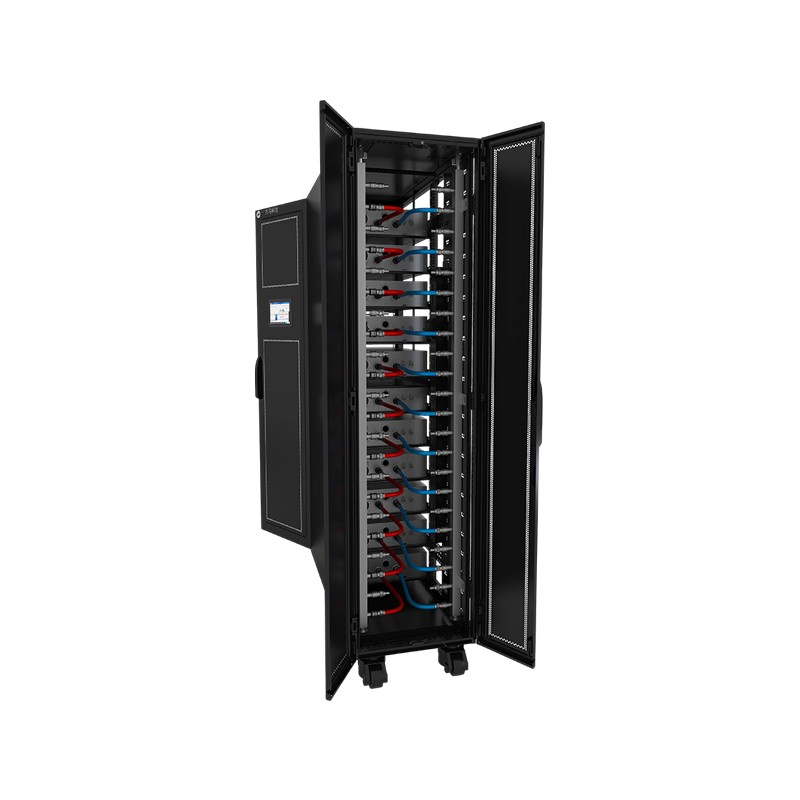
Product OverviewWM-LCR Liquid-Cooled Server Cabinet is a dedicated data center cabinet system that uses liquid as the cooling medium. Through circulating coolant, it efficiently transfers heat generat...
See Details -
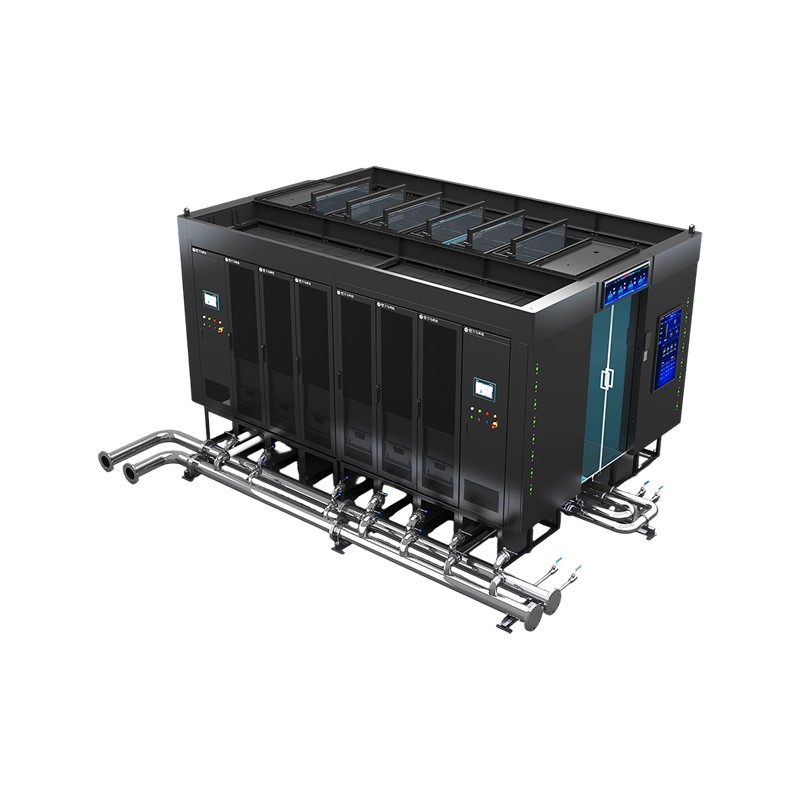
Product OverviewWM-HCM Air-Liquid Hybrid Micro-Module is an integrated data center solution designed for ultra-high-density computing applications. It adopts a dual-row, back-to-back layout and integr...
See Details -
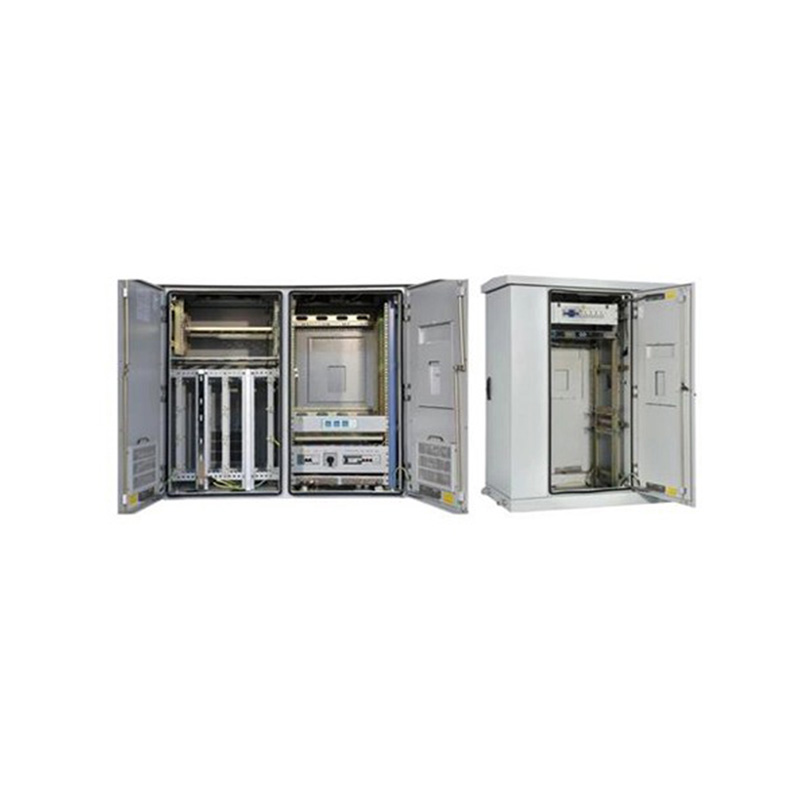
Application:It is used for the fixed network and broadband access, providing physical working environment and security system for the workstation in wired network. Features:•The cabinet is composed of...
See Details
Ready to Get started ? Contact Us Now !

Product.
Contact Details.
-
 +86 13958188250
-
 +86 13958188250
-
 [email protected]
-
 AUDIT Email:[email protected]
- Wanma Industrial Park Taihu Yuan Town Lin'an District Hangzhou City China.
QR Code

Copyright © Wanma Technology Co., Ltd. All Rights Reserved.
Privacy
Custom Ethernet Optical Network Railway Transit Equipments Suppliers
