

 English
 Français
 Español
 Português
 عربى






Product Definition:The Smart Recycling system is an advanced management solution for hospital operating rooms and clean zones, designed for the collection of surgical gowns, shoe covers, and work unif...
See DetailsSmart RFID High-Value Consumable Cabinet: A Complete Guide to Secure, Traceable Medical Inventory Management
Content
- 1 1. The Need for Intelligent Medical Consumables Management
- 2 2. Product Definition and Core Design Concept
- 3 3. Capacity and Internal Storage Flexibility
- 4 4. RFID Identification and Fast Inventory Recognition
- 5 5. Multi-Method Smart Access Control
- 6 6. Environmental Monitoring for Sensitive Supplies
- 7 7. Full Operation Logging and Traceability
- 8 8. Visual Inventory and Expiration Management
- 9 9. Returns, Search, and Report Export
- 10 10. Integration with SPD Systems
- 11 11. Advantages Over Traditional Storage Cabinets
- 12 12. Advantages Over Less Integrated Smart Storage Solutions
- 13 13. Manufacturing Strength and Product Development Capability
- 14 14. Quality, Reliability, and Delivery Support
- 15 15. Application in Hospital Supply Rooms
- 16 16. Application in Operating Departments
- 17 17. Application in Laboratories
- 18 18. Application in Central Warehouses and Multi-Site Networks
- 19 19. Implementation Considerations
- 20 20. Operational Best Practices
- 21 21. Commercial and Operational Value
- 22 22. Why the Solution Is Suitable for Intelligent Healthcare Modernization
- 23 23. Frequently Asked Questions
- 23.1 Q1. What is the primary purpose of the RFID high-value consumable cabinet?
- 23.2 Q2. How much storage space does the single-door main cabinet provide?
- 23.3 Q3. Which authentication methods are supported?
- 23.4 Q4. What is the benefit of UHF RFID identification?
- 23.5 Q5. Can the cabinet record who removed a product?
- 23.6 Q6. Does the cabinet monitor temperature and humidity?
- 23.7 Q7. Can products be returned after they have been issued?
- 23.8 Q8. Does the system provide expiration alerts?
- 23.9 Q9. Can the cabinet warn staff when inventory is low?
- 23.10 Q10. Can the cabinet connect with an SPD system?
- 23.11 Q11. Is the internal layout fixed?
- 23.12 Q12. What materials are used in the cabinet?
- 23.13 Q13. Is the cabinet suitable only for hospitals?
- 23.14 Q14. How does the cabinet compare with a conventional locked cabinet?
- 23.15 Q15. What should customers prepare before installation?
- 24 24. Conclusion
- 25 References
- 26 Product: New RFID High-Value Consumable Cabinet Technical Specifications (Single-Door Main Cabinet)
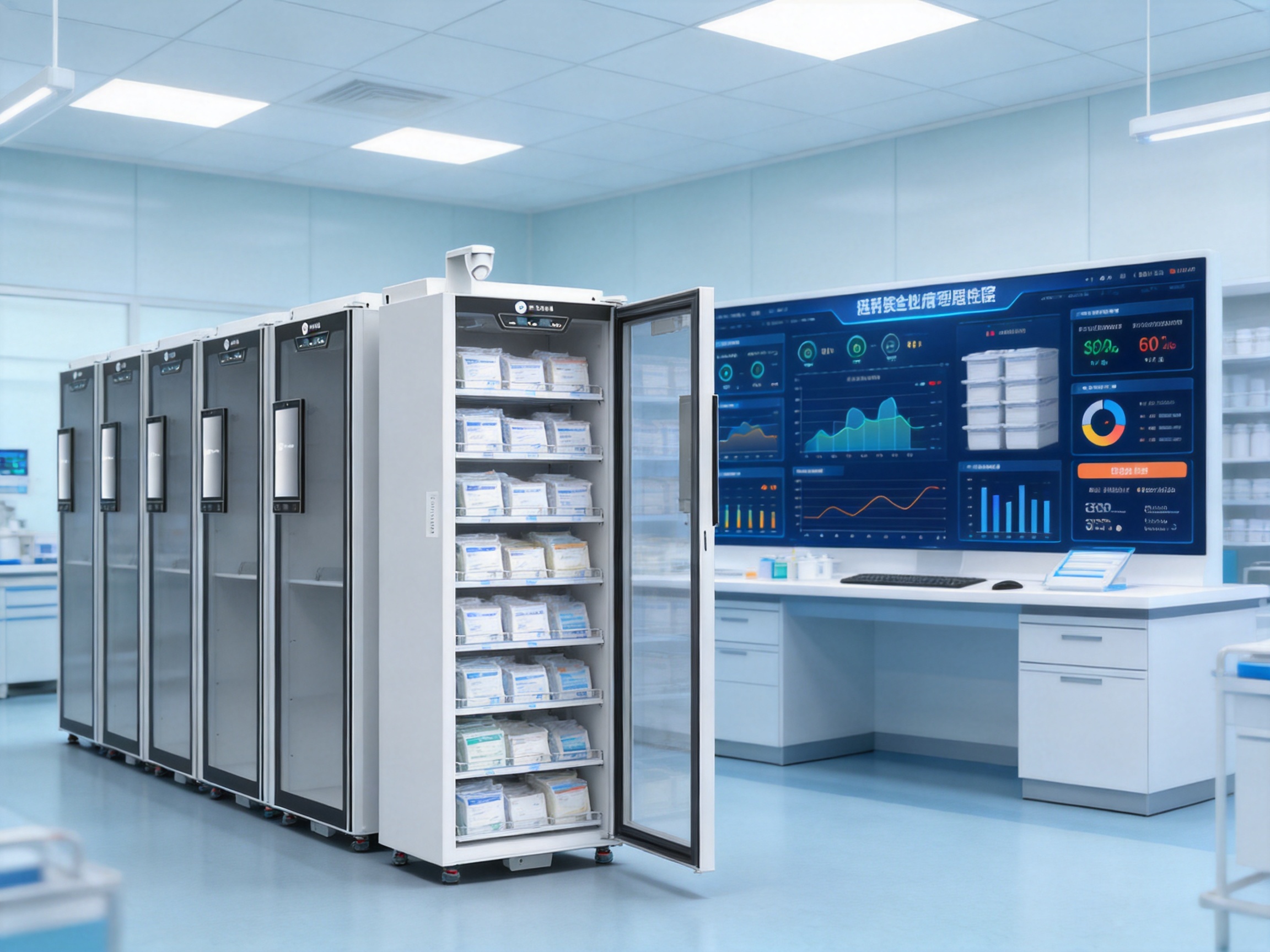
Hospitals, laboratories, operating departments, and medical supply centers increasingly need more than conventional shelving to manage high-value consumables. Surgical materials, implant-related accessories, diagnostic supplies, sterile products, and other controlled items must be stored securely, located quickly, issued accurately, and tracked throughout their entire service life. Manual registers, open shelves, spreadsheet-based inventory, and basic locked cabinets often cannot provide the level of control required by modern healthcare organizations.
The New RFID High-Value Consumable Cabinet, configured as a single-door main cabinet, is designed to address these challenges through the combination of radio-frequency identification, intelligent access control, environmental monitoring, digital inventory management, and centralized software administration. With a storage capacity of at least 700 liters, the cabinet provides a structured environment for high-value medical consumables while supporting efficient identification, controlled access, real-time stock visibility, and complete operational traceability.
This article examines the cabinet’s design, operating principles, key advantages, manufacturing strengths, application value, and role in the modernization of medical consumables management. It also explains why an intelligent RFID cabinet can offer important advantages over traditional storage solutions and less integrated inventory systems.
1. The Need for Intelligent Medical Consumables Management
Medical consumables are unlike ordinary warehouse goods. Many items have expiration dates, batch numbers, lot information, storage requirements, and strict usage controls. Some are expensive, some are difficult to replace quickly, and others are directly related to surgical or diagnostic procedures. A missing item can delay treatment, while an expired or incorrectly stored item can create safety, compliance, and financial risks.
Traditional inventory methods depend heavily on manual counting and operator discipline. Staff may need to read individual barcodes, write down quantities, search through multiple cabinets, or compare physical stock with records in a separate information system. These processes consume time and can create discrepancies caused by misplaced products, unrecorded withdrawals, duplicate entries, incorrect quantities, or delayed updates.
Access control is another major concern. A conventional locked cabinet may prevent unauthorized opening, but it does not necessarily identify the person who accessed the contents, record the specific items removed, or provide an immediate stock update. In a busy hospital environment, keys can be shared, lost, or passed between departments. Even password-based systems may become ineffective if accounts are shared or access rights are not reviewed regularly.
An intelligent cabinet solves these problems by connecting physical storage with digital management. It can verify the identity of an authorized user, identify multiple RFID-tagged items, record access activity, display inventory status, and provide alerts relating to low stock or expiration. The result is a more controlled and transparent process from receiving to storage, issuing, returning, replenishment, and final usage.
2. Product Definition and Core Design Concept
The single-door main cabinet is a high-capacity intelligent storage unit created for hospitals, laboratories, medical institutions, operating departments, supply rooms, and central warehouses. It combines a robust physical enclosure with RFID identification hardware, access-control technology, environmental sensors, and software-based inventory management.
Its primary purpose is not simply to hold consumables. It is intended to function as an intelligent management terminal that connects people, products, storage conditions, and institutional procedures. Each authorized interaction with the cabinet can become part of a digital record, helping managers understand what was stored, who accessed it, when it was accessed, and how the inventory changed.
The single-door configuration is suitable for locations that require a large internal capacity while maintaining a compact and straightforward access structure. Its internal layout can be customized with compartments or shelving arrangements according to the dimensions and packaging formats of the consumables being managed. This flexibility is important because medical supplies may range from small boxed accessories to larger sterile packs and irregularly shaped items.
The cabinet is built from high-strength carbon steel and aerospace-grade aluminum. This combination is intended to provide structural stability, durability, and a professional appearance suitable for healthcare environments. Carbon steel contributes to the strength and rigidity of the enclosure, while aluminum can be used in selected structural or finishing areas where low weight, corrosion resistance, or precise fabrication is beneficial.
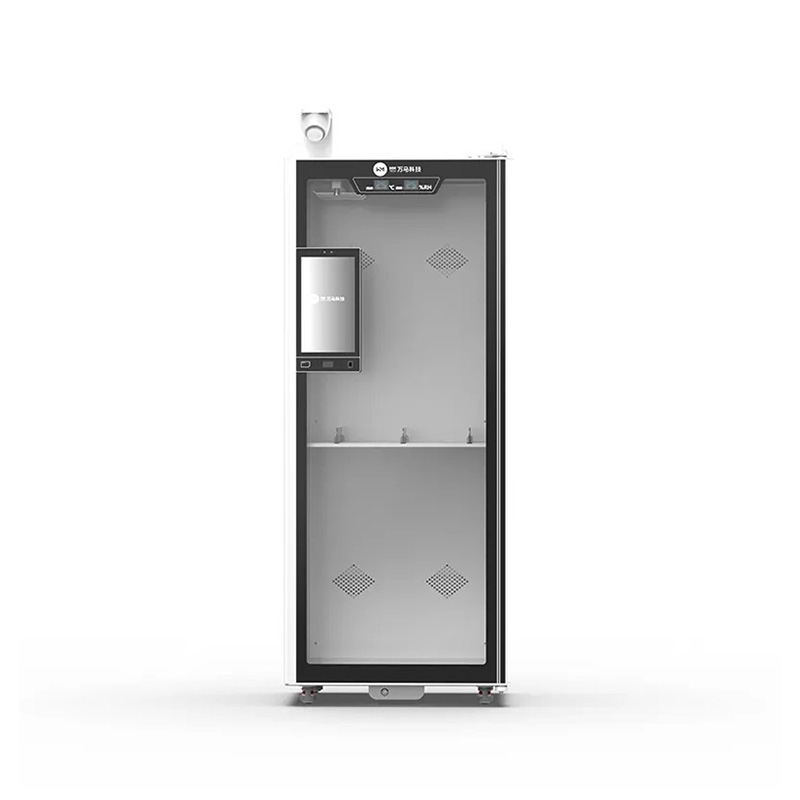
New RFID High-Value Consumable Cabinet Technical Specifications (Single-Door Main Cabinet)
3. Capacity and Internal Storage Flexibility
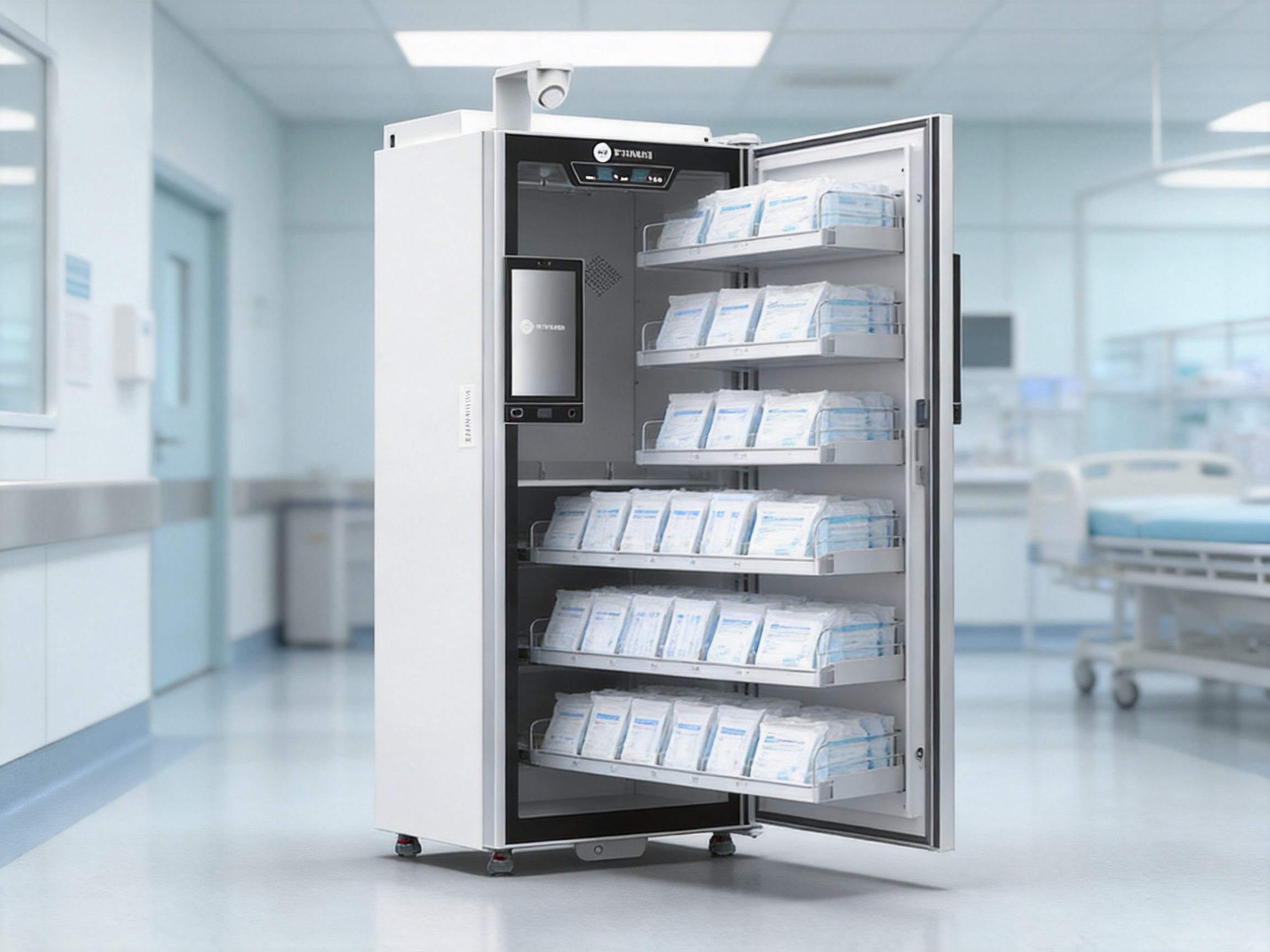
With a storage capacity of at least 700 liters, the cabinet is designed for substantial quantities of high-value consumables. The large capacity enables healthcare departments to consolidate frequently used materials in a controlled location instead of distributing them among multiple ordinary cabinets or open shelves.
Capacity alone, however, does not determine the practical value of a storage cabinet. Internal organization is equally important. A poorly arranged high-capacity cabinet can increase search time and make stock rotation difficult. The cabinet therefore supports customizable internal compartments, allowing users to divide the available space according to product dimensions, item categories, usage frequency, packaging types, or department requirements.
Adjustable or configurable storage sections can support the separation of products with different characteristics. For example, a facility may create dedicated areas for surgical consumables, diagnostic materials, emergency-use products, high-cost items, or supplies approaching their expiration dates. A well-organized layout also helps staff apply first-expiring, first-out principles more consistently.
Flexible storage is particularly valuable when a hospital’s product range changes over time. New consumables may be introduced, packaging sizes may change, or one department may need a different configuration from another. Instead of replacing the entire cabinet, managers can adapt its internal arrangement to accommodate evolving operational needs.
The single-door format also provides a clear access point and simplifies the relationship between the cabinet’s physical opening and its electronic access record. In locations where space planning, user flow, or department layout favors one large controlled enclosure, this design can offer a practical balance between accessibility and security.
4. RFID Identification and Fast Inventory Recognition
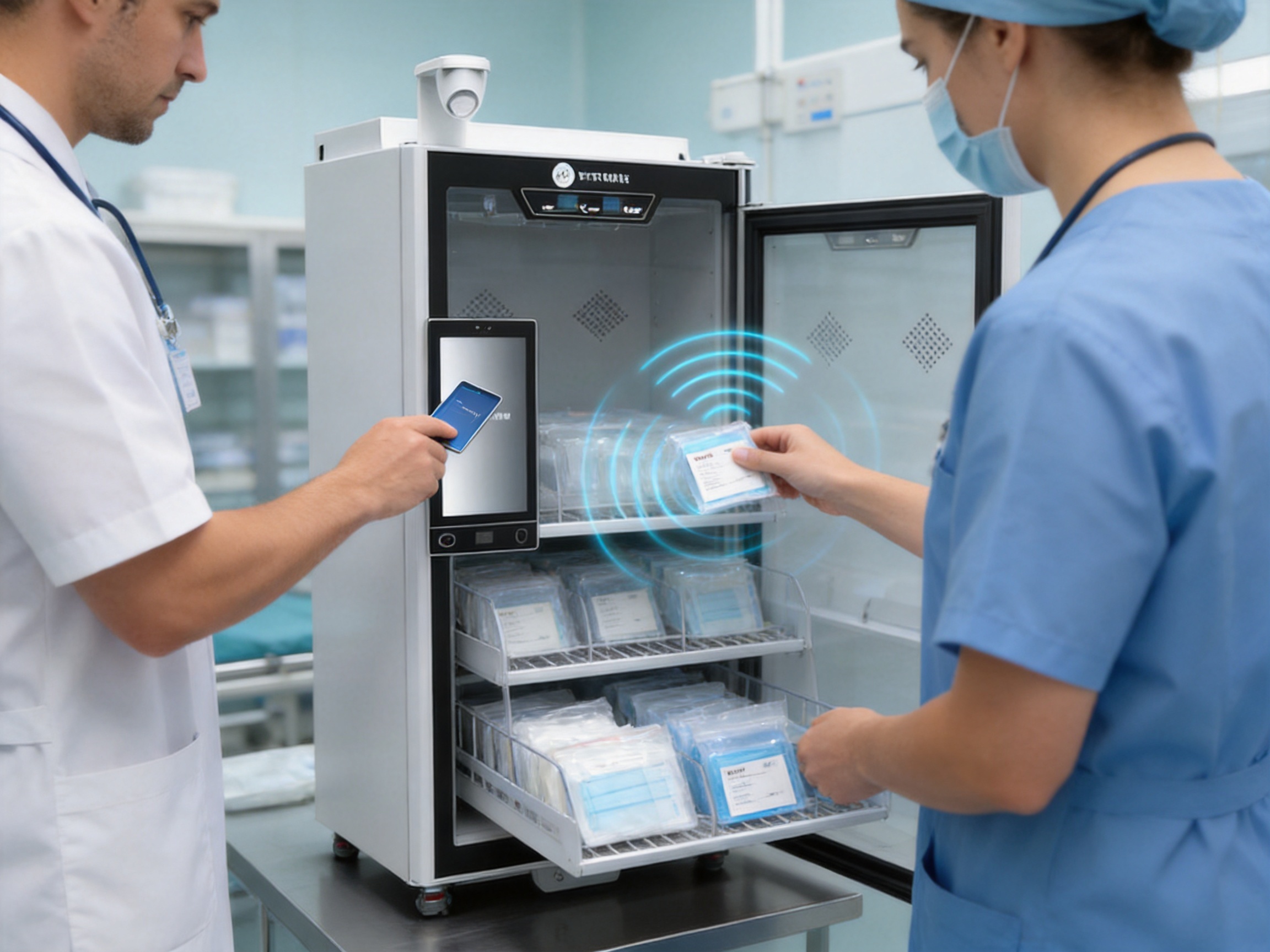
One of the cabinet’s most important capabilities is UHF RFID identification. RFID technology enables the system to recognize tagged items without requiring each product to be individually scanned in the same way as a conventional barcode. When correctly configured, UHF RFID can identify multiple items within the cabinet or access area, helping accelerate receiving, issuing, checking, and inventory operations.
This capability is especially useful for high-volume environments. Manual barcode scanning requires the operator to locate each label, position it correctly, and scan products one by one. RFID can reduce the number of manual actions needed for batch identification and improve the speed of inventory verification.
RFID also supports more reliable stock visibility when the system is properly calibrated and when products are tagged and arranged according to the operating requirements of the cabinet. It can help identify which tagged products are present, detect changes after an access event, and compare physical contents with digital records.
The benefits extend beyond speed. Automated identification can reduce errors caused by typing mistakes, unreadable labels, missed scans, or confusion between similar product names. It also supports more consistent records across different shifts and departments.
For medical institutions, the ability to identify batches efficiently is valuable because many consumables must be managed by more than a simple product name and quantity. Lot information, expiration status, and usage history may all be relevant. RFID-based management provides a technical foundation for connecting an individual item or group of items to a broader digital record.
Compared with an ordinary cabinet, the RFID cabinet transforms inventory from a static storage activity into a continuously monitored process. Compared with a barcode-only solution, it can reduce the number of scanning steps and support faster batch recognition. Compared with an unsecured smart shelf, the cabinet adds a physical enclosure and controlled access environment suitable for higher-value supplies.
5. Multi-Method Smart Access Control
Different healthcare facilities have different identity-management policies, user preferences, and network environments. The cabinet supports multiple authentication methods, including facial recognition, fingerprint recognition, IC card, NFC, QR code, and account login.
Facial recognition can provide a hands-free or low-contact access method, which may be convenient in busy clinical environments. Fingerprint recognition provides a biometric alternative for authorized personnel. IC cards and NFC can work well where hospitals already use staff identification cards or contactless credentials. QR codes and account login offer additional flexibility for specific workflows or temporary authorization arrangements.
Multi-method authentication allows a facility to select the most suitable combination for its security policy. It can also support contingency planning. If one authentication method is temporarily unavailable, an authorized alternative may be used according to institutional rules.
Access control is more effective when it is connected to permissions rather than treated as a simple open-or-closed mechanism. The system supports fine-grained user permission management, allowing administrators to define which users or groups can access particular cabinets, product categories, or operational functions. For example, a department manager may be able to review reports and approve adjustments, while a regular operator may only be permitted to withdraw or return assigned materials.
This approach can help enforce separation of responsibilities. It reduces the need for shared keys or shared passwords and creates a more accountable environment in which access is associated with an identifiable user account or credential.
The emergency power-off function adds another layer of operational safety. In a healthcare environment, equipment must be designed with attention to safe handling and emergency procedures. The power-off function can support rapid interruption of cabinet operation when necessary, subject to the facility’s safety procedures and installation requirements.
6. Environmental Monitoring for Sensitive Supplies
Many medical consumables have specific storage requirements. Even when a product does not require refrigerated storage, excessive heat, moisture, or unstable environmental conditions may affect packaging, labeling, sterility protection, or long-term usability. The cabinet includes real-time temperature and humidity monitoring to provide visibility into the internal storage environment.
Environmental monitoring helps staff identify conditions that may require attention. If the internal temperature or humidity moves outside a defined operating range, the responsible team can investigate the cause and take corrective action. This may include checking room conditions, ventilation, cabinet placement, door usage, or the condition of stored products.
Continuous monitoring is more useful than occasional manual measurement because it creates a time-based view of storage conditions. A single reading may not reveal fluctuations that occur during the day or after repeated door opening. Digital records can support internal review, maintenance planning, and investigation when a product condition is questioned.
The monitoring function is also valuable when combined with inventory and access records. Managers can compare environmental changes with usage patterns, cabinet openings, or replenishment activities. This creates a more complete understanding of the storage process rather than treating product records and environmental records as unrelated information.
Facilities should still define appropriate temperature and humidity limits according to the requirements of each product category and applicable healthcare procedures. The cabinet provides monitoring capability, while the institution remains responsible for setting suitable thresholds and responding to alerts in accordance with its policies.
7. Full Operation Logging and Traceability
Traceability is a central requirement for high-value consumables management. The cabinet automatically logs user operations, creating a record of relevant activities such as access, item removal, item return, inventory changes, and other configured actions.
A reliable operation log can answer important management questions. Who accessed the cabinet? When did the access occur? Which items were removed or returned? Was the transaction related to a particular department, procedure, or user? Did the recorded stock change correspond with the physical inventory?
These records can reduce ambiguity during inventory checks and internal reviews. Instead of relying on memory or handwritten notes, managers can consult a structured digital history. This supports accountability without requiring staff to perform extensive manual documentation for every transaction.
Traceability is especially useful for products with high unit value, restricted use, limited availability, or expiration sensitivity. If a discrepancy is detected, the institution can examine the access history and inventory changes to narrow the time period and identify the relevant operational events.
Digital logging can also support process improvement. Managers may identify frequently accessed products, peak usage periods, repeated returns, unusual stock adjustments, or departments with recurring shortages. These insights can inform purchasing decisions, cabinet placement, replenishment schedules, and training programs.
Compared with a conventional lock, the cabinet provides not only physical restriction but also a historical record. Compared with a manual register, it reduces reliance on handwriting, memory, and post-event data entry. Compared with an isolated inventory application, it connects the record to the actual controlled storage point where the product is handled.
8. Visual Inventory and Expiration Management
The cabinet’s visual interface is designed to display inventory information, product attributes, and expiration status. Clear digital presentation can help staff locate products more quickly and make informed decisions before removing or issuing them.
Inventory visibility is particularly important when multiple products have similar names or packaging. A structured interface can display relevant details such as product category, quantity, storage location, batch information, and expiration date, depending on the configuration of the management software and data supplied by the institution.
Expiration management is one of the most important functions for medical consumables. Products that are forgotten at the back of a cabinet may become unusable before they are noticed. The system can help highlight items approaching expiration and support more timely rotation or utilization.
Smart alerts for expiring consumables can notify responsible personnel before the expiration date is reached. This creates an opportunity to prioritize appropriate use, transfer stock to a department with greater demand, return products when permitted, or arrange disposal according to institutional procedures.
Low-stock alerts provide a similar benefit on the supply side. When inventory falls below a configured level, the system can notify managers that replenishment may be needed. This helps reduce emergency purchasing and the risk of treatment disruption caused by unexpected shortages.
These alerts are most effective when configured according to actual consumption patterns. A minimum quantity for a frequently used operating-room product may be different from the minimum quantity for a specialized laboratory supply. The flexibility of digital rules allows the institution to align alerts with departmental requirements rather than applying one standard to every product.
9. Returns, Search, and Report Export
Medical consumables management does not end when an item leaves the cabinet. Some products may be returned because they were not used, issued in error, transferred between work areas, or found to be unsuitable for a particular procedure. The cabinet supports return operations, helping ensure that returned items are recorded and placed back into the digital inventory.
A clear return process is important because unrecorded returns can create false shortages. If a product is physically placed back into storage but the system still shows it as issued, inventory accuracy will deteriorate. By linking returns with user identity and item identification, the cabinet supports a more complete lifecycle record.
Precise search functions can help users locate products by relevant attributes. Depending on system configuration, staff may search by product name, category, batch, expiration status, storage position, or other registered data. Faster search reduces time spent opening compartments or manually checking labels.
Report export supports both daily operations and management review. Inventory reports, usage reports, access records, expiration lists, low-stock information, and other data can be exported for analysis or internal documentation. This allows decision-makers to evaluate consumption trends, purchasing performance, stock turnover, and compliance with departmental procedures.
Data export is also useful when different teams need different levels of information. A supply manager may require a replenishment report, while a department supervisor may need a usage summary and an information-technology team may need synchronization records. Structured data makes it easier to serve these distinct requirements without repeating manual counting activities.
10. Integration with SPD Systems
The cabinet supports seamless integration with SPD systems for automatic data synchronization. In healthcare, SPD commonly refers to the sterile processing department or related supply, disinfection, and distribution processes. Integration allows the intelligent cabinet to participate in a wider material-management workflow rather than operating as an isolated device.
When inventory information is synchronized, product data and transaction records can move between the cabinet and the institution’s broader management platform. This reduces duplicate data entry and helps maintain consistency between the physical storage location and centralized records.
Integration can support more efficient coordination between central warehouses, sterile processing departments, operating rooms, laboratories, and supply rooms. A central team may be able to view cabinet status across multiple sites, while local users continue to access products through the cabinet’s authorized interface.
Multi-site centralized control is especially valuable for healthcare groups with several campuses or departments. Administrators can establish consistent user permissions, review inventory across locations, and compare consumption patterns. This can help reveal surplus stock at one site and shortages at another, supporting more balanced allocation.
Successful integration depends on data standards, network conditions, software configuration, cybersecurity policies, and the requirements of the hospital’s existing information systems. The cabinet provides the equipment and integration capability, while the customer and system integrators define the specific interfaces, data fields, authorization policies, and operating procedures.
11. Advantages Over Traditional Storage Cabinets
A traditional medical cabinet generally provides physical storage and perhaps a mechanical or electronic lock. It does not normally identify individual items, measure inventory automatically, monitor internal environmental conditions, or generate a complete digital activity history.
The RFID cabinet provides a broader set of capabilities in one integrated platform:
| Management Requirement | Traditional Cabinet | RFID High-Value Consumable Cabinet |
|---|---|---|
| Physical storage | Basic shelves or compartments | High-capacity configurable storage of at least 700 liters |
| Access restriction | Key or basic lock | Facial recognition, fingerprint, IC card, NFC, QR code, and account login options |
| Inventory identification | Manual counting or individual barcode scanning | UHF RFID batch identification and digital inventory recognition |
| Environmental visibility | Usually unavailable or manually checked | Real-time temperature and humidity monitoring |
| Operation history | Manual register, if used | Automatic user-operation logging and traceability |
| Expiration management | Manual review | Visual expiration information and smart alerts |
| Replenishment control | Dependent on staff observation | Low-stock alerts and usage data |
| System integration | Limited or absent | Synchronization with SPD systems and centralized management |
The main advantage is the integration of functions. A hospital does not need to treat access control, inventory counting, environmental monitoring, and reporting as separate activities. These capabilities are brought together around the physical cabinet and the stored products.
12. Advantages Over Less Integrated Smart Storage Solutions
Some smart storage products provide electronic locks or basic stock monitoring but do not offer the same combination of authentication methods, RFID batch recognition, environmental sensing, operation logging, and SPD integration. A facility may otherwise need to combine multiple devices from different suppliers, increasing installation complexity and creating data silos.
An integrated cabinet can simplify operational management by providing one consistent interface for access and inventory operations. It can also reduce the number of separate systems staff must learn, which is important in fast-paced clinical environments where ease of use affects adoption.
The cabinet’s customizable internal layout is another advantage. Some fixed-format smart storage products are optimized for a narrow range of items. The single-door main cabinet is intended for diverse medical consumables and can be configured to accommodate different sizes and packaging formats.
Its material selection also supports demanding institutional use. High-strength carbon steel provides a durable main enclosure, while aerospace-grade aluminum supports precise and robust construction in applicable components. The combination is intended to provide a stronger and more professional cabinet structure than lightweight general-purpose furniture.
Another advantage is scalability. The same management concept can be applied to a supply room, operating department, laboratory, or central warehouse. As a healthcare organization expands its intelligent inventory program, additional cabinets and locations can be incorporated into centralized control, subject to system architecture and network planning.
13. Manufacturing Strength and Product Development Capability
The cabinet is produced by Wanma Technology Co., Ltd., a company established in 1997 with experience in communication cabinets, communication electronic equipment, and passive optical components. Its broader manufacturing background is relevant because intelligent medical storage equipment requires more than a metal enclosure. It requires expertise in cabinet construction, electronic integration, wiring, system reliability, and production consistency.
A company experienced in communication equipment understands the importance of organized internal layouts, stable electronic connections, equipment protection, and repeatable assembly. These principles can be applied to the design of intelligent cabinets, where RFID readers, sensors, access-control modules, displays, power components, and communication interfaces must operate together inside a compact structure.
The company develops, manufactures, and markets its own branded products while also providing integrated solutions for customized products. This combination supports a product-development approach in which standard functions can be retained while cabinet dimensions, compartment arrangements, software settings, authentication methods, and system interfaces are adapted to customer requirements.
For medical facilities, customization is often essential. A hospital may have different storage categories, access policies, department workflows, network conditions, and reporting requirements from another institution. A manufacturer with experience in customized products can work with customers and integrators to adjust the solution rather than forcing every site into one fixed configuration.
The manufacturing process for an intelligent cabinet generally involves several coordinated stages. These include structural design, material preparation, sheet-metal fabrication, forming, surface treatment, component installation, RFID and sensor integration, electrical assembly, software configuration, functional testing, and final inspection.
Structural fabrication must maintain dimensional accuracy so that doors, compartments, sensors, and electronic modules align correctly. Consistent cabinet geometry is important for smooth opening and closing, reliable installation, and repeatable assembly across production batches.
Surface treatment and finishing contribute to durability, appearance, and ease of cleaning. Medical environments require equipment surfaces that can be maintained as part of routine housekeeping procedures. The selected material and finishing process should be evaluated according to the customer’s cleaning products, environmental conditions, and installation location.
Electronic integration requires careful routing of wires, secure mounting of modules, and clear separation of power and signal paths where appropriate. RFID performance can be affected by cabinet geometry, metal structures, tag placement, and product arrangement. As a result, RFID equipment should be tested within the completed cabinet configuration rather than evaluated only as a separate component.
Sensor installation and calibration are also important. Temperature and humidity sensors must be positioned so that their readings represent the internal storage environment as accurately as practical. The system should be tested under representative operating conditions, including normal access activity and door-opening cycles.
Final inspection should verify mechanical operation, access-control response, RFID recognition, display and software functions, alert behavior, environmental readings, power safety, communication, and data recording. A structured testing process helps identify issues before delivery and supports stable commissioning at the customer’s site.
14. Quality, Reliability, and Delivery Support
Healthcare customers require reliable equipment because a storage failure can affect daily operations and product availability. Reliability is influenced by material selection, component quality, assembly discipline, software stability, environmental design, and after-sales support.
The company emphasizes reliable product quality and timely delivery. Its sales network covers more than 20 countries and regions, including the United States, Australia, the United Kingdom, Italy, South Africa, and Ghana. International experience can help a manufacturer understand different customer expectations, shipping conditions, installation environments, and communication requirements.
Timely delivery is particularly important for hospitals implementing a new inventory-management project. Delays can affect procurement schedules, staff training, system integration, and departmental deployment. A coordinated manufacturing and project-management process helps align cabinet production with software preparation, site readiness, and installation planning.
Long-term strategic partnerships with industry leaders are another stated strength. For intelligent medical equipment, a partnership approach is valuable because deployment may involve more than product delivery. It can include workflow analysis, configuration, integration, user training, data migration, maintenance, and future expansion.
Customers should evaluate not only the cabinet’s visible functions but also the manufacturer’s ability to support the full lifecycle. Questions may include spare-parts availability, software updates, technical response, RFID troubleshooting, integration assistance, and the process for adding cabinets or users in the future.
15. Application in Hospital Supply Rooms
Hospital supply rooms often manage a wide range of consumables for multiple clinical departments. The cabinet can serve as a controlled storage point for high-value or frequently requested items, giving supply staff a clearer view of inventory and access activity.
Low-stock alerts can support replenishment planning, while expiration alerts can help prioritize stock rotation. Operation logs can assist in reconciling issued items with department requests. The cabinet’s large capacity can also reduce the need to divide related products across several unsecured storage locations.
Centralized management can provide supply managers with information from multiple cabinets or departments. This supports more consistent inventory policies and helps identify differences in usage between locations.
16. Application in Operating Departments
Operating departments require timely access to consumables while maintaining strict control over high-value materials. A cabinet placed near an appropriate operating-area support location can shorten retrieval time and reduce dependence on manual sign-out procedures.
Authorized staff can use a selected authentication method to access supplies. RFID recognition can record the change in cabinet contents, while the digital interface can show available quantities and expiration status. After a procedure, unused eligible products can be returned through the return function so that the inventory record remains accurate.
Because operating departments may experience demand peaks, historical reports can help managers forecast usage and adjust minimum stock levels. This can support both emergency preparedness and cost control.
17. Application in Laboratories
Laboratories may handle specialized consumables with different packaging sizes, lot numbers, and expiration dates. The cabinet’s configurable compartments can be adapted to the physical characteristics of laboratory supplies, while RFID identification can help improve batch-level visibility.
Environmental monitoring may be useful for products whose packaging or storage instructions require controlled awareness of temperature and humidity. Laboratory managers can review records when investigating inventory discrepancies or product usability concerns.
Fine-grained permissions can also help distinguish between technicians, supervisors, researchers, and other authorized personnel. This allows access policies to reflect the laboratory’s internal responsibilities.
18. Application in Central Warehouses and Multi-Site Networks
Central warehouses can use intelligent cabinets as controlled issue points for high-value supplies or as supplementary storage for departments with special access requirements. When linked to centralized management, these cabinets can contribute to a broader visibility platform covering multiple sites.
Multi-site control helps administrators compare inventory levels, identify demand differences, and coordinate replenishment. Instead of relying entirely on local manual reports, management teams can use synchronized information to support purchasing and distribution decisions.
The approach is also relevant to healthcare groups operating hospitals, clinics, laboratories, and specialist centers across different locations. Standardized access methods and reporting structures can support consistent management while allowing individual sites to configure storage according to local needs.
19. Implementation Considerations
Before installation, the customer should identify the product categories to be stored, the expected inventory volume, the internal compartment requirements, and the location of the cabinet. The installation area should provide sufficient space for door operation, user access, maintenance, network connection, and power supply.
RFID tagging strategy should be defined in advance. The facility may need to determine whether tags are attached by the manufacturer, supplier, central warehouse, or hospital staff. Tag placement, packaging materials, metal content, liquid content, and product orientation can influence RFID performance and should be considered during testing.
User permissions should be planned according to real workflows. Administrators may define roles for supply managers, department supervisors, clinical staff, warehouse operators, maintenance personnel, and system administrators. Access rights should be reviewed periodically, especially when employees change departments or leave the organization.
Alert thresholds should be configured based on product requirements and consumption history. A low-stock threshold that is too high may create unnecessary replenishment activity, while one that is too low may not provide enough time to reorder. Expiration alerts should also provide sufficient lead time for rotation or other approved actions.
Staff training is essential. Users should understand authentication procedures, item removal, returns, exception handling, emergency power-off procedures, and the importance of reporting damaged tags or mismatched inventory. Training should also explain that an intelligent cabinet improves control only when physical transactions follow the configured workflow.
Integration planning should include data ownership, system interfaces, network security, user authentication, synchronization frequency, failure handling, and reporting responsibilities. A clear implementation plan reduces the risk of confusion between the cabinet system and existing hospital software.
20. Operational Best Practices
To obtain the best results, facilities should establish standard operating procedures for receiving, tagging, shelving, issuing, returning, counting, replenishing, and disposing of consumables.
Products should be placed in the correct compartments and arranged in a way that supports clear identification and stock rotation. Similar products should be separated or labeled carefully to reduce the risk of selection errors. Items approaching expiration should be made visible through the system and, where appropriate, positioned for priority use.
Users should avoid placing unregistered products inside the cabinet because unregistered items can create discrepancies between physical stock and digital records. If a tag becomes damaged or unreadable, the item should be handled according to a defined exception process.
Managers should review inventory and access reports regularly. Periodic physical audits remain useful even when RFID is available. Audits can confirm system accuracy, identify damaged tags, assess layout effectiveness, and verify that standard procedures are being followed.
Environmental readings should also be reviewed when products have specific storage requirements. Sensor performance, alert settings, and communication status should be included in routine maintenance.
21. Commercial and Operational Value
The value of the RFID cabinet extends beyond labor savings. Better inventory accuracy can reduce unnecessary purchases, prevent avoidable shortages, and lower the risk of expired products remaining unnoticed. More precise access records can also improve accountability for high-value materials.
Faster searching and batch recognition can release staff time for clinical or warehouse activities. Automated records reduce the need for repeated manual data entry, while report export supports more efficient planning and review.
Centralized visibility can help organizations standardize procedures across locations. It may also provide management with better information for evaluating supplier performance, usage trends, and departmental demand.
The financial value depends on the customer’s product mix, usage volume, labor costs, inventory loss, expiration rate, and integration requirements. However, the cabinet is particularly relevant where the cost of errors, delays, or untraceable high-value products is significant.
22. Why the Solution Is Suitable for Intelligent Healthcare Modernization
Healthcare modernization is not limited to electronic medical records or clinical equipment. Supply-chain operations are also becoming data-driven. Intelligent storage provides a connection between physical inventory and digital workflows, helping institutions create more reliable and transparent material-management processes.
The cabinet supports this transition through several coordinated capabilities: secure identity verification, RFID-based identification, environmental monitoring, automated logging, expiration alerts, replenishment alerts, returns management, report export, and SPD synchronization.
Its high-capacity single-door design is suitable for organizations that need to manage a substantial amount of inventory in one controlled location. Its configurable internal structure allows the solution to adapt to different products and departments. Its manufacturer’s background in communication cabinets and electronic equipment supports the integration of physical and digital functions required for this type of system.
Most importantly, the cabinet is designed around the complete lifecycle of a consumable rather than one isolated task. It can support the journey from receipt and storage to access, use, return, replenishment, expiration review, and reporting.
23. Frequently Asked Questions
Q1. What is the primary purpose of the RFID high-value consumable cabinet?
The cabinet is designed to securely store and digitally manage high-value medical consumables. It combines controlled access, UHF RFID identification, inventory visibility, environmental monitoring, operation logging, expiration alerts, and system integration for hospitals, laboratories, operating departments, and other medical institutions.
Q2. How much storage space does the single-door main cabinet provide?
The storage capacity is at least 700 liters. The internal compartments can be customized to accommodate consumables with different dimensions, packaging formats, and management requirements.
Q3. Which authentication methods are supported?
The cabinet supports facial recognition, fingerprint recognition, IC card, NFC, QR code, and account login. A healthcare institution can select appropriate methods according to its security policy and workflow.
Q4. What is the benefit of UHF RFID identification?
UHF RFID enables fast batch identification of tagged items and can reduce the need for individual manual scanning. It supports more efficient inventory checks and helps connect physical products with digital records.
Q5. Can the cabinet record who removed a product?
Yes. The system automatically logs user operations. When access control, RFID identification, and inventory records are properly configured, the institution can review user activity and associated inventory changes for improved traceability.
Q6. Does the cabinet monitor temperature and humidity?
Yes. It provides real-time monitoring of the temperature and humidity inside the cabinet. Facilities can configure suitable operating thresholds based on their product requirements and internal procedures.
Q7. Can products be returned after they have been issued?
Yes. The system supports return operations so that eligible unused items can be placed back into the cabinet and reflected in the digital inventory record.
Q8. Does the system provide expiration alerts?
Yes. The visual interface can display expiration status, and smart alerts can notify responsible personnel about consumables approaching expiration. This supports stock rotation and reduces the risk of unnoticed expiration.
Q9. Can the cabinet warn staff when inventory is low?
Yes. Low-stock alerts can be configured to help staff identify products that may require replenishment. Thresholds should be established according to product importance, consumption frequency, and procurement lead time.
Q10. Can the cabinet connect with an SPD system?
Yes. The cabinet supports integration with SPD systems for automatic data synchronization. Specific interface design, data fields, network requirements, and implementation procedures should be confirmed during project planning.
Q11. Is the internal layout fixed?
No. The cabinet supports customizable internal compartments, allowing customers to configure the storage space for consumables of various sizes and categories.
Q12. What materials are used in the cabinet?
The cabinet uses high-strength carbon steel and aerospace-grade aluminum in its construction. These materials are selected to support structural strength, durability, and precise equipment integration.
Q13. Is the cabinet suitable only for hospitals?
No. It is also suitable for laboratories, operating departments, central warehouses, supply rooms, and other medical institutions that need secure and traceable consumables management.
Q14. How does the cabinet compare with a conventional locked cabinet?
A conventional locked cabinet mainly provides physical storage and restricted opening. The RFID cabinet adds identity verification, batch identification, automatic logging, environmental monitoring, expiration and low-stock alerts, digital search, report export, and system synchronization.
Q15. What should customers prepare before installation?
Customers should define the products to be stored, expected inventory volume, compartment requirements, user roles, authentication methods, RFID tagging approach, alert thresholds, network conditions, power requirements, and integration objectives.
24. Conclusion
The New RFID High-Value Consumable Cabinet is a comprehensive solution for institutions that need stronger control over medical consumables. Its combination of at least 700 liters of configurable storage, durable carbon steel and aluminum construction, multi-method authentication, UHF RFID identification, environmental monitoring, automated operation logging, expiration alerts, low-stock warnings, returns management, report export, and SPD integration addresses the central challenges of modern medical inventory control.
Compared with traditional cabinets, it provides greater visibility and accountability. Compared with isolated smart storage products, it brings more management functions into one integrated platform. Its value lies not only in protecting products physically but also in connecting storage activity with the institution’s digital workflow.
The manufacturing background of Wanma Technology Co., Ltd. in communication cabinets, electronic equipment, and passive optical components supports the product’s focus on structured cabinet design, electronic integration, customized solutions, and reliable delivery. Its international sales experience and emphasis on long-term partnerships further support deployment for customers with different operational and regional requirements.
For hospitals, laboratories, operating departments, and central warehouses seeking to modernize high-value consumables management, an intelligent RFID cabinet can help reduce manual work, improve stock accuracy, strengthen access control, support expiration management, and create a more transparent full-lifecycle process.
References
1. General principles of radio-frequency identification technology and automated inventory recognition.
2. Healthcare supply-chain management practices for high-value medical consumables.
3. Inventory control methods for batch tracking, expiration management, and stock rotation.
4. Operational guidance for access control and user-permission management in healthcare facilities.
5. Environmental monitoring principles for stored medical products and packaged consumables.
6. Sterile processing and distribution workflow concepts for hospital supply operations.
7. Best practices for integrating intelligent storage equipment with centralized information systems.
8. Principles of sheet-metal cabinet fabrication, electronic assembly, and equipment quality inspection.
9. Medical inventory traceability and digital record-management practices.
10. Product information and technical materials supplied for the New RFID High-Value Consumable Cabinet, Single-Door Main Cabinet configuration.
Product: New RFID High-Value Consumable Cabinet Technical Specifications (Single-Door Main Cabinet)
PREV:Advanced Cabinet Liquid Cooling for High-Density Computing Infrastructure
NEXT:20-Foot Containerized Data Center: Design, Deployment, and Operational Advantages
NEXT:20-Foot Containerized Data Center: Design, Deployment, and Operational Advantages
Interested in cooperation or have questions?
Related products
-
-
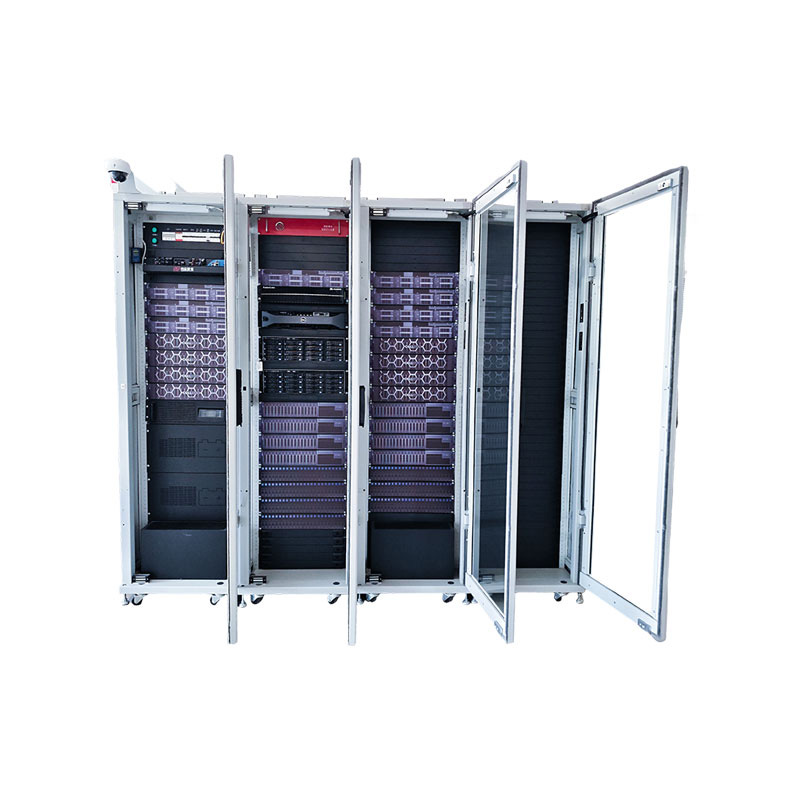
Product DefinitionThe Integrated Air-Cooled Cabinet adopts an "all-in-rack" design, deeply integrating cabinet structure, cooling, power distribution, cabling, and intelligent management subsystems to...
See Details -
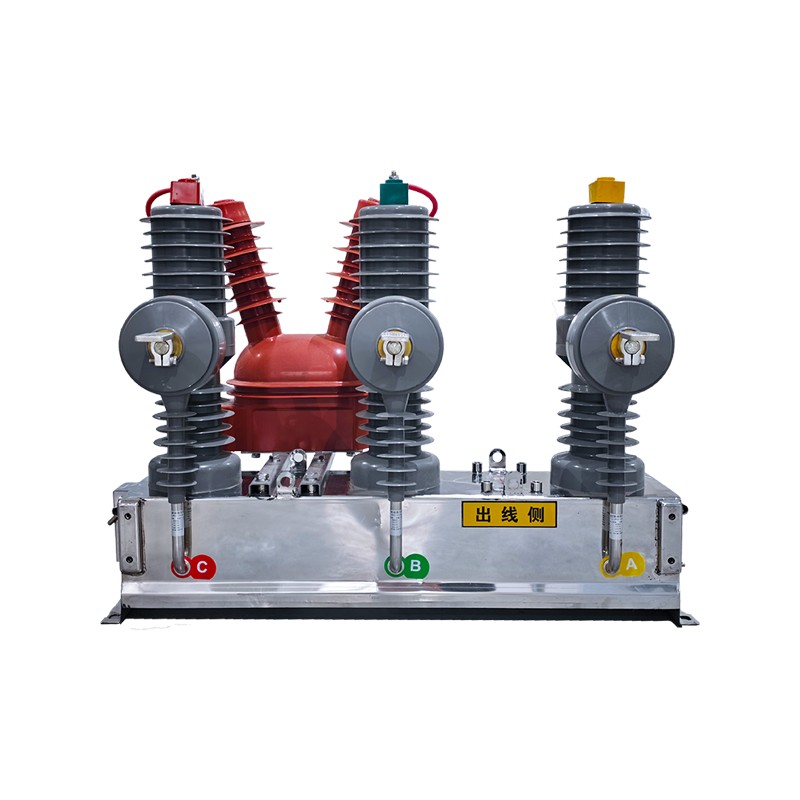
Product Overview: The ZW□-12/T630-25 outdoor high-voltage AC vacuum circuit breaker is a key device designed for 12 kV overhead distribution lines. By deeply integrating the primary switching unit wi...
See Details -
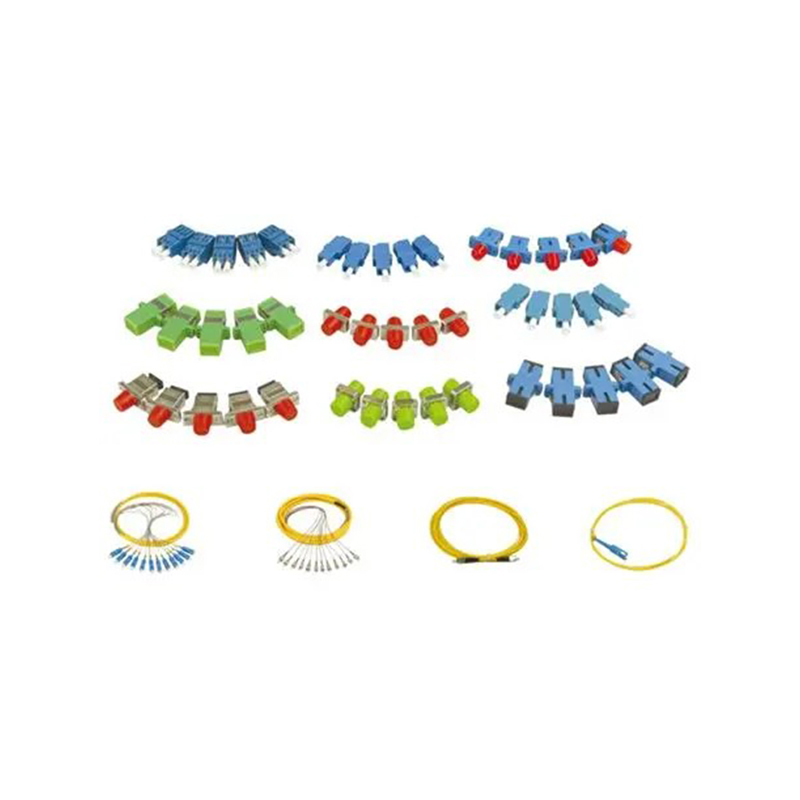
Application:The patch cord, pigtail and adapter are optical devices mainly used in OMDF, ODF, OCC and other optical distribution equipments. Features:•It adopts high-precision ceramic ferrule featurin...
See Details
Ready to Get started ? Contact Us Now !

Product.
Contact Details.
-
 +86 13958188250
-
 +86 13958188250
-
 [email protected]
-
 AUDIT Email:[email protected]
- Wanma Industrial Park Taihu Yuan Town Lin'an District Hangzhou City China.
QR Code

Copyright © Wanma Technology Co., Ltd. All Rights Reserved.
Privacy
Custom Ethernet Optical Network Railway Transit Equipments Suppliers
