

 English
 Français
 Español
 Português
 عربى





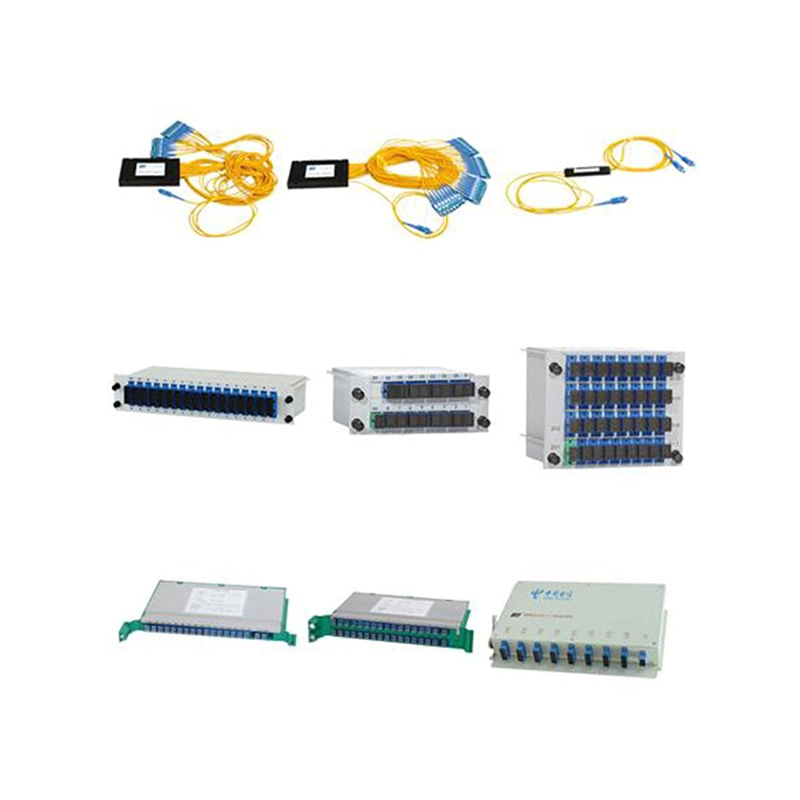
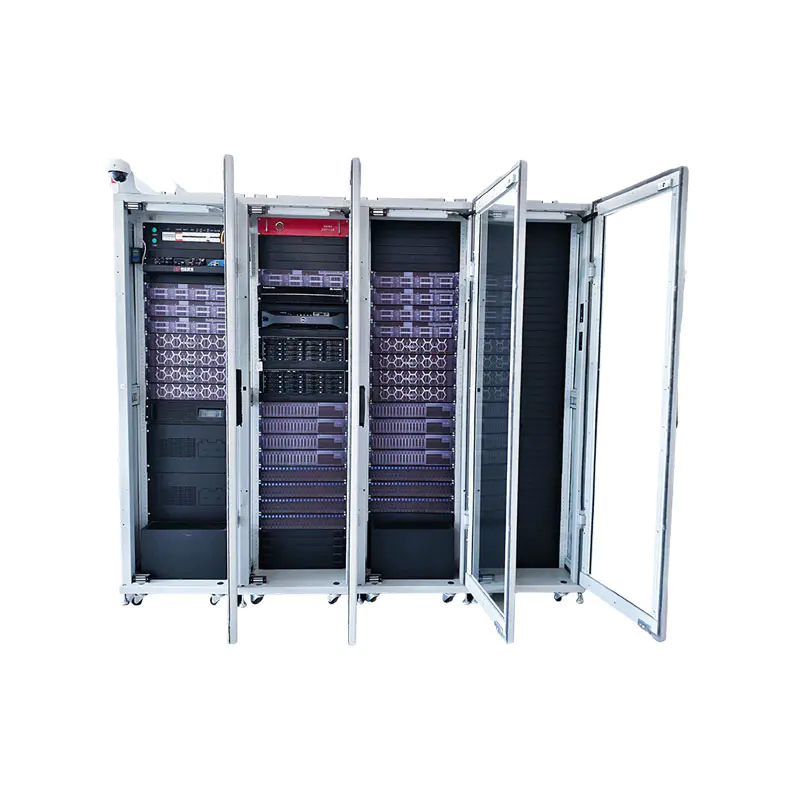
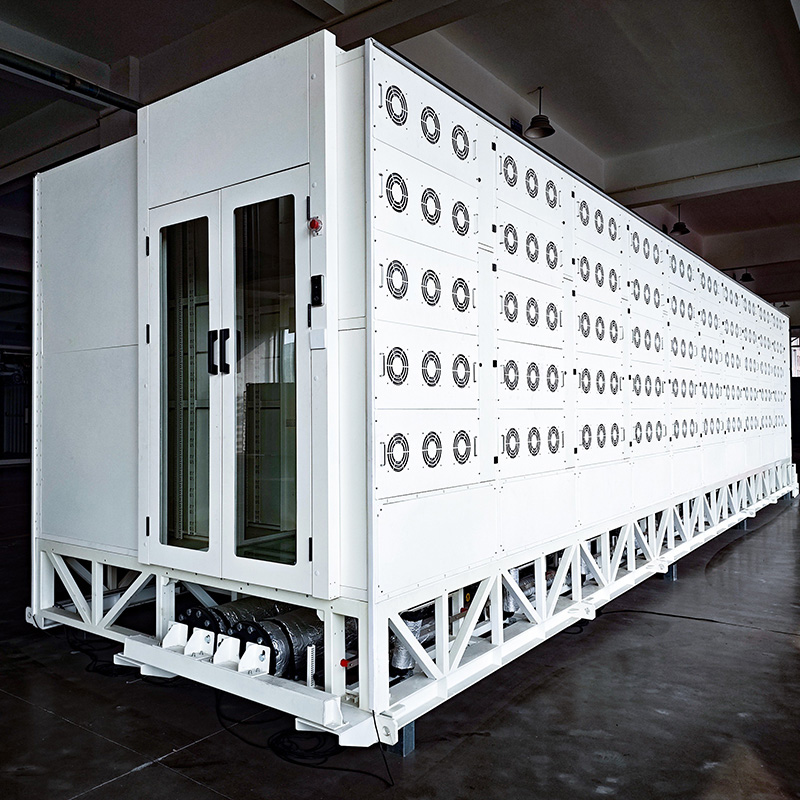
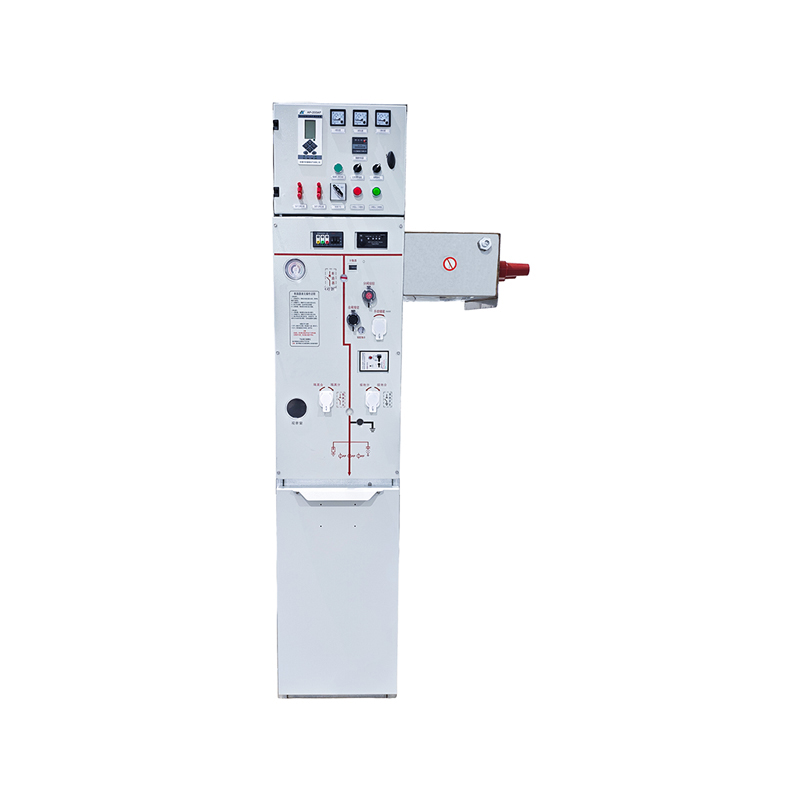

Application:It has the function of on-site termination in FTTH network, communication network termination and network cabling in FTTH network, making it the product for "tri-networks integration" (the...
See DetailsFiber Solution-Drop Cables for Reliable FTTH Deployment and Network Modernization
Content
- 1 Why Drop Cable Design Matters in FTTH Networks
- 2 Core Product Characteristics
- 3 Advantages Compared with Conventional Drop Cable Options
- 4 Manufacturing Strengths and Quality-Oriented Production
- 5 Applications in Telecommunications and Integrated Networks
- 6 Role in 5G and Network Modernization Infrastructure
- 7 Installation and Maintenance Considerations
- 8 Comparison of Key Product Benefits
- 9 Why Work with an Experienced Communication Manufacturer
- 10 Selection Guidance for Network Operators and Contractors
- 11 Quality, Reliability, and Long-Term Network Value
- 12 Q&A
- 12.1 What is a Fiber Solution-Drop Cable?
- 12.2 What is the main advantage of the bow-type structure?
- 12.3 Why is G657A fiber useful in FTTH installations?
- 12.4 Can the cable be terminated at the installation site?
- 12.5 What does halogen-free flame-retardant mean for a project?
- 12.6 Where can this drop cable be used?
- 12.7 Is this cable intended to replace feeder or backbone cable?
- 12.8 How does the product help reduce installation time?
- 12.9 What should installers avoid during deployment?
- 12.10 Why is supplier manufacturing experience important?
- 12.11 Can the cable support network modernization projects?
- 12.12 What information should be confirmed before ordering?
- 13 Conclusion
- 14 References
- 15 Product: Fiber Solution-Drop Cables (Bow-type Drop Cables)
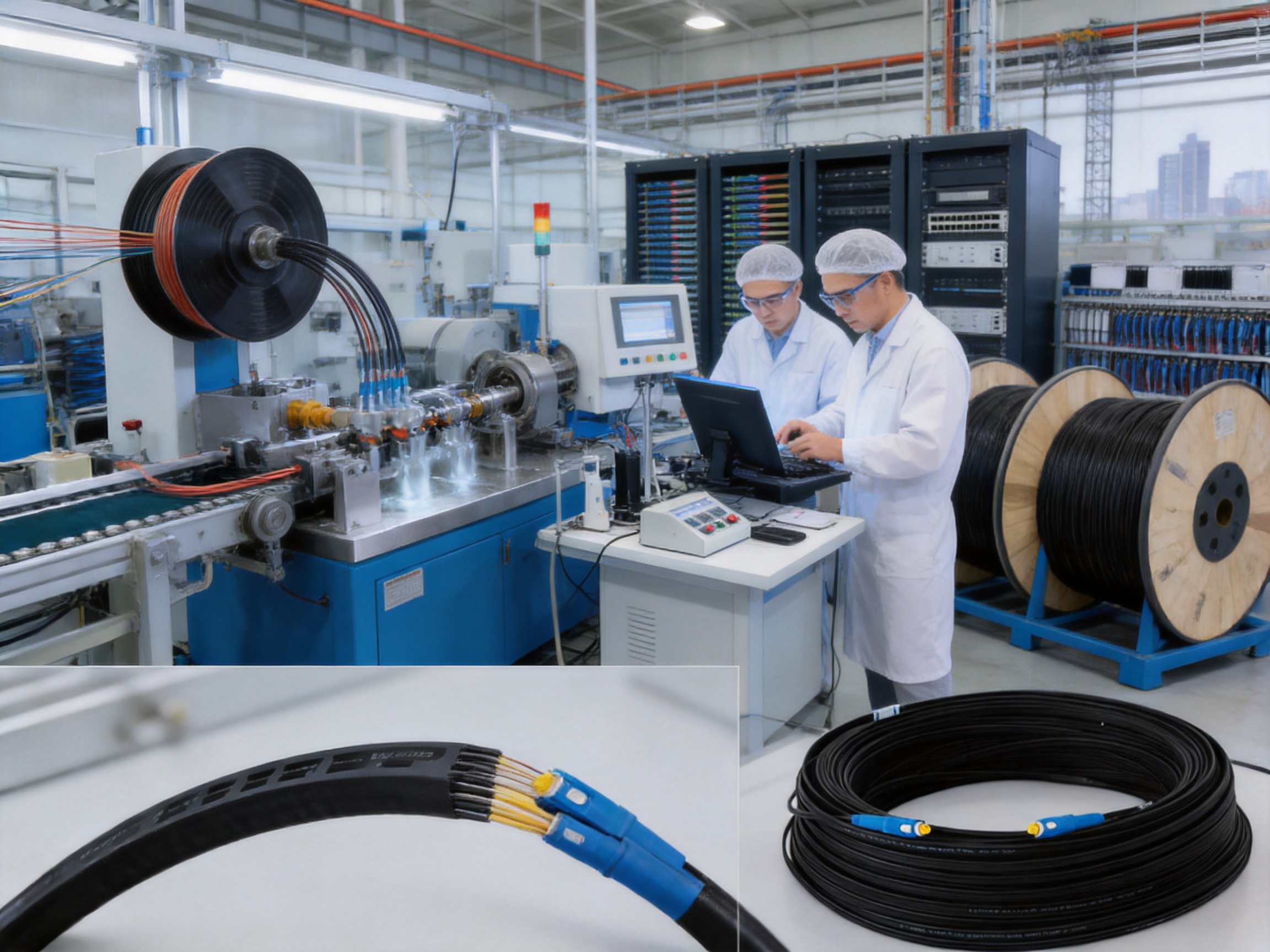
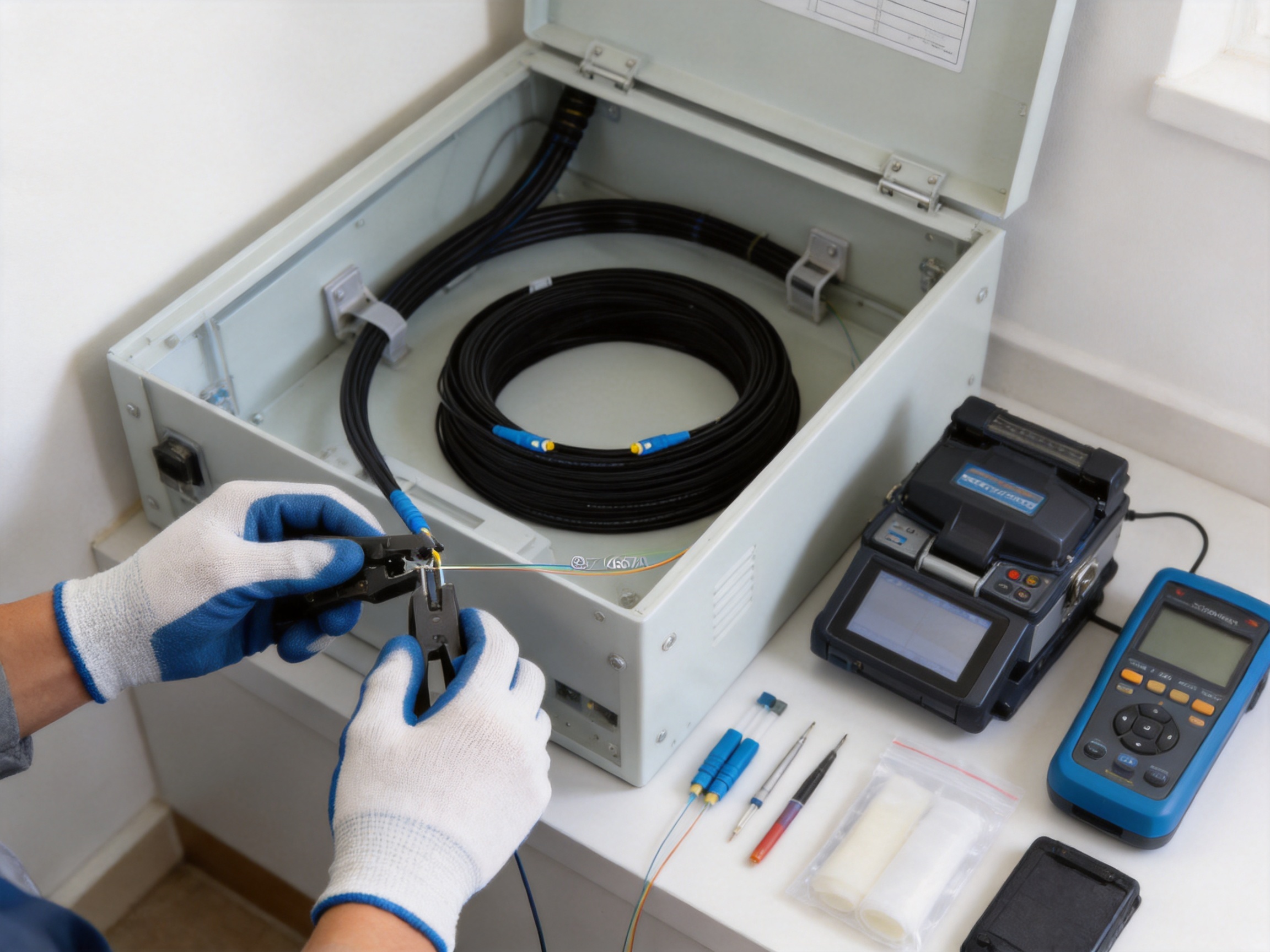
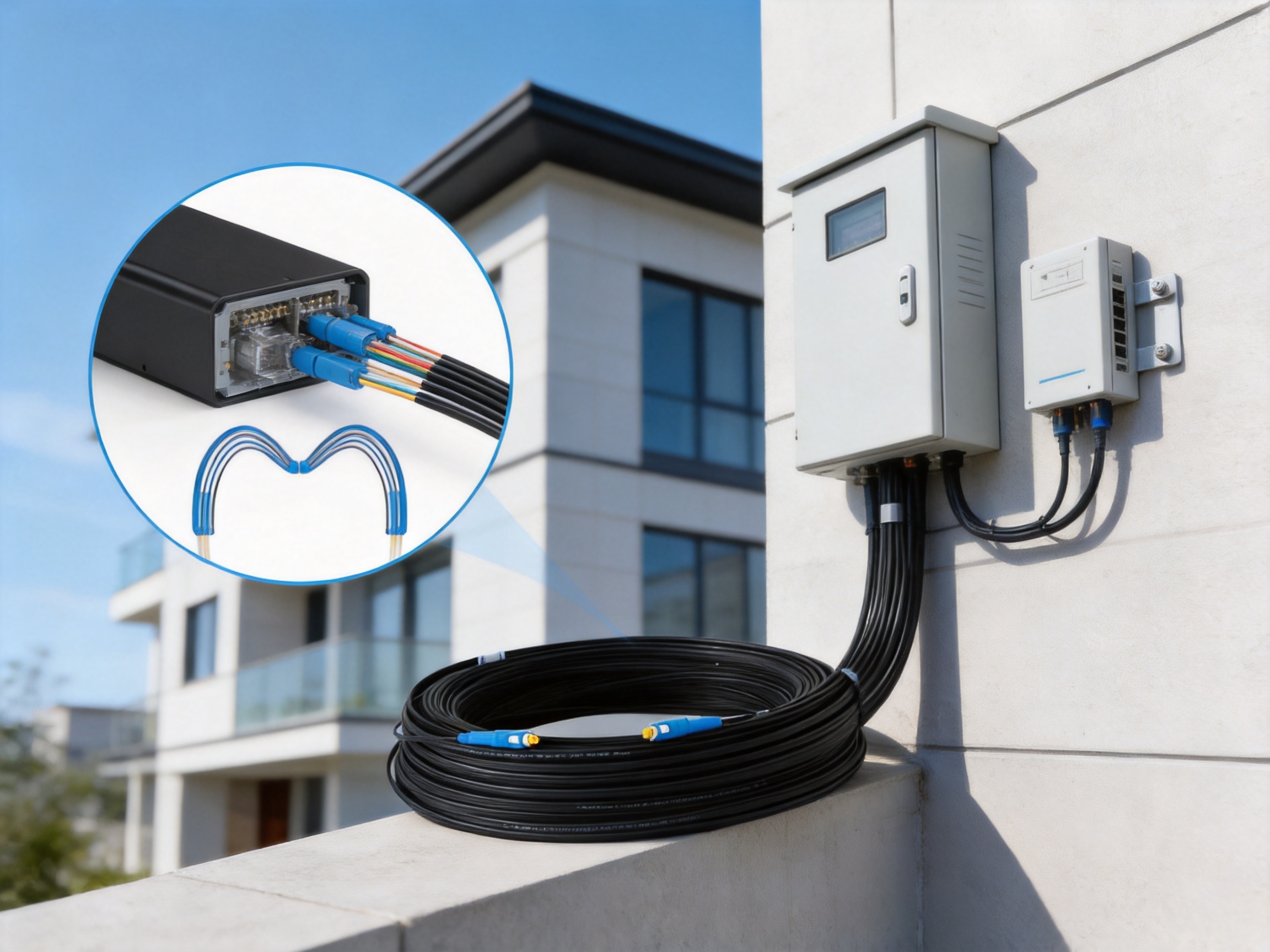
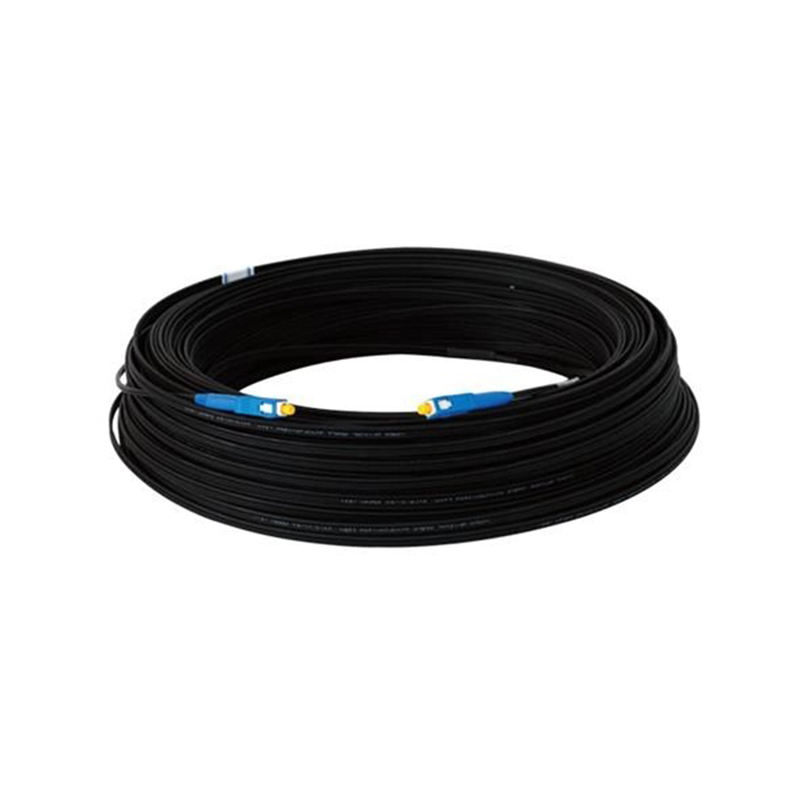
Fiber Solution-Drop Cables (Bow-type Drop Cables)
Fiber Solution-Drop Cables, also known as Bow-type Drop Cables, are specialized optical cables designed for the final connection stage of Fiber to the Home (FTTH) networks. They provide a practical link between distribution points and subscriber premises while supporting on-site termination, rapid installation, and dependable long-term network performance. Their compact structure, controlled bending behavior, easy stripping characteristics, and flame-retardant material options make them suitable for residential broadband, communication network termination, structured cabling, and integrated telecommunications infrastructure.
As operators expand fiber access networks and modernize communication infrastructure, the performance of the drop cable has become increasingly important. Although a drop cable is often shorter and lighter than a feeder or distribution cable, it operates in challenging conditions. It may be routed along building façades, through ducts, around indoor corners, across utility spaces, or into compact termination boxes. It must therefore combine optical stability, mechanical protection, installation convenience, and compatibility with field termination procedures.
The Bow-type Drop Cable addresses these requirements through a flat or bow-shaped configuration that organizes the optical fiber and reinforcing elements into a highly practical structure. It is designed to simplify field handling without compromising the essential characteristics of an FTTH access cable. With the use of small-bending-radius optical fiber, including G657A fiber, the cable can better tolerate routing around corners and within restricted spaces than conventional fiber constructions that require larger bend radii.
Manufactured and supplied by Wanma Technology Co., Ltd., the product forms part of a broader portfolio covering communication cabinets, communication electronic equipment, passive optical components, Ethernet networks, optical communication networks, railway communication environments, and urban rail transit systems. The company’s experience in communication infrastructure supports the development of products intended for practical deployment, consistent quality, and integration into complete network solutions.
Why Drop Cable Design Matters in FTTH Networks
FTTH networks bring optical fiber directly to homes, offices, public facilities, and other end-user locations. The final segment between the network access point and the subscriber is often subject to more installation variation than the controlled environment of a central equipment room. Installers must work around existing construction, limited wall space, narrow conduits, building entrances, internal corners, and customer equipment.
For this reason, a drop cable must do more than carry optical signals. It must be straightforward to identify, prepare, route, secure, terminate, and maintain. If the cable is difficult to strip or terminate, installation time increases and the possibility of fiber damage becomes greater. If it has poor bending performance, excessive optical attenuation may occur when it is routed around corners. If the jacket material does not meet the required flame-retardant expectations, it may be unsuitable for specific indoor or building-related applications.
Fiber Solution-Drop Cables are designed around these field conditions. Their construction supports the practical workflow of FTTH installation: measurement, routing, fixing, stripping, fiber preparation, connection, testing, and final protection. The bow-type profile also helps installers recognize the cable’s orientation and manage it efficiently in compact spaces.
In network modernization projects, these benefits become even more valuable. Operators may need to upgrade an existing copper or hybrid network while minimizing disruption to buildings and users. A cable that can be installed rapidly and terminated on-site can reduce labor requirements and simplify the transition to fiber. It can also support staged construction, in which access points and subscriber connections are completed progressively rather than requiring every cable assembly to be factory-prepared in advance.
Core Product Characteristics
Small-Bending-Radius G657A Optical Fiber
One of the most important features of the cable is its use of small-bending-radius optical fiber, such as G657A fiber. This type of fiber is engineered to maintain better optical performance when routed through tighter curves than standard single-mode fiber designs. In an FTTH installation, this characteristic is useful because the cable may need to pass through wall penetrations, compact distribution boxes, corner sections, and indoor pathways.
Improved bend tolerance does not mean that the cable can be folded or sharply kinked without consequences. Proper installation practices remain essential. However, G657A fiber gives installers a greater practical margin when managing normal routing conditions. It helps reduce the risk of bend-related attenuation caused by reasonable changes in direction during installation and maintenance.
Compared with a conventional cable that requires a larger routing radius, a small-bending-radius design can provide more flexibility in building environments. It may reduce the amount of visible cable loop required at termination points and make it easier to complete a neat installation around compact enclosures. This is particularly relevant in apartments, offices, retail premises, educational facilities, and other locations where space is limited and appearance matters.
Easy Stripping and Field Preparation
The cable is designed to be easy to strip, which is a significant advantage for on-site termination. During field work, installers generally need to remove the outer sheath, expose the optical fiber, position the strength elements, and prepare the fiber for a connector, splice, terminal, or other interface. A cable structure that supports controlled stripping can make this procedure more efficient and reduce unnecessary handling.
Easy stripping also contributes to installation consistency. When the outer material can be removed cleanly, the installer has better control over the exposed fiber length and can reduce the possibility of accidental damage. This is especially important in large-scale FTTH projects where many individual subscriber connections must be prepared under time and labor constraints.
Field preparation should always be carried out with appropriate tools and according to the project’s installation instructions. The cable’s user-friendly construction supports the process, but it does not eliminate the need for trained personnel, suitable protective equipment, correct fiber-cleaning procedures, or optical testing after termination.
Convenient Fixing and Connection
Fiber Solution-Drop Cables are intended to be easy to fix, connect, and maintain. Their practical structure allows installers to secure the cable along an approved route, organize it near a termination point, and complete the connection without complex preparation. This can be useful in both new construction and retrofit projects.
A cable that is easy to fix helps reduce routing errors. It can be positioned along walls, within cable management systems, or through suitable conduits while maintaining a controlled path. Proper fixing protects the cable against accidental pulling, excessive movement, and irregular bending. It also makes future inspection easier because the cable route is visually organized.
Connection convenience is particularly valuable where a project requires on-site termination rather than pre-terminated cable assemblies. Installers can adapt the cable length to the actual site condition, minimizing unnecessary slack and reducing the need to stock multiple pre-defined lengths. This flexibility can support more efficient material management across diverse projects.
Flame-Retardant and Halogen-Free Material
The product uses a halogen-free flame-retardant material designed to meet the required flame-retardant property. Halogen-free materials are increasingly considered for indoor communication environments because they can help reduce the release of corrosive and harmful gases during a fire compared with certain traditional halogen-containing materials.
For building-related installations, material selection is an important part of network safety planning. Cables may pass through shared risers, equipment rooms, corridors, ceilings, and occupied areas. A halogen-free flame-retardant jacket can support project requirements where reduced smoke and reduced corrosive emissions are important design considerations.
The exact suitability of a cable for a particular building or regulatory environment depends on the applicable standards, installation method, and project specification. Engineers and contractors should verify the required fire-performance classifications before deployment. Nevertheless, the use of halogen-free flame-retardant material gives this drop cable a valuable advantage over basic cables that may not be designed for the same indoor safety expectations.
Advantages Compared with Conventional Drop Cable Options
Better Adaptability to Compact Routing
Traditional drop cables may be difficult to route in small spaces if their fiber construction requires a relatively large bending radius. The use of G657A fiber improves adaptability to ordinary tight turns encountered in FTTH work. Installers can manage corners and transitions more effectively while maintaining appropriate routing discipline.
This advantage is not limited to residential premises. Commercial buildings, hotels, hospitals, transportation facilities, and public institutions often contain dense cable pathways. A flexible drop cable can help network designers use available space more efficiently and can make subscriber connections less visually intrusive.
Reduced Installation Complexity
Many competitors offer cables that perform adequately after installation but require additional effort during preparation. A product designed for easy stripping, fixing, and connection can reduce the number of difficult steps in the field. This may shorten installation time, improve labor productivity, and reduce the probability of errors caused by rushed or complicated preparation procedures.
The value of simplified installation becomes more evident as network operators connect thousands or millions of users. Even a small reduction in preparation time per endpoint can produce a significant project-level benefit. Easier field handling can also make training more straightforward for installation teams and support more consistent work quality across different regions.
Suitability for On-Site Termination
Some network environments require flexible cable lengths because the actual distance between the access point and the subscriber can vary. Pre-terminated cables can be useful in standardized environments, but they may create excess material, require more careful length planning, or be less convenient when site conditions change.
The Fiber Solution-Drop Cable is suitable for on-site termination, allowing installers to adapt the connection to the real installation path. This can be an advantage during network expansion, repair, relocation, and modernization. It also supports projects where the cable must pass through an irregular route or where final equipment positioning is confirmed only after construction work begins.
Improved Indoor Safety Considerations
Compared with basic cable jackets that do not provide the same material characteristics, a halogen-free flame-retardant design is better aligned with indoor safety-conscious projects. It supports the goal of limiting flame propagation and reducing the potential impact of corrosive smoke in appropriate applications.
Safety-related cable selection can influence the acceptance of an installation by building owners, consultants, operators, and authorities. A product with an appropriate flame-retardant material system may therefore offer advantages beyond optical performance alone.
Balanced Performance and Cost
In FTTH deployment, the most expensive cable is not always the most suitable, and the lowest-priced cable may create hidden costs through difficult installation, rework, or maintenance. A practical drop cable should balance optical characteristics, mechanical usability, safety properties, and deployment efficiency.
The Bow-type Drop Cable is positioned as a solution that supports this balance. Its value comes from combining small-bending-radius fiber, field-friendly preparation, on-site termination, and halogen-free flame-retardant material in one access-network product. These combined characteristics can provide a stronger overall project proposition than a cable selected only on the basis of initial unit price.
Manufacturing Strengths and Quality-Oriented Production
The performance of an optical drop cable depends not only on its design but also on the consistency of its manufacturing process. Fiber positioning, material extrusion, strength-member integration, jacket formation, dimensional control, marking, and final inspection must work together. Inconsistent production can lead to installation difficulty, variable mechanical behavior, or optical performance problems.
Wanma Technology Co., Ltd. has specialized in communication cabinets, communication electronic equipment, and passive optical components since its establishment in 1997. This long-term focus on communication infrastructure provides a relevant foundation for manufacturing products used in optical networks and related equipment environments.
Material Selection and Process Control
A reliable drop cable begins with controlled material selection. The optical fiber must meet the specified characteristics, while the jacket and reinforcement materials must be compatible with the intended mechanical and environmental requirements. For a halogen-free flame-retardant product, the material formulation and extrusion behavior require particular attention because safety performance, flexibility, surface quality, and process stability must be balanced.
During production, material handling and storage can influence final cable quality. Moisture control, contamination prevention, batch identification, and appropriate processing conditions help maintain repeatability. A quality-oriented manufacturer treats these procedures as part of the product rather than as separate administrative activities.
Optical Fiber Positioning
The position of the optical fiber inside the cable affects bending behavior, stripping performance, and connection preparation. A stable production process keeps the fiber correctly located within the cable structure while maintaining the intended relationship with strength members and the outer jacket.
Precise fiber positioning is especially important for bow-type designs. The cable profile must remain consistent enough for installers to understand how it should be routed and prepared. Excessive variation could make stripping and termination less predictable. Controlled production helps ensure that the cable performs in a repeatable manner from one manufacturing batch to another.
Extrusion and Jacket Formation
Extrusion is a central stage in the production of many optical cables. The outer material must surround the internal structure evenly and form a stable, smooth jacket. Important process considerations include temperature control, line speed, material flow, dimensional stability, surface finish, and cooling conditions.
A well-controlled extrusion process supports a uniform cable profile and helps maintain the intended flexibility. It can also reduce surface defects that may interfere with fixing, routing, or visual inspection. For flame-retardant and halogen-free materials, process control is particularly important because the material must be processed within suitable conditions while preserving its required properties.
Mechanical and Optical Inspection
Quality assurance for an optical drop cable should include both visual and performance-oriented inspection. Visual checks can identify jacket irregularities, marking problems, contamination, or profile deviations. Dimensional checks can confirm whether the finished cable remains within the intended size range. Optical testing can verify attenuation and continuity, while mechanical checks can assess relevant strength and handling characteristics.
Testing procedures should correspond to the product specification and the requirements of the target market. A manufacturer with experience across communication equipment and passive optical products is better positioned to understand how cable quality affects the broader network assembly. This systems perspective can support more meaningful quality control than inspection limited to appearance alone.
Traceability and Delivery Reliability
Large FTTH deployments require more than technically acceptable products. They also require predictable delivery, consistent batches, suitable packaging, and responsive communication. Wanma Technology emphasizes reliable product quality, timely delivery, and long-term strategic partnerships with industry leaders.
Batch traceability supports quality management by linking finished products with production records and material information. It can assist with project documentation, future maintenance, and investigation if a field issue occurs. Consistent packaging protects the cable during transportation and storage, while clear product identification helps distributors and installers manage inventory.
Applications in Telecommunications and Integrated Networks
FTTH Subscriber Connections
The primary application of the cable is the final connection in FTTH networks. It can be routed from a building distribution point, optical distribution box, terminal enclosure, or other network access location to a residence or business premises. Its field-termination capability supports varied installation distances and site conditions.
In apartment buildings, the cable can be used for connections between riser distribution areas and individual units. In detached homes, it can support the route from an outdoor access point to an indoor optical network terminal. In small businesses, it can connect a building entry point to the communication room or customer equipment area.
Communication Network Termination
The product can also support communication network termination beyond residential broadband. It may be used where optical links must be completed at local termination points, cabinets, or communication enclosures. The easy-to-handle structure is useful when technicians need to prepare, connect, and test fibers directly at the installation location.
Because the cable is designed for access-network environments, it can complement passive optical distribution products, communication cabinets, and related network equipment. Its role is not to replace backbone or feeder cable but to provide a practical final link between distribution infrastructure and the connected endpoint.
Network Cabling for FTTH Projects
Network cabling projects often involve mixed construction conditions. Some cables may pass through indoor spaces, while others may travel through protected exterior routes or building entry points. The drop cable’s flexible structure and field-friendly characteristics allow project teams to adapt the final connection to the installation environment, subject to applicable specifications.
For new developments, the cable can be incorporated into the initial communications plan. For existing buildings, it can support overlay construction and modernization without requiring extensive structural changes. Its compact form can be useful where the network must coexist with electrical services, building systems, or existing communication cabling.
Tri-Network Integration
The product is suitable for the access portion of “tri-networks integration,” referring to the convergence of telecommunications networks, cable television networks, and Internet services. As these services increasingly share high-capacity fiber infrastructure, the final optical connection must be dependable, manageable, and suitable for different subscriber environments.
Fiber deployment supports high bandwidth, low transmission loss over appropriate distances, and long-term infrastructure development. A practical drop cable contributes to this architecture by simplifying the physical connection between the shared optical network and the end user.
Role in 5G and Network Modernization Infrastructure
Although the product is primarily associated with FTTH, its characteristics are also relevant to broader 5G and network modernization programs. Modern mobile networks require extensive fiber connectivity between radio access equipment, aggregation points, transport nodes, and centralized facilities. The access and distribution portions of these networks often involve complex construction environments where compact, manageable optical cabling is valuable.
In areas where fixed broadband and mobile infrastructure are developed together, the same planning principles apply: reliable optical transmission, efficient installation, appropriate safety materials, and future maintenance access. Fiber Solution-Drop Cables can support subscriber-side and local access connections within this wider modernization ecosystem, while specialized feeder and transport cables serve longer or higher-capacity routes.
The product can also be part of a phased infrastructure strategy. Network operators may first establish distribution points, then connect customers and local facilities as demand develops. On-site termination makes it easier to adjust the final connection as the network footprint expands.
Installation and Maintenance Considerations
Planning the Cable Route
Before installation, technicians should inspect the route and identify the intended entry point, bends, fixing locations, termination equipment, and areas exposed to possible mechanical stress. The route should be as direct as practical while respecting building regulations, separation requirements, and access for future maintenance.
The small-bending-radius fiber provides improved flexibility, but the cable should not be sharply folded, crushed, or twisted. Planned routing protects the optical fiber and produces a more professional installation. Adequate allowance should be made for termination and future servicing without creating excessive loops.
Stripping and Termination
Installers should use tools appropriate for the cable construction and remove the jacket in a controlled manner. The exposed fiber should be kept clean and protected from unnecessary contact. Connectorization or splicing should follow the procedure specified for the selected termination hardware.
After termination, the completed link should be inspected and tested. Optical power measurement, continuity testing, and other applicable tests help verify that the connection has been prepared correctly. Testing is particularly important after routing through corners or completing work in confined spaces.
Fixing and Protection
The cable should be fixed using suitable clips, clamps, or cable-management accessories that do not crush or deform the jacket. Excessive pressure can affect the internal structure even when no visible damage is present. Fixing points should support the cable without creating sharp local bends.
At entrances and transitions, additional protection may be required. The selected protection method should reflect the environment, including exposure to moisture, abrasion, sunlight, temperature variation, or accidental impact. The cable’s flame-retardant material supports relevant applications but does not remove the need for correct installation design.
Maintenance and Troubleshooting
A well-organized drop cable route makes future maintenance easier. Technicians can locate the cable, identify its termination points, inspect fixing conditions, and replace or repair the connection with less disruption. The product’s suitability for on-site termination is also useful during fault recovery because a replacement section can be prepared according to the actual site condition.
Common maintenance checks include inspecting for excessive bends, visible jacket damage, loose fixing points, contaminated connectors, and unexpected optical attenuation. Maintaining clean connection interfaces is essential because dust or residue can significantly affect optical performance.
Comparison of Key Product Benefits
| Evaluation Area | Fiber Solution-Drop Cable Benefit | Practical Project Value |
|---|---|---|
| Bending performance | Uses small-bending-radius optical fiber such as G657A | Supports routing through compact spaces and ordinary building corners |
| Field preparation | Designed for easy stripping and handling | Helps reduce installation complexity and preparation time |
| Termination | Suitable for on-site termination | Allows flexible cable lengths and site-specific connection work |
| Fixing and connection | Practical structure for securing and connecting | Supports organized installation and easier maintenance |
| Material safety | Halogen-free flame-retardant material | Supports indoor applications with enhanced fire-safety considerations |
| Application scope | FTTH, communication termination, and network cabling | Can serve residential, commercial, and integrated access-network projects |
| Manufacturing support | Produced by an experienced communication infrastructure manufacturer | Supports quality consistency, delivery coordination, and solution integration |
Why Work with an Experienced Communication Manufacturer
A cable supplier’s value is determined by more than the product datasheet. Project teams also need technical communication, production coordination, delivery support, and an understanding of how the cable interacts with cabinets, terminals, passive optical components, and other network equipment.
Wanma Technology Co., Ltd. was established in 1997 and has developed experience in communication cabinets, communication electronic equipment, and passive optical components. Its products are used in Ethernet networks, optical communication networks, central equipment rooms, national high-speed railway systems, and urban rail transit systems. This range of applications reflects familiarity with the reliability and organization requirements of professional communication infrastructure.
The company develops, manufactures, and markets its own branded products while also providing integrated solutions for customized products. This combination can be useful for customers whose requirements do not fit a completely standard purchasing model. It may allow project teams to discuss product integration, packaging, cable coordination, or related communication equipment through one experienced supplier.
Its sales network covers more than 20 countries and regions, including the United States, Australia, the United Kingdom, Italy, South Africa, and Ghana. International experience can support communication across different procurement environments and deployment conditions. For global network operators, contractors, and distributors, supplier continuity and responsive coordination are important factors in addition to product performance.
The company’s stated mission is to create satisfaction for customers, fulfillment for employees, and value for society. In practical terms, this philosophy is reflected in an emphasis on reliable quality, timely delivery, and long-term strategic partnerships with industry leaders. These priorities are relevant to FTTH projects because network deployment is usually a long-term process involving expansion, maintenance, and repeated procurement.
Selection Guidance for Network Operators and Contractors
When selecting a drop cable, buyers should first confirm the intended environment. Indoor residential routes, outdoor building entrances, central office spaces, and transport-related facilities may have different requirements. The cable’s fiber type, jacket material, mechanical characteristics, termination method, and applicable standards should be evaluated together.
Second, project teams should consider installation practices. If the project depends on field termination, a cable that is easy to strip and prepare may be more valuable than one optimized only for factory assembly. If the route includes many compact corners, small-bending-radius fiber can simplify the installation. If the cable will pass through occupied buildings, halogen-free flame-retardant material may be an important selection criterion.
Third, the buyer should evaluate supply capability. Product consistency, packaging, lead time, communication, quality documentation, and after-sales support all affect the total project result. A technically suitable cable that arrives late or varies significantly between batches can create substantial operational problems.
Finally, the cable should be considered as part of the complete optical network. Compatibility with distribution boxes, terminals, connectors, splicing equipment, cabinets, and testing procedures should be confirmed before mass deployment. An integrated approach helps prevent field problems caused by selecting each component independently.
Quality, Reliability, and Long-Term Network Value
FTTH infrastructure is expected to serve for many years. Once a drop cable is installed inside a building or along a property, replacement may be inconvenient and expensive. Long-term value therefore depends on more than immediate installation cost. It includes optical stability, mechanical protection, material safety, ease of repair, and the ability to support future service upgrades.
The Fiber Solution-Drop Cable contributes to this long-term value through a combination of bend-tolerant fiber, practical handling, field termination, and flame-retardant material. These features address common challenges at the network edge, where physical installation conditions are less predictable than those in a controlled equipment room.
Reliable manufacturing strengthens this value. Consistent materials, controlled fiber positioning, stable extrusion, inspection, and traceability help ensure that the delivered cable behaves as expected in the field. When supported by an experienced communication equipment manufacturer, the product can become part of a broader strategy for dependable network construction and maintenance.
Q&A
What is a Fiber Solution-Drop Cable?
A Fiber Solution-Drop Cable is an optical access cable used for the final connection in FTTH and related communication networks. It is also known as a Bow-type Drop Cable because of its characteristic structure. It connects distribution infrastructure with subscriber or local termination points.
What is the main advantage of the bow-type structure?
The bow-type structure provides a practical, compact format for routing, fixing, stripping, and termination. It is suitable for building environments where the cable must be managed neatly and connected efficiently at the network edge.
Why is G657A fiber useful in FTTH installations?
G657A fiber is designed to provide improved performance when routed through relatively small bends. This is useful in FTTH installations that pass through corners, compact boxes, wall penetrations, and restricted indoor spaces. Proper routing remains necessary, but the fiber offers greater flexibility than many conventional designs.
Can the cable be terminated at the installation site?
Yes. The product is suitable for on-site termination. Its structure is designed to support field stripping, fixing, connection, and maintenance, allowing installers to adapt the final cable length and termination arrangement to actual site conditions.
What does halogen-free flame-retardant mean for a project?
It means the cable uses a material designed to provide the required flame-retardant property without relying on halogen-containing jacket materials. In suitable indoor applications, this can support reduced smoke and reduced corrosive emissions during a fire. The exact project suitability must be confirmed against local regulations and applicable standards.
Where can this drop cable be used?
It can be used in FTTH subscriber connections, communication network termination, and network cabling. It is also suitable for access portions of integrated telecommunications, cable television, and Internet networks, subject to project requirements.
Is this cable intended to replace feeder or backbone cable?
No. It is primarily a drop or access cable for the final connection segment. Feeder and backbone routes normally require cable designs with different capacity, mechanical protection, distance, and environmental characteristics.
How does the product help reduce installation time?
Its easy-to-strip structure, practical fixing characteristics, and suitability for on-site termination can simplify the field workflow. Installers can prepare and connect the cable according to the actual route instead of relying exclusively on pre-defined cable assemblies.
What should installers avoid during deployment?
Installers should avoid sharp kinks, crushing, excessive pulling, inappropriate fixing pressure, contamination of optical connectors, and routing that conflicts with building or network safety requirements. G657A fiber improves bend tolerance but does not make the cable immune to improper handling.
Why is supplier manufacturing experience important?
Manufacturing experience helps support consistent material control, cable formation, inspection, packaging, and delivery. Wanma Technology has specialized in communication cabinets, electronic equipment, and passive optical components since 1997, providing a broader communication infrastructure background for this product.
Can the cable support network modernization projects?
Yes. Its FTTH-oriented characteristics are relevant to broadband expansion, access-network upgrades, building modernization, and related 5G infrastructure programs. It can support the final or local optical connections within a larger network architecture.
What information should be confirmed before ordering?
Buyers should confirm fiber type, cable dimensions, material requirements, termination method, installation environment, applicable standards, required lengths, packaging, testing documentation, delivery schedule, and compatibility with the selected termination equipment.
Conclusion
Fiber Solution-Drop Cables provide a practical and adaptable solution for the final stage of FTTH and related optical communication networks. Their use of small-bending-radius G657A fiber supports installation in compact spaces, while the easy-to-strip and easy-to-fix structure helps simplify field work. Suitability for on-site termination gives contractors greater flexibility, and halogen-free flame-retardant material supports safety-conscious indoor applications.
Compared with conventional drop cable options that may be more difficult to bend, prepare, or terminate, the Bow-type Drop Cable combines several field-oriented advantages in one design. These benefits can reduce installation complexity, support consistent workmanship, improve maintenance access, and contribute to more efficient network modernization.
The product is supported by Wanma Technology Co., Ltd., an established communication infrastructure manufacturer with experience in communication cabinets, electronic equipment, passive optical components, Ethernet networks, optical communication systems, high-speed railway applications, and urban rail transit. Its emphasis on product quality, delivery reliability, customized solutions, and long-term partnerships strengthens the product’s value for professional network projects.
As broadband services, integrated networks, and intelligent communication systems continue to expand, the quality of the final fiber connection remains essential. A carefully designed and consistently manufactured drop cable can help network operators build access infrastructure that is easier to install, safer to manage, and better prepared for long-term service.
References
International Telecommunication Union, optical fiber and optical cable recommendations for access networks.
International Electrotechnical Commission, standards and guidance for optical fiber cables and passive optical components.
Telecommunications Industry Association, structured cabling principles for telecommunications infrastructure.
International Organization for Standardization, quality management principles for manufacturing and supply-chain control.
Fiber to the Home Council, industry guidance on FTTH architecture, deployment, and subscriber connections.
Fire-safety engineering guidance for halogen-free, flame-retardant, and low-smoke communication cable materials.
Manufacturer product information for Fiber Solution-Drop Cables and Bow-type Drop Cables.
Product: Fiber Solution-Drop Cables (Bow-type Drop Cables)
PREV:No previous
article
NEXT:Fiber Solution Optical Main Distribution Frame for High-Capacity Communication Rooms
NEXT:Fiber Solution Optical Main Distribution Frame for High-Capacity Communication Rooms
Interested in cooperation or have questions?
Related products
-
-
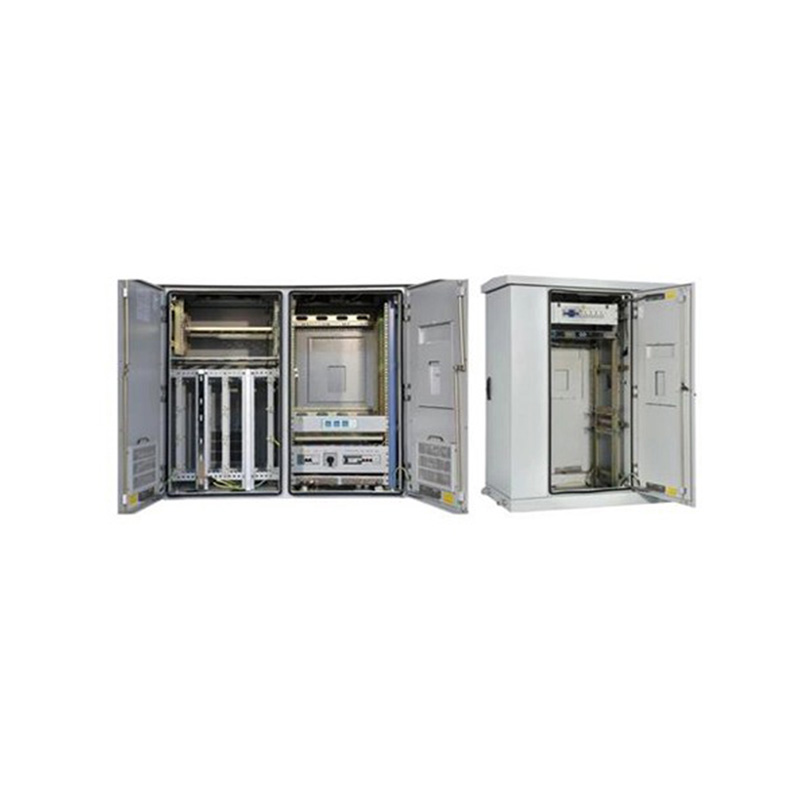
Application:It is used for the fixed network and broadband access, providing physical working environment and security system for the workstation in wired network. Features:•The cabinet is composed of...
See Details -
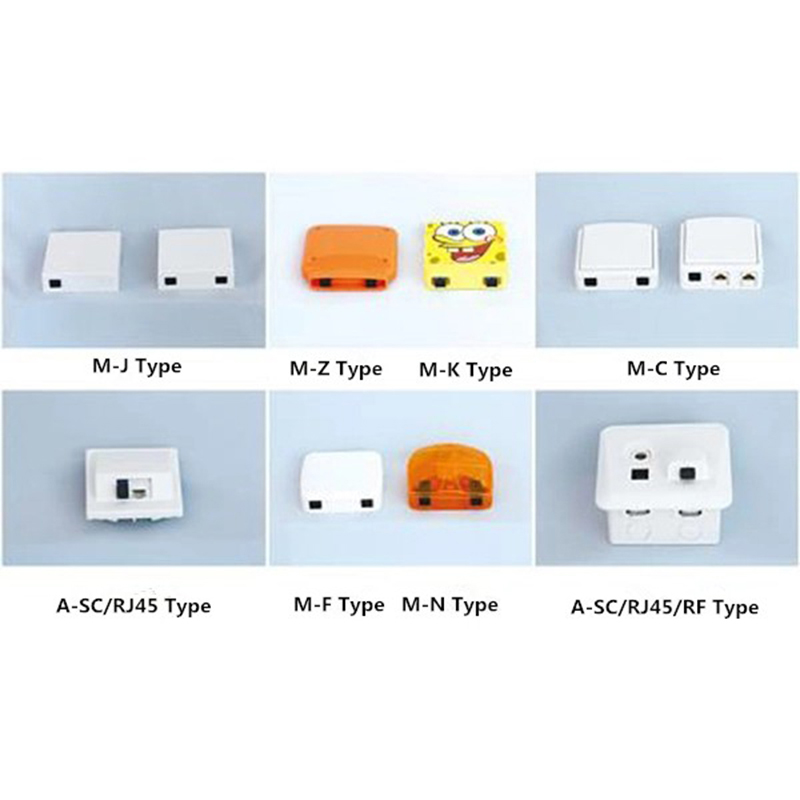
Application:It can be applied to FTTH, FTTO, FTTB applications and also has the functions of splicing, welding and installing connectors. Features:•Large variety; Full specification; Pleasing appearan...
See Details -
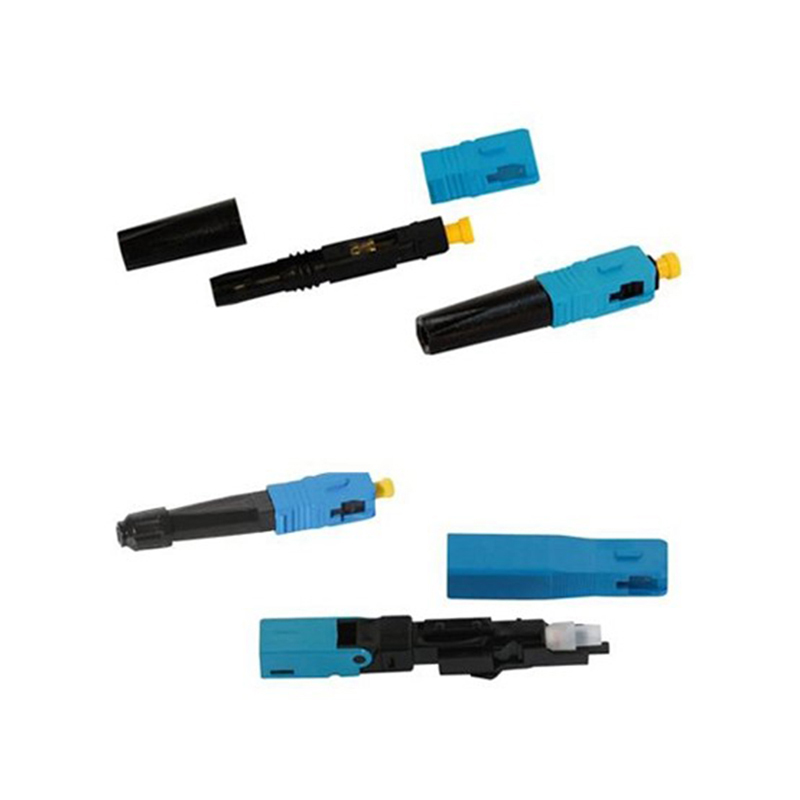
Application:It is suitable for the connection of Bow-type cables and is mainly used in optical fiber termination box, optical fiber distribution box, Household intelligent box, optical fiber socket-bo...
See Details
Ready to Get started ? Contact Us Now !

Product.
Contact Details.
-
 +86 13958188250
-
 +86 13958188250
-
 [email protected]
-
 AUDIT Email:[email protected]
- Wanma Industrial Park Taihu Yuan Town Lin'an District Hangzhou City China.
QR Code

Copyright © Wanma Technology Co., Ltd. All Rights Reserved.
Privacy
Custom Ethernet Optical Network Railway Transit Equipments Suppliers
