

 English
 Français
 Español
 Português
 عربى
عربى




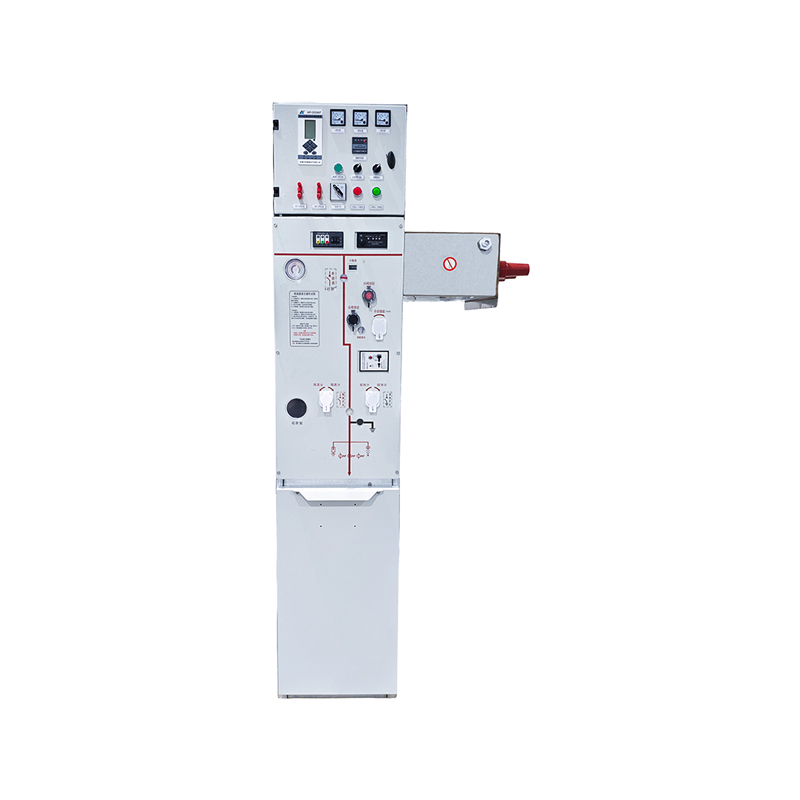
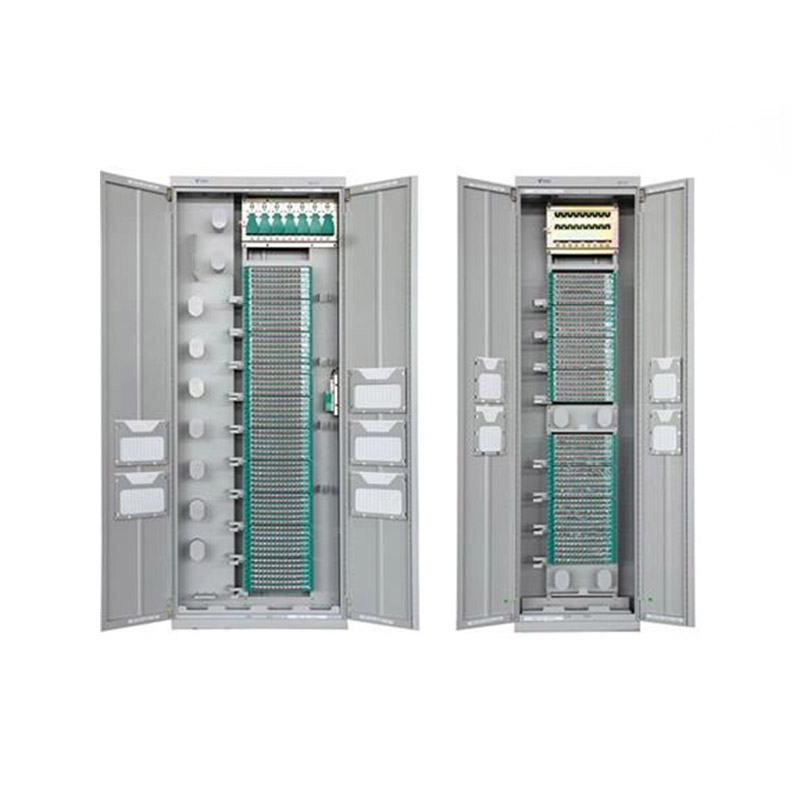
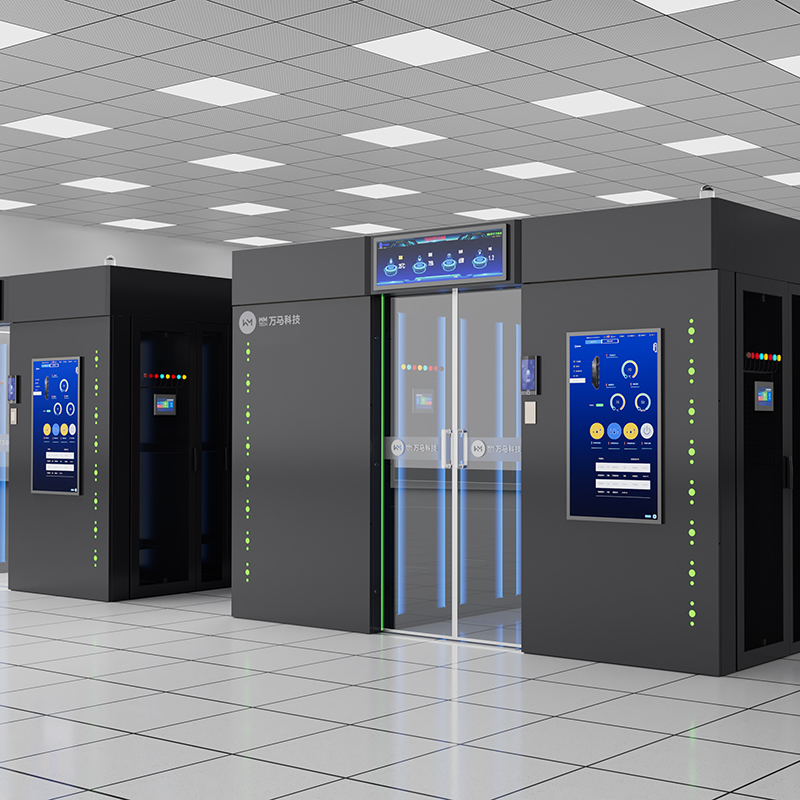
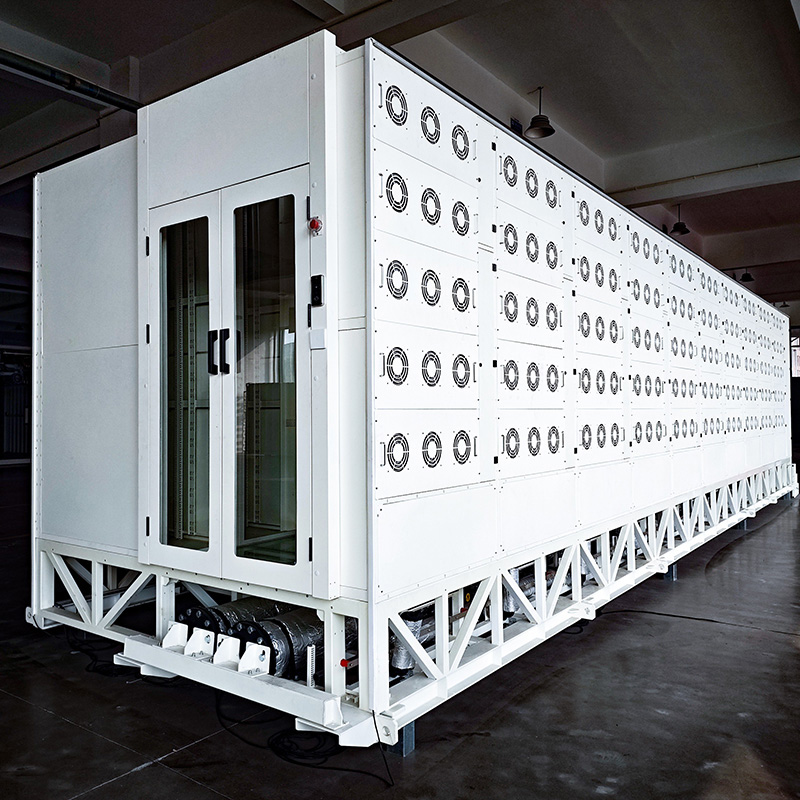

Product DefinitionThe Wanma Clean Fabric Temporary Storage Cabinet is an intelligent terminal device integrated with RFID, IoT, and facial recognition technologies, designed for managing medical fabri...
See DetailsIntelligent Clean Fabric Temporary Storage Cabinets for Traceable Healthcare Textile Management
Content
- 1 Product Definition and Core Purpose
- 2 Why Clean Fabric Management Requires Intelligent Storage
- 3 Key Technologies Integrated into the Cabinet
- 4 Major Advantages Over Conventional and Competing Solutions
- 5 Application Scenarios in Healthcare and Textile Service Operations
- 6 Functional Overview
- 7 How the Cabinet Supports Paperless, Visual, and Traceable Management
- 8 Engineering Design for Medical Environments
- 9 Manufacturing Strength Behind the Product
- 10 Operational Benefits for Hospitals
- 11 Operational Benefits for Laundries and Textile Service Providers
- 12 Customization and Integration Potential
- 13 Competitive Position in the Intelligent Medical Fabric Market
- 14 Implementation Considerations for Hospitals
- 15 Long-Term Value and Return on Investment
- 16 Q&A: Common Questions About the Clean Fabric Temporary Storage Cabinet
- 16.1 Q1: What is the main purpose of the Clean Fabric Temporary Storage Cabinet?
- 16.2 Q2: How does the cabinet improve inventory accuracy?
- 16.3 Q3: Can staff use the cabinet while wearing masks?
- 16.4 Q4: What types of facilities can use this product?
- 16.5 Q5: What communication methods does the cabinet support?
- 16.6 Q6: Can the cabinet integrate with existing hospital or laundry systems?
- 16.7 Q7: How does the cabinet help reduce fabric loss?
- 16.8 Q8: Is the cabinet only a storage device?
- 16.9 Q9: What makes this cabinet different from ordinary smart lockers?
- 16.10 Q10: What service support is available?
- 17 Conclusion
- 18 References
- 19 Product: Clean Fabric Temporary Storage Cabinet
In modern healthcare facilities, the management of clean fabrics is no longer a simple matter of stacking linens, uniforms, surgical attire, and reusable textiles in a storage room. Hospitals, operating rooms, laundries, and regional textile service centers need a dependable way to know what is available, who accessed it, where it moved, and whether every item is being handled under a consistent process. The Clean Fabric Temporary Storage Cabinet is designed for this requirement: it functions as an intelligent terminal for temporary clean fabric storage while connecting fabric access, inventory, traceability, and digital management into one controlled workflow.
This product combines RFID identification, Internet of Things connectivity, facial recognition, real-time inventory algorithms, and software integration capabilities. It supports hospitals and medical textile service providers in moving away from manual sign-out sheets, delayed stock records, uncontrolled cabinet access, and labor-intensive counting. Instead, it enables automated recognition, contactless operation, digital stock visibility, and full-process fabric traceability from storage to use, collection, laundering, redistribution, and eventual disposal.
The value of the Clean Fabric Temporary Storage Cabinet becomes especially clear in high-hygiene and high-turnover areas. Hospital wards need fast access to clean linens without losing control over inventory. Operating rooms require strict management of surgical gowns, attire, and other medical fabrics. Laundries need reliable handover records between cleaning, storage, and distribution. Regional medical textile cleaning centers need logistics visibility and accurate movement records across multiple service locations. In each scenario, the cabinet serves not merely as a container, but as a digital node in a broader medical fabric management system.
Clean Fabric Temporary Storage Cabinet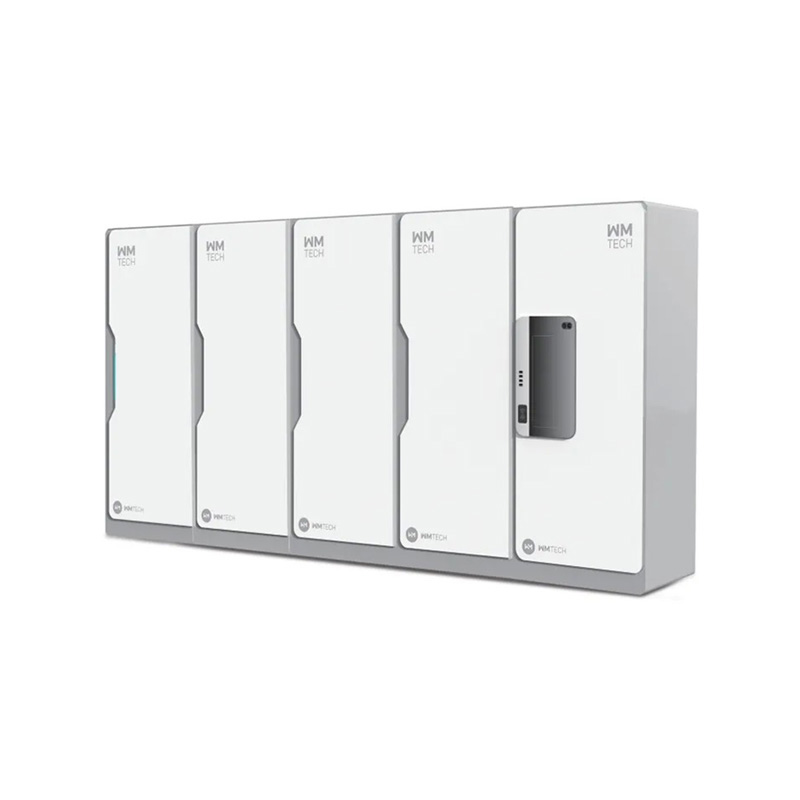
Product Definition and Core Purpose
The Clean Fabric Temporary Storage Cabinet is an intelligent terminal device for medical fabric management. It is built to store clean fabrics temporarily while automatically identifying fabric items through RFID, verifying authorized users through facial recognition, and transmitting operational data through wired, 4G, or WiFi communication modes. By combining hardware, embedded control, intelligent algorithms, and platform integration, it establishes a closed-loop management model for clean medical textiles.
Its core purpose is to reduce the uncertainty that often appears in traditional fabric management. In a manual environment, records may be incomplete, inventory may be counted only at fixed intervals, access may depend on keys or handwritten approvals, and fabric loss may be discovered too late. The cabinet addresses these issues by turning every access event into structured data. When clean fabrics are stored, removed, or checked, the system can record what item is involved, when the event occurred, and which user performed the action.
Because the device is designed for medical scenarios, its emphasis is not only on stock control. It also supports infection-control discipline, traceability, operational efficiency, and resource conservation. Clean fabrics must be managed separately from soiled items, and clean stock must remain available without excessive overstocking. The cabinet helps medical institutions maintain a more visual, paperless, and traceable fabric workflow.
Why Clean Fabric Management Requires Intelligent Storage
Medical fabrics are used continuously in daily hospital operations. Bed sheets, duvet covers, pillowcases, patient garments, doctor and nurse uniforms, surgical attire, towels, and other reusable textiles move through a cycle of procurement, warehousing, ward distribution, patient use, collection, cleaning, quality inspection, redistribution, and retirement. Each stage may involve different staff members, departments, and service providers. Without digital management, the cycle can become fragmented.
Traditional clean fabric storage methods frequently depend on open shelves, locked rooms, manual registers, paper vouchers, or basic cabinets. These methods may be familiar, but they create several operational risks. Stock shortages may not be detected until a nurse or logistics employee needs an item urgently. Excessive stock may remain idle in a ward because the central laundry team does not have real-time visibility. Unauthorized access may cause fabric loss or unbalanced distribution. Manual counting consumes time and introduces errors, especially when many similar textile items are handled at once.
Hospitals also face increasing pressure to improve efficiency while maintaining hygiene standards. Medical teams need to spend less time searching for fabrics and more time focusing on patient care. Logistics teams need to distribute fabrics based on actual demand rather than estimates. Administrators need evidence-based data for cost control, loss reduction, and process optimization. The Clean Fabric Temporary Storage Cabinet directly responds to these needs by creating an intelligent fabric access point inside the hospital or textile service workflow.
Key Technologies Integrated into the Cabinet
RFID Identification and Inventory Algorithms
RFID is one of the foundation technologies of the cabinet. Each fabric item can carry an RFID tag, allowing the system to identify multiple items without direct line-of-sight scanning. Compared with barcode-based workflows, RFID is better suited for bulk textile recognition because it can read many tagged items at once and does not require users to align each label with a scanner.
The cabinet uses independently developed RFID inventory algorithms to improve recognition accuracy and inventory reliability. Its real-time stock display helps users understand current availability, while low-stock alerts and idle item notifications help managers intervene before a shortage or inefficiency becomes disruptive. With an inventory error rate controlled at 1% or less and accuracy exceeding 99%, the system can replace routine manual counting in many fabric management scenarios.
This level of precision is one of the cabinet’s most important competitive advantages. Many conventional storage cabinets can keep items enclosed, but they cannot automatically know what is inside. Some competing digital cabinets may support electronic locking or simple user authentication, but they may not provide refined item-level RFID tracking. The Clean Fabric Temporary Storage Cabinet combines secure access with fabric-level inventory visibility, creating a stronger management foundation.
Facial Recognition for Contactless Access
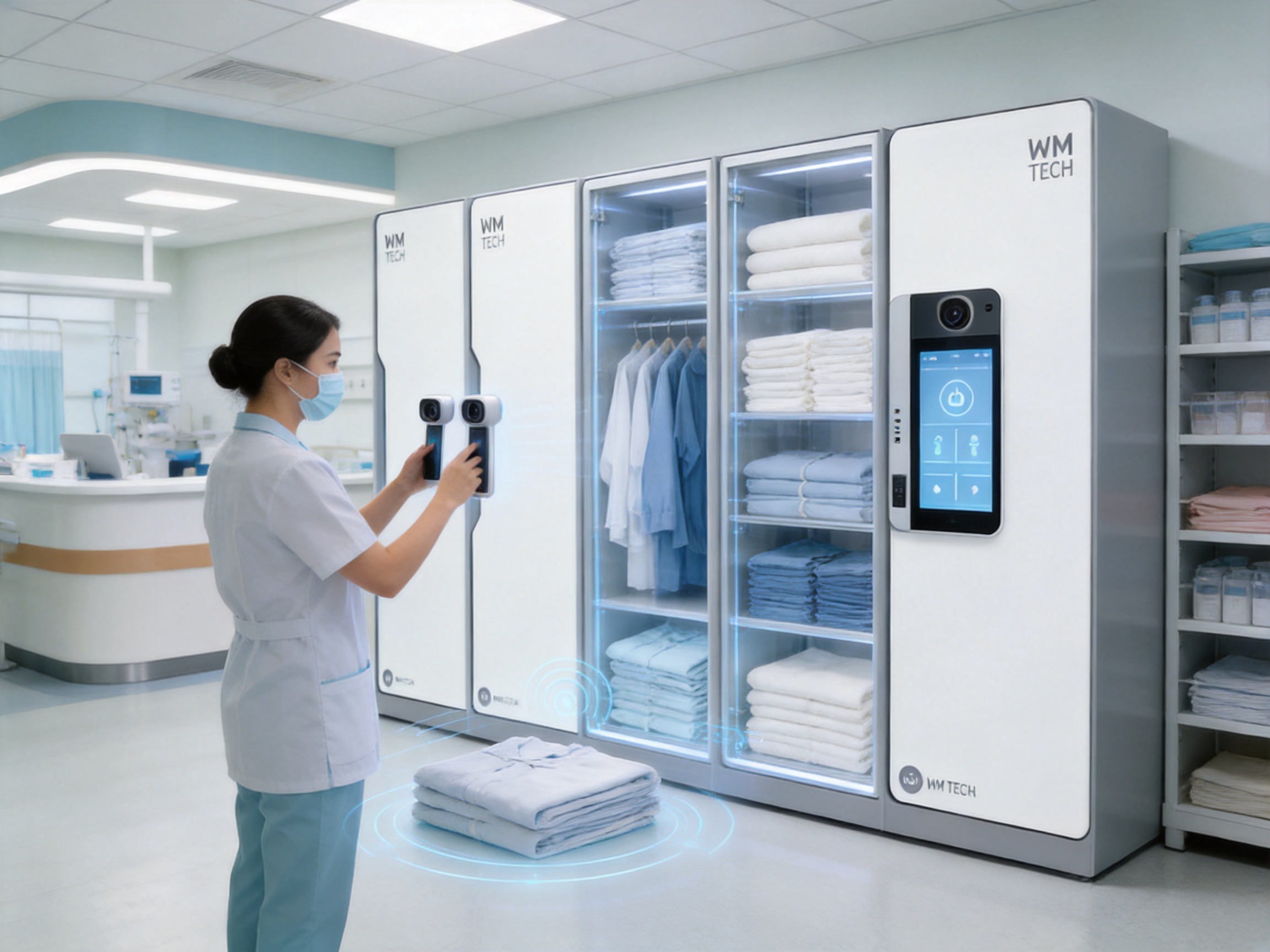
The cabinet is equipped with dual-camera facial recognition technology. It supports contactless user authentication and can identify individuals even when masks are worn, which is especially valuable in medical environments. In hospitals, staff may need to access clean fabrics quickly while wearing masks, gloves, or other protective equipment. A touch-free recognition method reduces unnecessary contact with shared surfaces and improves convenience during busy shifts.
Compared with key-based or password-based cabinets, facial recognition offers stronger accountability. Keys can be lost or shared. Passwords can be forgotten, disclosed, or used by unauthorized individuals. Facial recognition helps associate each access event with a specific authorized person. This supports more transparent management and creates a clearer chain of responsibility.
Contactless operation is not only a convenience feature. It also aligns with the infection-control mindset of healthcare settings. While the cabinet itself does not replace hospital hygiene protocols, reducing touchpoints can contribute to cleaner workflows and better user discipline.
IoT Connectivity and Flexible Networking
The cabinet supports multiple communication modes, including wired network, 4G, and WiFi. This flexibility makes it suitable for different hospital layouts and operational environments. In a newly constructed facility, wired connections may be preferred for stability. In renovated wards or temporary service points, WiFi or 4G may provide easier deployment. For regional textile cleaning centers or distributed medical campuses, flexible networking can reduce installation constraints.
The device also supports offline automatic synchronization and data recovery. This is important because hospital operations cannot stop simply because a network connection is temporarily unavailable. When the network is interrupted, the cabinet can continue supporting local operations and then synchronize data after the connection is restored. This capability gives the system practical resilience in real working environments.
Microservices Architecture and Open API
The cabinet is built with a microservices architecture and OPEN API capability, allowing it to integrate with hospital information systems, laundry management systems, textile management platforms, and other digital infrastructure. This is a critical advantage because medical facilities rarely operate with isolated systems. Fabric data may need to connect with department consumption records, user permissions, laundry billing, logistics scheduling, inventory purchasing, or asset lifecycle records.
Open integration capability distinguishes the product from closed, single-purpose storage devices. A basic smart locker may record access locally, but if its data cannot be shared with hospital systems, managers still face fragmented information. The Clean Fabric Temporary Storage Cabinet is designed to become part of a larger intelligent management ecosystem. This makes it suitable not only for a single ward, but also for scalable deployment across hospitals, laundries, and regional textile service networks.
Major Advantages Over Conventional and Competing Solutions
Higher Inventory Accuracy and Lower Manual Workload
One of the strongest advantages of the cabinet is precision inventory management. Manual textile counting is repetitive, time-consuming, and prone to mistakes. Similar-looking items may be counted incorrectly, and busy hospital staff may not update records immediately after access. Over time, small record errors become larger discrepancies.
The cabinet’s RFID-based inventory process provides real-time stock visibility and helps reduce manual counting. With an inventory error rate of 1% or less and accuracy above 99%, it allows managers to rely on digital data for daily stock decisions. Low-stock alerts can remind staff to replenish before clean fabrics run out. Idle item notifications can highlight fabrics that remain unused for too long, supporting better stock rotation and resource allocation.
Compared with competitors that depend on manual barcode scanning, the RFID approach is more efficient for textiles. Barcodes can be damaged, hidden, folded, or difficult to scan on soft fabrics. RFID tags can be detected in groups, making the process better suited for bulk medical textile handling. This improves both speed and reliability.
Stronger Traceability Across the Fabric Lifecycle
Medical fabric management is not limited to the storage stage. A fabric item may be purchased, tagged, stored, issued, used in a ward or operating room, collected as soiled fabric, cleaned by a laundry facility, inspected, returned to clean stock, and eventually disposed of after reaching the end of its useful life. If any of these stages lack records, loss analysis and infection-control review become more difficult.
The cabinet supports full lifecycle traceability through RFID data and user access records. Managers can understand how clean fabrics enter and leave temporary storage points. When this data is integrated with laundry and hospital systems, the entire textile journey becomes more transparent. This helps reduce loss rates, improve accountability, and support standardized fabric circulation.
Many traditional cabinet products only protect physical storage space. They do not connect with the lifecycle of each fabric item. The Clean Fabric Temporary Storage Cabinet goes beyond storage by turning the cabinet into a traceability gateway. This makes it especially valuable for hospitals moving toward digital logistics and quality management.
More Hygienic and Convenient Access
Dual-camera facial recognition allows users to access the cabinet without touching shared keypads, signing paper forms, or carrying physical keys. The ability to identify mask-wearing individuals is important for healthcare settings where masks are common during clinical work. This improves user experience and supports the practical realities of hospital operation.
In comparison, many standard lockers or cabinets rely on mechanical locks, IC cards, passwords, or manual signatures. Mechanical keys are inconvenient to manage. Cards can be borrowed or misplaced. Passwords may be shared. Paper records introduce delays and possible contamination points. Facial recognition creates a faster, cleaner, and more accountable access method.
Better Network Adaptability
Hospitals and medical textile service centers often have complex infrastructure. Some areas have stable wired networks, while others rely on wireless coverage. Certain temporary or remote service points may need mobile communication. The cabinet’s support for wired, 4G, and WiFi networking gives project teams more deployment options.
Offline synchronization and data recovery are equally important. A cabinet that stops functioning during network instability may create operational risk. The Clean Fabric Temporary Storage Cabinet is designed to maintain continuity and recover data after communication returns. This practical robustness gives it an advantage over products that depend entirely on uninterrupted network connectivity.
Higher Compatibility with Existing Digital Systems
The microservices architecture and OPEN API allow the cabinet to communicate with broader hospital and laundry systems. This helps avoid isolated data islands. For hospitals with existing HIS platforms, laundry management software, or centralized logistics platforms, integration capability reduces repetitive data entry and supports unified reporting.
Competing products that lack open interfaces may create long-term limitations. Even if they perform well as standalone units, they may not support future digital transformation. The Clean Fabric Temporary Storage Cabinet is designed with expansion and interoperability in mind, making it a stronger long-term investment.
Reliable Service and Technical Support
Healthcare equipment must be backed by dependable service. The product is supported by 7×24 technical assistance, with on-site service available within 24 hours locally and 48 hours in surrounding regions. This service commitment is important because fabric distribution is a daily requirement. If storage access or inventory functions are disrupted, hospital departments may face operational pressure.
Service responsiveness is often a decisive factor when comparing intelligent equipment suppliers. A technically advanced cabinet must also be maintainable, supported, and continuously optimized. The combination of hardware quality, software capability, and service responsiveness improves the product’s total value.
Application Scenarios in Healthcare and Textile Service Operations
Hospital Ward Clean Fabric Storage
Hospital wards consume clean fabrics continuously. Nurses and logistics staff need reliable access to bed sheets, patient garments, pillowcases, and other items throughout the day. Traditional ward storage often leads to either shortages or excessive stock. Shortages cause urgent requests and workflow interruptions. Overstocking occupies valuable space and may hide unused inventory.
By placing the Clean Fabric Temporary Storage Cabinet in or near ward areas, hospitals can maintain controlled access and real-time stock visibility. Staff can remove needed fabrics through contactless authentication, while managers can monitor stock levels remotely. Low-stock alerts help trigger replenishment based on actual usage. This improves the balance between availability and inventory control.
Operating Room Surgical Attire and Linen Management
Operating rooms require stricter management of garments and linens because workflow discipline, hygiene, and availability are critical. Surgical attire, clean towels, drapes, and related textile items must be available when required and must be handled according to defined processes. Manual records may not provide enough traceability for high-demand operating areas.
The cabinet supports controlled access to surgical clean fabrics and records each transaction digitally. Facial recognition helps ensure that authorized users can access items efficiently. RFID inventory helps determine whether specific textile categories are available. When integrated into a surgical logistics process, the cabinet can improve accountability and support standardized textile distribution.
Laundry Handover and Clean Textile Distribution
Medical laundries manage large volumes of textiles. Clean fabrics must be inspected, sorted, stored, and delivered to hospital departments. Handover between laundry staff and hospital staff is a common point where record discrepancies can occur. If the process relies only on manual signatures, later disputes may be difficult to resolve.
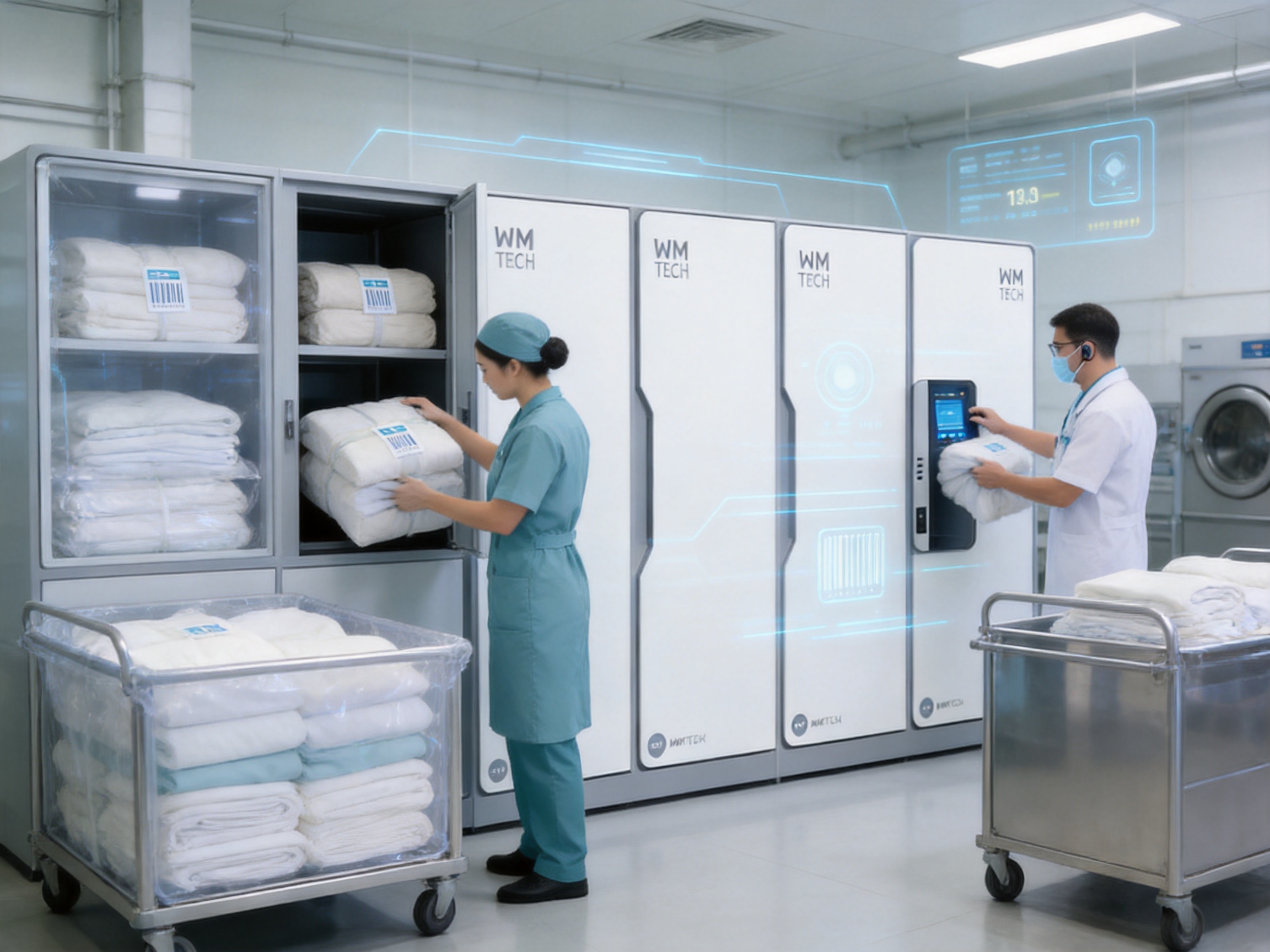
The cabinet can serve as a controlled temporary storage and handover terminal. Clean textiles can be placed into the cabinet after processing, and authorized hospital users can retrieve them with digital records. RFID identification helps confirm item categories and quantities. This creates a more transparent handover process and reduces uncertainty between service providers and hospital departments.
Regional Medical Textile Cleaning Centers
Regional cleaning centers may serve multiple hospitals or campuses. They need logistics tracking, centralized data, and consistent standards across distributed locations. The cabinet can operate as one node in a larger network, providing local access control and real-time fabric data while connecting to central management platforms.
With wired, 4G, and WiFi communication options, the product can be deployed in varied environments. Offline synchronization helps maintain operation even when network conditions differ between sites. This makes the cabinet suitable for regional service models where scalability and data integration are important.
Functional Overview
| Function | Operational Value | Advantage Compared with Traditional Methods |
|---|---|---|
| RFID inventory recognition | Identifies clean fabric items and displays real-time stock levels | Reduces manual counting and improves inventory accuracy |
| Inventory error rate of 1% or less | Supports reliable stock decisions and replenishment planning | Prevents discrepancies caused by delayed or inaccurate manual records |
| Low-stock alerts | Warns managers before clean fabric shortages occur | Improves availability in wards, operating rooms, and laundries |
| Idle item notifications | Helps identify fabrics that are not circulating efficiently | Supports better stock rotation and resource conservation |
| Dual-camera facial recognition | Provides contactless user authentication, including mask-wearing recognition | Reduces dependence on keys, cards, passwords, and paper sign-out records |
| Wired, 4G, and WiFi communication | Allows flexible deployment in different facility environments | Improves adaptability compared with single-network devices |
| Offline synchronization and data recovery | Maintains operational continuity during network interruption | Reduces risk caused by temporary communication failure |
| Microservices architecture and OPEN API | Supports integration with hospital and laundry management systems | Prevents data isolation and supports future digital expansion |
How the Cabinet Supports Paperless, Visual, and Traceable Management
A major goal of intelligent medical logistics is to reduce paper records while improving transparency. Paper-based fabric management may seem simple, but it creates delays and errors. Staff may forget to sign records, handwriting may be unclear, and documents may be misplaced. Even when records are complete, compiling them into useful management reports requires additional labor.
The Clean Fabric Temporary Storage Cabinet supports paperless management by automatically generating digital records for fabric access and inventory status. Users authenticate through facial recognition, fabric items are recognized through RFID, and data can be synchronized to management platforms. This reduces the need for manual registration and helps create a more accurate data foundation.
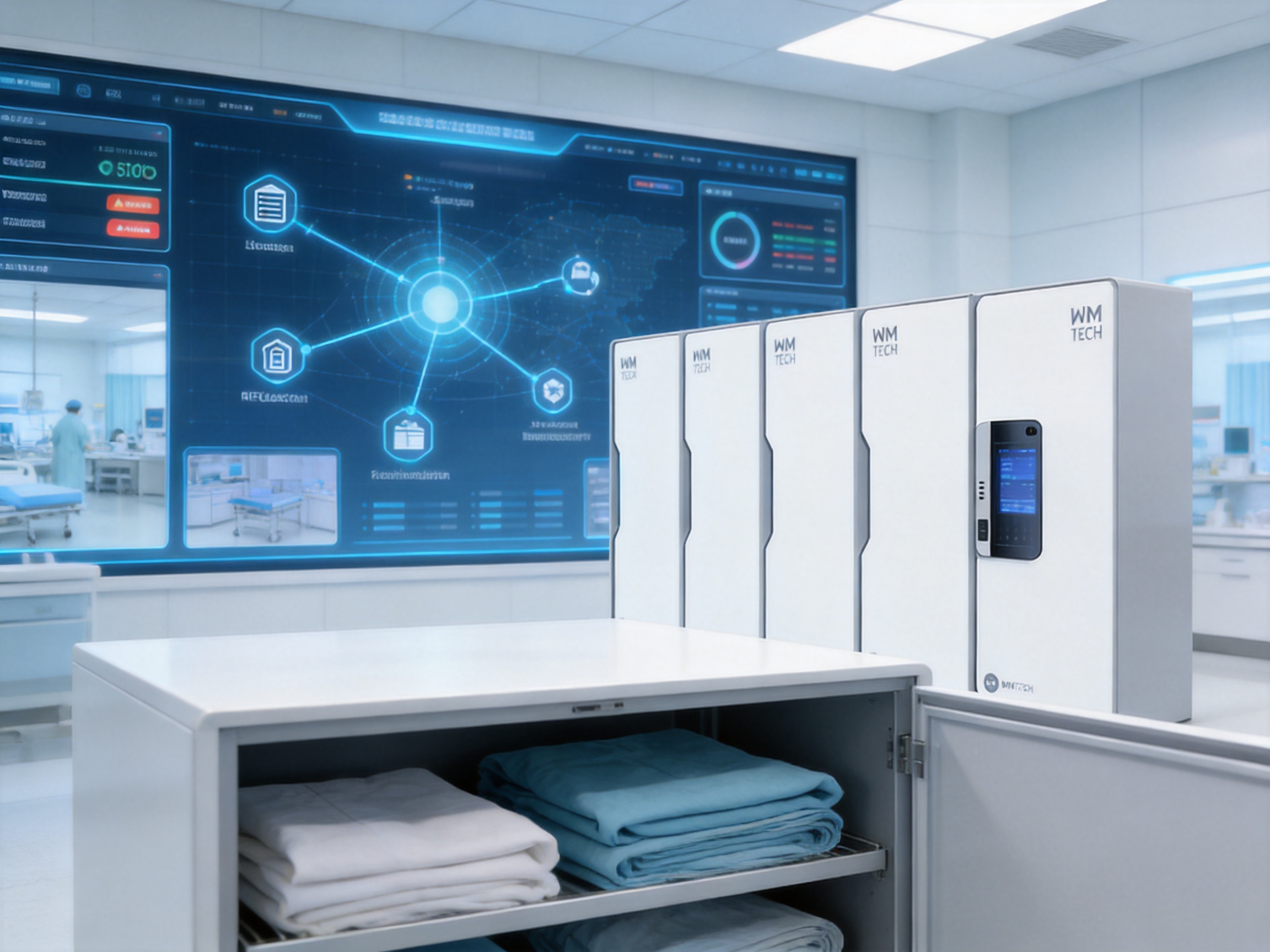
Visual management is achieved through real-time stock display, alerts, and system integration. Managers can see inventory conditions instead of waiting for manual reports. Departments can understand whether clean fabrics are sufficient. Laundry teams can plan distribution based on actual consumption patterns. This improves decision-making and helps prevent both shortages and overstocking.
Traceable management is achieved by connecting item identity, user identity, time, and location. When a clean fabric item is stored or removed, the system can generate a record. When connected with broader laundry and hospital systems, fabric circulation can be tracked through multiple lifecycle stages. This traceability supports loss reduction, quality review, and process improvement.
Engineering Design for Medical Environments
The cabinet is designed with strict ergonomic principles to improve reliability and user experience. In medical environments, equipment must be easy to operate, intuitive for staff, and suitable for frequent use. A cabinet that is technically advanced but inconvenient in daily operation will not deliver its full value. Therefore, the product emphasizes practical human-machine interaction as well as intelligent functions.
Ergonomic design may include considerations such as access height, user recognition position, door operation, display readability, and workflow simplicity. Staff should be able to authenticate, retrieve items, and complete operations quickly. The interface should support routine use without excessive training. The storage layout should make fabrics easy to place and remove while maintaining recognition reliability.
The product’s value is also strengthened by its application of communication and IoT expertise. The manufacturer has long-term experience in communication cabinets, communication electronic equipment, passive optical components, central equipment room infrastructure, Ethernet networks, optical communication networks, high-speed rail communication systems, and urban rail transit systems. This background supports the development of stable cabinet hardware, reliable electronic control, and network-capable equipment.
Manufacturing Strength Behind the Product
A smart storage cabinet for medical fabrics is not only a software product and not only a metal enclosure. It is an integrated system that requires mechanical manufacturing, electronic assembly, embedded control, RFID tuning, network communication, software architecture, system testing, and service support. The manufacturing strength behind the cabinet is therefore a key reason for its reliability and market competitiveness.
The company behind the product was established in 1997 and has developed long-term expertise in communication cabinets, communication electronic equipment, and passive optical components. Its products are used in Ethernet networks, optical communication networks, central equipment rooms, national high-speed railways, and urban rail transit systems. These industries demand durability, stable communication, precise assembly, and dependable delivery. Such experience is directly relevant to intelligent medical infrastructure.
Unlike suppliers that only assemble generic smart lockers, this manufacturer has a foundation in industrial communication equipment. The design and production of communication cabinets require structural stability, cable management awareness, thermal and electrical considerations, standardized assembly, and long-term operational reliability. These capabilities help strengthen the Clean Fabric Temporary Storage Cabinet as a medical IoT terminal.
Integrated Product Development
The manufacturer develops, manufactures, and markets its own branded products while also providing integrated solutions for customized products. This integrated development model supports faster communication between engineering, manufacturing, quality control, and customer service teams. When a hospital or laundry project requires customized capacity, interface integration, network configuration, or workflow adaptation, the company can coordinate multiple technical resources rather than relying only on external subcontractors.
Integrated product development is especially important for intelligent medical fabric management because each deployment may differ. A hospital ward may require one cabinet configuration, while an operating room suite may require another. A laundry handover point may prioritize bulk recognition and distribution records, while a regional textile center may emphasize multi-site data integration. The ability to customize solutions helps the cabinet match real operational needs.
Advanced Manufacturing Processes
The manufacturing process for a high-quality intelligent cabinet begins with structural design and material selection. The enclosure must support daily use, protect internal electronic components, and provide stable conditions for RFID recognition. Precision fabrication helps ensure cabinet doors, shelves, sensor positions, and electronic modules align correctly. Consistent structural quality reduces installation problems and improves long-term reliability.
Electronic manufacturing and assembly are equally important. RFID readers, antennas, cameras, control boards, communication modules, power systems, and user interface components must be installed and tested as an integrated system. RFID performance depends not only on reader hardware but also on antenna layout, shielding considerations, tag orientation, and algorithm optimization. The company’s communication equipment background provides practical expertise for managing signal reliability and device networking.
Software and firmware development form another critical layer. The cabinet’s local control logic, user authentication, inventory recognition, offline operation, synchronization mechanism, and API communication must work together. Microservices architecture supports scalable system design, while OPEN API capability allows integration with hospital and laundry platforms. This requires both product engineering and software engineering discipline.
Quality assurance should cover mechanical inspection, electronic function testing, RFID recognition verification, facial recognition testing, network communication checks, offline synchronization validation, and user workflow simulation. For medical fabric management, a cabinet must perform reliably during repeated daily operations. A strong manufacturing and testing process reduces field failures and improves customer confidence.
Quality, Delivery, and Global Service Awareness
The company emphasizes reliable product quality, timely delivery, and long-term strategic partnerships. Its sales network covers more than 20 countries and regions, including the United States, Australia, the United Kingdom, Italy, South Africa, and Ghana. A global market presence requires consistency in product performance, documentation, packaging, shipping coordination, and after-sales support.
For hospital customers, supplier stability matters. Medical logistics systems are long-term investments. Facilities need confidence that the supplier can support product maintenance, software upgrades, replacement parts, and project expansion. A manufacturer with decades of experience and international service awareness is better positioned to support long-term healthcare digitization projects.
Operational Benefits for Hospitals
Reduced Fabric Loss
Fabric loss is a common cost issue in healthcare operations. Items may be misplaced, retained in departments, discarded without record, or removed without authorization. Because many fabrics look similar, it can be difficult to identify where losses occur. The cabinet helps reduce this problem by recording access events and connecting fabrics with RFID identities.
When users know that access is digitally recorded, operational discipline improves. Managers can analyze consumption and identify abnormal patterns. If integrated with lifecycle tracking, the system can show where fabrics enter and leave the circulation process. This visibility supports loss reduction and better asset utilization.
Improved Staff Efficiency
Hospital staff often work under time pressure. Searching for clean linens, confirming stock, filling out paper forms, or waiting for replenishment creates unnecessary workload. The cabinet simplifies access through facial recognition and provides real-time inventory information. Staff can retrieve clean fabrics quickly, while logistics teams can replenish based on system alerts.
By reducing manual counting and registration, the cabinet frees staff from repetitive administrative tasks. This is particularly valuable in wards and operating rooms where time and attention are critical. Improved fabric management indirectly supports better clinical workflow by ensuring needed textiles are available when required.
More Accurate Replenishment
Without accurate stock data, replenishment often depends on estimates. This can result in too much stock in one area and shortages in another. The cabinet’s real-time inventory data, low-stock alerts, and idle item notifications support more accurate distribution. Managers can adjust replenishment frequency and quantity according to actual usage patterns.
Over time, data analysis can reveal department-level consumption trends. Hospitals can identify peak demand periods, optimize linen par levels, and reduce emergency deliveries. This supports both cost control and service stability.
Support for Infection-Control Discipline
Clean fabrics must be handled under controlled conditions. While the cabinet is not a sterilization device, it contributes to infection-control discipline by separating clean storage, controlling access, reducing unnecessary touchpoints, and supporting traceable workflows. Contactless facial recognition reduces shared-surface interaction, while RFID tracking helps maintain records of fabric movement.
Infection-control management depends on consistent processes. The cabinet helps transform clean fabric access from an informal action into a controlled digital process. This strengthens management awareness and supports hospital quality improvement efforts.
Operational Benefits for Laundries and Textile Service Providers
Medical laundry service providers must deliver clean textiles accurately and on time. They also need to manage high volumes, reduce disputes, and prove service quality. The Clean Fabric Temporary Storage Cabinet helps by creating objective data for clean fabric storage and handover. Instead of relying only on delivery notes or manual signatures, service providers can use RFID-based records and access logs.
For laundries, this can improve customer communication. If a hospital department reports missing items, the system can support traceability review. If certain fabrics remain idle or circulate slowly, the data can guide stock adjustment. If demand increases in particular departments, replenishment can be planned more accurately.
Regional textile service centers can also use cabinet data to support logistics optimization. Multi-site deployment can create a network of intelligent storage points. With open API integration, cabinet records can connect with central laundry management platforms, helping service providers build a more transparent and scalable operating model.
Customization and Integration Potential
Every medical institution has unique workflows, facility layouts, user groups, and system environments. The cabinet’s compatibility with multiple communication modes and open integration interfaces makes it adaptable to these differences. It can be configured for ward-level storage, operating room supply areas, laundry handover rooms, or regional distribution nodes.
Integration with hospital information systems can support user permissions, department allocation, and data reporting. Integration with laundry management systems can support textile lifecycle tracking, cleaning records, delivery confirmation, and loss analysis. Integration with asset management platforms can support procurement planning and disposal management.
The manufacturer’s experience in customized product solutions strengthens this integration potential. Rather than treating the cabinet as a fixed isolated device, the company can support project-based solution design. This is important for hospitals pursuing digital infrastructure upgrades, because hardware, software, workflow, and service must operate together.
Competitive Position in the Intelligent Medical Fabric Market
The market for medical fabric management is moving from manual storage toward intelligent, connected, and traceable systems. In this transition, not all products provide the same value. Some products are only electronic lockers. Some provide access control but lack item-level recognition. Some support RFID but have weak software integration. Some offer data platforms but lack robust cabinet manufacturing capability.
The Clean Fabric Temporary Storage Cabinet has a strong competitive position because it combines several essential capabilities in one product. It provides RFID inventory recognition with high accuracy, contactless facial recognition, flexible networking, offline synchronization, open API integration, ergonomic design, and responsive technical support. More importantly, it is backed by a manufacturer with long-term experience in communication cabinets and electronic equipment.
This combination matters because healthcare customers need complete solutions. A cabinet must be physically durable, electronically stable, easy to use, accurate in recognition, compatible with existing platforms, and supported after installation. Products that excel in only one dimension may not meet the full operational requirements of hospitals and medical laundries.
Implementation Considerations for Hospitals
Successful implementation begins with workflow analysis. Hospitals should identify where clean fabrics are stored, who accesses them, how replenishment is currently performed, and what problems exist in manual management. This helps determine the cabinet location, storage capacity, user permission structure, and integration requirements.
The next step is RFID tagging and data preparation. Each fabric category should be defined clearly, and RFID tags should be associated with item information. Proper tagging supports accurate recognition and lifecycle tracking. Hospitals and laundries should also determine how fabric categories, departments, and user roles will be represented in the system.
Network planning is also important. Depending on site conditions, the cabinet can use wired, WiFi, or 4G communication. Project teams should evaluate network stability, data security requirements, and integration pathways. Offline synchronization provides resilience, but a stable network still improves real-time management.
User training should focus on practical operation. Staff need to understand how to authenticate, retrieve fabrics, respond to alerts, and report exceptions. Managers need to understand how to read inventory data, review access records, and adjust replenishment plans. Because the cabinet is designed for intuitive operation, training can focus on workflow discipline rather than complex technical procedures.
Long-Term Value and Return on Investment
The value of the Clean Fabric Temporary Storage Cabinet should be evaluated not only by purchase cost, but also by long-term operational savings and management improvement. Reducing manual counting saves labor. Reducing fabric loss saves replacement costs. Improving replenishment reduces emergency deliveries and overstocking. Enhancing traceability supports quality management and accountability.
In many hospitals, fabric management costs are dispersed across nursing time, logistics labor, laundry service fees, replacement purchases, storage space, and administrative work. Because these costs are not always visible in one budget line, the benefits of intelligent management may be underestimated. A digital cabinet helps reveal actual usage patterns and creates data for continuous improvement.
The product also supports future scalability. Once a hospital establishes RFID-based fabric management at one storage point, it can expand to more departments, connect with laundry partners, and build a broader closed-loop textile management system. The microservices architecture and OPEN API capability support this long-term expansion.
Q&A: Common Questions About the Clean Fabric Temporary Storage Cabinet
Q1: What is the main purpose of the Clean Fabric Temporary Storage Cabinet?
The main purpose is to provide intelligent, traceable, and controlled temporary storage for clean medical fabrics. It uses RFID, facial recognition, IoT connectivity, and software integration to improve inventory accuracy, access control, and lifecycle traceability.
Q2: How does the cabinet improve inventory accuracy?
It uses RFID recognition and independently developed inventory algorithms to identify fabric items and display real-time stock levels. The system can achieve inventory accuracy above 99% with an error rate of 1% or less, reducing the need for manual counting.
Q3: Can staff use the cabinet while wearing masks?
Yes. The cabinet is equipped with dual-camera facial recognition technology capable of identifying mask-wearing individuals, supporting contactless access in medical environments.
Q4: What types of facilities can use this product?
It is suitable for hospital wards, operating rooms, medical laundries, fabric handover points, and regional medical textile cleaning centers. It is especially useful in facilities requiring strict fabric traceability and improved clean textile logistics.
Q5: What communication methods does the cabinet support?
The cabinet supports wired network, 4G, and WiFi communication. It also supports offline automatic synchronization and data recovery to maintain operational continuity during temporary network interruption.
Q6: Can the cabinet integrate with existing hospital or laundry systems?
Yes. It is built with a microservices architecture and OPEN API capability, allowing integration with hospital information systems, laundry management systems, and other platforms.
Q7: How does the cabinet help reduce fabric loss?
It records user access and fabric movement through facial recognition and RFID identification. These records improve accountability and help managers analyze abnormal usage patterns or missing items.
Q8: Is the cabinet only a storage device?
No. Although it stores clean fabrics, it also functions as an intelligent management terminal. It supports inventory monitoring, contactless authentication, traceability, alerts, data synchronization, and system integration.
Q9: What makes this cabinet different from ordinary smart lockers?
Ordinary smart lockers often focus only on door control or user authentication. This cabinet combines RFID item-level recognition, high-accuracy inventory algorithms, medical fabric lifecycle traceability, flexible networking, open system integration, and healthcare-oriented workflow design.
Q10: What service support is available?
The product is supported by 7×24 technical assistance, with on-site service within 24 hours locally and 48 hours in surrounding regions, helping ensure reliable operation for healthcare customers.
Conclusion
The Clean Fabric Temporary Storage Cabinet represents a practical step toward intelligent healthcare textile management. It addresses the daily problems of clean fabric storage: inaccurate counts, manual records, uncontrolled access, delayed replenishment, fabric loss, and fragmented lifecycle data. By combining RFID, facial recognition, IoT communication, real-time inventory algorithms, offline synchronization, and open integration capability, it transforms clean fabric storage into a digital, traceable, and efficient process.
Its advantages over conventional cabinets and many competing solutions are clear. It offers item-level RFID visibility rather than simple physical storage. It provides contactless facial recognition rather than keys or paper records. It supports multiple network modes rather than a single deployment method. It integrates through microservices and OPEN API rather than remaining an isolated device. It is also backed by a manufacturer with decades of experience in communication equipment, cabinet manufacturing, electronic systems, customized solutions, global markets, and reliable service support.
For hospitals, the cabinet improves inventory accuracy, staff efficiency, replenishment planning, and fabric accountability. For laundries and regional textile service providers, it improves handover transparency, logistics tracking, and customer service quality. For healthcare administrators, it supports paperless, visual, and traceable management while contributing to resource conservation and operational digitization.
As medical institutions continue to modernize logistics and infection-control workflows, intelligent fabric management will become increasingly important. The Clean Fabric Temporary Storage Cabinet is well positioned to serve as a dependable terminal in that transformation, connecting clean textile storage with data-driven healthcare operations.
References
1. GS1. Healthcare Textile and Asset Identification Guidelines.
2. International Organization for Standardization. ISO 18000 Series: Information Technology, Radio Frequency Identification for Item Management.
3. Association for the Advancement of Medical Instrumentation. Guidance on Healthcare Technology Management and Operational Reliability.
4. Centers for Disease Control and Prevention. Guidelines for Environmental Infection Control in Health-Care Facilities.
5. Healthcare Laundry Accreditation Council. Standards for Processing Reusable Textiles for Use in Healthcare Facilities.
6. International Federation of Infection Control. Principles of Infection Prevention and Control in Healthcare Environments.
7. RFID Journal. Practical Applications of RFID in Healthcare Asset and Textile Tracking.
8. Hospital logistics and supply chain management literature on digital inventory control, traceability, and closed-loop textile circulation.
Product: Clean Fabric Temporary Storage Cabinet
PREV:Mechanical Fiber Splicing for Reliable Digital Infrastructure
NEXT:Intelligent Electronic Fence for Clean-Area Attire Compliance and Traceability
NEXT:Intelligent Electronic Fence for Clean-Area Attire Compliance and Traceability
Interested in cooperation or have questions?
Related products
-
-
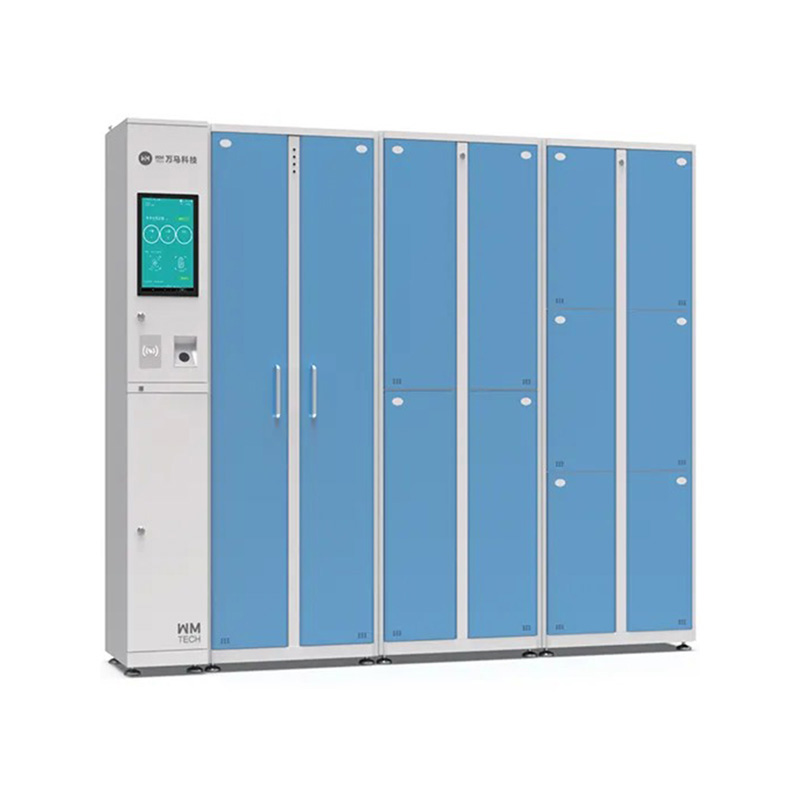
Product DefinitionThe Intelligent Locker is a smart medical supplies and personal items management system developed based on IoT and biometric technologies. Integrating multiple authentication methods...
See Details -
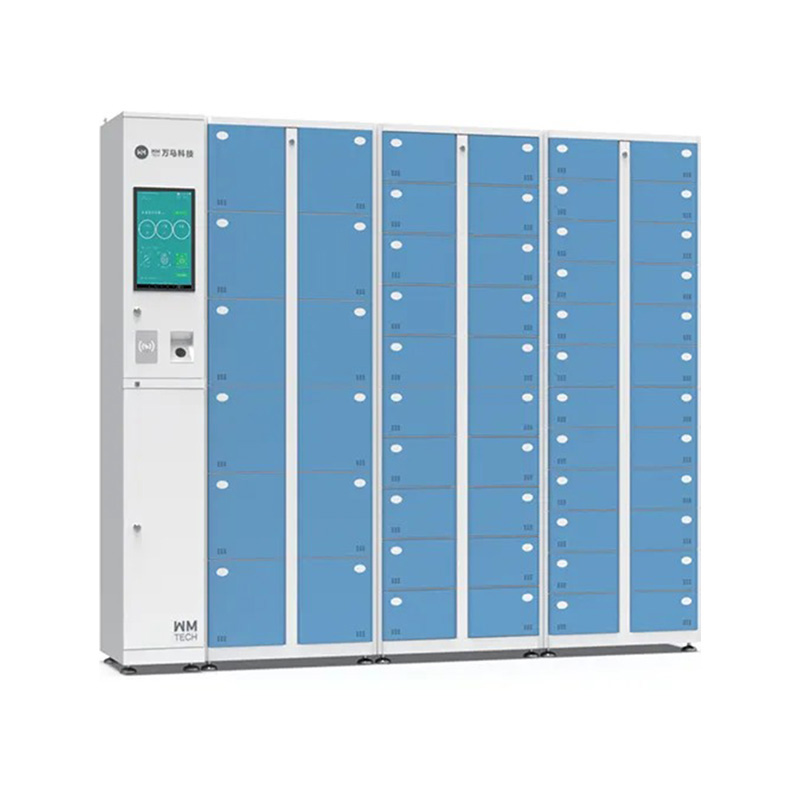
Product Definition:The Intelligent Geng Shoe Box is an advanced storage and management solution for hospitals, operating rooms, and clean zones. It enables automated issuance and collection of shoes a...
See Details -
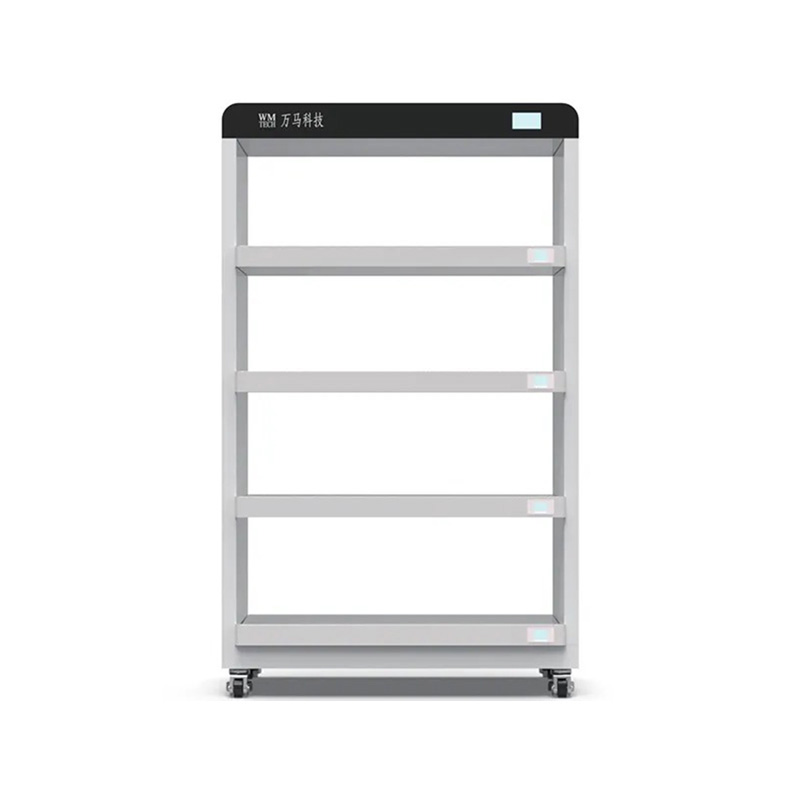
Product Definition:Intelligent Shelves are a smart warehouse management unit that integrates dynamic sensing, real-time display, and precise positioning. By leveraging advanced sensor technology, they...
See Details
Ready to Get started ? Contact Us Now !

Product.
Contact Details.
-
 +86 13958188250
-
 +86 13958188250
-
 [email protected]
- Wanma Industrial Park Taihu Yuan Town Lin'an District Hangzhou City China.
QR Code

Copyright © Wanma Technology Co., Ltd. All Rights Reserved.
Custom Ethernet Optical Network Railway Transit Equipments Suppliers
