

 English
 Français
 Español
 Português
 عربى
عربى




Product Definition:The Turn-over Intelligent Clothes and Shoes Machine is an integrated solution combining automated dispensing, smart collection, and data management, specifically designed for the ci...
See DetailsTurn-Over Intelligent Clothes and Shoes Machine for Closed-Loop Hospital Apparel Management
Content
- 1 Product Overview: A Smart Platform for Medical Clothing and Footwear Circulation
- 2 Why Intelligent Uniform and Shoe Management Matters in Modern Hospitals
- 3 Core Functions of the Turn-Over Intelligent Clothes and Shoes Machine
- 4 Key Advantages Over Conventional and Competing Solutions
- 4.1 Faster Preparation Before Clinical Work
- 4.2 Higher Distribution Accuracy
- 4.3 Stronger Access Control
- 4.4 Closed-Loop Management Instead of One-Way Dispensing
- 4.5 Flexible Modular Configuration
- 4.6 Better Data for Procurement and Cost Control
- 4.7 Reduced Management Burden
- 4.8 Enhanced Compliance and Traceability
- 5 Functional Comparison Table
- 6 Application Scenarios in Hospitals and Healthcare Facilities
- 7 How the System Supports Infection Control
- 8 Digital Integration With Smart Hospital Systems
- 9 Lifecycle Management of Garments and Footwear
- 10 Advanced Manufacturing Strengths Behind the Product
- 11 Design Philosophy: Automation, Hygiene, Traceability, and Flexibility
- 12 User Experience for Medical Staff
- 13 Management Experience for Administrators
- 14 Procurement and Cost-Control Benefits
- 15 Safety, Compliance, and Accountability
- 16 Scalability for Hospitals of Different Sizes
- 17 Operational Workflow Example
- 18 Why Manufacturing Background Matters for Smart Medical Equipment
- 19 Competitive Positioning
- 20 Implementation Considerations
- 21 Q&A Section
- 21.1 Q1: What is the main purpose of the Turn-Over Intelligent Clothes and Shoes Machine?
- 21.2 Q2: How does the machine verify user identity?
- 21.3 Q3: Can the system prevent staff from taking too many garments?
- 21.4 Q4: Does the machine manage both clothing and shoes?
- 21.5 Q5: How does the product help reduce infection risks?
- 21.6 Q6: Can it connect with hospital information systems?
- 21.7 Q7: What kind of data can administrators obtain?
- 21.8 Q8: Is the system suitable for small hospitals?
- 21.9 Q9: What makes the product different from ordinary lockers?
- 21.10 Q10: Why is the manufacturer’s telecommunications and cabinet manufacturing experience relevant?
- 22 Conclusion
- 23 References
- 24 Product: Turn-Over Intelligent Clothes and Shoes Machine
In high-cleanliness medical environments, the management of operating room garments, ICU shoes, sterile-area uniforms, and reusable workwear is no longer a simple logistics task. It is a critical part of infection control, personnel authorization, asset tracking, cost management, and digital hospital operations. The Turn-Over Intelligent Clothes and Shoes Machine is designed to solve these challenges through automated dispensing, smart collection, real-time inventory monitoring, identity verification, and data-driven lifecycle management.
This intelligent system provides hospitals with a closed-loop process covering garment allocation, footwear distribution, user authentication, return collection, recycling, inventory analysis, and traceable management. Instead of depending on manual registration, open shelves, paper records, or unsecured storage rooms, the system uses smart identification and IoT-based control to ensure that the right person receives the right clothing and footwear at the right time.
For operating departments, Central Sterile Supply Departments, ICUs, infectious disease wards, and other controlled areas, this machine helps reduce cross-infection risks, improve staff preparation efficiency, prevent unauthorized collection, and support refined cost control. It is not merely a cabinet or vending device; it is an integrated management platform for high-frequency, high-value, and hygiene-sensitive medical textiles and shoes.
Turn-Over Intelligent Clothes and Shoes Machine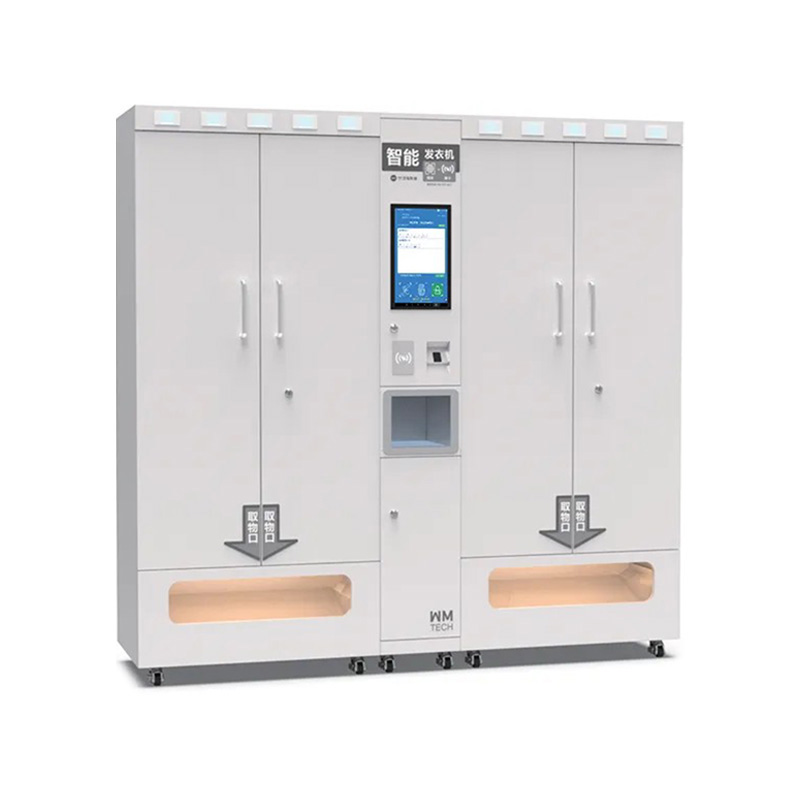
Product Overview: A Smart Platform for Medical Clothing and Footwear Circulation
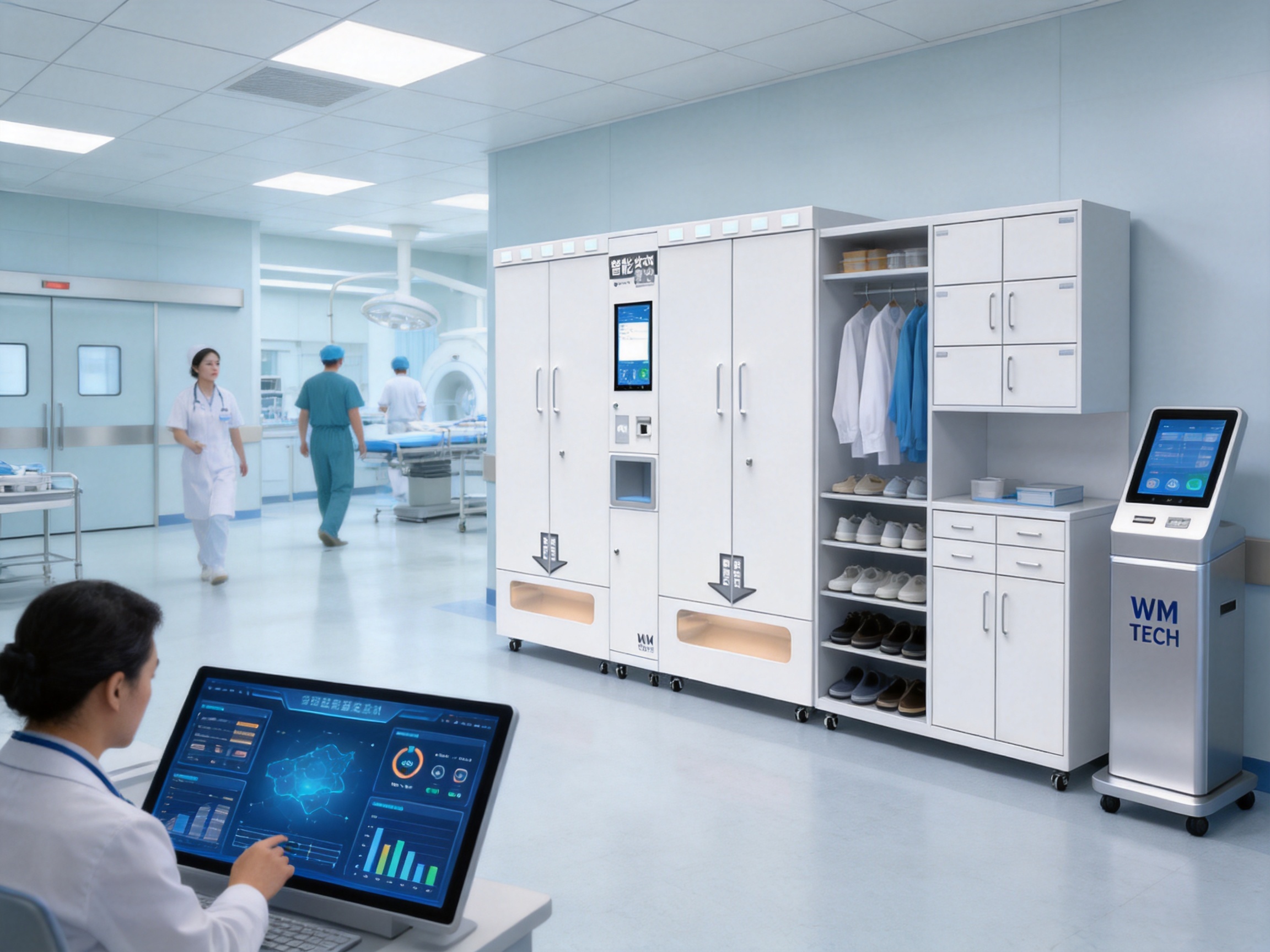
The Turn-Over Intelligent Clothes and Shoes Machine is an integrated solution combining automatic dispensing, intelligent recycling, user permission management, and data analytics. It is specifically designed for areas where clothing and shoes must be controlled, cleaned, distributed, returned, and audited with precision. In a hospital operating room, for example, staff members may need different sizes of surgical garments and dedicated shoes before entering restricted zones. Traditional manual distribution can easily lead to congestion, wrong-size collection, repeated pickup, missing garments, and unclear responsibility when items are not returned.
This system addresses these issues by building a digital closed loop. Staff members authenticate their identity through facial recognition, IC card or NFC, fingerprint verification, or a combination of multiple authentication methods. After authentication, the machine automatically matches the user’s height, role, department, and permission level with preset clothing and footwear rules. It then dispenses an appropriate set within seconds. When the user finishes work, the used garments or shoes can be returned through the recycling unit, and the system records the return status automatically.
The product supports rules such as “one set per person,” role-based authorization, quantity restrictions, exclusive long-term lockers for designated personnel, and differentiated access to clothes, shoes, lockers, recycling units, and bath shelves. These functions help administrators control inventory, prevent abuse, and make sure hospital assets are used according to policy.
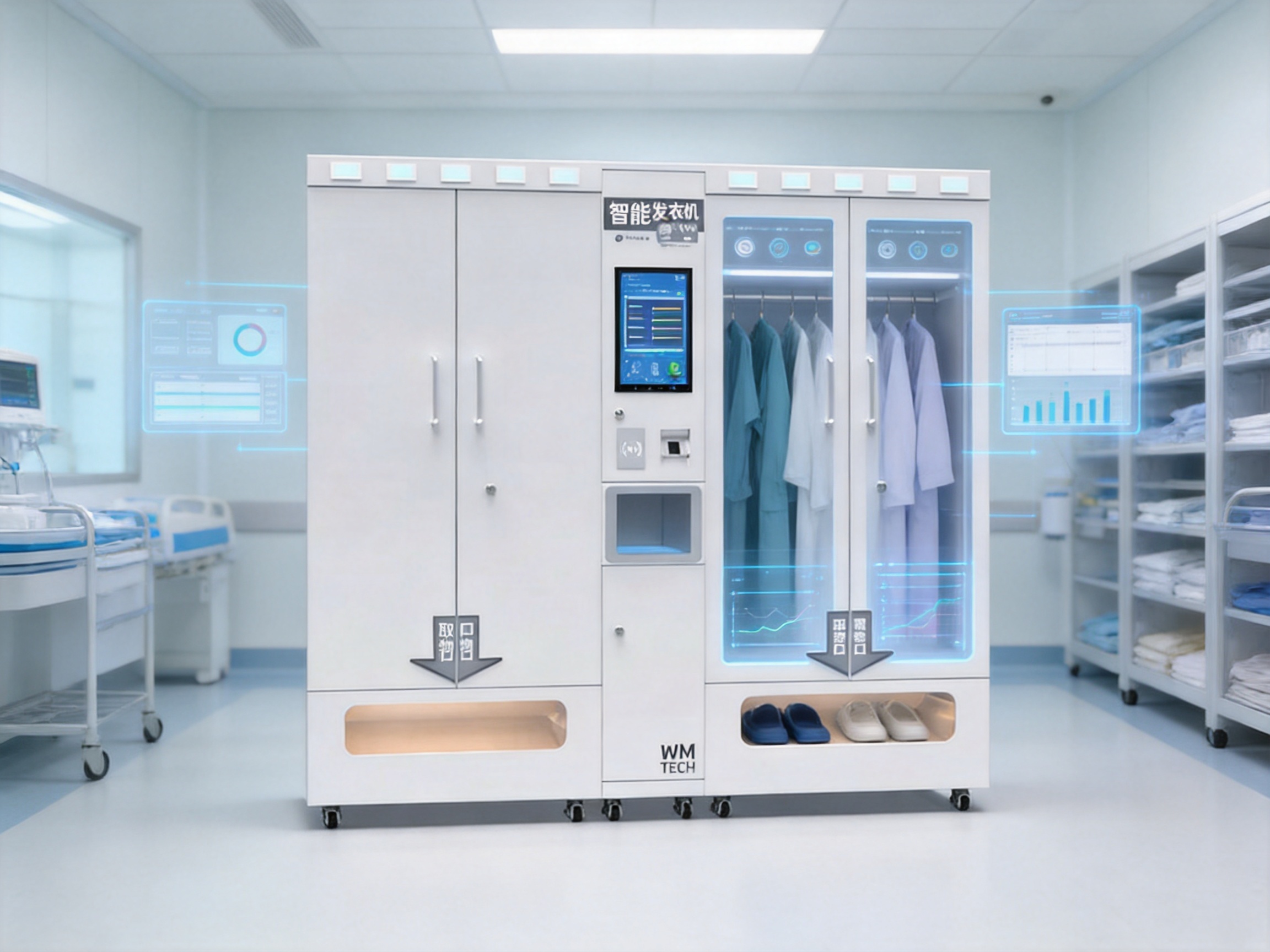
Beyond physical dispensing, the machine also creates valuable digital records. It displays real-time inventory, locker status, user collection history, return information, utilization rates, and garment lifespan data. When connected with hospital information systems such as HIS, EMR, attendance systems, or personnel management platforms, it can become part of a broader smart hospital infrastructure.
Why Intelligent Uniform and Shoe Management Matters in Modern Hospitals
Medical clothing and footwear are closely linked to hospital safety and operational discipline. In operating rooms and ICUs, garments and shoes are not ordinary staff supplies. They are protective barriers, workflow tools, and controlled assets. If management is loose, hospitals may face several problems: staff members may collect wrong sizes, take more than permitted, forget to return items, use garments beyond their service life, or enter restricted areas without proper authorization.
Manual management also consumes time. Nurses, logistics staff, or department administrators may need to count garments, check sizes, record names, supervise returns, and prepare replacement stock. During peak periods before surgeries, queues at changing rooms may delay staff preparation. If the distribution process is slow or disorganized, the effect spreads to operating room scheduling and overall department efficiency.
Another important issue is infection control. High-cleanliness areas require clear separation between clean clothing, used clothing, dedicated shoes, and external items. Uncontrolled storage and manual handling increase the possibility of mixed clean and contaminated supplies. A digital dispensing and recycling system helps standardize the route of clothing and footwear, reducing unnecessary contact and supporting traceability.
Cost control is also a major concern. Reusable garments and shoes are purchased, washed, disinfected, repaired, and replaced throughout their lifecycle. Without accurate data, hospitals may overstock some sizes while lacking others. Garments may disappear without accountability. Shoes may be used beyond safe condition. The Turn-Over Intelligent Clothes and Shoes Machine provides data that helps hospitals understand actual demand, usage frequency, return behavior, and replacement cycles.
Core Functions of the Turn-Over Intelligent Clothes and Shoes Machine
Automated Dispensing
The machine automatically dispenses clothing and shoes after user authentication. This reduces manual labor, shortens waiting time, and improves distribution accuracy. The system can match garment size and shoe type according to user profile data, including height, department, job role, and authorization level. Compared with open-shelf systems, automatic dispensing reduces disorder and makes each collection event traceable.
Smart Collection and Recycling
After use, staff can return garments or shoes through designated collection modules. The system records return behavior and updates status automatically. This helps administrators identify unreturned items, abnormal usage, or inventory imbalance. It also supports more efficient coordination with laundry, disinfection, or logistics teams.
Multi-Factor Authentication
The system supports facial recognition, IC card or NFC, fingerprint verification, and other authentication methods. Multi-factor authentication increases security and flexibility. Different hospitals may choose different verification combinations according to privacy policy, access control requirements, and workflow habits. For high-security areas, combining facial recognition with staff card verification can prevent identity misuse.
Permission and Rule Management
Administrators can configure detailed rules such as “one set per person,” department-based allocation, exclusive long-term lockers, temporary access permissions, and role-specific clothing or shoe distribution. This makes the system suitable for complex hospital environments where surgeons, nurses, anesthesiologists, cleaning personnel, emergency staff, and visiting specialists may require different access rights.
Real-Time Inventory Display
The machine provides real-time information about stock quantity, locker status, available sizes, collection records, and return status. Administrators do not need to rely only on manual counting. Real-time inventory visibility enables timely replenishment and reduces the risk of stock shortages before important clinical procedures.
Data Analytics and Decision Support
Through integration with hospital systems, the platform can analyze utilization rates, garment lifespan, user behavior, departmental demand, and replacement needs. These insights support procurement planning, performance evaluation, cost control, and continuous improvement. Data-driven decisions are especially useful for hospitals with multiple operating rooms, large staff teams, or strict budget control.
Modular Expansion
The product uses a modular design. Hospitals can add shoe cabinets, lockers, recycling units, bath shelves, or other functional modules according to department size and future expansion plans. This allows the system to serve both small specialized departments and large comprehensive hospitals.
Black Box Operation Logging
The built-in black box function automatically records operations, exceptions, and management events. This strengthens compliance, traceability, and accountability. When a dispute arises over missing items, abnormal collection, or unauthorized access, administrators can review objective operation records.
Key Advantages Over Conventional and Competing Solutions
Compared with traditional manual distribution, ordinary storage lockers, simple vending cabinets, or non-integrated garment systems, the Turn-Over Intelligent Clothes and Shoes Machine offers several clear advantages. Its value comes from the combination of automation, authorization, traceability, integration, modularity, and lifecycle management.
Faster Preparation Before Clinical Work
In a busy operating department, seconds matter. Staff members often need to change quickly and prepare for scheduled procedures. Manual uniform distribution may involve waiting for staff assistance, searching for sizes, and confirming registration. The intelligent machine authenticates the user and dispenses matched clothing or shoes rapidly. This smooth experience reduces congestion in changing areas and supports punctual surgical preparation.
Higher Distribution Accuracy
Simple cabinets depend on users selecting the correct item. Mistakes are common, especially when multiple sizes are stored together. The intelligent system reduces incorrect pickup by matching user profile and configured rules. This protects both staff comfort and operational order. Correct sizing also helps prevent unnecessary repeated exchange.
Stronger Access Control
Open shelves and traditional lockers cannot reliably prevent unauthorized collection. The machine allows hospitals to define who can receive which items, how often they can collect them, and whether they have access to specific modules. This is particularly important in high-cleanliness areas where access must be carefully controlled.
Closed-Loop Management Instead of One-Way Dispensing
Some competing solutions focus only on dispensing, leaving returns to manual bins or separate processes. The Turn-Over Intelligent Clothes and Shoes Machine emphasizes full-cycle management: collection, use, return, recycling, and data analysis. This closed loop is essential for reusable medical garments and footwear, because loss control and lifecycle tracking depend on return data.
Flexible Modular Configuration
Hospitals vary greatly in space, workflow, staffing, and infection-control policies. A fixed-format device may not fit every scenario. The modular design allows hospitals to expand from a basic clothes dispensing unit to a comprehensive system with shoes, lockers, recycling units, and bath shelves. This helps protect initial investment and makes long-term deployment easier.
Better Data for Procurement and Cost Control
Without usage data, hospitals often purchase clothing based on rough estimates. This leads to excessive inventory in some sizes and shortages in others. The machine provides actual demand data, return patterns, and lifespan information. Procurement teams can purchase more accurately, reduce waste, and plan replacement cycles based on evidence.
Reduced Management Burden
Manual management requires continuous attention from logistics or nursing personnel. Automation reduces repetitive tasks such as registration, checking, counting, and reminding users to return items. Staff can focus on clinical or supervisory work instead of garment administration.
Enhanced Compliance and Traceability
The black box function, identity verification, and digital records create a reliable audit trail. This supports internal hospital management, quality review, infection-control evaluation, and departmental accountability. Compared with paper logs, digital records are more complete, searchable, and resistant to loss.
Functional Comparison Table
| Management Requirement | Traditional Manual Method | Basic Locker or Cabinet | Turn-Over Intelligent Clothes and Shoes Machine |
|---|---|---|---|
| User identification | Manual name registration or verbal confirmation | Limited or no identity verification | Facial recognition, IC card/NFC, fingerprint, and configurable authentication |
| Dispensing speed | Depends on staff availability and queue length | Moderate, but users must search manually | Automatic dispensing within seconds after verification |
| Size matching | Manual selection, prone to mistakes | User-selected, often inaccurate | Matched by height, role, department, and preset rules |
| Permission control | Difficult to enforce consistently | Basic lock control only | Fine-grained rules such as one set per person and role-based access |
| Return tracking | Manual counting and paper records | Usually separate from distribution | Smart recycling and automatic return status recording |
| Inventory visibility | Periodic manual counting | Limited visibility | Real-time inventory and locker status display |
| Data analytics | Very limited | Limited or absent | Utilization, lifespan, departmental demand, and procurement support |
| Expansion ability | Requires additional labor and space | Often fixed structure | Modular expansion with shoe cabinets, lockers, recycling units, and bath shelves |
| Compliance traceability | Weak and difficult to audit | Partial only | Black box logging and complete operation records |
Application Scenarios in Hospitals and Healthcare Facilities
Operating Departments
Operating departments are among the most important application scenarios. Surgeons, anesthesiologists, nurses, technicians, and other staff require clean garments and dedicated shoes before entering controlled areas. The machine helps standardize the distribution process, prevent unauthorized access, reduce changing-room congestion, and ensure that every collection and return is recorded.
Central Sterile Supply Departments
Central Sterile Supply Departments handle cleaning, disinfection, sterilization, and supply tasks. Staff clothing and footwear must comply with hygiene and workflow requirements. The intelligent machine supports orderly circulation of garments and shoes, helping CSSD managers maintain standard processes and accurate records.
Intensive Care Units
ICUs require strict infection-control discipline because patients are vulnerable and the environment is highly sensitive. The machine can help manage dedicated ICU clothing and footwear, reducing the risk of mixing external garments with controlled-area supplies. Permission management ensures that only authorized personnel can obtain specific items.
Infectious Disease Wards
In infectious disease wards, clothing management must be precise and traceable. The system can help control the distribution and collection of protective or dedicated garments, creating records that support infection-control review and material planning. Smart recycling also helps separate used items from clean storage routes.
Emergency and High-Turnover Departments
Departments with unpredictable work patterns benefit from rapid automated access. Emergency surgical teams or temporary support personnel can receive authorized items without waiting for manual distribution, while administrators still retain control over permissions and quantity.
Teaching Hospitals and Large Medical Centers
Large hospitals often have many rotating staff members, trainees, visiting doctors, and external specialists. Manual tracking becomes complicated. The system can support flexible permission configuration and time-based access, helping managers handle temporary users without sacrificing control.
How the System Supports Infection Control
Infection control depends not only on sterilization equipment and clinical protocols, but also on everyday logistics. Clothing and shoes move continuously between clean areas, used-item collection points, laundry, disinfection, storage, and staff changing rooms. If these flows are not controlled, even high-quality garments can become a management risk.
The Turn-Over Intelligent Clothes and Shoes Machine supports infection control in several ways. First, it separates clean dispensing from used-item return through defined modules and processes. Second, it reduces unnecessary manual handling of clean garments. Third, it records who collected and returned items, allowing managers to identify abnormal behavior. Fourth, it supports access control so that clothing intended for a high-cleanliness area is not collected by unauthorized personnel.
The system also improves consistency. Manual management often varies by shift or individual staff habits. A smart machine applies configured rules consistently, regardless of time of day. This is valuable for hospitals that operate around the clock and need standardized procedures across multiple shifts.
Digital Integration With Smart Hospital Systems
The value of the machine increases when it becomes part of the hospital’s digital ecosystem. By integrating with HIS, EMR, attendance, or personnel management systems, the platform can use existing staff data to determine authorization, department affiliation, duty status, and role-based clothing requirements. This reduces duplicate data entry and improves accuracy.
For example, if a staff member is assigned to an operating department, the system can allow access to operating-room garments and shoes. If the staff member changes department, permission settings can be updated through system synchronization. Attendance integration can help analyze whether garment collection corresponds to duty shifts, while inventory data can help procurement departments forecast demand.
Data integration also supports hospital leadership. Instead of viewing clothing management as a hidden background cost, administrators can see measurable indicators: utilization rate by department, average garment turnover, frequency of abnormal returns, inventory shortages, size demand distribution, and lifecycle cost. These indicators help hospitals move from rough management to precise management.
Lifecycle Management of Garments and Footwear
Reusable clothing and shoes have a lifecycle. They are purchased, stored, dispensed, worn, returned, cleaned, inspected, reused, repaired, and eventually retired. Without digital support, many hospitals cannot accurately measure this lifecycle. Items may be replaced too early, wasting budget, or used too long, reducing comfort and hygiene confidence.
The Turn-Over Intelligent Clothes and Shoes Machine helps build lifecycle visibility. Each collection and return event contributes to usage data. Over time, managers can estimate how frequently certain garments are used, how quickly specific sizes circulate, and when replacement may be needed. This enables more scientific purchasing and retirement decisions.
Lifecycle data also helps evaluate supplier performance and textile durability. If a garment type shows shorter-than-expected lifespan, the hospital can investigate washing conditions, user behavior, material quality, or workflow issues. If a certain size is constantly in shortage, procurement can adjust inventory structure rather than simply increasing all sizes.
Advanced Manufacturing Strengths Behind the Product
The reliability of an intelligent medical management machine depends heavily on manufacturing capability. It must combine mechanical structure, electronic control, communication modules, software interfaces, identity recognition, cabinet design, power management, and durable materials. Wanma Technology Co., Ltd. brings decades of experience in communication cabinets, communication electronic equipment, passive optical components, Ethernet networks, optical communication networks, central equipment rooms, national high-speed railway systems, and urban rail transit applications. This background supports the development and manufacturing of stable, connected, and modular intelligent devices.
Products used in telecommunications and railway transit environments must meet demanding requirements for structural reliability, signal stability, long-term operation, and environmental adaptability. These capabilities are directly valuable for hospital equipment. A smart clothing and shoe management machine must operate frequently, respond quickly, protect electronic components, withstand continuous use, and maintain dependable data communication. The company’s accumulated manufacturing experience helps strengthen product durability and system consistency.
Precision Cabinet and Structural Manufacturing
The machine’s cabinet is not only a shell; it is the foundation for security, stability, ventilation, maintainability, and user experience. Advanced cabinet manufacturing processes support accurate module assembly, consistent door alignment, durable locker operation, and clean external appearance. Precision processing helps reduce mechanical failure and improves long-term reliability in high-frequency hospital use.
Electronic Equipment Integration
The product integrates sensors, control boards, authentication devices, display modules, communication interfaces, electronic locks, and power systems. Experience in communication electronic equipment manufacturing supports stable circuit design, organized internal wiring, and reliable control logic. This is important because even a small electronic failure can interrupt garment distribution during a busy clinical period.
Communication and IoT Capability
Because the system depends on real-time data, network communication is critical. Wanma Technology’s background in Ethernet and optical communication infrastructure supports the product’s connectivity design. Reliable communication enables inventory updates, system integration, remote monitoring, and data exchange with hospital platforms.
Modular Engineering
The company’s experience in customized integrated solutions supports modular product design. Hospitals can choose different module combinations according to layout and demand. Modular engineering also improves maintenance because functional sections can be inspected, replaced, or expanded more conveniently.
Quality-Oriented Production Management
For hospital environments, product quality must be consistent. Manufacturing processes can include material inspection, structural testing, electronic function verification, software-hardware coordination checks, aging tests, packaging inspection, and delivery control. A quality-oriented approach reduces installation risk and improves long-term customer satisfaction.
Design Philosophy: Automation, Hygiene, Traceability, and Flexibility
The Turn-Over Intelligent Clothes and Shoes Machine is built around four design principles. The first is automation. The system should reduce repetitive manual work and make collection and return faster. The second is hygiene. Clean and used items should be managed through standardized routes, and unnecessary contact should be reduced. The third is traceability. Every important operation should be recorded so that management decisions are based on facts. The fourth is flexibility. Hospitals should be able to configure the system according to their own departments, space conditions, and policies.
This design philosophy distinguishes the product from single-purpose machines. A simple locker may store items, but it does not manage the lifecycle. A vending cabinet may dispense items, but it may not support recycling or analytics. A manual registration process may record names, but it cannot deliver real-time inventory or automated permission enforcement. The Turn-Over Intelligent Clothes and Shoes Machine combines these capabilities into one coordinated platform.
User Experience for Medical Staff
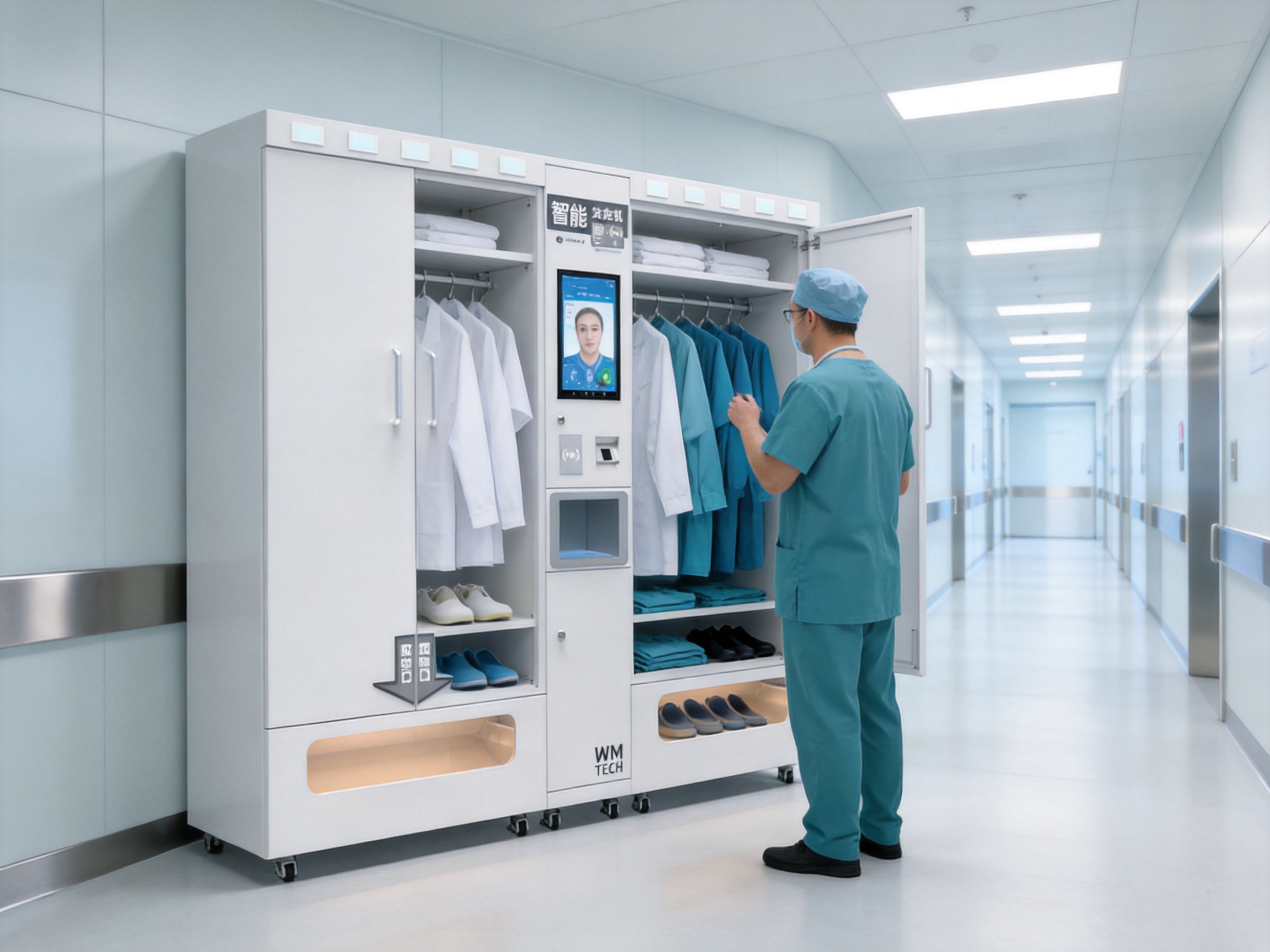
For doctors, nurses, and technicians, the system is designed to be quick and simple. A user approaches the machine, verifies identity, and receives assigned garments or shoes. The interface can guide the user through the process, reducing confusion. Because the machine can match clothing and footwear based on stored profile information, users do not need to search through piles of items or repeatedly change sizes.
When returning items, the user follows the return process and the system records the operation. This reduces disputes and reminders. Staff members can focus on clinical responsibilities rather than administrative procedures. A smooth user experience is important because adoption depends on convenience. If the system is faster and more reliable than manual collection, staff will naturally accept it as part of daily workflow.
Management Experience for Administrators
For department managers, the system provides control and visibility. Administrators can configure allocation rules, check inventory, review abnormal operations, analyze usage statistics, and plan replenishment. Instead of waiting for manual reports, managers can access current data. This improves responsiveness when certain sizes run low or when collection behavior changes during peak surgical periods.
The system also supports policy enforcement. If a hospital requires one set per person per shift, the machine can apply that rule automatically. If certain staff members need exclusive long-term lockers, the configuration can reflect that. If temporary personnel require limited access, administrators can define permissions accordingly. The result is a management process that is both flexible and disciplined.
Procurement and Cost-Control Benefits
Hospitals often face pressure to control costs without compromising safety or service quality. Clothing and footwear management may appear small compared with large medical equipment, but in high-volume hospitals, losses, overuse, and inefficient inventory can create significant hidden costs. The Turn-Over Intelligent Clothes and Shoes Machine helps convert hidden cost into measurable data.
Accurate inventory visibility reduces emergency purchasing and excessive stock. Usage statistics reveal which sizes and item types are most needed. Return records reduce unexplained loss. Lifespan data supports replacement planning. Departmental analysis helps allocate cost responsibility more fairly. Over time, the system can help hospitals purchase according to actual demand rather than assumptions.
Safety, Compliance, and Accountability
Safety and compliance are central to hospital operations. The machine supports accountability through authenticated collection, smart return records, and operation logs. The black box function can preserve key operation information, helping administrators investigate exceptions. This is useful when garments are missing, users report failed dispensing, or inventory appears inconsistent.
Compliance is also supported through standardized workflows. Instead of relying on individual memory or handwritten logs, the system enforces configured rules. This creates consistency across shifts and departments. For hospitals pursuing smart management, digital traceability strengthens internal governance and quality improvement.
Scalability for Hospitals of Different Sizes
A small specialized surgical center may need a compact system focused on fast clothing and shoe dispensing. A large general hospital may need multiple machines across operating rooms, ICUs, CSSD areas, and infectious disease wards. The modular structure allows deployment at different scales. Hospitals can start with core modules and expand as demand increases.
This scalability protects investment. Instead of replacing the entire system when needs change, hospitals can add functional units such as shoe cabinets, additional lockers, recycling modules, or bath shelves. For new hospital construction projects, the system can be planned as part of a broader smart logistics layout. For existing hospitals, it can be introduced gradually to modernize manual processes.
Operational Workflow Example
A typical workflow begins when hospital staff arrive for a shift. The staff member approaches the machine and completes identity verification using facial recognition, IC card, NFC, fingerprint, or another configured method. The system checks the user’s department, role, permission status, and collection history. If the user is authorized, it automatically dispenses the appropriate clothing and shoes according to size and policy.
During the shift, the system maintains records of what was collected and by whom. At the end of the work period, the staff member returns used garments or shoes through the recycling unit. The machine records the return, updates inventory status, and can provide data for laundry or logistics teams. Administrators can later review reports showing utilization, return compliance, and inventory changes.
This workflow is simple for users but powerful for management. It transforms a routine changing-room process into a traceable, measurable, and optimized operation.
Why Manufacturing Background Matters for Smart Medical Equipment
Smart medical logistics equipment must be dependable. Hospitals cannot tolerate frequent downtime in critical preparation areas. A machine used many times each day must maintain mechanical stability, accurate recognition, responsive control, and reliable network communication. Manufacturing background is therefore not a minor detail; it is a core part of product value.
Wanma Technology Co., Ltd. was established in 1997 and has built expertise in communication cabinets, communication electronic equipment, passive optical components, and integrated network infrastructure. Its products have been used in Ethernet networks, optical communication networks, central equipment rooms, national high-speed railways, and urban rail transit systems. These application fields require durability, precision, and stable operation. Such experience provides a strong foundation for producing intelligent hospital management equipment.
The company also provides customized product solutions, which is important because hospital layouts and management policies vary. A manufacturer with customization capability can better support site-specific planning, module configuration, and integration requirements. Reliable delivery, long-term service orientation, and international market experience further strengthen project execution.
Competitive Positioning
The Turn-Over Intelligent Clothes and Shoes Machine competes not only with other smart cabinets but also with manual management, basic lockers, and fragmented digital tools. Its competitive strength lies in integration. Hospitals do not need separate systems for identity verification, clothing dispensing, shoe storage, recycling, inventory counting, and reporting. The machine unifies these functions into a coordinated solution.
Another competitive advantage is its fit for high-cleanliness medical scenarios. General-purpose locker systems may not address hospital infection-control requirements, role-based permission complexity, or garment lifecycle management. This product is designed specifically for clothing and footwear circulation in operating rooms, ICUs, CSSD areas, and infectious disease wards.
The system’s modularity also gives it an advantage over rigid installations. Hospitals can select the functional modules that match current needs and expand later. Its data functions provide long-term value beyond initial automation, supporting procurement, cost control, compliance, and operational improvement.
Implementation Considerations
Before deployment, hospitals should evaluate user volume, department workflow, available space, garment types, shoe sizes, laundry routes, network conditions, and integration requirements. Administrators should define allocation rules, authentication methods, return policies, and emergency procedures. Careful planning helps the system deliver maximum value.
Training is also important. Users should understand how to authenticate, collect items, return items, and report exceptions. Managers should learn how to configure permissions, view reports, and interpret data. Once staff members become familiar with the system, it can significantly reduce manual workload and improve daily efficiency.
Q&A Section
Q1: What is the main purpose of the Turn-Over Intelligent Clothes and Shoes Machine?
Its main purpose is to automate and standardize the dispensing, collection, recycling, and data management of medical clothing and footwear in high-cleanliness areas such as operating rooms, ICUs, CSSD areas, and infectious disease wards.
Q2: How does the machine verify user identity?
The system supports multiple authentication methods, including facial recognition, IC card or NFC, fingerprint verification, and configurable multi-factor authentication. Hospitals can choose the method that best fits their security and workflow requirements.
Q3: Can the system prevent staff from taking too many garments?
Yes. Administrators can configure rules such as “one set per person,” department-based limits, role-based access, and other quantity controls. The system automatically enforces these rules during dispensing.
Q4: Does the machine manage both clothing and shoes?
Yes. It is designed for integrated management of clothing and footwear. It can be expanded with shoe cabinets, lockers, recycling units, and related modules according to hospital needs.
Q5: How does the product help reduce infection risks?
It standardizes the flow of clean and used items, reduces unnecessary manual handling, supports authorized access, and creates traceable records. These functions help hospitals maintain better control over garments and footwear used in high-cleanliness areas.
Q6: Can it connect with hospital information systems?
Yes. The system can integrate with platforms such as HIS, EMR, attendance systems, and personnel management systems. Integration helps synchronize user information, permissions, duty status, and usage data.
Q7: What kind of data can administrators obtain?
Administrators can view inventory levels, locker status, collection records, return status, utilization rates, garment lifespan, departmental demand, and abnormal operation records. These data points support procurement and cost-control decisions.
Q8: Is the system suitable for small hospitals?
Yes. Because the product has a modular design, small hospitals or specialized departments can start with essential modules and expand later as demand grows.
Q9: What makes the product different from ordinary lockers?
Ordinary lockers mainly provide storage. This machine provides identity verification, automatic dispensing, smart collection, permission control, real-time inventory, lifecycle tracking, and data analytics. It is a management platform rather than a simple storage device.
Q10: Why is the manufacturer’s telecommunications and cabinet manufacturing experience relevant?
The product requires reliable cabinet structure, electronic control, data communication, modular design, and long-term operational stability. Experience in communication cabinets, electronic equipment, optical networks, and rail transit infrastructure supports high-quality manufacturing and dependable system integration.
Conclusion
The Turn-Over Intelligent Clothes and Shoes Machine offers a practical and advanced answer to a growing hospital management challenge. In high-cleanliness medical environments, clothing and footwear must be distributed quickly, returned properly, controlled securely, and analyzed intelligently. Manual methods and basic storage systems cannot fully meet these demands.
By combining automated dispensing, smart recycling, multi-factor authentication, permission management, real-time inventory, data analytics, modular expansion, and black box logging, the system creates a complete closed-loop management platform. It helps hospitals improve preparation efficiency, strengthen infection-control discipline, reduce garment loss, optimize procurement, and support smart hospital transformation.
Backed by Wanma Technology Co., Ltd.’s long-term expertise in communication cabinets, electronic equipment, optical communication infrastructure, and customized integrated solutions, the product benefits from strong manufacturing foundations and engineering capability. For hospitals seeking more secure, efficient, and data-driven management of medical clothing and footwear, this intelligent machine provides a future-oriented solution with clear operational value.
References
Association for the Advancement of Medical Instrumentation. Guidance on Medical Equipment Management and Healthcare Technology Safety.
Centers for Disease Control and Prevention. Guideline for Isolation Precautions and Infection Control Practices in Healthcare Settings.
World Health Organization. Core Components for Infection Prevention and Control Programmes.
International Organization for Standardization. ISO 13485: Medical Devices Quality Management Systems.
International Organization for Standardization. ISO 14644: Cleanrooms and Associated Controlled Environments.
Healthcare Information and Management Systems Society. Smart Hospital Digital Transformation and Connected Care Practices.
Product: Turn-Over Intelligent Clothes and Shoes Machine
Interested in cooperation or have questions?
Related products
-
-
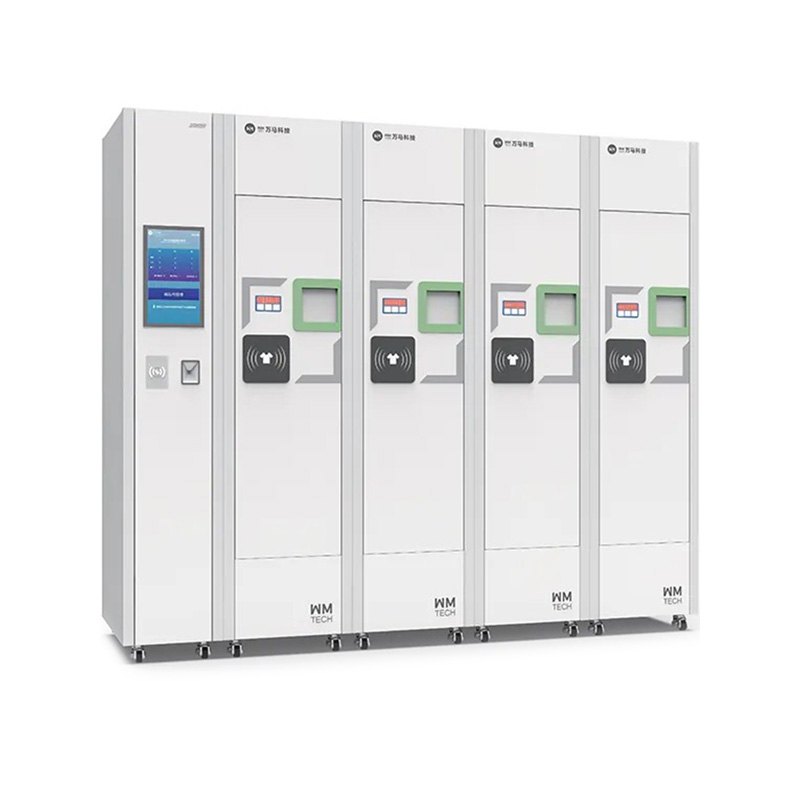
Product Definition:The Chain Intelligent Clothes and Shoes Sending Machine is an advanced management system for hospital operating rooms and clean zones, integrating automatic storage, identity verifi...
See Details -
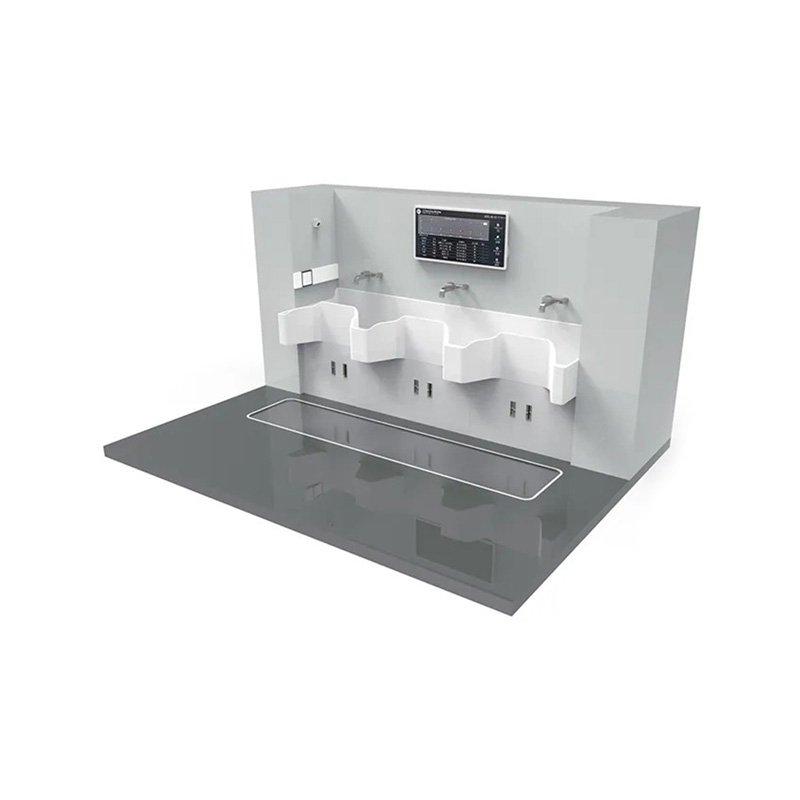
Product DefinitionThe Wanma Hand Washing Compliance Management System is an intelligent hand hygiene supervision solution based on RFID technology. By automatically identifying medical staff and monit...
See Details -
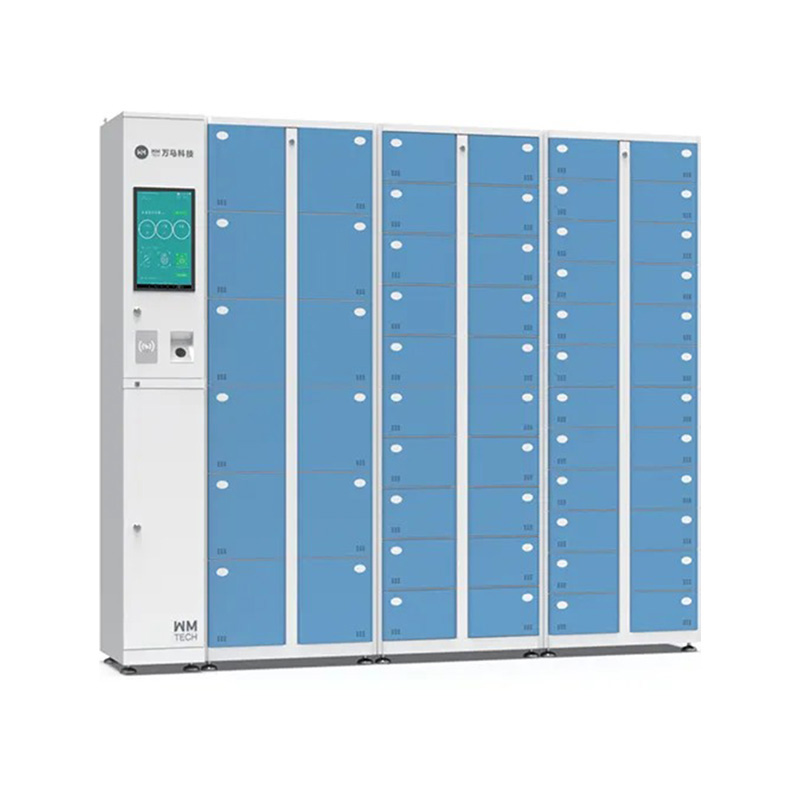
Product Definition:The Intelligent Geng Shoe Box is an advanced storage and management solution for hospitals, operating rooms, and clean zones. It enables automated issuance and collection of shoes a...
See Details
Ready to Get started ? Contact Us Now !

Product.
Contact Details.
-
 +86 13958188250
-
 +86 13958188250
-
 [email protected]
- Wanma Industrial Park Taihu Yuan Town Lin'an District Hangzhou City China.
QR Code

Copyright © Wanma Technology Co., Ltd. All Rights Reserved.
Custom Ethernet Optical Network Railway Transit Equipments Suppliers
