

 English
 Français
 Español
 Português
 عربى
عربى





Application:It can be applied to FTTH, FTTO, FTTB applications and also has the functions of splicing, welding and installing connectors. Features:•Large variety; Full specification; Pleasing appearan...
See DetailsFiber Solution Optical Fiber Socket Box for Reliable FTTH, FTTO, and FTTB Connectivity
Content
- 1 Product Overview
- 2 Role in FTTH, FTTO, and FTTB Networks
- 3 Key Functional Advantages
- 4 Comparison with Common Competing Products
- 5 Material Strength and Weathering Resistance
- 6 Internal Structure and Installation Efficiency
- 7 Splicing, Welding, and Connector Installation
- 8 Grounding Function and System Safety
- 9 Manufacturing Strengths Behind the Product
- 10 Quality Control for Long-Term Network Reliability
- 11 Customization and Integrated Solutions
- 12 Applications in Residential Broadband
- 13 Applications in Offices and Commercial Buildings
- 14 Applications in Building Distribution and Infrastructure Projects
- 15 Support for Ethernet, Optical Networks, and 5G Infrastructure
- 16 Lifecycle Value and Cost Efficiency
- 17 Global Service Perspective
- 18 Installation Best Practices
- 19 Q&A Section
- 19.1 What is the main purpose of the Fiber Solution Optical Fiber Socket Box?
- 19.2 Why is PC material an advantage?
- 19.3 How does the box help improve installation quality?
- 19.4 Is the product suitable for both homes and commercial buildings?
- 19.5 What makes it different from a simple fiber wall plate?
- 19.6 Why is fiber storage important inside the box?
- 19.7 Does the grounding device matter in optical networks?
- 19.8 How does the product support long-term cost efficiency?
- 20 Conclusion
- 21 References
- 22 Product: Fiber Solution-Optical Fiber Socket-Box
In modern telecommunications infrastructure, the quality of the physical connection point is just as important as the speed of the network equipment behind it. A fiber access network may be designed around high-bandwidth optical transmission, advanced Ethernet switching, 5G backhaul, or intelligent rail transit communication, but its day-to-day reliability often depends on compact passive components that protect, organize, and connect optical fibers at the user access layer. The Fiber Solution Optical Fiber Socket Box is designed for this critical position in the network. It supports FTTH, FTTO, and FTTB applications while integrating fiber splicing, welding, connector installation, cable fixing, fiber storage, and grounding functions in one practical enclosure.
Fiber Solution-Optical Fiber Socket-Box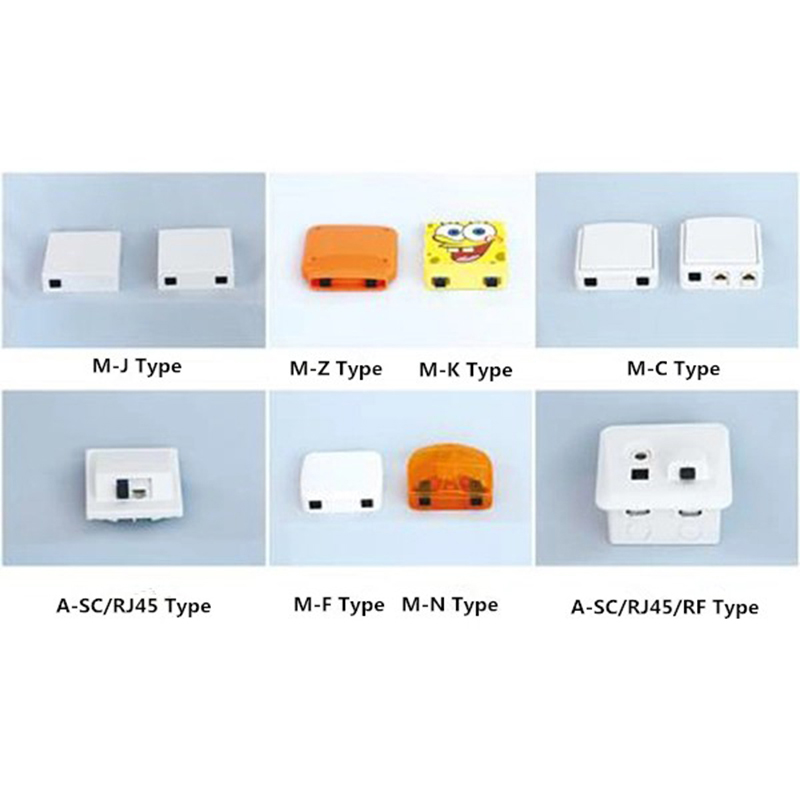
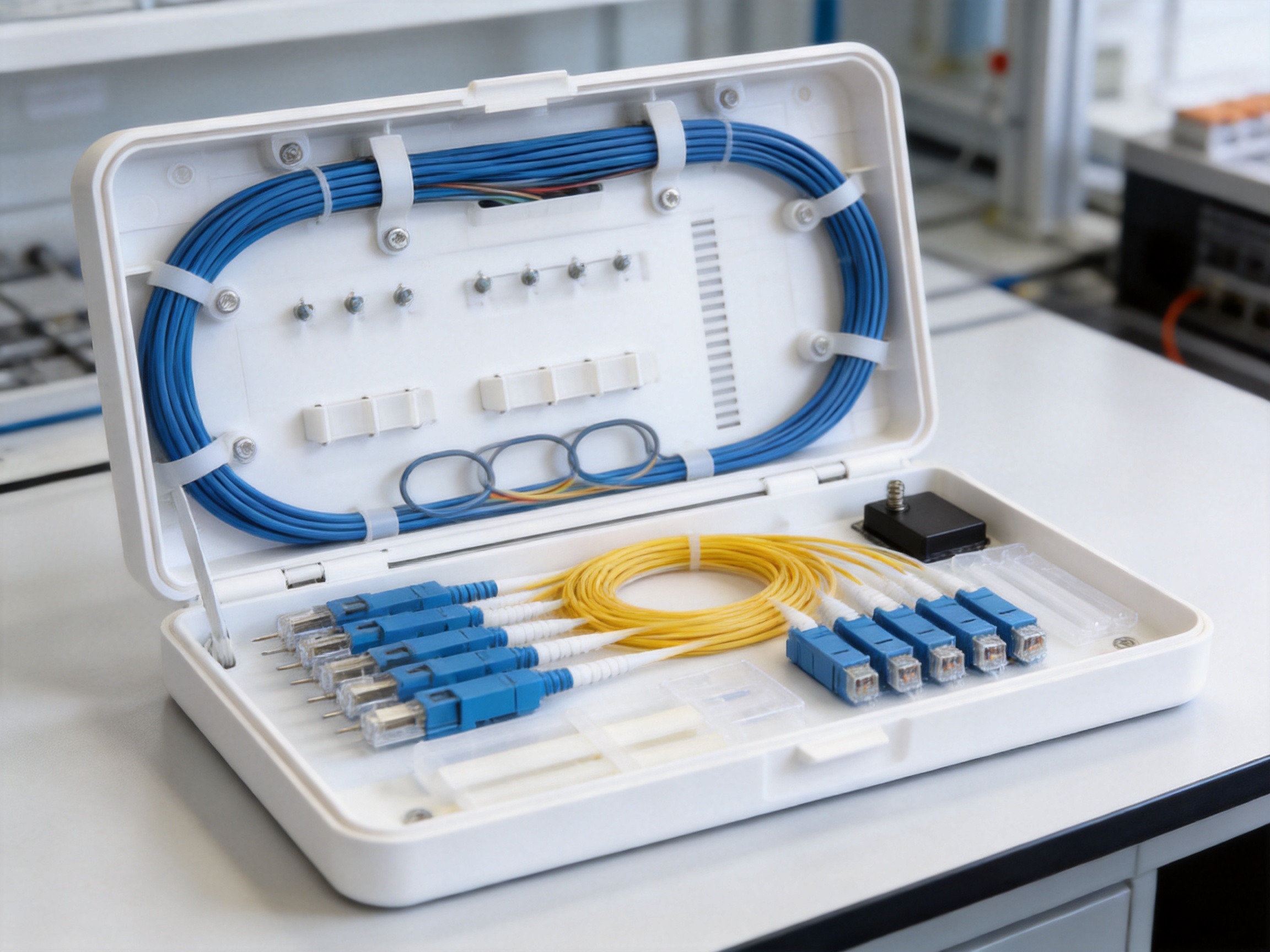
This optical fiber socket box is intended for access networks where stable installation, convenient maintenance, and long service life are essential. It is made of PC material, giving it strong shock resistance and weathering resistance compared with many ordinary plastic enclosures used in low-cost fiber termination projects. Its internal structure is designed to fix optical cables, adapters, and optical fiber splicing heat-shrink tubes securely, reducing installation disorder and helping technicians maintain proper bending radius and cable routing. The product also has fiber storage capability and a grounding device, which makes it suitable for diverse building and field conditions where safety, neatness, and reliability are required.
Product Overview
The Fiber Solution Optical Fiber Socket Box is a compact passive optical component used as a termination, distribution, and protection point in optical access networks. Its main application environments include fiber to the home, fiber to the office, and fiber to the building. In these scenarios, optical fibers from outside plant cables, indoor distribution cables, or building backbone cables must be connected to drop cables, adapters, or optical connectors that serve end users. Without a well-designed socket box, the connection point can become vulnerable to fiber bending, dust contamination, accidental pulling, improper splicing, and difficult troubleshooting.
The product provides a controlled space for optical fiber management. It allows technicians to splice or weld optical fibers, protect the splice point with heat-shrink tubes, place adapters, install connectors, store reserved fiber length, and secure the incoming cable. This integrated functionality reduces the need for separate accessories and helps standardize field installation. For network operators and system integrators, standardized installation is not only a matter of appearance; it directly affects maintenance efficiency, signal quality, and the cost of long-term network operation.
The socket box features a large variety and full specification range, making it adaptable to different access network designs. Its pleasing appearance is important in residential, office, commercial, and public infrastructure installations, where visible communication components should look clean and professional. Unlike rough industrial boxes that may be acceptable only in hidden equipment rooms, this optical fiber socket box can be installed in spaces where users, facility managers, or inspectors may see the equipment directly.
Wanma Technology Co., Ltd. has long specialized in communication cabinets, communication electronic equipment, and passive optical components. Established in 1997, the company has accumulated experience in products used in Ethernet networks, optical communication networks, central equipment rooms, national high-speed railways, and urban rail transit systems. This background is important because optical fiber socket boxes are not isolated plastic shells; they are part of larger communication systems that require mechanical reliability, optical performance, manufacturability, and field service practicality.
Role in FTTH, FTTO, and FTTB Networks
FTTH, FTTO, and FTTB networks extend optical fiber closer to end users than traditional copper-based access networks. In FTTH applications, the socket box may serve as a user-side fiber termination point inside or near a residence. In FTTO applications, it may be installed in an office space, business park, enterprise building, or intelligent campus to provide stable fiber access for workstations, access points, equipment cabinets, or communication terminals. In FTTB applications, it may be used within a building distribution system, connecting backbone fiber resources to floor-level or unit-level distribution points.
Each scenario places different demands on the access enclosure. Residential installations require compact size, clean appearance, safe fiber storage, and easy connector access. Office installations require a tidy structure, dependable adapter positioning, and the ability to support future rearrangement. Building applications require mechanical strength, organized routing, and compatibility with installers working under time pressure. The Fiber Solution Optical Fiber Socket Box addresses these requirements by combining cable fixing, adapter placement, splice protection, and fiber storage in one structure.
In a fiber access network, optical signal loss must be carefully controlled. Although the socket box itself is a passive enclosure, its design strongly influences whether the fiber is bent too sharply, whether connectors are contaminated, whether splices are protected, and whether cables are pulled accidentally after installation. A box that provides adequate interior management space and fixing features can help reduce the risk of microbending, macrobending, connector stress, and splice damage. This is why a well-designed fiber socket box contributes indirectly but significantly to optical network quality.
The transition toward 5G, cloud services, smart homes, video conferencing, industrial internet, and intelligent transportation continues to raise expectations for access network reliability. Higher bandwidth services depend on stable optical infrastructure. When millions of users rely on fiber for work, education, entertainment, security, and automation, the network termination point must not become a weak link. A socket box built for stability and installation consistency supports the modernization of broadband and optical communication infrastructure.
Key Functional Advantages
The first major advantage of this product is functional integration. It is not merely a junction cover or a simple terminal plate. It is designed to support splicing, welding, connector installation, cable fixing, adapter holding, heat-shrink tube placement, fiber storage, and grounding. By bringing these functions together, it allows installers to complete termination work in a compact and organized way. This integrated design reduces the number of separate components required on site, lowers the possibility of mismatched parts, and makes the finished installation more professional.
The second advantage is material quality. The use of PC material provides good shock resistance and weathering resistance. Polycarbonate is widely valued in engineering applications because it offers a favorable balance of toughness, dimensional stability, impact strength, and durability. In contrast, some low-cost competing boxes may use ordinary plastic that can become brittle, deform under stress, or age quickly in variable environmental conditions. A socket box made of PC material is better suited for long-term service in demanding communication installations.
The third advantage is internal organization. Optical fibers are fragile compared with copper conductors, and their performance can degrade if they are bent, squeezed, or pulled improperly. The device inside the box for fixing optical cable, adapter, and optical fiber splicing heat-shrink tube helps create a neat fiber pathway. This supports installation repeatability, reduces disorder, and improves later maintenance. When technicians open a well-organized box, they can identify fiber routes, adapters, and splice positions faster, reducing service time and lowering the chance of accidental disturbance.
The fourth advantage is the product’s fiber storage function. Reserved fiber length is necessary for future maintenance, re-splicing, or rearrangement. However, if the reserved fiber is not stored correctly, it can create loops, bends, and clutter that increase signal loss or mechanical risk. A box with fiber storage capability allows excess fiber to be managed in a controlled space. This is especially useful in FTTH and FTTO environments where future service changes may occur but installation space is limited.
The fifth advantage is grounding capability. Grounding is an important safety and protection feature in communication systems, particularly when optical cables include metallic strength members, armor, or conductive components. A grounding device helps provide a safer and more standardized installation. Although optical fibers themselves do not conduct electricity, complete fiber cables and communication systems may include metallic elements, making grounding considerations important for network safety and regulatory compliance.
Comparison with Common Competing Products
Many optical socket boxes on the market are designed primarily to minimize purchase cost. While low-cost products can appear acceptable during initial inspection, their limitations often become visible during installation or after months of operation. Common issues include weak hinges or covers, poor adapter alignment, insufficient fiber storage space, sharp internal edges, unstable cable fixing, limited splice protection area, and plastic materials that age quickly. These problems can increase labor time, service failures, and total lifecycle cost.
The Fiber Solution Optical Fiber Socket Box is positioned as a practical and durable solution for professional communication infrastructure. Its PC material body helps resist impact and environmental aging. Its complete specification range allows project teams to select suitable versions for different installation environments. Its internal fixing features support more reliable cable and adapter placement. Its ability to accommodate splicing heat-shrink tubes and store fiber properly improves installation neatness and maintenance convenience.
Compared with simple wall plates, this socket box provides more comprehensive fiber management. Compared with bulky distribution enclosures, it offers a compact and user-friendly format suitable for access points. Compared with generic plastic terminal boxes, it provides a more balanced combination of appearance, durability, functionality, and installation support. This makes it useful for network operators, contractors, system integrators, real estate developers, campus network builders, and industrial communication projects.
| Evaluation Item | Fiber Solution Optical Fiber Socket Box | Typical Low-Cost Alternative | Practical Benefit |
|---|---|---|---|
| Material | PC material with good shock and weathering resistance | Ordinary plastic with lower durability | Longer service life and better mechanical reliability |
| Functions | Splicing, welding, connector installation, adapter fixing, cable fixing, fiber storage, grounding | Often limited to basic termination or cover protection | More complete and standardized installation |
| Fiber Management | Designed to store fiber and protect heat-shrink splice tubes | Limited routing space and less controlled storage | Reduced risk of fiber bending and splice damage |
| Installation Appearance | Clean and professional appearance | May look rough or inconsistent | Better suited for homes, offices, and public facilities |
| Maintenance | Organized internal structure supports faster inspection | Cluttered routing may increase troubleshooting time | Lower maintenance difficulty and service interruption risk |
The comparison shows that the real value of a socket box should not be judged only by its initial price. In large FTTH or FTTB projects, even a small increase in installation time per unit can create significant labor cost. Similarly, a small percentage of failure due to poor fiber management can create repeated service calls, user dissatisfaction, and reputational loss. A reliable product with better structure and material can therefore provide better total project value.
Material Strength and Weathering Resistance
PC material is one of the defining features of this optical fiber socket box. In communication access installations, the enclosure may face accidental impact, repeated opening, cable pulling force, temperature variation, humidity, dust, and long service cycles. While the box may appear simple, its material determines whether it can maintain shape, protect internal components, and keep the installation stable over time.
Good shock resistance is especially important during transportation, installation, and later maintenance. Installers may carry multiple boxes to the site, place tools nearby, mount the box on walls, or open and close the cover during connector testing. A brittle enclosure can crack at screw points, adapter seats, or cable entry positions. Once cracks appear, dust and moisture may enter more easily, and the fixing strength of the box may decline. PC material helps reduce this risk by providing better toughness.
Weathering resistance is also important because optical access equipment may be installed in corridors, utility rooms, building entrances, equipment shafts, semi-outdoor areas, or environments with varying temperature and humidity. Materials with poor aging resistance may yellow, warp, or become brittle. A more durable material helps preserve the box’s appearance and protection function. This supports long-term network stability and reduces replacement frequency.
The appearance advantage of the product should not be underestimated. In telecom projects, many components are hidden, but socket boxes are often close to users. A pleasing appearance improves user acceptance and helps property managers maintain a clean facility image. For enterprise offices, hotels, apartments, education campuses, hospitals, transportation hubs, and public buildings, communication infrastructure must be reliable without looking improvised. A well-finished optical fiber socket box supports both technical and aesthetic requirements.
Internal Structure and Installation Efficiency
Installation efficiency is a key factor in large-scale fiber deployment. FTTH rollouts, building fiber upgrades, and office optical network projects often require technicians to install hundreds or thousands of connection points. A box that is easy to open, route, splice, fix, and close can reduce labor time and improve consistency. The Fiber Solution Optical Fiber Socket Box is designed with functional areas for optical cable, adapter, splice heat-shrink tube, and fiber storage, allowing technicians to follow a logical installation process.
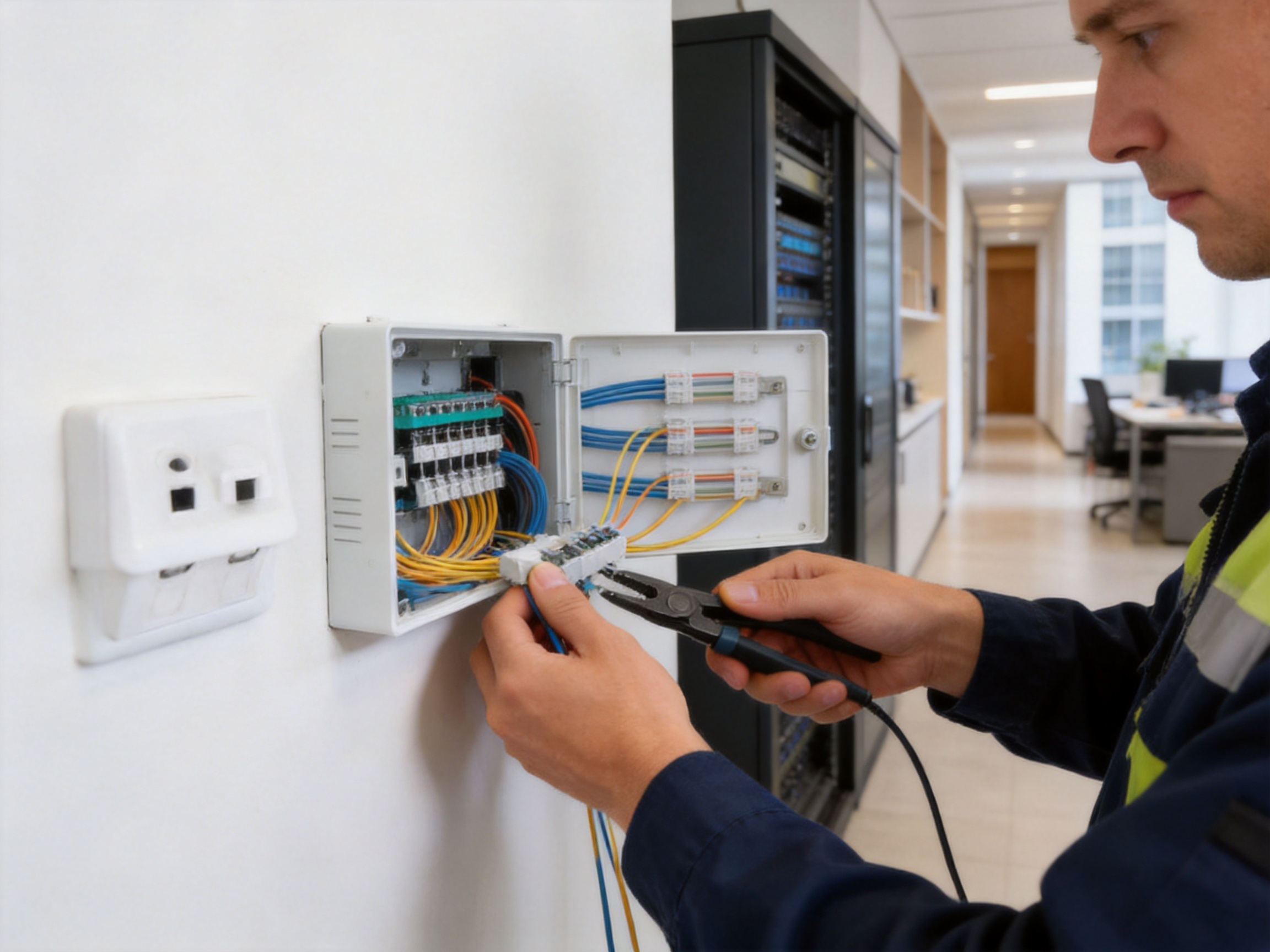
A typical installation may begin with mounting the box at the designated position. The incoming optical cable is introduced and fixed to reduce pulling stress on the fiber. The fiber is prepared, stripped, and routed to the splicing area. After fusion splicing or welding, the splice is protected by a heat-shrink tube and placed securely. The connector or pigtail is connected through the adapter. Reserved fiber is stored within the box, and the grounding device is used when required. Finally, the cover is closed, leaving a neat and protected termination point.
When a socket box lacks proper cable fixing, any movement of the outside cable may transfer stress directly to the splice or connector. When it lacks proper heat-shrink tube placement, the splice protection sleeve may move freely or press against the cover. When it lacks fiber storage, technicians may force the fiber into tight loops. These installation problems may not be obvious immediately, but they can cause later optical loss or service interruption. The structured design of this product helps prevent such risks.
For contractors, installation repeatability is a major advantage. Different technicians may have different habits, and job sites often vary. A well-designed box guides the installation process through its internal layout. This reduces dependence on individual skill alone and supports more uniform results across the project. For network owners, uniform installation means easier inspection, simpler documentation, and more predictable maintenance.
Splicing, Welding, and Connector Installation
The product supports splicing and welding operations, which are central to optical network construction. Fusion splicing creates a low-loss joint between optical fibers, but the joint must be protected and positioned properly. After splicing, the heat-shrink tube protects the bare fiber and splice area from mechanical stress. The socket box includes a device to fix optical fiber splicing heat-shrink tubes, helping ensure the protected splice remains stable.
Connector installation is another key function. Many access networks use adapters and connectors to provide removable connection points for testing, activation, user equipment connection, or future service changes. Proper adapter positioning is important because a loose or misaligned adapter can make connection unreliable. The box is equipped with a device to fix adapters, improving connection stability and making the installation more professional.
The combination of splicing and connector support gives the box flexibility. In some cases, the technician may splice an incoming fiber to a pigtail and connect the pigtail to an adapter. In other cases, field-assembled connectors or pre-terminated cables may be used. A product that supports multiple installation methods is valuable because network designs differ by operator, building structure, service type, and budget. Flexibility reduces the need to keep many specialized enclosures in inventory.
This flexibility is particularly important in modernization projects. Existing buildings may have limited space, legacy cable paths, or mixed generations of communication equipment. A socket box that accommodates splicing, connector installation, and storage can adapt to these field realities. It can be used in new builds and upgrade projects, making it suitable for broadband expansion, office network transformation, and intelligent infrastructure deployment.
Grounding Function and System Safety
Although optical fibers transmit light rather than electrical current, communication cables and access installations may include metallic strength members, shielding, armor, or grounding requirements related to surrounding equipment. The grounding device built into the socket box supports safer installation practices where grounding is needed. This is particularly relevant in building communication rooms, rail transit systems, industrial facilities, and other environments where system safety and standardized construction are strictly managed.
Grounding contributes to protection against potential electrical hazards associated with metallic cable elements. It also supports compliance with project specifications and engineering standards. In professional telecom construction, small details such as grounding points can determine whether an installation passes acceptance inspection. A box that already includes grounding capability reduces the need for improvised site modifications.
From a project management perspective, integrated grounding support improves consistency. If each technician must create a separate grounding solution using additional materials, results may vary. An integrated grounding device provides a clearer installation path. This is especially valuable for large projects involving multiple crews, subcontractors, or regional deployment teams.
The grounding function also reflects the broader design philosophy of the product: the enclosure is not only a container, but a network access component engineered for real installation conditions. It anticipates practical requirements that may appear in homes, offices, building distribution systems, transportation communication networks, and equipment facilities.
Manufacturing Strengths Behind the Product
The quality of a fiber socket box depends not only on the product drawing but also on the manufacturing process behind it. Wanma Technology Co., Ltd. has experience in communication cabinets, communication electronic equipment, and passive optical components, giving it a broad understanding of mechanical structures, telecom application environments, and user requirements. This experience supports product design, tooling control, material selection, production consistency, and quality inspection.
Advanced manufacturing begins with product engineering. The design must consider wall thickness, impact resistance, cable entry position, adapter compatibility, splice protection placement, fiber routing path, screw mounting strength, cover fit, and appearance. Good design balances compact size with sufficient internal working space. It avoids sharp edges that could damage fibers and ensures that internal components are positioned for convenient installation.
Material preparation is another important step. PC material must be selected and processed properly to achieve stable performance. Injection molding parameters such as temperature, pressure, cooling time, and mold condition affect the strength, surface finish, and dimensional accuracy of the enclosure. A company with mature manufacturing management can better control these variables, reducing defects such as warping, sink marks, weak points, or inconsistent fit.
Tooling quality strongly influences product consistency. Precision molds allow the enclosure, cover, adapter seats, fixing points, and internal supports to maintain accurate dimensions. In optical communication products, dimensional accuracy matters because adapters, cables, and splice sleeves must fit securely. A loose adapter holder or deformed cover can create installation problems. Stable tooling and process control help ensure that each batch meets the same practical requirements.
Assembly and inspection further determine finished product quality. Components such as grounding devices, adapter holders, cable fixing elements, and cover parts must be checked for correct positioning and secure installation. Visual inspection confirms surface quality and appearance. Functional checks confirm that the box opens, closes, fixes, and stores as intended. Packaging must protect the product during transportation so that it reaches the installation site without deformation or damage.
Quality Control for Long-Term Network Reliability
In telecommunications infrastructure, quality control should be preventive rather than reactive. A defective passive component can be inexpensive by itself but costly after installation because replacement requires technician travel, user appointment, service interruption, troubleshooting, and administrative handling. Therefore, reliable production and inspection are essential for products such as optical fiber socket boxes.
A professional quality control system may include incoming material inspection, in-process dimensional checks, surface quality inspection, assembly verification, packaging inspection, and batch traceability. For a PC enclosure, material consistency is important because variations can affect impact strength and aging resistance. For molded parts, dimensional consistency is important because installation accessories must fit correctly. For assembled parts, functional consistency is important because the technician must be able to complete installation smoothly.
Quality control also includes design validation based on real usage. A product should be evaluated not only in the factory but also according to installation conditions. Can the technician route fiber without excessive bending? Is there enough room for heat-shrink splice protection? Does the adapter remain stable? Can the cover close without pressing fiber loops? Does the cable fixing structure reduce pulling stress? These practical questions guide product refinement.
Wanma Technology’s background in products used in Ethernet networks, optical communication networks, central equipment rooms, national high-speed railways, and urban rail transit systems supports a quality mindset oriented toward reliability. Networks for rail transit and central equipment environments often require stable operation and careful engineering. Experience in such fields can strengthen the company’s ability to manufacture access network products that meet professional expectations.
Customization and Integrated Solutions
Telecommunications projects vary widely. A residential broadband project, an office fiber upgrade, a campus network, an industrial park, a hospital communication system, and a rail transit communication application may all require different installation methods and technical preferences. A major advantage of working with an experienced manufacturer is the ability to obtain integrated solutions for customized products.
The Fiber Solution Optical Fiber Socket Box is available in a large variety and full specification range, supporting project flexibility. Depending on customer requirements, variations may involve installation method, adapter type, internal layout, capacity, cable entry direction, labeling approach, color, packaging, or compatibility with other passive optical components. This adaptability helps project teams standardize their network while still meeting site-specific needs.
Customization is not only about changing appearance. It requires understanding optical network architecture, installation workflow, maintenance practice, and manufacturing feasibility. A customized box must still maintain fiber protection, mechanical strength, cable fixing reliability, and production consistency. Manufacturers with engineering and production capabilities are better able to balance customer requests with practical performance.
Integrated solutions can also reduce procurement complexity. Instead of sourcing cabinets, passive optical components, terminal boxes, and accessories from unrelated suppliers, customers may benefit from a partner with a broader product system. This can improve compatibility, documentation, delivery coordination, and after-sales support. For large infrastructure projects, reducing supplier fragmentation can improve schedule management and quality accountability.
Applications in Residential Broadband
In residential broadband, the optical fiber socket box is often the final visible connection point between the operator’s network and the user’s service equipment. It may be installed inside an apartment, near an entry point, in a corridor, or in a weak-current box. Users expect the installation to be clean, safe, and unobtrusive. Operators expect the connection to remain stable and easy to service.
The pleasing appearance of the product helps it blend into residential environments. The internal fiber storage function helps manage reserved fiber length without creating disorder. The cable fixing device reduces stress from accidental pulling or movement. The adapter and connector support provides a clear interface for user-side connection. These features help improve the user experience and reduce complaints related to untidy installation.
Residential networks often face future service changes. A user may upgrade bandwidth, change equipment, renovate a room, or request troubleshooting. If the socket box has stored fiber properly and protected the splice, the technician can work more easily. If the original installation was cramped or disorganized, maintenance can become risky. Therefore, a well-designed socket box supports not only initial activation but the entire service lifecycle.
As smart homes become more common, stable fiber access becomes even more important. High-definition streaming, remote work, online education, home security, cloud storage, gaming, and Internet of Things devices all depend on reliable broadband. The access termination point must support this demand by protecting the optical connection from avoidable physical faults.
Applications in Offices and Commercial Buildings
In FTTO and commercial building applications, the optical fiber socket box can serve office areas, conference rooms, equipment points, intelligent terminals, and enterprise communication systems. Businesses require stable network connectivity for cloud applications, video meetings, voice services, data exchange, and security systems. A poor fiber termination point can disrupt operations and create maintenance inconvenience.
Office environments also require clean installation. Communication components may be installed in visible locations such as walls, floor boxes, equipment panels, or service areas. A socket box with a professional appearance supports the overall quality of the workspace. Its compact structure and organized internal design help contractors complete installations without excessive space requirements.
Commercial buildings frequently undergo tenant changes, office rearrangement, and network upgrades. Fiber access points may need to be tested, reconnected, or reassigned. The box’s adapter fixing, splice protection, and fiber storage functions make such changes easier. Proper reserved fiber storage can be especially valuable when connectors or pigtails need to be adjusted during future work.
For building owners and facility managers, standardized fiber termination improves asset management. When every access point is installed in a consistent box with clear internal organization, inspection and maintenance become more predictable. This reduces downtime and supports higher-quality service for tenants.
Applications in Building Distribution and Infrastructure Projects
In FTTB applications, the socket box may be part of a larger building distribution network. Fibers from a central equipment room or building entry point are routed to floors, units, rooms, or equipment areas. The socket box acts as a controlled transition point where fibers can be spliced, connected, protected, and reserved for future use.
Building distribution systems require durable components because they may be installed in utility shafts, corridors, communication closets, or shared service areas. These environments may expose equipment to dust, accidental contact, maintenance activity, and variable humidity. PC material and strong internal fixing features help the product maintain performance in such conditions.
Infrastructure projects such as transportation hubs, campuses, industrial facilities, and public service buildings often require reliable passive components that can be installed consistently across many locations. The product’s full specification range and integrated functions make it suitable for such projects. Its grounding device is also valuable where engineering standards require attention to system safety.
Wanma Technology’s experience with national high-speed railways and urban rail transit systems demonstrates familiarity with demanding communication environments. Although a socket box used in a building may seem less complex than rail transit communication equipment, the same principles apply: stable materials, organized structure, controlled manufacturing, and reliable long-term operation.
Support for Ethernet, Optical Networks, and 5G Infrastructure
Modern communication infrastructure is increasingly converged. Ethernet networks, optical communication networks, 5G transport, building broadband, and intelligent transportation systems are connected through layered physical and logical architectures. Optical fiber is the foundation for much of this convergence because it provides high bandwidth, long transmission distance, low loss, and immunity to electromagnetic interference.
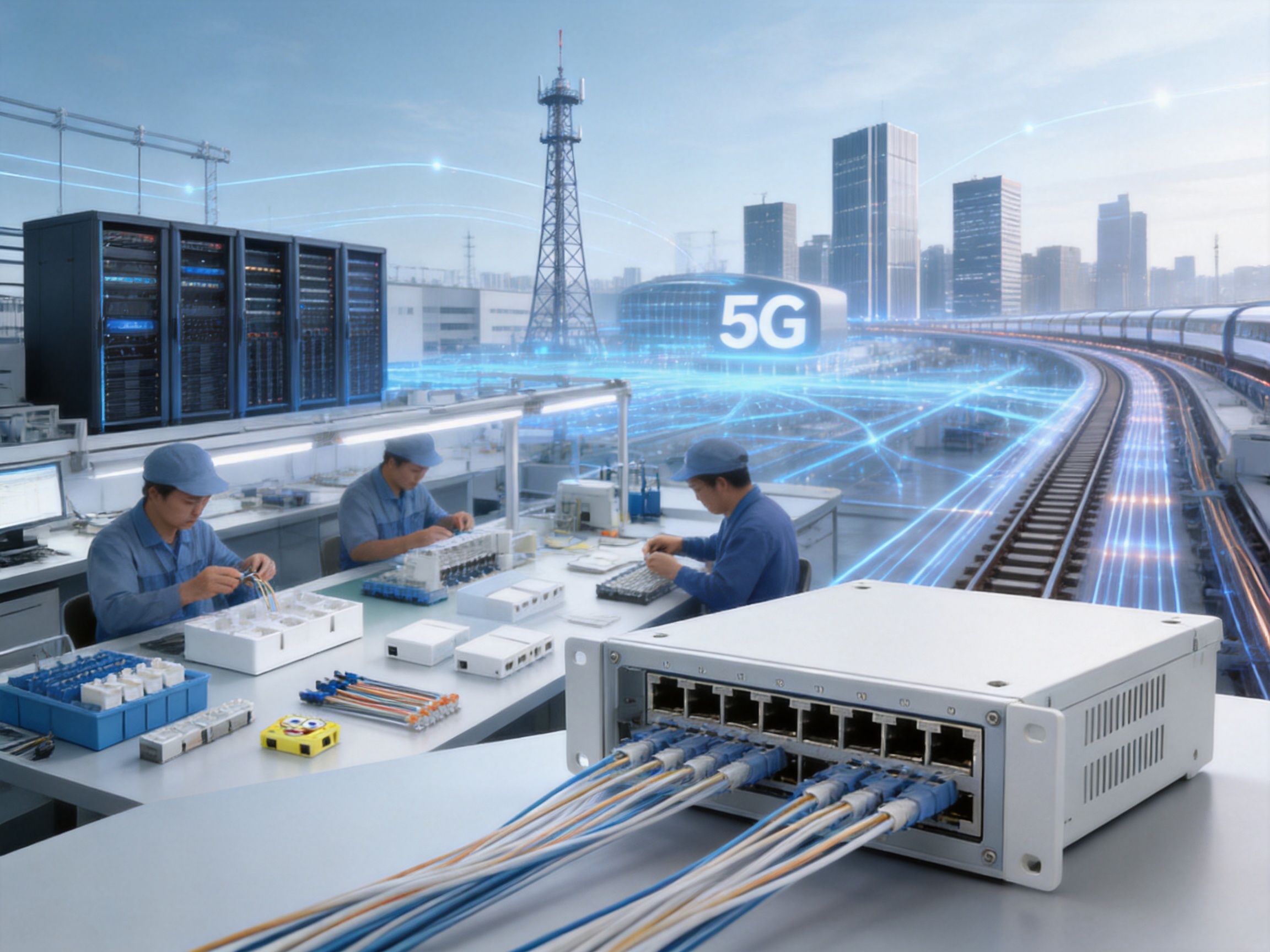
The Fiber Solution Optical Fiber Socket Box supports this ecosystem by protecting the access-layer optical connection. In Ethernet-based services, stable fiber termination supports switches, routers, access devices, and user equipment. In optical communication networks, proper splicing and connector management help maintain low insertion loss. In 5G modernization, dense fiber deployment is required for fronthaul, midhaul, backhaul, indoor coverage systems, and edge network connectivity. Although the socket box is a passive component, it contributes to the reliability of these active services.
As 5G and future networks expand, operators must build fiber deeper into communities, buildings, enterprises, and transport corridors. This increases the number of termination points dramatically. A scalable and reliable socket box helps support mass deployment. It gives project teams a repeatable solution for connection protection, reducing variation and improving overall network quality.
The product is therefore aligned with the broader direction of network modernization. Faster transmission standards and intelligent services require physical infrastructure that is stable, manageable, and durable. Passive optical components such as socket boxes are essential parts of that infrastructure.
Lifecycle Value and Cost Efficiency
When evaluating fiber access products, procurement teams sometimes focus heavily on unit price. However, the true cost of a socket box includes purchase price, installation labor, failure risk, maintenance effort, replacement frequency, user complaints, and network downtime. A slightly cheaper box may become more expensive if it causes installation delays or service issues.
The Fiber Solution Optical Fiber Socket Box offers lifecycle value through durability, installation efficiency, and maintenance convenience. PC material supports long-term enclosure reliability. Internal fixing features help prevent fiber damage. Fiber storage supports future service work. Adapter and heat-shrink tube positioning improve connection stability. Grounding capability supports standardized construction. These advantages can reduce hidden costs over the life of the network.
For large deployments, small efficiencies multiply. If a better-designed box saves several minutes during installation, the total labor savings across thousands of units can be significant. If it reduces service call rates, operational savings can be even greater. If it improves user satisfaction by making installations cleaner and more reliable, it also supports customer retention and brand reputation for network operators.
Durable passive components are especially important because access networks are expected to remain in service for many years. Active electronics may be upgraded as technology changes, but the physical fiber route and termination points should remain stable. Investing in a reliable socket box helps protect the long-term value of the optical network.
Global Service Perspective
Wanma Technology Co., Ltd. serves customers in more than 20 countries and regions, including the United States, Australia, the United Kingdom, Italy, South Africa, and Ghana. This international market coverage indicates experience with varied project requirements, installation environments, and customer expectations. Global service experience can help a manufacturer understand differences in standards, packaging needs, delivery schedules, and application practices.
For international buyers, supplier reliability includes more than product performance. It also includes timely delivery, consistent documentation, responsive communication, stable production capacity, and the ability to support long-term cooperation. The company emphasizes reliable product quality, timely delivery, and strategic partnerships with industry leaders. These strengths are important for telecom operators, distributors, system integrators, and engineering contractors who must manage project schedules carefully.
Because the company develops, manufactures, and markets its own branded products while also providing integrated solutions for customized products, it can support both standard procurement and project-specific requirements. This is valuable in telecommunications, where some customers need fast delivery of standard access boxes while others require customized solutions aligned with a broader network plan.
The company’s mission to create satisfaction for customers, fulfillment for employees, and value for society reflects a long-term view of manufacturing. In communication infrastructure, long-term thinking matters because products become part of networks that support homes, businesses, transport systems, and public services.
Installation Best Practices
To achieve the best performance from the optical fiber socket box, installation should follow professional fiber handling practices. The box should be mounted securely on a suitable surface, avoiding locations exposed to unnecessary physical impact or excessive contamination. Cable entry should be planned so that the incoming cable can be fixed without sharp bending or strain. The cable fixing device should be used properly to isolate the splice and connector area from external pulling force.
During fiber preparation, technicians should maintain cleanliness. Fiber connectors and adapters are sensitive to dust and oil. Cleaning tools and inspection practices should be used according to project standards. Fusion splicing should be performed with properly maintained equipment, and the heat-shrink tube should be placed securely in the box after protection. Fiber loops should be stored in the designated area with appropriate bending radius.
The grounding device should be connected where project specifications require grounding for metallic cable elements or system safety. The technician should confirm that the cover can close without pressing or pinching fiber. After installation, optical testing may be performed to verify insertion loss, continuity, or service activation, depending on the network design.
Clear labeling is also recommended. Although the socket box provides physical organization, network management is improved when fiber routes, service numbers, or user identification are documented. Good labeling helps future technicians avoid mistakes and reduces maintenance time.
Q&A Section
What is the main purpose of the Fiber Solution Optical Fiber Socket Box?
The main purpose is to provide a protected and organized termination point for optical fibers in FTTH, FTTO, and FTTB applications. It supports splicing, welding, connector installation, adapter fixing, cable fixing, heat-shrink splice protection, fiber storage, and grounding.
Why is PC material an advantage?
PC material provides good shock resistance and weathering resistance. This helps the box resist impact, aging, deformation, and environmental stress better than many ordinary plastic alternatives, supporting longer service life and more reliable protection.
How does the box help improve installation quality?
The box includes internal devices for fixing optical cable, adapters, and optical fiber splicing heat-shrink tubes. It also provides fiber storage space. These features guide technicians toward neat routing, stable fixing, proper splice protection, and reduced fiber bending risk.
Is the product suitable for both homes and commercial buildings?
Yes. It is suitable for FTTH residential applications, FTTO office applications, and FTTB building distribution applications. Its compact design, pleasing appearance, and practical internal structure make it useful in homes, offices, commercial buildings, utility areas, and infrastructure projects.
What makes it different from a simple fiber wall plate?
A simple wall plate may provide only a connector interface, while this socket box offers more complete fiber management. It supports splicing, welding, connector installation, splice sleeve protection, cable fixing, fiber storage, and grounding, making it more suitable for professional network deployment.
Why is fiber storage important inside the box?
Reserved fiber length is useful for future maintenance, re-splicing, and service changes. Proper storage prevents excess fiber from becoming tangled, bent, or damaged. It also helps technicians work more efficiently during later inspections or repairs.
Does the grounding device matter in optical networks?
Yes, in many installations it can matter. Although optical fibers do not conduct electricity, optical cables may include metallic strength members, armor, or conductive components. A grounding device supports safer and more standardized installation where grounding is required.
How does the product support long-term cost efficiency?
It supports cost efficiency by reducing installation disorder, lowering the risk of fiber damage, improving maintenance convenience, and extending service life through durable PC material. These benefits can reduce hidden costs such as service calls, rework, and replacement.
Conclusion
The Fiber Solution Optical Fiber Socket Box is a practical and reliable access-layer component for modern optical communication networks. It is designed for FTTH, FTTO, and FTTB applications and integrates key functions including splicing, welding, connector installation, optical cable fixing, adapter fixing, heat-shrink splice tube protection, fiber storage, and grounding. These features help create a stable, neat, and maintainable fiber termination point.
Its PC material body provides good shock resistance and weathering resistance, giving it an advantage over many ordinary low-cost plastic boxes. Its pleasing appearance makes it suitable for visible installations in homes, offices, and public facilities. Its organized internal structure supports installation efficiency and helps reduce the risk of fiber bending, splice damage, and connector instability. Its grounding capability supports safer and more standardized construction in professional telecom environments.
Behind the product is the manufacturing strength of Wanma Technology Co., Ltd., a company established in 1997 with experience in communication cabinets, communication electronic equipment, and passive optical components. The company’s products are used in Ethernet networks, optical communication networks, central equipment rooms, national high-speed railways, and urban rail transit systems. Its capabilities in product development, manufacturing, customization, quality control, and global service help support reliable network infrastructure for customers in many countries and regions.
As broadband, 5G, intelligent transportation, enterprise networks, and digital services continue to expand, the importance of dependable passive optical components will only increase. A high-quality optical fiber socket box protects the final connection point, supports efficient deployment, and contributes to long-term network stability. For operators, contractors, system integrators, and infrastructure developers seeking a durable and professional fiber termination solution, this product offers a strong combination of material strength, functional integration, installation convenience, and lifecycle value.
References
International Telecommunication Union. Optical Fibres, Cables and Systems: Technical Characteristics and Deployment Considerations.
Fiber Optic Association. Reference Guide to Fiber Optics: Installation, Testing, and Maintenance Practices.
IEC 61753 Series. Fibre Optic Interconnecting Devices and Passive Components Performance Standards.
IEC 60794 Series. Optical Fibre Cables: Construction, Testing, and Performance Requirements.
Telcordia Technologies. Generic Requirements for Fiber Optic and Passive Optical Network Components.
Industry Practice Guide. FTTH, FTTO, and FTTB Access Network Planning and Installation Methods.
Product: Fiber Solution-Optical Fiber Socket-Box
PREV:No previous
article
NEXT:High-Value Consumables House for Secure Digital Hospital Supply Management
NEXT:High-Value Consumables House for Secure Digital Hospital Supply Management
Interested in cooperation or have questions?
Related products
-
-
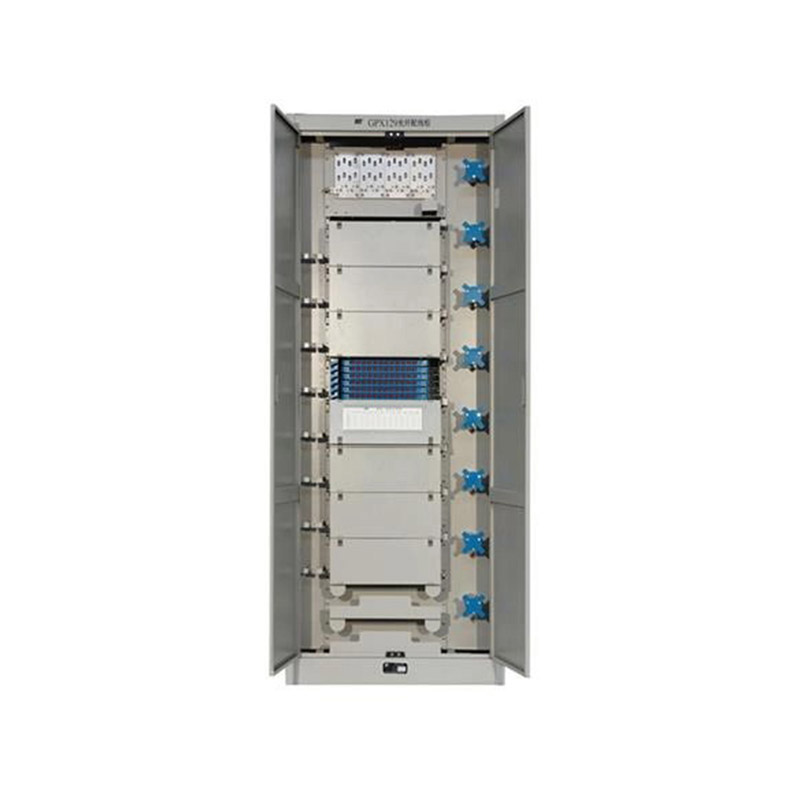
Application ScopeThe GPX129BKC fiber optic distribution frame is used to connect and distribute optical cables to optical communication equipment, and is suitable for large-capacity fiber optic commun...
See Details -
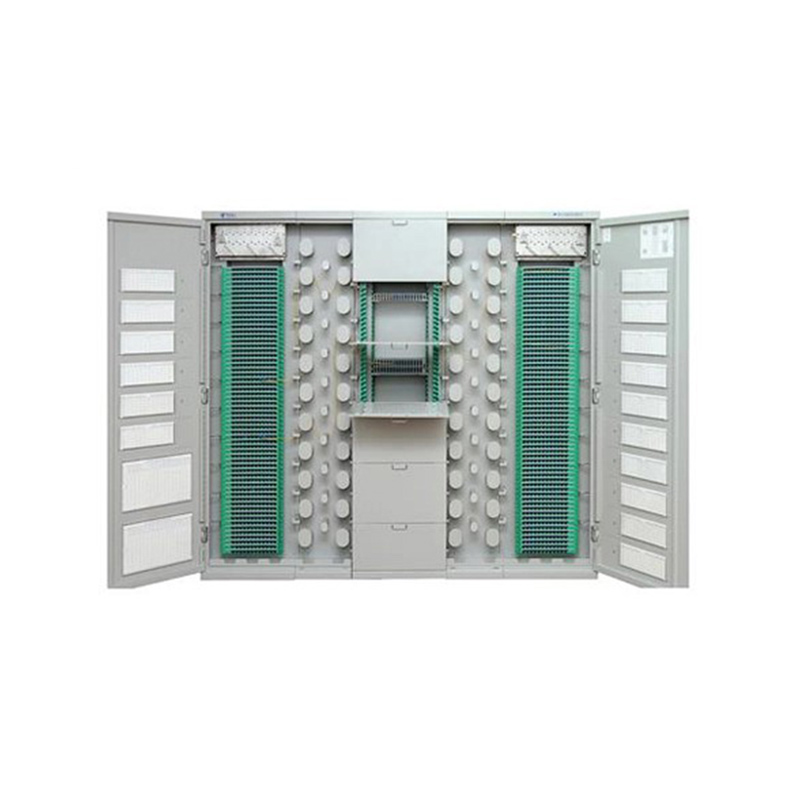
Application Used in FTTH network access-layer equipment rooms where splitting, splicing, distribution and other operations need to be carried out within a frame. Used in FTTH networks where optical sp...
See Details -
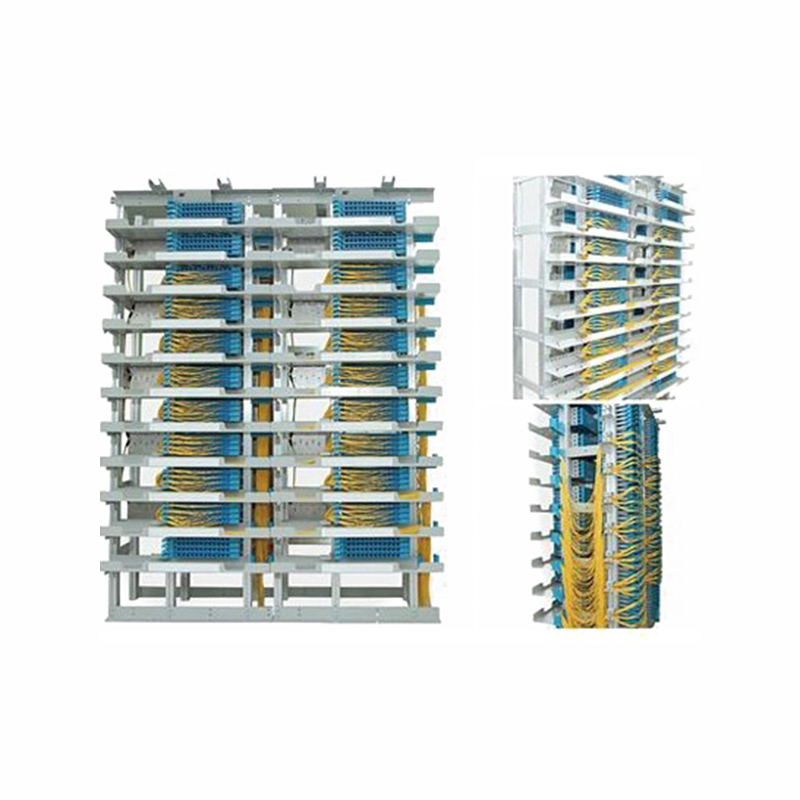
Application Used in independent fiber patching areas of newly built communication equipment rooms and central equipment rooms. After cable removal, the original main distribution frame is dismantled, ...
See Details
Ready to Get started ? Contact Us Now !

Product.
Contact Details.
-
 +86 13958188250
-
 +86 13958188250
-
 [email protected]
- Wanma Industrial Park Taihu Yuan Town Lin'an District Hangzhou City China.
QR Code

Copyright © Wanma Technology Co., Ltd. All Rights Reserved.
Custom Ethernet Optical Network Railway Transit Equipments Suppliers
