

 English
 Français
 Español
 Português
 عربى
عربى




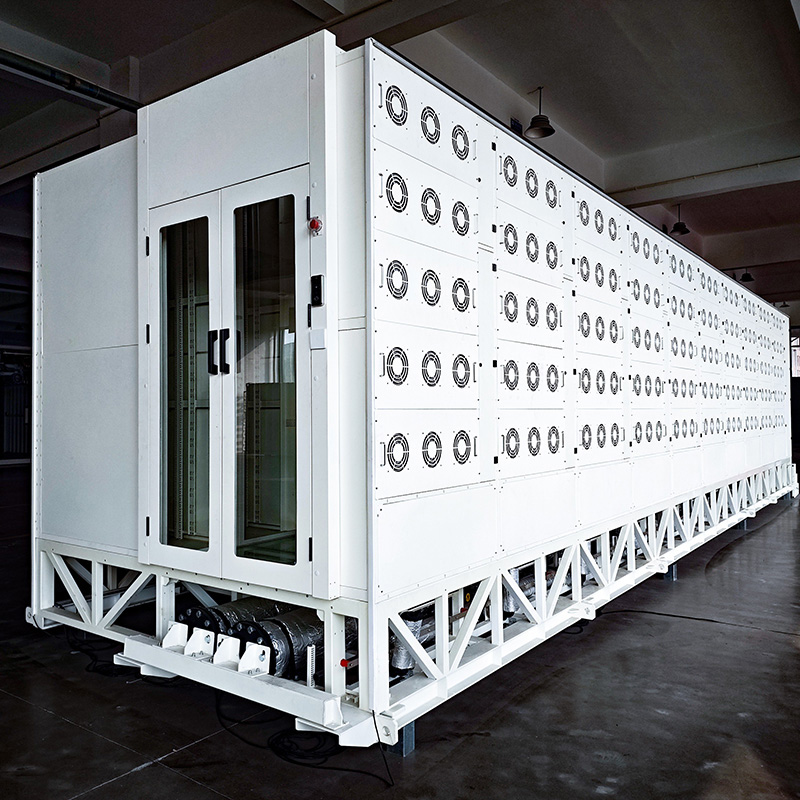
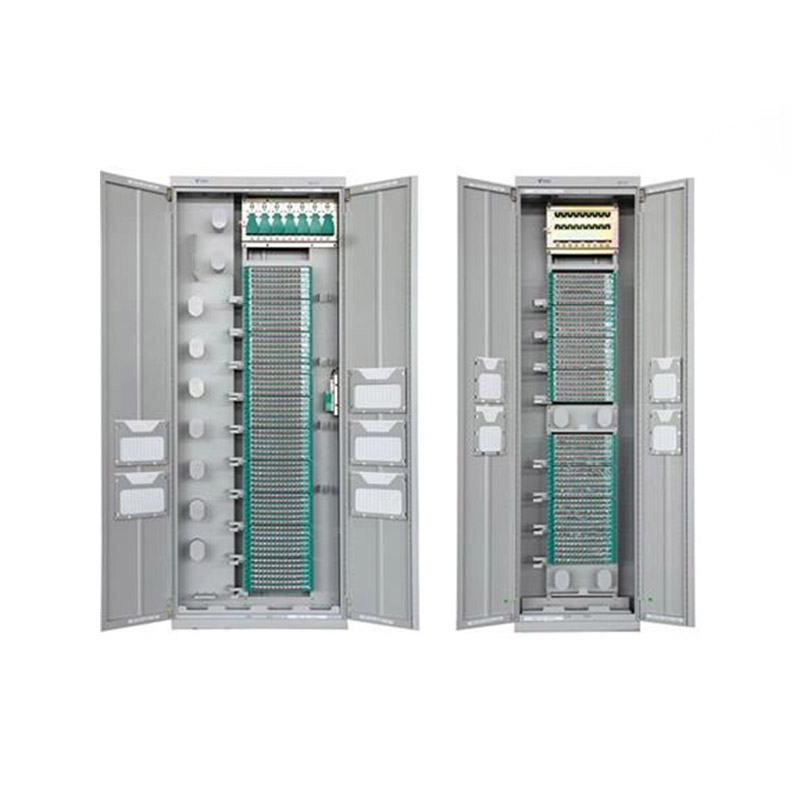
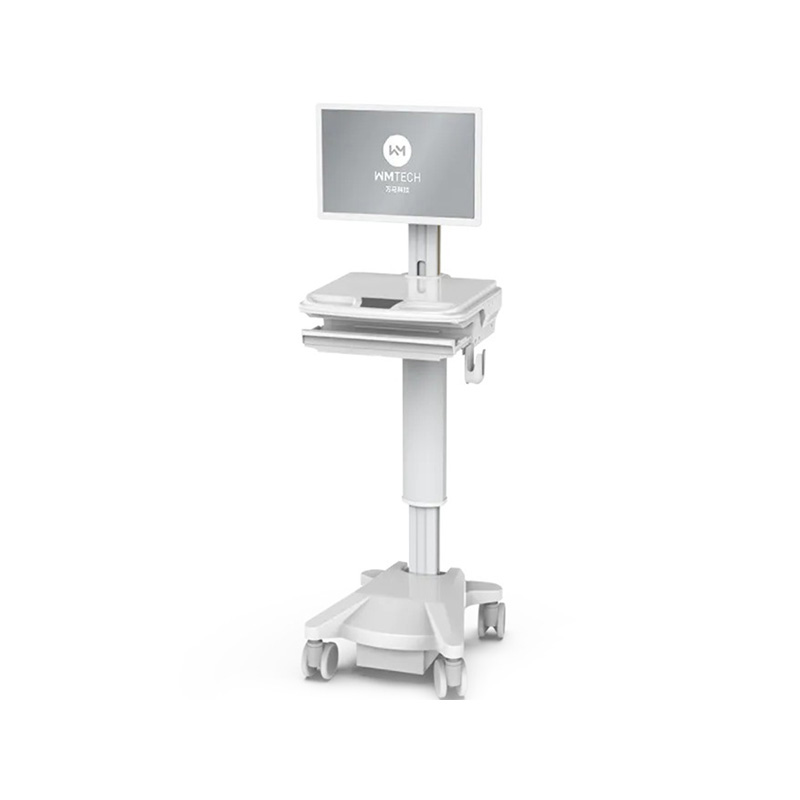
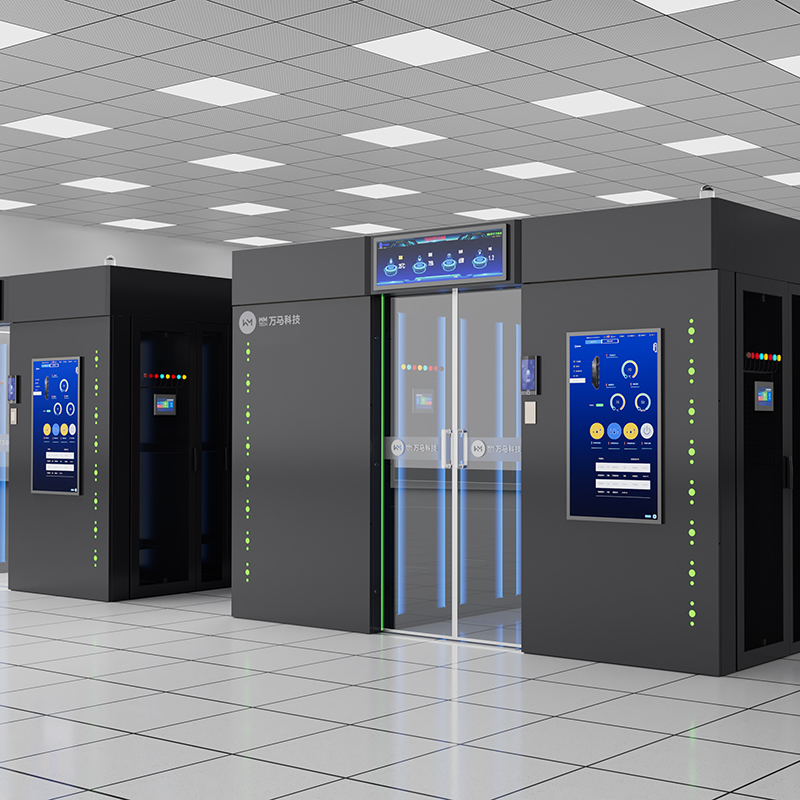

Product Definition:The High-Value Consumables House is not a traditional storage cabinet, but a digital management hub that integrates smart access, precise traceability, and security monitoring. It i...
See DetailsHigh-Value Consumables House for Secure Digital Hospital Supply Management
Content
- 1 From Passive Storage to Intelligent Consumables Governance
- 2 Product Definition and Core Positioning
- 3 Clinical Scenario: A Faster and Safer Retrieval Process
- 4 Key Advantages Over Conventional Cabinets and Competing Solutions
- 5 Security as a Foundation of Medical Safety
- 6 Closed-Loop Traceability from Receipt to Patient Use
- 7 Workflow Efficiency for Frontline Medical Staff
- 8 Modular Storage and Flexible Placement
- 9 Intelligent Alerts and Risk Reduction
- 10 Manufacturing Strength Behind the Solution
- 11 Advanced Production Concepts Applied to Medical Equipment
- 12 Quality Control and Reliability
- 13 Customization and Integrated Solutions
- 14 Applications Across Hospital Departments
- 15 Cost Reduction and Efficiency Gains
- 16 Supporting Precision Medicine and Modern Hospital Governance
- 17 Why Manufacturing Heritage Matters in Healthcare Digital Equipment
- 18 Implementation Considerations for Hospitals
- 19 Competitive Differentiation in a Growing Market
- 20 Q&A Section
- 20.1 What is the High-Value Consumables House?
- 20.2 How is it different from a traditional cabinet?
- 20.3 Which consumables are suitable for this system?
- 20.4 How does the product improve clinical efficiency?
- 20.5 How does it support patient safety?
- 20.6 Can the system be deployed in different departments?
- 20.7 What advantages does the manufacturer bring?
- 20.8 Can the product help reduce hospital costs?
- 21 Future Outlook
- 22 Conclusion
- 23 References
- 24 Product: High-Value Consumables House
In modern hospitals, the management of high-value medical consumables is no longer a simple storage task. Implantable devices, cardiac stents, orthopedic materials, high-cost reagents, electrophysiology supplies, interventional accessories, and other critical items must be stored, accessed, traced, and audited with a level of precision that traditional cabinets and manual ledgers cannot provide. The High-Value Consumables House is designed as a digital management hub for exactly this challenge. It integrates intelligent access control, secure storage, automatic data capture, traceable item movement, permission-based operation, and real-time monitoring into one comprehensive system.
Unlike a conventional storage cabinet, the High-Value Consumables House is built for closed-loop management. It supports hospitals in controlling every step of the consumable life cycle, from receipt and storage to retrieval, use, return, inventory checking, and audit review. Its core purpose is to make every high-value item visible, accountable, and protected. In clinical environments where delays, omissions, misallocation, or loss may directly affect patient safety and hospital cost control, this solution offers a new management mode that combines operational efficiency with medical risk reduction.
The product also reflects a broader transformation in healthcare infrastructure. Hospitals are increasingly adopting intelligent systems that combine medical workflow knowledge with technologies traditionally associated with telecommunications, data networking, industrial equipment, and secure electronic control. Wanma Technology Co., Ltd., established in 1997, brings long-term experience in communication cabinets, electronic equipment, passive optical components, optical networks, central equipment rooms, high-speed railway systems, and urban rail transit applications. This manufacturing and engineering background gives the High-Value Consumables House a strong foundation in structural reliability, electronics integration, modular design, and stable system deployment.
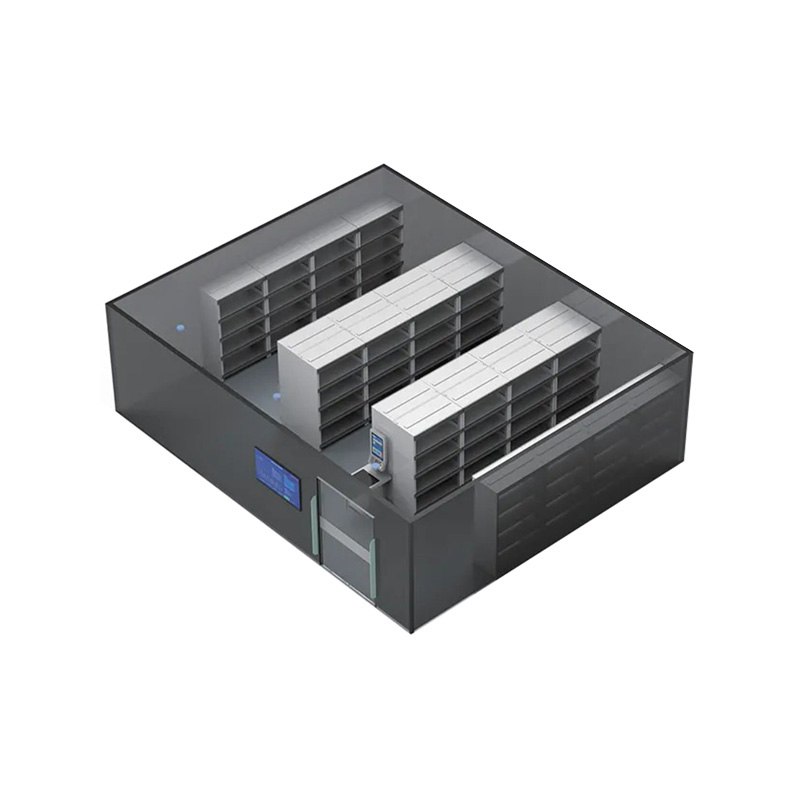
High-Value Consumables House
From Passive Storage to Intelligent Consumables Governance
Traditional management of high-value consumables often depends on manual registration, paper records, open shelves, ordinary cabinets, or partially digital inventory software that is disconnected from the actual storage point. These methods may appear manageable when stock volume is low, but they become inefficient and risky in large hospitals, surgical centers, catheterization laboratories, emergency departments, and specialized clinical units. A cardiac stent, an artificial joint component, or an expensive diagnostic reagent may have multiple identifiers, batch numbers, expiration dates, suppliers, regulatory requirements, and usage restrictions. Managing such details manually creates a high possibility of error.
The High-Value Consumables House changes the storage point into an intelligent control point. Instead of simply placing consumables behind a door, it verifies user identity, controls access rights, records item retrieval, tracks time and operator information, supports item-level traceability, and enables management personnel to review data. This approach helps hospitals establish a transparent digital record for high-risk and high-value materials. When a nurse, physician, technician, or authorized staff member retrieves an item, the system can automatically record the event, reducing dependence on delayed manual input.
The product is especially valuable in scenarios where time is critical. In an operating room or interventional procedure, clinical staff may need to retrieve a consumable within seconds. Manual searching, signature forms, and post-event data completion can interrupt workflow. With intelligent access such as card or fingerprint verification, authorized staff can obtain required consumables quickly while the system completes background documentation. This combination of speed and traceability is one of the strongest advantages of the High-Value Consumables House.
The system also addresses a practical problem faced by many hospitals: high-value consumables are often stored in multiple departments, sometimes close to operating rooms, sometimes in central warehouses, and sometimes in specialized clinical zones. The High-Value Consumables House supports flexible placement and modular storage planning. It can be deployed near the point of care, in a central management area, or in department-level storage rooms. This flexibility allows hospitals to design consumables governance according to clinical workflow rather than forcing clinical workflow to adapt to storage limitations.
Product Definition and Core Positioning
The High-Value Consumables House is best understood as a secure, intelligent, and traceable storage management platform for critical medical consumables. It is not merely a cabinet with a lock. It combines hardware, electronic control, data recording, storage layout optimization, user authority management, and intelligent alerts. The product is engineered for hospitals that need stronger management of high-value supplies while improving the efficiency of frontline clinical staff.
Its key application targets include implantable devices, high-cost consumables, expensive reagents, interventional supplies, surgical materials, emergency high-value items, and other materials that require strict accountability. These items often carry significant financial value and clinical responsibility. If a high-value item is lost, expired, misused, incorrectly allocated, or not traceable to the patient and procedure, the hospital may face financial loss, operational disruption, compliance concerns, or patient safety risks.
The High-Value Consumables House provides a unified management method for such items. It enables hospitals to define which users can access which categories of supplies, under what conditions, and with what record requirements. It supports precise registration of the user, time, item information, batch information, and other critical data. By connecting storage behavior with digital records, it creates a stronger chain of custody for medical consumables.
In many hospitals, the term “consumables management” is still associated with inventory counting and procurement replenishment. However, high-value consumables require a more advanced model. They need identity verification, storage security, permission control, real-time inventory visibility, expiration reminders, and traceability from stock receipt to patient use. The High-Value Consumables House is positioned as a dedicated solution for this higher standard of management.
Clinical Scenario: A Faster and Safer Retrieval Process
Consider a cardiac intervention scenario. A patient urgently needs a cardiac stent. In a traditional storage process, a nurse may need to locate the correct stent model manually, confirm specifications, open a cabinet, complete a paper record, and later enter data into a system. If the procedure is urgent, documentation may be delayed until after the operation, increasing the chance of missing or incorrect information. If similar models are stored together without intelligent classification or permission control, the risk of selecting the wrong item also increases.
With the High-Value Consumables House, the nurse verifies identity through fingerprint or card access. The system confirms authorization and allows retrieval of the required item. The retrieval event is automatically associated with time, user identity, product information, and batch information. This reduces waiting time while maintaining a reliable record. When connected to hospital management workflows, the data can support inventory updates, cost accounting, patient billing, departmental management, and traceability review.
This scenario illustrates the product’s dual value. First, it improves clinical efficiency by reducing manual steps and enabling fast access. Second, it strengthens medical safety by making each item movement traceable. High-value consumables are not simply expensive; many are directly involved in invasive procedures or critical treatments. The ability to know who accessed an item, when it was accessed, and what item was selected is essential for responsible clinical governance.
The same principle applies to orthopedic implant rooms, operating room supply zones, catheterization laboratories, laboratory reagent storage areas, emergency treatment departments, and specialized wards. Any department handling expensive, sensitive, or high-risk supplies can benefit from a structured digital access and traceability solution.
Key Advantages Over Conventional Cabinets and Competing Solutions
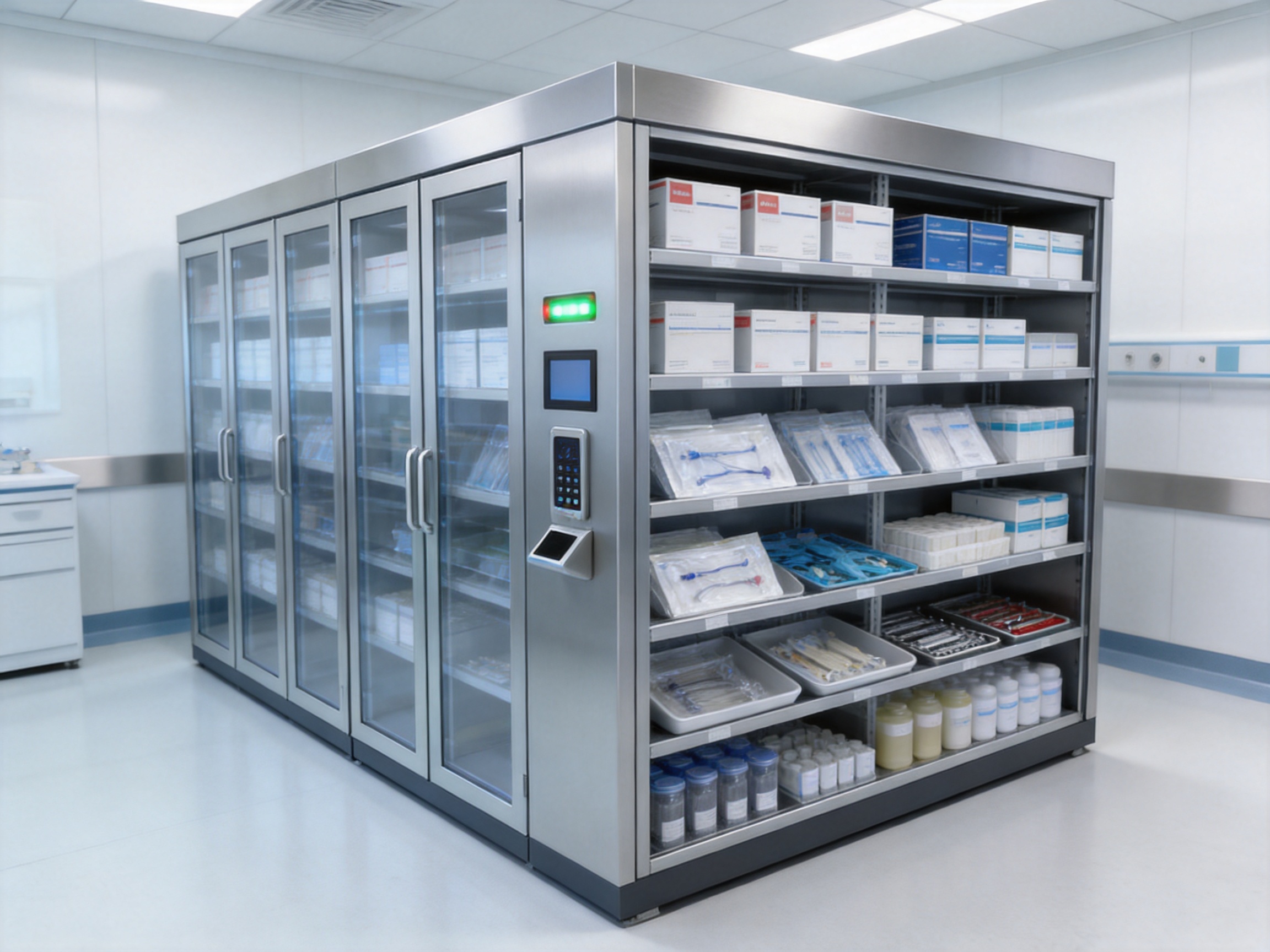
The competitive advantage of the High-Value Consumables House begins with its management philosophy. Many competing products focus primarily on locking, scanning, or inventory storage. The High-Value Consumables House is designed around a complete management mode, where storage security, access speed, item traceability, and operational flexibility are considered together. This integrated thinking is essential because hospital consumables management is not a single function; it is a chain of actions involving purchasing, receiving, storage, clinical use, billing, replenishment, auditing, and risk control.
One major advantage is intelligent access control. Ordinary cabinets rely on keys, passwords, or manual supervision. Keys can be lost, shared, copied, or mismanaged. Passwords can be disclosed or forgotten. Manual supervision consumes labor and is not always available. The High-Value Consumables House supports identity-based access methods such as fingerprint or card verification, enabling hospitals to assign accountability to actual users rather than anonymous access events.
A second advantage is tiered permission management. Different departments and staff roles may require different access rights. A surgical nurse may need access to operating room implants, while a laboratory technician may need access to expensive reagents. A warehouse manager may have broader inventory authority, while a clinical user may only retrieve assigned categories. Tiered permissions reduce the chance of misallocation and unauthorized retrieval, creating a more disciplined consumables environment.
A third advantage is automatic data recording. Traditional cabinets do not generate reliable operational data. Some competing systems require extensive manual scanning or after-the-fact data entry, which can still lead to incomplete records. The High-Value Consumables House emphasizes automatic logging of key information, reducing the burden on medical staff and increasing data consistency.
A fourth advantage is larger and more adaptable storage capacity. High-value consumables vary widely in shape, size, packaging, and storage requirements. A rigid cabinet layout can limit practical usability. The High-Value Consumables House is designed with larger storage space and modular flexibility, allowing different departments to configure internal storage according to consumable type and volume. This is particularly important for hospitals that manage both small high-cost devices and larger packaged medical materials.
A fifth advantage is flexible deployment. Some hospitals need storage close to the operating room to reduce response time. Others prefer centralized control for standardized management. Many need both. The High-Value Consumables House can be placed according to departmental workflow, enabling a distributed yet controlled management model. This flexibility makes it suitable for hospitals with different building layouts, procedural volumes, and management policies.
A sixth advantage is intelligent alerts. High-value consumables require attention to expiration, abnormal access, low stock, inventory discrepancy, and other risk factors. Intelligent alert functions help management teams respond proactively instead of discovering problems during delayed audits or manual stock checks. Early warning reduces waste, prevents expired-item use, and supports timely replenishment.
| Management Requirement | Traditional Cabinet | Typical Basic Smart Cabinet | High-Value Consumables House |
|---|---|---|---|
| Access Control | Key or manual supervision | Password or limited electronic access | Identity-based access with fingerprint or card options |
| Traceability | Paper record or manual entry | Partial digital record | Closed-loop record of user, time, item, and batch information |
| Permission Management | Difficult to separate by role | Basic user settings | Tiered permissions for departments, roles, and item categories |
| Storage Flexibility | Fixed shelves | Limited layout adjustment | Larger modular space for varied consumable sizes |
| Operational Speed | Slow searching and logging | Improved but often scan-dependent | Fast authorized retrieval with automatic data support |
| Risk Prevention | Relies on human discipline | Some alerts available | Intelligent alerts for abnormal access, stock issues, and management exceptions |
| Deployment | Static location | Limited scenario fit | Flexible placement near departments or central management areas |
Security as a Foundation of Medical Safety
Security in high-value consumables management has two meanings. The first is asset security: preventing loss, theft, unauthorized access, and uncontrolled movement. The second is clinical safety: ensuring that the correct item is available, traceable, and properly managed for patient use. The High-Value Consumables House addresses both dimensions.
Asset security is important because high-value consumables represent a significant portion of hospital operating costs. Implantable devices and specialized interventional materials can be expensive, and even small inventory discrepancies can lead to large financial losses. In departments where many staff members need urgent access, uncontrolled storage can make accountability difficult. Identity-based access and automated event recording help create a clear responsibility chain.
Clinical safety is equally important. A high-value consumable may be selected for a specific patient, procedure, size, model, or compatibility requirement. If an item is misplaced, substituted, expired, or incorrectly recorded, the consequences may extend beyond financial loss. By strengthening storage discipline and traceability, the High-Value Consumables House supports safer clinical decision-making and more reliable post-use review.
Security monitoring also helps hospital administrators identify unusual patterns. Frequent access outside normal workflow, repeated emergency retrievals, mismatched stock levels, or unexplained item disappearance can be investigated based on records. Instead of relying on memory or fragmented documentation, managers can use system data to improve internal control.
Closed-Loop Traceability from Receipt to Patient Use
Closed-loop traceability is one of the most important concepts in modern medical consumables management. It means that every important step in the life cycle of an item can be recorded, connected, and reviewed. For high-value consumables, the loop typically begins when the item is received by the hospital. It continues through storage, internal transfer, department allocation, user retrieval, clinical use, billing, replenishment, and final audit.
The High-Value Consumables House strengthens the middle and most critical part of this loop: controlled storage and user retrieval. This is where many traditional management gaps occur. An item may be received accurately but later removed without complete documentation. It may be used in a procedure but not immediately linked to the correct batch record. It may be returned or exchanged without proper updates. Digital access and automatic logging reduce these gaps.
Traceability also supports regulatory and quality management requirements. Hospitals must increasingly demonstrate that medical materials are controlled, traceable, and used appropriately. Batch information, retrieval records, and responsible personnel data are valuable in quality investigations, supplier review, recall handling, and patient safety analysis. When a product recall occurs, hospitals need to know where affected items are stored and whether any have been used. A traceable storage system can significantly reduce the time and uncertainty of recall response.
For hospital finance and operations teams, traceability contributes to accurate cost allocation. High-value consumables often need to be linked to departments, procedures, or patients. Missing or delayed records can affect billing accuracy and budget analysis. By supporting timely data capture, the High-Value Consumables House helps align clinical consumption with financial accountability.
Workflow Efficiency for Frontline Medical Staff
Medical staff are under constant pressure to deliver safe care quickly. Any management system introduced into a hospital must improve control without creating excessive workload. The High-Value Consumables House is valuable because it reduces manual steps while strengthening accountability. This balance is essential. If a system is secure but slow, clinicians may resist using it. If a system is fast but poorly controlled, management risks remain. The product is designed to provide both.
Fast identity verification allows authorized users to access required items in seconds. Automatic recording minimizes the need for repeated handwritten forms. Intelligent storage organization reduces searching time. Alerts help staff identify stock problems before they affect procedures. Together, these functions create a smoother workflow for nurses, technicians, warehouse staff, and department managers.
Efficiency also appears in inventory management. Manual stock counting of high-value items can consume significant time because each item may require detailed verification. Digital records and controlled access make inventory status more accurate. When every retrieval is recorded, stock discrepancies decrease. When expiration and low-stock alerts are available, managers can plan replenishment instead of reacting to last-minute shortages.
In operating rooms, catheterization laboratories, and emergency settings, speed has direct clinical value. A consumables management system that saves several minutes during urgent retrieval can support smoother procedural preparation. It can also reduce stress for clinical staff, who no longer need to choose between rapid care and complete documentation.
Modular Storage and Flexible Placement
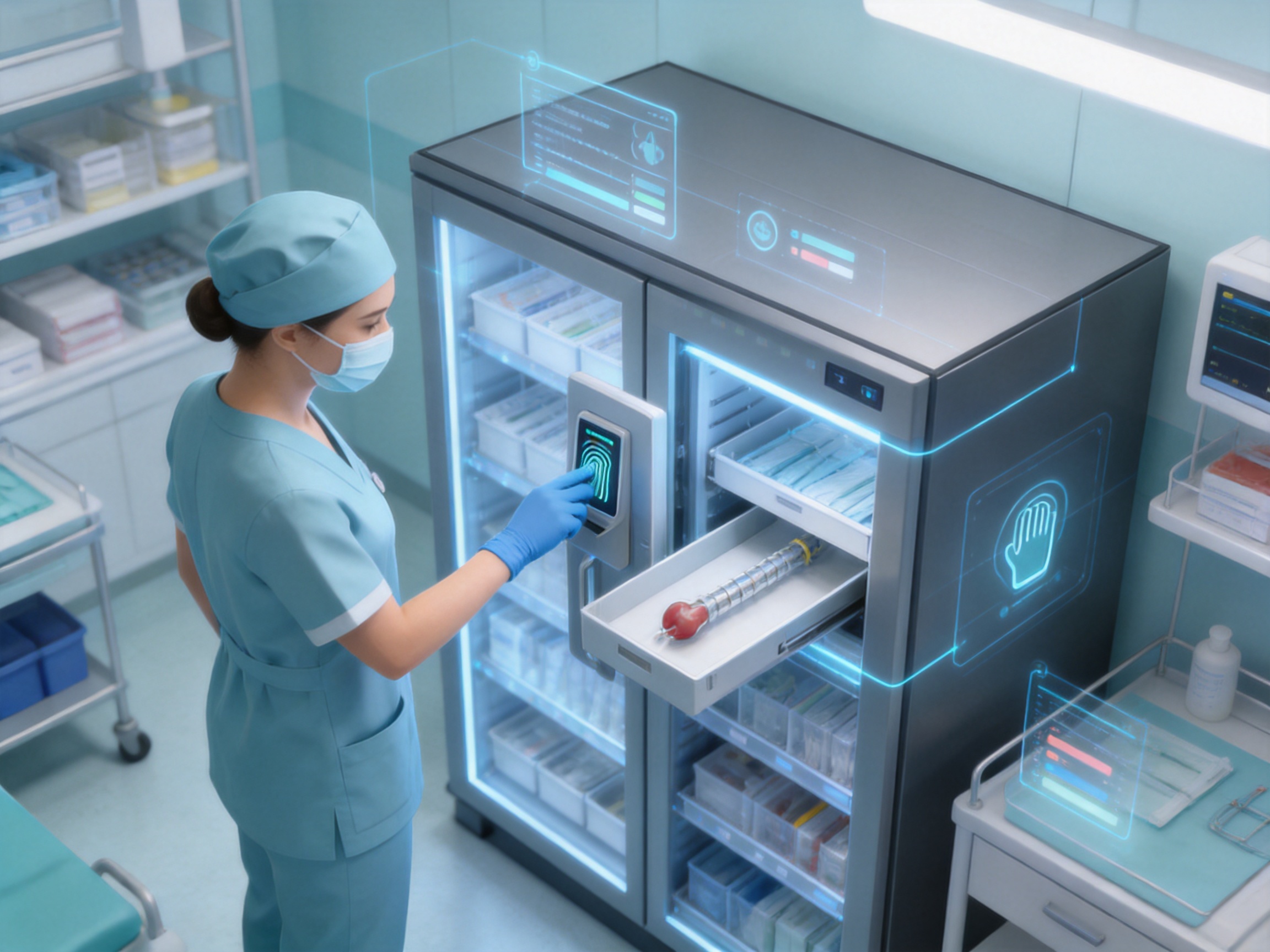
Hospitals differ greatly in their physical layout, department structure, procedure volume, and consumable categories. A single fixed cabinet design cannot fit all scenarios. The High-Value Consumables House addresses this reality through larger storage capacity and modular design. Its internal layout can be adapted to different sizes and types of consumables, supporting a practical storage environment rather than a theoretical one.
For example, a cardiac intervention department may need organized storage for stents, balloons, guidewires, catheters, and other accessories. An orthopedic department may need space for implantable devices, plates, screws, and related surgical materials. A laboratory may prioritize expensive reagents and test-related materials. The modular nature of the High-Value Consumables House allows the storage plan to reflect actual departmental needs.
Flexible placement is another major strength. Some high-value items should be near the point of use to reduce procedure preparation time. Others may be better managed in a central area for stricter supervision. The product can be positioned beside operating rooms, inside specialized department storage rooms, or in central management areas. This adaptability allows hospitals to create a hybrid model: centralized policy control with decentralized clinical accessibility.
Flexible placement also supports phased hospital implementation. A hospital may begin by deploying the system in a high-risk department such as the operating room or catheterization laboratory. After proving the value, it can expand to other departments. Because the product is not limited to one specific clinical environment, it can become part of a broader hospital-wide consumables governance strategy.
Intelligent Alerts and Risk Reduction
High-value consumables management is not only about recording what has already happened. It is also about preventing problems before they occur. Intelligent alerts are therefore a core element of the High-Value Consumables House. Alerts can support managers in identifying abnormal access, low stock, inventory discrepancy, expiration risk, and other operational exceptions.
Expiration management is especially important. High-value consumables are expensive, and expired items represent direct financial waste. More importantly, expired medical materials can create patient safety risks if not properly removed from circulation. A digital management system can help staff identify items approaching expiration and prioritize their use or replacement according to hospital policy.
Low-stock alerts are equally valuable. High-value consumables may have long procurement cycles, supplier dependencies, or regulatory documentation requirements. If stock levels are discovered too late, procedures may be delayed or emergency procurement may increase costs. Intelligent low-stock reminders help hospitals maintain appropriate inventory levels without overstocking.
Abnormal access alerts strengthen security. If an item is accessed at an unusual time, by an unexpected user, or outside normal department patterns, management personnel can review the event. This does not mean every unusual event is problematic; hospitals operate around the clock, and urgent care may require special access. However, alerts create visibility, allowing managers to distinguish legitimate emergency actions from potential management risks.
Manufacturing Strength Behind the Solution
The reliability of an intelligent medical storage system depends not only on software functions but also on manufacturing quality. Wanma Technology Co., Ltd. has a long industrial history dating back to 1997 and specializes in communication cabinets, communication electronic equipment, and passive optical components. Its products are widely applied in Ethernet networks, optical communication networks, central equipment rooms, national high-speed railways, and urban rail transit systems. These sectors require durable structures, stable electronics, reliable connectivity, standardized production, and strong quality control.
This background is highly relevant to the High-Value Consumables House. A hospital intelligent storage system must operate reliably every day. Doors, locks, access modules, sensors, control systems, internal structures, and data interfaces must withstand frequent use. The manufacturing discipline developed for communication cabinets and network infrastructure supports the creation of robust medical management equipment.
Communication and rail transit equipment environments often demand high standards for structural consistency, component durability, installation accuracy, and long-term operation. Applying similar engineering principles to medical consumables storage helps ensure that the product is more than a superficial smart cabinet. It becomes a dependable infrastructure element within the hospital.
The company’s ability to develop, manufacture, and market its own branded products also indicates integrated capability. Instead of relying solely on external assembly, it can combine product design, manufacturing execution, quality inspection, customization, and solution delivery. For hospitals, this matters because intelligent medical storage often needs adaptation to actual workflow. A manufacturer with integrated engineering and production capability is better positioned to support customized configurations and long-term service.
Advanced Production Concepts Applied to Medical Equipment
Advanced manufacturing for intelligent equipment requires a combination of mechanical processing, sheet metal fabrication, electronic integration, surface treatment, assembly control, functional testing, and quality validation. Although the High-Value Consumables House is used in a medical environment, its engineering logic is closely connected to industrial precision equipment. The cabinet structure must be stable and secure. The access control system must respond accurately. Internal storage modules must be practical and durable. The complete system must be assembled with consistency.
Wanma Technology’s experience in communication cabinets provides a strong basis for structural manufacturing. Communication cabinets require precise dimensions, strong load-bearing capacity, cable and component organization, corrosion-resistant surfaces, and long service life. These capabilities can be translated into the medical consumables field, where the storage house must safely hold high-value materials and maintain reliable operation under frequent access.
Electronic equipment manufacturing experience is also important. Intelligent access control, monitoring, logging, and alert functions rely on stable electronic modules. Poor electronic integration can lead to access delays, inaccurate records, or maintenance issues. A company experienced in communication electronic equipment has the technical foundation to design and produce systems that combine hardware and control logic effectively.
Passive optical component and network infrastructure experience contributes another advantage: understanding of data transmission reliability and system integration. Hospitals increasingly require intelligent devices that can fit into wider information management ecosystems. A manufacturer familiar with optical communication networks, Ethernet equipment, and central equipment rooms can better understand the requirements of stable information flow, device deployment, and infrastructure compatibility.
Quality Control and Reliability
Quality control is especially important for equipment used in hospitals. A high-value consumables management system may become part of daily clinical workflow. If it fails during a busy surgery schedule, the impact can be significant. Therefore, reliability must be built into product design and manufacturing rather than added as an afterthought.
Key quality considerations include structural strength, door and lock durability, electronic module stability, identity verification accuracy, storage layout safety, surface finish, assembly consistency, and operational testing. Each of these elements contributes to the user experience. A cabinet that looks advanced but has weak hinges, unreliable locks, or unstable sensors cannot meet hospital requirements. The High-Value Consumables House benefits from manufacturing practices associated with infrastructure-grade equipment, where long-term dependability is essential.
Standardized manufacturing processes also support consistent product quality. Hospitals may deploy multiple units across different departments. Consistency in construction, operation, and maintenance makes training easier and reduces variation. When staff encounter the same access method and internal logic across departments, adoption becomes smoother.
Timely delivery is another company strength. Hospitals often implement infrastructure projects according to renovation schedules, department openings, equipment installation plans, or digital transformation timelines. A supplier with strong production organization and delivery capability helps reduce project risk. Wanma Technology emphasizes reliable product quality and timely delivery, which are important for healthcare institutions seeking dependable long-term partners.
Customization and Integrated Solutions
High-value consumables management is rarely identical from one hospital to another. A tertiary hospital with multiple surgical centers may need a different configuration from a specialized cardiac hospital, a regional medical center, or a laboratory-focused institution. The High-Value Consumables House is well suited to customization because of its modular design and the company’s integrated solution capability.
Customization may involve internal storage layout, access permission structure, deployment location, capacity planning, department-specific workflow, and integration expectations. A hospital may require more space for implants, more compartments for categorized reagents, or particular user authorization rules. The ability to provide customized products and integrated solutions allows the system to match real clinical operations.
This is a meaningful advantage over competitors that offer only standardized cabinets with limited flexibility. A rigid product may force hospitals to reorganize consumables around the cabinet design. A flexible solution allows the cabinet to serve the hospital’s management objectives. In healthcare environments, where workflow efficiency and clinical safety are central, this flexibility can determine whether a system is successfully adopted.
Integrated solution capability also supports long-term development. A hospital may begin with one department, then expand to multiple units, connect with broader inventory management practices, and refine permission policies. A supplier that understands both hardware and system deployment can help hospitals plan phased implementation rather than treating the purchase as a one-time equipment transaction.

Applications Across Hospital Departments
The High-Value Consumables House can be used in many hospital departments where high-cost, high-risk, or highly regulated materials must be controlled. In operating rooms, it supports fast access to surgical consumables while maintaining accurate records. In catheterization laboratories, it can manage stents, balloons, guidewires, and interventional accessories. In orthopedic departments, it supports control of implant-related materials. In laboratories, it helps manage expensive reagents and sensitive supplies. In emergency departments, it can provide controlled access to critical items needed for urgent treatment.
In central warehouses, the product can serve as a secure high-value item area, reducing the risk of uncontrolled stock movement. In department storage rooms, it supports local accessibility while preserving management oversight. In hybrid operating environments, where multiple procedures and disciplines share resources, it helps prevent confusion and unauthorized usage.
Hospitals may also use the system to support supplier-managed or consignment inventory models. In many cases, high-value consumables are supplied under special arrangements, and clear records are needed to confirm usage, settlement, and replenishment. A traceable storage system provides better evidence for both hospital and supplier communication.
For hospital administrators, the system provides value beyond individual departments. It supports standardization. Instead of each department using separate storage habits, the hospital can establish a unified management method for high-value materials. This improves auditability, reduces training variation, and supports hospital-wide cost control.
Cost Reduction and Efficiency Gains
The financial impact of high-value consumables management can be substantial. Waste, expiration, duplicate purchasing, emergency procurement, inventory mismatch, and undocumented usage all increase hospital costs. The High-Value Consumables House helps reduce these losses by improving visibility and control. When items are traceable and access is recorded, hospitals can better understand actual consumption patterns.
Cost reduction does not necessarily mean lowering stock to the minimum. In healthcare, insufficient stock can be dangerous. The goal is to maintain the right amount of the right materials in the right location. Intelligent alerts and accurate inventory data help hospitals avoid both overstocking and shortages. This balanced approach supports financial efficiency without compromising clinical readiness.
Labor efficiency is another important benefit. Manual counting, searching, registration, correction, and investigation consume staff time. When digital records are created automatically and access is controlled, management personnel can spend less time chasing missing information. Frontline clinical staff can focus more on patient care. Warehouse staff can plan replenishment with better data. Department managers can review usage patterns more easily.
Efficiency gains also appear during audits. High-value consumables are often subject to internal review, financial inspection, quality control checks, and supplier settlement verification. A system that preserves retrieval and inventory data makes audit preparation faster and more reliable. Instead of reconstructing records from multiple paper forms and staff memories, managers can review system-generated information.
Supporting Precision Medicine and Modern Hospital Governance
Precision medicine requires precise material management. The correct consumable must be available for the correct patient, procedure, and clinical indication. As treatment becomes more specialized, consumables become more diverse and expensive. Hospitals need management infrastructure that can keep pace with this complexity.
The High-Value Consumables House supports precision medicine by ensuring that high-value items are controlled and traceable. It helps prevent disorder in storage, improves the reliability of item selection, and creates records that connect material use with clinical workflow. This contributes to safer, more accountable, and more data-driven healthcare delivery.
Modern hospital governance also emphasizes transparency. Administrators need to know how resources are used. Clinical departments need confidence that required materials are available. Finance teams need accurate cost allocation. Quality teams need traceability. Procurement teams need consumption data. The High-Value Consumables House serves these stakeholders by turning storage activity into structured management information.
This is why the product should be viewed not only as a storage unit but as part of hospital digital infrastructure. It brings the principles of intelligent access, networked thinking, controlled assets, and process data into a medical consumables environment. This transformation is aligned with the future of hospital management.
Why Manufacturing Heritage Matters in Healthcare Digital Equipment
Hospitals choosing intelligent storage systems should consider not only software features but also the supplier’s manufacturing heritage. Equipment used in daily clinical workflows must be physically reliable, electronically stable, and serviceable over time. A supplier with experience in communication infrastructure and rail transit systems has a valuable perspective on long-term equipment performance.
Wanma Technology’s products have been used in Ethernet networks, optical communication networks, central equipment rooms, national high-speed railways, and urban rail transit systems. These application fields are demanding. Network infrastructure requires stable operation and organized equipment housing. Rail transit systems require reliability and safety awareness. Central equipment rooms require careful planning, structured installation, and durable cabinets. These capabilities are relevant to the High-Value Consumables House because hospitals also require reliable infrastructure that supports mission-critical operations.
The company’s sales network covers more than 20 countries and regions, including the United States, Australia, the United Kingdom, Italy, South Africa, and Ghana. This global market experience suggests familiarity with diverse customer requirements and project conditions. For hospitals and healthcare institutions, a supplier with broad market reach can provide stronger confidence in product maturity and delivery capacity.
Long-term strategic partnerships with industry leaders also indicate a commitment to reliability and customer satisfaction. In healthcare, long-term partnership is important because digital management systems may need maintenance, upgrades, configuration support, and future expansion. A strong supplier is not only a seller of equipment but a partner in operational improvement.
Implementation Considerations for Hospitals
Successful deployment of the High-Value Consumables House begins with a clear understanding of hospital goals. The hospital should identify which consumables are high-value, high-risk, frequently used, difficult to trace, or prone to management problems. These categories can then be prioritized for intelligent storage. Typical starting points include implants, interventional materials, operating room supplies, and expensive reagents.
The next step is workflow mapping. Hospitals should examine how items are currently received, stored, requested, retrieved, used, returned, and replenished. This helps determine where the High-Value Consumables House should be placed and how permissions should be assigned. A system located far from the point of care may improve central control but reduce clinical speed. A system located near the operating room may improve speed but requires strong digital oversight. The best solution often combines both considerations.
User permission design is also critical. Permissions should reflect actual job responsibilities. Overly broad access weakens control, while overly narrow access may delay clinical work. Tiered permission management allows hospitals to balance safety and efficiency. Departments should also define emergency access rules, management review processes, and responsibilities for inventory correction.
Training is essential. Staff should understand not only how to open the system but why traceable management matters. When users see that automatic recording reduces paperwork and protects clinical safety, adoption becomes easier. Managers should communicate that the system is designed to support staff, not merely monitor them.
Hospitals should also establish performance indicators after deployment. These may include retrieval time, inventory accuracy, expired item reduction, stock discrepancy reduction, audit efficiency, emergency shortage frequency, and user satisfaction. By measuring outcomes, hospitals can demonstrate the value of intelligent consumables management and refine the system over time.
Competitive Differentiation in a Growing Market
The market for intelligent medical consumables management is expanding as hospitals recognize the limitations of traditional storage. However, not all solutions are equal. Some products focus on appearance but lack robust manufacturing. Some provide digital locks but limited traceability. Some depend heavily on manual scanning, which may slow down clinical workflow. Some offer fixed storage layouts that cannot adapt to diverse consumable categories.
The High-Value Consumables House differentiates itself through the combination of intelligent access, closed-loop traceability, tiered permissions, larger modular storage, flexible placement, intelligent alerts, and manufacturing reliability. Its design addresses the full operational reality of high-value consumables rather than isolated functions. This comprehensive approach is especially important for hospitals seeking sustainable improvement rather than a temporary equipment upgrade.
The product also benefits from the company’s dual perspective: medical product development supported by telecommunications and infrastructure manufacturing experience. This cross-industry foundation is valuable because intelligent hospital equipment must combine healthcare workflow understanding with durable industrial design and data-oriented thinking. Competitors without strong manufacturing depth may struggle to deliver the same level of structural reliability and customization.
Another differentiation is the emphasis on a new management mode. The product does not simply digitize old habits; it helps hospitals redesign the way high-value consumables are governed. By shifting from manual supervision to identity-based digital accountability, from passive storage to active alerts, and from fragmented records to closed-loop traceability, it creates a more modern management standard.
Q&A Section
What is the High-Value Consumables House?
It is an intelligent management hub for high-value medical consumables. It combines secure storage, identity-based access, tiered permissions, automatic data recording, traceability, monitoring, and alerts to help hospitals control critical supplies more effectively.
How is it different from a traditional cabinet?
A traditional cabinet mainly stores items and depends on keys or manual supervision. The High-Value Consumables House verifies user identity, controls access authority, records retrieval information, supports batch traceability, and helps managers monitor inventory risks.
Which consumables are suitable for this system?
It is suitable for implantable devices, cardiac stents, orthopedic materials, interventional accessories, expensive reagents, surgical consumables, emergency high-value supplies, and other items that require strict control and traceability.
How does the product improve clinical efficiency?
Authorized staff can retrieve items quickly through fingerprint or card verification. The system records key information automatically, reducing manual logging and helping clinicians focus on patient care rather than paperwork.
How does it support patient safety?
It helps ensure that high-value items are controlled, traceable, and properly managed. By recording user, time, item, and batch information, it supports accurate review, recall response, and safer consumables governance.
Can the system be deployed in different departments?
Yes. It can be placed near operating rooms, in catheterization laboratories, in central warehouses, in department storage rooms, or in laboratory areas. Its modular design and flexible placement make it suitable for multiple hospital scenarios.
What advantages does the manufacturer bring?
Wanma Technology Co., Ltd. has long experience in communication cabinets, electronic equipment, optical communication networks, Ethernet infrastructure, central equipment rooms, high-speed railways, and urban rail transit systems. This industrial background supports structural reliability, electronic stability, manufacturing consistency, customization, and timely delivery.
Can the product help reduce hospital costs?
Yes. It can reduce losses caused by misplaced items, expired stock, unauthorized access, manual errors, inventory discrepancies, and inefficient audits. It also helps hospitals maintain more accurate stock levels and improve labor efficiency.
Future Outlook
The future of hospital consumables management will be increasingly digital, traceable, and intelligent. As medical procedures become more specialized and consumables become more expensive, hospitals cannot rely on manual management methods that were designed for simpler supply environments. Intelligent storage systems will become an important part of hospital infrastructure, just as digital medical records and automated pharmacy systems have become essential in many institutions.
The High-Value Consumables House is well aligned with this future. It helps hospitals move from reactive management to proactive control. It improves access speed without sacrificing security. It turns storage behavior into structured data. It supports clinical work while strengthening administrative oversight. It also reflects the convergence of medical product design, telecommunications engineering, electronic control, and advanced manufacturing.
For hospitals seeking to modernize high-value consumables management, the product offers a practical and scalable solution. It does not merely add intelligence to a cabinet; it redefines the cabinet as a secure digital node in the hospital supply chain. By ensuring that every high-value item is under control, it contributes to cost reduction, efficiency improvement, medical safety, and precision healthcare.
Conclusion
The High-Value Consumables House represents a significant upgrade from traditional medical storage methods. It addresses the real challenges of high-value consumables: security, traceability, speed, accountability, inventory accuracy, and departmental flexibility. Through intelligent access, tiered permissions, automatic logging, modular storage, flexible deployment, and alert functions, it helps hospitals build a closed-loop management system for critical supplies.
Its advantages over conventional cabinets and basic competing solutions are clear. It provides more than a lock, more than a storage space, and more than a simple digital record. It delivers a comprehensive management mode designed for high-risk and high-cost medical materials. At the same time, its manufacturing foundation benefits from the company’s decades of experience in communication equipment, optical networks, cabinet manufacturing, and infrastructure solutions.
In a healthcare environment where every second, every record, and every item matters, the High-Value Consumables House offers a powerful combination of efficiency and safety. It supports frontline clinicians, strengthens hospital governance, reduces waste, and helps ensure that high-value medical consumables remain visible, secure, and traceable throughout their life cycle.
References
Association for the Advancement of Medical Instrumentation. Medical Device Management and Healthcare Technology Standards.
World Health Organization. Medical Device Regulations: Global Overview and Guiding Principles.
International Organization for Standardization. ISO 13485: Medical Devices Quality Management Systems.
Healthcare Financial Management Association. Cost Control and Supply Chain Management in Hospitals.
GS1 Healthcare. Traceability Standards for Healthcare Products and Medical Devices.
Institute for Healthcare Improvement. Improving Reliability and Safety in Clinical Systems.
Product: High-Value Consumables House
PREV:Fiber Solution Optical Fiber Socket Box for Reliable FTTH, FTTO, and FTTB Connectivity
NEXT:Intelligent Medical Carts with Personalized Drawers for Modern Ward Management
NEXT:Intelligent Medical Carts with Personalized Drawers for Modern Ward Management
Interested in cooperation or have questions?
Related products
-
-
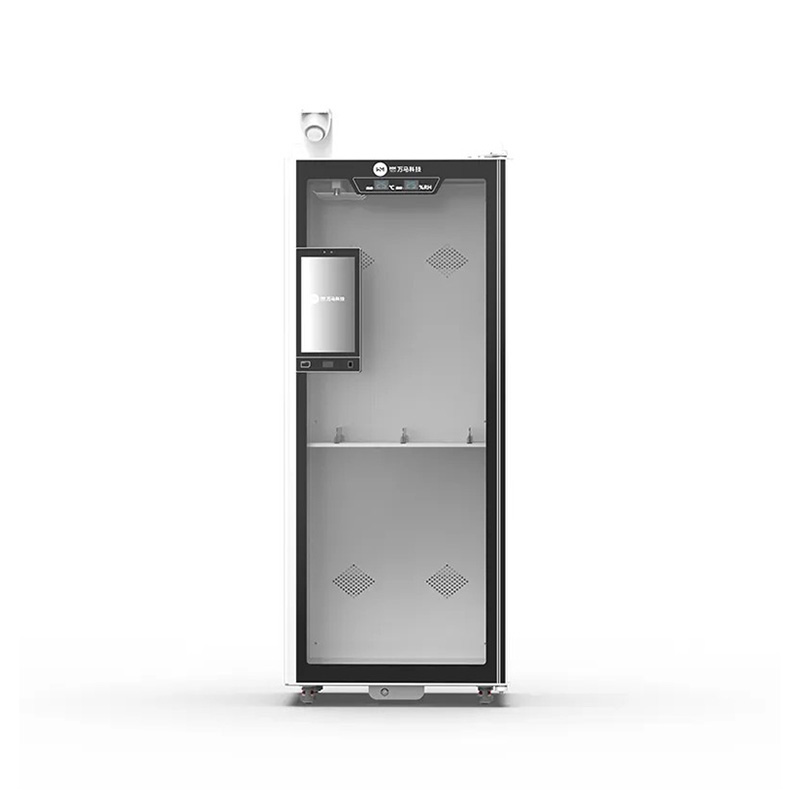
Product Definition This product is a high-capacity intelligent consumables management cabinet designed for hospitals, laboratories, and medical institutions, integrating RFID technology, smart access ...
See Details -
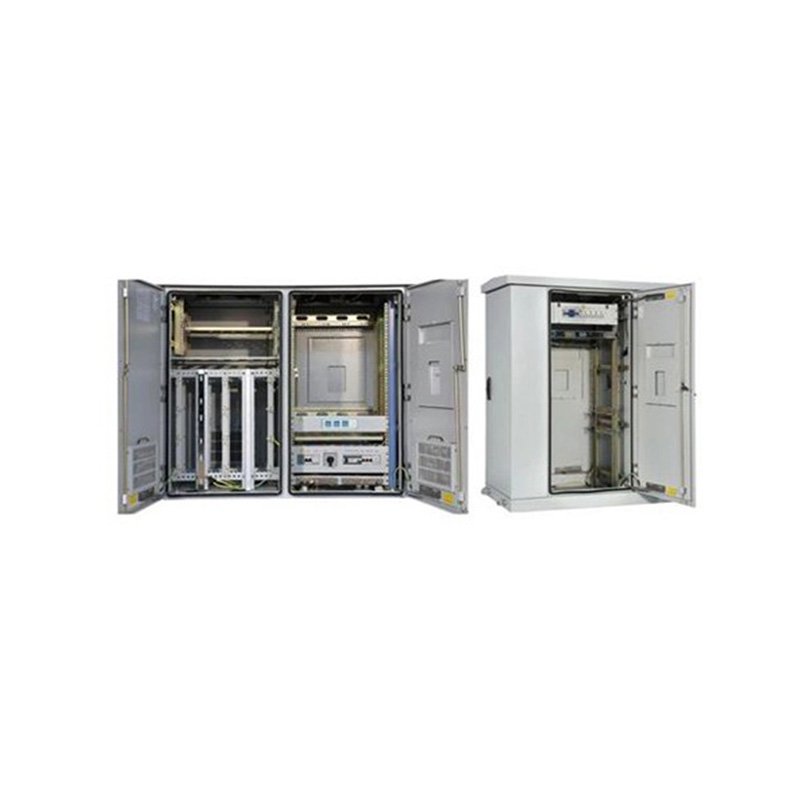
Application:It is used for the fixed network and broadband access, providing physical working environment and security system for the workstation in wired network. Features:•The cabinet is composed of...
See Details -
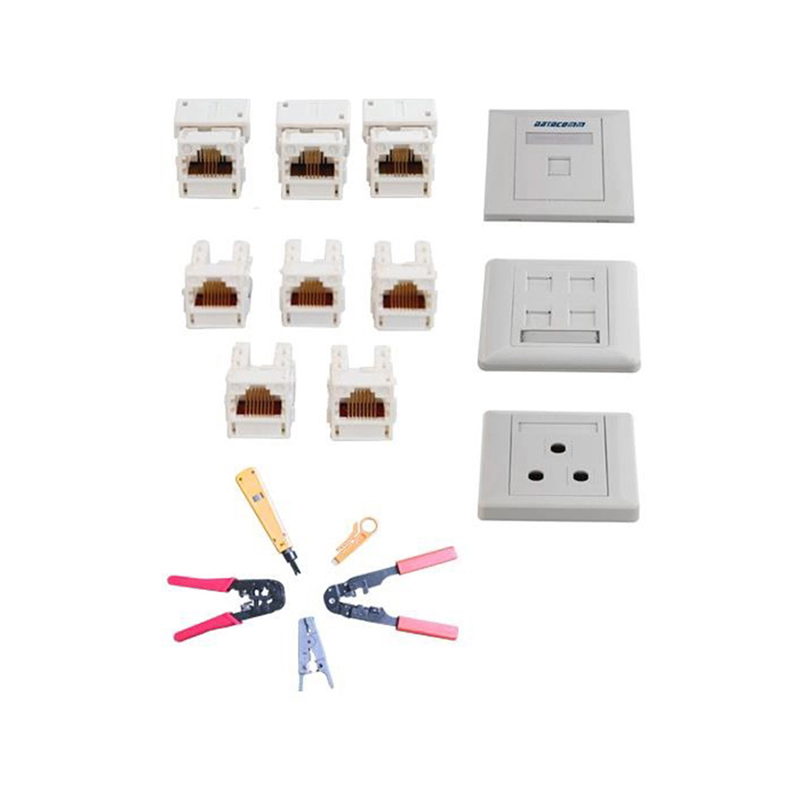
Widely used by China Telecom, China Unicom, China Netcom, China Mobile, Radio and Television, State Grid and Intelligent Residential District, our products is popular in America, Italy, Germany, Egypt...
See Details
Ready to Get started ? Contact Us Now !

Product.
Contact Details.
-
 +86 13958188250
-
 +86 13958188250
-
 [email protected]
- Wanma Industrial Park Taihu Yuan Town Lin'an District Hangzhou City China.
QR Code

Copyright © Wanma Technology Co., Ltd. All Rights Reserved.
Custom Ethernet Optical Network Railway Transit Equipments Suppliers
