

 English
 Français
 Español
 Português
 عربى
عربى




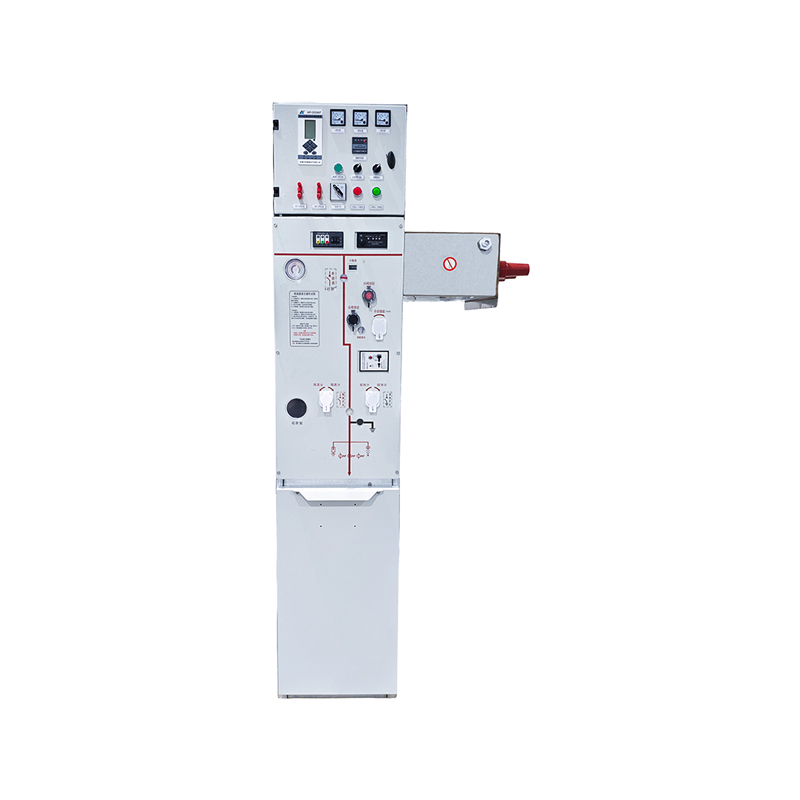

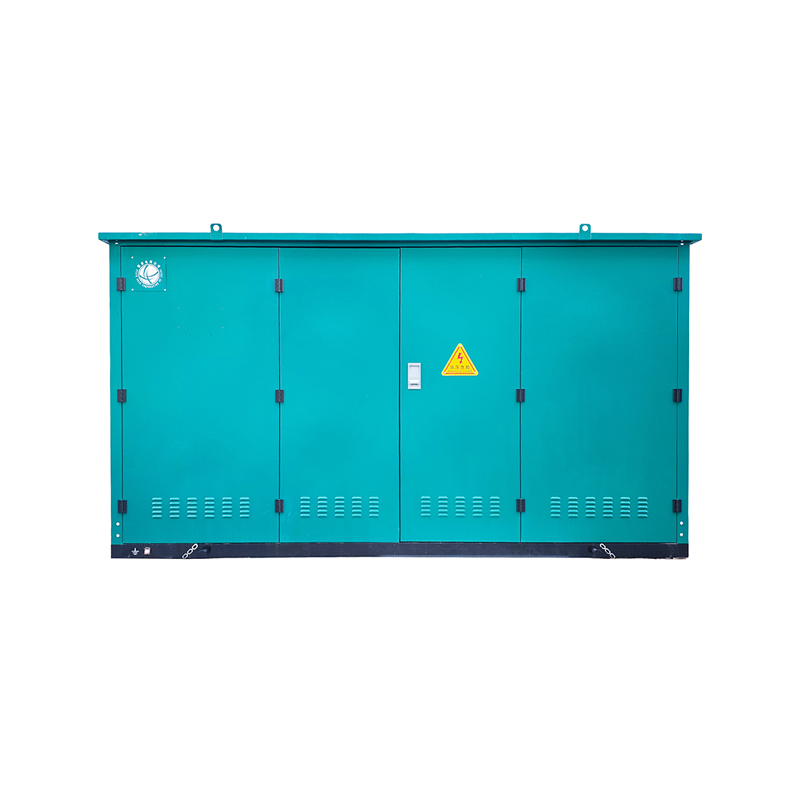
Product Overview:The WMXGW-12 outdoor pre-fabricated enclosed ring main unit is an intelligent integrated equipment launched by Wanma Technology Co., Ltd. in response to the latest standards of the St...
See DetailsOutdoor Pre-Fabricated Enclosed Ring Main Unit for Intelligent 12 kV Distribution Networks
Content
- 1 Product Positioning and Core Purpose
- 2 Integrated Architecture for Primary and Secondary Equipment
- 3 Environmentally Friendly Gas-Insulated Technology
- 4 Key Technical Specifications
- 5 Operating Environment and Adaptability
- 6 Intelligent Monitoring and Data Acquisition
- 7 Safety Design and Five-Prevention Interlocking
- 8 Manufacturing Strengths and Factory Quality Control
- 9 Advantages Over Conventional and Competing Solutions
- 10 Applications in Urban Distribution Networks
- 11 Applications in Industrial, Transportation, Communication, and Medical Infrastructure
- 12 Support for Rural Network Upgrades
- 13 Installation and Commissioning Benefits
- 14 Long-Term Operation and Maintenance Value
- 15 Design Flexibility and Future Expansion
- 16 Q&A Section
- 16.1 What is an outdoor pre-fabricated enclosed ring main unit?
- 16.2 What voltage level does this product support?
- 16.3 How does it differ from a conventional ring main unit?
- 16.4 Why is the environmentally friendly insulating medium important?
- 16.5 What information can the centralized DTU collect?
- 16.6 How does the product improve safety?
- 16.7 Is the product suitable for harsh outdoor conditions?
- 16.8 What is the expected service life?
- 16.9 Can it be used in smart grid projects?
- 16.10 What are the main benefits for project owners?
- 17 Conclusion
- 18 References
Modern distribution networks are being transformed by higher reliability requirements, distributed energy integration, urban space limitations, and the need for real-time operational visibility. In this environment, the outdoor pre-fabricated enclosed ring main unit has become a critical solution for medium-voltage power distribution. Designed for 12 kV networks, this integrated equipment combines primary switching functions, intelligent secondary control, measurement, protection, fault detection, and communication-ready automation in a compact outdoor enclosure.
The product discussed in this article is an intelligent outdoor pre-fabricated enclosed ring main unit developed for advanced distribution automation. It integrates environmentally friendly gas-insulated switchgear, ring-in and ring-out units, feeder units, busbar equipment units, voltage and current transformers, metering modules, partial discharge monitoring, cable temperature sensing, high-speed fault transient filtering, centralized DTU control, and factory-tested connecting cables. By bringing these systems together before delivery, it greatly reduces site installation work, improves compatibility between primary and secondary equipment, and supports safer, faster, and more reliable power distribution.
Compared with conventional ring main units assembled from separate components on site, this integrated design offers significant advantages: reduced installation time, improved wiring accuracy, better environmental protection, stronger automation capability, standardized communication interfaces, lower maintenance burden, and enhanced operational safety. It is suitable for urban distribution networks, industrial parks, rail transit power systems, commercial complexes, data centers, communication infrastructure, medical facility power support, rural network upgrades, and other medium-voltage distribution scenarios requiring dependable power and intelligent control.
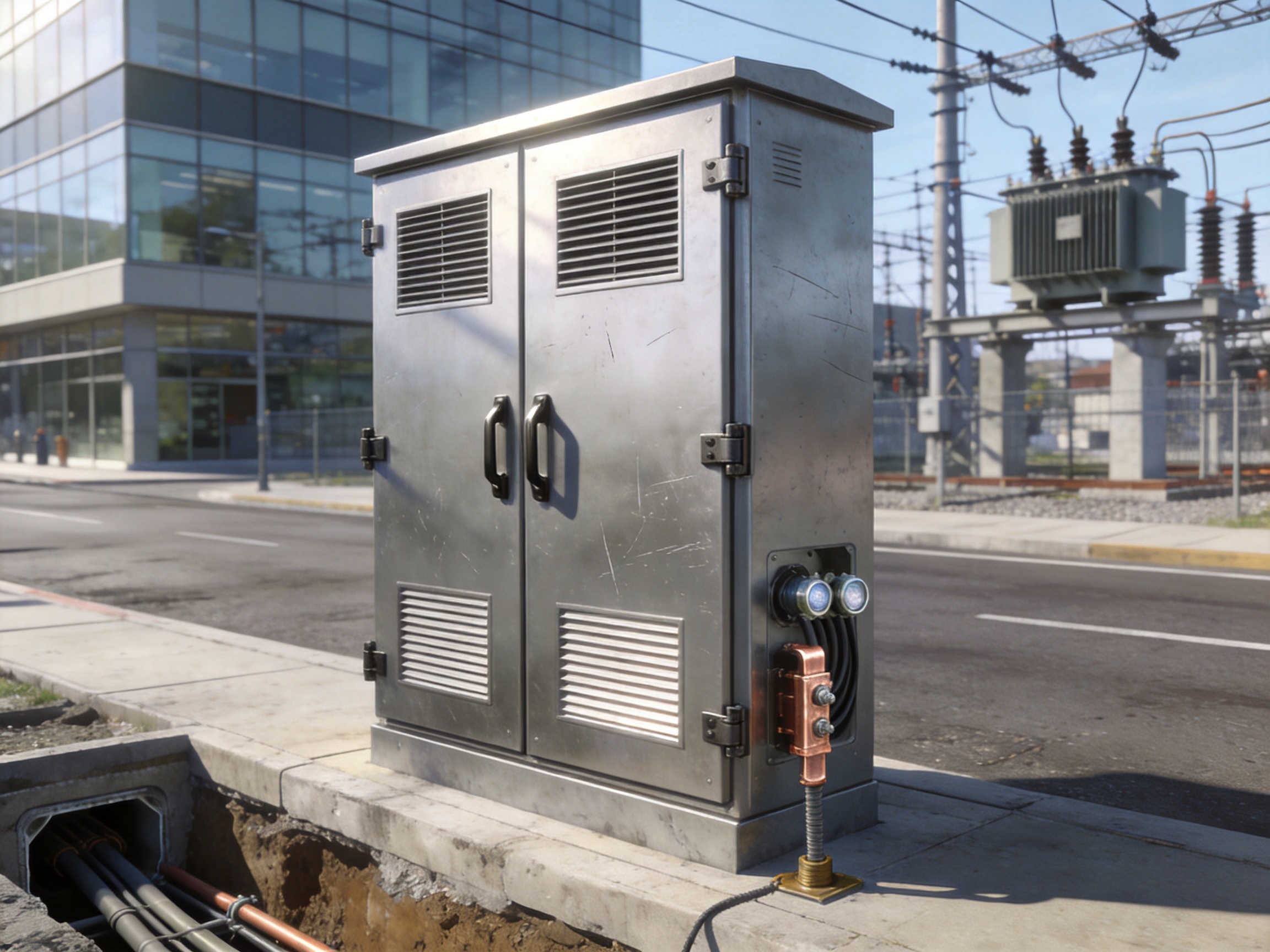
Product Positioning and Core Purpose
The outdoor pre-fabricated enclosed ring main unit is designed to serve as a compact, intelligent, and highly reliable node in medium-voltage distribution networks. Its primary function is to receive, distribute, control, protect, and monitor electrical energy in 12 kV distribution systems. In ring network applications, it supports ring-in and ring-out operation, enabling network sectionalizing, load transfer, and fault isolation. In feeder applications, it provides outgoing power control and protection for downstream loads. In busbar and PT configurations, it supports voltage measurement, power quality observation, and system monitoring.
Unlike traditional distribution equipment that often requires separate procurement, separate installation, and separate debugging of switchgear, transformers, control terminals, communication devices, and auxiliary monitoring modules, this product is pre-fabricated as a complete integrated system. The primary equipment and secondary equipment are assembled, wired, coordinated, and tested in a controlled factory environment. This approach minimizes the risk of wiring mistakes, reduces field engineering uncertainty, and creates a more predictable commissioning process.
The unit is also built for outdoor deployment. The enclosure provides weather protection and mechanical durability, while internal gas-insulated switchgear improves insulation reliability in compact spaces. The gas compartment reaches a high protection level, and the outdoor enclosure is designed for demanding distribution environments. For users working in locations exposed to rain, dust, humidity, solar radiation, temperature variation, and public-area safety risks, the enclosed outdoor structure offers a practical balance between compact installation and long-term protection.
From an automation perspective, the centralized DTU is one of the most important elements. It collects electrical data, performs control functions, supports fault information processing, and interfaces with distribution automation systems. It can acquire signals such as current, voltage, frequency, zero-sequence current, active power, reactive power, line loss data, partial discharge information, and cable temperature. This information allows operators to understand the status of the distribution network more accurately and respond more quickly to abnormal conditions.
Integrated Architecture for Primary and Secondary Equipment
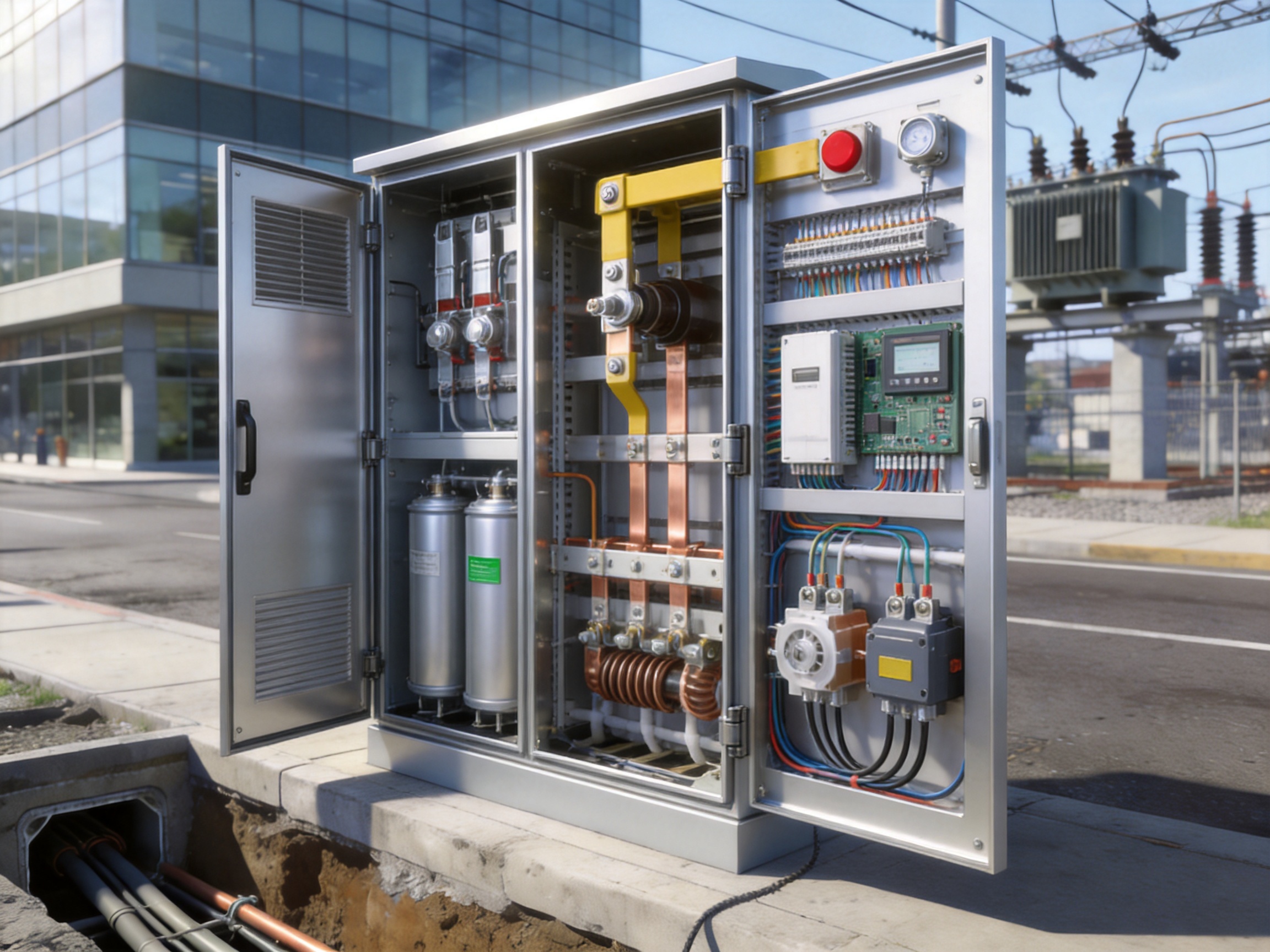
A major advantage of this product is the integration of primary and secondary distribution equipment. Primary equipment includes the switchgear, circuit breakers, load switches, disconnectors, earthing switches, busbars, cable interfaces, and gas-insulated compartments. Secondary equipment includes the centralized DTU, measurement modules, control circuits, transformers, metering devices, monitoring sensors, communication interfaces, and auxiliary power systems.
In conventional installations, these systems may be sourced from different suppliers or configured at different stages of the project. The result is often interface inconsistency, repeated engineering work, unclear responsibility boundaries, and extended site commissioning. This integrated outdoor pre-fabricated unit addresses those weaknesses by using standardized mechanical, electrical, and communication interfaces. The equipment is assembled and debugged before shipment, so field engineers can focus on foundation preparation, cable connection, grounding, communication connection, and final functional verification.
This integrated architecture is especially valuable for distribution network automation projects where deployment speed and consistency are important. Utilities and industrial users often need to upgrade many network nodes within a limited construction period. A pre-fabricated unit provides repeatable quality and reduces the variation that can occur when installation quality depends heavily on site conditions and different teams.
In addition, the integration of high-speed fault transient filtering and waveform recording functions enhances the diagnostic value of the system. Faults in distribution networks may occur quickly, and conventional monitoring equipment can miss important transient information. By capturing waveform data before and after faults, the system helps operators analyze short-circuit events, grounding faults, abnormal switching transients, and power quality disturbances. This data can support faster fault location, more accurate protection coordination, and better long-term network planning.
Environmentally Friendly Gas-Insulated Technology
The product adopts environmentally friendly gas-insulated switchgear technology. Instead of relying on sulfur hexafluoride gas, which is known for its high global warming potential, the equipment uses dry air or high-purity nitrogen as the insulating medium. This is a major competitive advantage in markets where environmental regulations, sustainability policies, and carbon reduction targets are becoming increasingly important.
Traditional SF6-insulated equipment has been widely used because SF6 provides excellent insulation and arc-quenching performance. However, environmental concerns have accelerated the demand for alternatives. By using dry air or high-purity nitrogen and combining it with vacuum interrupter technology, this ring main unit maintains reliable switching performance while reducing environmental impact. The vacuum arc extinguishing chamber provides rapid arc interruption, short arcing time, and low contact wear, supporting frequent operation requirements in distribution networks.
The gas compartment is sealed through precision processes such as laser welding. A micro-positive pressure design reduces medium loss and helps maintain insulation stability over long service periods. The annual leakage rate is extremely low, and the moisture content is controlled to protect insulation performance. For users, this means lower environmental risk, less gas maintenance concern, and stronger compliance with future green power infrastructure requirements.
Compared with older gas-insulated solutions, the environmental approach of this equipment delivers both technical and strategic value. It supports sustainable procurement policies, reduces greenhouse gas management complexity, and helps utilities demonstrate environmental responsibility while continuing to build reliable medium-voltage networks.
Key Technical Specifications
The following table summarizes important technical parameters of the outdoor pre-fabricated enclosed ring main unit. These specifications reflect its suitability for 12 kV distribution applications requiring mechanical durability, electrical reliability, and long operating life.
Item |
Unit |
Value |
Rated Voltage |
kV |
12 |
Rated Current |
A |
630 |
Rated Frequency |
Hz |
50 |
Rated Power Frequency Withstand Voltage, Phase-to-Phase and Phase-to-Ground |
kV |
42 |
Rated Power Frequency Withstand Voltage, Across Breaker |
kV |
48 |
Rated Lightning Impulse Withstand Voltage, Phase-to-Phase and Phase-to-Ground |
kV |
75 |
Rated Lightning Impulse Withstand Voltage, Across Breaker |
kV |
85 |
Rated Short-Time Withstand Current |
kA/s |
20/4 |
Rated Short-Circuit Breaking Current |
kA |
20 |
Rated Peak Withstand Current |
kA |
50 |
Internal Arc Classification |
kA/s |
20/1 |
Mechanical Life of Circuit Breaker |
Operations |
20000 |
Mechanical Life of Load Switch |
Operations |
10000 |
Mechanical Life of Disconnector |
Operations |
5000 |
Mechanical Life of Earthing Switch |
Operations |
5000 |
Degree of Protection, Gas Compartment |
/ |
IP67 |
Degree of Protection, Cubicle |
/ |
IP41 |
Degree of Protection, Outdoor Enclosure |
/ |
IP44W |
Loop Resistance per Bay |
μΩ |
≤150 |
Moisture Content |
μL/L |
≤150 |
Annual Leakage Rate |
/ |
≤0.01% |
Gas Pressure |
MPa |
0.02 |
Service Life |
Years |
35 |
Operating Environment and Adaptability
The unit is designed for outdoor operation under typical distribution network conditions. It can operate at ambient temperatures up to 40℃ and down to -25℃, with a daily temperature difference of 25 K. It is intended for installation at altitudes up to 1000 m, with solar radiation intensity of 0.1 W/cm², pollution level d, and average daily relative humidity up to 95%. It also provides earthquake resistance with horizontal acceleration of 2 m/s².
These environmental parameters make the unit suitable for many urban, suburban, and rural installations. Outdoor distribution equipment must handle heat, cold, humidity, dust, pollution, mechanical stress, and switching demands. The gas-insulated structure reduces the influence of external contaminants on insulation performance, while the enclosure protects the equipment from direct environmental exposure.
For special operating environments, such as high altitude, extremely low temperature, strong pollution, coastal salt mist, desert dust, heavy industrial corrosion, or severe seismic conditions, users should coordinate with the manufacturer during ordering. This allows the engineering team to evaluate insulation correction, enclosure material selection, heater and ventilation configuration, anti-condensation measures, sealing requirements, and coating specifications. Such customization is important for ensuring long service life in challenging locations.
Intelligent Monitoring and Data Acquisition
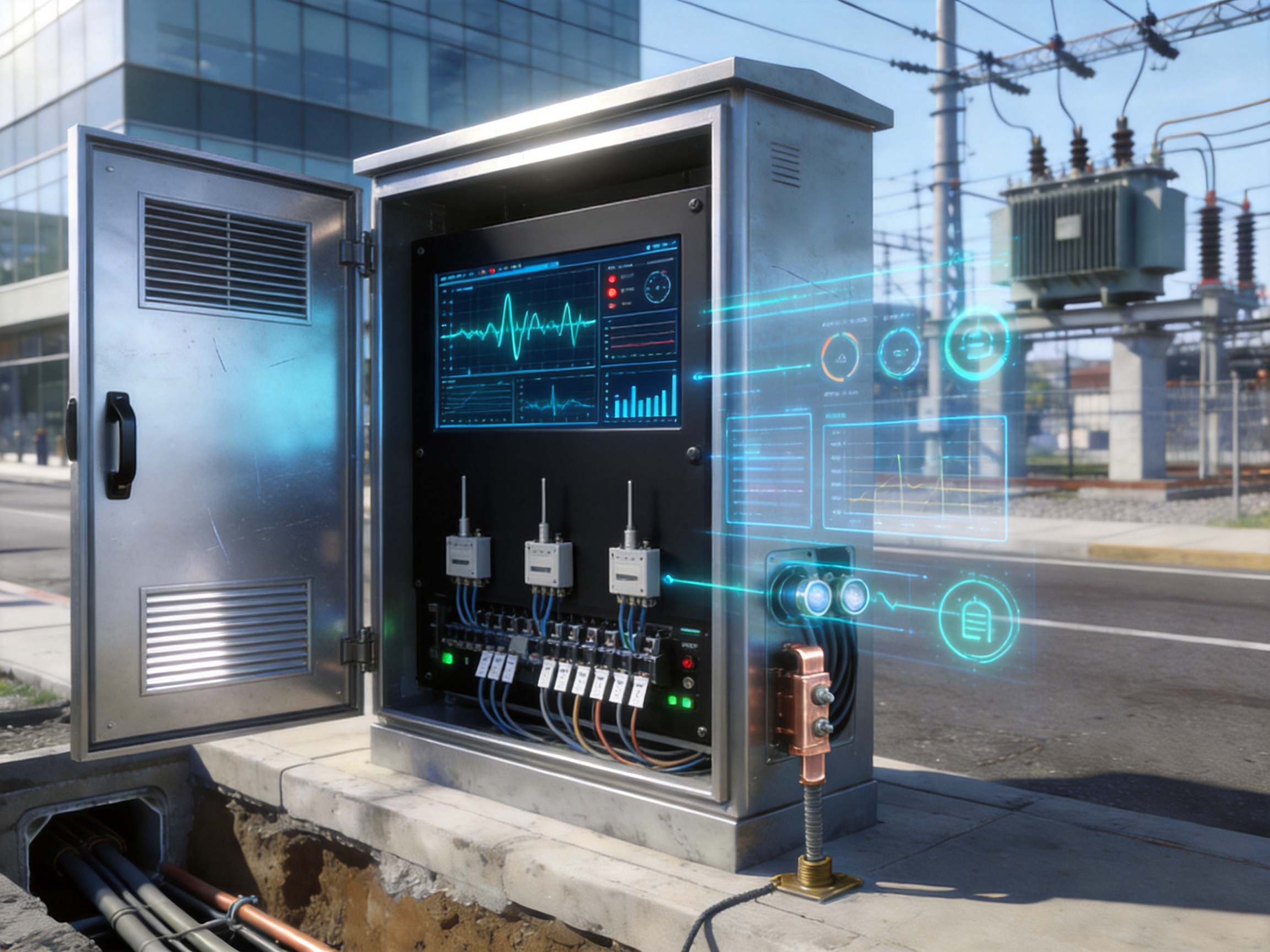
Intelligence is one of the defining strengths of this product. The centralized DTU can collect multiple categories of electrical and environmental data, allowing operators to move from passive maintenance to condition-based management. Signals collected may include phase current, line voltage, frequency, zero-sequence current, active power, reactive power, forward and reverse active energy, four-quadrant reactive energy, cable temperature, partial discharge status, and line loss information.
This information supports several operational goals. First, it improves situational awareness. Operators can see the load state of each feeder, identify overload risks, monitor voltage fluctuation, and detect abnormal current patterns. Second, it improves fault response. Short-circuit detection and processing functions help isolate network faults faster and reduce outage duration. Third, it improves asset management. Temperature and partial discharge monitoring can reveal early signs of insulation deterioration, loose connections, or cable stress. Fourth, it improves energy management. Bidirectional metering and line loss analysis support efficiency evaluation and distributed energy integration.
The measurement accuracy of the analog system can reach 0.2 to 0.5 class depending on configuration, which is suitable for accurate operational measurement and statistical analysis. Some configurations support high-frequency sampling at 128 points per cycle and can record waveform data for multiple fault cycles. This is valuable for engineers who need to examine the detailed behavior of protection systems, switching events, and fault transients.
Compared with competitors that provide only basic switching functions, this intelligent monitoring capability significantly increases the value of the equipment. It transforms the unit from a passive distribution device into an active information node. For utilities building digital distribution networks, this difference can reduce manual inspection requirements, improve automation coverage, and support long-term network optimization.
Safety Design and Five-Prevention Interlocking
Safety is essential in medium-voltage distribution. The outdoor pre-fabricated enclosed ring main unit incorporates a complete five-prevention mechanical interlocking system. This system helps prevent misoperation, including closing an earthing switch when energized, entering a live compartment by mistake, closing a circuit breaker under unsafe conditions, operating disconnectors incorrectly, and failing to follow the proper switching sequence.
Mechanical interlocking between grounding switches and cabinet doors, as well as between circuit breakers and disconnectors, reduces the dependence on operator memory or administrative procedures. While training and operating rules remain essential, mechanical prevention provides a physical barrier against dangerous actions. This is particularly important in outdoor distribution systems where equipment may be operated during emergency restoration, bad weather, night work, or under time pressure.
The gas compartment is equipped with an explosion-proof diaphragm. If abnormal pressure occurs inside the sealed compartment, pressure can be rapidly released in a controlled way, reducing the risk of cabinet rupture. The internal arc classification of 20 kA for 1 second further demonstrates that the equipment is designed with fault containment in mind.
The secondary control system also emphasizes reliability. The centralized DTU uses an industrial-grade design with strong electromagnetic compatibility for outdoor applications. This is important because distribution equipment may experience electromagnetic interference from switching operations, fault currents, lightning surges, communication equipment, and nearby electrical installations. A robust control terminal reduces the chance of false signals, communication interruptions, or control malfunction.
Another advantage is the use of a supercapacitor backup power supply instead of traditional batteries. Batteries often require maintenance, replacement, temperature management, and condition checks. Supercapacitors reduce maintenance complexity and support short-term operation of core control functions during power outages. For operators, this means fewer battery-related failures and improved availability of automation functions during abnormal grid conditions.
Manufacturing Strengths and Factory Quality Control
The performance of an integrated ring main unit depends not only on design but also on manufacturing discipline. Advanced production processes are crucial for sealing reliability, insulation stability, mechanical accuracy, wiring consistency, and long-term safety. The manufacturer behind this product has a long industrial background in communication cabinets, electronic equipment, passive optical components, and integrated infrastructure solutions. This experience contributes directly to the development of high-quality outdoor enclosures, precision assembly capability, and reliable electrical system integration.
The company was established in 1997 and has accumulated experience in equipment manufacturing, customized product development, network infrastructure support, and international market service. Its products have been used in Ethernet networks, optical communication networks, central equipment rooms, national high-speed railways, and urban rail transit systems. These application areas demand stable operation, precise assembly, controlled production quality, and timely delivery. Such experience is highly relevant to outdoor power distribution equipment, especially where cabinet structure, environmental protection, communication interface reliability, and system integration are critical.
Factory assembly and debugging are among the strongest advantages of the product. In a controlled manufacturing environment, engineers can complete primary equipment installation, secondary wiring, terminal verification, mechanical operation tests, insulation checks, communication interface checks, DTU functional testing, and overall system coordination. This controlled process is far superior to performing complex integration work entirely on a construction site, where weather, dust, limited tools, schedule pressure, and inconsistent labor conditions may affect quality.
Precision welding and sealing processes help ensure the reliability of the gas compartment. Laser welding improves sealing consistency and mechanical strength, helping achieve low annual leakage rates. Moisture control is also critical because excessive moisture can degrade insulation and increase the risk of internal discharge. By controlling gas quality, moisture content, assembly cleanliness, and sealing procedures, the manufacturer improves long-term insulation reliability.
Sheet metal fabrication and enclosure manufacturing are also important. Outdoor cabinets must resist corrosion, deformation, water ingress, dust intrusion, solar exposure, and mechanical impact. Experience in communication and infrastructure cabinets supports robust enclosure design, appropriate protection grades, and practical installation features. A well-built enclosure protects not only the switchgear but also the DTU, wiring, transformers, metering devices, and communication equipment.
The manufacturer’s global sales experience also strengthens the product’s competitiveness. Serving customers in more than 20 countries and regions requires documentation capability, export coordination, delivery management, quality consistency, and responsiveness to different standards and application needs. For international users, this background can reduce procurement risk and support smoother project execution.
Advantages Over Conventional and Competing Solutions
The outdoor pre-fabricated enclosed ring main unit offers clear advantages compared with conventional field-assembled distribution solutions and many traditional ring main units.
First, it reduces installation time. Because major components are assembled and tested before delivery, on-site work is simplified. This is valuable in urban projects where road excavation, power outage windows, labor coordination, and public impact must be minimized. Faster installation also reduces construction cost and accelerates network energization.
Second, it improves interface compatibility. Traditional systems can suffer from mismatched current transformers, voltage sensors, control terminals, communication protocols, auxiliary power supplies, and wiring diagrams. The integrated design uses standardized mechanical, electrical, and communication interfaces, reducing compatibility problems and hidden defects.
Third, it provides stronger automation capability. Many competing units provide switching and basic protection but require additional automation cabinets or site integration for advanced data acquisition. This product integrates centralized DTU control, measurement, line loss metering, partial discharge monitoring, temperature monitoring, fault waveform recording, and short-circuit detection functions. This makes it more suitable for digital distribution networks.
Fourth, it supports environmentally responsible operation. The use of dry air or high-purity nitrogen as an insulating medium avoids dependence on high greenhouse-effect SF6 gas. For customers with environmental policies or future regulatory concerns, this is a major differentiator.
Fifth, it improves safety through mechanical interlocking, internal arc consideration, explosion-proof pressure relief, sealed gas compartments, and industrial-grade secondary control. Safety features are not treated as optional accessories but as core design principles.
Sixth, it reduces maintenance burden. Vacuum interrupters offer low contact wear and frequent operation capability. Supercapacitor backup power reduces battery maintenance. Integrated monitoring allows condition-based inspections instead of relying only on fixed schedules. Low gas leakage and high sealing performance also reduce maintenance uncertainty.
Seventh, it supports flexible configuration. The primary side can combine circuit breakers, load switches, voltage transformer units, feeder units, and ring network units according to project needs. The centralized DTU can control multiple sets of switchgear and supports interlocking control of disconnectors and grounding switches. Future functional expansion, such as harmonic analysis modules or environmental temperature and humidity monitoring, can be considered based on application requirements.
Applications in Urban Distribution Networks
Urban power distribution networks face high load density, limited installation space, strict reliability requirements, and growing automation needs. The outdoor pre-fabricated enclosed ring main unit is well suited to these conditions. Its compact structure and integrated design allow it to be deployed in public utility areas, roadside distribution points, residential communities, commercial districts, and underground or semi-outdoor power support zones.
Urban networks often require fast fault isolation to reduce outage areas. Ring network structures enable power to be supplied from alternate paths when a fault occurs. With intelligent monitoring and control, operators can identify fault sections faster and restore power to healthy sections more efficiently. The unit’s ability to detect short-circuit faults, monitor zero-sequence current, and report voltage or load limit exceedances supports this objective.
In high-density urban areas, manual inspection is expensive and sometimes disruptive. Intelligent data acquisition reduces the need for frequent physical inspection and provides remote visibility into equipment status. Cable temperature monitoring and partial discharge detection are especially useful in cable-heavy urban networks, where underground cable faults can be difficult and costly to locate.
Applications in Industrial, Transportation, Communication, and Medical Infrastructure
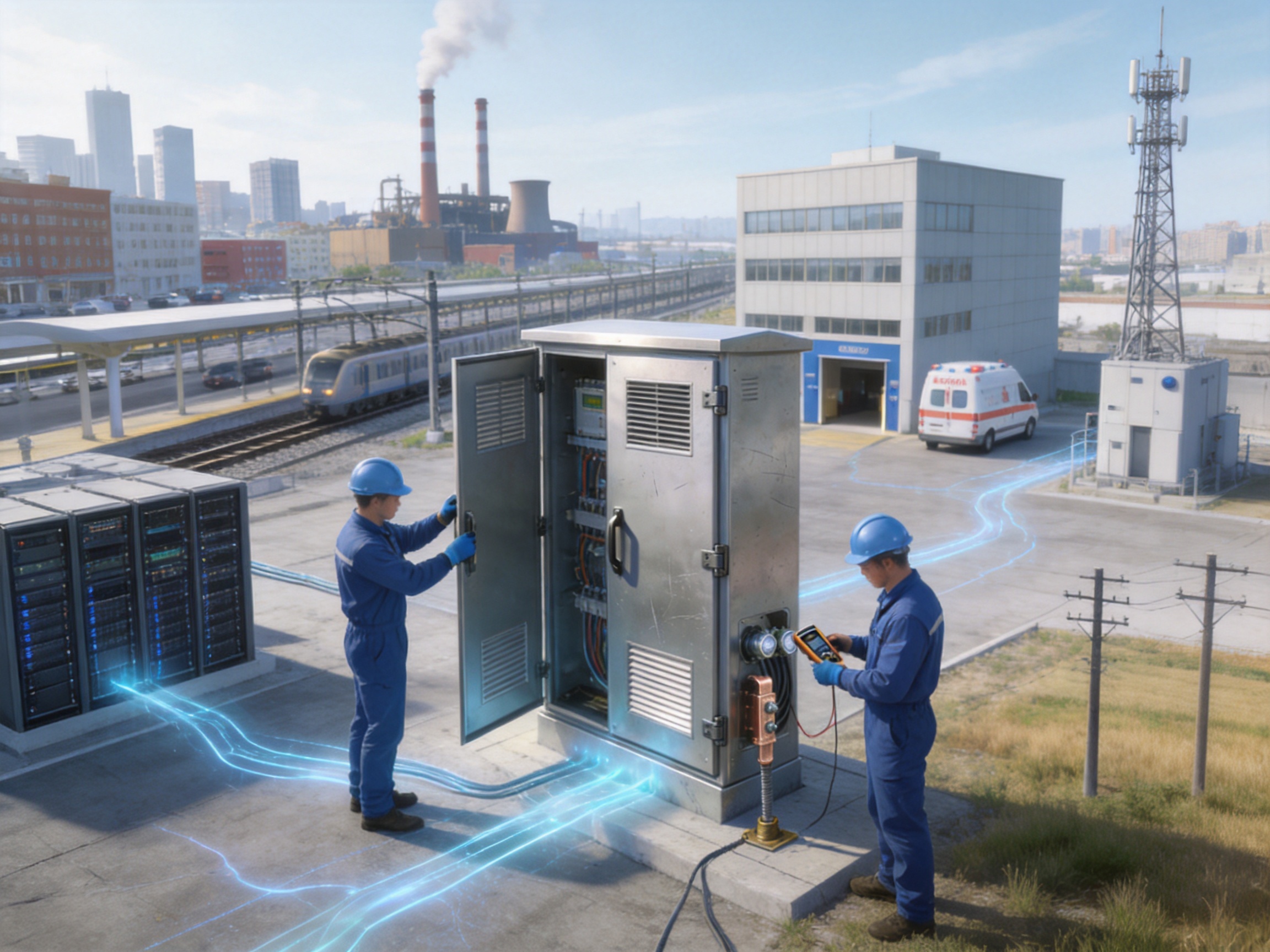
Industrial parks require reliable medium-voltage distribution for production lines, process equipment, warehouses, pumps, compressors, HVAC systems, and safety systems. Power interruptions can result in production loss, equipment damage, and safety risks. The ring main unit provides reliable feeder control, fault detection, and flexible network configuration for industrial power systems.
Rail transit and high-speed railway power infrastructure also require dependable distribution equipment. The manufacturer’s experience with rail transit-related infrastructure strengthens confidence in enclosure design, delivery discipline, and integrated equipment solutions. In transportation systems, power reliability affects signaling, communication, lighting, ventilation, ticketing systems, and passenger safety. Intelligent monitoring helps maintenance teams detect problems before they become serious failures.
Communication infrastructure, including central equipment rooms, optical communication networks, data transmission nodes, and outdoor telecom sites, depends on stable power. As communication networks become more critical for public services, emergency response, and digital economy operations, medium-voltage power support must be reliable and monitorable. The outdoor pre-fabricated ring main unit can serve as part of the upstream power distribution architecture for telecom facilities and data-related installations.
Medical facilities also require secure and continuous power distribution. Hospitals, laboratories, imaging centers, emergency departments, and medical data systems cannot tolerate unstable electrical infrastructure. While final emergency power design may include generators, UPS systems, and low-voltage transfer equipment, the medium-voltage distribution layer must provide dependable switching, protection, and monitoring. An intelligent ring main unit can contribute to reliable upstream supply and faster fault response.
Support for Rural Network Upgrades
Rural power networks often face different challenges from urban networks. Distribution lines may be longer, load distribution may be more scattered, and maintenance teams may need to travel greater distances. Equipment must be durable, easy to maintain, and capable of supporting automation without excessive complexity.
The outdoor pre-fabricated enclosed ring main unit supports rural network modernization by providing integrated switching, monitoring, and fault detection in a standardized package. It can help utilities build more reliable rural feeders, improve sectionalizing capability, and reduce outage duration. Because factory integration reduces on-site engineering complexity, it is practical for projects where local installation resources may be limited.
The long service life of 35 years is also important for rural infrastructure investment. Durable equipment reduces replacement frequency and helps utilities plan long-term asset management. Monitoring features such as load measurement, voltage identification, and fault recording can help identify weak network sections and guide future reinforcement.
Installation and Commissioning Benefits
The pre-fabricated approach changes the installation workflow. Instead of assembling complex systems on site, the user receives a more complete unit that has already undergone factory assembly and testing. Site work typically focuses on foundation readiness, placement, cable connection, grounding, communication access, auxiliary power verification, and final commissioning.
This approach reduces construction time and improves quality. It also helps minimize planned outage duration during network upgrades. In many power projects, outage windows are limited and expensive. A product that can be installed and commissioned quickly provides direct operational value.
Standardized interfaces are another installation benefit. When the mechanical layout, electrical terminals, communication ports, and control logic are coordinated before delivery, the risk of site modification is reduced. This is particularly important when multiple units are installed across a distribution region. Standardization improves training efficiency, spare parts planning, operation procedures, and maintenance consistency.
Long-Term Operation and Maintenance Value
Long-term value depends on more than initial purchase cost. Operators must consider maintenance labor, inspection frequency, fault response time, energy loss analysis, spare parts, environmental compliance, safety risk, and equipment life. The outdoor pre-fabricated enclosed ring main unit is designed to reduce total lifecycle burden.
The vacuum interrupter supports frequent switching with low contact wear. The environmentally friendly gas compartment has very low leakage and controlled moisture content. The supercapacitor backup system reduces battery replacement needs. Intelligent monitoring provides early warnings for abnormal temperature, discharge, overload, voltage deviation, and fault events. Mechanical interlocking reduces misoperation risk and related repair costs.
Line loss metering and bidirectional energy measurement can also produce long-term economic benefits. By accurately monitoring active power, reactive power, and energy flow, operators can identify abnormal losses, evaluate feeder efficiency, and support distributed generation management. As more renewable energy and distributed resources connect to distribution networks, bidirectional metering becomes increasingly important.
Design Flexibility and Future Expansion
Distribution networks are not static. Load profiles change, renewable generation increases, electric vehicle charging expands, industrial users add capacity, and automation standards evolve. Equipment that cannot adapt may become obsolete before the end of its mechanical service life.
This ring main unit supports flexible combinations of functional units such as circuit breakers, load switches, voltage transformer units, ring-in units, ring-out units, and feeder units. The centralized DTU can control several switchgear bays and support interlocking control of disconnectors and grounding switches. Future functions, including harmonic analysis or environmental monitoring modules, can be considered according to project needs.
This flexibility gives the product an advantage over rigid designs that are difficult to upgrade. For customers planning staged distribution automation projects, a scalable platform reduces future retrofit costs and protects the initial investment.
Q&A Section
What is an outdoor pre-fabricated enclosed ring main unit?
It is an integrated medium-voltage distribution device designed for outdoor installation. It combines ring network switching, feeder control, busbar functions, protection, monitoring, metering, communication, and automation equipment inside a protected enclosure. The system is assembled and tested in the factory before delivery to reduce site work and improve reliability.
What voltage level does this product support?
The product is designed for 12 kV distribution networks. Its rated voltage is 12 kV, rated current is 630 A, and rated frequency is 50 Hz.
How does it differ from a conventional ring main unit?
Conventional ring main units often focus mainly on switching functions and may require separate automation terminals, sensors, metering modules, and site wiring. This product integrates primary switchgear with secondary intelligent equipment, including a centralized DTU, transformers, metering modules, partial discharge monitoring, cable temperature monitoring, and fault processing functions. This integration improves automation capability and reduces installation complexity.
Why is the environmentally friendly insulating medium important?
The equipment uses dry air or high-purity nitrogen instead of SF6 gas. This reduces environmental impact and supports sustainability requirements. Combined with vacuum arc extinguishing technology, it provides reliable switching performance without relying on high greenhouse-effect insulating gas.
What information can the centralized DTU collect?
The centralized DTU can collect current, voltage, frequency, zero-sequence current, active power, reactive power, line loss data, bidirectional energy metering information, partial discharge status, cable temperature, and fault waveform data depending on configuration. This supports remote monitoring, fault diagnosis, and distribution automation.
How does the product improve safety?
Safety is improved through five-prevention mechanical interlocking, grounding switch and cabinet door interlocking, circuit breaker and disconnector interlocking, explosion-proof pressure relief, internal arc design, sealed gas compartments, and industrial-grade electromagnetic compatibility for secondary control equipment.
Is the product suitable for harsh outdoor conditions?
Yes. It is designed for outdoor operation with protection levels including IP67 for the gas compartment and IP44W for the outdoor enclosure. It supports operation under common outdoor conditions involving temperature changes, humidity, solar radiation, and pollution. For special environments such as high altitude, severe pollution, coastal salt mist, or extremely low temperature, configuration should be discussed before ordering.
What is the expected service life?
The service life is designed to reach 35 years under appropriate operating conditions and maintenance practices.
Can it be used in smart grid projects?
Yes. The product is particularly suitable for smart distribution network projects because it supports real-time data acquisition, fault detection, waveform recording, bidirectional metering, line loss analysis, and communication-ready automation functions.
What are the main benefits for project owners?
Project owners benefit from shorter installation time, reduced site wiring risk, better environmental performance, stronger automation, improved fault response, lower maintenance burden, higher safety, flexible configuration, and long service life.
Conclusion
The outdoor pre-fabricated enclosed ring main unit represents a modern direction for 12 kV distribution infrastructure. By combining environmentally friendly gas-insulated switchgear, vacuum arc extinguishing, intelligent DTU control, comprehensive monitoring, factory assembly, standardized interfaces, and robust outdoor enclosure design, it addresses many weaknesses of conventional distribution equipment.
Its advantages are especially clear in projects that require fast deployment, high reliability, digital monitoring, environmental responsibility, and long-term operational efficiency. The use of dry air or high-purity nitrogen instead of SF6 supports greener infrastructure. The centralized DTU transforms the unit into an intelligent network node. Factory pre-fabrication reduces installation uncertainty. Mechanical interlocking and pressure relief design enhance safety. Flexible configuration supports different distribution schemes and future expansion.
Backed by a manufacturer with long experience in communication cabinets, electronic equipment, optical communication infrastructure, rail transit systems, customized solutions, and international market service, the product benefits from mature manufacturing processes and strong integration capability. For utilities, industrial users, transportation operators, communication infrastructure providers, and critical facility owners, this outdoor pre-fabricated enclosed ring main unit offers a practical and forward-looking solution for intelligent medium-voltage distribution.
References
International Electrotechnical Commission. IEC 62271 Series: High-Voltage Switchgear and Controlgear.
International Electrotechnical Commission. IEC 60071 Series: Insulation Coordination.
International Electrotechnical Commission. IEC 60529: Degrees of Protection Provided by Enclosures.
Institute of Electrical and Electronics Engineers. IEEE Guide for Distribution Automation and Medium-Voltage Power Distribution Practices.
China Electric Power Industry Standards. Technical Requirements for Integrated Primary and Secondary Distribution Equipment.
State Grid Corporation Technical Guidance. Standardized Design and Customization Principles for 12 kV Ring Main Units.
Electrical Power Research Literature. Application of Vacuum Interruption and Environmentally Friendly Insulation in Medium-Voltage Switchgear.
PREV:High-Density 24-Port Fiber Optic Distribution Box for Future-Ready FTTx Networks
NEXT:No next article
NEXT:No next article
Interested in cooperation or have questions?
Related products
-
-
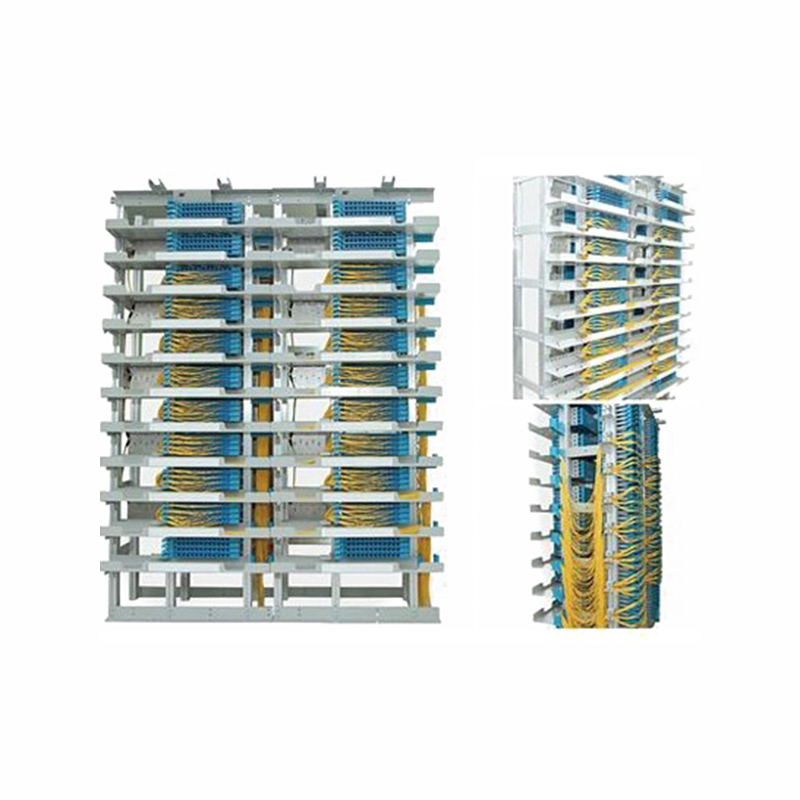
Application Used in independent fiber patching areas of newly built communication equipment rooms and central equipment rooms. After cable removal, the original main distribution frame is dismantled, ...
See Details -
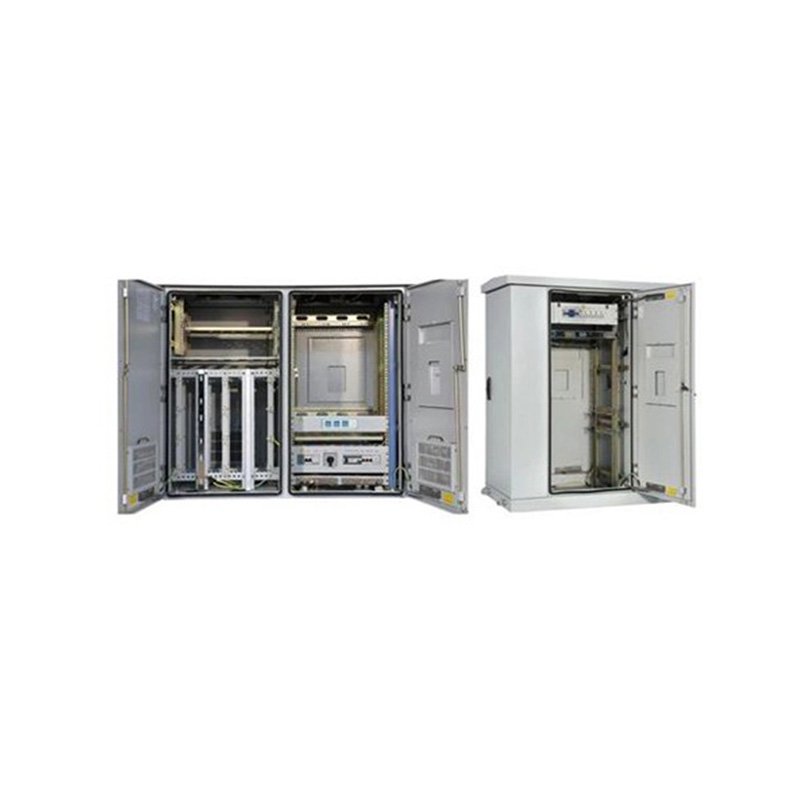
Application:It is used for the fixed network and broadband access, providing physical working environment and security system for the workstation in wired network. Features:•The cabinet is composed of...
See Details -
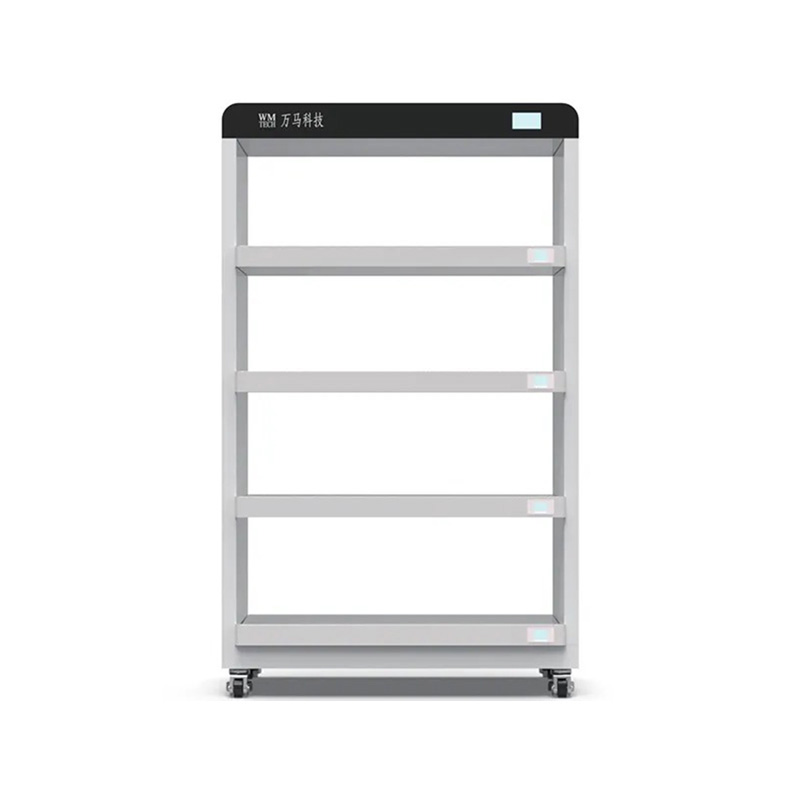
Product Definition:Intelligent Shelves are a smart warehouse management unit that integrates dynamic sensing, real-time display, and precise positioning. By leveraging advanced sensor technology, they...
See Details
Ready to Get started ? Contact Us Now !

Product.
Contact Details.
-
 +86 13958188250
-
 +86 13958188250
-
 [email protected]
- Wanma Industrial Park Taihu Yuan Town Lin'an District Hangzhou City China.
QR Code

Copyright © Wanma Technology Co., Ltd. All Rights Reserved.
Custom Ethernet Optical Network Railway Transit Equipments Suppliers
