

 English
 Français
 Español
 Português
 عربى





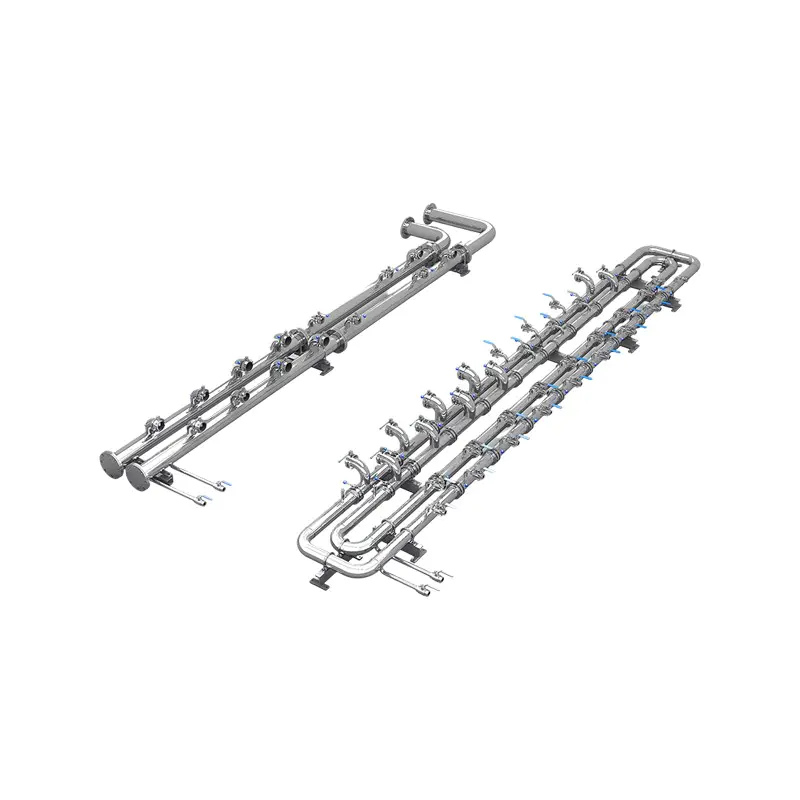

Product OverviewWM-SCL Secondary-Side Prefabricated Piping is a standardized coolant distribution system that connects the CDU to liquid-cooled server cabinets. The piping is prefabricated and quality...
See DetailsPrefabricated Piping for Reliable Liquid-Cooling Infrastructure
Content
- 1 The Role of Secondary-Side Piping in Liquid Cooling
- 2 Product Overview
- 3 Why Prefabrication Improves Project Delivery
- 4 Material Selection and Coolant Compatibility
- 5 Factory Verification and Sealing Reliability
- 6 Clean Manufacturing and Internal Surface Quality
- 7 Flexible Customization for Different Data-Center Layouts
- 8 Independent Branch Maintenance
- 9 Optional Intelligent Monitoring Integration
- 10 Comparison with Conventional Field-Assembled Piping
- 11 Advanced Manufacturing Processes
- 12 Manufacturing Strengths and Industry Experience
- 13 Installation and Commissioning Considerations
- 14 Maintenance and Lifecycle Management
- 15 Advantages for Different Stakeholders
- 16 How the System Compares with Other Supplier Approaches
- 17 Frequently Asked Questions
- 17.1 What is secondary-side prefabricated piping?
- 17.2 What equipment does the system connect?
- 17.3 What material is used for the main piping?
- 17.4 Which cooling media are supported?
- 17.5 Can the piping be customized for a specific data center?
- 17.6 Does the system support independent maintenance?
- 17.7 What testing is completed before shipment?
- 17.8 Why is internal cleaning important?
- 17.9 What connection options are available?
- 17.10 Can monitoring devices be integrated?
- 17.11 Is factory prefabrication suitable for large data centers?
- 17.12 Does prefabrication eliminate site testing?
- 17.13 What information is needed for a customized design?
- 17.14 What makes this solution different from basic pipe supply?
- 18 Conclusion
- 19 References
- 20 Product: Prefabricated Piping for Liquid Cooling Secondary Side
As high-performance computing, artificial intelligence, cloud services, and advanced digital applications continue to expand, data centers are facing unprecedented thermal-management requirements. Modern processors generate far more heat than traditional air-cooled systems can efficiently remove. As a result, liquid cooling has become an increasingly important infrastructure strategy for high-density server environments.
A liquid-cooling system is only as reliable as its distribution network. Coolant must travel from the coolant distribution unit to each liquid-cooled server cabinet through a controlled, clean, sealed, and properly engineered piping system. Any weakness in the piping network can affect cooling performance, equipment availability, maintenance efficiency, and long-term operating costs.
The WM-SCL Secondary-Side Prefabricated Piping system is designed to address these requirements. It provides a standardized and customizable coolant distribution solution between the coolant distribution unit and liquid-cooled server cabinets. The system combines factory prefabrication, pressure and leak-tightness testing, professionally cleaned internal surfaces, flexible connection options, independent branch maintenance, and optional intelligent monitoring functions.
Instead of constructing an entire secondary-side piping network piece by piece inside the data center, the system allows major sections to be manufactured, inspected, and prepared in a controlled factory environment. Installation at the project site can then be completed through standardized assembly according to approved design drawings. This approach helps reduce field labor, shorten installation schedules, improve consistency, and support more predictable project delivery.
The solution is also supported by the manufacturing capabilities and communication-industry experience of Wanma Technology Co., Ltd. Established in 1997, the company has developed expertise in communication cabinets, communication electronic equipment, passive optical components, and infrastructure used in Ethernet networks, optical communication networks, central equipment rooms, high-speed railway systems, and urban rail transit. This background contributes to its understanding of equipment-room organization, structured installation, quality control, and customized infrastructure delivery.
The Role of Secondary-Side Piping in Liquid Cooling
A typical liquid-cooling architecture includes several interconnected layers. The facility-side cooling system removes heat from the building or plant environment. The coolant distribution unit transfers heat and manages the circulation interface between the facility and equipment sides. The secondary-side piping then distributes coolant from the CDU to individual server cabinets or rack-level cooling systems.
This secondary-side network is particularly important because it operates close to the information technology equipment. It must deliver the required coolant flow to the correct cabinet, maintain hydraulic balance, prevent contamination, resist corrosion, and support maintenance without unnecessarily affecting neighboring equipment.
In a conventional field-built piping arrangement, installers may cut, align, weld, thread, or otherwise assemble components at the construction site. While such systems can be effective when designed and installed correctly, the quality of the final installation may depend heavily on local working conditions, installer experience, weather, access, scheduling, and inspection procedures.
Prefabricated piping changes this construction model. The system is designed in advance, manufactured under controlled conditions, inspected before shipment, and assembled at the site using standardized procedures. The result is a more repeatable path from engineering design to operational installation.
For data centers, repeatability is highly valuable. A project may contain dozens or hundreds of cabinets, and every cabinet must receive the appropriate connection. A standardized system minimizes unnecessary variation between branches and makes it easier for operators, commissioning teams, and maintenance personnel to understand the installed network.
Product Overview
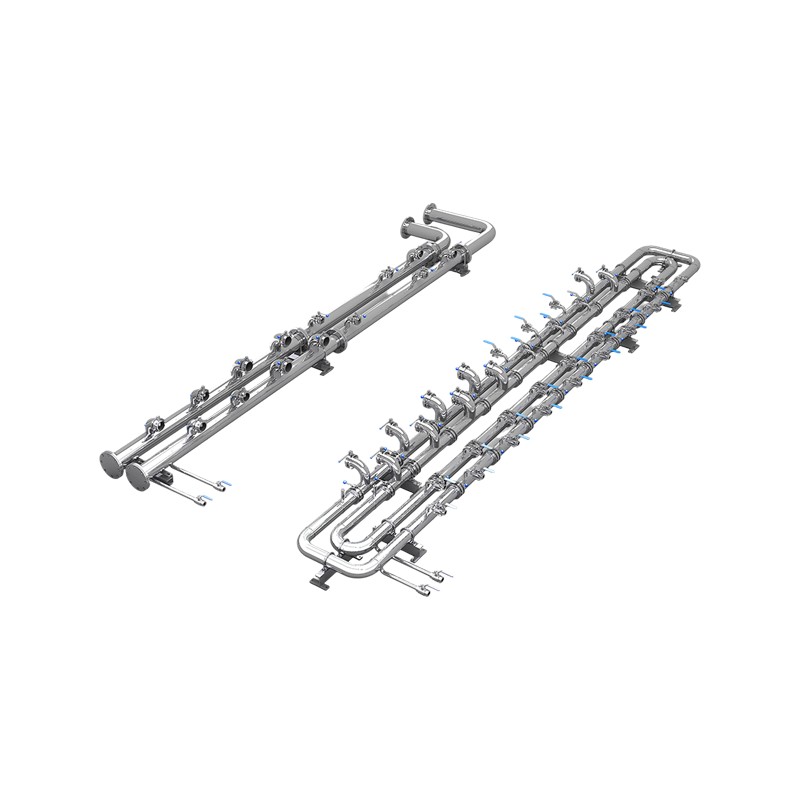
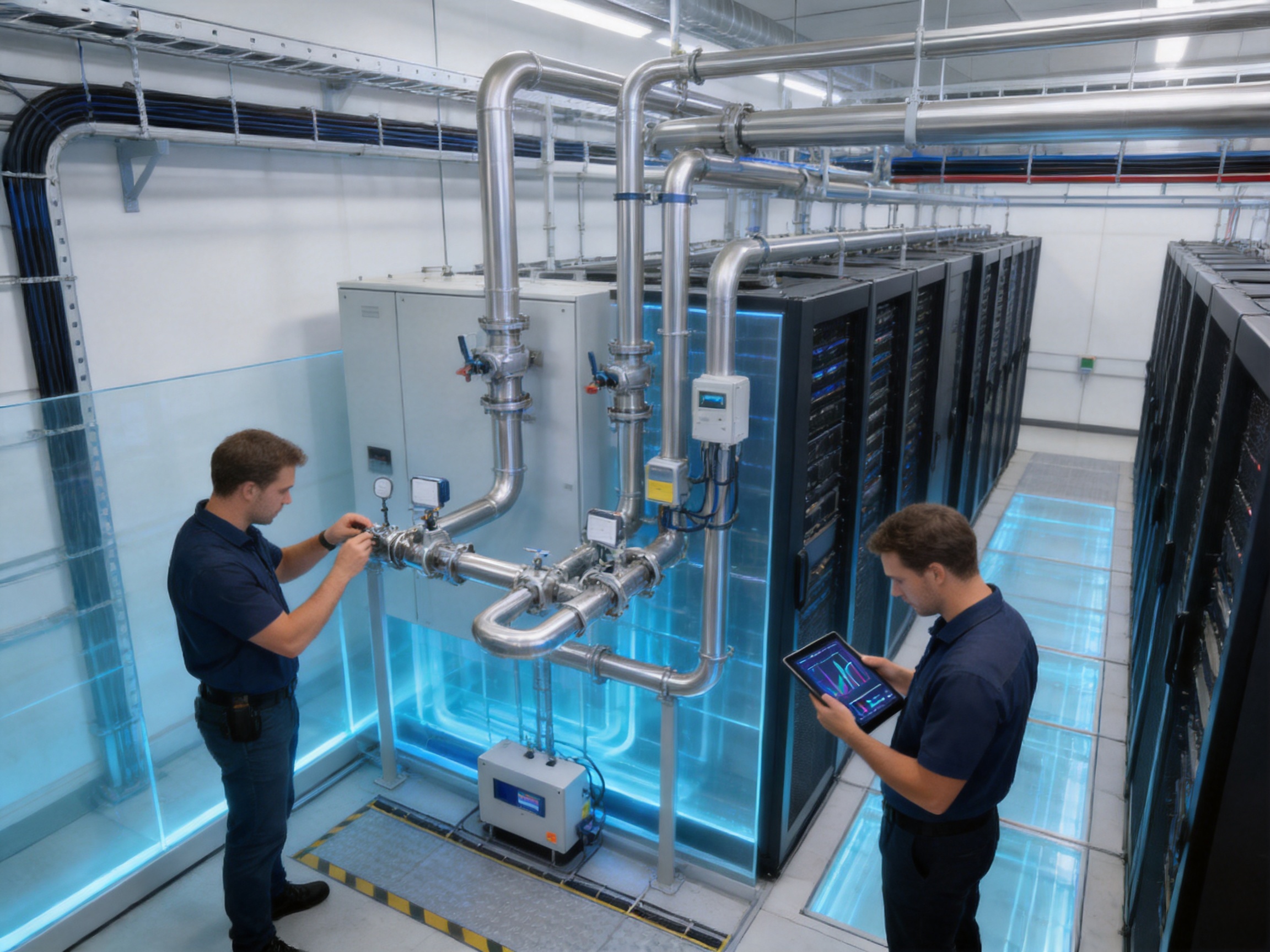
The WM-SCL Secondary-Side Prefabricated Piping system connects the CDU outlet to the inlet of each liquid-cooled server cabinet. It can be designed according to the actual floor plan, cabinet quantity, cabinet arrangement, and required connection locations.
The primary piping material is S304 stainless steel. This material provides a strong and durable basis for coolant distribution and is compatible with a range of commonly used cooling media, including deionized water, ethylene glycol, and propylene glycol. The choice of coolant remains dependent on the complete system design, operating temperature, water-treatment strategy, equipment requirements, and project specifications.
The piping network can include main distribution lines, branch lines, connection assemblies, valves, and optional monitoring points. Each branch is arranged to serve a designated cabinet or cabinet group. The engineering design can be adapted to the physical layout of the data center, helping avoid unnecessary routing and enabling precise coverage of the required cooling loads.
One of the system’s important operating features is independent online maintenance for each branch. A branch can be isolated for inspection, service, or replacement without requiring the entire piping section to be shut down and drained. This capability can help reduce maintenance disruption and support higher equipment availability.
The system also supports multiple standard connection options, including clamp and flange connections. The appropriate connection method can be selected according to project requirements, installation standards, maintenance preferences, and equipment interfaces.
Prefabricated Piping for Liquid Cooling Secondary Side
Why Prefabrication Improves Project Delivery
Factory prefabrication provides advantages at several stages of a liquid-cooling project. It begins with engineering coordination and continues through manufacturing, inspection, transportation, site installation, commissioning, and future maintenance.
Shorter On-Site Installation Cycles
Site work is often one of the most difficult and costly stages of data-center construction. Multiple contractors may be working simultaneously on power distribution, network cabling, fire protection, mechanical systems, racks, flooring, and building controls. A piping system that requires extensive cutting and fitting in the equipment room can create scheduling conflicts and increase the risk of rework.
Prefabricated sections arrive prepared for installation. Once the project team confirms the locations and interfaces, standardized assembly can be performed according to the design drawings. This reduces the amount of fabrication required in the data center and allows skilled factory labor to complete repetitive work in a dedicated environment.
The result is a more efficient installation process. Field personnel can focus on positioning, joining, supporting, connecting, and testing the system rather than performing every fabrication step from the beginning. This can be especially beneficial when the data center must be completed within a strict construction window.
Improved Installation Consistency
In a field-built system, two apparently similar branches may differ slightly in dimensions, alignment, support arrangement, or connection positioning. Such variations can complicate cabinet installation and make later maintenance less predictable.
Prefabrication supports consistent component dimensions and repeatable assembly methods. The factory can use documented drawings, production instructions, inspection checklists, and dedicated tools. Each section can be identified and matched to its designated location before shipment.
This consistency is valuable when a project includes a large number of liquid-cooled cabinets. Repeated branch designs can be manufactured according to the same standard, while special sections can be prepared for areas with different cabinet spacing or routing requirements.
Reduced Dependence on Site Conditions
On-site fabrication can be affected by limited workspace, dust, humidity, restricted access, temporary lighting, shared construction areas, and coordination with other trades. Factory production reduces exposure to many of these conditions.
A controlled manufacturing environment allows the piping system to be assembled on appropriate workstations. Materials and components can be organized in advance, and inspection personnel can access the assembly more easily. This contributes to better process control and reduces the likelihood that environmental limitations will affect the completed product.
More Predictable Quality Assurance
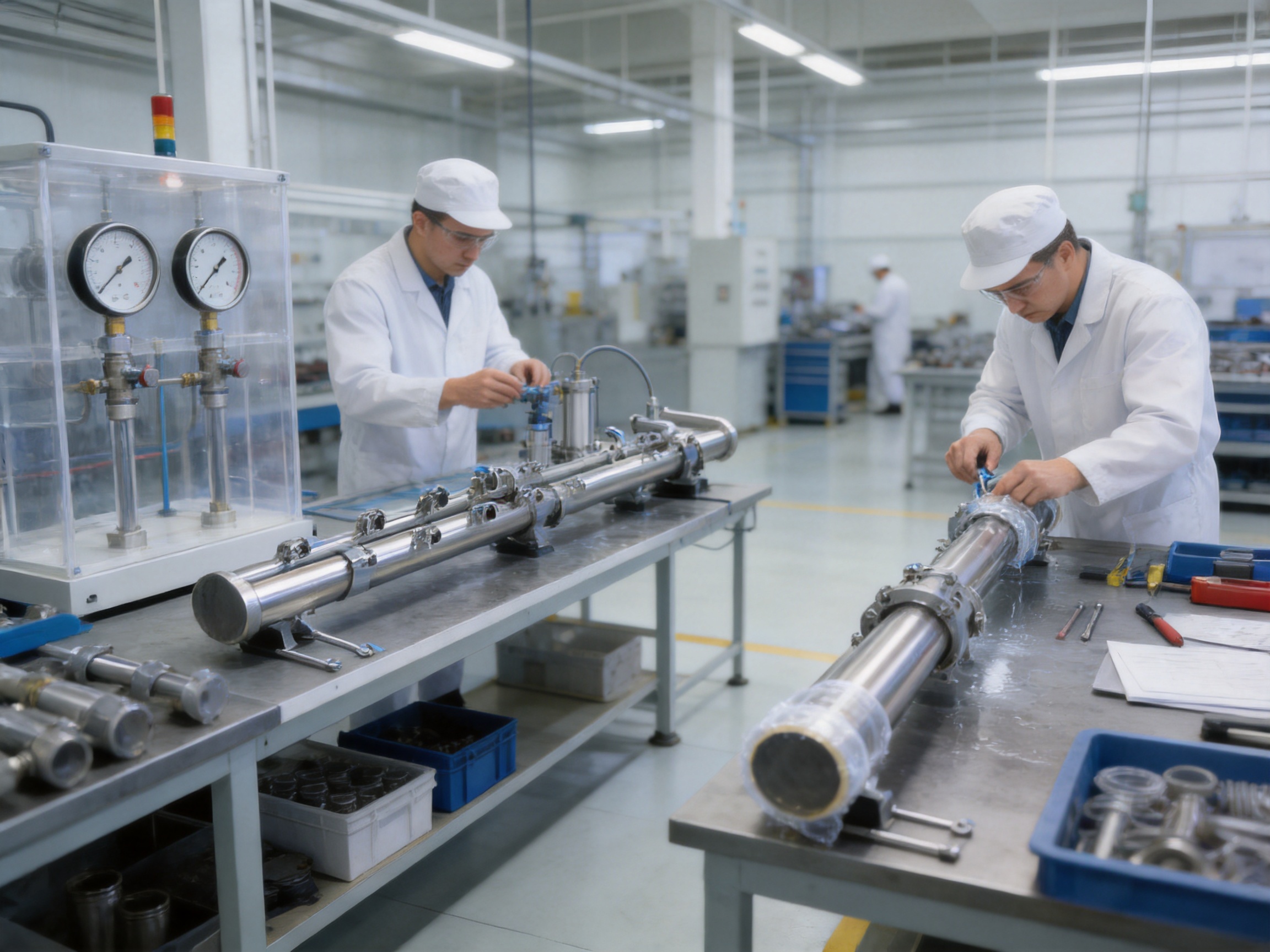
Quality assurance is more effective when it is incorporated into the manufacturing process rather than left entirely to final site inspection. Prefabricated piping can be checked at multiple stages, including material verification, dimensional inspection, connection inspection, cleanliness control, pressure testing, and leak-tightness testing.
Factory testing before shipment allows defects or installation issues to be discovered while the assembly is still accessible. Corrective work can be completed before the system reaches the data center, reducing the risk of disruptive rework after installation.
Material Selection and Coolant Compatibility
The main piping is made of S304 stainless steel, a widely used engineering material for fluid-handling applications. Its mechanical strength, durability, and corrosion resistance make it suitable for many secondary-side liquid-cooling environments.
Material selection must always be considered together with the coolant chemistry and operating conditions. Deionized water, ethylene glycol, and propylene glycol can have different physical and chemical characteristics. Temperature, concentration, flow velocity, water-treatment procedures, and the presence of other materials in the circuit may affect system performance over time.
By supporting these commonly used cooling media, the piping system can be applied to a range of liquid-cooling designs. The final coolant choice should be confirmed by the project engineer and coordinated with the requirements of the CDU, server cooling loops, pumps, valves, seals, sensors, and other wetted components.
Stainless steel also provides a professional and durable solution for high-value technical facilities. When the piping is properly designed, cleaned, tested, installed, and maintained, it can contribute to the stability of the coolant circuit and reduce the risk of material-related problems.
For comparison, some alternative piping approaches may use materials selected primarily for low initial cost or ease of field handling. These materials can be appropriate in certain applications, but their suitability depends on coolant chemistry, pressure, temperature, fire-safety requirements, installation standards, and long-term reliability expectations. The use of S304 stainless steel positions the WM-SCL system as a robust option for projects that prioritize durability and controlled coolant delivery.
Factory Verification and Sealing Reliability
Leak prevention is a fundamental requirement for any liquid-cooling infrastructure. A coolant leak near servers, power equipment, or network systems can cause service interruptions, equipment damage, safety concerns, and costly remediation. For this reason, piping quality cannot be judged by appearance alone.
The WM-SCL system undergoes pressure testing and leak-tightness testing before shipment. These tests help verify that the completed piping assembly can withstand the required conditions and maintain the integrity of its joints and components.
Pressure testing is valuable because it evaluates the piping under a defined test condition rather than relying solely on visual inspection. Leak-tightness testing provides an additional check for unwanted fluid escape. Together, these procedures support a more systematic assessment of the finished assembly.
Factory testing also improves documentation and accountability. Test results can be associated with specific assemblies, production batches, or project sections. This provides useful information for project acceptance, commissioning records, and future service activities.
Compared with a system assembled entirely in the field, factory-tested prefabricated piping offers an additional layer of confidence before the equipment enters the data center. Site teams must still inspect connections, follow approved installation procedures, and perform project-specific commissioning tests, but the factory verification process reduces uncertainty in the delivered assemblies.
Connection Reliability
Connection points are among the most important areas in any fluid distribution network. The system supports standard connection methods such as clamp and flange connections, allowing the design to accommodate different project interfaces.
Clamp connections can support efficient assembly and disassembly where the project requires flexible maintenance access. Flange connections may be selected where a more traditional bolted interface is preferred or where equipment and valve arrangements require that configuration. The correct option depends on pressure ratings, space, maintenance procedures, installation standards, and the interfaces of connected equipment.
Standardized connections also simplify training and spare-parts management. Maintenance teams can work with known procedures and consistent component types rather than dealing with a wide range of improvised site-specific connections.
Clean Manufacturing and Internal Surface Quality
Coolant cleanliness is essential in liquid-cooling systems. Internal contamination may include dust, metal particles, oil residues, machining debris, or other unwanted substances introduced during fabrication, handling, or installation. These contaminants can affect filters, pumps, valves, heat exchangers, server cold plates, and sensors.
The WM-SCL piping system receives professional internal cleaning during production. This process is intended to maintain a high level of cleanliness inside the coolant flow paths before the system is shipped and connected to downstream equipment.
Clean internal surfaces can support several objectives. They can help reduce the amount of initial flushing required, limit the movement of particles through the coolant circuit, and protect sensitive components. Cleanliness also helps the system maintain stable operation over time when combined with proper coolant treatment and routine filtration.
Internal cleanliness is often more difficult to guarantee when extensive fabrication takes place directly at the construction site. Open pipe ends may be exposed to dust, moisture, or construction debris. Cutting and joining operations may also introduce particles that require additional cleaning before commissioning.
Factory cleaning does not eliminate the need for careful site handling. Pipe ends should remain protected during transportation and installation, and the completed system should be flushed or conditioned according to the project commissioning plan. Nevertheless, beginning with professionally cleaned prefabricated assemblies gives the project a stronger quality foundation.
Flexible Customization for Different Data-Center Layouts
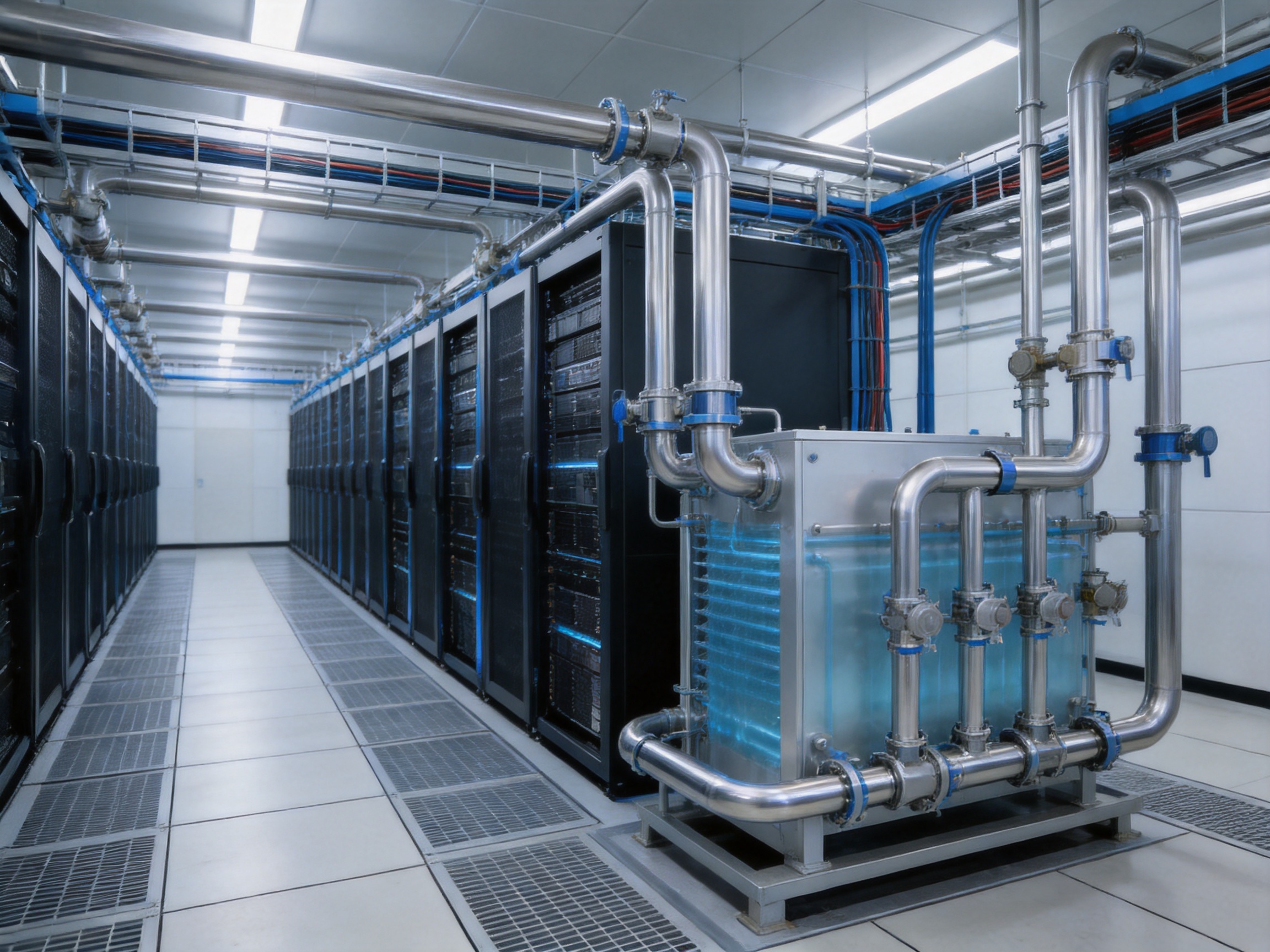
No two data centers have exactly the same requirements. Differences may include floor area, cabinet count, row arrangement, CDU location, ceiling height, access floor configuration, operating pressure, cooling capacity, maintenance zones, and future expansion plans.
The WM-SCL system can be custom-designed according to the actual data-center layout and the number of cabinets. The design can cover the route from the CDU outlet to the inlet of each cabinet, allowing the piping network to correspond closely to the physical arrangement of the equipment.
Customization may involve the length and geometry of main pipes, branch spacing, cabinet connection positions, valve locations, support arrangements, monitoring points, and connection types. This reduces the need for unnecessary field modifications and can help keep the piping network organized.
A properly coordinated design also helps the project team evaluate access and maintenance requirements before installation begins. For example, branch isolation valves can be positioned so that technicians can reach them without removing unrelated equipment. Monitoring devices can be located where readings are visible and serviceable. Piping routes can be coordinated with cable trays, busways, fire-protection systems, and ventilation infrastructure.
Design Coordination Process
An effective custom design begins with accurate project information. This may include the CDU model and outlet arrangement, cabinet dimensions, cabinet quantity, rack spacing, required flow rates, coolant type, design temperatures, design pressure, room elevations, pipe-routing restrictions, and planned expansion.
Based on these inputs, the piping design can define main distribution paths and branch connections. Engineering drawings should clearly identify each prefabricated section, its installation location, connection orientation, support points, valve positions, and test requirements.
Clear identification is especially important for large projects. Each section can be labeled or referenced according to the corresponding row, cabinet group, or drawing number. This helps the logistics team deliver materials in an organized sequence and allows installers to locate the correct assembly quickly.
Adaptation to Expansion Requirements
Liquid-cooling deployments often expand over time. A facility may initially serve a limited number of high-density cabinets and later add additional computing capacity. A prefabricated piping design can consider future expansion by reserving connection points, sizing main distribution paths appropriately, or arranging branch locations to support later additions.
Expansion provisions must be evaluated carefully. Oversized piping, unused branches, and extended idle sections can introduce unnecessary cost and may affect hydraulic behavior. The best approach is to balance current requirements with realistic growth plans and the operational goals of the facility.
Independent Branch Maintenance
One of the strongest operational advantages of the system is the ability to maintain individual branches independently. Each branch can be isolated for service without shutting down and draining the entire piping section.
This arrangement is important for facilities that operate continuously. A problem affecting one cabinet branch should not automatically require interruption to every cabinet served by the same distribution network. By isolating the relevant branch, technicians can inspect connections, replace components, correct a leak, clean a section, or perform other maintenance activities while minimizing the impact on the remaining system.
Independent maintenance also supports phased deployment. New cabinets can be connected, tested, and commissioned in stages without requiring the complete secondary-side network to be taken offline. This is useful for data centers that add computing capacity progressively.
Branch isolation must be supported by proper valve selection, labeling, access, and operating procedures. Operators should understand the normal position of each valve, the consequences of isolating a branch, and the required steps for venting, draining, refilling, and recommissioning the affected section.
Operational Resilience
Resilience is not limited to redundant equipment. It also depends on how easily systems can be inspected, isolated, repaired, and returned to service. A piping architecture that supports independent branch maintenance gives facility operators more options when responding to abnormal conditions.
For example, if an individual cabinet requires service, the associated branch can be isolated while the main distribution path continues to support other cabinets. If a sensor reports an unusual pressure or flow condition, the relevant section can be examined without automatically affecting the entire room.
This approach can reduce the scope of maintenance events and help operators follow a controlled response plan. It also supports clearer troubleshooting because a problem can be narrowed to a defined branch rather than an entire distribution network.
Optional Intelligent Monitoring Integration
Liquid-cooling systems increasingly require more than passive piping. Operators need visibility into flow, temperature, pressure, and potential leakage. The WM-SCL system can optionally integrate flow sensors, temperature sensors, pressure sensors, and leak-detection modules.
These monitoring points can help transform the piping network into a more observable infrastructure system. Instead of relying solely on periodic manual inspection, operators can review operating data and identify changes that may indicate developing issues.
Flow Monitoring
Flow sensors can help verify whether coolant is moving through a branch at the expected rate. A reduction in flow may be associated with a closed or partially closed valve, a blocked filter, an air pocket, a pump issue, a control problem, or an abnormal hydraulic condition.
Flow data can also assist during commissioning. Technicians can compare measured values with design expectations and use the information to support hydraulic balancing between branches.
Temperature Monitoring
Temperature sensors can provide information about coolant conditions at selected points in the network. Comparing supply and return temperatures can help operators understand heat transfer performance and identify changes in cooling demand.
Temperature trends may be more informative than isolated measurements. A gradual increase in return temperature, for example, could reflect higher server loads, reduced flow, changes in ambient conditions, or a problem elsewhere in the cooling chain.
Pressure Monitoring
Pressure sensors can help reveal changes in pump performance, flow resistance, valve position, or system condition. Unexpected pressure differences between the supply and return sides may justify further investigation.
Pressure monitoring is particularly useful when combined with flow measurement. Together, these values can provide a more complete picture of hydraulic performance than either measurement alone.
Leak Detection
Leak-detection modules can provide early warning when unwanted moisture is detected near critical piping or equipment areas. Early warning may allow operators to isolate a branch before a small issue becomes a larger event.
Leak detection should be integrated with the facility’s alarm, monitoring, and emergency-response procedures. Sensors must be installed, tested, and maintained properly, and personnel should know how to interpret alarms and carry out the appropriate isolation process.
Comparison with Conventional Field-Assembled Piping
Prefabricated piping and conventional field-assembled piping can both be engineered to serve liquid-cooling applications. The main difference is how fabrication, inspection, and installation are organized.
| Evaluation Area | Prefabricated Secondary-Side Piping | Conventional Field Assembly |
|---|---|---|
| Manufacturing environment | Controlled factory environment with dedicated production procedures | Construction-site environment with variable working conditions |
| Installation method | Standardized assembly according to approved drawings | Cutting, fitting, and joining performed primarily on site |
| Schedule impact | Can reduce on-site fabrication time and support predictable installation | May require more field labor and coordination time |
| Quality verification | Pressure and leak-tightness testing before shipment | Testing is generally concentrated during or after site installation |
| Internal cleanliness | Professionally cleaned during manufacturing | Cleaning quality may depend heavily on site procedures and conditions |
| Design flexibility | Custom-designed in advance for the actual layout and cabinet count | Can be modified on site but may require additional coordination and rework |
| Maintenance approach | Branch-level isolation can support independent online maintenance | Maintenance scope depends on the installed valve and branch arrangement |
| Monitoring options | Flow, temperature, pressure, and leak detection can be integrated | Monitoring may need to be designed and installed separately |
The table does not mean that every field-assembled system has poor quality or that every prefabricated system is automatically superior. The final result depends on engineering, materials, workmanship, testing, commissioning, and operation. However, prefabrication provides a structured process that can reduce variability and improve the predictability of these activities.
Compared with suppliers that provide only standard pipe lengths or basic fittings, a fully coordinated prefabricated solution offers greater value by connecting product design with site installation requirements. Compared with solutions that lack branch isolation or monitoring provisions, the WM-SCL system offers stronger support for operational visibility and maintainability.
Advanced Manufacturing Processes
The performance of a prefabricated piping system depends on the discipline of its manufacturing process. A professional process normally begins with engineering review and continues through material preparation, cutting, forming, joining, cleaning, inspection, testing, packaging, and shipment.
Engineering Review and Production Planning
Before fabrication begins, project drawings and technical requirements are reviewed. The manufacturer must confirm the number of branches, connection types, pipe dimensions, routing geometry, valve positions, monitoring locations, and shipping constraints.
Production planning converts the approved design into an organized manufacturing sequence. This helps ensure that materials are available, components are identified correctly, and prefabricated sections are produced in an order that supports efficient inspection and delivery.
Material Control
Material control is an important part of product reliability. Stainless-steel pipe, fittings, valves, clamps, flanges, gaskets, sensors, and other components should be checked against the approved specification before use.
Proper identification reduces the risk of mixing materials or installing components with unsuitable pressure, temperature, or coolant compatibility ratings. Material records can also support traceability and project documentation.
Precision Fabrication
Factory fabrication allows cutting, alignment, and assembly to be performed with dedicated tools and fixtures. Accurate dimensions are important because piping sections must connect correctly to the CDU, cabinet interfaces, supports, and adjacent assemblies.
Precision fabrication can reduce the need for forced alignment during site installation. It can also help preserve the intended routing and maintain sufficient access around valves and monitoring devices.
Controlled Assembly
Assembly procedures should define the correct order for installing pipe sections, fittings, valves, connection components, and sensors. Standardized procedures help reduce errors and make inspection more efficient.
Where clamp or flange connections are used, proper gasket selection, surface preparation, alignment, and tightening procedures are essential. A connection that appears complete may still be unreliable if components are misaligned or tightened incorrectly.
Cleaning and Protection
After fabrication, internal cleaning is performed to remove unwanted residues and particles. Open ends should then be protected to prevent contamination during storage and transportation.
Packaging is also important. Prefabricated assemblies must be supported adequately so that they are not damaged or distorted during handling. Labels should remain visible, and connection ends should be protected from impact and moisture.
Inspection and Testing
Inspection can include dimensional checks, visual examination, connection verification, cleanliness checks, pressure testing, and leak-tightness testing. Test procedures should be appropriate for the product design and project requirements.
Testing before shipment provides an important quality gate. Any issue identified at this stage can be corrected under controlled conditions instead of after the piping has been installed among operating equipment.
Manufacturing Strengths and Industry Experience
Wanma Technology Co., Ltd. brings a long operating history and an established industrial background to the production of infrastructure products. Founded in 1997, the company specializes in communication cabinets, communication electronic equipment, and passive optical components.
Its products have been used in Ethernet networks, optical communication networks, central equipment rooms, high-speed railway systems, and urban rail transit. These application areas require organized engineering, reliable manufacturing, consistent quality, and the ability to support projects with demanding operational conditions.
Experience in communication infrastructure is relevant to liquid-cooling products because both fields depend on disciplined equipment-room organization. Communication cabinets and data-center systems require efficient use of space, coordinated interfaces, accessible maintenance arrangements, and protection of sensitive equipment.
The company develops and manufactures products under its own brands while also providing integrated solutions for customized requirements. This combination supports a more flexible approach than a product portfolio limited to standard catalog items. For secondary-side piping, customization is especially important because the correct solution depends on the actual cabinet layout, CDU position, branch quantity, and site constraints.
The company’s sales network covers more than 20 countries and regions, including the United States, Australia, the United Kingdom, Italy, South Africa, and Ghana. International project experience can help strengthen awareness of different customer expectations, documentation requirements, delivery arrangements, and application environments.
A broad sales network is most valuable when supported by dependable production and service processes. Customers need more than a product shipment; they need accurate technical communication, timely delivery, coordinated documentation, and long-term support. The company emphasizes reliable product quality, timely delivery, and strategic partnerships with industry leaders.
Installation and Commissioning Considerations
Although factory prefabrication simplifies site work, proper installation remains essential. Before delivery, the project team should confirm access routes, lifting requirements, storage conditions, installation sequence, connection locations, and coordination with other contractors.
Prefabricated sections should be inspected upon arrival. Labels, protective caps, packaging, and visible surfaces should be checked for damage. If any section has been exposed to contamination or impact, it should be evaluated before connection.
Installation should follow the approved drawings. Branches must be connected to the correct cabinet or cabinet group, and valves and sensors must be oriented for access and correct operation. Supports should be installed according to the design so that the piping is not subjected to unwanted stress.
After assembly, the completed network should undergo project-specific inspection and commissioning. This may include visual examination, connection verification, pressure testing, flushing, filling, air removal, flow balancing, sensor verification, leak-detection testing, and functional checks with the CDU and server cooling equipment.
Commissioning records should document test results and identify any adjustments made during startup. These records become valuable references for future maintenance and troubleshooting.
Maintenance and Lifecycle Management
Liquid-cooling infrastructure should be managed as a long-term operating asset. Regular inspection can help identify changes before they become service incidents.
Maintenance activities may include checking visible connections, reviewing sensor values, inspecting valves, confirming leak-detection status, examining supports, verifying labels, checking coolant quality, and reviewing alarms or trends in the monitoring system.
Because the WM-SCL system supports branch-level isolation, maintenance planning can be more targeted. Operators can define procedures for individual branches and maintain records for each cabinet connection. This supports clearer asset management and reduces the likelihood that a local issue will be confused with a system-wide problem.
Coolant management is also important. The selected fluid should be maintained according to the supplier’s technical requirements. Concentration, cleanliness, corrosion protection, filtration, and replacement intervals should be controlled as part of the complete cooling-system maintenance program.
Any modification to the piping network should be reviewed by qualified personnel. Adding branches, changing valves, replacing sensors, or altering routing can affect flow balance and system performance. Modifications should be documented and followed by appropriate testing.
Advantages for Different Stakeholders
Advantages for Data-Center Owners
Owners can benefit from shorter installation cycles, predictable quality, adaptable system design, and improved maintenance capability. A well-organized piping network can support the deployment of high-density computing while reducing avoidable construction and operational risks.
Advantages for Engineering Consultants
Engineering teams can use a standardized prefabricated solution as a basis for clearer design coordination. The ability to customize branch positions, connection types, and monitoring points helps engineers adapt the system to real project conditions without abandoning standard manufacturing principles.
Advantages for Contractors
Contractors can reduce the amount of fabrication required in crowded equipment rooms. Clearly identified prefabricated sections can simplify installation sequencing, labor planning, and coordination with other trades.
Advantages for Facility Operators
Operators gain access to an infrastructure system designed for branch-level maintenance and optional monitoring. Standardized components and documented test results can support training, troubleshooting, spare-parts planning, and lifecycle management.
Advantages for Server and Equipment Integrators
Equipment integrators benefit from more predictable cabinet connection locations and improved coordination between the cooling distribution system and server installation. Properly engineered branches can help reduce last-minute adjustments during equipment deployment.
How the System Compares with Other Supplier Approaches
Liquid-cooling suppliers differ in the scope of services they provide. Some focus on individual components, such as valves, fittings, or short pipe assemblies. Others provide a complete piping design but leave most manufacturing and testing to local contractors. A fully prefabricated system occupies a different position by combining design customization with factory production and verification.
One competitive advantage is the connection between engineering and manufacturing. When the supplier manages both activities, design details can be translated directly into production documents and inspection procedures. This can reduce misunderstandings between separate design, fabrication, and installation organizations.
Another advantage is the emphasis on internal cleanliness. A product that is pressure-tested but not properly cleaned may still introduce contamination into the coolant circuit. Factory cleaning adds a quality dimension that is particularly important for sensitive liquid-cooling equipment.
Independent branch maintenance is another differentiating feature. Systems that do not provide suitable isolation arrangements may require larger shutdowns or more extensive draining during service. By designing for individual branch isolation, the WM-SCL approach supports a more maintainable infrastructure architecture.
Optional monitoring integration further strengthens the solution. Customers can begin with a basic configuration or add flow, temperature, pressure, and leak-detection functions according to their operational strategy. This provides flexibility without requiring every project to use the same monitoring package.
Finally, the company’s experience in communication infrastructure supports a practical understanding of equipment-room requirements. Its background in cabinets, electronic equipment, optical components, railway applications, and network infrastructure provides a foundation for organized, reliable, and customized technical-product manufacturing.
Frequently Asked Questions
What is secondary-side prefabricated piping?
Secondary-side prefabricated piping is a factory-manufactured coolant distribution system installed between the CDU and liquid-cooled server cabinets. Major piping sections are prepared, inspected, cleaned, and tested before shipment, allowing standardized assembly at the project site.
What equipment does the system connect?
The system connects the coolant distribution unit with liquid-cooled server cabinets or cabinet-level cooling interfaces. The exact arrangement depends on the data-center design, cabinet configuration, CDU layout, and required coolant flow.
What material is used for the main piping?
The main piping is made of S304 stainless steel. This material provides a durable and corrosion-resistant foundation for many liquid-cooling applications.
Which cooling media are supported?
The system is compatible with cooling media including deionized water, ethylene glycol, and propylene glycol. The final coolant selection should be confirmed according to the requirements of the complete cooling system and all connected equipment.
Can the piping be customized for a specific data center?
Yes. The system can be custom-designed according to the actual data-center layout, CDU outlet location, cabinet quantity, cabinet spacing, branch requirements, and connection positions.
Does the system support independent maintenance?
Yes. Each branch can support independent online maintenance, allowing the relevant branch to be isolated without requiring the entire piping section to be shut down and drained.
What testing is completed before shipment?
Each piping system undergoes pressure testing and leak-tightness testing before shipment. These procedures help verify the integrity and reliability of the prefabricated assembly.
Why is internal cleaning important?
Internal cleaning helps remove particles, residues, and other unwanted contaminants from the coolant flow path. This supports the protection of downstream pumps, valves, heat exchangers, sensors, and server cooling components.
What connection options are available?
The system supports standard connection options such as clamp and flange connections. The appropriate method can be selected according to project interfaces, pressure requirements, maintenance preferences, and installation standards.
Can monitoring devices be integrated?
Yes. Optional flow, temperature, and pressure sensors, as well as leak-detection modules, can be integrated into the piping system to support operational visibility and early warning.
Is factory prefabrication suitable for large data centers?
Yes. Prefabrication is particularly useful for projects with many cabinets or strict installation schedules because repeated piping sections can be manufactured consistently and installed through a planned sequence.
Does prefabrication eliminate site testing?
No. Factory testing provides an important quality check before shipment, but the installed system should still undergo site inspection, commissioning, flushing, filling, functional testing, and any other tests required by the project specifications.
What information is needed for a customized design?
Useful information includes the CDU configuration, cabinet count, cabinet arrangement, required flow rates, coolant type, design pressure, operating temperatures, piping routes, connection positions, monitoring requirements, and future expansion plans.
What makes this solution different from basic pipe supply?
The solution combines custom engineering, factory prefabrication, internal cleaning, pressure testing, leak-tightness testing, flexible connections, branch-level maintenance, and optional monitoring integration. It is intended to function as a coordinated secondary-side distribution system rather than a collection of unassembled components.
Conclusion
As data centers adopt higher-density computing and more advanced liquid-cooling technologies, the quality of the coolant distribution network becomes increasingly important. Piping must deliver coolant reliably, remain clean and sealed, fit the actual equipment layout, and support maintenance without unnecessary service interruption.
The WM-SCL Secondary-Side Prefabricated Piping system addresses these requirements through a combination of S304 stainless-steel construction, compatibility with multiple cooling media, factory prefabrication, pressure and leak-tightness testing, internal cleaning, customizable design, flexible connection options, and independent branch maintenance.
Its optional integration of flow, temperature, pressure, and leak-detection devices further supports the development of visible and manageable liquid-cooling infrastructure. These features help customers move from reactive maintenance toward more informed operational control.
The system’s competitive value also comes from its manufacturing approach. By completing key fabrication and verification activities in a controlled factory environment, it can reduce field complexity, improve consistency, shorten installation cycles, and provide stronger documentation before the system reaches the data center.
Wanma Technology Co., Ltd. strengthens this product offering through its long history in communication cabinets, electronic equipment, passive optical components, and infrastructure used in demanding network and equipment-room applications. Its experience in customized product development, manufacturing, international delivery, and integrated solutions supports the needs of customers seeking reliable and adaptable technical infrastructure.
For data-center owners, engineering firms, contractors, and operators, prefabricated secondary-side piping provides a practical way to improve the deployment and lifecycle management of liquid cooling. When supported by accurate design, professional manufacturing, controlled installation, and disciplined commissioning, it can become a dependable foundation for modern high-density computing environments.
References
ASHRAE. Thermal Guidelines for Data Processing Environments. American Society of Heating, Refrigerating and Air-Conditioning Engineers.
ASHRAE. Liquid Cooling Guidelines for Datacom Equipment Centers. American Society of Heating, Refrigerating and Air-Conditioning Engineers.
International Organization for Standardization. Stainless Steels and General Technical Requirements for Corrosion-Resistant Materials.
American Society of Mechanical Engineers. Piping and Pressure-Vessel Testing Practices.
Telecommunications Industry Association. Telecommunications Infrastructure Standards for Data Centers.
Data Center Alliance. Guidance on Liquid Cooling Infrastructure and Equipment-Room Design.
Manufacturer technical materials for WM-SCL Secondary-Side Prefabricated Piping.
Product: Prefabricated Piping for Liquid Cooling Secondary Side
PREV:Liquid-Cooled Containerized Data Centers for High-Density Computing and Rapid Infrastructure Deployment
NEXT:How an Intelligent Medical Cart Improves ICU Nursing Efficiency, Safety, and Mobility
NEXT:How an Intelligent Medical Cart Improves ICU Nursing Efficiency, Safety, and Mobility
Interested in cooperation or have questions?
Related products
-
-
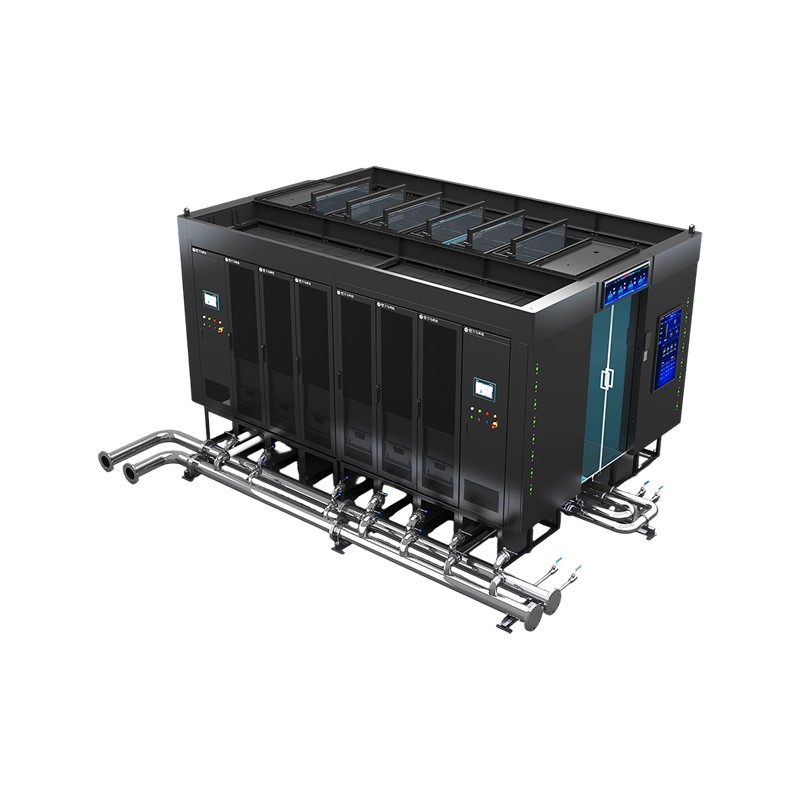
Product OverviewWM-HCM Air-Liquid Hybrid Micro-Module is an integrated data center solution designed for ultra-high-density computing applications. It adopts a dual-row, back-to-back layout and integr...
See Details -
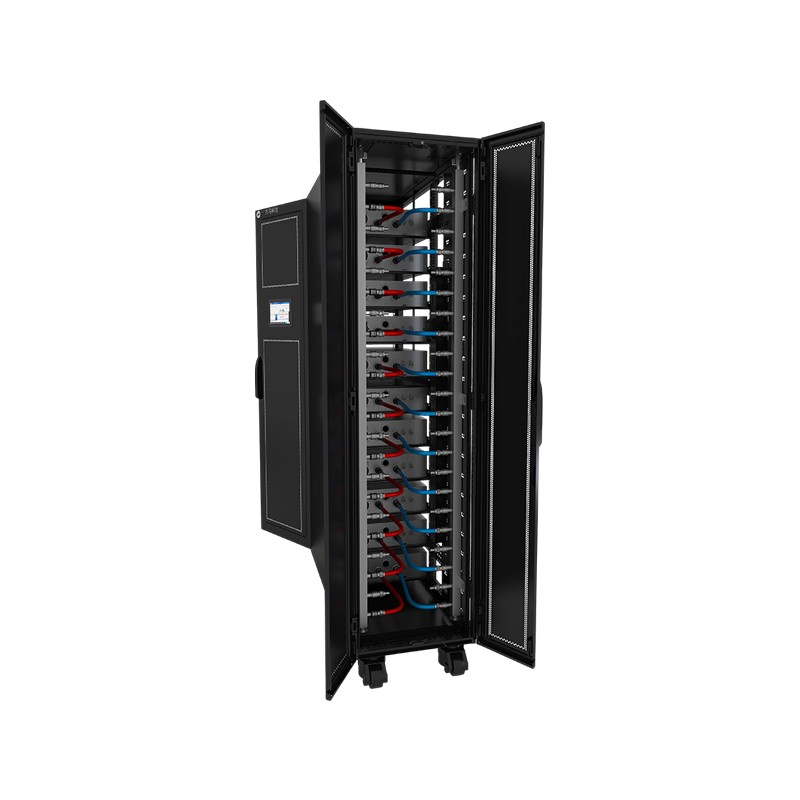
Product OverviewWM-LCR Liquid-Cooled Server Cabinet is a dedicated data center cabinet system that uses liquid as the cooling medium. Through circulating coolant, it efficiently transfers heat generat...
See Details -
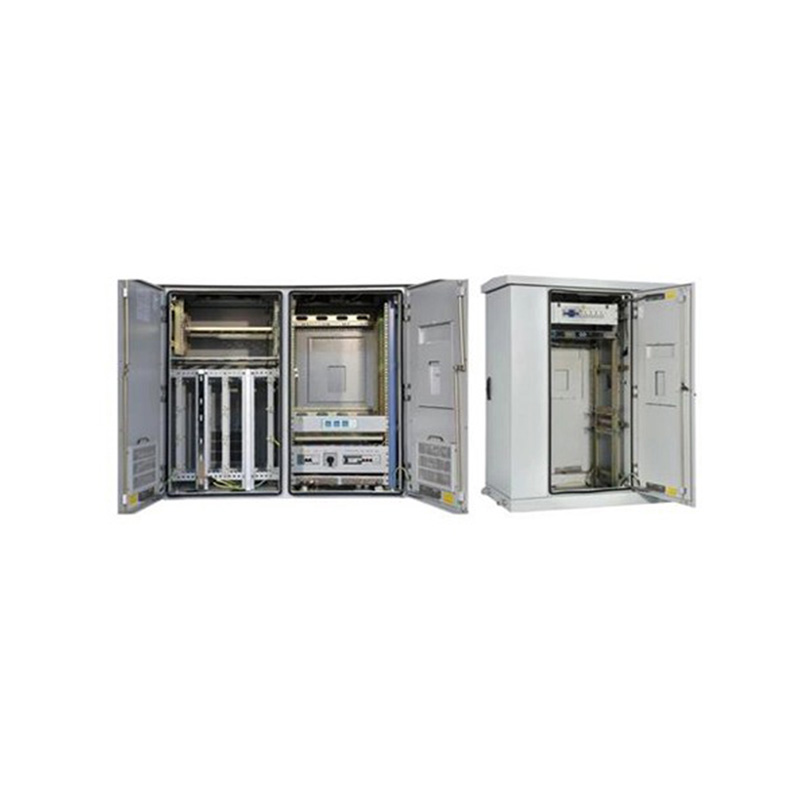
Application:It is used for the fixed network and broadband access, providing physical working environment and security system for the workstation in wired network. Features:•The cabinet is composed of...
See Details
Ready to Get started ? Contact Us Now !

Product.
Contact Details.
-
 +86 13958188250
-
 +86 13958188250
-
 [email protected]
-
 AUDIT Email:[email protected]
- Wanma Industrial Park Taihu Yuan Town Lin'an District Hangzhou City China.
QR Code

Copyright © Wanma Technology Co., Ltd. All Rights Reserved.
Privacy
Custom Ethernet Optical Network Railway Transit Equipments Suppliers
