

 English
 Français
 Español
 Português
 عربى





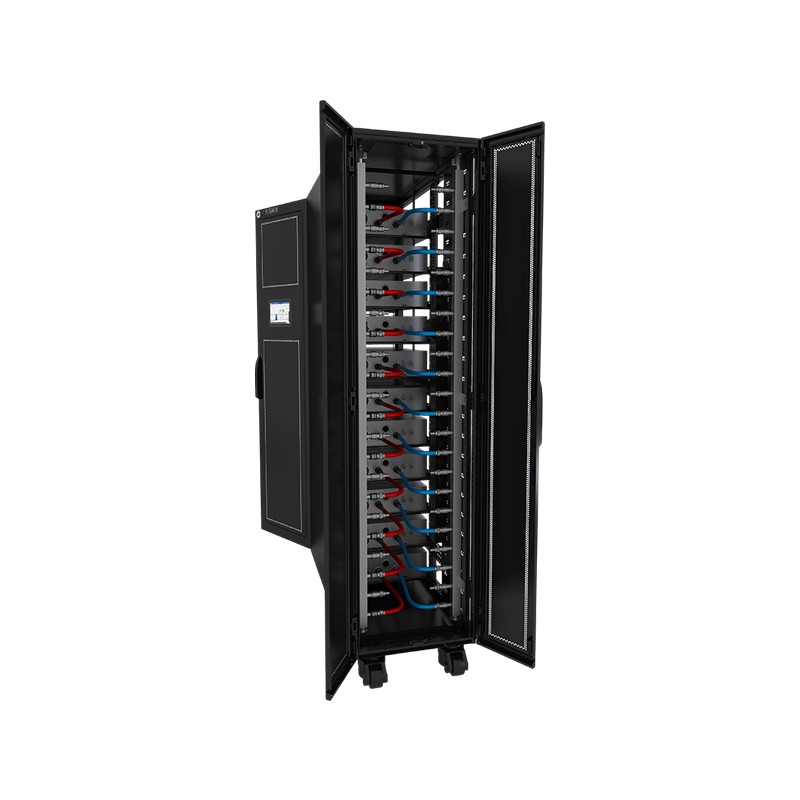
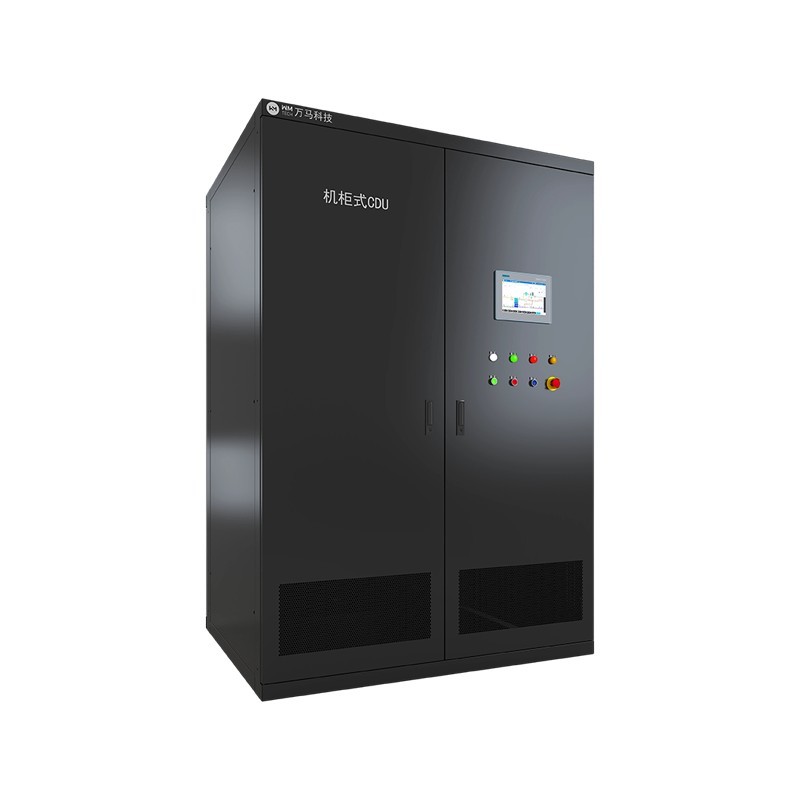
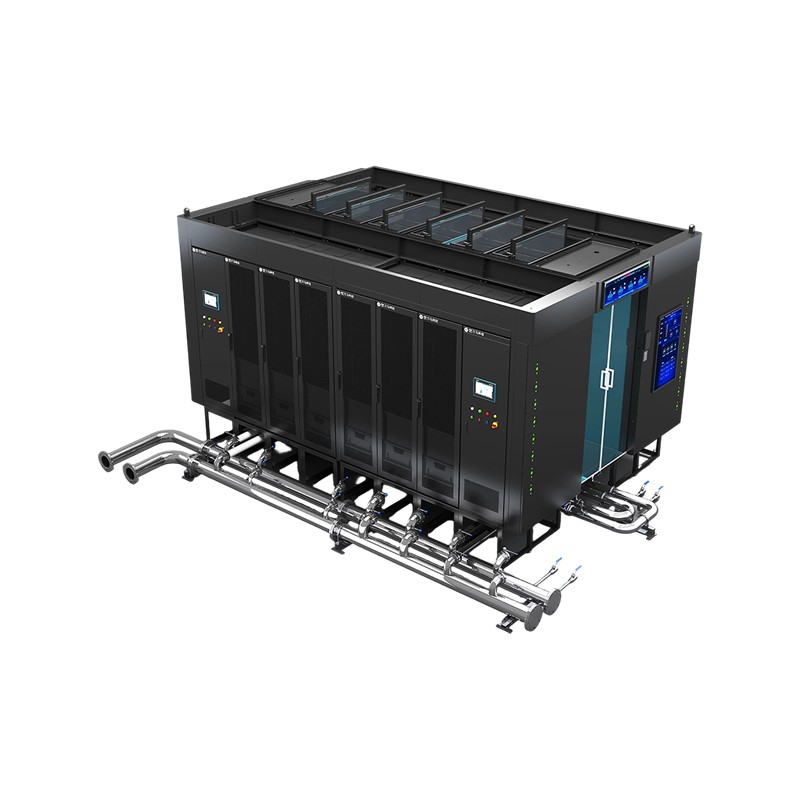

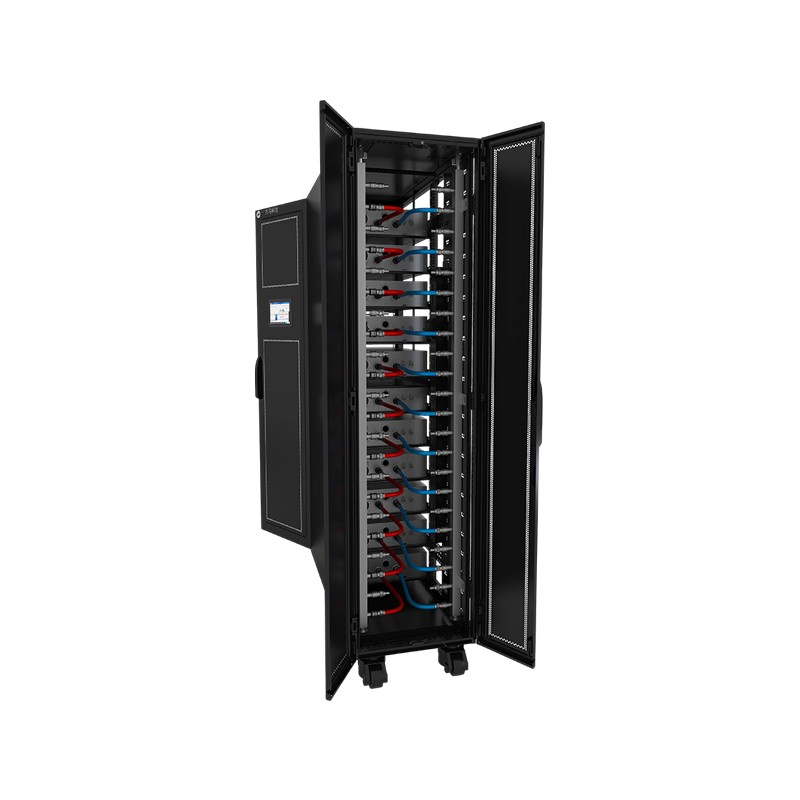
Product OverviewWM-LCR Liquid-Cooled Server Cabinet is a dedicated data center cabinet system that uses liquid as the cooling medium. Through circulating coolant, it efficiently transfers heat generat...
See DetailsLiquid-Cooled Containerized Data Centers for High-Density Computing and Rapid Infrastructure Deployment
Content
- 1 Understanding the Liquid-Cooled Containerized Data Center
- 2 Why Liquid Cooling Is Becoming More Important
- 3 Core Advantages of the Containerized Architecture
- 4 Liquid Cooling Performance and Thermal Management
- 5 Energy Efficiency and Environmental Benefits
- 6 Safety, Reliability, and Protection
- 7 Manufacturing Strengths and Engineering Discipline
- 8 Advantages Over Conventional and Competing Approaches
- 9 Applications Across Multiple Industries
- 10 Deployment Planning and Site Requirements
- 11 Operation, Maintenance, and Lifecycle Management
- 12 Why Manufacturing Partnership Matters
- 13 Selection Criteria for Buyers
- 14 Frequently Asked Questions
- 14.1 What is a liquid-cooled containerized data center?
- 14.2 What is the main advantage of liquid cooling?
- 14.3 Is the product suitable for edge computing?
- 14.4 Can the system be expanded later?
- 14.5 Does liquid cooling create a higher risk of water damage?
- 14.6 Can liquid cooling work with different server types?
- 14.7 What industries can use this product?
- 14.8 How does containerization reduce deployment time?
- 14.9 What should be checked before installation?
- 14.10 Why is the manufacturer’s communication equipment experience valuable?
- 14.11 Can the product be customized?
- 14.12 How can operators maintain the system?
- 15 Conclusion
- 16 References
- 17 Product: Liquid-Cooled Containerized Data Center
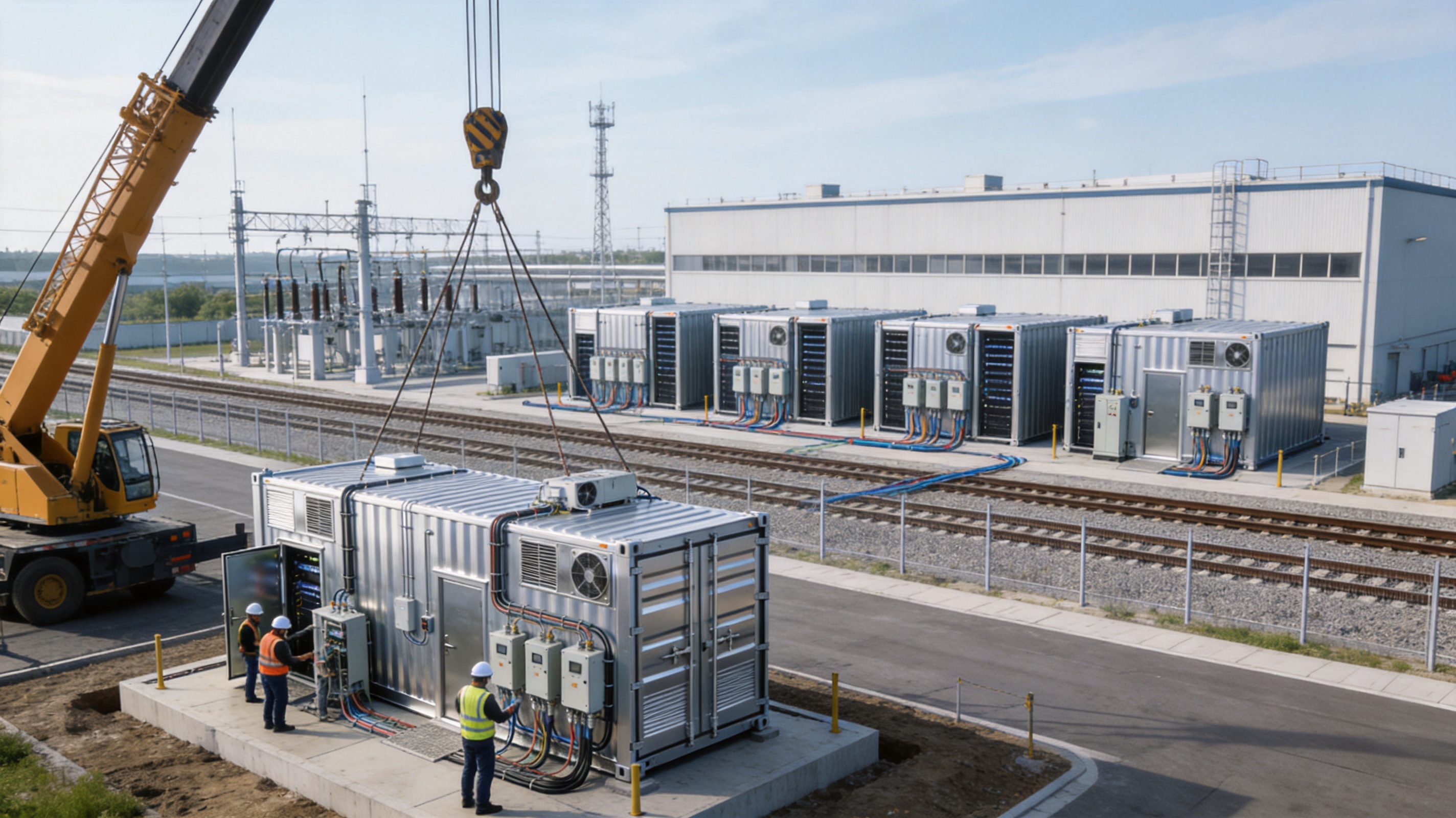
As digital services expand across telecommunications, cloud platforms, artificial intelligence, industrial automation, transportation systems, and enterprise applications, the demand for dependable computing infrastructure continues to grow. Modern servers deliver substantially more processing power than previous generations, but higher performance also produces greater heat density. Traditional air-cooled rooms may become inefficient, expensive, or difficult to scale when they are required to support high-performance computing, advanced networking, and compact edge deployments.
A liquid-cooled containerized data center addresses this challenge by combining efficient liquid cooling with a modular, transportable enclosure. Instead of constructing a permanent facility through a long sequence of civil engineering, electrical installation, and mechanical works, users can deploy a pre-integrated data center module designed for rapid installation and controlled expansion. The result is a practical infrastructure platform for organizations that need reliable computing capacity in a short period of time and in locations where a conventional data center may be impractical.
Wanma Technology Co., Ltd. provides communication infrastructure products and integrated solutions for Ethernet networks, optical communication networks, central equipment rooms, high-speed railway systems, and urban rail transit applications. Established in 1997, the company has developed experience in communication cabinets, communication electronic equipment, and passive optical components. This background supports the development of modular infrastructure solutions that require careful coordination between enclosure engineering, power distribution, network connectivity, equipment protection, and long-term serviceability.
The liquid-cooled containerized data center is designed for high-density computing environments where thermal management, deployment speed, energy efficiency, reliability, and expansion flexibility must work together. Its value does not come from liquid cooling alone. The complete solution combines a controlled physical environment, modular architecture, monitoring systems, protection functions, and manufacturing discipline. When these elements are engineered as one system, data center operators can obtain a more predictable and adaptable platform for current and future computing requirements.
Understanding the Liquid-Cooled Containerized Data Center
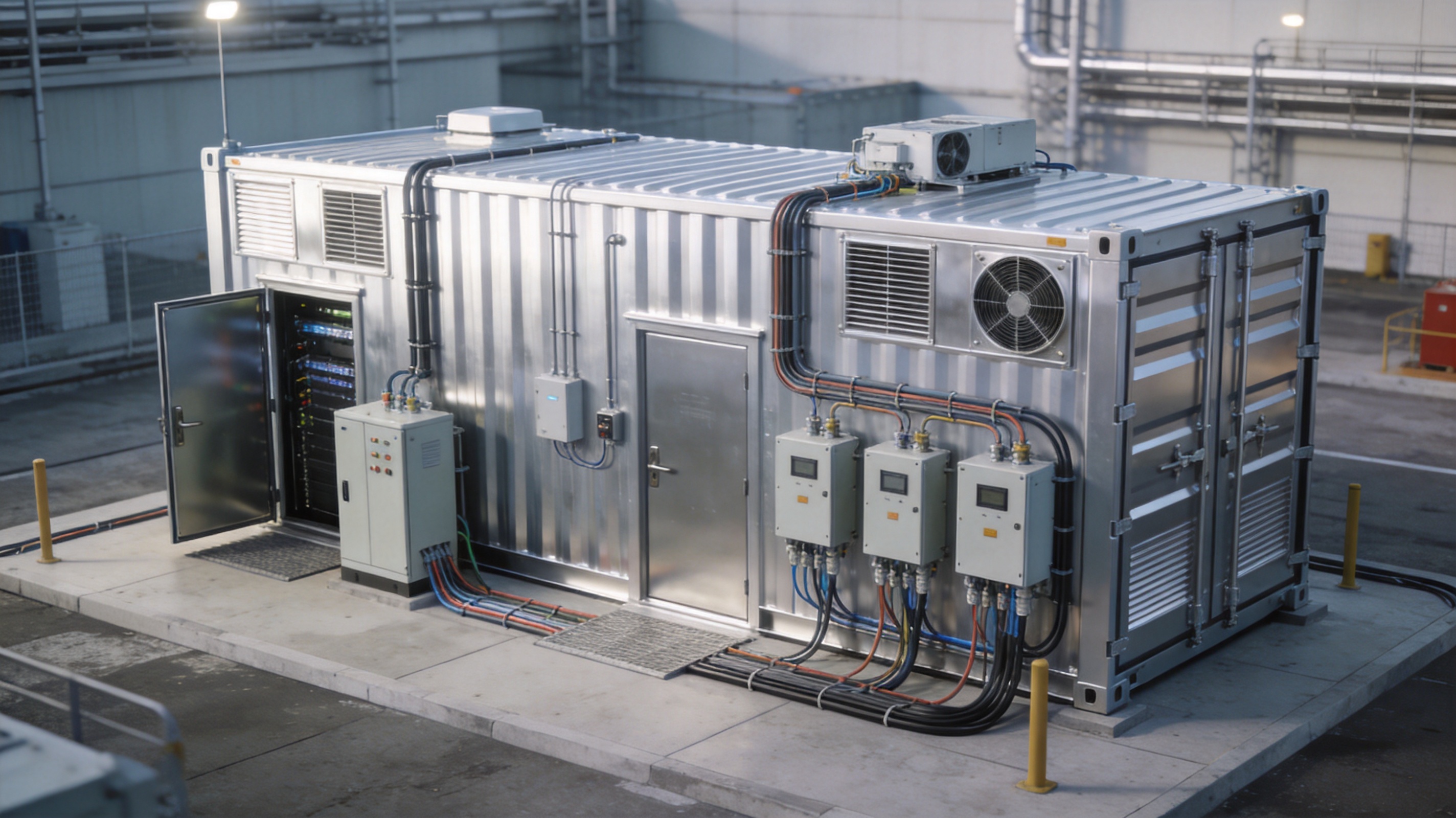
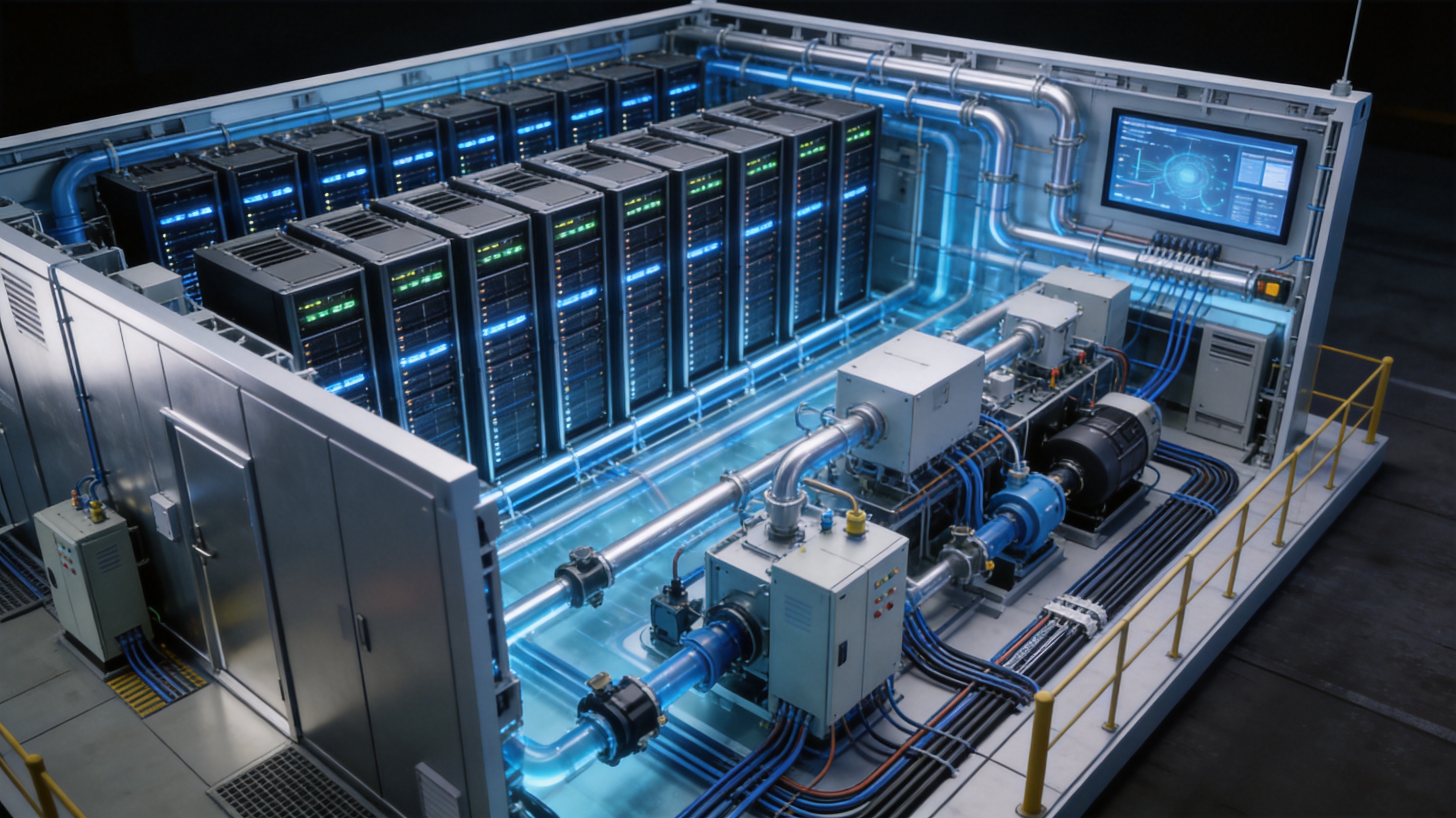
A liquid-cooled containerized data center is an integrated modular data center housed within a container-style enclosure. It includes space for computing equipment, liquid cooling infrastructure, power distribution, network connections, monitoring systems, safety equipment, and supporting mechanical components. The enclosure is manufactured and assembled as a controlled unit before delivery or final site integration.
The product is intended to reduce the complexity normally associated with building a data center. Conventional facilities often require the construction of a dedicated building, the installation of separate electrical and mechanical systems, extensive site coordination, and multiple rounds of testing. A containerized approach moves a large portion of this work into a manufacturing environment, where components can be assembled, inspected, and tested under repeatable conditions.
Liquid cooling transfers heat from high-power computing equipment through a liquid medium. Depending on the selected configuration, the cooling circuit may be connected to cold plates, rear-door heat exchangers, immersion systems, or other liquid-based heat transfer assemblies. The precise cooling arrangement should be selected according to server design, rack density, heat load, maintenance preferences, and site conditions.
Compared with air, liquids can absorb and transport significantly more heat within a compact system. This allows the cooling infrastructure to manage high thermal loads without relying entirely on large volumes of moving air. The result can include lower fan energy, improved temperature control, reduced hot spots, and greater freedom in rack layout.
The containerized structure also provides a defined physical boundary. This boundary helps organize equipment, simplify transportation, support security controls, and create a repeatable installation model. Multiple modules may be deployed independently or combined into a larger computing cluster, depending on capacity requirements and the available site infrastructure.
Why Liquid Cooling Is Becoming More Important
Server processors, graphics processors, accelerators, and specialized computing boards are becoming more powerful and more densely installed. Artificial intelligence training, scientific modeling, video analysis, digital twins, simulation, and other demanding workloads can place a substantial thermal load on each rack. In these conditions, air-cooling systems may require very high airflow, larger fans, wider spacing, and more complex room-level thermal management.
Air remains useful for many applications, especially in lower-density installations. However, the limitations of air become more apparent as heat generation increases. Air has a lower heat capacity than many liquid coolants, which means that moving the same amount of heat may require greater airflow and more mechanical energy. High airflow can also increase noise, create pressure differences, and contribute to uneven temperature distribution.
Liquid cooling brings heat closer to its source. Instead of moving all heat through the room air, a liquid circuit can collect heat at the processor, server, rack, or enclosure level. This reduces the amount of heat released into the surrounding space and can improve the efficiency of the overall thermal design.
For data center operators, the important benefit is not simply a lower temperature. A well-designed liquid cooling system can create a more stable operating environment, reduce thermal fluctuations, and support higher equipment utilization. Stable thermal conditions may help protect hardware reliability and reduce the risk that servers will throttle performance because of excessive temperature.
Liquid cooling can also support more compact deployments. When cooling capacity is designed around high-density racks, the operator may be able to obtain more computing power within a smaller footprint. This is particularly valuable at the network edge, in industrial locations, at transportation facilities, and in areas where building space is limited or expensive.
Core Advantages of the Containerized Architecture
Rapid Deployment
The most visible advantage of a containerized data center is speed. A traditional data center may require architectural design, foundations, structural construction, electrical installation, mechanical installation, fire protection work, network cabling, commissioning, and coordination among numerous contractors. A modular containerized product simplifies this process by integrating many functions before the equipment reaches the customer site.
Factory integration allows the enclosure, racks, cooling system, power distribution, monitoring components, and protection systems to be coordinated in advance. Once the site has been prepared with the required foundation, power, network, and external cooling connections, the module can be positioned and commissioned more efficiently than a facility built entirely on site.
Deployment speed is especially important when organizations need to respond to sudden increases in computing demand. Telecommunications providers, cloud service operators, industrial companies, transportation authorities, and public-sector users may not be able to wait for a lengthy building project. A modular unit can provide a practical bridge between immediate capacity requirements and a later permanent expansion.
Modular Expansion
A containerized design supports a phased investment strategy. Instead of purchasing a very large facility at the beginning, an operator can deploy an initial module and add further capacity as demand develops. This helps align infrastructure spending with actual business growth and reduces the risk of investing in unused capacity.
Expansion can be organized around computing requirements, geographic coverage, customer demand, or project milestones. A group of modules can support a larger data center cluster, while independent modules can be placed at different locations. The modular approach is compatible with both centralized and distributed computing strategies.
Modularity also supports equipment replacement and lifecycle management. A new module can be added without completely redesigning the existing facility. Older modules may continue supporting established workloads while newer modules are optimized for more demanding processors or different cooling requirements.
Efficient Use of Space
High-density computing requires careful use of floor area. Liquid cooling can reduce the need for large air circulation paths, oversized cooling rooms, and extensive raised-floor arrangements. The containerized enclosure provides a compact layout in which racks and supporting systems are planned as a coordinated package.
Efficient space use is valuable in edge computing environments, where the available area may be limited to a small technical room, utility compound, industrial site, railway facility, or communications shelter. The modular enclosure can be positioned near the point where data is created or consumed, reducing dependence on a large remote facility.
Controlled Environmental Conditions
A dedicated enclosure helps establish a controlled environment for IT and network equipment. The design can include organized cable routing, access control, equipment separation, monitoring, and protection features. These functions are important because the reliability of a data center depends on more than processor temperature. Dust, humidity, vibration, unauthorized access, water exposure, and unstable power can all affect equipment performance.
By combining physical protection and thermal management, the containerized design provides a more consistent operating environment than an improvised equipment room. The exact environmental rating and protection level should be selected according to the installation location and local conditions.
Liquid Cooling Performance and Thermal Management
The cooling system is the central technical feature of the product. Its purpose is to transfer heat away from computing equipment and reject that heat through a controlled thermal path. A complete cooling design typically considers the heat source, coolant circuit, pumps, heat exchangers, control valves, sensors, external heat rejection equipment, and protection mechanisms.
Effective thermal management begins with accurate heat-load analysis. Designers must understand the expected rack power, processor type, workload pattern, operating temperature, redundancy requirement, and future expansion plan. A system designed only for current average load may be inadequate when workloads become more intensive. A system designed with reasonable reserve capacity can provide better resilience and reduce the need for early replacement.
Liquid cooling can reduce the temperature difference between individual servers and racks when the circuit is properly balanced. Flow monitoring and temperature sensors help identify abnormal conditions, such as insufficient circulation, blocked passages, pump malfunction, or an unexpected increase in heat load. These measurements support predictive maintenance and allow operators to respond before a thermal event affects computing availability.
The cooling system should also be designed for serviceability. Filters, pumps, valves, connectors, heat exchangers, and monitoring devices may require inspection or replacement during the product lifecycle. Clear component access, isolation capability, drainage provisions, and maintenance procedures help reduce service time and limit disruption.
Liquid quality is another important consideration. The coolant must be compatible with the materials used in pipes, seals, cold plates, pumps, and heat exchangers. Water treatment, corrosion control, particulate management, and leak detection should be considered as part of the total operating plan. A liquid cooling system is most effective when its mechanical, electrical, and monitoring functions are treated as one coordinated engineering system.
Energy Efficiency and Environmental Benefits
Energy consumption is a major operating cost for any data center. The power used by servers is only part of the total energy demand. Cooling equipment, air handlers, fans, pumps, lighting, control systems, and auxiliary equipment also consume energy. Improving cooling efficiency can therefore produce meaningful savings over the entire operating life of the facility.
Liquid cooling may reduce fan energy because heat is captured closer to the source and transported through a liquid circuit. In high-density environments, this can be more efficient than moving large volumes of air across the entire room. Lower cooling energy may contribute to improved infrastructure efficiency and reduced operating costs.
The environmental benefit extends beyond electricity use. A compact modular design can reduce the amount of construction material and building space required for a given computing capacity. Factory integration may also reduce site waste, repeated transport of separate components, and construction-related disruption.
Energy performance depends on the complete system and the operating conditions. Ambient temperature, external heat rejection, pump efficiency, server utilization, coolant temperature, and maintenance quality all affect results. For this reason, operators should evaluate the product using measurable indicators such as cooling power consumption, rack heat density, operating temperature, and total facility efficiency.
Liquid cooling can also create opportunities for heat reuse. In certain applications, recovered heat may be directed toward building heating, industrial processes, or domestic hot water systems. Such applications require additional engineering and depend on local climate, temperature requirements, regulations, and operating schedules, but they demonstrate the broader potential of liquid-based thermal management.
Safety, Reliability, and Protection
Data center reliability is based on prevention, monitoring, and response. The liquid-cooled containerized data center is designed to incorporate multiple levels of protection so that abnormal conditions can be detected and managed before they become major incidents.
Leak Detection
Liquid cooling requires careful control of fluid connections. Leak detection sensors, pressure monitoring, flow monitoring, and visual inspection points can help identify a problem at an early stage. Isolation valves and segmented circuits may allow operators to limit the affected area while maintaining service in other sections.
Leak prevention begins during manufacturing. Correct pipe preparation, reliable fittings, controlled assembly, pressure testing, cleanliness management, and inspection are essential. A factory environment provides better opportunities for repeatable testing than an uncoordinated field installation.
Power Protection
Computing equipment requires stable electrical power. The containerized system can be organized with power distribution units, protective devices, monitoring equipment, and optional backup power interfaces. Depending on project requirements, the system may be integrated with uninterruptible power supplies, generators, external battery systems, or facility-level power infrastructure.
Electrical protection should address overloads, short circuits, grounding, surge events, phase imbalance, and abnormal voltage conditions. Proper separation of power and data cabling also helps reduce interference and simplifies maintenance.
Fire and Smoke Protection
Fire safety must be adapted to the equipment, enclosure, local regulations, and site conditions. Detection systems can identify smoke or abnormal temperature, while suppression systems may be selected to limit damage to sensitive electronic equipment. Emergency shutdown procedures, access control, ventilation management, and fire-rated materials may also form part of the overall design.
Fire protection requirements differ by jurisdiction and project type. The final solution should be reviewed by qualified professionals and aligned with applicable electrical, building, fire, and occupational safety standards.
Monitoring and Alarm Management
Continuous monitoring provides visibility into temperature, humidity, liquid pressure, coolant flow, pump status, power conditions, access status, and equipment alarms. A monitoring platform can consolidate information and provide local or remote notifications. This supports faster response and helps operators identify trends rather than waiting for a component to fail.
Monitoring is most effective when alarm priorities are clearly defined. Critical alarms should require immediate action, while warning alarms can support planned maintenance. Historical data can help identify gradual performance changes, such as rising pump power, reduced cooling efficiency, or increasing temperature differences across racks.
Manufacturing Strengths and Engineering Discipline
The performance of a modular data center depends strongly on the quality of its manufacturing process. A product that combines electrical, mechanical, thermal, structural, and communication functions requires disciplined coordination. Wanma Technology’s long-standing experience in communication cabinets, electronic equipment, and passive optical components provides a relevant foundation for this type of integrated product development.
Integrated Product Development
Integrated engineering begins by translating the customer’s application into technical requirements. These requirements may include computing density, enclosure dimensions, transportation limitations, power capacity, network architecture, cooling method, environmental conditions, redundancy, monitoring, and future expansion.
When these requirements are considered together, the manufacturer can reduce conflicts between different subsystems. For example, rack placement influences liquid pipe routing, pipe routing influences service access, service access influences enclosure layout, and enclosure layout influences transportation and installation. Coordinated design reduces the risk of late-stage modifications.
Cabinet and Enclosure Manufacturing
Communication cabinets and technical enclosures must provide mechanical strength, dimensional consistency, equipment protection, and convenient access. Manufacturing processes may include material preparation, cutting, forming, welding or fastening, surface treatment, assembly, and dimensional inspection. The appropriate process depends on the enclosure design and performance requirements.
A well-manufactured enclosure supports accurate rack installation and reliable sealing. It also provides a structured route for power cables, optical fibers, copper cables, control wiring, drainage lines, and cooling pipes. Organized internal space improves maintenance and reduces the likelihood of accidental interference between systems.
Electrical and Control Integration
Electrical integration requires careful attention to component selection, wiring, labeling, grounding, protective devices, and testing. Control panels should provide clear status information and allow authorized personnel to operate pumps, valves, monitoring systems, and alarms safely.
Factory wiring and assembly can improve repeatability because technicians work from defined drawings, bills of materials, wiring schedules, and inspection procedures. Each stage can be verified before the product is shipped. This is especially useful for modular products that may be reproduced for multiple sites.
Cooling System Assembly and Testing
The cooling circuit should be assembled in a controlled manner to reduce contamination and ensure connection quality. Technicians should verify pipe routing, fitting installation, flow direction, valve operation, sensor placement, and access for maintenance. Pressure testing and functional testing help confirm the integrity of the circuit.
Testing may include pump operation, flow verification, temperature response, alarm simulation, power interruption response, and coordination between cooling controls and computing equipment. The specific test plan depends on the project, but systematic testing is essential because a cooling failure can affect a large amount of computing capacity.
Quality Control and Traceability
Quality control should cover incoming materials, in-process assembly, final inspection, and pre-shipment verification. Traceability of key components can help with maintenance, warranty support, and future replacement. Documented inspection records also provide evidence that the product has been manufactured according to the approved design.
Wanma Technology emphasizes reliable product quality, timely delivery, and long-term strategic partnerships. These priorities are particularly important for infrastructure products because customers evaluate not only initial performance but also supply consistency, technical communication, delivery coordination, and after-sales support.
Customized Manufacturing
Not every customer requires the same container dimensions, cooling capacity, rack arrangement, power architecture, or network configuration. A manufacturer with experience in customized products can adapt the solution to different application conditions while maintaining a controlled production process.
Customization may involve enclosure size, rack quantity, cooling capacity, cable entry, network interfaces, monitoring functions, access doors, environmental protection, or integration with existing infrastructure. The goal is not to change every component arbitrarily, but to provide a configuration that matches the actual operating environment.
Advantages Over Conventional and Competing Approaches
The liquid-cooled containerized data center offers several advantages compared with a conventional air-cooled room, a field-built technical shelter, or a collection of disconnected equipment packages.
| Evaluation Area | Liquid-Cooled Containerized Data Center | Conventional Air-Cooled Facility | Disassembled Field Installation |
|---|---|---|---|
| Deployment speed | High, because major systems can be integrated before delivery | Usually slower because construction and installation occur on site | Variable and dependent on field coordination |
| High-density capability | Strong, with liquid heat transfer close to the computing source | Limited by airflow, room layout, and cooling distribution | Depends on the quality of separately selected systems |
| Expansion method | Additional modules can be added in phases | Often requires building modification | May require repeated redesign and site work |
| Factory quality control | High potential for standardized assembly and testing | Many systems are installed by different site contractors | Quality can vary according to field conditions |
| Space efficiency | Compact and organized around rack-level requirements | Requires room space for airflow and mechanical equipment | Depends on the selected layout and installation discipline |
| Mobility and relocation | Suitable for modular relocation when properly designed | Normally tied to a permanent building | Relocation may require extensive disassembly |
| Monitoring integration | Can be designed as one coordinated system | May involve multiple facility control systems | Often requires separate integration work |
| Lifecycle flexibility | Supports phased upgrades and module-based expansion | Upgrades may require substantial construction | Depends on compatibility among separately sourced components |
These advantages do not mean that a containerized system is suitable for every application. A large permanent campus may justify a purpose-built facility with extensive mechanical infrastructure. However, for rapid deployment, distributed computing, high-density workloads, temporary capacity, remote sites, and phased investment, the modular liquid-cooled approach can provide a more practical balance between performance and deployment complexity.
Compared with competing modular products, the strength of a solution should be judged by the completeness of integration rather than by enclosure appearance alone. Important evaluation factors include liquid circuit reliability, service access, monitoring depth, electrical protection, manufacturing consistency, customization ability, delivery capability, and long-term technical support.
Applications Across Multiple Industries
High-Performance Computing
High-performance computing workloads often require powerful processors and accelerators operating at sustained utilization. These workloads can create concentrated heat loads that are difficult to manage with conventional air systems. Liquid cooling can support stable operation while the modular enclosure allows computing capacity to be deployed close to research institutions, engineering facilities, or industrial users.
Artificial Intelligence and Accelerated Computing
Artificial intelligence training and inference may use dense accelerator servers with high power consumption. Liquid-cooled racks can provide a practical thermal solution for these systems, particularly when the data center must be deployed quickly or when local space is constrained. Monitoring and expansion features also help operators manage changing accelerator requirements.
Cloud Computing
Cloud service providers must scale capacity while maintaining service availability and operating efficiency. Containerized modules can support regional expansion, temporary capacity, or specialized cloud zones. A modular deployment model may also help providers bring computing resources closer to customers and reduce network latency.
Telecommunications Networks
Telecommunications networks increasingly combine connectivity, cloud functions, content delivery, analytics, and edge computing. Wanma Technology’s background in communication cabinets, electronic equipment, Ethernet networks, and optical communication networks is relevant to this environment. A liquid-cooled module can provide a protected location for computing and network equipment at central or regional sites.
Railway and Urban Rail Transit
Railway and urban rail transit systems use computing infrastructure for signaling support, surveillance, passenger information, communications, ticketing, operations management, and data analysis. Equipment may be installed in locations where space, access, and environmental control are limited. A modular enclosure can simplify deployment while providing organized power, cooling, and communication infrastructure.
Industrial Automation
Factories and industrial facilities increasingly process data locally to support machine vision, predictive maintenance, robotics, process control, and digital twins. Edge computing reduces the delay associated with sending all information to a remote cloud. A liquid-cooled containerized data center can provide centralized local capacity while maintaining a controlled environment near production operations.
Edge Computing
Edge sites are distributed, space-constrained, and often located outside traditional data center environments. They may need to operate with limited on-site technical staff. Remote monitoring, modular installation, physical protection, and efficient cooling are therefore important. The containerized design can help standardize deployments across multiple locations.
Large-Scale Data Centers
Large data center operators can use modular liquid-cooled units as part of a phased campus strategy. Modules may support specialized high-density zones while conventional areas continue to serve general-purpose workloads. This hybrid approach allows operators to match the cooling method to the equipment profile rather than applying one architecture to every rack.
Deployment Planning and Site Requirements
Successful deployment begins with a complete site assessment. The assessment should cover foundation or support structure, transport access, lifting equipment, electrical capacity, grounding, network connectivity, drainage, external heat rejection, weather exposure, security, fire protection, and maintenance access.
The installation location should provide sufficient clearance for delivery, placement, inspection, and future service. The module must be accessible to qualified technicians, and external connections should be arranged to prevent unnecessary bends, congestion, or exposure to damage.
Electrical planning should consider both current and future load. The design should identify the required voltage, phase arrangement, feeder capacity, protective devices, backup power strategy, and emergency isolation method. Network planning should define fiber and copper entry points, cable protection, redundancy, and connection to the customer’s monitoring or management platform.
Cooling planning should identify the source of heat rejection and the expected environmental conditions. Outdoor temperature, humidity, altitude, dust, and seasonal changes may influence the selection of pumps, heat exchangers, dry coolers, chillers, and control settings. The system should also include a clear operating strategy for partial load, maintenance, and abnormal conditions.
Commissioning should be performed in stages. Mechanical systems can be inspected before energization. Electrical systems can be tested before computing equipment is loaded. Cooling circuits can be checked for pressure, flow, and alarm response. Network connections and monitoring points can be verified individually. A staged process reduces risk and makes troubleshooting more efficient.
Operation, Maintenance, and Lifecycle Management
Regular maintenance protects the performance of the liquid-cooled containerized data center. The maintenance program should include visual inspection, coolant condition checks, filter inspection, pump verification, valve testing, sensor calibration, electrical inspection, alarm review, and cleaning of relevant components.
Operators should establish baseline values for temperature, pressure, flow, power consumption, and pump performance. Changes from the baseline may indicate a developing issue. For example, a gradual reduction in flow could suggest filter blockage, pump wear, valve restriction, or a developing problem within the circuit.
Remote monitoring can reduce the need for constant on-site presence, but it does not eliminate the need for physical inspection. Sensors must remain calibrated, communications must remain available, and technicians must be able to respond to alarms. A practical service plan should identify spare parts, responsible personnel, escalation procedures, and emergency contact channels.
Lifecycle planning should also consider future server replacement. New equipment may have different power and cooling requirements from the original installation. A modular product with reserve capacity and accessible infrastructure can simplify upgrades. Operators should review rack power, coolant connection standards, control compatibility, and available electrical capacity before installing new computing equipment.
At the end of the product lifecycle, modular construction may simplify decommissioning or relocation. Components can be removed in an organized sequence, and the enclosure may be reused for a different application if its structural and environmental condition remains suitable.
Why Manufacturing Partnership Matters
Purchasing a containerized data center is not only a product transaction. It is an infrastructure partnership involving design clarification, manufacturing, testing, logistics, installation, commissioning, training, and long-term service. The supplier must understand the relationship between communication, power, cooling, physical security, and operational continuity.
Wanma Technology has operated since 1997 and serves customers in more than 20 countries and regions, including the United States, Australia, the United Kingdom, Italy, South Africa, and Ghana. International experience can support communication across different project requirements, delivery conditions, and application environments.
The company develops and markets its own branded products while also providing integrated solutions for customized products. This combination is useful for customers that need both standardized quality and application-specific adaptation. Standardized manufacturing supports consistency, while customization helps address the physical and operational realities of each site.
The company’s product experience in passive optical components and communication electronic equipment also contributes to network infrastructure integration. A data center module is more useful when its internal computing environment can connect efficiently with optical networks, Ethernet systems, central equipment rooms, and distributed communication facilities.
Reliable delivery is another important consideration. A modular product may be part of a larger project schedule involving construction, network activation, equipment migration, or public service deployment. Delays in manufacturing or shipping can affect the entire project. Production planning, quality control, packaging, documentation, and logistics coordination therefore have direct commercial value.
Selection Criteria for Buyers
Organizations evaluating a liquid-cooled containerized data center should begin with the workload rather than the enclosure. The expected computing equipment, rack density, utilization pattern, growth rate, and availability requirement determine the appropriate cooling and power architecture.
Buyers should request clear information about cooling capacity, allowable operating temperatures, liquid connection design, leak detection, pump redundancy, maintenance access, monitoring functions, electrical ratings, enclosure protection, and expansion options. They should also review how the system behaves during power failure, cooling interruption, sensor fault, and communication loss.
The manufacturing process should be evaluated through questions about factory testing, inspection records, traceability, quality management, delivery procedures, and acceptance testing. A supplier should be able to explain how the product is assembled and how major risks are identified before shipment.
Customization capability should be considered carefully. The best customization is controlled and documented. Changes should be reflected in drawings, bills of materials, test plans, and operating instructions. Uncontrolled modifications can create service difficulties and reduce consistency between modules.
Finally, buyers should evaluate the supplier’s long-term support capability. This includes spare parts, technical documentation, remote assistance, training, warranty response, and the ability to support international deployments. A reliable infrastructure product should remain supportable throughout its expected service life.
Frequently Asked Questions
What is a liquid-cooled containerized data center?
It is a modular data center housed in a container-style enclosure and equipped with liquid cooling for efficient heat removal. It integrates computing space, cooling, power distribution, network connectivity, monitoring, and protection functions in a coordinated package.
What is the main advantage of liquid cooling?
Liquid cooling transfers heat more effectively than air in high-density applications. It can reduce reliance on high airflow, improve thermal stability, support greater rack density, and potentially reduce cooling energy consumption.
Is the product suitable for edge computing?
Yes. Its compact modular design, rapid deployment capability, integrated monitoring, and controlled environment make it suitable for many edge applications. The final configuration should be adapted to local space, climate, power, network, and maintenance conditions.
Can the system be expanded later?
Yes. A modular design allows additional capacity to be added in phases, provided that the site has sufficient power, network, cooling, structural, and service capacity. Expansion planning should be completed during the initial design stage.
Does liquid cooling create a higher risk of water damage?
Any liquid system must be designed and maintained carefully. Leak detection, reliable fittings, pressure testing, isolation valves, appropriate coolant selection, monitoring, and preventive maintenance help manage this risk. Factory assembly and testing can improve connection quality and consistency.
Can liquid cooling work with different server types?
Compatibility depends on the server design and the selected cooling method. Some systems use cold plates, some use rear-door heat exchangers, and others use immersion or specialized rack solutions. The cooling architecture should be confirmed against the equipment manufacturer’s requirements.
What industries can use this product?
Potential applications include high-performance computing, cloud computing, artificial intelligence, telecommunications, railway transit, urban rail transit, industrial automation, large-scale data centers, and edge computing.
How does containerization reduce deployment time?
Many components can be assembled, wired, integrated, and tested in a factory before delivery. This reduces the amount of construction and coordination required at the customer site. Site preparation and final commissioning are still necessary, but the overall process can be more predictable.
What should be checked before installation?
Customers should confirm the foundation, transportation route, lifting method, electrical capacity, grounding, network connections, external heat rejection, drainage, fire protection, physical security, weather exposure, and service clearances.
Why is the manufacturer’s communication equipment experience valuable?
Communication infrastructure requires organized cabinets, reliable equipment integration, controlled cabling, optical and Ethernet connectivity, and long-term serviceability. Experience in these areas supports the design of a data center module that connects effectively with wider network and equipment-room environments.
Can the product be customized?
Customization may be available for dimensions, rack arrangement, cooling capacity, power distribution, monitoring, cable entry, network interfaces, environmental protection, and other project requirements. Any customization should be documented and verified through an approved testing plan.
How can operators maintain the system?
Maintenance should include inspections of coolant condition, pumps, filters, valves, pipes, sensors, alarms, electrical equipment, cable connections, and environmental conditions. Operators should also review historical monitoring data and maintain suitable spare parts.
Conclusion
The liquid-cooled containerized data center is a response to the growing need for compact, efficient, reliable, and rapidly deployable computing infrastructure. By bringing liquid cooling, modular construction, power distribution, network connectivity, monitoring, and protection into one integrated platform, it addresses several limitations associated with conventional data center deployment.
Its strongest advantages are found in high-density thermal management, faster installation, flexible expansion, efficient use of space, controlled environmental conditions, and the ability to support distributed computing. These benefits are relevant to cloud services, artificial intelligence, high-performance computing, telecommunications, rail transit, industrial automation, large-scale data centers, and edge applications.
The performance of the product depends on more than its basic concept. Manufacturing quality, system integration, testing, documentation, customization control, delivery coordination, and after-sales support all contribute to the final result. Wanma Technology Co., Ltd. brings long-term experience in communication cabinets, communication electronic equipment, passive optical components, Ethernet networks, optical communication networks, and transportation communication applications. Its manufacturing and integrated-solution capabilities provide a foundation for developing infrastructure that connects computing capacity with reliable network and equipment-room systems.
For customers seeking a scalable and efficient alternative to a fully site-built facility, a liquid-cooled containerized data center can provide a strong balance between performance, deployment speed, operational control, and lifecycle flexibility. With proper site planning, equipment compatibility analysis, commissioning, and maintenance, it can become a dependable foundation for the next generation of high-density and distributed computing.
References
1. ASHRAE. Thermal Guidelines for Data Processing Environments.
2. The Uptime Institute. Data Center Design, Availability, and Operational Resilience Principles.
3. International Organization for Standardization. Information Technology and Data Center Infrastructure Standards.
4. International Electrotechnical Commission. Electrical Installations and Power Equipment Safety Standards.
5. Telecommunications Industry Association. Telecommunications Infrastructure and Data Center Cabling Standards.
6. Green Grid. Data Center Energy Efficiency and Infrastructure Performance Measurement Practices.
7. Wanma Technology Co., Ltd. Corporate product and company information provided for this article.
8. General engineering practices for liquid cooling, modular data centers, thermal management, equipment protection, and factory acceptance testing.
Product: Liquid-Cooled Containerized Data Center
PREV:Intelligent Uniform Distribution Systems for Safer, More Efficient Hospital Clean-Zone Operations
NEXT:Prefabricated Piping for Reliable Liquid-Cooling Infrastructure
NEXT:Prefabricated Piping for Reliable Liquid-Cooling Infrastructure
Interested in cooperation or have questions?
Related products
-
-
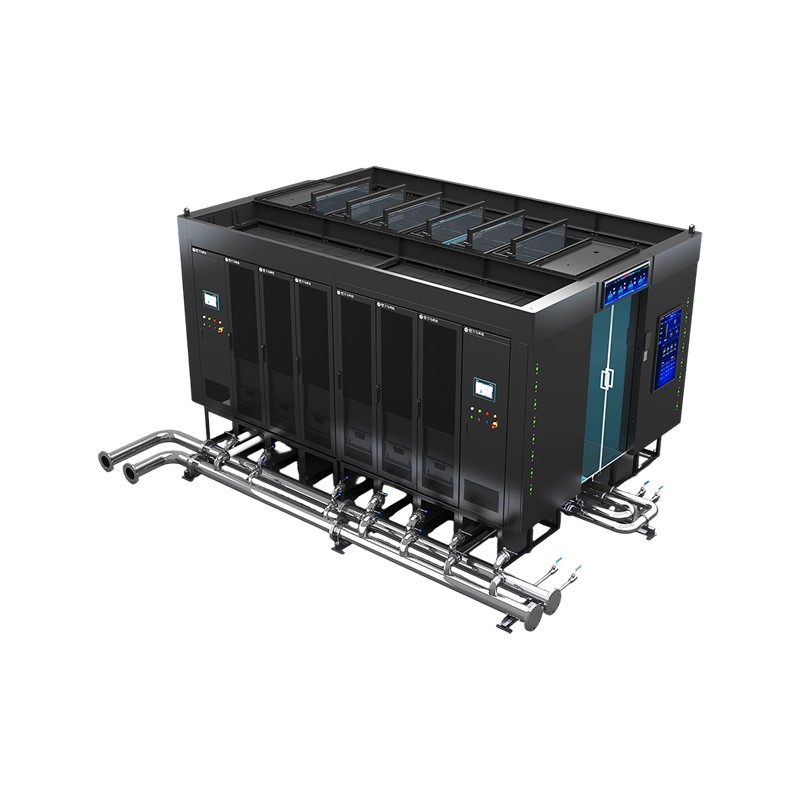
Product OverviewWM-HCM Air-Liquid Hybrid Micro-Module is an integrated data center solution designed for ultra-high-density computing applications. It adopts a dual-row, back-to-back layout and integr...
See Details -
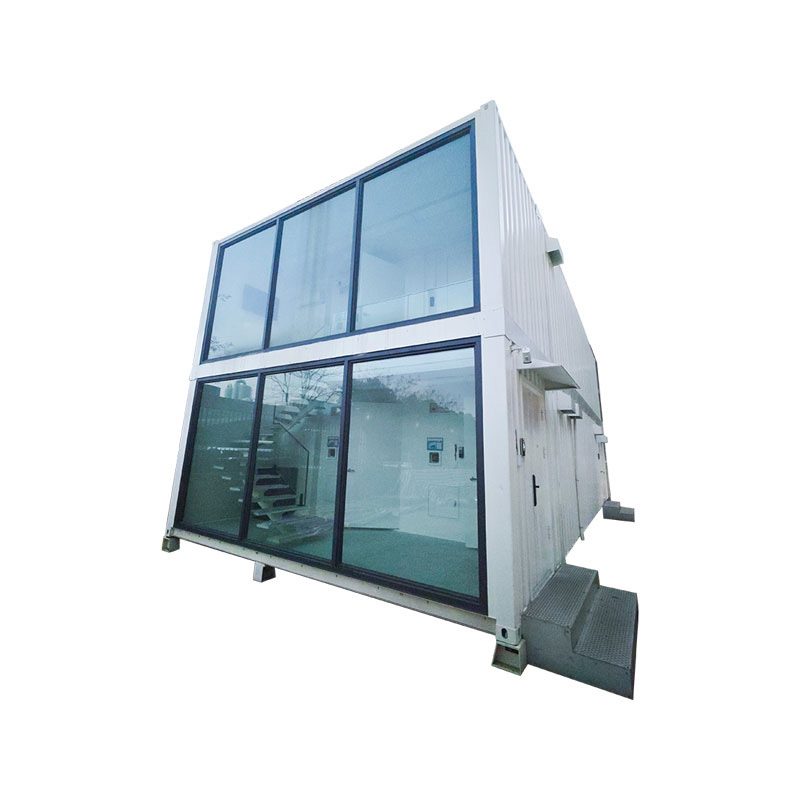
40-inch Containerized Data Center (CDC-40) is a high-capacity, high-density modular data center solution based on a standard 40-inch Containerized Data Center (CDC-40) ISO shipping container. It provi...
See Details -
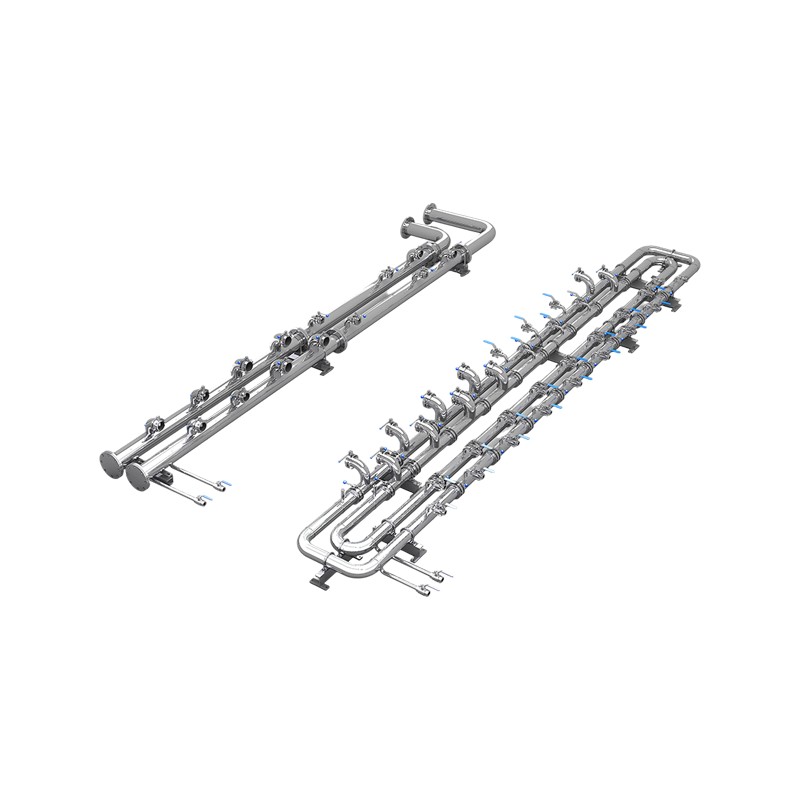
Product OverviewWM-SCL Secondary-Side Prefabricated Piping is a standardized coolant distribution system that connects the CDU to liquid-cooled server cabinets. The piping is prefabricated and quality...
See Details
Ready to Get started ? Contact Us Now !

Product.
Contact Details.
-
 +86 13958188250
-
 +86 13958188250
-
 [email protected]
-
 AUDIT Email:[email protected]
- Wanma Industrial Park Taihu Yuan Town Lin'an District Hangzhou City China.
QR Code

Copyright © Wanma Technology Co., Ltd. All Rights Reserved.
Privacy
Custom Ethernet Optical Network Railway Transit Equipments Suppliers
