

 English
 Français
 Español
 Português
 عربى
عربى



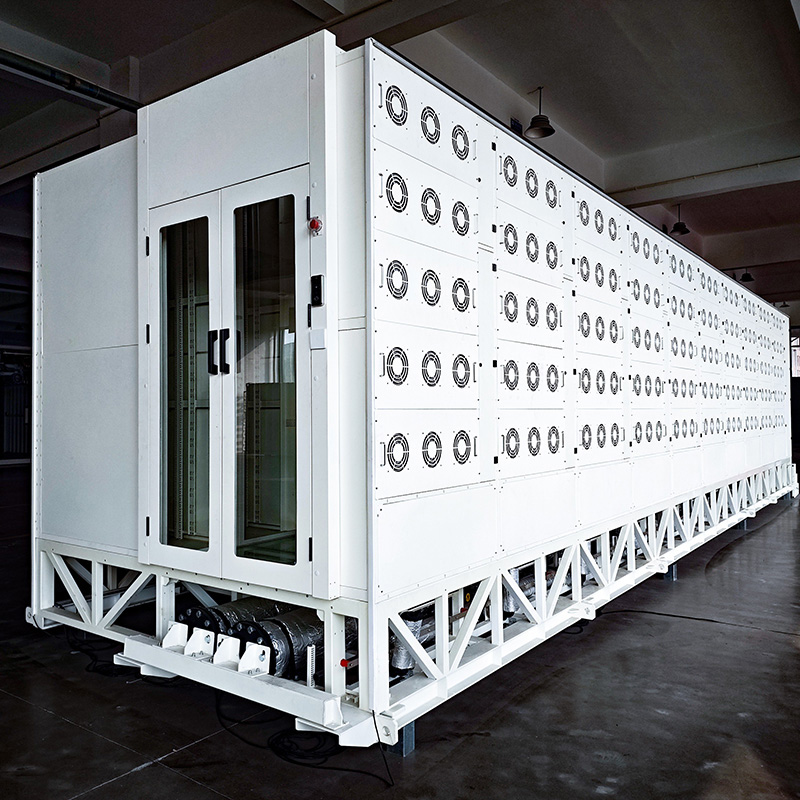

20-inch Containerized Data Center (CDC-20) is a compact and highly integrated modular data center solution built within a standard 20-foot ISO shipping container. It pre-integrates IT racks, power sup...
See Details20-Foot Containerized Data Center for Rapid, Reliable, and Scalable Digital Infrastructure
Content
- 1 Why Containerized Data Centers Are Becoming Essential
- 2 Core Product Architecture
- 3 Competitive Advantages Over Conventional Modular Builds
- 4 Advantages Over Basic Container Conversions
- 5 Manufacturing Strengths Behind the Product
- 6 Factory Integration and Quality Control
- 7 Power Reliability for Critical Workloads
- 8 Precision Cooling in a Compact Enclosure
- 9 Environmental Monitoring and Remote Operations
- 10 Safety, Security, and Fire Protection
- 11 Applications in Telecommunications and Optical Networks
- 12 Applications in Medical and Healthcare Infrastructure
- 13 Applications in Rail Transit, Industrial, and Emergency Response
- 14 Space Utilization and Internal Layout Discipline
- 15 Customization for Project-Specific Requirements
- 16 Lifecycle Value and Total Cost Considerations
- 17 Sustainability and Operational Efficiency
- 18 How the CDC-20 Supports Fast Deployment
- 19 Why Manufacturing Experience Matters
- 20 Q&A Section
- 20.1 What is a 20-foot containerized data center?
- 20.2 How is the CDC-20 different from a traditional modular data center?
- 20.3 How much IT load can the CDC-20 support?
- 20.4 Does the CDC-20 include backup power?
- 20.5 Why does the product use precision in-row cooling?
- 20.6 Can the CDC-20 be used outdoors?
- 20.7 Is the CDC-20 suitable for medical infrastructure?
- 20.8 Can the product be customized?
- 20.9 What site preparation is required?
- 20.10 Why choose a factory-integrated system instead of assembling components on site?
- 21 Conclusion
- 22 References
- 23 Product: 20-inch Containerized Data Center (CDC-20)
As organizations push computing power closer to users, devices, industrial sites, medical facilities, transportation systems, and emergency operations, the demand for compact and quickly deployable data center infrastructure continues to rise. A 20-foot containerized data center answers this demand by combining IT racks, power distribution, UPS backup, precision cooling, environmental monitoring, and fire protection inside a standard ISO shipping container. Instead of constructing a dedicated equipment room or waiting months for civil works, customers can deploy a complete prefabricated infrastructure unit on a prepared site with dramatically reduced installation complexity.
The CDC-20 20-foot containerized data center is designed for exactly this type of modern deployment. It integrates the essential components of a small-scale, high-reliability data center within a standard 20-foot high cube container measuring 6058 mm in length, 2438 mm in width, and 2896 mm in height. Within this compact enclosure, the unit accommodates power distribution, UPS, battery backup, two in-row precision air conditioners, and four IT cabinets supporting a total IT load of up to 30 kW. The system is engineered for edge computing, remote communication infrastructure, emergency response, temporary IT deployments, healthcare continuity, and disaster recovery environments where speed, reliability, and mobility are critical.
Unlike many competing prefabricated solutions that still require substantial on-site assembly, the CDC-20 emphasizes factory integration and plug-and-play deployment. Critical subsystems are arranged, wired, inspected, and tested before shipment, reducing uncertainty at the project site. This approach is especially valuable in locations where local construction quality, skilled labor availability, site access, or environmental conditions may create risk. By treating the container, racks, power chain, cooling path, monitoring layer, and fire suppression architecture as one engineered system, the product delivers stronger predictability than a collection of separately sourced components installed after delivery.
20-inch Containerized Data Center (CDC-20)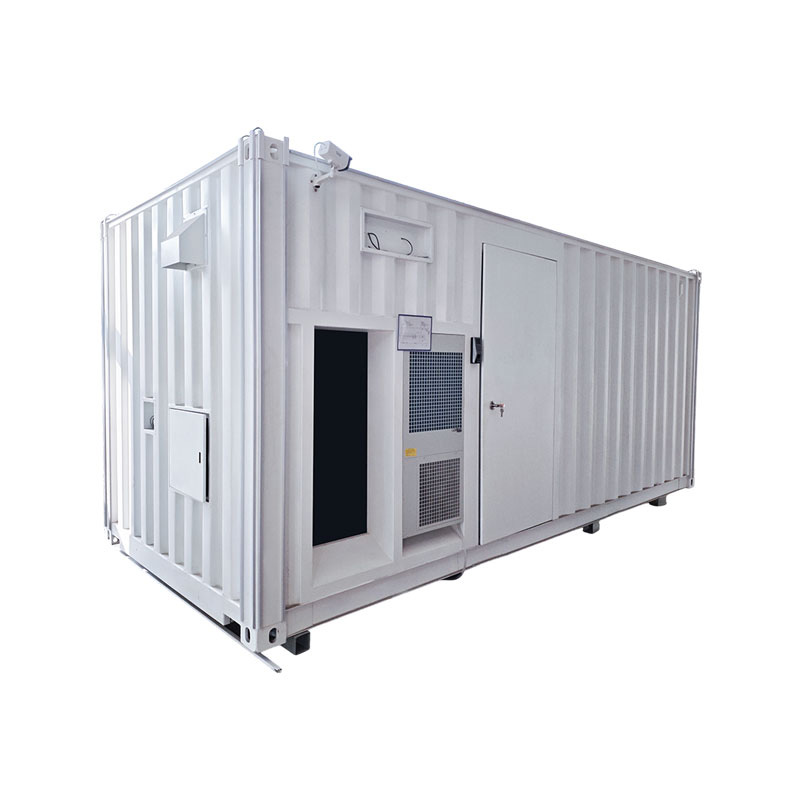
Why Containerized Data Centers Are Becoming Essential
Traditional data centers remain necessary for hyperscale and large enterprise workloads, but they are not always the best fit for distributed digital infrastructure. Many modern applications need computing resources close to the point of use. Industrial automation systems need low-latency processing near production lines. Smart transportation networks need reliable computing at rail, highway, and transit nodes. Telecom operators require edge infrastructure to support 5G, FTTH modernization, and optical network expansion. Hospitals and medical service providers need resilient local infrastructure for imaging, records, emergency command, and mobile healthcare services. In these scenarios, a conventional building-based data center may be too slow, too expensive, or too permanent.
A containerized data center solves these challenges by transforming infrastructure into a deployable asset. It can be transported by standard logistics channels, placed on a prepared pad or level surface, connected to power and communications, and brought online with far less construction work. The standardized container format simplifies freight planning, crane lifting, storage, and redeployment. For organizations that operate across multiple locations, this portability can be a major financial advantage because the asset can be moved, reused, upgraded, or reconfigured rather than becoming a fixed building improvement.
The CDC-20 is particularly suitable for customers that require a balance of compact footprint and complete infrastructure capability. With four IT cabinets rated at 7.5 kW each, it can support demanding computing, networking, and storage equipment while remaining small enough for remote or space-constrained locations. Its dual power supply input, UPS architecture, redundant cooling design, and optional video surveillance help create a controlled operating environment for business-critical equipment. The result is not simply a container with racks inside; it is a self-contained digital infrastructure platform.
Core Product Architecture
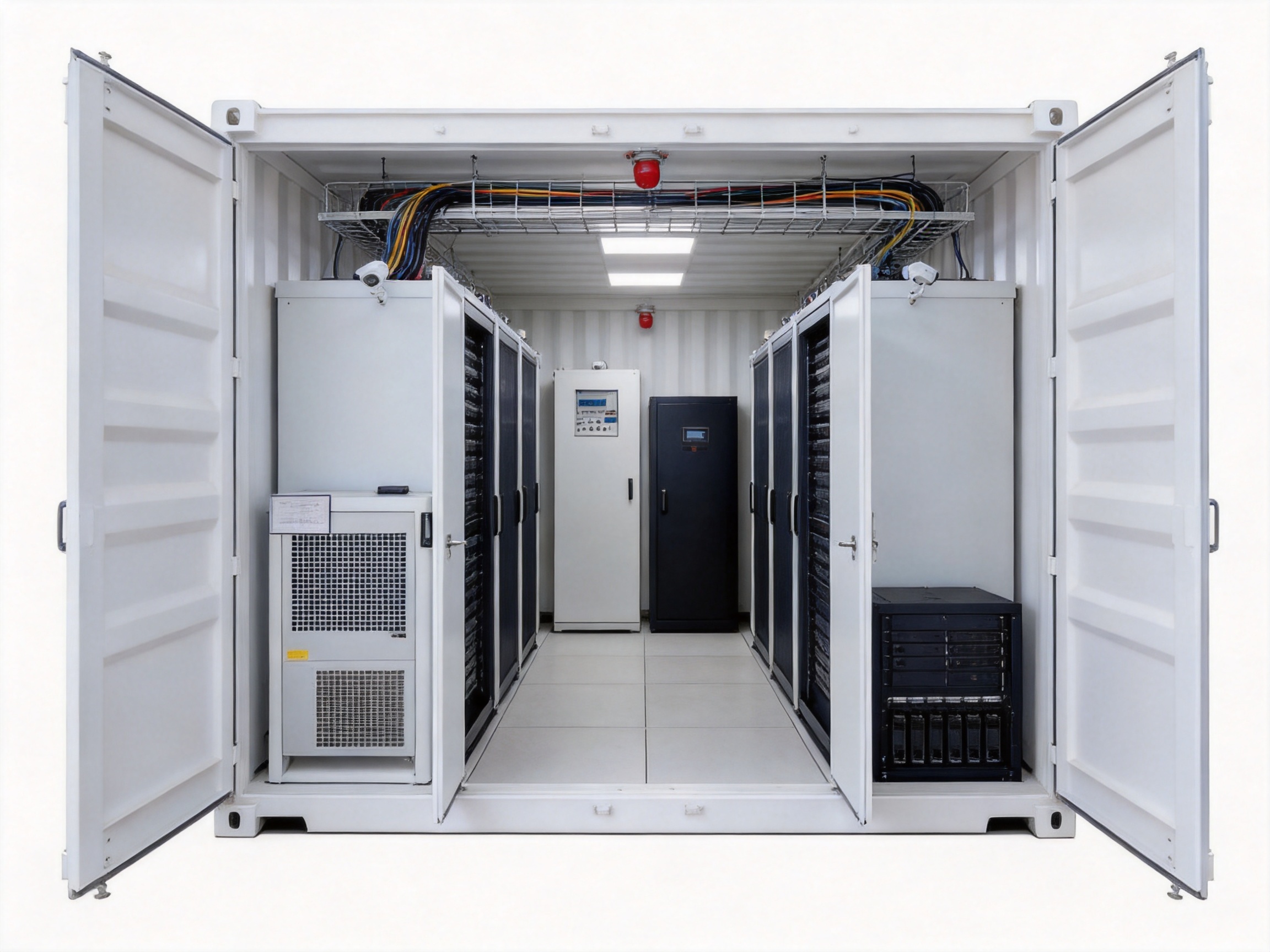
The CDC-20 is built around a 20-foot high cube ISO container envelope. This format provides practical benefits in transportation, structural strength, security, and global deployment compatibility. Inside the container, the layout includes nine major cabinet positions: one power distribution cabinet, one UPS cabinet, one battery cabinet, two in-row precision air conditioning units, and four IT cabinets. This arrangement creates a balanced internal ecosystem where the power chain, cooling system, battery backup, and IT load are planned together instead of being assembled independently.
The total IT power capacity is up to 30 kW, based on 7.5 kW per IT cabinet across four cabinets. The standard power system supports 380 V, 50 Hz or 60 Hz, three-phase five-wire input, with an input voltage range of 380 V ±10%. Dual 200 A input circuits and dual power supply capability support higher availability and provide flexibility for sites with redundant utility feeds or generator-backed power. The UPS capacity is up to 40 kVA with 1+1 power module redundancy, and the lead-acid battery system provides approximately 15 minutes of backup time, allowing controlled shutdown, generator transition, or short-duration power ride-through.
Cooling is delivered through two in-row precision air conditioning units, each capable of up to 30 kW maximum cooling capacity, arranged for 1+1 redundancy. This is a major advantage compared with basic container conversions that rely on wall-mounted air conditioners or non-integrated HVAC equipment. Precision cooling is essential because modern IT loads generate concentrated heat, and a sealed container environment has limited air volume. The CDC-20’s integrated cooling design helps maintain stable temperatures, supports airflow discipline, and reduces the risk of thermal hotspots.
Item |
CDC-20 Specification |
Practical Value |
Container Size |
6058 mm × 2438 mm × 2896 mm |
Standard 20-foot high cube format for simplified transport and deployment |
Cabinet Layout |
9 positions including power, UPS, battery, cooling, and IT cabinets |
Complete infrastructure integration in one compact enclosure |
IT Capacity |
4 IT cabinets, up to 30 kW total |
Suitable for edge computing, telecom, medical, and remote workloads |
Power Input |
380 V, 50 Hz or 60 Hz, three-phase five-wire |
Compatible with industrial and commercial power environments |
UPS Capacity |
Up to 40 kVA with 1+1 redundancy |
Improves continuity during grid instability or source transfer |
Battery Backup |
Lead-acid battery, approximately 15 minutes |
Supports controlled shutdown or generator transition |
Cooling |
Two precision in-row air conditioners, 1+1 redundancy |
Maintains stable thermal conditions for high-density IT equipment |
Fire Protection |
Automatic gas fire system supported |
Provides fire safety suitable for enclosed IT environments |
Monitoring |
Environmental monitoring and optional video surveillance |
Enables remote supervision and early fault detection |
Competitive Advantages Over Conventional Modular Builds
The most important difference between the CDC-20 and many conventional modular data center approaches is the degree of enclosure integration. A traditional modular data center may use prefabricated power rooms, cooling modules, or IT rows, but these components often still require significant on-site assembly, interconnection, testing, and building interface work. The CDC-20 uses a standard shipping container as the structural enclosure and integrates the infrastructure stack before it leaves the factory. This reduces the number of site-dependent tasks and shortens the path from delivery to operation.
For customers operating in remote, temporary, or emergency environments, this distinction can determine project success. A remote mining facility, railway maintenance base, medical emergency site, telecom edge node, or disaster recovery location may not have reliable access to specialist installation teams. Even if skilled labor is available, weather, transportation delays, and local permitting can extend timelines. A factory-integrated containerized data center minimizes these variables because most assembly and quality control happen under controlled production conditions.
Another competitive advantage is structural robustness. A 20-foot ISO container is designed for global logistics, stacking, lifting, and long-distance transport. While the CDC-20 is modified for data center use, the container format provides a rugged starting point that many lightweight prefabricated enclosures must imitate through additional reinforcement. This matters in harsh outdoor sites where wind, vibration, security, and transportation stress are practical concerns. The steel structure also offers physical protection for valuable IT and network equipment.
The CDC-20 also provides stronger mobility than permanent equipment rooms. If a project ends, if a temporary facility is closed, or if an edge computing strategy changes, the unit can be redeployed. This gives customers greater flexibility in asset planning. Instead of investing in site-specific construction that may have limited future use, organizations can invest in a movable infrastructure platform that remains valuable across multiple deployment cycles.
Advantages Over Basic Container Conversions
Not all containerized data centers are equal. Some competing products are essentially standard containers fitted with racks and basic cooling equipment. These conversions may appear cost-effective initially, but they can create hidden risks in power reliability, thermal management, maintainability, and safety. A data center is not merely a sheltered rack space; it is a controlled environment where heat, power quality, fire risk, cable routing, humidity, access control, and monitoring must work as an integrated system.
The CDC-20 distinguishes itself through planned subsystem coordination. Power distribution, UPS capacity, battery autonomy, cooling capacity, rack layout, and monitoring are designed around the rated 30 kW IT load. The inclusion of two in-row precision air conditioners with 1+1 redundancy is especially important because it supports stable cooling even if one cooling unit requires service. In contrast, low-cost conversions may lack true redundancy or may not provide enough airflow control for high-density cabinets.
The product also supports automatic gas fire protection, which is more appropriate for enclosed IT spaces than water-based fire suppression. Gas fire suppression can extinguish fire without directly damaging electronic equipment, provided the system is properly engineered and maintained. Environmental monitoring and optional video surveillance add another layer of operational assurance, particularly for sites without permanent on-site staff.
When evaluating competitors, customers should consider total lifecycle risk rather than only initial purchase price. Poor airflow management can shorten equipment life. Inadequate electrical protection can cause downtime. Insufficient monitoring can allow small faults to become major failures. Weak factory testing can shift commissioning risk to the customer. The CDC-20 is designed to reduce these lifecycle risks through integrated engineering and manufacturing discipline.
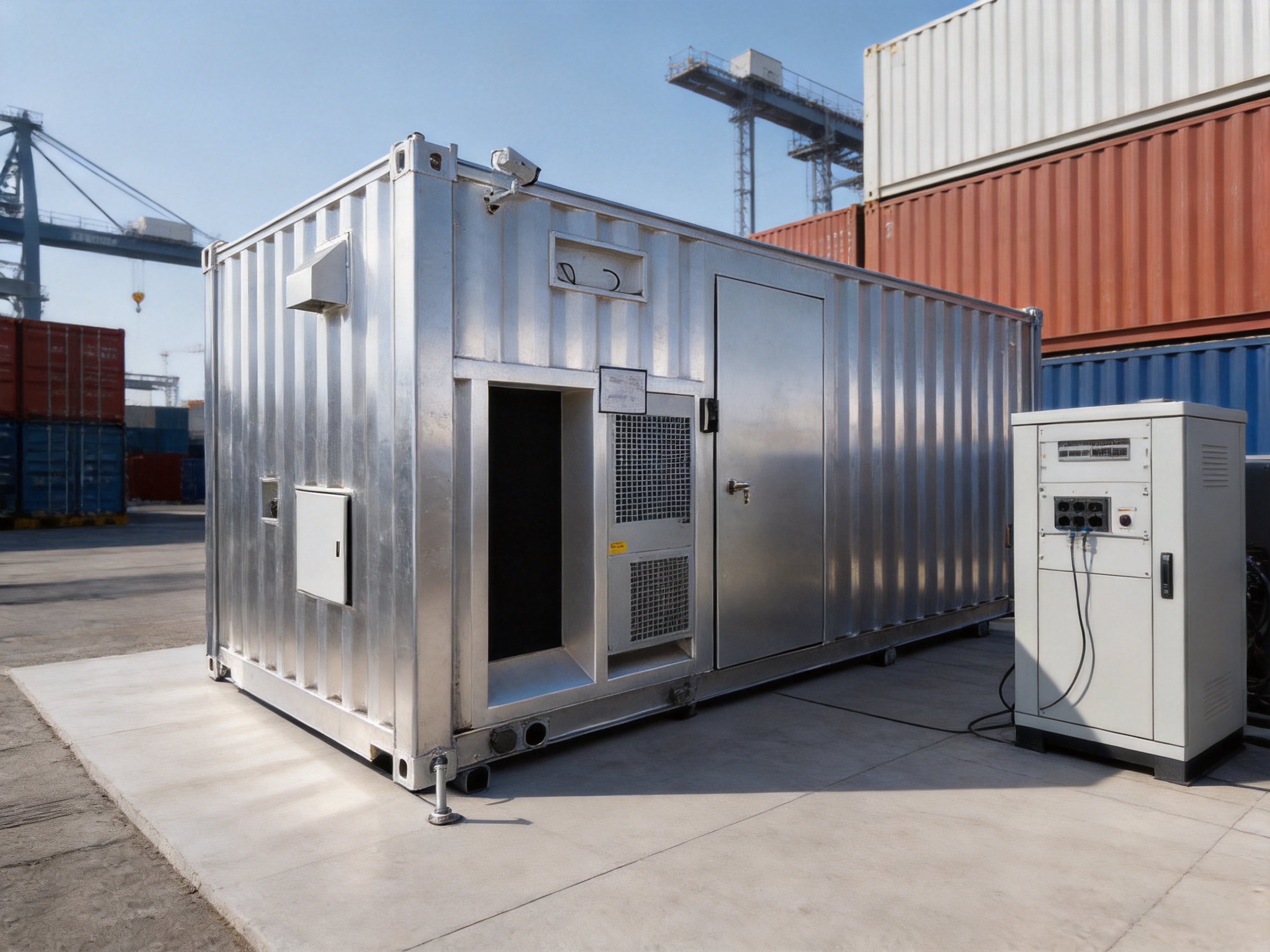
Manufacturing Strengths Behind the Product
The performance of a containerized data center depends heavily on manufacturing quality. The enclosure must be modified without compromising structural integrity. Cabinets must be installed precisely. Electrical systems must be wired safely and clearly. Cooling equipment must be positioned for effective airflow. Sensors, fire suppression components, and cable management systems must be integrated without interfering with maintenance access. These tasks require more than general assembly capability; they require experience in communication infrastructure, electrical integration, and controlled-environment equipment production.
Wanma Technology Co., Ltd. brings decades of manufacturing experience to this product category. Established in 1997, the company specializes in communication cabinets, communication electronic equipment, and passive optical components. Its products are used in Ethernet networks, optical communication networks, central equipment rooms, national high-speed railways, and urban rail transit systems. This background is directly relevant to containerized data center manufacturing because telecom and railway infrastructure demand reliability, standardization, long service life, and stable performance in demanding field environments.
The company’s manufacturing process emphasizes prefabrication, structured assembly, and inspection before delivery. Container modification, cabinet installation, power distribution assembly, UPS and battery integration, cooling system placement, cable routing, grounding, monitoring interface installation, and fire protection preparation are carried out as coordinated steps. By completing these processes in a factory environment, the manufacturer can control workmanship, verify component compatibility, and reduce variation from one unit to another.
Advanced production strength is also reflected in customization capability. Many customers require different rack depths, monitoring interfaces, backup time, cooling configurations, external cable entry positions, access control functions, or environmental protection features. As an OEM and ODM supplier, the company can adapt the CDC-20 concept to different project requirements while maintaining the core engineering principles of compactness, redundancy, safety, and deployability. This combination of standardized design and customized execution is a major advantage for telecom operators, medical organizations, industrial users, and government infrastructure projects.
Factory Integration and Quality Control
Factory integration is one of the strongest reasons to choose a product like the CDC-20. In a site-built data center, many subsystems are installed by different contractors. Electrical contractors handle distribution, mechanical contractors install cooling, IT teams install racks, fire protection specialists install suppression, and commissioning engineers test system interactions at the end. If coordination is poor, issues may only appear during final commissioning, when delays are most expensive. A containerized product changes the sequence by completing much of this integration before shipment.
The CDC-20 production workflow can include structural inspection, anti-corrosion preparation, insulation treatment, cabinet mounting, busbar or cable installation, grounding verification, power distribution testing, UPS functional testing, battery connection inspection, cooling startup, airflow verification, monitoring signal testing, fire system interface inspection, and final factory acceptance checks. These procedures help ensure that the delivered unit is not only assembled but functionally ready for deployment.
Electrical quality control is especially important. The system supports dual 200 A input circuits, a 380 V ±10% input range, and a UPS capacity of up to 40 kVA. This level of power handling requires clear circuit identification, proper cable sizing, secure terminations, grounding continuity, insulation resistance verification, and protection coordination. Factory testing reduces the risk of loose connections, incorrect wiring, or unverified protective devices reaching the deployment site.
Thermal testing is equally valuable. A 20-foot container has limited internal volume, so even a small airflow problem can create localized hotspots. Precision cooling units must be placed to deliver cold air where IT equipment requires it and remove hot air efficiently. Factory validation can confirm that the cooling architecture supports the rated load and that redundancy behavior is acceptable when one cooling unit is offline or under maintenance.
The fire protection system must also be compatible with the sealed container environment. Gas fire suppression requires attention to enclosure integrity, nozzle placement, detection logic, alarm interface, and maintenance access. Integrating these considerations during manufacturing is safer and more efficient than retrofitting them after equipment installation.
Power Reliability for Critical Workloads
Power reliability is one of the defining requirements of any data center, and it is even more important for distributed sites that may not have dedicated facility staff. The CDC-20 supports dual power supply input and dual circuit 200 A input current, enabling connection to redundant power sources where available. This is particularly beneficial for telecom base infrastructure, rail transit control nodes, medical support systems, and industrial automation sites where service interruption can affect public safety, operations, or revenue.
The UPS system provides up to 40 kVA capacity with 1+1 power module redundancy. Redundancy in the UPS architecture reduces the likelihood that a single module failure will interrupt protected loads. The 15-minute lead-acid battery backup is designed for practical continuity needs, including short utility disturbances, power source switching, or generator startup. In many field deployments, the goal of battery backup is not long-term operation but safe transition and controlled response. The CDC-20 addresses this need with a clear and maintainable power architecture.
Compared with competitors that treat backup power as an add-on, the CDC-20 incorporates the UPS cabinet and battery cabinet directly into the internal layout. This improves service access, cable organization, and system predictability. It also reduces the chance of mismatched UPS capacity or improvised battery placement, both of which can create safety and reliability concerns.
The product’s power design also supports future operational discipline. Main input status, branch distribution, UPS condition, and battery health can be monitored as part of the environmental and infrastructure management layer. This allows operators to detect developing problems such as battery aging, load imbalance, abnormal voltage fluctuation, or unexpected power consumption trends before they become downtime events.
Precision Cooling in a Compact Enclosure
Cooling is one of the most challenging aspects of containerized data center design. A metal container exposed to outdoor conditions can experience significant temperature variation. Internally, modern servers, switches, storage systems, and telecom equipment can generate substantial heat in a small space. Without a properly engineered cooling path, equipment may operate outside recommended temperature ranges, reducing reliability and shortening service life.
The CDC-20 addresses this challenge with two in-row precision air conditioners arranged for 1+1 redundancy, each with a maximum cooling capacity of up to 30 kW. In-row cooling places cooling equipment close to the IT load, improving heat removal efficiency and reducing dependence on long airflow paths. This is a significant advantage over conventional room-style cooling methods that may struggle inside a narrow container enclosure.
Redundant cooling is critical for high-availability applications. If one cooling unit is stopped for maintenance or experiences a fault, the remaining unit can continue supporting operation within designed limits. This capability is especially important for remote deployments where immediate service response may not be possible. Competitor systems with single cooling units can expose customers to immediate thermal risk during a cooling fault.
Effective cooling also depends on rack arrangement, blanking practices, cable management, and airflow separation. The CDC-20’s factory-integrated design allows these elements to be planned together. Overhead cable routing helps keep floor-level airflow paths clear. Cabinet spacing and service clearances are calibrated for safe maintenance within the limited container footprint. The result is a compact but practical operating environment that supports both equipment performance and serviceability.
Environmental Monitoring and Remote Operations
A containerized data center is often deployed where continuous on-site supervision is limited. For this reason, monitoring is not optional; it is central to reliable operation. The CDC-20 supports environmental monitoring and optional video surveillance to help operators maintain visibility into system status. Monitoring can include temperature, humidity, smoke detection, water leakage, door status, power conditions, UPS status, cooling operation, and alarm events.
Remote monitoring provides two major benefits. First, it enables fast response to abnormal conditions. If a cooling unit stops, a door is opened unexpectedly, or temperature rises at a rack position, operators can receive alerts and take action before equipment fails. Second, it supports predictive maintenance. Trends in cooling runtime, temperature differential, humidity, and power consumption can reveal gradual degradation. For example, rising cooling runtime at the same IT load may indicate filter fouling or refrigerant issues. Battery parameters can indicate aging before backup capability is compromised.
For medical, telecom, and transportation applications, monitoring can support compliance and operational accountability. Hospitals and mobile medical facilities may need reliable local computing for patient data, imaging systems, and emergency operations. Telecom and optical network sites require uninterrupted service and fast fault localization. Rail transit and urban transportation systems rely on infrastructure visibility to maintain safety and continuity. The CDC-20’s monitoring capabilities help address these requirements by making the unit manageable even when deployed far from a central operations team.
Safety, Security, and Fire Protection
Safety must be built into every layer of a containerized data center. The CDC-20 supports automatic gas fire suppression, which is suitable for protecting electronic equipment inside an enclosed space. Fire detection and suppression in a container must be carefully planned because the internal volume is compact and airflow patterns are controlled by precision cooling equipment. Factory integration makes it possible to coordinate detection placement, suppression discharge, alarm pathways, and equipment layout before the unit is delivered.
Electrical safety is another key element. Proper grounding, cable routing, protective devices, clear labeling, and cabinet separation reduce operational risk. The CDC-20 layout separates power distribution, UPS, and battery infrastructure from IT cabinet service areas as much as practical within the container footprint. This improves maintainability and helps technicians work more safely.
Physical security is also important because containerized data centers may be deployed outdoors or in semi-remote areas. The container structure itself provides a strong physical enclosure compared with light modular rooms. Optional video surveillance can further improve site security by allowing remote observation and event recording. Door status monitoring can alert operators to unauthorized access attempts or accidental openings.
Compared with competitors that rely on basic locks or minimal alarm systems, the CDC-20 can be integrated into a broader site security and infrastructure management strategy. This is important for telecom operators, government users, healthcare organizations, and industrial facilities where data center access must be controlled and documented.
Applications in Telecommunications and Optical Networks
Telecommunications networks are becoming more distributed. 5G, FTTH, optical backbone modernization, and edge network services require equipment to be placed closer to users and network aggregation points. The CDC-20 is well suited for this environment because it combines compact size, transportability, power redundancy, precision cooling, and monitoring in a single deployable unit.
In telecom applications, the containerized data center can function as an edge computing node, optical network aggregation site, regional service platform, or temporary capacity expansion facility. It can house servers, routers, switches, optical transmission equipment, network management devices, and security appliances. Because the structure is transportable, operators can deploy capacity where demand is growing, support temporary events, or restore services after site disruption.
The manufacturer’s long experience in communication cabinets, passive optical components, Ethernet networks, and optical communication networks strengthens the product’s relevance for telecom customers. A containerized data center for telecom use must accommodate cable density, fiber management, power distribution, grounding, and long-term maintenance requirements. These are not generic construction concerns; they are communication infrastructure concerns. The company’s background helps ensure that the CDC-20 is aligned with the realities of network deployment.
Applications in Medical and Healthcare Infrastructure
Healthcare organizations increasingly rely on digital systems for clinical operations, imaging, laboratory data, patient records, telemedicine, and emergency coordination. However, not every medical environment has access to a fully built data center. Temporary hospitals, mobile diagnostic units, regional clinics, disaster response medical facilities, and expanding campuses may require secure and reliable computing infrastructure on short timelines. The CDC-20 can support these needs by providing a controlled IT environment that can be deployed faster than traditional construction.
For medical applications, the advantages of prefabrication are significant. Healthcare projects often face urgent timelines and strict continuity requirements. A containerized data center can be prepared off-site while facility planning continues, then delivered and connected when the site is ready. This reduces disruption to existing medical operations and shortens the time needed to support new digital services.
The sealed and monitored container environment also supports operational stability. Temperature and humidity control help protect servers and storage systems that may handle critical patient information. UPS backup helps bridge power disturbances. Fire suppression support reduces risk to equipment. Optional video surveillance and access monitoring can support security requirements for sensitive healthcare infrastructure.
While the CDC-20 is not a medical device, it can serve as a key infrastructure platform for medical IT continuity. Its compact footprint and mobility make it useful for emergency medical response, infectious disease control facilities, temporary treatment centers, and rural healthcare modernization projects where permanent construction may be impractical.
Applications in Rail Transit, Industrial, and Emergency Response
Transportation and industrial environments need infrastructure that can operate reliably outside conventional office settings. Railway, metro, highway, energy, mining, manufacturing, and logistics facilities often require local computing and network systems at distributed sites. These locations may be exposed to vibration, dust, temperature variation, limited staffing, and difficult access. A rugged containerized data center provides a practical way to house critical digital infrastructure close to operations.
In rail transit and urban transportation, the CDC-20 can support communication systems, monitoring platforms, ticketing infrastructure, video management, signaling support systems, and data aggregation. The manufacturer’s experience supplying infrastructure to national high-speed railway and urban rail transit environments is valuable because such projects require reliability, disciplined manufacturing, and long-term support.
Industrial sites can use the unit for local process control support, edge analytics, security systems, digital twin platforms, and operational data storage. By placing computing resources near industrial equipment, organizations can reduce latency, improve resilience, and maintain local processing even when wide-area network connections are degraded.
Emergency response is another strong use case. Natural disasters, public safety incidents, major events, and temporary command centers may need computing and communications infrastructure within hours or days. Because the CDC-20 is a self-contained platform, it can be pre-staged and activated when required. This provides a level of preparedness that permanent construction cannot offer.
Space Utilization and Internal Layout Discipline
A 20-foot container provides limited interior space, so every design choice must serve a purpose. The CDC-20 uses a nine-position layout to balance infrastructure completeness with serviceability. Four IT cabinets provide computing and networking capacity, while the remaining positions are dedicated to power distribution, UPS, battery backup, and precision cooling. This arrangement reflects the reality that a data center requires supporting systems as much as rack space.
Some competitors maximize rack count at the expense of maintainability or redundancy. That approach may look attractive on a specification sheet but can create operational problems. If technicians cannot safely access power equipment, replace batteries, service cooling units, or manage cables, downtime risk increases. The CDC-20 prioritizes a balanced layout, allowing the system to operate as a complete facility rather than a crowded equipment box.
Cable routing is another important aspect of space utilization. Overhead cable trays help keep floors clear, improve airflow, and simplify future additions or changes. Separation between power and data cables reduces interference and improves safety. Proper cable labeling and routing also reduce maintenance time, especially when remote sites are serviced by rotating technical teams.
Fire suppression components, sensors, lighting, access pathways, and environmental controls must also fit within the container without obstructing service. Factory design and assembly make this coordination possible. Rather than discovering conflicts during site installation, the CDC-20 resolves layout relationships during production and verification.
Customization for Project-Specific Requirements
Although the CDC-20 has a defined standard architecture, many customers need project-specific adaptations. Telecom operators may require special fiber entry points, optical distribution frames, or network monitoring interfaces. Medical facilities may request additional access control, backup time adjustments, or integration with hospital IT management systems. Industrial users may need enhanced environmental protection, special grounding schemes, or external generator interfaces. Government and emergency response organizations may require rapid deployment kits, surveillance integration, or special communication equipment layouts.
The manufacturer’s OEM and ODM capability allows the platform to be customized while retaining the advantages of factory integration. This is a major competitive strength. Some competitors offer either rigid standard products or fully custom engineering with long lead times. The CDC-20 approach provides a practical middle path: a proven containerized data center foundation that can be adapted for specific operational needs.
Customization can include rack quantity and dimensions, power distribution architecture, UPS configuration, battery backup duration, cooling redundancy strategy, monitoring protocol, surveillance configuration, access control, exterior coating, insulation level, cable entry location, fire suppression design, and deployment accessories. The key is to customize without undermining system balance. Increasing IT load, for example, must be matched by adequate cooling, power capacity, and backup capability. The manufacturer’s integrated process helps maintain this balance.
Lifecycle Value and Total Cost Considerations
The cost of a data center should not be evaluated only by purchase price. Total cost includes site preparation, construction labor, installation time, commissioning risk, downtime exposure, maintenance accessibility, energy efficiency, redeployment potential, and equipment lifespan. The CDC-20 can reduce several of these cost categories by shifting work from the field to the factory and by providing a reusable infrastructure asset.
Shorter deployment time can create immediate business value. A telecom operator can bring new edge services online faster. A hospital can expand IT capacity without waiting for a major construction project. An industrial site can support digital transformation with less disruption. An emergency organization can activate response infrastructure when needed. In each case, time savings can be as valuable as direct capital savings.
Reduced commissioning risk is another lifecycle advantage. When subsystems are integrated and tested before shipment, there is less chance that site teams will discover incompatibilities during final installation. This reduces project delay risk and improves schedule predictability. For customers in remote or international markets, avoiding repeated site visits by specialist engineers can significantly reduce cost.
Mobility also improves lifecycle value. If a permanent building is no longer needed, much of its infrastructure value may be difficult to recover. A containerized data center can be relocated, sold, repurposed, or upgraded. This makes it attractive for temporary projects, fast-growing networks, pilot programs, and uncertain demand environments.
Sustainability and Operational Efficiency
Sustainability in distributed data center infrastructure is not only about energy consumption. It also includes efficient material use, reduced construction waste, lower site disturbance, longer asset life, and the ability to redeploy equipment. The CDC-20 supports these goals by using a compact standardized enclosure and factory-controlled assembly. Compared with traditional construction, containerized deployment can reduce the need for extensive building materials, on-site waste, and prolonged construction activity.
Precision cooling contributes to operational efficiency by targeting cooling close to the IT load. In-row cooling can reduce unnecessary air movement and improve temperature control compared with less focused cooling methods. Proper monitoring further improves efficiency by enabling operators to identify abnormal power or cooling patterns. Over time, data-driven maintenance can prevent inefficient operation caused by clogged filters, failing components, or poor airflow management.
The ability to redeploy the unit is also a sustainability advantage. Infrastructure that can serve multiple project cycles reduces the need to build and abandon fixed facilities. For organizations with evolving edge strategies, this flexibility can reduce both financial waste and environmental impact.
How the CDC-20 Supports Fast Deployment
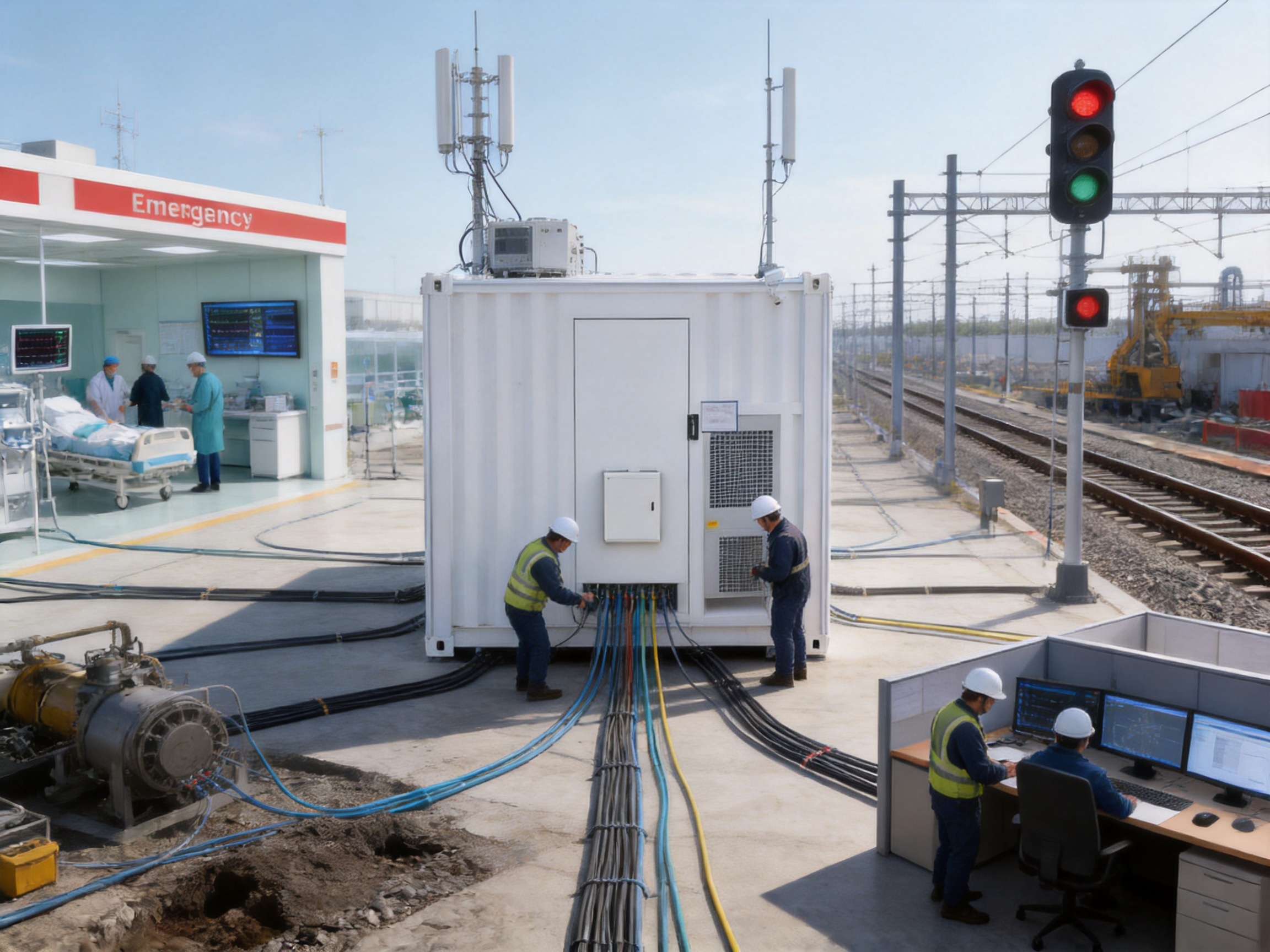
Fast deployment is one of the product’s central values. The process begins with factory prefabrication, where the container is prepared and the infrastructure systems are installed. Once manufacturing and factory testing are complete, the unit can be transported to the project site using standard logistics methods. Site preparation generally requires a level foundation or pad, suitable utility connections, grounding provisions, communication links, and access for lifting or placement equipment.
After delivery, installation focuses on external connections and final configuration rather than complete assembly. Power input is connected, grounding is verified, network cables are installed, cooling systems are checked, monitoring interfaces are configured, and acceptance tests are performed. Because the internal architecture is already integrated, the on-site process can be completed much faster than a conventional build.
This deployment model is especially valuable when timelines are uncertain or urgent. For emergency response, the unit can be preconfigured and staged for activation. For temporary IT projects, it can be delivered for a fixed operational period and removed afterward. For remote sites, it reduces dependence on local construction resources. For edge computing rollouts, multiple units can be manufactured with consistent design and deployed across regions.
Why Manufacturing Experience Matters
Customers often compare containerized data centers by capacity, dimensions, and price, but manufacturing experience is equally important. A product that looks similar on paper may perform very differently in the field depending on material quality, assembly precision, electrical workmanship, cooling integration, and testing discipline. The CDC-20 benefits from a manufacturer with long-term experience in communications infrastructure and integrated equipment solutions.
Wanma Technology’s history in communication cabinets, optical communication products, Ethernet network equipment environments, central equipment rooms, high-speed railway, and urban rail transit gives it practical knowledge of reliability expectations. Infrastructure used in transportation and telecom environments must be durable, serviceable, and consistent. These same qualities are essential in a containerized data center.
The company also has an international sales network covering more than 20 countries and regions, including the United States, Australia, the United Kingdom, Italy, South Africa, and Ghana. This global experience supports an understanding of different deployment environments, logistics requirements, electrical standards, and customer expectations. For OEM and ODM customers, international supply experience can reduce communication risk and improve project execution.
Reliable product quality, timely delivery, and long-term partnerships are especially important for infrastructure buyers. A containerized data center is not a disposable product; it becomes part of the customer’s operational backbone. Manufacturing strength, after-sales responsiveness, and customization capability therefore matter as much as the initial specification.
Q&A Section
What is a 20-foot containerized data center?
A 20-foot containerized data center is a complete data center infrastructure system built inside a standard 20-foot ISO container. It usually includes IT racks, power distribution, UPS backup, batteries, precision cooling, monitoring, cable management, and fire protection. The CDC-20 integrates these systems in a compact high cube container for rapid deployment.
How is the CDC-20 different from a traditional modular data center?
A traditional modular data center may still require multiple modules, building interfaces, foundation work, and extensive on-site integration. The CDC-20 uses a shipping container as the structural enclosure and integrates the major infrastructure systems at the factory. This reduces site work, shortens deployment time, and improves consistency.
How much IT load can the CDC-20 support?
The CDC-20 supports a total IT load of up to 30 kW, distributed across four IT cabinets rated at 7.5 kW per cabinet. This capacity is suitable for edge computing, telecom nodes, medical IT support, industrial systems, and small-scale disaster recovery.
Does the CDC-20 include backup power?
Yes. The system supports a UPS capacity of up to 40 kVA with 1+1 power module redundancy. It uses lead-acid batteries to provide approximately 15 minutes of backup time, which can support short power interruptions, generator transition, or controlled shutdown.
Why does the product use precision in-row cooling?
Precision in-row cooling places cooling capacity close to the IT load, improving thermal control in the compact container environment. The CDC-20 includes two precision air conditioners with 1+1 redundancy, helping maintain stable operation even if one cooling unit requires service.
Can the CDC-20 be used outdoors?
The CDC-20 is based on a rugged ISO container structure and is designed for field deployment. Actual outdoor performance depends on site conditions, configuration, environmental protection options, and installation quality. Customers should define local temperature, humidity, dust, corrosion, and security requirements during project planning.
Is the CDC-20 suitable for medical infrastructure?
Yes. While it is not a medical device, it can support medical IT infrastructure such as records systems, imaging support, telemedicine platforms, emergency command systems, and temporary healthcare facilities. Its compact footprint, monitoring, UPS backup, and controlled environment make it valuable for healthcare continuity.
Can the product be customized?
Yes. As an OEM and ODM-capable solution, the CDC-20 can be customized for rack configuration, monitoring, backup duration, power interfaces, cooling options, cable entry points, surveillance, access control, fire protection, and other project requirements.
What site preparation is required?
Typical site preparation includes a level foundation or support pad, crane or forklift access, suitable power supply, grounding, network connections, drainage considerations, and clearance for maintenance. Because the unit is factory-integrated, on-site work is much simpler than constructing a conventional data center room.
Why choose a factory-integrated system instead of assembling components on site?
Factory integration improves quality control, reduces installation variability, shortens commissioning time, and lowers project risk. Power, cooling, monitoring, fire protection, and rack layout can be tested as a system before shipment, making deployment more predictable.
Conclusion
The CDC-20 20-foot containerized data center provides a practical answer to the growing need for rapid, reliable, and movable digital infrastructure. By integrating IT cabinets, power distribution, UPS backup, batteries, precision cooling, monitoring, and fire protection inside a standard 20-foot high cube container, it delivers the functionality of a compact data center in a deployable format. Its 30 kW IT capacity, dual power supply support, redundant UPS architecture, 1+1 precision cooling, and factory-integrated design make it a strong choice for telecom, medical, industrial, transportation, emergency, and edge computing applications.
Compared with conventional modular builds, the CDC-20 offers faster deployment, simpler logistics, and reduced on-site integration risk. Compared with basic container conversions, it provides stronger subsystem coordination, better cooling discipline, safer power architecture, and more complete monitoring and fire protection support. These advantages are reinforced by the manufacturer’s long experience in communication infrastructure, cabinet manufacturing, optical networks, rail transit applications, global supply, and OEM/ODM customization.
As digital infrastructure becomes more distributed, organizations need solutions that are not only powerful but also mobile, repeatable, and resilient. The CDC-20 meets this need by turning data center capacity into a transportable asset. For customers seeking dependable edge infrastructure, emergency IT continuity, telecom expansion, medical service support, or remote computing capability, it offers a balanced combination of engineering reliability, manufacturing strength, and deployment efficiency.
References
ASHRAE Technical Committee 9.9. Thermal Guidelines for Data Processing Environments.
Uptime Institute. Data Center Site Infrastructure Tier Standard: Topology.
International Organization for Standardization. ISO Standards for Series 1 Freight Containers.
Telecommunications Industry Association. TIA-942 Telecommunications Infrastructure Standard for Data Centers.
National Fire Protection Association. NFPA 75 Standard for the Fire Protection of Information Technology Equipment.
International Electrotechnical Commission. IEC Standards for Low-Voltage Electrical Installations and UPS Systems.
European Committee for Electrotechnical Standardization. EN 50600 Information Technology Data Centre Facilities and Infrastructures.
Product: 20-inch Containerized Data Center (CDC-20)
PREV:No previous
article
NEXT:Access Layer Optical Distribution Frames for High-Density FTTH Networks
NEXT:Access Layer Optical Distribution Frames for High-Density FTTH Networks
Interested in cooperation or have questions?
Related products
-
-
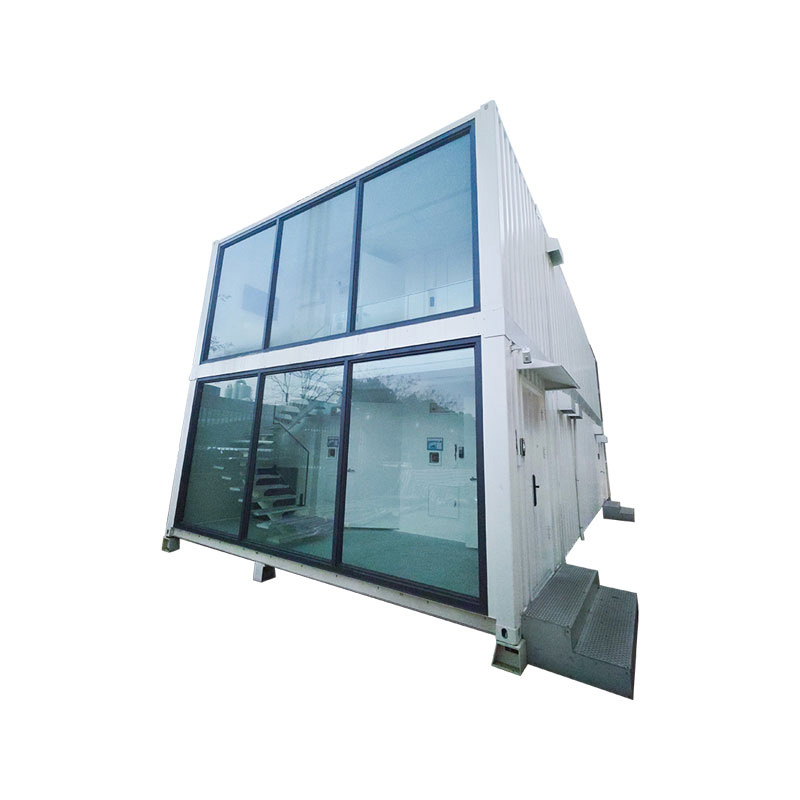
40-inch Containerized Data Center (CDC-40) is a high-capacity, high-density modular data center solution based on a standard 40-inch Containerized Data Center (CDC-40) ISO shipping container. It provi...
See Details -
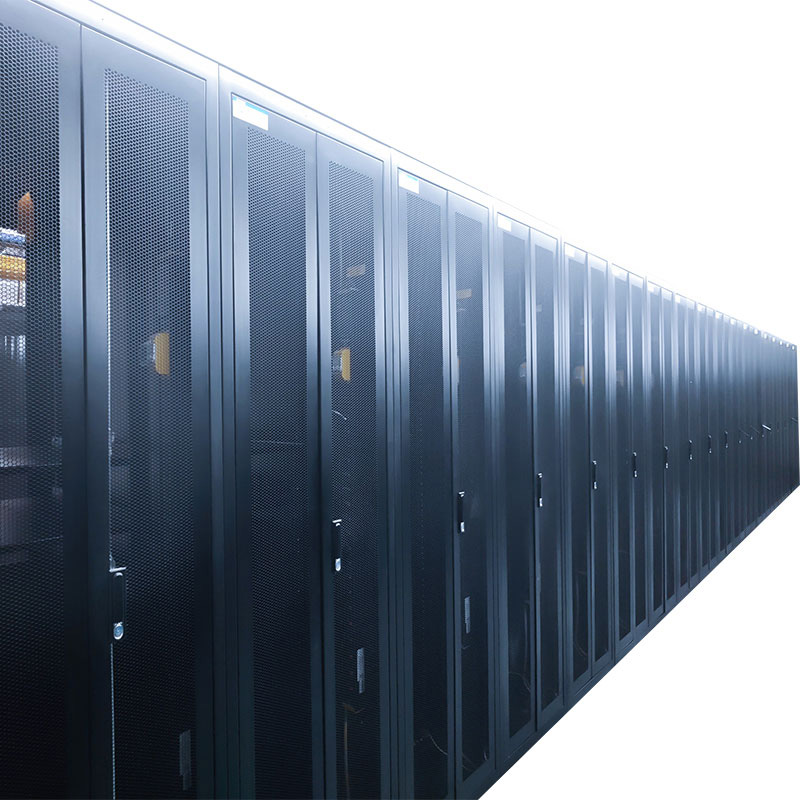
Application:It is used in internet data center equipment room to house server cabinets and provides them with required working environment. Features:•Modularization: Two cabinets combined sharing one ...
See Details -
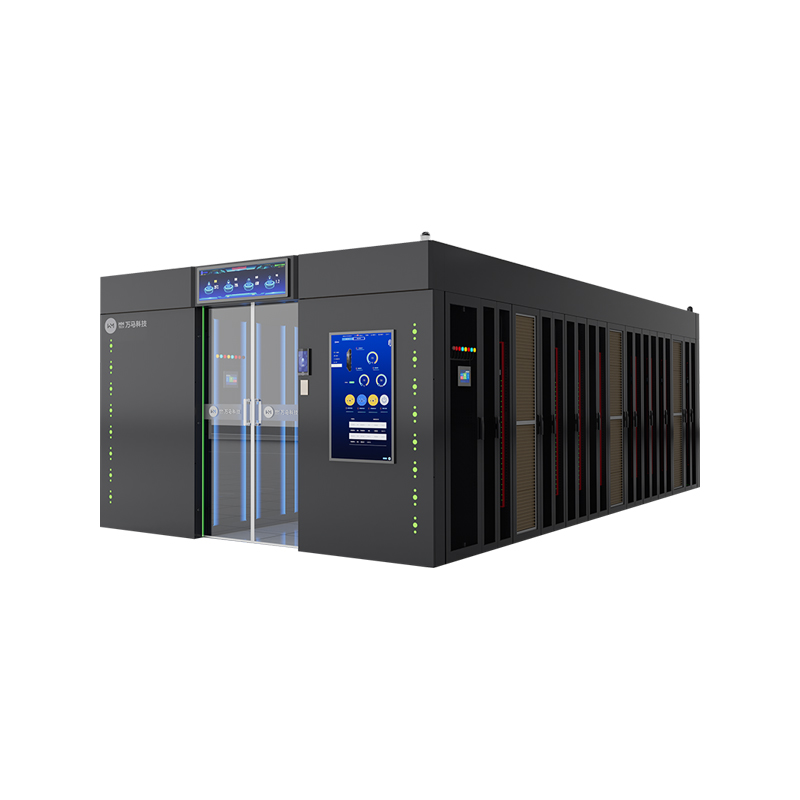
A micro-module data center (MMDC) is a new generation data center architecture that uses standardized modules as units, features prefabricated design, and allows for rapid deployment. It integrates t...
See Details
Ready to Get started ? Contact Us Now !

Product.
Contact Details.
-
 +86 13958188250
-
 +86 13958188250
-
 [email protected]
- Wanma Industrial Park Taihu Yuan Town Lin'an District Hangzhou City China.
QR Code

Copyright © Wanma Technology Co., Ltd. All Rights Reserved.
Custom Ethernet Optical Network Railway Transit Equipments Suppliers
