

 English
 Français
 Español
 Português
 عربى
عربى





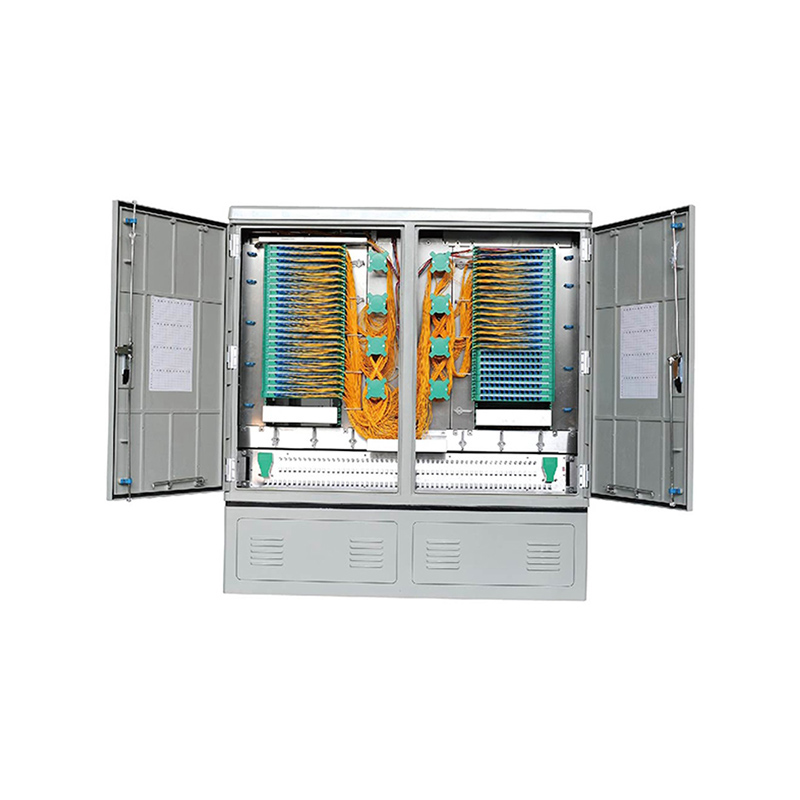
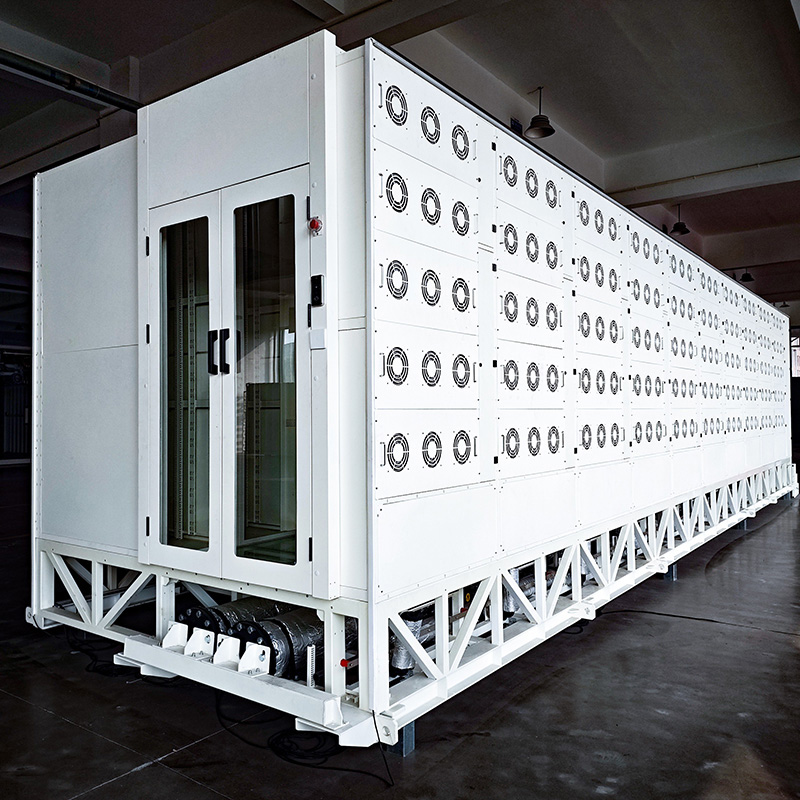

Application1) The Optical Distribution Frame can be installed in a 19-inch standard rack or cabinet.2) The height of the patch panel is 1U, and the modular design is modular.3) The optical fiber adapt...
See Details19-Inch 24-Core Rack Mount Optical Distribution Frame for High-Density Fiber Networks
Content
- 1 Product Overview
- 2 Why a High-Quality ODF Matters in Optical Networks
- 3 Key Design Features
- 3.1 1U 19-Inch Standard Rack Mount Structure
- 3.2 Durable Metal Adapter Panel and ODF Body
- 3.3 Lightweight and Flexible Internal Fiber Components
- 3.4 Rear Cable Entry and Cable Fixing Design
- 3.5 Drawer-Type Pull-Out Operation
- 3.6 SC Adapter Compatibility
- 3.7 Support for Ribbon, Bundle, and Single-Core Cable
- 4 Technical Specifications
- 5 Performance Advantages
- 6 Advantages Over Competing Products
- 7 Internal Fiber Routing and Splicing Workflow
- 8 Accessory Configuration and Installation Support
- 9 Applications
- 10 Manufacturing Strength Behind the Product
- 11 Quality, Delivery, and Long-Term Partnership Value
- 12 Installation Considerations
- 13 Maintenance Advantages
- 14 How the Product Supports Future Network Growth
- 15 Q&A Section
- 15.1 Q1: What is the main purpose of the WM-ODF-24SC?
- 15.2 Q2: Why is the 1U design important?
- 15.3 Q3: What type of adapter does the product support?
- 15.4 Q4: How does the drawer structure help technicians?
- 15.5 Q5: What cable types can be used with this ODF?
- 15.6 Q6: What are the key optical performance specifications?
- 15.7 Q7: What makes this product different from many competing ODF units?
- 15.8 Q8: Is the product suitable for harsh or variable environments?
- 15.9 Q9: What accessories may be included for installation?
- 15.10 Q10: Why is manufacturer experience important for an ODF?
- 16 Conclusion
- 17 References
Modern optical networks require a distribution platform that is compact, reliable, easy to operate, and capable of protecting every fiber connection from installation through long-term service. The WM-ODF-24SC 19-inch Optical Distribution Frame is designed for this purpose. As a 1U, 24-core rack mount fiber management unit, it integrates optical cable fixation, fiber splicing, fiber distribution, routing, protection, and maintenance access into one organized structure. It is suitable for central equipment rooms, optical communication networks, Ethernet infrastructure, transport systems, access networks, and other environments where stable fiber termination and fast maintenance are essential.

Product Overview
The WM-ODF-24SC is a standard 19-inch rack mount Optical Distribution Frame, often abbreviated as ODF. It is engineered as a high-density and high-capacity fiber management unit with a 24-core capacity and a 1U height. This compact form factor allows network builders to maximize rack space while maintaining reliable fiber organization. The product can be freely installed in a 19-inch standard rack or cabinet, making it highly adaptable for existing telecommunication rooms and newly built optical network sites.
The product combines several essential fiber management functions in a single unit. It fixes incoming optical cable at the rear, protects fiber routing, supports fiber splicing inside the splice tray, enables wire adjustment, and safeguards both fiber cores and pigtails. This integrated design reduces the need for multiple separate accessories and helps installers complete termination work more efficiently.
One of the most important advantages of this product is its drawer-type structure. During installation or maintenance, the unit can be pulled out for splicing operations. After the work is completed, the drawer can be reset into the rack position. The pull-out structure includes a limiting device to prevent over-extension, reducing the risk of fiber bending, pulling, or accidental damage. This feature is especially valuable in dense rack environments where access space is limited.
The WM-ODF-24SC supports SC adapters and is applicable to ribbon cable, bundle cable, and single-core cable. This compatibility makes it useful in different network architectures and installation scenarios. Whether the project involves backbone fiber, distribution fiber, or access fiber, the product offers a stable platform for organized termination and future expansion.
Why a High-Quality ODF Matters in Optical Networks
In an optical communication system, signal performance depends not only on active transmission equipment but also on passive infrastructure. Fiber routing, splicing quality, connector protection, cable fixation, and bend radius control all affect attenuation, return loss, stability, and maintenance efficiency. A poorly designed distribution frame can create hidden risks such as excessive bending, fiber stress, messy routing, connector contamination, unstable splices, and difficult troubleshooting.
A professional ODF reduces these risks by providing a structured environment for fiber entry, fiber separation, fusion splicing, pigtail routing, adapter installation, and patching. The WM-ODF-24SC is built around these principles. It gives installers a defined pathway from the rear cable inlet to the splice tray, then from the splice tray to the adapter panel. This improves organization and helps ensure that each fiber remains protected during operation.
For operators, the benefit is long-term network reliability. Clean fiber management reduces downtime, simplifies service migration, and supports future capacity changes. For system integrators, the benefit is installation efficiency and standardized project delivery. For end users, the benefit is stable communication performance and a lower probability of service interruption.
Key Design Features
1U 19-Inch Standard Rack Mount Structure
The product uses a 19-inch standard unit construction size, allowing it to fit into common distribution frame cabinets and communication racks. Its 1U height saves vertical rack space while still providing 24-core fiber capacity. This balance between compactness and capacity is important for equipment rooms where rack space is expensive and limited.
Compared with bulky fiber boxes or non-standard panels, the 19-inch rack mount format offers better compatibility with professional network infrastructure. It is easier to integrate with patch panels, switches, transmission equipment, cable managers, and other rack-mounted devices. This helps create a neat and standardized installation environment.
Durable Metal Adapter Panel and ODF Body
The adapter panel and ODF body are made of metal material with a sprayed surface finish. This design offers several advantages. The metal structure provides mechanical strength, resists deformation, and improves product durability. The surface spraying treatment improves appearance and provides protection against wear during handling and installation.
Many lower-grade fiber distribution units use thin or weak structures that can bend during installation, resulting in unstable adapter alignment or poor panel rigidity. The WM-ODF-24SC is designed for professional environments where the product may be installed, adjusted, opened, and maintained many times. A strong body helps ensure that the frame remains stable over its service life.
Lightweight and Flexible Internal Fiber Components
The splice tray and cable guide are made of PP material. PP is lightweight, flexible, and durable, making it suitable for internal fiber management parts. These components help guide fibers gently and protect them from stress. The use of suitable material in different parts of the product reflects a practical engineering approach: metal is used where strength is needed, while polymer material is used where flexibility and fiber protection are important.
Rear Cable Entry and Cable Fixing Design
At the rear of the ODF unit, there is a cable inlet hole and an optical cable splitting and fixing device. Optical cable enters from the back side, is opened and stripped, and is then fixed securely before the fibers continue to the splice tray. This rear-entry design supports clean rack cabling and keeps incoming cables separated from front patching operations.
Proper cable fixation is essential. If the main cable is not fixed firmly, movement can transfer mechanical stress to individual fibers or splice points. The WM-ODF-24SC reduces this risk by providing a defined cable fixing point. This feature helps protect the internal fibers and improves long-term installation stability.
Drawer-Type Pull-Out Operation
The drawer structure is one of the most user-friendly features of this ODF. When splicing work is required, the unit can be extracted from the rack. This gives technicians better access to the splice tray and internal fiber routing space. After the operation, the unit can be pushed back into position.
The limiting device prevents excessive extraction. This is a practical safety feature because pulling a fiber tray too far can cause fiber bending, connector tension, or splice damage. By controlling the travel range, the product helps technicians work efficiently while protecting the fibers inside.

SC Adapter Compatibility
The WM-ODF-24SC is designed with SC adapter availability. SC connectors are widely used in optical distribution networks because of their stable push-pull design, reliable performance, and broad compatibility. The product supports 24 SC positions, matching its 24-core capacity.
SC compatibility makes the unit suitable for many telecom and enterprise applications. It can be used in fiber-to-the-building, central office distribution, campus networks, transport access points, data network interconnection, and railway communication systems. The use of a common adapter type also simplifies procurement and maintenance.
Support for Ribbon, Bundle, and Single-Core Cable
Different optical projects use different cable structures. Some use ribbon cable for high-density splicing, some use bundle cable for distribution routes, and some use single-core cable for flexible terminal connections. The WM-ODF-24SC is applicable to all three types, increasing its versatility.
This multi-cable compatibility gives the product an advantage over simpler distribution boxes that are optimized for only one cable type. Integrators can standardize on one ODF model across multiple project conditions, reducing inventory complexity and training requirements.
Technical Specifications
Item |
Specification |
Product Type |
19-inch rack mount Optical Distribution Frame |
Model |
WM-ODF-24SC |
Capacity |
24 cores |
Rack Height |
1U |
Dimensions |
43.6 mm × 482.6 mm × 407 mm |
Adapter Type |
SC available |
Standard Working Wavelength |
850 nm, 1310 nm, 1550 nm |
Insertion Loss |
≤ 0.3 dB |
Return Loss |
PC ≥ 40 dB, UPC ≥ 50 dB, APC ≥ 60 dB |
Electric Strength |
≥ 3 kV DC for 1 minute, no breakdown, no arcing |
Insulation Resistance |
≥ 1000 MΩ at 500 V DC |
Insertion Life |
500 times |
Working Temperature |
-25°C to +40°C |
Environmental Temperature |
-40°C to +60°C |
Storage Temperature |
-25°C to +55°C |
Relative Humidity |
≤ 85% at +30°C |
Air Pressure |
70 kPa to 106 kPa |
Performance Advantages
Low Insertion Loss for Stable Transmission
The product is designed for insertion loss of ≤ 0.3 dB. Low insertion loss is critical because every connection point in a fiber network consumes part of the optical power budget. When a distribution frame has poor connector alignment or unstable internal routing, insertion loss may increase and affect signal quality. The WM-ODF-24SC provides a controlled termination platform that supports stable transmission performance.
This is especially important in long-distance communication, passive optical networks, and high-speed transmission systems. A small reduction in loss at each connection point can improve the overall link margin and give network operators more flexibility when designing routes.
Reliable Return Loss Performance
The product supports return loss levels of PC ≥ 40 dB, UPC ≥ 50 dB, and APC ≥ 60 dB. Return loss measures reflected optical power. High return loss performance means lower reflection, which is important for maintaining signal integrity, especially in systems using sensitive laser sources or high-speed transmission equipment.
Compared with basic distribution solutions that do not clearly define connector reflection performance, the WM-ODF-24SC provides specifications that align with professional optical network requirements. This supports predictable engineering design and easier acceptance testing.
Strong Electrical Safety Performance
Although fiber itself is a dielectric medium, rack-mounted communication equipment still requires safe mechanical and electrical design. The product provides electric strength of ≥ 3 kV DC for 1 minute without breakdown or arcing, and insulation resistance of ≥ 1000 MΩ at 500 V DC. These values show attention to safe operation in communication equipment environments.
Long Connector Insertion Life
The product has an insertion life of 500 times. Fiber connectors may be inserted and removed during testing, maintenance, upgrades, and service migration. A defined insertion life indicates that the product is intended for repeated operation, not one-time installation only. This is valuable for networks that must remain flexible throughout their service life.
Wide Environmental Adaptability
The WM-ODF-24SC is designed to operate from -25°C to +40°C, with an environmental temperature range of -40°C to +60°C and storage temperature from -25°C to +55°C. It also supports relative humidity up to 85% at +30°C and air pressure from 70 kPa to 106 kPa. These environmental specifications make it suitable for a variety of installation conditions.
In real projects, optical distribution equipment may be installed in central equipment rooms, outdoor-connected cabinets, transport facilities, industrial communication rooms, or building distribution areas. Temperature and humidity variations can affect materials and long-term stability. A robust environmental range helps ensure dependable use across different regions and project types.
Advantages Over Competing Products
Better Balance of Density and Accessibility
Some high-density fiber panels save space but make splicing and maintenance difficult. Other products provide easy access but occupy too much rack space. The WM-ODF-24SC achieves a practical balance: 24-core capacity in a 1U 19-inch structure, combined with a drawer-type design for easy operation. This means users do not have to choose between density and serviceability.
For network operators, this balance reduces rack space consumption while still allowing technicians to perform clean splicing and inspection. In dense equipment rooms, this advantage can directly improve installation efficiency and reduce operational inconvenience.
More Complete Fiber Protection
The product integrates cable fixing, fiber protection, fiber splicing, wire adjustment, fiber core protection, and pigtail protection. Many low-cost alternatives focus only on adapter mounting and leave fiber routing less organized. This can lead to bending, pressure, or confusion during maintenance. The WM-ODF-24SC is more complete because it considers the full fiber path from cable entry to adapter termination.
Safer Pull-Out Maintenance
Drawer-type ODF units are useful, but a poorly designed drawer can be dangerous if it extends too far and pulls internal fibers. The limiting device in the WM-ODF-24SC helps prevent excessive extraction. This is a clear operational advantage, especially for technicians working under time pressure or in crowded racks.
Material Selection for Durability and Function
The combination of metal structure and PP internal components gives the product a thoughtful material design. Metal provides strength and durability for the panel and frame. PP provides lightweight flexibility for splice trays and cable guides. Some competing products may use a single material approach that is either too weak or too rigid. The WM-ODF-24SC uses different materials according to functional needs.
Standardized Dimensions for Easy Integration
With dimensions of 43.6 mm × 482.6 mm × 407 mm, the product is built for standard rack installation. This reduces integration risk for project engineers. Non-standard fiber boxes may require special mounting methods or occupy irregular cabinet space, but a standard 19-inch unit simplifies design, procurement, installation, and future replacement.
Broad Cable Compatibility
The product supports ribbon, bundle, and single-core cable. This makes it more flexible than products designed for only a narrow range of cable types. In multi-site projects, broad compatibility helps standardize deployment and reduce the need for multiple ODF models.
Internal Fiber Routing and Splicing Workflow
The fiber cable enters the ODF through the split and fix plate at the back of the unit. After cable entry, the cable is opened, stripped, and fixed. The fibers are then guided through the fiber spool and routed into the splice tray. Inside the splice tray, fibers are spliced with pigtails. After splicing, the pigtails are routed toward the SC adapter panel for termination.
This workflow provides a logical and protected path. First, the main cable is mechanically fixed so that outside movement does not directly affect the internal fibers. Second, the fiber spool helps control routing and bend radius. Third, the splice tray provides a dedicated space for fusion splice protection. Fourth, the adapter panel provides organized front-side termination for patching.
Good internal routing is not merely an aesthetic requirement. It affects attenuation, maintenance safety, and troubleshooting speed. When each fiber follows a clear path, technicians can identify connections more quickly and avoid disturbing unrelated fibers during service work.
Accessory Configuration and Installation Support
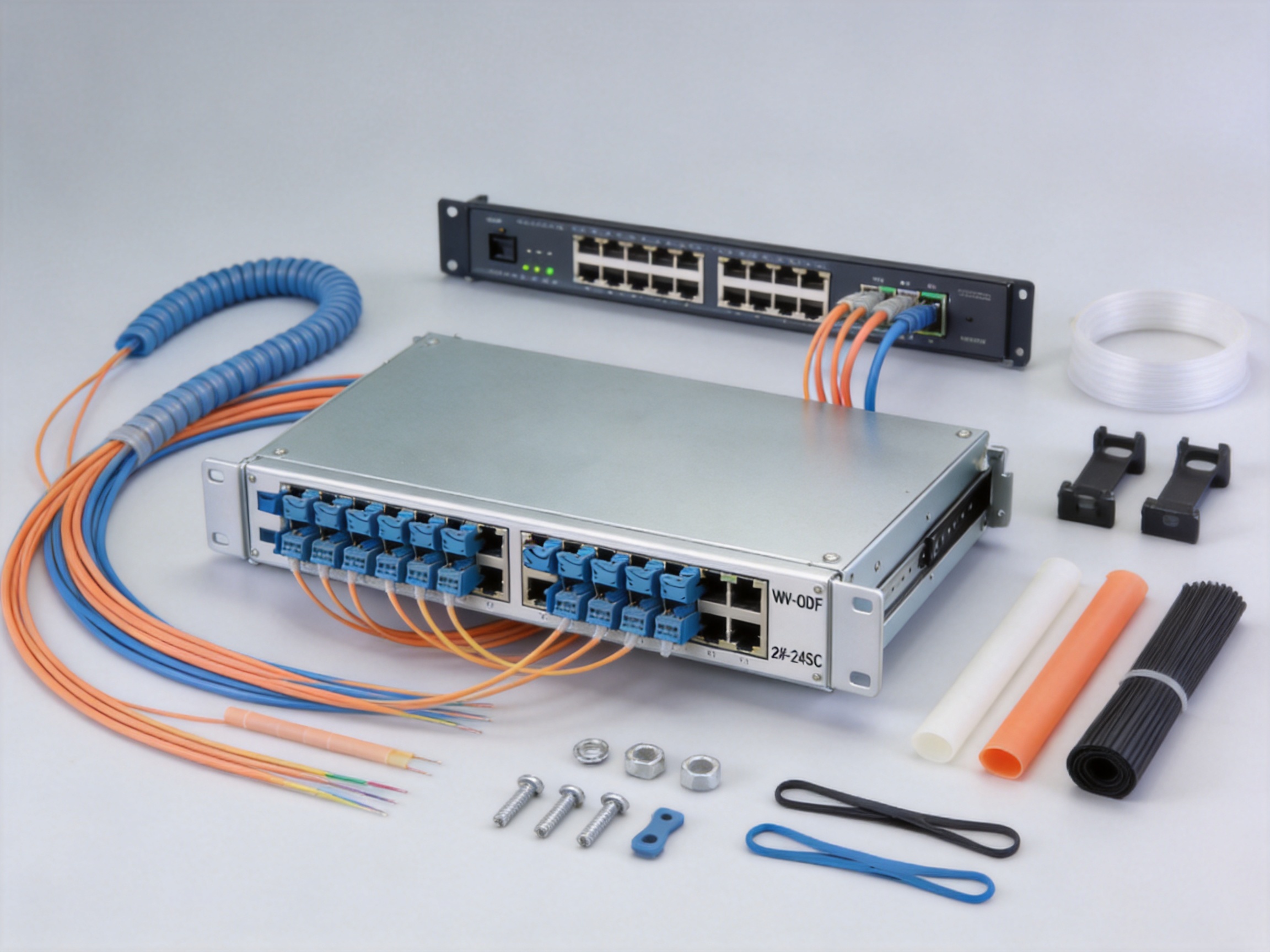
The product can be supplied with a practical accessory set to support installation and operation. The listed accessories include optical patch cords, pigtails, spiral protection tube, heat shrink tubes, cable clamps, snap nuts and screws, and cable ties. These accessories help installers complete fiber termination, cable fastening, splice protection, rack mounting, and cable organization.
The accessory configuration reflects real installation needs. Pigtails are necessary for splicing bare fibers to connectorized interfaces. Heat shrink tubes protect fusion splices. Cable clamps secure incoming cables. Cable ties help organize internal and external routing. Spiral protection tube provides additional fiber protection where needed. Snap nuts and screws support rack mounting.
By considering accessories as part of the full installation solution, the product reduces procurement complexity. Installers are less likely to be delayed by missing small parts. This improves project efficiency and supports standardized deployment quality.
Applications
Telecommunication Equipment Rooms
The WM-ODF-24SC is well suited for telecommunication equipment rooms where optical cables from outside plant networks must be terminated, spliced, and connected to transmission equipment. Its 1U size makes it efficient in high-density racks, while the drawer design supports convenient maintenance.
Optical Communication Networks
In optical communication networks, the product can be used as a distribution and termination point between backbone cables, distribution cables, and equipment pigtails. It helps keep fiber connections organized and protected, improving network reliability.
Ethernet and Enterprise Fiber Networks
Enterprise campuses, data networks, and building fiber systems often require rack-mounted fiber termination points. The standard 19-inch format allows the unit to be installed alongside switches, routers, media converters, and other network equipment.
Rail Transit and Transportation Communication Systems
High-speed railway and urban rail transit systems rely on stable communication infrastructure for signaling, monitoring, control, and passenger information systems. The product’s robust structure, environmental adaptability, and organized fiber management make it suitable for transportation communication environments.
Central Equipment Rooms
Central equipment rooms require high reliability, professional cable management, and easy maintenance. The WM-ODF-24SC supports these requirements through its standardized rack installation, 24-core capacity, and protected splicing structure.
Manufacturing Strength Behind the Product
Wanma Technology Co., Ltd. was established in 1997 and has developed extensive experience in communication cabinets, communication electronic equipment, and passive optical components. This background is important because a high-quality ODF is not a simple metal box. It requires knowledge of optical performance, mechanical structure, cable management, environmental durability, and installation practice.
The company develops, manufactures, and markets its own branded products while also providing integrated solutions for customized products. This combination of product manufacturing and solution capability allows it to respond to different project needs. For a product such as the WM-ODF-24SC, manufacturing strength is reflected in structural precision, surface treatment quality, accessory matching, fiber routing design, and consistent production control.
Integrated Production Experience
The company’s experience in communication cabinets and passive optical components gives it a strong foundation for ODF manufacturing. Communication cabinet production requires metal processing, structural design, surface treatment, assembly control, and durability considerations. Passive optical component production requires precision, cleanliness, optical performance awareness, and strict quality standards. The WM-ODF-24SC benefits from both areas of expertise.
Attention to Material Processing
The ODF body and adapter panel use metal material with a sprayed surface. High-quality metal processing helps ensure accurate dimensions, stable mounting holes, smooth edges, and strong structural integrity. Surface spraying improves appearance and protects the frame against wear. These manufacturing details affect both product durability and installer experience.
For internal components, PP material is used for the splice tray and cable guide. Proper molding and assembly of these parts are important because they guide and protect fibers. Smooth surfaces and correct geometry help prevent fiber stress and maintain routing discipline.
Assembly Precision and Quality Control
An optical distribution frame must be assembled accurately. Adapter panels must align properly, drawer movement must be smooth, splice trays must fit securely, cable fixing points must hold reliably, and the limiting device must function correctly. Manufacturing processes must therefore include dimensional checks, assembly inspections, and functional verification.
Quality control is especially important for batch consistency. Network projects often install many ODF units across multiple sites. If each unit has consistent dimensions, accessory configuration, and operating structure, installers can work faster and project managers can maintain uniform standards. This consistency is a major advantage over low-quality suppliers whose products may vary from batch to batch.
Customization Capability
The company also provides integrated solutions for customized products. This is valuable for operators and integrators who may have special requirements for adapter type, pigtail length, accessory kits, labeling, cabinet integration, or project packaging. A manufacturer with customization capability can support practical field requirements instead of offering only fixed catalog items.
Global Market Experience
The company’s sales network covers more than 20 countries and regions, including the United States, Australia, the United Kingdom, Italy, South Africa, and Ghana. International project experience helps manufacturers understand different installation habits, technical standards, environmental conditions, and customer expectations. This experience supports continuous product improvement and reliable delivery.
Quality, Delivery, and Long-Term Partnership Value
Fiber infrastructure projects are not judged only by initial product price. They are judged by long-term performance, maintenance cost, installation efficiency, delivery reliability, and supplier support. Wanma Technology emphasizes reliable product quality, timely delivery, and long-term strategic partnerships. These values are important for customers who need stable supply and dependable technical cooperation.
A low-cost ODF with poor design may seem attractive at procurement stage, but it can create hidden costs later. If the frame is weak, if fibers are difficult to manage, if adapters are not stable, or if installation accessories are incomplete, technicians spend more time on site and the network faces higher risk. A reliable ODF reduces these hidden costs by supporting clean installation and stable operation.
The WM-ODF-24SC is designed as a practical professional product rather than a minimal enclosure. Its drawer structure, cable fixing design, splice tray, adapter panel, material selection, and accessory support all contribute to total project value.
Installation Considerations
Before installation, technicians should confirm rack compatibility, cable entry direction, fiber count, adapter requirements, and accessory availability. The unit is designed for 19-inch racks and cabinets, and its dimensions should be considered when planning cabinet depth and rear cable management space.
During installation, the incoming cable should be introduced from the rear, opened and stripped according to project standards, then fixed securely using the cable fixing structure. Fiber routing should follow the intended pathway through the fiber spool and splice tray. Bend radius should be protected at all times.
Fusion splices should be protected with heat shrink tubes and arranged neatly inside the splice tray. Pigtails should be routed to the adapter panel without excessive tension. After splicing and routing are complete, the drawer should be reset carefully. Technicians should ensure that no fiber is pinched during closure.
After installation, optical testing should be performed according to project requirements. Insertion loss, continuity, polarity, labeling, and connector cleanliness should be checked. Proper labeling is recommended for each port to support future maintenance.
Maintenance Advantages
The WM-ODF-24SC is designed to make maintenance easier. The drawer structure allows technicians to access internal splices without removing the entire unit from the rack. The limiting device helps prevent accidental over-pull. The organized internal routing makes it easier to trace fibers and avoid disturbing active services.
In long-term network operation, maintenance efficiency has real economic value. Faster fault location, easier patching, safer splice access, and clearer cable organization all reduce downtime. For networks supporting business, transportation, public communication, or critical infrastructure, these benefits are especially important.
Connector insertion life of 500 times also supports repeated operation. Ports may need to be tested, reconnected, or migrated during upgrades. A product built for repeated use provides better lifecycle value than products intended only for static installation.
How the Product Supports Future Network Growth
Fiber demand continues to grow because of cloud services, mobile networks, smart cities, industrial communication, transportation systems, and high-speed enterprise applications. Network infrastructure must therefore support not only current connections but also future expansion and reconfiguration.
The WM-ODF-24SC supports future growth through its standardized rack design, 24-core capacity, organized splicing structure, and compatibility with common SC interfaces. Multiple units can be installed in the same rack as network demand increases. Standardization simplifies expansion because technicians can use the same installation methods and accessory types across different phases of a project.
The product is also suitable for networks that require gradual migration. For example, operators may upgrade equipment, change patching routes, add new users, or reorganize fiber paths. A maintainable ODF helps these changes occur with less disruption.

Q&A Section
Q1: What is the main purpose of the WM-ODF-24SC?
The WM-ODF-24SC is designed to manage optical fiber splicing, distribution, cable fixation, routing, and protection in a 19-inch rack or cabinet. It provides a compact 24-core fiber termination platform for optical communication networks.
Q2: Why is the 1U design important?
The 1U design saves rack space while still providing 24-core capacity. This is useful in equipment rooms and cabinets where many devices must be installed in limited space.
Q3: What type of adapter does the product support?
The product supports SC adapters. SC interfaces are widely used in optical networks and provide stable, convenient connection performance.
Q4: How does the drawer structure help technicians?
The drawer structure allows the unit to be pulled out during splicing or maintenance. This gives technicians easier access to the splice tray. The limiting device helps prevent excessive extraction and protects fibers from damage.
Q5: What cable types can be used with this ODF?
The product is applicable to ribbon cable, bundle cable, and single-core cable, making it flexible for different network construction requirements.
Q6: What are the key optical performance specifications?
The product supports standard working wavelengths of 850 nm, 1310 nm, and 1550 nm. Its insertion loss is ≤ 0.3 dB, and its return loss is PC ≥ 40 dB, UPC ≥ 50 dB, and APC ≥ 60 dB.
Q7: What makes this product different from many competing ODF units?
Its advantages include a compact 1U 24-core design, metal body, PP internal fiber management parts, rear cable fixing structure, drawer-type maintenance access, limiting device, broad cable compatibility, and complete fiber protection functions.
Q8: Is the product suitable for harsh or variable environments?
Yes. It supports working temperature from -25°C to +40°C, environmental temperature from -40°C to +60°C, storage temperature from -25°C to +55°C, relative humidity up to 85% at +30°C, and air pressure from 70 kPa to 106 kPa.
Q9: What accessories may be included for installation?
Accessory items may include optical patch cords, pigtails, spiral protection tube, heat shrink tubes, cable clamps, snap nuts and screws, and cable ties. These accessories support splicing, protection, fastening, and rack installation.
Q10: Why is manufacturer experience important for an ODF?
Manufacturer experience affects structural precision, material selection, assembly quality, accessory matching, and batch consistency. Wanma Technology Co., Ltd. has experience in communication cabinets, communication electronic equipment, and passive optical components, supporting reliable product development and production.
Conclusion
The WM-ODF-24SC 19-inch rack mount Optical Distribution Frame is a compact, practical, and reliable fiber management solution for modern optical networks. With 24-core capacity in a 1U structure, it helps save rack space while maintaining accessibility for installation and maintenance. Its drawer-type design, limiting device, rear cable fixing structure, metal body, PP splice tray and cable guide, SC adapter compatibility, and support for ribbon, bundle, and single-core cable make it a strong choice for telecom operators, system integrators, enterprise networks, and transportation communication systems.
The product’s performance specifications, including low insertion loss, strong return loss options, electrical safety performance, insulation resistance, and wide environmental adaptability, support stable network operation. Compared with basic or low-cost alternatives, it offers better fiber protection, easier maintenance, stronger structural durability, and more complete installation support.
Behind the product is Wanma Technology Co., Ltd., a manufacturer established in 1997 with strengths in communication cabinets, communication electronic equipment, and passive optical components. Its manufacturing experience, quality focus, customization capability, and international market presence help ensure that the WM-ODF-24SC is not only a product but part of a reliable network infrastructure solution.
For projects that require organized fiber termination, dependable optical performance, efficient installation, and long-term maintainability, the WM-ODF-24SC provides a professional and competitive choice.
References
1. Optical Fiber Communication Principles and Practice, standard technical literature on optical transmission systems.
2. Fiber Optic Connector and Passive Component Testing Guidelines, industry reference material for insertion loss and return loss evaluation.
3. Telecommunications Rack and Cabinet Installation Practices, engineering reference for 19-inch rack-mounted equipment.
4. Optical Distribution Frame Design and Application Notes, passive optical network infrastructure reference material.
5. Manufacturer product specification materials for WM-ODF-24SC 19-inch rack mount Optical Distribution Frame.
PREV:Intelligent Locker Systems for Traceable Surgical Attire and Medical Supply Management
NEXT:No next article
NEXT:No next article
Interested in cooperation or have questions?
Related products
-
-
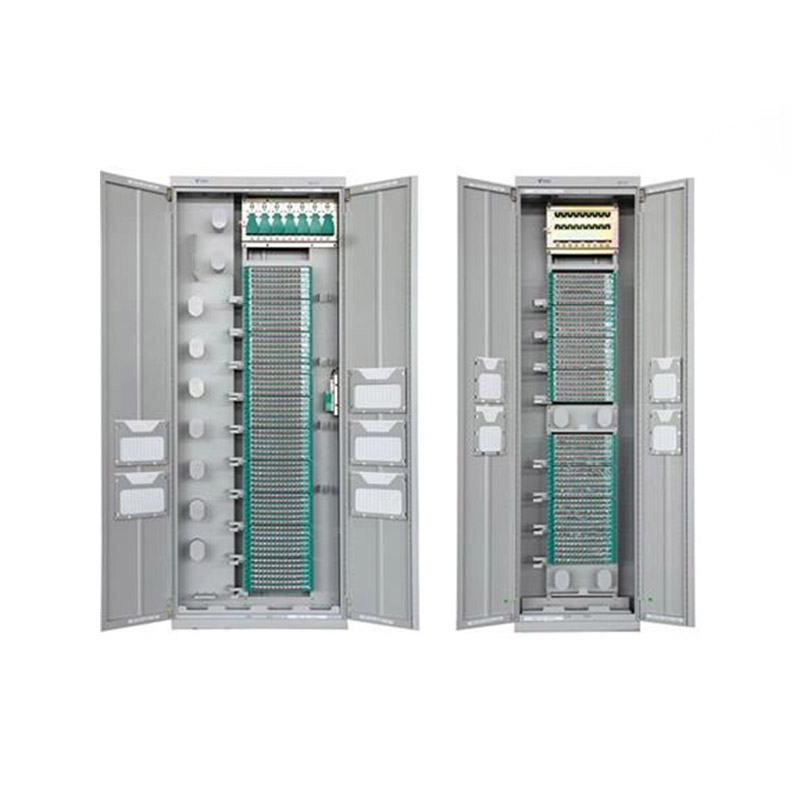
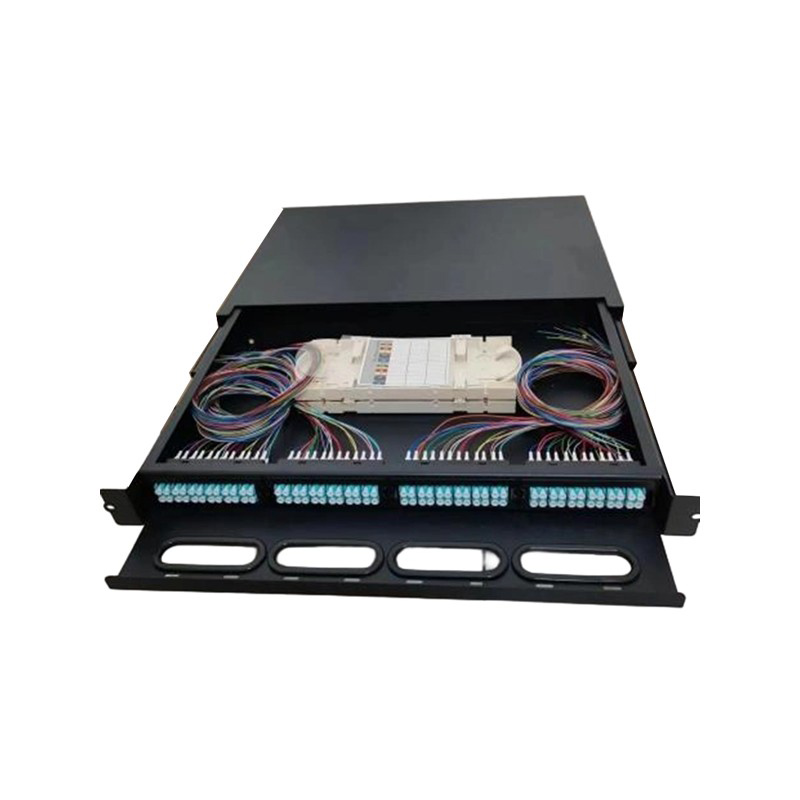
Application ScopeThe GPX129-09T fiber optic distribution frame is used to connect, distribute, and manage fiber optic cables and optical communication equipment. It is suitable for large-capacity fibe...
See Details -
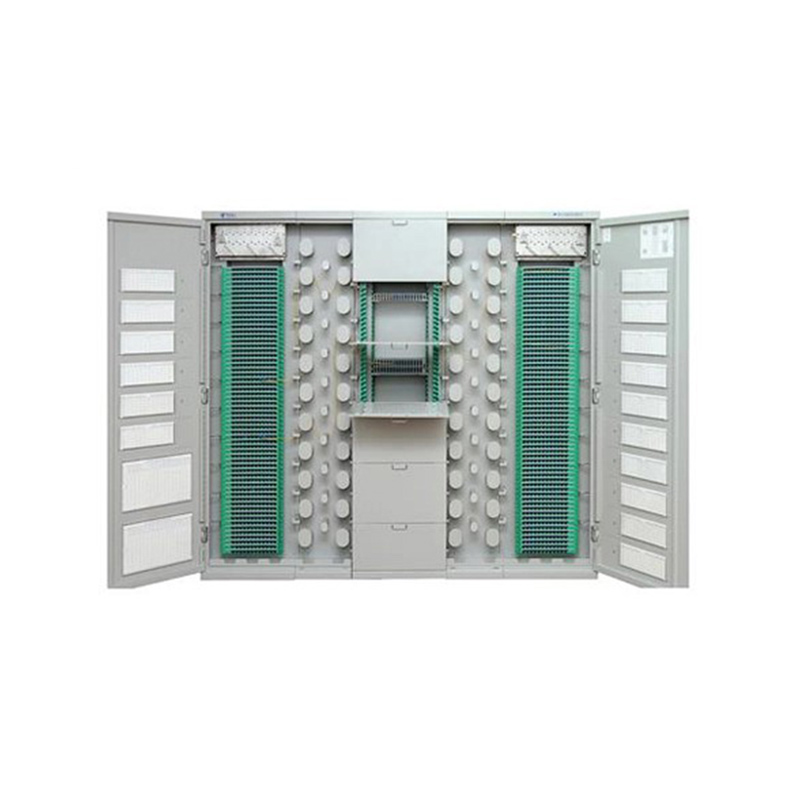
Application Used in FTTH network access-layer equipment rooms where splitting, splicing, distribution and other operations need to be carried out within a frame. Used in FTTH networks where optical sp...
See Details -
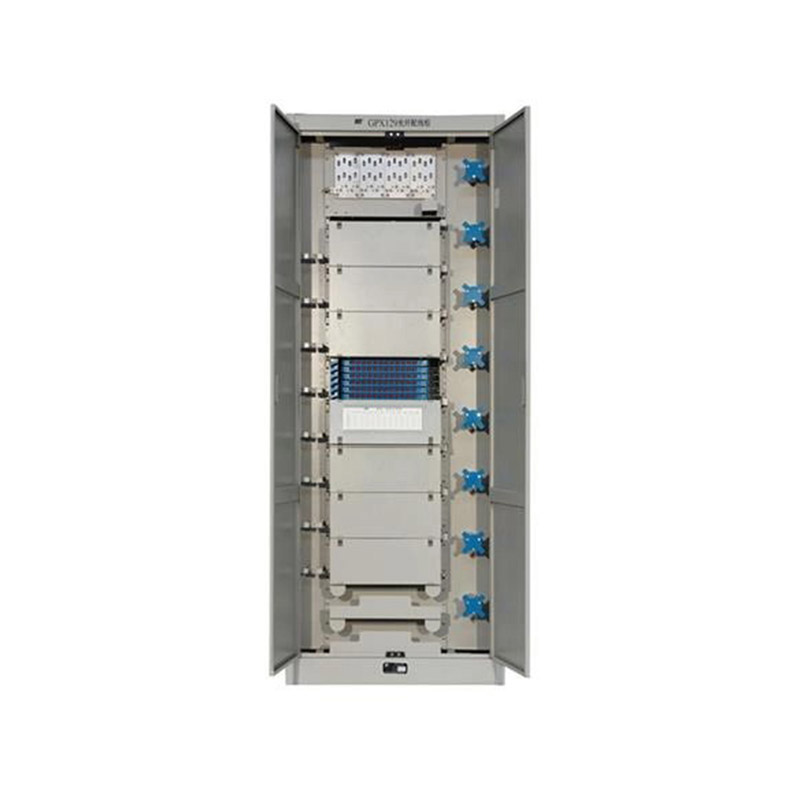
Application ScopeThe GPX129BKC fiber optic distribution frame is used to connect and distribute optical cables to optical communication equipment, and is suitable for large-capacity fiber optic commun...
See Details
Ready to Get started ? Contact Us Now !

Product.
Contact Details.
-
 +86 13958188250
-
 +86 13958188250
-
 [email protected]
- Wanma Industrial Park Taihu Yuan Town Lin'an District Hangzhou City China.
QR Code

Copyright © Wanma Technology Co., Ltd. All Rights Reserved.
Custom Ethernet Optical Network Railway Transit Equipments Suppliers
