

 English
 Français
 Español
 Português
 عربى
عربى




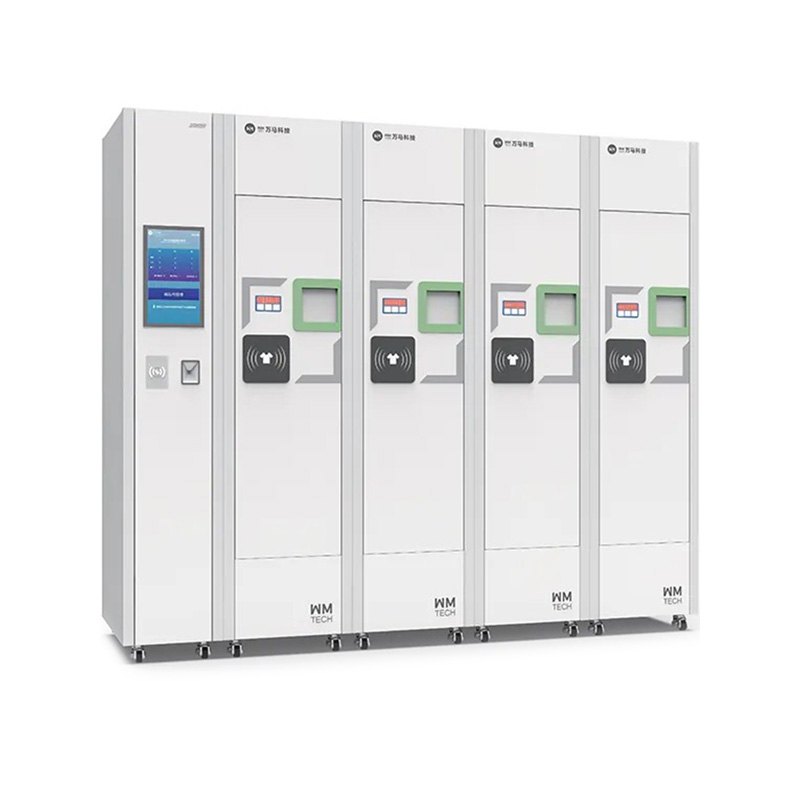
Product Definition:The Chain Intelligent Clothes and Shoes Sending Machine is an advanced management system for hospital operating rooms and clean zones, integrating automatic storage, identity verifi...
See DetailsIntelligent Locker Systems for Traceable Surgical Attire and Medical Supply Management
Content
- 1 Product Definition and Core Purpose
- 2 Why Hospitals Need Intelligent Locker Management
- 3 Key Advantages Over Conventional and Competing Locker Solutions
- 4 Functional Overview
- 5 Smart Distribution of Surgical Attire
- 6 Recovery and Recycling Management
- 7 Personal Belongings Management
- 8 Support for Hospital Standardization
- 9 Data Analytics and Resource Optimization
- 10 Manufacturing Strength Behind the Product
- 11 Integration With Hospital Digital Infrastructure
- 12 Security, Compliance, and Accountability
- 13 Infection Control Value
- 14 Operational Scenarios
- 15 Comparison With Generic Smart Lockers
- 16 Implementation Considerations
- 17 Company Strengths Supporting Global Projects
- 18 Future Development Trends
- 19 Q&A Section
- 19.1 What is the main purpose of the Intelligent Locker?
- 19.2 How does it improve operating room management?
- 19.3 Which authentication methods are supported?
- 19.4 Can the system allocate surgical attire by size?
- 19.5 Can temporary users be managed?
- 19.6 How does the system support traceability?
- 19.7 Can it connect with hospital information systems?
- 19.8 What makes it different from ordinary smart lockers?
- 19.9 Where can it be used besides operating rooms?
- 19.10 Why is the manufacturer’s telecom and digital infrastructure background important?
- 20 Conclusion
- 21 References
In modern hospitals, the management of surgical attire, shoes, staff belongings, and controlled supplies is no longer a simple logistics task. It is a core part of infection control, operating room efficiency, staff accountability, and data-driven hospital administration. The Intelligent Locker is a smart medical supplies and personal items management system designed for demanding healthcare environments such as operating room changing areas, clean zones, intensive care units, laboratories, and infection control departments. Built on Internet of Things technology, biometric recognition, RFID identification, IC card authentication, modular cabinet architecture, and hospital information system integration, it provides a closed-loop platform for accurate distribution, return, traceability, and storage management.
Unlike conventional lockers that merely provide physical storage, this system is designed as a digital infrastructure node inside the hospital workflow. It identifies authorized users, allocates appropriate items according to roles and permissions, records every operation, monitors cabinet and inventory status in real time, and supports integration with hospital systems such as HIS, EMR, access control, attendance, and operating room scheduling platforms. The result is a paperless, traceable, standardized management model that reduces manual workload, improves resource utilization, and strengthens compliance.
Developed for high-standard medical scenarios, the Intelligent Locker addresses several pain points commonly found in hospital clothing and material management. These include unrecorded garment pickup, inaccurate inventory counts, difficulty tracing responsibility, excessive manual distribution work, misplaced surgical shoes, unauthorized access to clean supplies, low clothing turnover visibility, and inconsistent infection control procedures. By replacing manual registration and open-shelf storage with authenticated access and automated data capture, the system helps hospitals establish a more disciplined and transparent operating room support process.
Wanma Technology Co., Ltd., established in 1997, brings manufacturing experience from communication cabinets, communication electronic equipment, passive optical components, and digital infrastructure solutions into this product category. The company’s background in telecom electronic equipment, central equipment room products, rail transit communication infrastructure, and customized cabinet solutions supports the production of robust, modular, network-connected medical management equipment. This cross-industry manufacturing foundation gives the Intelligent Locker strong advantages in cabinet structure, electronic integration, wiring reliability, modular expansion, and long-term deployment stability.
Product Definition and Core Purpose
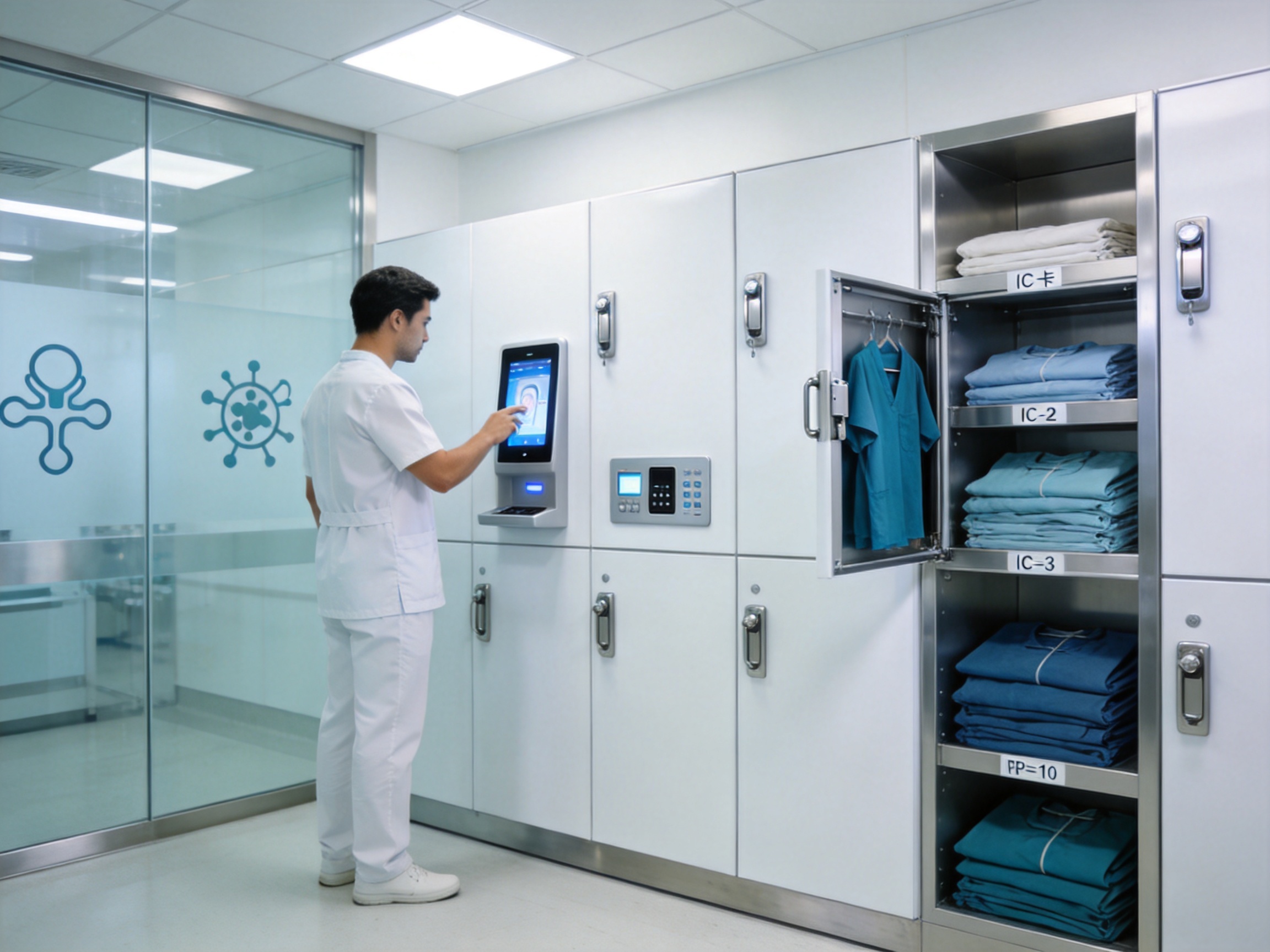
The Intelligent Locker is a smart cabinet-based management platform for medical garments, shoes, supplies, and personal belongings. It combines cabinet hardware, electronic locks, sensors, RFID reading modules, facial recognition terminals, IC card readers, network communication, software management, and hospital system interfaces. Its primary function is to control who can access which cabinet, what items can be taken, when the operation occurs, whether items are returned, and how inventory status changes over time.
In a hospital operating room environment, the system can be used for surgical attire distribution and recycling, surgical shoe access, temporary locker allocation, long-term cabinet assignment, staff changing-room management, and separation of clean and contaminated items. It can automatically allocate properly fitted attire based on staff identity, position, department, height, size requirements, and usage permissions. For temporary users, such as visiting surgeons, interns, external experts, or short-term support personnel, permissions can be configured for single-use or time-limited access. For regular staff, long-term dedicated cabinet or fixed-permission access can be established.
The system is also valuable beyond operating rooms. In ICUs, laboratories, infection control departments, sterile supply areas, and other controlled environments, it can manage protective clothing, special shoes, clean uniforms, instruments, documents, samples, or personal storage. The modular design allows hospitals to combine changing cabinets, shoe cabinets, recycling cabinets, distribution cabinets, and other functional modules according to actual workflow requirements.
Why Hospitals Need Intelligent Locker Management
Hospital logistics has become increasingly data-driven. Operating rooms require strict control of sterile areas, personnel movement, clean clothing supply, surgical shoe usage, and contaminated garment recycling. Traditional manual approaches often rely on paper records, open shelves, verbal confirmation, or staff memory. These methods may be simple to start, but they create hidden risks when hospital scale, staff mobility, and compliance requirements increase.
Manual garment management can lead to oversupply, shortages, loss, misuse, delayed cleaning cycles, and unclear responsibility. When surgical attire is not tracked, hospitals may struggle to determine how many sets are circulating, which sizes are overused, which departments consume the most resources, or whether garments are returned on time. When cabinet use is not recorded, unauthorized access or improper item handling may be discovered too late. In infection control, delayed information can become a serious operational problem.
The Intelligent Locker transforms these activities into measurable events. Each pickup, return, door opening, authentication attempt, abnormal access event, remote clearing action, and lock status change can be logged. Administrators can review operational records, generate reports, monitor inventory, and manage usage trends. This creates a complete traceability chain that supports compliance, dispute resolution, cost control, and performance evaluation.
Key Advantages Over Conventional and Competing Locker Solutions
Multi-Modal Identification for Practical Hospital Use
One of the most important advantages of the Intelligent Locker is its multi-modal authentication design. It can support facial recognition, IC cards, RFID identification, and other verification methods. In real hospital environments, no single identification method is ideal for every scenario. Staff may wear masks, gloves, or protective equipment. Some departments may already use staff IC cards. Certain item categories may require RFID-based tracking. By supporting multiple identification modes, the system provides greater flexibility and reduces operational friction.
Compared with simple electronic lockers that rely only on a password or card swipe, multi-modal identification offers higher security and better convenience. Passwords can be shared or forgotten. Cards can be misplaced. A facial recognition terminal provides fast identity verification, while IC cards maintain compatibility with existing hospital access systems. RFID supports item-level recognition when garments, shoes, or supplies are tagged. These layers can work independently or together depending on hospital policy.
Precise Permission Control
The system is designed for fine-grained authorization rather than general access. Administrators can define permission rules by staff identity, department, role, height, garment size, work schedule, operating room assignment, temporary access status, or management policy. A nurse, surgeon, anesthesiologist, technician, visitor, cleaner, or external maintenance worker may receive different access rights. This supports strict separation between clean supplies, contaminated returns, personal storage, and special-use materials.
Many competing systems provide cabinet opening control but limited workflow logic. The Intelligent Locker goes further by connecting identity recognition with item allocation. For example, when a staff member is authenticated, the system can allocate an appropriate size of surgical attire and open the corresponding cabinet. For a temporary staff member, it can authorize one access cycle and automatically expire the permission after use. This reduces administrative workload while maintaining control.
Closed-Loop Traceability
Closed-loop traceability means that the system can record the full path of an item or operation from distribution to return. The Intelligent Locker can log retrieval, return, cabinet status, unauthorized access, abnormal door opening, remote cabinet clearing, and lock management operations. This is especially important for surgical attire and shoes, where clean and contaminated item flow must be carefully separated.
Traditional lockers usually provide no reliable evidence about who accessed which item and when. Some competitors may record door openings but not connect those records to hospital roles, inventory status, or return cycles. The Intelligent Locker is designed to create a more complete data chain, supporting hospital compliance and internal audits. In the event of disputes, missing items, irregular usage, or infection control reviews, administrators can use stored data for investigation and process improvement.
Real-Time Status Monitoring
Another major advantage is real-time monitoring of cabinet occupancy, inventory levels, door state, lock status, and abnormal conditions. Administrators do not need to physically inspect every cabinet to know whether items are available, whether a door is left open, or whether stock is below a threshold. The system can generate alerts and reports, improving response speed.
For hospitals with large operating room centers, manual inspection is time-consuming and often inaccurate. Real-time monitoring enables proactive replenishment and faster troubleshooting. If certain clothing sizes are frequently depleted, management can adjust stock allocation. If a cabinet remains unlocked or shows abnormal access, staff can respond quickly. This increases operational reliability and reduces hidden risks.
Modular Expansion
The product can be expanded with shoe cabinets, changing cabinets, recycling cabinets, storage cabinets, and other functional units. This modular architecture allows hospitals to start with a specific use case and expand later as requirements grow. A small department may begin with garment distribution and return. A larger hospital may integrate multiple locker banks across clean corridors, staff entrances, and operating room support zones.
Competitors with fixed cabinet structures may force hospitals to adapt workflow to equipment limitations. The Intelligent Locker is designed to adapt to hospital workflow instead. Module quantity, cabinet size, access mode, identification method, and software permissions can be configured according to project needs. This makes the system suitable for both newly built hospitals and renovation projects.
Deep Integration With Hospital Systems
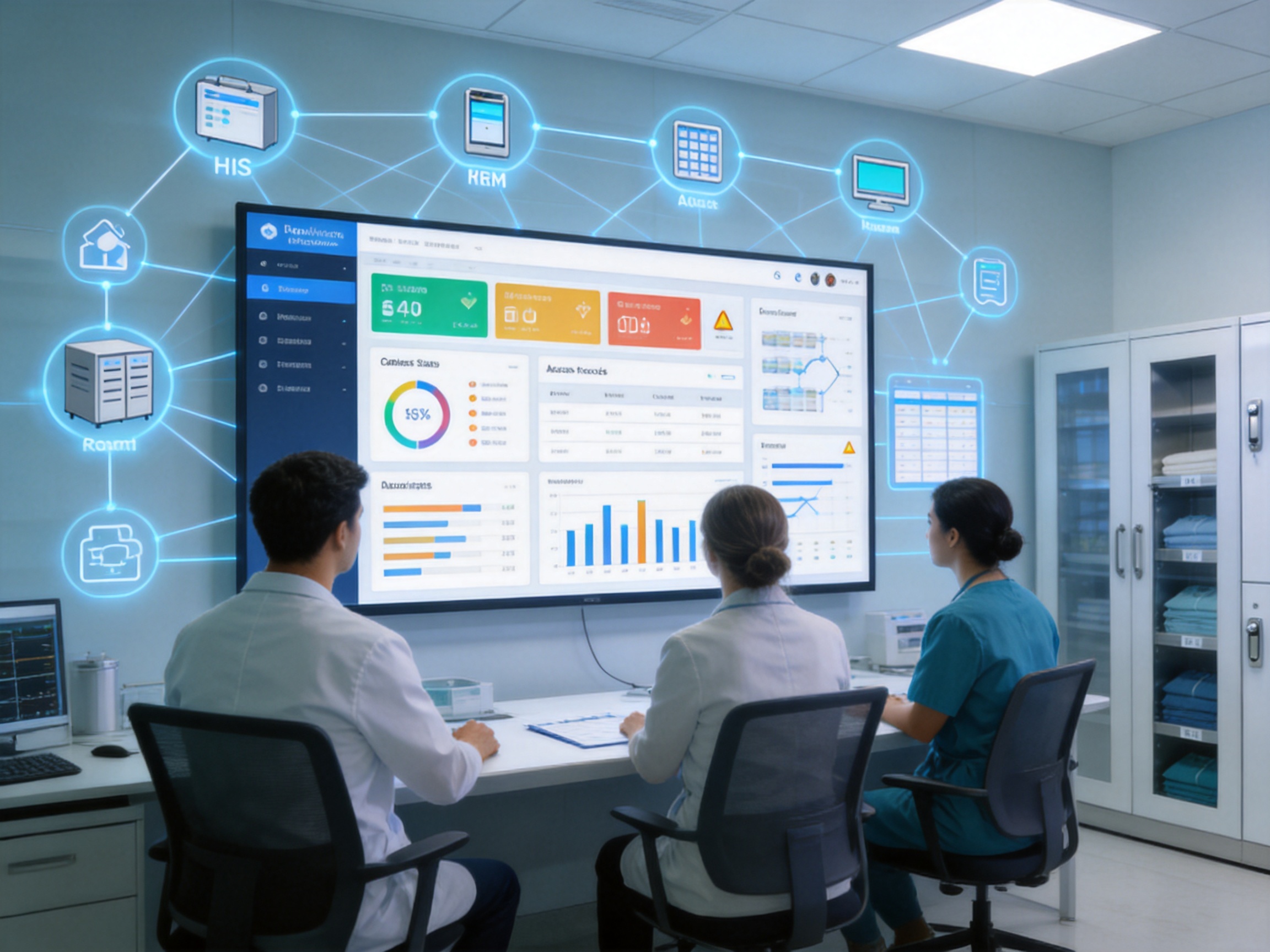
The Intelligent Locker can integrate with HIS, EMR, access control, attendance, and operating room scheduling systems. This integration turns the locker from a standalone cabinet into part of a hospital’s digital management ecosystem. Staff identity, department information, work schedules, surgical assignments, access permissions, and management records can be synchronized to reduce duplicate data entry and improve accuracy.
Many generic smart lockers are designed for offices, campuses, or retail pickup applications. They may not support medical workflows or hospital information interfaces. The Intelligent Locker is designed specifically for medical use, allowing it to cooperate with hospital systems and support paperless management. This is a significant advantage for hospitals pursuing digital transformation and standardized operating room administration.
Functional Overview
| Function | Operational Value | Hospital Benefit |
|---|---|---|
| Facial recognition and IC card authentication | Verifies staff identity before cabinet access | Prevents unauthorized use and improves convenience |
| RFID identification | Supports item-level recognition and tracking | Improves garment, shoe, or supply traceability |
| Permission management | Controls access by role, department, user, or temporary authorization | Supports clean-area discipline and accountability |
| Automatic allocation | Matches users with suitable surgical attire or assigned cabinets | Reduces manual distribution and improves staff experience |
| Return and recycling management | Records return events and supports contaminated item separation | Strengthens infection control and laundry cycle visibility |
| Remote cabinet clearing and door locking | Allows administrators to manage cabinets without local intervention | Improves maintenance efficiency and emergency response |
| Abnormal status alerts | Detects open doors, access exceptions, and other irregular conditions | Reduces loss, misuse, and management blind spots |
| Utilization reports | Analyzes cabinet use, inventory, and clothing turnover | Supports data-driven resource planning |
| Hospital system integration | Connects with HIS, EMR, access control, attendance, and scheduling | Enables coordinated workflow and paperless management |
Smart Distribution of Surgical Attire
Surgical attire distribution is one of the main applications of the Intelligent Locker. In a conventional process, staff may collect garments from a storage area with limited verification. Sizes may be mixed, records may be incomplete, and return status may not be tracked. This can result in stock imbalance, unnecessary purchasing, or difficulty maintaining clean-area standards.
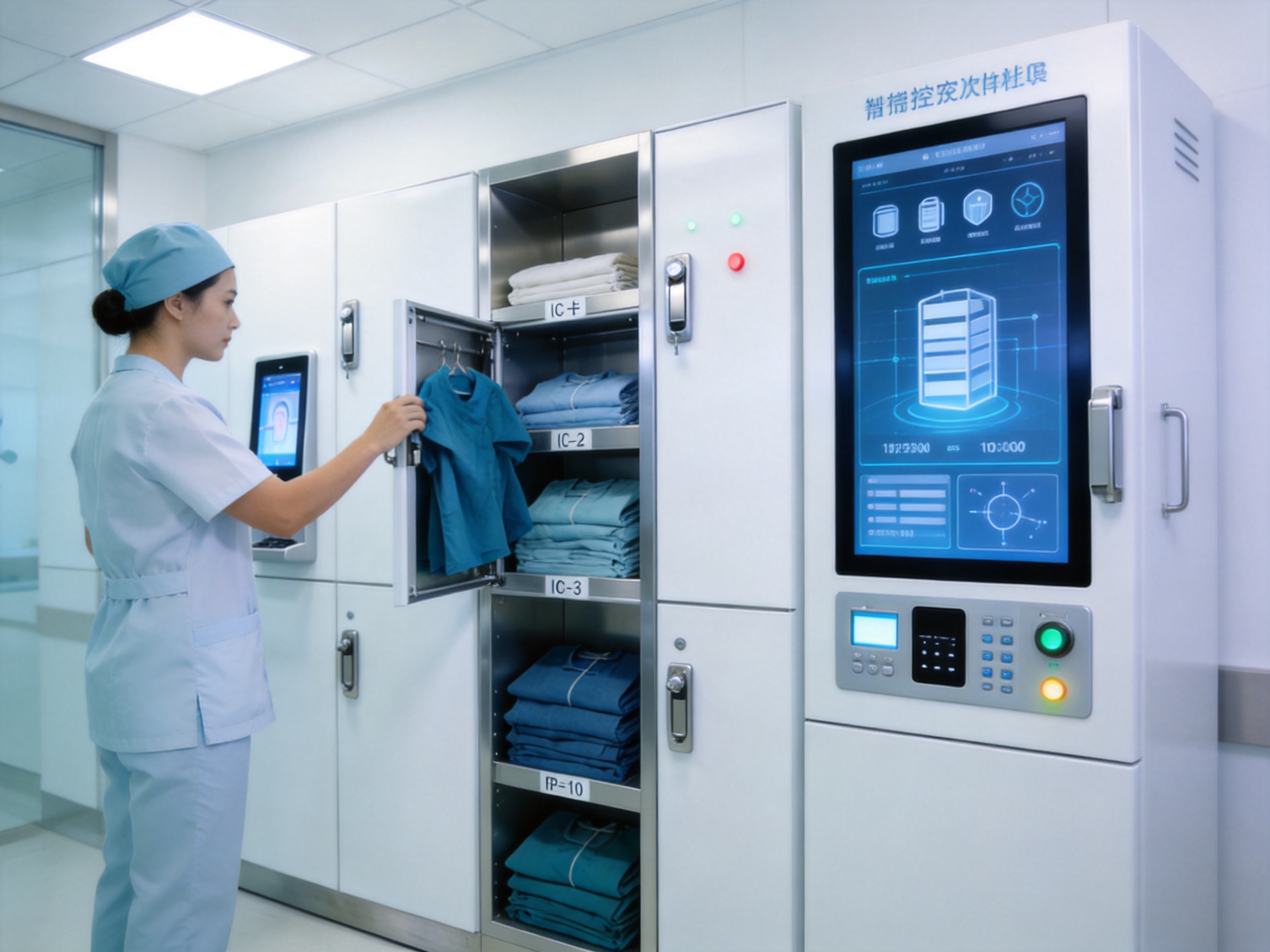
With intelligent distribution, the staff member first completes identity verification. The system then checks permissions, size rules, available inventory, and any relevant workflow information. It opens the correct cabinet or directs the user to the correct compartment. The pickup event is automatically logged, including user identity, time, cabinet, item category, and related status. If RFID tags are used, the item can be identified more precisely.
This process improves both efficiency and control. Staff no longer need to search through piles of clothing. Administrators gain real usage data. The hospital can understand consumption patterns by department, time period, garment size, and staff group. Over time, this information supports improved stock planning and reduced waste.
Recovery and Recycling Management
Return management is just as important as distribution. Used surgical attire and shoes must be collected in a controlled way to prevent confusion between clean and contaminated items. The Intelligent Locker can include recycling cabinets or return modules that record when items are returned and by whom. This helps close the loop between distribution, use, return, cleaning, and redistribution.
Infection control departments benefit from better visibility of contaminated item flow. Laundry management teams benefit from accurate collection data. Operating room managers benefit from reduced loss and improved availability. The system can help identify delayed returns, abnormal usage, or departments with unusually high consumption. It also supports cleaner separation of storage areas, reducing unnecessary handling.
Personal Belongings Management
In operating room changing areas, staff often need secure storage for personal belongings before entering controlled zones. The Intelligent Locker can provide authenticated storage cabinets for individual or temporary use. Long-term users can have assigned cabinets, while temporary users can receive dynamically allocated compartments. This flexibility reduces the need for manual key distribution and minimizes disputes over cabinet occupation.
Compared with traditional mechanical lockers, smart personal storage provides better accountability. Door opening and closing records can be stored. Remote management can support cabinet clearing when users forget to remove belongings or when temporary access expires. Abnormal status alerts can notify administrators when a door is left open or a cabinet remains occupied beyond the allowed time.
Support for Hospital Standardization
Standardization is a major goal in modern hospital management. Every repeated process should be clear, measurable, and auditable. The Intelligent Locker supports this principle by transforming garment and storage management into a rule-based digital workflow. Permissions are configured in software. Access is verified electronically. Operations are automatically recorded. Reports are generated from actual usage data.
This reduces reliance on informal practices and individual memory. New employees can follow the same controlled process as experienced staff. Temporary users can be managed without weakening security. Department managers can review objective data rather than relying only on manual reports. In the long term, this supports a more transparent and disciplined hospital environment.
Data Analytics and Resource Optimization
The Intelligent Locker is not only a storage system; it is also a data source. It can collect operational information about cabinet usage, clothing turnover, inventory levels, pickup frequency, return frequency, abnormal access, and time-based demand patterns. These data points can be transformed into reports for hospital administrators.
For example, if large-size surgical attire is repeatedly depleted faster than other sizes, inventory allocation can be adjusted. If certain departments have unusually high garment consumption, management can investigate whether it is caused by higher surgical volume, inefficient return habits, or policy gaps. If some cabinets are rarely used, the layout can be optimized. If return delays are common, staff education or workflow adjustment may be needed.
Data-driven management helps hospitals move from reactive replenishment to proactive planning. It can reduce unnecessary stock, prevent shortages, and improve the balance between availability and cost. In operating rooms, where time and readiness are critical, reliable supply planning has direct operational value.
Manufacturing Strength Behind the Product
The Intelligent Locker benefits from the manufacturing strengths of Wanma Technology Co., Ltd., a company with decades of experience in communication cabinets, communication electronic equipment, passive optical components, and customized infrastructure products. The company’s history in telecommunications and digital infrastructure is relevant because intelligent medical lockers require many of the same capabilities: robust cabinet engineering, precision assembly, reliable wiring, stable communication modules, electronic control integration, and long-term field performance.
Telecom and medical environments both demand reliability. Communication cabinets must protect equipment, organize cabling, support ventilation, and remain stable over years of use. Medical intelligent lockers must protect stored items, support frequent door operations, maintain electronic control accuracy, and operate in environments where downtime can disrupt workflow. Manufacturing experience from digital infrastructure helps strengthen cabinet durability, modular consistency, and system integration quality.
Cabinet Structure and Fabrication
High-quality intelligent locker manufacturing begins with cabinet structure. The cabinet must withstand frequent use, maintain door alignment, protect electronic components, and support modular expansion. Advanced sheet metal processing, precision cutting, bending, welding, surface treatment, and assembly control are important to ensure consistent quality.
A well-built cabinet reduces maintenance issues such as door deformation, lock misalignment, loose hinges, sensor displacement, and poor compartment sealing. In hospital applications, smooth surfaces and orderly structure also support cleaning and management. The product’s modular cabinet approach allows different configurations while maintaining a unified manufacturing standard.
Electronic Integration and Wiring Discipline
Intelligent lockers depend on electronic locks, sensors, recognition terminals, RFID readers, controllers, power distribution, communication modules, and software interfaces. Poor wiring or weak electronic integration can lead to unstable operation. Wanma Technology’s background in communication electronic equipment and cabinet-based infrastructure supports disciplined internal layout, organized wiring, reliable connections, and maintainable component arrangement.
In a hospital project, maintainability is important. If a module requires inspection or replacement, service personnel should be able to locate components efficiently. Clear wiring paths, modular electronic assemblies, and standardized interfaces reduce service time. This is an advantage over low-cost generic lockers that may use less organized internal structures.
Modular Production for Custom Projects
Hospitals vary greatly in building layout, changing-room design, staff volume, operating room quantity, infection control policy, and information system architecture. Therefore, intelligent lockers often require customization. A manufacturer with OEM and ODM capabilities can adjust cabinet quantity, module type, compartment size, identification method, color, interface requirements, software rules, and installation layout.
Wanma Technology provides integrated solutions for customized products, which supports project-based deployment. Instead of offering only a fixed product, the manufacturing and engineering teams can respond to practical scenarios. This is important for hospitals that need intelligent lockers to fit existing corridors, staff entrances, clean zones, and return areas.
Quality Control and Testing
For medical environments, stable performance is essential. Quality control should cover cabinet structure, door operation, lock reliability, sensor response, recognition terminal function, RFID reading performance, network communication, software interaction, and overall system operation. Repeated testing helps ensure that the locker can handle frequent daily use.
Manufacturing strength is not only about producing hardware; it is about ensuring that each unit performs consistently after installation. The company’s experience supplying products used in Ethernet networks, optical communication networks, central equipment rooms, high-speed railways, and urban rail transit systems reflects an emphasis on reliability and delivery discipline. These strengths are valuable when producing intelligent medical management systems that must operate reliably in institutional environments.
Integration With Hospital Digital Infrastructure
The Intelligent Locker is designed to participate in a hospital’s broader digital infrastructure. Through system integration, it can exchange information with hospital platforms and reduce duplicated manual work. When staff information changes in the hospital system, locker permissions can be updated. When operating room schedules change, temporary access can be adjusted. When attendance or access control systems are connected, identity and movement management can become more coordinated.
Integration with HIS and EMR-related workflows can help align material access with staff identity and clinical responsibility. Integration with access control can ensure that only approved personnel use clean-zone lockers. Integration with attendance systems can support management of duty-related access. Integration with operating room scheduling can support temporary authorization for assigned procedures.
This level of integration is one of the product’s strongest competitive advantages. Standalone lockers may improve storage security, but they do not fully support hospital management transformation. A connected intelligent locker becomes a practical terminal for hospital data collection, workflow enforcement, and resource planning.
Security, Compliance, and Accountability
Medical environments require careful attention to security and accountability. The Intelligent Locker supports these requirements through authentication, permission control, data logging, abnormal status alerts, and remote management. Each access event can be associated with a user identity and time stamp. Unauthorized attempts can be recorded. Administrative operations can also be logged.
This recordkeeping supports internal compliance checks and dispute resolution. If a garment is missing, if a cabinet is opened at an unusual time, or if a staff member claims access was unavailable, administrators can review system records. The goal is not only to assign responsibility but also to improve processes. Traceability makes hidden problems visible.
Data security should also be considered. Because the system may handle staff identity information and operational records, hospitals should configure access rights carefully and apply appropriate data protection policies. User management, administrator permissions, system logs, and interface security should be designed according to the hospital’s information governance requirements.
Infection Control Value
Infection control depends on both clinical procedure and environmental discipline. Garments, shoes, and controlled supplies must be handled in ways that prevent cross-contamination. The Intelligent Locker supports infection control by helping separate clean distribution from contaminated return, limiting access to authorized personnel, recording item movement, and reducing unnecessary manual contact.
In operating room environments, clean attire should be available when needed, but access should not be uncontrolled. Used items should be returned through a defined route, not left in inappropriate locations. The locker system supports these principles by guiding user behavior through controlled compartments and recorded operations. When combined with hospital policies, signage, cleaning protocols, and staff training, it becomes part of a complete infection control infrastructure.
Operational Scenarios
Operating Room Changing Area
In a large operating room center, staff enter the changing area before starting work. After facial recognition or IC card authentication, the system identifies the user and opens the appropriate cabinet. Surgical attire is issued according to staff profile and size rules. The pickup event is stored automatically. After work, used attire is returned through a recycling cabinet, creating a full distribution and return record.
Temporary Expert Access
A visiting surgical expert arrives for a scheduled procedure. The hospital administrator grants temporary permission in advance. The expert verifies identity and receives access to required attire and storage. After the procedure, the temporary permission expires automatically. This reduces manual intervention and prevents long-term access from remaining active unnecessarily.
Surgical Shoe Management
Surgical shoes are often difficult to manage because sizes, cleaning cycles, and return habits vary. A shoe cabinet module can provide controlled access and tracking. Staff can receive assigned or suitable shoes, and return status can be recorded. This improves availability and supports clean-zone management.
ICU or Laboratory Protective Clothing
In ICUs or laboratories, controlled clothing and supplies may need strict access records. The Intelligent Locker can be configured for these environments, supporting department-specific permissions, item tracking, and inventory monitoring. This helps extend the value of the system beyond the operating room.
Comparison With Generic Smart Lockers
Generic smart lockers are often designed for parcel delivery, office storage, school use, or commercial self-service scenarios. While they may include electronic locks and user authentication, they usually lack medical workflow logic. They may not support surgical attire size allocation, return traceability, clean and contaminated item separation, RFID item tracking, integration with hospital systems, or medical compliance reporting.
The Intelligent Locker is purpose-built for healthcare management. Its value is not limited to opening and closing doors. It supports identity-based allocation, permission configuration, inventory visibility, recycling management, traceable operations, modular medical scenarios, and digital hospital integration. These capabilities make it more suitable for hospitals seeking long-term standardized management rather than simple storage modernization.
Implementation Considerations
Successful deployment begins with workflow analysis. Hospitals should identify where staff enter and exit, where clean attire is stored, where used items are returned, how sizes are managed, how temporary users are authorized, and what information systems need to be connected. Cabinet layout should follow actual movement patterns to reduce congestion and encourage correct use.
Data configuration is equally important. Staff information, department roles, permission groups, garment sizes, cabinet assignments, temporary access rules, and administrator roles should be prepared before launch. Training should be provided to staff and managers so that users understand authentication methods, pickup rules, return procedures, and abnormal situation handling.
After deployment, hospitals should review reports regularly. Early data may reveal stock imbalance, unexpected peak usage, or workflow bottlenecks. By adjusting inventory, permissions, and cabinet placement, hospitals can continuously improve results. The Intelligent Locker should be seen not as a one-time equipment purchase but as a management platform that becomes more valuable as data accumulates.
Company Strengths Supporting Global Projects
Wanma Technology Co., Ltd. has a sales network covering more than 20 countries and regions, including the United States, Australia, the United Kingdom, Italy, South Africa, and Ghana. This international experience supports project communication, delivery coordination, and long-term customer relationships. The company emphasizes reliable product quality, timely delivery, and strategic partnerships, which are important for institutional customers such as hospitals, infrastructure operators, and system integrators.
The company’s mission to create satisfaction for customers, fulfillment for employees, and value for society aligns well with healthcare infrastructure development. Intelligent medical locker systems contribute to better hospital management, improved infection control support, and more efficient use of resources. By applying digital infrastructure manufacturing capabilities to medical scenarios, the company offers a solution that connects hardware reliability with intelligent workflow software.
Future Development Trends
Hospital storage and material management will continue to become more intelligent. Future systems may include more advanced analytics, predictive inventory planning, stronger integration with hospital command centers, improved RFID item recognition, mobile management tools, and enhanced cybersecurity controls. Artificial intelligence may help forecast clothing demand based on surgical schedules and historical usage. Digital twins may help administrators visualize cabinet status across multiple buildings.
The Intelligent Locker is well positioned for these trends because it already combines IoT hardware, authentication, modular cabinets, data collection, and system integration. As hospitals continue to pursue paperless administration and refined logistics management, intelligent lockers will become increasingly important as physical endpoints of digital hospital infrastructure.
Q&A Section
What is the main purpose of the Intelligent Locker?
The main purpose is to provide smart, traceable, and permission-controlled management for surgical attire, shoes, medical supplies, and staff belongings. It helps hospitals automate distribution, return, storage, monitoring, and reporting.
How does it improve operating room management?
It improves operating room management by ensuring that authorized personnel receive the correct items, recording pickup and return events, monitoring inventory, reducing manual registration, and supporting clean and contaminated item separation.
Which authentication methods are supported?
The system can support facial recognition, IC cards, RFID, and other identification methods according to project requirements. Multi-modal authentication improves both convenience and security in hospital environments.
Can the system allocate surgical attire by size?
Yes. The system can allocate properly fitted surgical attire based on user information such as staff role, department, height, or configured size profile. This reduces searching time and improves distribution accuracy.
Can temporary users be managed?
Yes. Temporary permissions can be configured for visiting doctors, external experts, trainees, or short-term staff. Access can be limited by time, purpose, or single-use rules.
How does the system support traceability?
It records operations such as retrieval, return, door opening, abnormal access, remote cabinet clearing, and lock status changes. These records create a data chain that supports audits, compliance, and dispute resolution.
Can it connect with hospital information systems?
Yes. The system is designed to integrate with hospital systems such as HIS, EMR, access control, attendance, and operating room scheduling platforms, enabling coordinated digital workflow management.
What makes it different from ordinary smart lockers?
Ordinary smart lockers usually focus on basic storage and door control. The Intelligent Locker is designed for medical workflows, offering role-based permissions, surgical attire allocation, return management, RFID support, inventory monitoring, traceability, and hospital system integration.
Where can it be used besides operating rooms?
It can be used in ICUs, laboratories, infection control departments, sterile supply areas, staff changing areas, and other locations requiring strict access control or separation of clean and contaminated items.
Why is the manufacturer’s telecom and digital infrastructure background important?
Telecom and digital infrastructure manufacturing require reliable cabinets, electronic integration, organized wiring, stable communication, and long-term durability. These capabilities strengthen the design and production quality of intelligent medical locker systems.
Conclusion
The Intelligent Locker represents a practical step toward standardized, traceable, and data-driven hospital logistics. By combining biometric identification, RFID technology, IC card access, intelligent cabinet control, permission management, real-time monitoring, and hospital system integration, it provides far more than storage. It becomes a management platform for surgical attire, shoes, supplies, and personal belongings in high-standard medical environments.
Its advantages over conventional and generic smart lockers are clear. It supports medical workflow logic, closed-loop traceability, modular expansion, precise authorization, smart analytics, and deep integration with hospital digital infrastructure. These capabilities help hospitals reduce manual workload, improve infection control support, optimize resource allocation, and strengthen accountability.
Backed by Wanma Technology Co., Ltd.’s manufacturing experience in communication cabinets, communication electronic equipment, passive optical components, and customized digital infrastructure solutions, the product benefits from strong cabinet engineering, electronic integration, modular production, and quality control capabilities. For hospitals seeking a reliable, scalable, and intelligent management system, the Intelligent Locker offers a forward-looking solution that supports modern healthcare operations and the continuing evolution of smart hospital infrastructure.
References
World Health Organization. Practical Guidelines for Infection Control in Health Care Facilities.
Association for the Advancement of Medical Instrumentation. Comprehensive Guide to Steam Sterilization and Sterility Assurance in Health Care Facilities.
International Organization for Standardization. ISO 9001 Quality Management Systems Requirements.
International Organization for Standardization and International Electrotechnical Commission. ISO/IEC 27001 Information Security Management Systems.
GS1 Healthcare. Standards for Identification, Data Capture, and Traceability in Healthcare Supply Chains.
National Institute of Standards and Technology. Digital Identity Guidelines.
Healthcare Information and Management Systems Society. Guidance on Digital Health Infrastructure and Hospital Information Integration.
PREV:Low-Voltage Fixed-Type Switchgear for Reliable Power Distribution
NEXT:19-Inch 24-Core Rack Mount Optical Distribution Frame for High-Density Fiber Networks
NEXT:19-Inch 24-Core Rack Mount Optical Distribution Frame for High-Density Fiber Networks
Interested in cooperation or have questions?
Related products
-
-
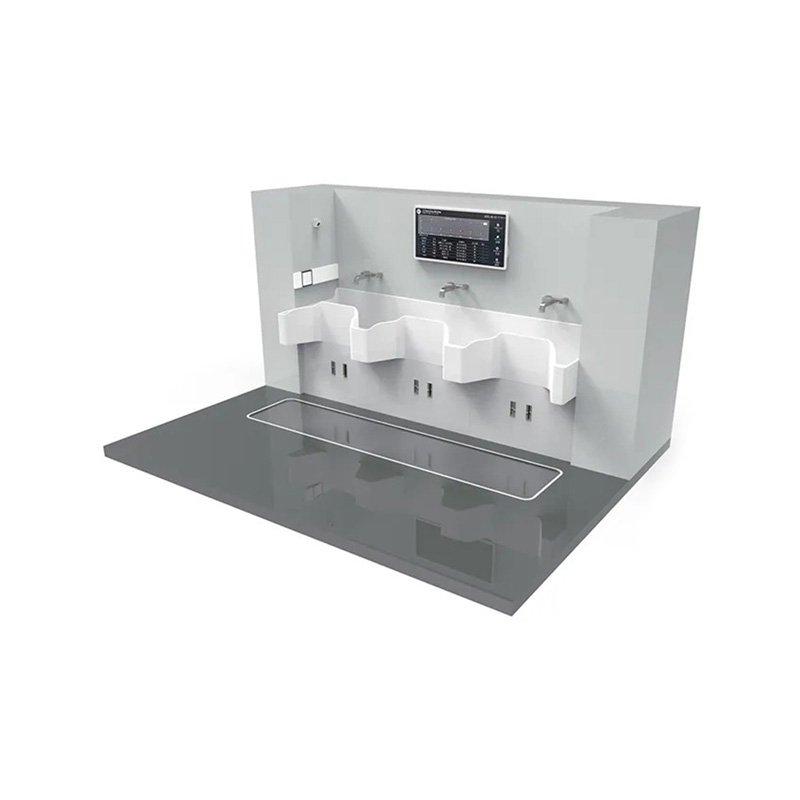
Product DefinitionThe Wanma Hand Washing Compliance Management System is an intelligent hand hygiene supervision solution based on RFID technology. By automatically identifying medical staff and monit...
See Details -
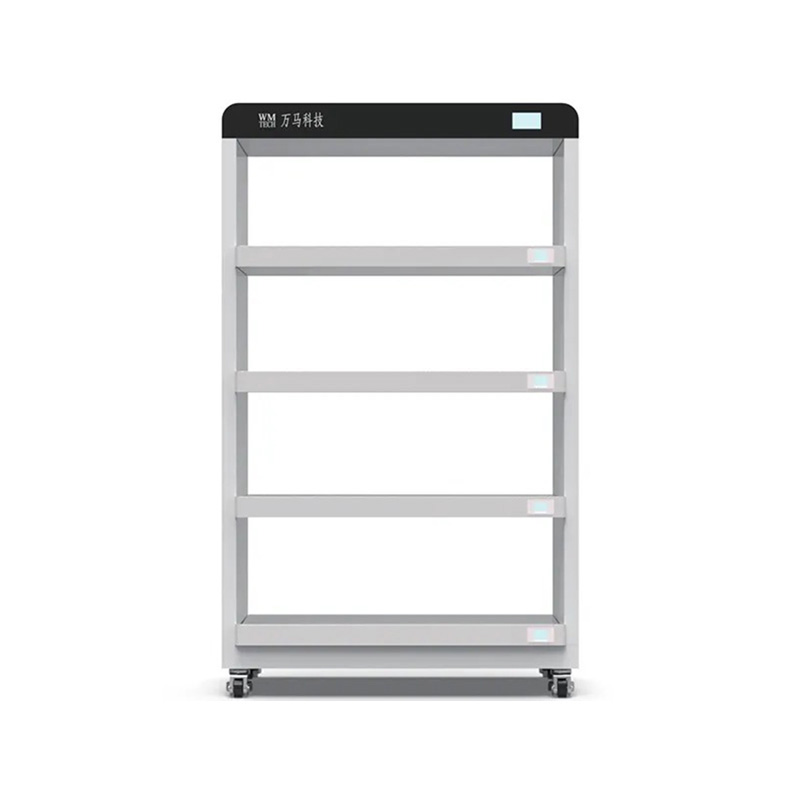
Product Definition:Intelligent Shelves are a smart warehouse management unit that integrates dynamic sensing, real-time display, and precise positioning. By leveraging advanced sensor technology, they...
See Details -
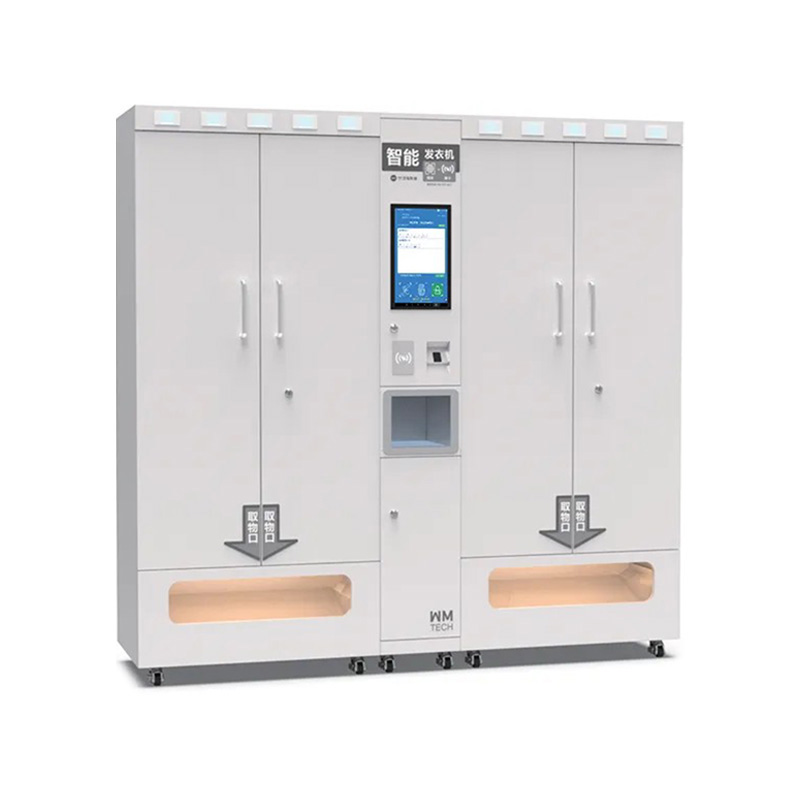
Product Definition:The Turn-over Intelligent Clothes and Shoes Machine is an integrated solution combining automated dispensing, smart collection, and data management, specifically designed for the ci...
See Details
Ready to Get started ? Contact Us Now !

Product.
Contact Details.
-
 +86 13958188250
-
 +86 13958188250
-
 [email protected]
- Wanma Industrial Park Taihu Yuan Town Lin'an District Hangzhou City China.
QR Code

Copyright © Wanma Technology Co., Ltd. All Rights Reserved.
Custom Ethernet Optical Network Railway Transit Equipments Suppliers
