

 English
 Français
 Español
 Português
 عربى



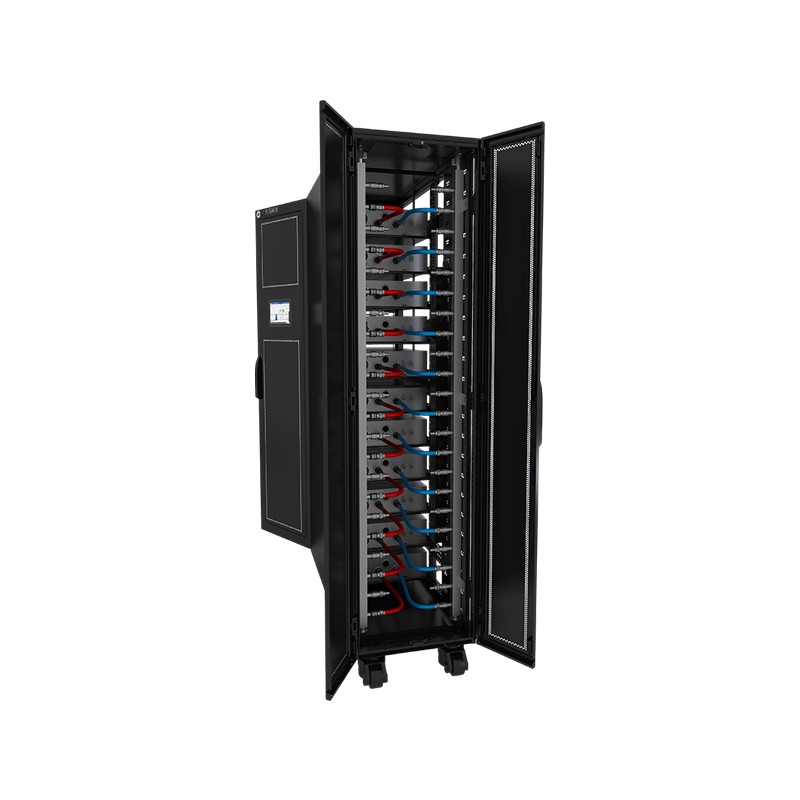
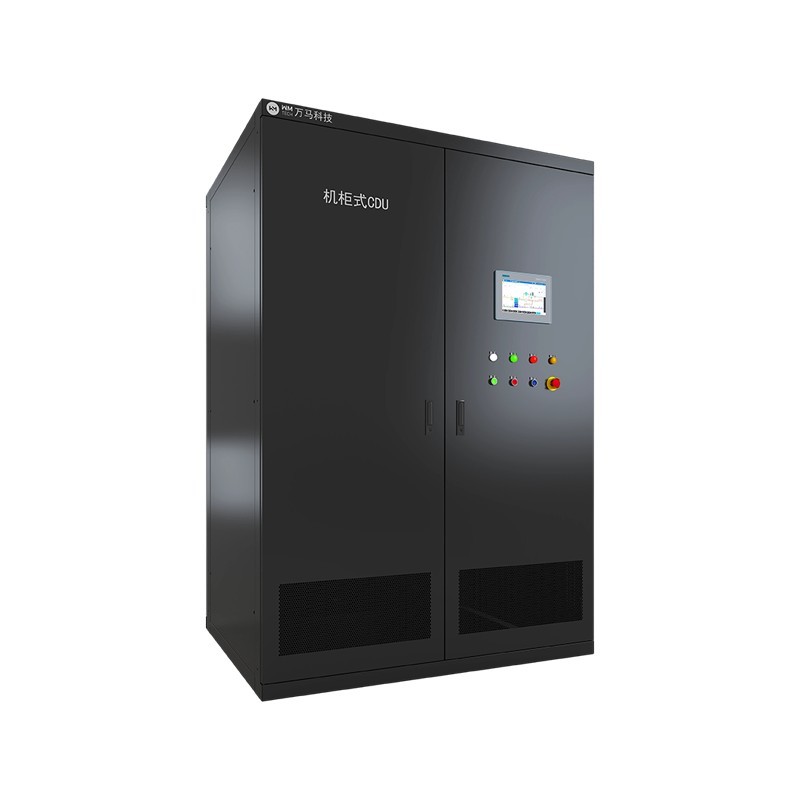
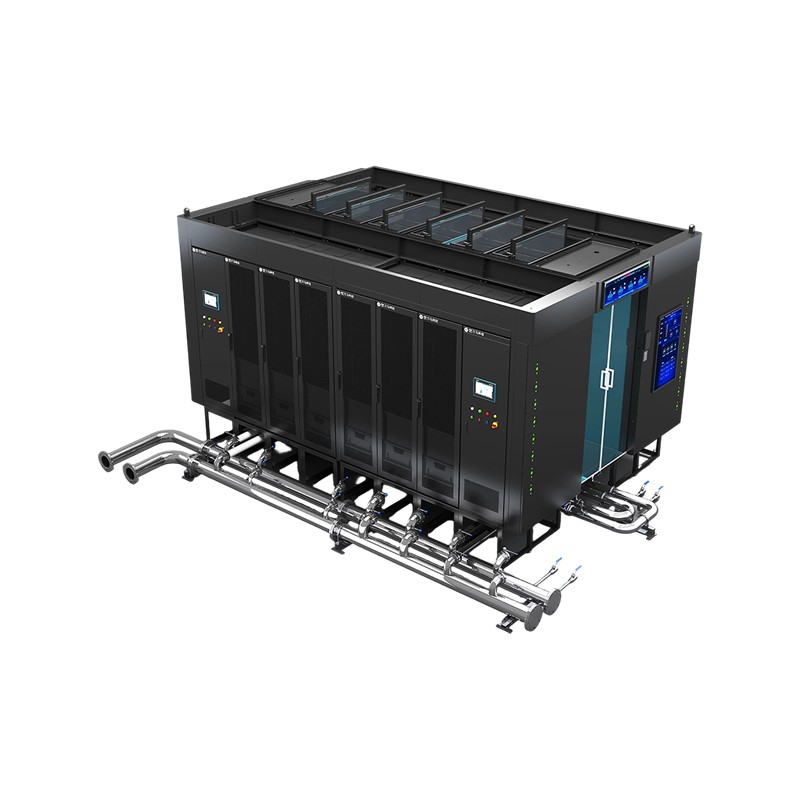
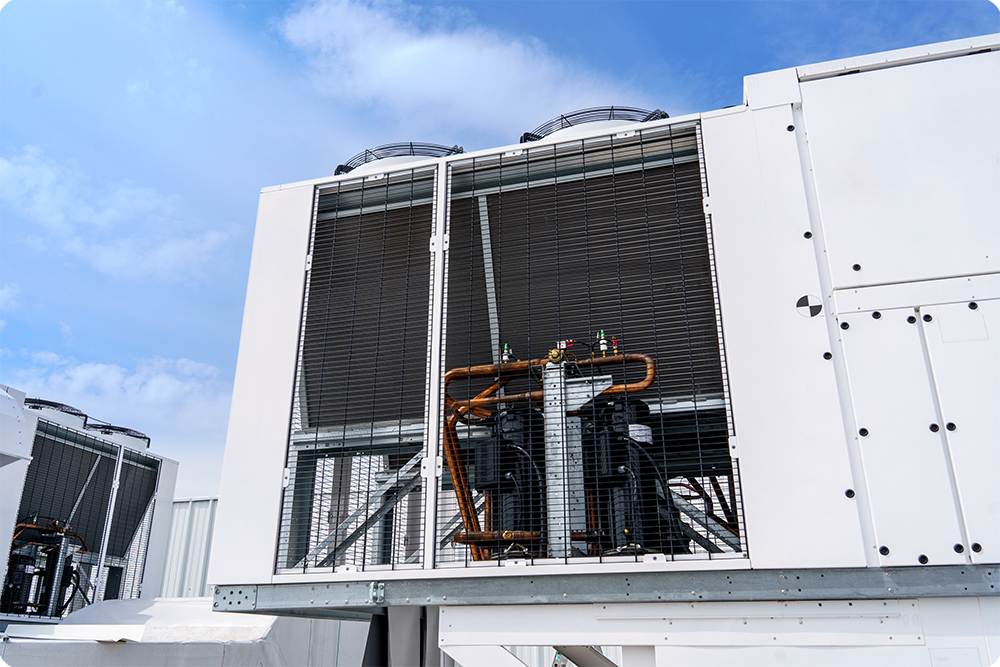

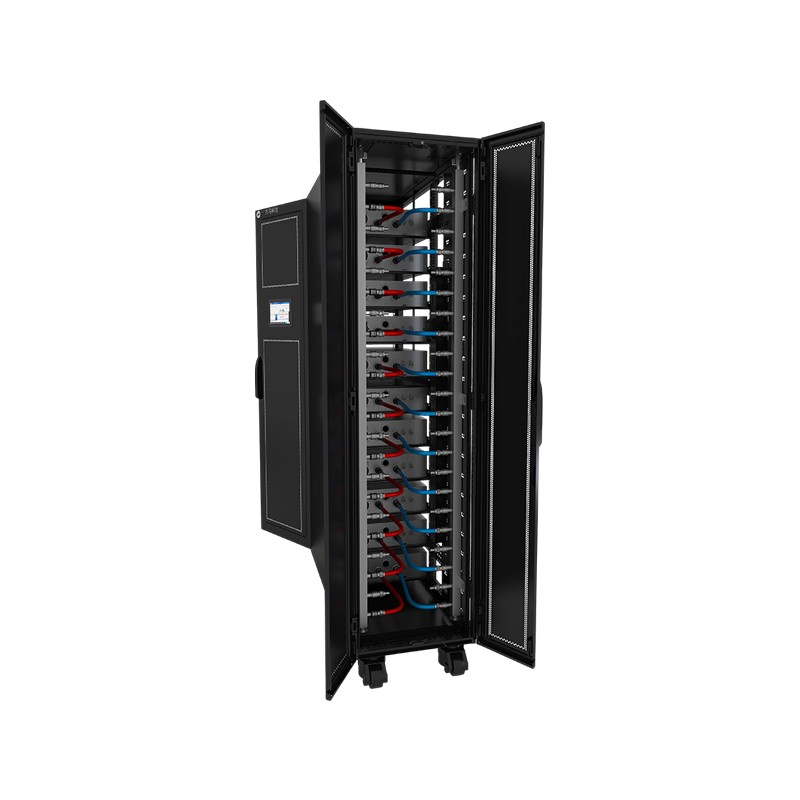
Product OverviewWM-LCR Liquid-Cooled Server Cabinet is a dedicated data center cabinet system that uses liquid as the cooling medium. Through circulating coolant, it efficiently transfers heat generat...
See DetailsLiquid-Cooled Data Centers: High-Density Infrastructure for Efficient, Quiet, and Reliable Computing
Content
- 1 Why Conventional Air Cooling Is Reaching Its Limits
- 2 How Liquid Cooling Improves Thermal Management
- 3 Core Advantages of a Liquid-Cooled Data Center
- 4 Competitive Advantages Compared with Conventional Solutions
- 5 Manufacturing and Engineering Strengths
- 6 Application in Artificial Intelligence Training
- 7 Application in High-Performance Computing
- 8 Application in Cryptocurrency Mining
- 9 Application in Telecommunications and Central Equipment Rooms
- 10 Application in Rail Transit and Transportation Infrastructure
- 11 Deployment Considerations
- 12 Manufacturing Process from Design to Delivery
- 13 Why Choose an Experienced Infrastructure Manufacturer
- 14 Evaluation Criteria for Buyers
- 15 Frequently Asked Questions
- 15.1 What is a liquid-cooled data center?
- 15.2 Which applications benefit most from liquid cooling?
- 15.3 Can liquid cooling support both CPUs and GPUs?
- 15.4 Can the PUE reach 1.0?
- 15.5 Is liquid cooling completely silent?
- 15.6 Does liquid cooling eliminate all maintenance?
- 15.7 Is liquid cooling suitable for an existing data center?
- 15.8 How does a manufacturer prevent leakage risks?
- 15.9 Why is cabinet manufacturing important?
- 15.10 Can the system be customized?
- 15.11 What makes an infrastructure supplier valuable for this type of project?
- 16 Conclusion
- 17 References
- 18 Product: Liquid-Cooled Data Center
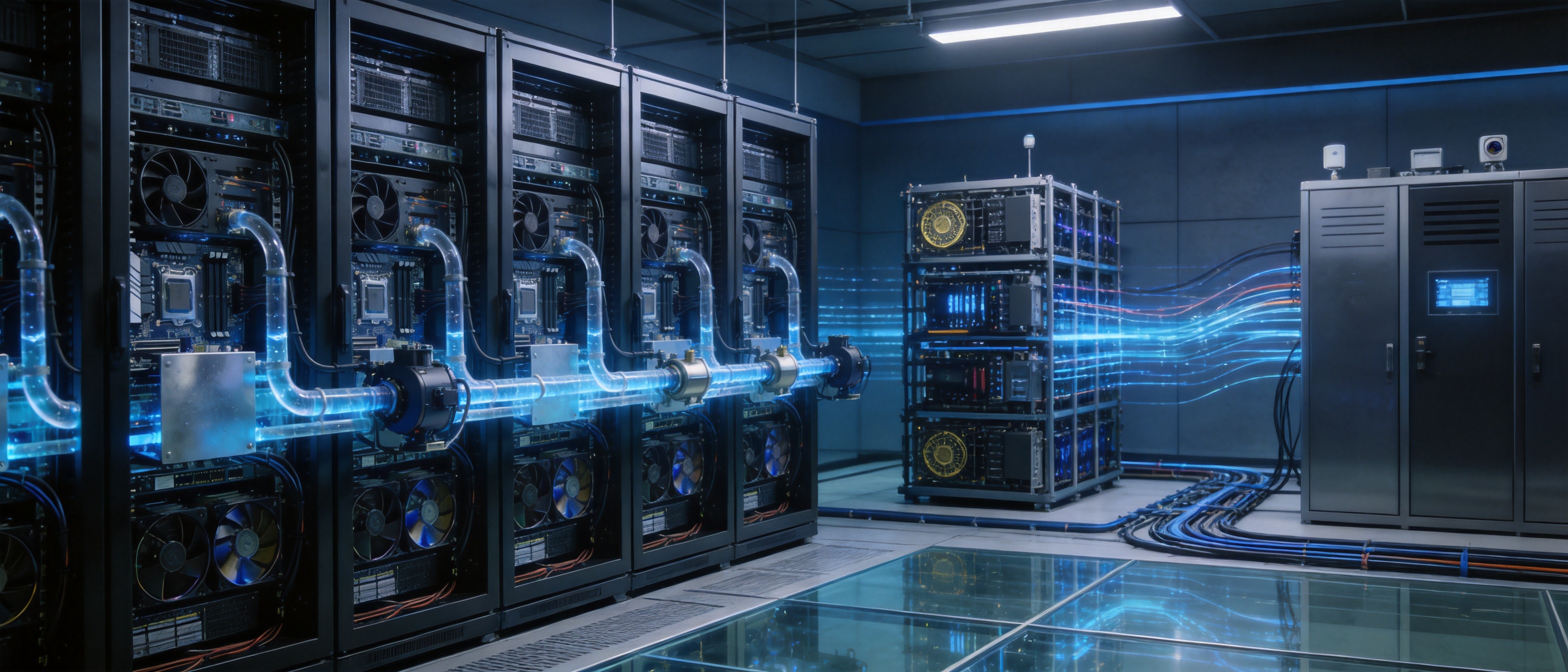
Modern computing is entering an era in which conventional air cooling is increasingly challenged by the rapid growth of processor power. Artificial intelligence training, high-performance computing, advanced simulation, scientific research, cloud services, and cryptocurrency mining all require equipment that can process enormous volumes of data in a limited physical footprint. As computing density rises, the heat generated by CPUs, GPUs, memory modules, power supplies, and networking equipment also increases. The challenge is no longer simply how to install more servers. It is how to remove heat efficiently, maintain stable operating conditions, control energy consumption, and preserve long-term equipment reliability.
The liquid-cooled data center is designed to address this challenge. Instead of relying primarily on room-level air circulation and high-speed fans, it uses liquid as the central cooling medium. Liquid can absorb and transport heat much more effectively than air, allowing high-density computing equipment to operate under demanding workloads with greater thermal stability. This approach supports a new generation of infrastructure in which energy efficiency, acoustic comfort, equipment density, and system reliability are treated as equally important design objectives.
Wanma Technology Co., Ltd. provides communication cabinets, communication electronic equipment, passive optical components, and integrated infrastructure solutions for Ethernet networks, optical communication networks, central equipment rooms, high-speed railways, and urban rail transit systems. Building on its experience in equipment housing, electronic infrastructure, manufacturing, and customized integration, the company offers liquid-cooled data center solutions for organizations seeking a practical path toward more efficient high-performance computing.
Why Conventional Air Cooling Is Reaching Its Limits
Air cooling has been the dominant method used in data centers for decades. It is familiar, relatively easy to deploy, and compatible with a wide range of standard servers. However, its effectiveness declines as power density increases. Air has a comparatively low heat capacity and low thermal conductivity, so a large volume of air must move continuously across hot components to remove heat. This requires fans, air-handling equipment, cooling units, ducts, raised floors, and carefully managed airflow paths.
In a traditional server room, the cooling system must often condition the entire room, even though only a small number of components may be generating the majority of the heat. This creates an efficiency gap. Energy is consumed not only by the computing equipment but also by fans, chillers, pumps, compressors, and air distribution systems. The more densely the servers are installed, the more difficult it becomes to prevent hot spots and maintain uniform temperatures.
High-performance GPUs and specialized accelerators make the problem more serious. A conventional rack designed for moderate server loads may not be able to accommodate the thermal output of a modern artificial intelligence cluster. Increasing fan speed can temporarily improve heat removal, but this solution increases noise, power consumption, and mechanical stress. In some cases, additional air-conditioning capacity is required, which can increase construction costs and reduce the amount of usable floor space.
Air cooling also becomes less attractive when equipment is deployed in locations where noise, space, or energy consumption is tightly controlled. Research laboratories, offices, telecommunications facilities, edge computing sites, and urban technical rooms may not have the capacity to support large air-handling systems. Liquid cooling provides an alternative by moving heat closer to its source and transporting it away through a dedicated liquid circuit.
How Liquid Cooling Improves Thermal Management
A liquid-cooled data center uses liquid to absorb heat from high-temperature components and transfer that heat to a heat exchanger or another part of the cooling system. Depending on the project design, liquid may be delivered directly to cold plates attached to processors, circulated through specialized cooling modules, or used in another engineered configuration suitable for the application. The exact architecture can be selected according to equipment type, rack density, maintenance requirements, and operating environment.
The fundamental advantage is the thermal capacity of liquid. Compared with air, liquid can absorb substantially more heat within a smaller flow volume. This allows the cooling system to target heat-generating components directly instead of conditioning a large room volume. The result is more precise temperature control, improved heat transfer, and better support for sustained high-performance workloads.
Direct heat removal is especially valuable for CPUs and GPUs that operate continuously at high utilization. When processors approach their thermal limits, they may reduce clock speeds to protect themselves. This behavior, often called thermal throttling, can reduce application performance and create unpredictable processing times. By maintaining more stable operating temperatures, liquid cooling can help equipment sustain its intended performance for longer periods.
A well-designed liquid-cooling system also improves the relationship between computing capacity and physical space. Since heat can be removed more efficiently from each rack, more powerful equipment can be installed in a smaller area. This makes it possible to upgrade computing capacity without expanding the facility at the same rate. For organizations facing limited floor space or rising real-estate costs, higher rack density can provide a significant operational advantage.
Core Advantages of a Liquid-Cooled Data Center
Exceptional Heat Dissipation
The most important advantage of liquid cooling is its ability to remove heat directly and efficiently. High-power processors generate concentrated thermal loads that can be difficult to manage through room air alone. A liquid-based system brings the cooling medium closer to the heat source, shortening the distance between heat generation and heat removal.
This design supports stable operation for ultra-high-power CPUs, GPUs, and other accelerators. It is particularly suitable for systems that perform continuous model training, large-scale simulation, real-time rendering, scientific analysis, or other demanding workloads. Stable thermal conditions can help protect hardware from excessive temperature fluctuations and reduce the likelihood of performance degradation caused by overheating.
Compared with a conventional air-cooled installation, liquid cooling can also reduce the number of fans and the volume of airflow required. This does not mean that every liquid-cooled data center operates without any air movement. Auxiliary components, power systems, storage devices, and networking equipment may still require air management depending on the design. However, the primary heat load can be handled through liquid, allowing the overall cooling strategy to become more targeted and efficient.
Lower Energy Consumption
Data center energy use is commonly evaluated through Power Usage Effectiveness, or PUE. PUE compares the total energy consumed by a facility with the energy used by information technology equipment. A lower PUE indicates that a greater proportion of the facility’s electricity is supporting computing rather than cooling, power conversion, lighting, or other overhead functions.
Liquid cooling can help reduce cooling overhead by lowering the need for high-speed fans and extensive air-conditioning infrastructure. In an optimized design, the PUE can approach the theoretical limit of 1.0, although actual performance depends on climate, heat-rejection equipment, workload, pump efficiency, control systems, facility design, and operating conditions. The key point is that liquid cooling creates a path toward significantly lower cooling-related energy use.
Energy savings have both financial and environmental benefits. Lower electricity consumption can reduce operating expenses over the service life of the facility. It can also reduce the indirect carbon emissions associated with electricity generation. For companies with sustainability targets, liquid-cooled infrastructure can support more efficient use of energy while accommodating higher computing demand.
Energy efficiency is especially important for artificial intelligence and high-performance computing, where large clusters may operate around the clock. Even a modest reduction in cooling overhead can produce substantial savings when multiplied across thousands of operating hours and many racks.
Reduced Noise
High-speed fans are a major source of data center noise. In a conventional server environment, fans may accelerate whenever processor temperatures rise, creating a variable acoustic environment that can be uncomfortable for personnel and unsuitable for certain locations. Liquid cooling reduces dependence on these fans by transferring heat through a liquid circuit.
This enables a much quieter operating environment. In applications where the system is engineered with minimal fan dependence, the result may approach zero-noise operation from the primary cooling equipment. A quieter environment can improve working conditions for technical personnel and make it easier to deploy computing infrastructure near offices, laboratories, control rooms, or other noise-sensitive areas.
Noise reduction also has practical maintenance benefits. When fan activity is minimized, there is less dust movement and less mechanical vibration around equipment. These factors can contribute to a cleaner and more stable operating environment, although routine filtration, inspection, and environmental control remain necessary.
Improved Reliability
Fans are mechanical components with moving parts. Over time, bearings, motors, and blades can experience wear. Fan failure may lead to localized overheating, emergency shutdowns, or reduced performance. By reducing the number of high-speed fans required for primary heat removal, liquid cooling can reduce one category of mechanical failure points.
A fanless or low-fan design can also free space inside equipment enclosures. That space may be used for cooling channels, service access, cable routing, power distribution, or additional computing hardware. More organized internal architecture can simplify maintenance and improve the consistency of system assembly.
Reliability does not come automatically from using liquid. Pumps, seals, connectors, valves, heat exchangers, sensors, and control systems must all be correctly engineered and maintained. The advantage of a professional liquid-cooled solution is that these elements are integrated into a controlled system with appropriate monitoring, testing, and service procedures. Reliability is therefore achieved through the combination of thermal design, manufacturing quality, component selection, assembly discipline, and operational management.
Higher Computing Density
Liquid cooling supports greater computing density because it can remove more heat from a smaller physical area. This is a major advantage for AI clusters, HPC installations, and specialized mining systems that require large amounts of computing power but have limited space.
Higher density can reduce the number of rooms, racks, cables, and auxiliary systems needed for a given level of performance. It may also shorten network paths and improve the organization of cluster architecture. For data center operators, this can provide more computing capability within an existing building envelope.
The benefit is not limited to new facilities. Existing data centers that have reached the thermal limits of their air-conditioning systems may use liquid-cooled racks or modules as part of a modernization strategy. This can allow selected high-density workloads to be introduced without converting the entire facility to a completely new cooling architecture.
| Performance Factor | Traditional Air Cooling | Liquid-Cooled Data Center | Operational Benefit |
|---|---|---|---|
| Heat transfer | Relies mainly on room and rack airflow | Transfers heat close to high-power components | More precise thermal control |
| High-density capability | Limited by airflow and room cooling capacity | Better suited to concentrated CPU and GPU loads | More computing power per rack or floor area |
| Cooling energy | Can require substantial fan and air-conditioning power | Can reduce dependence on high-speed fans and extensive air movement | Lower cooling overhead when properly optimized |
| Noise | Often increases with server load | Can operate with greatly reduced fan noise | Improved acoustic comfort |
| Mechanical exposure | Many fans and air-handling components | Fewer primary fan-related failure points | Potentially improved equipment availability |
| Space utilization | Requires airflow clearances and room-level distribution | Uses targeted liquid circuits and compact thermal interfaces | More efficient use of valuable floor space |
Competitive Advantages Compared with Conventional Solutions
The main competitive advantage of a liquid-cooled data center is that it addresses the thermal limitations of high-density computing at the source. Traditional air cooling remains suitable for many standard enterprise workloads, but it becomes less efficient when processors produce concentrated and continuous heat. Liquid cooling is designed specifically for this next stage of computing growth.
One important difference is scalability. Adding more air-cooled servers often requires additional fans, cooling units, containment systems, or floor space. Liquid-cooled infrastructure can support expansion by increasing the capacity of liquid distribution, heat exchange, and control systems. This makes it easier to plan for future upgrades, especially when computing requirements are expected to increase rapidly.
Another advantage is performance consistency. Air-cooled systems may experience temperature differences between the front and rear of a rack or between equipment located at different heights. Liquid cooling can provide a more direct and predictable thermal path. Consistent temperatures help reduce the risk that individual components will operate under unfavorable conditions.
Liquid cooling also offers a strong advantage in noise-sensitive environments. A traditional high-density cluster can produce substantial acoustic pressure because fans must move large amounts of air continuously. A liquid-based system reduces this source of noise and may be more appropriate for locations where acoustic pollution is a concern.
Space efficiency is another distinguishing feature. Conventional cooling requires room-scale planning, including hot aisles, cold aisles, airflow containment, ductwork, and access areas. Liquid-cooled systems still require careful facility planning, but the cooling medium is delivered through a more concentrated infrastructure. This can support compact deployments and help operators obtain greater value from existing technical space.
Compared with improvised liquid-cooling modifications, an integrated commercial solution offers better control over system compatibility, leak management, monitoring, service access, and long-term maintenance. A complete solution should be designed as an infrastructure platform rather than as an isolated cooling accessory. This integrated approach is particularly important for mission-critical applications where downtime is costly.
Manufacturing and Engineering Strengths
The performance of a liquid-cooled data center depends not only on its cooling concept but also on the quality of its physical construction. Cabinets, racks, electrical interfaces, cable pathways, cooling modules, sensors, control systems, and service panels must work together as a unified platform. Wanma Technology’s long-term focus on communication cabinets, communication electronic equipment, and passive optical components provides a foundation for developing and manufacturing infrastructure intended for demanding technical environments.
Precision Cabinet Manufacturing
A high-quality cabinet is more than a metal enclosure. It is a structural platform that must support computing equipment, maintain dimensional accuracy, manage cables, provide service access, protect internal components, and accommodate cooling systems. Manufacturing precision is essential because even small dimensional deviations can affect rack alignment, connector placement, airflow separation, liquid connection interfaces, or maintenance clearance.
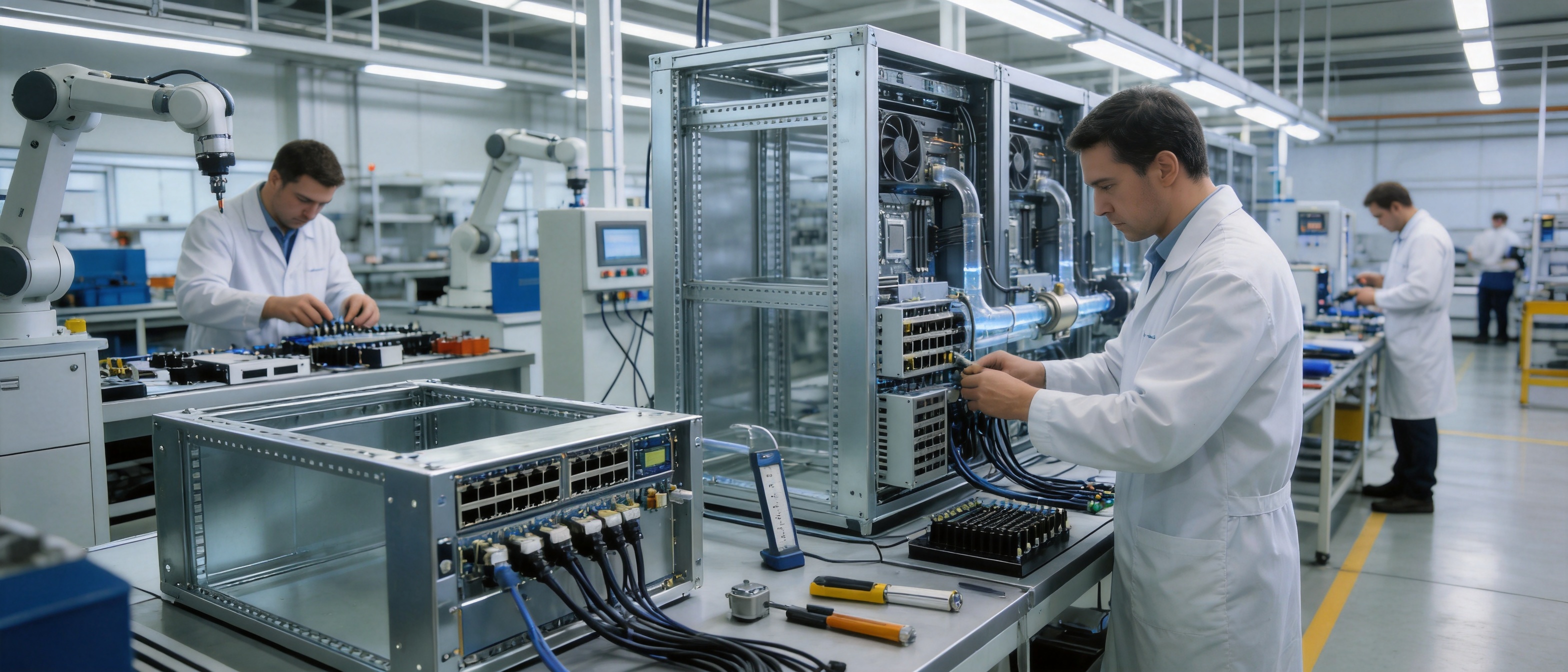
Cabinet production typically includes material preparation, sheet-metal processing, forming, joining, surface treatment, component installation, electrical integration, inspection, and final packaging. Each stage influences the quality of the finished system. Consistent fabrication helps ensure that cabinets can be installed efficiently and that equipment modules fit correctly during initial deployment or later expansion.
For liquid-cooled equipment, structural design must also consider the weight of servers, cooling assemblies, manifolds, pipes, pumps, and heat exchangers. The enclosure must maintain stability under static and dynamic loads. Service panels and access doors should be designed to support inspection without creating unnecessary disruption to adjacent equipment.
Integrated Electronic Equipment Capability
Liquid cooling requires more than a liquid path. It requires sensors, control logic, power connections, alarm functions, pump management, temperature monitoring, and compatibility with the computing platform. A manufacturer with experience in communication electronic equipment is positioned to approach the system as an integrated electronic and mechanical product.
Monitoring may include supply and return temperatures, flow status, pressure conditions, pump operation, cabinet temperature, leak detection, and abnormal operating events. These signals can be connected to local or remote management systems, allowing operators to identify developing problems before they affect computing performance.
Integration also helps simplify deployment. Instead of sourcing cabinets, cooling components, electronic modules, and monitoring devices from unrelated suppliers, customers can work with a solution provider capable of coordinating the major infrastructure elements. This can reduce interface conflicts and make project communication more efficient.
Experience with Communication Infrastructure
Data centers depend on organized communication infrastructure. High-performance computing clusters require large numbers of optical fibers, copper connections, switches, power cables, management cables, and control links. Poor cable organization can restrict service access, obstruct cooling connections, increase the risk of accidental disconnection, and make future expansion more difficult.
Wanma Technology’s experience in Ethernet networks, optical communication networks, central equipment rooms, railway communication environments, and urban rail transit systems is relevant to this requirement. These sectors demand organized cabinets, dependable connections, clear labeling, robust installation practices, and long-term operational stability.
Passive optical components are also important in modern data centers because high-speed computing clusters increasingly rely on optical interconnects. When cabinet design and network infrastructure are considered together, operators can obtain a more coherent platform for data transmission and computing deployment.
Customization and Integrated Solutions
Data centers rarely have identical requirements. A research institution may need a small high-density cluster, while a cloud service provider may require multiple standardized modules. A telecommunications operator may need liquid cooling integrated into an existing central equipment room, whereas a mining operation may prioritize maximum density and simplified maintenance.
A customized solution can address differences in rack dimensions, processor type, cooling capacity, power distribution, network configuration, monitoring requirements, access conditions, and expansion plans. Wanma Technology develops and markets its own branded products while also providing integrated solutions for customized products. This capability allows the company to adapt infrastructure to project-specific conditions instead of limiting customers to a single fixed configuration.
Customization should be managed through a disciplined engineering process. Requirements must be identified, technical drawings reviewed, interface conditions confirmed, prototypes or sample assemblies evaluated when necessary, and production changes controlled. This process reduces the risk of discrepancies between design expectations and the final installation.
Quality Control and Production Discipline
Quality control is essential in any cooling system, but it is particularly important when liquid is introduced near electronic equipment. Manufacturing and assembly must emphasize dimensional consistency, connector integrity, sealing quality, cleanliness, correct component installation, and verification of monitoring functions.
Inspection can include visual checks, dimensional verification, electrical tests, functional tests, connection checks, pressure or leak-related testing appropriate to the system design, and final acceptance inspection. Packaging must also protect cabinets and sensitive components during transportation and storage.
Although individual projects may use different testing procedures, the general objective is consistent: identify defects before equipment reaches the customer site. Factory-level verification can reduce commissioning time, simplify installation, and improve confidence in long-term operation.
Application in Artificial Intelligence Training
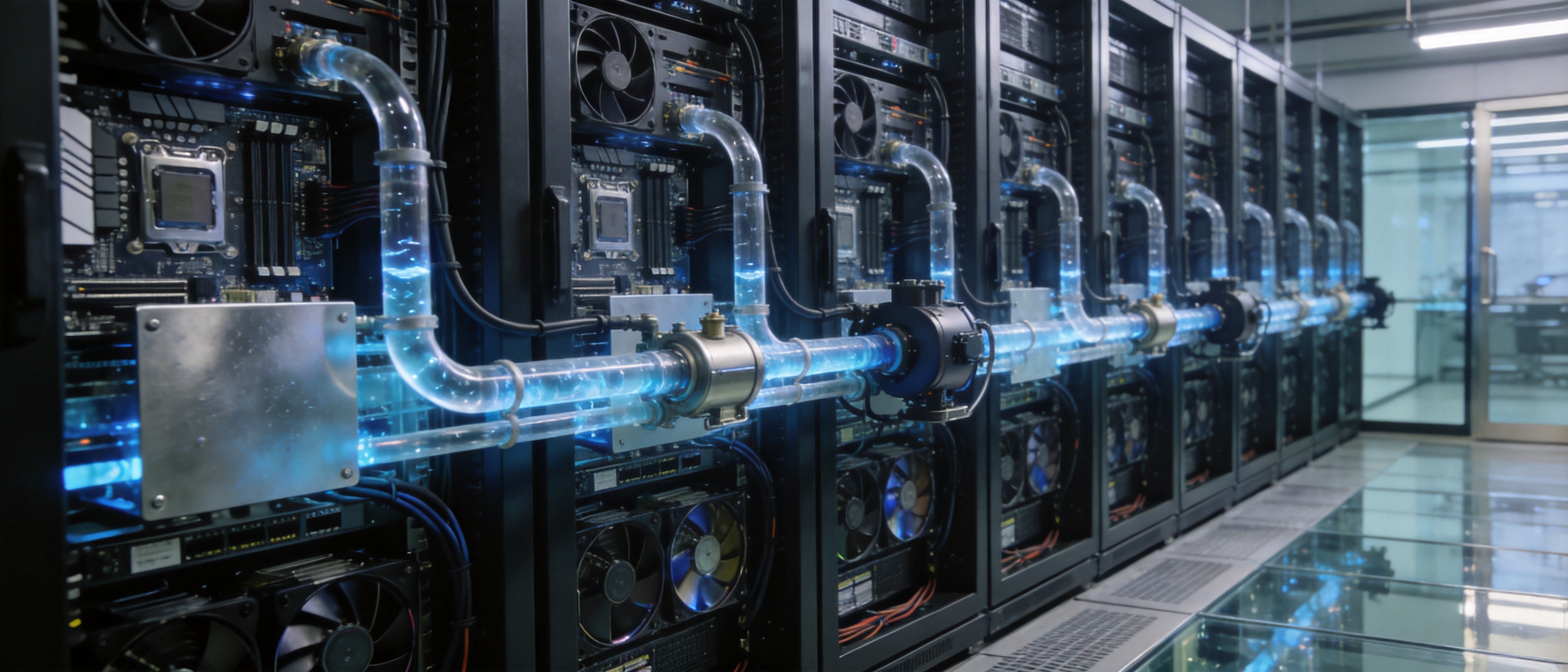
Artificial intelligence training places extraordinary demands on computing infrastructure. Large models may require hundreds or thousands of GPUs operating continuously. These processors generate concentrated heat, and their performance can decline if the thermal environment becomes unstable. The network connecting the processors also produces significant power and heat, particularly in systems designed for distributed training.
Liquid-cooled data centers are well suited to this environment because they can remove heat directly from the high-power components. Stable temperatures support predictable performance during long training runs. This is important because an interruption or thermal slowdown in a large training job can waste considerable computing time and energy.
AI infrastructure also benefits from higher rack density. More accelerators can be installed within a smaller footprint, reducing the physical expansion required to increase model-training capacity. For organizations that need to scale rapidly, this can shorten deployment cycles and improve the utilization of available technical space.
In addition, the lower noise profile of liquid cooling may be useful in research environments where computing equipment is located near development teams. Reduced acoustic disturbance can support a more comfortable workspace without sacrificing computational power.
Application in High-Performance Computing
High-performance computing covers scientific research, weather modeling, computational fluid dynamics, engineering simulation, pharmaceutical discovery, financial analysis, seismic interpretation, and many other workloads. These applications often run complex calculations for extended periods and require high processor utilization.
HPC systems are sensitive to thermal fluctuations because a single job may use many nodes simultaneously. A cooling system that performs well under light workloads but struggles during sustained peak utilization can become a bottleneck. Liquid cooling provides a stronger thermal foundation for long-running workloads by managing heat closer to the processors.
Higher density also supports more efficient cluster design. Interconnects can be arranged within compact rack groups, and the facility can make better use of available power and floor area. When combined with organized optical and Ethernet infrastructure, liquid-cooled racks can form a scalable platform for research and industrial computation.
For HPC operators, maintenance planning remains important. Cooling modules, pumps, sensors, connectors, and control equipment should be accessible for inspection and replacement. A well-designed system balances density with serviceability so that the pursuit of higher performance does not make routine maintenance unnecessarily difficult.
Application in Cryptocurrency Mining
Cryptocurrency mining uses specialized computing equipment that may operate continuously at high utilization. Mining installations often prioritize energy efficiency because electricity is one of their largest operating costs. Cooling is another major expense, especially in large facilities with high equipment density.
Liquid cooling can improve the economics of mining by reducing the energy required for heat removal and enabling more equipment to operate within a defined space. It can also support more stable operation in environments where ambient temperatures vary or where traditional air-cooling systems would require extensive ventilation and filtration.
The benefits must be evaluated together with the mining facility’s electricity price, operating schedule, heat-rejection method, maintenance capability, and equipment compatibility. Liquid cooling is not a substitute for sound financial and engineering planning, but it can provide an efficient infrastructure option for operations that require continuous high-density computing.
Application in Telecommunications and Central Equipment Rooms
Telecommunications operators and network service providers are expanding their computing capabilities at central offices, edge facilities, and regional equipment rooms. The growth of 5G networks, cloud services, video processing, industrial connectivity, and edge applications increases the amount of computing performed closer to users and devices.
These facilities may have limited space and may not have been designed for the heat output of modern accelerators. A liquid-cooled data center solution can help operators introduce higher-performance equipment without relying exclusively on large room-level cooling upgrades.
Wanma Technology’s experience in communication cabinets, optical communication networks, Ethernet infrastructure, and central equipment rooms supports the practical integration of computing and connectivity. The company’s product background is especially relevant where liquid-cooled computing must coexist with optical distribution, network switching, power systems, and established telecommunications equipment.
Edge facilities also benefit from reduced noise and compact construction. Since many edge sites are located in commercial buildings, transportation facilities, or urban areas, a quieter and more space-efficient cooling approach can simplify site selection and reduce environmental impact on nearby occupants.
Application in Rail Transit and Transportation Infrastructure
Modern rail transit systems depend on communication, monitoring, signaling support, video analysis, passenger information, and operational data systems. These functions require dependable equipment rooms and communication infrastructure. As transportation systems become more intelligent, the amount of data that must be processed locally or regionally may increase.
Liquid-cooled infrastructure can be considered for specialized high-density computing deployments within transportation-related technical facilities. The design must account for vibration, access limitations, maintenance schedules, safety requirements, and integration with existing communication systems. Cabinets and equipment must be securely installed and organized for dependable service.
Wanma Technology’s experience serving national high-speed railway and urban rail transit systems provides an understanding of the demanding conditions associated with transportation communication infrastructure. This experience can support project coordination when high-density computing is added to established network environments.
Deployment Considerations
Cooling Architecture Selection
The first deployment decision is selecting the appropriate liquid-cooling architecture. Different processors, servers, racks, and facility conditions may require different arrangements. A direct-to-component approach can target the main heat sources, while other equipment may use a specialized liquid enclosure or another engineered configuration.
The selection should consider thermal load, liquid compatibility, maintenance access, redundancy, pressure conditions, connection standards, and the required level of integration with existing equipment. The cooling design should also identify which components remain air cooled and how residual heat will be managed.
Heat Rejection
Removing heat from the rack is only one part of the system. The heat must ultimately be rejected to the surrounding environment through a heat exchanger, dry cooler, chilled-water system, or another suitable method. Climate, building infrastructure, local regulations, available water, and energy costs all influence the most appropriate heat-rejection strategy.
In some locations, free cooling or ambient-assisted heat rejection may be available during part of the year. In warmer climates, additional mechanical cooling may be needed. The overall PUE depends on the complete system, not only on the liquid circuit inside the rack.
Leak Prevention and Detection
Any system that places liquid near electronic equipment must include appropriate leak-prevention measures. These can include reliable connectors, carefully designed seals, controlled routing, secure mounting, drip management, isolation procedures, and leak detection sensors. The specific measures depend on the selected architecture and customer requirements.
Operators should establish inspection routines and emergency procedures before commissioning the system. Personnel should understand how to isolate a cooling branch, remove a module, respond to an alarm, and protect computing equipment during maintenance. Clear procedures reduce response time and help prevent minor issues from becoming service interruptions.
Power and Network Integration
High-performance computing requires substantial electrical capacity. Liquid-cooled racks must be coordinated with power distribution, uninterruptible power supplies, backup generation, grounding, and protection systems. Pumps and control devices may require independent or redundant power paths when high availability is required.
Network planning is equally important. High-density clusters depend on high-speed Ethernet or optical connections, carefully arranged cable pathways, and clear identification of every link. Proper cabinet design should provide sufficient space for network equipment without obstructing cooling connections or service access.
Maintenance and Serviceability
A liquid-cooled system should be designed for the full operational life of the data center. Routine tasks may include checking fluid conditions where applicable, inspecting connections, verifying pump performance, reviewing sensor readings, cleaning accessible components, checking alarms, and replacing serviceable parts according to a planned schedule.
Maintenance access should be considered during the design stage rather than after installation. Removable panels, organized connection points, labeled cables, accessible monitoring modules, and clear service zones can reduce downtime and labor costs. A compact system should not become difficult to maintain simply because it occupies less floor space.
Manufacturing Process from Design to Delivery
The development of a liquid-cooled data center solution normally begins with a project requirements review. Engineers examine the target computing equipment, rack dimensions, thermal load, power requirements, network topology, site limitations, environmental conditions, expansion plans, and service expectations.
The next stage is system design. Mechanical structures, cabinet layouts, cooling paths, electronic monitoring, power distribution, network routing, and user interfaces are coordinated in drawings and technical documents. This stage is critical because changes made before production are generally easier and less costly than changes made after installation.
After design confirmation, materials and components are prepared for production. Cabinet panels and structural parts are processed according to approved specifications. Electrical and cooling components are assembled in a controlled sequence. Technicians verify that interfaces are correctly positioned and that the system remains consistent with the approved design.
Functional testing follows assembly. The exact tests vary according to the project, but may include cabinet inspection, electrical continuity, control-system operation, sensor response, pump or circulation checks, connection verification, and leak-related testing. Any identified discrepancy should be recorded and corrected before shipment.
Final packaging and delivery are also part of manufacturing quality. Large cabinets and integrated equipment can be vulnerable to impact, moisture, vibration, and improper handling during transportation. Packaging should protect critical surfaces and interfaces while allowing efficient site installation.
At the customer site, the deployment process may include positioning, leveling, power connection, network connection, cooling connection, control-system commissioning, alarm verification, and performance validation. Factory documentation and clear installation instructions can make this process more efficient and reduce the risk of commissioning errors.
Why Choose an Experienced Infrastructure Manufacturer
Liquid-cooled data centers combine mechanical, electrical, electronic, thermal, and network requirements. A supplier that understands only one of these areas may struggle to coordinate the complete system. An experienced infrastructure manufacturer can provide a more unified approach to enclosure design, equipment integration, cable management, monitoring, and customized deployment.
Wanma Technology Co., Ltd. was established in 1997 and has developed experience in communication cabinets, communication electronic equipment, and passive optical components. Its products serve Ethernet networks, optical communication networks, central equipment rooms, high-speed railways, and urban rail transit systems. This background demonstrates familiarity with infrastructure environments where equipment must remain organized, accessible, and dependable over long operating periods.
The company develops and manufactures its own branded products and also provides integrated solutions for customized products. This combination is valuable for customers that require both standardized quality and project-specific adaptation. Rather than treating every deployment as an isolated assembly, the manufacturer can draw on established product knowledge while adjusting the design to meet individual technical conditions.
Wanma Technology also serves customers in more than 20 countries and regions, including the United States, Australia, the United Kingdom, Italy, South Africa, and Ghana. International project experience can support communication across different markets, delivery requirements, installation practices, and customer expectations.
The company emphasizes reliable product quality, timely delivery, and long-term strategic partnerships. These priorities are particularly relevant for data center projects, where delayed equipment, inconsistent manufacturing, or limited after-sales coordination can affect the entire deployment schedule.
Evaluation Criteria for Buyers
Organizations evaluating a liquid-cooled data center should look beyond headline cooling performance. The solution should be assessed according to total operating cost, compatibility, maintainability, expansion capability, monitoring, manufacturing quality, and supplier support.
Thermal capacity is the first criterion. Buyers should confirm the maximum supported heat load, expected supply and return conditions, component compatibility, and performance under sustained peak utilization. The cooling system should be matched to the actual processors and accelerators rather than evaluated only through general claims.
Energy performance should be assessed at the facility level. Ask how pumps, heat exchangers, chillers, fans, controls, and auxiliary equipment affect total energy consumption. PUE targets should be viewed as design objectives that depend on real operating conditions rather than as guaranteed results independent of the facility.
Reliability should be evaluated through component quality, monitoring, redundancy, alarm behavior, service access, testing procedures, and maintenance plans. A system with excellent thermal performance but difficult maintenance may not provide the best long-term value.
Buyers should also review the manufacturer’s ability to customize cabinet dimensions, cooling connections, power distribution, optical and Ethernet infrastructure, and monitoring interfaces. Project documentation, delivery capability, installation support, and spare-parts planning should be included in the procurement discussion.
Frequently Asked Questions
What is a liquid-cooled data center?
A liquid-cooled data center is a computing infrastructure solution that uses liquid as the primary or central medium for removing heat from high-density electronic equipment. It is designed to provide more direct and efficient heat dissipation than conventional room-level air cooling.
Which applications benefit most from liquid cooling?
Artificial intelligence training, high-performance computing, cryptocurrency mining, advanced simulation, scientific research, and selected telecommunications or edge computing deployments can benefit from liquid cooling. These applications commonly involve high processor utilization and concentrated heat generation.
Can liquid cooling support both CPUs and GPUs?
Yes. Liquid cooling is particularly suitable for high-power CPUs and GPUs, provided that the cooling interface, flow capacity, control system, and mechanical configuration are designed for the selected equipment.
Can the PUE reach 1.0?
A liquid-cooled data center can be designed so that its PUE approaches the theoretical limit of 1.0. Actual PUE depends on the complete facility, including pumps, heat-rejection equipment, power conversion, climate, control systems, workload, and operating practices. Therefore, 1.0 should be understood as a theoretical benchmark rather than an automatic result.
Is liquid cooling completely silent?
Liquid cooling can greatly reduce fan noise and may support near-zero-noise operation from the primary cooling equipment. Some auxiliary components may still require fans or pumps, depending on the system architecture. The final acoustic performance depends on the complete design.
Does liquid cooling eliminate all maintenance?
No. Maintenance remains necessary for pumps, connectors, sensors, control systems, heat exchangers, fluid conditions where applicable, and other components. The advantage is that a properly integrated design can reduce fan-related maintenance and provide more organized service procedures.
Is liquid cooling suitable for an existing data center?
It can be suitable for modernization projects, particularly when selected high-density racks are added to an existing facility. The building’s power, heat rejection, floor loading, network, access, and safety conditions must be reviewed before installation.
How does a manufacturer prevent leakage risks?
Leak prevention depends on reliable connection components, correct assembly, appropriate sealing, secure routing, inspection, monitoring, and clearly defined maintenance procedures. Customers should request information about the supplier’s testing and commissioning process for the selected cooling architecture.
Why is cabinet manufacturing important?
Cabinet manufacturing affects structural strength, dimensional accuracy, cable organization, cooling integration, service access, and installation efficiency. A precise cabinet provides the physical foundation for reliable operation of the complete data center solution.
Can the system be customized?
Yes. Liquid-cooled data center solutions can be adapted to different rack sizes, thermal loads, power arrangements, network requirements, monitoring systems, site constraints, and future expansion plans. Customization should be controlled through a documented engineering and production process.
What makes an infrastructure supplier valuable for this type of project?
A valuable supplier can coordinate thermal systems with cabinets, electronic equipment, optical components, Ethernet infrastructure, power distribution, monitoring, delivery, and installation. Experience in communication equipment and central equipment rooms can be especially useful when liquid-cooled computing must be integrated into an existing network environment.
Conclusion
Liquid-cooled data centers provide a practical response to the thermal and energy challenges created by modern high-density computing. By bringing liquid closer to the heat source, the technology can support more effective heat dissipation, improved temperature stability, lower cooling overhead, reduced noise, higher rack density, and fewer primary fan-related failure points.
These advantages make liquid cooling suitable for artificial intelligence training, high-performance computing, cryptocurrency mining, telecommunications, edge infrastructure, and other applications where conventional air cooling is approaching its limits. The technology also supports a more compact and sustainable approach to future data center development.
However, successful deployment depends on more than selecting a liquid-cooling concept. Cabinet precision, electronic integration, optical and Ethernet connectivity, leak management, power planning, monitoring, service access, testing, and delivery coordination all influence the final result. A solution must be engineered as a complete infrastructure platform.
With experience dating back to 1997, Wanma Technology Co., Ltd. combines manufacturing capabilities in communication cabinets, communication electronic equipment, and passive optical components with customized integrated solution development. Its experience serving Ethernet networks, optical communication networks, central equipment rooms, railway systems, and urban rail transit provides a strong infrastructure foundation for customers moving toward advanced computing environments.
For organizations seeking to increase computing density while controlling energy use, noise, and thermal risk, a professionally manufactured liquid-cooled data center can be an important investment in long-term infrastructure capability. The combination of efficient cooling technology, disciplined manufacturing, customized engineering, and dependable supplier support can help build a more intelligent, resilient, and scalable computing future.
References
ASHRAE Technical Committee 9.9. Thermal Guidelines for Data Processing Environments.
The Green Grid. Data Center Power Usage Effectiveness: Measurement and Improvement Principles.
Uptime Institute. Data Center Infrastructure Resilience and Operational Management Guidance.
International Organization for Standardization. ISO 9001 Quality Management Systems: Requirements.
International Electrotechnical Commission. Standards and Technical Guidance for Electronic Equipment, Power Systems, and Data Center Infrastructure.
Wanma Technology Co., Ltd. Corporate Product and Company Information.
Product: Liquid-Cooled Data Center
PREV:Rack-Mounted Coolant Distribution Units for High-Density Liquid-Cooled Infrastructure
NEXT:Indoor AC Metal-Clad Withdrawable Switchgear for Safe and Intelligent Medium-Voltage Distribution
NEXT:Indoor AC Metal-Clad Withdrawable Switchgear for Safe and Intelligent Medium-Voltage Distribution
Interested in cooperation or have questions?
Related products
-
-
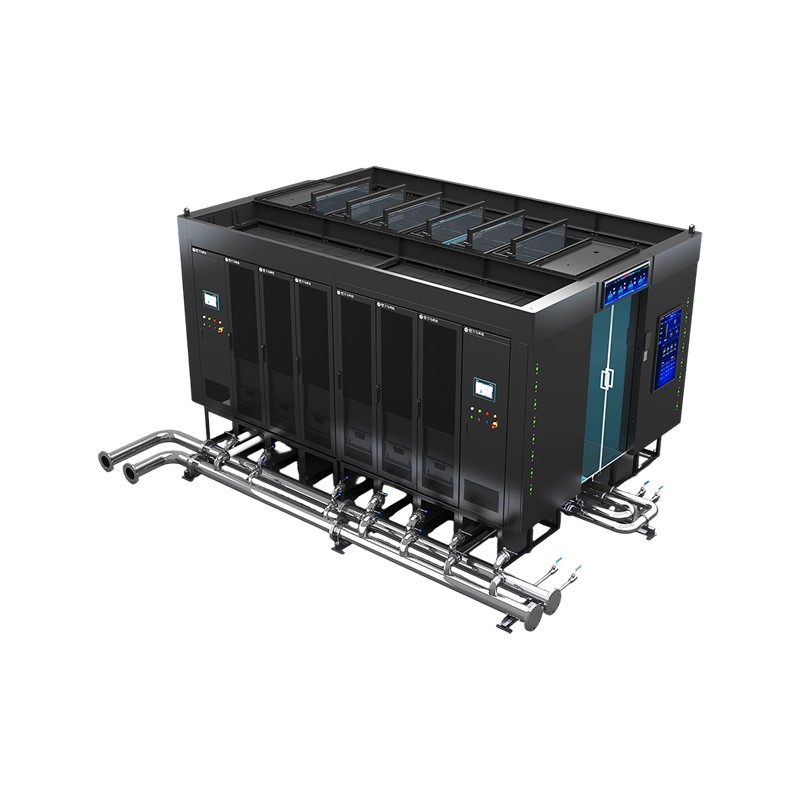
Product OverviewWM-HCM Air-Liquid Hybrid Micro-Module is an integrated data center solution designed for ultra-high-density computing applications. It adopts a dual-row, back-to-back layout and integr...
See Details -
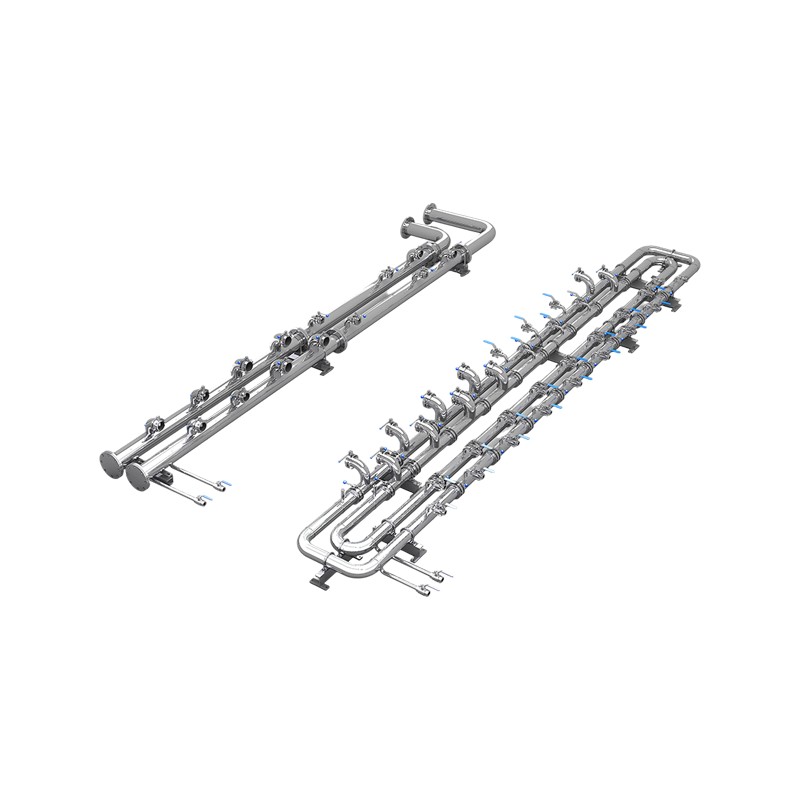
Product OverviewWM-SCL Secondary-Side Prefabricated Piping is a standardized coolant distribution system that connects the CDU to liquid-cooled server cabinets. The piping is prefabricated and quality...
See Details -
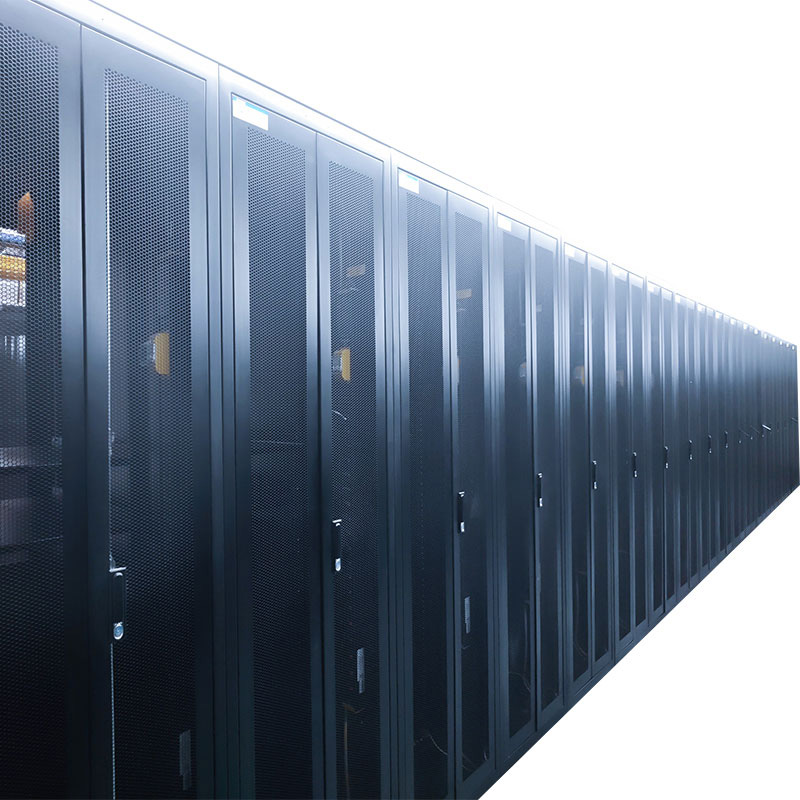
Application:It is used in internet data center equipment room to house server cabinets and provides them with required working environment. Features:•Modularization: Two cabinets combined sharing one ...
See Details
Ready to Get started ? Contact Us Now !

Product.
Contact Details.
-
 +86 13958188250
-
 +86 13958188250
-
 [email protected]
-
 AUDIT Email:[email protected]
- Wanma Industrial Park Taihu Yuan Town Lin'an District Hangzhou City China.
QR Code

Copyright © Wanma Technology Co., Ltd. All Rights Reserved.
Privacy
Custom Ethernet Optical Network Railway Transit Equipments Suppliers
