

 English
 Français
 Español
 Português
 عربى





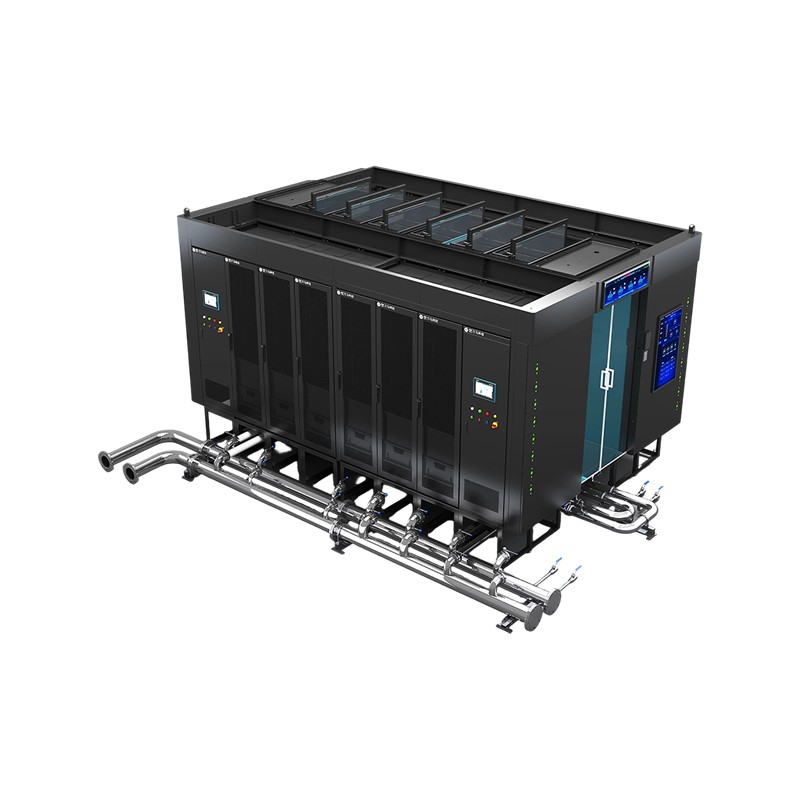
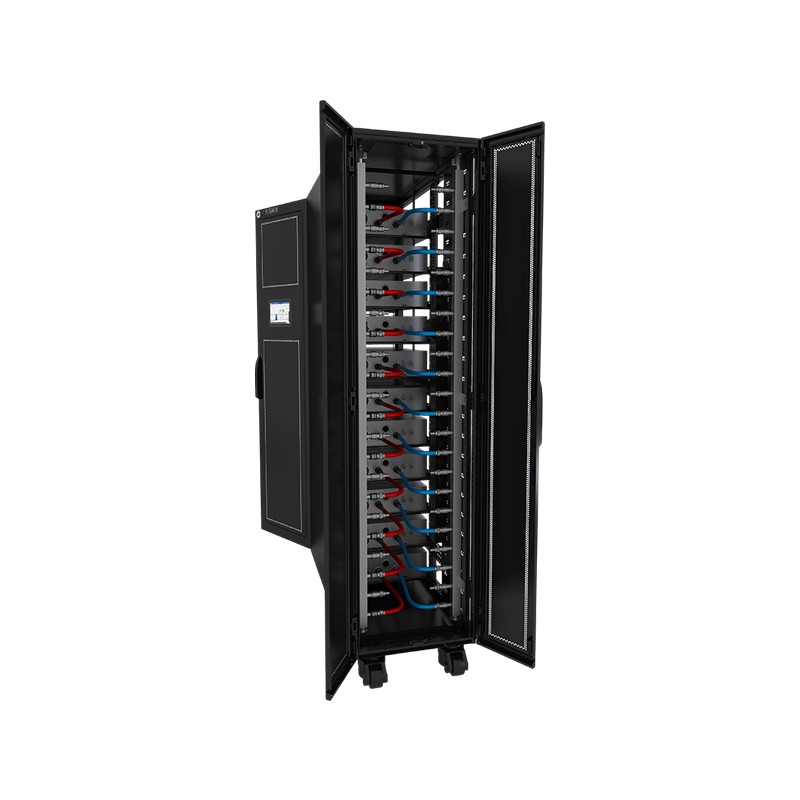

Product OverviewWM-LCR Liquid-Cooled Server Cabinet is a dedicated data center cabinet system that uses liquid as the cooling medium. Through circulating coolant, it efficiently transfers heat generat...
See DetailsRack-Mounted Coolant Distribution Units for High-Density Liquid-Cooled Infrastructure
Content
- 1 Why Coolant Distribution Units Matter in Modern Computing
- 2 Product Overview
- 3 Core Technical Configuration
- 4 Compact Rack-Ready Architecture
- 5 Intelligent Monitoring and Control
- 6 Single-Pump and Dual-Pump Flexibility
- 7 Fluid Compatibility and Loop Separation
- 8 Thermal Performance for High-Density Loads
- 9 Advantages in Comparison with Less Integrated Solutions
- 10 Applications in AI and High-Performance Computing
- 11 Applications in Data Centers and Technical Rooms
- 12 Applications Beyond Computing
- 13 Manufacturing and Engineering Strengths
- 14 Quality-Oriented Production Considerations
- 15 Installation and System Integration
- 16 Maintenance and Operational Reliability
- 17 Selection Guidance: CDU40 or CDU80
- 18 Energy and Space Efficiency Considerations
- 19 Customization and Project Support
- 20 Why the WM-Rack CDU Is a Practical Platform
- 21 Q&A
- 21.1 What is the main function of the WM-Rack CDU?
- 21.2 What cooling capacities are available?
- 21.3 Which fluids can be used?
- 21.4 Does the CDU support pump redundancy?
- 21.5 What control interface is provided?
- 21.6 What is the maximum working pressure?
- 21.7 What power supplies are supported?
- 21.8 Can the unit be used with cold-plate cooling?
- 21.9 Can it support immersion cooling?
- 21.10 Where can the CDU be installed?
- 21.11 How should the CDU model be selected?
- 21.12 What makes a rack-mounted CDU different from a conventional cooling skid?
- 21.13 What maintenance is required?
- 22 Conclusion
- 23 References
- 24 Product: WM-Rack CDU
As computing densities continue to rise, conventional air cooling is increasingly challenged by the thermal loads generated by artificial intelligence servers, high-performance computing clusters, advanced networking equipment, and other power-intensive systems. Liquid cooling provides a more direct and efficient method of transferring heat away from processors, accelerators, memory modules, storage systems, and other high-power components. At the center of many liquid-cooling architectures is the Coolant Distribution Unit, or CDU.
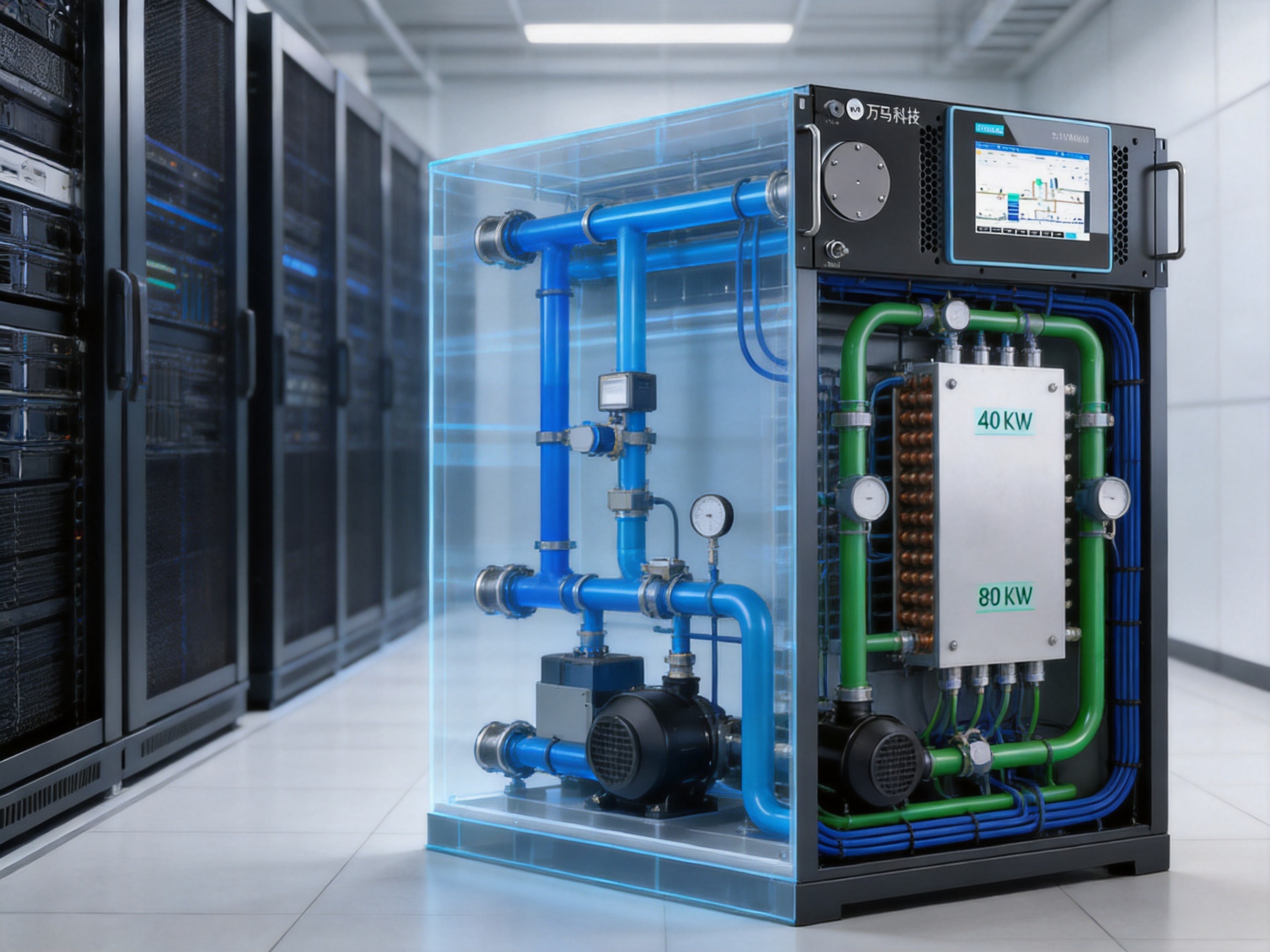
The WM-Rack CDU is a compact, rack-mounted coolant distribution solution developed for high-density computing environments. It is designed to exchange heat between a facility-side primary loop and an equipment-side secondary loop while regulating coolant circulation, monitoring operating conditions, and supporting dependable operation in mission-critical spaces. Available in 40 kW and 80 kW models, the unit combines a standardized rack form factor, Siemens HMI control, Modbus communication, flexible fluid compatibility, and optional pump redundancy.
Although the equipment is compact, its role is substantial. A CDU must do more than circulate fluid. It must maintain stable temperatures, provide suitable flow and pressure, isolate the technology loop from the facility loop, support serviceability, and remain dependable during continuous operation. The WM-Rack CDU addresses these requirements in a single integrated platform intended for data centers, AI computing rooms, HPC facilities, energy storage applications, and industrial liquid-cooling systems.
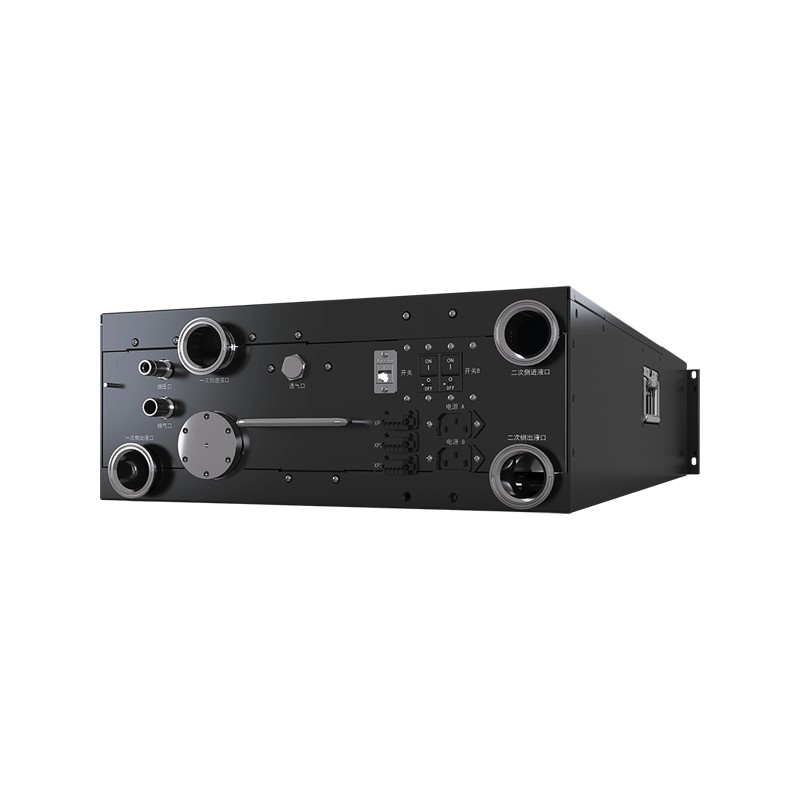
WM-Rack CDU
Why Coolant Distribution Units Matter in Modern Computing
Traditional air-cooled data centers depend on fans, heat sinks, air handlers, raised-floor distribution, and carefully managed room airflow. These methods remain useful for many applications, but the thermal density of modern computing equipment can exceed the practical capability of air-based cooling. High-power processors and accelerators release heat in concentrated areas, and the amount of airflow required to remove that heat can increase energy consumption, noise, equipment size, and infrastructure complexity.
Liquid has a significantly higher heat capacity and thermal conductivity than air. When coolant is brought close to the heat source through cold plates, rear-door heat exchangers, immersion systems, or other liquid-cooling technologies, heat can be removed more directly. This makes liquid cooling particularly attractive for artificial intelligence clusters, scientific computing, simulation, cloud infrastructure, and other systems where rack power levels are continuously increasing.
However, a liquid-cooling system requires carefully managed hydraulic and thermal interfaces. The facility cooling loop may use chilled water, closed cooling water, or a glycol mixture. The technology loop may require deionized water, ethylene glycol, or propylene glycol. These loops may have different pressure, temperature, cleanliness, and flow requirements. Connecting them without suitable separation and control can expose servers and other sensitive equipment to unacceptable risks.
A CDU provides the controlled interface between the facility and equipment loops. It transfers heat through a heat exchanger, circulates the secondary coolant with one or more pumps, measures key operating conditions, and allows the system operator to maintain the required thermal conditions. In practical terms, it serves as the cooling engine and hydraulic management point for a liquid-cooled rack or group of racks.
Product Overview
The WM-Rack CDU is a rack-mounted CDU designed for high-density computing and other demanding liquid-cooling applications. Its standard cooling capacities are 40 kW for the CDU40 and 80 kW for the CDU80. The rack-oriented construction enables integration into structured technical spaces where floor area, cabinet organization, and service access are important considerations.
The unit supports a primary-side circulating medium consisting of chilled water, closed cooling water, or ethylene glycol. On the secondary side, it supports deionized water, ethylene glycol, or propylene glycol. This separation allows system designers to select fluids according to the requirements of the facility loop and the protected equipment loop.
Operating conditions are based on defined design temperatures. The primary side is specified at an inlet and outlet temperature of 35°C and 45°C, while the secondary side is specified at 50°C and 40°C for rated heat transfer capacity. The stated outlet temperature range is 25°C to 40°C, allowing the CDU to serve a range of liquid-cooling architectures when properly selected and commissioned.
The product can be configured with a single pump or dual pumps. The dual-pump option introduces a higher level of operational redundancy for applications where cooling continuity is especially important. The CDU also supports a maximum working pressure of up to 1.0 MPa and provides Modbus communication for integration with broader building management, data center infrastructure management, or industrial control systems.
A Siemens HMI smart control interface provides a local operator interface for viewing and adjusting system parameters. This allows personnel to monitor liquid temperatures, pressure-related conditions, pump operation, alarms, and other available telemetry from a centralized display rather than relying solely on individual mechanical instruments.
Core Technical Configuration
| Parameter | CDU40 | CDU80 |
|---|---|---|
| Rated heat exchange capacity | 40 kW | 80 kW |
| Primary-side circulating medium | Chilled water, closed cooling water, or ethylene glycol | Chilled water, closed cooling water, or ethylene glycol |
| Primary-side design inlet/outlet temperature | 35°C / 45°C | 35°C / 45°C |
| Primary-side connection size | DN32 | DN40 |
| Primary-side water pressure drop | Not more than 100 kPa | Not more than 100 kPa |
| Secondary-side circulating medium | Deionized water, ethylene glycol, or propylene glycol | Deionized water, ethylene glycol, or propylene glycol |
| Secondary-side design inlet/outlet temperature | 50°C / 40°C | 50°C / 40°C |
| Secondary-side outlet temperature range | 25°C to 40°C | 25°C to 40°C |
| Available head or residual pressure | Not more than 150 kPa | Not more than 150 kPa |
| Secondary-side connection size | DN32 | DN40 |
| Pump configuration | Single pump or dual pump | Single pump or dual pump |
| Rated power | 1.2 kW | 1.8 kW |
| Maximum working pressure | 1.0 MPa | 1.0 MPa |
| Dimensions, width × depth × height | 450 × 850 × 176 mm | 530 × 850 × 176 mm |
The rated heat transfer capacity is based on the specified fluid and temperature conditions. Actual performance can vary according to flow rate, fluid concentration, inlet temperatures, heat exchanger condition, pressure losses, altitude, installation arrangement, and the characteristics of the connected cooling equipment. For this reason, selection should be based on the complete hydraulic and thermal profile rather than capacity alone.
Compact Rack-Ready Architecture
One of the most important benefits of the WM-Rack CDU is its rack-oriented architecture. Data center space is expensive and highly organized. Equipment must fit into defined cabinet footprints, maintain clear service paths, and coexist with power distribution, network cabling, containment systems, and other infrastructure. A compact CDU can help reduce the need for a separate floor-standing mechanical enclosure or a remote skid connected through long pipe runs.
The standardized rack form factor supports a more orderly deployment approach. Integrators can plan the CDU alongside server cabinets, liquid-cooled racks, network cabinets, and facility distribution equipment. The 450 mm or 530 mm width options, combined with an 850 mm depth and 176 mm height as specified, provide a compact platform for projects where available space must be used efficiently.
A rack-ready form factor may also simplify expansion. When additional liquid-cooled capacity is needed, operators can add or upgrade CDU units according to the architecture of the deployment. This modular concept is well suited to phased data center construction, pilot installations, AI cluster growth, and retrofits in existing technical rooms.
Compared with a large centralized cooling skid, a rack-level CDU can reduce the distance between the distribution point and the equipment loop. Shorter hydraulic paths may support more manageable installation planning, although the final result depends on the complete system design. Localized distribution can also help operators isolate, monitor, and service individual cooling zones.
Intelligent Monitoring and Control
Thermal stability is essential to the operation of high-density computing equipment. A small change in coolant temperature, flow, or pressure can affect processor performance, system reliability, and the operating margin of the connected equipment. The WM-Rack CDU uses a Siemens HMI smart control interface to provide a centralized method of observing and managing important operating information.
The HMI can provide an accessible interface for operators and maintenance personnel. Depending on the final control configuration, users may monitor liquid temperatures, pump status, pressure-related values, alarm conditions, operating modes, and system telemetry. The value of an integrated HMI is not only convenience. It can improve the visibility of the cooling system and help personnel identify abnormal conditions before they develop into larger operational problems.
Modbus communication allows the CDU to exchange information with compatible supervisory systems. This can support integration with building management systems, data center monitoring platforms, programmable controllers, or other industrial automation systems. Centralized monitoring is especially valuable in facilities with numerous cooling units, distributed server rooms, or remote operating teams.
With suitable control logic, operators can establish operating limits, alarm thresholds, pump control strategies, and response procedures. The exact functions depend on the configured controls and project requirements, but the communication capability provides a practical foundation for system-level supervision.
Compared with basic mechanical distribution units that offer limited local indication, an HMI- and Modbus-enabled CDU provides more complete operational awareness. This can support faster diagnosis, more consistent maintenance, and better documentation of system conditions. It also helps the cooling infrastructure become part of the facility’s broader digital management environment rather than remaining an isolated mechanical subsystem.
Single-Pump and Dual-Pump Flexibility
Different applications require different levels of redundancy. A small test environment, a noncritical industrial system, or a cost-sensitive installation may be adequately served by a single-pump configuration. A mission-critical data center, AI cluster, or continuously operating research facility may prefer dual pumps to improve resilience.
The WM-Rack CDU supports both single-pump and dual-pump configurations in the CDU40 and CDU80 models. This gives system designers the ability to match equipment selection to operational priorities rather than forcing every project into one fixed configuration.
A dual-pump arrangement can provide standby capability or operational flexibility, depending on the control scheme. If one pump requires maintenance or experiences a fault, the second pump may help maintain cooling circulation, subject to the actual system design and control logic. Redundancy does not remove the need for inspection, preventive maintenance, and correct commissioning, but it can increase the available operating margin.
Pump redundancy is particularly relevant to high-density computing because thermal loads can rise rapidly when processors operate at high utilization. A cooling interruption may create a chain of events involving alarms, performance reduction, automatic equipment shutdown, or service disruption. A properly selected redundant configuration helps reduce the risk associated with a single pump event.
The rated power is specified as 1.2 kW for the CDU40 and 1.8 kW for the CDU80. These values provide a reference for electrical planning, but the final power requirement should be confirmed for the selected pump arrangement, operating point, control mode, and power supply configuration.
Fluid Compatibility and Loop Separation
Liquid-cooling systems do not all use the same fluid. Fluid choice may be determined by thermal performance, corrosion control, freeze protection, material compatibility, maintenance procedures, environmental conditions, and the requirements of the connected equipment. The WM-Rack CDU supports several commonly used fluids on both sides of the heat exchange system.
The primary side can use chilled water, closed cooling water, or ethylene glycol. These options allow the CDU to interface with different facility cooling arrangements. The secondary side can use deionized water, ethylene glycol, or propylene glycol. Deionized water may be selected where high thermal performance and controlled water quality are required. Glycol-based mixtures may be considered where freeze protection or specific operating conditions are important.
Separating the primary and secondary loops offers important system benefits. The facility loop can be managed according to building or plant requirements, while the technology loop can be maintained according to server, cold-plate, immersion, or equipment-manufacturer requirements. The heat exchanger transfers thermal energy without requiring the two fluids to mix.
Fluid compatibility must always be verified as part of system engineering. The concentration of glycol, fluid cleanliness, conductivity, corrosion inhibitors, seals, hoses, fittings, heat exchanger materials, and connected equipment must be evaluated together. The product’s stated fluid compatibility provides a broad design basis, but it does not replace project-specific fluid management procedures.
Thermal Performance for High-Density Loads
The CDU40 provides a rated heat exchange capacity of 40 kW, while the CDU80 provides 80 kW under the stated design conditions. These capacity classes address a broad range of liquid-cooled equipment arrangements. The appropriate model depends on the total design heat load, expected utilization, flow requirements, redundancy strategy, and expansion plan.
For example, a 40 kW unit may be suitable for a smaller liquid-cooled zone, a dedicated equipment row, a laboratory installation, or a moderate-density server deployment. An 80 kW model may be more suitable for a larger AI or HPC zone with higher rack power or greater future capacity requirements. In either case, engineers should consider whether the CDU will operate continuously at full rated capacity or whether additional design margin is required.
The specified primary-side design temperature is 35°C at the inlet and 45°C at the outlet, while the secondary-side design temperature is 50°C at the inlet and 40°C at the outlet. These values describe a defined heat transfer condition rather than a universal operating requirement. Actual installations may use different temperatures based on equipment requirements and facility conditions.
The secondary outlet temperature range of 25°C to 40°C provides flexibility for different cooling architectures. Some systems require relatively low coolant temperatures, while others are designed to operate with warmer liquid and may benefit from increased opportunities for heat reuse or economized cooling. The operating temperature must be selected in accordance with the connected equipment’s specifications and the overall facility design.
The water pressure drop on the primary side is specified as not more than 100 kPa, and the available head or residual pressure on the secondary side is specified as not more than 150 kPa. These values are important when calculating pump requirements, pipe sizing, valve selection, and the pressure budget of the connected loop.
Advantages in Comparison with Less Integrated Solutions
The WM-Rack CDU offers several practical advantages when compared with less integrated or less configurable cooling distribution solutions. The first is the combination of compact mechanical integration and intelligent controls. A basic heat exchanger or pump assembly may transfer heat, but it may not provide the same level of local monitoring, communication, and rack-oriented deployment flexibility.
The second advantage is model scalability. The 40 kW and 80 kW capacity options allow a project to select a unit according to its current thermal requirement while considering future expansion. This is more adaptable than a single fixed-capacity platform that may be oversized for smaller installations or insufficient for high-density deployments.
The third advantage is fluid flexibility. The ability to support several primary- and secondary-side fluids allows the CDU to serve different facility conditions and liquid-cooling architectures. This can reduce the need to redesign the entire cooling system when the project uses a different coolant strategy.
The fourth advantage is pump configuration flexibility. Single-pump and dual-pump options allow the system to balance capital cost, service requirements, and continuity objectives. A project can specify redundancy where it is necessary and avoid unnecessary complexity where it is not.
The fifth advantage is integration with supervisory systems through Modbus. In facilities where cooling, power, environmental monitoring, and equipment alarms are managed through a common platform, a communication-enabled CDU can contribute to a more unified operational model.
These advantages should be considered alongside installation quality, commissioning procedures, service capability, and the suitability of the selected model for the actual system. No CDU can compensate for undersized piping, contaminated coolant, insufficient facility capacity, poor controls integration, or incorrect temperature selection. The strongest results come from matching the product to a carefully engineered cooling architecture.

Applications in AI and High-Performance Computing
Artificial intelligence servers and high-performance computing systems often combine large numbers of processors, graphics processing units, accelerators, memory devices, and high-speed interconnects in a limited physical area. These systems generate concentrated heat and may operate at high utilization for extended periods.
The WM-Rack CDU can support liquid-cooling systems serving cold plates, immersion cooling arrangements, or other secondary-loop architectures. By providing a managed interface between the facility cooling network and the equipment loop, it helps maintain the fluid conditions required by high-power computing equipment.
AI infrastructure also tends to expand quickly. A modular rack-mounted CDU can help organizations deploy capacity in stages, starting with a smaller installation and adding additional cooling zones as demand grows. The 40 kW and 80 kW options provide a basis for planning different rack densities and cluster sizes.
For HPC environments, reliability and monitoring are particularly important. Scientific simulations, engineering calculations, financial models, weather analysis, and other workloads may run for long periods without interruption. A CDU with local HMI supervision, Modbus communication, and optional pump redundancy can support the operational requirements of such facilities.
Applications in Data Centers and Technical Rooms
Modern data centers are increasingly adopting hybrid cooling designs in which air cooling remains available for general equipment while liquid cooling serves the highest-density racks. A rack-mounted CDU can be deployed as part of this transition without requiring every cabinet in the facility to use the same cooling method.
The product may be installed in central equipment rooms, white-space areas, dedicated AI rooms, or other locations selected by the system designer. Its compact architecture can be useful where floor space is limited or where cooling distribution must remain close to the connected equipment.
In retrofit projects, the CDU may help introduce liquid cooling into an existing facility. Such projects require careful review of electrical capacity, pipe routes, drainage, leak detection, structural loading, access paths, and control-system compatibility. The relatively compact form of the WM-Rack CDU may assist with physical integration, although the complete retrofit must be evaluated by qualified engineers.
Applications Beyond Computing
The product is also applicable to energy storage thermal management. Battery systems and power electronics can generate substantial heat during charging, discharging, and high-load operation. A controlled secondary loop can help transfer this heat to a facility-side cooling system while maintaining a defined operating environment for the protected equipment.
High-power industrial equipment is another potential application. Laser systems, power conversion equipment, test benches, manufacturing tools, and specialized electronic systems may require stable liquid cooling. In these environments, the ability to use deionized water or glycol-based fluids and to monitor operating parameters can support reliable thermal management.
The CDU may also be used in research laboratories and demonstration platforms. Its available capacity classes and communication capability make it suitable for test systems in which engineers need to observe fluid temperatures, pump status, pressure behavior, and heat transfer performance.
For each non-data-center application, the designer should verify fluid compatibility, heat load profiles, pressure requirements, environmental conditions, control interfaces, and safety procedures. The product is a flexible platform, but the final application depends on correct system integration.
Manufacturing and Engineering Strengths
Wanma Technology Co., Ltd. has operated since 1997 and has experience in communication cabinets, communication electronic equipment, passive optical components, and integrated network solutions. Its product experience spans Ethernet networks, optical communication networks, central equipment rooms, high-speed railway systems, and urban rail transit systems.
This background is relevant to the development of rack-mounted cooling equipment because communication and data infrastructure demand disciplined cabinet design, reliable mechanical construction, organized cable and equipment integration, and consistent production quality. A company accustomed to mission-critical network environments is positioned to understand the importance of enclosure organization, installation efficiency, service access, and long-term operational stability.
The company develops, manufactures, and markets products under its own brand while also providing integrated solutions for customized products. This combination can support a more coordinated development process. Instead of treating the CDU as an isolated component, engineers can consider its mechanical structure, controls, fluid connections, electrical interface, monitoring requirements, and installation environment together.
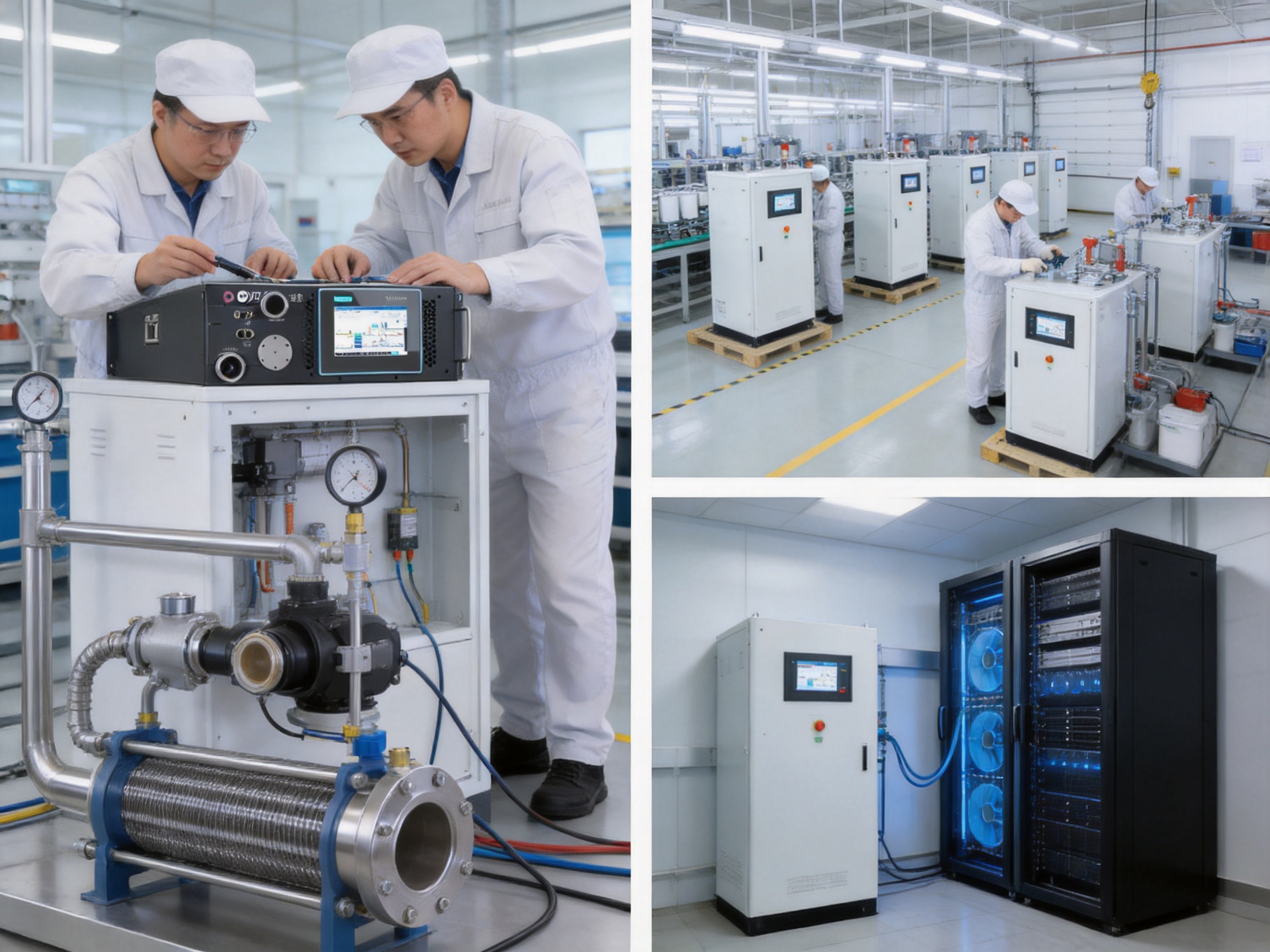
Advanced manufacturing strength in this context includes more than the use of individual machines. It involves product engineering, process control, component selection, assembly discipline, inspection, documentation, and the ability to adapt a standard platform to project-specific requirements. These capabilities are especially important for liquid-cooling equipment because leakage prevention, pressure integrity, cleanliness, and reliable control behavior all depend on consistent manufacturing execution.
A structured production process should include incoming inspection of key components, controlled assembly of pumps and piping, verification of electrical connections, inspection of heat exchanger integration, pressure-related checks, control-system testing, and final functional evaluation. Project-specific inspection procedures should be defined according to the product configuration and customer requirements.
The company’s experience serving communication and transportation infrastructure also supports a strong understanding of delivery coordination and long-term customer relationships. The company reports a sales network covering more than 20 countries and regions, including the United States, Australia, the United Kingdom, Italy, South Africa, and Ghana. International project experience can help suppliers understand the importance of packaging, documentation, technical communication, and delivery planning.
Quality-Oriented Production Considerations
Liquid-cooling equipment must be manufactured with particular attention to sealing surfaces, joints, valves, pumps, heat exchangers, sensors, and internal cleanliness. Even a minor installation or assembly defect can affect system availability. For this reason, quality assurance should be integrated into every stage of production rather than applied only at the end.
Dimensional inspection helps confirm that the CDU can be installed within the intended rack or equipment-space envelope. Connection-size verification helps prevent field installation problems. Pressure and leak checks help validate the integrity of the fluid circuit. Electrical inspection helps confirm wiring, grounding, component identification, and power-supply compatibility. Control testing helps verify that the HMI, alarms, pump operation, and Modbus communication behave as intended.
The product documentation specifies AC 220 V at 50 Hz or DC 48 V as power supply options, with Modbus as the communication protocol. These interfaces should be confirmed before ordering because site electrical systems and supervisory controls vary. A disciplined manufacturing and documentation process makes it easier for integrators to prepare the correct infrastructure and reduce commissioning delays.
Quality also includes repeatability. A standard CDU platform should provide consistent dimensions, connection locations, control logic, and performance expectations across production batches. Repeatability is valuable when a data center deploys multiple units or when an operator expands a system over several phases.
Installation and System Integration
Before installation, the project team should verify the required heat load, primary-side fluid, secondary-side fluid, design temperatures, flow rates, pressure losses, electrical supply, communication architecture, and physical access route. The CDU should be selected with sufficient thermal and hydraulic margin for the intended duty.
Primary and secondary piping should be designed to minimize unnecessary pressure loss and to support safe isolation for maintenance. Appropriate valves, filters, expansion provisions, drains, vents, and monitoring points should be included according to the system design. The connected equipment manufacturer’s requirements should be respected, particularly for coolant quality, maximum pressure, flow rate, and operating temperature.
The installation area should provide enough access for inspection, pump service, control-panel access, connection checks, and eventual replacement of serviceable components. Although the CDU is compact, the surrounding installation must not obstruct ventilation, pipework, electrical work, or maintenance activities.
Commissioning should include flushing and cleaning the fluid circuits, filling with the approved coolant, removing trapped air, checking valves and connections, confirming pump rotation, verifying flow, testing alarms, and validating communication with the supervisory system. Temperature and pressure readings should be compared against design expectations under representative load conditions.
Where a dual-pump configuration is installed, the commissioning process should confirm the intended lead-lag sequence, automatic changeover behavior, alarm response, and manual operating modes. Operators should be trained to understand normal readings, alarm indications, emergency procedures, and maintenance intervals.
Maintenance and Operational Reliability
Reliable cooling depends on both equipment design and operating discipline. Routine maintenance should follow the manufacturer’s recommendations and the requirements of the facility. Typical activities may include checking fluid quality, inspecting connections, reviewing alarms, verifying pump operation, examining filters, checking sensor readings, and confirming communication with the facility monitoring system.
Fluid management is especially important. Deionized water and glycol mixtures have different characteristics, and fluid quality can change over time. Contamination, incorrect glycol concentration, corrosion products, biological growth, or excessive conductivity can affect heat transfer and component life. The facility should establish suitable sampling, filtration, replenishment, and replacement procedures.
Monitoring trends is often more useful than reviewing isolated readings. A gradual rise in pressure drop may indicate filter loading or fouling. A change in pump behavior may indicate wear or an altered hydraulic condition. An increase in approach temperature across the heat exchanger may indicate reduced flow or declining heat transfer performance. Modbus data and HMI records can help maintenance personnel identify these trends.
Redundancy should also be tested periodically. A dual-pump system should not be assumed to provide protection simply because two pumps are installed. The standby pump, automatic changeover logic, alarms, and associated valves should be checked according to an approved maintenance plan.
Selection Guidance: CDU40 or CDU80
The CDU40 and CDU80 models should be selected according to more than the nominal heat load. Engineers should evaluate the expected maximum load, cooling diversity, future expansion, facility water temperature, secondary-loop temperature, flow demand, pressure drop, pump configuration, and required redundancy.
The CDU40 offers a 40 kW rated heat exchange capacity and DN32 connections. It may be appropriate for smaller liquid-cooling zones or installations where a moderate amount of heat must be transferred within a compact footprint.
The CDU80 offers an 80 kW rated heat exchange capacity and DN40 connections. It may be appropriate for higher-density equipment or projects where a larger heat transfer reserve is required. Its rated power is listed as 1.8 kW compared with 1.2 kW for the CDU40, so electrical planning should reflect the selected model and pump arrangement.
Operators should avoid selecting a unit solely because its capacity appears close to the calculated load. A design margin may be needed for ambient conditions, future equipment changes, fluid properties, fouling, and operational variability. The manufacturer should be consulted for other CDU specifications or unusual operating requirements.
Energy and Space Efficiency Considerations
Liquid cooling can support higher equipment density while reducing dependence on large volumes of room air. A compact CDU contributes to this strategy by concentrating heat exchange, pumping, monitoring, and control functions into a relatively small installation package.
Space efficiency is especially valuable in facilities where new computing capacity must be installed without extensive building expansion. Rack-based deployment can help integrate cooling equipment into a planned cabinet arrangement and may simplify the organization of short secondary-loop connections.
Energy performance depends on the complete system. Pump power, facility water temperature, heat exchanger approach temperature, control strategy, flow rate, cooling plant efficiency, and workload profile all influence total energy consumption. The CDU’s rated power values provide a reference for the unit itself, but facility-level efficiency should be assessed through a complete system model.
Higher liquid temperatures may create opportunities for improved economizer operation or heat reuse in suitable climates and facilities. Such opportunities depend on the connected computing equipment, facility cooling plant, local environmental conditions, and heat-recovery design. The WM-Rack CDU provides a controlled interface that can participate in these architectures when the operating temperatures are correctly selected.
Customization and Project Support
Liquid-cooling projects often have requirements that differ from standard catalog conditions. These may include alternate connection arrangements, specific electrical interfaces, customized controls, special fluid requirements, different communication mappings, unique rack integration constraints, or additional monitoring points.
The manufacturer states that it provides integrated solutions for customized products. This capability can be valuable for system integrators and equipment manufacturers that need to coordinate the CDU with a broader infrastructure package. Customization should be addressed early so that mechanical, electrical, hydraulic, and software requirements are reviewed together.
Technical discussions should define the heat load, temperature targets, pressure limits, coolant composition, pump redundancy, control points, alarm strategy, power supply, communication protocol, environmental conditions, and documentation requirements. Early clarification reduces the risk of late-stage modifications and helps ensure that the selected CDU is appropriate for its intended duty.
For projects involving other CDU capacities or nonstandard conditions, the manufacturer should be consulted for model selection. The published CDU40 and CDU80 data provide a useful starting point, but application-specific engineering is necessary for accurate sizing and dependable operation.
Why the WM-Rack CDU Is a Practical Platform
The WM-Rack CDU combines the functions required by modern liquid-cooling infrastructure in a compact, configurable package. Its 40 kW and 80 kW capacity options cover different scales of deployment. Its primary- and secondary-side fluid compatibility supports varied cooling architectures. Its single- and dual-pump options allow project-specific reliability planning.
The Siemens HMI interface improves local visibility, while Modbus communication supports integration into broader monitoring systems. The maximum working pressure of 1.0 MPa provides a defined mechanical design basis, and the specified pressure-drop and residual-pressure values assist engineers in hydraulic planning.
Its rack-ready form factor is well suited to data centers and technical rooms where space organization matters. Its potential applications extend from AI and HPC environments to energy storage and high-power industrial equipment. The product is therefore not limited to one type of server architecture or one cooling technology.
Most importantly, the unit is supported by a manufacturer with long-term experience in communication infrastructure, cabinets, electronic equipment, passive optical components, and international project delivery. That background contributes to a practical understanding of equipment integration, reliability expectations, customization, and service-oriented manufacturing.
Q&A
What is the main function of the WM-Rack CDU?
The WM-Rack CDU transfers heat between a primary facility-side cooling loop and a secondary equipment-side cooling loop. It also circulates the secondary coolant, monitors operating conditions, and provides control and communication functions for liquid-cooled infrastructure.
What cooling capacities are available?
The standard models are the CDU40, rated at 40 kW, and the CDU80, rated at 80 kW. Actual performance depends on design temperatures, flow rates, fluid properties, pressure conditions, and the complete system configuration.
Which fluids can be used?
The primary side supports chilled water, closed cooling water, and ethylene glycol. The secondary side supports deionized water, ethylene glycol, and propylene glycol. Fluid compatibility and concentration must be confirmed for the complete system, including piping, seals, pumps, heat exchangers, and connected equipment.
Does the CDU support pump redundancy?
Yes. Both the CDU40 and CDU80 can be configured with a single pump or dual pumps. The dual-pump configuration may support improved continuity and maintenance flexibility, depending on the control logic and system design.
What control interface is provided?
The unit is integrated with a Siemens HMI smart control interface. It also supports Modbus communication for connection with compatible building management, data center monitoring, or industrial control systems.
What is the maximum working pressure?
The maximum working pressure is specified as 1.0 MPa. The actual operating pressure must remain within the requirements of the CDU, connected equipment, piping, valves, and other system components.
What power supplies are supported?
The listed power supply options are AC 220 V at 50 Hz and DC 48 V. The required option should be confirmed during project planning and before equipment ordering.
Can the unit be used with cold-plate cooling?
Yes. The product is intended for liquid-cooling systems that may include cold-plate cooling. The final selection must account for the cold plates, server manifolds, flow requirements, pressure losses, coolant specifications, and control requirements.
Can it support immersion cooling?
The product overview identifies immersion cooling among its intended applications. The specific immersion fluid, heat exchanger arrangement, flow requirements, and material compatibility must be reviewed before deployment.
Where can the CDU be installed?
It can be used in AI computing rooms, high-density server environments, HPC clusters, data centers, energy storage thermal-management systems, and high-power industrial equipment installations. The final location should provide suitable access, piping, electrical supply, drainage, monitoring, and maintenance clearance.
How should the CDU model be selected?
Selection should consider rated heat load, design margin, primary- and secondary-side temperatures, fluid type, flow rate, pressure drop, connection size, pump configuration, future expansion, and the required level of redundancy. The manufacturer should be consulted for nonstandard conditions or other CDU specifications.
What makes a rack-mounted CDU different from a conventional cooling skid?
A rack-mounted CDU is designed around a compact equipment-space format and can be positioned close to the liquid-cooled racks or technical equipment. This may simplify space planning and local distribution, while a larger skid may be better suited to centralized plant-room applications. The best option depends on the facility layout and cooling architecture.
What maintenance is required?
Maintenance typically includes inspection of pumps, fittings, valves, filters, sensors, electrical connections, alarms, and communication functions. Fluid quality should also be monitored, and the system should be checked for leaks, abnormal pressure changes, temperature drift, and unusual pump behavior.
Conclusion
The growth of AI, high-performance computing, advanced networking, energy storage, and industrial electronics is making efficient thermal management a central infrastructure requirement. Liquid cooling provides a direct and scalable way to remove heat, but its success depends on a reliable interface between facility services and sensitive equipment loops.
The WM-Rack CDU is designed to provide that interface in a compact rack-mounted platform. With 40 kW and 80 kW models, primary- and secondary-side fluid flexibility, Siemens HMI supervision, Modbus communication, configurable pump redundancy, and a maximum working pressure of 1.0 MPa, it addresses the principal operational requirements of modern liquid-cooling deployments.
Its advantages include space-conscious integration, flexible configuration, centralized monitoring, scalable capacity, and suitability for multiple liquid-cooling architectures. Supported by a manufacturer with established experience in communication infrastructure, cabinet production, electronic equipment, passive optical components, customized solutions, and international delivery, the product provides a practical foundation for high-density cooling projects.
As with every thermal-management system, the best results depend on proper engineering, accurate model selection, clean and compatible coolant, correct installation, comprehensive commissioning, and planned maintenance. When these elements are coordinated, the WM-Rack CDU can help organizations build stable, serviceable, and scalable liquid-cooled infrastructure for current and future high-power equipment.
References
1. WM-Rack CDU Product Overview and Performance Parameter Table, manufacturer-provided technical material.
2. Manufacturer-provided information regarding product applications, fluid compatibility, control functions, and pump configurations.
3. Manufacturer-provided company profile covering communication equipment, cabinets, passive optical components, customized solutions, and international markets.
4. General engineering principles for liquid cooling in data centers and high-density computing environments.
5. General practices for coolant quality management, hydraulic design, equipment commissioning, and preventive maintenance in closed-loop cooling systems.
Product: WM-Rack CDU
PREV:Precision Fiber Connectivity for High-Performance Optical Distribution Networks
NEXT:Liquid-Cooled Data Centers: High-Density Infrastructure for Efficient, Quiet, and Reliable Computing
NEXT:Liquid-Cooled Data Centers: High-Density Infrastructure for Efficient, Quiet, and Reliable Computing
Interested in cooperation or have questions?
Related products
-
-
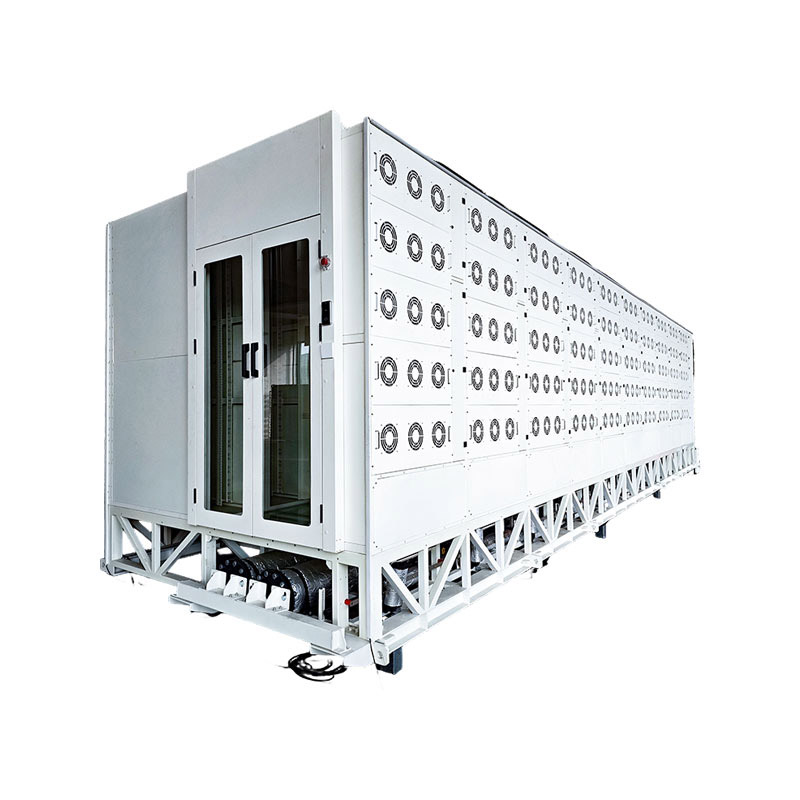
An IT container is an integrated, flexibly deployable mobile IT infrastructure platform. It often serves as the core functional unit of a modular data center, housing IT racks and various electronic ...
See Details -
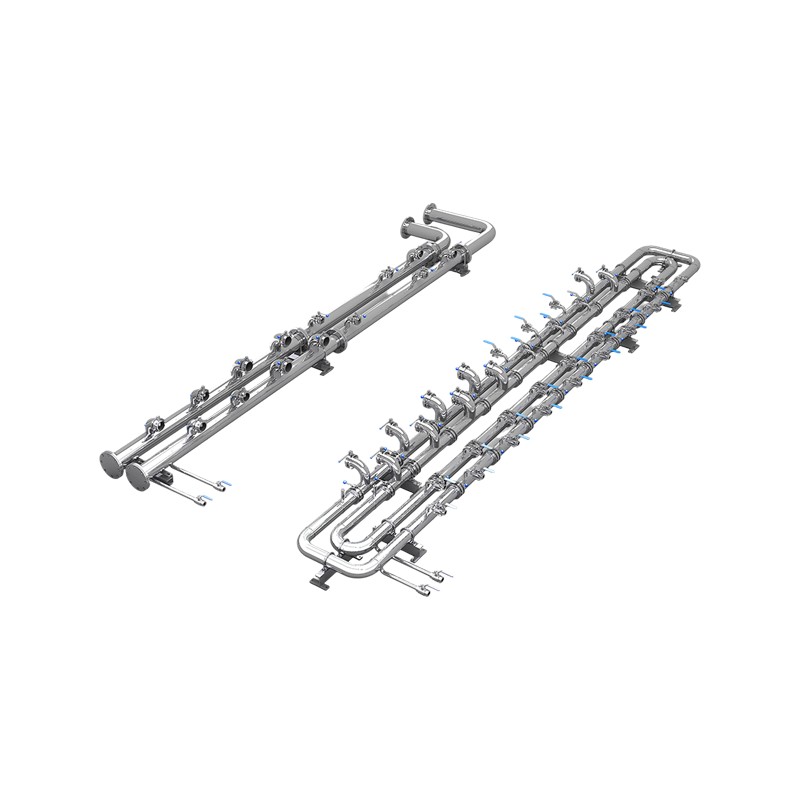
Product OverviewWM-SCL Secondary-Side Prefabricated Piping is a standardized coolant distribution system that connects the CDU to liquid-cooled server cabinets. The piping is prefabricated and quality...
See Details -
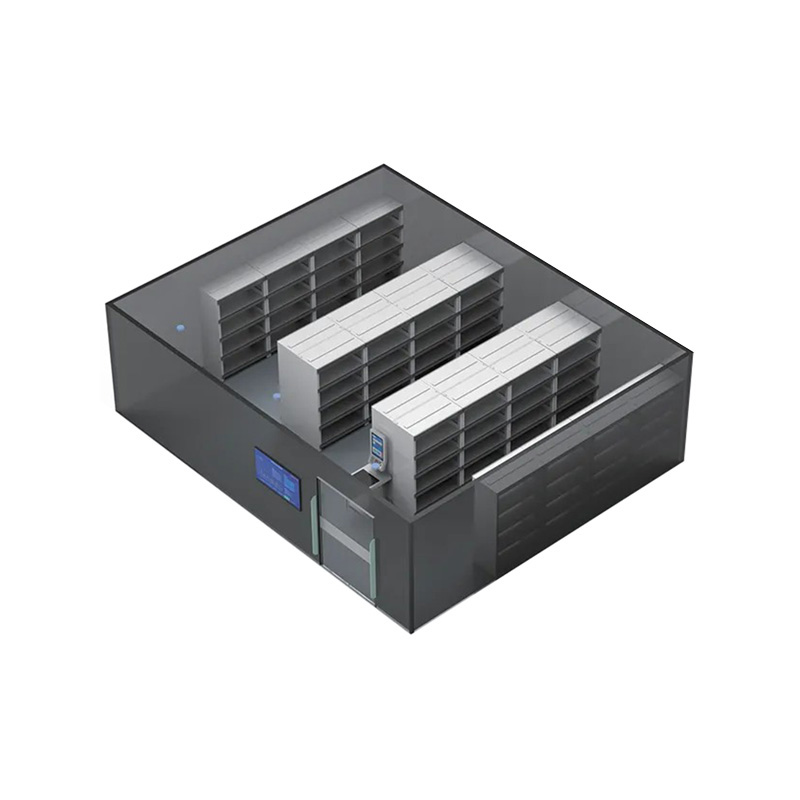
Product Definition:The High-Value Consumables House is not a traditional storage cabinet, but a digital management hub that integrates smart access, precise traceability, and security monitoring. It i...
See Details
Ready to Get started ? Contact Us Now !

Product.
Contact Details.
-
 +86 13958188250
-
 +86 13958188250
-
 [email protected]
-
 AUDIT Email:[email protected]
- Wanma Industrial Park Taihu Yuan Town Lin'an District Hangzhou City China.
QR Code

Copyright © Wanma Technology Co., Ltd. All Rights Reserved.
Privacy
Custom Ethernet Optical Network Railway Transit Equipments Suppliers
