

 English
 Français
 Español
 Português
 عربى
عربى





Product Definition:The RFID Handheld Inventory Device is the core mobile terminal of the Intelligent Medical Fabric Management System, designed for high-efficiency inventory and handover of linens in ...
See DetailsRFID Handheld Inventory Device for Intelligent Medical Fabric Management
Content
- 1 Why Medical Fabric Management Needs Intelligent RFID Tools
- 2 Product Definition and System Role
- 3 Core Advantage: Fast and Accurate Batch Inventory
- 4 Core Advantage: Industrial-Grade Durability for Hospital and Laundry Environments
- 5 Core Advantage: Seamless Connectivity and Data Synchronization
- 6 Core Advantage: Safety Through Non-Contact Inventory
- 7 Core Advantage: Reducing Loss and Procurement Costs
- 8 Key Specifications and Operational Value
- 9 Application Scenarios in Hospitals and Laundries
- 10 Advantages Over Competing Solutions
- 11 Manufacturing Strengths Behind the Product
- 12 Digital Transformation and Paperless Operations
- 13 Supporting Closed-Loop Medical Fabric Lifecycle Management
- 14 Operational Benefits for Different Stakeholders
- 15 Implementation Considerations
- 16 How the Device Enhances Hospital Brand Image
- 17 Why Supplier Capability Matters
- 18 Q&A Section
- 18.1 Q1: What is the main purpose of the RFID Handheld Inventory Device?
- 18.2 Q2: How does the device improve efficiency compared with manual counting?
- 18.3 Q3: What accuracy can the device achieve?
- 18.4 Q4: Can the device be used in harsh hospital or laundry environments?
- 18.5 Q5: Does the device work when the network is unavailable?
- 18.6 Q6: Can it integrate with hospital information systems?
- 18.7 Q7: How does it help reduce infection risk?
- 18.8 Q8: How can the device reduce linen loss?
- 18.9 Q9: Who should use this product?
- 18.10 Q10: What makes this product different from ordinary handheld scanners?
- 19 Conclusion
- 20 References
- 21 Product: RFID Handheld Inventory Device
In modern hospitals, laundries, and medical logistics centers, the movement of linens, uniforms, gowns, sheets, towels, surgical textiles, and other reusable fabrics is no longer a simple back-office task. It is a critical operational process connected to infection control, cost management, service quality, staff productivity, and digital transformation. The RFID Handheld Inventory Device is designed as a high-efficiency mobile terminal for intelligent medical fabric management, enabling hospitals and laundry service providers to count, identify, hand over, locate, and trace fabric assets with speed, accuracy, and reliability.
This device is a core component of an Intelligent Medical Fabric Management System. It uses RFID technology to support non-contact identification of fabric items fitted with RFID tags, allowing users to scan batches of textiles without unpacking, separating, or manually checking each item. In practical hospital and laundry environments, this capability directly addresses common pain points such as inaccurate manual counts, time-consuming handovers, missing linens, inefficient inventory checks, delayed reporting, and infection risks caused by unnecessary physical contact.
Compared with traditional barcode scanning or manual paper-based registration, RFID handheld inventory management offers a fundamentally different workflow. Instead of scanning items one by one or relying on staff to visually count and record quantities, personnel can use the handheld terminal to identify multiple tagged textiles rapidly. The device supports real-time data upload through 4G and WiFi, while offline operation ensures continuity even in areas with unstable network coverage. Once the network is restored, data can be synchronized automatically, helping ensure that management records remain complete and traceable.
For healthcare institutions seeking digitalization and paperless operations, the RFID Handheld Inventory Device provides a practical bridge between physical fabric circulation and intelligent platform management. It helps transform linens from anonymous consumables into identifiable assets with lifecycle data. Each transfer, inventory check, inbound process, outbound process, loss event, or washing handover can become part of a closed-loop management record. This makes textile management more transparent, measurable, and controllable.
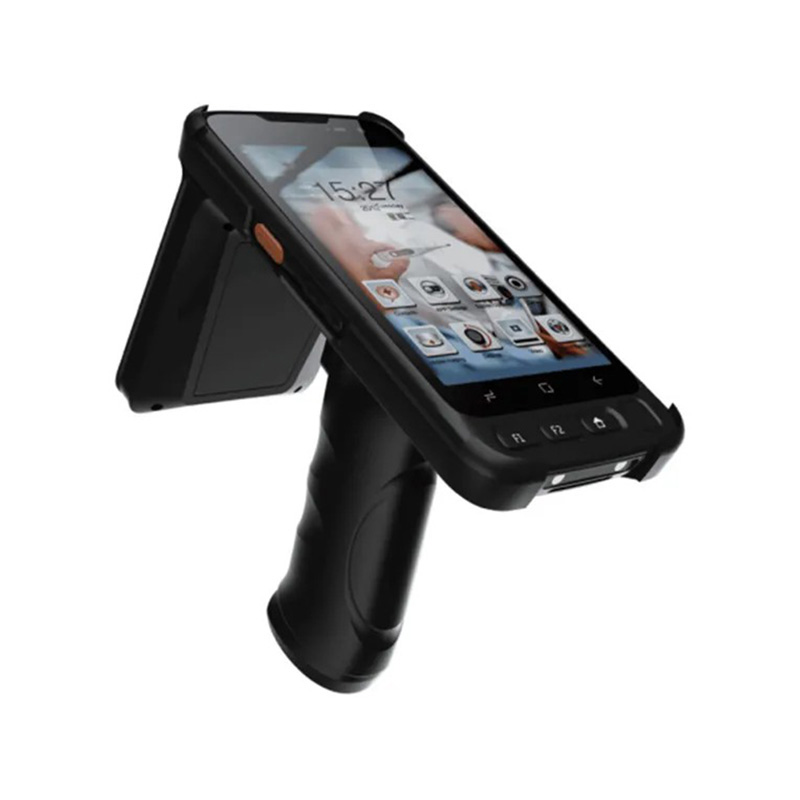
RFID Handheld Inventory Device
Why Medical Fabric Management Needs Intelligent RFID Tools
Medical fabrics are used across wards, operating rooms, emergency departments, outpatient areas, isolation units, logistics stations, and laundry facilities. Their circulation is frequent, fragmented, and often time-sensitive. A single hospital may handle thousands or even tens of thousands of textile items, with repeated collection, washing, disinfection, distribution, return, repair, retirement, and replacement. Without an intelligent management tool, this process can create operational pressure and unnecessary waste.
Manual inventory methods are vulnerable to counting errors, inconsistent records, duplicated entries, omissions, and delays. Staff may need to open bags, separate linens, count items by category, write quantities on paper forms, and later enter the data into a system. This not only consumes labor but also introduces risks at every step. In a busy hospital environment, a small counting error may cause disputes between departments and laundries, shortages in wards, excessive emergency procurement, or difficulty identifying where fabric losses occur.
Barcode systems improve identification but still require line-of-sight scanning and usually process items individually. In high-volume linen circulation, one-by-one scanning may not be efficient enough. RFID technology provides a stronger solution because it can identify tagged items without direct visual alignment. The RFID Handheld Inventory Device makes this advantage mobile, allowing staff to perform inventory checks in wards, storage rooms, laundry receiving areas, packing areas, or transport handover points.
The product is especially valuable in handover scenarios between hospitals and laundries. Handover is often where disputes arise: the hospital believes it sent a certain quantity, while the laundry reports another; clean linen returned may not match the expected category or quantity; lost items may be difficult to trace. By using RFID-based batch scanning, both parties can obtain accurate item-level data and reduce reliance on manual confirmation. This improves accountability and supports more harmonious service relationships.
Product Definition and System Role
The RFID Handheld Inventory Device is a mobile data acquisition terminal for the Intelligent Medical Fabric Management System. It is used to scan RFID-tagged medical textiles and connect field operations with the central management platform. Its role is not limited to simple counting. It supports a broader set of functions, including inventory verification, handover confirmation, inbound and outbound management, loss tracking, fabric location support, and lifecycle data collection.
As a field terminal, the device is designed for staff who need to work across multiple locations. Linen rooms, ward corridors, loading docks, laundry receiving zones, washing plants, temporary storage areas, and logistics vehicles all require flexible scanning capability. A fixed reader may be suitable for entrance and exit points, but many operational tasks require mobility. The handheld device fills this gap by placing intelligent scanning and data synchronization directly in the hands of users.
The device includes a 5-inch high-definition touchscreen, offering a practical display size for mobile work. Users can view task information, scanning results, quantities, categories, and system prompts without relying on separate equipment. The 2G+16G storage configuration provides capacity for stable operation and local data handling, supporting the needs of frequent inventory activity. The combination of hardware, RFID reading capability, connectivity, and software integration makes the device suitable for continuous use in demanding medical and laundry environments.
The product is built around the idea of lifecycle tracking. A fabric item is not merely counted at one point; it is monitored throughout repeated use. From initial allocation to department distribution, from soiled collection to washing, from clean return to storage, and eventually to retirement or replacement, every key event can be connected through RFID identification. This allows managers to understand usage frequency, loss rate, circulation efficiency, and asset condition more scientifically.
Core Advantage: Fast and Accurate Batch Inventory
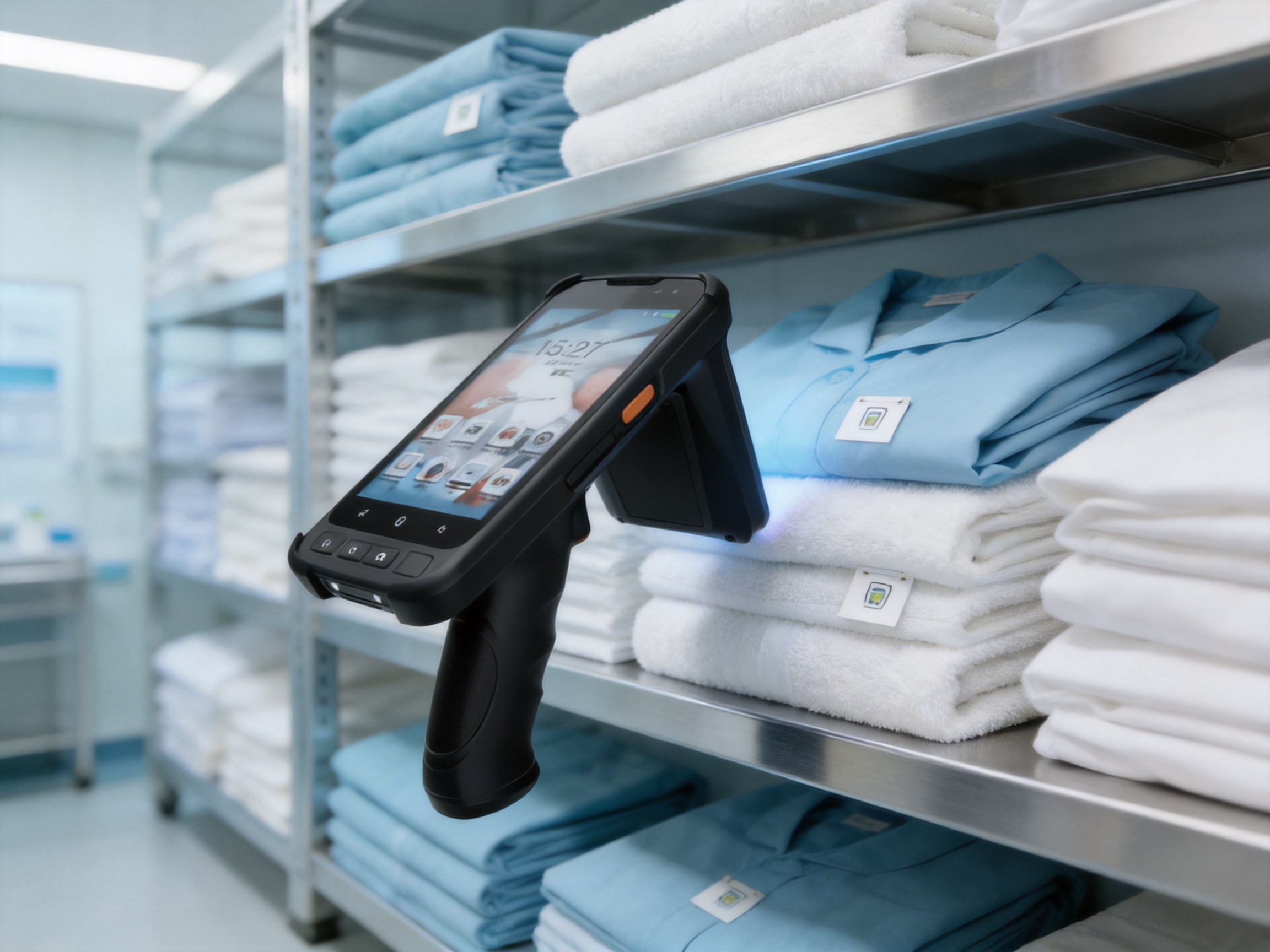
The first major advantage of the RFID Handheld Inventory Device is inventory efficiency. Traditional manual counting may require staff to handle items individually, open packages, separate categories, recount uncertain batches, and verify paper records. In contrast, RFID scanning allows bulk identification, including scanning without unpacking. This significantly reduces handover time and improves process continuity between departments and laundries.
The device is equipped with a proprietary high-precision algorithm, helping achieve an accuracy rate of over 99%. In medical textile management, accuracy is more than a convenience; it is a financial and operational requirement. Accurate records help prevent unnecessary purchases, identify loss points, reduce disputes, and ensure wards have adequate linen supply. When inventory data is unreliable, managers cannot make correct decisions. High-accuracy RFID inventory provides a stable data foundation.
Bulk scanning is particularly valuable during the movement of soiled and clean linens. Staff can scan packed or bundled textiles without opening them, reducing handling time and supporting safer workflows. This is important in healthcare environments where soiled items may carry contamination risk. By reducing direct contact, the process supports infection control objectives while also increasing staff productivity.
Compared with many conventional handheld terminals or basic scanning devices, the product’s advantage lies in combining RFID performance with system-level management. It is not merely a reader; it is designed for medical fabric circulation. Its algorithm, data synchronization, integration capability, and rugged structure are aligned with the real working conditions of hospitals and laundries. This dedicated application focus makes it more effective than general-purpose handheld tools that may require extensive customization.
Core Advantage: Industrial-Grade Durability for Hospital and Laundry Environments
Healthcare and laundry environments are not gentle on electronic devices. Equipment may be exposed to moisture, dust, frequent movement, crowded corridors, transport carts, storage shelves, and accidental drops. A handheld terminal used in this setting must be reliable enough for daily field operations. The RFID Handheld Inventory Device is built with an industrial-grade design, including IP65 water and dust resistance and a 1.5-meter drop protection standard.
IP65 protection helps the device resist dust intrusion and water exposure from common work conditions. This is useful in laundry-related operations where moisture, cleaning processes, and busy handling areas may affect ordinary electronics. The drop protection standard supports durability during mobile use, helping reduce maintenance frequency and downtime. For hospitals and service providers, device reliability translates directly into stable workflow execution.
The 5-inch high-definition touchscreen supports clear interaction. In inventory scenarios, users need to confirm quantities quickly, check task status, and respond to system prompts. A readable screen improves usability and reduces training difficulty. Staff who are not specialized IT technicians can still perform inventory operations efficiently when the interface and hardware are practical for field use.
The device also offers long standby performance, with a 250-hour standby time. This supports high-intensity shifts and reduces concern about frequent charging. In facilities with multiple handover points and continuous linen circulation, a mobile terminal must remain available throughout the workday. Long battery endurance contributes to operational confidence, especially during peak periods or emergency inventory checks.
Core Advantage: Seamless Connectivity and Data Synchronization
The RFID Handheld Inventory Device supports 4G and WiFi connectivity, enabling real-time data upload to the management platform. This is essential for modern medical logistics because decision-makers need timely visibility. If inventory data remains on paper or isolated terminals, managers cannot see current status, departments cannot confirm supply quickly, and laundries cannot respond efficiently. Real-time synchronization makes fabric management more transparent.
However, hospitals and laundries may have network blind spots. Basements, storage rooms, loading areas, elevators, and remote washing zones can experience unstable connectivity. The device addresses this by supporting offline operation. Staff can continue scanning and recording data even without network access. When the network is restored, the device automatically synchronizes data, helping ensure continuity and reducing the risk of lost records.
The product’s microservices architecture and built-in OPEN API support integration with hospital information systems, including HIS and EMR environments. This is a major advantage for institutions pursuing digital transformation. A fabric management system should not become an isolated island. It should communicate with other systems where appropriate, supporting broader operational analysis and coordinated workflows.
OPEN API capability also gives hospitals and service providers flexibility. Different institutions may have different software ecosystems, reporting needs, and data governance requirements. A device and platform that can integrate with existing infrastructure reduces implementation friction. This helps accelerate adoption and supports long-term scalability.
Core Advantage: Safety Through Non-Contact Inventory
In healthcare operations, infection prevention is a constant concern. Medical fabrics may pass through contaminated, semi-clean, and clean zones. Every unnecessary touch increases potential exposure. By enabling non-contact inventory, the RFID Handheld Inventory Device helps reduce manual handling during counting and handover. Staff can identify tagged textiles without opening packages or touching each item individually.
This is especially useful during soiled linen transfer. Traditional counting may require staff to open bags or inspect contents, which is undesirable from an infection-control perspective. RFID batch scanning supports safer verification and faster transfer. The result is a workflow that protects staff while improving operational efficiency.
Non-contact identification also improves the cleanliness of data collection. Paper forms can be lost, contaminated, damaged, or filled out inconsistently. Digital RFID records reduce the dependence on paper and manual transcription. This supports paperless management, better auditability, and improved compliance with modern hospital operational standards.
Core Advantage: Reducing Loss and Procurement Costs
Linen loss is a common but often underestimated cost in healthcare institutions. Items may be misplaced, accidentally discarded, retained by departments, mixed with other facilities’ textiles, or lost during transport and washing. When individual items cannot be identified, managers may only see overall shortages. They may respond by purchasing more textiles, increasing inventory levels, or accepting recurring losses as unavoidable.
RFID lifecycle tracking changes this situation. By identifying each tagged item and recording its movement, the system helps locate where loss may occur. The handheld device supports rapid search and inventory checks, allowing staff to verify whether items are present in storage rooms, wards, laundry batches, or handover packages. Over time, data reports can reveal patterns such as high-loss departments, delayed returns, abnormal circulation cycles, or excessive discard rates.
Reducing loss directly lowers procurement costs. When hospitals understand actual textile circulation, they can optimize stock levels instead of overbuying. Accurate data also improves negotiations and accountability with outsourced laundry service providers. Rather than relying on approximate counts or subjective claims, both parties can refer to RFID-based records.
Competitors that provide only basic counting tools may not deliver the same management value. The RFID Handheld Inventory Device supports not only counting but also asset tracking, process control, reporting, and system integration. This creates a stronger return on investment because the device contributes to labor savings, loss reduction, safety improvement, and management transparency at the same time.
Key Specifications and Operational Value
| Feature | Product Capability | Operational Value |
|---|---|---|
| RFID Batch Scanning | Supports rapid non-contact identification of tagged fabrics | Reduces manual counting time and improves handover efficiency |
| Inventory Accuracy | High-precision algorithm with accuracy rate over 99% | Minimizes disputes, omissions, and wrong quantity records |
| Display | 5-inch high-definition touchscreen | Improves field usability and task visibility |
| Storage | 2G+16G capacity | Supports smooth operation and local data handling |
| Protection | IP65 water and dust resistance | Supports use in hospital and laundry environments |
| Drop Resistance | 1.5-meter drop protection standard | Improves durability during mobile operations |
| Battery Standby | Up to 250-hour standby time | Meets high-intensity shift requirements |
| Connectivity | 4G and WiFi support | Enables real-time data upload and platform synchronization |
| Offline Operation | Continues working without network and syncs later | Prevents data interruption in weak-signal areas |
| System Integration | Microservices architecture and OPEN API | Supports integration with HIS, EMR, and other systems |
Application Scenarios in Hospitals and Laundries
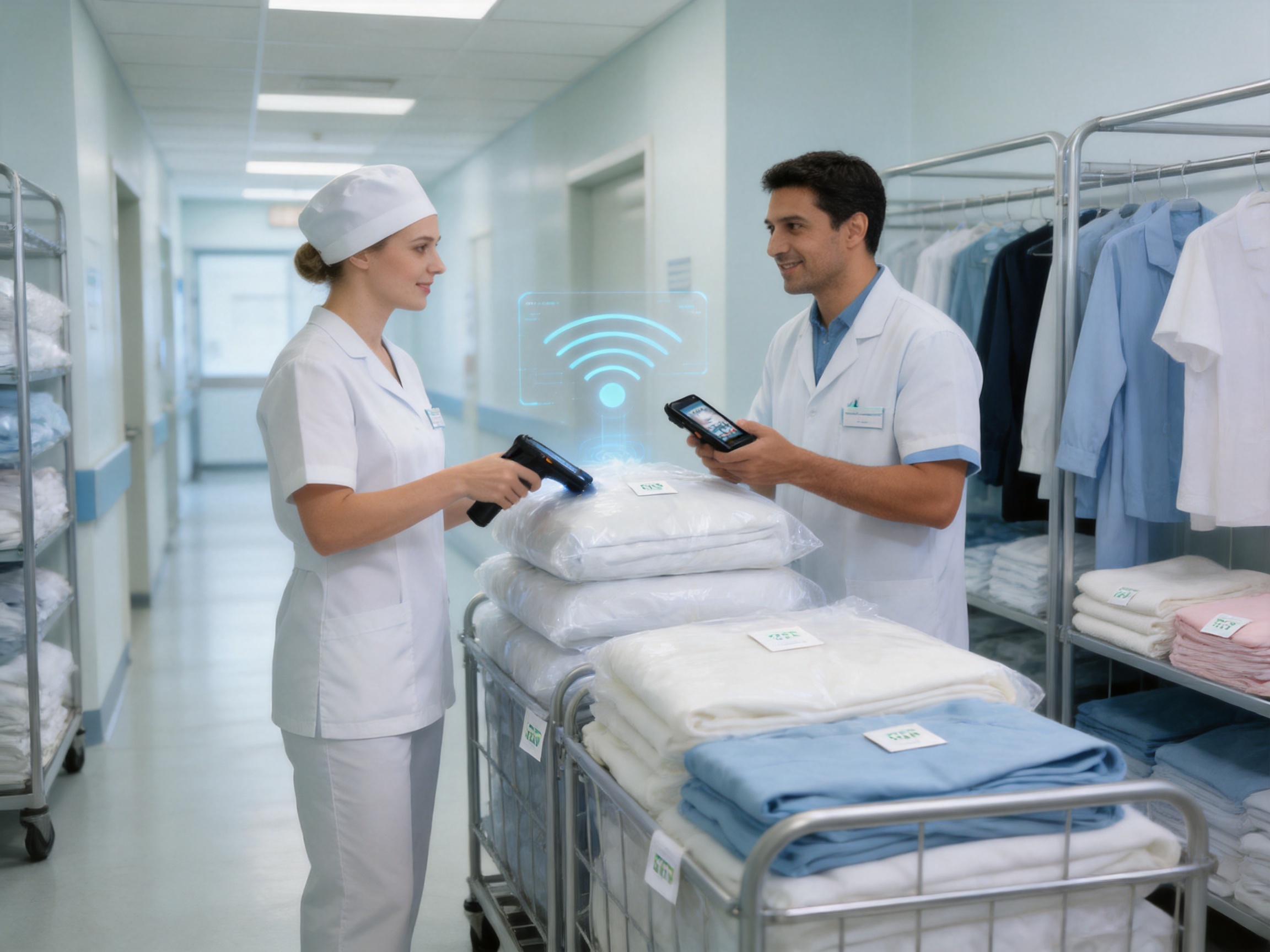
The RFID Handheld Inventory Device is widely applicable in linen counting and handover between hospital departments and laundries. During collection, staff can scan soiled fabrics before transfer. During receiving, laundry personnel can verify quantities rapidly. During return, clean textiles can be scanned again to confirm category and quantity. This creates a documented chain of custody.
In ward inventory, the device supports quick verification of available linens. Nurses and logistics staff can confirm whether required textiles are sufficient, reducing emergency calls and last-minute shortages. In central linen rooms, inventory checks can be performed more frequently because the scanning process is faster. Instead of waiting for monthly or quarterly manual counts, managers can conduct more routine audits.
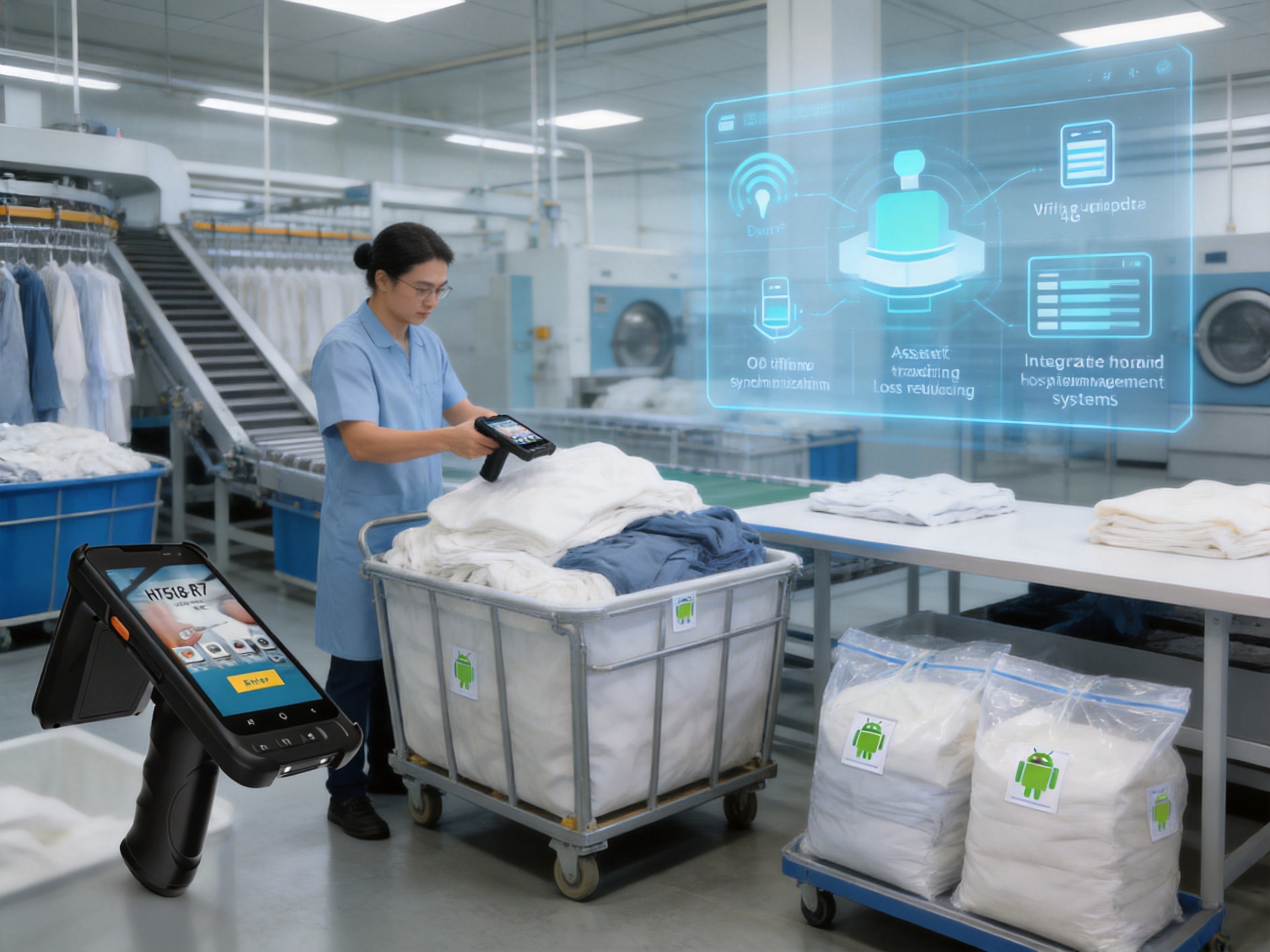
In laundry plants, the device supports inbound and outbound management during the washing process. Tagged fabrics can be verified when entering the washing facility, moving through processing stages, and leaving for hospital return. This helps ensure that batches are complete and that abnormal losses are detected earlier. The same device can also assist in locating missing items, especially when a fabric is suspected to be in the wrong area or mixed with another batch.
For outsourced laundry service models, the device offers value to both hospitals and service providers. Hospitals gain better visibility and accountability, while laundries can improve operational efficiency and reduce disputes. Accurate digital records help service providers demonstrate performance and build trust with clients.
Advantages Over Competing Solutions
The RFID Handheld Inventory Device has several competitive advantages that distinguish it from manual systems, barcode devices, and ordinary handheld readers. First, it is designed specifically for intelligent medical fabric management rather than generic warehouse scanning. This means its functions align with medical textile workflows, including handover, batch inventory, lifecycle tracking, and integration with management platforms.
Second, the device combines speed and accuracy. Some competing systems may improve speed but still suffer from unstable recognition or inconsistent data handling. The proprietary high-precision algorithm and accuracy rate of over 99% support reliable operations in environments where mistakes can cause disputes and cost increases.
Third, the device supports scanning without unpacking. This advantage is highly practical in medical fabric circulation because textiles are often bundled, bagged, or packaged for transport. Avoiding unpacking saves time, reduces handling, and supports infection prevention. Barcode systems generally cannot match this capability because they require visual access to labels.
Fourth, the device is rugged enough for demanding daily use. IP65 protection, 1.5-meter drop resistance, and long standby performance make it more suitable for hospital and laundry work than consumer-grade mobile terminals. Lower-grade devices may fail more often, require frequent charging, or become unreliable in humid or dusty areas.
Fifth, the product supports integration. The built-in OPEN API and microservices architecture allow the device and platform to connect with hospital information systems such as HIS and EMR. Many basic inventory tools cannot provide this level of interoperability, making them less suitable for institutions pursuing comprehensive digital transformation.
Finally, the device delivers management value beyond scanning. It helps reduce loss, optimize procurement, improve handover accountability, support reporting, and enhance operational decision-making. In this sense, its competitive advantage is not limited to hardware specifications; it lies in the complete value it brings to medical fabric lifecycle management.
Manufacturing Strengths Behind the Product
The RFID Handheld Inventory Device is supported by the industrial foundation and manufacturing experience of Wanma Technology Co., Ltd., a company established in 1997. With long-term specialization in communication cabinets, communication electronic equipment, and passive optical components, the company has built strong technical and production capabilities in fields that require reliability, precision, and stable quality control.
The company’s products are widely used in Ethernet networks, optical communication networks, central equipment rooms, national high-speed railways, and urban rail transit systems. These application fields demand durable equipment, consistent manufacturing standards, and dependable delivery. Experience in such infrastructure-related industries supports the company’s ability to produce electronic and communication products that perform reliably in complex environments.
Advanced manufacturing is not only about equipment; it is also about process discipline. Products used in telecommunications, rail transit, and medical management environments require careful material selection, structural design, assembly control, testing procedures, and quality assurance. The company’s background in communication infrastructure provides a strong basis for developing intelligent terminals that must operate continuously and integrate with larger information systems.
For the RFID handheld device, manufacturing strength is reflected in the rugged structure, stable performance, connectivity design, and ability to support system integration. IP65 protection and drop resistance require attention to enclosure design, sealing, component layout, and durability testing. Long standby performance requires efficient power management and reliable battery-related engineering. Connectivity and API integration require coordination between hardware, embedded software, and platform architecture.
The company also provides integrated solutions for customized products. This is important for hospitals and laundries because deployment requirements vary. Different institutions may use different management platforms, linen categories, workflows, identification rules, and reporting formats. A manufacturer with solution capability can better support project implementation, customization, and long-term optimization.
Digital Transformation and Paperless Operations
Hospitals worldwide are moving toward digital operations. Clinical systems, electronic medical records, logistics platforms, asset management tools, and financial systems are becoming increasingly interconnected. Medical fabric management should participate in this transformation. Although linens may appear simple, their circulation touches multiple departments and can influence patient comfort, infection control, nursing efficiency, and operating cost.
The RFID Handheld Inventory Device supports paperless operation by replacing manual registration with digital scanning and automatic data upload. Instead of writing quantities on forms and later entering them into spreadsheets or software, staff can record fabric movement at the source. This reduces duplicate work and improves data timeliness.
Paperless workflows also improve traceability. Digital records can be searched, summarized, audited, and analyzed. Managers can view inventory changes, handover history, loss records, and washing circulation data. This supports evidence-based management. When a department reports a shortage, managers can review recent scans and determine whether the issue is caused by delayed return, abnormal consumption, distribution error, or loss.
For hospital administrators, better textile data can support budget planning. Rather than estimating procurement based on rough consumption, decision-makers can analyze actual lifecycle information. This makes fabric purchasing more scientific and helps reduce both shortage risk and overstocking.
Supporting Closed-Loop Medical Fabric Lifecycle Management
Closed-loop management means that every important stage of fabric circulation is recorded and connected. The RFID Handheld Inventory Device helps achieve this by capturing data at key operational points. When combined with the management platform, it enables a complete view of textile movement from use to washing and back to distribution.
A typical closed-loop process may begin when clean linens are outbound from a laundry or central linen room. The handheld device scans the batch and records the items being delivered. When the ward receives the textiles, another scan confirms receipt. After use, soiled linens are collected and scanned again before transfer to the laundry. The laundry verifies inbound items, processes them, and scans outbound clean textiles for return. If an item is missing or delayed, the system can help identify the last recorded location or handover stage.
This process improves accountability without creating excessive manual burden. Because RFID supports batch scanning, the added data collection does not require staff to slow down significantly. The handheld device turns routine movement into traceable digital events.
Closed-loop management also supports quality improvement. If a fabric item has exceeded a recommended use cycle or shows abnormal circulation patterns, the system can support better maintenance and retirement decisions. While the device itself focuses on scanning and data collection, the data it captures enables more intelligent lifecycle management at the platform level.
Operational Benefits for Different Stakeholders
For hospital logistics managers, the device provides faster inventory, more accurate handover, and better control over fabric assets. It reduces uncertainty and helps managers respond to shortages or losses with evidence. It also supports performance evaluation of internal departments and external laundry partners.
For nursing departments, the benefit is availability. When linen circulation is managed accurately, wards are less likely to experience shortages. Staff spend less time searching for missing items or resolving handover problems, allowing them to focus more on patient care.
For infection control teams, non-contact inventory and reduced unpacking are important advantages. The device supports safer handling of soiled textiles and helps separate verification from unnecessary manual contact. This aligns with broader infection prevention goals.
For laundry service providers, RFID handheld inventory improves receiving, sorting, outbound verification, and customer communication. Accurate data reduces disputes and helps demonstrate service quality. It can also improve internal productivity by reducing manual counting time.
For hospital finance and procurement departments, the system helps reduce waste and unnecessary purchasing. When textile loss is measurable, it becomes manageable. Data-driven procurement can lower costs while maintaining adequate supply.
Implementation Considerations
Successful use of the RFID Handheld Inventory Device depends on a well-planned implementation process. The first step is usually RFID tagging of medical fabrics. Tags should be suitable for repeated washing, drying, disinfection, and daily use. Each tag should be associated with item information such as category, department, batch, or asset code according to the hospital’s management rules.
The second step is workflow mapping. Hospitals and laundries should identify where scanning should occur: ward delivery, soiled collection, laundry receiving, washing outbound, central storage, emergency distribution, or periodic inventory checks. Clear workflow design ensures that RFID data reflects actual operations.
The third step is system integration. With OPEN API and microservices architecture, the device and platform can be connected with existing hospital systems where needed. Integration planning should consider data security, user permissions, reporting needs, and interface standards.
The fourth step is staff training. Although RFID scanning is easier than manual counting, users still need to understand task procedures, scanning distance, confirmation steps, exception handling, and charging routines. A practical training program helps ensure consistent operation.
The fifth step is performance review. After deployment, managers should monitor inventory accuracy, handover duration, loss rate, user feedback, and system reports. Continuous improvement can help maximize return on investment.
How the Device Enhances Hospital Brand Image
Medical institutions are increasingly evaluated not only by clinical outcomes but also by operational professionalism, safety culture, and patient experience. Clean, sufficient, and well-managed linens contribute to patient comfort and trust. While fabric management is often invisible when functioning well, failures are quickly noticed. Shortages, delays, or visibly poor textile control can affect perceptions of hospital quality.
By adopting RFID-based intelligent fabric management, hospitals demonstrate commitment to digital operations and refined logistics. The RFID Handheld Inventory Device supports this image by enabling more standardized, transparent, and efficient textile workflows. It helps create a modern management environment where data replaces guesswork and preventive control replaces reactive correction.
For hospitals building smart logistics systems, the device can become part of a broader intelligent infrastructure. Along with medical equipment tracking, pharmaceutical logistics, consumable management, and information system integration, fabric management can contribute to a more coordinated digital hospital ecosystem.
Why Supplier Capability Matters
Choosing an RFID handheld inventory solution is not only a hardware purchase. It is a long-term operational decision. Hospitals and laundries need reliable product quality, timely delivery, technical support, and the ability to adapt to evolving needs. Supplier capability therefore matters greatly.
Wanma Technology Co., Ltd. has a sales network covering more than 20 countries and regions, including the United States, Australia, the United Kingdom, Italy, South Africa, and Ghana. This international presence reflects experience in serving diverse customer requirements. The company emphasizes reliable product quality, timely delivery, and long-term strategic partnerships with industry leaders.
The company’s mission is to create satisfaction for customers, fulfillment for employees, and value for society. In the context of medical fabric management, this mission is reflected in products that help institutions reduce waste, improve efficiency, and support safer operations. A strong manufacturing and solution background gives customers greater confidence that the RFID handheld device can be deployed as part of a sustainable management system.
Q&A Section
Q1: What is the main purpose of the RFID Handheld Inventory Device?
The main purpose is to provide fast, accurate, and non-contact inventory management for medical fabrics such as linens, uniforms, sheets, towels, gowns, and other reusable textiles. It helps hospitals and laundries perform counting, handover, inbound and outbound management, loss tracking, and lifecycle data collection.
Q2: How does the device improve efficiency compared with manual counting?
The device uses RFID technology to scan multiple tagged textiles in batches without requiring staff to count every item manually. It supports scanning without unpacking, which greatly reduces the time required for ward-laundry handover, storage inventory, and laundry receiving or outbound verification.
Q3: What accuracy can the device achieve?
The device uses a proprietary high-precision algorithm and can achieve an inventory accuracy rate of over 99%. This high accuracy helps reduce handover disputes, missing item records, and management errors.
Q4: Can the device be used in harsh hospital or laundry environments?
Yes. It has an industrial-grade design with IP65 water and dust resistance and a 1.5-meter drop protection standard. These features make it suitable for daily use in hospitals, laundries, logistics areas, and storage environments.
Yes. The device supports offline operation. Staff can continue scanning and recording data when there is no network connection. Once 4G or WiFi connectivity is restored, data can be synchronized automatically with the management platform.
Q6: Can it integrate with hospital information systems?
Yes. The device and related system support microservices architecture and built-in OPEN API, allowing integration with hospital information systems such as HIS and EMR, as well as other management platforms depending on project requirements.
Q7: How does it help reduce infection risk?
The device supports non-contact inventory and batch scanning, reducing the need to open bags or touch individual soiled textiles during counting and handover. This helps reduce unnecessary contact and supports safer medical fabric transfer processes.
Q8: How can the device reduce linen loss?
By identifying each RFID-tagged item and recording its movement through key workflow stages, the device helps managers determine where fabrics are used, transferred, returned, washed, or lost. This improves accountability and supports targeted loss reduction measures.
Q9: Who should use this product?
The device is suitable for hospitals, medical centers, laundry service providers, linen rental companies, healthcare logistics teams, and organizations that need intelligent management of reusable medical textiles.
Q10: What makes this product different from ordinary handheld scanners?
It is designed specifically for intelligent medical fabric management. It combines RFID batch scanning, high accuracy, rugged structure, long standby time, offline operation, real-time synchronization, and system integration capability. This makes it more valuable than general-purpose scanners that only perform basic identification tasks.
Conclusion
The RFID Handheld Inventory Device provides a practical and powerful solution for hospitals and laundries seeking to modernize medical fabric management. By combining RFID batch scanning, high-precision inventory algorithms, rugged industrial design, long standby performance, real-time connectivity, offline synchronization, and OPEN API integration, it addresses the most important challenges in textile circulation: efficiency, accuracy, safety, accountability, and cost control.
Its advantages over manual counting, barcode systems, and ordinary handheld readers are clear. It reduces labor intensity, supports scanning without unpacking, achieves over 99% inventory accuracy, improves handover transparency, helps locate lost fabrics, and supports closed-loop lifecycle management. For healthcare institutions, this means better linen availability, lower loss rates, improved infection-control workflows, and stronger digital management capability.
Behind the product is the manufacturing and engineering strength of Wanma Technology Co., Ltd., a company with long experience in communication equipment, passive optical components, Ethernet networks, optical communication networks, central equipment rooms, high-speed railways, and urban rail transit systems. This industrial foundation supports the development of reliable, integrated, and scalable intelligent management products.
As healthcare logistics continues to evolve, medical fabric management must become more data-driven, transparent, and efficient. The RFID Handheld Inventory Device is an essential tool for this transformation. It helps turn everyday textile movement into accurate digital information, enabling hospitals and laundries to build safer, smarter, and more cost-effective operations.
References
Finkenzeller, K. RFID Handbook: Fundamentals and Applications in Contactless Smart Cards, Radio Frequency Identification and Near-Field Communication.
GS1. EPC/RFID Standards and Implementation Guidelines for Supply Chain Visibility.
International Organization for Standardization. ISO/IEC 18000 Series: Information Technology, Radio Frequency Identification for Item Management.
International Organization for Standardization. ISO 9001 Quality Management Systems: Requirements.
Association for the Advancement of Medical Instrumentation. Guidance on Processing Reusable Medical Textiles and Healthcare Materials.
Healthcare Laundry Accreditation Council. Standards for Healthcare Textile Processing.
World Health Organization. Core Components for Infection Prevention and Control Programmes.
Journal of Healthcare Engineering. Studies on RFID Applications in Hospital Asset Tracking and Logistics Management.
Product: RFID Handheld Inventory Device
PREV:No previous
article
NEXT:Intelligent RFID Card Recycling Cabinet for Secure Centralized Card Management
NEXT:Intelligent RFID Card Recycling Cabinet for Secure Centralized Card Management
Interested in cooperation or have questions?
Related products
-
-
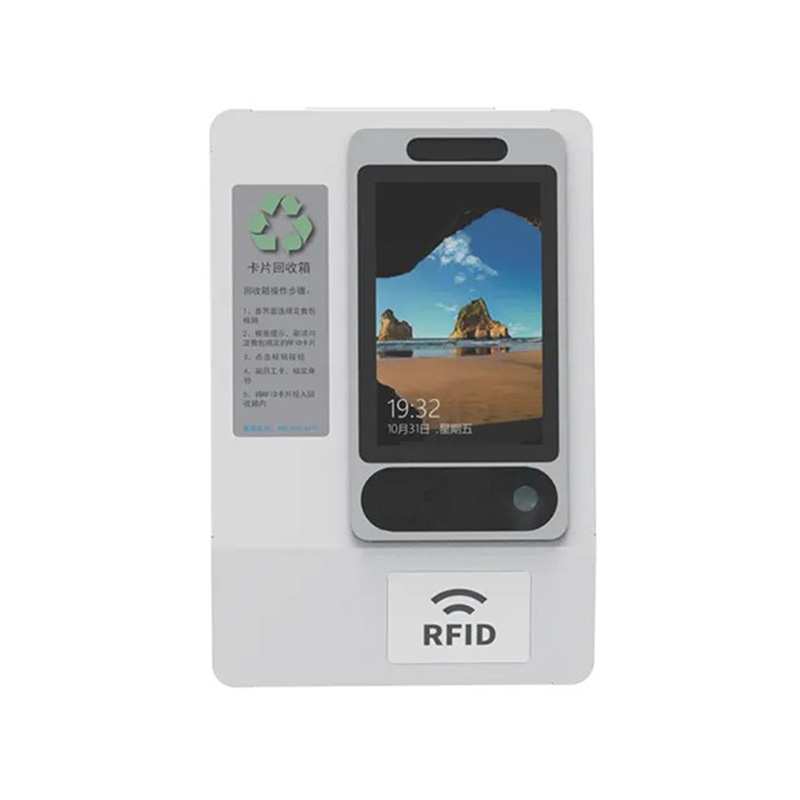
Product Definition The RFID Card Recycling Cabinet is an intelligent terminal designed for centralized recycling and management of RFID cards. It is suitable for scenarios requiring standardized card ...
See Details -
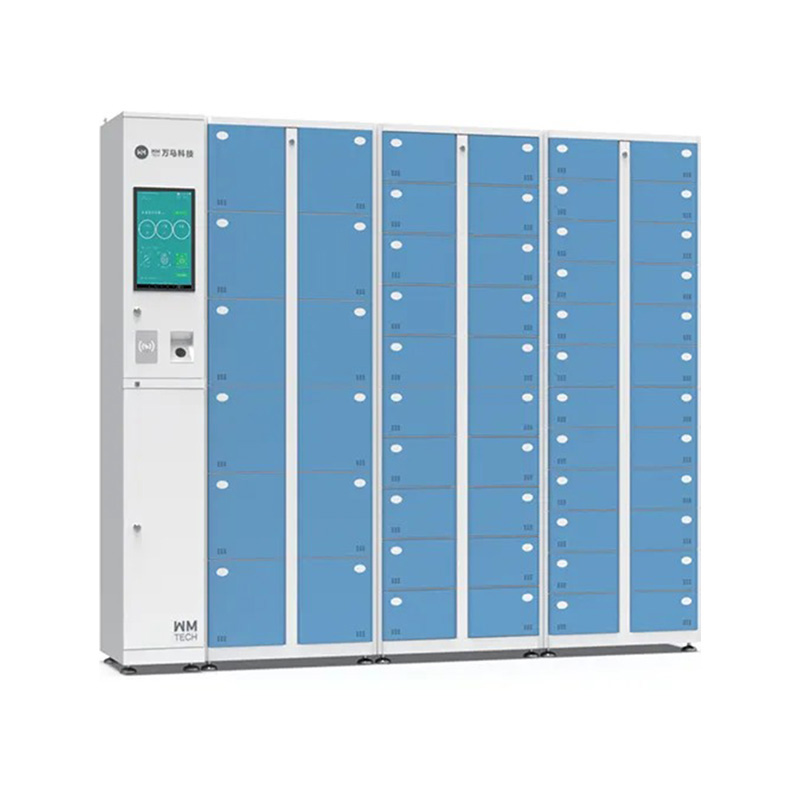
Product Definition:The Intelligent Geng Shoe Box is an advanced storage and management solution for hospitals, operating rooms, and clean zones. It enables automated issuance and collection of shoes a...
See Details -
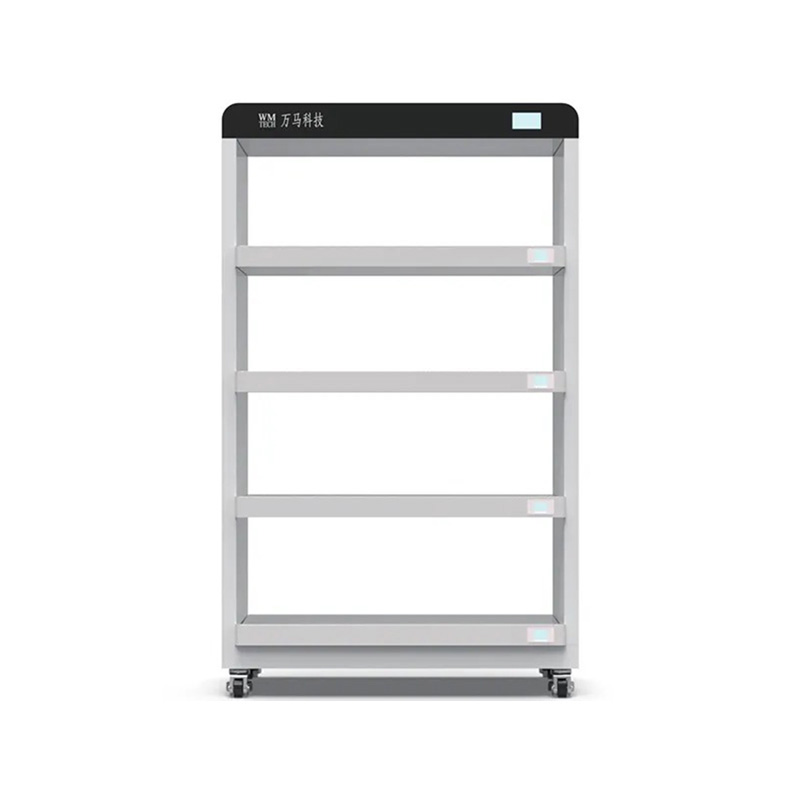
Product Definition:Intelligent Shelves are a smart warehouse management unit that integrates dynamic sensing, real-time display, and precise positioning. By leveraging advanced sensor technology, they...
See Details
Ready to Get started ? Contact Us Now !

Product.
Contact Details.
-
 +86 13958188250
-
 +86 13958188250
-
 [email protected]
- Wanma Industrial Park Taihu Yuan Town Lin'an District Hangzhou City China.
QR Code

Copyright © Wanma Technology Co., Ltd. All Rights Reserved.
Custom Ethernet Optical Network Railway Transit Equipments Suppliers
