

 English
 Français
 Español
 Português
 عربى






Application:It has the function of on-site termination in FTTH network, communication network termination and network cabling in FTTH network, making it the product for "tri-networks integration" (the...
See DetailsFiber Solution Drop Cables: A Practical Foundation for Reliable FTTH Deployment
Content
- 1 1. The Role of Drop Cables in Modern FTTH Networks
- 2 2. Product Overview
- 3 3. Construction and Functional Design
- 4 4. The Advantage of G657A Small-Bending-Radius Fiber
- 5 5. Installation Efficiency and On-Site Termination
- 6 6. Halogen-Free Flame-Retardant Material
- 7 7. Competitive Advantages in Access-Network Projects
- 8 8. Manufacturing Strengths and Process Discipline
- 9 9. Applications in FTTH and Integrated Broadband Networks
- 10 10. Installation Recommendations
- 11 11. Maintenance and Long-Term Network Value
- 12 12. Choosing the Right Drop Cable Supplier
- 13 13. Contribution to Network Modernization
- 14 14. Project Planning Checklist
- 15 15. Q&A
- 15.1 Q1: What is a bow-type drop cable?
- 15.2 Q2: What is the main application of this product?
- 15.3 Q3: Why is G657A fiber used in the cable?
- 15.4 Q4: Can the cable be terminated at the installation site?
- 15.5 Q5: What makes the cable convenient for installers?
- 15.6 Q6: Does easy bending mean the cable can be folded sharply?
- 15.7 Q7: What is the benefit of halogen-free flame-retardant material?
- 15.8 Q8: Is the product suitable for every outdoor installation?
- 15.9 Q9: How does the product compare with a standard, less bend-tolerant drop cable?
- 15.10 Q10: What should technicians check before termination?
- 15.11 Q11: What testing is recommended after installation?
- 15.12 Q12: What manufacturing strengths support this product?
- 15.13 Q13: Can customized versions be discussed for a large project?
- 15.14 Q14: Why is supplier experience important for FTTH cable procurement?
- 16 16. Conclusion
- 17 References
- 18 Product: Fiber Solution-Drop Cables (Bow-type Drop Cables)
Fiber-to-the-home (FTTH) networks require optical cables that can move efficiently through buildings, access points, communication rooms, and customer premises while preserving optical performance. Among the cable designs used for the final connection, bow-type drop cables are valued for their compact structure, installation flexibility, and suitability for on-site termination. Fiber Solution-Drop Cables, also known as Bow-type Drop Cables, are designed for applications in FTTH networks, communication network termination, and network cabling associated with the integration of telecommunications, cable television, and Internet services.
These cables address a practical challenge in modern access networks: the final section between a distribution point and a user location often has less space, more bends, and more installation variables than the main feeder route. A drop cable must therefore be easy to handle without compromising the optical fiber inside. It must support fast preparation, reliable fixing, convenient connection, and efficient maintenance. The bow-type structure is intended to meet these requirements in a compact and installer-friendly format.
Wanma Technology Co., Ltd. develops and manufactures communication cabinets, communication electronic equipment, and passive optical components. With experience dating back to 1997, the company serves Ethernet networks, optical communication networks, central equipment rooms, high-speed railway systems, and urban rail transit applications. Its product development and manufacturing capabilities support both standard products and customized integrated solutions for communication infrastructure.
This article examines the application value, construction, technical advantages, manufacturing strengths, installation characteristics, and quality considerations of bow-type FTTH drop cables. It also explains why a carefully engineered drop cable can improve deployment efficiency, reduce installation risk, and support long-term network reliability.
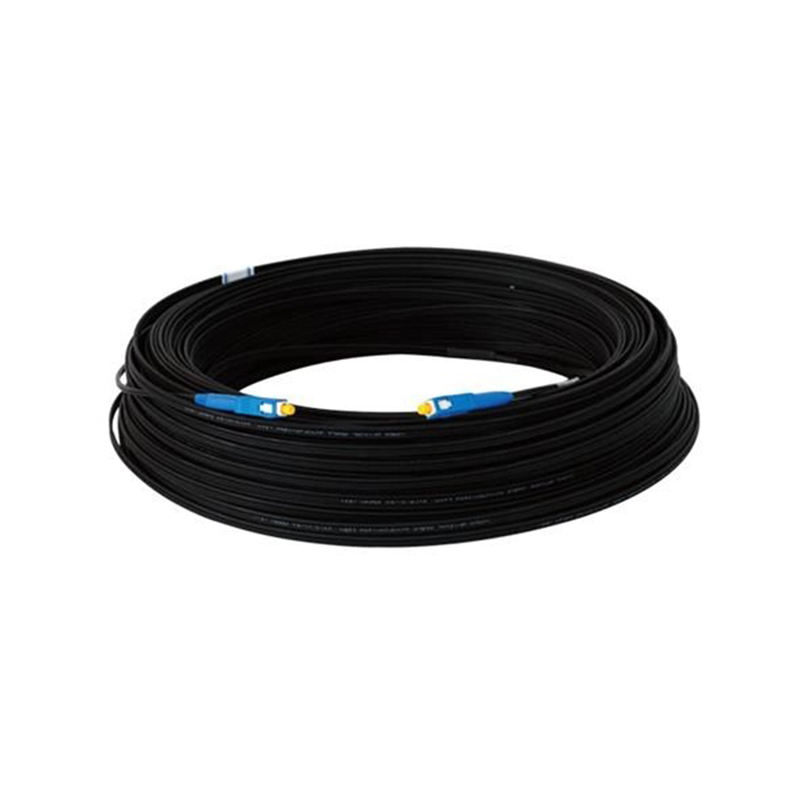
Fiber Solution-Drop Cables (Bow-type Drop Cables)
1. The Role of Drop Cables in Modern FTTH Networks
FTTH networks are built from several interconnected sections. Feeder cables transport optical signals from a central office or headend toward a distribution area. Distribution cables then connect local network points, such as cabinets, splitter boxes, or fiber distribution terminals. Drop cables complete the final connection to a building, office, apartment, business, or residential subscriber.
Although the drop section is usually shorter than the feeder or distribution section, it can be one of the most demanding parts of the installation. The cable may need to pass through narrow conduits, follow interior walls, enter a terminal box, move around corners, or connect directly to an optical outlet. It may also be installed by technicians working in occupied buildings where appearance, speed, and minimal disruption are important.
A suitable drop cable should combine optical stability with mechanical convenience. If the cable is too rigid, installation becomes difficult. If it is too fragile, repeated handling may damage the fiber. If the outer jacket is difficult to strip, preparation takes longer and the risk of accidental fiber damage increases. If the cable does not hold its shape after routing, fixing and termination become less reliable.
Bow-type drop cables are designed around this balance. Their flat or bow-shaped profile supports practical routing and fixing, while the internal optical fiber provides the transmission path. The cable can be used where space is limited and where installers need to carry out termination close to the final connection point.
In integrated telecommunications, cable television, and Internet networks, a reliable drop cable helps create a consistent connection between the access network and the user side. This is particularly important as broadband services become more dependent on stable optical performance, low signal loss, and uninterrupted service availability.
2. Product Overview
Fiber Solution-Drop Cables are optical access cables developed for FTTH network deployment and communication network termination. Their primary application is the final optical connection within a broadband access system. The design supports network cabling, on-site preparation, fixing, connection, and maintenance.
The product uses a small-bending-radius optical fiber identified as G657A. This fiber category is intended for access-network conditions in which the cable may be routed through tighter bends than conventional fiber designs permit. The enhanced bending performance helps reduce the likelihood of excessive optical loss when the cable is installed around corners or within compact terminal spaces.
The cable is also described as easy to strip, fix, connect, and maintain. These characteristics are essential in FTTH construction because deployment volume can be high, and installation labor often represents a significant share of total project cost. A cable that supports efficient preparation can help shorten work time and make results more consistent across different installation teams.
The use of halogen-free flame-retardant material adds another important property. In indoor and building-access applications, cable materials should contribute to safer installation conditions and meet the required flame-retardant performance. A halogen-free design is also appropriate for projects that place emphasis on material selection, smoke characteristics, and the protection of occupied spaces and sensitive equipment.
The product is suited for on-site termination. This means technicians can prepare the cable close to the point of use instead of depending exclusively on pre-terminated assemblies. On-site termination can provide useful flexibility when route lengths, entry points, and connection arrangements vary from one project to another.
| Product characteristic | Practical value in FTTH deployment |
|---|---|
| Bow-type drop cable structure | Supports compact routing, fixing, and installation in access areas |
| G657A small-bending-radius optical fiber | Helps maintain optical performance where tighter bends are required |
| Easy stripping and preparation | Reduces termination effort and supports efficient field work |
| Convenient fixing and connection | Helps technicians organize cable routes and complete final connections |
| Halogen-free flame-retardant material | Supports required flame-retardant performance for appropriate applications |
| On-site termination suitability | Provides flexibility for variable routes and final connection points |
3. Construction and Functional Design
The main purpose of a drop cable structure is to protect the optical fiber while preserving a manageable installation profile. A bow-type design typically presents a compact cross-section that can be handled easily by an installer. The structure is intended to support controlled routing rather than simply maximize tensile strength or cable capacity.
The optical fiber is the central transmission element. In this product, the use of G657A fiber addresses the bending conditions often found in FTTH environments. During installation, the fiber may be routed through a small indoor box, around a bend in a wall, or into a compact termination space. Bending performance helps the cable tolerate these conditions when the recommended installation practices are followed.
The outer cable material provides environmental and mechanical protection. It separates the optical fiber from direct contact with surrounding surfaces and supports the cable during stripping, fixing, and connection. The choice of halogen-free flame-retardant material is particularly relevant where cables pass through buildings, communication rooms, risers, interior spaces, or areas with strict material requirements.
A well-designed drop cable must also provide a predictable relationship between the jacket and the internal fiber. If stripping is inconsistent, the installer may spend extra time removing the outer layer or may apply excessive force. If the jacket tears irregularly, the fiber can be exposed to unnecessary stress. Manufacturing consistency is therefore important even for a seemingly simple access cable.
The bow-type configuration also helps with visual organization. In many access installations, cables are fixed along walls, inside distribution boxes, or near optical termination points. A cable that can be placed and secured in a controlled way contributes to a cleaner installation and can make future inspection easier.
4. The Advantage of G657A Small-Bending-Radius Fiber
Bending is one of the most common sources of optical performance problems in access networks. When a fiber is bent beyond its recommended condition, part of the transmitted light may escape from the core-cladding structure. The result can be additional attenuation, unstable performance, or a connection that falls outside the required optical budget.
FTTH networks are especially exposed to bending challenges because they extend into small spaces and customer premises. A drop cable may have to follow architectural features that were not designed specifically for fiber installation. It may run around door frames, inside narrow channels, through outlet boxes, or along corners where the available radius is limited.
G657A fiber is developed for improved resistance to bending-related loss compared with traditional fiber designs. Its use in a bow-type drop cable helps the product accommodate the practical conditions of access-network construction. This does not mean that the cable can be bent without limits. Proper routing, minimum bend-radius requirements, and installation discipline remain necessary. However, the fiber provides a valuable margin for typical FTTH handling and routing conditions.
The advantage is not limited to the installation stage. A properly routed cable may experience movement caused by maintenance, equipment replacement, temperature variation, or minor changes in the surrounding structure. Bending-tolerant fiber can help reduce the impact of these ordinary conditions when the cable remains within its specified operating limits.
Compared with a conventional cable that is more sensitive to tight bends, a G657A-based drop cable may be easier to install in compact locations and less likely to suffer from avoidable routing-related loss. This is one of the most important competitive advantages of the product for residential broadband, building access, and indoor optical termination applications.
5. Installation Efficiency and On-Site Termination
FTTH projects often involve many individual connections. A contractor may need to install hundreds or thousands of drop cables across apartments, commercial buildings, campuses, or suburban areas. Small differences in preparation time can become significant when multiplied across the entire project.
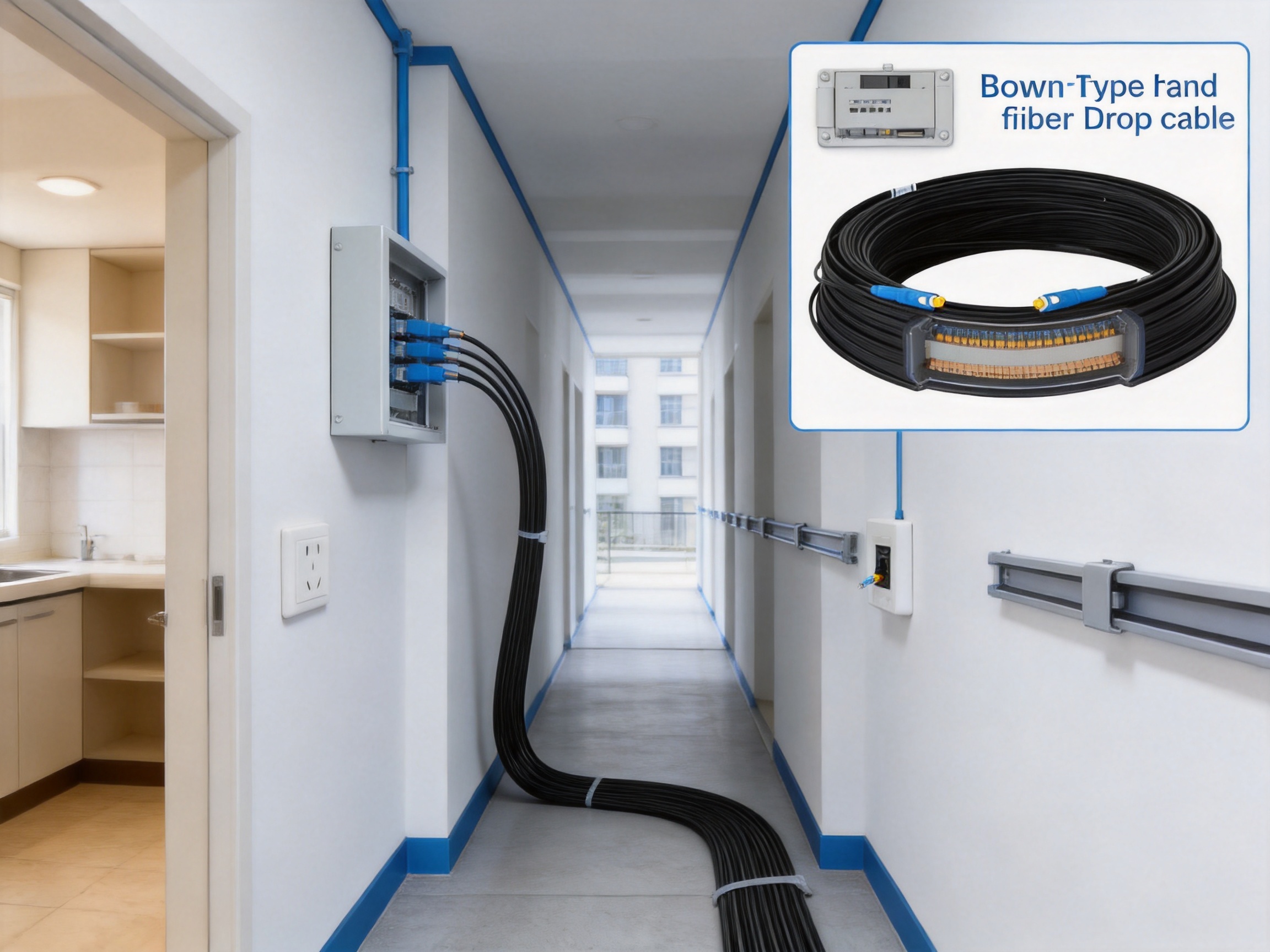
The cable is designed to be easy to strip, fix, and connect. These features support a practical workflow. First, the installer identifies the required route and cutting length. The cable is then prepared using appropriate tools, with care taken to avoid excessive force or contamination. After the outer material is removed as required, the fiber can be organized for termination or connection. Finally, the cable is fixed in place so that the connection is protected from unnecessary movement.
On-site termination provides flexibility that factory-fixed lengths cannot always offer. Building layouts vary, and actual cable routes may differ from the original drawings. A technician can adapt the final length and connection position during installation. This is valuable in renovation projects, mixed-use buildings, and network upgrades where existing pathways may be difficult to predict precisely.
Field termination also simplifies inventory planning in some projects. Instead of stocking a large number of pre-cut lengths, installers may use cable supplied in appropriate project formats and prepare each connection according to actual site conditions. The best choice depends on the project design, labor capabilities, connector system, and quality-control procedure.
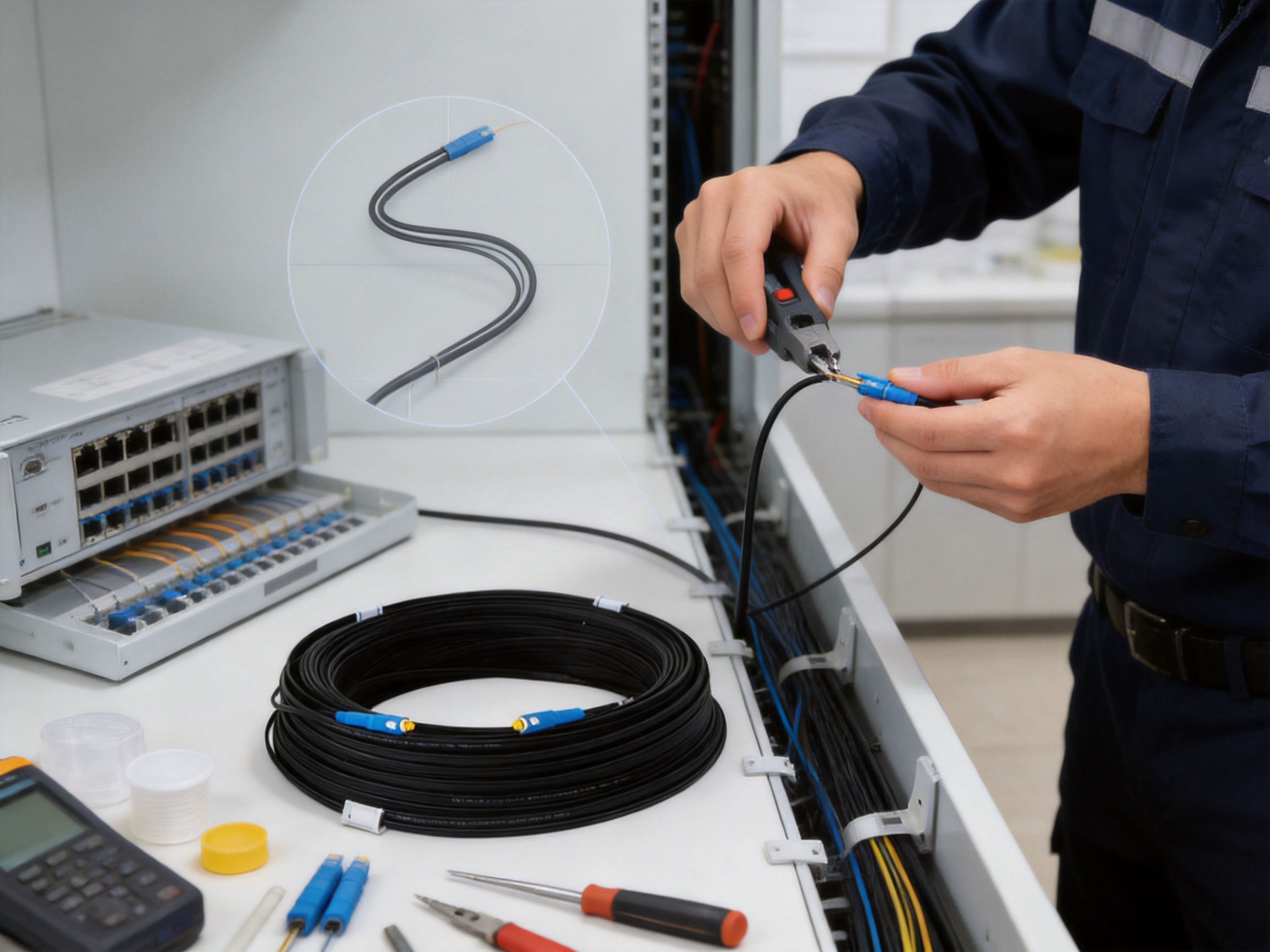
Easy termination does not mean that quality procedures can be ignored. Technicians should use clean tools, inspect the fiber end face, control stripping force, protect exposed fiber, and verify the optical result after connection. The product’s installer-friendly design is most effective when combined with proper training and testing.
6. Halogen-Free Flame-Retardant Material
Material selection is an important part of cable safety. In building environments, cable jackets and other polymeric materials should be chosen according to the application, local codes, and project specifications. Halogen-free flame-retardant materials are intended to support flame-retardant performance while avoiding halogen-containing compounds in the cable material.
When cables are exposed to fire, material behavior can affect the surrounding environment. Halogen-free materials are commonly selected for applications where reduced corrosive gas concerns, smoke management, or building safety requirements are important. The exact performance depends on the complete cable construction and applicable testing standards, so project engineers should always confirm the relevant technical documentation before approval.
For FTTH drop cables, the material choice is particularly relevant because the product may enter homes, offices, corridors, equipment rooms, and other occupied areas. A cable that supports required flame-retardant properties can be more suitable for modern indoor communication infrastructure than a general-purpose cable that was not designed for these conditions.
The halogen-free flame-retardant jacket also contributes to the product’s positioning as a modern access-network solution. It combines optical functionality with consideration for installation surroundings. This is important for network operators and contractors seeking to standardize materials across projects with clear safety and environmental expectations.
However, no cable material eliminates the need for correct installation. Cables should not be placed near excessive heat sources, subjected to unauthorized mechanical stress, or installed in ways that conflict with building regulations. The material is one part of a complete safety approach that includes route planning, fixing, separation, inspection, and compliance verification.
7. Competitive Advantages in Access-Network Projects
The competitive value of a drop cable is determined by more than its ability to carry an optical signal. Contractors, network operators, distributors, and system integrators also evaluate installation time, routing flexibility, maintenance requirements, material performance, supply reliability, and compatibility with the wider network design.
One advantage of this product is the combination of a bending-tolerant G657A fiber and an installer-friendly bow-type structure. Some products may offer bending performance but be difficult to prepare or fix. Others may be easy to handle but provide less flexibility in compact routes. Combining both features supports the complete field workflow rather than focusing on only one technical parameter.
A second advantage is on-site termination suitability. The final connection point is not always known with complete accuracy before construction begins. A cable that can be prepared in the field allows contractors to respond to actual conditions and can reduce the need for emergency changes or additional material.
A third advantage is the use of halogen-free flame-retardant material. This gives the product a stronger position for indoor and building-access deployments where safety-related material requirements are part of the specification. It may also help system designers create a more consistent cable policy across different areas of a network.
A fourth advantage is maintenance practicality. Easy stripping, fixing, and connection can help technicians identify and service the cable during future upgrades. Clear routing and manageable preparation reduce the likelihood that one repair operation will disturb neighboring connections.
A fifth advantage is the support of integrated network deployment. The cable can be used in the access portion of a system that combines telecommunications, cable television, and Internet services. This makes it relevant to modernization projects that aim to deliver multiple services through a coordinated broadband infrastructure.
| Evaluation area | Potential benefit of the product design | Importance to project owners |
|---|---|---|
| Bend management | G657A fiber supports compact routing within recommended limits | Helps protect optical performance in difficult access paths |
| Field preparation | Stripping and connection are designed to be practical for installers | Can improve labor productivity and connection consistency |
| Termination flexibility | Suitable for on-site termination | Allows adaptation to actual building and route conditions |
| Material selection | Halogen-free flame-retardant construction | Supports indoor safety and project material requirements |
| Maintenance | Manageable fixing and connection process | Can simplify inspection, repair, and future network upgrades |
| Network integration | Designed for FTTH and combined communication services | Supports modern broadband access infrastructure |
8. Manufacturing Strengths and Process Discipline
Product performance begins with manufacturing control. A drop cable may have a straightforward appearance, but its reliability depends on consistent fiber handling, jacket formation, dimensional control, material management, and inspection. Small variations in any of these areas can affect installation behavior or long-term optical performance.
Wanma Technology has operated since 1997 and specializes in communication cabinets, communication electronic equipment, and passive optical components. This product background gives the company experience across several parts of communication infrastructure rather than in only one isolated cable category. Such experience is useful when designing products intended to work within distribution boxes, cabinets, optical terminals, equipment rooms, and wider network systems.
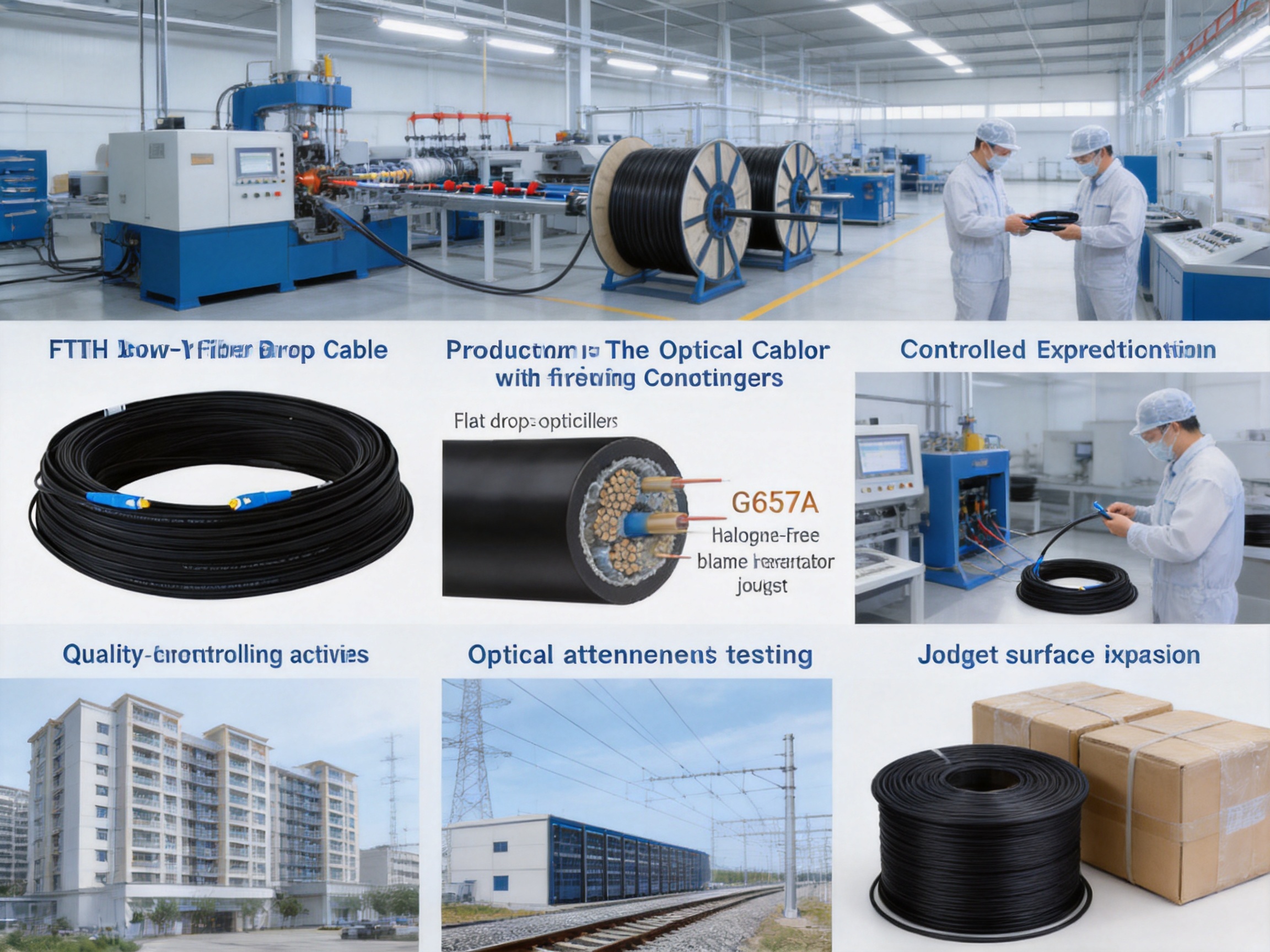
An advanced manufacturing process for bow-type drop cables begins with controlled raw-material selection. The optical fiber must meet the required fiber category and be handled in a manner that prevents unnecessary stress. Jacket materials must be suitable for the required mechanical and flame-retardant characteristics. Materials should be identified, stored, and processed under conditions that support consistent quality.
During cable formation, production equipment must maintain stable tension and alignment. Excessive tension can affect the fiber, while poor alignment can create uneven geometry or make stripping less predictable. Controlled extrusion helps produce a consistent outer profile and supports the desired relationship between the jacket and internal fiber.
Manufacturing process control also includes temperature management. Polymer extrusion depends on stable processing conditions. Variations can affect surface quality, dimensions, adhesion, flexibility, and material performance. A disciplined production line monitors the process and adjusts operating parameters to keep the cable within the required range.
Dimensional inspection is another essential stage. The finished cable should be evaluated for appearance, size, structure, and uniformity. Measurements may include profile dimensions, jacket condition, and other product-specific characteristics. Consistency is important because installers depend on predictable stripping and fixing behavior from one cable length to another.
Optical testing helps verify transmission quality. Depending on the product specification and customer requirements, testing may include attenuation measurement, continuity checks, end-face inspection, and other relevant optical evaluations. Mechanical and environmental tests may also be applied to confirm that the cable can withstand the intended installation and service conditions.
Manufacturing strength is therefore not simply a matter of production capacity. It includes engineering knowledge, process repeatability, inspection discipline, documentation, and the ability to coordinate product design with actual network requirements. These strengths help transform a cable concept into a dependable field product.
8.1 Product Development and Customization
Communication projects are rarely identical. A network operator may require a particular cable structure, packaging method, marking system, termination arrangement, or installation accessory. A manufacturer that can develop its own branded products while also providing integrated solutions for customized products is better positioned to respond to these differences.
Wanma Technology develops, manufactures, and markets its own products and also provides integrated solutions for customized requirements. This capability can help customers coordinate technical discussions, product configuration, manufacturing, and delivery through a more unified process. Customization should always be based on documented technical requirements and verified through appropriate samples and testing.
For drop-cable projects, customization may involve the requested fiber type, cable dimensions, jacket color, identification marks, packaging, length, or compatibility with a specific termination method. The exact options depend on the project and must be confirmed with engineering and quality teams. The important point is that product development and manufacturing can be connected rather than treated as separate activities.
8.2 Quality Assurance and Supply Reliability
Quality assurance for optical cable should cover incoming materials, production stages, finished products, packaging, and shipment. Inspection at only the final stage may not be sufficient because process variation can begin earlier. A more reliable approach combines preventive controls with final verification.
Reliable delivery is also a major consideration in network construction. Delayed cable supply can interrupt labor scheduling, postpone building access, and affect the commissioning date of an entire broadband project. Wanma Technology emphasizes reliable product quality, timely delivery, and long-term strategic partnerships with industry leaders. These priorities are relevant to contractors and operators that need continuity across repeated projects.
The company’s sales network covers more than 20 countries and regions, including the United States, Australia, the United Kingdom, Italy, South Africa, and Ghana. International experience can help a manufacturer understand different project environments, procurement processes, and infrastructure expectations. It also places importance on communication, documentation, packaging, and after-sales coordination across borders.
9. Applications in FTTH and Integrated Broadband Networks
The primary application of the bow-type drop cable is the FTTH access network. It can be used between an optical distribution point and a final subscriber connection, subject to the project’s design and technical requirements. Typical locations include apartment buildings, detached homes, offices, retail premises, schools, hotels, and mixed-use properties.
In apartment buildings, the cable may pass from a floor distribution point to an individual unit. The compact profile and bending performance are useful where routes follow corridors, risers, wall channels, or interior access points. The cable’s suitability for on-site termination can help installers address variations between floors or units.
In residential developments, drop cables may connect street-side or building-side distribution equipment to optical outlets inside homes. The cable should be routed carefully to avoid sharp bends, crushing, excessive pulling, or exposure to unsuitable heat. When installed according to the project specification, a manageable bow-type cable can support a clean and efficient subscriber connection.
In commercial buildings, the cable may be installed in offices, retail spaces, or communication closets. These environments can contain multiple services and changing layouts. A cable that is easy to fix and maintain can help technicians organize connections and reduce disruption during future changes.
The product is also relevant to the integration of telecommunications, cable television, and Internet services. Modern users often expect several communication services to be delivered through a unified access infrastructure. The drop cable forms part of the physical layer that enables these services to reach the final user location.
Although the product is intended primarily for FTTH and communication termination, its suitability for a specific outdoor, indoor, aerial, duct, or direct-buried environment must be evaluated carefully. Cable selection should consider exposure, mechanical loading, temperature, moisture, fire requirements, pathway conditions, and applicable local standards.
10. Installation Recommendations
Successful installation begins with route planning. The technician should identify the entry point, termination location, fixing positions, and expected bend areas before cutting or stripping the cable. The route should avoid unnecessary turns and should provide enough space for proper handling at the termination point.
The cable should be handled with clean hands or suitable gloves when required. Optical connection areas must be protected from dust, oil, and moisture. Contamination can create insertion loss or reflection and may cause an otherwise well-manufactured cable to perform poorly after installation.
When stripping the cable, the installer should use a tool appropriate for the cable structure. Excessive force, deep scoring, or uncontrolled pulling can damage the fiber. The jacket should be removed gradually and the exposed fiber should be protected from sharp edges and accidental contact.
The recommended minimum bend radius should be observed during routing and storage. The G657A fiber provides improved bending performance, but it is not a substitute for correct installation. Tight bends, kinks, loops under pressure, and repeated flexing at the same point should be avoided.
Fixing should hold the cable in position without crushing it. Fasteners, clips, channels, and terminal-box entries should be compatible with the cable profile. Over-tightening can deform the jacket or place unwanted stress on the fiber. A neat route is not only visually better; it also makes inspection and maintenance easier.
After termination, the connection should be inspected and tested. Optical testing may include continuity verification, insertion-loss measurement, optical time-domain reflectometer testing, or other methods specified by the project. Test results should be recorded where required so that future maintenance teams can compare performance over time.
Labels and route records are also valuable. A clearly identified drop cable helps technicians locate the correct connection during troubleshooting or service upgrades. Documentation should include the cable route, termination points, test results, and any special installation conditions.
11. Maintenance and Long-Term Network Value
FTTH networks are expected to operate for many years. During this period, subscribers may change, services may be upgraded, and distribution equipment may be replaced. A drop cable that is easy to access and connect can reduce the complexity of these activities.
Maintenance begins with visual inspection. Technicians should look for crushed sections, sharp bends, loose fixing, damaged jackets, exposed fiber, contamination, and signs of unauthorized modification. Because the cable is designed to be easy to fix and maintain, a well-organized installation can make these checks more efficient.
When a connection must be repaired, the technician should first identify the cable through labels and records. Optical levels can then be tested to determine whether the problem is in the drop cable, connector, terminal, splitter path, or upstream section. A methodical approach helps prevent unnecessary replacement.
The cable’s bending performance can be particularly helpful during maintenance because technicians may need to reposition a short section temporarily. Even so, the cable should not be repeatedly bent or pulled beyond its recommended limits. Careful handling remains essential to preserve the long-term optical budget.
Good maintenance practice also includes keeping spare materials, compatible termination tools, cleaning supplies, protective caps, and test equipment available. Manufacturers and network operators can support maintenance by providing clear technical documentation, installation guidance, and product identification information.
12. Choosing the Right Drop Cable Supplier
When evaluating a drop-cable supplier, buyers should consider more than the quoted unit price. The total value of a product includes installation labor, failure risk, testing time, replacement requirements, delivery reliability, and technical support.
Product consistency is a primary consideration. Cables supplied for a large project should have stable dimensions, predictable stripping behavior, and consistent optical performance. Variations that seem minor in individual pieces can create significant problems when many connections are installed.
Manufacturing experience is another important factor. A supplier with a long history in communication equipment and passive optical components may understand how drop cables interact with cabinets, terminals, distribution systems, and other network elements. This broader perspective can support better technical coordination.
Customization capability may be valuable for projects with special requirements. Buyers should discuss fiber type, cable structure, material, marking, packaging, delivery format, testing, and compatibility with connectors or terminals before finalizing an order.
International supply experience can also support export projects. Documentation, packaging, lead-time communication, quality records, and shipment coordination all influence the success of a cross-border procurement program. Wanma Technology’s presence in more than 20 countries and regions indicates experience serving a broad international customer base.
Finally, customers should assess the supplier’s commitment to long-term cooperation. A network project may require additional cable months or years after the original installation. A supplier that supports stable product availability, technical communication, and timely delivery can become a more valuable infrastructure partner than a source selected only for a short-term price advantage.
13. Contribution to Network Modernization
Broadband modernization is driven by the growing demand for higher capacity, greater reliability, and wider service coverage. Fiber access networks provide the physical foundation for many of these services. Drop cables are a small but essential part of that foundation because they connect the network to the actual user environment.
The product supports modernization by addressing practical access-network requirements. G657A fiber helps accommodate compact routing. Easy preparation supports faster deployment. Halogen-free flame-retardant material is suitable for projects that emphasize indoor safety. On-site termination provides flexibility as network routes change during construction.
These advantages are relevant to new FTTH construction and to upgrades of older copper-based or mixed access networks. During modernization, existing buildings may have limited pathway space and complicated interior conditions. A compact, manageable drop cable can help installers introduce fiber without extensive structural changes.
Network modernization may also involve 5G backhaul, small-cell connections, enterprise Ethernet, and other communication services. The exact cable type for these applications varies according to distance, environment, capacity, and mechanical requirements. Nevertheless, experience in passive optical components and communication equipment supports a broader understanding of how access cabling fits into the overall infrastructure.
Wanma Technology describes its mission as creating customer satisfaction, employee fulfillment, and value for society. In practical terms, this mission is reflected in the need to provide products that are dependable, installable, maintainable, and suitable for long-term network development. A drop cable contributes to this objective when its design and manufacturing quality reduce avoidable work and improve connection stability.
14. Project Planning Checklist
Before purchasing or installing bow-type drop cables, project teams should confirm the network topology, route environment, termination method, cable length requirements, and applicable standards. The product should be matched to the actual installation conditions rather than selected only by appearance or nominal size.
The following questions can help guide project preparation:
- Where will the cable be installed: indoors, outdoors, in a riser, in a duct, or in another pathway?
- What minimum bend radius is required at corners, boxes, and termination points?
- Will the cable be terminated on site or connected through a pre-terminated assembly?
- Which connector, splice, terminal, or optical outlet will be used?
- Are halogen-free and flame-retardant requirements included in the project specification?
- What stripping, cleaning, fixing, and testing tools will installers use?
- How will cables be labeled and documented for future maintenance?
- What delivery schedule and packaging format are required?
- Are samples and technical documents needed before volume production?
- What optical and mechanical tests must be completed before acceptance?
Answering these questions early helps reduce construction delays. It also allows the manufacturer to confirm whether the standard product is appropriate or whether a customized configuration is necessary.
15. Q&A
Q1: What is a bow-type drop cable?
A bow-type drop cable is a compact optical access cable designed for the final connection section of an FTTH or communication network. Its structure supports practical routing, fixing, preparation, and termination in building and subscriber-access environments.
Q2: What is the main application of this product?
The product is intended for on-site termination in FTTH networks, communication network termination, and network cabling used for integrated telecommunications, cable television, and Internet services.
Q3: Why is G657A fiber used in the cable?
G657A fiber offers improved resistance to bending-related optical loss compared with more bend-sensitive conventional fiber designs. This makes it suitable for compact access routes, indoor corners, terminal boxes, and other FTTH locations where space is limited. The specified bend limits must still be followed.
Q4: Can the cable be terminated at the installation site?
Yes. The product is designed to be suitable for on-site termination. This allows installers to adapt cable length and connection position to actual route conditions, provided they use appropriate tools, procedures, and testing methods.
Q5: What makes the cable convenient for installers?
Its practical features include easy stripping, fixing, connection, and maintenance. These characteristics can reduce preparation effort, support cleaner routing, and help technicians complete a larger number of consistent connections during an FTTH project.
Q6: Does easy bending mean the cable can be folded sharply?
No. G657A fiber improves bending performance, but the cable must still be routed within its specified minimum bend radius. Sharp kinks, crushing, excessive pulling, and repeated bending can damage the cable or increase optical loss.
Q7: What is the benefit of halogen-free flame-retardant material?
Halogen-free flame-retardant material supports the required flame-retardant performance for suitable applications and is appropriate for projects that place emphasis on indoor material safety and reduced concerns associated with halogen-containing materials. The exact rating should be confirmed against project standards.
Q8: Is the product suitable for every outdoor installation?
Not automatically. The correct cable depends on exposure to sunlight, moisture, temperature, mechanical loading, rodents, installation method, and local regulations. The product should be approved for the intended environment based on its technical specification.
Q9: How does the product compare with a standard, less bend-tolerant drop cable?
The combination of G657A fiber and a manageable bow-type structure can provide better flexibility for compact FTTH routes. It may reduce routing difficulty and help protect optical performance in typical access conditions. The comparison should still consider the complete specification, installation method, and project requirements.
Q10: What should technicians check before termination?
Technicians should confirm the cable route, required length, tools, stripping method, bend conditions, connector or terminal type, cleanliness, and protection of the exposed fiber. The termination area should be free from dust and unnecessary mechanical stress.
Q11: What testing is recommended after installation?
Testing should follow the project specification and may include continuity checks, insertion-loss measurement, optical time-domain reflectometer testing, and end-face inspection. Results should be recorded when required for acceptance and future maintenance.
Q12: What manufacturing strengths support this product?
Wanma Technology combines long-term experience in communication equipment and passive optical components with product development, manufacturing, quality control, delivery coordination, and customized solution capabilities. These strengths support consistent production and integration with broader communication infrastructure.
Q13: Can customized versions be discussed for a large project?
Yes. Wanma Technology provides its own branded products and integrated solutions for customized products. Customers should provide detailed requirements covering fiber, structure, material, dimensions, marking, packaging, testing, and delivery so that engineering teams can evaluate the request accurately.
Q14: Why is supplier experience important for FTTH cable procurement?
A supplier affects more than material availability. Manufacturing experience, product consistency, technical documentation, delivery performance, quality records, and after-sales communication all influence installation efficiency and network reliability. These factors are especially important for large or international projects.
16. Conclusion
Fiber Solution-Drop Cables provide a practical connection solution for FTTH networks, communication termination, and integrated broadband access. Their bow-type structure is suited to compact routing and field handling, while G657A small-bending-radius fiber helps address the tight bends commonly found in building and subscriber-access installations.
The product’s easy stripping, fixing, connection, and maintenance characteristics can support more efficient installation and more organized network construction. Its suitability for on-site termination gives contractors flexibility when actual routes differ from preliminary plans. The use of halogen-free flame-retardant material adds value for indoor applications where cable safety and material performance are important considerations.
The product is supported by Wanma Technology’s experience in communication cabinets, communication electronic equipment, and passive optical components. Since its establishment in 1997, the company has developed and supplied products for Ethernet networks, optical communication networks, equipment rooms, high-speed railway systems, and urban rail transit applications. Its manufacturing, customization, delivery, and international sales capabilities provide a foundation for serving diverse infrastructure projects.
For network operators, contractors, and system integrators, the most important benefit is the balance between optical performance and installation practicality. A drop cable must work not only in a laboratory or product catalog but also in real buildings, real pathways, and real maintenance conditions. By combining bending-tolerant fiber, a manageable structure, practical termination, and safety-conscious materials, this bow-type drop cable is positioned as a useful component for reliable FTTH deployment and continuing network modernization.
References
1. Product information supplied for Fiber Solution-Drop Cables, including application, features, G657A fiber, and halogen-free flame-retardant material.
2. Company information supplied for Wanma Technology Co., Ltd., including company history, product fields, manufacturing activities, international markets, and customized solution capabilities.
3. International Electrotechnical Commission, optical fiber and fiber-optic communication cable standards.
4. International Telecommunication Union, recommendations concerning fiber-optic access networks and bend-insensitive optical fiber.
5. Fiber to the Home Council, technical guidance concerning FTTH architecture, deployment, installation, and maintenance.
6. General industry guidance for optical fiber handling, connector cleanliness, bend-radius control, cable routing, and field acceptance testing.
Product: Fiber Solution-Drop Cables (Bow-type Drop Cables)
PREV:Compact Fiber Optic Distribution Box for Reliable FTTH Network Deployment
NEXT:Fiber Optic Splice Closure for Reliable FTTH, FTTB, and Railway Communication Networks
NEXT:Fiber Optic Splice Closure for Reliable FTTH, FTTB, and Railway Communication Networks
Interested in cooperation or have questions?
Related products
-
-
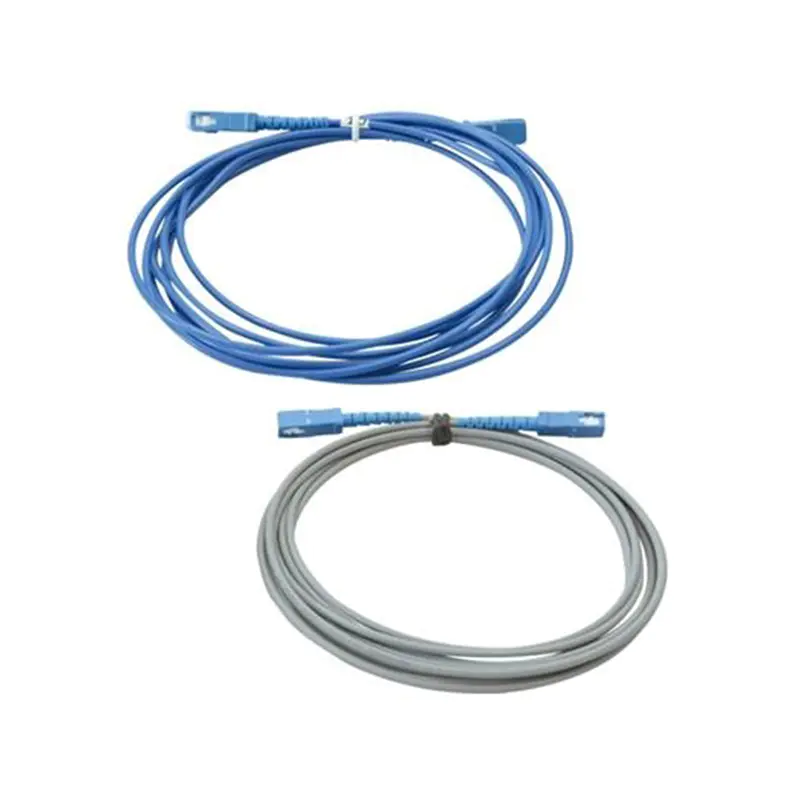
Application:It can be used directly in equipment room and other rugged environments without the need to use protective conduit to save space, lower cost, and improve the convenience of network mainten...
See Details -
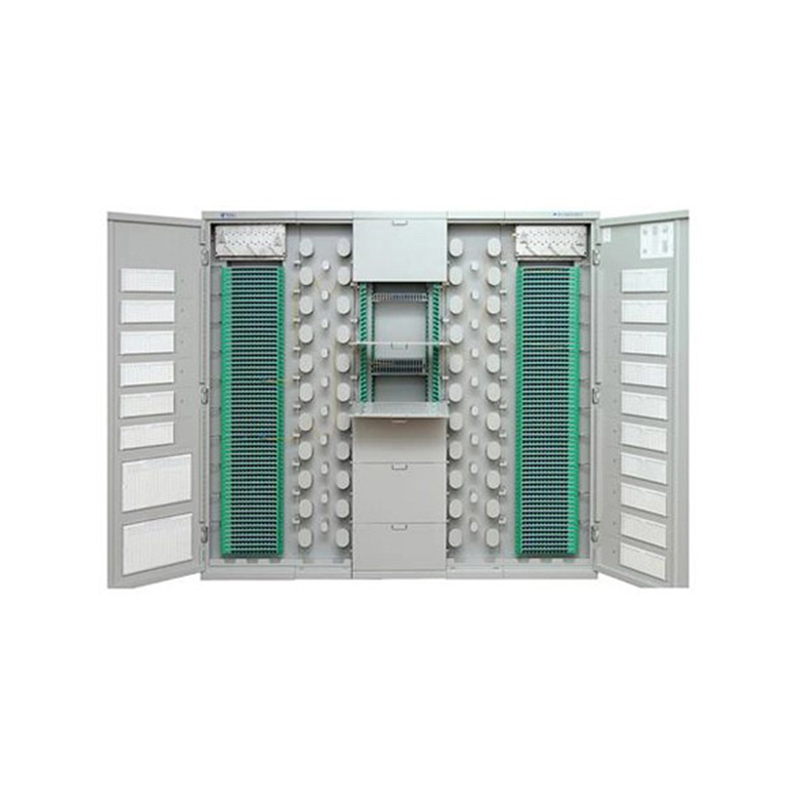
Application Used in FTTH network access-layer equipment rooms where splitting, splicing, distribution and other operations need to be carried out within a frame. Used in FTTH networks where optical sp...
See Details -
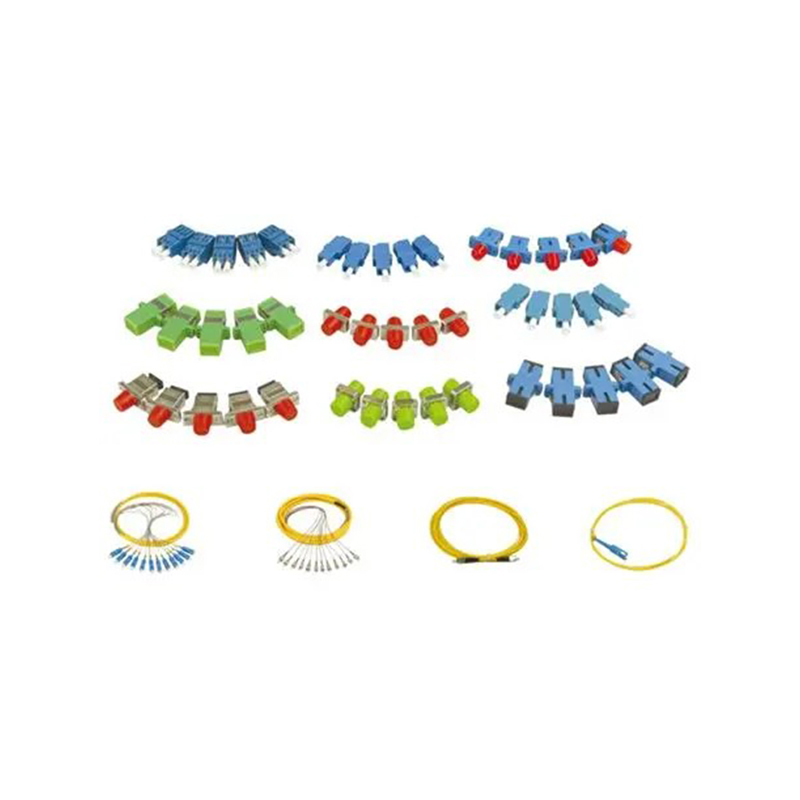
Application:The patch cord, pigtail and adapter are optical devices mainly used in OMDF, ODF, OCC and other optical distribution equipments. Features:•It adopts high-precision ceramic ferrule featurin...
See Details
Ready to Get started ? Contact Us Now !

Product.
Contact Details.
-
 +86 13958188250
-
 +86 13958188250
-
 [email protected]
-
 AUDIT Email:[email protected]
- Wanma Industrial Park Taihu Yuan Town Lin'an District Hangzhou City China.
QR Code

Copyright © Wanma Technology Co., Ltd. All Rights Reserved.
Privacy
Custom Ethernet Optical Network Railway Transit Equipments Suppliers
