

 English
 Français
 Español
 Português
 عربى
عربى






WM-2001-H11 type of It can be used to connect and branch fibers in aerial locations applications. The case body is made from high-intensity engineering plastics and shaped by mould injection under hig...
See DetailsHigh-Capacity Fiber Optic Splice Closure for Durable FTTH and Backbone Network Protection
Content
- 1 Product Overview
- 2 Key Technical Specifications
- 3 Why Splice Closure Performance Matters
- 4 Structural Advantages Over Conventional Closures
- 5 Installation Flexibility
- 6 Mechanical Reliability for Field Conditions
- 7 Sealing Performance and Long-Term Network Stability
- 8 Internal Fiber Management
- 9 Advantages in FTTH and FTTB Construction
- 10 Support for 5G and High-Speed Network Modernization
- 11 Manufacturing Strengths Behind the Product
- 12 Company Capability and Global Network Experience
- 13 Competitive Advantages for Network Operators
- 14 Applications in Railway Transit and Urban Infrastructure
- 15 Role in Central Equipment Rooms and Optical Distribution Networks
- 16 Accessory Package and Installation Support
- 17 Best Practices for Installation
- 18 Maintenance and Expansion Considerations
- 19 Q&A Section
- 19.1 What is the main purpose of this fiber optic splice closure?
- 19.2 Which network applications are suitable for the closure?
- 19.3 What is the maximum fiber capacity?
- 19.4 What cable diameter range does it support?
- 19.5 Can the closure be used outdoors?
- 19.6 What installation methods are supported?
- 19.7 Why is IP68 protection important?
- 19.8 What makes the product advantageous compared with lower-cost closures?
- 19.9 Can the closure be reopened for maintenance?
- 19.10 What accessories are included?
- 19.11 Why is the shell material important?
- 19.12 How does the product support 5G network modernization?
- 20 Conclusion
- 21 References
- 22 Product: WM-2001-D10 Fiber Optic Splice Closure
Modern optical networks depend on more than high-performance fiber cable and active transmission equipment. They also depend on reliable passive infrastructure that protects fiber splices in underground, aerial, wall-mounted, and direct-buried environments. A fiber optic splice closure is one of the most important protective components in this infrastructure because it safeguards the connection points where optical fibers are joined, branched, organized, and maintained. When a splice closure fails, moisture, dust, mechanical stress, and temperature variation can compromise signal stability and shorten the service life of the entire link.
The WM-2001-D10 Fiber Optic Splice Closure is designed for optical communication networks that require dependable sealing, high fiber capacity, flexible installation, and long-term mechanical protection. It is suitable for straight-through, branching, and connection applications in FTTH, FTTB, and other passive optical communication networks. With a maximum capacity of 288 single fibers, an IP68 protection rating, a 25-year working life, and a structure made from high-strength PP synthetic plastic, this closure is engineered for demanding field conditions where performance consistency matters.
As the rapid modernization of 5G transport networks, Ethernet optical networks, railway transit communications, smart city infrastructure, and fiber-to-the-home projects continues, operators need closure solutions that can reduce maintenance risk while supporting high-density fiber management. This product addresses those needs through strong environmental protection, a reusable structure, convenient expansion capability, and compatibility with several common installation methods. It is not only a protective enclosure but also a practical network construction component designed to make deployment easier, safer, and more cost-efficient.
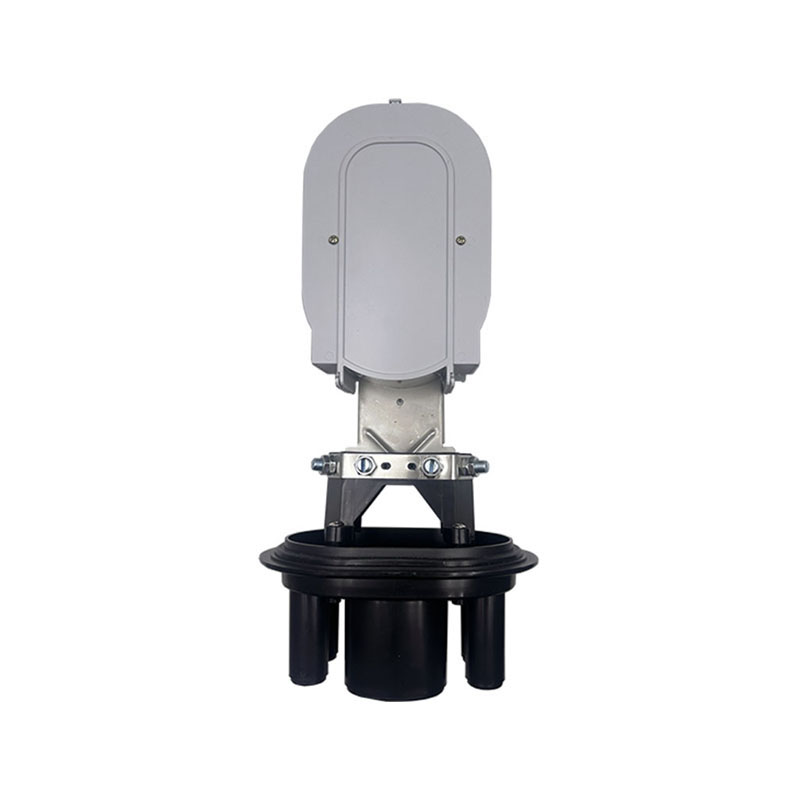
WM-2001-D10 Fiber Optic Splice Closure
Product Overview
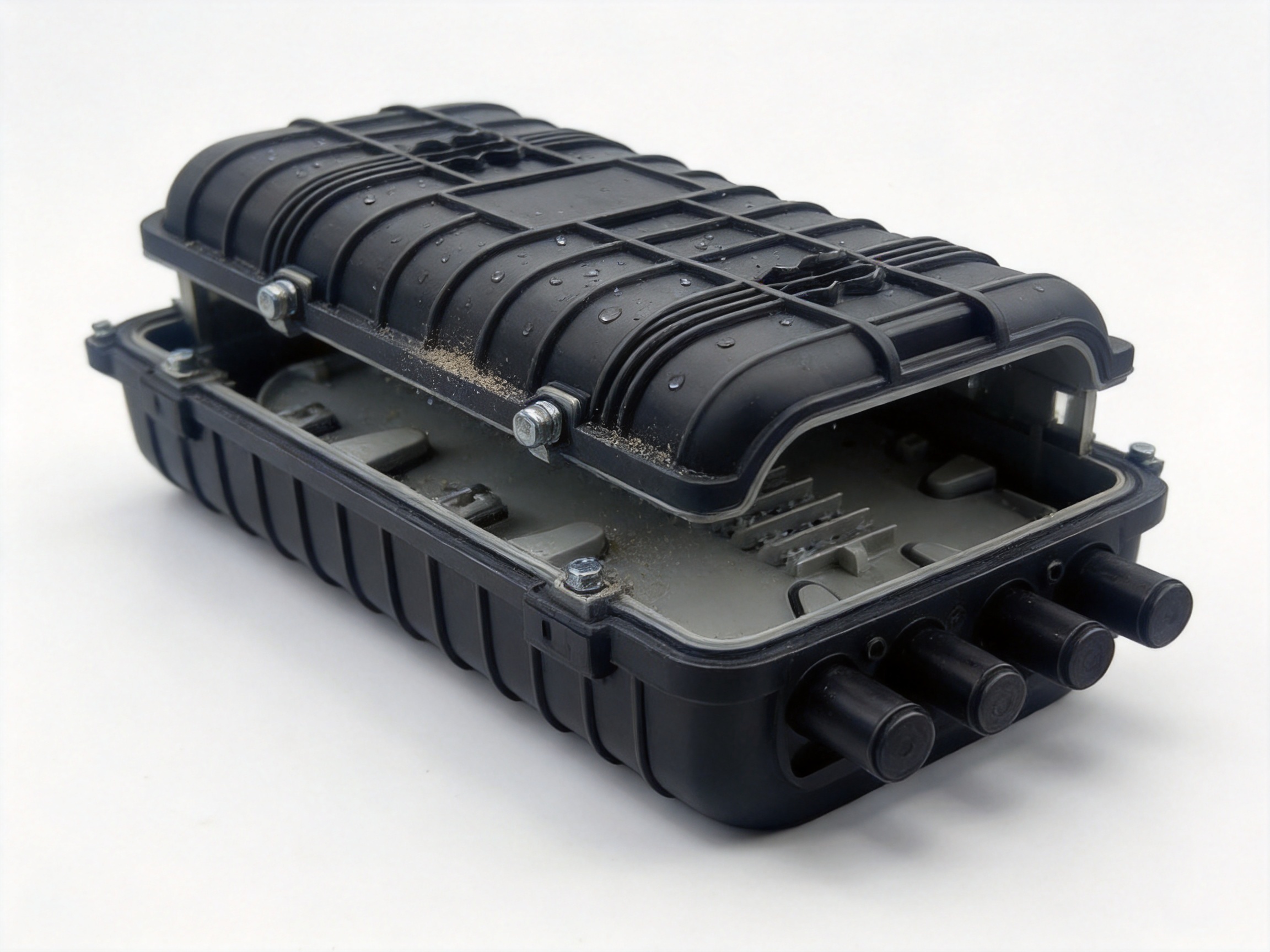
The WM-2001-D10 Fiber Optic Splice Closure is a horizontal small-core splice closure used in passive optical communication networks. Its main purpose is to protect fiber splicing points from water ingress, dust, vibration, tension, compression, impact, bending, torsion, temperature fluctuation, and long-term aging. The closure can be used in trunk network connections, distribution network branching, FTTH access construction, FTTB building access systems, and other optical communication scenarios requiring a sealed protective enclosure.
The product is built around a durable shell made of high-strength PP synthetic plastic. The shell thickness is at least 4 mm, improving mechanical stability and helping the enclosure resist external compression and impact. The material is selected for enhanced insulation, heat resistance, corrosion resistance, aging resistance, flame resistance, and long working life. These characteristics are especially important in outdoor installations where closures may be exposed to soil moisture, underground pressure, sunlight, high humidity, temperature cycling, or industrial environments.
The closure uses silicone rubber sealing and supports heat-shrinkable sealing and sticky cincture sealing. This sealing approach helps improve water resistance and air tightness while allowing the closure to be reused and expanded when necessary. For network operators, reuse and expandability are significant advantages because network demand often increases after initial deployment. A closure that can be reopened, adjusted, and expanded can reduce replacement costs and make future upgrades more efficient.
The closure supports cable diameters from 7 mm to 20 mm and includes multiple cable ports for practical field routing. Its maximum capacity is 288 single fibers, making it suitable for medium- and high-capacity optical access networks. The product dimensions are approximately 470 x 230 mm, and the weight is about 2.5 kg, providing a balance between internal management capacity and manageable installation weight.
Key Technical Specifications
| Item | Specification | Practical Value |
|---|---|---|
| Product type | Horizontal fiber optic splice closure | Suitable for straight-through, branching, and connection applications |
| Applicable networks | FTTH, FTTB, passive optical communication networks | Supports access, distribution, and transmission infrastructure |
| Standard compliance | Designed to comply with YD/T 814.1-2013 technical requirements | Supports standardized quality expectations for optical closure performance |
| Cable ports | 10 | Allows flexible cable entry and branching configurations |
| Cable diameter range | 7 mm to 20 mm | Compatible with common optical cable sizes used in access networks |
| Maximum capacity | 288 single fibers | Supports high-density network construction and future expansion |
| Sealing method | Silicone rubber, heat-shrinkable seal, sticky cincture seal | Improves water resistance, air tightness, and long-term protection |
| Dimensions | 470 x 230 mm | Balances capacity with installation convenience |
| Weight | Approximately 2.5 kg | Easy to handle during aerial, wall-mounted, or direct-buried installation |
| Working life | 25 years | Designed for long-term network service |
| Operating temperature | -40 deg C to +60 deg C | Suitable for cold, hot, and variable outdoor environments |
| Sealing performance | Inflation pressure 70 to 106 kPa | Supports dependable enclosure sealing validation |
| Tension resistance | 800 N for 1 minute | Helps protect cable entries under pulling stress |
| Compression resistance | 2000 N for 100 minutes | Suitable for buried and mechanically exposed applications |
| Impact resistance | 1 m drop, 1.6 kg steel ball, three times | Enhances reliability against field impact events |
| Bending resistance | 150 N, plus or minus 45 degrees, 10 cycles | Protects cable entry points during mechanical movement |
| Torsion resistance | 50 N.m, plus 90 degrees, 10 cycles | Improves reliability under twisting stress |
| Insulation resistance | 2 x 10^4 M ohm at 500 V | Supports safe electrical isolation performance |
| Compression strength | 15 kV for 1 minute, 10 mA | Strengthens dielectric protection characteristics |
| Protection rating | IP68 | Provides high-level dustproof and waterproof protection |
Why Splice Closure Performance Matters
Fiber optic cable itself offers high bandwidth, low attenuation, and strong immunity to electromagnetic interference. However, the optical link is only as stable as its weakest mechanical or environmental protection point. Splice points are vulnerable because fibers are stripped, fused, protected with sleeves, organized in trays, and routed inside an enclosure. If the enclosure allows moisture ingress, permits excessive bending, fails under pressure, or cannot organize fibers properly, network failures may occur even when the cable and splicing work are technically correct.
In FTTH and FTTB projects, closures are often installed in harsh and variable locations. Some are buried underground where they face soil pressure and water. Some are mounted on walls where they may experience temperature changes, dust, vibration, and maintenance access. Some are installed aerially on steel wires where wind, cable tension, and mechanical movement can create long-term stress. A closure must therefore combine sealing reliability, physical strength, material durability, internal fiber management, and ease of installation.
The WM-2001-D10 Fiber Optic Splice Closure is designed with these practical challenges in mind. It provides multiple installation options, robust sealing, high mechanical ratings, and a high-capacity internal structure. Compared with low-cost closures that may focus only on basic housing protection, this closure is positioned as a long-life infrastructure component for operators who need dependable performance across many years of service.
Structural Advantages Over Conventional Closures
High-Strength PP Synthetic Plastic Shell
One of the major advantages of this closure is its shell material. The enclosure uses high-strength PP synthetic plastic, selected for a combination of toughness, insulation, heat resistance, corrosion resistance, and aging resistance. In outdoor optical networks, material selection is critical. Inferior plastic may become brittle after long exposure to heat, cold, ultraviolet radiation, humidity, and chemical contaminants. Once brittleness occurs, sealing pressure can decline and cracks may form around screw points, cable entries, or impact zones.
The high-strength PP construction helps the closure maintain mechanical integrity across long-term use. The shell thickness of at least 4 mm further strengthens the enclosure and improves resistance against external compression. This gives the product a practical advantage over thinner shells that may deform under pressure or fail in direct-buried applications. A strong shell also protects internal splice trays and fiber routing structures from mechanical disturbance.
Reliable IP68 Environmental Protection
The IP68 protection rating is a key performance advantage. IP68 indicates strong protection against dust and water ingress, making the closure suitable for environments where water exposure is likely. In underground and direct-buried installations, closures may remain in wet soil for extended periods. In aerial installations, rain, condensation, and temperature cycling can challenge sealing performance. In wall-mounted applications, water spray and dust accumulation can also affect long-term reliability.
The closure combines silicone rubber sealing with heat-shrinkable and sticky cincture sealing methods. This multi-layer sealing approach helps maintain tightness around cable ports and closure interfaces. Compared with closures that use simpler sealing structures, this product provides stronger confidence for demanding field deployments. Operators can use it in access networks where service interruptions are costly and maintenance visits are difficult.
High Fiber Capacity in a Manageable Form
The closure supports up to 288 single fibers, which is significant for FTTH and FTTB network expansion. Network density is increasing because residential, commercial, industrial, transportation, and public service networks all require more bandwidth. A closure with higher capacity allows network designers to consolidate splices and branch points without excessive enclosure count. This can reduce installation time, simplify network mapping, and improve maintenance efficiency.
Despite its capacity, the closure remains manageable in size and weight. With dimensions of approximately 470 x 230 mm and a weight of about 2.5 kg, it can be handled conveniently during installation. This balance between capacity and practical field handling gives it an advantage over oversized closures that are difficult to install in tight spaces, as well as smaller closures that may lack expansion capability.
Reusable and Expandable Design
Many fiber networks are not built once and then left unchanged forever. New subscribers may be added, routes may be modified, branching may be extended, and cable replacement may be required. A closure that can be repeatedly reused and expanded offers long-term economic value. The WM-2001-D10 Fiber Optic Splice Closure is designed for repeated reuse, capacity expansion, convenient construction, and dependable sealing after service operations.
This is an important competitive advantage because some closures are difficult to reopen without damaging sealing components. If maintenance work requires replacement of the entire closure or extensive resealing labor, operating costs rise. A reusable closure supports more flexible network management and helps reduce lifecycle cost.
Installation Flexibility
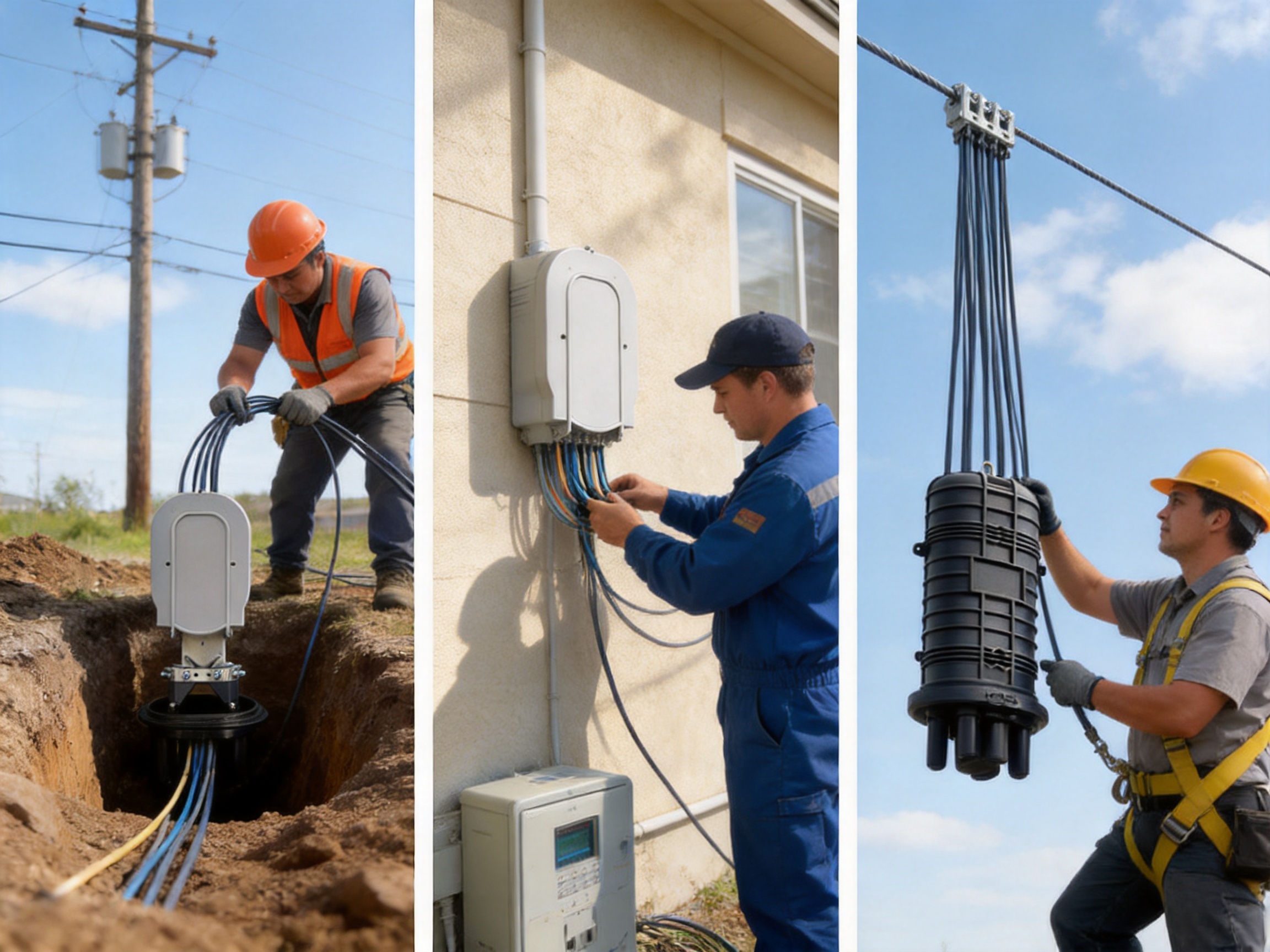
Different fiber network projects use different installation environments. A single project may include direct-buried sections, pole-mounted aerial sections, and wall-mounted access points. Using a closure that supports several installation methods simplifies procurement, training, and field operations. The WM-2001-D10 Fiber Optic Splice Closure can be used for direct-buried, wall-mounted, and aerial-hanger installation.
Direct-Buried Installation
For direct-buried applications, the closure can be inflated and buried directly. This type of installation requires strong sealing and compression resistance because the closure may be surrounded by soil, moisture, stones, and underground pressure. The product’s IP68 protection, compression resistance, sealing system, and durable shell make it suitable for this application.
Direct-buried closures are useful in backbone and distribution routes where manholes or cabinets are not available or where buried cable routes offer better physical protection. A closure used underground must resist water ingress and maintain stable internal fiber organization for many years. The 25-year working life target of this product aligns with the long-term planning needs of buried optical infrastructure.
Wall-Mounted Installation
For building access, campus networks, industrial parks, and communication rooms, wall-mounted installation is often preferred. With a hanging hook, the closure can be fixed to a conduit or wall position. Wall-mounted installation allows technicians to access the closure more easily during maintenance and expansion. It is especially suitable for FTTB and building distribution networks where optical cables enter from outside and branch to internal distribution points.
The closure’s relatively light weight supports efficient wall mounting. Its strong shell protects the internal fibers from accidental contact, vibration, and minor impact. The sealed design also protects against dust and moisture in semi-outdoor or utility-space environments.
Aerial-Hanger Installation
For pole lines and overhead cable routes, the closure can be hung on steel wire using the hanging hook. Aerial closures must resist wind-induced movement, cable tension, temperature changes, and occasional mechanical impact. The product’s tension resistance, bending resistance, torsion resistance, and impact resistance are important for these conditions.
Aerial-hanger installation is widely used in access networks where fast deployment is required. Compared with underground construction, aerial installation may reduce civil engineering cost and speed up project delivery. A closure that supports aerial mounting while maintaining strong sealing and mechanical protection can improve project flexibility.
Mechanical Reliability for Field Conditions
Mechanical reliability is one of the clearest ways to distinguish a professional-grade splice closure from a basic protective box. Optical cable routes face many forms of mechanical stress during installation and service. Cables may be pulled, bent, twisted, compressed, or impacted. If the closure cannot resist these forces, fiber attenuation may increase or splices may fail.
The product is rated for 800 N of tension for 1 minute. This helps protect cable entries when cables are pulled or subjected to installation stress. The compression resistance rating of 2000 N for 100 minutes supports use in underground or mechanically exposed environments. Impact testing with a 1.6 kg steel ball dropped from 1 m three times demonstrates resistance to accidental field impact.
The bending rating of 150 N through plus or minus 45 degrees for 10 cycles and the torsion rating of 50 N.m through plus 90 degrees for 10 cycles help demonstrate stability around cable entry points. These ratings are important because many failures occur not from the main shell collapsing but from cable entry stress damaging the seal or disturbing internal routing. By addressing tension, compression, impact, bending, and torsion, the closure offers comprehensive mechanical protection.
Sealing Performance and Long-Term Network Stability
Water is one of the most serious threats to fiber splice closures. Although optical fibers do not conduct electricity in the same way as copper cables, moisture can still create significant problems. It can degrade protective materials, create freezing and thawing stress, introduce contaminants, and reduce the reliability of internal components. In some environments, water ingress can also carry soil, salt, chemicals, or microorganisms into the enclosure.
The WM-2001-D10 Fiber Optic Splice Closure uses silicone rubber sealing and supports inflation pressure from 70 to 106 kPa for sealing performance validation. Silicone rubber is valued for elasticity, temperature resistance, and sealing stability. Heat-shrinkable sealing and sticky cincture sealing further improve closure integrity around cable entries and structural joints.
Compared with closures that rely on minimal gasket pressure or simple mechanical clamping, this sealing system provides greater resilience. A high-quality seal must remain effective not only on the day of installation but also after years of temperature cycling, humidity exposure, and maintenance access. The product’s reusable design and sealing approach help maintain protection after reopening and expansion.
Internal Fiber Management
A splice closure must protect not only the external shell but also the internal fiber routing. Poor internal management can cause excessive bending, fiber crossing, difficulty locating splices, and higher risk during maintenance. The WM-2001-D10 Fiber Optic Splice Closure is intended for organized splicing, branching, and connection work in passive optical networks. Its maximum capacity of 288 single fibers provides sufficient room for high-density applications while supporting orderly fiber arrangement.
In FTTH and FTTB networks, technicians often need to manage several cable directions and multiple subscriber branches. A well-designed closure helps keep fibers separated, protected, and accessible. This reduces maintenance time and minimizes the risk that one repair operation will disturb unrelated fibers. The provided accessories, including cable ties, heat-shrinkable tubes, PVC tubes, heat-shrinkable protection tubes, silver paper, and alcohol paper, support proper installation and splice protection procedures.
The inclusion of basic accessories improves construction convenience. Cable ties help secure cable and fiber routing. Heat-shrinkable tubes and protection tubes help protect splice points and cable entry sealing areas. Alcohol paper assists with cleaning before sealing and splicing operations. Silver paper and PVC tubes support practical installation requirements depending on field conditions. These accessories reduce the need for technicians to source separate materials and help standardize installation quality.
Advantages in FTTH and FTTB Construction
FTTH and FTTB networks require large numbers of passive components across extensive access routes. In these applications, the most important goals are stable service, fast deployment, manageable cost, and future expansion. The WM-2001-D10 Fiber Optic Splice Closure supports these goals through capacity, environmental protection, installation flexibility, and reusable design.
For FTTH networks, operators may need to connect feeder cables, distribution cables, and drop-related branches. As the subscriber base grows, additional fibers may need to be activated. A closure with 288-fiber capacity helps prepare the network for future demand. The ability to reopen and expand the closure supports phased deployment, where not all fibers are connected at once.
For FTTB networks, closures are often used near building entrances, in utility areas, or along external walls. Wall-mounting capability and reliable sealing make the product practical for these environments. Its resistance to corrosion, aging, and heat helps maintain performance in urban and industrial settings.
In both FTTH and FTTB applications, maintenance cost matters. A closure that fails prematurely can require excavation, climbing, service interruption, emergency labor, and customer complaints. By using a durable shell, proven sealing structure, and mechanical resistance design, this product helps reduce long-term operating risk.
Support for 5G and High-Speed Network Modernization
5G networks require dense fiber backhaul and fronthaul infrastructure. Base stations, edge computing nodes, transport networks, and aggregation points all rely on optical fiber connections. As 5G deployment expands, the number of outdoor splice points increases. Reliable closures become essential for maintaining the stability of high-capacity mobile transport networks.
The WM-2001-D10 Fiber Optic Splice Closure is well suited to this trend because it combines high capacity with strong environmental protection. In mobile network modernization, fiber routes may pass through urban streets, industrial zones, railway corridors, residential areas, and rural regions. A closure that can be buried, mounted, or hung aerially helps network builders adapt to different construction conditions without changing product families.
High-speed Ethernet optical networks also benefit from robust splice closure design. Whether the application involves enterprise campuses, data center interconnection routes, communication rooms, or public infrastructure, passive network reliability remains fundamental. A closure with IP68 protection and a 25-year working life supports the long-term stability expected from modern optical infrastructure.
Manufacturing Strengths Behind the Product
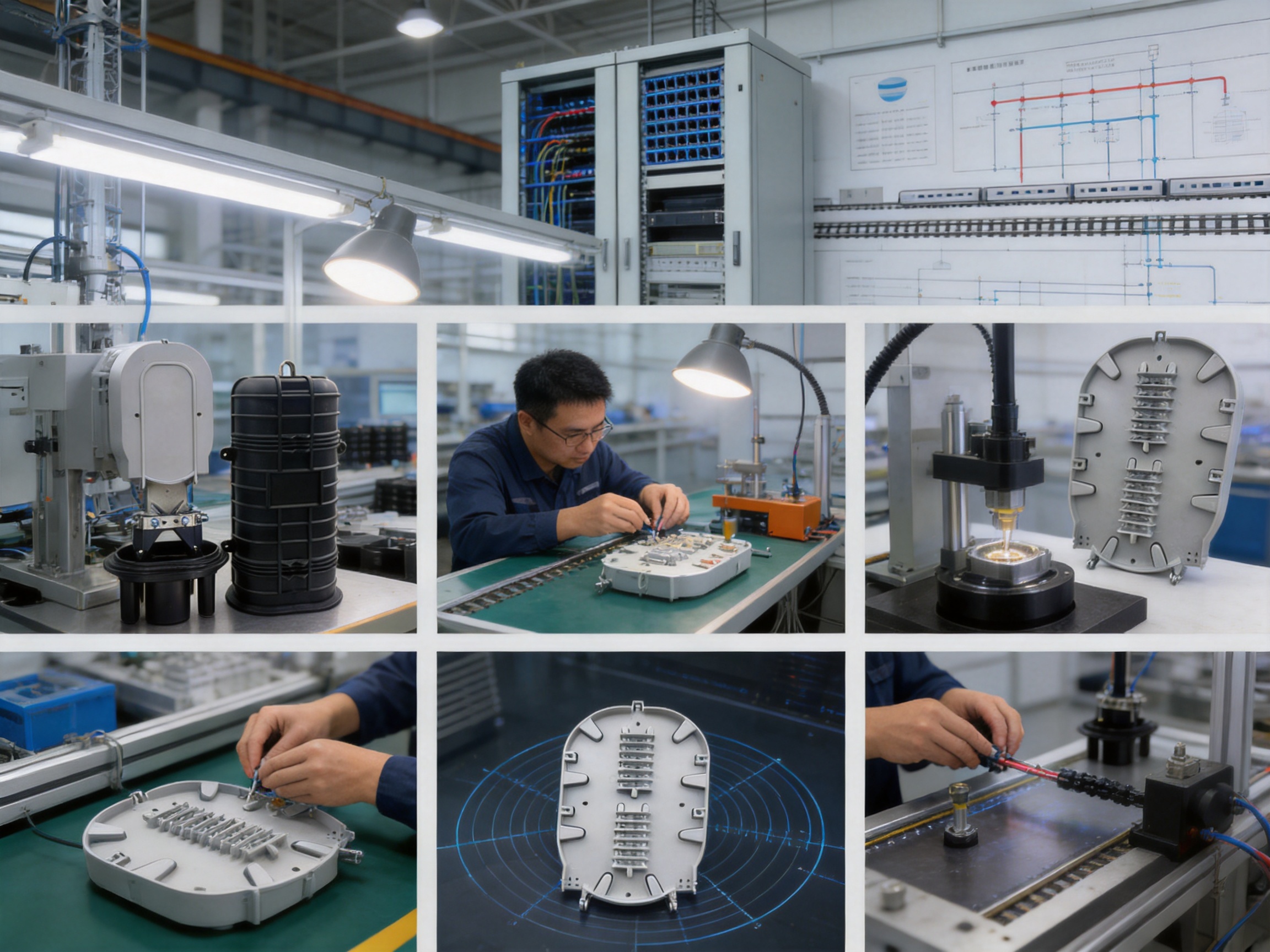
Wanma Technology Co., Ltd. was established in 1997 and specializes in communication cabinets, communication electronic equipment, and passive optical components. The company’s experience in optical communication infrastructure gives it a strong foundation for developing fiber optic splice closures that meet practical field requirements. Its products are widely used in Ethernet networks, optical communication networks, central equipment rooms, national high-speed railways, and urban rail transit systems.
The company develops, manufactures, and markets its own branded products while also providing integrated solutions for customized requirements. This combination of product manufacturing and solution capability is important because optical network projects often have different environmental, capacity, and installation demands. A manufacturer with broad communication infrastructure experience can better understand how splice closures interact with cables, cabinets, equipment rooms, railway systems, and access networks.
Material Selection and Incoming Quality Control
Advanced manufacturing begins with material selection. For a fiber optic splice closure, the shell material, sealing rubber, metal fasteners, trays, heat-shrinkable components, and accessories all influence long-term reliability. High-strength PP synthetic plastic must be selected with appropriate toughness, dimensional stability, heat resistance, and aging resistance. Silicone rubber must maintain elasticity and sealing performance under temperature cycling and compression.
Incoming quality control helps ensure that raw materials meet defined performance requirements before production begins. Material inspection may include appearance checks, dimensional verification, mechanical property review, supplier batch documentation, and compatibility evaluation. This reduces the risk of producing closures with inconsistent shell strength or sealing performance.
Precision Molding and Shell Manufacturing
The enclosure shell is a critical part of the product. Precision molding helps maintain consistent wall thickness, accurate sealing surfaces, stable cable port geometry, and reliable assembly fit. A shell thickness of at least 4 mm requires careful control of molding parameters to avoid shrinkage, warping, weak points, or surface defects. Proper tooling design and process control are essential for producing closures that seal correctly and withstand mechanical loads.
In advanced manufacturing, injection molding conditions such as temperature, pressure, cooling time, and mold maintenance are controlled to ensure repeatability. After molding, the shell may be inspected for dimensional accuracy, surface quality, flash, deformation, and sealing surface integrity. This process discipline gives the product an advantage over closures produced with inconsistent molding quality.
Sealing Component Fabrication and Fit Verification
Sealing performance depends on both material quality and fit accuracy. Silicone rubber components must be formed to the correct dimensions and hardness. Cable port sealing areas must align properly with the shell and clamping structure. Heat-shrinkable and cincture sealing methods must be compatible with field installation procedures.
Fit verification during manufacturing helps confirm that sealing elements compress properly and maintain enclosure tightness. A closure may look strong externally but still fail if the sealing groove, gasket shape, or cable port interface is poorly controlled. By emphasizing sealing fit, the manufacturing process supports the IP68 protection level and inflation pressure performance expected by network operators.
Assembly Process Control
Assembly quality affects every closure leaving the production line. Components such as splice trays, cable fixing parts, sealing elements, fasteners, hooks, and accessories must be assembled accurately. Assembly technicians need clear procedures to ensure that internal parts are positioned correctly and that the closure can be installed efficiently in the field.
Process control may include assembly work instructions, torque guidance, visual inspection, accessory verification, and functional checks. A closure supplied with missing accessories or misaligned components can cause installation delays and quality issues. Standardized assembly reduces these risks and improves customer confidence.
Testing and Quality Assurance
Quality assurance is especially important for passive optical infrastructure because failures may appear months or years after installation. To reduce this risk, the product is designed around a series of performance requirements, including sealing pressure, tension, compression, impact, bending, torsion, insulation resistance, dielectric strength, and IP68 protection.
Sealing tests confirm whether the closure can maintain pressure and resist water ingress. Mechanical tests verify that the shell and cable entries can withstand external forces. Electrical insulation tests evaluate isolation performance. Environmental testing supports confidence under temperature extremes from -40 deg C to +60 deg C. These quality control practices help ensure that the closure performs reliably in real-world network environments.
Company Capability and Global Network Experience
Wanma Technology Co., Ltd. serves customers in more than 20 countries and regions, including the United States, Australia, the United Kingdom, Italy, South Africa, and Ghana. This international market experience is valuable because global network projects involve diverse climates, standards, installation habits, and customer expectations. Products must perform in cold regions, hot regions, coastal environments, urban networks, railway corridors, and industrial applications.
The company emphasizes reliable product quality, timely delivery, and long-term strategic partnerships with industry leaders. For telecom infrastructure customers, delivery reliability is a major advantage. Network construction schedules are often strict, and delayed passive components can slow an entire project. A manufacturer with established production capacity and supply coordination can help customers keep deployment plans on schedule.
The company’s experience in communication cabinets and electronic equipment also supports system-level understanding. A splice closure is part of a larger network that may include cabinets, distribution frames, equipment rooms, rail transit communication systems, and optical transmission routes. Manufacturers with broader infrastructure knowledge can better design products that fit actual deployment ecosystems.
Competitive Advantages for Network Operators
Lower Lifecycle Cost
The initial purchase price of a splice closure is only one part of its cost. Operators must also consider installation labor, maintenance frequency, failure risk, expansion cost, and service interruption cost. A closure with a 25-year working life, IP68 protection, and reusable design can reduce lifecycle cost by minimizing replacements and maintenance visits.
Cheaper closures may appear economical during procurement but can become expensive if they fail under water ingress, shell cracking, or cable entry stress. By offering durable construction and strong sealing performance, the WM-2001-D10 Fiber Optic Splice Closure provides value over the full service life of the network.
Reduced Maintenance Risk
Maintenance work in optical networks can be costly and disruptive. Direct-buried closures may require excavation. Aerial closures may require climbing equipment and traffic control. Wall-mounted closures may require site access coordination. A reliable closure reduces the frequency of emergency repairs and helps preserve service continuity.
The product’s sealing, impact resistance, compression resistance, and tension resistance all contribute to reduced maintenance risk. Its organized internal structure and accessory support also make planned maintenance easier when expansion or repair is necessary.
Future-Ready Capacity
Bandwidth demand continues to grow. Residential users consume more video, cloud, gaming, and remote work services. Enterprises use more cloud computing, surveillance, automation, and data exchange. Transportation systems increasingly rely on intelligent monitoring and high-speed communication. A splice closure with 288 single-fiber capacity helps operators build networks that can scale.
Future-ready capacity is especially important in FTTH and 5G modernization projects. If a closure is undersized at the beginning, operators may need to add more closures later, increasing network complexity. Higher capacity supports cleaner network planning and easier expansion.
Adaptability Across Deployment Scenarios
The ability to support direct-buried, wall-mounted, and aerial-hanger installation gives the product a practical advantage. Network builders do not need separate closure types for every environment, which simplifies training, inventory, and project management. Field teams can use a familiar product across different routes and conditions.
This adaptability also benefits contractors. A standard closure platform reduces installation learning curves and helps maintain consistent workmanship. In large-scale projects, consistency can significantly improve overall network quality.
Applications in Railway Transit and Urban Infrastructure
Optical communication networks are essential to railway transit and urban rail systems. They support signaling, monitoring, video surveillance, ticketing systems, station communication, control centers, and emergency communication. In these applications, passive network reliability is vital because service interruptions can affect operational safety and passenger experience.
The WM-2001-D10 Fiber Optic Splice Closure is suitable for railway and urban infrastructure environments where durability, sealing, and mechanical protection are required. Rail corridors may expose closures to vibration, dust, weather, and maintenance constraints. Urban transit environments may require compact installation, stable cable management, and long-term resistance to aging. The closure’s robust shell and sealing design support these requirements.
As national high-speed railways and urban rail transit systems continue to expand, the need for dependable optical network components will increase. Fiber optic splice closures used in these environments must not only meet technical specifications but also support long-term operational reliability. A closure with comprehensive mechanical and environmental performance is well aligned with these infrastructure needs.
Role in Central Equipment Rooms and Optical Distribution Networks
Although splice closures are often associated with outdoor installations, they can also support optical distribution systems connected to central equipment rooms and network aggregation points. Fiber routes entering equipment facilities may require protected splicing before connecting to cabinets, distribution frames, or transmission equipment. In these cases, organized fiber management and reliable sealing help maintain network stability.
The company’s background in communication cabinets and central equipment room products provides useful experience for integrating passive optical components into larger communication systems. The closure can serve as part of a complete optical access or distribution solution, supporting the transition between outdoor cable routes and indoor communication infrastructure.
Accessory Package and Installation Support
The product includes basic accessories that help technicians complete installation and splice protection tasks. These accessories include cable ties, heat-shrinkable tubes, PVC tubes, heat-shrinkable protection tubes, silver paper, and alcohol paper. While these may seem simple, the availability of correct accessories can significantly affect installation efficiency and quality.
Cable ties help secure cable and internal routing, reducing movement inside the closure. Heat-shrinkable tubes provide protection for splice points and sealing-related areas. PVC tubes can assist cable and fiber routing protection. Heat-shrinkable protection tubes help reinforce spliced fibers. Silver paper may be used in field procedures requiring wrapping or shielding support. Alcohol paper helps clean surfaces before splicing or sealing, improving adhesion and reducing contamination.
By providing these accessories, the closure supports a more standardized installation process. Standardization is important because field quality depends heavily on technician practices. When installers have appropriate materials available, they are more likely to complete the job correctly and consistently.
Best Practices for Installation
To maximize performance, the closure should be installed according to proper optical construction procedures. Cable ends should be prepared carefully, and fibers should be cleaned before splicing. Cable entries should match the supported diameter range from 7 mm to 20 mm. Sealing components should be positioned correctly, and heat-shrinkable parts should be applied evenly. Internal fibers should be routed with suitable bending radius and secured to avoid movement.
Before final closure, technicians should verify splice protection, tray organization, cable fixation, and accessory placement. After sealing, pressure or sealing verification should be performed according to project requirements. For direct-buried installations, the surrounding environment should be prepared to avoid sharp stones or uneven pressure points. For aerial installations, the hanging hook and steel wire attachment should be secure. For wall-mounted installations, the mounting surface and fasteners should be suitable for the expected load and environment.
Proper installation is essential even for a high-quality closure. The product provides strong design advantages, but final network reliability depends on the combination of product quality and installation workmanship. Using trained technicians, following standard procedures, and verifying sealing integrity will help achieve the expected 25-year service life.
Maintenance and Expansion Considerations
During maintenance, technicians should open the closure carefully to avoid damaging sealing components or disturbing unrelated fibers. The internal fiber layout should be documented before modification. New splices should be protected with appropriate heat-shrinkable protection tubes and organized in available tray space. After work is complete, sealing surfaces should be cleaned and inspected before the closure is resealed.
The reusable and expandable design of this closure supports network growth. However, expansion should still be planned to avoid overcrowding. Fiber routes should remain organized, and bending radius requirements should be respected. When properly maintained, the closure can continue protecting splices through multiple service operations.
Q&A Section
What is the main purpose of this fiber optic splice closure?
The main purpose is to protect optical fiber splice points in passive communication networks. It prevents moisture, dust, impact, compression, tension, bending, torsion, and environmental changes from damaging spliced fibers and cable connections.
Which network applications are suitable for the closure?
It is suitable for FTTH, FTTB, optical distribution networks, Ethernet optical networks, 5G transport infrastructure, railway transit communication networks, urban rail systems, and other passive optical communication projects requiring reliable splice protection.
What is the maximum fiber capacity?
The closure supports a maximum capacity of 288 single fibers, making it suitable for medium- and high-density optical access and distribution networks.
What cable diameter range does it support?
It supports optical cable diameters from 7 mm to 20 mm, covering many common access and distribution cable sizes.
Can the closure be used outdoors?
Yes. The product is designed for demanding outdoor environments. It has an IP68 protection rating, a high-strength PP synthetic plastic shell, silicone rubber sealing, and resistance to corrosion, aging, heat, impact, compression, and temperature variation.
What installation methods are supported?
The closure supports direct-buried installation, wall-mounted installation, and aerial-hanger installation. This flexibility makes it useful across different optical cable route conditions.
Why is IP68 protection important?
IP68 protection indicates strong resistance to dust and water ingress. This is important because splice closures may be exposed to rain, underground moisture, condensation, flooding conditions, or dusty environments during long-term service.
What makes the product advantageous compared with lower-cost closures?
Its advantages include a high-strength shell with at least 4 mm thickness, IP68 sealing performance, reusable and expandable structure, 288-fiber capacity, multiple installation options, strong mechanical ratings, 25-year working life, and comprehensive accessory support.
Can the closure be reopened for maintenance?
Yes. The product is designed for repeated reuse and expansion. This helps operators add capacity, repair fibers, or modify routing without replacing the entire closure.
What accessories are included?
The basic accessories include cable ties, heat-shrinkable tubes, PVC tubes, heat-shrinkable protection tubes, silver paper, and alcohol paper.
Why is the shell material important?
The shell protects the internal fibers from external mechanical and environmental stress. High-strength PP synthetic plastic provides toughness, insulation, heat resistance, corrosion resistance, aging resistance, and flame resistance, helping extend service life.
How does the product support 5G network modernization?
5G networks require dense and reliable fiber transport infrastructure. The closure supports high-capacity fiber splicing, outdoor protection, and flexible installation, making it suitable for backhaul, fronthaul, access, and aggregation routes.
Conclusion
The WM-2001-D10 Fiber Optic Splice Closure is a durable, high-capacity, and field-ready solution for modern optical communication networks. With support for up to 288 single fibers, cable diameters from 7 mm to 20 mm, IP68 protection, a 25-year working life, and multiple installation methods, it addresses the practical needs of FTTH, FTTB, 5G, Ethernet optical, railway transit, and urban communication infrastructure.
Its high-strength PP synthetic plastic shell, shell thickness of at least 4 mm, silicone rubber sealing, heat-shrinkable sealing support, reusable design, and strong mechanical ratings give it clear advantages over conventional low-cost closures. It is designed not only to protect splices but also to reduce maintenance risk, support future expansion, and improve long-term network reliability.
Behind the product is the manufacturing strength of Wanma Technology Co., Ltd., a company established in 1997 with experience in communication cabinets, electronic equipment, passive optical components, optical networks, central equipment rooms, high-speed railways, and urban rail transit systems. Through material control, precision molding, sealing verification, assembly discipline, quality testing, and global market experience, the company provides products that support reliable deployment in demanding communication environments.
For network operators, contractors, and infrastructure planners seeking a splice closure that balances capacity, durability, sealing reliability, and installation flexibility, this product offers a strong solution for today’s optical networks and tomorrow’s bandwidth growth.
References
YD/T 814.1-2013, Technical Requirements for Fiber Optic Cable Splice Closures.
International Electrotechnical Commission, IEC 60529, Degrees of Protection Provided by Enclosures.
International Telecommunication Union, Optical Fibre Cable Network Infrastructure Recommendations.
Fiber Optic Association, Reference Guide to Fiber Optic Network Design and Installation.
Telecommunications Industry Association, Optical Fiber Cabling and Outside Plant Installation Guidelines.
General industry practices for FTTH, FTTB, passive optical network, and outdoor splice closure deployment.
Product: WM-2001-D10 Fiber Optic Splice Closure
PREV:Outdoor Telecom Cabinets for Copper-to-Fiber Network Migration
NEXT:High-Performance Server Rack Cabinets for Reliable Digital Infrastructure
NEXT:High-Performance Server Rack Cabinets for Reliable Digital Infrastructure
Interested in cooperation or have questions?
Related products
-
-
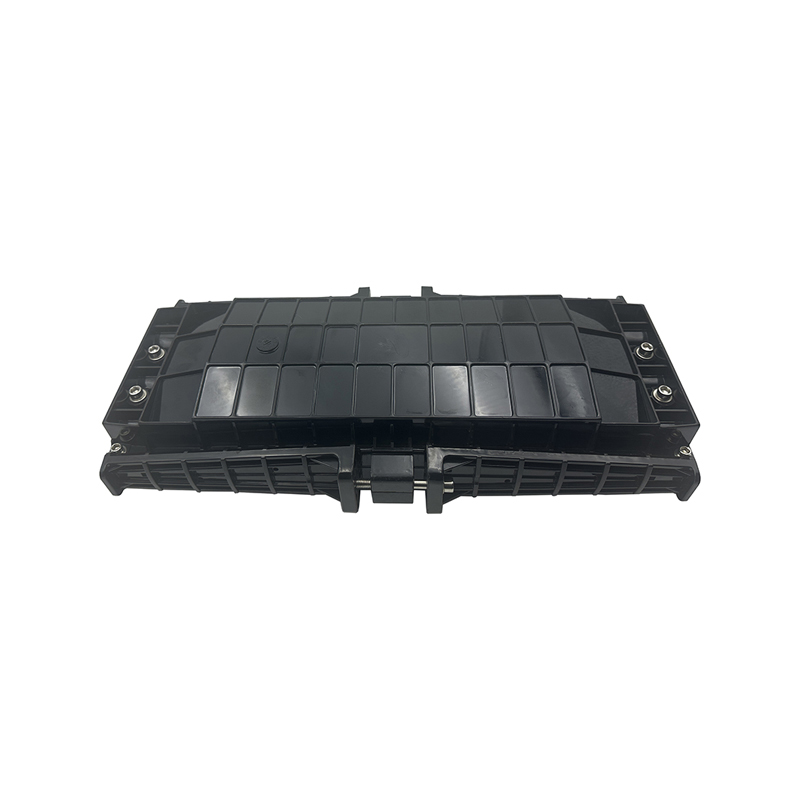
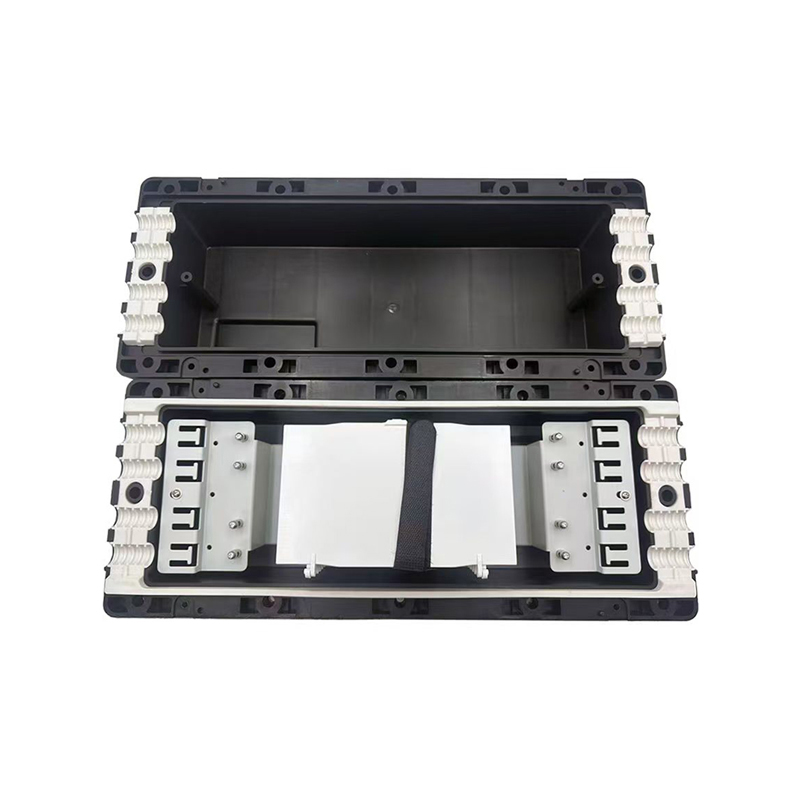
OverviewModel No. JR-2001-H10 is one of the main equipment for user access points, applied for protective connection and distribution between two or more cables. The primary function is to connect dis...
See Details -
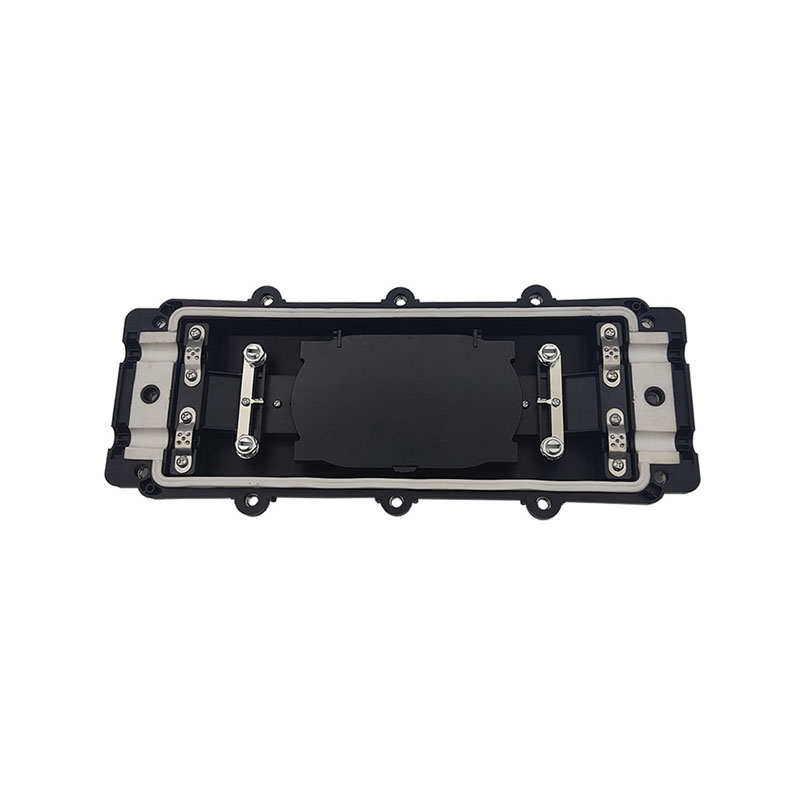
WM-2001-H09 type of It can be used to connect and branch fibers in aerial locations applications. The case body is made from high-intensity engineering plastics and shaped by mould injection under hig...
See Details -
Technical data 1. Comply with various technical data of YD/T814.1-20132. Cable port: 103. Cable Diameter: φ7-φ204. Max Capacity: 288 single tray=48fibers5. Sealing way: silicone rubber6. Dimension: 4...
See Details
Ready to Get started ? Contact Us Now !

Product.
Contact Details.
-
 +86 13958188250
-
 +86 13958188250
-
 [email protected]
- Wanma Industrial Park Taihu Yuan Town Lin'an District Hangzhou City China.
QR Code

Copyright © Wanma Technology Co., Ltd. All Rights Reserved.
Custom Ethernet Optical Network Railway Transit Equipments Suppliers
