

 English
 Français
 Español
 Português
 عربى
عربى




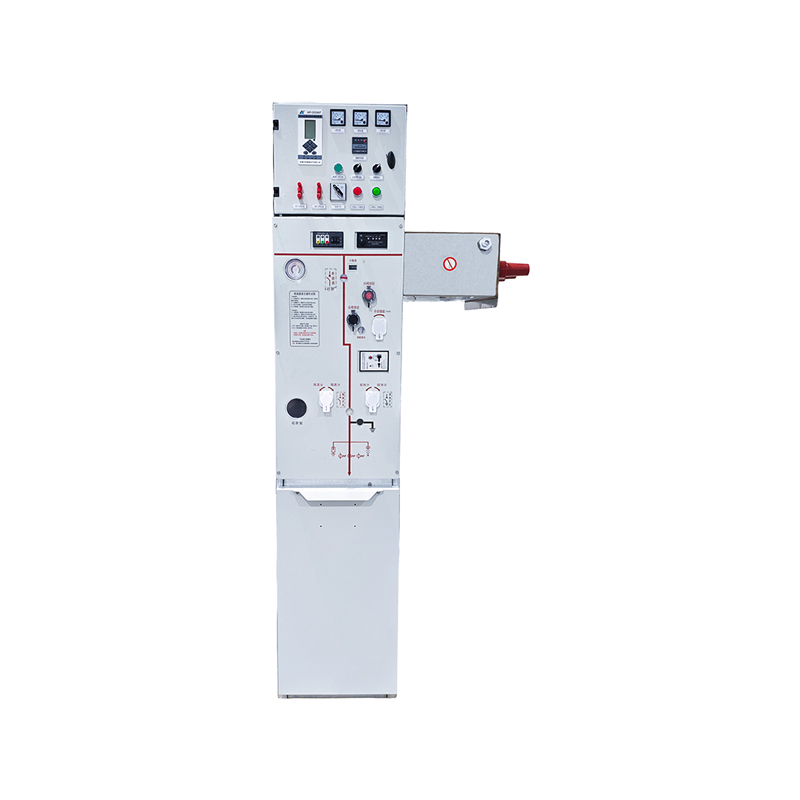
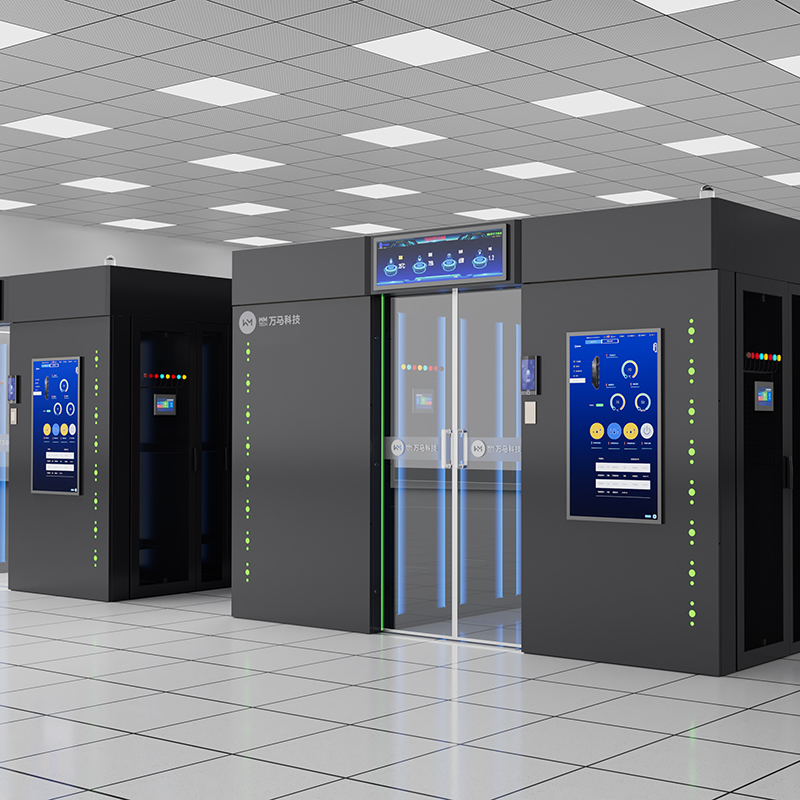
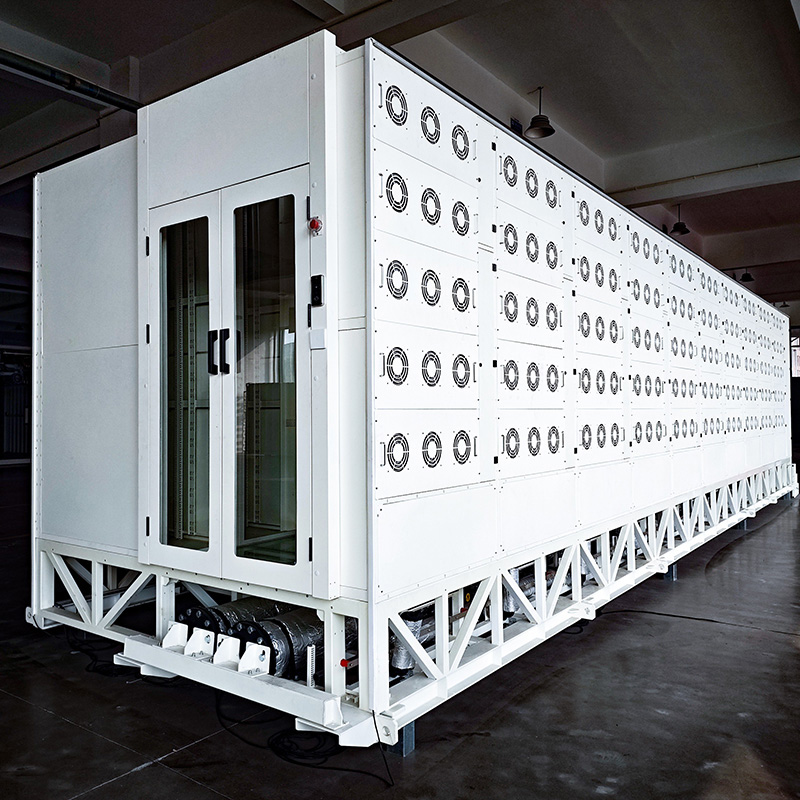
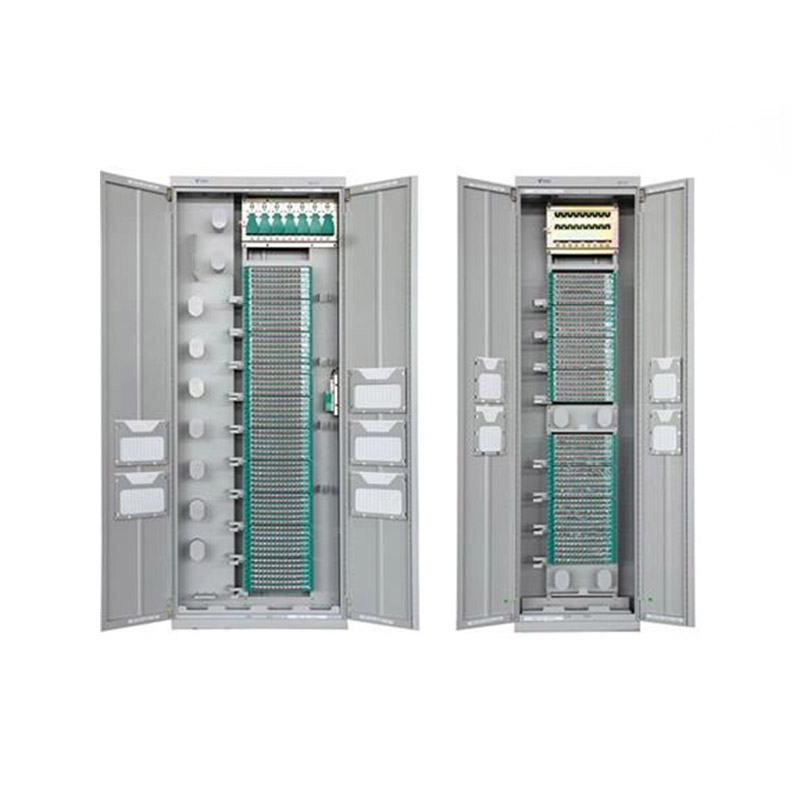

Application:It is used for the fixed network and broadband access, providing physical working environment and security system for the workstation in wired network. Features:•The cabinet is composed of...
See DetailsOutdoor Telecom Cabinets for Copper-to-Fiber Network Migration
Content
- 1 Why Copper-to-Fiber Replacement Requires a Specialized Outdoor Cabinet
- 2 Core Product Application
- 3 Key Structural Advantages
- 4 Technical Feature Summary
- 5 Advantages Over Conventional Outdoor Cabinets
- 6 Fiber Management and Service Reliability
- 7 Supporting the Coexistence of Copper and Fiber
- 8 Thermal Design for Outdoor Telecom Environments
- 9 Ingress Protection and Outdoor Durability
- 10 Security Design for Public Network Assets
- 11 Maintenance Efficiency as a Long-Term Cost Advantage
- 12 Manufacturing Strength Behind the Product
- 13 How the Cabinet Supports Ethernet Optical Network and 5G FTTH Modernization
- 14 Design Considerations for Deployment
- 15 Competitive Differentiation in Real Field Use
- 16 Role in Long-Term Network Strategy
- 17 Quality, Delivery, and Partnership Value
- 18 Q&A Section
- 18.1 What is the main purpose of this outdoor telecom cabinet?
- 18.2 Why is a special cabinet needed for copper-to-fiber replacement?
- 18.3 What protection grade does the cabinet provide?
- 18.4 How does the cabinet improve security?
- 18.5 What is the advantage of the double-layer heat insulation structure?
- 18.6 Why is the drawer-type filter cover important?
- 18.7 How does the herringbone double-layer cover plate help?
- 18.8 What benefit does the rotatable MDF frame provide?
- 18.9 Can the cabinet support phased migration where copper and fiber coexist?
- 18.10 What industries or applications can use this cabinet?
- 19 Conclusion
- 20 References
- 21 Product: Outdoor Telecom Cabinet--- for Replacement of Copper Cables with Optical Fiber Cables
The modernization of fixed access networks is no longer a future planning exercise; it is an active engineering priority for operators replacing aging copper infrastructure with optical fiber. At the street level, this transformation depends on a purpose-built outdoor telecom cabinet that can support copper-to-fiber replacement, protect sensitive optical components, simplify field maintenance, and provide a secure operating environment in demanding outdoor conditions. The outdoor telecom cabinet designed for replacement of copper cables with optical fiber cables is a critical platform for this transition, serving as the physical interface between legacy access networks and next-generation broadband infrastructure.
Outdoor Telecom Cabinet--- for Replacement of Copper Cables with Optical Fiber Cables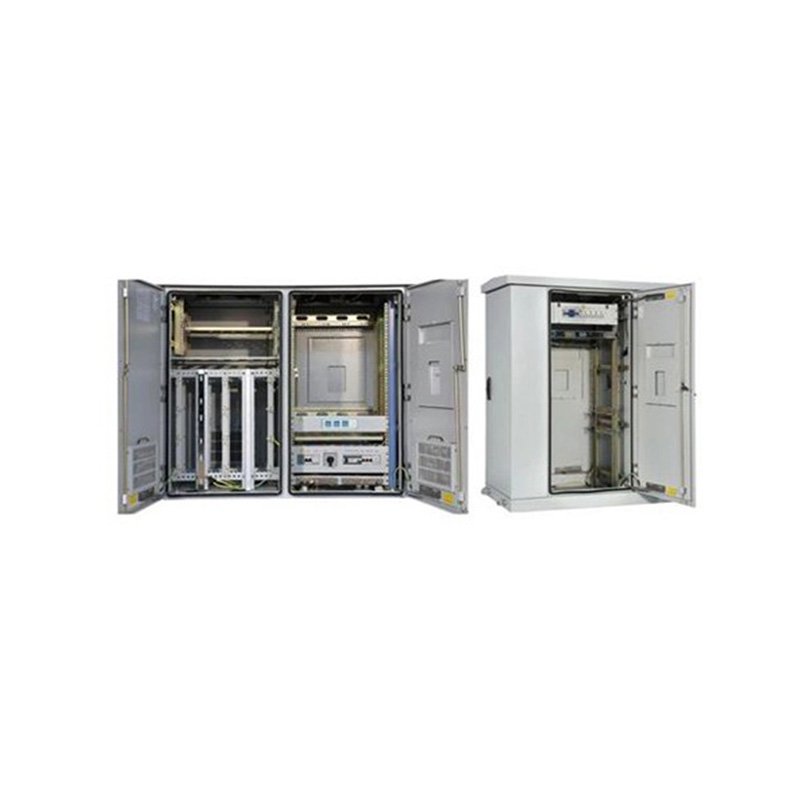
This cabinet is intended for fixed network and broadband access applications, where it provides a protected working environment for telecom equipment, cable termination, distribution, and maintenance operations. Unlike ordinary metal enclosures or repurposed copper distribution cabinets, it is engineered specifically for outdoor telecom deployment, with a double-layer heat insulation structure, IP55 protection, hidden hinge design, multi-point locking, serviceable filtration, rain-resistant cabinet top design, and an internal MDF structure that supports efficient cable termination and inspection.
For operators, integrators, and infrastructure builders, the value of such a cabinet lies not only in its enclosure strength but also in its ability to reduce operational risk during the most complex stage of network modernization: the coexistence of copper and fiber. Copper networks are familiar to technicians, but they are limited by distance, interference sensitivity, bandwidth ceiling, and maintenance cost. Optical fiber offers high bandwidth, long-distance transmission, lower attenuation, and better readiness for FTTH, 5G backhaul, Ethernet optical networks, railway transit communication systems, and smart city infrastructure. The cabinet is therefore more than a box; it is a migration platform that helps convert network potential into dependable field performance.
Why Copper-to-Fiber Replacement Requires a Specialized Outdoor Cabinet
Copper-to-fiber migration is often described as a cable replacement process, but in practice it is a cabinet-by-cabinet reconfiguration of the access network. Traditional copper cabinets were built around copper pairs, punch-down blocks, jumper routing, DSL splitters, and metallic cable management. Fiber networks introduce entirely different requirements: fusion splicing, optical splitter installation, bend radius control, splice tray labeling, connector cleanliness, slack storage, and strict optical loss management.
A cabinet that was designed only for copper cannot fully support these requirements without compromise. Fiber cables must not be bent beyond their specified radius, splice trays must be accessible without disturbing adjacent fibers, and optical connectors must be protected from dust, moisture, vibration, and accidental impact. When these conditions are not managed correctly, operators may encounter attenuation increases, intermittent faults, damaged pigtails, poor connector performance, and longer troubleshooting times.
The outdoor telecom cabinet for replacement of copper cables with optical fiber cables addresses these practical challenges by providing an organized, weather-resistant, technician-friendly enclosure for the new access network architecture. Its structure supports network continuity during phased migration and allows maintenance teams to work safely and efficiently in field conditions.
In many deployments, copper services cannot be switched off immediately. Subscribers may remain on legacy DSL or PSTN services while new users are added through GPON, XG-PON, active Ethernet, or other fiber-based platforms. This coexistence period may last months or years depending on subscriber demand, budget cycles, civil works, and regional service obligations. A well-designed cabinet allows the operator to manage this transition without creating a chaotic mixed-media environment.
Core Product Application
The cabinet is used in fixed networks and broadband access networks to provide a physical working environment and security system for wired network workstations. It is suitable for outdoor access nodes, street-side distribution points, broadband upgrade projects, community fiber rollout, public infrastructure networks, transportation communication systems, and telecom modernization programs.
The product is especially relevant for projects where copper feeder or distribution cables are being replaced by optical fiber cables. At these sites, the outdoor cabinet becomes the central field node for cable entry, termination, protection, distribution, and ongoing maintenance. By supporting structured cable management and secure equipment housing, it helps operators increase network capacity while reducing the vulnerabilities associated with older copper-based access points.
Its cabinet body, cover plate, door, thermal insulation structure, locking system, filter access, water-shedding top design, and rotatable MDF arrangement are all aligned with outdoor deployment needs. The design recognizes that the cabinet must work under heat, rain, dust, humidity, unauthorized access attempts, and repeated technician visits.
Key Structural Advantages
The cabinet is composed of the cover plate, cabinet body, and door, adopting a double-layer heat insulation structure. This is important because outdoor telecom cabinets are regularly exposed to direct sunlight, fluctuating ambient temperatures, and heat generated by active or passive communication equipment inside the enclosure. Double-layer insulation helps moderate internal temperature changes, reducing thermal stress on cables, connectors, passive optical components, and any installed electronics.
The cabinet complies with GB4208 standards and reaches IP55 protection grade. This means the enclosure is designed to resist harmful dust ingress and water jets from directions relevant to outdoor exposure. In telecom field infrastructure, IP protection is not a decorative specification; it directly affects long-term service reliability. Moisture penetration can corrode metallic components, degrade insulation, contaminate optical connectors, and contribute to condensation problems. Dust can accumulate on filters, connector panels, and equipment surfaces, reducing heat dissipation and increasing maintenance burden.
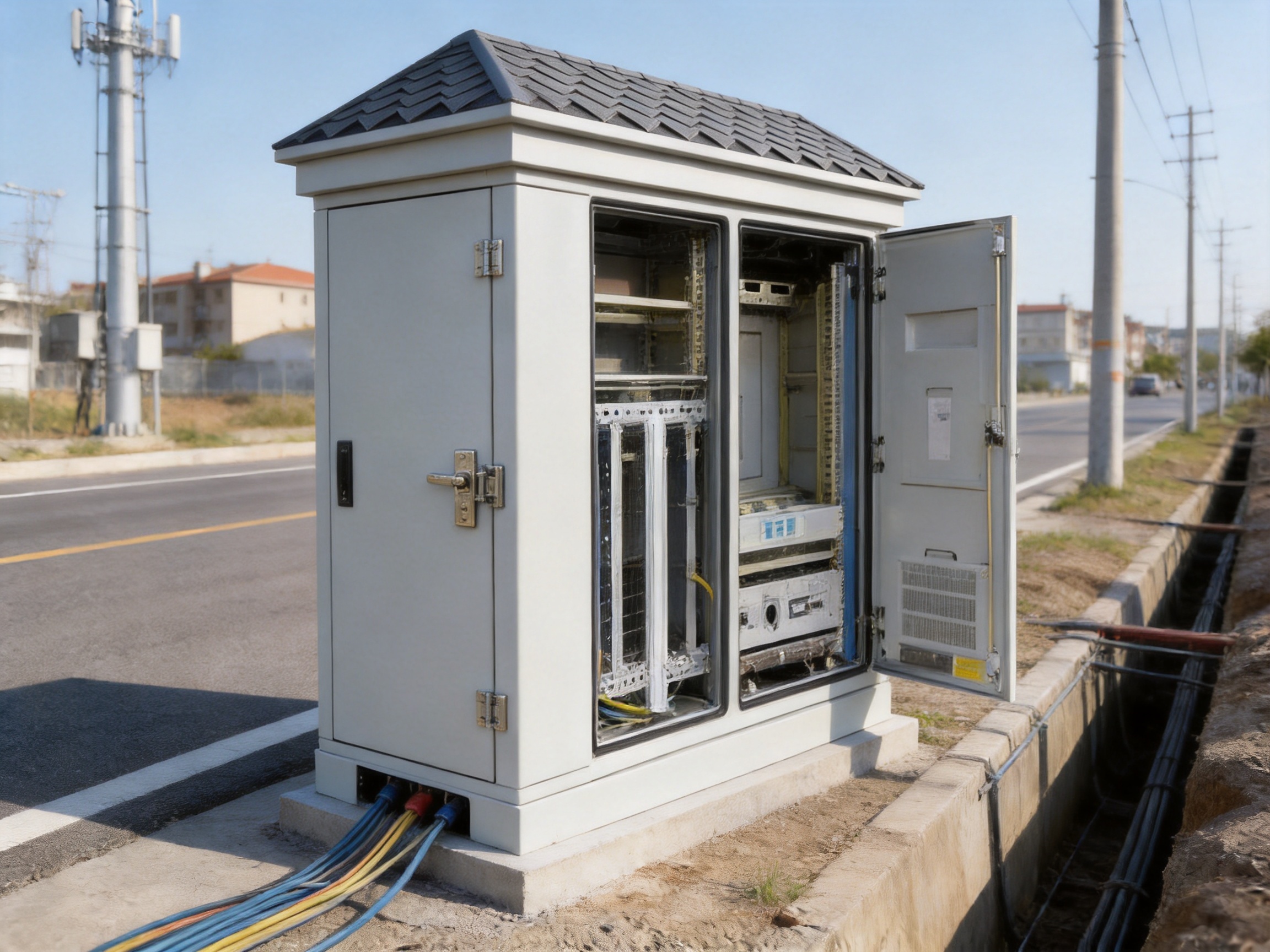
The hidden hinge structure strengthens cabinet security and improves external appearance. Exposed hinges are vulnerable to tampering, impact, and corrosion. A hidden hinge reduces potential attack points and makes the cabinet more difficult to open forcibly. The multi-point door lock further prevents the cabinet from being destructed by crowbar attacks, improving reliability in public outdoor environments where telecom infrastructure may be exposed to vandalism or unauthorized access attempts.
The drawer-type filter cover is another practical feature. Filters in outdoor cabinets require periodic cleaning, maintenance, or replacement. If filter access is complicated, field technicians may delay maintenance or spend excessive time opening and disassembling the cabinet. A drawer-type filter cover makes routine service faster and cleaner, helping maintain ventilation performance and reducing the risk of overheating or dust accumulation.
The herringbone double-layered cover plate prevents accumulation of rainwater. Flat cabinet roofs may collect water, leaves, dust, and other debris, increasing corrosion risk and making leakage more likely over time. A herringbone design promotes drainage and reduces standing water on the cabinet top. This feature is particularly valuable in regions with heavy rainfall, humid climates, seasonal storms, or freeze-thaw conditions.
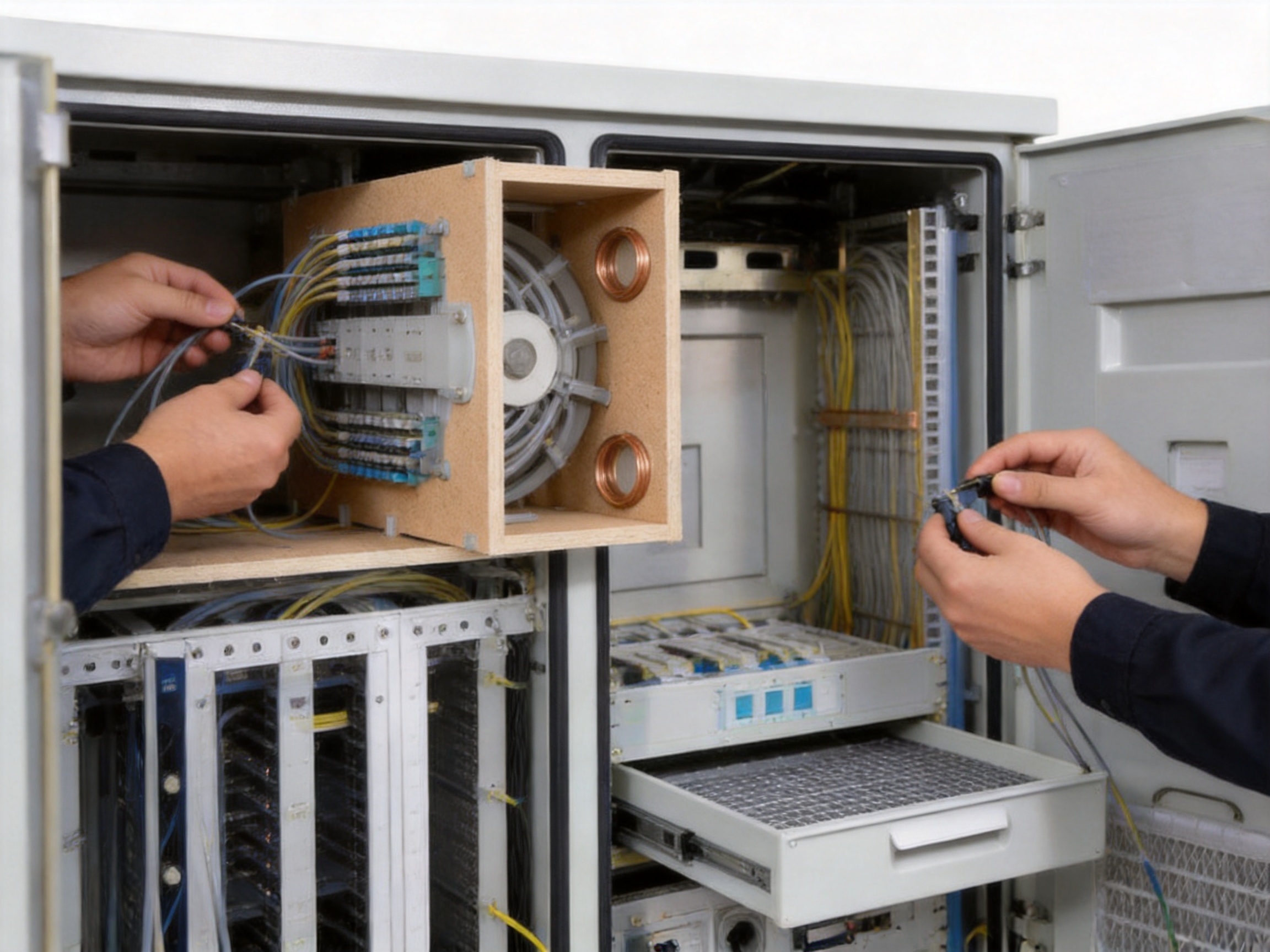
The MDF adopts a rotatable frame, allowing technicians to terminate a batch of cables at a time and examine problems more easily. This is one of the product’s strongest maintenance advantages. A fixed, crowded frame can make cable tracing and inspection time-consuming. A rotatable MDF improves access to connection areas, simplifies cable routing, and allows technicians to work on multiple terminations efficiently. For operators managing thousands of cabinets across a network, reducing service time per cabinet can translate into major operational savings.
Technical Feature Summary
| Feature | Engineering Purpose | Operational Benefit |
|---|---|---|
| Double-layer heat insulation structure | Reduces thermal impact from outdoor exposure and internal heat buildup | Improves stability of cables, components, and cabinet environment |
| IP55 protection grade under GB4208 | Provides dust and water resistance for outdoor telecom deployment | Reduces moisture-related failures and contamination risk |
| Hidden hinge structure | Minimizes external tampering points | Enhances security and protects network assets |
| Multi-point door lock | Improves resistance against forced opening by crowbar or impact | Supports reliable operation in public outdoor locations |
| Drawer-type filter cover | Allows easier cleaning, maintenance, and replacement | Shortens routine maintenance time and supports ventilation performance |
| Herringbone double-layer cover plate | Prevents rainwater accumulation on cabinet top | Improves outdoor durability and reduces leakage risk |
| Rotatable MDF frame | Improves access to cable termination and inspection areas | Enables batch cable termination and faster fault examination |
Advantages Over Conventional Outdoor Cabinets
Many outdoor cabinets in the market provide basic enclosure functions, but copper-to-fiber migration requires more than simple protection. The cabinet must support a workflow: cable entry, cable preparation, termination, routing, testing, labeling, fault isolation, service expansion, and future upgrade. A product that does not consider these workflows may appear adequate at installation but become costly during maintenance.
Compared with conventional outdoor cabinets that rely on basic door locks, the multi-point locking design provides stronger anti-pry performance. This matters because street cabinets are often located in accessible areas near sidewalks, roads, communities, industrial parks, transportation lines, and public facilities. Unauthorized access can result in service interruption, equipment theft, cable damage, and safety hazards. By improving mechanical security, the cabinet protects both the network and the service provider’s reputation.
Compared with cabinets using exposed hinges, the hidden hinge structure improves both durability and anti-vandal resistance. Exposed hinges can become weak points after years of weather exposure or repeated mechanical impact. Hidden hinges reduce this vulnerability and contribute to a cleaner cabinet exterior.
Compared with cabinets using flat or single-layer tops, the herringbone double-layered cover plate offers better water drainage and thermal behavior. Water accumulation is a common contributor to corrosion and seal deterioration. The herringbone form helps prevent long-term pooling, while the double-layer design supports a more controlled internal environment.
Compared with cabinets that require difficult filter disassembly, the drawer-type filter cover improves maintenance accessibility. Maintenance convenience is a competitive advantage because field conditions are rarely ideal. Technicians may be working at night, in rain, beside traffic, or under time pressure. A serviceable filter structure makes correct maintenance more likely and reduces total service time.
Compared with rigid fixed-frame termination layouts, the rotatable MDF frame provides more flexible access. This feature directly affects installation quality and fault repair speed. During copper-to-fiber replacement, large batches of cables may need to be terminated, tested, and documented within limited maintenance windows. A rotatable frame helps technicians handle these tasks with less physical obstruction and better visibility.
In addition, the cabinet’s design aligns with the needs of broadband access modernization. Ordinary utility enclosures may not account for optical fiber slack, bend radius, or tray accessibility. In contrast, this product is positioned for telecom use, where structured cable handling and long-term reliability are central priorities.
Fiber Management and Service Reliability
Optical fiber is powerful but physically delicate. It can carry enormous data capacity over long distances, but poor handling can introduce optical loss that reduces performance. In cabinet environments, the most common risk factors include excessive bending, crushed fiber, poorly protected splices, unorganized slack, connector contamination, and accidental disturbance during unrelated maintenance work.
A purpose-built outdoor telecom cabinet helps control these risks by creating a defined internal environment for cable organization and inspection. The rotatable MDF frame supports more accessible termination work, while the cabinet’s protective structure helps shield components from weather and unauthorized entry. When technicians can clearly access termination points and examine problems without disturbing adjacent cables, service restoration becomes faster and more predictable.
Fiber networks are also more sensitive to cleanliness than copper networks. Dust on an optical connector end face can cause signal loss, reflection, and even permanent connector damage if mated under pressure. A cabinet with strong sealing, IP55 protection, and maintainable filters contributes to a cleaner operating space. Although no outdoor cabinet can completely eliminate field contamination, better enclosure design reduces exposure and makes proper maintenance easier.
For operators deploying FTTH or broadband access upgrades, cabinet reliability affects subscriber experience directly. A single poorly organized cabinet may serve dozens or hundreds of users. If water ingress, vandalism, overheating, or cable disorder causes a failure, the impact spreads across a local service area. Therefore, the cabinet is an infrastructure investment rather than a minor accessory.
Supporting the Coexistence of Copper and Fiber
Network modernization rarely happens in one step. Many operators must support legacy copper users and new fiber users simultaneously. During this transition, technicians may need to maintain copper pairs while adding fiber distribution capacity. This mixed environment can create operational complexity if the cabinet layout is not practical.
A cabinet used for copper-to-fiber replacement should allow orderly handling of both legacy and new media. Copper cables are larger, heavier, and more tolerant of bending, while fiber cables require careful routing and protected splicing. Maintenance patterns also differ: copper faults may require pair testing and cross-connection work, while fiber faults may require optical testing and connector inspection. If these activities overlap in a disorganized enclosure, the risk of accidental disruption increases.
The product’s accessible MDF design and robust outdoor structure help reduce this risk. Batch termination capability is important when multiple subscriber lines or distribution cables are being converted. Easy problem examination supports faster troubleshooting during the coexistence period. By improving internal access and external protection, the cabinet helps operators manage phased migration without excessive field complexity.
From a business perspective, this reduces operational friction. Operators can expand fiber services while continuing to honor legacy service commitments. They can schedule upgrades by neighborhood, street, building, or cabinet rather than waiting for a complete network-wide cutover. The cabinet therefore supports a realistic migration strategy aligned with capital expenditure planning and subscriber demand.
Thermal Design for Outdoor Telecom Environments
Outdoor cabinets must endure environmental stress that indoor racks never face. Sunlight can raise external surface temperature significantly above ambient conditions, while internal components may generate heat. At the same time, telecom equipment and passive components must operate within stable temperature ranges to maintain performance and service life.
The double-layer heat insulation structure is an important advantage in this context. It helps reduce the speed and intensity of heat transfer from the cabinet exterior to the interior. This can moderate internal temperature fluctuations and reduce stress on installed components. While active cooling may be necessary in some equipment-heavy configurations, passive insulation remains valuable because it reduces the environmental burden on the overall system.
Thermal stability also matters for fiber management. Although optical fibers can tolerate wide temperature ranges, repeated thermal cycling can affect cable jackets, seals, connectors, and mechanical fixtures over time. A cabinet that moderates thermal exposure supports longer service intervals and more stable physical conditions.
The drawer-type filter cover contributes to thermal performance by supporting maintainable ventilation. Filters that become clogged with dust or debris reduce airflow and increase internal heat. When filters are easy to clean or replace, maintenance crews are more likely to keep the ventilation path in good condition. In large-scale networks, small improvements in maintainability can prevent widespread thermal issues across hundreds or thousands of field cabinets.
Ingress Protection and Outdoor Durability
IP55 protection is highly relevant for outdoor telecom infrastructure. The first digit, 5, indicates protection against dust ingress sufficient to prevent harmful deposits that interfere with operation. The second digit, 5, indicates protection against water jets. For a street-side cabinet, these capabilities are essential because the enclosure may face rain, splash water, wind-driven dust, cleaning operations, and general environmental exposure.
Moisture is one of the most damaging factors in telecom cabinets. It can corrode metallic hardware, degrade electrical connections, promote mold growth, damage labels, and contaminate optical connector areas. Water ingress may also create safety hazards when powered equipment is present. By using an enclosure design compliant with GB4208 IP55 protection, the cabinet supports reliable outdoor operation.
The herringbone double-layered cover plate strengthens this protection by reducing water accumulation. Good sealing is important, but water should also be guided away from vulnerable areas. Preventing standing water on the cabinet top reduces long-term seal stress and surface corrosion. This makes the cabinet better suited for rainy regions and long service life.
Durability is not only about material thickness or strength. It is also about how the cabinet handles real environmental patterns: water flow, dust buildup, heat exposure, door usage, lock operation, and service access. The product combines these considerations into a field-oriented design.
Security Design for Public Network Assets
Outdoor telecom cabinets often sit in unsupervised locations. They may be installed along roads, near residential communities, in industrial zones, around transportation facilities, or at the edge of public infrastructure sites. Security is therefore a core performance factor.
The hidden hinge structure and multi-point door lock are designed to resist unauthorized opening and physical destruction. A single-point lock may allow the door edge to flex under force, making it easier for an attacker to pry open the cabinet. Multi-point locking distributes holding force across the door, reducing vulnerability to crowbar attacks. Hidden hinges remove another potential attack point from the exterior.
Network operators face serious consequences when cabinets are compromised. Copper theft, fiber cuts, vandalism, or unauthorized equipment access can interrupt services and create costly repair work. In mission-critical environments such as railway transit communication, urban transport systems, emergency communication networks, or large enterprise access networks, secure cabinets are even more important.
By improving physical security, the cabinet protects cable terminations, passive optical components, active electronics, and network continuity. This advantage is particularly relevant for broadband modernization projects where new fiber assets must be protected from the first day of deployment.
Maintenance Efficiency as a Long-Term Cost Advantage
Initial purchase price is only one part of a cabinet’s total cost. Over years of service, maintenance time, troubleshooting efficiency, repair frequency, and upgrade convenience may become more important than the original procurement cost. A cabinet that saves technicians time during installation and fault repair can deliver significant lifetime value.
The rotatable MDF frame is designed for this purpose. It allows termination of a batch of cables at one time and makes problems easier to examine. During a fiber rollout, installation teams often face tight schedules and large quantities of cables. A cabinet that improves accessibility can reduce errors, accelerate documentation, and support cleaner workmanship.
The drawer-type filter cover also reduces maintenance effort. Filters are often overlooked because they are inconvenient to access. When filter maintenance becomes simple, the cabinet is more likely to remain in good operating condition. This helps preserve airflow, reduce internal contamination, and support stable thermal behavior.
Easy inspection is also important for fault isolation. In disorganized or cramped cabinets, technicians may disturb healthy circuits while searching for a fault. A better internal structure reduces this risk. Faster problem examination helps shorten outage duration and improves customer satisfaction.
For operators competing in broadband markets, service reliability and repair speed directly affect brand perception. A cabinet that supports fast, accurate maintenance helps operators deliver better subscriber experience while controlling field service costs.
Manufacturing Strength Behind the Product
Wanma Technology Co., Ltd. was established in 1997 and specializes in communication cabinets, communication electronic equipment, and passive optical components. This background is important because an outdoor telecom cabinet for copper-to-fiber replacement must integrate mechanical enclosure engineering with telecom network understanding. It is not enough to fabricate a metal shell; the manufacturer must understand cable routing, cabinet sealing, fiber management, access network workflows, and field maintenance behavior.
The company’s products are widely used in Ethernet networks, optical communication networks, central equipment rooms, national high-speed railways, and urban rail transit systems. These application areas demand stable product quality and field reliability. Railway and urban transit communication environments, in particular, require equipment that can withstand vibration, outdoor exposure, long maintenance cycles, and mission-critical service requirements.
The company develops, manufactures, and markets its own branded products while also providing integrated solutions for customized products. This combination of product manufacturing and solution capability enables more flexible project support. Different operators and infrastructure projects may require variations in cabinet size, internal layout, cable entry method, termination capacity, environmental protection, or mounting arrangement. A manufacturer with customization capability can adapt the cabinet platform to project-specific requirements.
The company’s sales network covers more than 20 countries and regions, including the United States, Australia, the United Kingdom, Italy, South Africa, and Ghana. International market experience is valuable because outdoor telecom cabinets must meet diverse environmental, regulatory, logistical, and installation expectations. A supplier serving global markets must manage quality consistency, packaging, delivery coordination, and technical communication across different project environments.
Beyond product design, manufacturing process control is a major differentiator. Reliable telecom cabinets depend on accurate sheet metal processing, stable welding or fastening, surface treatment quality, sealing consistency, lock and hinge alignment, filter assembly precision, and final inspection discipline. Even a well-designed cabinet can fail in the field if manufacturing tolerances are poor or surface treatment is inconsistent.
Advanced manufacturing processes typically include precision cutting, CNC punching or bending, controlled forming, surface cleaning, anti-corrosion treatment, powder coating, gasket installation, hardware assembly, and functional testing. Each process affects final cabinet performance. For example, inaccurate bending can distort door alignment and compromise sealing. Poor coating preparation can lead to corrosion. Incorrect gasket installation can reduce ingress protection. Weak lock assembly can reduce security. A manufacturer experienced in telecom cabinet production understands these details and controls them systematically.
Quality control should cover incoming materials, in-process fabrication, coating adhesion, dimensional accuracy, door opening and closing performance, lock operation, hinge movement, filter fit, and protection-grade-related sealing checks. For outdoor cabinets, consistency is especially important because products may be installed in remote locations where repair access is costly.
Wanma Technology emphasizes reliable product quality, timely delivery, and long-term strategic partnerships with industry leaders. These strengths are relevant to telecom operators and engineering contractors because network rollout schedules depend on dependable supply. Delayed cabinets can postpone cable installation, splicing, equipment activation, and subscriber connection. A supplier with manufacturing discipline and delivery awareness helps keep infrastructure projects on schedule.
How the Cabinet Supports Ethernet Optical Network and 5G FTTH Modernization
Modern telecom networks are converging around fiber. Ethernet optical networks support high-capacity data transmission across enterprise, metro, and access environments. FTTH brings fiber directly to homes and businesses. 5G infrastructure requires dense backhaul and fronthaul connectivity, often supported by optical fiber distribution networks. Railway transit and urban rail systems require stable communication infrastructure for operation control, surveillance, passenger information, and emergency systems.
The outdoor telecom cabinet for copper-to-fiber replacement fits naturally into this modernization trend. It provides a protected outdoor node where fiber infrastructure can be terminated, managed, and distributed. It can be deployed in access networks that feed residential areas, business parks, transportation corridors, and public service zones. Its robust mechanical design makes it suitable for environments where equipment must remain accessible to technicians but protected from weather and tampering.
In FTTH deployments, cabinets may house splitter modules, fiber distribution frames, cable management components, or related passive optical infrastructure. In Ethernet optical networks, cabinets may support fiber patching and distribution between feeder and branch networks. In 5G modernization, outdoor fiber cabinets can support the transport infrastructure required for base station connectivity, small cell densification, and edge network deployment.
The cabinet’s value increases as networks become more data-intensive. Copper networks struggle to meet modern capacity expectations over distance, while fiber provides the bandwidth foundation for high-definition streaming, cloud computing, industrial IoT, smart transportation, telemedicine connectivity, remote education, and enterprise digital operations. By enabling the field-level migration from copper to fiber, the cabinet supports broader digital transformation.
Design Considerations for Deployment
When selecting an outdoor telecom cabinet for copper-to-fiber replacement, buyers should consider capacity, layout, protection level, maintenance access, security, environmental resistance, and future expansion. A cabinet should not be sized only for the first phase of deployment. Fiber demand tends to grow as services improve and more subscribers migrate. Selecting a cabinet with appropriate internal space and service accessibility can reduce the need for costly replacement or retrofit later.
Cable entry planning is especially important. Feeder and distribution cables should enter the cabinet in a way that supports proper bending, strain relief, and labeling. Poor cable entry design can create stress points that affect long-term reliability. Inside the cabinet, cable routing should minimize crossing, avoid sharp bends, and allow technicians to access termination areas without pulling on adjacent cables.
Environmental conditions should also be considered. In hot climates, insulation and ventilation maintenance are critical. In rainy or humid environments, sealing quality and water drainage design become central concerns. In public locations, security features such as hidden hinges and multi-point locking are essential. In dusty environments, filter accessibility becomes a major maintenance factor.
Installation teams should follow structured labeling practices. Each cable, fiber, terminal, and distribution point should be clearly identified. Proper labels reduce troubleshooting time and prevent accidental disconnection. The cabinet’s accessible internal structure supports such disciplined work.
Operators should also plan for documentation. Cabinet records should include cable routes, splice information, fiber assignments, subscriber mapping, maintenance history, and upgrade notes. A well-designed cabinet makes physical records easier to match with actual field conditions.
Competitive Differentiation in Real Field Use
The strongest competitive advantage of this cabinet is the combination of field-focused mechanical design and telecom-specific application understanding. Many competing cabinets may advertise outdoor protection, but fewer address the actual daily realities of copper-to-fiber migration: mixed cable environments, repeated maintenance, batch termination, outdoor weathering, vandal resistance, and service continuity.
The double-layer heat insulation structure differentiates the cabinet from simpler single-wall enclosures by improving environmental stability. The IP55 grade provides confidence for outdoor deployment. The hidden hinge and multi-point lock provide a stronger security profile than basic lock-and-hinge designs. The drawer-type filter cover improves maintainability compared with fixed or difficult-access filter systems. The herringbone cover plate shows attention to real rainwater behavior. The rotatable MDF frame supports technician productivity, which is often overlooked in low-cost cabinet designs.
In procurement decisions, low-cost alternatives may appear attractive. However, if a cabinet increases field repair time, allows moisture ingress, suffers from corrosion, or makes cable access difficult, its true cost becomes much higher. Network owners should evaluate cabinet value based on life-cycle performance rather than purchase price alone.
This product is designed for operators who need a cabinet that performs reliably in outdoor conditions and supports the transition from copper networks to optical fiber infrastructure. Its features directly address the causes of common field problems: unauthorized access, thermal stress, rainwater accumulation, dust buildup, difficult maintenance, and termination congestion.
Role in Long-Term Network Strategy
Copper-to-fiber replacement is not only an upgrade in cable medium; it is a strategic shift in network architecture. Fiber networks support much higher bandwidth, lower latency, better future scalability, and reduced susceptibility to electromagnetic interference. They enable service providers to deliver gigabit broadband, enterprise optical connectivity, smart city services, and transport network modernization.
The outdoor cabinet is one of the most visible and serviceable parts of this architecture. It must last through multiple technology cycles. Today it may support GPON or Ethernet distribution; tomorrow it may need to support higher split ratios, additional fibers, upgraded passive components, or new service routes. A durable, maintainable cabinet gives operators more flexibility for future expansion.
By investing in a cabinet designed for migration rather than temporary adaptation, operators reduce the risk of stranded infrastructure. The cabinet can remain part of the network as copper services are retired and fiber services become dominant. Its protective, thermal, and maintenance features continue to provide value throughout the asset life.
Quality, Delivery, and Partnership Value
Telecom infrastructure projects depend on more than product specifications. They require reliable delivery, consistent manufacturing, technical support, and the ability to meet project-specific requirements. Wanma Technology’s long history since 1997 and its experience across communication cabinets, electronic equipment, and passive optical components provide a strong foundation for supporting such projects.
The company’s mission is to create satisfaction for customers, fulfillment for employees, and value for society. In the context of telecom infrastructure, this mission is reflected in products that help operators build reliable networks, support digital connectivity, and improve access to modern communication services.
Long-term partnerships matter because network operators often require consistent product platforms across multiple deployment phases. If each phase uses a different cabinet design, maintenance training, spare parts, installation methods, and documentation become more complicated. A stable manufacturer with product continuity helps operators standardize field infrastructure.
Timely delivery is also a competitive strength. Outdoor cabinets are often needed according to construction schedules, cable laying plans, civil work completion, and service launch deadlines. Delays can affect multiple contractors and postpone revenue generation. A manufacturer with organized production and export experience can support smoother project execution.
Q&A Section
What is the main purpose of this outdoor telecom cabinet?
The cabinet is designed for fixed networks and broadband access networks, especially for projects replacing copper cables with optical fiber cables. It provides a protected physical environment for cable termination, distribution, maintenance, and network security in outdoor locations.
Why is a special cabinet needed for copper-to-fiber replacement?
Fiber networks require different handling than copper networks. Optical fiber needs bend radius control, clean connector protection, splice management, slack storage, and organized routing. A cabinet designed only for copper may not provide the internal structure and protection needed for reliable fiber deployment.
What protection grade does the cabinet provide?
The cabinet complies with GB4208 standards and offers IP55 protection. This means it is designed to resist harmful dust ingress and water jets, making it suitable for outdoor telecom environments.
How does the cabinet improve security?
It uses a hidden hinge structure and a multi-point door lock. These features reduce exposed attack points and help prevent forced opening by tools such as crowbars, protecting network assets from vandalism and unauthorized access.
What is the advantage of the double-layer heat insulation structure?
The double-layer insulation helps reduce thermal influence from outdoor exposure and internal heat buildup. This supports a more stable environment for cables, connectors, passive optical components, and installed telecom equipment.
Why is the drawer-type filter cover important?
Outdoor cabinet filters require regular cleaning, maintenance, or replacement. A drawer-type filter cover makes this work easier and faster, helping maintain airflow and reducing dust-related performance problems.
How does the herringbone double-layer cover plate help?
The herringbone design helps prevent rainwater from accumulating on the cabinet top. This improves water drainage, reduces corrosion risk, and supports long-term outdoor durability.
What benefit does the rotatable MDF frame provide?
The rotatable MDF frame allows technicians to terminate a batch of cables at one time and inspect problems more easily. It improves access, supports cleaner workmanship, and reduces maintenance time.
Can the cabinet support phased migration where copper and fiber coexist?
Yes. The cabinet is suitable for copper-to-fiber transition projects where legacy copper services and new fiber services may need to operate during the same migration period. Its structured access and termination features help manage this complexity.
What industries or applications can use this cabinet?
It can be used in fixed broadband access, FTTH modernization, Ethernet optical networks, telecom access nodes, transportation communication systems, railway transit infrastructure, urban rail transit systems, and outdoor distribution networks.
Conclusion
The outdoor telecom cabinet for replacement of copper cables with optical fiber cables is a key infrastructure product for modern broadband deployment. It addresses the practical demands of network migration by combining outdoor protection, thermal insulation, security, maintainability, water drainage, and efficient cable termination. Its IP55 protection, hidden hinge, multi-point lock, drawer-type filter cover, herringbone double-layered cover plate, and rotatable MDF frame create a strong platform for reliable field performance.
For operators replacing copper with fiber, the cabinet supports both immediate installation efficiency and long-term operational stability. It helps protect optical infrastructure, simplify maintenance, reduce environmental risks, and support phased migration strategies. Compared with ordinary outdoor cabinets, it offers advantages that directly affect total cost of ownership: improved security, better environmental resistance, easier maintenance, and stronger suitability for fiber access networks.
Backed by Wanma Technology Co., Ltd.’s experience in communication cabinets, communication electronic equipment, passive optical components, Ethernet networks, optical communication networks, railway transit, and urban rail systems, the product reflects both manufacturing capability and application knowledge. As global networks continue moving toward FTTH, 5G transport, smart infrastructure, and high-capacity optical communication, a reliable outdoor cabinet is essential to making the copper-to-fiber transition successful at the street level.

References
International Electrotechnical Commission. IEC 60529: Degrees of Protection Provided by Enclosures.
National Standard of the People’s Republic of China. GB/T 4208: Degrees of Protection Provided by Enclosure.
International Telecommunication Union. ITU-T G.652: Characteristics of a Single-Mode Optical Fibre and Cable.
International Telecommunication Union. ITU-T G.657: Characteristics of a Bending-Loss Insensitive Single-Mode Optical Fibre and Cable.
Broadband Forum. Fiber Access Extension and FTTH Architecture Technical Reports.
Telecommunications Industry Association. TIA Standards for Telecommunications Pathways, Spaces, and Optical Fiber Cabling Practices.
Fiber Optic Association. Reference Guide to Fiber Optic Network Design and Installation.
Product: Outdoor Telecom Cabinet--- for Replacement of Copper Cables with Optical Fiber Cables
PREV:Intelligent ICU Medical Carts for Safer, Faster, and More Connected Bedside Care
NEXT:High-Capacity Fiber Optic Splice Closure for Durable FTTH and Backbone Network Protection
NEXT:High-Capacity Fiber Optic Splice Closure for Durable FTTH and Backbone Network Protection
Interested in cooperation or have questions?
Related products
-
-
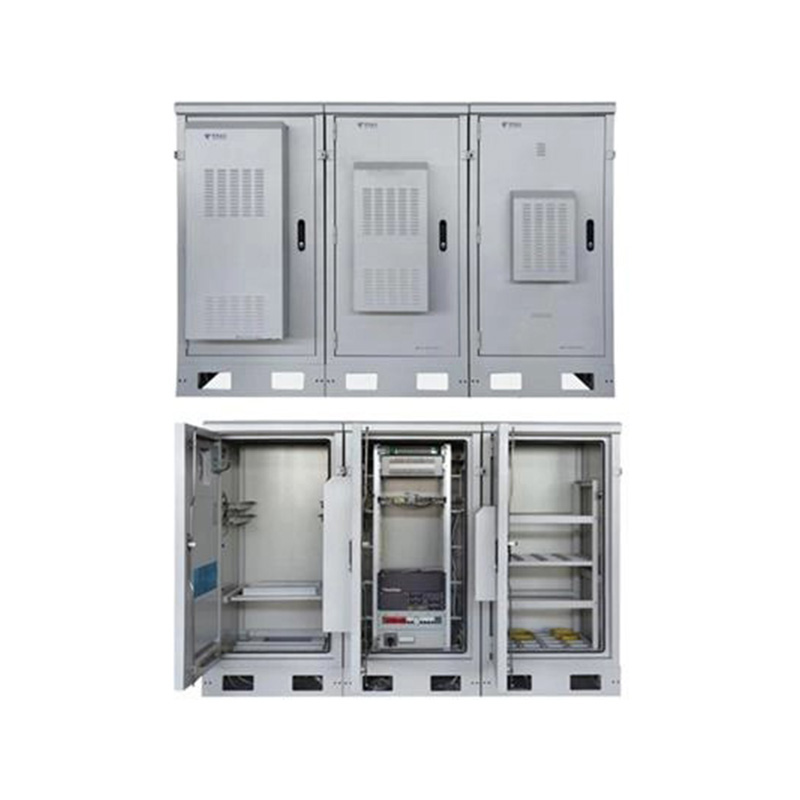
Application ScopeThis product is used in wireless network coverage systems, providing a safe and stable physical working environment and comprehensive security protection for workstations at wireless ...
See Details -
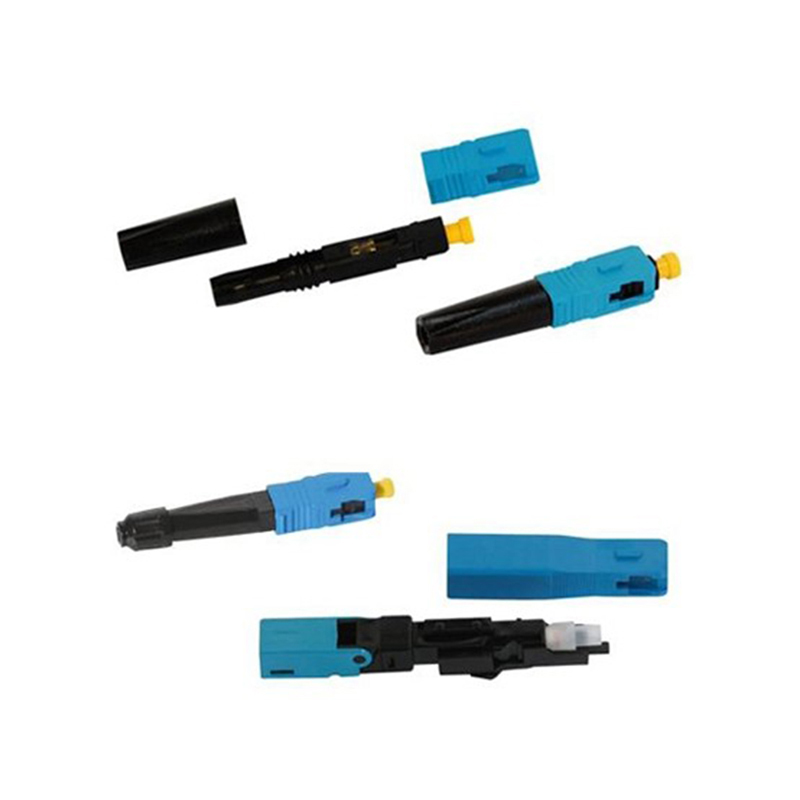
Application:It is suitable for the connection of Bow-type cables and is mainly used in optical fiber termination box, optical fiber distribution box, Household intelligent box, optical fiber socket-bo...
See Details -
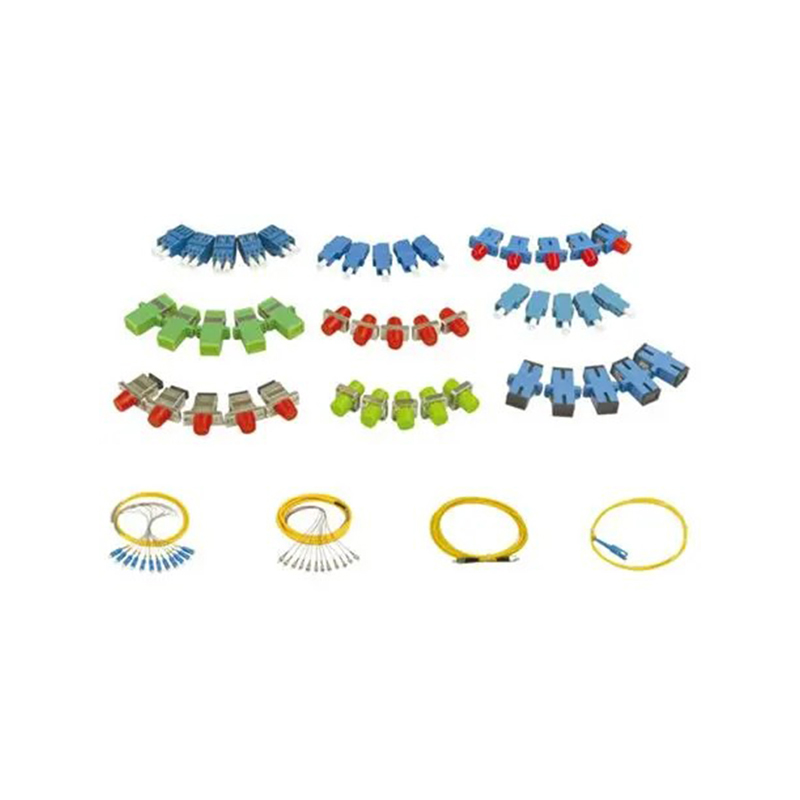
Application:The patch cord, pigtail and adapter are optical devices mainly used in OMDF, ODF, OCC and other optical distribution equipments. Features:•It adopts high-precision ceramic ferrule featurin...
See Details
Ready to Get started ? Contact Us Now !

Product.
Contact Details.
-
 +86 13958188250
-
 +86 13958188250
-
 [email protected]
- Wanma Industrial Park Taihu Yuan Town Lin'an District Hangzhou City China.
QR Code

Copyright © Wanma Technology Co., Ltd. All Rights Reserved.
Custom Ethernet Optical Network Railway Transit Equipments Suppliers
