

 English
 Français
 Español
 Português
 عربى
عربى




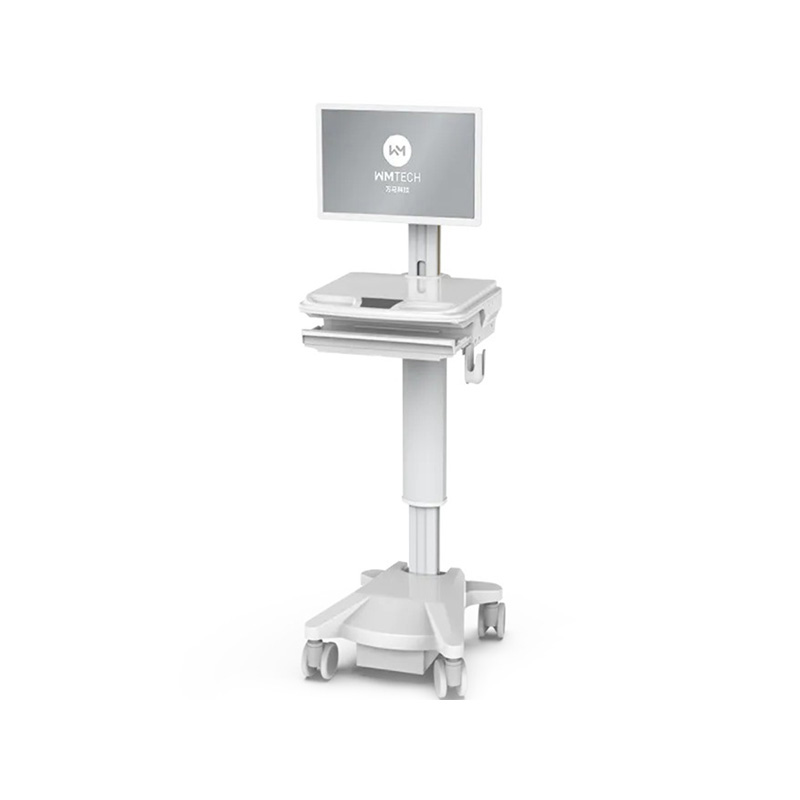

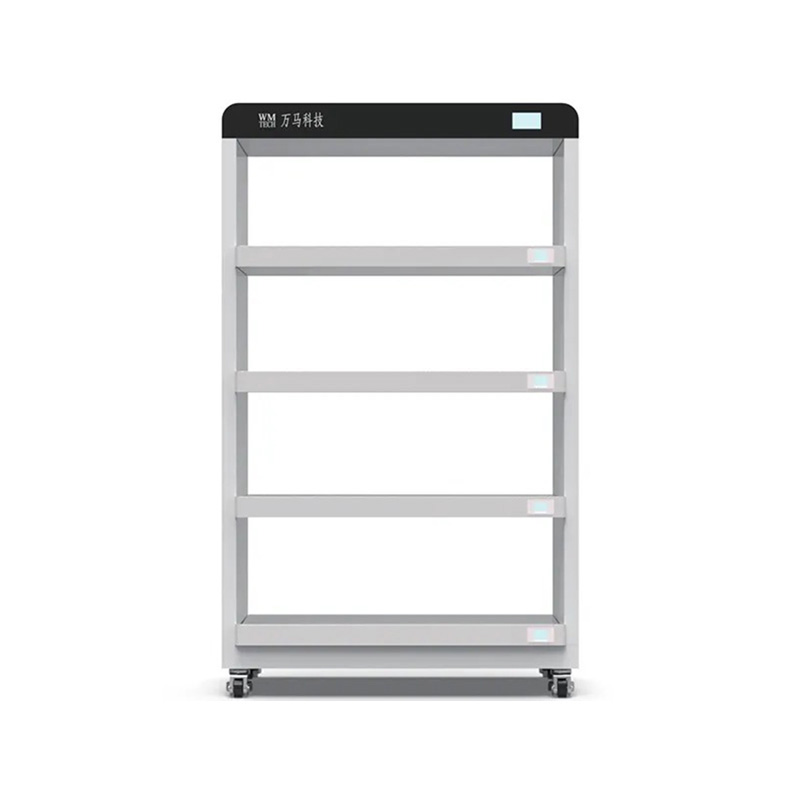
Product Definition:Intelligent Shelves are a smart warehouse management unit that integrates dynamic sensing, real-time display, and precise positioning. By leveraging advanced sensor technology, they...
See DetailsIntelligent ICU Medical Carts for Safer, Faster, and More Connected Bedside Care
Content
- 1 From a Basic Medical Trolley to an Intelligent Mobile Workstation
- 2 Core Product Definition and Clinical Role
- 3 Key Advantages Over Conventional and Competing Medical Carts
- 4 Smart Display and Bedside Information Access
- 5 Intelligent Order Entry and Clinical Accuracy
- 6 Ergonomic Design for Long Shifts and High Workload Departments
- 7 Battery Endurance and Mobile Power Reliability
- 8 Mobility, Stability, and Bedside Positioning
- 9 Customizable Accessories for Different Clinical Departments
- 10 Application in ICU Nursing Work
- 11 Application in General Wards and Ward Rounds
- 12 Application in Operating Rooms and Outpatient Clinics
- 13 Infection Control and Cleanability
- 14 Manufacturing Strength Behind the Product
- 15 Advanced Manufacturing Processes and Quality Control
- 16 System Integration Experience from Communication and Transit Industries
- 17 OEM and ODM Customization Capability
- 18 Long-Term Value for Hospitals
- 19 Role in Smart Hospital Development
- 20 Why the WMYC-J2-24 Medical Cart Stands Out
- 21 Q&A
- 21.1 What is the main purpose of the WMYC-J2-24 Medical Cart?
- 21.2 Where can the cart be used?
- 21.3 How does the 24-inch LED screen improve clinical workflow?
- 21.4 Why is intelligent order entry important?
- 21.5 What makes the battery system reliable?
- 21.6 How does the cart improve staff comfort?
- 21.7 Can the cart be customized?
- 21.8 How does the product support infection control?
- 21.9 What advantages does the manufacturer bring to this product?
- 21.10 How does the cart compare with conventional medical trolleys?
- 22 References
- 23 Product: WMYC-J2-24 Medical Carts
In modern hospitals, the quality of nursing care depends not only on clinical expertise but also on the tools that support every bedside decision. Intensive care units, general wards, operating rooms, emergency departments, and outpatient areas all require faster documentation, safer medication handling, reliable access to patient information, and flexible movement between clinical locations. The WMYC-J2-24 Medical Cart is designed to meet these needs as an intelligent mobile workstation that combines information display, order entry, device storage, ergonomic operation, and long-lasting power into one integrated platform.
Unlike conventional hospital trolleys that mainly function as transport equipment, the WMYC-J2-24 Medical Cart is built around the idea of a mobile clinical node. It supports bedside ward rounds, nursing documentation, treatment preparation, medication verification, patient information review, and device management. With a 24-inch LED screen, intelligent order entry capability, a sliding keyboard tray, a linear actuator lift table, an aluminum alloy handle, four mobile casters, and an 8-hour lithium iron phosphate battery system, it is engineered to improve the speed, accuracy, and safety of daily medical work.
This article examines the product from the perspectives of clinical workflow, ICU safety, ergonomic design, power management, mobility, customization, infection control, manufacturing quality, and long-term value. It also explains how Wanma Technology Co., Ltd., a manufacturer with deep experience in communication cabinets, communication electronic equipment, passive optical components, Ethernet networks, optical communication networks, railway transit systems, and customized industrial solutions, applies its engineering strength to the development of intelligent medical carts.
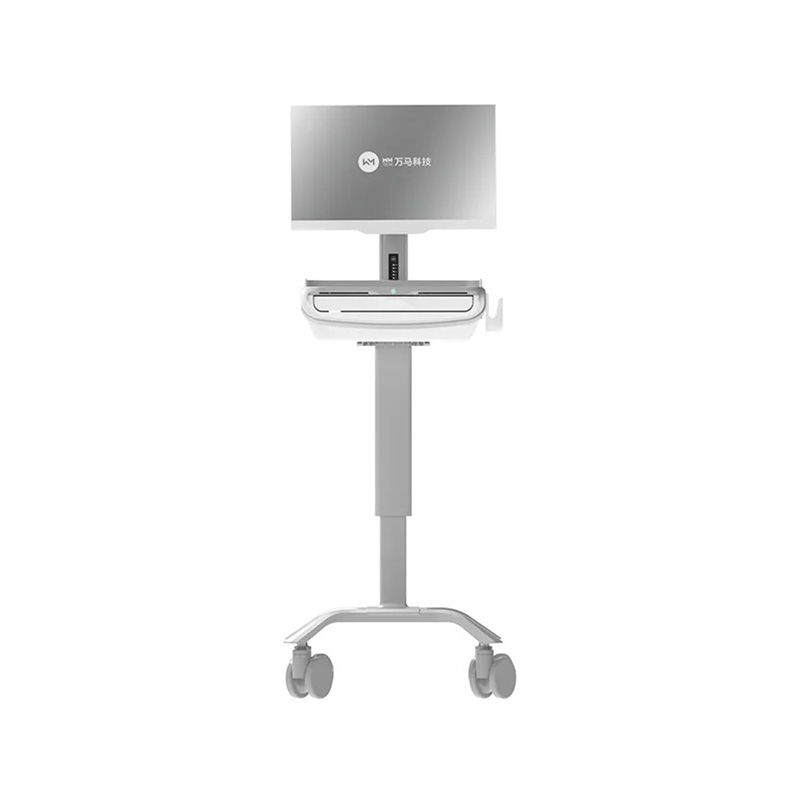
WMYC-J2-24 Medical Carts
From a Basic Medical Trolley to an Intelligent Mobile Workstation
Traditional medical carts are often judged by simple factors such as storage space, wheel quality, drawer quantity, and ease of cleaning. These features remain important, but they are no longer sufficient for a smart hospital environment. Today, medical staff must access digital medical records, confirm doctors’ orders, review nursing plans, document bedside observations, manage devices, communicate with hospital information systems, and ensure that each patient receives accurate care in real time.
The WMYC-J2-24 Medical Cart reflects this shift from passive transportation to active clinical support. It integrates a display terminal, order entry interface, ergonomic working surface, mobile power system, storage configuration, and optional accessories into a unified workstation. This allows nurses and physicians to bring the information system closer to the patient instead of repeatedly walking back to a fixed nursing station.
In an ICU, where a delay of several minutes may affect patient outcomes, this difference is significant. A nurse can move the cart to the bedside, review the latest patient information, confirm medication orders, enter observations, and support clinical decision-making without leaving the care area. A physician can use the 24-inch screen to view clinical data clearly during ward rounds. A care team can discuss treatment changes beside the patient while using updated information rather than relying on memory, handwritten notes, or delayed communication.
This workstation concept gives the WMYC-J2-24 an advantage over many competitor carts that still focus mainly on storage. While storage remains essential, the product is positioned as an integrated tool for data interaction, bedside management, and mobile healthcare operations. This makes it particularly suitable for hospitals moving toward digital transformation and closed-loop nursing management.
Core Product Definition and Clinical Role
The WMYC-J2-24 Medical Cart is an intelligent mobile workstation for hospitals and healthcare institutions. Its primary functions include information display, clinical order entry, nursing management, device storage, mobile operation, and bedside workflow support. It is suitable for wards, operating rooms, outpatient clinics, emergency environments, intensive care units, and mobile nursing scenarios.
The product is especially valuable in high-frequency care environments where staff members must move repeatedly between patients. Instead of treating every bedside task as a separate process, the cart brings multiple functions together. It enables medical staff to complete observation, documentation, order confirmation, and equipment handling in a more continuous workflow.
The 24-inch LED screen is one of the cart’s most important features. A larger display improves visibility for doctors and nurses, particularly during ward rounds and multidisciplinary discussions. Compared with small tablet-based carts or basic laptop carts, a 24-inch screen offers better readability for patient charts, imaging previews, medication lists, nursing plans, and graphical order displays.
The intelligent order entry function further strengthens clinical accuracy. In many hospitals, errors occur when medical orders are copied manually, interpreted verbally, or entered after a delay. By enabling order-related operations at the point of care, the cart helps reduce the gap between decision and documentation. This is not only a matter of efficiency but also a matter of patient safety.
Key Advantages Over Conventional and Competing Medical Carts
The competitive strength of the WMYC-J2-24 Medical Cart lies in its balanced combination of digital capability, structural stability, ergonomic design, battery endurance, movement control, and customization flexibility. Many competing products perform well in one or two areas but may compromise in others. For example, some carts are lightweight but unstable, while others are structurally strong but difficult to move. Some provide screen mounting but lack integrated power management, while others offer power but do not support enough customization for different clinical departments.
The WMYC-J2-24 is designed to solve these contradictions. Its aluminum alloy handle supports easy movement while contributing to an overall professional structure. Its four casters, including two locking casters, allow smooth movement and stable positioning. Its lift table supports ergonomic adjustment, helping staff work comfortably during long shifts. Its sliding keyboard tray improves practical operation and saves workspace when the keyboard is not in use.
The lithium iron phosphate battery system is another major advantage. An 8-hour runtime supports typical nursing shifts and reduces the need for frequent charging. Compared with many ordinary batteries, lithium iron phosphate technology is known for safety, cycle stability, and thermal reliability. In a hospital environment where power reliability is critical, this provides a practical advantage.
The smart battery management system also contributes to operational safety. It helps monitor battery status, support efficient power use, and reduce unexpected downtime. For mobile healthcare equipment, a sudden loss of power can interrupt documentation, delay order processing, or disrupt clinical workflow. A stronger power management system therefore becomes a core part of the product’s value.
| Feature Area | WMYC-J2-24 Medical Cart | Typical Conventional Cart | Clinical Advantage |
|---|---|---|---|
| Information Display | 24-inch LED screen for graphical display and patient information | Limited or no integrated display | Improves visibility, communication, and bedside decision-making |
| Order Entry | Supports intelligent order entry and clinical management | Often requires staff to return to nursing station | Reduces delays and documentation errors |
| Power System | Lithium iron phosphate battery with 8-hour runtime and smart management | Shorter runtime or basic power support | Supports full-shift mobility and reduces downtime |
| Ergonomics | Sliding keyboard tray and linear actuator lift table | Fixed-height or limited adjustment | Improves comfort and reduces fatigue |
| Mobility | Aluminum alloy handle and four casters with two locking wheels | Basic wheels with limited control | Allows smooth movement and stable bedside positioning |
| Customization | Optional laptop, drawers, medical record frame, sanitizer holder, and accessories | Usually limited configuration | Adapts to ICU, ward, outpatient, and operating room needs |
Smart Display and Bedside Information Access
The 24-inch LED screen gives the WMYC-J2-24 Medical Cart a strong advantage in real clinical work. In many hospital settings, staff members must review multiple forms of information at the same time: patient identity, diagnosis, vital signs, laboratory results, medication records, infusion plans, treatment notes, imaging information, and doctors’ orders. A small screen may force users to switch frequently between windows or zoom in repeatedly, creating inconvenience and potential misunderstanding.
A larger display supports clearer presentation of clinical information. During rounds, several staff members can view the screen together, which improves team communication. The graphical display of doctors’ orders and patient information also helps reduce cognitive load. Instead of searching through scattered paper records or moving between several fixed terminals, staff can obtain essential information at the bedside.
This feature is particularly useful in ICUs, where patient status changes rapidly. The ability to access updated information beside the patient supports faster clinical judgment. For example, when a physician adjusts a treatment plan, the nurse can confirm the order immediately. When a patient’s status changes, the team can review relevant information without leaving the room. This shortens the distance between observation, decision, and action.
Compared with competitor products that depend mainly on laptop placement, the integrated screen approach offers greater consistency and stability. A laptop may be useful, but it can be limited by screen size, cable management, mounting security, and ergonomic position. The WMYC-J2-24’s 24-inch display creates a more professional visual interface for routine clinical work.
Intelligent Order Entry and Clinical Accuracy
Clinical errors often happen when information is transferred from one person to another, from paper to system, or from memory to documentation. Intelligent order entry at the bedside helps reduce such risks. The WMYC-J2-24 Medical Cart supports this direction by enabling medical staff to interact with clinical information systems during patient care activities.
When a nurse receives or verifies a doctor’s order directly at the bedside, the possibility of miscommunication is reduced. When the care team can document interventions immediately, records become more accurate and timely. When patient information is shown graphically, staff can interpret orders with less ambiguity. These factors contribute to safer nursing and more reliable hospital management.
In ICU nursing, accuracy is not optional. Medication dosages, infusion rates, monitoring intervals, ventilator-related notes, and emergency interventions must be carefully recorded. Delayed entry or incorrect transcription can produce serious consequences. The WMYC-J2-24 helps close the loop by placing the information interface exactly where care is delivered.
Compared with basic carts that only carry supplies, this intelligent order entry capability changes the cart’s role from a support object to a workflow participant. It helps hospitals improve compliance with digital recordkeeping standards, nursing protocols, and quality control requirements.
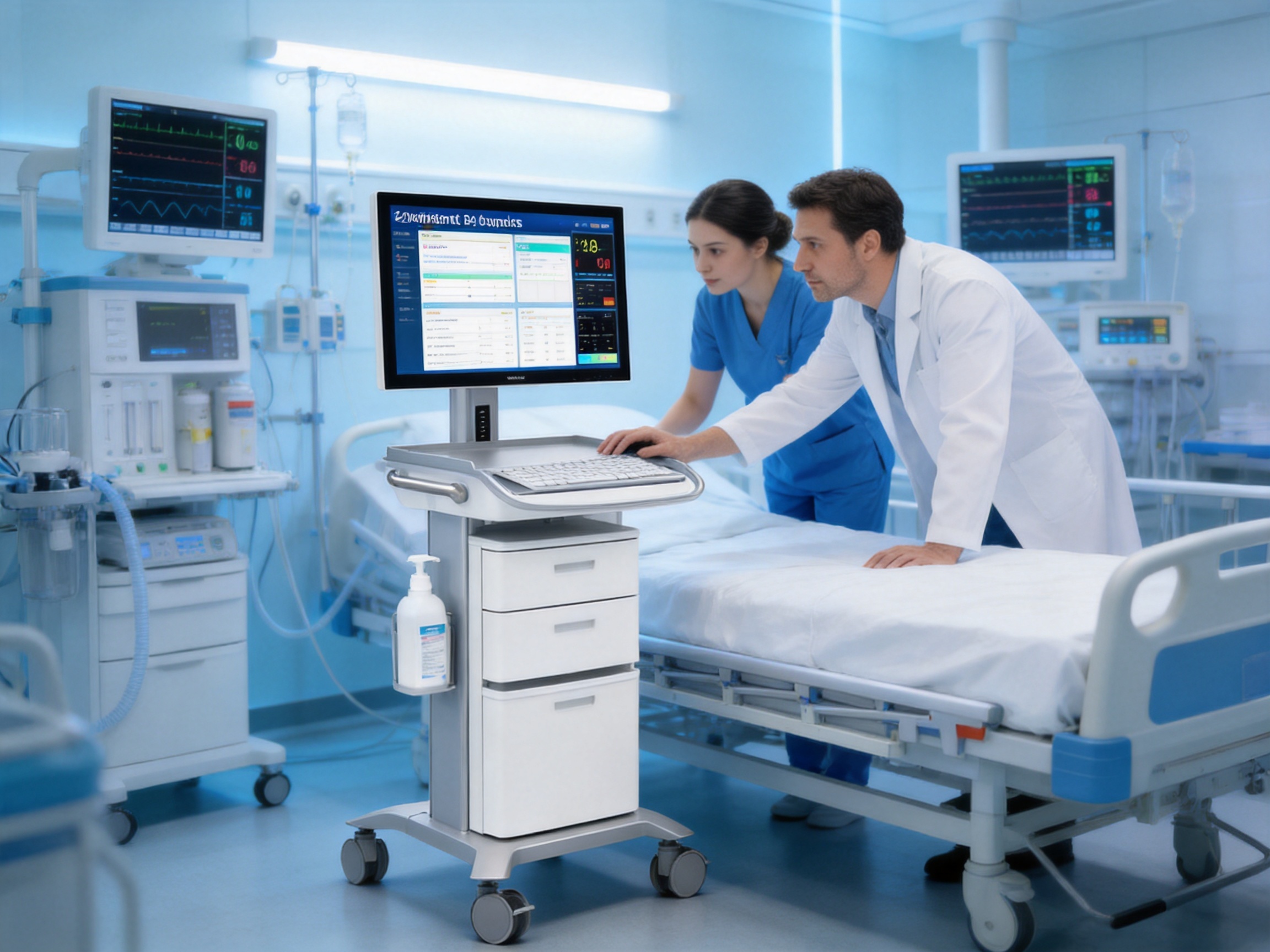
Ergonomic Design for Long Shifts and High Workload Departments
Medical professionals often work long shifts under physical and mental pressure. A poorly designed workstation can increase fatigue, slow down operations, and contribute to musculoskeletal discomfort. The WMYC-J2-24 Medical Cart addresses ergonomics through its guide-style interface, sliding keyboard tray, and linear actuator lift table.
The sliding keyboard tray is especially practical in crowded environments. When staff members need to type, the tray can be extended for comfortable use. When typing is finished, it can be retracted to save space and prevent collision. This simple design element improves the cart’s usability in narrow ICU corridors, bedside areas, and outpatient treatment spaces.
The linear actuator lift table supports height adjustment, allowing users of different heights to operate the workstation more comfortably. Height adjustability is important because nurses and doctors frequently alternate between standing, moving, reviewing information, and entering data. A fixed-height cart may force users into awkward postures, while an adjustable cart helps maintain a more natural working position.
The guide-style interface also improves operational efficiency. Clinical tools must be intuitive because medical staff cannot waste time learning complicated equipment during busy shifts. A well-organized interface supports faster use, fewer mistakes, and smoother adoption across departments.
Battery Endurance and Mobile Power Reliability
A mobile medical workstation is only as useful as its power system. If a cart frequently runs out of power, staff will avoid relying on it. The WMYC-J2-24 Medical Cart uses a lithium iron phosphate battery designed for up to 8 hours of runtime, supported by a smart battery management system.
This 8-hour operating time aligns well with typical clinical work patterns. It allows the cart to support ward rounds, medication checks, nursing documentation, and patient care activities across a full shift. It also reduces the need to search for wall outlets, which can be inconvenient in crowded hospital rooms.
Lithium iron phosphate chemistry is valued for safety and stability. In medical environments, where equipment must be dependable and safe around patients, this is important. The battery system contributes not only to convenience but also to risk management.
The smart battery management system adds another level of reliability. It supports monitoring, power control, and more predictable operation. For hospitals, predictable battery performance helps plan charging schedules and reduce unexpected interruptions. For nursing staff, it means greater confidence during mobile use.
Compared with competitor carts that may use lower-end batteries or offer limited runtime, the WMYC-J2-24 provides a stronger foundation for true mobility. A medical cart that must remain near a power outlet is not truly mobile. The long-lasting battery system helps ensure that the cart can follow clinical work rather than forcing clinical work to adapt to power limitations.
Mobility, Stability, and Bedside Positioning
Hospital environments are dynamic and crowded. Medical staff move through corridors, patient rooms, ICU bed spaces, elevators, treatment areas, and nursing stations. A medical cart must move smoothly, turn reliably, stop securely, and remain stable during use.
The WMYC-J2-24 Medical Cart uses an aluminum alloy handle and four casters, including two locking casters. This configuration supports easy pushing, controlled movement, and secure positioning. The locking casters are especially important at the bedside. When staff members type, review records, or use equipment, the cart must remain stable and not drift accidentally.
Mobility also affects workflow efficiency. If a cart is difficult to move, staff may leave it in one place and return to traditional workflows. If it moves easily, it becomes a natural part of daily nursing. The aluminum alloy handle improves handling while maintaining a professional appearance and durable structure.
In ICUs, space is often limited by beds, ventilators, monitors, infusion pumps, emergency equipment, and staff movement. A cart must navigate these spaces without obstructing care. The WMYC-J2-24 is designed for flexible movement and stable placement, making it suitable for high-intensity clinical use.
Customizable Accessories for Different Clinical Departments
One of the major strengths of the WMYC-J2-24 Medical Cart is its customizable accessory configuration. Hospitals are not all the same, and departments within the same hospital often have different requirements. An ICU may need device mounting and documentation support. A general ward may need medication storage and medical record handling. An outpatient clinic may need fast information access and patient management. An operating room may require strict cleanliness and equipment organization.
The cart can support optional accessories such as a laptop, drawers, medical record frame, sanitizer holder, and other attachments. This modular flexibility allows hospitals to configure the workstation according to specific clinical scenarios.
Customization helps the product outperform one-size-fits-all competitors. A standard cart may appear cost-effective at first, but if it does not match department workflows, staff may use it inefficiently or require additional equipment. A configurable cart creates better long-term value because it adapts to the user’s actual environment.
For example, a nursing team focused on medication distribution may prioritize drawers and secure storage. A ward-round team may prioritize display visibility and record access. A department with strict infection control requirements may prioritize sanitizer holders and easy-clean surfaces. The WMYC-J2-24 supports these varied needs through its accessory options.
Application in ICU Nursing Work
ICU nursing is one of the most demanding areas in healthcare. Patients are critically ill, clinical changes are frequent, and treatment plans are complex. Nurses must manage continuous monitoring, medication administration, documentation, device coordination, emergency responses, and communication with physicians and families.
The WMYC-J2-24 Ward Rounds Nursing ICU Medical Cart supports this environment by helping staff complete multiple tasks at the bedside. It reduces the need to travel repeatedly between the patient and the nursing station. It makes patient information easier to view during rounds. It supports order confirmation and documentation. It provides a stable platform for devices and records. It also helps standardize workflows by keeping necessary tools organized and accessible.
In the ICU, a cart that supports both information and physical storage can significantly improve workflow continuity. Staff members can check patient status, review orders, document interventions, and access necessary supplies without interrupting care. This helps reduce time waste and supports faster response to patient needs.
The cart also contributes to safety. By enabling bedside verification, it supports more accurate patient identification, medication confirmation, and order implementation. By reducing movement between workstations, it lowers opportunities for communication gaps. By providing stable power, it supports continuous digital access during rounds and nursing operations.
Application in General Wards and Ward Rounds
General wards require efficient daily rounds, medication management, nursing documentation, and patient communication. Although general ward patients may not require the same intensity of monitoring as ICU patients, the number of patients can be large, and staff workload can be heavy.
The WMYC-J2-24 Medical Cart improves ward workflow by allowing doctors and nurses to bring digital records directly to patient rooms. During rounds, the team can review patient data, discuss treatment plans, update orders, and communicate more clearly with patients. The 24-inch display is useful for reviewing information with multiple team members.
For nursing work, the cart supports bedside documentation. Instead of writing notes on paper and entering them later, nurses can document observations closer to the time of care. This improves accuracy and reduces duplicated work.
The customizable accessories also help adapt the cart to general ward requirements. Drawers can support supplies, a medical record frame can assist hybrid paper-digital workflows, and a sanitizer holder can strengthen routine hygiene practices.
Application in Operating Rooms and Outpatient Clinics
Operating rooms demand clean organization, reliable mobility, and rapid information access. While the WMYC-J2-24 is not a surgical instrument itself, it can serve as a mobile information and support workstation in perioperative areas. Staff can use it to access patient information, review orders, manage records, and support coordination before or after procedures.
Outpatient clinics also benefit from mobile workstations. In busy outpatient environments, staff members may move between consultation rooms, treatment areas, and registration points. A cart with display, order entry, and storage functions can support flexible patient management. It can reduce dependency on fixed desks and improve the adaptability of clinic layouts.
In both scenarios, the product’s mobility and power endurance are important. The ability to move smoothly and operate for extended periods allows the cart to support changing workflows throughout the day.
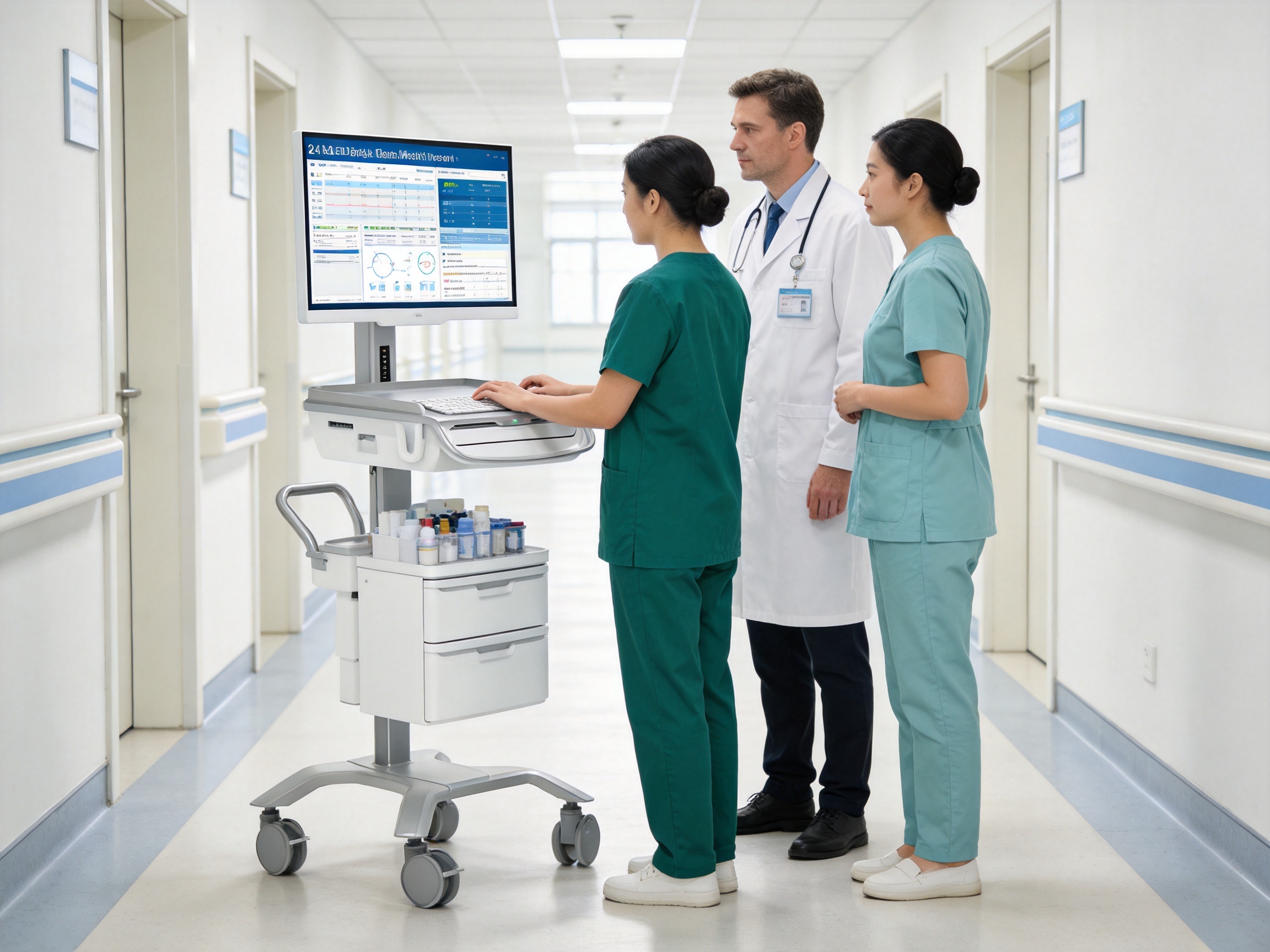
Infection Control and Cleanability
Infection control is a central concern in all medical environments, especially ICUs, operating rooms, and emergency departments. Any mobile equipment that travels between patient areas must be designed for cleaning and disinfection. The WMYC-J2-24 Medical Cart supports infection control through practical structural design and accessory flexibility.
Easy-to-clean surfaces, organized layouts, and reduced clutter help staff disinfect the cart more efficiently. When equipment is difficult to clean, cleaning quality may decline under time pressure. A medical cart must therefore minimize unnecessary gaps, reduce hard-to-reach areas, and support routine disinfection protocols.
The cart’s modular accessory approach can also support infection control. For example, a sanitizer holder can be added to promote hand hygiene. Drawers and storage modules can help separate supplies and reduce disorder. A well-organized cart is easier to manage and less likely to become a source of contamination.
Compared with basic carts that may not be designed for high-frequency disinfection, the WMYC-J2-24 is better aligned with modern hospital hygiene expectations. It supports both efficiency and safety by making cleaning easier and more practical.
Manufacturing Strength Behind the Product
The performance of a medical cart depends not only on visible features but also on manufacturing quality. Stability, durability, load-bearing performance, fit and finish, power system integration, accessory compatibility, and long-term reliability all come from engineering and production capability.
Wanma Technology Co., Ltd. was established in 1997 and has extensive experience in communication cabinets, communication electronic equipment, and passive optical components. Its products are used in Ethernet networks, optical communication networks, central equipment rooms, national high-speed railways, and urban rail transit systems. These industries require high reliability, precision manufacturing, stable structures, and long service life.
This background gives the company a strong foundation for medical product manufacturing. Communication cabinets and railway transit equipment must meet demanding standards for structural strength, system integration, cable management, environmental durability, and consistent production quality. These capabilities are highly relevant to intelligent medical carts, which also require stable structures, reliable electrical integration, clean layouts, and robust long-term use.
The company’s experience in customized integrated solutions is also important. Hospitals often require carts with different layouts, accessory combinations, mounting requirements, and power configurations. A manufacturer with OEM and ODM capability can respond to these needs more effectively than a supplier that only sells fixed products.
Advanced Manufacturing Processes and Quality Control
The WMYC-J2-24 Medical Cart benefits from manufacturing processes that emphasize precision, consistency, and modular integration. While the product is used in healthcare, its engineering philosophy draws from industrial-grade production experience. This is important because hospital equipment must perform reliably under daily use, repeated movement, frequent cleaning, and varied department requirements.
Advanced manufacturing begins with structural design. The frame must balance strength and mobility. If it is too heavy, staff will struggle to move it. If it is too light or weak, it may become unstable. Precision processing helps ensure accurate assembly, smooth operation of moving parts, stable mounting of the display, and reliable integration of accessories.
Surface treatment is another important process. Medical environments involve frequent contact, disinfectant exposure, and cleaning. Materials and finishes must resist corrosion, discoloration, and wear. A high-quality surface also supports easier cleaning and a more professional appearance.
Electrical integration is equally important. The display, power system, battery management, and user interface must be arranged safely and logically. Good internal organization reduces maintenance difficulty and improves reliability. Experience in communication electronic equipment gives the manufacturer relevant expertise in electrical layout, system integration, and long-term stability.
Quality control should cover incoming materials, structural assembly, power system testing, caster performance, lift table movement, display mounting, accessory compatibility, and final inspection. This kind of systematic production control helps reduce defects and ensures consistent product performance.
System Integration Experience from Communication and Transit Industries
One of the company’s unique strengths is its cross-industry experience. Communication networks, optical systems, central equipment rooms, high-speed railway systems, and urban rail transit systems demand products that remain stable in complex environments. Equipment used in these sectors must support long-term operation, precise installation, and dependable performance.
This experience translates well into the medical cart field. An intelligent medical cart is not only a physical frame; it is a system combining mechanical structure, electronic components, power management, user interaction, mobility, and accessories. Manufacturers with system integration experience can better manage these relationships.
For example, cable routing matters. Poor cable management can create safety risks, make cleaning harder, or reduce reliability. Power distribution matters because the cart must support electronic operation without interruption. Structural modularity matters because hospitals may request different configurations. These challenges resemble those found in communication and industrial equipment manufacturing.
By applying high-reliability engineering principles, the company can offer medical carts with stronger durability and better customization potential. This helps distinguish the WMYC-J2-24 from products made by suppliers with limited engineering depth.
OEM and ODM Customization Capability
Hospitals and healthcare solution providers often need customized medical carts. Requirements may vary by country, hospital department, information system, infection control practice, power standard, accessory preference, and space limitations. OEM and ODM capability allows the manufacturer to deliver solutions that fit these differences.
Wanma Technology Co., Ltd. provides customized solutions in addition to standardized products. For the WMYC-J2-24 Medical Cart, customization may include drawer configuration, terminal layout, equipment mounting, power system options, accessory selection, handle design, documentation support, and department-specific workflow adaptation.
This capability is a major advantage over competitors that only provide catalog-based carts. A hospital may purchase a standard cart and later discover that it lacks the right storage, cannot support a preferred terminal, or does not match nursing habits. Customization reduces this risk by aligning the product with actual use conditions.
For distributors and healthcare integrators, OEM and ODM services also create business flexibility. They can work with the manufacturer to develop solutions for regional markets, hospital groups, or specialized medical projects. This strengthens long-term cooperation and supports differentiated product offerings.
Long-Term Value for Hospitals
The value of the WMYC-J2-24 Medical Cart should be measured not only by purchase price but also by workflow improvement, staff efficiency, patient safety, durability, maintenance convenience, and adaptability. A lower-cost cart may appear attractive initially, but if it lacks digital integration, has short battery life, moves poorly, or cannot be customized, it may create hidden costs.
The WMYC-J2-24 supports long-term value in several ways. First, it improves workflow by bringing information and order entry to the bedside. Second, it supports clinical accuracy by reducing delayed documentation and communication gaps. Third, it reduces staff fatigue through ergonomic adjustment. Fourth, it supports mobility with long battery life and smooth movement. Fifth, it allows customization, extending its usefulness across multiple departments.
Durability also contributes to value. A medical cart used every day must withstand movement, cleaning, contact, and load changes. Strong manufacturing quality reduces replacement frequency and maintenance burden. Stable engineering also supports hospital confidence in long-term deployment.
Role in Smart Hospital Development
Smart hospitals rely on connected systems, mobile data access, digital workflows, and efficient clinical coordination. The WMYC-J2-24 Medical Cart fits this trend by functioning as a mobile point of information access and clinical interaction.
As hospitals develop more advanced information systems, mobile workstations become increasingly important. Fixed terminals cannot fully support bedside care. Handheld devices are useful but may not provide enough screen size, input comfort, or accessory integration for complex workflows. A smart medical cart fills the gap by combining mobility with professional workstation functions.
In the future, carts like the WMYC-J2-24 may become intelligent nodes connected to hospital information systems, nursing management platforms, monitoring systems, and telemedicine tools. They may support real-time data review, remote consultation, device coordination, and more automated workflow control.
The product’s current design already supports this direction by emphasizing display, order entry, power endurance, mobility, and customization. Its role will likely expand as hospitals continue to digitize clinical processes.
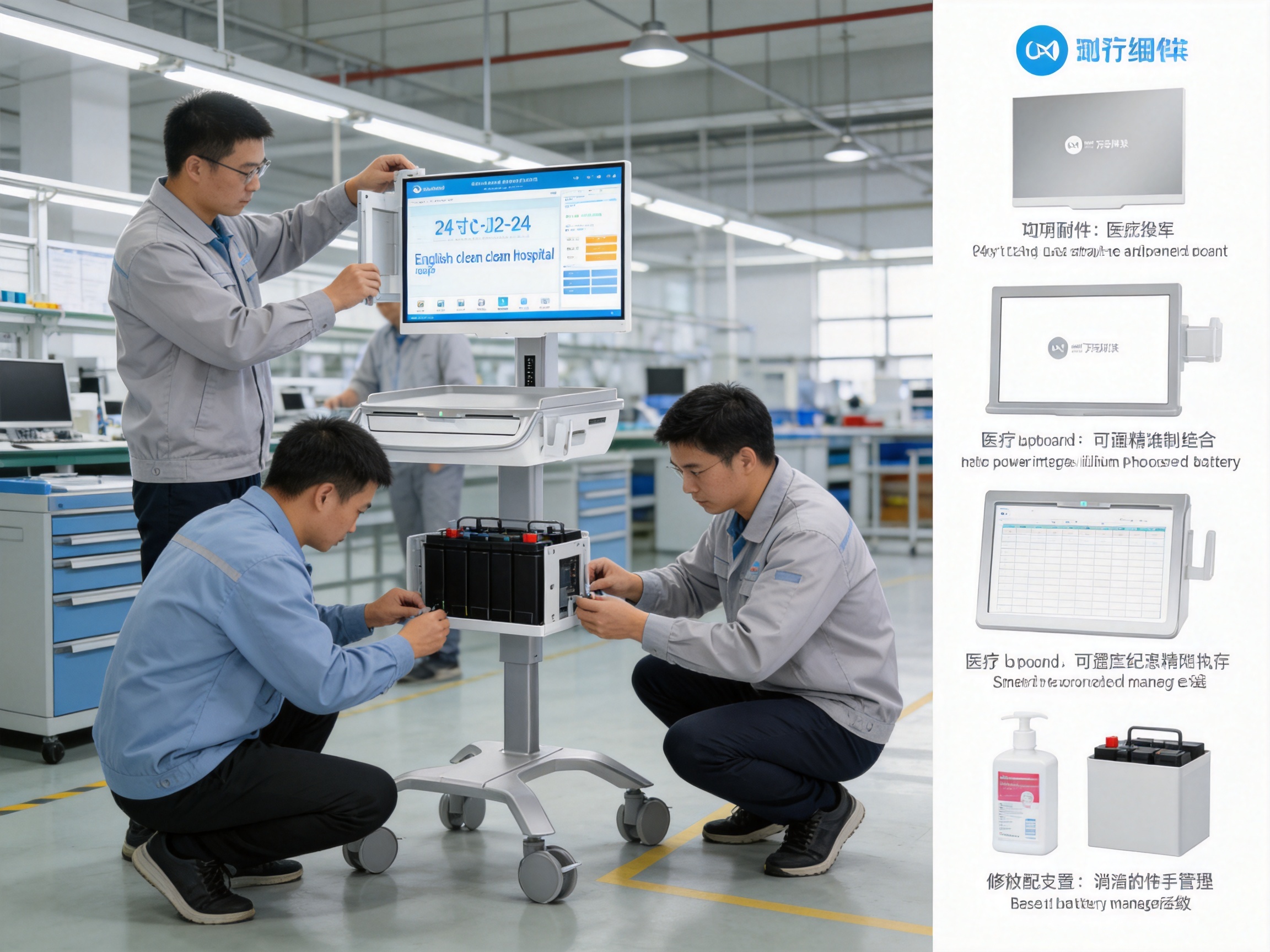
Why the WMYC-J2-24 Medical Cart Stands Out
The WMYC-J2-24 Medical Cart stands out because it addresses practical hospital problems rather than offering isolated features. It is not simply a cart with a screen, nor only a storage trolley with wheels. It is a mobile workstation designed for real clinical movement, bedside documentation, order interaction, ergonomic operation, and department-specific customization.
Its 24-inch LED screen improves information visibility. Its intelligent order entry supports clinical accuracy. Its sliding keyboard tray and lift table improve comfort. Its lithium iron phosphate battery supports up to 8 hours of operation. Its smart battery management helps maintain reliability. Its aluminum alloy handle and locking casters improve mobility and positioning. Its optional accessories allow hospitals to configure it according to actual needs.
Behind these product features is a manufacturer with a strong engineering background. The company’s experience in communication equipment, optical network products, central equipment rooms, railway systems, and customized manufacturing gives it technical depth that supports product reliability and flexible development.
For hospitals seeking to improve ICU nursing, ward rounds, outpatient operations, and mobile care processes, the WMYC-J2-24 offers a practical and future-ready solution. For healthcare distributors and integrated solution providers, it offers a customizable platform supported by experienced manufacturing capability.
Q&A
What is the main purpose of the WMYC-J2-24 Medical Cart?
The WMYC-J2-24 Medical Cart is designed as an intelligent mobile workstation for hospitals. It supports information display, order entry, clinical management, device storage, bedside documentation, and mobile healthcare operations.
Where can the cart be used?
It can be used in ICUs, hospital wards, operating rooms, outpatient clinics, emergency departments, and mobile nursing environments. It is especially suitable for departments that require frequent movement, accurate documentation, and real-time access to patient information.
How does the 24-inch LED screen improve clinical workflow?
The 24-inch LED screen provides a clear display of patient information, doctors’ orders, nursing plans, and clinical data. It supports better visibility during ward rounds and allows multiple staff members to review information at the bedside.
Why is intelligent order entry important?
Intelligent order entry helps reduce communication delays and transcription errors. By allowing medical staff to interact with clinical information at the bedside, it improves documentation accuracy and supports safer patient care.
What makes the battery system reliable?
The cart uses a lithium iron phosphate battery with up to 8 hours of runtime. It also includes a smart battery management system to support stable operation, power monitoring, and reduced downtime during clinical use.
How does the cart improve staff comfort?
The sliding keyboard tray saves space and supports comfortable typing, while the linear actuator lift table allows height adjustment. These ergonomic features help reduce fatigue during long shifts.
Can the cart be customized?
Yes. Optional accessories may include a laptop, drawers, medical record frame, sanitizer holder, and other attachments. The cart can be configured for different departments and workflow requirements.
How does the product support infection control?
The cart supports infection control through organized design, easy-clean surfaces, accessory flexibility, and the option to include hygiene-related attachments such as sanitizer holders. Its structure helps simplify routine cleaning and disinfection.
What advantages does the manufacturer bring to this product?
Wanma Technology Co., Ltd. has decades of experience in communication cabinets, electronic equipment, passive optical components, Ethernet networks, optical communication networks, railway systems, and customized industrial solutions. This background supports precision manufacturing, system integration, structural reliability, and OEM/ODM customization.
How does the cart compare with conventional medical trolleys?
Conventional trolleys mainly transport supplies. The WMYC-J2-24 combines transport, display, digital interaction, order entry, power management, ergonomic operation, and modular accessories, making it more suitable for smart hospital workflows.
References
1. World Health Organization. Patient Safety: Global Action on Patient Safety.
2. International Electrotechnical Commission. Medical Electrical Equipment Safety and Performance Standards.
3. Association for the Advancement of Medical Instrumentation. Human Factors Engineering for Medical Devices.
4. Healthcare Information and Management Systems Society. Digital Health and Smart Hospital Transformation Reports.
5. Centers for Disease Control and Prevention. Guidelines for Environmental Infection Control in Health-Care Facilities.
6. Institute of Medicine. To Err Is Human: Building a Safer Health System.
7. Clinical and Laboratory Standards Institute. Quality Management System Principles for Healthcare Environments.
8. Nursing Management Literature on Mobile Workstations, Bedside Documentation, and Closed-Loop Medication Administration.
Product: WMYC-J2-24 Medical Carts
PREV:Intelligent Medical Carts with Personalized Drawers for Modern Ward Management
NEXT:Outdoor Telecom Cabinets for Copper-to-Fiber Network Migration
NEXT:Outdoor Telecom Cabinets for Copper-to-Fiber Network Migration
Interested in cooperation or have questions?
Related products
-
-
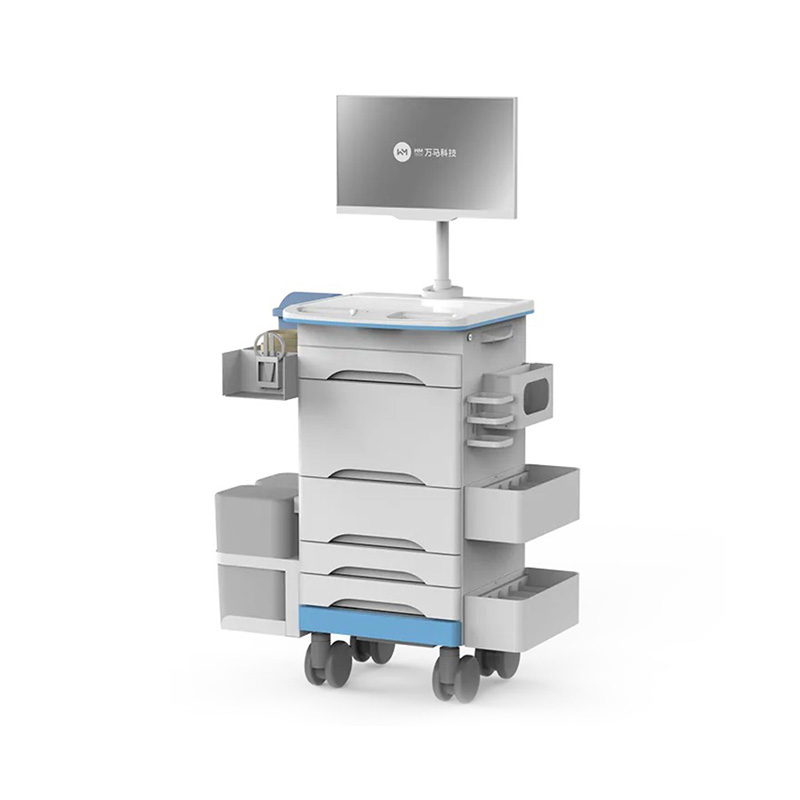
Product Definition:The WMYH-W2-21 Medical Cart is an intelligent mobile nursing workstation integrating information management, clinical care, medication administration, and bedside vital signs collec...
See Details -
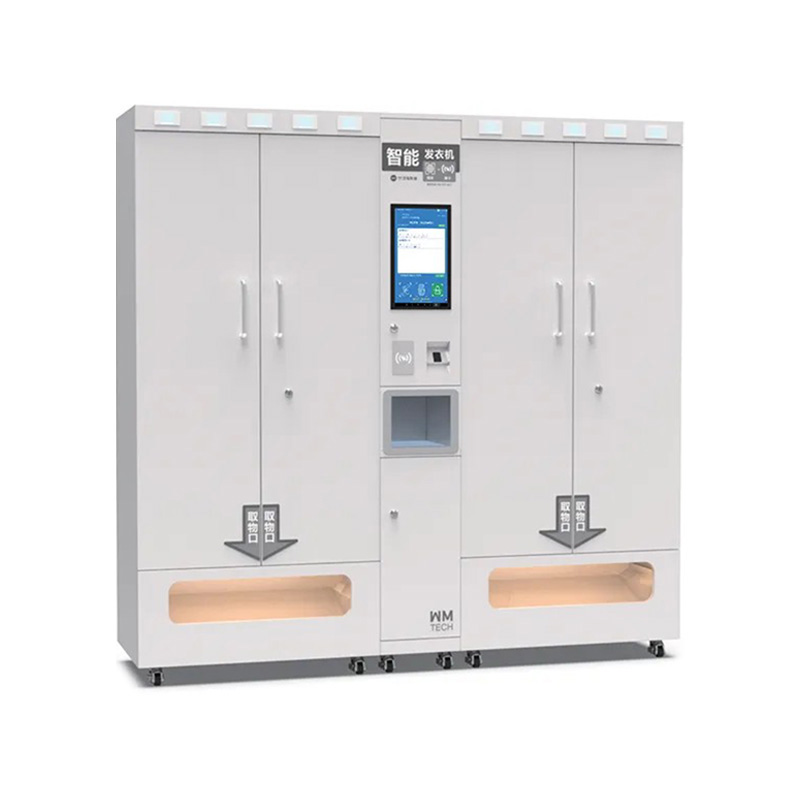
Product Definition:The Turn-over Intelligent Clothes and Shoes Machine is an integrated solution combining automated dispensing, smart collection, and data management, specifically designed for the ci...
See Details -
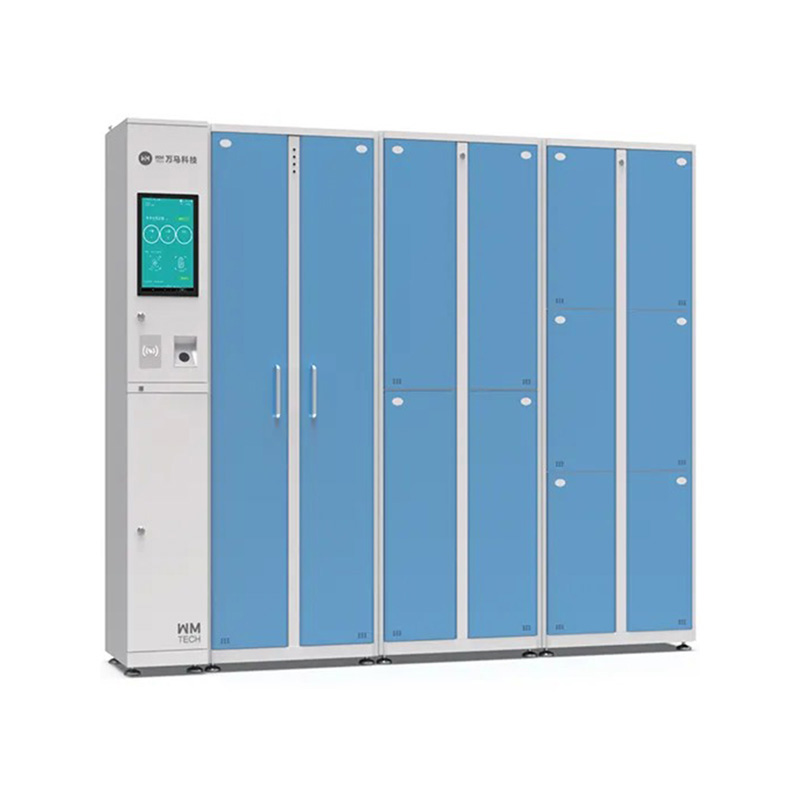
Product DefinitionThe Intelligent Locker is a smart medical supplies and personal items management system developed based on IoT and biometric technologies. Integrating multiple authentication methods...
See Details
Ready to Get started ? Contact Us Now !

Product.
Contact Details.
-
 +86 13958188250
-
 +86 13958188250
-
 [email protected]
- Wanma Industrial Park Taihu Yuan Town Lin'an District Hangzhou City China.
QR Code

Copyright © Wanma Technology Co., Ltd. All Rights Reserved.
Custom Ethernet Optical Network Railway Transit Equipments Suppliers
