

 English
 Français
 Español
 Português
 عربى
عربى




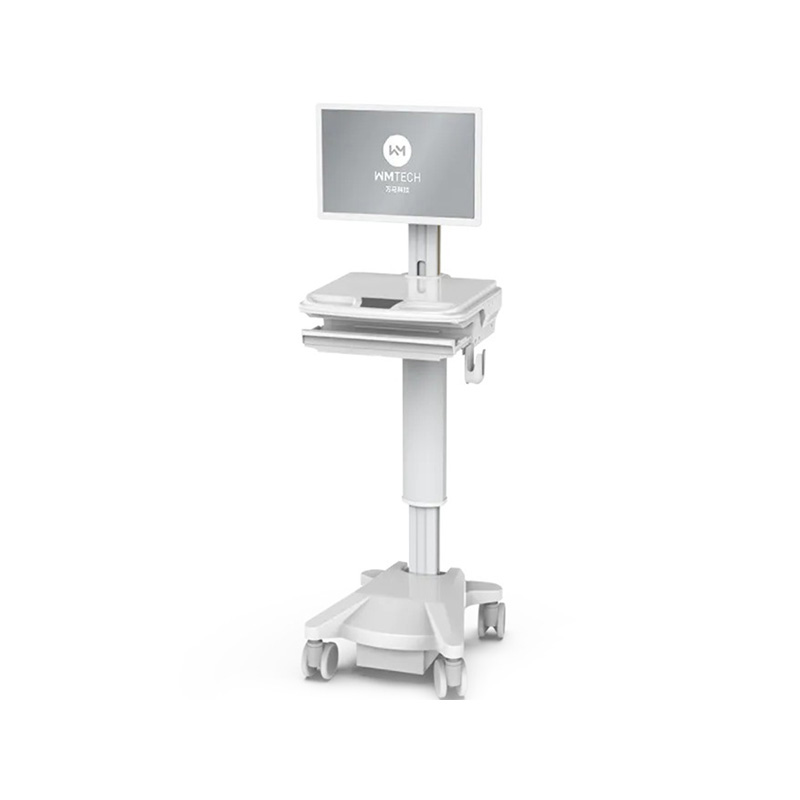

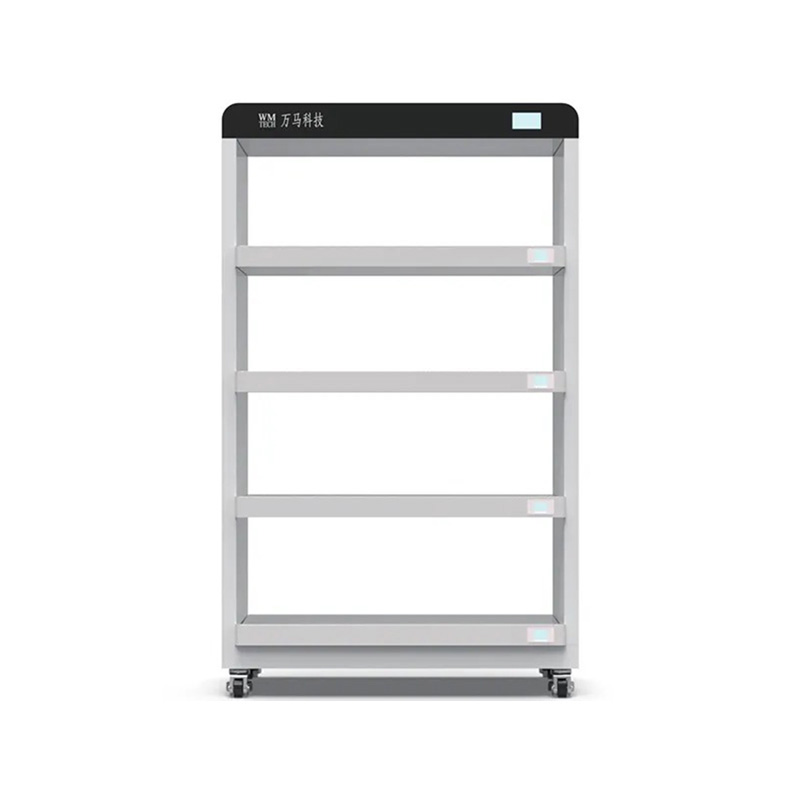
Product Definition:Intelligent Shelves are a smart warehouse management unit that integrates dynamic sensing, real-time display, and precise positioning. By leveraging advanced sensor technology, they...
See DetailsIntelligent Medical Carts for Safer, Faster, and More Connected Clinical Care
Content
- 1 Product Definition and Clinical Purpose
- 2 Core Advantages of the WMYC-D2-30 Medical Cart
- 3 Advantages Over Conventional and Competing Medical Carts
- 4 Clinical Applications
- 5 Manufacturing Strength Behind the Product
- 6 Design Philosophy: Combining Information, Mobility, and Care
- 7 Operational Benefits for Hospitals
- 8 Why Manufacturing Experience Matters in Smart Medical Carts
- 9 Scalability and Customization Potential
- 10 Contribution to Digital Hospital Development
- 11 Implementation Considerations for Healthcare Facilities
- 12 Company Strength and Global Service Capability
- 13 Q&A Section
- 13.1 What is the WMYC-D2-30 Medical Cart?
- 13.2 How does the cart improve medical order accuracy?
- 13.3 Why is real-time synchronization important?
- 13.4 What makes the cart different from ordinary mobile computer carts?
- 13.5 Can the cart be customized for different departments?
- 13.6 How does the electric lifting table benefit users?
- 13.7 Why is medical-grade power management necessary?
- 13.8 What manufacturing strengths support the product?
- 13.9 Where can the WMYC-D2-30 Medical Cart be used?
- 13.10 How can customers contact the company?
- 14 Conclusion
- 15 References
Modern healthcare is becoming increasingly mobile, digital, and data-driven. Hospitals, outpatient clinics, emergency departments, intensive care units, and nursing teams all need faster access to patient information, more reliable medication and order workflows, and safer bedside documentation. The WMYC-D2-30 Medical Cart is designed for this environment. It is an intelligent mobile medical workstation that combines clinical information access, electronic medical record entry, medical order management, patient data inquiry, ergonomic operation, and flexible hardware configuration in one integrated platform.
The product belongs to the category of smart medical carts, but it is more than a movable computer stand. It is a clinical assistant that supports physicians, nurses, pharmacists, and medical technicians during daily workflows. By bringing digital systems directly to the bedside or point of care, it reduces the distance between decision-making and execution. It helps clinical teams check records, review medical orders, document care, and coordinate services without repeatedly returning to a fixed nursing station or office computer.
The WMYC-D2-30 Medical Cart is especially valuable in hospitals that are moving toward informatized medical management, paperless documentation, and integrated clinical systems. Its intelligent order assistance, graphical information display, real-time synchronization, electric lifting table, professional computer configuration, medical-grade power management, and optional accessories make it suitable for different departments and working habits. It is engineered to improve order completeness, reduce manual mistakes, enhance workflow continuity, and support safer patient care.
Behind the product is Wanma Technology Co., Ltd., a company established in 1997 with long-term experience in communication cabinets, communication electronic equipment, passive optical components, and integrated technical solutions. This manufacturing background is important because medical carts increasingly depend on stable structural design, reliable electrical integration, secure connectivity, and precise production quality. The company’s experience in telecommunications and network infrastructure supports the development of durable, scalable, and connected medical workstation products for demanding clinical environments.
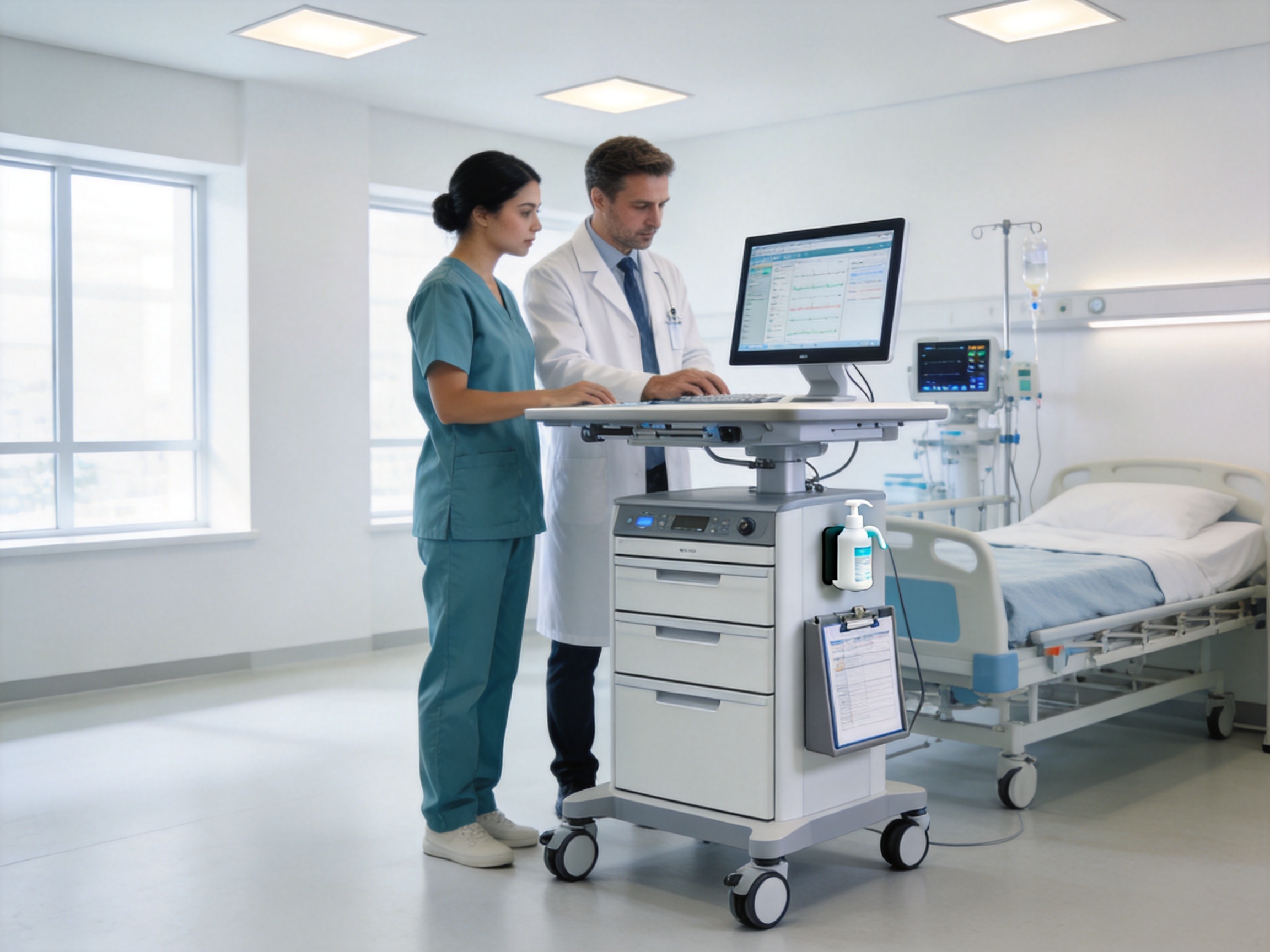
Product Definition and Clinical Purpose
The WMYC-D2-30 Medical Cart is an intelligent mobile medical workstation integrating informatization and clinical assistance functions. It supports medical order management, patient information inquiry, electronic medical record entry, and comprehensive clinical support. In practical use, it acts as a bridge between hospital information systems and bedside care. Instead of forcing clinicians to move between patients and stationary terminals, the cart allows information, documentation tools, and workflow assistance to move together with the user.
This mobility is critical in modern care delivery. Ward rounds require rapid review of patient history, laboratory results, imaging notes, medication plans, and physician instructions. Bedside nursing requires accurate identification, real-time documentation, and confirmation of tasks. Emergency and ICU environments require fast decisions under pressure, with immediate access to orders and patient data. Outpatient diagnosis requires efficient entry of medical orders and care instructions. Pharmaceutical services need clear coordination between prescriptions, patient information, and medication administration. The WMYC-D2-30 Medical Cart is designed to support all these scenarios.
Unlike a basic equipment trolley, the cart integrates information access, ergonomic movement, power support, and accessory compatibility. This is the foundation of its value. A cart used in healthcare must do more than hold devices; it must enhance the accuracy, efficiency, and safety of clinical work. The WMYC-D2-30 achieves this by combining intelligent software-oriented workflow support with stable hardware and adaptable configuration options.
Its product concept follows a practical principle: medical personnel should spend more time caring for patients and less time searching for records, repeating documentation, correcting incomplete orders, or moving back and forth between departments and terminals. By positioning digital tools directly at the point of care, the cart helps reduce wasted movement and supports a more continuous workflow.
Core Advantages of the WMYC-D2-30 Medical Cart
Intelligent Order Assistance
One of the most important advantages of the WMYC-D2-30 Medical Cart is its intelligent order assistance. Medical orders must be complete, accurate, and consistent with patient needs. Any missing field, unclear instruction, or delayed entry can create risks for diagnosis, treatment, medication administration, and nursing execution. The cart supports a guided interface and smart order entry system, helping clinical users complete medical orders more accurately and efficiently.
The guided interface is especially useful for reducing human error. In high-pressure clinical environments, users may need to enter orders while managing multiple patients, responding to urgent tasks, or coordinating with other departments. A well-designed order assistance process can remind users of required information, reduce omissions, and support standardization. This leads to more complete order data and better execution by downstream teams.
Compared with traditional manual documentation or stationary computer entry, mobile intelligent order assistance offers a major workflow advantage. Clinicians can review the patient at the bedside, discuss care plans with the patient or family, and enter or verify orders immediately. This reduces memory-based work and shortens the time between clinical decision and system documentation. It also helps prevent transcription errors that can occur when notes are written first and entered later.
Efficient Information Integration
The WMYC-D2-30 Medical Cart supports graphical information display and real-time synchronization of patient data and medical orders. In clinical work, information is valuable only when it is accessible, current, and easy to understand. A fragmented workflow, where information is stored across multiple systems or locations, can slow decision-making and increase the risk of outdated or inconsistent data. The cart helps address this problem by serving as a mobile information integration point.
Graphical display can make patient information easier to interpret. Instead of relying only on text lists or separate reports, clinical teams can view organized data that supports faster assessment. Real-time synchronization is equally important because medical care changes continuously. Orders may be updated, lab results may arrive, medication plans may change, and patient status may shift. A synchronized workstation helps users work from current information rather than delayed records.
For hospitals pursuing digital transformation, this capability is central. Mobile access to synchronized information supports more efficient ward rounds, faster nursing documentation, and smoother interdisciplinary communication. It can help reduce repeated phone calls, paper handovers, and unnecessary movement between workstations. The result is better operational efficiency and a stronger foundation for patient safety.
Flexible and Scalable Configuration
The WMYC-D2-30 Medical Cart is designed to be flexible and scalable. It comes standard with an electric lifting table, power system, and professional all-in-one or split computer configuration. It also supports optional accessories such as laptops, personalized drawers, medical record frames, and hand sanitizer mounts. This adaptability gives the product a clear advantage over carts that are limited to a single fixed configuration.
Different departments have different working requirements. A general ward may need a balanced configuration for nursing documentation, order review, and basic supply storage. An ICU may need a more robust computing setup, fast height adjustment, and clean accessory layout to support frequent use in tight spaces. Emergency departments may prioritize mobility, quick access, and durability. Outpatient departments may require efficient order entry and patient communication. Pharmaceutical services may need secure storage options and organized medication workflow support. The cart’s scalable structure helps adapt to these different scenarios.
The electric lifting table adds ergonomic value. Medical staff vary in height and may need to work while sitting, standing, or moving. Adjustable height helps reduce strain on the neck, shoulders, back, and wrists. Ergonomics is not a luxury in healthcare; it directly affects staff comfort, fatigue, and long-term productivity. A cart that can be adjusted quickly and smoothly is more likely to be used correctly and consistently.
Safety and Ergonomic Design
Safety is central to any medical product. The WMYC-D2-30 Medical Cart includes built-in medical-grade power management and supports infection-control accessories such as hand sanitizer mounts. Power reliability is essential because mobile clinical workstations depend on stable energy supply for computers, displays, scanning devices, and connected systems. A cart with weak or unreliable power management can interrupt documentation, delay care, or create user frustration. Medical-grade power management supports safer, more dependable operation in hospital environments.
Ergonomic design also supports safety. When a cart is difficult to adjust, hard to maneuver, or poorly organized, users may take shortcuts. They may document later, carry papers separately, or avoid using mobile systems. A cart designed for comfortable interaction encourages correct workflow. The WMYC-D2-30’s lifting table, accessory compatibility, and integrated workstation format make it easier for clinicians to keep digital documentation close to clinical activity.
Infection control is another important element. Hospitals require equipment that supports clean workflows and convenient hygiene practices. Optional hand sanitizer mounts can help users disinfect hands at the point of care. Organized drawers and frames can reduce clutter, and a professional cart structure can support easier maintenance. These features are practical but meaningful contributors to safer clinical operation.
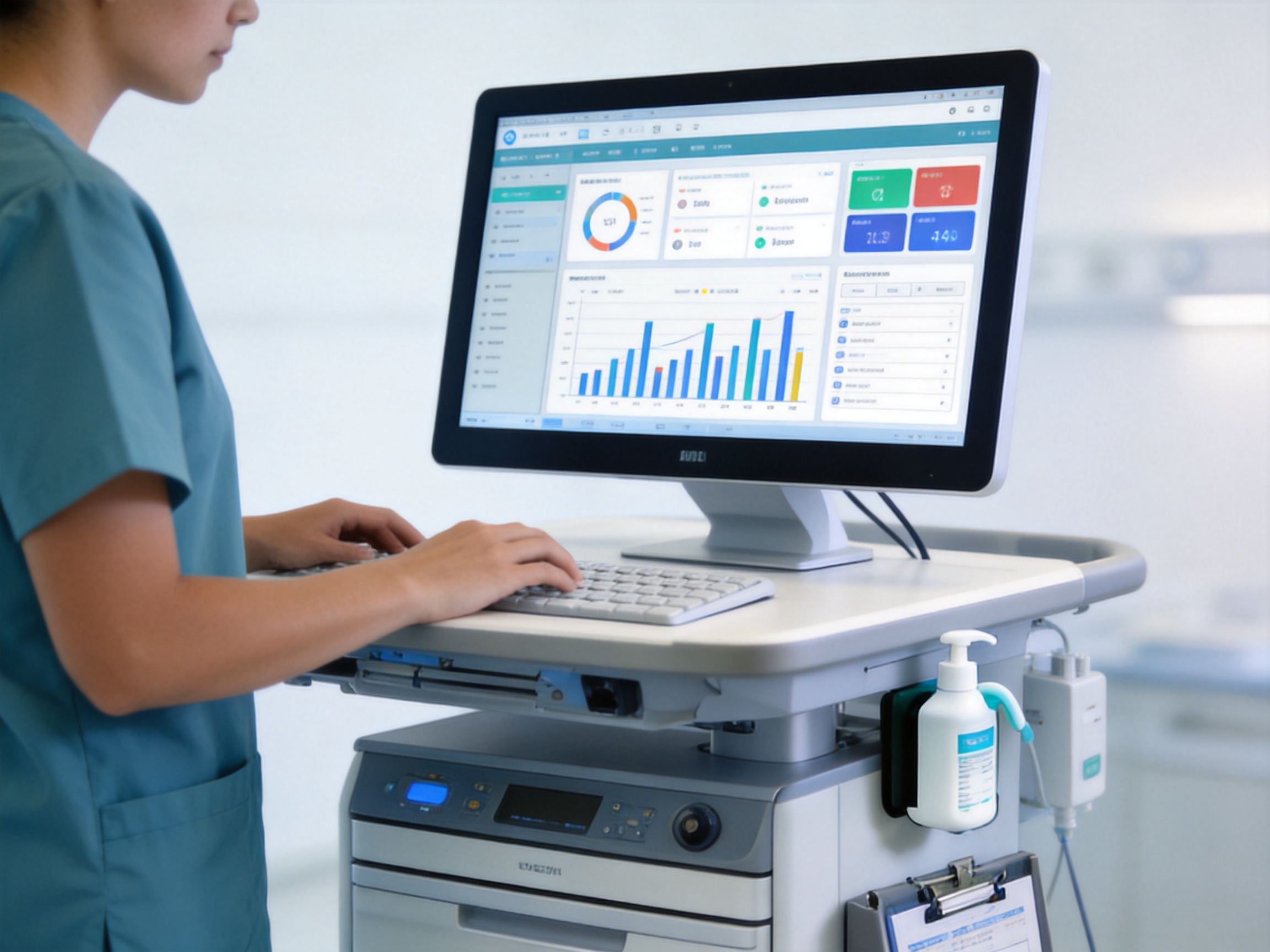
Advantages Over Conventional and Competing Medical Carts
The smart medical cart market includes a wide range of products, from simple mobile stands to advanced powered workstations. The WMYC-D2-30 Medical Cart differentiates itself by combining intelligent clinical workflow support with durable hardware, scalable options, and manufacturing expertise rooted in communication and electronic equipment production. This combination gives it advantages in usability, reliability, and long-term adaptability.
| Comparison Area | Typical Conventional Cart | WMYC-D2-30 Medical Cart Advantage |
|---|---|---|
| Clinical Function | Often limited to holding a computer or documents | Supports medical order management, patient inquiry, and electronic medical record entry |
| Order Accuracy | Depends heavily on manual user input and later verification | Guided interface and smart order entry improve completeness and reduce error |
| Information Access | May rely on delayed updates or separate systems | Supports graphical information display and real-time synchronization |
| Ergonomics | May have fixed height or limited adjustment | Standard electric lifting table supports sitting, standing, and different user heights |
| Power Support | May use basic batteries or external power solutions | Built-in medical-grade power management supports stable mobile operation |
| Configuration | Often fixed and difficult to customize | Supports all-in-one or split computer, laptops, drawers, medical record frames, and hygiene accessories |
| Application Range | Usually optimized for one department or simple use | Suitable for ward rounds, emergency care, ICU, outpatient diagnosis, nursing, and pharmaceutical services |
Compared with carts that serve only as transportation platforms, the WMYC-D2-30 is a more complete clinical workstation. It is designed around information flow, task execution, and human use. Its intelligent order assistance can help hospitals reduce errors associated with incomplete or delayed order entry. Its real-time data synchronization can support more timely decision-making. Its ergonomic design helps reduce user fatigue. Its accessory scalability allows departments to adapt the cart without replacing the entire platform.
Another competitive strength is the integration of medical and communication thinking. As healthcare systems become more connected, medical carts must function reliably within digital hospital infrastructure. They must support computing hardware, power stability, information access, and physical durability. Wanma Technology’s background in communication cabinets, electronic equipment, and passive optical components gives the company experience with structured product design, network-related applications, and quality control for equipment used in demanding environments.
Many competing products may focus heavily on appearance or basic mobility while neglecting long-term operational details. The WMYC-D2-30 emphasizes workflow utility. It supports the practical needs of medical staff: entering orders, reviewing patient information, adjusting working height, maintaining power, carrying accessories, and moving between care locations. This makes it a strong choice for hospitals seeking not only mobile hardware, but also a more intelligent point-of-care work platform.
Clinical Applications
Ward Rounds and Bedside Nursing
Ward rounds require close coordination between physicians, nurses, and patients. During rounds, care teams review diagnosis, treatment progress, medication plans, laboratory results, nursing notes, and patient feedback. The WMYC-D2-30 Medical Cart allows this information to be accessed and entered at the bedside. Clinicians can discuss the care plan while reviewing records and updating orders in real time.
For bedside nursing, the cart supports documentation close to the actual point of care. Nurses can verify patient information, review orders, document vital signs, record nursing interventions, and check care tasks without returning to a fixed station after every patient interaction. This can improve documentation timeliness and reduce reliance on memory. Timely bedside entry also supports better communication between nursing shifts and other clinical departments.
The cart’s mobile design can improve efficiency across an entire ward. When several patients require routine checks, medication review, or documentation, staff can move the workstation from room to room. With height adjustment and integrated power, the cart remains usable throughout the process. Optional drawers and record frames can help keep necessary materials organized.
Emergency Departments and Intensive Care Units
Emergency departments and ICUs are among the most demanding environments in healthcare. Decisions must be fast, accurate, and based on current information. The WMYC-D2-30 Medical Cart is suitable for these settings because it brings patient records, order entry, and clinical workflow tools directly to the care area. In emergency care, where patients may arrive unpredictably and conditions may change quickly, mobile access to information can reduce delay.
In ICU environments, patients often require continuous monitoring, complex medication regimens, frequent laboratory review, and detailed documentation. A mobile workstation can support bedside review of treatment plans and immediate entry of updates. Real-time synchronization helps ensure that orders and patient data remain current. The ergonomic lifting table is also helpful because ICU work often involves different users and working positions throughout the day.
The product’s stable power management is especially important in these high-acuity areas. Clinical staff cannot afford workflow interruption caused by unreliable workstation power. A medical-grade power system helps support continuous operation and gives staff greater confidence in using the cart as a dependable clinical tool.
Outpatient Diagnosis and Order Execution
Outpatient departments require high efficiency because patient volume can be large and consultation time is limited. The WMYC-D2-30 Medical Cart can support outpatient diagnosis by providing a mobile platform for reviewing records, entering orders, and communicating instructions. In departments where consultation rooms, treatment rooms, and diagnostic areas are closely connected, a mobile cart can help staff maintain workflow continuity.
Smart order entry is particularly useful in outpatient care. Incomplete or inaccurate orders can delay testing, medication dispensing, or follow-up treatment. Guided order assistance helps improve order completeness and standardization. This can reduce back-and-forth corrections and improve patient throughput.
The cart can also support outpatient nursing and procedure areas. Staff can access patient information, confirm physician orders, document procedures, and coordinate next steps without relying solely on fixed terminals. This is valuable for clinics seeking to reduce waiting time and improve service experience.
Mobile Nursing and Pharmaceutical Services
Mobile nursing requires accurate information at the bedside or treatment location. The WMYC-D2-30 Medical Cart supports this by combining digital access with physical mobility. Nurses can check orders, document care, and use optional storage accessories to support organized workflows. The ability to move with the user helps reduce repeated walking and improves documentation accuracy.
Pharmaceutical services also benefit from mobile information access. Medication-related work requires clear order data, patient identification, and timely updates. A mobile medical cart can help pharmacists or medication teams review current orders and coordinate with nursing units. Optional drawers may support organized handling of related materials, depending on hospital policy and configuration.
In both nursing and pharmaceutical services, the greatest value is the reduction of workflow gaps. When information, users, and tasks are separated, errors become more likely. The WMYC-D2-30 brings them closer together, supporting safer and more efficient execution.
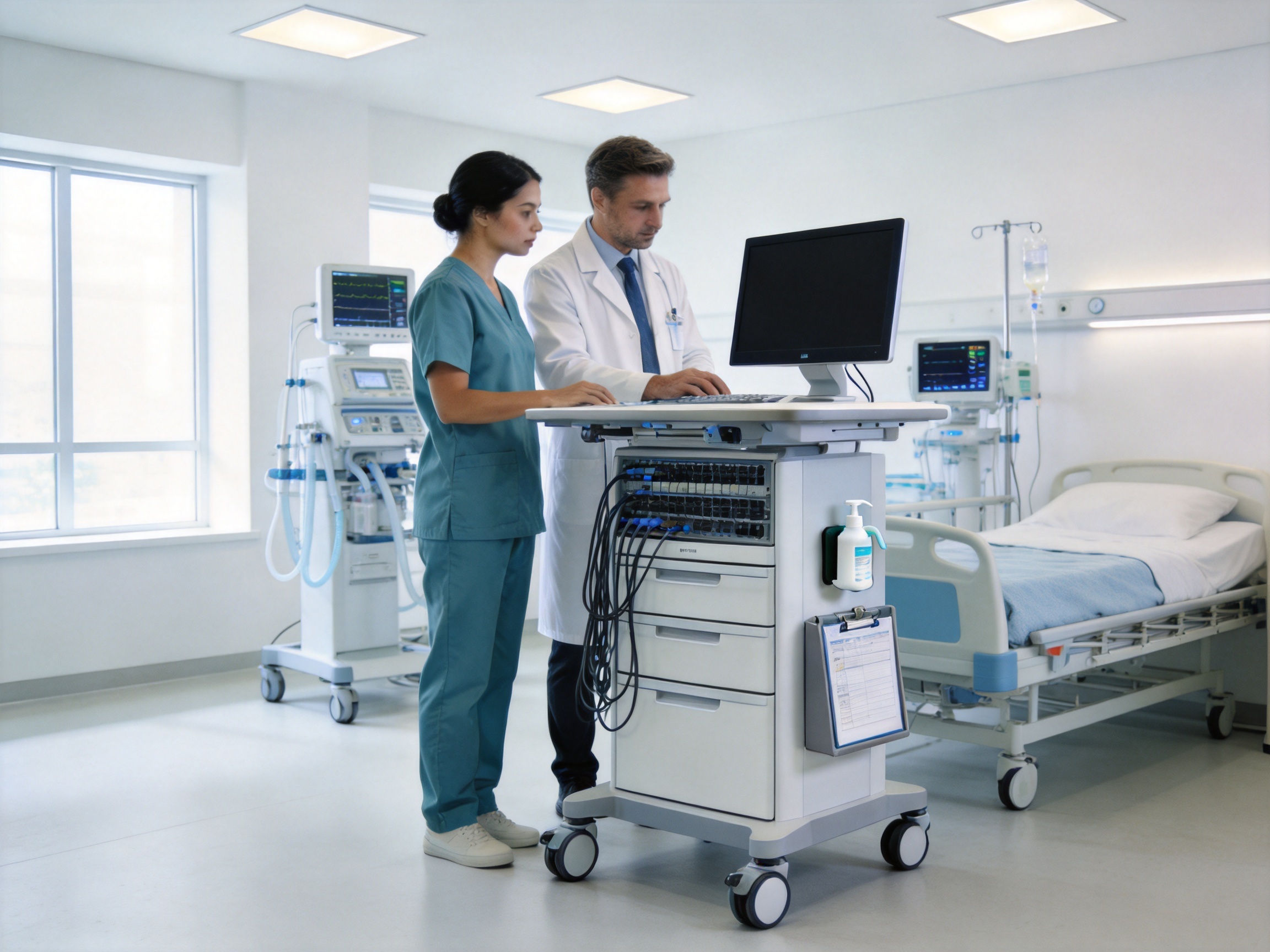
Manufacturing Strength Behind the Product
A medical cart must be reliable not only on the first day of use, but throughout repeated daily operation in demanding healthcare settings. Manufacturing capability therefore plays a decisive role. Wanma Technology Co., Ltd. was established in 1997 and has built long-term expertise in communication cabinets, communication electronic equipment, passive optical components, and integrated solutions. This background supports the development of products requiring structural stability, electrical integration, precision assembly, and consistent quality.
The company’s products are widely used in Ethernet networks, optical communication networks, central equipment rooms, national high-speed railways, and urban rail transit systems. These application areas require reliability, durability, and long-term performance. Experience serving infrastructure-related markets can translate into disciplined production standards for medical workstation products. Equipment used in rail transit and communication networks must withstand operational stress, meet technical requirements, and support stable service. These same engineering values are relevant to intelligent medical carts.
Advanced manufacturing for a smart medical cart involves several key capabilities. First, the structure must be strong yet mobile. The cart must carry computing equipment, power components, accessories, and documents while remaining easy to move. Second, electrical integration must be safe and stable. Power management, cable routing, device compatibility, and user safety must be considered. Third, human-machine interaction must be practical. The height adjustment, desktop layout, drawer placement, and display positioning must support real medical tasks. Fourth, production quality must be consistent so that hospitals can deploy multiple carts with predictable performance.
Wanma Technology’s experience in developing, manufacturing, and marketing its own branded products, while also providing integrated customized solutions, supports this type of product development. Customization capability is especially important in the medical cart field because hospitals may request different configurations based on department size, clinical process, infection-control policy, and information system environment. A manufacturer capable of integrated solutions can help customers align product configuration with actual workflow needs.
Precision Engineering and Structural Reliability
The mechanical structure of a medical cart influences safety, comfort, and service life. A cart must move smoothly, remain stable during use, and support equipment without excessive vibration or imbalance. The WMYC-D2-30 Medical Cart benefits from engineering thinking shaped by years of equipment manufacturing. Structural design must account for load distribution, repeated movement, height adjustment, accessory installation, and daily cleaning requirements.
Precision engineering helps ensure that components fit accurately and operate smoothly. For example, an electric lifting table must provide stable adjustment and maintain confidence during use. Poorly designed lifting mechanisms may shake, jam, or create user discomfort. A professional manufacturing process helps maintain reliable movement and stable positioning. This is important because clinical users may adjust the cart many times per shift.
Durable manufacturing also reduces total cost of ownership. Hospitals do not want equipment that requires frequent repair, replacement, or adjustment. A cart with a strong frame, reliable power integration, and consistent assembly can remain useful over long periods. This advantage is especially important for hospitals deploying carts across multiple wards or departments.
Electrical Integration and Power Management
Medical-grade power management is a core feature of the WMYC-D2-30 Medical Cart. Reliable power supports uninterrupted access to electronic medical records, order systems, and patient information. In a mobile environment, power design must consider safety, battery performance, charging convenience, cable organization, and compatibility with computing devices. Poor electrical integration can create downtime, clutter, and operational risk.
Wanma Technology’s background in communication electronic equipment supports disciplined electrical integration. Communication products often require stable signal pathways, organized internal layouts, and dependable operation. These capabilities are relevant when designing a medical cart that must support computers, displays, and connected clinical systems. Good power management is not simply a battery attached to a trolley; it is an integrated system that supports safe and predictable clinical use.
A professional power system also improves user confidence. If staff believe a mobile workstation will lose power unexpectedly, they may avoid using it for critical tasks. If the cart maintains reliable operation, it becomes part of routine workflow. This behavioral factor is important: technology succeeds in hospitals only when users trust it.
Quality Control and Consistent Production
Consistent quality control is essential for medical equipment used across multiple locations. Hospitals may purchase several carts for different departments, and each unit must deliver dependable performance. Manufacturing consistency includes material selection, component inspection, assembly accuracy, electrical testing, movement testing, packaging quality, and delivery reliability.
Wanma Technology emphasizes reliable product quality, timely delivery, and long-term strategic partnerships. These strengths matter for healthcare customers because procurement decisions are not based only on product features. Hospitals also need suppliers that can deliver on schedule, support deployment, and maintain stable cooperation. A delayed or inconsistent supply can disrupt digital transformation projects and department upgrades.
Long-term manufacturing experience since 1997 also indicates organizational maturity. The company has developed products for multiple technical markets and serves customers in more than 20 countries and regions, including the United States, Australia, the United Kingdom, Italy, South Africa, and Ghana. This global sales network reflects the ability to meet varied customer expectations and support international business cooperation.
Design Philosophy: Combining Information, Mobility, and Care
The WMYC-D2-30 Medical Cart is built around the idea that clinical information should be available wherever care happens. Traditional healthcare workflows often separate information systems from patient interaction. A clinician may assess a patient at the bedside, write notes on paper, return to a workstation, enter information, review records, and then return to the patient if something is missing. This sequence consumes time and introduces opportunities for error.
By contrast, a mobile intelligent workstation supports a more direct workflow. The user can assess, review, enter, verify, and communicate in one place. This creates a smoother connection between clinical observation and digital documentation. It can improve order accuracy because data entry happens closer to the decision point. It can improve patient communication because clinicians can show or review information while speaking with patients. It can improve team coordination because updated information becomes available sooner.
The cart’s design also recognizes that healthcare workers need tools that adapt to them. The electric lifting table supports different body heights and working positions. Optional accessories allow departments to organize the cart according to real workflow. The professional computer configuration supports informatized operation. The power system supports mobility. These features work together to create a practical clinical tool rather than a generic trolley.
Operational Benefits for Hospitals
Improved Workflow Efficiency
The WMYC-D2-30 Medical Cart can reduce unnecessary movement between patient rooms, nursing stations, and fixed computer terminals. This saves time during ward rounds, bedside nursing, and order execution. Even small time savings per patient can become significant across a busy department. More importantly, workflow efficiency can reduce staff fatigue and allow more attention to patient care.
Real-time data access also reduces delays. When clinicians can review and update information immediately, other team members can respond sooner. Orders can be executed more quickly, records can be completed more accurately, and care plans can be adjusted without waiting for later documentation. This creates a more responsive clinical environment.
Higher Documentation Quality
Documentation quality improves when users enter information at the point of care. Memory fades quickly during busy shifts, and delayed documentation can lead to omissions. The cart supports electronic medical record entry near the patient, helping users capture details more accurately. Smart order assistance further supports completeness and standardization.
Better documentation benefits many stakeholders. Physicians gain clearer patient histories, nurses receive more reliable instructions, administrators obtain better operational records, and patients benefit from more coordinated care. In regulated healthcare environments, accurate documentation also supports compliance and quality management.
Reduced Risk of Human Error
Human error in healthcare can occur for many reasons: incomplete information, fatigue, distractions, unclear orders, delayed documentation, and fragmented workflows. The WMYC-D2-30 Medical Cart helps reduce several of these risks. Guided order entry reduces missing information. Real-time synchronization reduces outdated data. Bedside documentation reduces transcription and memory errors. Ergonomic design reduces user discomfort and fatigue.
No equipment can eliminate all clinical risk, but well-designed tools can reduce avoidable error. The cart supports safer behavior by making the correct workflow easier and more convenient. This is one of its most important advantages over simple mobile stands or paper-based processes.
Better Staff Experience
Healthcare workers face high workloads and increasing documentation demands. A mobile workstation that is difficult to move, uncomfortable to use, or unreliable can add frustration. The WMYC-D2-30 Medical Cart is designed to improve staff experience through height adjustment, integrated power, organized accessories, and efficient information access.
When staff can work comfortably and efficiently, adoption improves. Technology should not create extra burden; it should remove obstacles. The cart’s flexible configuration and ergonomic design help align digital healthcare requirements with the practical needs of daily clinical work.
Why Manufacturing Experience Matters in Smart Medical Carts
Smart medical carts sit at the intersection of healthcare, electronics, mobility, ergonomics, and information technology. A manufacturer without strong technical experience may produce a cart that looks functional but fails in daily use. Common weaknesses can include unstable structure, poor cable management, limited accessory compatibility, weak power performance, uncomfortable working height, difficult cleaning, and inconsistent production quality.
Wanma Technology’s background gives the WMYC-D2-30 an important foundation. The company has spent decades in sectors where equipment reliability, network infrastructure, and technical integration matter. Its products serve Ethernet networks, optical communication networks, central equipment rooms, high-speed railways, and urban rail transit systems. These markets demand disciplined engineering and quality assurance.
This experience supports a medical cart product in several ways. Structural design can benefit from cabinet and equipment enclosure knowledge. Electrical integration can benefit from communication equipment experience. Custom solution capability can support hospital-specific configuration. International market experience can support professional delivery and cooperation. Long-term partnerships can support stable supply and service.
For healthcare buyers, choosing a medical cart is not only a purchase of hardware. It is a decision about workflow reliability, staff acceptance, and future scalability. A manufacturer with broad technical capability is better positioned to provide dependable products and customized support.
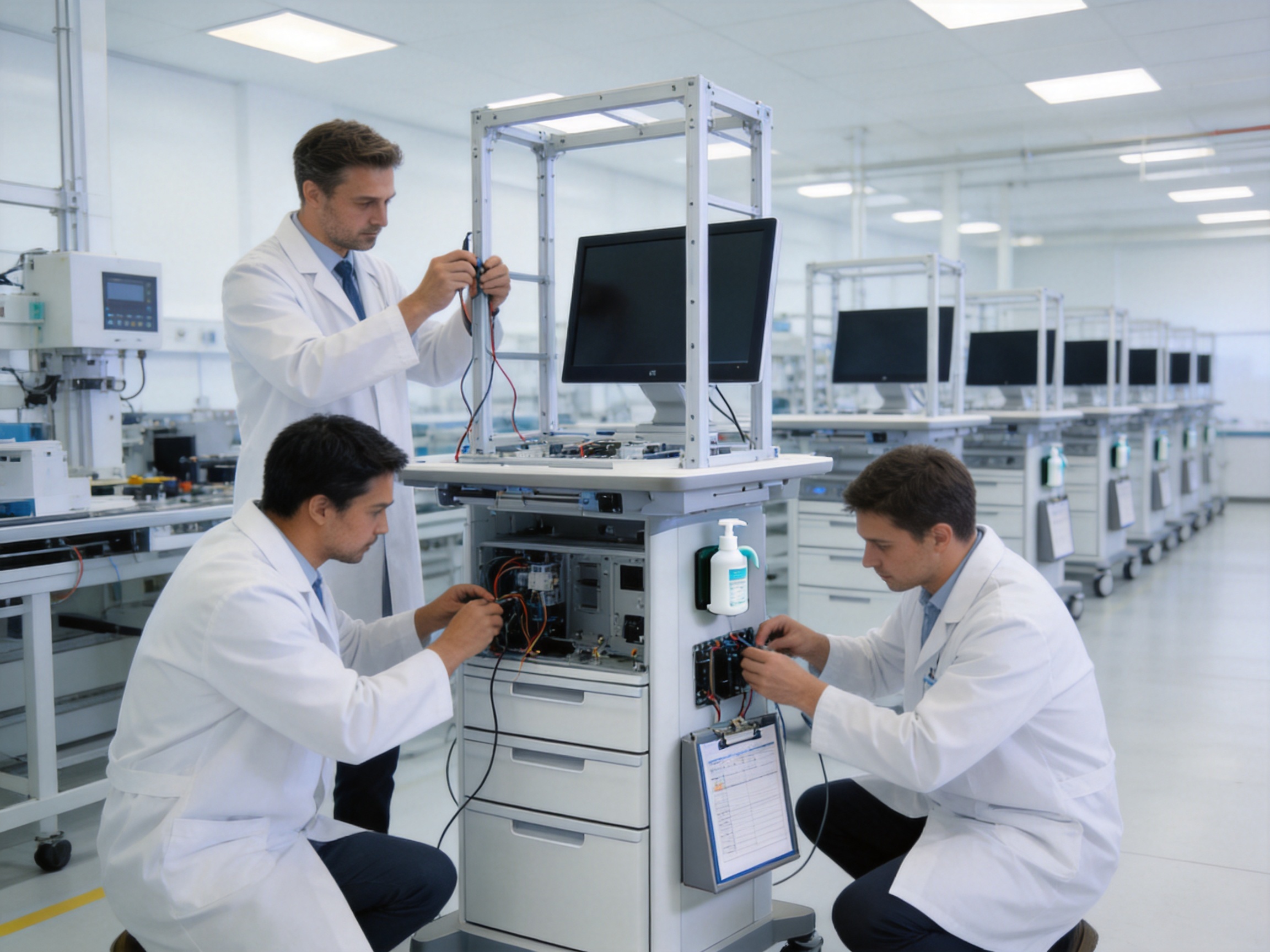
Scalability and Customization Potential
Hospitals differ in size, department structure, digital maturity, and workflow requirements. A smart medical cart must therefore support customization. The WMYC-D2-30 Medical Cart offers standard core functions while supporting optional accessories and alternative computer configurations. This makes it suitable for staged deployment. A hospital can begin with standard configurations for general wards and later add specialized options for departments with more complex needs.
The ability to support all-in-one or split computer configurations is valuable. Some hospitals prefer compact integrated terminals, while others may require separate display and processing units based on information system requirements. Laptop support provides another option for departments that already use mobile computing devices. Personalized drawers can support storage needs. Medical record frames can help departments that still use mixed paper and electronic workflows. Hand sanitizer mounts support hygiene convenience.
This flexible ecosystem helps protect investment. Instead of replacing the entire workstation when a department’s needs change, hospitals can adjust accessories or configuration. This is a major advantage over carts with fixed structures and limited upgrade paths.
Contribution to Digital Hospital Development
Digital hospital development depends on more than software. Even the best information system can fail to deliver benefits if clinicians cannot access it conveniently during real care activities. The WMYC-D2-30 Medical Cart provides the physical and operational platform that helps bring hospital information systems into everyday clinical use.
By supporting patient inquiry, order management, and electronic medical record entry, the cart helps hospitals move toward paperless and real-time workflows. It supports bedside informatization, where care activities and digital documentation occur together. This can strengthen data quality, improve communication, and accelerate clinical response.
The cart also supports intelligent future development. As hospitals adopt more connected devices, advanced clinical decision support, mobile nursing systems, and data-driven management tools, the need for reliable mobile workstations will continue to grow. The WMYC-D2-30 provides a flexible hardware foundation for this direction.
Implementation Considerations for Healthcare Facilities
To gain the greatest value from the WMYC-D2-30 Medical Cart, healthcare facilities should consider workflow planning before deployment. The cart should be matched with department needs, user roles, information system access, charging routines, cleaning policies, and accessory requirements. Proper planning ensures that the cart becomes a useful clinical tool rather than an underused device.
For ward deployment, hospitals can define how the cart will be used during rounds, medication checks, nursing documentation, and shift handover. For emergency and ICU deployment, they can prioritize rapid access, power readiness, and placement strategy. For outpatient departments, they can align the cart with consultation flow and order entry processes. For pharmaceutical services, they can define storage and verification procedures.
User training is also important. Medical staff should understand height adjustment, power management, login procedures, order assistance functions, cleaning expectations, and accessory use. A well-trained team can use the cart more consistently and safely. Because the WMYC-D2-30 is designed for intuitive clinical support, training can focus on integrating the cart into real workflows.
Company Strength and Global Service Capability
Wanma Technology Co., Ltd. was established in 1997 and has accumulated decades of experience in technical manufacturing and product development. The company specializes in communication cabinets, communication electronic equipment, and passive optical components. Its products are widely used in Ethernet networks, optical communication networks, central equipment rooms, national high-speed railways, and urban rail transit systems.
The company develops, manufactures, and markets its own products while also providing integrated solutions for customized requirements. This dual capability is important because smart medical carts require both standardized product quality and customization flexibility. Hospitals may need different configurations, while still expecting stable production and reliable delivery.
The company’s sales network covers more than 20 countries and regions, including the United States, Australia, the United Kingdom, Italy, South Africa, and Ghana. This international presence reflects its ability to serve diverse markets and build long-term relationships. The company emphasizes reliable product quality, timely delivery, and strategic partnerships with industry leaders. Its mission is to create satisfaction for customers, fulfillment for employees, and value for society.
For healthcare customers, these strengths provide confidence. A smart medical cart should be supported by a manufacturer capable of consistent production, technical integration, timely supply, and customer-focused cooperation. Wanma Technology’s manufacturing background and global experience strengthen the market position of the WMYC-D2-30 Medical Cart.
Q&A Section
What is the WMYC-D2-30 Medical Cart?
The WMYC-D2-30 Medical Cart is an intelligent mobile medical workstation designed for clinical information access, medical order management, patient information inquiry, and electronic medical record entry. It supports bedside and mobile clinical workflows in wards, emergency departments, ICUs, outpatient departments, nursing services, and pharmaceutical services.
How does the cart improve medical order accuracy?
The cart supports intelligent order assistance through a guided interface and smart order entry system. These functions help users complete required information, improve order standardization, reduce omissions, and lower the risk of human error compared with manual or delayed documentation.
Why is real-time synchronization important?
Real-time synchronization helps ensure that patient information and medical orders are current. In clinical environments, delayed or outdated data can affect decision-making. By supporting synchronized access, the cart helps clinicians work from more accurate and timely information.
What makes the cart different from ordinary mobile computer carts?
Ordinary carts may simply hold a computer or documents. The WMYC-D2-30 combines intelligent clinical workflow support, medical order management, patient inquiry, electronic record entry, electric height adjustment, medical-grade power management, and accessory scalability. It is designed as a comprehensive clinical assistant rather than a basic trolley.
Can the cart be customized for different departments?
Yes. The cart supports flexible configuration, including all-in-one or split computer options, laptop support, personalized drawers, medical record frames, and hygiene accessories such as hand sanitizer mounts. This makes it suitable for different workflows in wards, ICUs, emergency departments, outpatient clinics, and pharmaceutical services.
How does the electric lifting table benefit users?
The electric lifting table allows users to adjust the working height for different body heights and working positions. This supports ergonomic comfort, reduces strain, and improves usability during long clinical shifts.
Why is medical-grade power management necessary?
A mobile medical workstation depends on stable power for computers and connected systems. Medical-grade power management supports safer and more reliable operation, helping prevent interruptions during documentation, order entry, and patient information review.
What manufacturing strengths support the product?
The product is supported by Wanma Technology’s long-term experience in communication cabinets, communication electronic equipment, passive optical components, and integrated technical solutions. The company’s manufacturing background supports structural reliability, electrical integration, quality control, and customization capability.
Where can the WMYC-D2-30 Medical Cart be used?
Typical applications include ward rounds, bedside nursing, emergency department operations, ICU care, outpatient diagnosis, order execution, mobile nursing, and pharmaceutical services. Its flexible structure and intelligent workflow support make it suitable for many clinical environments.
How can customers contact the company?
Customers can contact Wanma Technology Co., Ltd. by phone at +86 13958188250 or by email at [email protected]. The company address is Wanma Industrial Park, Taihu Yuan Town, Lin'an District, Hangzhou City, China.
Conclusion
The WMYC-D2-30 Medical Cart is designed for healthcare organizations that need safer, faster, and more connected clinical workflows. It integrates medical order management, patient information inquiry, electronic medical record entry, real-time data synchronization, ergonomic operation, medical-grade power support, and flexible accessory options. These features make it a strong solution for ward rounds, bedside nursing, emergency care, ICU workflows, outpatient diagnosis, mobile nursing, and pharmaceutical services.
Its advantages over conventional carts are clear. It is not merely a movable platform, but an intelligent medical workstation that helps improve order completeness, reduce human error, enhance information access, support user comfort, and adapt to different departmental needs. Its guided order assistance and real-time information integration directly address common pain points in clinical documentation and care coordination.
The product is further strengthened by the manufacturing experience of Wanma Technology Co., Ltd. With a history beginning in 1997 and expertise in communication cabinets, communication electronic equipment, passive optical components, and customized integrated solutions, the company brings strong technical and production foundations to smart medical cart development. Its global sales network, commitment to quality, timely delivery, and long-term partnership approach provide additional confidence for healthcare customers.
As hospitals continue to advance toward intelligent, mobile, and data-driven care, products such as the WMYC-D2-30 Medical Cart will become increasingly important. By bringing digital systems directly to the point of care, the cart helps clinical teams work more accurately, efficiently, and safely. It represents a practical step toward better medical informatization and improved patient-centered service.
References
1. World Health Organization. Patient Safety: Making Health Care Safer. Geneva: World Health Organization.
2. Institute of Medicine. To Err Is Human: Building a Safer Health System. Washington, D.C.: National Academies Press.
3. Healthcare Information and Management Systems Society. Electronic Medical Records and Clinical Workflow Improvement. HIMSS Publications.
4. Carayon, P. Handbook of Human Factors and Ergonomics in Health Care and Patient Safety. CRC Press.
5. International Electrotechnical Commission. Medical Electrical Equipment Safety Standards and Risk Management Guidance. IEC Publications.
6. Agency for Healthcare Research and Quality. Health Information Technology and Patient Safety: Evidence-Based Practice Guidance. AHRQ Publications.
PREV:Rack-Type Data Center for Modular Digital Infrastructure
NEXT:High-Density 24-Port Fiber Optic Distribution Box for Future-Ready FTTx Networks
NEXT:High-Density 24-Port Fiber Optic Distribution Box for Future-Ready FTTx Networks
Interested in cooperation or have questions?
Related products
-
-
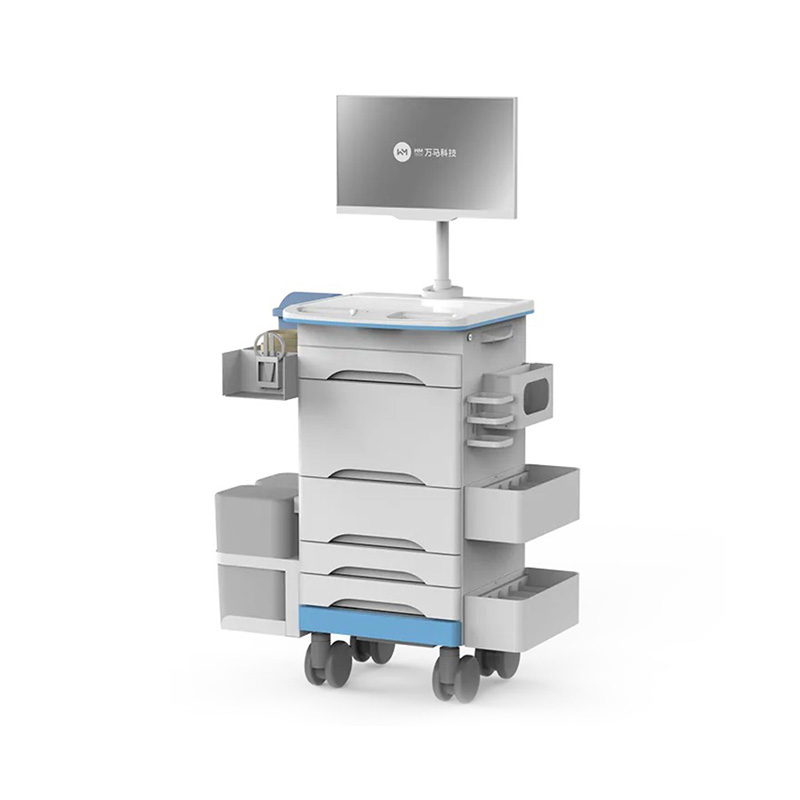
Product Definition:The WMYH-W2-21 Medical Cart is an intelligent mobile nursing workstation integrating information management, clinical care, medication administration, and bedside vital signs collec...
See Details -
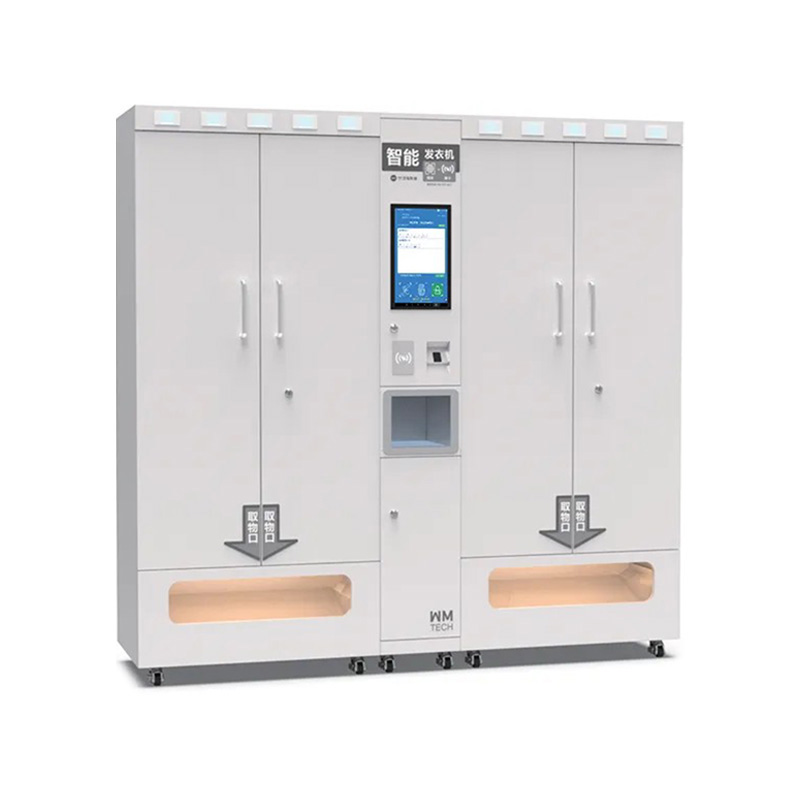
Product Definition:The Turn-over Intelligent Clothes and Shoes Machine is an integrated solution combining automated dispensing, smart collection, and data management, specifically designed for the ci...
See Details -
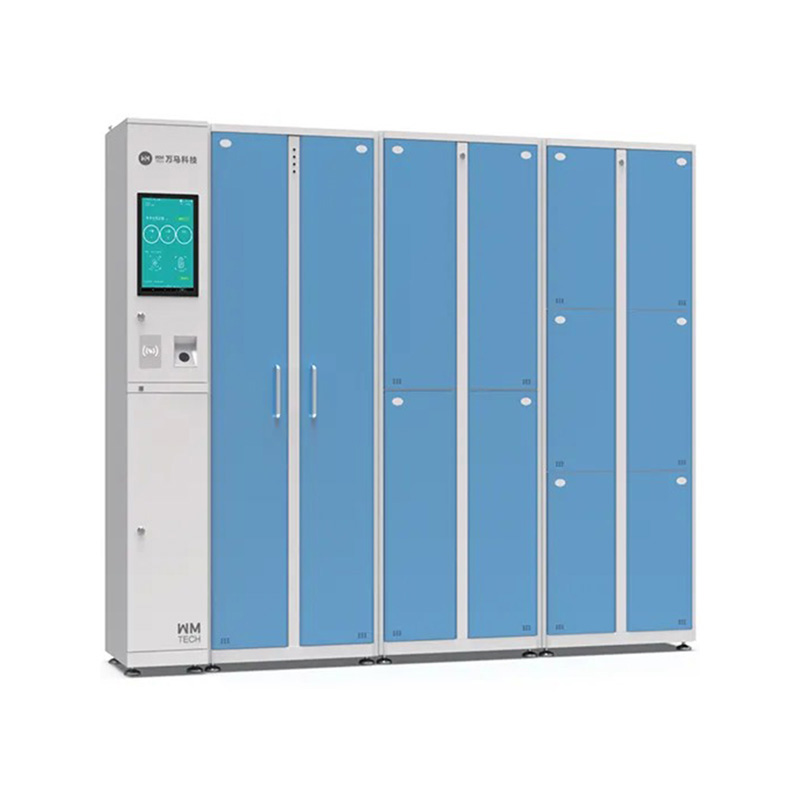
Product DefinitionThe Intelligent Locker is a smart medical supplies and personal items management system developed based on IoT and biometric technologies. Integrating multiple authentication methods...
See Details
Ready to Get started ? Contact Us Now !

Product.
Contact Details.
-
 +86 13958188250
-
 +86 13958188250
-
 [email protected]
- Wanma Industrial Park Taihu Yuan Town Lin'an District Hangzhou City China.
QR Code

Copyright © Wanma Technology Co., Ltd. All Rights Reserved.
Custom Ethernet Optical Network Railway Transit Equipments Suppliers
