

 English
 Français
 Español
 Português
 عربى
عربى



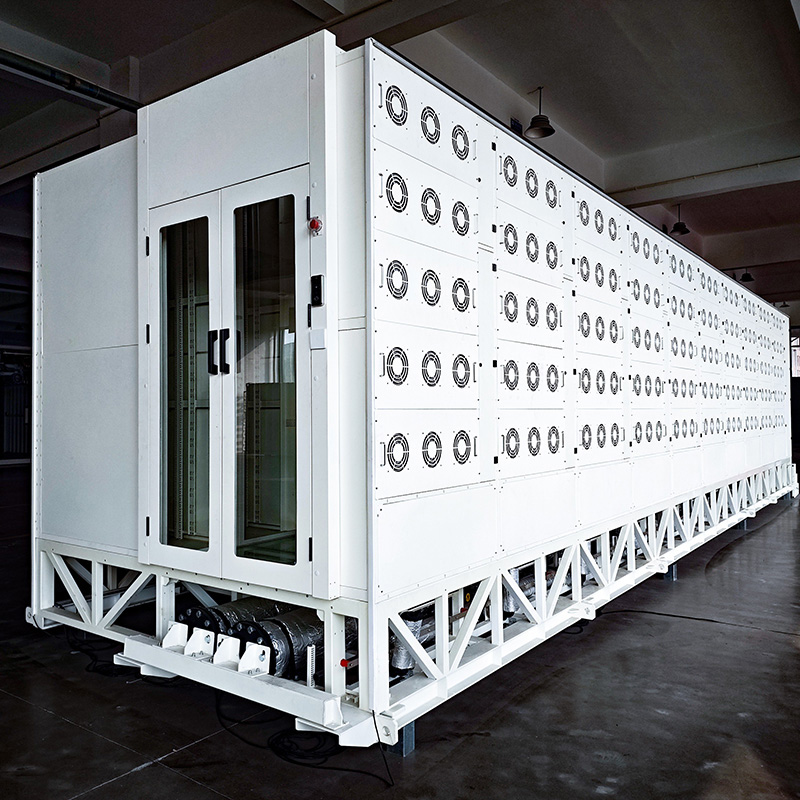

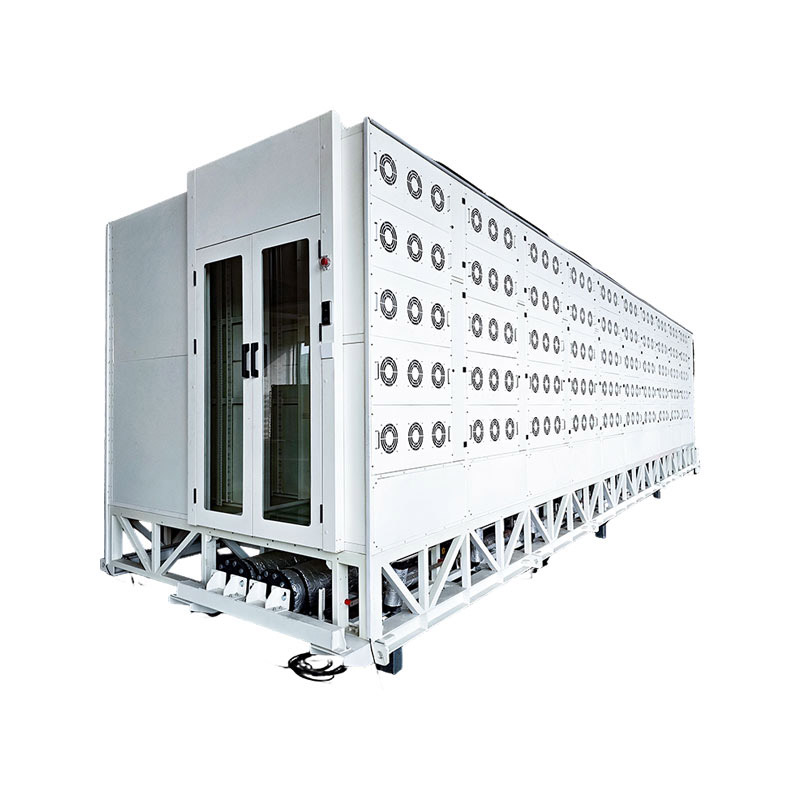
An IT container is an integrated, flexibly deployable mobile IT infrastructure platform. It often serves as the core functional unit of a modular data center, housing IT racks and various electronic ...
See DetailsRack-Type Data Center for Modular Digital Infrastructure
Content
- 1 Product Overview: A Mobile IT Infrastructure Platform
- 2 Key Specifications
- 3 Why Modular Rack-Type Data Centers Are Becoming Essential
- 4 Advantages Over Conventional Data Center Construction
- 5 Advantages Over Many Competing Modular Solutions
- 6 Power System Design for Mission-Critical Reliability
- 7 Cooling Architecture for High-Density Computing
- 8 Cabinet Layout and Space Utilization
- 9 Safety, Monitoring, and Operational Protection
- 10 Applications in Telecommunications
- 11 Applications in Cloud Computing and Regional Computing Hubs
- 12 Applications in Edge Computing
- 13 Applications in Healthcare and Medical Digital Systems
- 14 Applications in Rail Transit and Transportation Infrastructure
- 15 Manufacturing Strength: Experience Since 1997
- 16 Advanced Manufacturing Processes and Quality Control
- 17 Customization and OEM/ODM Capability
- 18 Operational Efficiency and Lifecycle Value
- 19 Deployment Considerations
- 20 Environmental and Sustainability Benefits
- 21 Why This Product Is a Strong Choice for Digital Infrastructure Projects
- 22 Q&A Section
- 22.1 What is a rack-type data center?
- 22.2 What are the main applications of this product?
- 22.3 How much power does the system support?
- 22.4 How many IT cabinets are included?
- 22.5 What makes the cooling system reliable?
- 22.6 How is this product different from a traditional data center room?
- 22.7 Can the product be customized?
- 22.8 Does the product support fire protection?
- 22.9 Is video surveillance available?
- 22.10 Why is this product suitable for edge computing?
- 22.11 What company strengths support the product?
- 23 Conclusion
- 24 References
Modern digital services depend on infrastructure that can be deployed quickly, expanded predictably, and operated reliably under demanding conditions. A rack-type data center based on an IT container architecture answers this need by integrating cabinets, power distribution, cooling, monitoring options, and fire protection readiness into a compact, factory-built infrastructure platform. It is designed for organizations that need high-density computing capacity without the delays, uncertainty, and construction complexity of a conventional data center building.
This article introduces a rack-type data center solution engineered for telecommunications networks, cloud computing bases, regional computing hubs, edge computing sites, and other mission-critical digital environments. The product combines a standardized containerized structure with flexible configuration potential, enabling users to build computing capacity in phases while maintaining high reliability, efficient power distribution, and dependable cooling performance.
Unlike traditional data center construction, which often requires long design cycles, site civil works, complex coordination, and repeated on-site integration, this rack-type data center is manufactured as an integrated platform. Core functions are pre-planned around cabinet layout, power input, precision distribution, air-wall cooling, backup power, and safety systems. This approach reduces deployment risk, improves consistency, and makes the data center easier to replicate across multiple regions.
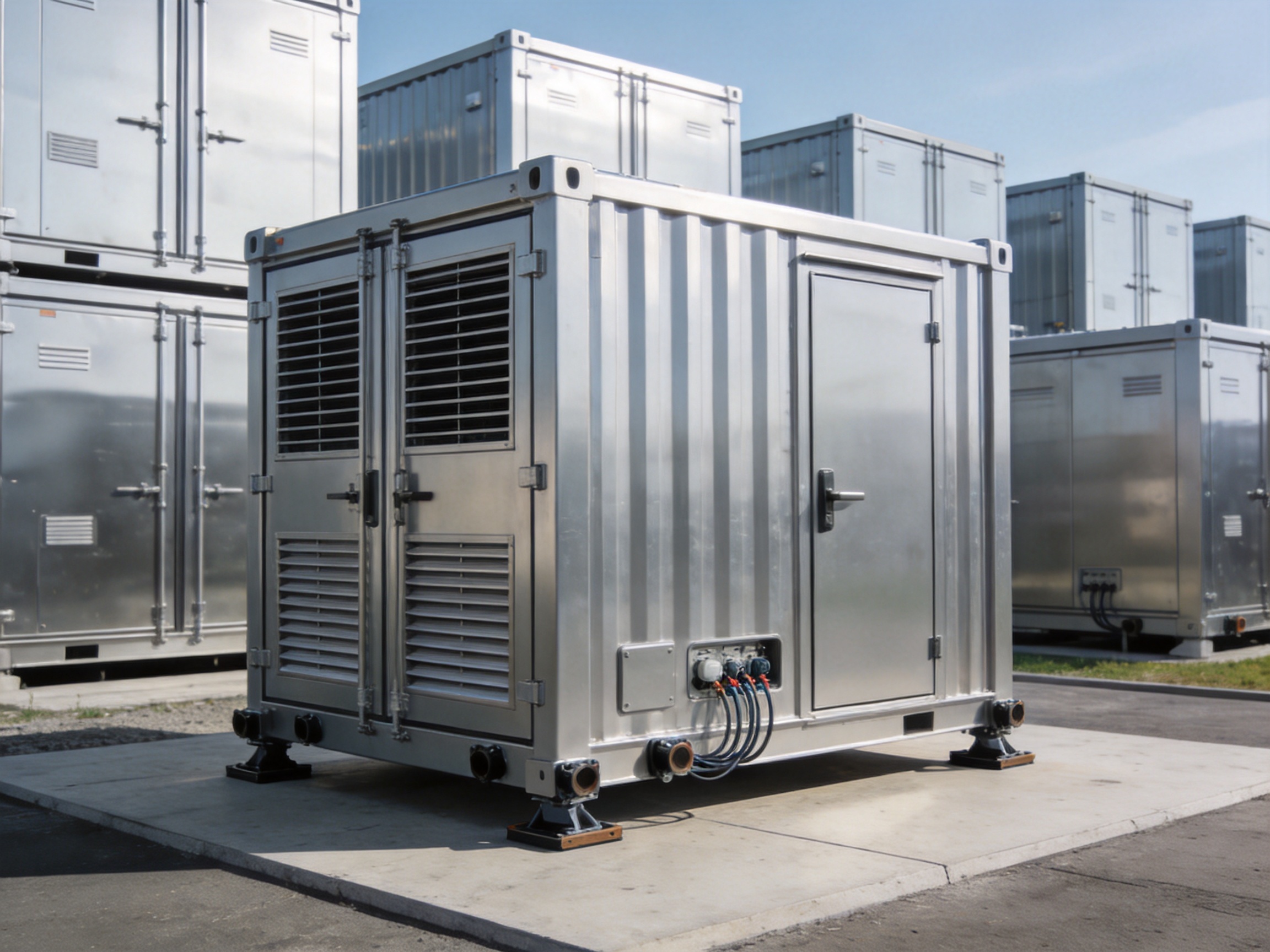
Product Overview: A Mobile IT Infrastructure Platform
The rack-type data center is built around an IT container concept. An IT container is a mobile, integrated, and flexibly deployable infrastructure unit used to house IT racks and electronic or electrical equipment. In a modular data center system, it often acts as the core functional unit. It can be combined with supporting units such as power supply containers, cooling containers, or other auxiliary modules to form a complete digital infrastructure environment.
The product is suitable for both large-scale and distributed computing requirements. For ultra-large data center projects, multiple units can be deployed in parallel to form a scalable cloud computing base. For regional computing hubs, the solution provides repeatable and manageable capacity that can be added as service demand grows. For edge computing, the containerized format allows computing resources to be placed closer to users, industrial sites, healthcare facilities, transportation systems, or telecom access points.
The rack-type data center has a structured internal layout with 24 cabinet positions. These positions include precision distribution cabinets, air cooling walls, and IT cabinets. The standard configuration includes 13 IT cabinets with a cabinet size of W600 × D1200 × H2550. The system supports a total power of up to 300 kW, making it suitable for high-density computing, network processing, storage systems, and integrated telecom electronic equipment.
The power system supports 380V, 50Hz/60Hz, three-phase five-wire supply, with an input voltage range of 380V ±10%. Dual 400A input current and dual power supply support help improve operational reliability. The cooling system uses water-cooled dual-source near-end air walls, with each unit offering a maximum cooling capacity of 60 kW and a 5+1 redundancy design. Backup power time is specified at 7 minutes, supporting safe transition, system protection, and continuity strategies.
Key Specifications
No. |
Item |
Specification |
1 |
Dimensions |
L8800 × W2700 × H3700, designed for 24 cabinet positions |
2 |
Cabinet Positions |
24 positions, including 2 precision distribution cabinets, 6 air cooling walls, and 13 IT cabinets |
3 |
Total Power |
Up to 300 kW |
4 |
IT Cabinet Quantity and Size |
13 units, W600 × D1200 × H2550 |
5 |
Power System |
380V, 50Hz/60Hz, three-phase five-wire |
6 |
Precision Distribution Cabinet |
W800 × D600 × H2550 |
7 |
Input Voltage Range |
380V ±10% |
8 |
Input Current |
Dual 400A |
9 |
Power Inputs Supported |
Dual power supply |
10 |
Water-Cooled Dual-Source Near-End Air Wall |
W1200 × D400 × H3300 |
11 |
Backup Power Time |
7 minutes |
12 |
Cooling Capacity |
Maximum 60 kW per unit, with 5+1 redundancy |
13 |
Video Surveillance |
Optional |
14 |
Automatic Gas Fire Extinguishing System |
Supported |
Why Modular Rack-Type Data Centers Are Becoming Essential
Digital infrastructure is no longer concentrated only in large metropolitan data center campuses. Computing demand is spreading outward. Telecom operators need capacity near network aggregation nodes. Cloud service providers need rapid expansion in strategic regions. Transportation systems require local processing for monitoring, communication, and automation. Hospitals and medical networks increasingly depend on secure and responsive digital platforms. Industrial enterprises are building private networks, smart factories, and local analytics systems.
These scenarios require infrastructure that can be delivered faster than conventional buildings while still meeting professional data center standards. A rack-type data center solves this problem by moving a significant portion of engineering work into the factory. Instead of building every subsystem separately on-site, the owner receives a pre-engineered infrastructure module with planned space, power, cooling, and safety provisions.
This modular approach offers several business advantages. It shortens project cycles, reduces dependence on local construction conditions, improves quality consistency, and allows investment to match demand. Rather than overbuilding a large facility before demand is certain, organizations can deploy one or more modules and expand in phases. This is especially valuable in edge computing, where many smaller sites may be required and standardization becomes critical.
Rack-type data centers also support the trend toward high-density IT loads. As artificial intelligence, video processing, cloud storage, telecom switching, and enterprise applications grow, equipment density rises. A traditional low-density equipment room may not provide enough power and cooling in limited space. By supporting up to 300 kW total power and using multiple near-end air walls with redundancy, this product is designed to address demanding computing loads within a compact footprint.
Advantages Over Conventional Data Center Construction
Compared with conventional data center rooms, the rack-type data center has a clear advantage in deployment speed. Traditional construction often requires land preparation, building design, civil engineering, mechanical and electrical installation, commissioning, and multiple rounds of integration. Each stage may introduce delays. In contrast, the containerized data center is produced through standardized manufacturing and integrated before delivery. This allows many design and assembly steps to occur in a controlled production environment.
Another advantage is predictable quality. On-site construction quality can vary depending on weather, local labor skill, project management, and supplier coordination. Factory manufacturing enables tighter control of materials, dimensions, assembly, wiring routes, cabinet alignment, and functional testing. For customers deploying multiple sites, this consistency is especially important because it reduces operational variation and simplifies maintenance procedures.
The rack-type data center also improves scalability. A conventional building may require major upfront investment even when only a portion of the capacity is initially needed. Modular deployment allows infrastructure to grow in blocks. When demand increases, additional units can be added. This phased model helps control capital expenditure and reduces the risk of idle capacity.
Mobility and relocatability provide another benefit. While a traditional data center is fixed, a containerized unit can be transported and redeployed when required. This characteristic is valuable for temporary computing sites, emergency communication systems, disaster recovery platforms, mining or energy facilities, remote industrial projects, and fast-developing regional networks.
Furthermore, the product supports a compact and organized internal layout. Power distribution cabinets, IT cabinets, and cooling walls are planned together rather than added independently. This helps improve airflow management, space utilization, cable routing, and service access. The result is a professional equipment environment with less on-site improvisation.
Advantages Over Many Competing Modular Solutions
Not all modular data centers offer the same level of integration, capacity, and operational reliability. This rack-type data center provides several advantages over many competing products in its class. First, the 24-position layout is designed to balance computing capacity, power distribution, and cooling equipment. Some competing solutions maximize rack count but leave insufficient room for service access or cooling equipment. This product reserves dedicated space for precision distribution cabinets and six air cooling walls, creating a more complete infrastructure environment.
Second, the system supports up to 300 kW total power. This is significant for customers who need high-density deployment in limited space. Lower-capacity modular units may require more containers to support the same computing load, increasing site area, interconnection complexity, and total system cost. With high power capacity and organized distribution, this product can help customers achieve stronger performance per footprint.
Third, the dual power input design provides a reliability advantage. Dual 400A inputs and support for dual power supply help reduce the risk associated with a single power path. For telecom networks, cloud services, healthcare information systems, and regional computing hubs, power continuity is essential. The product’s electrical architecture is designed with redundancy and operational stability in mind.
Fourth, the cooling design uses water-cooled dual-source near-end air walls with a maximum capacity of 60 kW per unit and 5+1 redundancy. The near-end air wall arrangement helps deliver cooling close to the load, reducing airflow waste and supporting high-density cabinets. Redundancy means that if one cooling unit requires service, the overall cooling system can continue supporting the environment within designed limits. Many low-cost container data center products provide basic cooling but do not offer the same combination of capacity, proximity, and redundancy.
Fifth, the product supports optional video surveillance and automatic gas fire extinguishing systems. These features help improve operational visibility and safety readiness. For remote sites, surveillance can support security management and incident review. Gas fire extinguishing capability is particularly important in electronic equipment environments because it can suppress fire without the water damage risk associated with conventional sprinklers.
Finally, the solution benefits from the manufacturer’s experience in communication cabinets, communication electronic equipment, and passive optical components. A supplier familiar with telecom and network environments understands the practical requirements of equipment rooms, fiber networks, central offices, rail transit systems, and high-reliability communication platforms. This background gives the rack-type data center an advantage over products designed only from a general container or construction perspective.
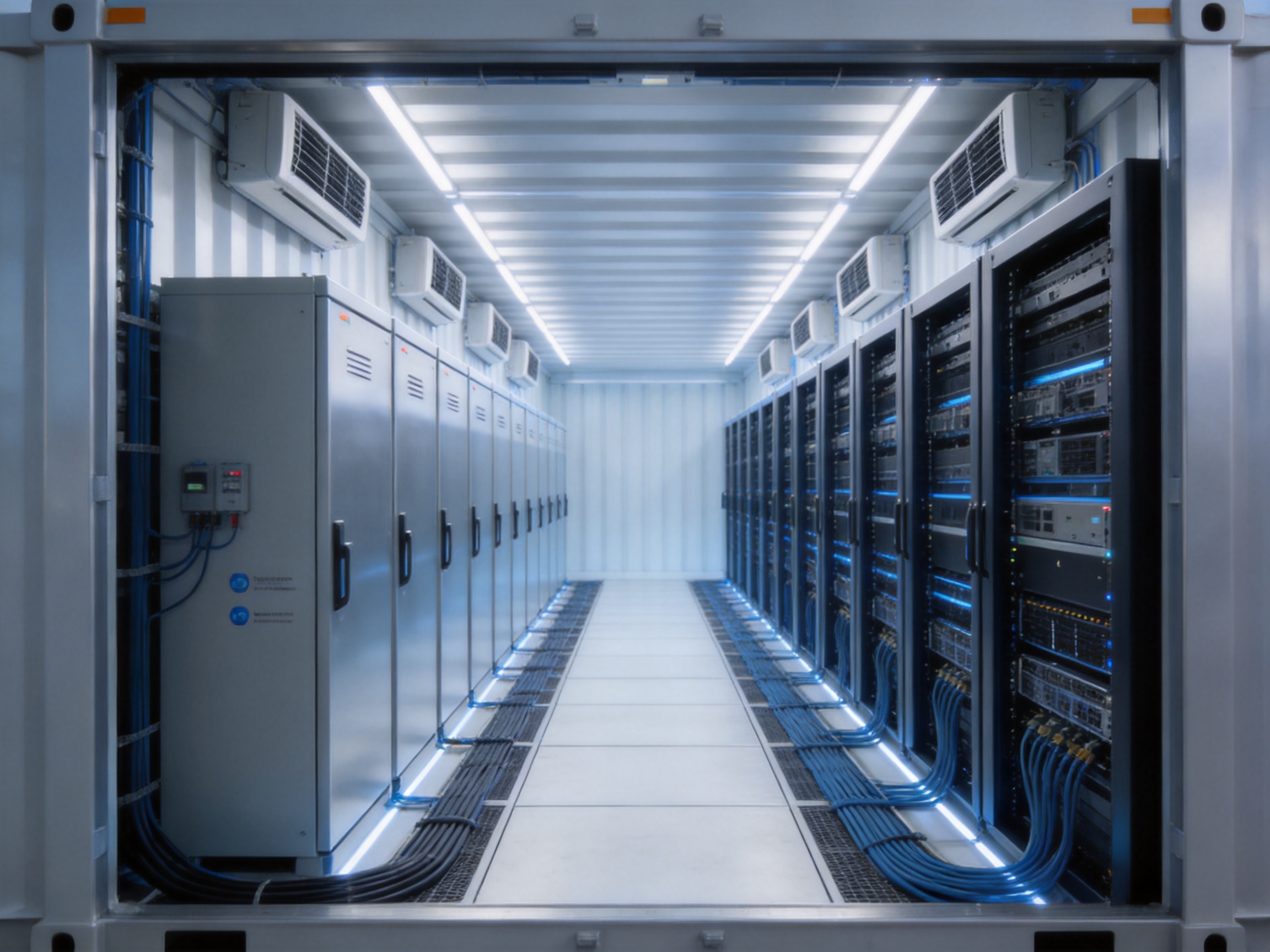
Power System Design for Mission-Critical Reliability
Power distribution is one of the most important elements of any data center. Without a stable and well-organized electrical system, even advanced computing equipment cannot operate safely. The rack-type data center uses a 380V, 50Hz/60Hz, three-phase five-wire power system, supporting common industrial and data center power requirements. The input voltage range of 380V ±10% allows the system to operate within realistic utility supply conditions while maintaining equipment protection strategies.
The dual 400A input configuration is a key design point. Dual input capability helps customers build a more reliable electrical architecture, especially when paired with upstream redundancy, backup generation, or separate power paths. In mission-critical applications, redundancy is not merely a premium feature; it is often a baseline requirement. Telecom networks, medical data platforms, financial systems, and cloud services all depend on power continuity.
The product includes precision distribution cabinets sized at W800 × D600 × H2550. Precision distribution helps organize power delivery to IT cabinets, monitor electrical conditions, and support maintainability. In a high-density environment, distribution must be both powerful and orderly. Poorly designed electrical distribution can lead to uneven load allocation, maintenance difficulties, and increased failure risk. A dedicated cabinet-based distribution architecture supports safer and more manageable operation.
The backup power time of 7 minutes can play an important role in continuity strategies. It allows time for transition to generator power, controlled shutdown, or power event handling depending on the broader site design. While long-duration backup may be handled by external power systems, the integrated backup capability gives operators a valuable buffer against short interruptions and power fluctuations.
Cooling Architecture for High-Density Computing
Cooling is the second major foundation of data center reliability. High-density racks generate significant heat, and heat must be removed continuously to prevent equipment throttling, fault conditions, or premature component aging. The rack-type data center uses water-cooled dual-source near-end air walls to address this requirement.
Each air wall measures W1200 × D400 × H3300 and provides a maximum cooling capacity of 60 kW per unit. The product configuration includes six air cooling walls and supports 5+1 redundancy. This means the design can maintain cooling capability even when one unit is unavailable, depending on operating load and environmental conditions. Redundancy increases confidence for operators who cannot tolerate sudden cooling failure.
The near-end air wall arrangement is especially useful in compact high-density environments. By placing cooling resources closer to the racks, the system can reduce long airflow paths and minimize mixing of hot and cold air. This improves cooling efficiency and helps maintain more stable inlet temperatures for IT equipment. In contrast, some conventional equipment rooms rely on room-level cooling that may struggle with localized hot spots, especially when rack power density increases.
Water-cooled cooling systems can offer strong heat removal capability compared with purely air-based approaches. In modular data center design, the ability to deliver high cooling density in a limited footprint is critical. The cooling layout of this product is therefore aligned with the needs of modern computing workloads, including cloud services, telecom switching, storage clusters, and edge analytics.
Cabinet Layout and Space Utilization
The product provides 13 IT cabinets, each sized W600 × D1200 × H2550. This cabinet depth supports modern servers, network equipment, storage devices, and cable management requirements. The height allows substantial vertical equipment capacity while fitting within the containerized structure. Proper cabinet design is essential because IT equipment has become deeper, heavier, and more power intensive over time.
The overall container dimensions are L8800 × W2700 × H3700. This footprint provides a balance between transportability, equipment capacity, and serviceability. A rack-type data center must not only fit equipment but also allow installation, inspection, maintenance, cable work, and airflow management. The planned allocation of distribution cabinets, cooling walls, and IT racks helps create an integrated environment rather than a simple row of racks inside a box.
Compared with improvised container conversions, the structured layout offers higher professional value. Some low-cost solutions may appear attractive at first because they use standard containers with basic rack installation. However, without careful planning of power, cooling, access, and safety, operational problems can emerge quickly. This rack-type data center is designed from the start as a digital infrastructure platform, not merely a container shell.
Safety, Monitoring, and Operational Protection
Safety features are essential in any environment containing high-value electronic equipment and high electrical loads. The rack-type data center supports an automatic gas fire extinguishing system. Gas fire suppression is well suited to electronic equipment rooms because it can control fire risks while reducing the chance of liquid damage. This is an important distinction from ordinary building fire protection methods that may not be optimized for IT equipment.
Optional video surveillance provides another layer of operational control. Many modular data centers are deployed at distributed locations, edge sites, industrial parks, telecom facilities, transport hubs, and remote infrastructure points. In such environments, on-site staff may not always be present. Surveillance capability helps operators monitor access, verify maintenance activity, and strengthen security procedures.
In addition to specific safety systems, the integrated design itself contributes to operational protection. Organized cabinet placement, planned distribution, dedicated cooling, and manufacturing quality control help reduce avoidable risks. Data center reliability is often determined not by one large feature but by the combined effect of many well-executed details.
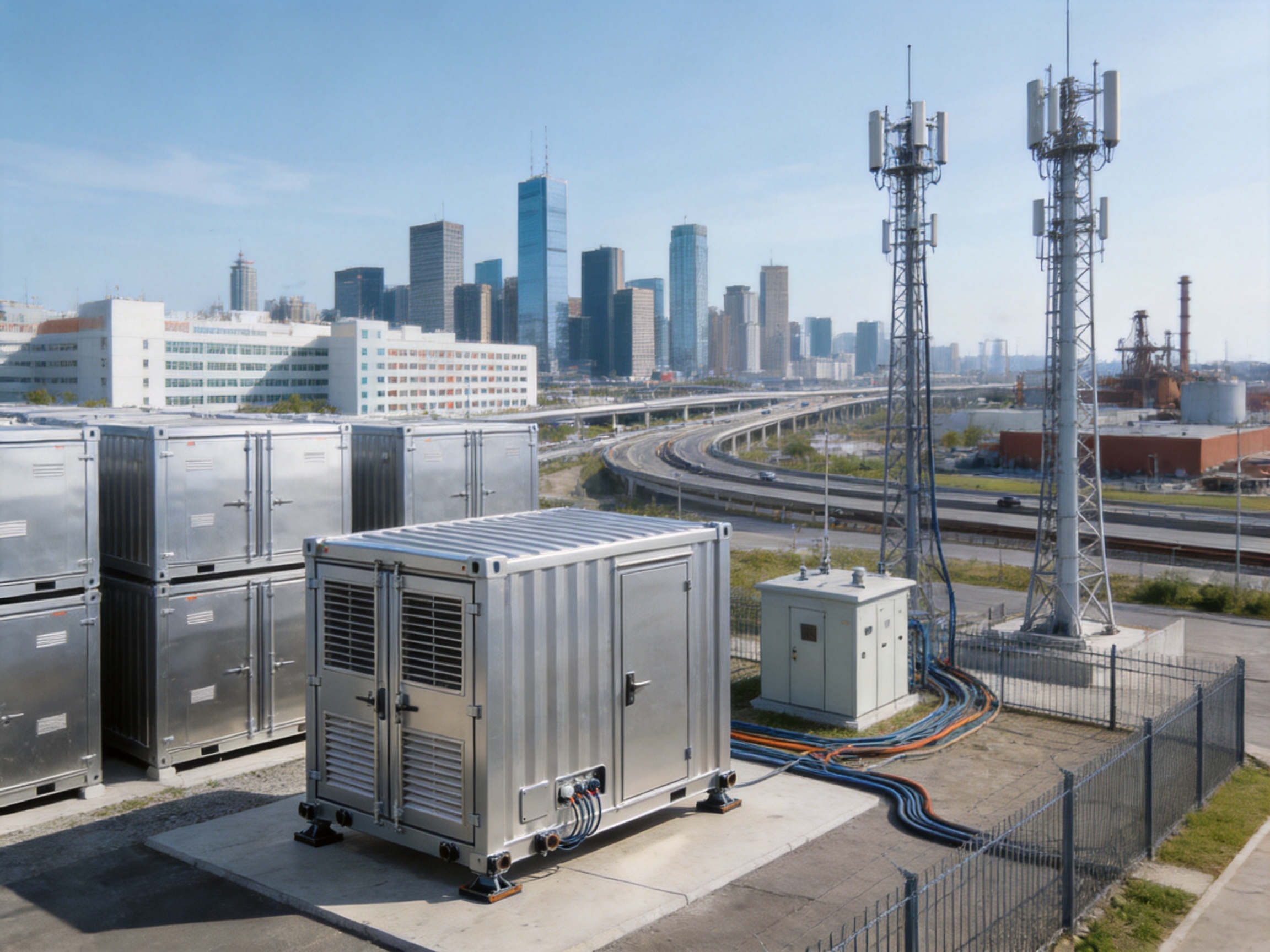
Applications in Telecommunications
Telecommunications networks are among the most important application areas for rack-type data centers. Telecom operators require reliable equipment environments for switching, routing, transmission, optical communication, mobile network support, and edge cloud services. As 5G, fiber broadband, private networks, and future communication technologies expand, operators need infrastructure that can be deployed quickly and scaled efficiently.
The rack-type data center is suitable for central equipment rooms, regional aggregation points, and distributed edge computing locations. Its containerized design can help telecom companies shorten construction cycles when expanding network capacity. The dual power input design and redundant cooling architecture support the reliability expectations of communication services. The cabinet format is also compatible with the needs of telecom electronic equipment, network devices, and optical communication systems.
For telecom edge computing, the product is especially valuable. Edge computing places processing resources closer to users and devices to reduce latency and improve service responsiveness. Applications may include video acceleration, industrial internet, smart city platforms, autonomous transport communication, and local content distribution. A rack-type data center can serve as a standardized edge node, allowing operators to repeat deployment across many locations with similar performance and maintenance characteristics.
Applications in Cloud Computing and Regional Computing Hubs
Cloud computing capacity continues to grow rapidly. Public cloud, private cloud, hybrid cloud, artificial intelligence platforms, and enterprise digital systems all demand secure and scalable infrastructure. Large cloud campuses remain important, but regional computing hubs are also becoming more common. These hubs bring computing resources closer to regional markets and reduce dependence on distant data centers.
The rack-type data center supports this trend by offering a modular building block for regional capacity. Multiple units can be arranged to form a larger data center environment. Because the design is standardized, expansion can be more predictable than custom room construction. Operators can add capacity as workloads grow, reducing the risk of overbuilding or underbuilding.
The high total power rating of up to 300 kW allows the product to support substantial computing workloads. With 13 IT cabinets and strong cooling capacity, the unit can host dense server clusters, storage systems, virtualization platforms, and networking equipment. The 5+1 cooling redundancy helps maintain stable operation for workloads that must remain online continuously.
Applications in Edge Computing
Edge computing is one of the strongest growth areas for modular data centers. Traditional centralized data centers are efficient for many workloads, but they may not meet latency, bandwidth, or local processing requirements for all applications. Edge computing places compute resources near the point of data generation or consumption. This reduces transmission delay and can lower the burden on wide-area networks.
The rack-type data center is suitable for edge deployment because it is compact, integrated, and transportable. It can be installed near industrial sites, telecom nodes, campuses, hospitals, transport stations, energy facilities, or smart city infrastructure. Its pre-engineered design helps reduce the complexity of deploying professional IT environments in locations that were not originally designed as data centers.
Edge sites may have fewer specialized personnel than large data center campuses. Therefore, standardized design and remote monitoring options are valuable. The optional video surveillance function can support operational visibility, while the integrated power and cooling design simplifies maintenance planning. The system’s redundant cooling and dual power support also help improve confidence in distributed environments.
Applications in Healthcare and Medical Digital Systems
Healthcare organizations increasingly rely on digital infrastructure for electronic medical records, imaging storage, telemedicine, laboratory systems, hospital information platforms, and medical device networks. Downtime can affect clinical efficiency and patient services. Therefore, medical institutions need reliable and secure computing environments.
A rack-type data center can be used to support hospital campus data rooms, regional medical data platforms, medical imaging centers, and healthcare edge computing. Its modular format is useful when hospitals need to expand capacity without major building renovation. The integrated cooling and power systems help create a stable environment for servers and storage systems handling sensitive medical data.
Because healthcare facilities often operate in space-constrained environments, compact infrastructure is valuable. A containerized unit can support capacity expansion while reducing disruption to existing buildings. The fire suppression support and optional monitoring features further strengthen its suitability for mission-critical medical digital systems.
Applications in Rail Transit and Transportation Infrastructure
Modern transportation systems depend heavily on communication, monitoring, signaling, ticketing, surveillance, and data analysis platforms. National high-speed railways and urban rail transit systems require reliable equipment environments distributed across routes, stations, control centers, and maintenance facilities. A modular rack-type data center can provide standardized infrastructure for these applications.
The manufacturer’s experience in products used for national high-speed railways and urban rail transit systems is relevant to this product category. Transportation environments often require durability, delivery reliability, and long service life. A supplier with knowledge of communication cabinets and electronic equipment for transport networks can better understand the requirements of these customers.
For smart transportation and rail transit, edge computing is also becoming important. Video analytics, passenger flow analysis, operational monitoring, and local control systems may benefit from computing resources near stations or operational nodes. A rack-type data center provides a practical way to deploy such resources rapidly and consistently.
Manufacturing Strength: Experience Since 1997
Wanma Technology Co., Ltd. was established in 1997 and has built long-term expertise in communication cabinets, communication electronic equipment, and passive optical components. This background is important because a rack-type data center is not only a mechanical enclosure. It is a complete infrastructure product that must support electronic equipment, network systems, power distribution, cooling, and long-term operation.
Years of experience in telecom and network infrastructure help the company understand the real conditions in which equipment operates. Products may be used in Ethernet networks, optical communication networks, central equipment rooms, high-speed railways, and urban rail transit systems. These environments demand reliability, consistency, and practical engineering. The same experience supports the design and production of rack-type data centers.
The company develops, manufactures, and markets its own branded products while also providing customized integrated solutions. This combination of standard product capability and customization is valuable for data center customers. Some projects require repeatable standard modules, while others need adjustments for site conditions, cabinet configuration, monitoring requirements, power interfaces, or application scenarios. A manufacturer with OEM and ODM experience can support both needs.
Its sales network covers more than 20 countries and regions, including the United States, Australia, the United Kingdom, Italy, South Africa, and Ghana. International experience indicates the ability to serve customers with different project standards, climates, deployment practices, and communication requirements. For buyers seeking a long-term digital infrastructure partner, global service experience and export capability are important advantages.
Advanced Manufacturing Processes and Quality Control
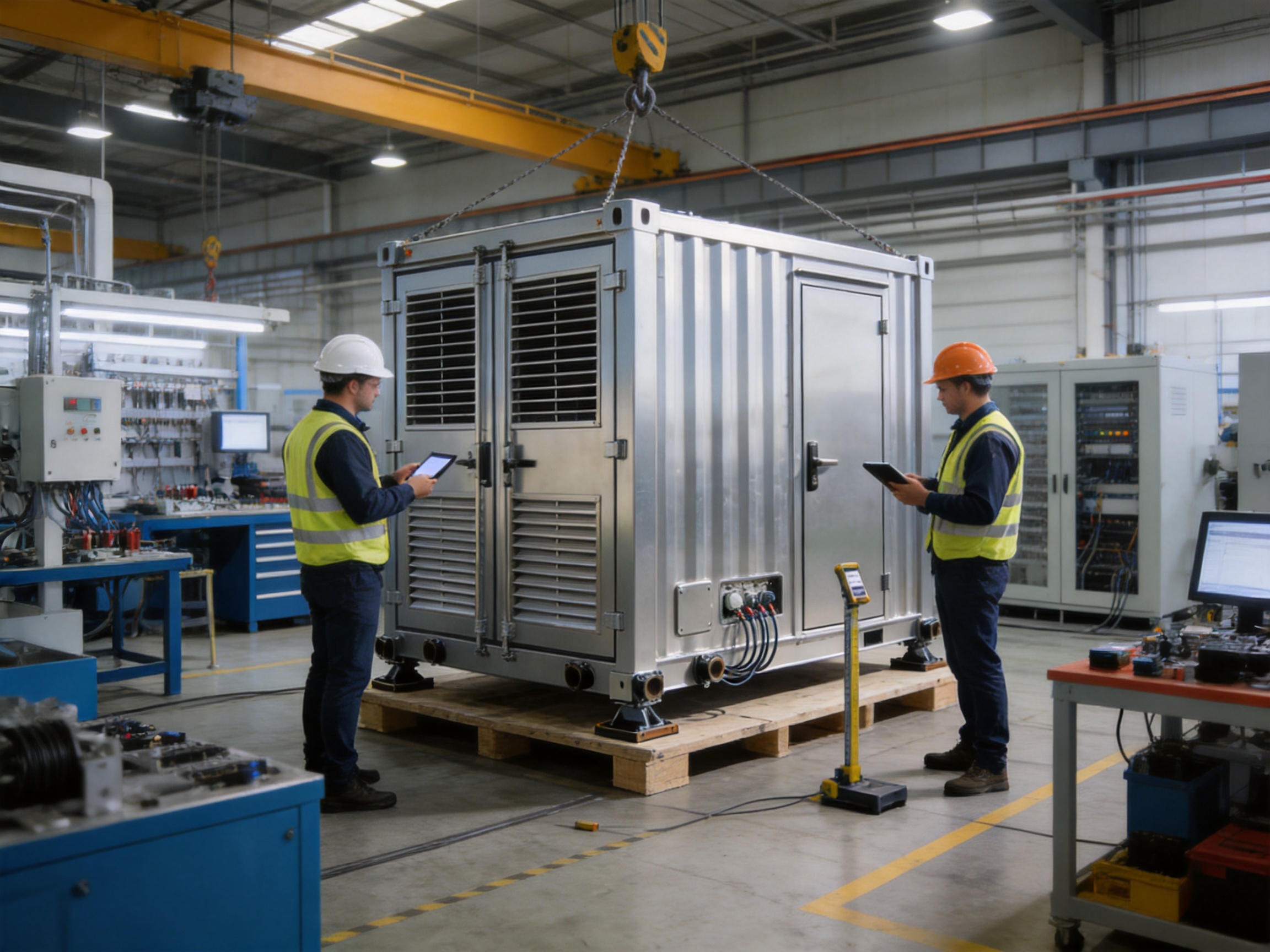
The performance of a rack-type data center depends heavily on manufacturing quality. A containerized data center must meet dimensional accuracy, structural strength, cabinet alignment, electrical safety, cooling integration, and environmental protection expectations. Advanced manufacturing processes help ensure that every module is consistent, reliable, and ready for efficient deployment.
The manufacturing process begins with engineering design and configuration planning. Cabinet positions, power distribution paths, cooling wall placement, maintenance access, cable routing, and safety features must be considered as a complete system. A well-designed module avoids conflicts between equipment, airflow, electrical systems, and maintenance space. This systems-engineering approach is one of the product’s major advantages over simple container modification.
Structural production requires precision fabrication. The container body must support transportation, lifting, installation, and long-term use. Dimensional accuracy is important because cabinets, cooling units, and distribution equipment must fit correctly. Proper surface treatment and finishing help protect the structure and improve service life. In professional data center manufacturing, the enclosure is not merely a shell; it is the foundation of the entire operating environment.
Electrical assembly must follow strict procedures. Power distribution equipment, input interfaces, cabinet power paths, grounding, and protection devices require careful installation and inspection. In a high-power system supporting up to 300 kW, workmanship quality directly affects safety and reliability. Organized wiring and clear labeling also improve maintenance efficiency after deployment.
Cooling system integration is another critical process. Air wall placement, airflow paths, water-cooled interfaces, and control logic must support stable thermal performance. Factory integration allows these elements to be checked before delivery, reducing commissioning problems at the project site. The 5+1 redundancy design must be implemented in a way that supports both capacity and serviceability.
Quality control should include material inspection, dimensional checks, assembly verification, electrical testing, cooling inspection, safety review, and final acceptance. By completing many of these steps in the factory, the manufacturer reduces the uncertainty that often occurs during field construction. Customers benefit from a more predictable product and a shorter path to operation.
Customization and OEM/ODM Capability
Different customers may require different data center configurations. A telecom operator may prioritize network cabinets, optical distribution, and edge computing equipment. A cloud provider may emphasize high-density server racks and redundant power. A healthcare customer may require strict safety features and secure monitoring. An industrial customer may need adaptation to local environmental conditions. For this reason, customization capability is essential.
As an experienced custom digital infrastructure solutions manufacturer and OEM/ODM telecom electronic equipment supplier, the company can provide integrated solutions for customer-specific projects. Customization may involve cabinet arrangement, auxiliary system integration, monitoring options, site interface design, external connection planning, and special equipment compatibility. This flexibility helps customers avoid the limitations of one-size-fits-all products.
Customization does not mean abandoning standardization. The strongest approach combines a proven platform with project-specific adjustments. The rack-type data center provides a standard foundation: defined dimensions, cabinet positions, power capacity, distribution structure, cooling architecture, and safety support. On this foundation, the manufacturer can adapt details to match operational needs. This balance of standardization and flexibility reduces risk while supporting practical deployment.
Operational Efficiency and Lifecycle Value
When evaluating data center infrastructure, customers should look beyond purchase price. Lifecycle value includes deployment time, reliability, energy efficiency, maintenance convenience, scalability, and future adaptability. A lower-cost product may become expensive if it requires extensive site work, suffers cooling problems, lacks redundancy, or cannot support future growth.
The rack-type data center offers strong lifecycle value through integration and modularity. Factory-built integration can reduce on-site labor and shorten commissioning. Redundant cooling and dual power support can reduce downtime risk. The compact high-density layout can improve land and space utilization. The ability to add modules over time helps align investment with demand.
Maintenance convenience also contributes to lifecycle value. Organized cabinet positions and dedicated distribution cabinets make the system easier to inspect and service. Standardized modules allow maintenance teams to apply consistent procedures across multiple sites. This is particularly important for telecom and edge computing networks, where many distributed nodes may need to be managed by a central operations team.
Scalability protects long-term investment. Digital workloads rarely remain static. Cloud services grow, network traffic increases, storage demand expands, and new applications emerge. A modular rack-type data center allows infrastructure capacity to grow in response. This reduces the risk that a customer will outgrow a fixed equipment room too quickly.
Deployment Considerations
Although the rack-type data center is highly integrated, successful deployment still requires proper planning. Site selection should consider access roads, foundation requirements, lifting conditions, power supply, cooling water connections if applicable, drainage, security, and maintenance access. The surrounding environment should support safe operation and service activities.
Power planning is especially important. The product supports dual 400A inputs and dual power supply, but the upstream electrical system must be designed to take advantage of this capability. Customers should plan utility feeds, generator backup, switchgear, grounding, and protection devices according to their reliability targets and local standards.
Cooling planning must consider external heat rejection, water supply conditions, environmental temperature, and load profile. The internal air walls provide strong cooling capacity, but the complete thermal system includes external support. Proper engineering ensures that the cooling design performs as expected throughout seasonal changes and workload variation.
Network and cable planning should also be completed early. Fiber routes, copper connections, external communication paths, monitoring integration, and cabinet-level cable management affect long-term operability. Because the product is used in telecom and digital infrastructure applications, clean and organized connectivity is essential.
Environmental and Sustainability Benefits
Modular data centers can support more sustainable infrastructure development when properly designed and operated. One sustainability benefit is right-sized deployment. Instead of constructing a large building with unused capacity, customers can deploy modules according to actual demand. This can reduce unnecessary material use and energy consumption associated with idle infrastructure.
The high-density format also improves land-use efficiency. By supporting significant power and cabinet capacity within a compact footprint, the rack-type data center can reduce the space required for computing deployment. This is valuable in urban areas, industrial parks, hospital campuses, transportation hubs, and telecom sites where land may be limited.
Efficient cooling design contributes to sustainability as well. Near-end cooling can reduce airflow waste and improve temperature control. Redundant cooling ensures reliability, while proper control strategies can help balance performance and energy use. In data center operations, cooling efficiency has a major impact on total energy consumption.
Factory manufacturing can also reduce waste compared with fragmented on-site construction. Materials, assembly procedures, and quality checks are easier to control in a production environment. Repeatable manufacturing supports consistent use of components and reduces rework. These factors can contribute to a more efficient project lifecycle.
Why This Product Is a Strong Choice for Digital Infrastructure Projects
The rack-type data center is a strong choice because it combines high capacity, modular deployment, integrated engineering, and manufacturer expertise. Its 24-position layout provides a practical balance of IT cabinets, power distribution, and cooling resources. Its total power capacity of up to 300 kW supports high-density applications. Its dual power input design and redundant cooling architecture address reliability requirements for mission-critical operations.
The product also stands out because of its versatility. It can serve ultra-large data center expansion, regional computing hubs, telecom edge nodes, healthcare digital platforms, transportation systems, and industrial computing sites. This wide application range reflects the flexibility of the IT container architecture.
Compared with many competitors, the solution offers more than a basic containerized enclosure. It is an integrated infrastructure platform supported by experience in communication cabinets, telecom electronic equipment, passive optical components, optical communication networks, equipment rooms, and rail transit applications. This industry background helps ensure that the product is designed for real operational environments.
The company’s manufacturing strengths, customization capability, global sales experience, and commitment to reliable product quality and timely delivery further strengthen the value proposition. Customers seeking a long-term partner for digital infrastructure can benefit from a supplier that understands both product manufacturing and integrated solution delivery.
Q&A Section
What is a rack-type data center?
A rack-type data center is an integrated infrastructure platform that houses IT cabinets, power distribution equipment, cooling systems, and safety features within a modular structure. In this product, the data center is based on an IT container format, making it suitable for rapid deployment and scalable digital infrastructure projects.
What are the main applications of this product?
The product can be used for ultra-large data center construction, regional computing hubs, telecom equipment rooms, edge computing sites, cloud computing bases, healthcare data systems, rail transit communication platforms, and industrial digital infrastructure.
How much power does the system support?
The rack-type data center supports total power of up to 300 kW. It uses a 380V, 50Hz/60Hz, three-phase five-wire power system and supports dual 400A input current with dual power supply capability.
How many IT cabinets are included?
The standard configuration includes 13 IT cabinets. Each IT cabinet is sized W600 × D1200 × H2550, providing suitable space for modern servers, network equipment, storage systems, and telecom electronic devices.
What makes the cooling system reliable?
The product uses water-cooled dual-source near-end air walls. Each cooling unit can provide up to 60 kW of cooling capacity, and the system uses a 5+1 redundancy design. This helps maintain cooling reliability even if one unit is under maintenance or unavailable.
How is this product different from a traditional data center room?
A traditional data center room usually requires extensive on-site construction and integration. This rack-type data center is factory-built and integrated, which can shorten deployment time, improve quality consistency, reduce project risk, and support modular expansion.
Can the product be customized?
Yes. The manufacturer provides customized integrated solutions and OEM/ODM capabilities. Customers can request adaptations based on application requirements, site conditions, monitoring needs, cabinet configurations, and supporting system requirements.
Does the product support fire protection?
Yes. The system supports an automatic gas fire extinguishing system. This is suitable for electronic equipment environments because it helps reduce fire risk while avoiding the water damage concerns associated with some traditional fire suppression methods.
Is video surveillance available?
Yes. Video surveillance is optional. It can help customers monitor access, improve security management, and support remote operations, especially at distributed edge computing or telecom sites.
Why is this product suitable for edge computing?
Edge computing requires compact, reliable, and quickly deployable infrastructure close to users or data sources. This rack-type data center is integrated, transportable, scalable, and designed with power and cooling systems suitable for distributed computing nodes.
What company strengths support the product?
Wanma Technology Co., Ltd. has experience dating back to 1997 in communication cabinets, communication electronic equipment, and passive optical components. Its products are used in Ethernet networks, optical communication networks, central equipment rooms, national high-speed railways, and urban rail transit systems. This background supports strong engineering, manufacturing, and solution delivery capabilities.
Conclusion
The rack-type data center is a practical answer to the growing demand for fast, scalable, and reliable digital infrastructure. By integrating IT cabinets, precision power distribution, water-cooled near-end air wall cooling, backup power support, optional surveillance, and fire suppression readiness, it provides a complete platform for modern computing environments.
Its advantages over conventional construction include faster deployment, predictable quality, phased scalability, compact design, and easier replication across multiple sites. Its advantages over many competing modular products include high total power capacity, dual power support, strong cooling redundancy, professional cabinet layout, and the backing of a manufacturer with deep experience in telecom and network infrastructure.
For telecom operators, cloud service providers, healthcare organizations, transportation networks, industrial enterprises, and regional computing projects, this solution offers a strong combination of performance, flexibility, and lifecycle value. As digital infrastructure continues to move toward modular, distributed, and high-density deployment, rack-type data centers will become increasingly important. This product is positioned to support that transformation with integrated engineering, reliable manufacturing, and adaptable application potential.
References
Uptime Institute. Data Center Site Infrastructure Tier Standard: Topology.
ASHRAE Technical Committee 9.9. Thermal Guidelines for Data Processing Environments.
International Electrotechnical Commission. IEC Standards for Low-Voltage Electrical Installations and Data Center Electrical Safety.
Telecommunications Industry Association. TIA-942 Telecommunications Infrastructure Standard for Data Centers.
National Fire Protection Association. NFPA 75 Standard for the Fire Protection of Information Technology Equipment.
International Organization for Standardization. ISO/IEC 30134 Information Technology: Data Centres Key Performance Indicators.
PREV:Intelligent Medical Carts for Safer, Faster Clinical Workflows
NEXT:Intelligent Medical Carts for Safer, Faster, and More Connected Clinical Care
NEXT:Intelligent Medical Carts for Safer, Faster, and More Connected Clinical Care
Interested in cooperation or have questions?
Related products
-
-
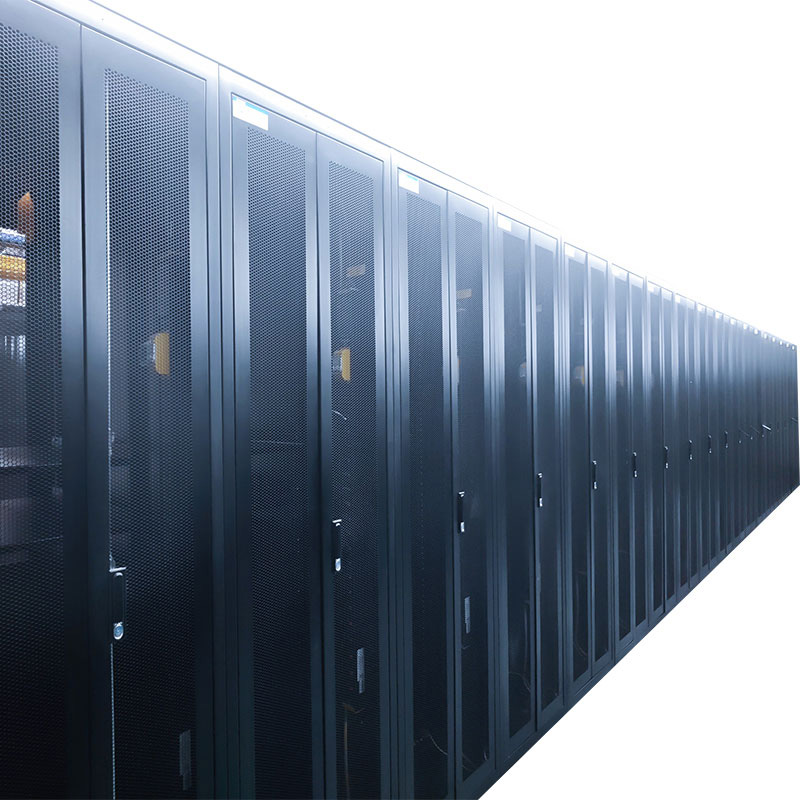
Application:It is used in internet data center equipment room to house server cabinets and provides them with required working environment. Features:•Modularization: Two cabinets combined sharing one ...
See Details -
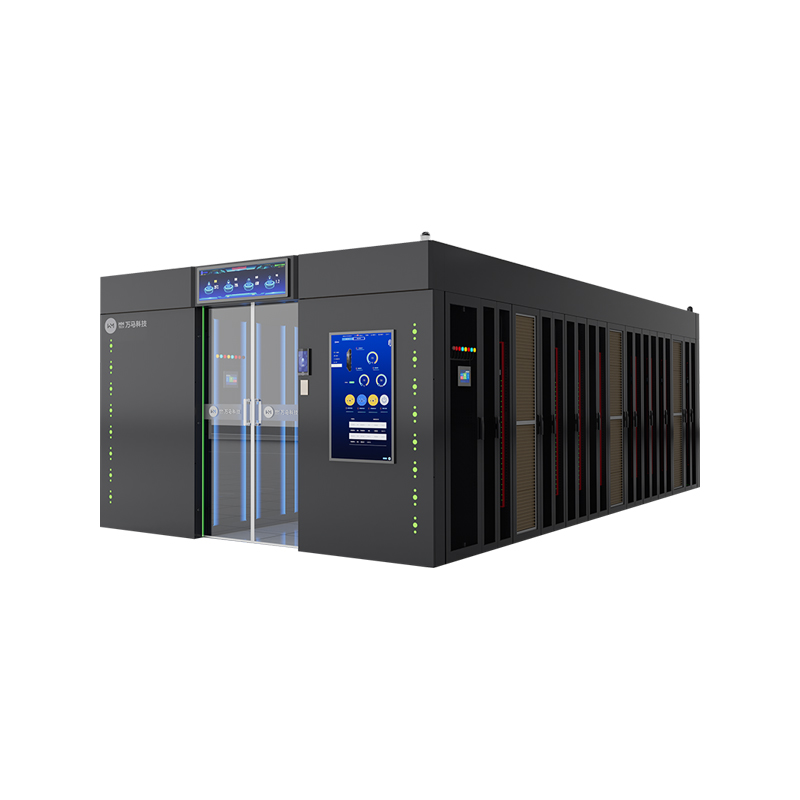
A micro-module data center (MMDC) is a new generation data center architecture that uses standardized modules as units, features prefabricated design, and allows for rapid deployment. It integrates t...
See Details -
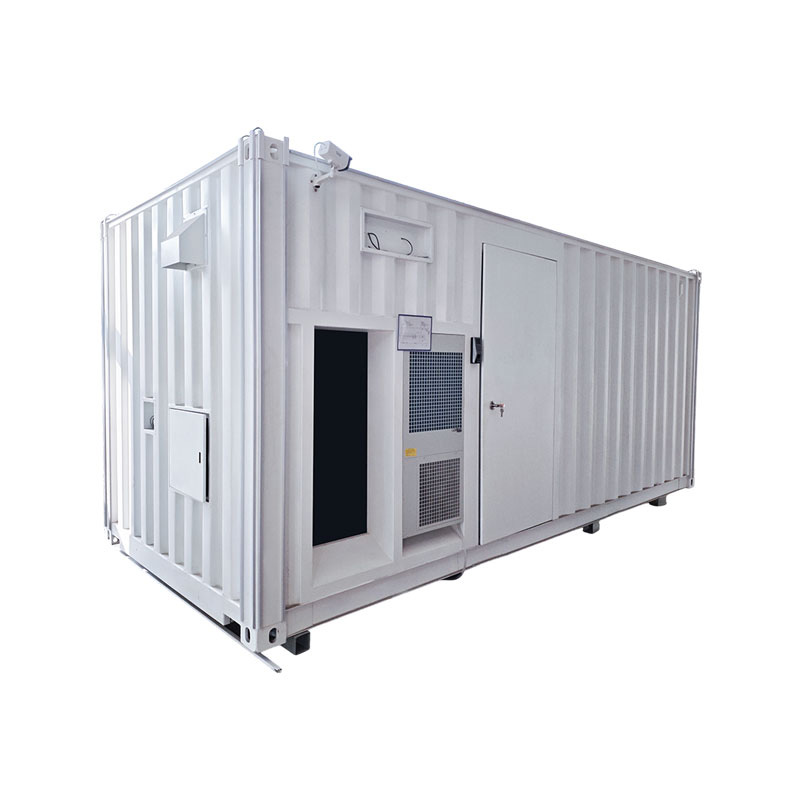
20-inch Containerized Data Center (CDC-20) is a compact and highly integrated modular data center solution built within a standard 20-foot ISO shipping container. It pre-integrates IT racks, power sup...
See Details
Ready to Get started ? Contact Us Now !

Product.
Contact Details.
-
 +86 13958188250
-
 +86 13958188250
-
 [email protected]
- Wanma Industrial Park Taihu Yuan Town Lin'an District Hangzhou City China.
QR Code

Copyright © Wanma Technology Co., Ltd. All Rights Reserved.
Custom Ethernet Optical Network Railway Transit Equipments Suppliers
