

 English
 Français
 Español
 Português
 عربى
عربى




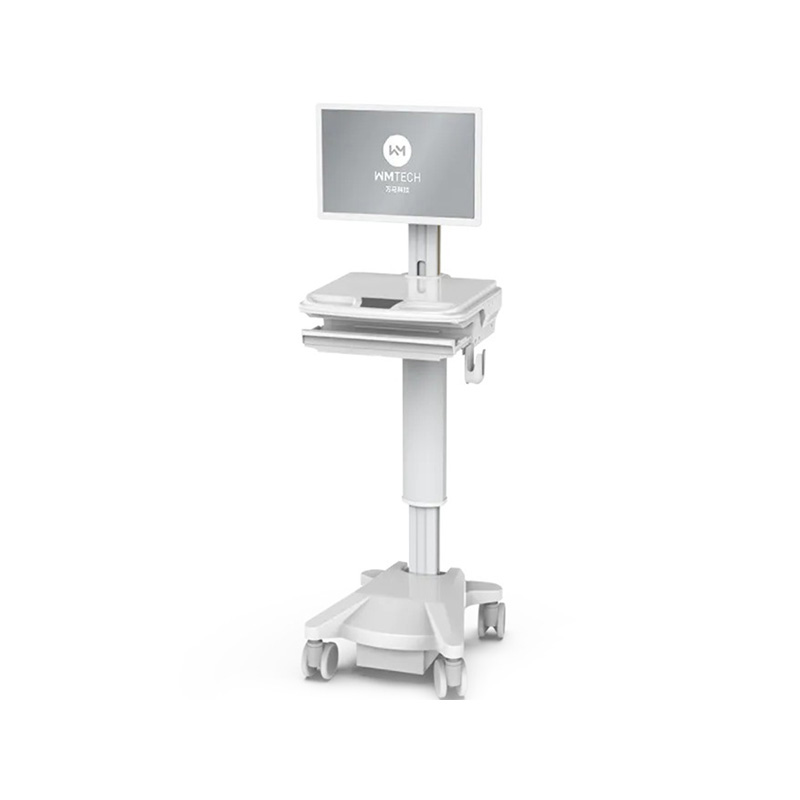

Product DefinitionThe WMYC-D2-30 Medical Cart is an intelligent mobile medical workstation integrating informatization and clinical assistance functions. It supports medical order management, patient ...
See DetailsIntelligent Medical Carts for Safer, Faster Clinical Workflows
Content
- 1 Product Definition and Clinical Role
- 2 Core Advantages of the WMYC-D2-30 Medical Cart
- 3 Comparison with Conventional and Competing Medical Carts
- 4 Clinical Applications
- 5 Design Philosophy: Mobility, Intelligence, and Human-Centered Care
- 6 Manufacturing Strengths Behind the Product
- 7 Workflow Benefits and Operational Value
- 8 Infection Control and Clinical Safety
- 9 Technology Integration in the Medical Environment
- 10 Why Manufacturing Experience Matters in Medical Carts
- 11 Procurement Considerations for Hospitals and Distributors
- 12 Product Advantages in Global Healthcare Modernization
- 13 Detailed Feature Interpretation
- 14 Economic Value and Return on Investment
- 15 Q&A: Common Questions About the WMYC-D2-30 Medical Cart
- 15.1 What is the WMYC-D2-30 Medical Cart used for?
- 15.2 How is it different from a conventional medical cart?
- 15.3 Does the cart support different computer configurations?
- 15.4 Why is the electric lifting table important?
- 15.5 Can the cart be customized?
- 15.6 Is the cart suitable for ICU and emergency use?
- 15.7 How does the cart support patient safety?
- 15.8 What manufacturing strengths support the product?
- 16 Conclusion
- 17 References
- 18 Product: WMYC-D2-30 Medical Carts
Modern healthcare facilities are under constant pressure to deliver accurate, timely, and patient-centered care while managing increasingly complex clinical information. The WMYC-D2-30 Medical Cart is designed for this environment: a smart, mobile medical workstation that brings digital records, order management, bedside documentation, medication-related assistance, and clinical information access directly to the point of care. As hospitals, emergency departments, intensive care units, outpatient clinics, and mobile nursing teams continue to digitize their workflows, intelligent medical carts have become essential infrastructure rather than optional accessories.
The WMYC-D2-30 Medical Cart belongs to the category of smart medical carts and is engineered to serve as a comprehensive clinical assistant. It integrates informatization, ergonomic design, power management, and scalable hardware options into one mobile platform. Instead of requiring clinicians to leave the bedside to access medical records, confirm orders, review patient information, or enter documentation, the cart supports these actions where care is delivered. This reduces delays, improves order accuracy, strengthens workflow continuity, and helps clinicians make better decisions with real-time information.
Compared with conventional medical carts that function mainly as storage trolleys or device stands, the WMYC-D2-30 is built as a digital clinical workstation. It supports medical order management, patient information inquiry, electronic medical record entry, graphical data display, and flexible accessory integration. Its standard configuration includes an electric lifting table, a power system, and professional computer options, while optional accessories such as laptops, customized drawers, medical record frames, and hand sanitizer mounts enable hospitals to adapt the cart to specific departmental needs.
Manufactured by Wanma Technology Co., Ltd., a company established in 1997 with deep experience in communication cabinets, electronic equipment, passive optical components, and customized infrastructure solutions, the WMYC-D2-30 reflects a manufacturing philosophy that emphasizes structural reliability, electrical safety, system integration, and long-term serviceability. The company’s background in telecommunications and digital infrastructure gives it a valuable advantage in building smart medical workstations that require stable power distribution, organized cabling, durable enclosure design, and dependable electronic integration.
Product Definition and Clinical Role
The WMYC-D2-30 Medical Cart is an intelligent mobile medical workstation designed to connect clinical professionals with digital healthcare systems at the bedside, in treatment areas, or during mobile service rounds. It is not merely a movable desk or equipment carrier. It is a practical interface between hospital information systems and frontline clinical activity. By supporting order entry, information review, electronic medical record input, and clinical operation assistance, it allows medical teams to work with greater accuracy and confidence.
In a traditional workflow, a nurse or physician may need to check patient information at a central nursing station, walk to the patient, perform clinical tasks, return to the workstation, enter documentation, and then verify orders again. This creates time gaps and increases the chance of delayed records or transcription mistakes. A smart medical cart reduces this fragmentation by placing digital access directly beside the patient. For departments where every minute matters, such as emergency departments and ICUs, this capability can improve responsiveness and reduce unnecessary movement.
The WMYC-D2-30 is especially useful in environments where multiple clinical tasks occur in sequence. During ward rounds, clinicians may review laboratory results, examine the patient, update orders, consult electronic medical records, and coordinate nursing instructions. During mobile nursing, staff may need to confirm identity, document vital signs, communicate changes, or manage medication-related tasks. In outpatient diagnosis, physicians may require an integrated platform for quick record access and order execution. The cart supports these activities in a structured, mobile, and ergonomic form.
The product’s value is also found in its ability to standardize digital workflows. When a cart is purpose-built for medical informatization, it can support consistent operating procedures across different departments. This consistency helps reduce variability, enhances training efficiency, and makes it easier for hospitals to implement digital transformation initiatives. For institutions adopting electronic medical record systems or expanding bedside documentation, the WMYC-D2-30 provides a practical physical platform that turns digital planning into daily clinical execution.
Core Advantages of the WMYC-D2-30 Medical Cart
The WMYC-D2-30 offers a combination of intelligent software support, clinical mobility, ergonomic operation, accessory flexibility, and safe power management. These advantages differentiate it from conventional carts and from many competitor products that focus on only one or two of these dimensions.
Intelligent Order Assistance
One of the cart’s primary advantages is its intelligent order assistance capability. Through a guided interface and smart order entry approach, it supports more complete and accurate medical order management. In a clinical setting, order errors may arise from unclear handwriting, incomplete documentation, delayed information transfer, or manual re-entry. A smart order workflow helps minimize these risks by making information available in real time and by guiding users through structured entry steps.
This function is particularly valuable during ward rounds and emergency care. Physicians can assess the patient and update orders without waiting to return to a fixed workstation. Nurses can review and confirm instructions closer to the point of care. When order information is synchronized with patient records, teams can reduce communication gaps and improve task execution. The result is a more reliable clinical process that supports patient safety and operational efficiency.
Efficient Information Integration
The WMYC-D2-30 supports graphical information display and real-time synchronization of patient data and medical orders. This gives clinicians a clearer view of relevant information, making it easier to interpret trends, verify status, and coordinate care. Graphical presentation is especially useful for displaying vital signs, test results, nursing records, and treatment progress. When information is presented visually, clinicians can recognize abnormal patterns faster than when reviewing isolated text entries.
Information integration also reduces redundant work. Instead of recording data on paper and later entering it into an electronic system, staff can input information directly into the digital environment. This helps reduce duplicated documentation, improves data timeliness, and supports better decision-making. For healthcare organizations seeking to improve digital maturity, this cart helps bridge the gap between hospital information platforms and real clinical workflows.
Flexible and Scalable Configuration
The cart’s flexible configuration is another important advantage. It comes standard with an electric lifting table, a power system, and professional computer options, including all-in-one or split computer configurations. This allows hospitals to choose a setup that matches their clinical, IT, and budgetary requirements. Optional accessories such as laptops, customized drawers, medical record frames, and hand sanitizer mounts further expand the cart’s usability.
Scalability matters because no two departments use medical carts in exactly the same way. An ICU may prioritize monitor visibility, infection-control accessories, and continuous power. A general ward may prioritize documentation, order review, and storage drawers. An outpatient department may require a compact configuration for high patient turnover. Pharmacy-related mobile service may need secure drawers and organized work surfaces. The WMYC-D2-30 can be adapted to these scenarios without forcing every user into a single rigid configuration.
Safety and Ergonomics
Healthcare workers often spend long hours moving between patients, standing during rounds, entering records, and handling equipment. Poor workstation height, awkward screen angles, and disorganized accessories can contribute to fatigue and inefficiency. The WMYC-D2-30 includes an electric lifting table that supports ergonomic adjustment, helping users work in comfortable positions whether standing or seated. This is especially important for facilities with multiple users of different heights.
The cart also includes medical-grade power management. Reliable power is essential because the workstation may support computers, peripherals, and other electronic devices during mobile operation. A professionally designed power system reduces the risk of unexpected shutdowns, messy external wiring, and unsafe charging practices. Optional accessories such as hand sanitizer mounts support infection-control routines by keeping hygiene resources conveniently available during rounds.
Comparison with Conventional and Competing Medical Carts
Many medical carts on the market are designed around basic mobility, storage, or simple device mounting. While these functions remain useful, they are not sufficient for modern digitized care. The WMYC-D2-30 differentiates itself by combining mobility with intelligent clinical workflow support, configurable digital equipment, integrated power management, and ergonomic usability.
| Evaluation Area | WMYC-D2-30 Medical Cart | Typical Conventional Cart | Practical Benefit |
|---|---|---|---|
| Clinical Intelligence | Supports order management, patient information inquiry, and electronic record entry | Often limited to storage or equipment movement | Brings digital workflow to the bedside |
| Information Display | Supports graphical display and real-time data synchronization | May lack integrated display or system connectivity | Improves decision speed and information accuracy |
| Ergonomics | Standard electric lifting table for adjustable working height | Fixed height or limited manual adjustment | Reduces fatigue and supports different users |
| Power Management | Built-in medical-grade power system | Often relies on external adapters or limited battery options | Improves reliability and cable organization |
| Scalability | Optional laptops, drawers, record frames, and hygiene accessories | Limited accessory ecosystem | Adapts to wards, ICUs, emergency rooms, and outpatient clinics |
| Workflow Role | Functions as a mobile clinical assistant | Functions mainly as a trolley | Improves clinical efficiency and safety |
The table highlights why the WMYC-D2-30 should be understood as a smart medical workstation rather than a simple medical cart. Its role extends beyond transport and storage. It supports structured clinical information use, real-time documentation, and safer order execution. For hospitals comparing investments, the most important question is not only how smoothly a cart rolls, but how much it can improve the daily clinical process.
Competitor products may offer attractive appearances or basic computer mounting, but they often fall short in complete system integration. A cart may have a screen but lack proper power management. Another may have drawers but limited ergonomic adjustment. Some may provide mobility but insufficient accessory flexibility. The WMYC-D2-30 combines these features into a more complete solution, allowing healthcare teams to deploy it across multiple clinical scenarios while maintaining consistency and usability.
Clinical Applications
Ward Rounds and Bedside Nursing
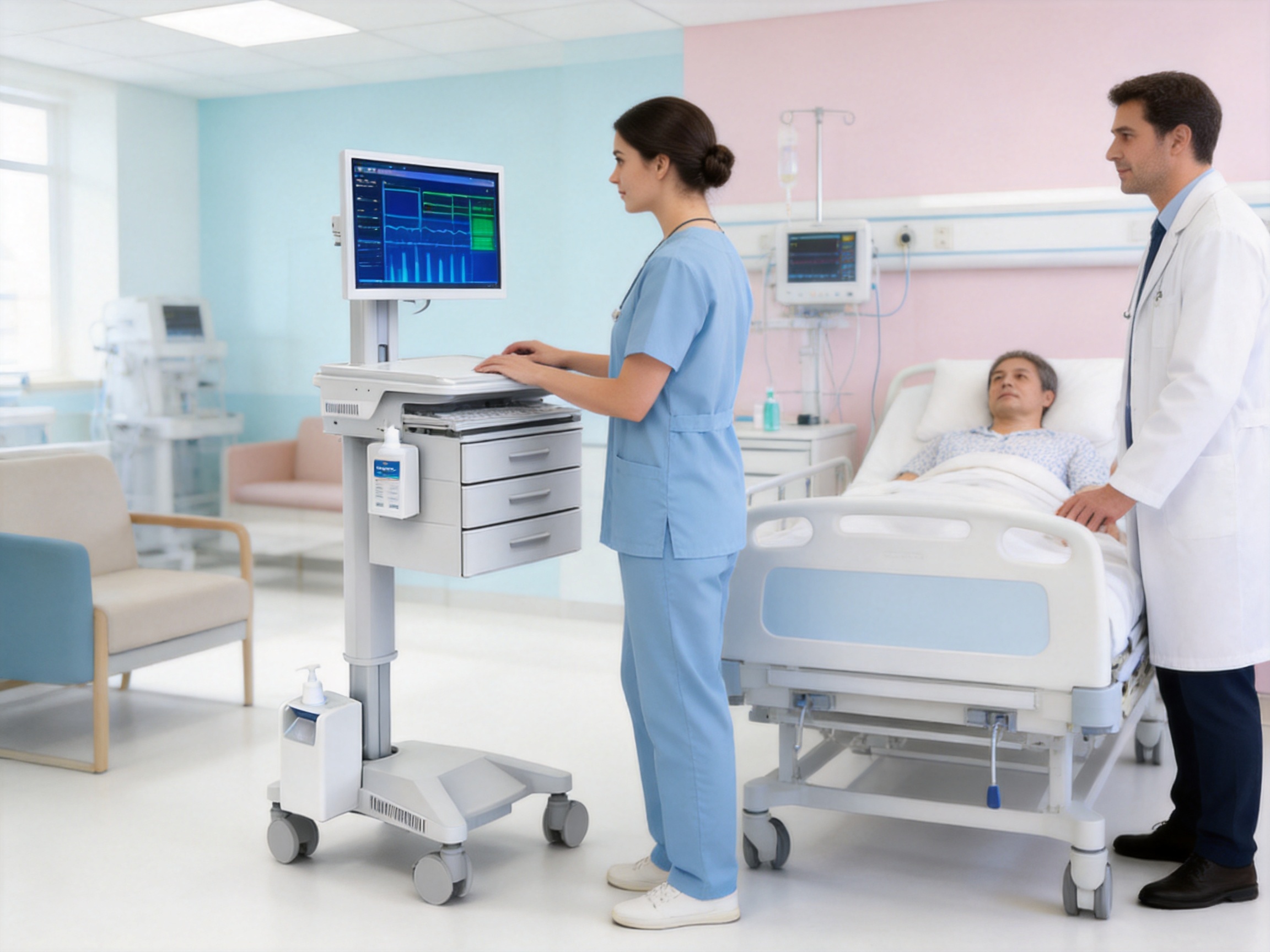
Ward rounds require clinicians to move efficiently between patients while reviewing current conditions, updating treatment plans, and documenting findings. The WMYC-D2-30 makes this process smoother by providing mobile access to patient information and order management tools. Physicians can review data at the bedside, while nurses can document observations and confirm tasks without waiting to return to a central station.
For bedside nursing, the cart supports real-time documentation of nursing records, vital signs, patient assessments, and care activities. This improves data accuracy because information is entered closer to the time and place of care. It also helps reduce the memory burden on staff, who otherwise may need to remember several patient interactions before entering notes later.
Emergency Departments and Intensive Care Units
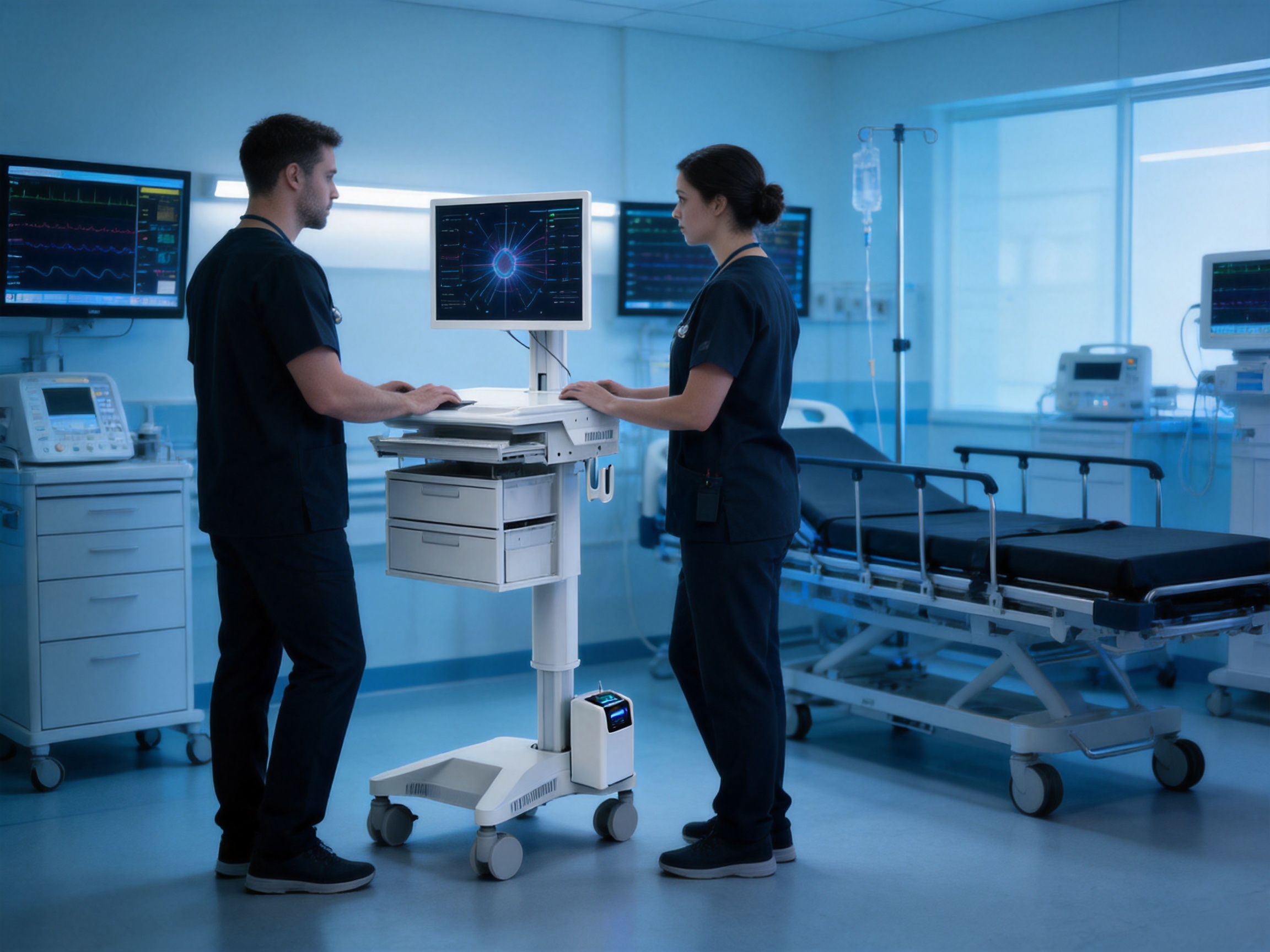
Emergency departments and ICUs are high-pressure environments where rapid access to accurate information can influence outcomes. The WMYC-D2-30 supports mobile clinical operations by allowing teams to access records, review orders, and input documentation in real time. In emergency care, where patient status can change quickly, a mobile workstation helps clinicians remain close to the patient while maintaining connection to hospital information systems.
In ICUs, patients often require continuous monitoring, frequent documentation, and coordinated multidisciplinary decisions. A smart medical cart can support rounds, shift handovers, bedside procedures, and immediate information review. The electric lifting table improves usability during long work periods, and the power management system supports electronic equipment reliability. This combination of mobility, digital access, and ergonomic design is especially suitable for critical care environments.
Outpatient Diagnosis and Order Execution
Outpatient departments face high patient volumes and require efficient workflows. The WMYC-D2-30 can help physicians and clinical assistants access patient records, enter diagnostic information, and execute orders more efficiently. Because the cart is mobile, it can be repositioned according to room layout, patient flow, or temporary service needs. This flexibility is valuable in clinics that must adapt quickly to changing daily workloads.
The cart also supports better communication between clinicians and patients. When information can be reviewed at the point of consultation, medical staff can explain findings, confirm instructions, and ensure that orders are entered accurately. This improves service quality and reduces administrative delays.
Mobile Nursing and Pharmaceutical Services
Mobile nursing teams need equipment that supports documentation, medication-related checks, and patient service tasks across multiple rooms. The WMYC-D2-30 provides a configurable platform that can include drawers, computers, and hygiene accessories. This makes it suitable for nursing rounds, treatment delivery, and medication coordination.
For pharmaceutical services, secure and organized storage can be important, depending on hospital policies and accessory configuration. The cart’s scalable design allows institutions to adapt it for medication distribution support, patient counseling, or pharmacy-related clinical rounds. By integrating information access with physical mobility, it helps reduce the separation between medication orders, patient identity confirmation, and care execution.
Design Philosophy: Mobility, Intelligence, and Human-Centered Care
The design of a smart medical cart must balance several priorities. It must be mobile but stable, compact but spacious enough for work, technologically capable but easy to use, and durable while remaining ergonomic. The WMYC-D2-30 is built around these practical needs.
Mobility is essential because modern healthcare is not confined to a desk. Clinicians move constantly, and digital tools must follow them. However, mobility must not compromise safety. A medical cart must remain stable during movement, protect electronic components, and support organized cable routing. A well-designed cart reduces clutter and helps maintain a professional clinical environment.
Intelligence is reflected not only in software compatibility but also in workflow guidance. The cart supports smarter order entry and information integration, helping reduce human error and improve completeness. In a hospital, even small workflow improvements can have large cumulative effects because staff perform repeated tasks throughout the day. When a workstation reduces unnecessary steps and supports accurate data entry, it improves both productivity and safety.
Human-centered design is equally important. Healthcare workers need tools that reduce strain rather than add complexity. The electric lifting table enables height adjustment, supporting comfortable use by different staff members. Accessory options allow frequently used items to be placed within easy reach. The overall structure supports a smoother interaction between user, patient, and digital system.
Manufacturing Strengths Behind the Product
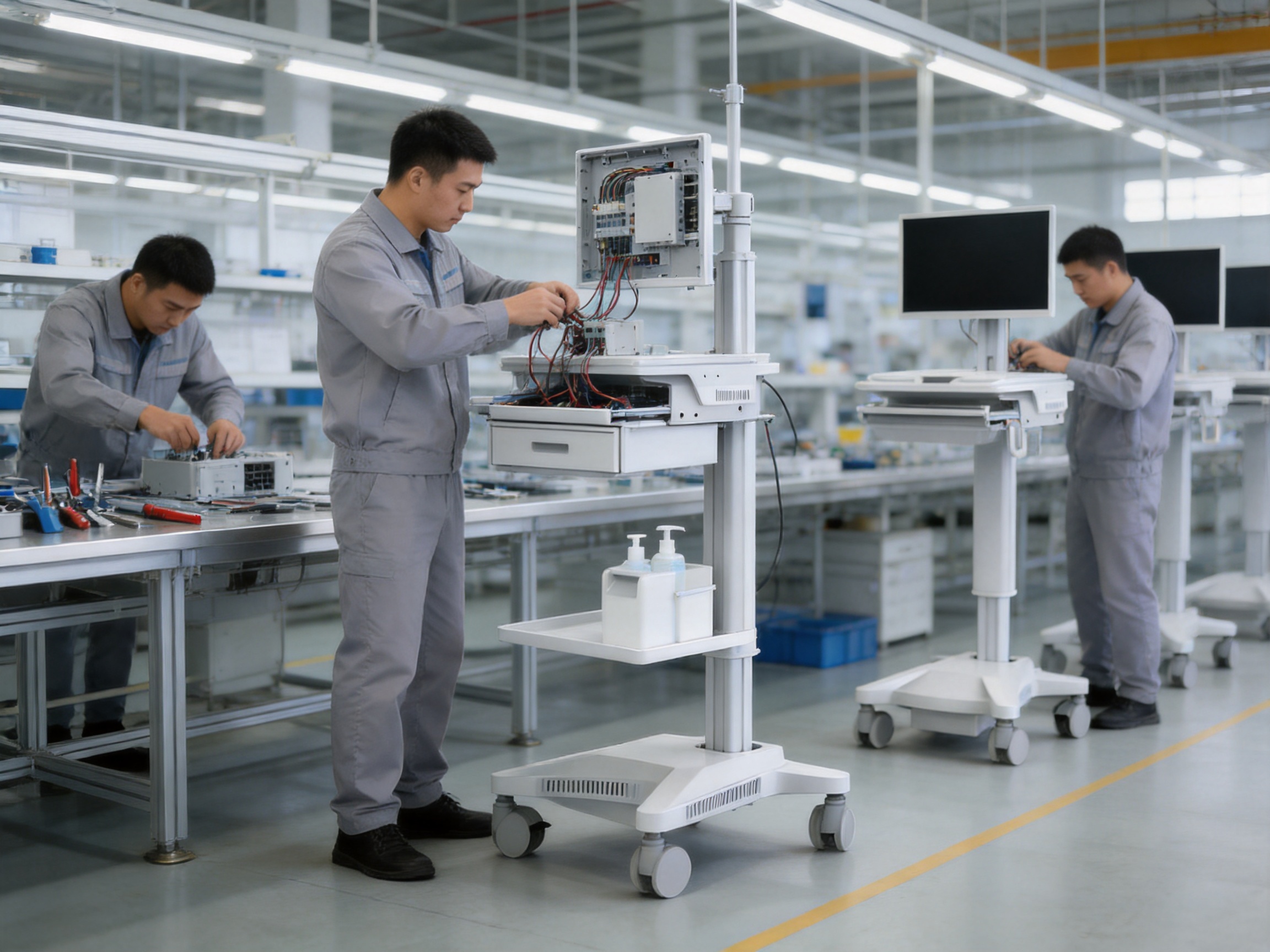
The quality of a medical cart depends not only on its visible features but also on the manufacturing system behind it. Wanma Technology Co., Ltd. was established in 1997 and has built long-term expertise in communication cabinets, communication electronic equipment, passive optical components, and integrated custom solutions. This background provides an important foundation for producing intelligent medical carts because such products require strong capabilities in metal structure, electronic integration, power management, assembly quality, and customization.
Manufacturers with telecommunications infrastructure experience often develop rigorous standards for structural stability, cable management, environmental durability, and component reliability. These same competencies are highly relevant in medical environments. A smart medical cart must protect electronic systems, withstand frequent movement, support continuous use, and allow maintenance access. By applying infrastructure manufacturing knowledge to healthcare equipment, the company can deliver a product that is robust and professionally integrated.
The company’s manufacturing process emphasizes reliable quality, timely delivery, and long-term cooperation. Its sales network covers more than 20 countries and regions, including the United States, Australia, the United Kingdom, Italy, South Africa, and Ghana. International market experience requires a manufacturer to understand diverse customer expectations, packaging standards, product consistency, and after-sales support. This global service background strengthens the company’s ability to provide smart medical carts for institutions with different operational needs.
Advanced Structural Manufacturing
The physical structure of a medical cart must be strong enough to support computers, accessories, drawers, work surfaces, and power components while remaining easy to maneuver. Advanced structural manufacturing involves material selection, precision processing, welding or fastening quality, surface treatment, and assembly control. A cart with weak structural design may loosen over time, vibrate during movement, or become difficult to clean. The WMYC-D2-30 benefits from manufacturing experience in cabinets and electronic equipment, where structural precision and long-term stability are critical.
Good structural engineering also affects user experience. The work surface must remain stable during typing or order entry. The lifting mechanism must operate smoothly. The base must provide balance without becoming too bulky for clinical spaces. Handles, mounting points, drawers, and accessory brackets must be positioned for convenient use. These details require careful design and manufacturing discipline.
Electrical and Power System Integration
Medical-grade power management is one of the most important features of the WMYC-D2-30. In mobile clinical workstations, power reliability directly affects workflow continuity. If a device loses power during documentation or order entry, clinicians may experience delays, data loss, or frustration. A built-in power system supports better device integration and reduces reliance on improvised external wiring.
The company’s background in communication electronic equipment supports its ability to handle power distribution, internal wiring, component layout, and electrical safety considerations. In smart carts, electrical integration must be organized and serviceable. Cables should be routed to reduce tangling and wear. Components should be positioned for ventilation and maintenance. Charging and power interfaces should support practical daily use. These details help distinguish a professional medical workstation from a basic cart with added electronics.
Customization and OEM/ODM Capability
Hospitals and healthcare providers often require customized configurations. Some may want specific computer types, drawer layouts, accessory positions, color preferences, or workflow-specific modules. Wanma Technology’s experience as a custom digital infrastructure solutions manufacturer and OEM/ODM supplier supports this need. The WMYC-D2-30 is not limited to a single fixed arrangement; it can be adapted with optional accessories and system configurations.
Customization is an advantage over competitors that offer only standardized models. A standardized cart may work for one department but fail in another. A customizable smart cart allows the customer to define practical requirements based on clinical workflow. For example, one hospital may prioritize bedside nursing documentation, while another may require emergency department mobility. A manufacturer with strong customization capabilities can respond to these differences and provide a better-fit solution.
Workflow Benefits and Operational Value
The WMYC-D2-30 Medical Cart delivers value by improving the way clinical teams interact with information. In healthcare, information delays and documentation errors can create operational inefficiency and safety risks. A smart mobile workstation reduces these issues by connecting staff to electronic systems wherever care occurs.
One major benefit is reduced walking time. In many hospitals, staff repeatedly move between patient rooms and fixed workstations. Even short distances accumulate into significant lost time over a shift. By bringing the workstation to the bedside, the cart helps clinicians complete tasks in one location. This can improve productivity and reduce fatigue.
Another benefit is improved documentation accuracy. When clinical notes, vital signs, or order confirmations are entered immediately, the risk of forgetting details decreases. Real-time data entry also helps other team members access updated information sooner. This supports better coordination across physicians, nurses, pharmacists, and administrators.
The cart also supports better patient engagement. When clinicians can access information beside the patient, they can review treatment plans, explain results, and answer questions more clearly. Patients may feel more confident when medical staff can confirm records and orders in their presence. This can improve trust and communication.
From an operational management perspective, smart carts support standardization. Hospitals can implement consistent bedside documentation routines, order verification processes, and mobile nursing procedures. Standardized tools make training easier and help departments align with digital transformation goals. The WMYC-D2-30 acts as a physical platform for these standardized digital practices.
Infection Control and Clinical Safety
Infection control is a critical concern in all healthcare environments. A medical cart moves between patient areas, so its design and accessory options must support hygiene procedures. The WMYC-D2-30 can be equipped with optional hand sanitizer mounts, making hand hygiene resources readily available during clinical rounds. This small accessory can have a meaningful practical impact because it places hygiene tools directly in the workflow.
Clinical safety also includes reducing errors. The cart’s intelligent order assistance and real-time information synchronization help clinicians confirm that the right information is being used for the right patient at the right time. While no device alone can eliminate clinical risk, a well-designed smart workstation supports safer behavior by reducing manual transfer steps and improving access to current data.
Ergonomic safety should not be overlooked. Healthcare workers frequently experience physical strain due to repetitive movement, standing, bending, or poorly positioned workstations. The electric lifting table helps users adjust the cart to a comfortable height. This can reduce awkward posture and support more sustainable daily work. Over time, ergonomic improvements can contribute to staff satisfaction and reduced fatigue.
Technology Integration in the Medical Environment
The WMYC-D2-30 is designed to support professional computer configurations, including all-in-one and split computer options. This flexibility is important because healthcare facilities may already have preferred hardware standards or IT security requirements. A cart that can accommodate different computing arrangements makes it easier to integrate into existing hospital information systems.
Technology integration also requires practical physical design. Computers need stable mounting, accessible controls, appropriate cable routing, and reliable power. Peripherals may need to be added depending on the hospital workflow. The cart’s scalable design supports these needs better than a basic platform that requires improvised modifications.
As healthcare data systems become more advanced, mobile workstations must support future upgrades. A flexible cart can continue to serve as hardware evolves. If a facility changes computer models or adds accessories, the cart should be able to adapt. This extends product life and improves return on investment. The WMYC-D2-30’s modular and configurable approach supports this long-term value.
Why Manufacturing Experience Matters in Medical Carts
Some buyers may focus mainly on appearance or initial price when selecting medical carts. However, long-term performance depends heavily on manufacturing quality. A cart used in a hospital may be moved dozens of times per day, adjusted by multiple users, cleaned frequently, and loaded with electronic devices. Weak materials, poor assembly, or unorganized wiring can lead to maintenance problems and downtime.
Wanma Technology’s long history in communication and electronic infrastructure manufacturing provides an important advantage. Products such as communication cabinets and electronic equipment require careful attention to structure, thermal considerations, wiring, and reliability. These capabilities transfer well to smart medical carts. The result is a product designed not only to look modern but to function dependably in demanding environments.
The company’s commitment to timely delivery is also important for healthcare projects. Hospitals may need carts for new wards, digital transformation programs, emergency expansions, or equipment replacement cycles. Reliable production planning and delivery support project success. A manufacturer with established production systems and international sales experience can better support these requirements.
Procurement Considerations for Hospitals and Distributors
When evaluating the WMYC-D2-30, hospitals and distributors should consider several practical factors. The first is workflow fit. Buyers should identify whether the cart will be used mainly for ward rounds, ICU support, outpatient diagnosis, mobile nursing, or pharmaceutical services. This determines the most suitable accessory configuration.
The second consideration is IT compatibility. The cart supports professional all-in-one or split computer options, and it can also support laptop-based configurations. Hospitals should confirm their preferred software, computer hardware, network access method, and security policies. A smart cart is most effective when it integrates smoothly with the existing digital ecosystem.
The third consideration is power demand. Different devices have different energy requirements, and mobile use may require sustained operation throughout shifts. The built-in medical-grade power system is a major advantage, but buyers should define their usage patterns to choose the best setup.
The fourth consideration is cleaning and infection-control practice. Optional accessories such as hand sanitizer mounts and suitable storage layouts can support safer routines. Facilities should also consider how carts will be cleaned, where they will be parked, and how accessories will be organized.
The fifth consideration is future scalability. A cart should not become obsolete as workflows change. The WMYC-D2-30’s flexible accessory options and professional workstation design make it suitable for evolving needs. This is especially valuable for hospitals implementing long-term digital healthcare strategies.
Product Advantages in Global Healthcare Modernization
Healthcare modernization is a global trend. Hospitals across different regions are investing in electronic medical records, digital order systems, mobile nursing platforms, and smart clinical infrastructure. The WMYC-D2-30 aligns with this trend by providing a practical mobile platform for digital care delivery.
In developed healthcare markets, the cart can support advanced digital workflows, bedside documentation, and clinical efficiency programs. In emerging markets, it can help hospitals transition from paper-based or semi-digital processes toward more integrated information systems. Because the cart is configurable, it can serve different levels of digital maturity.
Wanma Technology’s global sales network and experience in more than 20 countries and regions strengthen its ability to serve international customers. International buyers often require responsive communication, stable quality, and adaptable configurations. The company’s mission to create satisfaction for customers, fulfillment for employees, and value for society supports a long-term partnership approach rather than one-time product delivery.
Detailed Feature Interpretation
Electric Lifting Table
The electric lifting table is central to the cart’s ergonomic value. It allows height adjustment for different users and different clinical activities. A physician reviewing records may prefer one height, while a nurse entering bedside documentation may require another. Electric adjustment improves convenience compared with manual systems and encourages users to actually set the workstation at an appropriate height.
Professional Computer Support
The WMYC-D2-30 supports professional computer configurations, enabling hospitals to choose between integrated or split computing arrangements. This is useful because healthcare IT environments vary widely. Some facilities prefer all-in-one computers for simplicity, while others choose split systems for maintenance flexibility or performance requirements. The cart supports these differences.
Power System
The built-in power system improves operational continuity. Mobile carts without professional power integration may depend on limited battery accessories, exposed adapters, or frequent plugging and unplugging. A designed power system provides a more reliable and organized solution. This is especially important for continuous clinical work.
Optional Drawers and Medical Record Frames
Drawers and medical record frames help organize physical materials. Even in digitized hospitals, staff may still use forms, instruments, labels, medications, or patient-related documents. Configurable storage supports cleaner workflows and reduces time spent searching for items. Personalized drawer options allow departments to match storage to their specific tasks.
Hand Sanitizer Mounts
Hand sanitizer mounts support infection-control compliance by keeping hygiene resources immediately accessible. This is particularly useful during ward rounds and mobile nursing, where staff move frequently between patient areas. Integrating hygiene accessories into the cart design helps make safe practice more convenient.
Economic Value and Return on Investment
The economic value of a smart medical cart should be measured not only by purchase price but also by workflow savings, error reduction, staff efficiency, and product lifespan. The WMYC-D2-30 can reduce wasted movement, improve documentation timeliness, and support faster order execution. These operational improvements can accumulate into significant value across departments.
For example, if a nurse saves several minutes per patient round by documenting at the bedside, the time savings across an entire ward can be substantial. If physicians can enter and confirm orders immediately during rounds, treatment plans may be executed faster. If documentation is more accurate, administrative correction work may decrease. These benefits are difficult to capture through price comparison alone but are highly relevant to hospital performance.
Durability also affects return on investment. A well-manufactured cart with reliable structure and power integration can serve for years with lower maintenance burden. Customizable accessories can extend usefulness as workflows evolve. Instead of replacing the entire cart when needs change, a facility may adapt the configuration. This increases long-term value.
Q&A: Common Questions About the WMYC-D2-30 Medical Cart
What is the WMYC-D2-30 Medical Cart used for?
It is used as an intelligent mobile medical workstation for ward rounds, bedside nursing, emergency and ICU operations, outpatient diagnosis, order execution, mobile nursing, and pharmaceutical services. It supports patient information inquiry, medical order management, electronic medical record entry, and clinical workflow assistance.
How is it different from a conventional medical cart?
A conventional cart usually focuses on storage or transport. The WMYC-D2-30 combines mobility with digital clinical functions, including smart order assistance, graphical information display, real-time data synchronization, professional computer support, ergonomic electric lifting, and medical-grade power management.
Does the cart support different computer configurations?
Yes. It supports professional all-in-one or split computer configurations and can also be adapted with laptop-related options depending on customer needs. This flexibility helps hospitals align the cart with existing IT standards.
Why is the electric lifting table important?
The electric lifting table allows users to adjust the working height easily. This improves ergonomic comfort, supports different staff members, and reduces strain during long clinical shifts.
Can the cart be customized?
Yes. Optional accessories include laptops, personalized drawers, medical record frames, hand sanitizer mounts, and other configuration possibilities. The manufacturer’s OEM/ODM and custom solution experience supports adaptation for different clinical departments.
Is the cart suitable for ICU and emergency use?
Yes. Its mobile design, digital information access, power management, and ergonomic features make it suitable for high-pressure environments such as ICUs and emergency departments, where real-time information and fast documentation are essential.
How does the cart support patient safety?
It supports patient safety by improving order completeness and accuracy, enabling real-time access to patient information, reducing manual re-entry, supporting timely documentation, and helping clinicians work with updated data at the point of care.
What manufacturing strengths support the product?
The product is supported by Wanma Technology’s long experience in communication cabinets, communication electronic equipment, passive optical components, integrated infrastructure solutions, structural manufacturing, electrical integration, customization, and international delivery.
Conclusion
The WMYC-D2-30 Medical Cart represents a practical step forward in smart clinical infrastructure. It combines a mobile workstation, intelligent order support, real-time information access, ergonomic adjustment, scalable accessories, and medical-grade power management in one integrated product. For healthcare facilities seeking to improve bedside documentation, ward round efficiency, emergency response, ICU workflow, outpatient diagnosis, or mobile nursing operations, it offers a strong and adaptable solution.
Its advantages over conventional and competing carts are clear. It is not limited to movement or storage; it functions as a mobile clinical assistant. It supports digital workflows at the point of care, helps reduce errors, improves information timeliness, and adapts to different departmental needs. The standard electric lifting table, power system, and professional computer support provide a reliable foundation, while optional accessories allow further customization.
Behind the product is a manufacturer with decades of experience in communication and electronic infrastructure. Wanma Technology Co., Ltd. brings strengths in structural design, electrical integration, customized manufacturing, international service, and reliable delivery. This manufacturing background gives the WMYC-D2-30 an important competitive advantage in a market where smart medical carts must be durable, safe, ergonomic, and digitally capable.
As hospitals continue to modernize, mobile digital workstations will become increasingly important. The WMYC-D2-30 is well positioned for this future because it addresses both clinical workflow requirements and manufacturing quality demands. It helps bring the right information, the right tools, and the right workstation to the right place: beside the patient, where care happens.
References
World Health Organization. Patient Safety: Global Action on Patient Safety.
International Electrotechnical Commission. Medical Electrical Equipment Safety and Performance Standards.
Healthcare Information and Management Systems Society. Digital Health Transformation and Clinical Workflow Guidance.
Association for the Advancement of Medical Instrumentation. Human Factors Engineering in Medical Device Design.
Institute of Medicine. Health IT and Patient Safety: Building Safer Systems for Better Care.
Occupational Safety and Health Administration. Ergonomics and Safe Work Practices in Healthcare Settings.
Journal of Medical Systems. Studies on Mobile Clinical Workstations and Electronic Medical Record Efficiency.
International Journal of Nursing Studies. Research on Bedside Documentation, Workflow Efficiency, and Nursing Informatics.
Product: WMYC-D2-30 Medical Carts
PREV:High-Performance Server Rack Cabinets for Reliable Digital Infrastructure
NEXT:Rack-Type Data Center for Modular Digital Infrastructure
NEXT:Rack-Type Data Center for Modular Digital Infrastructure
Interested in cooperation or have questions?
Related products
-
-
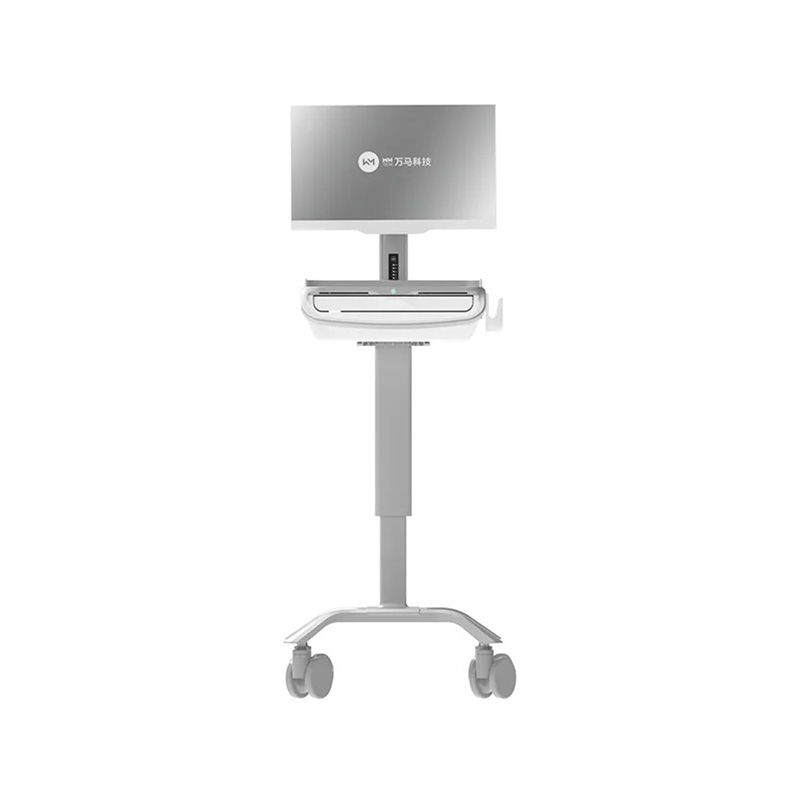
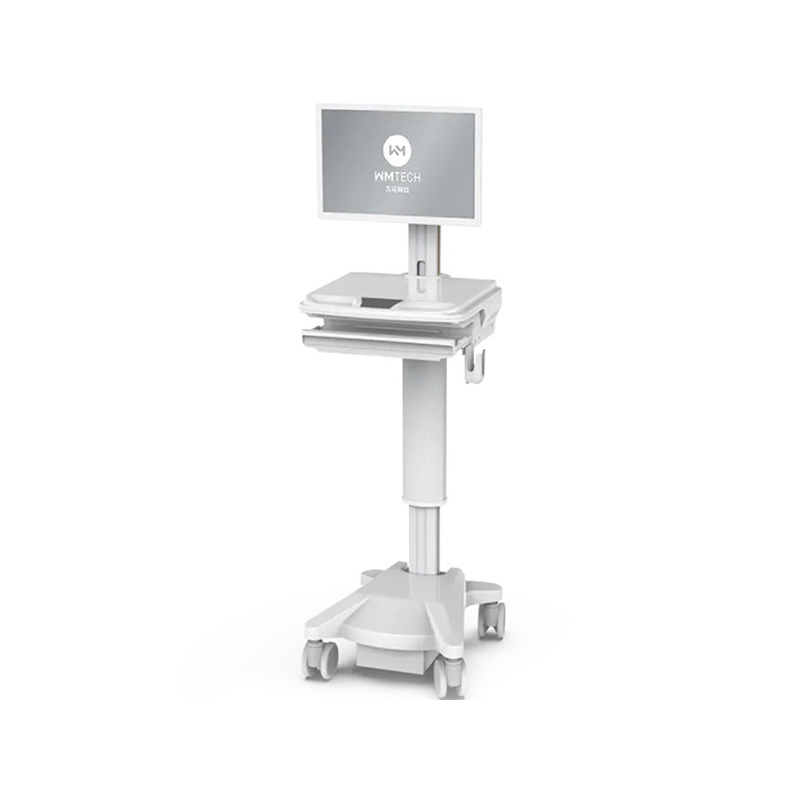
Product Definition:The WMYC-J2-24 Medical Cart is an intelligent mobile workstation integrating information display, order entry, clinical management, and device storage, designed to enhance hospital ...
See Details -
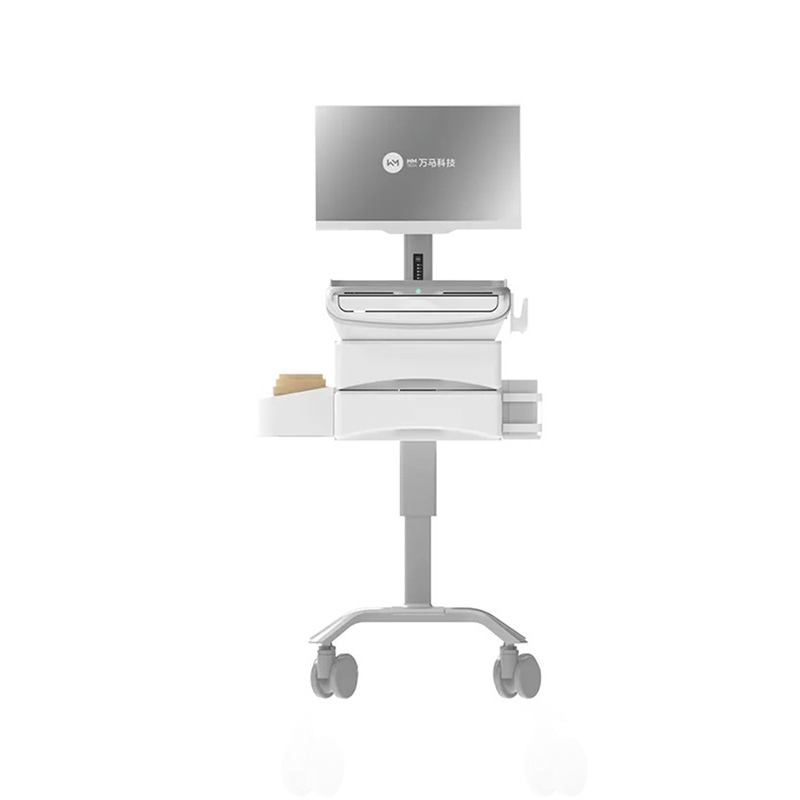
Product DefinitionThe WMYC-J2-24 Medical Cart (with Drawer) is an intelligent mobile workstation designed for modern clinical environments. Featuring a lightweight aluminum structure, it integrates a ...
See Details -
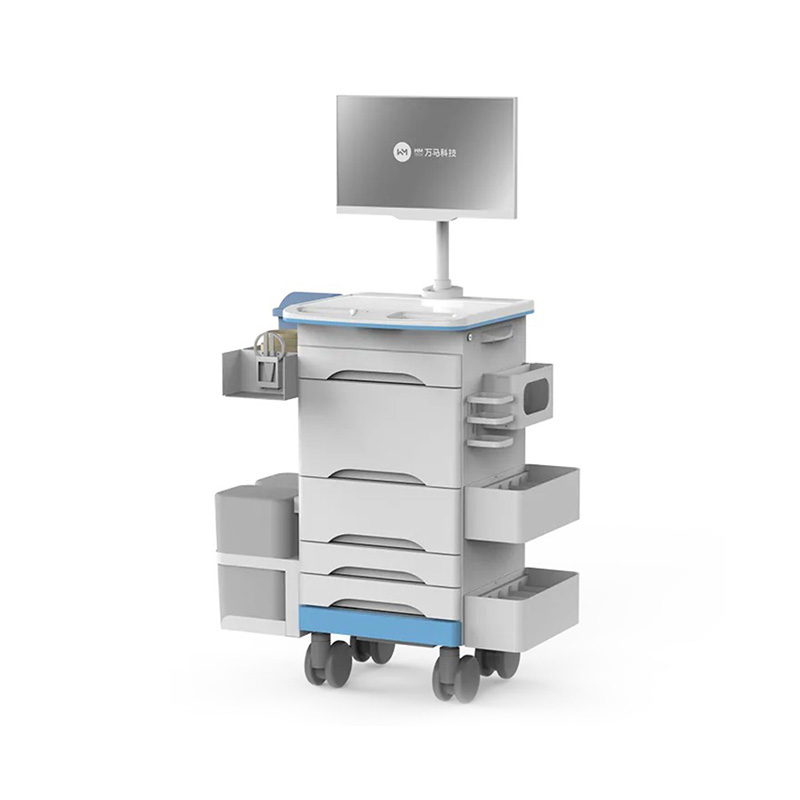
Product Definition:The WMYH-W2-21 Medical Cart is an intelligent mobile nursing workstation integrating information management, clinical care, medication administration, and bedside vital signs collec...
See Details
Ready to Get started ? Contact Us Now !

Product.
Contact Details.
-
 +86 13958188250
-
 +86 13958188250
-
 [email protected]
- Wanma Industrial Park Taihu Yuan Town Lin'an District Hangzhou City China.
QR Code

Copyright © Wanma Technology Co., Ltd. All Rights Reserved.
Custom Ethernet Optical Network Railway Transit Equipments Suppliers
