

 English
 Français
 Español
 Português
 عربى





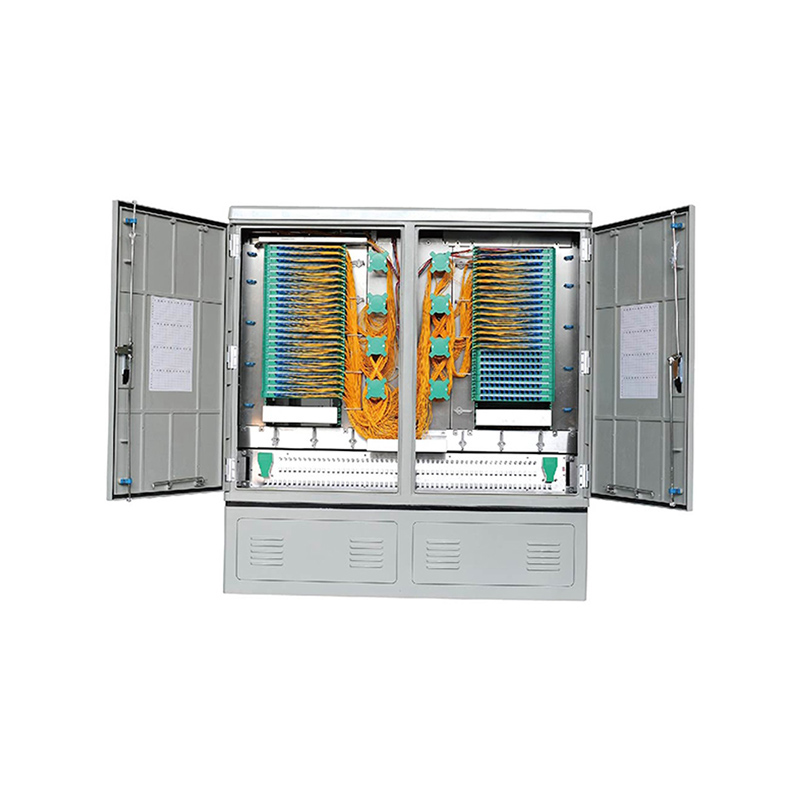
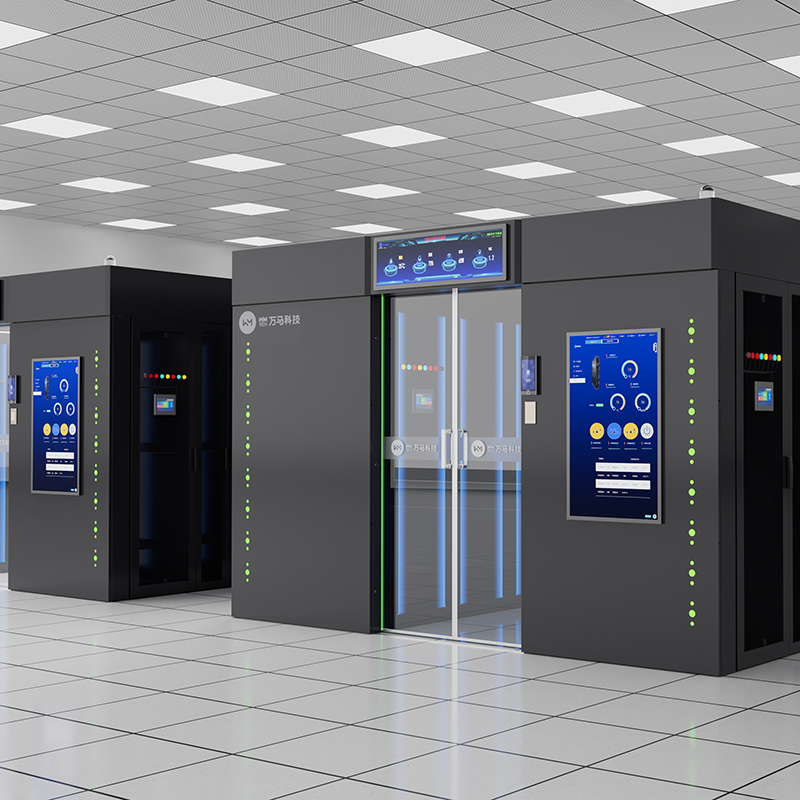
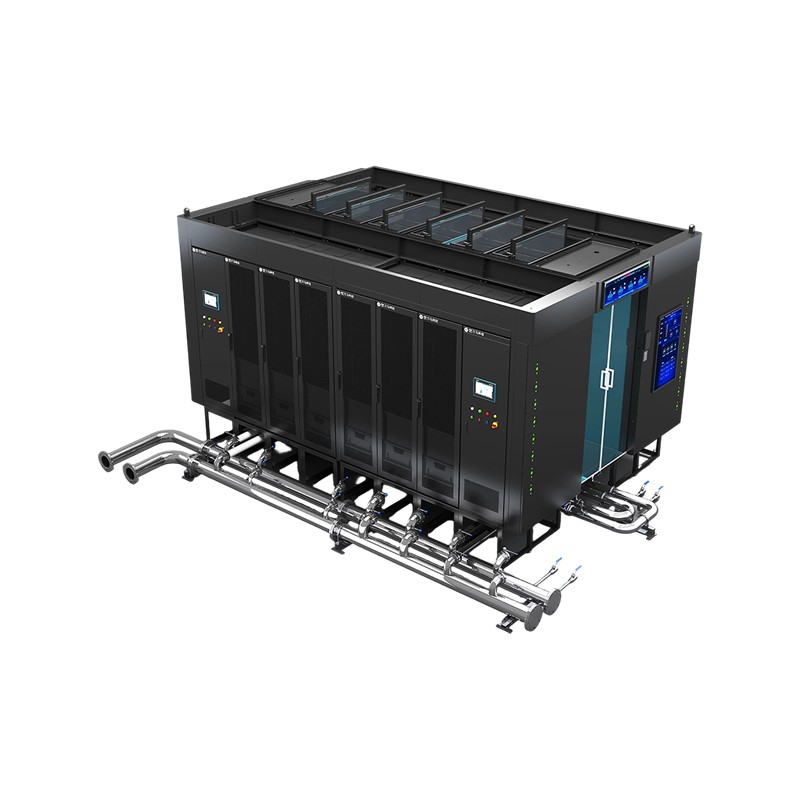
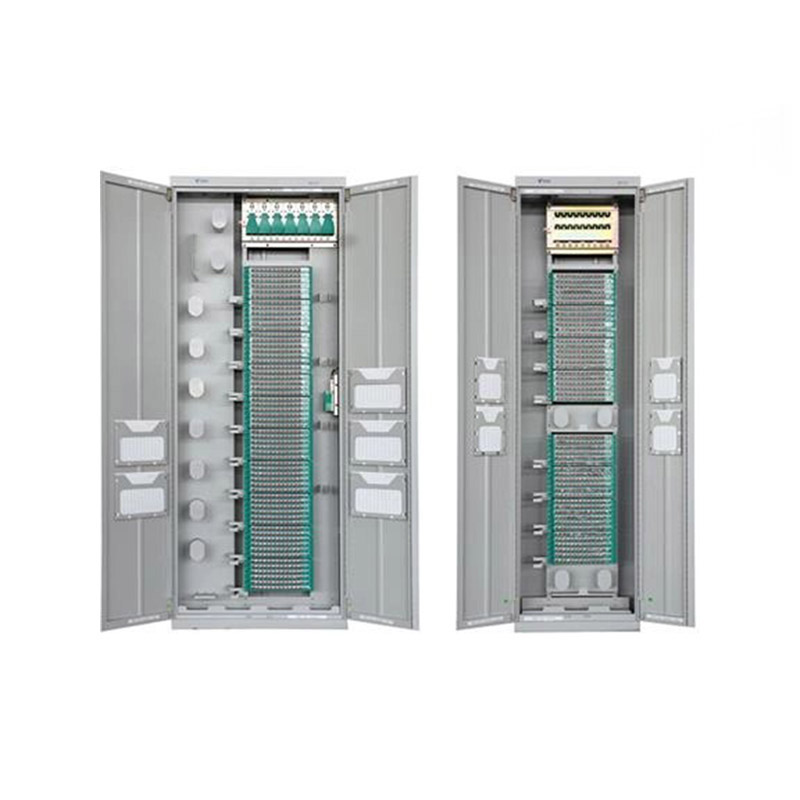

Application:It is used for the fixed network and broadband access, providing physical working environment and security system for the workstation in wired network. Features:•The cabinet is composed of...
See DetailsOutdoor SMC Fiber Optic Distribution Boxes for High-Capacity Access Networks
Content
- 1 Product Overview
- 2 SMC Construction and Outdoor Durability
- 3 IP65 Protection for Outdoor Fiber Management
- 4 Capacity Options for Network Planning
- 5 Standardized Internal Design
- 6 Installation Flexibility
- 7 Lock Compatibility and Security Management
- 8 Applications in Fiber Access Networks
- 9 Manufacturing Strengths and Process Capabilities
- 10 Advantages Compared with Conventional Outdoor Cabinets
- 11 Quality, Reliability, and Project Support
- 12 Recommended Deployment Workflow
- 13 Maintenance Considerations
- 14 Why the Product Is Suitable for Network Modernization
- 15 Q&A
- 15.1 What is the main purpose of the SMC fiber optic distribution box?
- 15.2 What does the ODC-144 model provide?
- 15.3 Is a smaller version available?
- 15.4 What material is used for the cabinet body?
- 15.5 What is the environmental protection rating?
- 15.6 Can the cabinet be installed on a wall?
- 15.7 What type of internal structure does the product use?
- 15.8 Which lock options are supported?
- 15.9 Where can the cabinet be used?
- 15.10 What should be confirmed before ordering?
- 15.11 What manufacturing capability supports the product?
- 16 Conclusion
- 17 References
- 18 Product: 144-Core (1035×555x310) SMC Fiber Optic Cable Distribution Box

Modern telecommunications networks depend on reliable outdoor infrastructure to connect access cables, distribution fibers, aggregation points, and subscriber-side networks. As fiber deployment expands through residential communities, metropolitan areas, railway corridors, parks, roads, and mobile communication sites, network operators require distribution equipment that can remain stable in changing weather, resist corrosion, simplify maintenance, and accommodate growing fiber counts. The 144-Core SMC Fiber Optic Cable Distribution Box is designed for these requirements, providing a practical outdoor platform for fiber interconnection, distribution, protection, and organized management.
The ODC-144 model uses a high-strength Sheet Molding Compound enclosure and provides a nominal capacity of 144 cores. Its listed overall configuration is 1,035 × 555 × 310 mm, including the enclosure and base arrangement. A related 96-core version, designated ODC-96, is also available for access points and network nodes with lower capacity requirements. Both versions use the same general product philosophy: durable composite construction, IP65 environmental protection, a standardized internal design, flexible installation, and compatibility with several lock configurations.
These characteristics make the distribution box suitable for FTTH access networks, metropolitan area networks, operator-managed outdoor connection points, and new or renovated fiber infrastructure. More importantly, the equipment is designed to support the practical needs of network construction teams and maintenance personnel. Its value is not limited to the cabinet shell. The enclosure material, molding process, internal layout, installation options, capacity choices, and manufacturing experience all contribute to a more dependable field solution.
Product Overview
A fiber optic distribution box is a key passive component in an access or aggregation network. It provides a protected location where feeder cables, distribution cables, optical fibers, splice assemblies, and connection units can be organized and managed. In an outdoor installation, this equipment must perform several functions simultaneously. It must protect sensitive optical components from rain, dust, accidental contact, unauthorized access, and environmental aging. It must also allow technicians to inspect, connect, route, and maintain fibers without creating unnecessary disruption to the network.
The ODC-144 SMC Fiber Optic Cross Connection Cabinet addresses these functions through an outdoor enclosure made from SMC. SMC is a composite molding material based on sheet-form molding compound. Through integral molding, the material can form a strong enclosure with consistent structural characteristics and a finished surface suitable for outdoor deployment. Compared with conventional painted steel cabinets, the SMC structure is not dependent on a metallic surface coating to resist rust. It is also non-conductive, which can offer an additional safety advantage in locations where electrical isolation is important.
The 144-core configuration is intended for comparatively high-capacity access and aggregation locations. It can be used where a 96-core cabinet may not provide sufficient reserve capacity, while still offering a cabinet size appropriate for practical outdoor construction. The product supports both ground installation and hanging or wall-mounted installation. This allows the same product family to serve different site conditions, including roadside cabinets, residential developments, parks, base station surroundings, and building-related network points.
The enclosure is rated IP65. This rating indicates that the cabinet is designed to provide protection against dust ingress and water projected by low-pressure jets from multiple directions, subject to proper installation and closure. IP protection is particularly important for outdoor fiber infrastructure because moisture and contamination can affect connectors, splice areas, cable entry points, and mechanical components over long service periods.
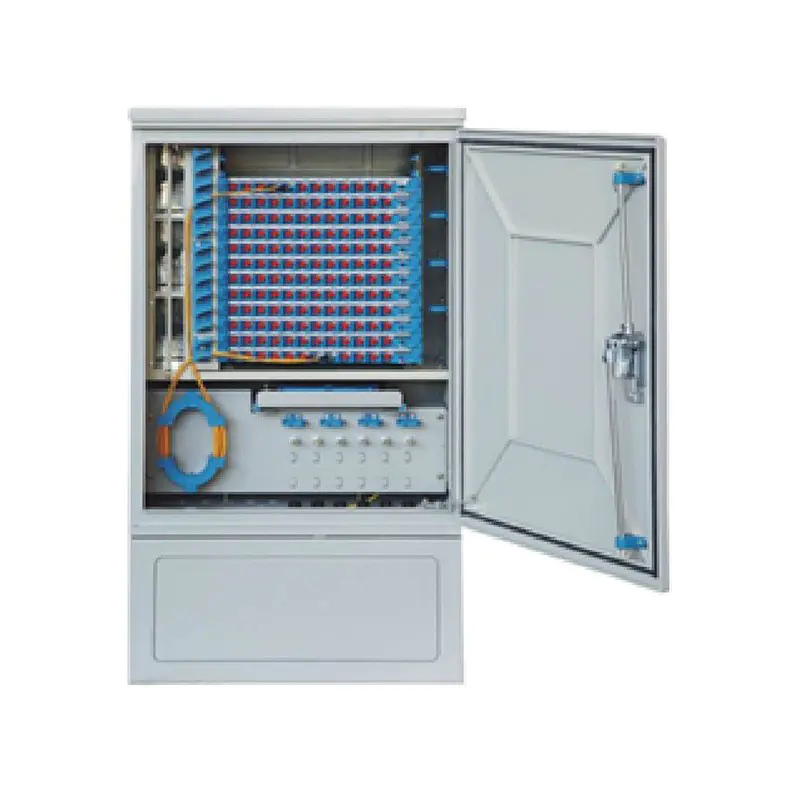
144-Core (1035×555x310) SMC Fiber Optic Cable Distribution Box
SMC Construction and Outdoor Durability
Integral Molding for a Strong Composite Enclosure
The enclosure is manufactured using SMC integral molding. This process allows the enclosure body and major panels to be formed from a composite material rather than assembled entirely from conventional metal sheets. The result is a cabinet structure that combines relatively low weight with useful mechanical strength. For installation teams, lower weight can make transport, handling, positioning, and mounting more manageable, especially at sites where access is limited or where several cabinets must be deployed in a short construction period.
Integral molding also supports consistent production of repeated enclosure parts. A standardized mold can be used to produce cabinet components with repeatable dimensions, while design features such as panel thickness, door geometry, mounting sections, and structural contours can be incorporated into the molded parts. Consistency is important for fiber distribution equipment because door alignment, sealing interfaces, mounting points, and internal component positioning all influence field installation and maintenance.
The supplied product information identifies the side panel and door panel as being more than 8 mm in relevant configurations. This substantial panel construction contributes to the overall rigidity of the enclosure and helps the cabinet maintain its shape during handling and outdoor use. The exact structural behavior of any installed cabinet also depends on foundation conditions, mounting hardware, loading, and installation practice, but the composite body provides a solid base for a durable outdoor product.
Resistance to Rust and Corrosion
Outdoor telecommunications cabinets are exposed to moisture, temperature changes, road spray, pollutants, and, in some regions, salt-laden air. Traditional metal enclosures can require careful surface treatment and ongoing inspection to prevent corrosion. Scratches, damaged coatings, and exposed edges may become starting points for rust. By using SMC instead of a conventional steel enclosure, the ODC series reduces reliance on painted metal surfaces for basic resistance to corrosion.
The SMC body is described as corrosion-resistant and aging-resistant. This makes it suitable for long-term deployment in outdoor access and aggregation networks. The composite approach is especially relevant for sites near roads, parks, residential areas, and coastal or humid environments where a cabinet may experience repeated exposure to rain and airborne contaminants. While all outdoor equipment should be installed and maintained according to local conditions, the material selection provides an important advantage over ordinary untreated or poorly protected metal housings.
Non-Conductive Material and Site Safety
SMC is non-conductive. This characteristic distinguishes the enclosure from metal cabinets and can be beneficial where electrical isolation and operator safety are considerations. A non-metallic cabinet does not provide the same conductive path as a steel enclosure, which may reduce certain concerns associated with accidental electrical contact or induced currents. However, grounding and bonding requirements for the installed optical, metallic, and cable components must still be evaluated by the project designer and installation team.
The non-conductive body can also be useful in locations where electromagnetic or electrical considerations influence cabinet placement. Fiber optic systems are inherently resistant to electromagnetic interference along the optical transmission path, and a non-metallic housing supports the passive nature of the external distribution point. The enclosure should nevertheless be integrated with the site’s complete safety plan, including cable grounding elements, metallic hardware, lightning protection, and local telecommunications construction standards.
IP65 Protection for Outdoor Fiber Management
Outdoor fiber distribution equipment must protect optical connections from environmental contamination. Dust can settle on connectors and internal surfaces, while water can enter through poorly sealed doors, cable entry areas, or damaged interfaces. The ODC series is specified with an IP65 protection level, offering a sealed cabinet concept suitable for outdoor deployment when correctly closed and installed.
The “6” in IP65 refers to dust protection. A dust-tight enclosure helps prevent fine particles from entering the cabinet and accumulating around optical adapters, splice trays, cable routing areas, and mechanical components. The “5” refers to protection against water jets. This does not mean the cabinet should be submerged or exposed to conditions beyond its design intent, but it does indicate a level of protection appropriate for many normal outdoor situations involving rain and cleaning spray.
Proper field installation remains essential. Cable glands, entry plates, fasteners, locks, door seals, and wall or foundation interfaces must be installed correctly. The door should be fully closed after maintenance, and damaged sealing components should be replaced. The IP65 rating is therefore both a product characteristic and an installation responsibility. When the cabinet is handled according to recommended procedures, the enclosure can provide a dependable protective environment for passive optical infrastructure.
Capacity Options for Network Planning
144-Core Configuration
The ODC-144 is intended for higher-density fiber distribution and cross-connection requirements. Its product title identifies the overall configuration as 1,035 × 555 × 310 mm. The detailed dimensional information separates the enclosure and base: the enclosure is listed as 800 × 555 × 310 mm, while the base is listed as 235 × 555 × 310 mm. Together, the enclosure and base produce the stated overall height of approximately 1,035 mm.
This arrangement allows the cabinet to provide a comparatively large working volume while retaining a defined base section for ground installation. The cabinet is suitable for high-capacity access nodes, centralized outdoor management points, and aggregation locations where additional fiber count and operational reserve are important. A 144-core cabinet can reduce the need to install multiple smaller enclosures at the same site, potentially simplifying site planning and reducing the number of separate outdoor assets that maintenance teams must manage.
96-Core Configuration
The ODC-96 provides a lower-capacity alternative for locations where a 144-core cabinet would be unnecessary. Its listed overall configuration is 940 × 550 × 310 mm. The detailed information identifies an enclosure measuring 710 × 550 × 310 mm and a base measuring 230 × 550 × 310 mm. The associated model is WM-G96A, and the cabinet supports the same general installation approaches: ground installation and hanging installation.
The 96-core option is appropriate for ordinary access points, smaller residential developments, neighborhood distribution nodes, and projects where the expected fiber count is moderate. Offering both 96-core and 144-core versions helps network planners match cabinet capacity to the actual scale of a deployment. This can help avoid unnecessary investment in oversized equipment while preserving a clear upgrade path for sites that may expand over time.
| Item | ODC-144 | ODC-96 |
|---|---|---|
| Nominal capacity | 144 cores | 96 cores |
| Listed overall size | Approximately 1,035 × 555 × 310 mm | Approximately 940 × 550 × 310 mm |
| Enclosure size | 800 × 555 × 310 mm | 710 × 550 × 310 mm |
| Base size | 235 × 555 × 310 mm | 230 × 550 × 310 mm |
| Body material | SMC | SMC |
| Waterproof and dust protection | IP65 | IP65 |
| Door arrangement | Single front door opening | Single front door opening |
| Installation methods | Ground or hanging installation | Ground or hanging installation |
Dimensions and capacity should be confirmed against the final project configuration before ordering. Cable bend radius, splice hardware, adapter arrangement, entry direction, foundation design, and required working clearance can influence the practical installation plan. The availability of two standard sizes nevertheless gives operators a useful foundation for network standardization.
Standardized Internal Design
The product adopts a jumper-free, conventional internal structure. This design is intended to meet standardized requirements used by telecommunications and mobile operators for the structure, capacity, and maintenance methods of outdoor fiber distribution boxes. A standardized internal arrangement can reduce variation between sites and make it easier for technicians to apply familiar procedures.
In a network with cabinets from many different suppliers or generations, maintenance personnel may need to learn different internal layouts, cable paths, mounting methods, and access procedures. Standardization helps reduce this complexity. When cabinet dimensions and internal organization are consistent, training can be more straightforward, spare parts can be planned more effectively, and technicians can move between sites with less adjustment.
The jumper-free design also supports a simplified connection philosophy. The precise internal components and fiber management accessories depend on the final product configuration, but the concept is to provide a conventional distribution arrangement without unnecessary jumper complexity. Reducing unnecessary routing steps can help create a cleaner internal environment, provided that all fibers are routed with suitable bend-radius control, strain relief, labeling, and protection.
Good fiber management is essential for network reliability. Optical fibers are sensitive to excessive bending, pulling, twisting, and contamination. An organized cabinet should allow technicians to identify cables and fiber groups, perform connection work, and close the cabinet without disturbing adjacent circuits. A standardized structure supports these operational goals and makes inspection more predictable.
Installation Flexibility
Ground Installation
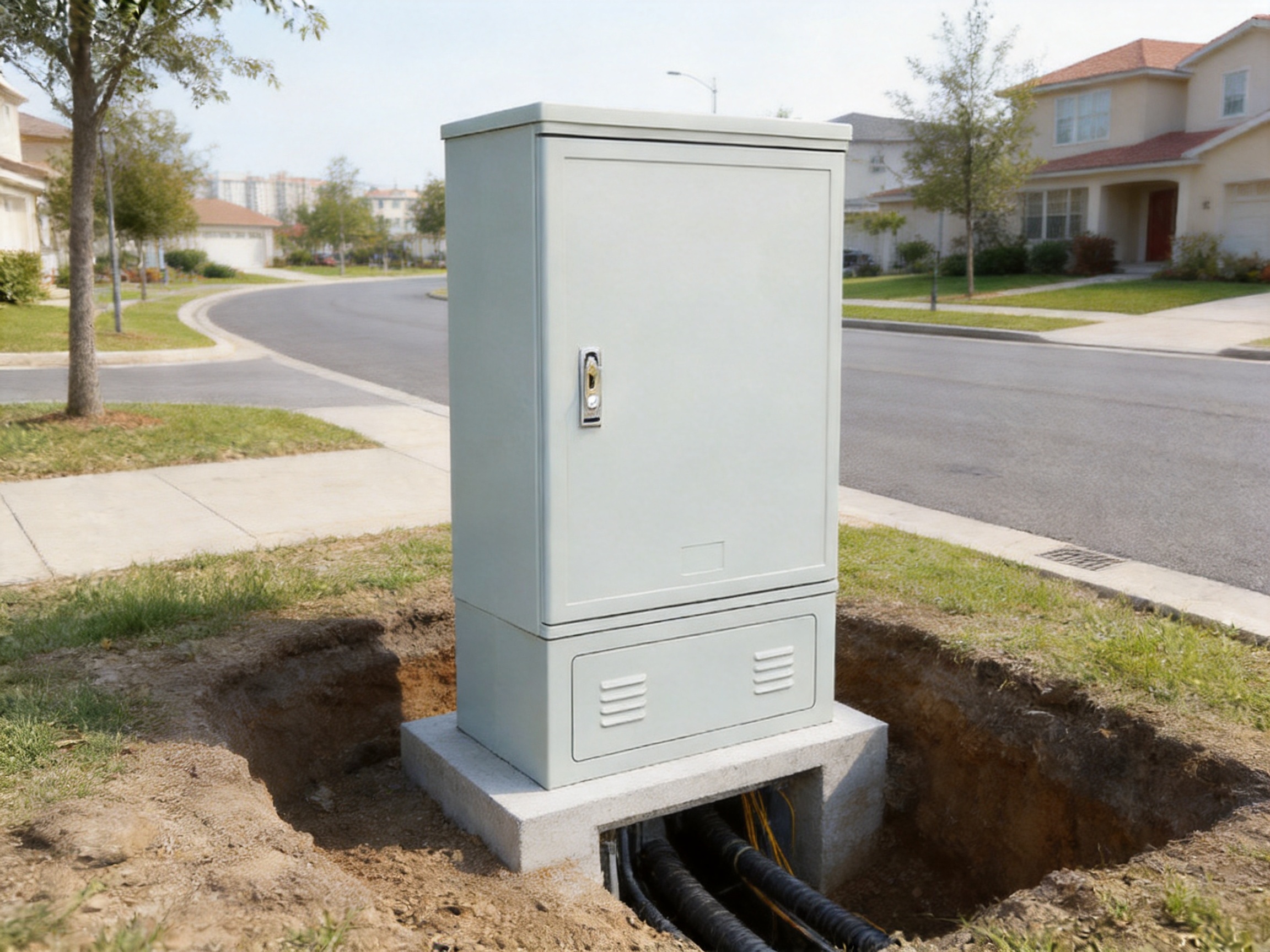
The base section allows the cabinet to be used for ground installation. This arrangement is suitable for outdoor centralized management points, roadside locations, parks, residential developments, and other sites where a dedicated foundation or mounting area is available. Ground installation can provide convenient access for technicians and may be appropriate where the fiber cable route approaches the cabinet from below or through an underground duct system.
Before installation, the project team should evaluate the foundation, drainage, surrounding clearance, cable approach, vehicle exposure, and potential flooding level. The cabinet should be positioned so that the door can open fully and technicians have enough space to perform maintenance. The selected location should also limit the risk of collision, unauthorized access, and accidental obstruction by landscaping or construction activity.
Hanging or Wall-Mounted Installation
The product also supports hanging installation. Wall-mounted or suspended deployment can be useful when ground space is limited, when a cabinet must be positioned above a particular cable route, or when the site design requires the equipment to be mounted on a building or structural support. This flexibility expands the range of possible installation environments.
For hanging installation, the wall or support structure must be capable of carrying the cabinet and the installed optical equipment. Mounting hardware should be selected according to the substrate, cabinet load, local wind conditions, vibration exposure, and applicable construction requirements. Adequate working clearance should be preserved around the front door and cable entry areas. The product’s installation dimensions should be reviewed together with the mounting drawing before construction begins.
The availability of both installation methods is a practical advantage over products limited to one mounting style. Operators can use a common product family across multiple site types without redesigning the entire maintenance process. This supports consistent procurement and can simplify deployment for network modernization projects.
Lock Compatibility and Security Management
Outdoor fiber cabinets are often located in publicly accessible or semi-public environments. A suitable locking system helps prevent unauthorized access, accidental interference, and theft of components. The ODC series supports several recommended lock types, including a Shengjiu padlock, a Shengjiu sleeve padlock, and an MS712 lock.
Offering multiple lock options allows operators to align the cabinet with existing security procedures. Some network owners may already use a particular lock style across their field cabinets, while others may require different arrangements for residential, roadside, mobile, or centralized sites. Compatibility with several options reduces the need to create a separate security process for each cabinet model.
Lock selection should be coordinated with the operator’s access-control policy. Keys, maintenance permissions, inspection records, and emergency access procedures should be controlled appropriately. A lock protects the cabinet door, but security also depends on the location, mounting strength, cable entry design, site monitoring, and maintenance discipline. The cabinet provides the mechanical platform; the network operator establishes the complete security system.
Applications in Fiber Access Networks
FTTH Networks
Fiber-to-the-home networks require large numbers of outdoor distribution points. These points may serve apartment communities, detached residential areas, mixed-use developments, and suburban neighborhoods. The ODC series can provide a centralized location for organizing feeder and distribution fibers while protecting connections from normal outdoor exposure.
For FTTH applications, the appropriate cabinet capacity depends on subscriber density, take-up expectations, split architecture, spare-fiber policy, and the network’s future expansion plan. The 96-core version may be suitable for a smaller access point, while the 144-core version can support a higher-density node or a location serving several distribution routes. The choice should be based on the complete optical design rather than nominal fiber count alone.
Metropolitan Area and Access Networks
Metropolitan networks contain many interconnection points between local access segments, aggregation equipment, and larger transport routes. Outdoor cross-connection cabinets can support the transition between these segments when an indoor equipment room is not available or when the network must be distributed across a wide geographic area.
The weather-resistant SMC enclosure and IP65 protection make the product appropriate for many outdoor interconnection locations. Its standardized design can also support repeatable deployment across a metropolitan area. When operators use consistent cabinet models, they can create common inspection schedules, maintenance instructions, labeling procedures, and spare-part policies.
Mobile and Base Station Surroundings
Mobile communication infrastructure often includes outdoor fiber routes near base stations and other radio access locations. These sites may require organized fiber management between transport networks and local equipment. A compact, durable distribution cabinet can provide a protected point for fiber cross-connection without requiring a large equipment room.
The cabinet’s non-conductive SMC body and corrosion resistance are useful characteristics in exposed sites, although each base station location must still be assessed for grounding, lightning, wind, access, and environmental conditions. The IP65 enclosure can help protect the passive fiber distribution area from rain and dust when the cabinet is correctly installed.
Railway and Urban Transit Environments
Fiber optic networks support signaling-related communications, passenger information, surveillance, administrative data, and other services in railway and urban transit systems. Outdoor distribution points may be located along rail corridors, near stations, in maintenance areas, or around city transit infrastructure. These locations require equipment that can tolerate outdoor exposure and support repeatable maintenance.
The product supplier has experience serving communication networks, central equipment rooms, national high-speed railway applications, and urban rail transit systems. The distribution box can therefore be considered for suitable passive fiber management points within transportation-related communication infrastructure, subject to the project’s specific environmental, mechanical, fire-safety, and railway standards.
Manufacturing Strengths and Process Capabilities
Experience in Communication Infrastructure
The manufacturer was established in 1997 and specializes in communication cabinets, communication electronic equipment, and passive optical components. Long-term involvement in this sector gives the company experience with the practical requirements of network infrastructure, including cabinet design, optical management, environmental protection, and operator-oriented maintenance.
Communication products must be designed for long service periods rather than short-term use. Their performance is influenced by installation practices, cable routing, access frequency, environmental exposure, and compatibility with other network equipment. A manufacturer focused on communication infrastructure is better positioned to understand these conditions than a general enclosure producer with no optical network background.
SMC Processing and Repeatable Production
The use of integral SMC molding is a central part of the product’s manufacturing approach. Composite molding requires suitable material preparation, mold control, forming conditions, trimming, finishing, and inspection. Repeatable production depends on maintaining consistent material characteristics and controlling the dimensions of molded components.
For a fiber distribution cabinet, manufacturing consistency affects several practical areas. Door and enclosure dimensions influence sealing. Mounting points influence installation accuracy. Panel geometry influences mechanical strength. Internal clearance influences the placement of optical components and cable routing. Surface quality affects long-term appearance and the condition of external interfaces. A controlled molding process helps ensure that repeated cabinets meet the same basic design intent.
Integral molding also permits the production of complex shapes and reinforced sections without relying entirely on numerous separate metal pieces. This can reduce the number of joints in the enclosure and support a clean, robust cabinet design. The specific manufacturing parameters are controlled by the producer, while customers benefit from the resulting consistency, structural integration, and suitability for outdoor deployment.
Own-Brand Manufacturing and Product Development
The company develops, manufactures, and markets its own branded products. This structure can provide closer control over product design, production coordination, quality management, and customer communication. When the manufacturer is directly involved in product development and production, feedback from network operators and project integrators can be applied to future product improvements more efficiently than in a purely trading-based supply model.
The company also provides integrated solutions for customized products. This capability is valuable when a standard cabinet requires adaptation for a particular project. Potential customization discussions may include capacity, mounting arrangement, cable entry orientation, lock requirements, internal organization, labeling, or other project-specific features. Any customized configuration should be reviewed technically before production to ensure that environmental protection, structural performance, optical management, and installation requirements remain compatible.
Product Portfolio and System Understanding
The manufacturer’s product scope includes communication cabinets, communication electronic equipment, and passive optical components. This broader portfolio supports a system-oriented understanding of how distribution cabinets interact with other network products. A cabinet is not an isolated item; it forms part of a complete optical path that may include feeder cables, splice closures, patching components, splitters, racks, indoor cabinets, and active equipment.
This product knowledge can help the manufacturer communicate more effectively with operators, distributors, contractors, and system integrators. It can also support more practical recommendations during project planning, particularly when the customer needs to balance fiber capacity, installation space, environmental protection, cost, and maintenance access.
Advantages Compared with Conventional Outdoor Cabinets
Composite Body Compared with Standard Metal Housing
The most visible difference between the ODC series and a conventional metal cabinet is the enclosure material. A painted steel cabinet may provide good mechanical protection, but its long-term corrosion performance depends heavily on coating quality, edge treatment, fasteners, and maintenance. The SMC body offers inherent resistance to rust and corrosion and does not require the same type of metallic surface protection.
The composite body is also non-conductive and relatively lightweight. These features can improve handling and offer additional safety considerations during site planning. The exact weight and mechanical performance should be confirmed for the selected configuration, but the material strategy is clearly oriented toward practical outdoor use.
Protection Compared with Basic Utility Enclosures
Some basic utility enclosures are not designed specifically for optical fiber management. They may provide a shell but lack a standardized internal structure, suitable fiber routing, or an operator-oriented maintenance approach. The ODC series is developed as a fiber distribution cabinet rather than a generic box. Its capacity design, internal structure, front-door access, and installation options are directed toward optical network applications.
The IP65 protection level also provides a defined environmental protection target. This helps the project team evaluate the cabinet within a recognized enclosure classification rather than relying only on general statements such as “weather resistant.” Correct installation remains necessary, but the rating provides a more useful basis for equipment selection.
Capacity Choice Compared with One-Size Products
A network portfolio built around only one cabinet size can lead to overcapacity in small sites or insufficient reserve in larger sites. By offering both 96-core and 144-core versions, the product family allows operators to select equipment more closely aligned with site demand. This can support more efficient capital planning and reduce the visual and physical impact of oversized cabinets in low-density locations.
Installation Options Compared with Fixed-Mount Cabinets
Some outdoor cabinets are intended exclusively for ground installation or exclusively for wall mounting. The ODC series supports both ground and hanging installation, giving contractors more flexibility when site conditions change. This is valuable in urban areas where ground space may be unavailable, as well as in new developments where a foundation can be planned from the beginning.
Quality, Reliability, and Project Support
Reliability in passive optical infrastructure is created through a combination of material selection, structural design, production control, installation quality, and maintenance practice. The SMC enclosure addresses material durability and environmental protection. The standardized internal design addresses fiber organization and maintenance. The available capacity options address network planning. Manufacturing experience supports consistent production and project communication.
Customers should evaluate the complete product configuration before deployment. Important review points include the required number of fibers, cable diameter, cable entry arrangement, splice and connection accessories, internal bend-radius requirements, mounting method, foundation or wall strength, lock system, and local environmental exposure. A well-matched configuration is more likely to deliver the intended operational benefits.
The manufacturer’s sales network covers more than 20 countries and regions, including the United States, Australia, the United Kingdom, Italy, South Africa, and Ghana. International project experience can help support communication across different market requirements and deployment environments. Customers should still confirm local compliance, documentation, packaging, delivery terms, and installation support for each project.
Recommended Deployment Workflow
1. Assess the Network Node
Begin by identifying the role of the cabinet in the network. Determine whether it will serve as an FTTH distribution point, a metropolitan interconnection node, a mobile site fiber point, a railway communication cabinet, or another outdoor management location. The node’s role influences capacity, cable routing, access frequency, and installation environment.
2. Select the Capacity
Choose between the 96-core and 144-core configuration according to current fiber demand and planned expansion. Include spare capacity where the network strategy requires future growth. Avoid selecting capacity based only on current connections if the cabinet is expected to serve a developing residential area or an expanding aggregation route.
3. Confirm the Installation Method
Decide whether the cabinet will be installed on the ground or mounted in a hanging or wall-mounted arrangement. Confirm the dimensions, installation clearances, support structure, cable approach, door-opening space, and service access area. For ground installation, review the base and foundation arrangement. For wall mounting, verify the load-bearing capacity of the support.
4. Plan Cable and Fiber Management
Prepare the cable entry plan before the cabinet is delivered. Consider feeder and distribution cable direction, bend radius, strain relief, labeling, splicing, connection units, and future maintenance access. The internal design should be used as intended, with fibers protected from sharp bends, excessive tension, and unnecessary crossing.
5. Select the Lock and Security Method
Select a compatible Shengjiu padlock, Shengjiu sleeve padlock, MS712 lock, or another approved arrangement according to the operator’s security policy. Establish responsibility for key management and maintenance access before the cabinet is placed into service.
6. Inspect the Completed Installation
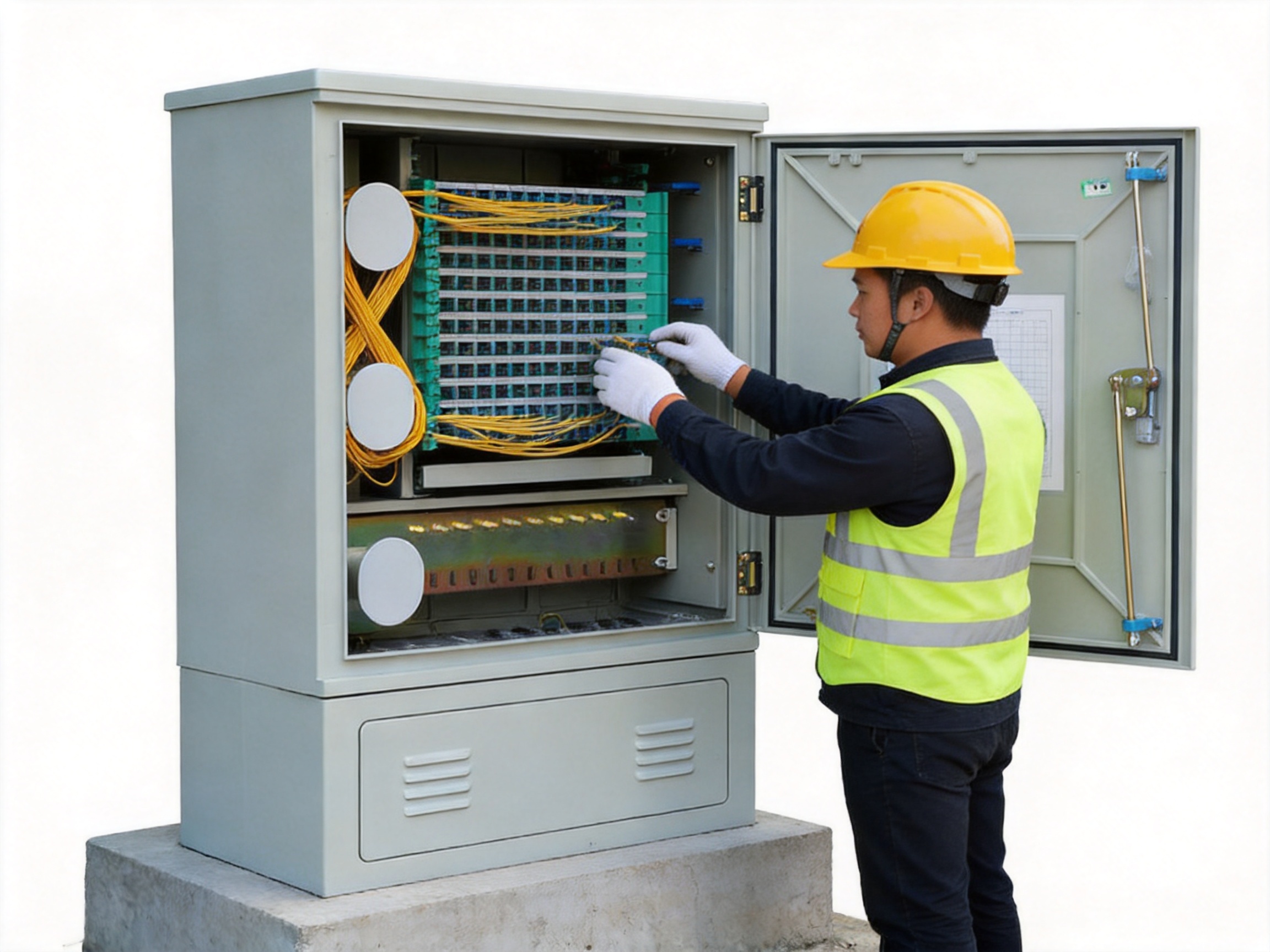
After installation, inspect the enclosure, door closure, seals, lock, cable entries, mounting points, and internal fiber routing. Confirm that no cable is pinched and that the cabinet can be opened and closed without disturbing the fiber system. Record the cabinet identification, connection information, and maintenance date for future reference.
Maintenance Considerations
Although the cabinet is designed for outdoor durability, regular inspection remains advisable. Maintenance personnel should check the door, lock, sealing interfaces, external surface, base, mounting hardware, cable entries, and internal organization. Any evidence of impact, unauthorized access, water accumulation, or damaged hardware should be addressed promptly.
The internal fiber area should be kept clean and organized. Technicians should follow appropriate optical handling procedures, including connector cleaning, protective cap management, bend-radius control, and accurate labeling. Maintenance should be performed efficiently so that the cabinet is not left open longer than necessary, particularly during rain, dust storms, or other adverse conditions.
Recordkeeping is also important. A cabinet that contains many fibers should have an updated connection map and clear identification system. Accurate records reduce troubleshooting time and help technicians avoid accidental service interruption. The standardized internal design of the ODC series can support consistent documentation across multiple sites.
Why the Product Is Suitable for Network Modernization
Network modernization often involves replacing aging copper infrastructure, expanding FTTH coverage, increasing mobile backhaul capacity, and improving fiber connectivity for transport and public services. These projects frequently combine new construction with existing routes and legacy equipment. A standardized outdoor distribution box can help create a structured transition between old and new network sections.
The ODC series supports modernization through its capacity choices, durable SMC construction, outdoor protection, flexible installation, and operator-oriented internal design. A project can use the 96-core model for smaller nodes and the 144-core model for higher-density locations while retaining a similar maintenance approach. This type of commonality is useful when an operator is upgrading infrastructure across multiple districts or regions.
The product can also support 5G-related fiber expansion. Although the cabinet is a passive fiber management product rather than an active 5G radio or transmission unit, it can provide an outdoor cross-connection point for fiber routes associated with mobile network deployment. The suitability of a specific installation depends on the optical architecture, cable count, environmental conditions, and operator standards.
Q&A
What is the main purpose of the SMC fiber optic distribution box?
The main purpose is to provide an outdoor location for fiber optic cable interconnection, distribution, protection, and management. It can be used in access networks, aggregation networks, FTTH systems, metropolitan networks, mobile infrastructure, and other outdoor fiber projects.
What does the ODC-144 model provide?
The ODC-144 model provides a nominal capacity of 144 cores and has a listed overall configuration of approximately 1,035 × 555 × 310 mm. The detailed dimensions separate the enclosure and base sections, with the enclosure listed as 800 × 555 × 310 mm and the base as 235 × 555 × 310 mm.
Is a smaller version available?
Yes. The ODC-96 version provides a nominal capacity of 96 cores. Its listed overall configuration is approximately 940 × 550 × 310 mm, with a 710 × 550 × 310 mm enclosure and a 230 × 550 × 310 mm base.
What material is used for the cabinet body?
The cabinet body is made from SMC, or Sheet Molding Compound. The material is formed through integral molding and is described as lightweight, strong, aging-resistant, corrosion-resistant, and non-conductive.
What is the environmental protection rating?
The enclosure is rated IP65. This indicates dust-tight protection and protection against water jets from multiple directions when the cabinet is correctly closed and installed.
Can the cabinet be installed on a wall?
Yes. The product supports hanging or wall-mounted installation as well as ground installation. The mounting surface, support hardware, clearances, and cable route should be verified for each project.
What type of internal structure does the product use?
The product uses a jumper-free, conventional internal structure designed to meet standardized requirements used by telecommunications and mobile operators. The arrangement is intended to support organized fiber management and familiar maintenance practices.
Which lock options are supported?
The recommended lock options include a Shengjiu padlock, a Shengjiu sleeve padlock, and an MS712 lock. The final choice should follow the operator’s security and access-control policy.
Where can the cabinet be used?
Typical applications include FTTH access networks, metropolitan and access network interconnection nodes, residential areas, parks, roads, base station surroundings, railway communication infrastructure, urban transit projects, and new or renovated fiber network deployments.
What should be confirmed before ordering?
Customers should confirm the required capacity, exact dimensions, internal configuration, cable entry arrangement, installation method, lock type, optical accessories, foundation or wall requirements, environmental conditions, packaging, delivery schedule, and any local compliance requirements.
What manufacturing capability supports the product?
The manufacturer has operated in the communication equipment sector since 1997 and specializes in communication cabinets, communication electronic equipment, and passive optical components. Its capabilities include SMC integral molding, own-brand product development and manufacturing, and integrated solutions for customized products.
Conclusion
The 144-Core SMC Fiber Optic Cable Distribution Box is designed for outdoor fiber networks that require capacity, environmental protection, organized maintenance, and installation flexibility. Its SMC integral-molded enclosure provides a practical alternative to conventional metal cabinets, offering corrosion resistance, aging resistance, low weight, structural strength, and non-conductive properties. The IP65 enclosure protects the internal fiber management area from dust and water exposure when correctly installed.
The ODC-144 model is suited to higher-density access and aggregation points, while the ODC-96 model provides a more compact option for smaller network nodes. Both versions support ground and hanging installation, single front-door access, standardized internal organization, and several lock types. This common product family can help operators simplify planning, deployment, maintenance, and spare-part management across different outdoor sites.
The manufacturer’s experience since 1997, focus on communication cabinets and passive optical components, SMC processing capability, own-brand product development, and international sales network provide a strong foundation for supplying communication infrastructure. For operators, contractors, and system integrators, the product offers a balanced solution for FTTH expansion, metropolitan fiber interconnection, mobile network modernization, railway communication, urban transit, and other outdoor optical projects.
Successful deployment depends on selecting the correct capacity, confirming the installation environment, planning cable and fiber routing carefully, using suitable locks and mounting hardware, and maintaining accurate network records. When these factors are addressed together with the cabinet’s composite construction and standardized design, the ODC series can contribute to reliable and efficient long-term fiber network operation.
References
1. Product specification information for the ODC-144 and ODC-96 SMC optic fiber cross-connection cabinets.
2. Technical product information concerning Sheet Molding Compound integral molding and composite outdoor enclosures.
3. International Electrotechnical Commission, Degrees of Protection Provided by Enclosures, IP Code reference.
4. General engineering practices for outdoor fiber optic cable distribution, splice management, and access-network construction.
5. Telecommunications infrastructure planning principles for FTTH, metropolitan access networks, mobile backhaul, and transport communication systems.
6. Manufacturer information concerning communication cabinets, communication electronic equipment, passive optical components, and customized network solutions.
Product: 144-Core (1035×555x310) SMC Fiber Optic Cable Distribution Box
PREV:Indoor AC Metal-Clad Withdrawable Switchgear: Safe, Flexible, and Intelligent Medium-Voltage Power Distribution
NEXT:Outdoor Telecom Cabinet Design for Reliable Network Infrastructure
NEXT:Outdoor Telecom Cabinet Design for Reliable Network Infrastructure
Interested in cooperation or have questions?
Related products
-
-
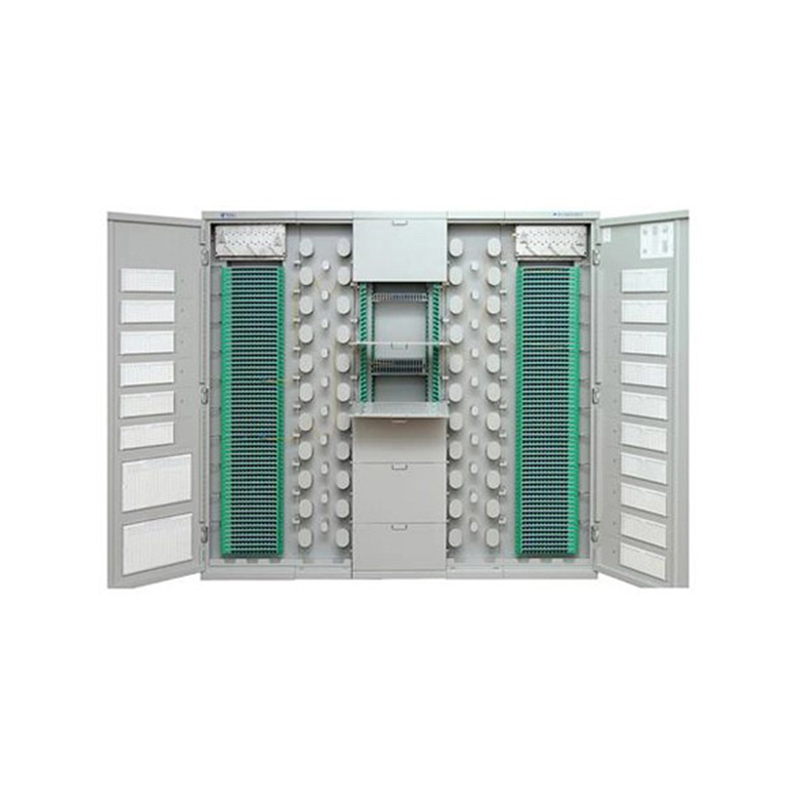
Application Used in FTTH network access-layer equipment rooms where splitting, splicing, distribution and other operations need to be carried out within a frame. Used in FTTH networks where optical sp...
See Details -
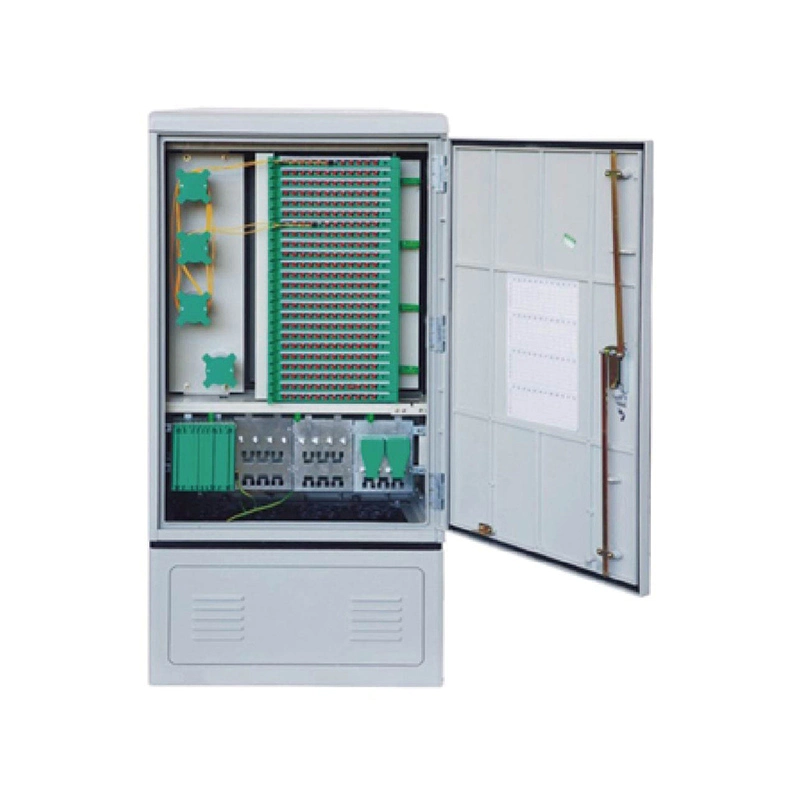
Product Overview The ODC-288B and ODC-288C SMC Optical Fiber Cross Connection Cabinets are used for optical cable connection, distribution and management in outdoor fiber networks. The cabinets adopt ...
See Details -
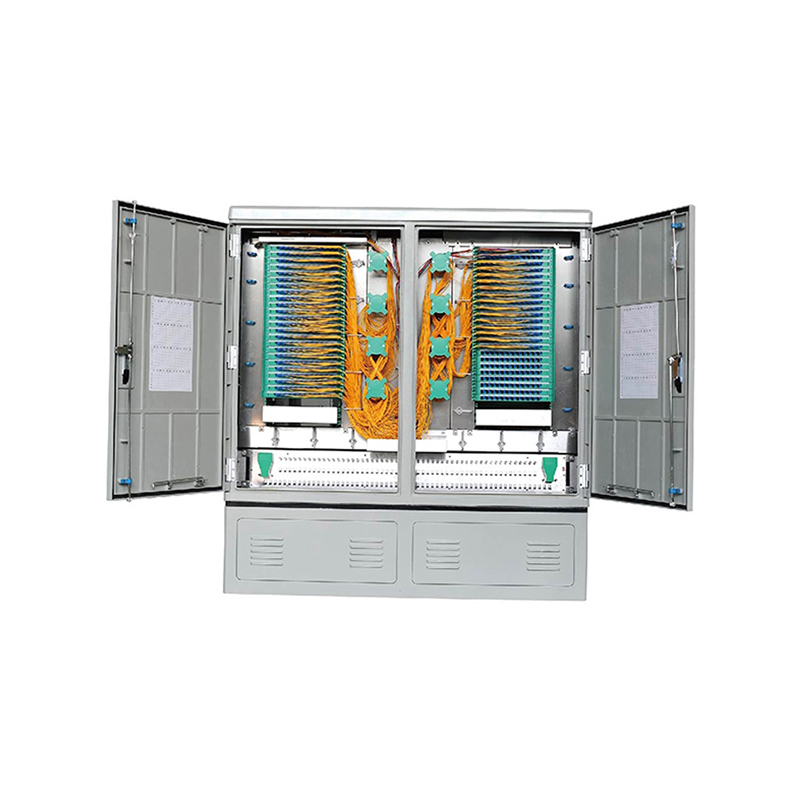
Product Overview The WM-G1152A and WM-G576A SMC Optical Fiber Cross Connection Cabinets are designed for outdoor optical cable connection, distribution and management. The cabinets adopt SMC enclosure...
See Details
Ready to Get started ? Contact Us Now !

Product.
Contact Details.
-
 +86 13958188250
-
 +86 13958188250
-
 [email protected]
-
 AUDIT Email:[email protected]
- Wanma Industrial Park Taihu Yuan Town Lin'an District Hangzhou City China.
QR Code

Copyright © Wanma Technology Co., Ltd. All Rights Reserved.
Privacy
Custom Ethernet Optical Network Railway Transit Equipments Suppliers
