

 English
 Français
 Español
 Português
 عربى





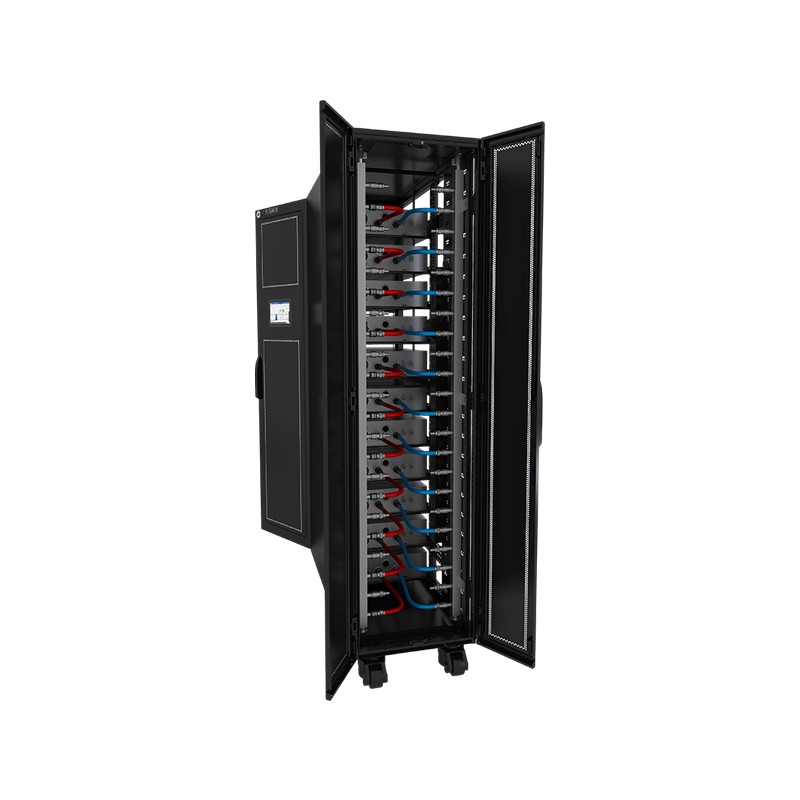

Application:It is used in internet data center equipment room to house server cabinets and provides them with required working environment. Features:•Modularization: Two cabinets combined sharing one ...
See DetailsData Center Server Racks for Scalable, Secure, and Efficient Infrastructure
Content
- 1 Why Data Center Rack Design Matters
- 2 Product Overview
- 3 Key Product Advantages
- 4 Open-Frame and Enclosed Rack Configurations
- 5 Applications in Modern Infrastructure
- 6 Manufacturing Strengths and Product Development Capabilities
- 7 Cooling and Airflow Planning
- 8 Safety and Access Management
- 9 Installation and Configuration Considerations
- 10 Advantages Compared with Conventional Fixed Rack Installations
- 11 Why Choose Wanma Technology as a Supplier
- 12 Maintenance and Long-Term Operation
- 13 Recommended Selection Process
- 14 Frequently Asked Questions
- 14.1 Q1: What are data center server racks used for?
- 14.2 Q2: Can the rack system be expanded after initial installation?
- 14.3 Q3: Are these racks suitable for open-frame applications?
- 14.4 Q4: How does the intelligent skylight function work?
- 14.5 Q5: What materials are used for the access door and skylight?
- 14.6 Q6: Are the racks suitable for telecom and optical communication equipment?
- 14.7 Q7: What is the difference between an open-frame rack and an enclosed cabinet?
- 14.8 Q8: Can the product be customized?
- 14.9 Q9: Where are these server rack systems commonly installed?
- 14.10 Q10: How should customers prepare before requesting a quotation?
- 14.11 Q11: What makes Wanma Technology a suitable supplier?
- 14.12 Q12: Can open-frame racks be used outdoors?
- 15 Conclusion
- 16 References
- 17 Product: Data Center Server Racks
Data center server racks are essential structural systems for organizing, protecting, and operating modern information technology equipment. They support servers, switches, routers, storage systems, power distribution units, patch panels, fiber-optic equipment, and other network components within a controlled equipment-room environment. As data traffic increases and digital services become more dependent on reliable infrastructure, the selection of a suitable rack system has a direct effect on cooling performance, maintenance efficiency, cable management, equipment protection, and long-term operating cost.
A well-designed rack is more than a metal frame. It is part of a complete data center environment that must support equipment density, safe access, organized deployment, airflow control, fire response, and future expansion. The Data Center Server Racks supplied by Wanma Technology Co., Ltd. are designed for communication equipment rooms, internet data centers, telecom facilities, optical network installations, railway communication systems, and other professional infrastructure applications.
The system combines modular rack construction with practical passage management and intelligent safety features. Two cabinets can be combined and share one top plate to form a functional module. Multiple modules can then be added or reduced according to the size and configuration of the facility. This modular approach allows operators to adapt the equipment room without rebuilding the entire rack area.
In addition to its modular configuration, the system can be used with controlled cooling passages, steel access doors, toughened glass sections, and intelligent skylight control. These features help create a stable operating environment for sensitive electronic equipment. The result is a rack solution that balances accessibility, structural stability, airflow organization, safety, and future scalability.
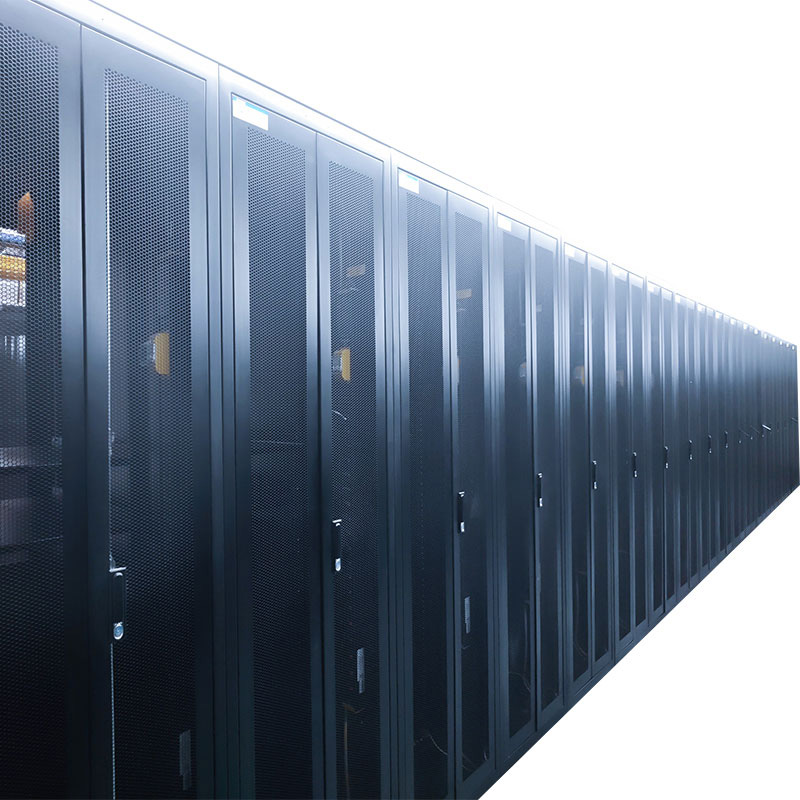
Data Center Server Racks
Why Data Center Rack Design Matters
Data center equipment operates continuously and often handles critical services. A rack system must therefore accommodate not only the physical dimensions of equipment but also the heat, weight, cables, power connections, and maintenance requirements associated with that equipment. Poor rack design can cause blocked airflow, tangled cables, difficult maintenance, uneven loading, and inefficient use of floor space.
Server racks create an organized mechanical framework for equipment installation. Standard mounting dimensions allow different types of servers and network devices to be placed in a consistent arrangement. When equipment is installed in an orderly way, technicians can identify devices more quickly, trace connections with less difficulty, and perform upgrades without unnecessarily disturbing adjacent systems.
Rack design is also connected to cooling performance. Servers and switches generate heat during normal operation. If hot air is allowed to circulate back toward equipment intakes, cooling systems must work harder and equipment temperatures may rise. A properly planned rack arrangement can support front-to-back airflow, separate supply and return air, and establish a more predictable thermal environment.
For larger installations, racks are often combined into rows and connected with aisle management systems. The modular passage structure of this product helps maintain a closed cooling passage while still allowing the total installation to be expanded or reduced. This is particularly valuable for data centers that grow in stages rather than being built to their final capacity on the first day.
Product Overview
The Data Center Server Racks are intended for internet data center equipment rooms and other professional locations where server cabinets and communication devices require an organized working environment. The system is based on a modular cabinet arrangement that can be adapted to different room sizes and equipment plans.
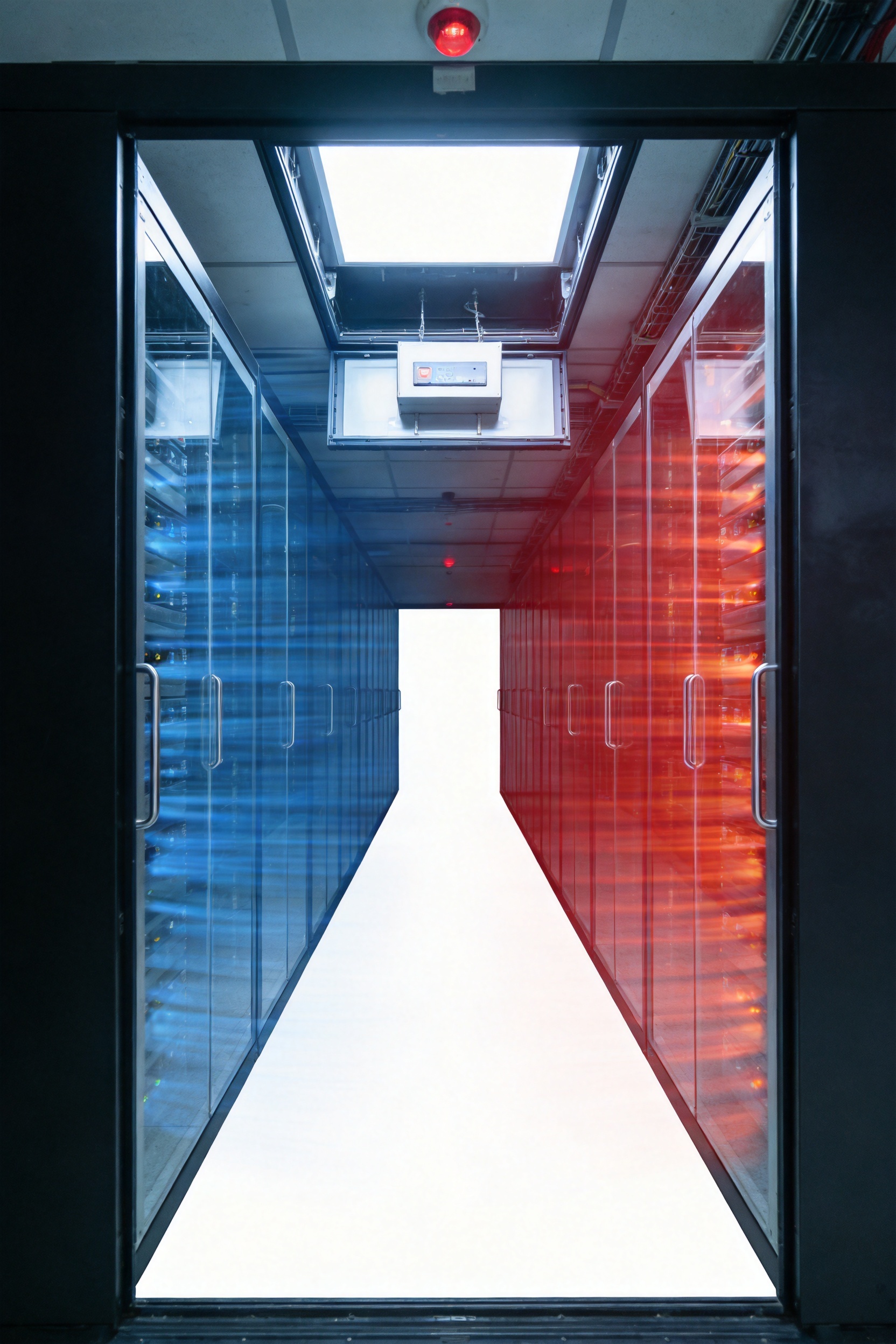
Two cabinets combined with one top plate form a module. A passage can be created from door plates on both sides and multiple connected modules. This configuration supports a structured equipment area and helps maintain a defined cooling path. If additional cabinet positions are required, new modules can be added. If the equipment plan changes, modules can be reduced or rearranged without affecting the basic closed passage concept.
The system can support applications involving standard server cabinets, network cabinets, optical communication equipment, power-related devices, and other rack-mounted products. Depending on the deployment plan, it can be integrated with open-frame rack access, enclosed cabinet sections, aisle containment, cable routing systems, monitoring equipment, and room-level cooling infrastructure.
Although open-frame rack structures are valued for their accessibility and unobstructed airflow, some data center environments also require doors, top panels, or controlled passage sections. This product concept addresses both needs by providing an adaptable infrastructure platform. Operators can preserve convenient equipment access while using modular doors and top structures to improve airflow organization and safety management.
Key Product Advantages
Modular Expansion Without Major Reconstruction
One of the most important advantages is modularization. Conventional rack installations may require significant alteration when the number of cabinets changes. Additional construction, relocation of cooling equipment, or redesign of aisle structures can increase project cost and downtime.
The modular structure of these server racks allows modules to be added or reduced according to actual demand. Two cabinets and one top plate form a basic unit, while multiple units can be arranged into a larger passage. This approach supports phased deployment. A customer can install the initial number of cabinets needed for current operations and reserve space for future expansion.
Modular expansion also simplifies project planning. Equipment-room designers can select the number of rack positions according to server quantity, network topology, power distribution, and expected growth. The installation can then be adjusted as business requirements evolve. This flexibility is especially useful for cloud service facilities, telecom operators, internet service providers, enterprise data centers, and edge computing projects.
Improved Airflow Organization
Cooling efficiency is one of the most important factors in data center operation. The rack system supports the creation of a defined cooling passage, helping separate equipment intake air from heated exhaust air. A controlled passage reduces unnecessary air mixing and can help cooling systems deliver air more effectively to areas of high thermal demand.
Open-frame rack configurations allow air to move freely around equipment, which is beneficial in controlled indoor rooms with established cooling systems. When open structures are combined with modular top and door components, operators can create a more managed airflow environment without sacrificing convenient maintenance access.
Better airflow organization may reduce the workload placed on room cooling systems. It can also help stabilize equipment inlet temperatures and reduce the possibility of local hot spots. The actual energy result depends on room layout, cooling technology, equipment load, fan operation, environmental conditions, and control strategy, but rack organization provides the foundation for more effective thermal management.
Intelligent Fire-Response Function
The product includes an intelligent control box that can control the skylight above the passage. When a fire condition is detected by the relevant fire-control system, the skylight can open automatically. This provides a planned response path for heat and smoke while supporting coordination between the rack passage and the wider equipment-room safety system.
Automatic opening is important because manual operation may not be possible during an emergency. A coordinated intelligent control system can reduce dependence on human response time and help connect rack-level safety functions with building-level fire protection procedures. The control logic should be integrated with the customer’s approved fire alarm and emergency management system by qualified professionals.
The intelligent control function is not a replacement for a complete fire protection system. Instead, it is a supporting feature that can contribute to a more comprehensive emergency strategy. Final installation should follow applicable fire codes, electrical requirements, emergency procedures, and project-specific engineering instructions.
Fire-Suitable Door and Skylight Materials
The access door and skylight use steel plate and toughened glass components. These materials are selected to provide durability and improved resistance to common equipment-room hazards. Steel offers mechanical strength and long-term structural reliability, while toughened glass provides visibility and allows personnel to observe the passage and equipment area without fully opening the structure.
The use of uninflammable materials supports fire safety planning. It also helps maintain a professional and durable appearance in high-use equipment rooms. Toughened glass is more resistant to impact and temperature variation than ordinary glass, making it suitable for controlled industrial and commercial environments when correctly specified and installed.
Material selection must always be considered together with the complete system design. Fire performance depends on component construction, installation details, sealing, surrounding materials, cable openings, ventilation, and the building’s fire protection system. The rack system provides a strong basis for safe design, while the final project must be verified according to local requirements.
Stable Cabinet Attachment
Stability is essential when racks hold heavy servers, storage units, power equipment, and communication devices. The product is designed to attach closely to the cabinet dimensions, supporting a firm and coordinated structure. Close attachment helps limit unnecessary movement and contributes to a longer service life when the system is properly installed and loaded.
A stable structure also makes equipment installation safer. Technicians can work with greater confidence when cabinet sections, top plates, doors, and connected modules remain properly aligned. Stable alignment supports consistent door operation, better passage sealing, and more predictable cable routing.
Rack stability depends on more than cabinet construction. Floor strength, anchoring, leveling, equipment weight distribution, seismic requirements, transportation conditions, and installation quality must also be considered. Wanma Technology can provide customized infrastructure solutions according to the equipment-room environment and project requirements.

Open-Frame and Enclosed Rack Configurations
Open-frame server racks are often preferred in controlled indoor environments because they provide easy access and unrestricted equipment visibility. Their simple structure makes it convenient to install, replace, inspect, and test equipment. Open frames are particularly suitable for network laboratories, development rooms, test environments, and data centers with dedicated environmental controls.
Enclosed cabinets add doors and panels that provide a higher level of physical protection. They are useful where dust control, access restriction, equipment separation, or improved environmental containment is required. The choice between open-frame and enclosed construction should be based on the room conditions, security requirements, cooling design, and maintenance policy.
The modular Data Center Server Racks can be adapted to different infrastructure strategies. Open access can be maintained where technicians need frequent equipment interaction, while steel and glass doors can be used to create controlled passages or protect specific sections. This adaptability is an advantage over rigid rack systems that are designed for only one type of deployment.
| Evaluation Factor | Open-Frame Rack Application | Enclosed or Modular Rack Application | Product-Related Benefit |
|---|---|---|---|
| Equipment access | Very fast access from multiple sides | Controlled access through doors and panels | Supports both maintenance convenience and controlled passage design |
| Airflow | Highly open airflow around equipment | More organized airflow when combined with containment | Modular passages help separate supply and exhaust air |
| Physical protection | Limited protection from unauthorized access | Improved access management and equipment separation | Steel plate and toughened glass components provide a stronger barrier |
| Expansion | Additional frames can be installed separately | Modules can be connected or reduced as needed | Modular design supports phased data center growth |
| Maintenance | Excellent visibility and accessibility | Organized entry through doors and defined passages | Combines practical access with a structured room layout |
| Safety planning | Requires separate room-level safety measures | Can integrate passage control and intelligent skylight operation | Supports coordinated fire-response planning |
Applications in Modern Infrastructure
Internet Data Centers
Internet data centers require high-density equipment installation, efficient cooling, organized cabling, and reliable access control. Server racks provide the physical foundation for these requirements. The modular passage arrangement is suitable for facilities that need to deploy cabinets in phases as server capacity increases.
In a high-density environment, the rack layout must be coordinated with power distribution, cooling capacity, monitoring systems, and maintenance routes. The use of a defined passage can improve the separation of conditioned air and exhaust air. It can also make the equipment area easier to manage by providing a consistent row structure and predictable access points.
The system is suitable for internet service facilities, cloud infrastructure rooms, colocation centers, content delivery facilities, and enterprise server rooms. The exact cabinet configuration can be selected according to equipment dimensions, rack-unit requirements, cable entry locations, and power density.
Telecommunications Equipment Rooms
Telecom rooms often contain a combination of active network equipment, passive optical components, fiber distribution units, transmission devices, power systems, and monitoring equipment. These systems require careful organization because fiber connections can be sensitive to excessive bending, poor routing, and accidental disturbance.
Server racks and communication cabinets provide defined installation positions and support more orderly cable management. Open access is useful when technicians need to test or reconfigure communication equipment. Enclosed or modular sections can be used where equipment protection and controlled access are more important.
Wanma Technology has experience in communication cabinets, communication electronic equipment, and passive optical components. This background helps the company understand the practical needs of telecom infrastructure, including equipment-room organization, optical cable routing, modular expansion, and long-term maintenance.
Ethernet and Optical Communication Networks
Ethernet and optical communication networks rely on a mixture of copper cabling, fiber-optic connections, switches, patch panels, routers, and transmission equipment. A well-organized rack system reduces the risk of cable confusion and makes network changes more manageable.
Rack layout should allow sufficient bend radius for optical fiber, maintain separation between power and data cables where necessary, and provide clear identification for patching and maintenance. The modular design of the rack passage can support organized rows for active network equipment and optical distribution systems.
Because Wanma Technology develops and manufactures passive optical components as well as communication cabinets, its product development perspective covers more than the cabinet shell alone. The company can work with customers to create integrated infrastructure solutions for communication rooms and network equipment installations.
Railway and Urban Rail Transit Systems
Railway communication systems require reliable equipment organization in central equipment rooms and technical facilities. Communication racks may support signaling-related networks, monitoring systems, transmission equipment, Ethernet systems, optical communication equipment, and control interfaces.
Urban rail transit systems also depend on stable communication infrastructure for operations, monitoring, passenger information, security, and maintenance coordination. Rack systems used in these applications must be mechanically stable, easy to service, and suitable for continuous operation.
Wanma Technology’s products are used in national high-speed railway and urban rail transit environments. This market experience supports a practical understanding of the importance of reliable cabinet construction, organized cable pathways, long service life, and consistent manufacturing quality.
Network Testing and Research Facilities
Research laboratories and network testing rooms often change equipment configurations more frequently than permanent data centers. Engineers may need to install experimental servers, switches, optical modules, test instruments, and prototype systems for short-term or repeated evaluation.
Open-frame access is valuable in these environments because technicians can reach equipment quickly and observe connections without removing multiple panels. The modular rack approach also allows the test area to be reconfigured as projects change. This reduces installation complexity and supports more efficient use of laboratory space.
For development environments that require controlled cooling or equipment grouping, modular top plates and passage structures can provide additional organization. The result is a flexible platform suitable for Ethernet testing, optical communication development, network security evaluation, and equipment interoperability projects.
Edge Computing and Temporary IT Sites
Edge computing installations are often located closer to users, industrial equipment, transportation facilities, or remote service areas. These locations may have limited space and may need equipment to be deployed quickly. A modular rack structure can simplify installation and support future expansion.
Temporary IT sites also benefit from adaptable rack systems. Construction projects, emergency communication sites, event facilities, and short-term processing centers may require reliable equipment storage without committing to a permanent large-scale data center buildout.
Before using an open-frame or modular configuration at an edge site, the operator should evaluate dust, humidity, physical access, temperature, vibration, and security. In harsh or uncontrolled environments, a more protective enclosed cabinet and additional environmental controls may be necessary.
Manufacturing Strengths and Product Development Capabilities
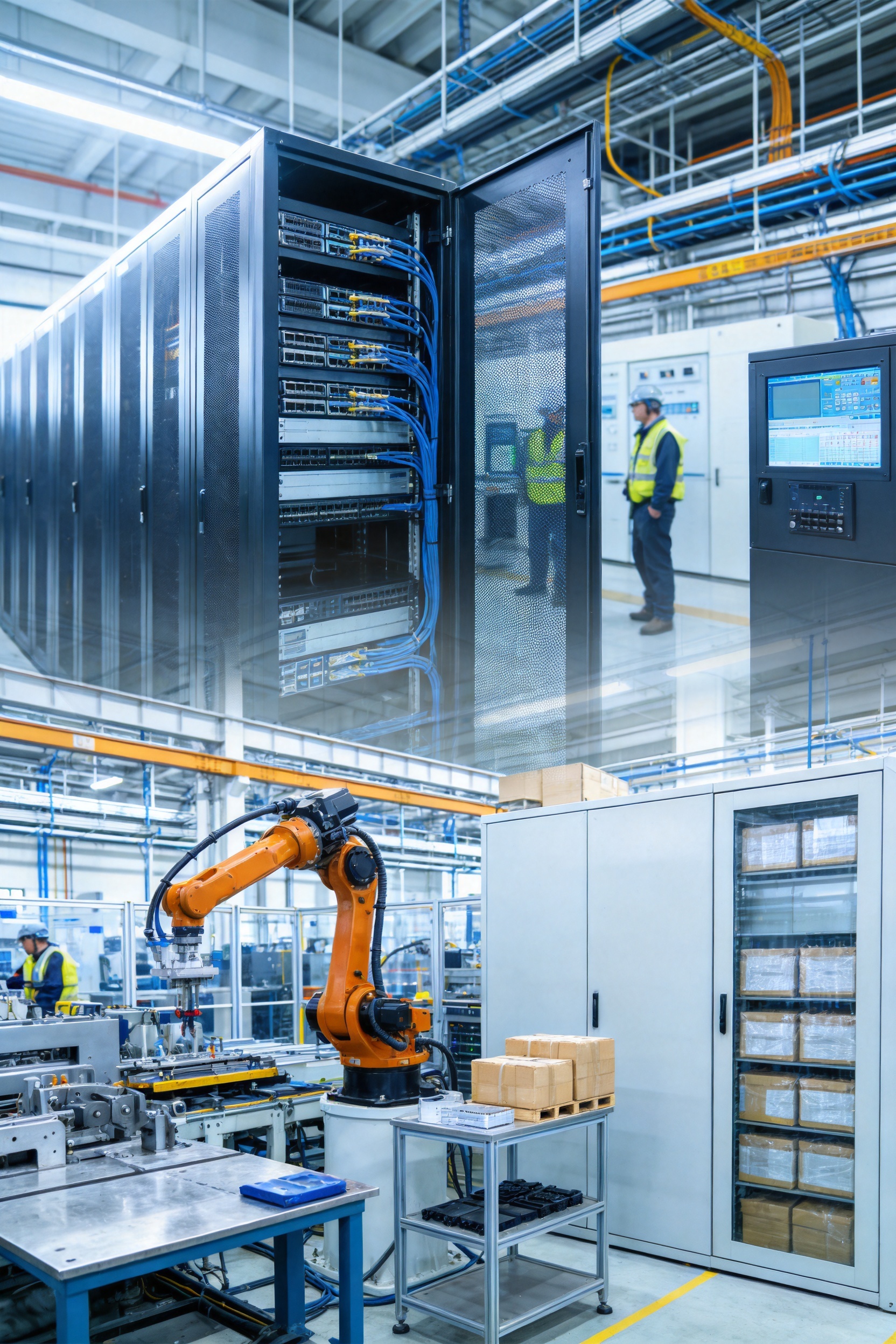
A data center rack is a precision infrastructure product. Its performance depends on material selection, dimensional accuracy, joining quality, surface treatment, assembly consistency, and inspection discipline. Wanma Technology Co., Ltd. was established in 1997 and has developed experience in communication cabinets, communication electronic equipment, passive optical components, and customized infrastructure products.
The company develops, manufactures, and markets its own branded products while also providing integrated solutions for customized applications. This combination allows the company to support standard product requirements while responding to project-specific needs such as cabinet dimensions, equipment-room layout, cable routing, access arrangements, and deployment conditions.
Engineering-Oriented Product Development
Effective rack development begins with understanding how the product will be used. Data center and telecom racks must accommodate real equipment, real cables, real maintenance procedures, and real environmental requirements. Product engineering therefore needs to consider cabinet loading, installation access, service clearances, passage width, door movement, airflow behavior, and expansion planning.
Wanma Technology’s experience in communication infrastructure provides a foundation for engineering products that are intended for professional equipment rooms. The company can evaluate rack systems as part of a wider network environment rather than treating the rack as an isolated metal enclosure.
Customization may include cabinet size, module quantity, door arrangement, top structure, access method, cable entry, equipment compatibility, and project-specific finish requirements. This flexibility is useful when standard catalog dimensions do not fully match the customer’s room layout or equipment plan.
Material and Structural Quality
Structural quality affects the stability, service life, and operating convenience of a rack system. Steel components must be formed and assembled accurately so that doors, panels, and cabinet sections remain aligned. The rack must also support the expected equipment load without excessive deformation.
The use of steel plate in access doors and skylights provides strength and durability. Toughened glass adds visibility while maintaining a robust barrier. Properly designed frames and connecting components help ensure that modules remain closely attached and that the completed system has a consistent appearance and reliable mechanical behavior.
For data center projects, material quality should be supported by incoming-material checks, dimensional verification, assembly inspection, and finished-product testing. These processes help reduce variation between units and support reliable installation across large equipment rooms.
Manufacturing Process Control
Professional cabinet manufacturing generally includes sheet-metal preparation, cutting, forming, drilling or punching, surface treatment, component assembly, wiring or control-box integration where required, and final inspection. Each stage can affect the final performance of the rack.
Accurate sheet-metal processing helps ensure that cabinet panels and doors fit correctly. Controlled forming reduces dimensional variation. Proper surface treatment improves resistance to corrosion and daily wear. Careful assembly supports smooth door operation and stable module connection. Inspection of the finished rack helps identify alignment, hardware, finish, and function issues before shipment.
For intelligent rack systems, control components must be installed and checked according to the intended operating logic. The intelligent control box and skylight mechanism should be verified for reliable response, safe movement, and compatibility with the customer’s fire-control interface. Project-specific commissioning should be completed by qualified personnel after installation.
Quality Assurance and Reliability
Quality assurance is particularly important for equipment-room infrastructure because replacement or repair may require service interruption. A reliable supplier should maintain clear production procedures, inspection standards, traceability practices, and delivery controls.
Wanma Technology emphasizes reliable product quality, timely delivery, and long-term strategic partnerships with industry leaders. Its experience serving customers in more than 20 countries and regions, including the United States, Australia, the United Kingdom, Italy, South Africa, and Ghana, reflects the need to support different project expectations and operating environments.
Quality should be evaluated across the complete supply process. It includes technical communication before production, drawing confirmation, material selection, manufacturing control, functional testing, packaging, logistics coordination, installation support, and after-sales communication. A supplier capable of managing these stages can reduce project risk and improve the overall ownership experience.
Cooling and Airflow Planning
Rack selection should be coordinated with the data center cooling strategy. The rack itself does not generate cooling capacity, but it can either support or obstruct the cooling system. Effective planning begins with identifying equipment airflow direction and arranging racks so that intake and exhaust sides are consistently oriented.
Aisle organization is another important factor. A cold aisle provides conditioned air to equipment intakes, while a hot aisle collects exhaust air. A modular top and door arrangement can help create a more controlled passage between rack rows. This may reduce the mixing of hot and cold air and provide more predictable conditions for equipment operation.
Cable pathways should not block ventilation openings. Power cables, network cables, fiber-optic cables, and control wiring should be routed using suitable vertical and horizontal management accessories. High-density fiber installations require particular attention to bend radius and access space.
Cooling planning must also consider future equipment. A rack area that operates comfortably at the initial load may develop hot spots after additional servers or accelerators are installed. Modular expansion should therefore be matched with power and cooling capacity planning. This is one reason why a scalable rack structure is valuable: it allows physical growth to be considered together with the thermal design.
Safety and Access Management
Data center racks must support safe work practices. Doors should open in a predictable direction, access routes should remain clear, and heavy equipment should be installed at suitable heights. Technicians should be able to work without unnecessary obstruction or risk of contact with adjacent equipment.
The use of steel plate and toughened glass provides a robust passage structure. Visibility through glass can make it easier to inspect equipment status and identify abnormal conditions before opening the door. Controlled access can also help separate authorized maintenance activities from general traffic in the equipment room.
Fire safety requires coordination between rack design, room construction, alarm systems, suppression systems, emergency power controls, and evacuation procedures. The automatic skylight function is intended to form part of this coordinated approach. It should be engineered with the project’s fire alarm logic so that its operation does not conflict with other emergency functions.
Access policies should be established before commissioning. The customer should determine who may enter the rack passage, how access is recorded, how maintenance work is authorized, and how emergency access is handled. Physical rack features are most effective when supported by clear operational procedures.
Installation and Configuration Considerations
Before installation, the equipment-room floor should be checked for load capacity, levelness, anchor positions, drainage conditions, and access routes. The room should also be reviewed for ceiling height, door clearance, fire equipment, lighting, cooling supply, cable pathways, and maintenance space.
The rack layout should be confirmed using the actual equipment list. Designers should identify cabinet quantity, rack-unit requirements, equipment weight, power density, network connections, optical distribution points, and future expansion space. This information determines the most suitable module arrangement.
During assembly, cabinet sections should be aligned and securely connected. Top plates, doors, control components, and glass sections should be inspected for correct fit and safe movement. Equipment should be loaded according to the recommended weight distribution, with heavier units positioned lower where appropriate.
After installation, the system should be checked for structural stability, door operation, cable clearance, airflow direction, access safety, and control-box function. The intelligent skylight mechanism should be tested as part of an approved commissioning procedure. All test results should be recorded for future maintenance reference.
Advantages Compared with Conventional Fixed Rack Installations
Traditional fixed rack arrangements may be suitable for small equipment rooms with stable requirements, but they can become restrictive when the facility grows. A fixed design may not provide enough flexibility for changing cabinet quantities, new cooling strategies, or revised access requirements.
The modular rack system offers several advantages in comparison. It allows the number of modules to be adjusted without redesigning the complete passage. It can combine open equipment access with controlled doors and top panels. It supports a more organized cooling environment. It includes an intelligent fire-response feature. It also provides a stable, closely attached structure designed around cabinet dimensions.
These advantages can lower the difficulty of phased construction. They may also simplify future maintenance because the system maintains a consistent cabinet and passage logic as the room expands. In a competitive market, this combination of flexibility, safety, and infrastructure integration distinguishes the product from basic standalone frames.
Why Choose Wanma Technology as a Supplier
Wanma Technology Co., Ltd. brings more than a single product category to a data center project. The company specializes in communication cabinets, communication electronic equipment, and passive optical components. Its products are used in Ethernet networks, optical communication networks, central equipment rooms, high-speed railway systems, and urban rail transit infrastructure.
This industry background is important because data center racks are closely related to network equipment, optical distribution, power organization, and communication-room operation. A supplier with experience in these areas can better understand the complete application rather than focusing only on external cabinet appearance.
The company develops and manufactures its own branded products and offers customized integrated solutions. Customers can therefore discuss standard rack requirements as well as project-specific configurations. Custom support may be useful for unusual room dimensions, special cabinet arrangements, unique passage requirements, or combined data center and telecom applications.
Wanma Technology also emphasizes timely delivery and long-term cooperation. For international projects, communication quality and delivery coordination are critical. A supplier serving customers in more than 20 countries and regions must be able to manage technical documents, production planning, packaging, logistics, and customer communication across different markets.
The company’s mission is to power global networks, drive an intelligent future, create customer satisfaction, support employee fulfillment, and provide value to society. These principles align with the long-term nature of data center infrastructure, where customers need dependable products and responsive cooperation over many years.
Maintenance and Long-Term Operation
Regular maintenance helps preserve the performance of server racks and the equipment installed inside them. Maintenance teams should inspect doors, hinges, locks, connecting hardware, top panels, glass sections, cable managers, grounding arrangements, and visible signs of corrosion or damage.
Airflow paths should remain clear. Dust accumulation, abandoned cables, packaging materials, and improperly positioned equipment can restrict ventilation. Technicians should also check whether new equipment has changed the original airflow direction or introduced additional heat loads.
The intelligent control box and skylight mechanism should be included in scheduled functional inspections. Testing must follow the customer’s safety procedures and should not create an unintended emergency condition. Any interface with the building fire system should be reviewed by qualified personnel.
Maintenance records should include inspection dates, equipment changes, repairs, control-system tests, and identified risks. Clear documentation supports troubleshooting and helps ensure that future modifications do not compromise the original rack design.
Recommended Selection Process
Step One: Define the Application
Identify whether the racks will be used in an internet data center, telecom room, laboratory, railway communication facility, edge site, enterprise server room, or another environment. Each application may have different requirements for security, airflow, access, dust protection, and expansion.
Step Two: Prepare the Equipment List
Record the dimensions, weight, rack-unit height, power consumption, airflow direction, connector type, cable quantity, and maintenance frequency of each device. This information helps determine cabinet size, module count, power arrangement, and cable-management requirements.
Step Three: Review the Room Conditions
Evaluate floor loading, ceiling height, cooling capacity, humidity, dust, access control, fire systems, lighting, and transportation routes. Open-frame structures are most appropriate in controlled indoor spaces, while harsher environments may require greater enclosure and environmental protection.
Step Four: Plan Growth
Estimate equipment growth over the expected service life of the facility. The modular structure can support expansion, but sufficient floor space, power capacity, cooling capacity, and cable pathways should be reserved from the beginning.
Step Five: Confirm Safety and Control Requirements
Determine whether the project requires steel doors, toughened glass, controlled passage access, intelligent skylight operation, monitoring, or integration with a fire alarm system. These requirements should be confirmed during the engineering and quotation stages.
Step Six: Confirm Manufacturing and Delivery Details
Before production, review drawings, module dimensions, material specifications, finish, control arrangements, packaging, inspection procedures, delivery schedule, installation responsibilities, and commissioning requirements with the supplier.
Frequently Asked Questions
Q1: What are data center server racks used for?
Data center server racks are used to mount, organize, protect, and manage servers, switches, routers, storage devices, optical equipment, patch panels, and related infrastructure. They also help establish orderly cable routes, maintenance access, equipment spacing, and airflow paths.
Q2: Can the rack system be expanded after initial installation?
Yes. The modular design allows modules to be added or reduced according to equipment-room requirements. Two cabinets and one top plate form a module, and multiple modules can be combined to create a larger passage. Expansion should still be coordinated with available floor space, power, cooling, and network capacity.
Q3: Are these racks suitable for open-frame applications?
Yes. The system can support open access where easy equipment maintenance and airflow are priorities. It can also incorporate doors, top plates, and controlled passages where greater organization, protection, or airflow management is required.
Q4: How does the intelligent skylight function work?
The skylight above the passage is controlled by an intelligent control box. When the fire-control system identifies a fire condition and sends the appropriate signal, the skylight can open automatically. The final control logic must be integrated and commissioned according to applicable safety regulations and project requirements.
Q5: What materials are used for the access door and skylight?
The access door and skylight use steel plate and toughened glass. Steel provides structural strength, while toughened glass offers visibility and improved impact resistance. These materials are intended to support durability and fire-safety planning when correctly integrated into the complete facility design.
Q6: Are the racks suitable for telecom and optical communication equipment?
Yes. The racks are suitable for telecom rooms, Ethernet networks, optical communication systems, passive optical equipment, active network devices, and centralized equipment rooms. Cable routing and bend-radius requirements should be reviewed for each project.
Q7: What is the difference between an open-frame rack and an enclosed cabinet?
An open-frame rack provides easy access and unrestricted airflow but offers less physical protection. An enclosed cabinet provides doors and panels that improve access control, dust protection, and equipment separation. The modular system can support different combinations according to the application.
Q8: Can the product be customized?
Wanma Technology provides integrated solutions for customized products. Possible customization areas may include cabinet dimensions, module quantity, door arrangement, top structure, cable entry, equipment compatibility, and project-specific layout requirements. Technical details should be confirmed during project engineering.
Q9: Where are these server rack systems commonly installed?
Common applications include internet data centers, enterprise server rooms, telecom equipment rooms, Ethernet network facilities, optical communication centers, railway communication systems, urban rail transit infrastructure, laboratories, edge computing sites, and temporary IT deployment locations.
Q10: How should customers prepare before requesting a quotation?
Customers should prepare the equipment list, cabinet quantity, room dimensions, power and cooling information, access requirements, cable types, fire-control requirements, expected expansion, delivery location, and installation conditions. Complete information allows the supplier to recommend a more accurate configuration.
Q11: What makes Wanma Technology a suitable supplier?
Wanma Technology has operated since 1997 and specializes in communication cabinets, communication electronic equipment, passive optical components, and customized infrastructure solutions. Its products are used in Ethernet, optical communication, railway, urban rail transit, and central equipment-room applications. The company also supports international customers and emphasizes product quality, delivery reliability, and long-term cooperation.
Q12: Can open-frame racks be used outdoors?
Open-frame racks are generally intended for controlled indoor environments. They should not be used outdoors or in dusty, humid, insecure, or otherwise uncontrolled locations without an appropriate protective enclosure and environmental design. Enclosed cabinet systems are normally more suitable for harsh or exposed conditions.
Conclusion
Data center server racks are a core part of reliable digital infrastructure. The right rack system supports equipment organization, airflow management, safe maintenance, future expansion, and long-term operational efficiency. A basic frame may hold equipment, but a professionally engineered modular rack system can contribute to the performance and resilience of the entire equipment room.
The Data Center Server Racks from Wanma Technology Co., Ltd. combine modular cabinet construction, adaptable passage design, controlled cooling organization, steel and toughened glass safety components, stable cabinet attachment, and intelligent skylight operation. These features make the system suitable for internet data centers, telecom facilities, optical communication networks, railway communication rooms, laboratories, edge computing sites, and other professional applications.
The company’s experience in communication cabinets, communication electronic equipment, passive optical components, Ethernet networks, and rail transit infrastructure provides a strong foundation for data center rack development. Its ability to manufacture standard products and provide customized integrated solutions gives customers greater flexibility when planning new installations or upgrading existing equipment rooms.
By combining practical rack engineering with scalable manufacturing and application knowledge, Wanma Technology supports customers seeking stable, organized, and adaptable infrastructure. For projects that require a balance of open access, controlled airflow, intelligent safety, structural stability, and future expansion, a modular data center server rack system is a strong long-term choice.
References
1. Wanma Technology Co., Ltd. Product information for Data Center Server Racks and communication infrastructure solutions.
2. Telecommunications Industry Association. Telecommunications Infrastructure Standards for Data Centers and Equipment Rooms.
3. International Organization for Standardization. General principles for quality management and manufacturing process control.
4. ASHRAE. Thermal Guidelines for Data Processing Environments.
5. International Electrotechnical Commission. Guidance for information technology equipment installation and electrical safety.
6. National Fire Protection Association. Data center fire protection and emergency safety principles.
7. International Organization for Standardization. Environmental and operational considerations for information technology facilities.
Product: Data Center Server Racks
PREV:RFID-Enabled Hand Hygiene Compliance Management for Smarter Hospital Infection Control
NEXT:How Intelligent Medical Carts with Electric Lifting Tables Improve Bedside Clinical Workflows
NEXT:How Intelligent Medical Carts with Electric Lifting Tables Improve Bedside Clinical Workflows
Interested in cooperation or have questions?
Related products
-
-
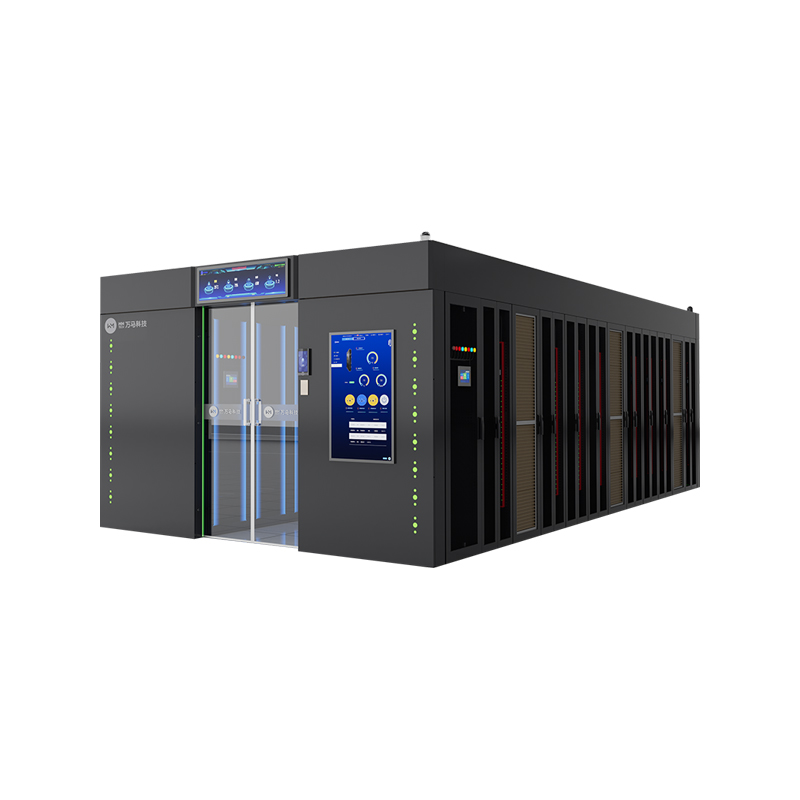
A micro-module data center (MMDC) is a new generation data center architecture that uses standardized modules as units, features prefabricated design, and allows for rapid deployment. It integrates t...
See Details -
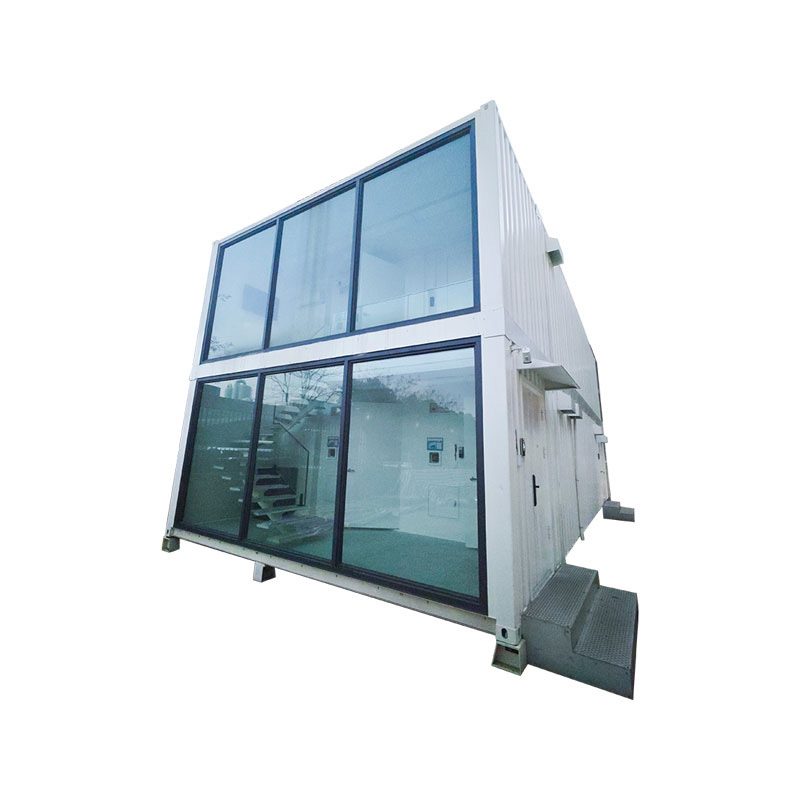
40-inch Containerized Data Center (CDC-40) is a high-capacity, high-density modular data center solution based on a standard 40-inch Containerized Data Center (CDC-40) ISO shipping container. It provi...
See Details -
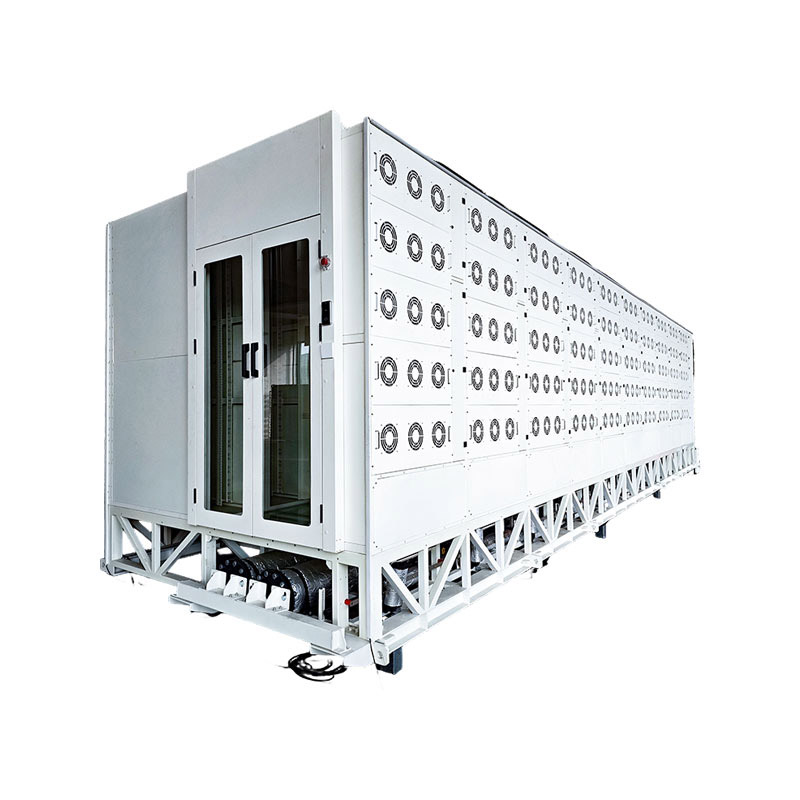
An IT container is an integrated, flexibly deployable mobile IT infrastructure platform. It often serves as the core functional unit of a modular data center, housing IT racks and various electronic ...
See Details
Ready to Get started ? Contact Us Now !

Product.
Contact Details.
-
 +86 13958188250
-
 +86 13958188250
-
 [email protected]
-
 AUDIT Email:[email protected]
- Wanma Industrial Park Taihu Yuan Town Lin'an District Hangzhou City China.
QR Code

Copyright © Wanma Technology Co., Ltd. All Rights Reserved.
Privacy
Custom Ethernet Optical Network Railway Transit Equipments Suppliers
