

 English
 Français
 Español
 Português
 عربى





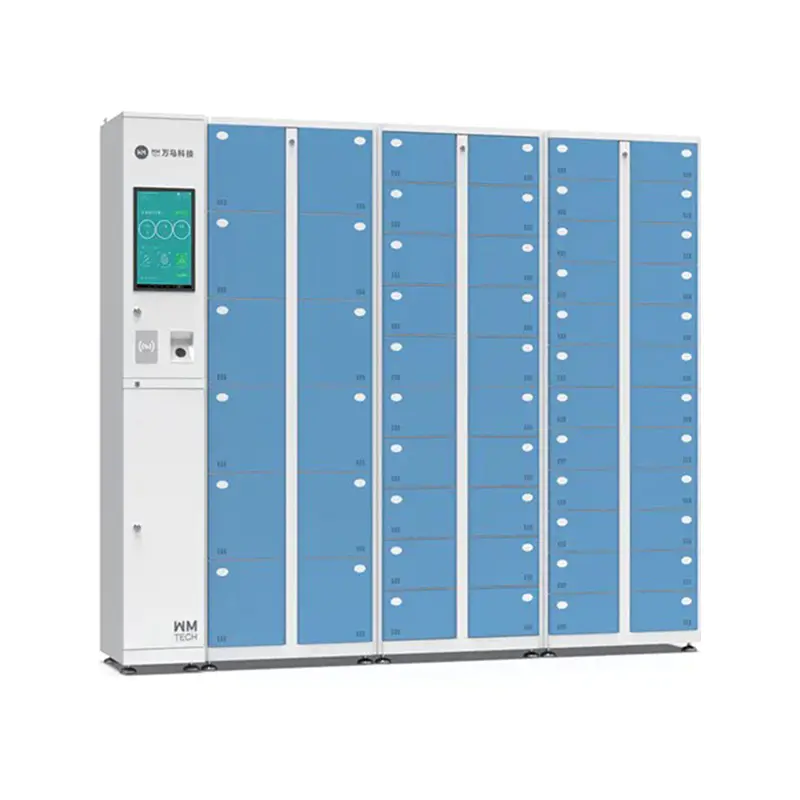
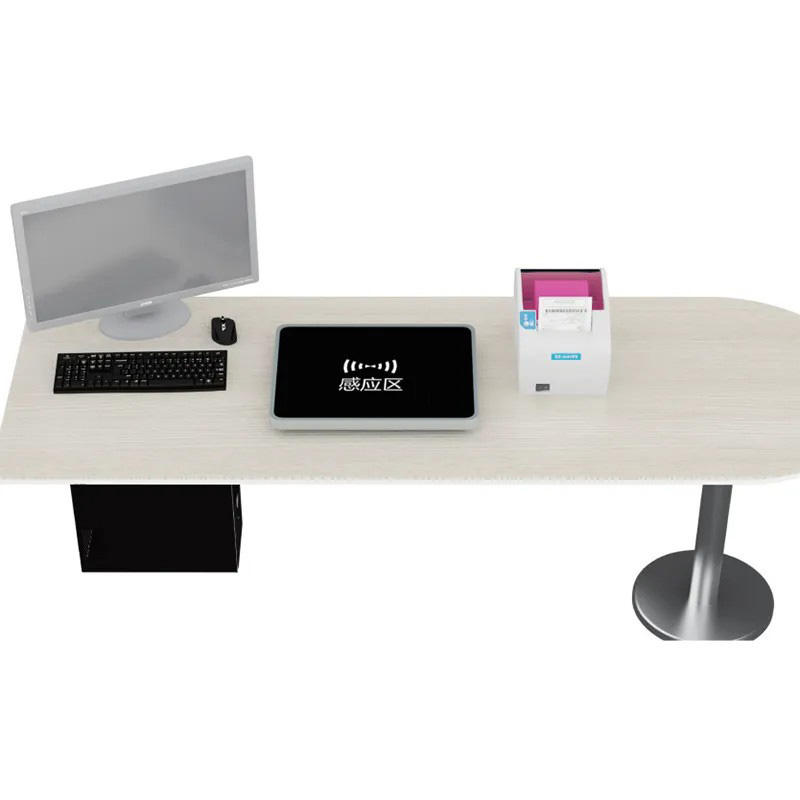
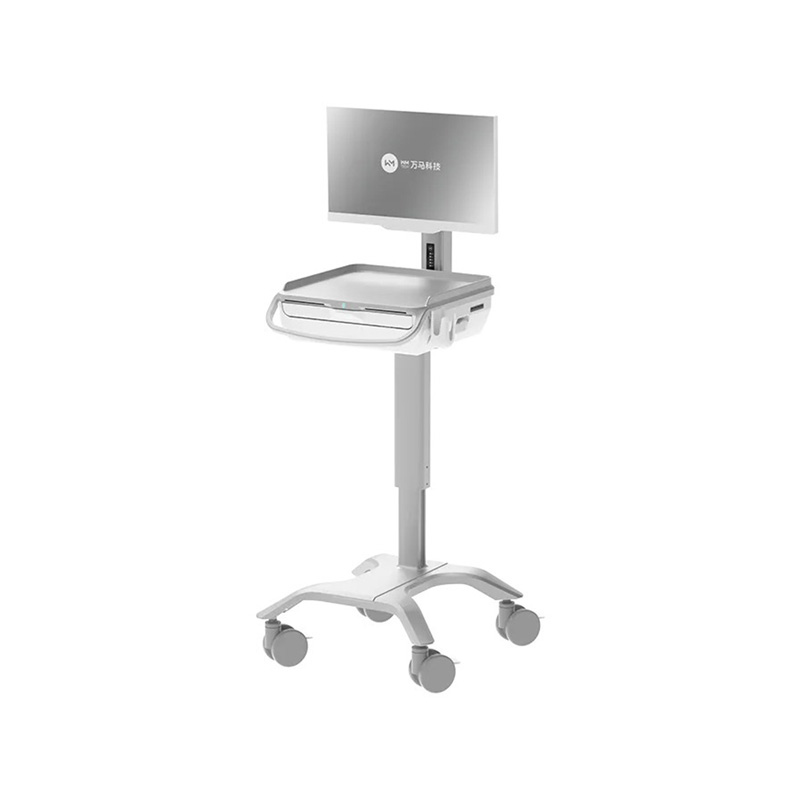

Product DefinitionThe Wanma Hand Washing Compliance Management System is an intelligent hand hygiene supervision solution based on RFID technology. By automatically identifying medical staff and monit...
See DetailsRFID-Enabled Hand Hygiene Compliance Management for Smarter Hospital Infection Control
Content
- 1 Introduction
- 2 The Role of Digital Hand Hygiene Supervision
- 3 How the Hand Washing Compliance Management System Works
- 4 Core Advantages Over Conventional and Generic Alternatives
- 5 Application Scenarios
- 6 Manufacturing and Engineering Strengths
- 7 Manufacturing Process Considerations
- 8 Data Management and Operational Governance
- 9 Implementation Strategy
- 10 Comparison of Management Approaches
- 11 Why the Solution Is Relevant to Modern Hospitals
- 12 Customer Value and Long-Term Partnership
- 13 Frequently Asked Questions
- 13.1 What is a hand washing compliance management system?
- 13.2 How does RFID support the system?
- 13.3 Can the system replace infection-control staff?
- 13.4 Which hospital departments can use the system?
- 13.5 Can it connect with existing hospital software?
- 13.6 Can the system manage medical uniforms?
- 13.7 What is the advantage of automated reporting?
- 13.8 Is the solution suitable for customized hospital projects?
- 13.9 What manufacturing experience supports the product?
- 13.10 How should a hospital begin deployment?
- 14 Conclusion
- 15 References
- 16 Product: Hand Washing Compliance Management
Introduction
Hand hygiene remains one of the most important and practical defenses against healthcare-associated infections. Although hospitals commonly establish handwashing policies, provide sanitation facilities, and conduct regular training, actual compliance can vary between departments, shifts, procedures, and individual users. Manual observation alone cannot continuously monitor every member of staff, and paper-based records rarely provide the timely, objective, and traceable information needed for effective improvement.
The Wanma Hand Washing Compliance Management System is an intelligent hand hygiene supervision solution designed to address these challenges. Based on radio frequency identification technology, commonly known as RFID, the system automatically identifies authorized medical personnel and monitors whether required handwashing processes are completed. When a non-compliant event occurs, the relevant information can be reported to a management platform for review, follow-up, and continuous improvement.
Rather than functioning as a simple handwashing reminder, the system creates a structured management framework that connects personnel identification, hygiene monitoring, event reporting, data analysis, and hospital administration. It can support operating rooms, intensive care units, infection wards, outpatient clinics, and other areas where disciplined hand hygiene is essential. Its modular architecture also allows the solution to be extended to uniform distribution, garment recycling, changing-room management, and medical clothing tracking.
This article examines the system’s operating principles, business value, competitive advantages, integration capabilities, application scenarios, and the manufacturing strengths behind its development. It also explains how an experienced communication equipment manufacturer can apply its expertise in cabinets, electronic equipment, network infrastructure, quality control, and customized production to a specialized healthcare management solution.
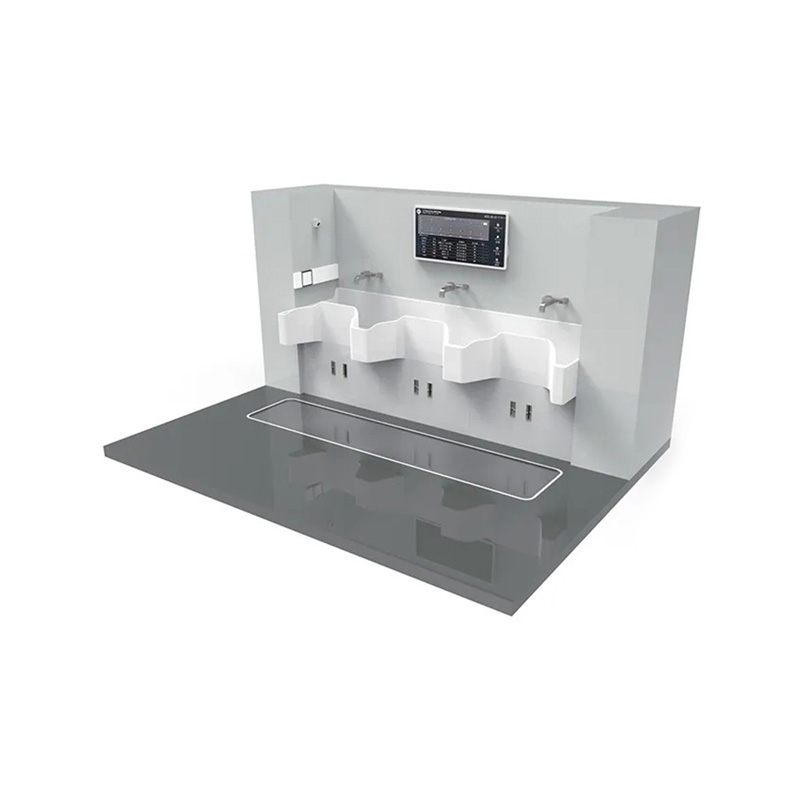
Hand Washing Compliance Management
The Role of Digital Hand Hygiene Supervision
Healthcare workers move through multiple zones during a normal shift. A nurse may enter a ward, visit a treatment room, assist in a procedure, and return to a shared work area. A surgeon may move between a changing area, preparation room, operating room, and recovery area. Each transition can create a need for proper hand hygiene, yet the behavior may be difficult to observe consistently.
Traditional supervision generally relies on periodic audits, visual inspections, staff self-reporting, or manual checklists. These methods remain useful for education and policy enforcement, but they have limitations. Observations may cover only a small sample of staff activity. Auditors may not be present when a compliance event occurs. Manual records can be incomplete or inconsistent, and the process of consolidating data may take considerable administrative time.
A digital compliance system provides a more continuous method of supervision. By using RFID-based identification, the system can associate a handwashing event with an authorized user without requiring repeated manual entry. The platform can then record whether the process was completed according to the hospital’s configured rules. This transforms compliance management from occasional inspection into a data-supported operational process.
The objective is not simply to increase the number of records. The purpose is to create useful information that supports better behavior. Managers can identify recurring non-compliance, compare performance among departments, review time periods with elevated risk, and determine whether additional education or workflow changes are necessary. Staff members can receive clearer expectations, while infection-control teams gain a more reliable basis for evaluating improvement.
From Manual Inspection to Automated Recognition
Manual observation is labor-intensive and can introduce subjectivity. Two observers may interpret the same event differently, and a staff member may change behavior temporarily when an observer is present. Automated RFID recognition provides a consistent identification method and supports event recording based on configured system rules rather than personal judgment.
The system can identify medical personnel when they approach or use a controlled handwashing area. The exact operational configuration may vary by hospital, department, and facility layout, but the underlying principle remains the same: authorized identity information is connected with hand hygiene activity. This creates a verifiable record while minimizing unnecessary manual intervention.
From Isolated Events to a Closed Management Loop
Effective compliance management requires more than detection. A hospital must be able to respond to the information generated by the system. The Wanma solution is designed to support a closed loop consisting of monitoring, reporting, review, improvement, and follow-up.
When a non-compliant event is detected, the relevant information can be transmitted to the management platform. Supervisors can then examine the event, communicate with the responsible department or individual, and determine whether corrective action is required. Over time, the resulting data can be used to evaluate the effectiveness of training, policy adjustments, and workflow improvements.
This closed-loop approach is a significant advantage over systems that merely display a warning or count handwashing events. It gives hospital management a mechanism for turning operational data into measurable infection-control action.
How the Hand Washing Compliance Management System Works
The system combines identification technology, monitoring equipment, software rules, communication interfaces, and management functions. While the visible user experience may be simple, the solution depends on coordinated hardware and software components.
RFID-Based Personnel Identification
RFID allows the system to recognize personnel through an electronic identifier associated with a staff member, uniform, access card, or other approved credential. Compared with manual name entry, RFID identification is faster and less disruptive to clinical workflows. Staff members do not need to stop and enter information into a terminal each time they use a controlled area.
Because identification is automatic, the system can reduce errors caused by forgotten credentials, incorrect manual selections, or illegible handwriting. It also provides a consistent connection between the person, the location, the time, and the monitored handwashing activity.
Real-Time Handwashing Surveillance
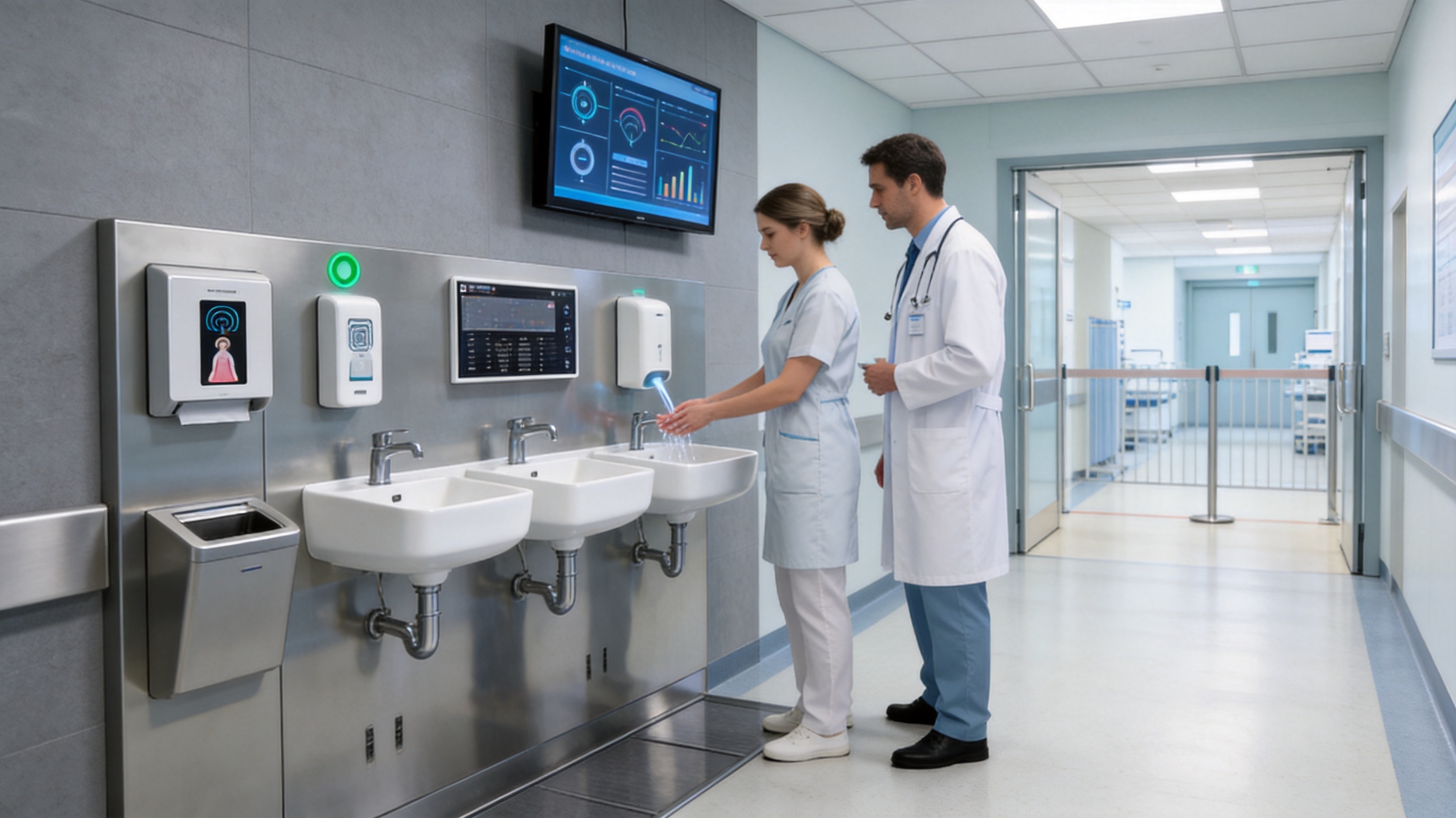
After identifying a user, the system monitors the relevant handwashing process according to configured requirements. The process may include entering a handwashing zone, activating or using the sanitation facility, and completing the required sequence before proceeding to a controlled area. The system can be configured to suit the operational rules of different departments.
Real-time monitoring is particularly useful in high-risk areas where a missed hygiene step may have serious consequences. Operating rooms, intensive care units, infection wards, and treatment areas often require strict movement control and clear procedural discipline. Digital supervision helps make those requirements visible and measurable.
Event Recording and Reporting
Each recognized event can become part of a structured record. Depending on the hospital’s configuration, the record may include staff identity, time, location, compliance status, department, and related workflow information. Non-compliant events can be reported to authorized management personnel for review.
These records can support daily supervision as well as long-term analysis. Managers may review individual events, summarize departmental performance, identify patterns by shift, and monitor the effect of improvement programs. This creates a more complete picture than a small number of manual observations can provide.
Management Platform Connectivity
The management platform serves as the central point for monitoring, querying, reporting, and administrative decision-making. It can provide configurable views and reports so that different users see the information relevant to their responsibilities. Infection-control teams may require compliance statistics, while department managers may focus on staff performance and recurring events.
The ability to configure query and reporting functions is important because hospital organizations differ in structure and policy. A fixed report may not satisfy the requirements of every institution. A flexible platform can accommodate different departments, user roles, event definitions, reporting periods, and compliance standards.
Core Advantages Over Conventional and Generic Alternatives
The system’s competitive value comes from the combination of automated identification, real-time supervision, closed-loop reporting, system integration, and modular expansion. A conventional manual program may provide education and periodic audits, but it does not normally offer the same continuity, traceability, or operational connection.
Objective and Consistent Compliance Assessment
One of the strongest advantages is the reduction of dependence on manual observation. An automated system can apply the same identification and recording logic across users and time periods. This supports more objective evaluation and helps reduce variation between observers.
Objective records are especially valuable when hospital managers need to evaluate improvement over time. If the measurement method changes from one audit to another, performance comparisons may be unreliable. A consistent digital method provides a stronger basis for trend analysis and management decisions.
Less Administrative Burden
Manual data collection requires personnel to observe, write, check, enter, and consolidate information. These activities consume time that could otherwise be used for clinical support, training, or infection-control planning. RFID-enabled monitoring automates much of the identification and data-recording process.
Automation does not eliminate the need for professional judgment. Instead, it allows staff to focus on interpreting information and taking corrective action rather than spending most of their time collecting basic records.
Traceable Non-Compliance Management
A simple reminder may encourage handwashing at a particular moment, but it does not necessarily provide evidence that the event occurred or identify recurring problems. The Wanma system is designed to record and report non-compliance, creating traceability from detection to management response.
Traceability is beneficial for internal audits, infection-prevention programs, department reviews, and quality-improvement initiatives. It can also help managers distinguish isolated mistakes from systematic workflow problems.
Integration with Existing Hospital Systems
Hospitals already use multiple digital platforms, including hospital information systems, electronic medical record systems, access-control platforms, attendance systems, and operating-room scheduling tools. A hand hygiene solution that operates in isolation can create duplicate data and additional administrative work.
The system can be integrated with these platforms to support information sharing and operational coordination. Staff identity data may be synchronized with personnel systems. Access information may be connected with controlled zones. Attendance and scheduling data may help contextualize events. Operating-room schedules may assist in analyzing compliance during specific procedures or time periods.
Integration is a major differentiator because it allows hand hygiene supervision to become part of the hospital’s existing digital environment instead of functioning as a separate island of information.
Modular Scalability
Different hospitals have different space limitations, departmental structures, compliance rules, and uniform-management requirements. A modular architecture allows the solution to begin with a focused handwashing application and expand as operational needs grow.
Additional modules may support shoe cabinets, changing cabinets, recycling cabinets, clothing cabinets, medical uniform distribution, and garment tracking. Hospitals can therefore develop a broader personnel and uniform management system without replacing the initial hand hygiene investment.
Support for Refined Material Management
Medical uniforms and protective garments require organized distribution, use, recycling, and tracking. Poorly managed clothing circulation can create inefficiencies, increase administrative workload, and complicate infection-control procedures. By extending the RFID concept to uniform-related processes, the system can help hospitals understand where garments are issued, returned, or awaiting processing.
This creates a connection between personnel hygiene and material flow. Instead of treating handwashing, changing, clothing distribution, and recycling as unrelated activities, the hospital can manage them as parts of a standardized operational chain.
Adaptability to Departmental Requirements
Operating rooms, intensive care units, outpatient clinics, and infection wards do not have identical workflows. A useful solution must be adaptable to local conditions. Configurable rules, reporting functions, and modular hardware allow the system to serve multiple environments without forcing every department into the same operating pattern.
This flexibility can reduce the risk of poor adoption. When a system aligns with real clinical workflows, staff members are more likely to use it consistently and managers are more likely to obtain reliable data.
Application Scenarios
Operating Rooms
Operating rooms require strict control of personnel movement, preparation procedures, and hygiene behavior. Staff may include surgeons, nurses, anesthesiology personnel, technicians, cleaning teams, and authorized visitors. Each group may have different access permissions and workflow requirements.
The handwashing compliance system can support identification before entry into controlled areas and provide records associated with operating-room schedules. Managers can review whether compliance requirements were followed during particular procedures, shifts, or operating-room assignments.
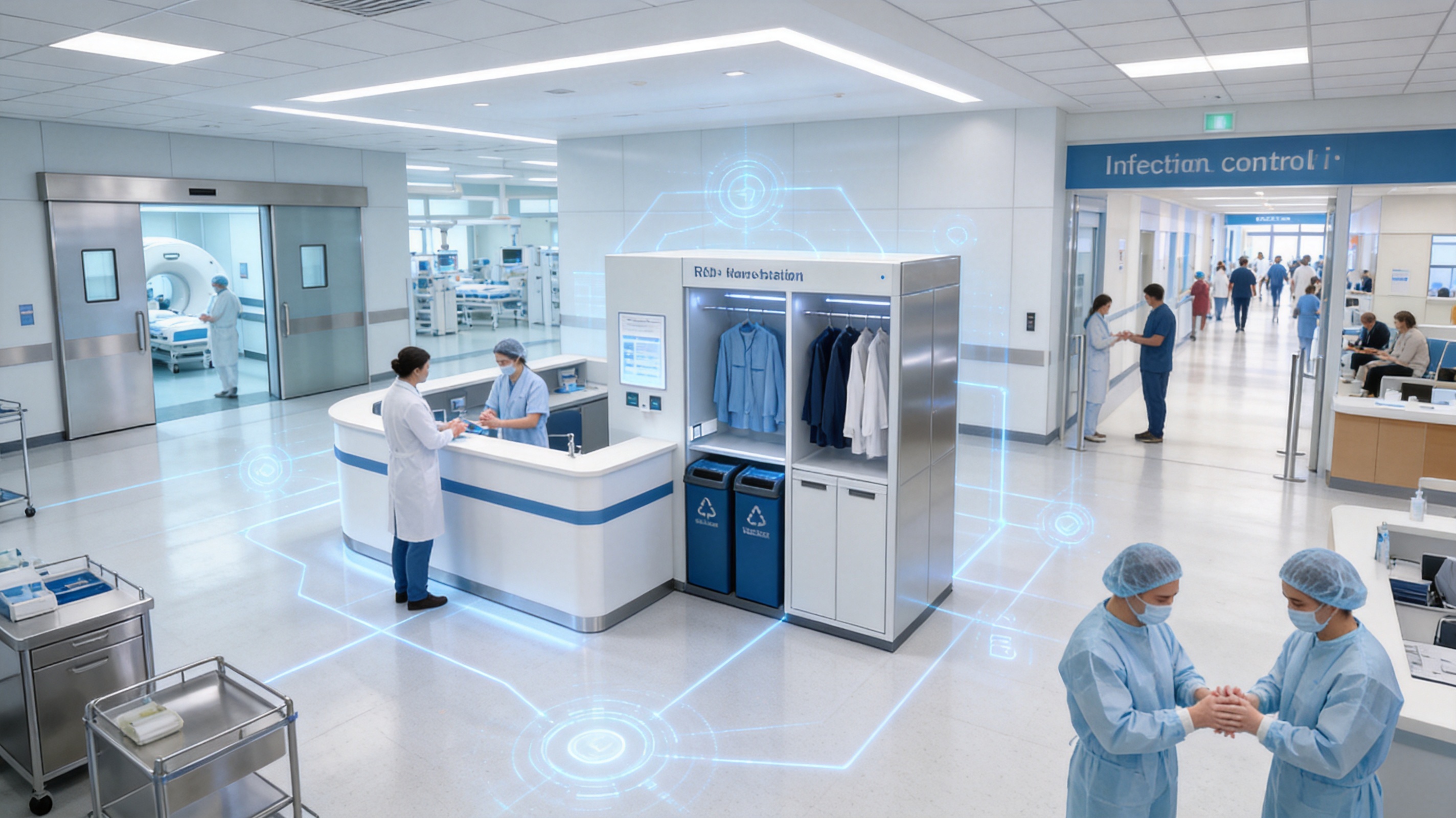
When combined with changing cabinets, shoe cabinets, and uniform-management modules, the solution can help create a more complete entrance and exit process. This may support standardized preparation while reducing reliance on disconnected manual checks.
Intensive Care Units
Intensive care units involve frequent contact between staff and vulnerable patients. Doctors, nurses, therapists, technicians, and support personnel may move repeatedly between beds, equipment areas, medication stations, and workstations.
Continuous monitoring can help reinforce hygiene discipline in this high-risk environment. Department managers can use reports to identify recurring non-compliance by shift or workflow stage, then provide targeted education rather than relying only on general reminders.
Infection Wards
Infection wards require special attention to personnel movement, entry and exit procedures, and the separation of clean and potentially contaminated areas. An RFID-based solution can help connect staff identity with required handwashing and changing procedures.
When linked with clothing recycling and tracking modules, the system may also contribute to more controlled management of uniforms and related materials. This helps support a broader infection-control strategy in which people, spaces, and materials are managed together.
Outpatient Clinics
Outpatient clinics often have high patient turnover and complex movement patterns. Staff may work across several rooms and handle different types of patient contact during a single session. Because clinical activity is fast-paced, hygiene supervision must be efficient and unobtrusive.
Automatic identification and real-time recording can provide a practical alternative to frequent manual observation. Management reports can reveal whether certain clinic areas, time periods, or workflows require additional support.
Central Uniform Distribution and Recycling
Hospitals that centralize medical uniform distribution can use RFID-enabled processes to connect staff identity with garment issuance and return. This can help improve visibility into clothing circulation, reduce loss, and support more organized recycling and processing.
The same infrastructure may be configured for cabinets used for shoes, changing garments, or recycled clothing. The result is a more coherent management system in which hygiene requirements and material handling reinforce each other.
Manufacturing and Engineering Strengths
The quality of a specialized hospital management system depends not only on software functions but also on the reliability of its physical equipment, communication interfaces, cabinets, identification components, and production processes. Wanma Technology Co., Ltd. was established in 1997 and has extensive experience in communication cabinets, communication electronic equipment, and passive optical components.
This background provides a useful foundation for developing dependable equipment for healthcare environments. Communication products must operate reliably, manage cables and components effectively, and remain suitable for deployment in demanding infrastructure settings. Those same principles are valuable when producing intelligent cabinets, RFID-related equipment, control devices, and network-connected management hardware for hospitals.
Experience in Communication Cabinets
Cabinet design requires attention to structural strength, internal layout, component protection, access convenience, heat management, cable organization, and maintenance. These considerations are directly relevant to medical uniform cabinets, shoe cabinets, changing cabinets, and recycling cabinets.
A well-designed cabinet should be easy for authorized users to operate while protecting electronic components from unnecessary damage. It should also support efficient installation and servicing. Experience in communication cabinet manufacturing can help a supplier address these requirements systematically rather than treating the cabinet as a simple enclosure.
Electronic Equipment Development
The company specializes in communication electronic equipment and develops, manufactures, and markets its own branded products. This indicates an integrated capability extending beyond simple assembly or distribution. Product development can involve mechanical design, electronic integration, communication interfaces, testing, documentation, and production coordination.
For a hospital compliance system, integrated development is valuable because hardware and software must work together. RFID readers, sensors, cabinet interfaces, communication modules, and management applications must exchange information accurately. A manufacturer with experience in electronic equipment can better coordinate these elements during design and production.
Passive Optical and Network Expertise
Wanma products are used in Ethernet networks, optical communication networks, central equipment rooms, high-speed railway systems, and urban rail transit systems. These applications demand stable communication, organized infrastructure, and dependable equipment performance.
Although hand hygiene management is a healthcare application, it may operate within a hospital’s broader network environment. Experience with networking and communication infrastructure can support reliable data transmission between local devices and management platforms. It can also assist with deployment planning in facilities where multiple departments and buildings must be connected.
Customized Product Capability
Hospitals often require customized solutions because their layouts, access policies, departments, and information systems differ. A supplier that can provide integrated solutions for customized products is better positioned to adapt cabinets, interfaces, reports, and system functions to actual customer requirements.
Customization may involve cabinet size, user capacity, installation method, identification rules, reporting formats, software interfaces, or connections with existing hospital platforms. The objective should not be unnecessary complexity, but practical alignment with the customer’s operational needs.
Quality and Delivery Focus
Healthcare projects require dependable delivery as well as stable product performance. Delays can disrupt construction schedules, system integration, staff training, and departmental deployment. Wanma Technology emphasizes reliable product quality, timely delivery, and long-term strategic partnerships with industry leaders.
These priorities are important in hospital projects, where the supplier may need to coordinate with construction contractors, information-technology teams, infection-control departments, equipment managers, and clinical users. A disciplined production and delivery process helps reduce uncertainty during installation and commissioning.
Manufacturing Process Considerations
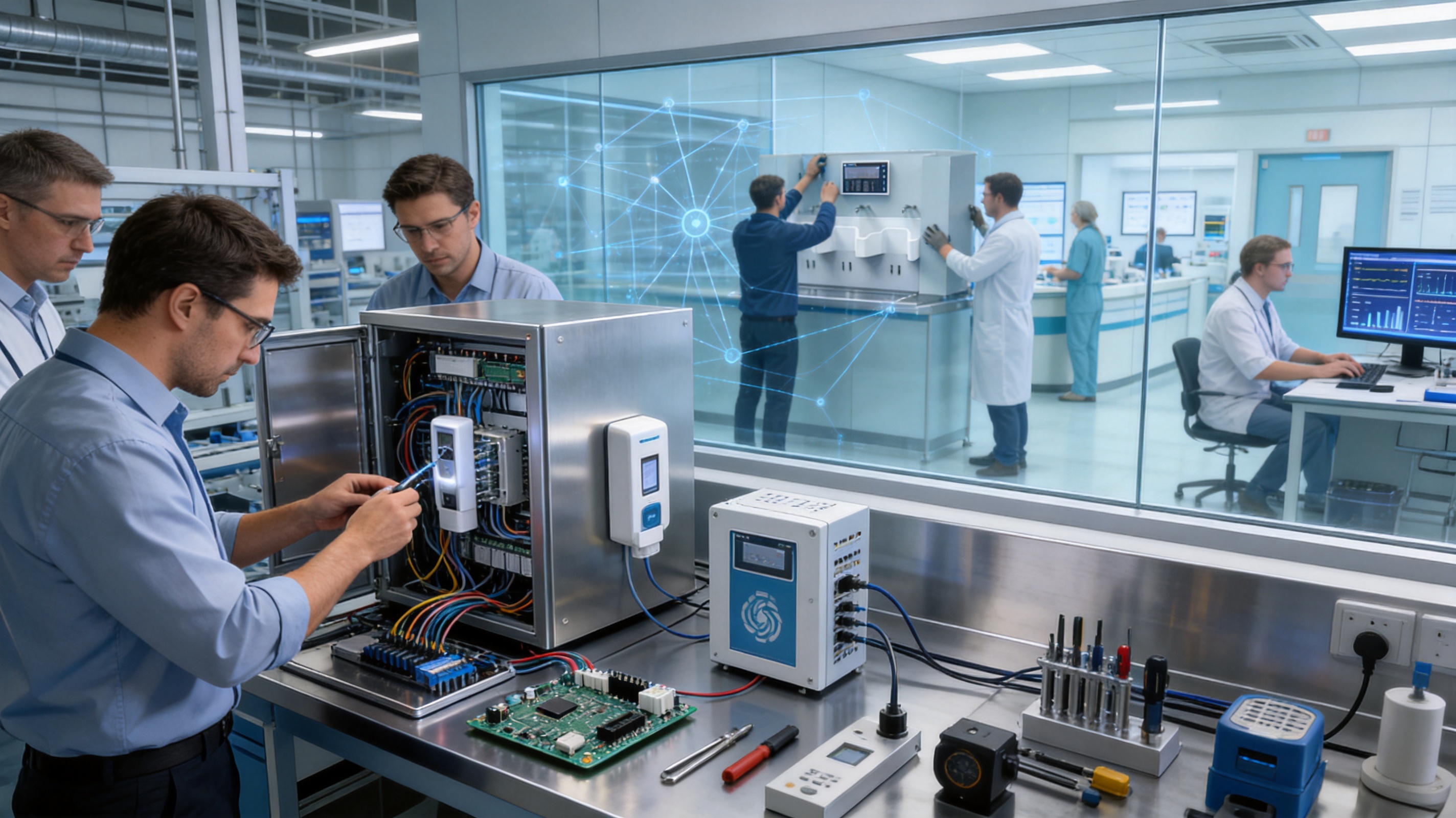
A modern intelligent compliance system should be manufactured through a controlled process that connects design requirements with production verification. Although individual production details may vary by project, several general stages are essential.
Requirement Analysis and Solution Design
Manufacturing begins with a clear understanding of the customer’s application. The supplier must consider the hospital’s floor plan, staff volume, departmental workflows, network environment, cabinet capacity, access-control rules, and reporting requirements.
At this stage, engineers can determine which modules are required, how RFID identification will be implemented, where equipment will be installed, and how information will move between local devices and the management platform. Proper analysis reduces redesign and helps ensure that the final system supports real clinical operations.
Mechanical and Cabinet Fabrication
Cabinet products require accurate fabrication, consistent dimensions, reliable doors or access mechanisms, suitable surface treatment, and appropriate internal protection. The cabinet should be designed for the expected environment and usage frequency.
Good fabrication practice includes controlled material selection, accurate cutting or forming, stable assembly, inspection of fasteners and moving parts, and verification of fit and finish. For healthcare applications, cleanability and ease of maintenance are also important considerations.
Electronic Integration
Electronic components must be installed and connected according to controlled technical documentation. RFID readers, communication interfaces, power components, control boards, displays, sensors, and related devices should be positioned to support reliable operation and straightforward service.
Wiring and cable management deserve particular attention. Organized internal routing reduces the risk of interference, accidental disconnection, and maintenance errors. It also supports a cleaner installation and makes future troubleshooting more efficient.
Software and Firmware Configuration
The physical equipment must be configured to communicate with the management platform. This may include device identification, user authorization, event definitions, reporting rules, network settings, and integration parameters.
Software configuration should be documented and tested. Hospitals may require different compliance rules for different departments, so the system should be capable of controlled configuration without compromising data integrity or administrative oversight.
Functional and Reliability Testing
Before delivery, the equipment should undergo functional testing to verify RFID recognition, event recording, data transmission, user interaction, cabinet operation, reporting, and system integration. Testing should simulate realistic workflows rather than checking only individual components.
Reliability testing can include repeated identification cycles, continuous operation, communication interruption recovery, power restart behavior, and verification of stored records. These checks help identify problems that may not appear during a short demonstration.
Final Inspection and Delivery Preparation
Final inspection should confirm product appearance, labeling, accessories, documentation, software version, configuration parameters, and packaging. Delivery preparation must also consider the installation environment and the sequence in which equipment will be commissioned.
Clear documentation supports installation teams and hospital administrators. It can include operating instructions, maintenance guidance, network requirements, user-role information, and recommended procedures for handling system alerts and reports.
Data Management and Operational Governance
Technology alone cannot create a strong infection-control program. The hospital must define responsibilities, review data, educate staff, and connect system results with practical improvement measures.
Role-Based Management
Different users should have access to information appropriate to their responsibilities. Infection-control personnel may need hospital-wide statistics, department managers may require departmental reports, and technical administrators may need device status and configuration functions.
Role-based management can help protect sensitive information while ensuring that authorized users receive useful data. It also supports accountability by clarifying who reviews events and who is responsible for corrective action.
Meaningful Performance Indicators
Hospitals should define performance indicators that reflect their objectives. Possible measures include overall compliance rate, non-compliance frequency, performance by department, performance by shift, repeated events, and changes after training or policy intervention.
Indicators should be interpreted carefully. A higher number of recorded events may indicate increased non-compliance, but it may also reflect better system coverage. Managers should consider data quality, deployment scope, workflow changes, and other contextual factors before drawing conclusions.
Education and Feedback
Reports are most effective when they lead to constructive feedback. If the system identifies recurring problems, supervisors can provide focused training or review whether the workflow itself creates unnecessary difficulty. A department may need education, better placement of sanitation facilities, clearer signage, or revised entry procedures.
The goal should be sustained improvement rather than punishment alone. A transparent and fair management approach can encourage staff acceptance and make the technology a practical support tool.
Privacy and Information Security
Because the system handles personnel identity and compliance information, hospitals should establish appropriate rules for data access, storage, retention, and use. Only authorized personnel should view individual records, and reports should be handled according to applicable organizational policies and legal requirements.
Network security, account management, password control, system updates, backup procedures, and incident response should be considered as part of deployment planning. A reliable compliance system must protect the information it creates.
Implementation Strategy
Step One: Assess the Existing Workflow
Before installation, the hospital should document how staff currently enter controlled areas, wash their hands, change clothing, access cabinets, and move between departments. This assessment helps identify process gaps and prevents the technology from being designed around assumptions rather than real activity.
Step Two: Define the Initial Scope
A hospital may begin with one operating room, intensive care unit, or high-priority department. A focused pilot can help validate identification accuracy, staff interaction, reporting needs, and integration requirements before expansion.
Step Three: Configure Rules and Responsibilities
The hospital should define what constitutes a compliant event, how non-compliance is reported, who reviews alerts, how frequently reports are generated, and what corrective actions are available. Clear governance is necessary for the system to produce meaningful results.
Step Four: Integrate with Existing Platforms
Technical teams should coordinate the hand hygiene system with relevant hospital platforms. Identity information, access permissions, attendance data, operating-room schedules, and other approved data sources may be connected according to the project’s requirements.
Step Five: Train Users and Administrators
Medical staff should understand how the system supports hygiene and what behavior is expected. Managers need training in report interpretation and event follow-up. Technical personnel require information about device maintenance, network operation, and troubleshooting.
Step Six: Evaluate and Expand
After the pilot period, the hospital can evaluate compliance trends, user acceptance, data quality, maintenance needs, and workflow impact. Successful configurations can then be extended to other departments or connected with additional uniform-management modules.
Comparison of Management Approaches
| Management Approach | Identification Method | Data Continuity | Non-Compliance Follow-Up | Scalability |
|---|---|---|---|---|
| Manual observation | Observer recognition or written records | Limited to observation periods | Dependent on individual supervisors | Labor-intensive as coverage expands |
| Paper checklist | Manual entry | Subject to omissions and transcription errors | Usually delayed and difficult to track | Low, with increasing administrative workload |
| Standalone reminder device | May not identify the individual | Often limited | May provide alerts without management records | Suitable for narrow applications |
| RFID-enabled compliance system | Automatic electronic identification | Continuous, structured event records | Supports reporting, review, and improvement loops | Can expand across departments and uniform modules |
Why the Solution Is Relevant to Modern Hospitals
Hospitals are increasingly expected to combine clinical quality, operational efficiency, data transparency, and infection prevention. These objectives are connected. Better information can support better workflows, while better workflows can improve patient safety and resource utilization.
The Hand Washing Compliance Management System responds to this trend by placing a specific clinical behavior within a broader digital-management structure. It does not attempt to replace professional judgment or infection-control expertise. Instead, it gives those professionals more complete information and a more consistent method of supervision.
Its relevance is also linked to the increasing use of smart hospital infrastructure. As hospitals connect access control, attendance, scheduling, electronic medical records, and equipment systems, hand hygiene management can become part of a coordinated information environment. This integration supports more efficient administration and reduces the separation between clinical procedures and facility operations.
The system’s modular design is another important factor. A hospital may first require handwashing supervision, then later need uniform tracking, changing management, recycling control, or intelligent distribution. A scalable platform allows these needs to be addressed progressively rather than requiring a completely new system for each function.
Customer Value and Long-Term Partnership
For hospital customers, the value of a solution should be measured across its complete life cycle. Initial purchase price is only one consideration. Other factors include installation complexity, staff acceptance, integration effort, data usefulness, maintenance requirements, upgrade options, and supplier responsiveness.
A manufacturer with experience across communication products, cabinets, electronic equipment, and integrated solutions can offer broader support than a supplier focused on a single isolated device. Wanma Technology’s sales network covers more than 20 countries and regions, including the United States, Australia, the United Kingdom, Italy, South Africa, and Ghana. International experience can support communication with customers operating under different infrastructure conditions and procurement expectations.
Long-term cooperation is especially important for hospital systems because requirements may evolve after deployment. New departments may be added, reports may need adjustment, hospital information systems may be upgraded, and uniform-management requirements may expand. A supplier committed to strategic partnerships can support these changes more effectively than a vendor focused only on one-time delivery.
The company’s stated mission is to create satisfaction for customers, fulfillment for employees, and value for society. In the context of healthcare technology, this mission can be reflected through reliable products, practical customization, responsive service, and solutions that contribute to safer and more organized hospital operations.
Frequently Asked Questions
What is a hand washing compliance management system?
It is an intelligent solution that identifies medical personnel, monitors required handwashing activity, records compliance events, and reports non-compliant behavior to an authorized management platform. The purpose is to improve hand hygiene adherence through objective, traceable, and data-supported supervision.
How does RFID support the system?
RFID provides automatic electronic identification. An authorized identifier associated with a staff member or approved credential can be recognized by the system, allowing handwashing activity to be connected with the correct user without repeated manual data entry.
Can the system replace infection-control staff?
No. The system supports infection-control professionals by automating identification and record collection. Human specialists remain responsible for interpreting information, educating personnel, defining policies, reviewing events, and implementing corrective actions.
Which hospital departments can use the system?
It is suitable for operating rooms, intensive care units, infection wards, outpatient clinics, and other areas where hand hygiene and controlled movement are important. The system can be configured according to the workflow and management requirements of each department.
Can it connect with existing hospital software?
Yes. The solution can be integrated with hospital information systems, electronic medical record systems, access-control platforms, attendance systems, and operating-room scheduling systems, subject to project requirements and technical compatibility.
Can the system manage medical uniforms?
Yes. Its applications can be extended to intelligent distribution, recycling, and tracking of medical uniforms. Additional cabinets may support shoes, changing garments, recycling, and clothing-management processes.
What is the advantage of automated reporting?
Automated reporting reduces the administrative burden associated with manual records and helps ensure that non-compliant events are not overlooked. It also provides a basis for trend analysis, department comparison, targeted training, and continuous improvement.
Is the solution suitable for customized hospital projects?
Yes. Different hospitals may require different cabinet capacities, installation layouts, workflows, reporting formats, user permissions, and system integrations. The solution supports modular expansion and customizable query and reporting functions to accommodate these differences.
What manufacturing experience supports the product?
Wanma Technology has operated since 1997 and specializes in communication cabinets, communication electronic equipment, and passive optical components. Its experience in product development, manufacturing, network infrastructure, and customized integrated solutions supports the production of reliable equipment for specialized applications.
How should a hospital begin deployment?
The recommended approach is to assess existing workflows, select an initial department, define compliance rules, configure responsibilities, integrate approved hospital systems, train users, evaluate results, and then expand the solution according to demonstrated needs.
Conclusion
The Hand Washing Compliance Management System provides a practical digital framework for improving hand hygiene supervision in hospitals. By combining RFID-based personnel identification, real-time monitoring, automatic reporting, system integration, and modular expansion, it addresses limitations associated with manual observation and disconnected records.
Its advantages over conventional approaches include more objective compliance assessment, reduced administrative workload, traceable non-compliance management, better compatibility with hospital information systems, and the ability to support uniform distribution and recycling. These functions are particularly valuable in operating rooms, intensive care units, infection wards, outpatient clinics, and other high-priority environments.
The solution is also supported by the broader manufacturing capabilities of Wanma Technology Co., Ltd. Established in 1997, the company brings experience in communication cabinets, electronic equipment, passive optical components, network infrastructure, customized products, and international delivery. This foundation is relevant to the design and production of dependable cabinets, connected devices, and integrated management equipment for healthcare facilities.
Most importantly, the system turns hand hygiene from an activity that is periodically observed into a process that can be continuously monitored, recorded, analyzed, and improved. When combined with responsible governance, staff education, data protection, and strong infection-control leadership, it can become an important part of a modern hospital’s quality and safety infrastructure.
References
World Health Organization. Guidelines on Hand Hygiene in Health Care.
World Health Organization. WHO Guidelines on Core Components of Infection Prevention and Control Programmes.
Centers for Disease Control and Prevention. Hand Hygiene in Healthcare Settings.
Centers for Disease Control and Prevention. Guideline for Hand Hygiene in Health-Care Settings.
International Organization for Standardization. Quality Management Systems: Requirements.
International Organization for Standardization. Medical Devices: Quality Management Systems and Regulatory Requirements.
Healthcare-associated infection prevention and digital compliance monitoring literature.
Hospital information system integration and healthcare workflow management literature.
RFID applications in healthcare personnel identification and asset tracking literature.
Product: Hand Washing Compliance Management
PREV:Integrated Outdoor High-Voltage AC Vacuum Circuit Breaker for Intelligent Distribution Networks
NEXT:Data Center Server Racks for Scalable, Secure, and Efficient Infrastructure
NEXT:Data Center Server Racks for Scalable, Secure, and Efficient Infrastructure
Interested in cooperation or have questions?
Related products
-
-
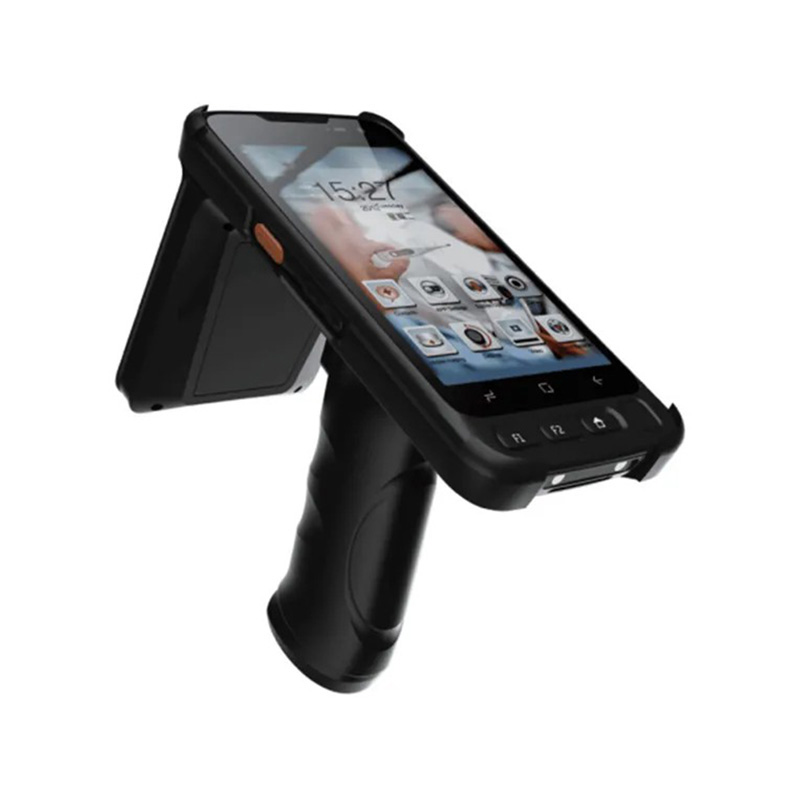
Product Definition:The RFID Handheld Inventory Device is the core mobile terminal of the Intelligent Medical Fabric Management System, designed for high-efficiency inventory and handover of linens in ...
See Details -
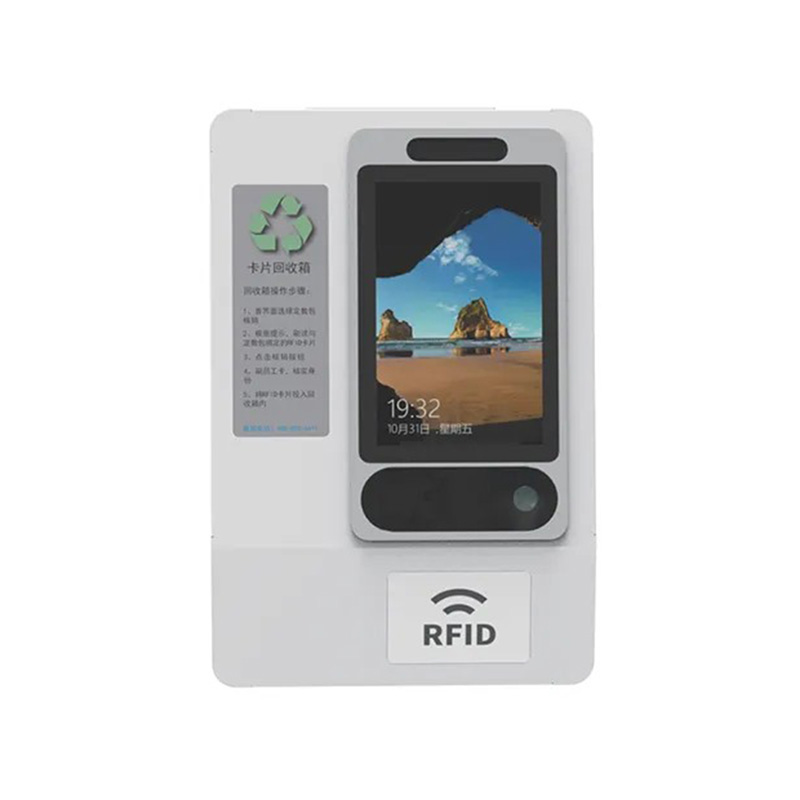
Product Definition The RFID Card Recycling Cabinet is an intelligent terminal designed for centralized recycling and management of RFID cards. It is suitable for scenarios requiring standardized card ...
See Details -
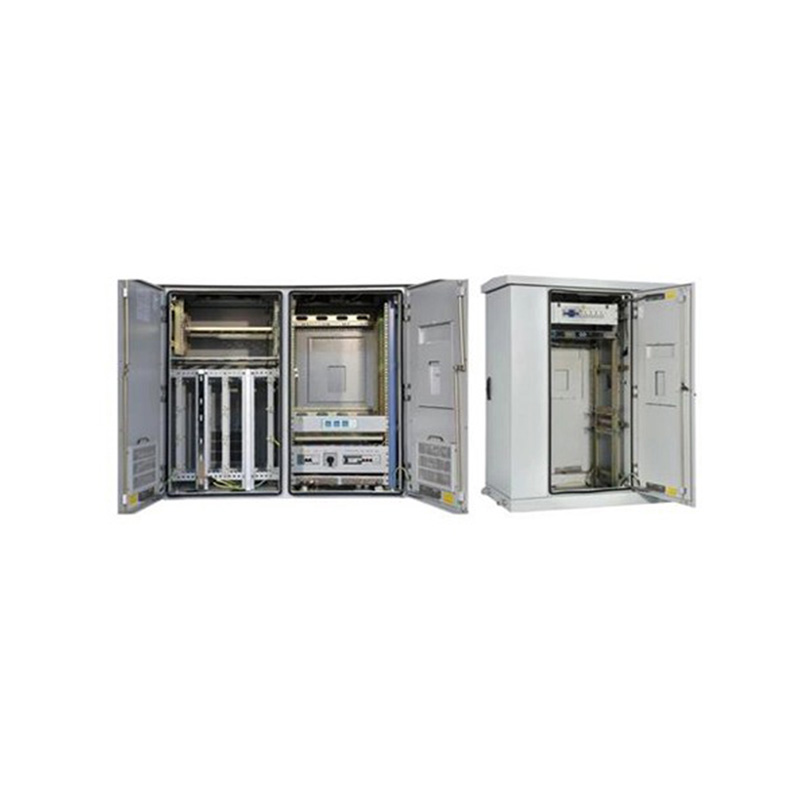
Application:It is used for the fixed network and broadband access, providing physical working environment and security system for the workstation in wired network. Features:•The cabinet is composed of...
See Details
Ready to Get started ? Contact Us Now !

Product.
Contact Details.
-
 +86 13958188250
-
 +86 13958188250
-
 [email protected]
-
 AUDIT Email:[email protected]
- Wanma Industrial Park Taihu Yuan Town Lin'an District Hangzhou City China.
QR Code

Copyright © Wanma Technology Co., Ltd. All Rights Reserved.
Privacy
Custom Ethernet Optical Network Railway Transit Equipments Suppliers
