

 English
 Français
 Español
 Português
 عربى
عربى




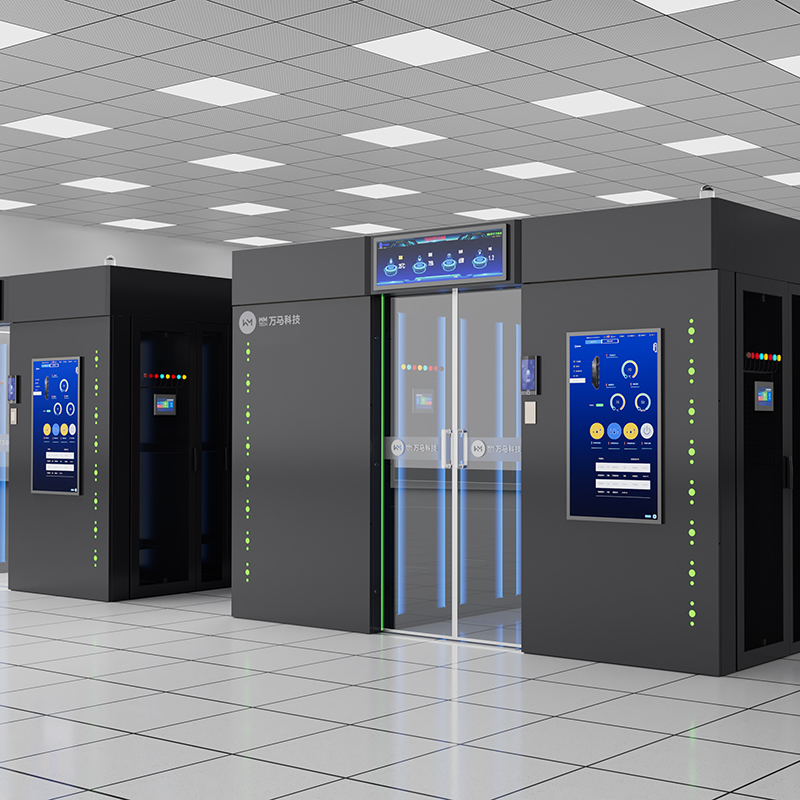
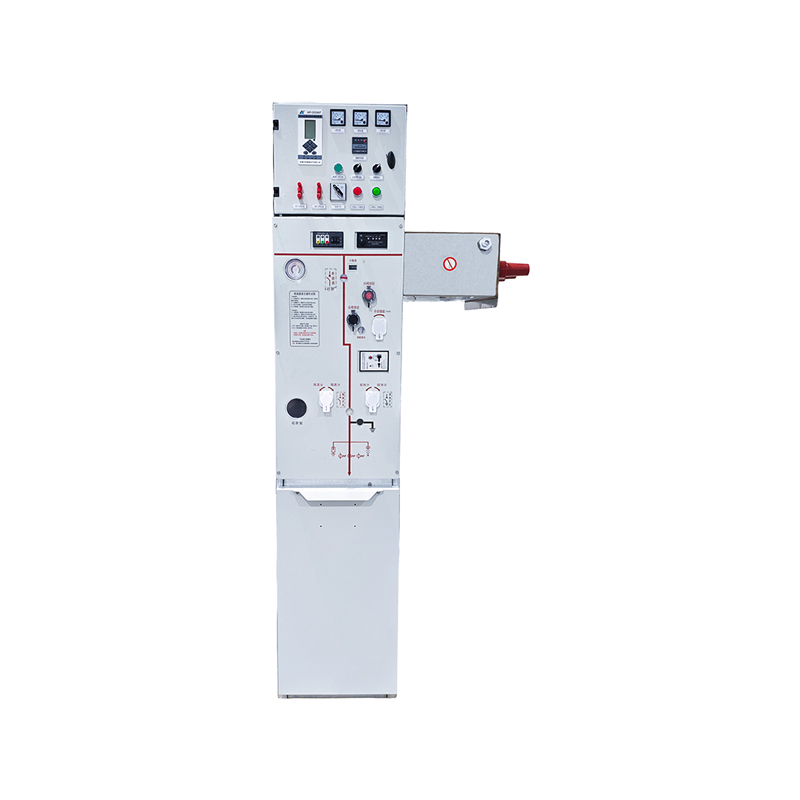
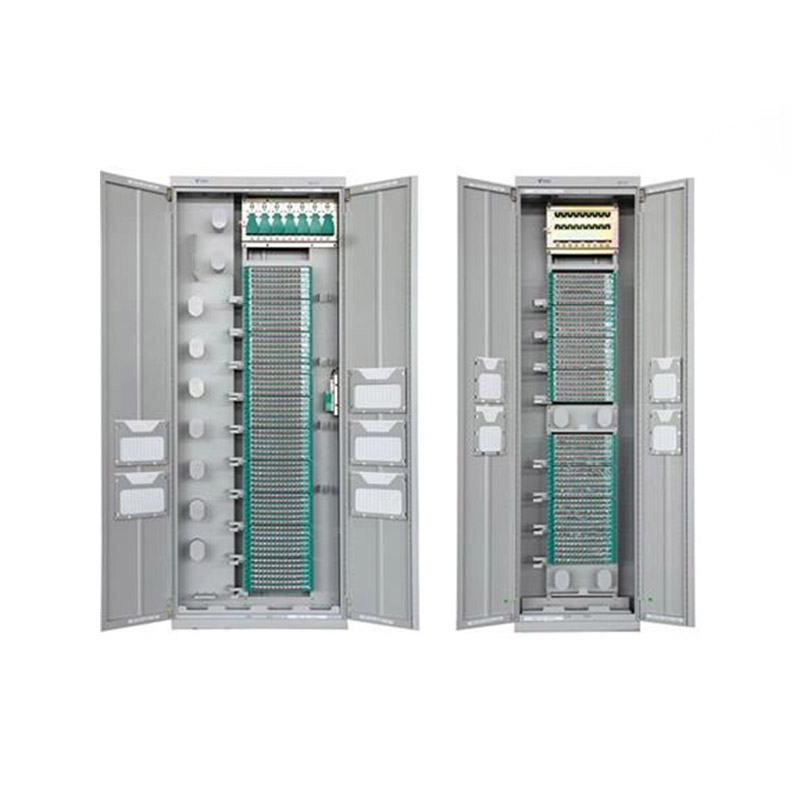
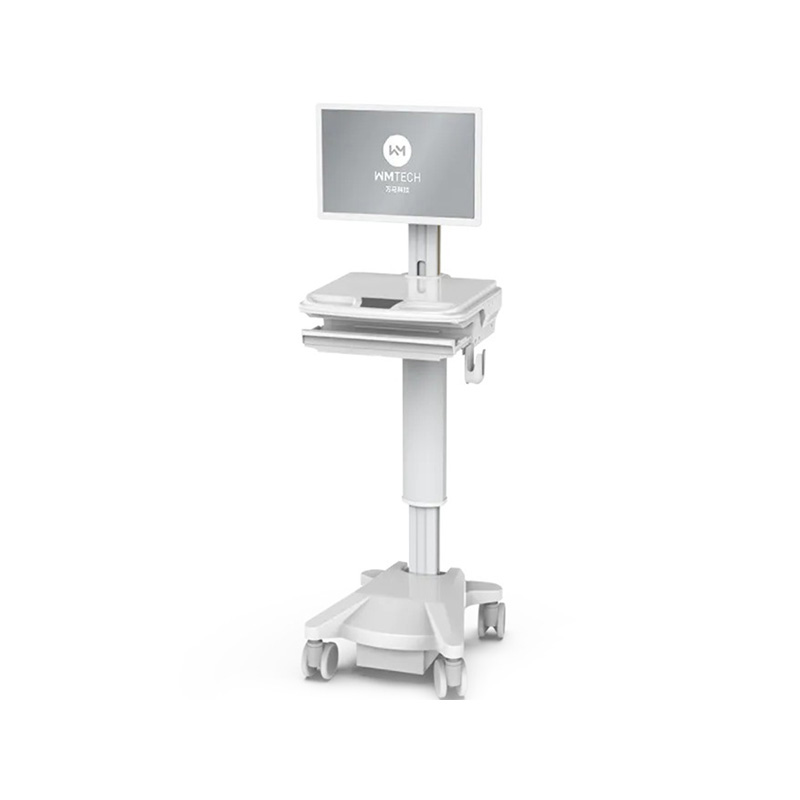

Product Definition:The Electronic Fence is an intelligent security and management system based on RFID technology, specifically designed for critical clean areas such as operating rooms and ICUs. It a...
See DetailsElectronic Fence for Intelligent Clean-Area Access and Uniform Management
Content
- 1 Why Clean-Area Attire Management Requires a Smarter Approach
- 2 Product Definition and Operating Concept
- 3 Core Advantage One: Accurate Non-Inductive Recognition
- 4 Core Advantage Two: Flexible Permission Configuration
- 5 Core Advantage Three: Deep Data Integration and Full-Process Traceability
- 6 Core Advantage Four: Modular and Scalable Architecture
- 7 System Components and Workflow
- 8 Comparison with Conventional and Competing Solutions
- 9 Manufacturing Strength Behind the Product
- 10 Advanced Manufacturing Processes and Quality Control
- 11 Company Strengths Supporting Medical Smart Infrastructure
- 12 Application Scenarios in Hospitals
- 13 Improving Infection-Control Compliance
- 14 Enhancing Operational Efficiency
- 15 Supporting Garment Lifecycle Management
- 16 Data-Driven Management and Decision Support
- 17 Deployment Considerations
- 18 Maintenance and Long-Term Reliability
- 19 Value for Hospital Stakeholders
- 20 Why the Electronic Fence Stands Out
- 21 Q&A Section
- 21.1 What is the Electronic Fence used for?
- 21.2 How does the system recognize attire without manual scanning?
- 21.3 What happens if a staff member wears non-compliant attire?
- 21.4 Can permissions be customized for different hospital roles?
- 21.5 Does the Electronic Fence integrate with hospital information systems?
- 21.6 How does the system support infection-control work?
- 21.7 Is the system suitable for future expansion?
- 21.8 What makes it different from ordinary access control?
- 21.9 Why is manufacturing capability important for this product?
- 21.10 Which hospital departments benefit most from this solution?
- 22 Conclusion
- 23 References
- 24 Product: Electronic Fence
In modern hospitals, the quality of environmental control depends not only on ventilation systems, disinfection procedures, and sterile supplies, but also on the everyday movement of people and the garments they wear. Operating rooms, ICUs, clinical laboratories, and Central Sterile Supply Departments require strict discipline because even a small deviation in attire can create infection-control risks, disrupt workflows, or weaken accountability. The Electronic Fence is designed to address this challenge through an intelligent, contact-free RFID-based security and management system that identifies staff attire automatically as personnel pass through controlled clean-area boundaries.
Unlike traditional manual inspection, barcode scanning, or simple card-based access control, the Electronic Fence connects identity, attire compliance, access permission, and operational traceability into one integrated platform. It can recognize whether staff are wearing compliant scrubs, surgical shoes, or other managed garments without forcing them to stop, swipe, or manually present an item. When non-compliant attire is detected, the system can trigger immediate audible and visual alarms, helping hospitals prevent improper entry before contamination risk increases.
For hospitals seeking smart infrastructure, the Electronic Fence is more than an access gate. It is a digital management node that links wardrobe distribution, locker permissions, recycling status, cabinet utilization, personnel roles, department rules, and garment lifecycle data. It supports refined permission configuration by role, height, department, collection quota, and special temporary needs. It also integrates with hospital information systems, access control platforms, electronic medical record systems, and attendance systems, creating a full-process closed loop for uniform management in high-risk clinical environments.
Why Clean-Area Attire Management Requires a Smarter Approach
Clean-area management is often discussed in terms of air quality, sterilization, and surface hygiene, but personnel attire is equally important. Surgical gowns, scrubs, shoes, caps, and related garments act as physical and procedural barriers between clinical staff and controlled environments. When attire is not properly issued, worn, returned, or recorded, several risks appear at once: cross-contamination, inventory loss, delayed staff entry, inaccurate accountability, and inefficient hospital logistics.
Traditional uniform management relies heavily on human supervision. A nurse or administrator may inspect attire visually, count garments manually, or record distribution through paper forms. This approach is labor-intensive and prone to errors, especially in large hospitals where hundreds or thousands of garments circulate every day. During busy operating schedules, staff must move quickly, and manual checks can create bottlenecks. If a person forgets to return garments, takes the wrong size, or enters with non-compliant shoes, the problem may not be discovered until later.
Basic access control systems improve physical security but do not solve garment compliance. A staff card can confirm identity, yet it cannot confirm whether the person is wearing the correct scrubs or surgical shoes. Barcode systems can track specific items but usually require line-of-sight scanning and active user participation. Generic RFID solutions may identify tags but often lack refined hospital workflow logic, deep system integration, or configurable rules for different roles and departments.
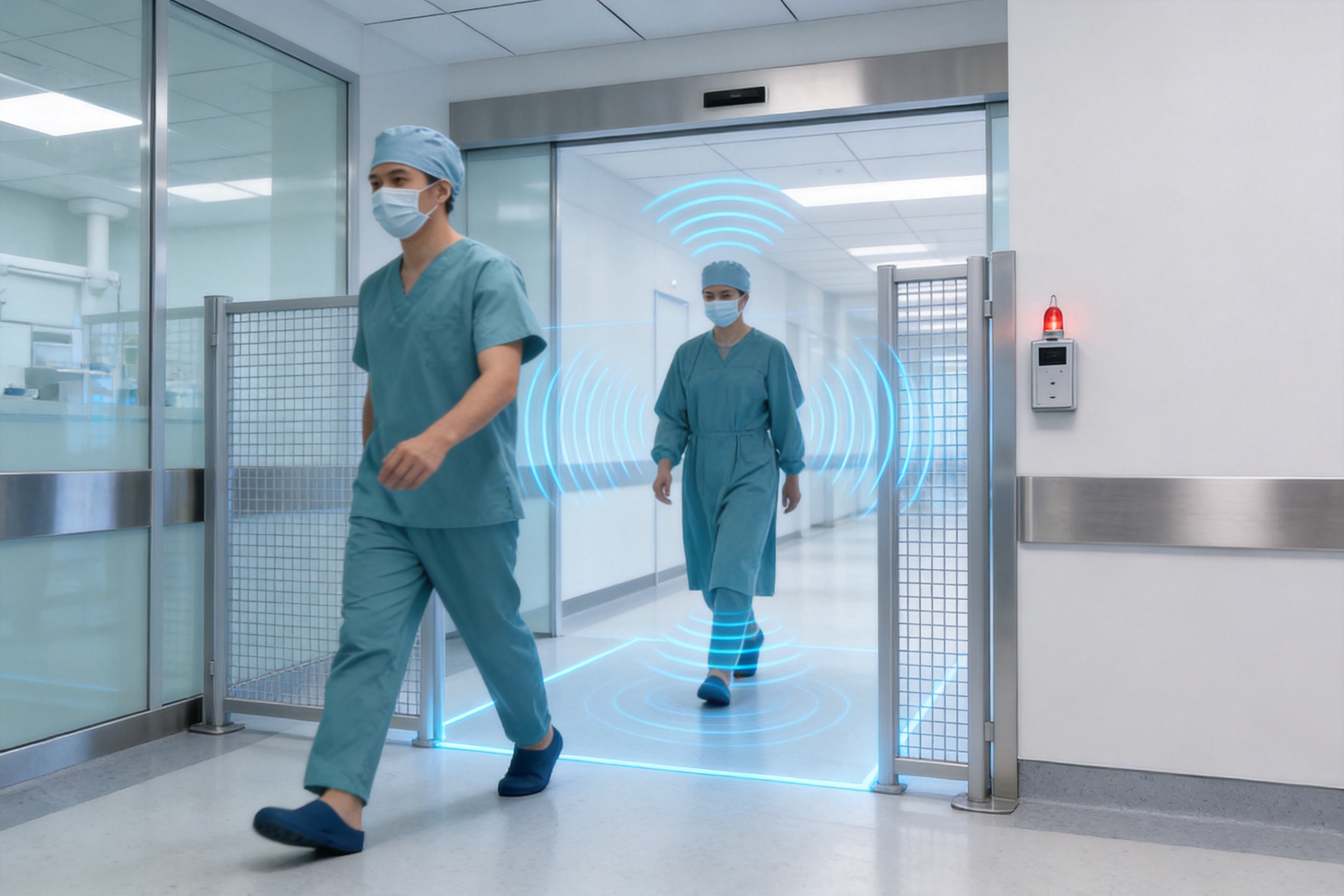
The Electronic Fence responds to these limitations by embedding RFID recognition into the boundary of the clean area itself. As staff walk through the recognition zone, the system reads garment information automatically and matches it with access rules. The result is a non-inductive experience for compliant personnel and an immediate warning for non-compliance. This balance of convenience and control is especially valuable in medical settings where every second matters, but safety standards cannot be compromised.
Product Definition and Operating Concept
The Electronic Fence is an intelligent security and management system based on RFID technology. It is specifically designed for critical clean areas such as operating rooms and ICUs, where personnel access and attire compliance must be controlled with precision. Its core function is to automatically identify staff attire, verify whether entry conditions are satisfied, and record events for later analysis and traceability.
The system operates by reading RFID-tagged garments and related items as staff pass through a configured recognition area. These items may include scrubs, surgical shoes, and other hospital garments managed through the uniform management system. The Electronic Fence compares detected item data with the user’s permissions, departmental requirements, and configured distribution rules. If the data match the standards, access can proceed smoothly. If the data are missing, incorrect, expired, or inconsistent with permission settings, the system can initiate audible and visual alarms.
Because the recognition process is contact-free, the user does not need to stop, scan a code, insert a card, or touch a terminal. This is particularly beneficial in environments where hand hygiene, speed, and uninterrupted movement are important. The system creates a smart boundary, not a manual checkpoint. It allows compliant staff to move naturally while giving administrators a reliable way to enforce clean-area discipline.
The Electronic Fence also provides an important data layer. It records garment movement, user activity, cabinet interactions, and exceptional events. This “black box” function allows administrators to review what happened, when it happened, and which items were involved. In the event of an infection-control investigation, inventory dispute, or process audit, this operational history becomes a valuable evidence base.
Core Advantage One: Accurate Non-Inductive Recognition
The most visible advantage of the Electronic Fence is accurate, non-inductive recognition. In many hospitals, entry points are already crowded with staff, carts, instruments, and time-sensitive workflows. A system that requires repeated manual scanning can slow operations and increase frustration. The Electronic Fence uses high-precision RFID recognition to identify attire automatically as staff walk by, supporting contact-free access management without unnecessary interruptions.
Compared with visual inspection, RFID recognition offers consistency. Human inspectors may become fatigued, distracted, or inconsistent during peak workloads. The system applies the same recognition logic every time. Compared with barcode scanning, RFID does not require line-of-sight alignment. Compared with card-only access control, RFID garment identification verifies not just who the person is, but whether the person’s attire supports entry into the controlled area.
The non-inductive experience also improves staff acceptance. Healthcare workers prefer systems that support clinical work rather than obstruct it. When compliant attire is automatically recognized, staff can pass through naturally. This reduces queues and helps maintain surgical schedule efficiency. At the same time, visible and audible alarms make non-compliance difficult to ignore, encouraging correct behavior and reinforcing institutional standards.
In infection-control terms, the benefit is direct: the system helps prevent personnel from entering restricted areas with inappropriate garments or shoes. In management terms, the benefit is measurable: fewer manual checks, fewer disputes, improved data accuracy, and better alignment between access control and uniform control.
Core Advantage Two: Flexible Permission Configuration
Hospitals are complex organizations. A surgeon, nurse, anesthesiologist, technician, visitor, and logistics worker may all require different access rights and different uniform rules. Even within the same department, attire distribution may vary by height, size, gender preference, shift pattern, and special task. A rigid uniform management system cannot handle this complexity efficiently.
The Electronic Fence supports flexible permission configuration across multiple dimensions. Hospitals can set distribution standards based on role, department, height, or other relevant criteria. They can configure exclusive cabinet permissions, define collection quantity limits, and accommodate temporary requirements. For example, a surgical team member may be authorized to collect a specific number of garments before entering the operating area, while a temporary support worker may receive restricted access for a limited period.
This flexibility is important because clean-area management should not be one-size-fits-all. Excessive restriction can slow hospital operations, while loose control can create safety risks. The Electronic Fence allows administrators to define rules that reflect real clinical workflows. It supports refined management by combining garment data, user permissions, and physical access events.
Competitor systems often focus on a single function: a cabinet that dispenses uniforms, a gate that reads RFID tags, or software that records inventory. The Electronic Fence is stronger because it connects these functions into a configurable system. Instead of forcing hospitals to adapt to fixed equipment logic, it allows equipment behavior to be shaped around hospital policy.
Core Advantage Three: Deep Data Integration and Full-Process Traceability
Healthcare institutions increasingly rely on digital platforms, but many operational systems remain isolated. Uniform distribution, access control, attendance, inventory management, and clinical systems may operate separately, creating information silos. When an incident occurs, administrators must collect fragments of data from multiple sources, often with delays and inconsistencies.
The Electronic Fence is designed for deep data integration. It can connect with hospital HIS, EMR, access control, and attendance systems, helping hospitals unify information flows. This integration supports real-time tracking of inventory status, cabinet utilization, garment movement, and lifecycle records. Administrators can see not only who entered a clean area, but also whether the person obtained the correct attire, when the attire was collected, whether it was returned, and whether any abnormal event occurred.
The system’s “black box” function is especially valuable. It automatically logs operations and events, creating a reliable historical record. This can support daily management, performance evaluation, incident investigation, quality audits, and process optimization. For example, if garments frequently disappear from a certain area, data can reveal patterns in collection and return behavior. If cabinet utilization is uneven, administrators can adjust deployment. If non-compliance alarms occur repeatedly during certain shifts, training or policy adjustment may be required.
In contrast, systems without integration often produce incomplete data. A standalone RFID gate may detect tags but not know whether a user has valid department permissions. A manual log may record garment issue but not entry behavior. A cabinet may track distribution but not clean-area boundary compliance. The Electronic Fence’s advantage lies in connecting these steps into a traceable chain.
Core Advantage Four: Modular and Scalable Architecture
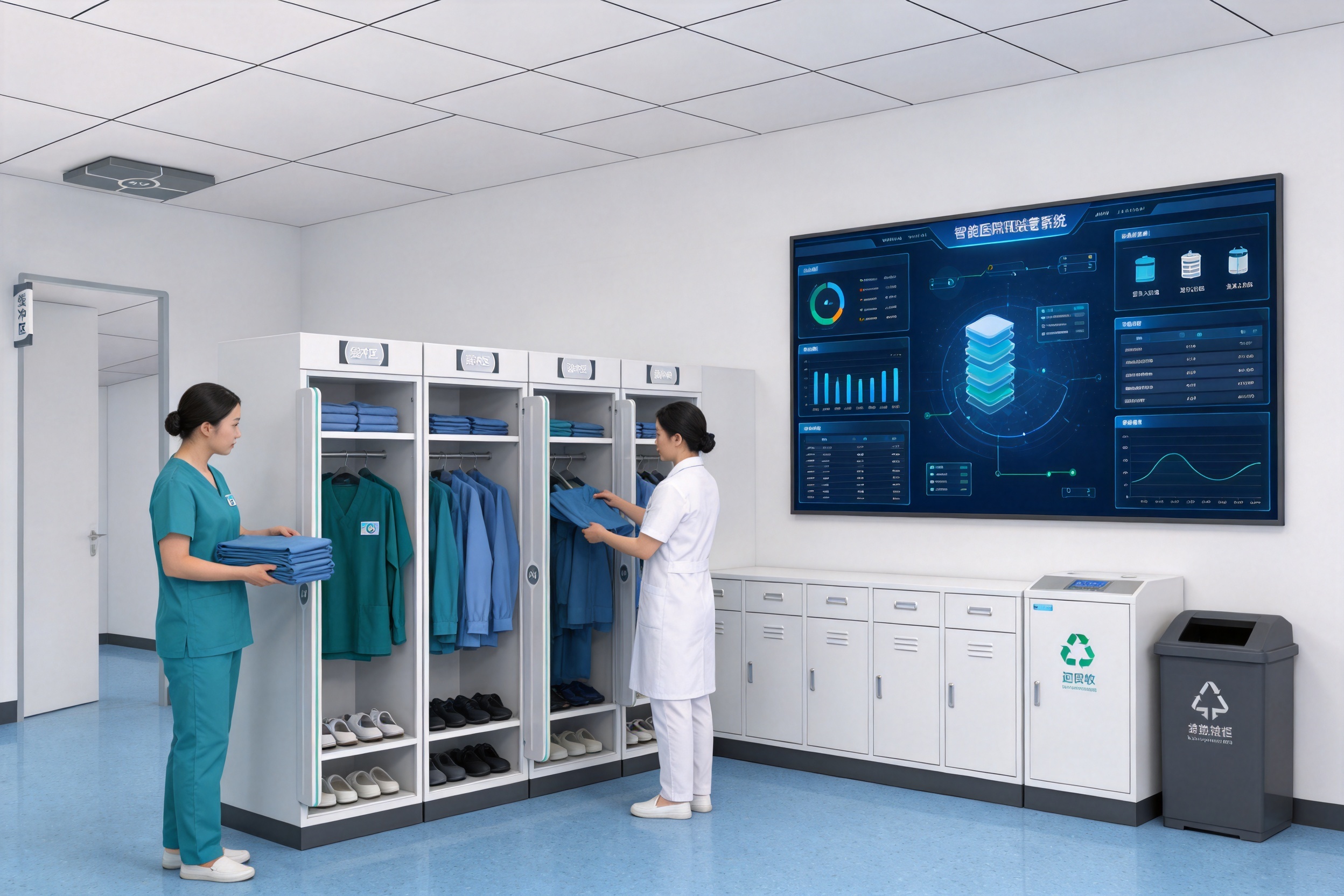
Hospitals change over time. Departments expand, operating rooms are renovated, new infection-control policies are introduced, and digital platforms are upgraded. A clean-area management system must therefore support long-term scalability. The Electronic Fence is built with a modular design that can be combined with smart shoe cabinets, lockers, recycling cabinets, and other hardware modules.
This modular architecture protects investment because hospitals can start with essential functions and expand later. A facility may initially deploy the Electronic Fence at operating room entrances, then integrate smart shoe cabinets and recycling cabinets as uniform control requirements grow. Another facility may need custom functions based on local workflow, such as department-specific reporting, temporary permissions, or linkage with attendance rules. The system can support custom development according to actual hospital needs.
Scalability also reduces implementation risk. Large hospital projects often fail when equipment is too rigid or when software cannot adapt to changing requirements. A modular system allows phased deployment, testing, training, and optimization. It also makes maintenance easier because hardware and software modules can be upgraded or adjusted without replacing the entire system.
Compared with competing products that are sold as isolated devices, the Electronic Fence is positioned as part of a smart hospital safety management system. It supports not only today’s access control requirements, but also future data-driven management, lifecycle tracking, and multi-department expansion.
System Components and Workflow
The Electronic Fence typically works as a coordinated system of RFID recognition equipment, control logic, alarm devices, management software, and integration interfaces. While specific deployment can be customized, the operating workflow follows a clear chain: garment tagging, staff authorization, attire collection, passage recognition, compliance judgment, event logging, and data analysis.
First, hospital garments and related clean-area items are equipped with RFID tags or managed through RFID-enabled identification methods. Each item has a unique data identity that can be associated with type, size, department, status, lifecycle stage, and usage history. Second, staff profiles and permission rules are configured in the management platform. These rules define what each user can collect, where they can enter, and under what conditions.
When staff collect garments from a smart cabinet or related dispensing point, the transaction is recorded. The system knows which items were issued and to whom. When the staff member approaches the Electronic Fence, RFID recognition automatically detects the managed items being worn or carried. The system then compares detected data with configured rules. If the attire complies with access conditions, the passage can proceed. If not, the system generates an alarm and records the exception.
After use, garments may be returned through recycling cabinets or other return processes. Return data update inventory status and garment lifecycle information. Administrators can analyze circulation speed, loss rate, cabinet utilization, garment availability, and compliance trends. This complete workflow transforms uniform management from a manual logistics process into a digital, traceable, and policy-driven system.
Comparison with Conventional and Competing Solutions
The Electronic Fence offers clear advantages over conventional approaches because it combines automatic recognition, rule-based management, data integration, and modular scalability. The following table summarizes how it compares with common alternatives used in hospitals and controlled environments.
| Evaluation Dimension | Manual Inspection | Card-Based Access Control | Generic RFID Gate | Electronic Fence |
|---|---|---|---|---|
| Attire Compliance Verification | Depends on human judgment and consistency | Cannot verify garments or surgical shoes | Can detect tags but may lack hospital rule logic | Automatically verifies attire against configured clean-area requirements |
| User Convenience | May create queues and interruptions | Requires card presentation or user action | May require controlled passage behavior | Supports non-inductive recognition as staff walk by |
| Process Traceability | Often paper-based and incomplete | Records entry but not garment lifecycle | Records tag events but may be isolated | Links attire issue, access, return, inventory, and exception records |
| Permission Flexibility | Difficult to enforce consistently | Usually based on identity or zone only | Limited without customized software | Supports role, department, height, cabinet permission, and quantity rules |
| Integration Capability | Low | Moderate depending on platform | Varies by supplier | Designed to integrate with HIS, EMR, access control, and attendance systems |
| Scalability | Requires more labor as demand grows | Expands physical access control only | May require separate projects for cabinets and software | Modular design supports smart shoe cabinets, lockers, recycling cabinets, and custom functions |
The table shows that the Electronic Fence is not merely a replacement for one device. It is a higher-level management solution. It resolves the weakness of manual inspection by using objective RFID data. It resolves the weakness of card-based access by verifying attire rather than identity alone. It improves on generic RFID gates by embedding hospital-specific permission logic and traceability. For hospitals that want cleaner workflows, stronger compliance, and more reliable data, these advantages are significant.
Manufacturing Strength Behind the Product
The reliability of an intelligent hospital system depends on more than software features. It also depends on disciplined manufacturing, stable electronic assembly, durable cabinet structures, accurate RFID calibration, and rigorous quality control. Wanma Technology Co., Ltd., established in 1997, brings long-term manufacturing experience in communication cabinets, communication electronic equipment, and passive optical components. This industrial foundation is highly relevant to the Electronic Fence because clean-area security equipment requires the same qualities valued in telecommunications infrastructure: stability, precision, durability, and system-level integration.
The company’s products are widely used in Ethernet networks, optical communication networks, central equipment rooms, national high-speed railways, and urban rail transit systems. These application fields require equipment that can perform reliably in demanding environments, often under continuous operation. Experience in such sectors supports the manufacturing discipline needed for medical products. When a company has produced communication cabinets and electronic systems for high-reliability infrastructure, it develops strong capabilities in structural design, wiring layout, component compatibility, environmental protection, and production consistency.
For the Electronic Fence, these capabilities are reflected in the integration of RFID modules, control electronics, alarm components, cabinet interfaces, and management terminals. Precision manufacturing helps ensure that recognition zones are stable, device housings are robust, and electronic components are assembled with consistent quality. Process control helps reduce failure rates and supports long-term maintenance. The result is a product that is engineered not only for demonstration performance, but for daily hospital operation.
Advanced Manufacturing Processes and Quality Control
The manufacturing of an Electronic Fence system involves multiple technical processes. The structural components must be produced with accurate dimensions, clean finishing, and reliable assembly tolerances. Electronic modules must be assembled under controlled procedures. RFID reading performance must be tested and calibrated. Software and hardware must be validated together before delivery. Each step affects the final user experience.
Advanced manufacturing begins with product engineering. The system must be designed for stable RFID recognition in real hospital environments where metal objects, moving staff, multiple garments, and nearby devices may affect signal behavior. Engineers must consider antenna placement, reading distance, installation height, cable routing, electromagnetic compatibility, and alarm visibility. A well-designed recognition structure improves accuracy and reduces false alarms.
Structural manufacturing requires precise processing of metal or cabinet-related components. Since the company has long experience with communication cabinets and electronic equipment, it can apply mature fabrication methods to produce durable housings and integrated hardware modules. Precision cutting, forming, surface treatment, assembly alignment, and protective packaging all contribute to product consistency.
Electronic assembly requires careful handling of RFID readers, sensors, controllers, power modules, interface boards, and alarm devices. Proper wiring and stable connectors are essential because hospital equipment may operate continuously. Internal layout must support heat dissipation, maintenance accessibility, and signal stability. Production teams must follow standardized assembly procedures to minimize variation between units.
RFID calibration and functional testing are key stages. The system must read tagged garments accurately within the intended passage zone while avoiding unnecessary reads outside the zone. Testing may include tag recognition checks, multi-item detection, alarm response verification, data upload validation, network communication tests, and integration simulation. These checks help ensure that the delivered system performs reliably after installation.
Software quality control is equally important. Permission rules, user profiles, cabinet interfaces, event logs, reporting functions, and third-party system connections must be validated. Before deployment, the system should be tested under scenarios such as compliant entry, missing garment, wrong garment, over-quota collection, temporary permission, return exception, and data synchronization interruption. By testing practical scenarios, the manufacturer reduces the risk of workflow disruption after launch.
Finally, traceability in manufacturing supports after-sales service. When product components, firmware versions, configuration data, and inspection results are recorded, service teams can diagnose issues faster and provide targeted maintenance. This is especially important for hospitals, where downtime at clean-area entrances can affect clinical operations.
Company Strengths Supporting Medical Smart Infrastructure
Wanma Technology Co., Ltd. has developed, manufactured, and marketed its own branded products while also providing integrated solutions for customized products. This combination of manufacturing and solution capability is important for hospitals because clean-area management projects often require adaptation to building layout, department workflow, hospital information systems, and local policies.
The company’s background in telecommunications and optical communication networks contributes to system integration strength. Networked hospital devices require stable communication, data exchange, and centralized monitoring. Experience in Ethernet networks and optical communication infrastructure supports an understanding of reliable connectivity, equipment-room standards, and long-term system operation. These strengths can be applied to the Electronic Fence when it connects to hospital platforms and when multiple devices are deployed across different departments.
The company also serves markets in more than 20 countries and regions, including the United States, Australia, the United Kingdom, Italy, South Africa, and Ghana. A broad sales network suggests experience with diverse customer requirements, project coordination, and international service expectations. For hospitals and healthcare facility planners, this is valuable because medical infrastructure projects often involve strict delivery schedules, coordination among contractors, and long-term maintenance needs.
Reliable product quality, timely delivery, and long-term strategic partnerships are central strengths. In clean-area management, a system must be installed on schedule and operate dependably. Delayed delivery can interfere with hospital renovation or opening plans. Unstable quality can reduce user trust and increase administrative workload. A manufacturer with strong production organization and a commitment to customer satisfaction can reduce these risks.
Another advantage is customization. Hospitals differ widely in department size, garment types, access-control policies, and digital system architecture. A supplier that can provide customized integrated solutions can align the Electronic Fence with actual operational needs rather than forcing a standardized template. This is particularly important when integrating with HIS, EMR, attendance, and access-control systems from different vendors.
Application Scenarios in Hospitals
The Electronic Fence is widely applicable in hospital areas with strict environmental cleanliness and personnel access requirements. Its most prominent application is in operating rooms. Surgical departments require controlled attire, limited access, and clear accountability. Staff may need to collect scrubs and shoes before entering, and improper attire must be prevented. The Electronic Fence supports automatic verification at the entrance, reducing reliance on manual supervision and helping maintain surgical-area standards.
In ICUs, the system helps control access to sensitive patient-care areas. Intensive care units have high infection-control requirements, and personnel movement must be managed carefully. The Electronic Fence can verify attire compliance and record access events, supporting both safety and administrative oversight. It can also help standardize behavior among rotating staff, temporary personnel, and multidisciplinary teams.
In Central Sterile Supply Departments, process discipline is essential because instruments and sterile materials move through controlled workflows. Personnel entering clean zones should follow appropriate attire procedures. The Electronic Fence can strengthen boundary management and create data records that support quality control.
Clinical laboratories also benefit from attire and access management. Laboratories may involve biological samples, hazardous materials, controlled environments, or contamination-sensitive testing. The system helps ensure that personnel entering designated areas meet attire requirements and have appropriate permissions. This supports laboratory safety and regulatory compliance.
Beyond these areas, the Electronic Fence can be used in any hospital space where garments, footwear, or protective attire are part of controlled access. Examples include isolation wards, pharmaceutical preparation areas, reproductive medicine centers, and research facilities. Its modular design allows hospitals to adapt deployment according to risk level and operational priority.
Improving Infection-Control Compliance
Infection-control policies are effective only when they are followed consistently. The challenge for hospitals is that compliance depends on thousands of small actions: selecting the right garment, wearing the right shoes, entering through the correct route, returning items after use, and respecting department boundaries. The Electronic Fence strengthens compliance by making these actions visible, verifiable, and traceable.
Automatic alarms are important because they create immediate correction opportunities. If a staff member attempts to enter without compliant attire, the system can alert the person and nearby administrators at once. This prevents errors from becoming hidden risks. It also reinforces training because staff receive clear feedback at the point of action.
Data records support longer-term compliance improvement. Administrators can review alarm frequency, identify departments with repeated exceptions, and evaluate whether rules are too strict, training is insufficient, or garment availability is inadequate. Without data, compliance management often depends on anecdotal reports. With the Electronic Fence, decisions can be based on measurable evidence.
The system also supports fairness. Manual enforcement can be inconsistent, and staff may perceive inspections as subjective. RFID-based verification applies the same rule logic to all users. This helps build trust in the management process and reduces interpersonal conflict at controlled entrances.
Enhancing Operational Efficiency
Clean-area access management must be safe, but it must also be efficient. Hospitals cannot afford long queues before surgery or delays caused by complicated uniform procedures. The Electronic Fence improves efficiency by reducing manual steps. Staff do not need to stop for active scanning when their attire is compliant. Administrators spend less time checking garments and more time managing exceptions.
Inventory visibility also improves operational efficiency. When the system tracks garment distribution, return, and lifecycle status, hospitals can reduce shortages and overstock. Administrators can see which cabinet locations are heavily used, which sizes are frequently unavailable, and which garments may be approaching the end of their service life. This supports better purchasing, washing, and redistribution planning.
Cabinet utilization data can help optimize physical layout. If one cabinet is overloaded while another is underused, placement or permission rules can be adjusted. If a department frequently needs temporary access, workflows can be refined. Over time, the Electronic Fence becomes a source of operational intelligence, not only a security device.
For staff, smoother access means less frustration. For administrators, fewer manual checks mean lower workload. For hospital leadership, better data means better resource allocation. These efficiency gains contribute to the overall value of the system.
Supporting Garment Lifecycle Management
Hospital garments have a lifecycle. They are purchased, labeled, stored, issued, worn, returned, washed, inspected, repaired, and eventually retired. Without digital tracking, lifecycle management can become inaccurate. Garments may be lost, overused, mixed between departments, or unavailable when needed.
The Electronic Fence contributes to lifecycle management by linking garment identity with user events and movement records. When integrated with smart cabinets and recycling systems, it can provide real-time visibility into inventory status. Administrators can monitor garment flow from distribution to return and identify abnormal circulation patterns.
This improves cost control. Lost garments increase purchasing costs. Excess inventory ties up capital and storage space. Insufficient inventory disrupts clinical work. Lifecycle data helps hospitals strike a better balance. It can also support sustainability by ensuring garments are used appropriately and retired based on actual lifecycle information rather than guesswork.
Lifecycle management also supports quality and safety. If a batch of garments needs inspection or removal, traceability helps locate affected items. If certain garments show unusual loss or damage patterns, administrators can investigate causes. The Electronic Fence therefore contributes to both financial management and clinical safety.
Data-Driven Management and Decision Support
One of the most important long-term benefits of the Electronic Fence is the transformation of clean-area attire management into a data-driven process. Data can reveal trends that are invisible in daily manual work. For example, reports may show peak collection times, common non-compliance reasons, inventory turnover rates, cabinet congestion, or differences between departments.
Hospital managers can use these insights to improve policy. If alarms are frequent because staff cannot obtain the correct garment size, the solution may be inventory adjustment rather than stricter discipline. If returns are delayed after certain shifts, recycling locations may need to be changed. If cabinet utilization is low in one area, equipment can be redeployed. Data makes management more precise and less reactive.
The integration of the Electronic Fence with HIS, EMR, access control, and attendance systems further increases value. When multiple data sources are connected, hospitals can build a more complete understanding of personnel movement and operational behavior. This supports smart hospital initiatives, quality-control programs, and digital transformation strategies.
The “black box” record function also supports accountability. In sensitive environments, it is important to know what happened during an exception. Automatic logs reduce dependence on memory and manual reporting. They provide a factual basis for investigation, training, and continuous improvement.
Deployment Considerations
Successful deployment begins with workflow analysis. Before installing the Electronic Fence, hospitals should identify controlled areas, garment types, staff categories, access routes, cabinet locations, and integration requirements. A clear understanding of current problems helps define system rules and project priorities.
Next, hospitals should classify users and permissions. Surgeons, nurses, anesthesiologists, technicians, students, cleaners, and temporary workers may require different access rights. Rules should reflect clinical reality. Overly complex rules can increase administrative burden, while overly simple rules may weaken control. The Electronic Fence supports detailed configuration, but good policy design remains essential.
RFID tag strategy should also be planned carefully. Tags must be suitable for garment washing, repeated use, and reliable recognition. Tag placement should support accurate reading while maintaining comfort and garment durability. The manufacturer’s experience in RFID system design and testing helps optimize this stage.
Integration planning is another key step. Hospitals should identify which systems need data exchange, such as access control, attendance, HIS, or EMR. Interface requirements, data security, user synchronization, and exception-handling procedures should be defined before full deployment. A phased implementation can reduce risk by validating core workflows first.
Training is essential. Although the system is designed for non-inductive operation, staff should understand why it is used, what alarms mean, how to correct exceptions, and how garment collection and return rules work. Administrators should be trained in rule configuration, reporting, and maintenance procedures.
Maintenance and Long-Term Reliability
A hospital system must remain reliable after installation. The Electronic Fence supports long-term operation through modular design, structured data records, and maintainable hardware. Routine maintenance may include checking RFID reading performance, verifying alarm devices, inspecting connectors, reviewing network communication, updating software, and confirming cabinet integration.
Because the system logs operations, maintenance teams can identify abnormal patterns. For example, a sudden drop in recognition accuracy may indicate tag damage, antenna misalignment, environmental interference, or configuration changes. Event records help locate the problem more quickly.
Modularity simplifies maintenance because components can be inspected and replaced without redesigning the whole system. If a hospital expands a department or changes an entrance layout, the system can be adjusted. This is a major advantage over rigid solutions that require full replacement when requirements change.
Long-term reliability is also supported by the manufacturer’s industrial background. Experience in communication equipment and infrastructure products encourages a design mindset focused on stable operation, organized wiring, controlled production, and practical serviceability.
Value for Hospital Stakeholders
Different hospital stakeholders gain different benefits from the Electronic Fence. Infection-control teams gain a tool for enforcing attire standards and reducing cross-contamination risks. Operating room managers gain smoother access control and better visibility into staff compliance. Logistics teams gain inventory and lifecycle data. Information departments gain an integrated digital node that can connect with existing hospital systems. Hospital leadership gains measurable process control and stronger safety governance.
Clinical staff benefit from convenience. A well-designed system should not make compliant work harder. By recognizing attire automatically, the Electronic Fence reduces the need for repeated manual checks. Staff can focus on patient care rather than administrative procedures.
Patients benefit indirectly but importantly. Better clean-area discipline supports medical safety, reduces avoidable risks, and strengthens the hospital’s quality-management culture. In healthcare, many safety improvements are invisible to patients, but they matter deeply. The Electronic Fence is one of these infrastructure tools that supports safer clinical environments behind the scenes.
Why the Electronic Fence Stands Out
The Electronic Fence stands out because it combines four capabilities that are often separated in competing products: accurate non-inductive RFID recognition, flexible permission configuration, deep data integration, and modular scalability. Many products can perform one of these functions. Fewer can combine them into a coherent hospital workflow.
Its recognition advantage improves speed and compliance at the entrance. Its permission logic allows refined management for different roles and departments. Its traceability turns everyday garment movement into actionable data. Its modular architecture supports future expansion and customized development. Together, these strengths make it suitable for hospitals that want both immediate control and long-term digital transformation.
The company’s manufacturing strength further reinforces the product’s competitiveness. With decades of experience in communication cabinets, electronic equipment, optical communication networks, railway transit applications, and customized integrated solutions, the manufacturer brings industrial reliability to medical smart infrastructure. This background supports stable hardware, disciplined production, system integration, and dependable delivery.
For healthcare facilities evaluating uniform management solutions, the Electronic Fence offers a practical path from manual supervision to intelligent control. It does not simply digitize a paper process; it redefines the boundary between clean and non-clean areas as an active, data-driven management point.

Q&A Section
What is the Electronic Fence used for?
The Electronic Fence is used to manage access to critical clean areas by automatically identifying whether staff attire meets configured hospital requirements. It is especially suitable for operating rooms, ICUs, CSSDs, clinical laboratories, and other areas where garments and footwear must be controlled.
How does the system recognize attire without manual scanning?
The system uses RFID technology to identify tagged garments and related items as staff pass through the recognition area. Because RFID does not require line-of-sight barcode scanning or active card swiping, compliant staff can move naturally through the entrance.
What happens if a staff member wears non-compliant attire?
If the detected attire does not match configured rules, the system can trigger audible and visual alarms. The event is also recorded, allowing administrators to review exceptions and improve compliance management.
Can permissions be customized for different hospital roles?
Yes. The system supports permission settings by role, department, height, cabinet access, collection quantity, and temporary needs. This allows hospitals to manage surgeons, nurses, anesthesiologists, technicians, and other users according to real workflow requirements.
Does the Electronic Fence integrate with hospital information systems?
Yes. It is designed to integrate with systems such as HIS, EMR, access control, and attendance platforms. Integration helps break down information silos and supports full-process traceability.
How does the system support infection-control work?
It prevents or alerts against entry with incorrect attire, records access and garment events, and provides data for compliance analysis. This helps hospitals standardize clean-area behavior and reduce cross-infection risks.
Is the system suitable for future expansion?
Yes. Its modular design allows combination with smart shoe cabinets, lockers, recycling cabinets, and customized software functions. Hospitals can deploy core functions first and expand later according to operational needs.
What makes it different from ordinary access control?
Ordinary access control verifies identity or card permission, but it does not confirm whether staff are wearing the correct garments or shoes. The Electronic Fence links identity, attire compliance, permission rules, alarms, and traceability into one management process.
Why is manufacturing capability important for this product?
The system must operate reliably in busy hospital environments. Strong manufacturing capability supports stable RFID recognition, durable hardware, consistent assembly quality, reliable communication, and long-term maintainability.
Which hospital departments benefit most from this solution?
Operating rooms, ICUs, CSSDs, clinical laboratories, isolation areas, and other controlled environments benefit strongly because they require strict personnel access and attire compliance.
Conclusion
The Electronic Fence represents a significant advancement in clean-area access and uniform management. By using high-precision RFID technology, it enables accurate, contact-free recognition of staff attire and supports immediate alarms for non-compliance. By offering flexible permission configuration, it adapts to the complexity of hospital roles, departments, garment sizes, and temporary needs. By integrating with hospital digital systems, it creates full-process traceability from garment issue to access event and return. By adopting a modular architecture, it supports long-term expansion with smart cabinets, lockers, recycling systems, and customized functions.
Its value is not limited to security. It improves infection-control compliance, reduces manual workload, enhances inventory visibility, supports garment lifecycle management, and provides data for continuous improvement. For hospitals building smart safety management systems, the Electronic Fence offers a practical and scalable foundation.
Behind the product is a manufacturer with extensive experience in communication cabinets, electronic equipment, passive optical components, Ethernet networks, optical communication networks, central equipment rooms, railway transit systems, and customized integrated solutions. This background contributes to robust manufacturing processes, reliable quality, timely delivery, and system integration strength. In a medical environment where reliability and compliance are essential, these strengths matter.
As hospitals continue to modernize, clean-area management will increasingly depend on intelligent, connected, and traceable systems. The Electronic Fence meets this trend by transforming attire verification from a manual checkpoint into an automated digital boundary. It helps hospitals protect patients, support staff efficiency, and build a more disciplined, data-driven, and future-ready healthcare environment.
References
Association for the Advancement of Medical Instrumentation. Sterilization and Infection Control Practices in Healthcare Facilities.
Centers for Disease Control and Prevention. Guideline for Disinfection and Sterilization in Healthcare Facilities.
World Health Organization. Core Components for Infection Prevention and Control Programmes.
International Organization for Standardization. Cleanrooms and Associated Controlled Environments Standards.
Healthcare Information and Management Systems Society. Digital Health Infrastructure and Hospital System Integration Principles.
RFID Journal. Fundamentals of RFID Technology and Asset Tracking Applications.
Association of periOperative Registered Nurses. Guidelines for Perioperative Practice.
Product: Electronic Fence
PREV:High-Density 1U LC Optical Distribution Frame for Modern Fiber Networks
NEXT:High-Value Consumables House: A Digital Management Hub for Safer Medical Supply Control
NEXT:High-Value Consumables House: A Digital Management Hub for Safer Medical Supply Control
Interested in cooperation or have questions?
Related products
-
-
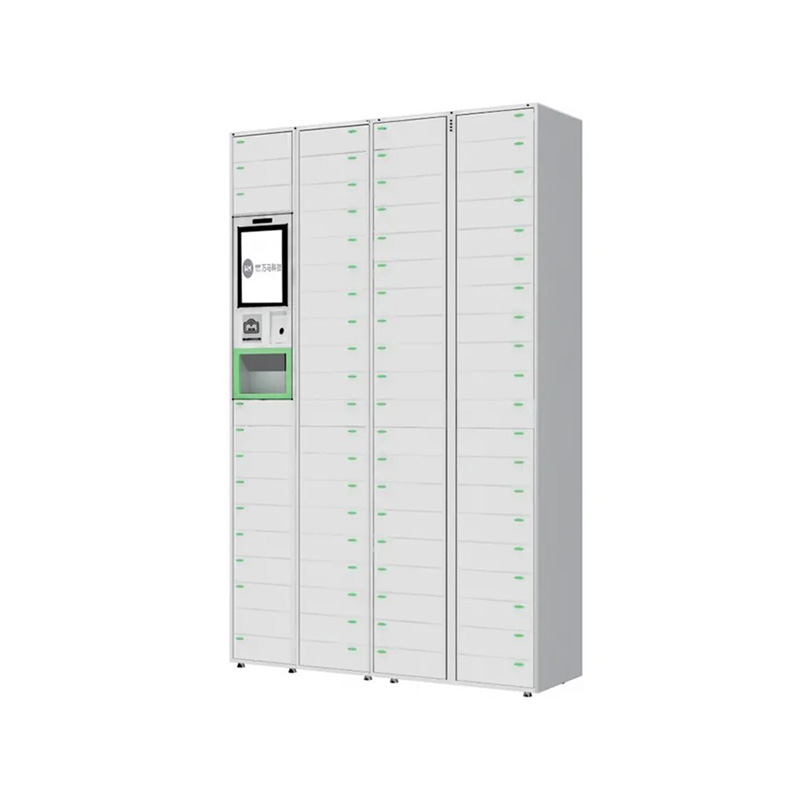
Product Definition:The Uniform Distribution Cabinet is an intelligent management solution for hospitals and medical institutions, designed for automated distribution, inventory management, and trackin...
See Details -
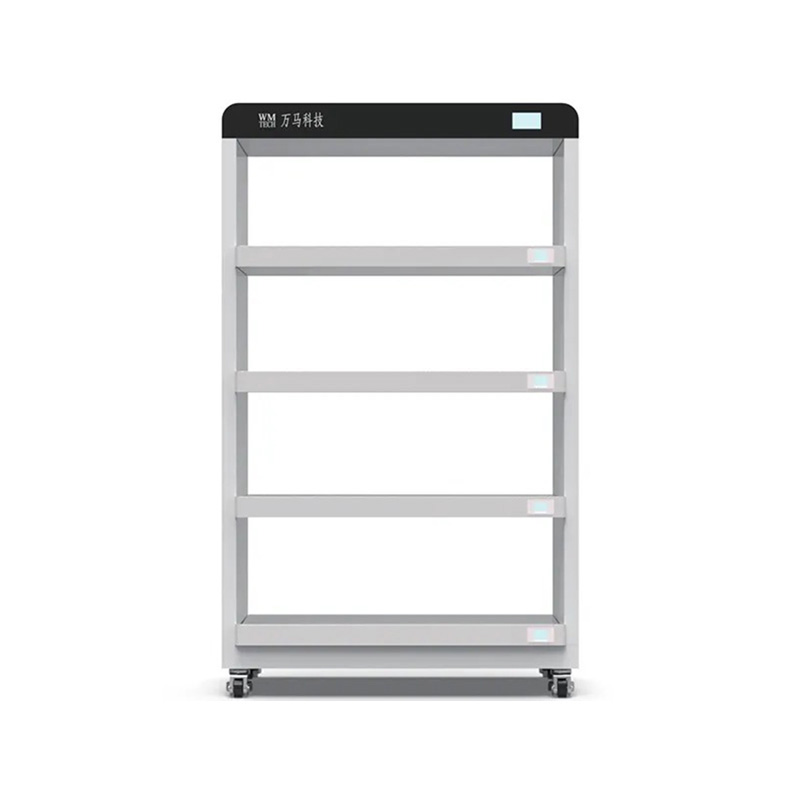
Product Definition:Intelligent Shelves are a smart warehouse management unit that integrates dynamic sensing, real-time display, and precise positioning. By leveraging advanced sensor technology, they...
See Details -
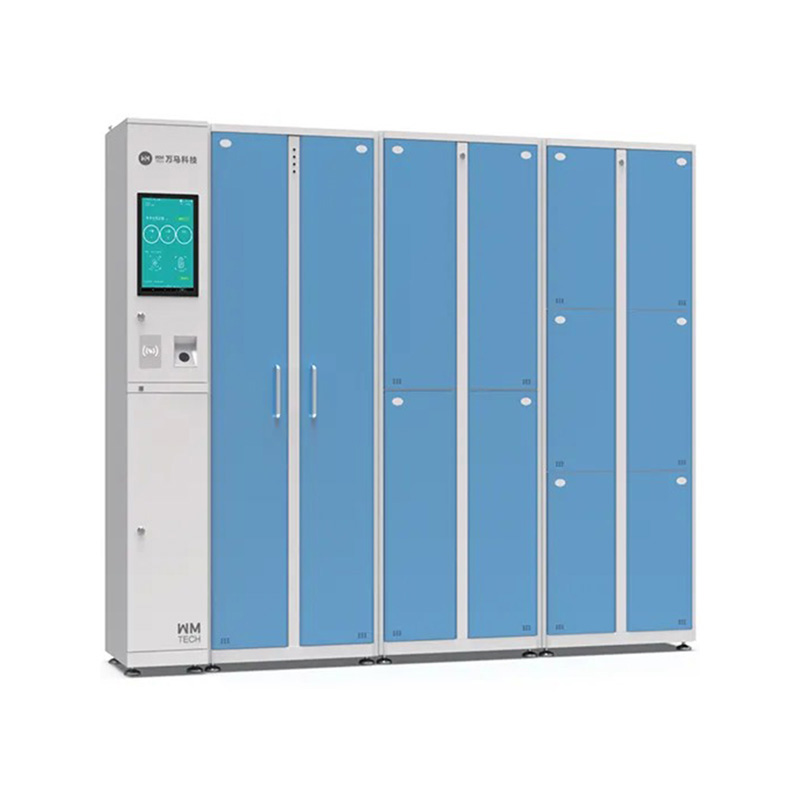
Product DefinitionThe Intelligent Locker is a smart medical supplies and personal items management system developed based on IoT and biometric technologies. Integrating multiple authentication methods...
See Details
Ready to Get started ? Contact Us Now !

Product.
Contact Details.
-
 +86 13958188250
-
 +86 13958188250
-
 [email protected]
- Wanma Industrial Park Taihu Yuan Town Lin'an District Hangzhou City China.
QR Code

Copyright © Wanma Technology Co., Ltd. All Rights Reserved.
Custom Ethernet Optical Network Railway Transit Equipments Suppliers
