

 English
 Français
 Español
 Português
 عربى
عربى




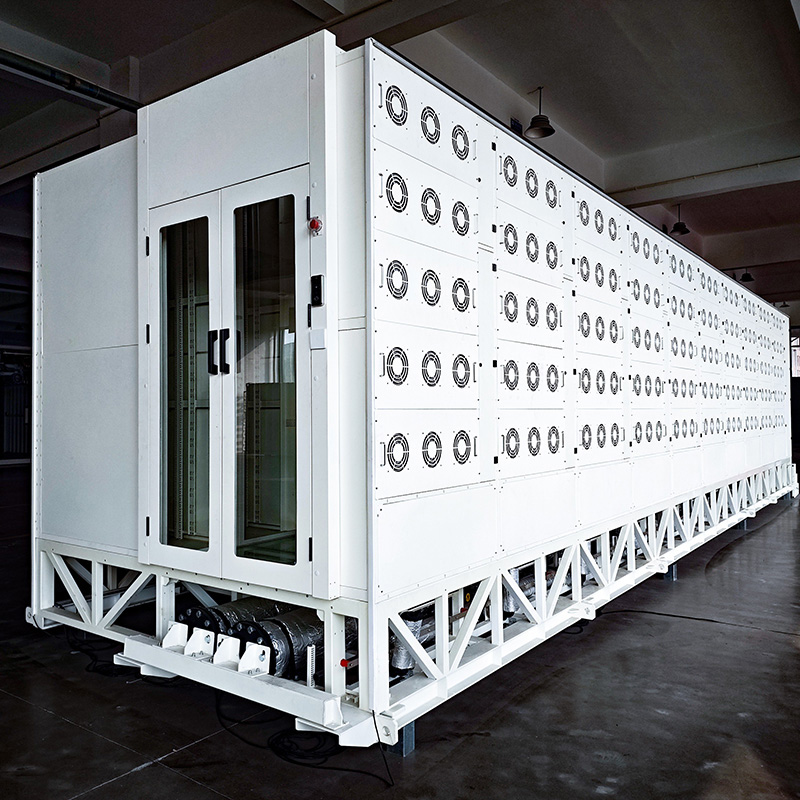
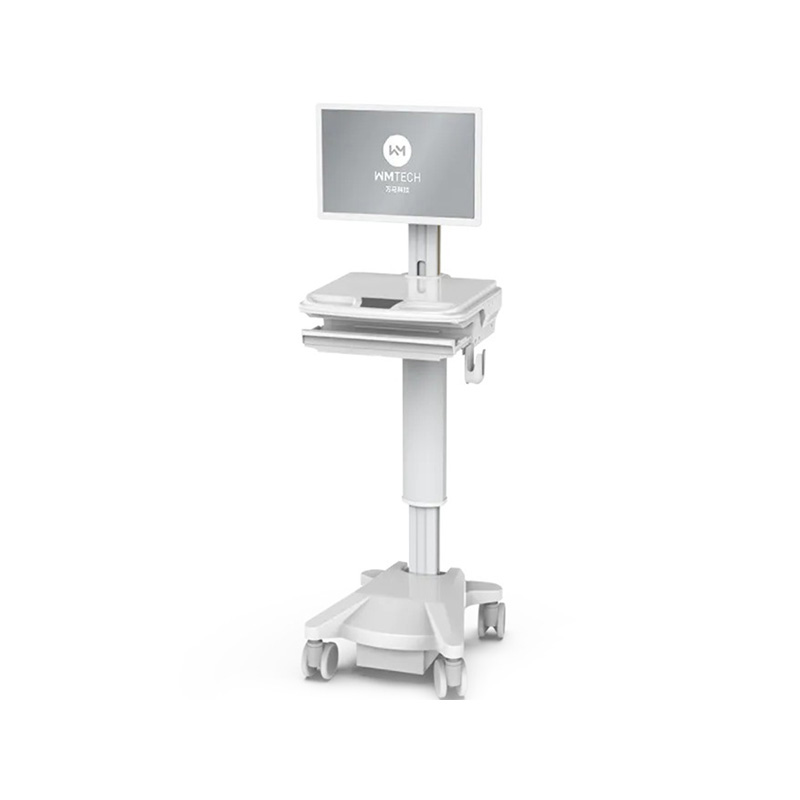
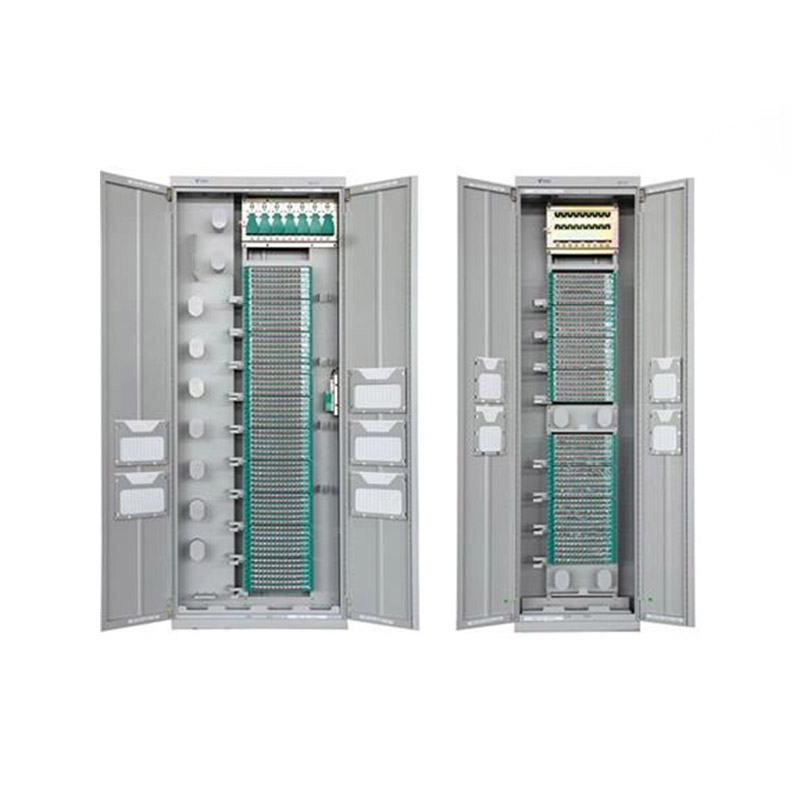
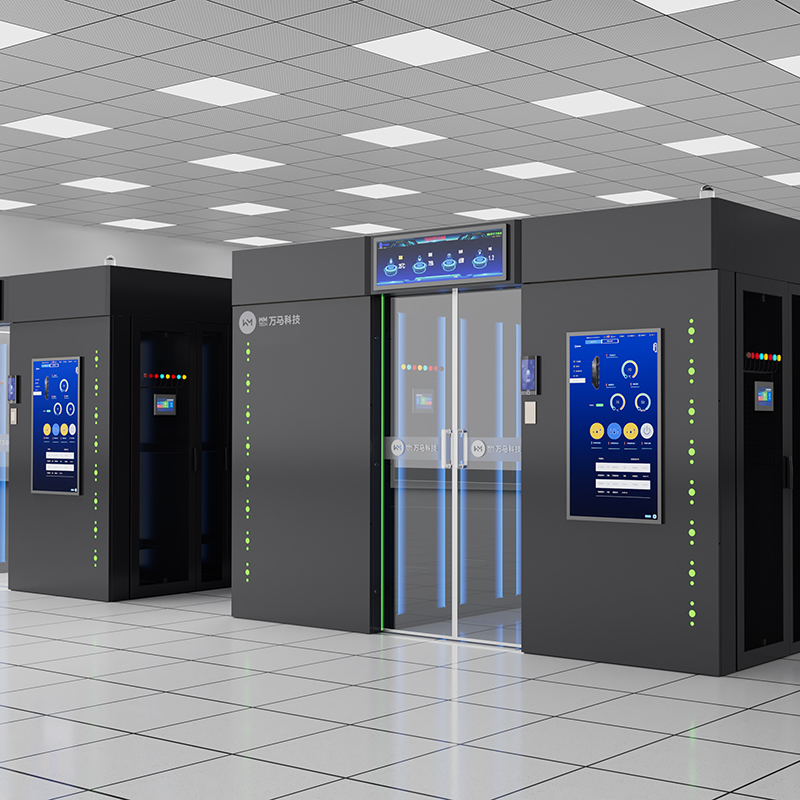

Product Definition:The High-Value Consumables House is not a traditional storage cabinet, but a digital management hub that integrates smart access, precise traceability, and security monitoring. It i...
See DetailsHigh-Value Consumables House: A Digital Management Hub for Safer Medical Supply Control
Content
- 1 Why High-Value Consumables Require a Different Management Approach
- 2 Product Definition: More Than a Storage Cabinet
- 3 Core Application Scenario: Urgent Consumables Retrieval in the Operating Room
- 4 Key Functional Advantages
- 5 Comparison with Conventional and Competing Solutions
- 6 How the System Reduces Errors and Losses
- 7 Supporting Precision Medicine and Patient Safety
- 8 Manufacturing Strength Behind the Product
- 9 Advanced Manufacturing Processes and Quality Assurance
- 10 Operational Benefits for Different Hospital Stakeholders
- 11 Security: Preventing Misallocation, Omissions, and Theft
- 12 Cost Reduction and Efficiency Gains
- 13 Flexible Deployment Models
- 14 Data Value and Future-Ready Hospital Management
- 15 Advantages Over Competitors
- 16 Implementation Considerations for Hospitals
- 17 Q&A Section
- 17.1 Q1: What is the High-Value Consumables House?
- 17.2 Q2: How is it different from a traditional storage cabinet?
- 17.3 Q3: Why is traceability important for high-value consumables?
- 17.4 Q4: Can the system help reduce hospital costs?
- 17.5 Q5: Where can the product be placed?
- 17.6 Q6: What types of consumables are suitable for this system?
- 17.7 Q7: How does identity verification work?
- 17.8 Q8: What manufacturing strengths support product reliability?
- 17.9 Q9: Is the system suitable for hospitals with changing storage needs?
- 17.10 Q10: How does the system support patient safety?
- 18 Conclusion
- 19 References
- 20 Product: High-Value Consumables House
In modern hospitals, high-value medical consumables are no longer ordinary inventory items. They are clinically critical, financially significant, and closely linked to patient safety. Implantable devices, cardiac stents, orthopedic implants, specialty catheters, expensive reagents, and other high-risk materials must be available at the right moment, used by authorized personnel, recorded accurately, and traced from receipt to patient application. A High-Value Consumables House is designed for this exact challenge. It is not merely a cabinet with shelves; it is a digital management hub that combines smart access, precise traceability, security monitoring, modular storage, and closed-loop data management.
The product represents a new management mode for hospitals that need to control costly and mission-critical consumables with higher efficiency and lower operational risk. Traditional consumables management often depends on manual registration, handwritten records, fragmented spreadsheets, or basic storage cabinets. These methods can work for low-value supplies, but they are increasingly inadequate for high-value, high-risk medical items. When an operating room urgently needs a cardiac stent or an implant, time cannot be wasted searching, registering, checking authorization, or reconciling stock after the procedure. The High-Value Consumables House helps transform that process into a fast, secure, and traceable workflow.
By integrating identity verification, access authorization, item-level tracking, storage space optimization, and intelligent alert functions, the system provides a dual safeguard: it improves medical service efficiency while strengthening the safety chain around every high-value item. The result is a more reliable way to manage expensive medical consumables throughout their full lifecycle, from warehousing and department allocation to clinical retrieval, patient use, replenishment, and audit review.
Why High-Value Consumables Require a Different Management Approach
High-value medical consumables differ from general hospital supplies in several important ways. First, their unit cost can be very high. A single implantable device may carry a significant financial impact if misplaced, expired, damaged, or used without accurate documentation. Second, many items are directly connected to invasive procedures and patient outcomes. Incorrect product selection, missing batch information, or incomplete traceability may create clinical, regulatory, and legal risk. Third, these consumables are often needed urgently. In surgical, emergency, and interventional scenarios, clinicians cannot afford delays caused by inefficient storage or unclear inventory status.
In conventional workflows, hospitals may store these supplies in locked cabinets, department rooms, or central warehouses. Nurses and administrators may rely on keys, manual ledgers, barcode sheets, or after-the-fact reconciliation. Although such methods are familiar, they often create gaps. A staff member may remove an item without immediately recording it. Another user may be unable to locate the correct specification. A product may remain in storage past its optimal use window. Batch or serial number data may be entered incorrectly. Auditors may later discover discrepancies between physical inventory, system inventory, and patient billing records.
The High-Value Consumables House addresses these gaps through digitalization. It recognizes that the storage point is not just a physical location; it is a control point. When the access point becomes intelligent, every retrieval can be connected with a user identity, a timestamp, an item record, and a department or patient-related workflow. This approach allows hospitals to reduce manual workload while improving accountability.
For hospitals pursuing refined management, cost control, compliance, and higher patient safety standards, digital storage infrastructure becomes essential. A high-value item should not be managed in the same way as ordinary gauze or gloves. It requires controlled access, precise traceability, timely inventory visibility, and security mechanisms that prevent errors before they become losses.
Product Definition: More Than a Storage Cabinet
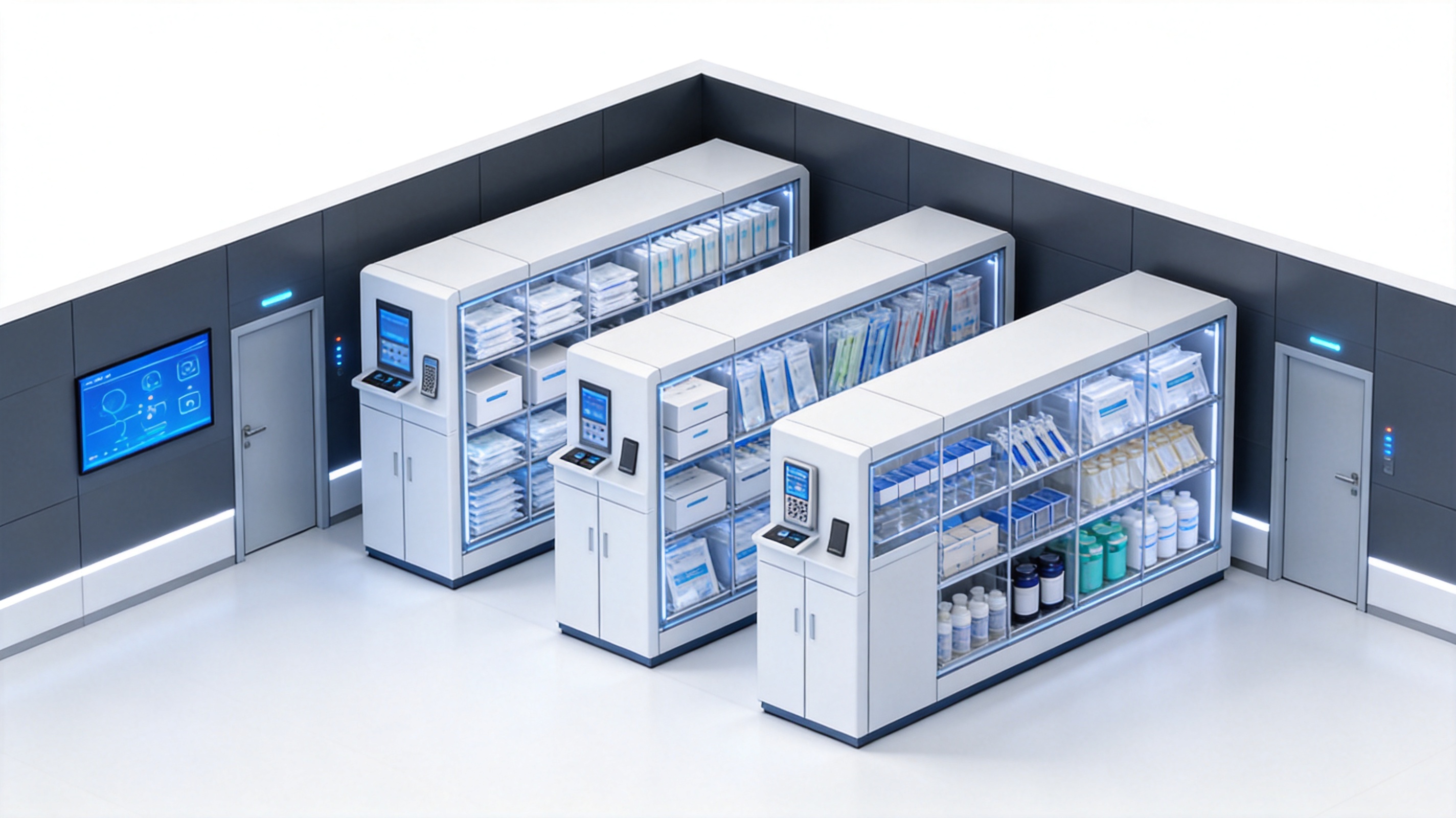
The High-Value Consumables House is a smart, modular, and secure management unit for critical hospital supplies. It is engineered for environments where high-value consumables must be stored safely, accessed quickly, and tracked accurately. Its core function is to transform consumables storage from a passive container into an active management system.
The product can support identity verification methods such as fingerprint recognition or card-based access. Once a user is authenticated, the system can permit access according to predefined authority levels. After retrieval, key information can be automatically recorded, including the user, access time, item information, product batch number, and related transaction data. This allows the hospital to establish full-process traceability from stock receipt to clinical use.
Compared with traditional cabinets, the High-Value Consumables House is designed with a broader management purpose. It can help hospitals monitor inventory status, prevent unauthorized access, reduce omissions, control allocation, and improve the speed of consumables retrieval. It provides larger and more adaptable storage space than many small intelligent cabinets, making it suitable for departments that manage multiple product categories and packaging sizes.
The “house” concept also reflects deployment flexibility. The system can be placed near an operating room, inside a consumables management area, in an interventional center, or in a central supply environment. Hospitals can arrange the equipment according to department workflow, item value, access frequency, and security requirements. This flexible placement gives medical institutions more options than fixed traditional storage rooms or limited-capacity cabinets.
Core Application Scenario: Urgent Consumables Retrieval in the Operating Room
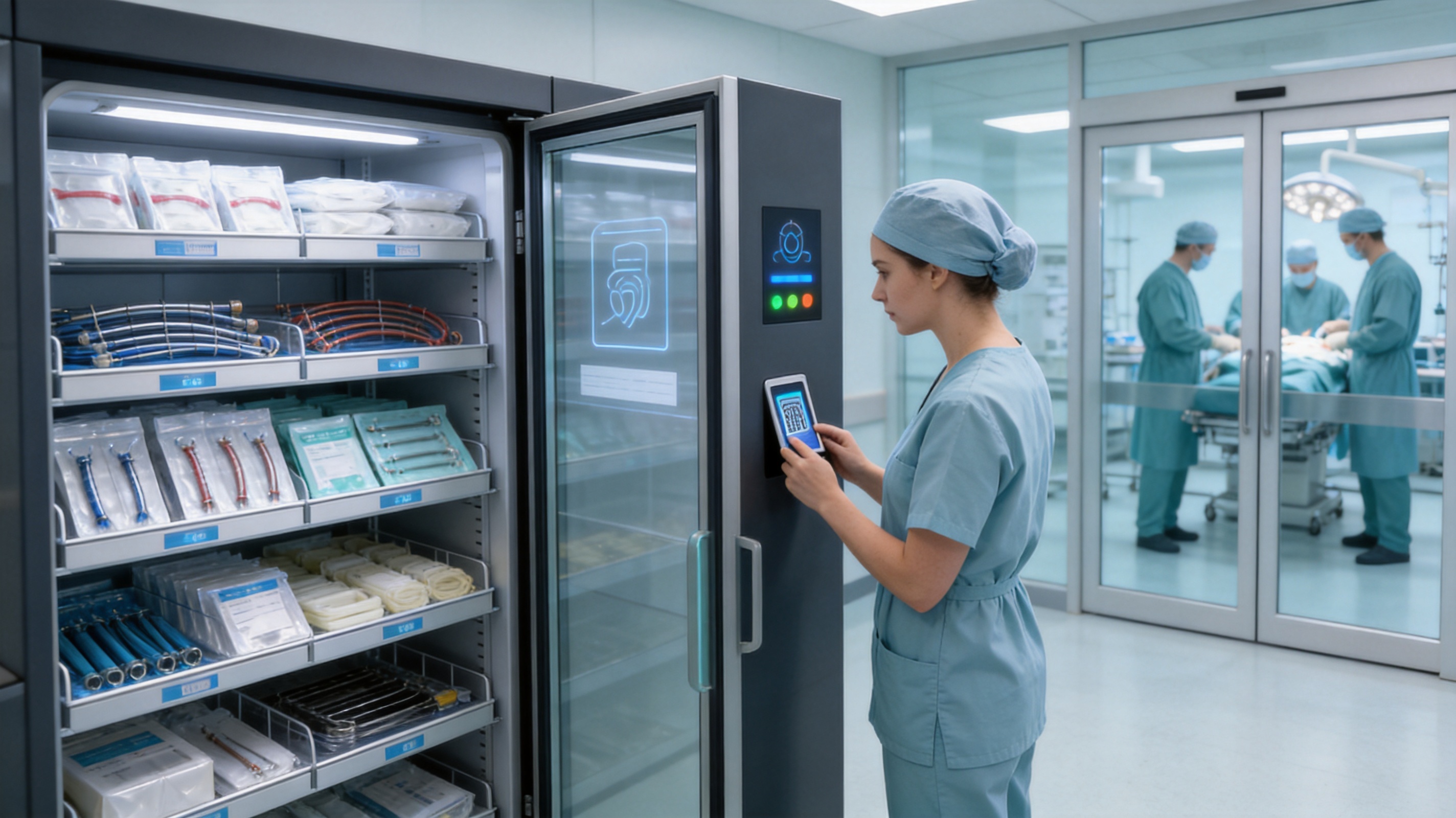
Consider a scenario in which an operating room urgently requires a cardiac stent. In a manual environment, the nurse may need to locate the storage area, find the correct model, confirm authorization, open the cabinet with a key, manually record the item, and later enter or reconcile the batch data. If the case is time-sensitive, the process creates unnecessary pressure and potential for error.
With the High-Value Consumables House, the nurse can complete identity verification in seconds using a fingerprint or card. The system verifies whether the nurse has authority to access the required category. The correct item can be retrieved quickly, while the platform records who accessed the product, when it was taken, and which batch or specification was involved. This automatic data capture supports traceability without forcing clinical staff to spend excessive time on manual documentation.
The value is not simply speed. The system also protects medical safety. In high-risk procedures, a missing record is not a small administrative inconvenience; it may affect follow-up care, adverse event tracking, recall management, and financial settlement. When product information is captured at the point of retrieval, the hospital gains a more reliable data foundation for patient-linked consumables management.
This is why the High-Value Consumables House is best understood as a clinical workflow support tool. It helps nurses and doctors focus more on patient care while ensuring that the consumables chain remains controlled, visible, and auditable.
Key Functional Advantages
Smart Access Control
Smart access is one of the most important features of the system. Instead of relying on physical keys that may be copied, misplaced, or shared, the High-Value Consumables House can use digital identity verification. Fingerprint recognition and card access allow the hospital to associate every opening action with a specific person. This supports accountability and reduces the risk of unauthorized retrieval.
Access authority can be configured according to roles, departments, shifts, or item categories. For example, a department nurse may access specific consumables for the operating room, while a warehouse administrator may have broader replenishment authority. A senior supervisor may have audit and exception-handling permissions. This tiered permission structure helps prevent misallocation and strengthens internal control.
Full Traceability from Receipt to Patient Use
High-value consumables must be traceable. The system supports closed-loop traceability by linking inventory actions with product data. When items are received, stored, retrieved, transferred, or used, the data chain can be updated. Batch numbers, specifications, access time, and user information can be recorded more consistently than in manual workflows.
This traceability is especially important for implantable and interventional products. If a recall occurs, hospitals need to know which batch entered storage, which department used it, and which patient may have received it. A reliable digital record can greatly reduce the time required for investigation. It also supports regulatory compliance and internal quality management.
Intelligent Alerts
The High-Value Consumables House can support intelligent alerts for abnormal conditions. Alerts may be configured for unauthorized access attempts, low inventory, inventory mismatch, expiration risk, overdue replenishment, or unusual retrieval patterns. Rather than discovering problems during periodic audits, administrators can respond earlier.
For hospitals, early warning capability is valuable because many consumables issues become costly when detected late. An expired implant wastes money. A missing high-value device creates financial loss and investigation workload. A low-stock item may delay treatment. Intelligent alerts allow the hospital to manage by exception rather than by constant manual checking.
Larger Storage Space and Modular Design
Many intelligent storage products are limited by compartment size or fixed internal layouts. The High-Value Consumables House emphasizes larger storage space and modular adaptability. This is important because high-value medical consumables vary widely in shape, size, and packaging. Some are small and delicate, while others are bulky, boxed, or irregularly shaped.
A modular design allows hospitals to configure storage areas according to actual needs. Different shelves, compartments, or functional zones can be adapted to support multiple consumable types. The same system can serve different departments or be reconfigured as usage patterns change. This flexibility helps extend the equipment lifecycle and improve return on investment.
Flexible Placement
The system can be placed according to clinical workflow. In some hospitals, high-value consumables may be best stored close to the operating room to reduce retrieval time. In other cases, centralized control may be preferred for financial governance. Some departments may require a dedicated local system for high-frequency access, while rare consumables remain in central storage.
Flexible placement allows hospitals to balance access convenience with management control. The equipment can support decentralized clinical use while maintaining centralized data oversight. This combination is difficult to achieve with traditional cabinets or isolated manual storage areas.
Comparison with Conventional and Competing Solutions
The market includes several approaches to high-value consumables storage: ordinary locked cabinets, manual warehouse rooms, barcode-only shelves, small smart cabinets, RFID cabinets, and integrated supply management platforms. Each has strengths, but many also have limitations. The High-Value Consumables House is designed to combine physical capacity, digital traceability, smart security, and practical hospital workflow adaptability.
| Management Dimension | Traditional Cabinet or Manual Room | Basic Smart Cabinet | High-Value Consumables House |
|---|---|---|---|
| Access Control | Key-based, difficult to track individual responsibility | Usually supports limited digital access | Supports identity verification, role-based permissions, and accountable access records |
| Traceability | Depends heavily on manual records and later data entry | May track cabinet opening but not always full consumables workflow | Designed for closed-loop traceability from receipt to clinical retrieval and patient-linked use |
| Storage Capacity | Can be large but lacks smart control | Often limited by fixed compartments | Provides larger, modular space suitable for varied high-value medical consumables |
| Workflow Efficiency | Searching and logging can be slow | Improves access but may not fit all item sizes | Enables fast retrieval while automatically capturing key management data |
| Security Monitoring | Relies on physical locks and staff discipline | Provides partial monitoring | Combines controlled access, alerts, and digital records to reduce misallocation, omissions, and theft |
| Deployment Flexibility | Requires manual management wherever placed | Often suited to specific locations or limited departments | Can be placed near operating rooms, department areas, or central management zones |
This comparison shows the central competitive advantage: the High-Value Consumables House is not just a smarter box. It is a management platform embedded into physical storage. It is large enough and flexible enough for real hospital use, while also providing the digital controls required for high-value items.
How the System Reduces Errors and Losses
Errors in high-value consumables management usually occur at transition points. An item is received but not properly registered. A product is moved from central storage to a department without accurate documentation. A clinician retrieves an item during a busy procedure and postpones record entry. A returned product is placed in the wrong location. A batch number is typed incorrectly. A product near expiration is overlooked. Each small gap can create financial, clinical, or compliance risk.
The High-Value Consumables House reduces these errors by moving data capture closer to the real action. When access is authenticated and retrieval is recorded at the storage point, fewer steps depend on memory or delayed manual entry. Tiered permissions reduce the chance that unqualified users access restricted items. Intelligent alerts help managers identify abnormalities before they escalate. Larger storage space and clear internal organization reduce searching errors and misplaced products.
The system also supports stronger accountability. In a manual environment, it may be difficult to determine who removed an item or when. With digital access records, responsibility is clearer. This does not only help investigate problems; it discourages careless behavior and supports a culture of accurate management.
For hospital finance departments, the reduction of loss and inventory discrepancy can produce measurable value. High-value consumables represent a major cost category. When inventory data is accurate, purchasing can be better planned, safety stock can be optimized, and billing or cost allocation can be more consistent. For clinical departments, the value appears as faster access and fewer delays. For quality management teams, the value appears as stronger traceability and audit readiness.
Supporting Precision Medicine and Patient Safety
Precision medicine depends not only on advanced diagnostics and treatment plans, but also on precise execution. The right product must reach the right patient at the right time, with the right documentation. High-value consumables such as implants and specialized devices often become part of the patient’s long-term medical record. If an implant has a batch issue or a product recall, the hospital must be able to trace affected patients quickly.
The High-Value Consumables House helps build this precision at the supply level. By ensuring that each high-value item is controlled and traceable, it supports safer clinical decision-making and follow-up. It also helps standardize workflows across departments. Instead of each department developing its own informal storage habits, the hospital can implement a consistent management model.
Patient safety also improves when access is faster. In urgent cases, delays in finding a critical consumable can affect procedural efficiency. By placing the system near the point of use and allowing rapid identity-based access, hospitals can improve responsiveness without sacrificing control. This balance is essential: unrestricted access may be fast but risky, while excessive control may be safe but slow. The High-Value Consumables House aims to deliver both speed and governance.
Manufacturing Strength Behind the Product
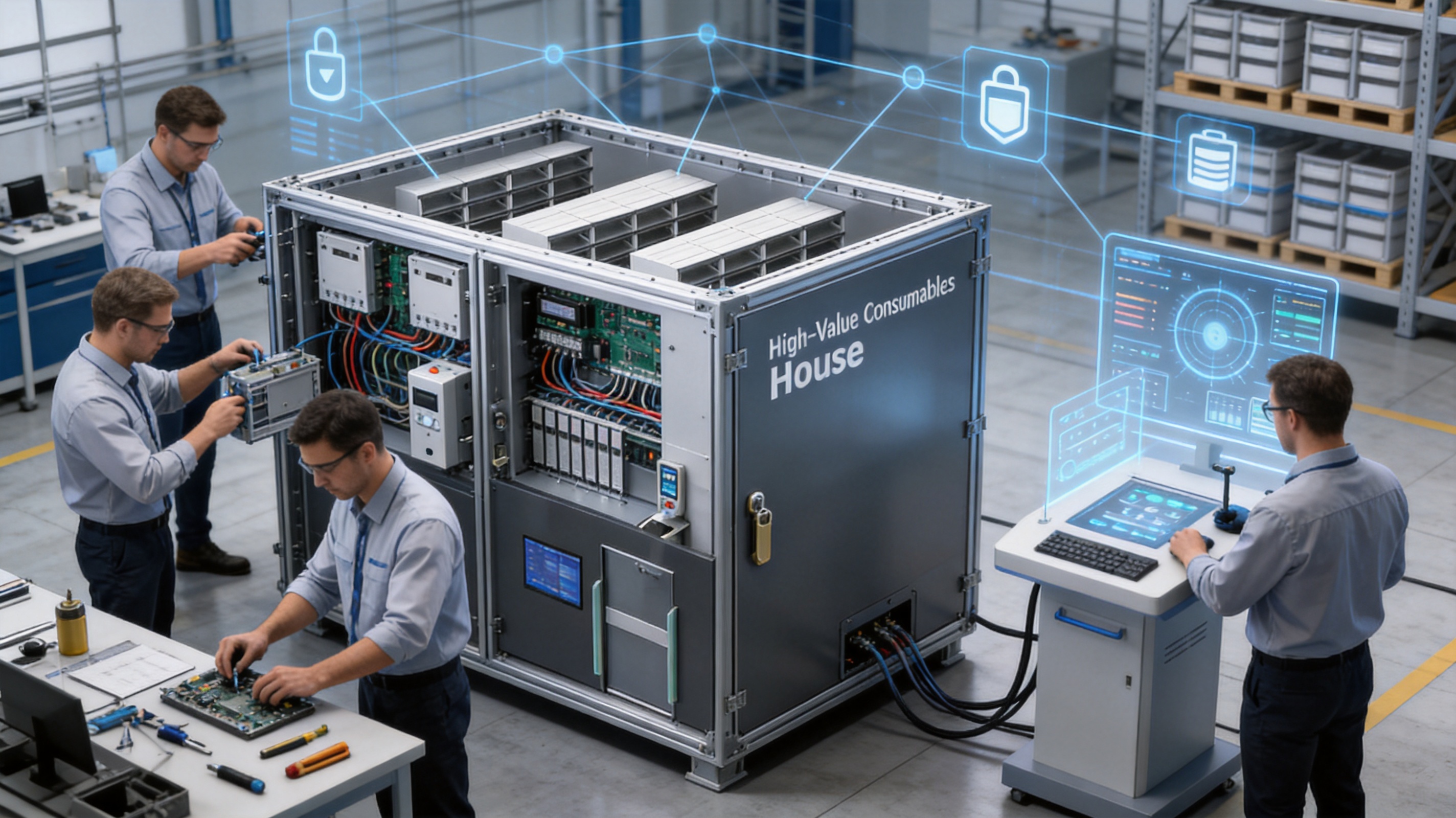
A high-value consumables management system must be reliable because it operates in demanding healthcare environments. Its performance depends not only on software functions but also on physical structure, electronic integration, access control components, mechanical durability, and manufacturing quality. Wanma Technology Co., Ltd. brings a strong industrial foundation to this product category, supported by decades of experience in communication cabinets, communication electronic equipment, and passive optical components.
Established in 1997, the company has long served fields that require stable equipment, precise assembly, and dependable infrastructure, including Ethernet networks, optical communication networks, central equipment rooms, national high-speed railways, and urban rail transit systems. These sectors demand product reliability, standardized production, durable cabinet structures, and disciplined quality control. Such experience provides a meaningful foundation for producing intelligent medical consumables management equipment.
The company’s background in telecommunications and network infrastructure is particularly relevant. Communication cabinets and equipment-room products must protect sensitive components, support organized internal layouts, allow flexible configuration, and maintain long-term operational stability. The same engineering mindset can be applied to the High-Value Consumables House: robust enclosure design, modular space planning, secure access points, integrated electronics, and scalable system deployment.
Advanced manufacturing strength is not only about machinery. It also includes design standardization, materials control, process discipline, supplier management, testing, delivery reliability, and customization capability. These strengths help ensure that the High-Value Consumables House can be produced consistently while adapting to different hospital requirements.
Advanced Manufacturing Processes and Quality Assurance
Precision Structural Engineering
The physical body of the High-Value Consumables House must be strong, stable, and suitable for frequent hospital use. Precision structural engineering supports smooth door operation, secure locking, reliable internal layout, and long service life. Manufacturing processes may include sheet metal processing, cabinet frame forming, surface treatment, assembly calibration, and dimensional inspection.
For a product that manages high-value items, structural quality directly affects security. Doors must close reliably. Access points must align correctly. Internal modules must support varied packaging without deformation or disorder. The equipment must also present a professional appearance suitable for clinical and management environments.
Electronic Integration
The system combines physical storage with electronic functions. Identity verification modules, access control circuits, sensors, communication components, and control units must be integrated safely and neatly. Wanma Technology’s long experience with communication electronic equipment supports this integration capability. In infrastructure equipment, electronic reliability and wiring discipline are essential; the same principles are valuable in medical intelligent management systems.
Good electronic integration reduces maintenance difficulty and improves operational stability. Wiring should be organized, protected, and serviceable. Components should be selected and assembled according to reliability requirements. The system must be designed for repeated daily operation, not occasional use.
Modular Manufacturing
Hospitals differ in department layout, consumables categories, storage volume, and workflow. A modular manufacturing approach allows the product to be configured for different use cases. Internal storage modules, access units, and management features can be adapted more easily when the product architecture is standardized but flexible.
This modularity is also beneficial for maintenance and future upgrades. If a department changes the types of consumables it manages, the storage configuration can evolve. If a hospital expands the system to more departments, standardized modules can help maintain consistency across locations.
Process Control and Testing
Intelligent storage equipment must be tested before delivery. Testing may include structural inspection, access control verification, door and lock reliability checks, electronic function testing, software communication checks, and final appearance inspection. For high-value consumables management, a small malfunction can create workflow disruption, so pre-delivery quality control is essential.
The company’s experience serving rail transit and network infrastructure markets supports a culture of reliability. Railway and communication systems are expected to operate in challenging conditions and require disciplined quality processes. Applying this manufacturing culture to medical consumables management helps produce equipment that hospitals can depend on.
Customization and Integrated Solution Capability
Hospitals may require different configurations. Some need high-capacity storage near operating rooms. Others need a central management system with strict administrator control. Some may need integration with existing hospital information systems, inventory platforms, or department workflows. The company develops, manufactures, and markets its own branded products while also providing integrated solutions for customized products, making it well positioned to support such needs.
Customization capability is a practical advantage over competitors that offer only fixed cabinet models. A hospital does not want to redesign its workflow around a rigid piece of equipment. Ideally, the equipment should support the hospital’s workflow while improving governance. Integrated solution capability makes that possible.
Operational Benefits for Different Hospital Stakeholders
For Nurses and Clinical Users
Nurses are often responsible for accessing and recording consumables under time pressure. The High-Value Consumables House reduces repetitive manual work by making access faster and documentation more automatic. Identity verification replaces key management, and digital records reduce the burden of handwritten logging. When items are organized and traceable, nurses spend less time searching and more time supporting clinical care.
For Surgeons and Procedure Teams
Procedure teams need confidence that critical consumables are available when needed. A system that improves inventory visibility and retrieval speed helps reduce uncertainty. If the required implant, device, or reagent is stored in a controlled yet accessible location, the procedure team can work more efficiently.
For Hospital Administrators
Administrators must control costs, reduce waste, and support compliance. High-value consumables are often a major expense, and poor inventory control can lead to financial leakage. The system helps improve stock accuracy, prevent unauthorized use, reduce expired products, and support data-based purchasing decisions.
For Supply Chain and Warehouse Teams
Supply chain personnel benefit from better visibility into departmental stock. Instead of relying solely on periodic manual counts, they can monitor usage patterns and replenishment needs more efficiently. This helps reduce overstocking and shortages. It also supports standardized distribution from central storage to clinical departments.
For Quality and Compliance Teams
Traceability is a central concern for quality teams. The High-Value Consumables House supports audit readiness by maintaining clear access and item records. In case of a recall, adverse event investigation, or internal review, digital records can reduce investigation time and improve confidence in the data.
Security: Preventing Misallocation, Omissions, and Theft
Security in high-value consumables management is not only about preventing theft. It also includes preventing wrong allocation, incomplete records, unauthorized access, and uncontrolled movement. Traditional storage methods often rely heavily on trust and after-the-fact review. While professional discipline is important, complex hospital environments need system-level safeguards.
The High-Value Consumables House uses tiered permissions to ensure that users can access only what they are authorized to handle. It can also support alerts when abnormal behavior occurs. For example, if an item category is accessed outside expected times, if inventory drops below a threshold, or if a retrieval event is not matched with the expected follow-up process, administrators can be notified.
This proactive model is stronger than passive locking. A physical lock prevents some unauthorized access, but it does not create a complete management record. A digital system provides both access restriction and evidence. It helps hospitals move from “trust-based storage” to “data-supported governance.”
Cost Reduction and Efficiency Gains
High-value consumables management affects hospital finances in multiple ways. Direct costs include product purchase price, inventory carrying cost, expired product loss, and missing item loss. Indirect costs include staff time spent on searching, counting, reconciling, investigating discrepancies, and preparing audits. The High-Value Consumables House can help reduce both direct and indirect costs.
By improving access records and stock visibility, the system helps reduce unexplained losses. By supporting alerts, it helps prevent stockouts and expiration waste. By reducing manual logging, it saves staff time. By supporting closed-loop traceability, it reduces audit preparation workload. Over time, these improvements can contribute to meaningful operational savings.
Efficiency gains are also important. When a nurse can retrieve a needed item in seconds, the clinical workflow becomes smoother. When warehouse staff can monitor stock more accurately, replenishment becomes more predictable. When administrators can review digital records, decision-making becomes faster. The system therefore creates value across clinical, operational, and financial dimensions.
Flexible Deployment Models
Hospitals can deploy the High-Value Consumables House in different ways. A department-level deployment places the system close to clinical users, such as near an operating room or interventional suite. This model emphasizes fast access and local control. A central management deployment places the system in a dedicated consumables management area, emphasizing inventory governance and security. A hybrid deployment combines both models, using central storage for bulk control and department units for urgent or frequently used items.
The product’s larger storage space and modular design make these deployment models practical. A hospital can begin with one department and later expand to additional locations. It can also adjust configuration as clinical demand changes. This scalability is an important competitive advantage because hospital supply management is rarely static.
Data Value and Future-Ready Hospital Management
Digital consumables management creates data that can be used for continuous improvement. Usage frequency, access timing, stock turnover, expiration risk, department consumption patterns, and abnormal events can all support better decisions. Over time, hospitals can use this data to optimize purchasing, adjust safety stock, identify training needs, and improve department accountability.
The High-Value Consumables House also aligns with the broader trend of intelligent hospital infrastructure. Hospitals are increasingly adopting digital systems for pharmacy management, asset tracking, patient care, logistics, and equipment maintenance. High-value consumables management is a natural part of this transformation. A smart storage hub can become one component in a more connected hospital supply ecosystem.
Because Wanma Technology has a strong foundation in communication infrastructure, optical networks, and equipment integration, it understands the importance of reliable connectivity and scalable system architecture. This background supports the development of future-ready solutions that can fit into broader digital management environments.
Advantages Over Competitors
The High-Value Consumables House offers several advantages over competing solutions. First, it combines storage capacity with intelligence. Some competitors provide smart cabinets with limited space, while traditional storage rooms provide space without digital control. This product is designed to provide both.
Second, it supports a new management mode based on permissions, alerts, and traceability. Instead of merely locking items away, it helps hospitals manage the full process. This is especially valuable for high-risk consumables that must be controlled from receipt to patient use.
Third, it is flexible in placement and configuration. Hospitals do not all share the same layout or workflow. A solution that can be placed near the operating room, in a central area, or in a department zone is more practical than a rigid one-size-fits-all system.
Fourth, the product benefits from strong manufacturing expertise. A company with long experience in communication cabinets, electronic equipment, and infrastructure-grade manufacturing can provide robust physical construction, organized electronic integration, and reliable delivery. This industrial capability can be a differentiator against suppliers that focus only on software or only on simple cabinet production.
Fifth, the company has a broad international business background, with a sales network covering more than 20 countries and regions, including the United States, Australia, the United Kingdom, Italy, South Africa, and Ghana. This global experience reflects the ability to support diverse customer needs, quality expectations, and delivery requirements.
Implementation Considerations for Hospitals
To gain maximum value from the High-Value Consumables House, hospitals should plan implementation carefully. The first step is to identify which consumables should be included. Ideal categories include expensive implants, critical interventional products, high-risk reagents, and items that require strict batch traceability.
The second step is to define user roles and permissions. Access should reflect clinical responsibility and management rules. Nurses, department administrators, warehouse staff, and supervisors may require different authority levels. Clear permission design helps prevent confusion after deployment.
The third step is to map the workflow. Hospitals should decide how items enter the system, how they are replenished, how retrieval is linked to clinical use, how returns are handled, and how audits are performed. The High-Value Consumables House is most effective when it is integrated into a standardized process.
The fourth step is staff training. Users should understand not only how to open the system, but also why digital traceability matters. When staff recognize that the system reduces their manual workload and protects patient safety, adoption becomes easier.
The fifth step is continuous review. After deployment, hospitals can analyze usage data, adjust stock levels, refine permissions, and optimize storage layout. The product supports a process of ongoing improvement rather than a one-time equipment installation.
Q&A Section
Q1: What is the High-Value Consumables House?
It is a digital management hub for high-value medical consumables. It combines smart access, secure storage, traceability, intelligent alerts, and modular space planning to help hospitals manage critical supplies such as implantable devices, expensive reagents, and interventional products.
Q2: How is it different from a traditional storage cabinet?
A traditional cabinet mainly provides physical storage and basic locking. The High-Value Consumables House provides controlled identity-based access, automatic access records, item traceability, intelligent alerts, and flexible modular storage. It manages the workflow, not just the space.
Q3: Why is traceability important for high-value consumables?
Traceability ensures that hospitals know where each item came from, where it was stored, who accessed it, when it was used, and which batch or specification was involved. This is essential for patient safety, recalls, audits, and financial accountability.
Q4: Can the system help reduce hospital costs?
Yes. It can reduce losses from missing items, expired products, unauthorized access, inventory discrepancies, and inefficient manual work. Better stock visibility can also support more accurate purchasing and replenishment decisions.
Q5: Where can the product be placed?
It can be placed near operating rooms, in department supply areas, in interventional centers, or in central consumables management zones. Its flexible deployment model allows hospitals to balance fast clinical access with centralized control.
Q6: What types of consumables are suitable for this system?
Suitable items include cardiac stents, orthopedic implants, specialty catheters, implantable devices, high-value surgical consumables, expensive reagents, and other supplies that require strict access control and traceability.
Q7: How does identity verification work?
The system can support methods such as fingerprint verification or card access. Once a user is identified, the system checks permission rules and records the access event, creating a clear accountability chain.
Q8: What manufacturing strengths support product reliability?
The manufacturer has long experience in communication cabinets, electronic equipment, optical components, and infrastructure applications such as Ethernet networks, central equipment rooms, high-speed railways, and urban rail transit. This background supports robust structural engineering, electronic integration, quality control, and customized solution capability.
Q9: Is the system suitable for hospitals with changing storage needs?
Yes. Its modular design and larger storage space allow hospitals to adapt internal configuration for different consumable sizes and categories. This flexibility helps the system remain useful as clinical demand changes.
Q10: How does the system support patient safety?
It helps ensure that critical consumables are accessed by authorized personnel, retrieved quickly, and recorded accurately. This supports correct product use, recall readiness, batch tracking, and a more reliable medical safety chain.
Conclusion
The High-Value Consumables House is a practical response to one of the most important challenges in modern hospital operations: how to manage expensive, high-risk, and clinically critical consumables with both speed and control. It replaces fragmented manual management with a digital, traceable, and secure workflow. It supports identity-based access, tiered permissions, intelligent alerts, larger modular storage, and flexible placement according to department needs.
Its advantages over traditional cabinets and many competing solutions come from the combination of physical capacity, digital intelligence, traceability, and manufacturing reliability. It does not force hospitals to choose between convenience and security. Instead, it enables fast retrieval while maintaining strong governance over every high-value item.
Backed by Wanma Technology Co., Ltd.’s long-standing manufacturing expertise in communication cabinets, electronic equipment, optical components, and infrastructure-grade solutions, the product benefits from a strong industrial foundation. Precision structural engineering, electronic integration, modular manufacturing, process control, and customization capability all contribute to a dependable solution for hospitals seeking refined consumables management.
For clinical teams, the system saves time. For administrators, it improves accountability and cost control. For quality teams, it strengthens traceability. For patients, it supports safer and more reliable care. As hospitals continue to move toward intelligent management and precision medicine, the High-Value Consumables House provides a future-ready platform for bringing every high-value medical consumable under control.
References
Association for the Advancement of Medical Instrumentation. Guidance on Medical Device Management and Healthcare Technology Processes.
World Health Organization. Medical Device Regulations: Global Overview and Guiding Principles.
Healthcare Financial Management Association. Best Practices in Hospital Supply Chain Cost Control.
International Organization for Standardization. ISO 13485: Medical Devices Quality Management Systems.
Joint Commission International. Hospital Accreditation Standards Related to Medication and Supply Management.
GS1 Healthcare. Standards for Traceability in Healthcare Supply Chains.
Institute for Healthcare Improvement. Improving Reliability in Healthcare Operations.
Product: High-Value Consumables House
PREV:Access Layer Optical Distribution Frames for High-Density FTTH Networks
NEXT:High-Density 1U LC Optical Distribution Frame for Modern Fiber Networks
NEXT:High-Density 1U LC Optical Distribution Frame for Modern Fiber Networks
Interested in cooperation or have questions?
Related products
-
-
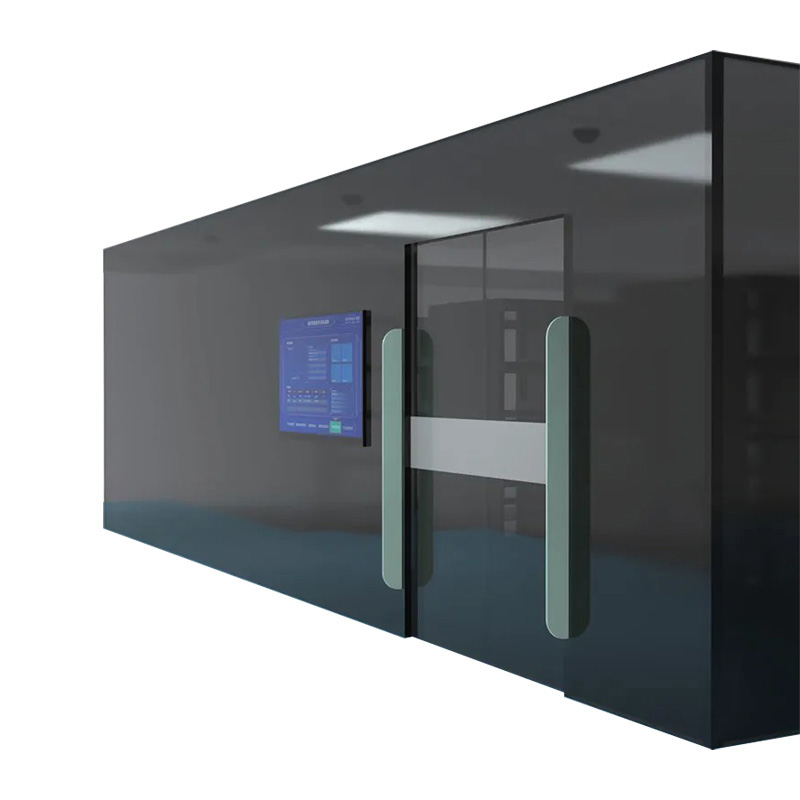
Product DefinitionThe Wanma Intelligent Access Control System is an integrated security management terminal combining high-definition display, biometric recognition, and smart monitoring functions. Fe...
See Details -
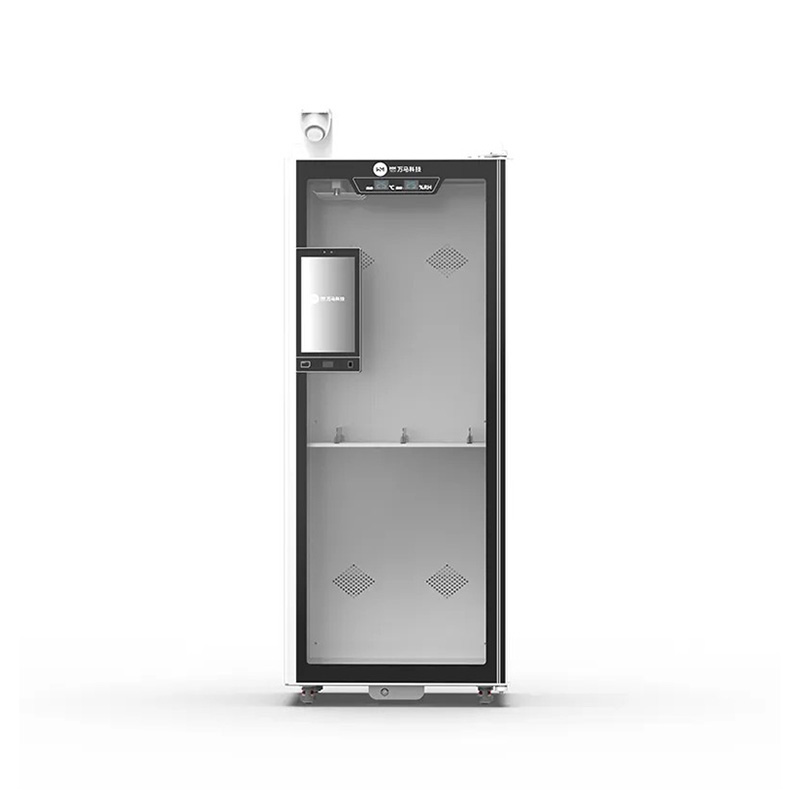
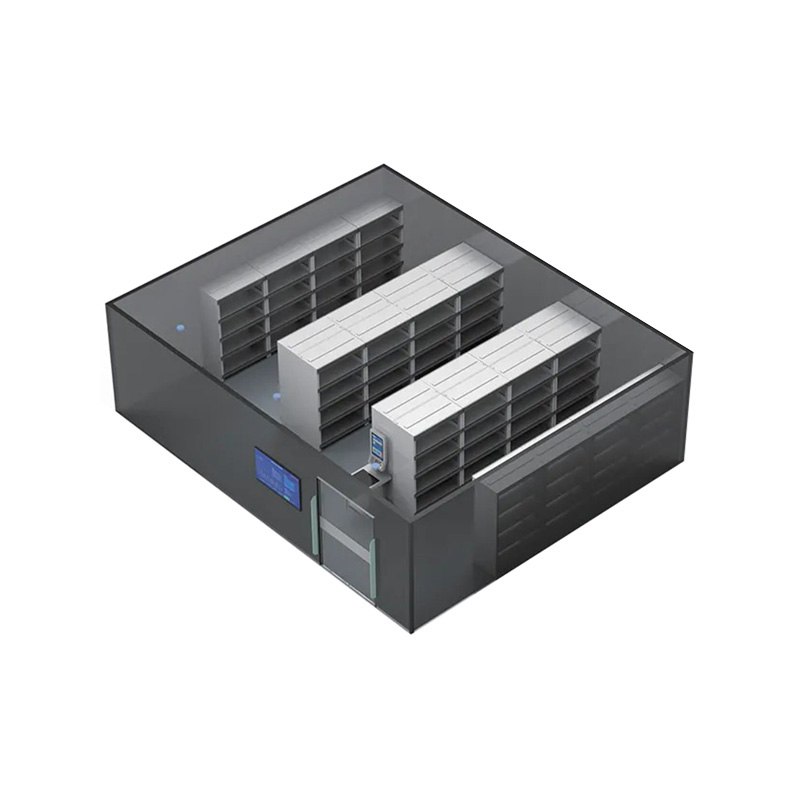
Product Definition This product is a high-capacity intelligent consumables management cabinet designed for hospitals, laboratories, and medical institutions, integrating RFID technology, smart access ...
See Details -
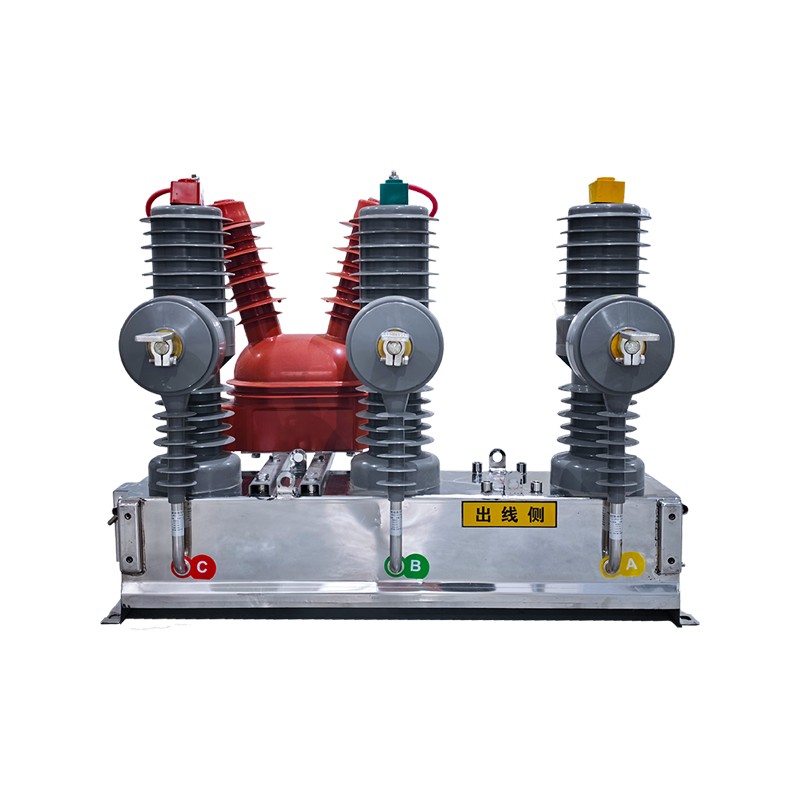
Product Overview: The ZW□-12/T630-25 outdoor high-voltage AC vacuum circuit breaker is a key device designed for 12 kV overhead distribution lines. By deeply integrating the primary switching unit wi...
See Details
Ready to Get started ? Contact Us Now !

Product.
Contact Details.
-
 +86 13958188250
-
 +86 13958188250
-
 [email protected]
- Wanma Industrial Park Taihu Yuan Town Lin'an District Hangzhou City China.
QR Code

Copyright © Wanma Technology Co., Ltd. All Rights Reserved.
Custom Ethernet Optical Network Railway Transit Equipments Suppliers
