

 English
 Français
 Español
 Português
 عربى






Product Overview: The ZW□-12/T630-25 outdoor high-voltage AC vacuum circuit breaker is a key device designed for 12 kV overhead distribution lines. By deeply integrating the primary switching unit wi...
See DetailsIntegrated Outdoor High-Voltage AC Vacuum Circuit Breaker for Intelligent Distribution Networks
Content
- 1 1. Product Overview and Application Value
- 2 2. Primary Switching Technology
- 3 3. Integrated Measurement, Protection, and Communication
- 4 4. Structural Adaptability for Outdoor Environments
- 5 5. Safety Through Insulation and Interlocking
- 6 6. Technical Specifications
- 7 7. Advantages Compared with Conventional Outdoor Switching Arrangements
- 8 8. Manufacturing Strengths and Engineering Approach
- 9 9. Environmentally Oriented Design
- 10 10. Applications in Smart Distribution Networks
- 11 11. Installation and Project Planning Considerations
- 12 12. Maintenance and Lifecycle Management
- 13 13. Why Integrated Design Matters to Utilities and System Integrators
- 14 14. Frequently Asked Questions
- 14.1 What type of electrical network is this circuit breaker designed for?
- 14.2 What is the rated current?
- 14.3 What does the primary and secondary integrated design mean?
- 14.4 Does the circuit breaker support remote operation?
- 14.5 Can the device operate manually?
- 14.6 What operating mechanisms are available?
- 14.7 Does the product use oil or SF₆ gas?
- 14.8 What protection level does the enclosure provide?
- 14.9 Can it be used in cold or hot regions?
- 14.10 Can the product be installed at high altitude?
- 14.11 What is the mechanical life?
- 14.12 Can additional monitoring sensors be added later?
- 14.13 What should be confirmed before ordering?
- 15 15. Conclusion
- 16 References
- 17 Product: Primary and Secondary Integrated Outdoor High-Voltage AC Vacuum Circuit Breaker
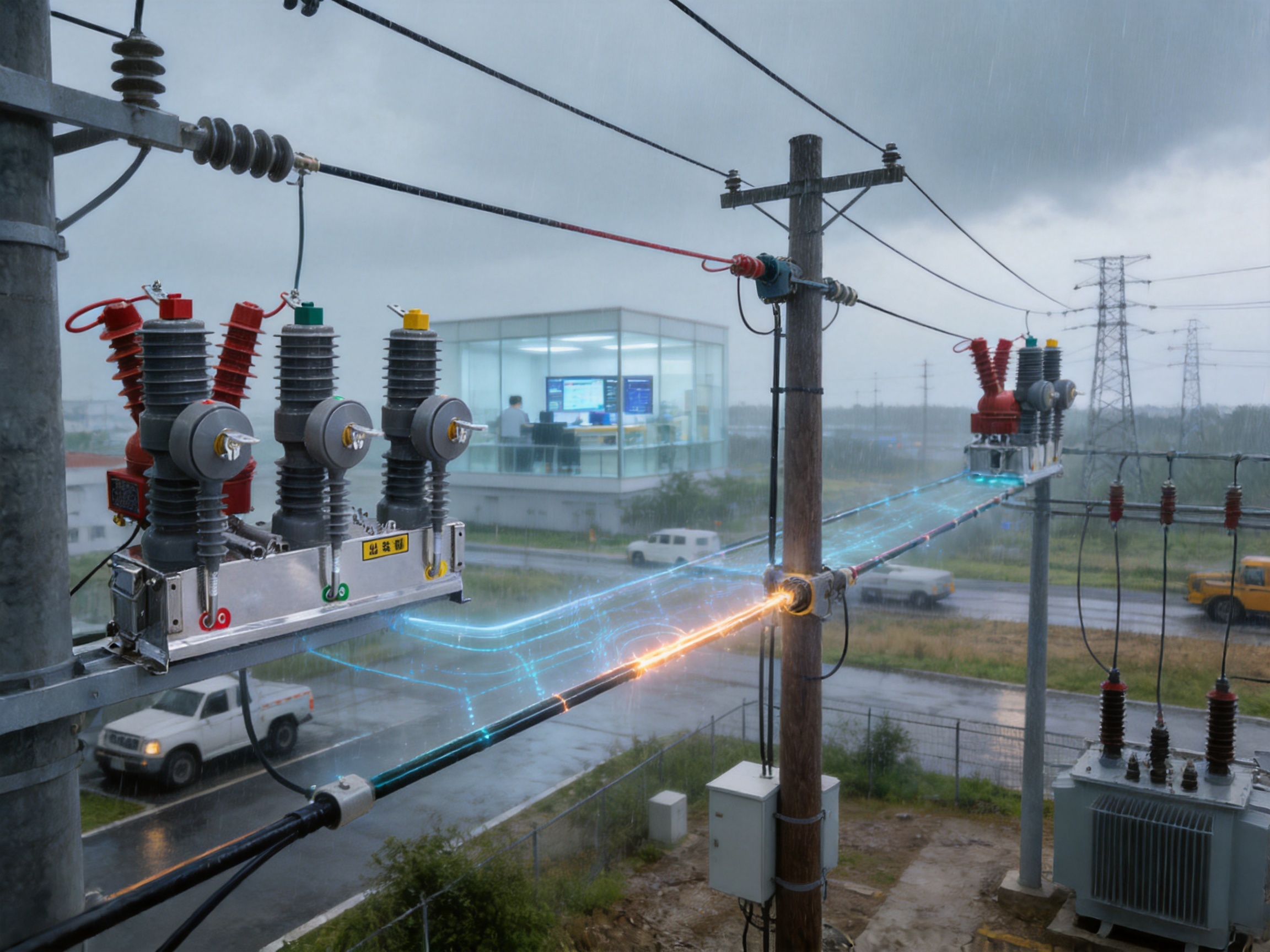
Modern distribution networks must deliver electricity safely, continuously, and efficiently while operating in environments that may include heavy rain, salt spray, dust, ice, high wind, strong solar radiation, and large temperature variations. At the same time, utilities are under increasing pressure to automate feeder operation, shorten outage duration, improve fault location, and reduce the environmental impact of electrical equipment. These requirements have created a strong demand for compact, intelligent, and highly reliable outdoor switching equipment.
The primary and secondary integrated outdoor high-voltage AC vacuum circuit breaker is designed to meet these requirements. Developed for 12 kV overhead distribution lines, the equipment combines a pole-mounted vacuum circuit breaker with current and voltage sensing, power-taking components, intelligent control, protection, metering, and communication functions. Instead of treating the switching apparatus and the feeder terminal unit as separate systems, the integrated design brings them together as a coordinated field device.
This approach provides more than a convenient equipment package. It creates a complete solution for line sectionalizing, tie connections, customer demarcation, distribution automation, and remote fault management. The primary equipment performs switching and interruption, while the secondary equipment measures electrical conditions, executes protection logic, communicates with the control center, and supports automated restoration strategies.
Wanma Technology Co., Ltd. manufactures and supplies this type of integrated equipment as part of its broader portfolio of industrial communication equipment, network infrastructure, cabinets, and customized technical solutions. Its experience in communication systems and electronic equipment supports the development of products that must combine electrical reliability with data connectivity and intelligent operation.
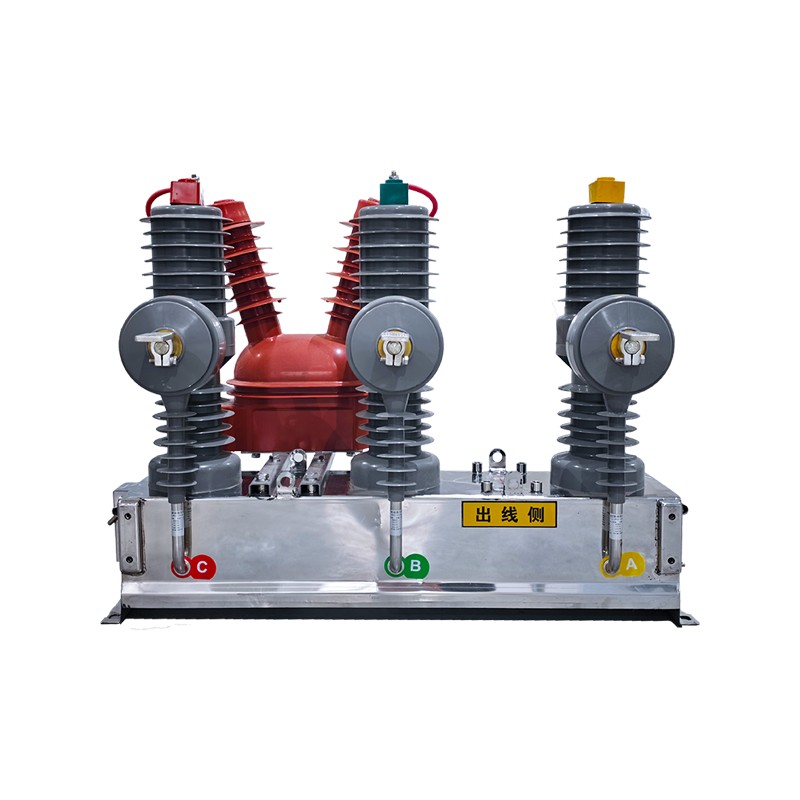
Primary and Secondary Integrated Outdoor High-Voltage AC Vacuum Circuit Breaker
1. Product Overview and Application Value
The ZW□-12/T630-25 outdoor high-voltage AC vacuum circuit breaker is intended for use on 12 kV overhead distribution lines. It is suitable for utility distribution systems, industrial power networks, infrastructure projects, renewable-energy collection systems, customer connection points, and other applications requiring dependable outdoor switching and protection.
The product is structured around two closely coordinated sections. The primary section includes the high-voltage switching unit, vacuum interrupters, current transformers, voltage transformers, power-taking capacitors, and optional disconnecting switches. The secondary section includes a feeder terminal unit, or FTU, with metering, protection, control, and communication functions.
In conventional installations, a circuit breaker, measurement transformers, control cabinet, protection device, and communication terminal may be supplied as separate components. Such an arrangement can increase the number of field connections, enlarge the installation footprint, and create additional opportunities for wiring errors or interface incompatibilities. The integrated design addresses these limitations by providing standardized interfaces and factory-coordinated components.
All major components are interconnected through aviation-grade connectors and fully insulated cables. This reduces the amount of on-site wiring and helps protect internal connections from moisture, contamination, mechanical damage, and installation-related errors. The result is a more consistent installation process and a clearer relationship between the primary switching function and the secondary automation system.
The device can be applied in several important operating scenarios:
Line sectionalizing: The circuit breaker can divide a long overhead feeder into sections. When a fault occurs, the affected section can be isolated while healthy sections remain in service or are restored through a tie connection.
Tie connection control: The equipment can be installed at interconnection points between distribution feeders. This supports network transfer and improves operational flexibility during maintenance, equipment failure, or load balancing.
Customer demarcation: At the boundary between the utility and a customer, the device can detect and clear customer-side faults while transmitting fault information to the distribution control system. This helps distinguish utility-side events from customer-side incidents.
Distribution automation: The integrated FTU provides the measurement, protection, communication, and remote-control functions required by automated feeder systems. It can support remote opening and closing, fault indication, event recording, and coordination with a distribution management platform.
Outdoor pole-mounted operation: The relatively compact and lightweight construction allows the device to be installed on poles in locations where a conventional indoor switchgear room or large outdoor cabinet would be impractical.
2. Primary Switching Technology
The core switching function is performed by a vacuum circuit breaker. During interruption, the vacuum interrupter extinguishes the arc in a sealed vacuum environment rather than using oil or sulfur hexafluoride gas. Vacuum interruption offers strong dielectric recovery, high switching reliability, and a long service life when the interrupter and operating mechanism are properly designed.
The rated voltage of the described product is 12 kV, with a rated current of 630 A. Its rated short-circuit breaking current is 25 kA, while the rated peak withstand current reaches 63 kA. The rated short-time withstand current is 25 kA for four seconds. These specifications make the equipment suitable for demanding medium-voltage distribution applications.
The circuit breaker supports both manual and motorized operation. Manual operation provides a local control option for commissioning, maintenance, and emergency response. Motorized operation enables remote control through the FTU and distribution automation system. This dual operating capability gives utilities flexibility in both normal and abnormal conditions.
The product can be configured with either a spring-operated mechanism or a permanent-magnet operating mechanism. A spring mechanism is familiar to many distribution operators and can provide dependable mechanical energy storage for opening and closing. A permanent-magnet mechanism can offer a compact operating structure and a reduced number of moving parts. The appropriate selection can be made according to the application, control power design, operating frequency, and maintenance strategy.
Automatic reclosing is another important function. Many overhead-line faults are temporary, resulting from lightning, momentary contact with vegetation, animals, windborne objects, or transient insulation disturbances. Instead of leaving the feeder permanently de-energized after every event, the device can open and then automatically reclose according to configured times and intervals. If the fault has cleared, service can be restored. If the fault remains, the breaker can complete the programmed protection sequence and isolate the faulted section.
Accurate fault identification is supported by the integrated current and voltage measurement system. The equipment can respond to conditions including single-phase grounding and phase-to-phase short circuits. In a customer demarcation application, the circuit breaker can isolate the customer-side fault and send relevant fault information to the control center.
3. Integrated Measurement, Protection, and Communication
A major advantage of the product is the close integration between high-voltage switching and low-voltage intelligent control. The FTU is not simply an accessory mounted beside the circuit breaker. It is part of a coordinated field system that receives electrical information, evaluates operating conditions, controls the switching mechanism, and communicates with higher-level systems.
Current transformers provide current information for metering and protection. Voltage transformers and power-taking capacitors provide voltage-related information and may also support the auxiliary power requirements of the intelligent terminal, depending on the selected configuration. Phase current transformers and zero-sequence current transformers can be combined according to the protection and monitoring requirements of the installation.
The FTU can support several operational functions:
Protection: The terminal can apply configured protection logic to identify abnormal current and voltage conditions and issue a trip command when required.
Metering: Measured electrical quantities can be used for operating analysis, load monitoring, and customer or feeder management.
Remote control: Authorized operators can open or close the circuit breaker from a control center or local automation platform.
Communication: Operating states, measurements, alarms, and fault information can be transmitted to a distribution automation system.
Event reporting: The device can provide information about trip operations, reclosing attempts, protection actions, and abnormal conditions.
Local operation: Personnel can use local controls during commissioning, testing, maintenance, or communication-system failure.
The use of standardized aviation connectors and insulated cables strengthens the relationship between these functions. It also simplifies replacement and maintenance because key modules can be inspected or exchanged without recreating a complex field wiring arrangement.
Compared with a collection of loosely connected devices, the integrated arrangement can reduce engineering coordination requirements. Protection settings, measurement channels, control wiring, and communication interfaces can be planned as one system. This is especially valuable when multiple feeder points must be deployed across a large geographic area.
4. Structural Adaptability for Outdoor Environments
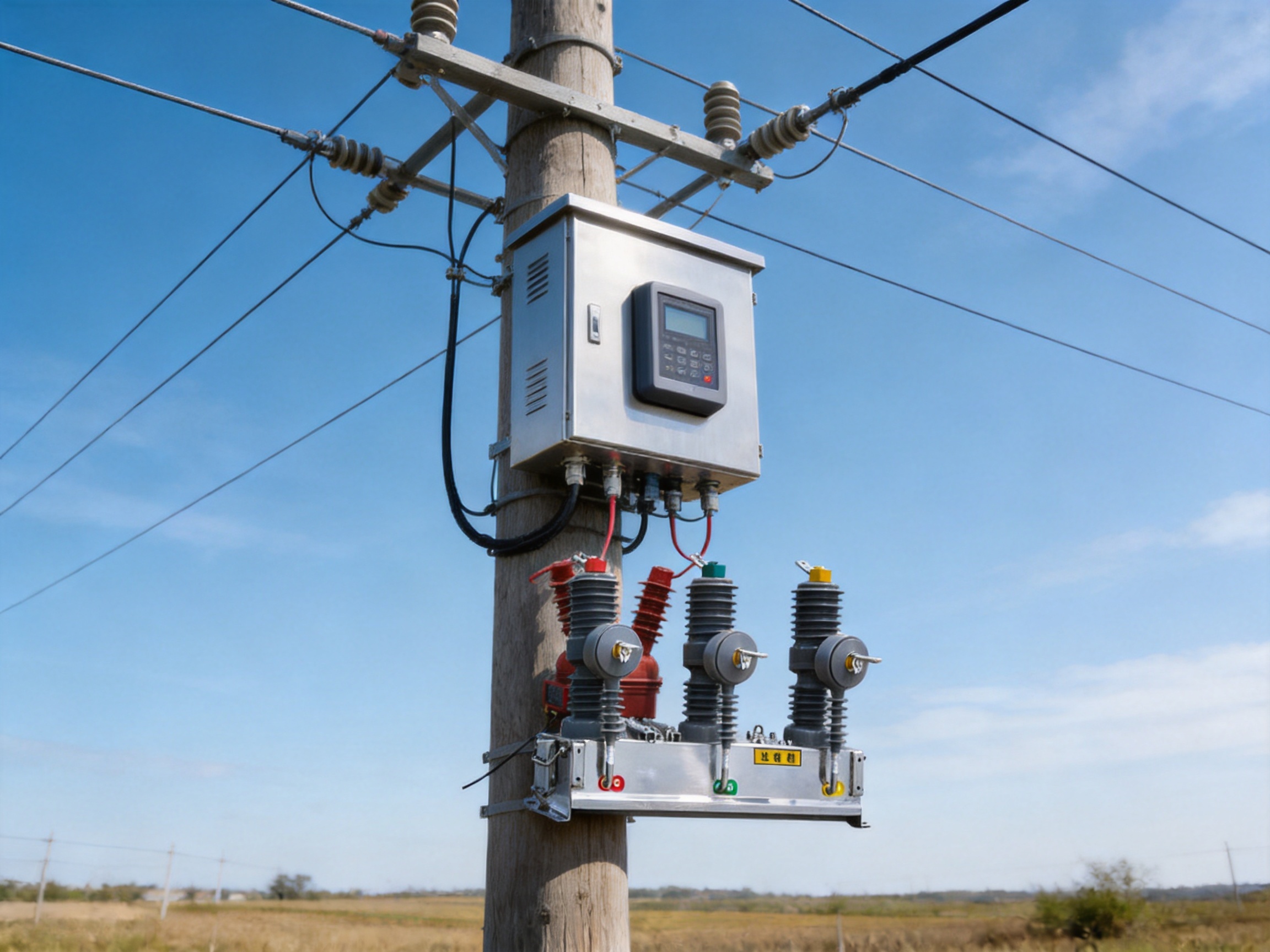
Outdoor medium-voltage equipment must remain reliable despite exposure to weather and pollution. The product generally uses a three-phase independent pole structure. This construction separates the three phases mechanically and electrically, helping prevent a fault in one phase from developing into a three-phase short circuit.
The enclosure is manufactured from corrosion-resistant materials such as S304 stainless steel. Stainless steel provides valuable protection in humid, coastal, industrial, and polluted environments. The enclosure protection level can reach IP67W. This indicates a design intended to resist dust ingress, water exposure, and weather-related conditions when installed and maintained correctly.
Protection against moisture is particularly important for outdoor intelligent equipment. Condensation can damage electronic components, reduce insulation performance, corrode connectors, and cause intermittent communication faults. The product’s sealed enclosure, insulated cables, and protected interfaces help reduce these risks. The design is intended for environments with relative humidity from 10% to 100% and an absolute humidity value of up to 35 g/m³ under the specified conditions.
The standard operating temperature range is listed as -25°C to +50°C, while the extreme temperature range is -40°C to +70°C. This broad range supports applications in cold northern climates, hot regions, and locations subject to rapid day-and-night temperature changes. The equipment is also designed for atmospheric pressure from 70 kPa to 106 kPa and altitudes below 3,000 meters, subject to confirmation for special applications.
The specified maximum wind speed is 35 m/s, the maximum ice coating thickness is 10 mm, and the solar radiation intensity is 1,000 W/m². The product is designed for pollution level E as stated in the technical information. Where actual site conditions exceed these values, the application should be reviewed with the manufacturer before ordering.
Some configurations have a total weight of no more than 130 kg. This lightweight characteristic is important for pole-mounted installation. Reducing weight can simplify lifting, support structure design, transportation, and installation in locations where access for large lifting equipment is restricted.
Environmental Operating Parameters
| Parameter | Specified Value |
|---|---|
| Normal temperature | -25°C to +50°C |
| Extreme temperature | -40°C to +70°C |
| Relative humidity | 10% to 100% |
| Absolute humidity | Up to 35 g/m³ |
| Atmospheric pressure | 70 kPa to 106 kPa |
| Altitude | Below 3,000 m |
| Solar radiation intensity | 1,000 W/m² |
| Maximum wind speed | 35 m/s |
| Maximum ice coating thickness | 10 mm |
| Pollution level | Level E |
5. Safety Through Insulation and Interlocking
Safety is a central consideration in the design of any medium-voltage switching product. The integrated circuit breaker uses epoxy resin solid insulation technology in its poles. This provides stable insulation performance and supports a compact construction. The design is associated with low partial discharge, with the product specification listing a partial discharge value of no more than 10 pC at 1.2Ur.
Solid insulation eliminates the need for oil insulation and avoids the use of sulfur hexafluoride gas. This reduces the number of fluid or gas management concerns during operation and maintenance. Vacuum interruption further separates the arc-extinguishing function from the external environment.
Mechanical interlocking helps prevent incorrect operation. For example, the disconnecting switch cannot be opened while the circuit breaker is closed. The disconnecting switch can only be operated after the circuit breaker has been opened. Such interlocking ensures that the disconnecting function is not used as a substitute for circuit interruption under load.
The availability of single-side or double-side disconnecting switch configurations provides additional flexibility. The correct configuration depends on the application, system topology, maintenance practice, and required isolation points. The disconnecting switch can help create a visible or mechanically defined isolation condition for maintenance personnel when used according to the applicable operating procedures.
Safety also depends on the relationship between mechanical design and control logic. A well-designed automation system must not only issue commands but also verify the actual state of the breaker, detect abnormal conditions, and prevent unauthorized or contradictory operations. The integrated equipment provides a foundation for this coordinated approach.
6. Technical Specifications
| Item | Unit | Value |
|---|---|---|
| Rated voltage | kV | 12 |
| Rated current | A | 630 |
| Rated frequency | Hz | 50 |
| Rated power frequency withstand voltage, phase-to-phase and phase-to-ground | kV | 42 |
| Rated power frequency withstand voltage, across breaker | kV | 48 |
| Rated lightning impulse withstand voltage, phase-to-phase and phase-to-ground | kV | 75 |
| Rated lightning impulse withstand voltage, across breaker | kV | 85 |
| Rated short-time withstand current | kA/s | 25/4 |
| Rated peak withstand current | kA | 63 |
| Rated short-circuit breaking current | kA | 25 |
| Mechanical life | Operations | 12,000 |
| Degree of protection | / | IP67W |
| Loop resistance | μΩ | ≤120 |
| Partial discharge at 1.2Ur | pC | ≤10 |
| Temperature rise test | / | 1.1Ir |
The listed mechanical life of 12,000 operations supports applications requiring repeated switching and automation. The loop resistance of no more than 120 μΩ helps limit conduction losses and temperature rise in the main circuit. The temperature rise test at 1.1Ir provides a reference for the product’s thermal performance under current-loading conditions.
The insulation ratings are also important. The rated power frequency withstand voltage is 42 kV between phases and to ground, and 48 kV across the breaker. The rated lightning impulse withstand voltage is 75 kV between phases and to ground, and 85 kV across the breaker. These values support the product’s role in overhead distribution systems exposed to switching surges and atmospheric transients.
7. Advantages Compared with Conventional Outdoor Switching Arrangements
One of the clearest advantages of this product is functional integration. Conventional outdoor arrangements may require a separate circuit breaker, a separate control cabinet, external measurement transformers, additional communication equipment, and multiple cable routes. Such systems can be effective, but they require careful coordination among several suppliers and may involve extensive site assembly.
The integrated product combines these functions in a coordinated design. This can reduce the number of separate equipment items, simplify transportation, and shorten installation time. It can also make the final installation more orderly and easier to inspect.
A second advantage is reduced field wiring. Factory-installed internal connections and standardized connectors limit the amount of termination work required at the installation site. Fewer field connections mean fewer opportunities for incorrect polarity, loose terminals, water ingress, or signal-channel confusion.
A third advantage is improved suitability for distribution automation. The circuit breaker is not limited to local manual switching. Its FTU, measurement channels, protection functions, communication modules, and motorized operating mechanism enable it to participate in automated feeder control. This is increasingly important as utilities seek to reduce average outage duration and improve service continuity.
A fourth advantage is the absence of oil and SF₆ gas. Oil-filled equipment can require fluid inspection and spill management, while SF₆ equipment requires special attention to gas handling and greenhouse-gas control. The described product uses air insulation, solid insulation, and vacuum arc interruption. This supports a cleaner equipment lifecycle and reduces environmental management requirements.
A fifth advantage is configuration flexibility. The selection of spring or permanent-magnet operating mechanisms, different transformer types and ratios, phase and zero-sequence current transformers, and multiple intelligent terminal series allows the same product platform to serve different network requirements.
A sixth advantage is expansion readiness. Reserved interfaces for temperature monitoring, partial discharge monitoring, and other intelligent sensors allow the equipment to develop with the distribution network. Utilities can begin with core protection and communication functions and later add condition-monitoring capabilities as operational requirements grow.
Compared with products designed only for switching, the integrated circuit breaker provides a more complete field-level automation node. Compared with large and complex indoor switchgear arrangements, it offers a more compact outdoor solution. Compared with equipment that relies on greenhouse gases, it provides an environmentally oriented alternative for medium-voltage applications.
8. Manufacturing Strengths and Engineering Approach
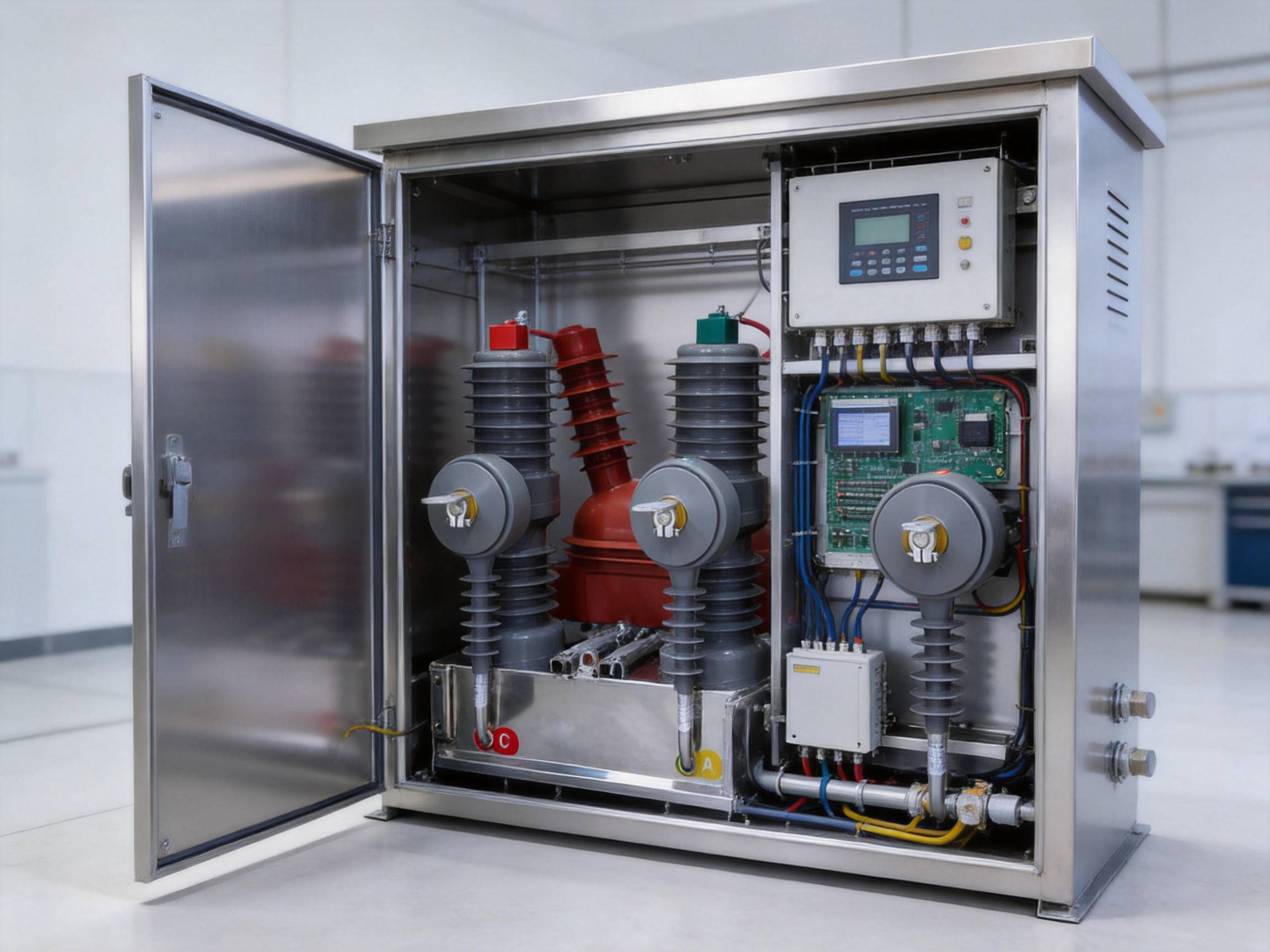
The performance of an integrated circuit breaker depends on more than the nameplate ratings. It also depends on the consistency of manufacturing, the accuracy of assembly, the reliability of interfaces, and the ability to coordinate high-voltage and electronic subsystems.
Wanma Technology was established in 1997 and has experience in communication cabinets, communication electronic equipment, passive optical components, and integrated network solutions. Its products are used in Ethernet networks, optical communication networks, central equipment rooms, high-speed railway systems, and urban rail transit applications. This background is relevant to an integrated distribution product because intelligent field equipment must manage both physical hardware and reliable information exchange.
The company develops, manufactures, and markets its own branded products while also providing customized integrated solutions. This combination supports a manufacturing model in which standard product platforms can be adapted to project-specific requirements. For circuit breaker applications, customization may involve transformer ratios, terminal selection, communication interfaces, operating mechanisms, monitoring functions, and installation arrangements.
Advanced manufacturing in this product category requires disciplined control of several processes. Metal enclosure fabrication must achieve accurate dimensions and durable corrosion protection. Insulation components must be formed and cured consistently. Vacuum interrupters and operating mechanisms must be assembled with suitable mechanical tolerances. Aviation connectors and insulated cables must be installed and verified according to standardized wiring requirements. Electronic modules must be protected against vibration, humidity, temperature variation, and electromagnetic interference.
The integrated product concept also benefits from factory-level system testing. Testing can verify the interaction between the circuit breaker, measurement transformers, FTU, control circuits, communication modules, and mechanical interlocks before the equipment reaches the installation site. This type of coordinated testing is more difficult to achieve when components are supplied separately and assembled by different parties in the field.
Manufacturing quality is especially important for outdoor equipment because field maintenance can be difficult and costly. A product installed on a remote distribution pole may require specialized personnel, traffic control, lifting equipment, and a planned outage for access. Factory consistency therefore contributes directly to lifecycle value.
The company’s international sales network, which covers more than 20 countries and regions, also provides experience in addressing different climate conditions, network practices, and project expectations. Applications in regions such as North America, Australia, the United Kingdom, Italy, South Africa, and Ghana may involve different environmental, regulatory, and system requirements. A supplier accustomed to international projects is better positioned to discuss site conditions and configuration details before production.
9. Environmentally Oriented Design
Environmental performance is becoming an important factor in medium-voltage equipment selection. The product uses an oil-free design and does not use SF₆ or other greenhouse gases for insulation or interruption. Its insulation system combines air insulation, epoxy resin solid insulation, and vacuum arc-extinguishing technology.
Eliminating oil reduces the risk of oil leakage and simplifies end-of-life handling. Avoiding SF₆ removes the need for greenhouse-gas recovery and specialized gas-management procedures. Vacuum interruption also provides a mature and widely adopted method for medium-voltage arc extinction.
The equipment uses lightweight and integrated design concepts to reduce the quantity of epoxy resin and ferromagnetic materials where practical. Lower material consumption can reduce transport weight, simplify installation, and decrease disposal pressure after decommissioning. These benefits support broader carbon-reduction objectives in distribution networks.
Environmental design should be evaluated across the full lifecycle. During manufacturing, material selection and process efficiency influence resource consumption. During transportation and installation, lower weight can reduce logistical requirements. During operation, the absence of oil and SF₆ can simplify maintenance. At the end of service, a product with fewer hazardous or specialized fluids can reduce disposal complexity.
The environmental advantages do not replace the need for correct operation and maintenance. Enclosures must remain properly sealed, connections must be inspected, and insulation performance must be monitored according to the service plan. Sustainable design delivers the greatest value when combined with disciplined asset management.
10. Applications in Smart Distribution Networks
The transition from conventional distribution systems to smart distribution networks requires field devices that can observe, decide, and act. The integrated outdoor circuit breaker is well suited to this transition because it combines measurement, protection, switching, and communication in one installation.
In a feeder sectionalizing application, several integrated circuit breakers can divide a long line into independently monitored sections. If a downstream fault occurs, the nearest device can trip or report the fault. The control system can then identify the likely faulted section and coordinate opening and closing commands to restore supply to unaffected customers.
At a normally open tie point, the equipment can support transfer operations between feeders. During an outage or maintenance event, the control system may use the tie point to energize a healthy section from an alternative source, provided that system operating conditions and protection coordination allow the transfer.
At a customer boundary, the circuit breaker can provide a clear operational interface between the utility and the customer. The device can detect customer-side faults, isolate the affected connection, and transmit information for faster investigation. This can help reduce unnecessary interruption of neighboring customers and clarify responsibility for fault events.
The equipment can also support condition monitoring. Reserved interfaces for temperature and partial discharge sensors provide a path toward predictive maintenance. Temperature data can identify abnormal heating caused by loose connections, overload, or environmental conditions. Partial discharge monitoring can provide information about insulation degradation when deployed with suitable sensors and diagnostic procedures.
Communication capability is central to these applications. Accurate measurements and reliable status reporting allow the control center to understand field conditions. Remote commands allow operators to respond without sending a crew to every switching point. Event information supports analysis after an outage and helps utilities improve protection settings and maintenance planning.
11. Installation and Project Planning Considerations
Successful deployment begins with accurate site information. Before ordering, users should confirm the system voltage, rated current, short-circuit level, frequency, grounding method, feeder configuration, pole structure, communication requirements, and available auxiliary power conditions.
Environmental conditions should be reviewed carefully. The stated standard limits include an altitude below 3,000 meters, a normal temperature range of -25°C to +50°C, and a maximum wind speed of 35 m/s. If the site has higher altitude, more severe pollution, extreme low temperatures, unusual solar exposure, heavier ice, or stronger wind, the manufacturer should be consulted during the specification stage.
The pole and mounting arrangement must be capable of supporting the equipment and the mechanical forces associated with switching and conductor loading. Clearance requirements, phase spacing, grounding, lightning protection, and access for operation and maintenance should be incorporated into the installation design.
Communication planning is equally important. The selected FTU and communication module should be compatible with the utility’s distribution automation architecture. Communication media, protocol requirements, cybersecurity policies, network coverage, and remote-control permissions should be confirmed before delivery.
Commissioning should include mechanical operation checks, insulation tests, interlock verification, transformer polarity and ratio checks, protection-function testing, communication testing, and remote-control verification. The exact test program should follow the applicable standards and project procedures.
12. Maintenance and Lifecycle Management
Vacuum circuit breakers generally require less routine maintenance than oil circuit breakers, but they are not maintenance-free. A lifecycle program should include visual inspections, enclosure checks, connector inspections, mechanism operation tests, protection-system verification, and monitoring of insulation and contact conditions.
Outdoor inspections should look for corrosion, water entry, damaged seals, contamination, loose mounting hardware, abnormal heating, and deterioration of external cables. The IP67W enclosure rating provides protection when the enclosure, covers, gaskets, and connectors remain in proper condition.
The operating mechanism should be checked for smooth manual and motorized operation. The mechanical interlocks should be tested to confirm that prohibited operations remain blocked. Any unusual operating noise, excessive operating time, or inconsistent indication should be investigated.
The FTU and communication system should be included in the maintenance program. Firmware, settings, event records, communication status, backup power condition, and remote-control permissions should be reviewed according to the utility’s procedures. Protection settings should be documented and controlled to prevent unauthorized changes.
Condition monitoring can extend the effectiveness of maintenance. Temperature measurement, partial discharge monitoring, operation counters, and fault records can help utilities move from fixed-interval maintenance toward condition-based strategies. The product’s reserved expansion interfaces can support this development.
13. Why Integrated Design Matters to Utilities and System Integrators
Utilities and system integrators often need to balance technical performance, installation time, lifecycle cost, and project risk. An integrated outdoor circuit breaker can reduce coordination effort by consolidating several functions into a factory-engineered unit.
For utilities, the main value is operational visibility and control. A feeder device that can measure, protect, communicate, and switch gives the distribution control system more information and more response options. This can improve outage management and support more efficient use of field crews.
For contractors and system integrators, the value includes simplified procurement, fewer interface points, and reduced field wiring. A coordinated product package can shorten the time required to install and test each feeder point. Standardized configurations can also support repeatable deployment across multiple substations or distribution regions.
For customers, the benefit is improved supply continuity and faster fault isolation. A device installed at a customer demarcation point can help prevent a fault on one connection from unnecessarily affecting adjacent customers. Automatic reclosing and remote operation can also reduce the duration of temporary interruptions.
For network planners, the flexible configuration options allow the equipment to support different feeder structures and future automation strategies. The product can be specified with different transformer arrangements, operating mechanisms, terminal series, and monitoring provisions.
14. Frequently Asked Questions
What type of electrical network is this circuit breaker designed for?
The product is designed primarily for 12 kV overhead distribution lines operating at 50 Hz. It is suitable for feeder sectionalizing, tie connections, customer demarcation, and distribution automation applications.
What is the rated current?
The rated current is 630 A. The product has a rated short-circuit breaking current of 25 kA and a rated peak withstand current of 63 kA.
What does the primary and secondary integrated design mean?
The primary side contains the high-voltage switching and sensing components, including the vacuum circuit breaker, current transformers, voltage transformers, and optional disconnecting switches. The secondary side contains the FTU with metering, protection, control, and communication functions. These sections are supplied as one coordinated equipment system.
Does the circuit breaker support remote operation?
Yes. With the motorized operating mechanism and FTU, the circuit breaker can support remote opening and closing, status reporting, measurement transmission, protection operations, and communication with a distribution automation system.
Can the device operate manually?
Yes. Manual operation is available for local control, commissioning, maintenance, and situations in which remote communication is unavailable.
What operating mechanisms are available?
The mechanism can be selected as a spring-operated type or a permanent-magnet type. The appropriate choice depends on the project’s operating requirements and control-system design.
Does the product use oil or SF₆ gas?
No. The product uses air insulation, epoxy resin solid insulation, and vacuum arc-extinguishing technology. It is designed without oil or SF₆ greenhouse gas.
What protection level does the enclosure provide?
The listed degree of protection is IP67W. The enclosure is manufactured from corrosion-resistant materials such as S304 stainless steel and is designed for demanding outdoor conditions.
Can it be used in cold or hot regions?
The normal operating temperature range is -25°C to +50°C, with an extreme temperature range of -40°C to +70°C. Sites outside the stated conditions should be reviewed with the manufacturer before ordering.
Can the product be installed at high altitude?
The listed altitude limit is below 3,000 meters. Higher-altitude applications may require technical evaluation and configuration adjustments, so users should consult the manufacturer during project planning.
What is the mechanical life?
The specified mechanical life is 12,000 operations.
Can additional monitoring sensors be added later?
Reserved interfaces are available for expansion functions such as temperature monitoring and partial discharge monitoring. The final expansion capability depends on the selected configuration and project requirements.
What should be confirmed before ordering?
Users should confirm the system voltage, rated current, short-circuit level, frequency, transformer type and ratio, operating mechanism, disconnecting-switch arrangement, FTU series, communication method, environmental conditions, altitude, pole structure, and required monitoring functions.
15. Conclusion
The primary and secondary integrated outdoor high-voltage AC vacuum circuit breaker provides a comprehensive solution for modern 12 kV distribution networks. By combining vacuum interruption, measurement, protection, motorized operation, communication, and automation functions, it transforms a conventional pole-mounted switch into an intelligent field device.
Its major strengths include a 630 A rated current, 25 kA short-circuit breaking capability, 12,000-operation mechanical life, IP67W outdoor protection, solid insulation, mechanical interlocking, automatic reclosing, flexible transformer configuration, and compatibility with multiple intelligent terminal options.
The product also offers practical advantages over conventional arrangements that rely on separate switching, measurement, control, and communication equipment. Factory-integrated wiring, standardized connectors, a compact structure, and expansion interfaces can reduce installation risk and simplify future upgrades.
Its oil-free and SF₆-free design supports environmentally responsible equipment selection, while the use of vacuum interruption and solid insulation provides a reliable technology base for medium-voltage operation. The product’s adaptability to harsh outdoor conditions makes it suitable for a wide range of distribution environments, subject to site confirmation and proper installation.
Wanma Technology’s experience in communication equipment, electronic systems, cabinets, passive optical components, and customized integrated solutions supports the development of products that combine electrical hardware with intelligent networking. Its international project experience and focus on quality, delivery, and long-term customer relationships further strengthen its position as a supplier for network modernization and intelligent infrastructure projects.
For utilities, contractors, and system integrators seeking a compact and intelligent outdoor switching solution, this integrated circuit breaker offers a practical path toward improved fault management, stronger operational visibility, reduced field wiring, and more flexible distribution automation.
References
1. Product technical information for the ZW□-12/T630-25 outdoor high-voltage AC vacuum circuit breaker, including rated performance and environmental operating conditions.
2. Manufacturer-provided product overview covering primary switching components, FTU functions, mechanical interlocking, automatic reclosing, and configuration options.
3. Manufacturer-provided company profile describing communication equipment, electronic systems, passive optical components, customized solutions, and international market experience.
4. General principles of medium-voltage vacuum circuit breaker design and distribution automation engineering.
5. General principles of outdoor switchgear insulation coordination, enclosure protection, mechanical interlocking, and environmental qualification.
6. General principles of lifecycle management for intelligent distribution equipment, including condition monitoring, remote control, and preventive maintenance.
Product: Primary and Secondary Integrated Outdoor High-Voltage AC Vacuum Circuit Breaker
PREV:Liquid-Cooled Data Centers: High-Density Computing Infrastructure for Efficient, Reliable, and Sustainable Performance
NEXT:RFID-Enabled Hand Hygiene Compliance Management for Smarter Hospital Infection Control
NEXT:RFID-Enabled Hand Hygiene Compliance Management for Smarter Hospital Infection Control
Interested in cooperation or have questions?
Related products
-
-
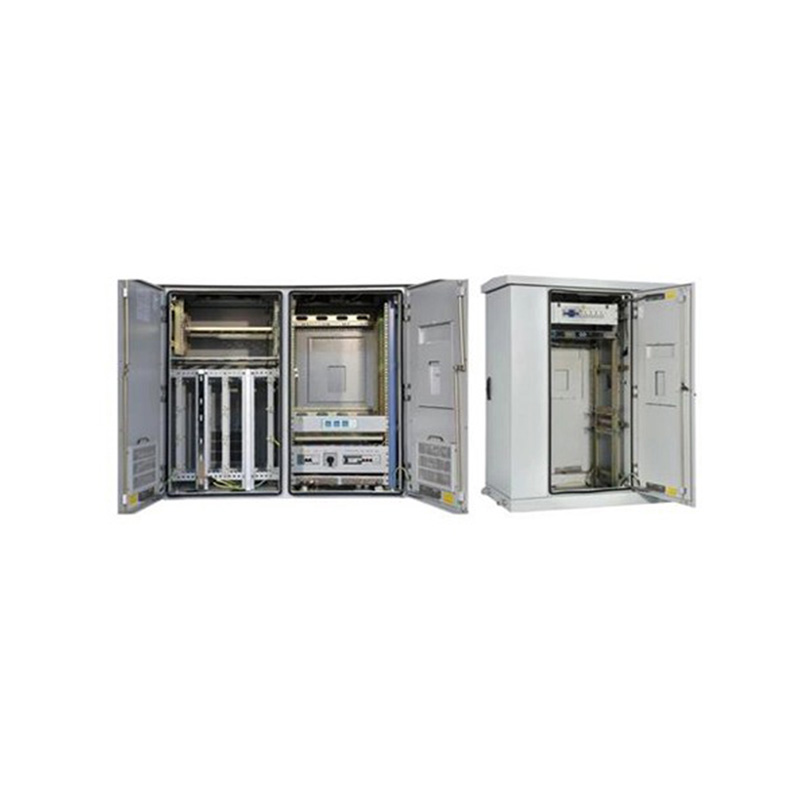
Application:It is used for the fixed network and broadband access, providing physical working environment and security system for the workstation in wired network. Features:•The cabinet is composed of...
See Details -
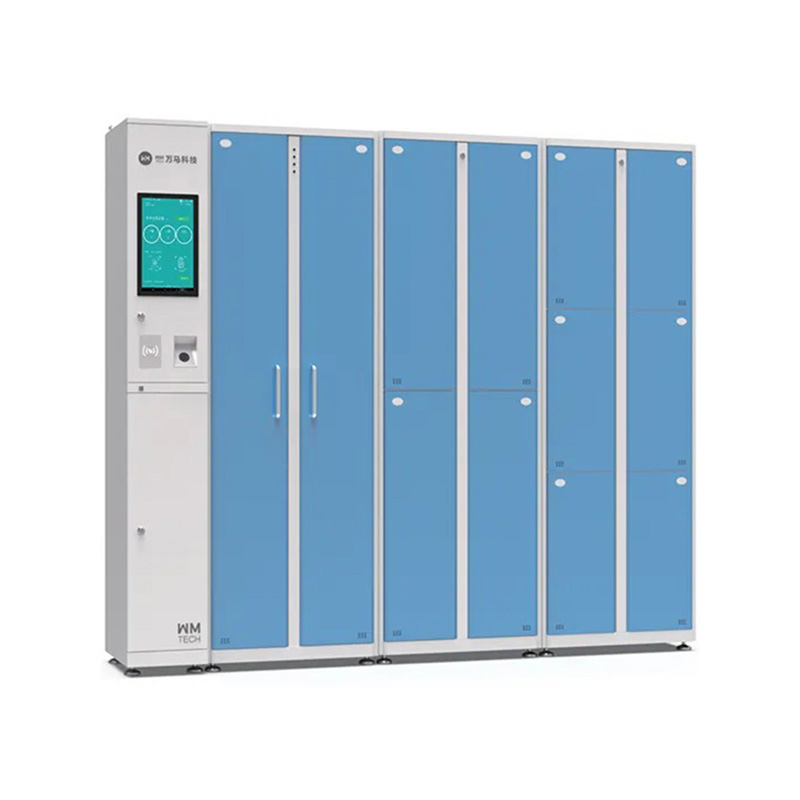
Product DefinitionThe Intelligent Locker is a smart medical supplies and personal items management system developed based on IoT and biometric technologies. Integrating multiple authentication methods...
See Details -
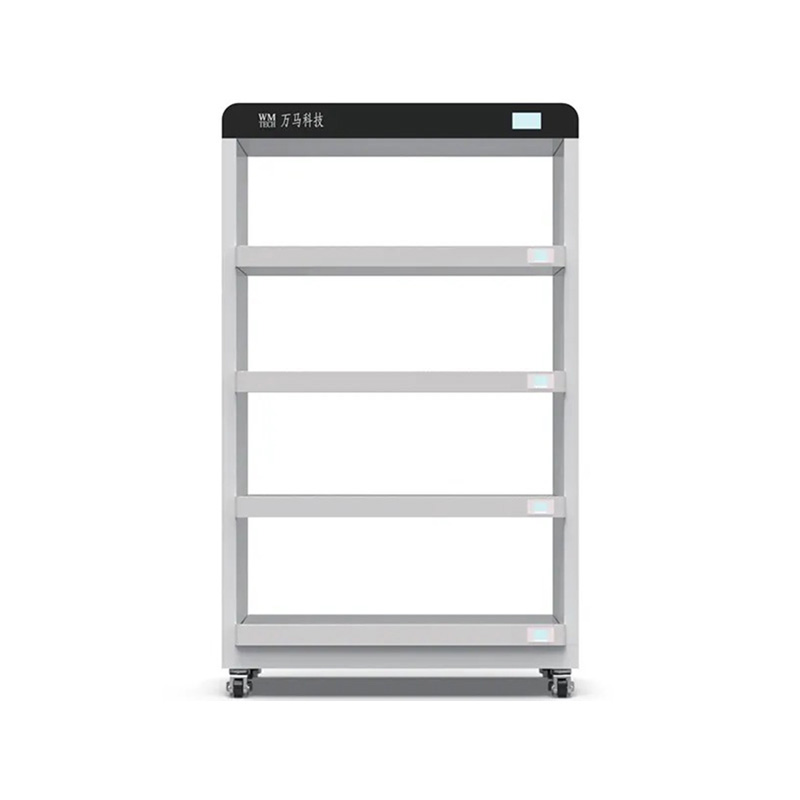
Product Definition:Intelligent Shelves are a smart warehouse management unit that integrates dynamic sensing, real-time display, and precise positioning. By leveraging advanced sensor technology, they...
See Details
Ready to Get started ? Contact Us Now !

Product.
Contact Details.
-
 +86 13958188250
-
 +86 13958188250
-
 [email protected]
-
 AUDIT Email:[email protected]
- Wanma Industrial Park Taihu Yuan Town Lin'an District Hangzhou City China.
QR Code

Copyright © Wanma Technology Co., Ltd. All Rights Reserved.
Privacy
Custom Ethernet Optical Network Railway Transit Equipments Suppliers
