

 English
 Français
 Español
 Português
 عربى



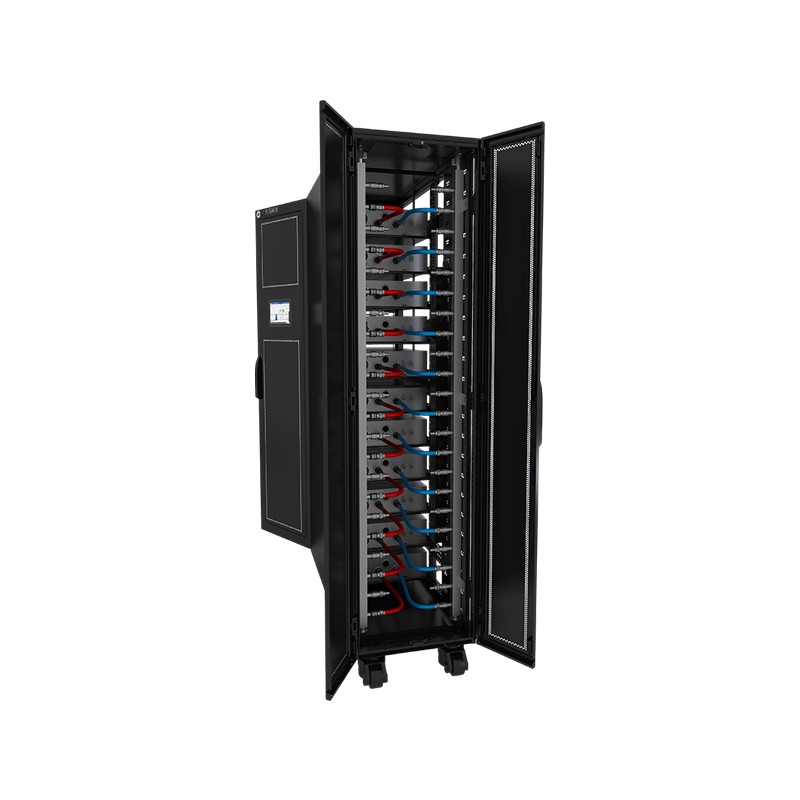
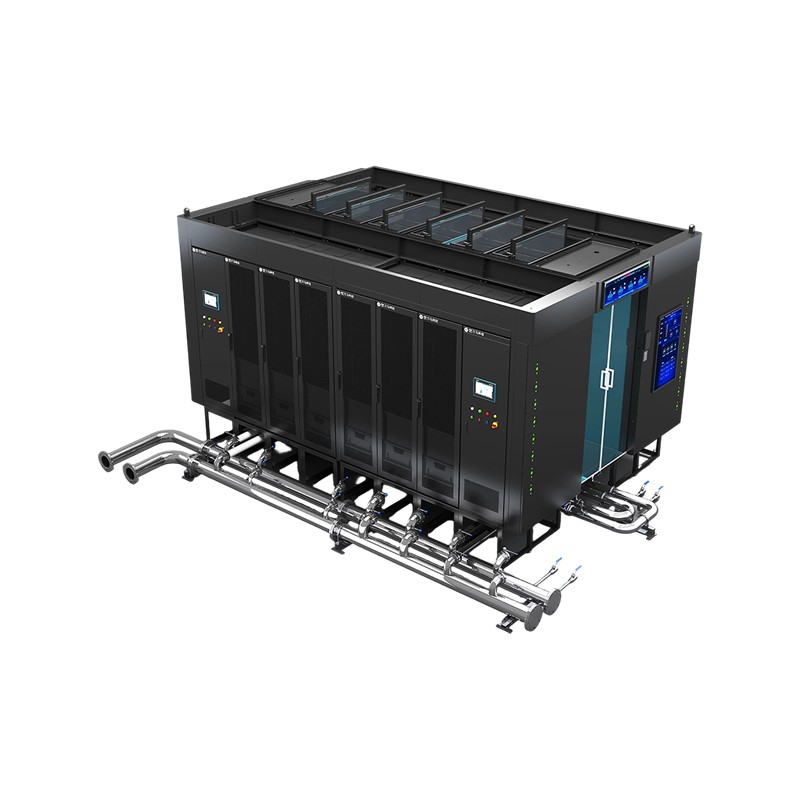
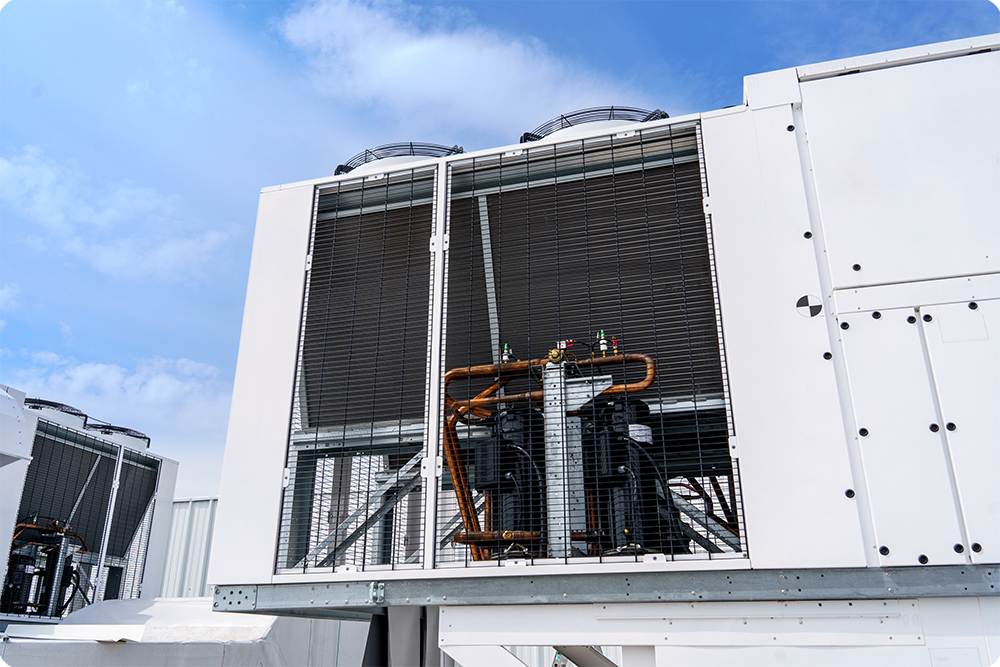

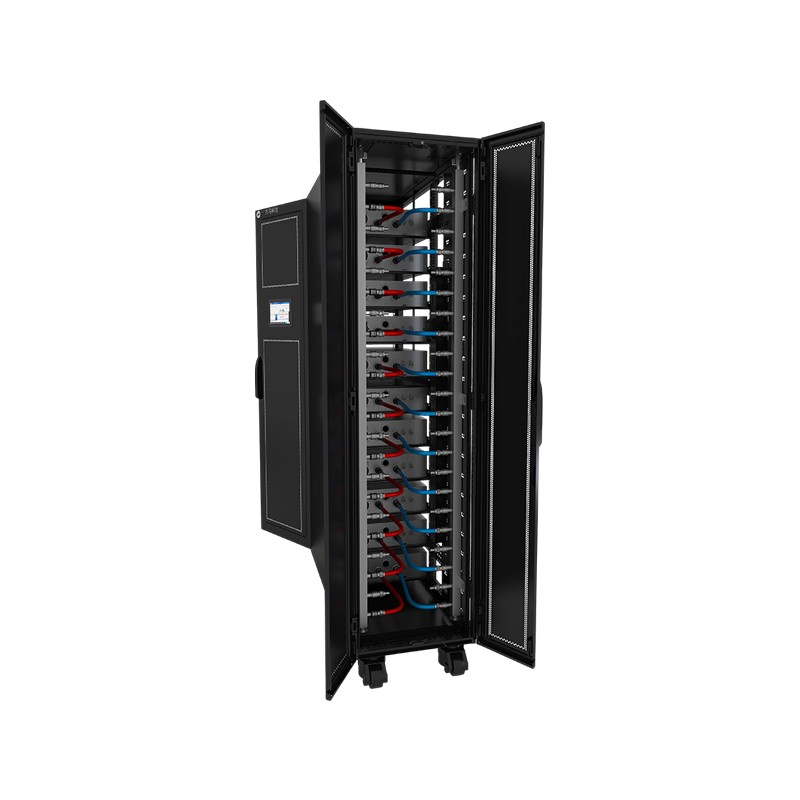
Product OverviewWM-LCR Liquid-Cooled Server Cabinet is a dedicated data center cabinet system that uses liquid as the cooling medium. Through circulating coolant, it efficiently transfers heat generat...
See DetailsLiquid-Cooled Data Centers: High-Density Computing Infrastructure for Efficient, Reliable, and Sustainable Performance
Content
- 1 1. The Changing Requirements of Modern Computing
- 2 2. Product Definition and System Concept
- 3 3. Core Advantage: Exceptional Heat Dissipation
- 4 4. Energy Efficiency and the Pursuit of Lower PUE
- 5 5. Zero-Noise and Improved Working Environments
- 6 6. Reliability and Availability Advantages
- 7 7. Space Utilization and High-Density Deployment
- 8 8. Manufacturing Strength and Engineering Capabilities
- 9 9. Comparison with Conventional Air-Cooled Data Centers
- 10 10. Application in Artificial Intelligence Training
- 11 11. Application in High-Performance Computing
- 12 12. Application in Cryptocurrency Mining
- 13 13. Application in Telecommunications and Central Equipment Rooms
- 14 14. Application in Transportation and Rail Transit Systems
- 15 15. Product Implementation and Project Planning
- 16 16. Monitoring, Maintenance, and Lifecycle Management
- 17 17. Sustainability and Green Computing
- 18 18. Why Manufacturing Experience Matters to Buyers
- 19 19. A Practical Competitive Position
- 20 20. Selection Considerations for Customers
- 21 21. Questions and Answers
- 21.1 Q1: What is a liquid-cooled data center?
- 21.2 Q2: Why is liquid cooling important for AI and HPC?
- 21.3 Q3: Can liquid cooling reduce energy consumption?
- 21.4 Q4: Does liquid cooling eliminate noise?
- 21.5 Q5: Is liquid cooling more reliable than air cooling?
- 21.6 Q6: Can the solution be customized?
- 21.7 Q7: Which industries can use this product?
- 21.8 Q8: Is the system suitable for existing data centers?
- 21.9 Q9: What manufacturing strengths support the product?
- 21.10 Q10: How should customers begin a project discussion?
- 22 22. Conclusion
- 23 References
- 24 Product: Liquid-Cooled Data Center
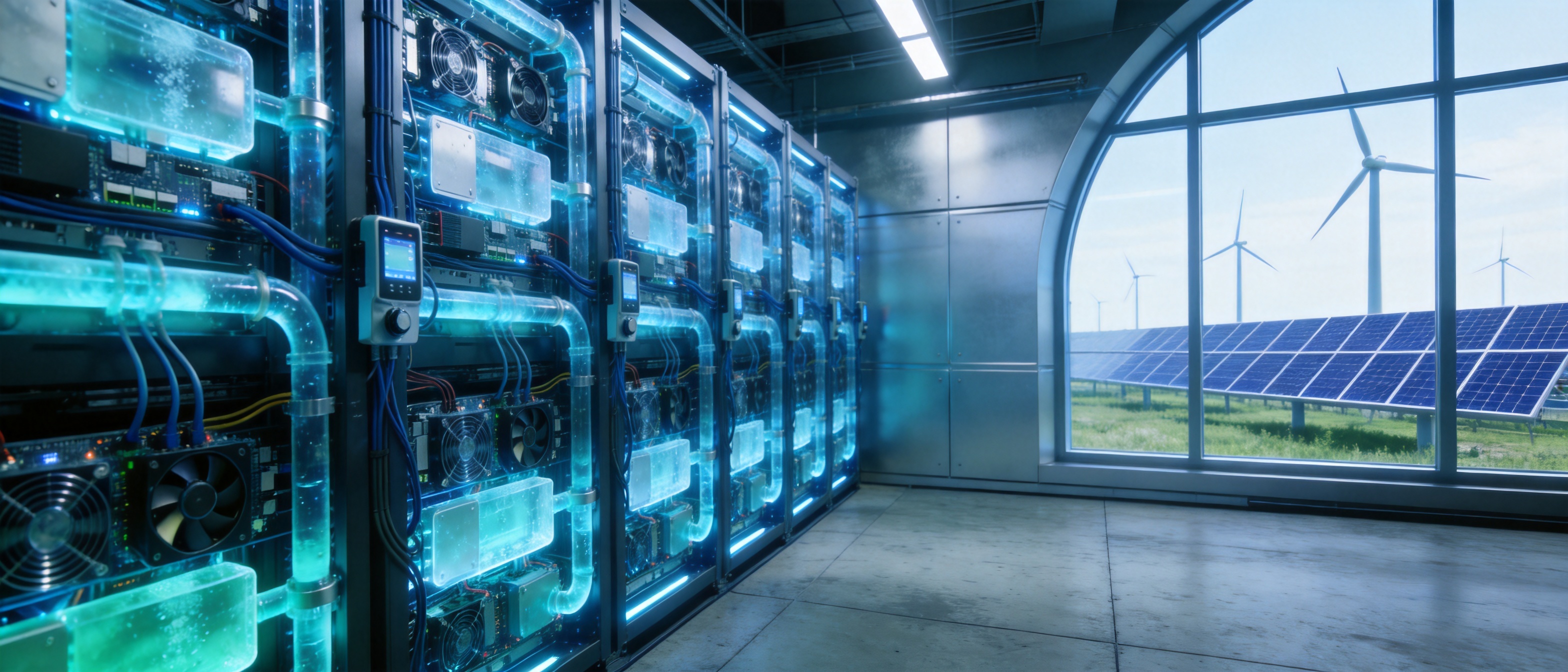
As artificial intelligence, high-performance computing, advanced simulation, and digital services continue to expand, data center operators are facing a fundamental infrastructure challenge: conventional air cooling is becoming increasingly difficult to apply to modern, high-density computing equipment. Powerful CPUs, GPUs, accelerators, storage systems, and networking devices generate substantially more heat than earlier generations of IT hardware. At the same time, operators must control energy consumption, reduce operational noise, improve reliability, and make better use of limited floor space.
The liquid-cooled data center addresses these challenges by using liquid as the primary cooling medium. Instead of depending mainly on large quantities of moving air, the solution transfers heat directly from high-power computing equipment into a liquid cooling system. This approach provides more precise thermal management, supports higher equipment density, and creates a more efficient foundation for demanding computing applications.
Wanma Technology Co., Ltd. combines experience in communication cabinets, communication electronic equipment, passive optical components, and integrated infrastructure solutions with a product strategy focused on the changing needs of modern data centers. Established in 1997, the company develops, manufactures, and markets its own products while also providing customized solutions. Its experience in equipment cabinets, central equipment rooms, optical communication networks, Ethernet networks, rail transit systems, and other demanding environments provides a practical foundation for delivering reliable infrastructure for liquid-cooled computing.
1. The Changing Requirements of Modern Computing
Data centers are no longer designed only around traditional enterprise servers. The rapid growth of artificial intelligence training, machine learning inference, scientific research, financial modeling, engineering simulation, and high-performance visualization has created a new class of computing workloads. These applications often use large numbers of GPUs or specialized accelerators operating at high utilization for extended periods.
High utilization means high heat generation. A processor that operates occasionally at moderate power presents a different cooling requirement from a large group of accelerators running continuously under heavy computational loads. When heat cannot be removed quickly and consistently, equipment may reduce its operating frequency, experience shorter service life, or become more vulnerable to unexpected failure.
Traditional air cooling remains useful for many data center applications, but its limitations become more visible as rack power increases. Air has relatively low heat capacity and low thermal conductivity compared with many liquid cooling media. Removing heat through air therefore requires substantial airflow, large fans, carefully controlled room conditions, and sufficient space around the equipment. These requirements increase energy consumption and may limit the number of high-power systems that can be installed in a given area.
Liquid cooling offers a different design philosophy. The cooling medium is brought much closer to the primary heat sources, allowing heat to be captured where it is generated. This reduces the dependence on long air paths and high-speed fans. It also allows data center designers to consider higher power density, more localized cooling, and more efficient thermal control.
2. Product Definition and System Concept
The liquid-cooled data center is a new-generation data center solution that uses liquid as the core cooling medium. It is designed to provide precise and highly efficient heat dissipation for high-density computing equipment, including systems equipped with ultra-high-power CPUs and GPUs.
The product is not simply a cooling unit added to an existing server room. It is an infrastructure concept in which the cooling method, equipment arrangement, cabinet design, heat transfer path, operating environment, and maintenance strategy are considered as parts of one coordinated system. This integrated approach is important because cooling performance depends not only on the cooling medium but also on how the equipment, cabinets, circulation paths, monitoring systems, and supporting infrastructure are designed together.
In a liquid-cooled environment, heat generated by processors and other high-power components is transferred into the liquid through a direct or closely coupled thermal interface. The heated liquid then moves through a controlled circulation path, where the heat is rejected through an appropriate heat exchange process. The cooled liquid is returned to the equipment to repeat the cycle.
The result is a compact and targeted heat removal process. Rather than conditioning the entire room to remove heat from every server, the system focuses cooling capacity on the components that generate the most heat. This makes the infrastructure particularly suitable for high-performance computing environments where a small number of racks or systems may consume a large amount of power.
3. Core Advantage: Exceptional Heat Dissipation
The most important advantage of liquid cooling is its ability to manage heat more effectively than traditional air cooling in high-density environments. Liquid can absorb and transport substantial amounts of heat while maintaining a controlled flow through the system. Because the cooling medium is placed near the heat source, the thermal path can be shorter and more direct.
This capability is especially valuable for modern CPUs and GPUs. These components often operate at high power levels and can produce concentrated heat loads. In an air-cooled system, the heat must first be transferred to the surrounding air, moved through the server, extracted from the rack, and finally removed from the room. Each stage introduces thermal resistance and may require additional airflow.
A liquid-cooled architecture reduces these constraints by collecting heat closer to the processor or other heat-generating component. Better heat transfer can help maintain more stable operating temperatures, allowing computing equipment to sustain demanding workloads for longer periods. It also supports the deployment of equipment that may be difficult to cool effectively with conventional methods.
For operators, the practical benefits can include improved computing consistency, greater rack density, better utilization of expensive hardware, and more flexibility when planning future capacity. Liquid cooling does not eliminate the need for careful engineering, but it gives designers a more capable thermal management tool for high-power computing.
Support for Ultra-High-Power CPUs and GPUs
AI training and HPC workloads often run processors at sustained high utilization. These workloads may involve large neural network models, complex scientific calculations, real-time rendering, weather modeling, molecular analysis, or financial risk calculations. In these applications, a thermal system must be capable of handling continuous heat generation rather than short-term peaks only.
The liquid-cooled data center is designed to support this type of operating profile. By transferring heat directly and efficiently, it helps create a stable thermal environment for high-performance processors. Stable temperature control can be particularly important when applications run for many hours or days without interruption.
Compared with conventional air-cooled infrastructure, the liquid-cooled approach is better positioned for future increases in chip power density. As processor manufacturers release more powerful devices, cooling systems must evolve accordingly. A liquid-based solution offers greater thermal headroom and reduces the risk that cooling capacity will become the main limitation on computing performance.
4. Energy Efficiency and the Pursuit of Lower PUE
Energy efficiency is one of the defining issues in data center design. A facility does not consume power only for computing. Electricity is also required for cooling, power distribution, lighting, monitoring, ventilation, and other support systems. Power Usage Effectiveness, commonly known as PUE, is used to compare total facility energy consumption with the energy consumed by IT equipment.
A lower PUE indicates that a greater proportion of the facility’s energy is being delivered directly to computing equipment. The liquid-cooled data center is designed to help PUE approach the theoretical limit of 1.0 by reducing the energy required for heat removal and supporting equipment.
Traditional air cooling can require substantial power for fans, air handling units, chillers, and other systems used to move and condition air. When computing density increases, airflow requirements can rise significantly. Liquid cooling reduces dependence on high-volume air movement and may therefore reduce the energy consumed by fans and air-conditioning systems.
The actual PUE achieved by any data center depends on climate, facility design, operating load, cooling architecture, heat rejection equipment, control strategy, and many other factors. Nevertheless, the product’s liquid-centered design provides a strong foundation for reducing cooling overhead. Lower cooling energy can lead to lower operating costs and a smaller environmental footprint.
Reducing Energy Waste at the Source
One of the advantages of targeted liquid cooling is that it concentrates cooling where it is needed. In an air-cooled facility, large volumes of air may be conditioned even when only a portion of the equipment is generating a particularly high heat load. Liquid cooling can make the cooling response more closely aligned with the actual thermal demand of high-power components.
This targeted approach may also support more effective control strategies. Cooling flow, temperature, and heat exchange can be managed according to equipment requirements. When combined with appropriate monitoring and system controls, this can reduce unnecessary operation and improve the relationship between computing load and cooling energy.
Energy savings are important not only for operating budgets but also for sustainability objectives. Large data centers can consume substantial amounts of electricity, and reducing cooling overhead can contribute to lower emissions when electricity is generated from carbon-intensive sources. Liquid cooling therefore supports both economic efficiency and the broader transition toward greener computing infrastructure.
5. Zero-Noise and Improved Working Environments
Noise is an often-overlooked aspect of data center design. Traditional servers and cooling systems may use multiple high-speed fans. When hundreds or thousands of fans operate simultaneously, the result can be a continuous high-noise environment. This may affect personnel working near the equipment and may require additional acoustic isolation.
The liquid-cooled data center significantly reduces dependence on high-speed cooling fans. Because liquid makes direct or closely coupled contact with the heat sources, heat can be removed without relying on large volumes of rapidly moving air. This creates the possibility of a near-zero-noise or zero-noise operating environment in the cooling path.
A quieter environment can improve workplace comfort and may simplify facility planning. Technicians can communicate more easily during inspections, and the need for extensive sound-control measures may be reduced. For specialized laboratories, research centers, office-adjacent computing rooms, and other locations where noise is a concern, this advantage can be especially valuable.
Noise reduction also reflects a broader design benefit: fewer high-speed moving components. Fans are not the only potential source of sound, but minimizing them can make the system more comfortable and less mechanically complex.
6. Reliability and Availability Advantages
Reliability is essential for data centers because an interruption can affect business operations, research programs, digital services, and customer applications. Cooling failure is a serious risk. If heat accumulates faster than it can be removed, processors may throttle, systems may shut down, and equipment may suffer long-term damage.
The liquid-cooled data center improves the reliability foundation by reducing the number of mechanical points associated with fan-based cooling. A fanless or substantially fan-reduced design eliminates a class of components that can wear out, collect dust, generate vibration, or fail unexpectedly.
Removing mechanical points of failure does not mean that liquid cooling requires no maintenance. Pumps, valves, seals, heat exchangers, sensors, control systems, and fluid circulation paths must still be designed and maintained properly. However, the system shifts the reliability focus from a large population of individual fans to a controlled liquid circulation architecture that can be monitored and managed as an integrated system.
A well-designed liquid cooling system can support predictable thermal performance, stable operating conditions, and improved equipment availability. It may also reduce thermal cycling, which can place stress on electronic components over time. Consistent temperature control can therefore support longer and more dependable operation.
Reliability Through Design Integration
Reliability begins before installation. It is influenced by material selection, mechanical structure, connection quality, fluid compatibility, manufacturing consistency, inspection procedures, system testing, and service planning. For this reason, the manufacturer’s experience in communication equipment and infrastructure products is important.
Wanma Technology has operated in the communications and infrastructure field since 1997. Its product experience includes communication cabinets, communication electronic equipment, passive optical components, and equipment used in central rooms, Ethernet networks, optical communication networks, national high-speed railways, and urban rail transit systems. These applications require attention to structural quality, environmental conditions, installation efficiency, and long-term operation.
That background can be applied to liquid-cooled data center development through disciplined cabinet design, organized equipment integration, careful protection of internal components, and a focus on maintainable infrastructure. The company’s ability to develop and manufacture its own branded products also supports closer control over product consistency and design coordination.
7. Space Utilization and High-Density Deployment
Real estate, electrical capacity, and cooling capacity are major constraints in modern data center projects. Operators want to increase computing capability without expanding the building footprint unnecessarily. High-density liquid cooling can help address this requirement.
Because liquid removes heat more efficiently than air, more computing power can potentially be installed in a smaller physical area. The exact density depends on the equipment, cooling architecture, power distribution, and facility design, but the basic principle is clear: when heat can be managed more effectively, the same floor area can support more computational output.
The reduction in large airflow requirements may also create more flexibility in equipment arrangement. Designers may be able to reduce the size of air-handling spaces or use the available room more efficiently. In addition, eliminating or reducing large fan assemblies can free valuable internal space within equipment systems.
Space efficiency is especially important in urban locations, research institutions, financial facilities, telecommunications facilities, and existing buildings where expansion is difficult. A liquid-cooled solution can support modernization without requiring a complete redesign of the surrounding property.
8. Manufacturing Strength and Engineering Capabilities
A high-performance cooling concept must be supported by consistent manufacturing. Liquid-cooled data centers include structural cabinets, cooling interfaces, circulation components, monitoring equipment, electrical interfaces, and other integrated parts. Manufacturing quality affects thermal performance, safety, serviceability, and long-term reliability.
Wanma Technology’s manufacturing strength is based on its long-term specialization in communication cabinets, communication electronic equipment, and passive optical components. The company develops, manufactures, and markets its own branded products, allowing product design and production experience to inform one another. This model supports practical engineering improvements based on manufacturing feedback and customer requirements.
Cabinet and Structural Manufacturing
The cabinet is more than an enclosure. It provides mechanical support, protects internal components, organizes equipment, and contributes to installation and maintenance efficiency. In a liquid-cooled data center, the cabinet must also accommodate cooling interfaces, circulation paths, monitoring devices, cable management, and service access.
Manufacturing precision is important because misalignment, poor fit, inadequate support, or weak interfaces can complicate installation and reduce system reliability. A structured cabinet manufacturing process helps ensure that equipment can be assembled consistently and that access points remain clear for inspection and maintenance.
Experience with communication cabinets is relevant because communication infrastructure often requires dense equipment arrangement, organized cabling, long-term operation, and compatibility with central equipment room environments. These requirements are closely related to the practical needs of modern data center infrastructure.
Integrated Product Development
Liquid cooling is most effective when the cooling system and equipment environment are developed together. A manufacturer that can coordinate cabinet design, electronic equipment, passive components, and customized infrastructure has the ability to reduce compatibility problems between separate suppliers.
Wanma Technology provides integrated solutions for customized products. This capability is important for customers whose facilities have special requirements relating to dimensions, equipment arrangement, communication interfaces, installation conditions, or operating environments. Rather than treating every project as a standard installation, an integrated approach can adapt the product architecture to the customer’s actual application.
Customized development may include cabinet dimensions, internal layout, cable routing, thermal interfaces, monitoring requirements, access arrangements, and project-specific integration. The precise configuration should be confirmed during technical consultation, but the company’s established approach provides a foundation for project-oriented implementation.
Manufacturing Consistency and Quality Control
Liquid systems require careful control of interfaces and connections. The circulation path must be designed to minimize the risk of leakage, flow restriction, contamination, or inconsistent thermal performance. Structural parts must be assembled accurately, and electronic monitoring components must be integrated in a way that supports dependable operation.
Manufacturing consistency helps ensure that products delivered at different times or to different regions maintain compatible performance characteristics. It also supports easier installation, replacement, and service. Standardized processes can reduce variation while customized engineering can address individual project needs.
The company’s long history in communication infrastructure reflects an emphasis on product quality, delivery timeliness, and long-term customer relationships. These strengths are significant in data center projects, where infrastructure may remain in service for many years and where replacement or redesign can be costly.
9. Comparison with Conventional Air-Cooled Data Centers
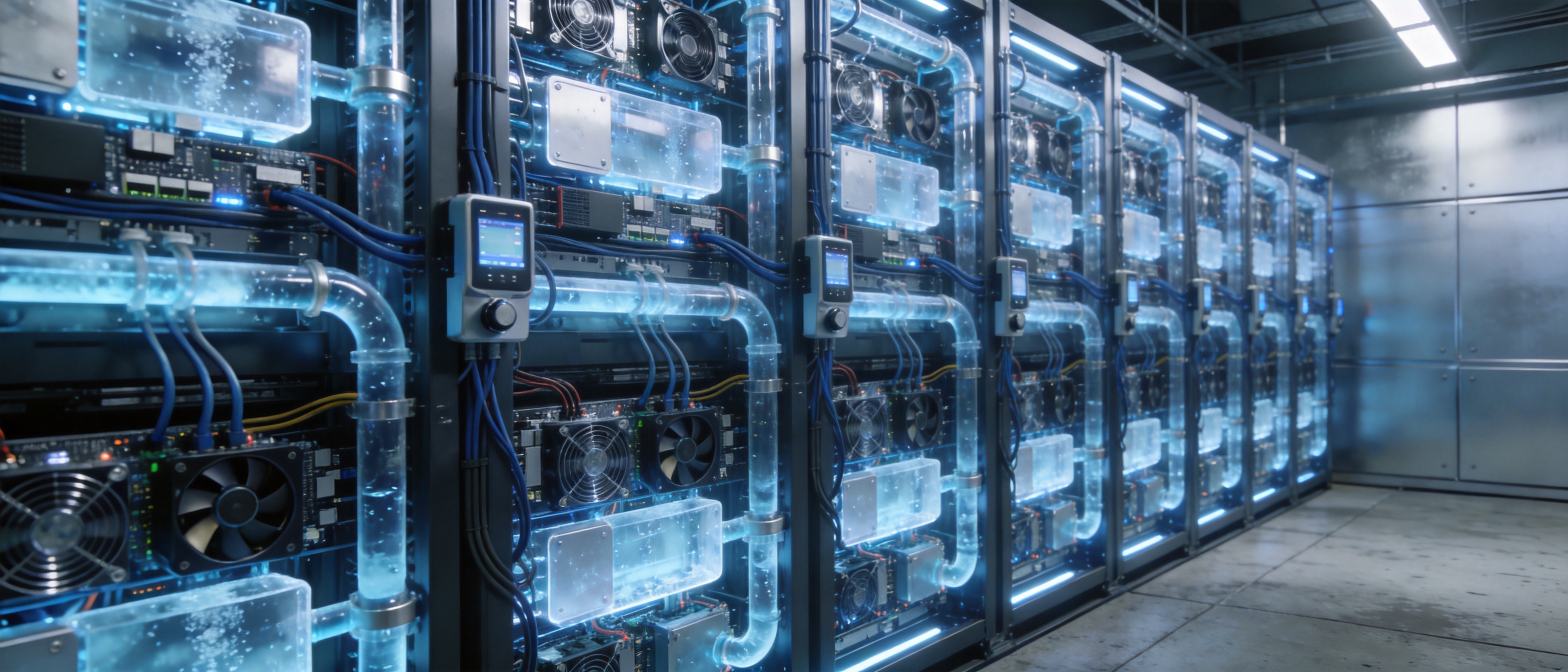
Liquid cooling and air cooling are not identical solutions competing under every condition. Air cooling remains appropriate for many standard-density applications and may be simpler for facilities with moderate thermal loads. However, as computing density increases, liquid cooling provides several important advantages.
| Evaluation Area | Liquid-Cooled Data Center | Traditional Air-Cooled Approach |
|---|---|---|
| Heat transfer | Transfers heat close to high-power components through liquid circulation | Transfers heat into air and relies on airflow through equipment and rooms |
| High-density computing | Well suited to concentrated CPU and GPU workloads | May require greater airflow and more complex thermal management at high density |
| Cooling energy | Can reduce dependence on high-speed fans and extensive air conditioning | May require significant fan, air-handling, and conditioning power |
| Noise | Supports fanless or fan-reduced operation and a quieter environment | Multiple fans and air-handling systems can create continuous noise |
| Space utilization | Supports compact, targeted cooling for high-power equipment | Requires air paths, clearance, and room-level airflow management |
| Reliability focus | Reduces fan-related failure points while requiring liquid system management | Uses familiar air systems but includes many fans and moving components |
| Future scalability | Provides greater thermal headroom for increasing processor power | May require major airflow and facility upgrades as power density rises |
The most important competitive distinction is not that liquid cooling replaces every form of air cooling. Instead, it provides a stronger solution for applications where air cooling becomes inefficient, noisy, space-intensive, or unable to maintain stable temperatures. It is particularly advantageous when computational performance is limited by thermal conditions rather than by processor availability.
Liquid cooling can also coexist with air cooling in hybrid environments. Some equipment may use liquid cooling for primary heat sources while lower-power components continue to exchange heat with air. This allows operators to match the cooling method to the thermal characteristics of each system.
10. Application in Artificial Intelligence Training
Artificial intelligence training requires substantial computing resources. Large models may involve many GPUs or specialized accelerators operating at high utilization for extended periods. Training jobs can last for hours, days, or longer, and interruptions may waste considerable time and energy.
Thermal stability is important because sustained high temperature can affect processor performance and system reliability. The liquid-cooled data center provides an infrastructure foundation for maintaining suitable operating conditions while supporting dense deployment of AI hardware.
For AI facilities, the benefits may include higher rack density, reduced fan noise, more efficient cooling energy use, and greater flexibility in arranging accelerator clusters. These advantages can help operators build computing capacity in locations where power, floor area, or environmental conditions are constrained.
The system is also suitable for organizations seeking to modernize existing computing rooms. Rather than relying solely on larger air-conditioning systems, a liquid-based architecture can place cooling capacity closer to the hardware that needs it most.
11. Application in High-Performance Computing
High-performance computing includes scientific research, engineering analysis, weather and climate modeling, computational fluid dynamics, medical research, energy exploration, materials science, and other workloads involving intensive calculations. These systems often combine processors, accelerators, high-speed networking, and specialized storage.
HPC workloads can generate high and sustained thermal loads. The liquid-cooled data center helps create a stable environment for such systems and supports the concentration of computing equipment within an efficient infrastructure footprint.
Research organizations also benefit from a quieter operating environment. In facilities where technical staff work close to computing equipment, lower noise can improve usability. Reduced cooling energy may also support institutional sustainability targets and help control the total cost of ownership.
12. Application in Cryptocurrency Mining
Cryptocurrency mining operations often deploy large numbers of processors or specialized computing devices running continuously. The resulting heat load can be considerable, and conventional air cooling may require extensive fans, ventilation, and environmental control.
A liquid-cooled data center can help manage the thermal conditions of mining equipment while reducing noise and improving energy efficiency. The targeted heat removal approach may support denser equipment arrangements and more consistent operation.
Mining operators must evaluate power availability, electricity cost, equipment economics, local regulations, fluid management, and service requirements. Within a suitable operating model, liquid cooling can provide a practical way to manage the thermal demands of continuous high-load computing.
13. Application in Telecommunications and Central Equipment Rooms
Wanma Technology’s background in telecommunications provides a useful connection between liquid-cooled data center infrastructure and central equipment room applications. Telecommunications networks depend on reliable cabinets, organized equipment, passive optical components, and stable environmental conditions.
As telecommunications operators deploy more edge computing, network functions virtualization, cloud services, and data-intensive applications, some central equipment rooms may face higher power density than in the past. Liquid cooling can be considered for specialized high-performance systems deployed alongside communication infrastructure.
The company’s experience with Ethernet networks, optical communication networks, and central equipment rooms also supports an understanding of the importance of structured installation, cable organization, service access, and long-term availability. These practical details are essential when introducing a new cooling architecture into an operational network environment.
14. Application in Transportation and Rail Transit Systems
Modern rail transit systems use communications, signaling support systems, passenger information platforms, surveillance, control systems, and data processing equipment. National high-speed railway and urban rail transit environments require infrastructure that can operate reliably under demanding conditions.
While not every rail application requires liquid cooling, high-performance computing nodes, centralized data processing, simulation platforms, and specialized control-support systems may benefit from more effective thermal management. Liquid-cooled infrastructure can be evaluated where equipment density, noise, and reliability are critical considerations.
Wanma Technology’s experience supplying products for national high-speed railways and urban rail transit systems demonstrates familiarity with infrastructure projects in which quality, delivery, integration, and long-term partnerships are important. This experience can support project coordination when liquid-cooled data center technologies are deployed in transportation-related facilities.
15. Product Implementation and Project Planning
A successful liquid-cooled data center project begins with a clear understanding of the customer’s computing workload. Engineers should evaluate processor types, rack power, expected utilization, future expansion, equipment dimensions, power availability, room conditions, and maintenance requirements.
The cooling system should be selected according to the actual thermal profile. High-power GPU clusters may require a different configuration from mixed-use enterprise servers. Similarly, a new-build facility may offer more design freedom than a retrofit project in an existing room.
Important planning areas include equipment compatibility, circulation capacity, access for maintenance, monitoring, safety procedures, fluid management, heat rejection, electrical distribution, networking, and integration with existing infrastructure. These factors should be considered as a unified system rather than as isolated components.
Customized engineering is valuable when the customer requires special cabinet arrangements, unusual equipment dimensions, specific communication interfaces, or integration with existing central equipment rooms. Wanma Technology’s custom product capability can support this project-oriented approach.
Deployment in New Facilities
New facilities provide the greatest opportunity to optimize liquid cooling from the beginning. The building, power system, equipment layout, heat rejection architecture, and monitoring platform can be designed around the intended computing load.
New construction can also provide space for service areas, equipment access, fluid management, and future expansion. By planning these elements early, operators can reduce the risk of costly modifications after installation.
Deployment in Existing Facilities
Retrofit projects require more detailed assessment. Existing electrical capacity, room dimensions, structural loading, drainage, access routes, fire protection, and service procedures must be reviewed. The liquid-cooled system should be introduced without compromising the operation of other equipment.
Because liquid cooling can reduce the need for extensive room-level airflow, it may provide an attractive option for upgrading high-density computing within an existing facility. However, every retrofit should be evaluated individually, with attention to installation sequencing and operational continuity.
16. Monitoring, Maintenance, and Lifecycle Management
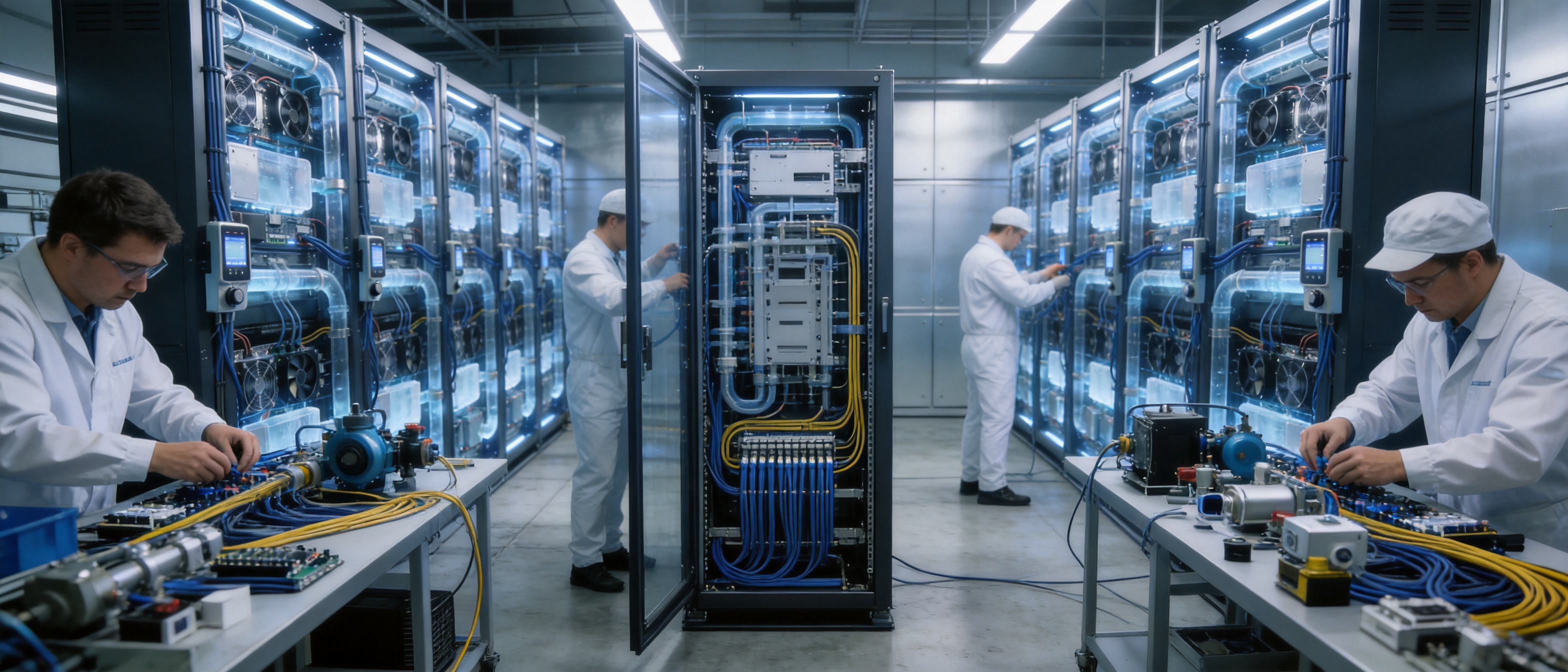
Liquid cooling provides substantial performance advantages, but reliable operation depends on appropriate monitoring and maintenance. A complete implementation should include methods for observing temperature, flow, pressure, pump operation, heat exchanger performance, and other relevant conditions.
Monitoring enables operators to identify abnormal conditions before they become major failures. Temperature trends may reveal reduced flow or a change in thermal load. Pressure changes may indicate restrictions or component issues. Sensor data can support preventive maintenance and help operators understand how the system behaves under different workloads.
Maintenance procedures should be established before commissioning. These may include inspection of connections, verification of fluid quality, examination of circulation components, cleaning of relevant heat transfer surfaces, testing of alarms, and review of system records. The exact maintenance schedule should be based on the selected system architecture and operating environment.
A lifecycle approach also considers spare parts, technical support, staff training, documentation, and future expansion. The objective is not only to install a cooling system but to maintain predictable performance throughout the service life of the data center.
17. Sustainability and Green Computing
Green computing involves more than reducing electricity consumption. It includes improving equipment utilization, extending hardware life, reducing unnecessary infrastructure, managing noise, and supporting responsible resource use.
Liquid cooling contributes to these goals by improving heat transfer efficiency and reducing the energy required for air movement. If processors operate within stable thermal limits, operators may achieve better utilization of expensive computing equipment. Higher density can also reduce the need for additional floor space and supporting infrastructure.
Lower cooling energy can help organizations reduce operational emissions, particularly when the facility operates continuously. In addition, quieter operation can make it easier to locate computing infrastructure in areas where noise would otherwise be a barrier.
Green computing strategies must be evaluated using actual operating data. The best results come from combining efficient cooling with efficient power distribution, workload optimization, responsible equipment selection, and appropriate use of renewable or lower-carbon energy sources.
18. Why Manufacturing Experience Matters to Buyers
When purchasing data center infrastructure, buyers should evaluate more than product specifications. The manufacturer’s ability to deliver consistent quality, manage customization, meet schedules, and provide long-term support is equally important.
Wanma Technology’s long-term presence in communication infrastructure provides several relevant strengths. The company has experience in product development, manufacturing, sales, customized solutions, and international market service. Its products are used across more than 20 countries and regions, including the United States, Australia, the United Kingdom, Italy, South Africa, and Ghana.
This international sales experience indicates familiarity with different customer requirements, project environments, and delivery expectations. It also supports the development of long-term strategic partnerships with industry leaders and infrastructure operators.
The company emphasizes reliable product quality and timely delivery. These priorities are particularly important for data center construction and modernization projects, where delays can affect commissioning schedules, customer services, and capital planning.
19. A Practical Competitive Position
The liquid-cooled data center competes with conventional solutions through a combination of thermal performance, energy efficiency, quiet operation, reliability, density, and future readiness. Its strongest advantage appears in applications where processors generate enough heat that air cooling becomes expensive, inefficient, or difficult to scale.
Its competitive value also comes from the manufacturer’s ability to combine infrastructure experience with customization. A liquid cooling solution must fit the equipment, the facility, and the operator’s maintenance model. A standardized product may provide a starting point, but project-specific integration often determines the final outcome.
Wanma Technology’s experience in communication cabinets and equipment rooms supports the mechanical and infrastructure side of this requirement. Its focus on self-developed products, integrated solutions, quality, delivery, and customer relationships provides a practical basis for serving customers that need dependable and adaptable data center infrastructure.
20. Selection Considerations for Customers
Customers evaluating a liquid-cooled data center should begin by identifying the application and expected workload. AI training, HPC, cryptocurrency mining, telecommunications, and industrial computing may have different requirements for density, availability, monitoring, and expansion.
The next step is to calculate present and future heat loads. It is important to consider not only the initial equipment but also planned upgrades. A system that meets current needs but lacks thermal headroom may require another major investment in the near future.
Customers should also evaluate the manufacturer’s engineering capability, cabinet production experience, customization services, quality controls, delivery record, documentation, and after-sales support. The cooling architecture should be matched with the customer’s technical team and maintenance capability.
Finally, total cost of ownership should be considered. Purchase price is only one factor. Energy consumption, floor space, maintenance, equipment utilization, noise control, reliability, and expansion costs all influence the long-term value of the solution.
21. Questions and Answers
Q1: What is a liquid-cooled data center?
A liquid-cooled data center is a computing infrastructure solution that uses liquid as the primary medium for transferring heat away from high-power CPUs, GPUs, and other computing components. It is designed to provide precise thermal control for high-density equipment.
Q2: Why is liquid cooling important for AI and HPC?
AI and HPC systems often operate many powerful processors at high utilization for long periods. These processors generate concentrated heat that can be difficult to manage efficiently with air alone. Liquid cooling captures heat closer to the source and supports stable operation at higher computing densities.
Q3: Can liquid cooling reduce energy consumption?
It can reduce cooling energy by lowering dependence on high-speed fans, large airflow volumes, and extensive room-level air conditioning. Actual savings depend on facility design, climate, workload, heat rejection equipment, and operating conditions.
Q4: Does liquid cooling eliminate noise?
The liquid-cooled data center is designed to support fanless or fan-reduced operation. By reducing the need for high-speed fans, it can create a substantially quieter environment and may approach zero-noise operation in the cooling system.
Q5: Is liquid cooling more reliable than air cooling?
Liquid cooling can improve reliability by reducing fan-related mechanical failure points and maintaining stable temperatures. However, pumps, valves, sensors, seals, and circulation paths require appropriate design, monitoring, and maintenance. Reliability depends on the complete system rather than the cooling medium alone.
Q6: Can the solution be customized?
Yes. Data center projects may require customized cabinet dimensions, internal layouts, communication interfaces, equipment arrangements, monitoring functions, and integration methods. Wanma Technology provides integrated solutions for customized products and can evaluate project-specific requirements.
Q7: Which industries can use this product?
The main application scenarios include artificial intelligence training, high-performance computing, and cryptocurrency mining. The solution may also be considered for telecommunications, central equipment rooms, research facilities, industrial computing, and other applications with high thermal density.
Q8: Is the system suitable for existing data centers?
It may be suitable for retrofits, depending on room dimensions, power capacity, structural conditions, access routes, service requirements, and equipment compatibility. A technical assessment should be completed before deployment.
Q9: What manufacturing strengths support the product?
Wanma Technology has specialized in communication cabinets, communication electronic equipment, passive optical components, and related infrastructure since 1997. Its experience in product development, manufacturing, customized integration, quality management, and delivery supports the practical implementation of liquid-cooled data center solutions.
Q10: How should customers begin a project discussion?
Customers should provide information about their computing equipment, rack power, expected workload, installation location, expansion plans, noise requirements, available power, and maintenance expectations. This information allows the manufacturer to recommend an appropriate configuration and integration approach.
22. Conclusion
The liquid-cooled data center provides a forward-looking response to the increasing thermal demands of modern computing. By using liquid as the core cooling medium, it delivers efficient heat transfer for high-density CPUs and GPUs while supporting energy savings, quiet operation, improved reliability, and better use of physical space.
Its value is particularly clear in AI training, high-performance computing, cryptocurrency mining, and other applications where computing equipment operates continuously at high power. Compared with traditional air cooling, the solution offers greater thermal headroom and a more direct path for managing the heat generated by advanced processors.
The product’s success also depends on manufacturing quality and engineering integration. Wanma Technology Co., Ltd. brings a long history in communication cabinets, communication electronic equipment, passive optical components, Ethernet networks, optical communication systems, central equipment rooms, high-speed railway infrastructure, and urban rail transit applications. Its self-developed products, manufacturing capabilities, customized solutions, international sales network, and emphasis on reliable quality and timely delivery provide a strong foundation for serving modern data center projects.
As computing workloads become more powerful and energy efficiency becomes more important, cooling infrastructure will play an increasingly central role in data center design. Liquid cooling is not merely an alternative method for removing heat. It is an enabling technology for higher density, lower operational noise, improved thermal stability, and more sustainable computing infrastructure.
References
1. ASHRAE. Thermal Guidelines for Data Processing Environments.
2. The Green Grid. Data Center Power Usage Effectiveness and Energy Efficiency Guidance.
3. International Organization for Standardization. Information Technology and Data Center Infrastructure Practices.
4. Uptime Institute. Data Center Resilience, Availability, and Infrastructure Management Principles.
5. Wanma Technology Co., Ltd. Product and Company Information for Communication Infrastructure and Liquid-Cooled Data Center Solutions.
6. Energy efficiency studies concerning liquid cooling, high-performance computing, and data center thermal management.
Product: Liquid-Cooled Data Center
PREV:Quick Connectors for Bow-Type Fiber Cables: Reliable Field Termination for Modern Optical Networks
NEXT:Integrated Outdoor High-Voltage AC Vacuum Circuit Breaker for Intelligent Distribution Networks
NEXT:Integrated Outdoor High-Voltage AC Vacuum Circuit Breaker for Intelligent Distribution Networks
Interested in cooperation or have questions?
Related products
-
-
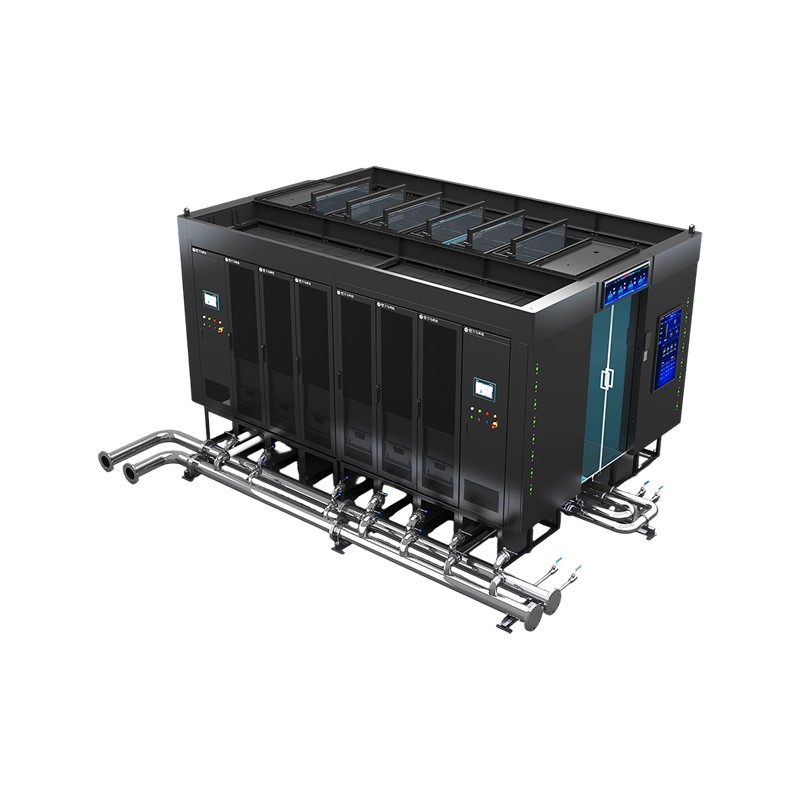
Product OverviewWM-HCM Air-Liquid Hybrid Micro-Module is an integrated data center solution designed for ultra-high-density computing applications. It adopts a dual-row, back-to-back layout and integr...
See Details -
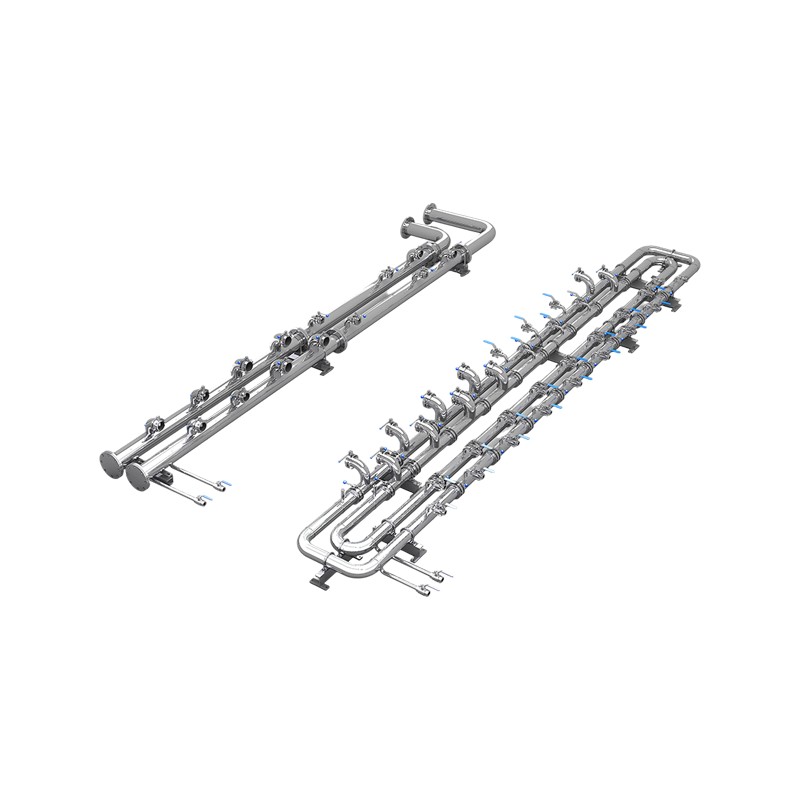
Product OverviewWM-SCL Secondary-Side Prefabricated Piping is a standardized coolant distribution system that connects the CDU to liquid-cooled server cabinets. The piping is prefabricated and quality...
See Details -
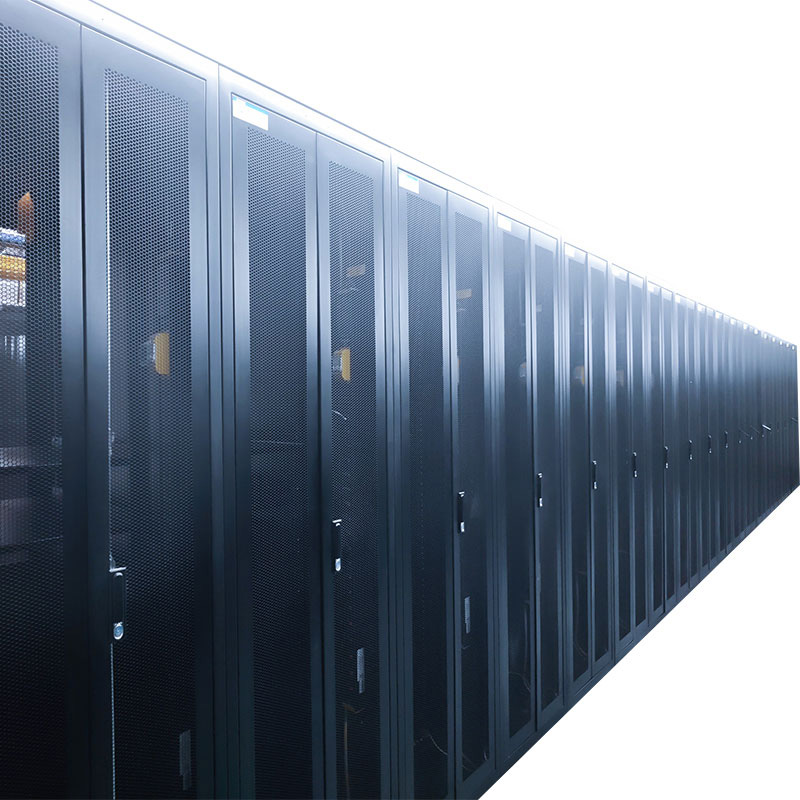
Application:It is used in internet data center equipment room to house server cabinets and provides them with required working environment. Features:•Modularization: Two cabinets combined sharing one ...
See Details
Ready to Get started ? Contact Us Now !

Product.
Contact Details.
-
 +86 13958188250
-
 +86 13958188250
-
 [email protected]
-
 AUDIT Email:[email protected]
- Wanma Industrial Park Taihu Yuan Town Lin'an District Hangzhou City China.
QR Code

Copyright © Wanma Technology Co., Ltd. All Rights Reserved.
Privacy
Custom Ethernet Optical Network Railway Transit Equipments Suppliers
