

 English
 Français
 Español
 Português
 عربى





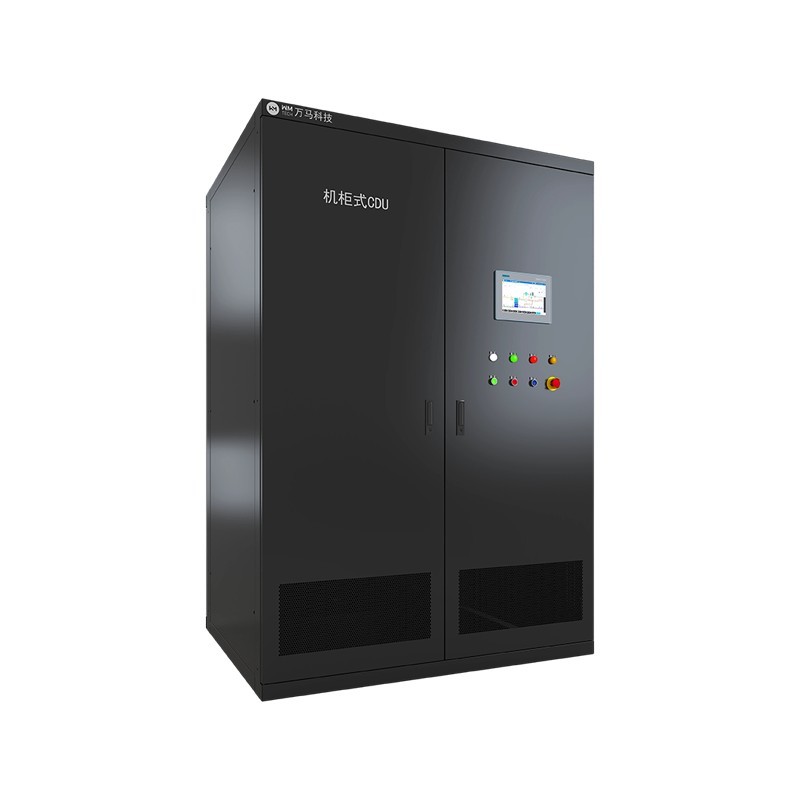
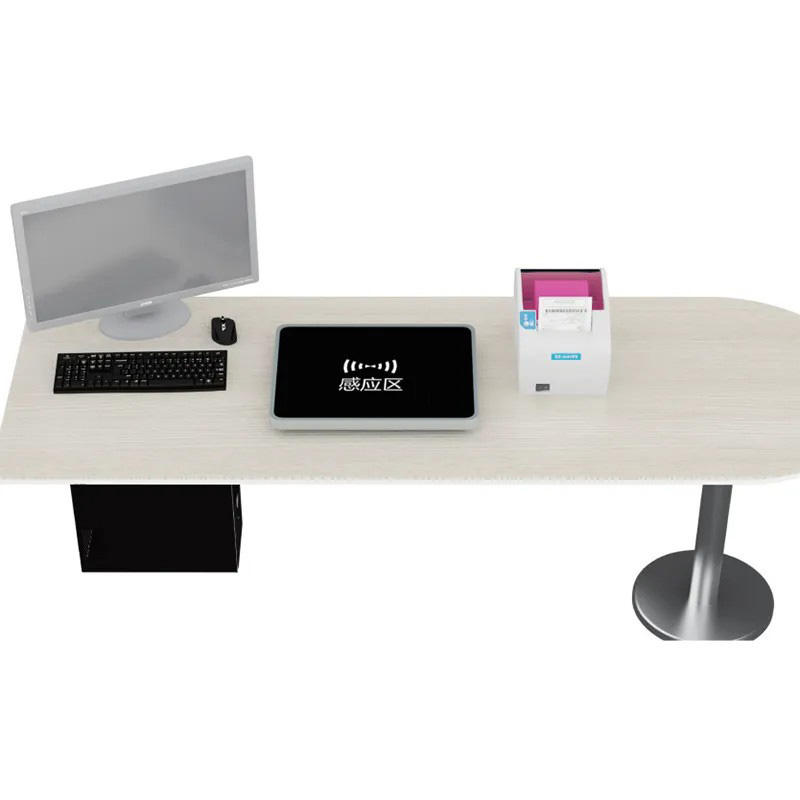
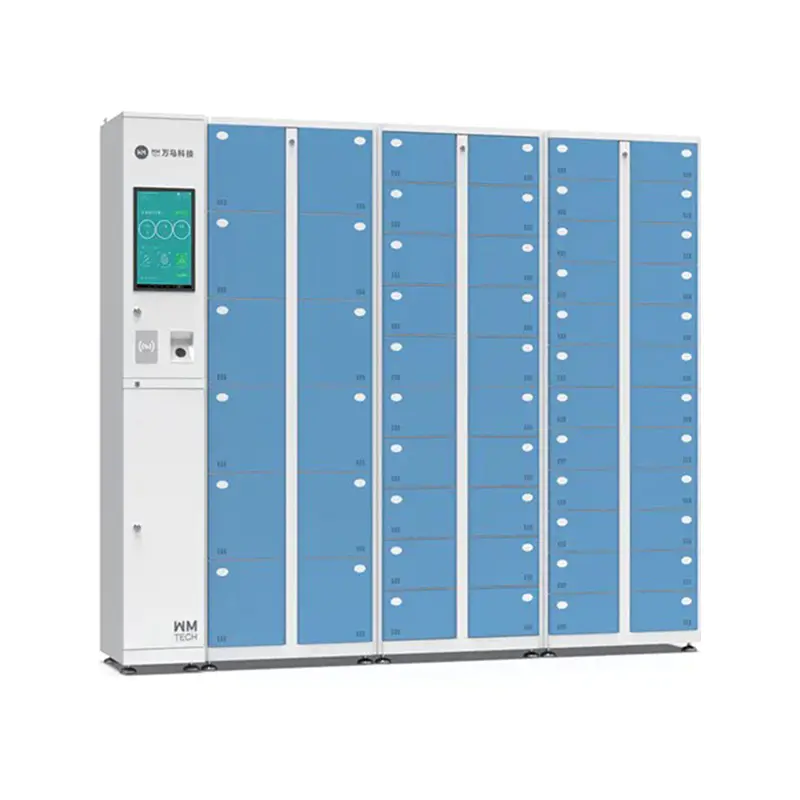
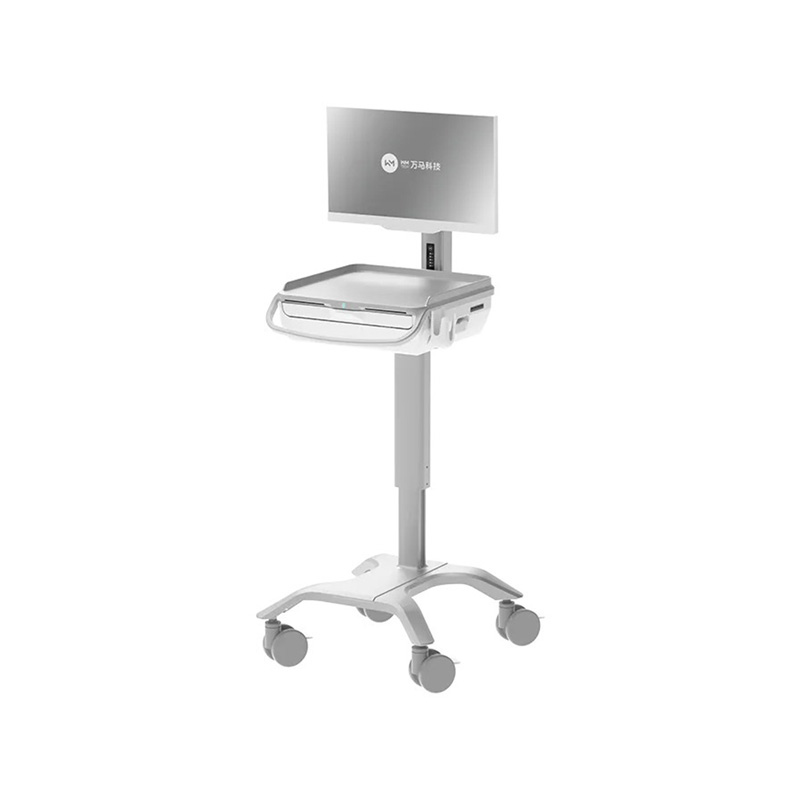

Product Definition:Intelligent Shelves are a smart warehouse management unit that integrates dynamic sensing, real-time display, and precise positioning. By leveraging advanced sensor technology, they...
See DetailsIntelligent Shelves for Transparent, Precise, and Efficient Medical Consumables Management
Content
- 1 Introduction: From Static Storage to Intelligent Supply Operations
- 2 What Are Intelligent Shelves?
- 3 Why Traditional Medical Supply Storage Is No Longer Enough
- 4 Real-Time Inventory Visibility at a Glance
- 5 Precise Location Navigation for Faster Retrieval
- 6 Flexible Adaptation to Different Hospital Environments
- 7 Integration with SPD and WMS Platforms
- 8 Advantages Compared with Conventional Shelving
- 9 Advantages Compared with Competing Smart Storage Products
- 10 Application Scenarios
- 11 Manufacturing Strengths Behind the Product
- 12 Advanced Manufacturing and Quality Assurance Considerations
- 13 Operational Benefits for Hospital Managers
- 14 Operational Benefits for Warehouse Personnel
- 15 Implementation Recommendations
- 16 Frequently Asked Questions
- 16.1 What are Intelligent Shelves used for?
- 16.2 How are Intelligent Shelves different from ordinary shelves?
- 16.3 Can the system show inventory information in real time?
- 16.4 How does location notification work?
- 16.5 Can Intelligent Shelves connect with existing hospital systems?
- 16.6 Which products are most suitable for Intelligent Shelves?
- 16.7 Can the shelving system be customized?
- 16.8 Does the solution replace warehouse employees?
- 16.9 Can a hospital install the system gradually?
- 16.10 What manufacturing experience supports the product?
- 16.11 What should customers evaluate before purchasing?
- 17 Conclusion
- 18 References
- 19 Product: Intelligent Shelves
Introduction: From Static Storage to Intelligent Supply Operations
Medical consumables management has become increasingly complex. Hospitals must store, locate, replenish, monitor, and issue a large number of products, often across central warehouses, secondary pharmacies, operating rooms, treatment areas, and other clinical departments. These products may differ substantially in size, packaging, usage frequency, storage requirements, expiration dates, and replenishment cycles. When these materials are managed through conventional shelving and manual records, even a well-organized warehouse can experience avoidable problems.
Staff may spend too much time searching for a specific consumable. Inventory counts may become outdated as soon as products are issued or replenished. Items can be placed in the wrong location, while low-stock products may not be identified early enough to support timely purchasing. These issues affect warehouse efficiency, but they can also influence clinical logistics, purchasing accuracy, labor costs, and the continuity of hospital operations.
Intelligent Shelves provide a practical response to these challenges. They transform ordinary storage furniture into an intelligent warehouse management unit that combines dynamic sensing, real-time display, and precise location notification. Instead of functioning as passive structures, the shelves become active information nodes that communicate inventory conditions and guide personnel during daily operations.
The solution is designed for the refined and transparent management of medical supplies. It provides a clear view of inventory quantities, helps employees find materials quickly, and can integrate with hospital information environments such as Supply Processing and Distribution systems and Warehouse Management Systems. Through this combination of hardware, software connectivity, and operational visibility, Intelligent Shelves support more accurate, more responsive, and more data-driven consumables management.
Manufactured and supplied by Wanma Technology Co., Ltd., a company with experience in communication cabinets, communication electronic equipment, passive optical components, Ethernet networks, and optical communication networks, the product benefits from a broader industrial foundation in equipment manufacturing, structured product development, and system-oriented engineering. This background is especially relevant for intelligent shelving, where dependable electronic hardware, stable structural design, clear data communication, and consistent production quality are all essential.
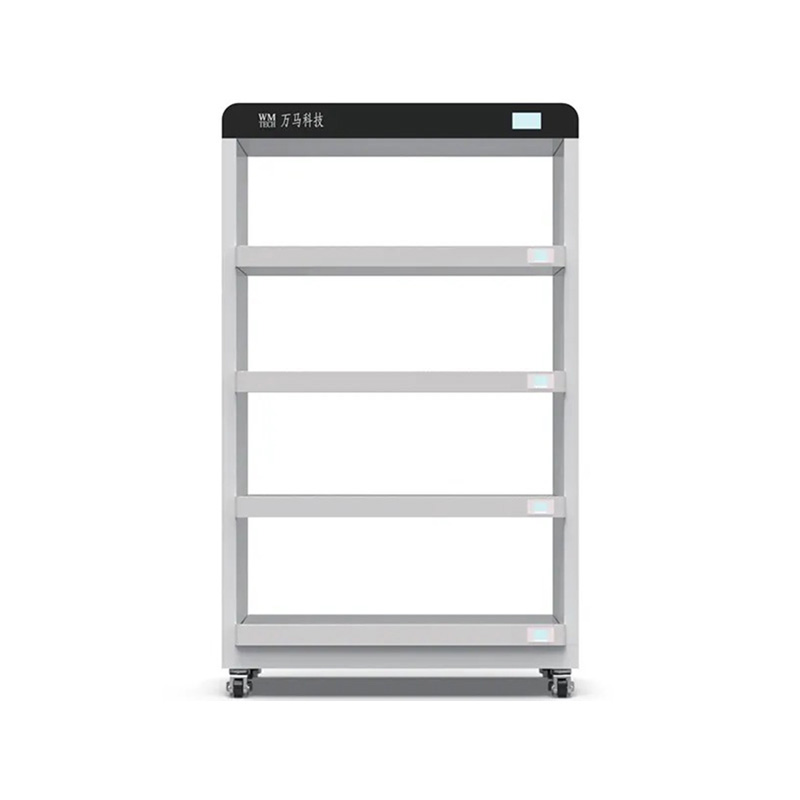
Intelligent Shelves
What Are Intelligent Shelves?
Intelligent Shelves are smart warehouse management units developed for the organized storage and handling of medical consumables. Their basic purpose is to make stored items easier to see, easier to locate, and easier to manage. They achieve this through the integration of three core functions: dynamic sensing, real-time inventory display, and location notification.
Dynamic sensing enables the shelving unit to detect changes associated with stored products or inventory activity. Depending on the final system configuration and customer requirements, sensing functions may support the recognition of stock changes, shelf usage, item presence, or other operational conditions. The purpose is to reduce dependence on manual observation and create a more current picture of warehouse status.
Real-time display allows inventory information to be presented directly at the storage location or through a connected management interface. Warehouse personnel can therefore understand the condition of stored items without relying exclusively on handwritten labels, spreadsheets, or periodic counting. This visibility is particularly valuable in facilities where many similar consumables are stored close together.
Location notification guides workers to the correct storage position. Lights, screens, or other prompts can identify the target shelf or item location when a product is requested. The user does not need to search aisle by aisle or depend solely on personal memory. The system makes the retrieval path more direct and helps standardize warehouse operations among experienced employees and new staff members alike.
The product is not simply a shelf with an electronic display. It is a coordinated management unit in which physical storage, sensing technology, display functions, and information systems work together. This creates a bridge between warehouse activity and digital management, helping hospitals move from approximate inventory control toward more transparent and measurable logistics.
Three Core Functions
| Function | Operational Role | Management Value |
|---|---|---|
| Dynamic sensing | Detects or supports the recognition of inventory and shelf status changes | Reduces reliance on manual observation and improves data timeliness |
| Real-time inventory display | Presents current quantity or status information at the point of storage | Allows personnel to understand stock conditions quickly |
| Location notification | Uses lights, screens, or prompts to identify the required storage position | Shortens search time and reduces picking errors |
| System integration | Connects with hospital systems such as SPD and WMS | Supports data synchronization and more informed decisions |
| Modular adaptation | Adjusts to different warehouse layouts and item specifications | Improves suitability for changing medical supply environments |
Why Traditional Medical Supply Storage Is No Longer Enough
Traditional shelving remains useful as a basic storage structure, but it does not automatically provide the information required by a modern hospital warehouse. A standard shelf generally depends on labels, paper records, employee familiarity, and periodic manual stock-taking. These methods can work for a small number of products, but their limitations become more obvious as product variety and transaction frequency increase.
The first challenge is location uncertainty. Medical consumables may have similar names, packaging, or physical appearances. A worker who knows that an item exists in the warehouse may still need to search multiple shelves before finding it. If storage locations change frequently, printed maps and employee memory may quickly become unreliable.
The second challenge is inventory uncertainty. A manual count may provide an accurate result at a specific moment, but the figure can become outdated after issuing, receiving, returning, or relocating items. If inventory information is not updated promptly, purchasing personnel may order too much, order too late, or overlook a fast-moving item.
The third challenge is operational inconsistency. Different employees may follow different search methods, recording habits, or replenishment practices. In a busy hospital environment, such inconsistency can make performance difficult to measure and can increase the likelihood of misplaced items or incomplete records.
The fourth challenge is limited decision support. Without reliable and current information, managers may find it difficult to identify consumption trends, determine appropriate stock levels, evaluate warehouse utilization, or coordinate procurement with actual demand. The result is a supply process that reacts to problems instead of anticipating them.
Intelligent Shelves address these limitations by placing information closer to the point of action. Employees can see inventory status where products are stored, receive guidance when retrieving an item, and synchronize shelf information with broader management systems. The result is a more connected workflow from receiving and storage to picking, replenishment, and inventory analysis.
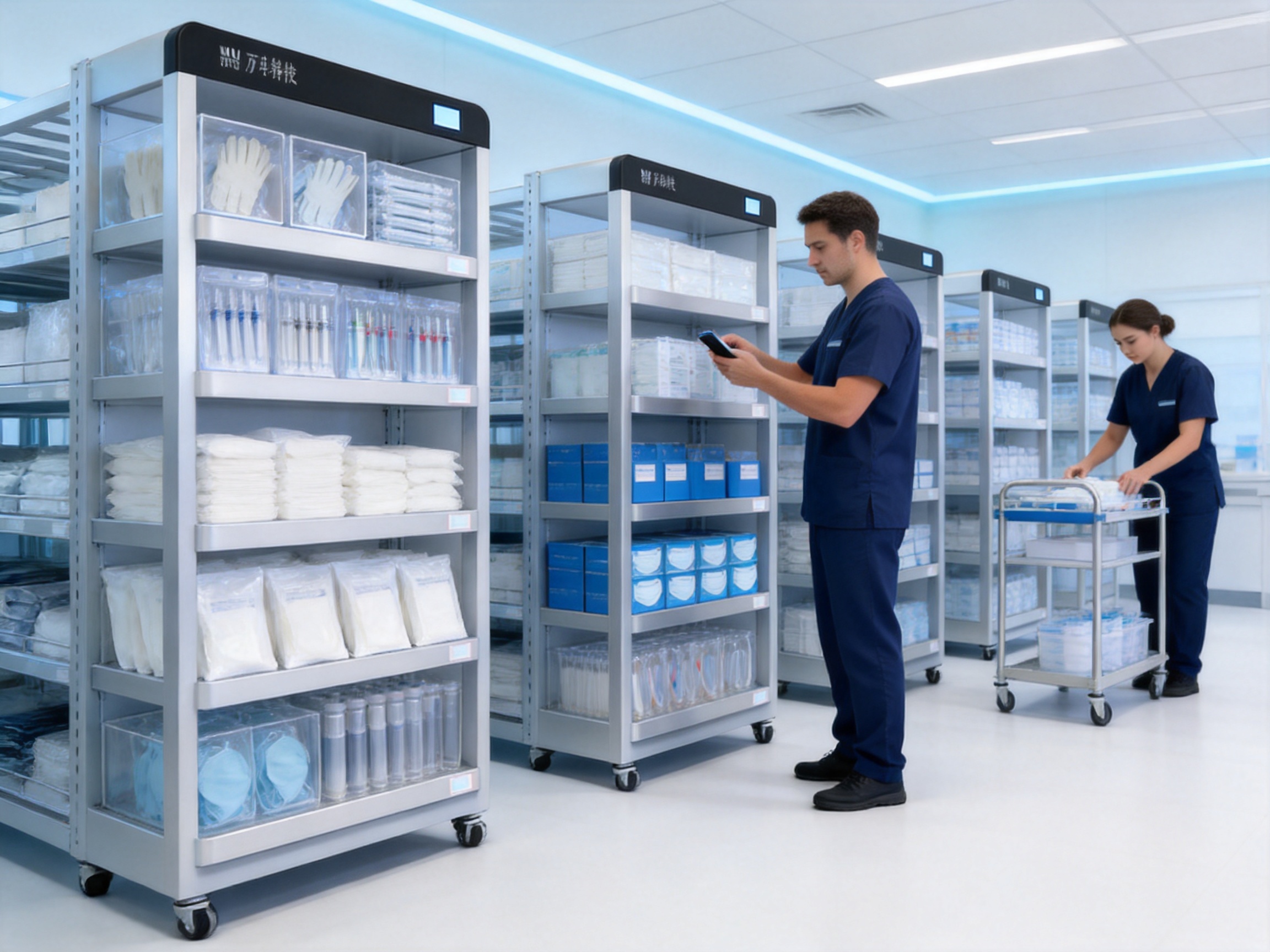
Real-Time Inventory Visibility at a Glance
One of the most important advantages of Intelligent Shelves is the ability to make inventory information more visible. In a conventional warehouse, employees may need to consult a computer, inspect labels, check a paper record, or perform a physical count before confirming the availability of an item. Intelligent Shelves bring relevant information closer to the storage location.
A visible inventory display can help managers understand stock status quickly. This does not eliminate the need for proper inventory procedures, but it reduces the time and effort required for routine checks. Personnel can identify whether a product is available, whether a quantity requires attention, or whether a shelf may need replenishment.
Improved visibility is especially valuable for fast-moving consumables. A product that is frequently issued may experience significant quantity changes during a single workday. When such changes are reflected in the management environment in a timely way, warehouse staff can respond more effectively. They can arrange replenishment before the item becomes critically low and can coordinate procurement with more dependable information.
Visibility also supports accountability. When stock conditions are displayed and connected to system records, discrepancies can be identified more quickly. A difference between the expected quantity and the physical quantity becomes easier to investigate. This can help managers examine receiving records, issue transactions, returns, relocation activities, and other process steps.
For hospital leaders, the value extends beyond counting. Clear inventory information can support better resource allocation, more disciplined purchasing, and more accurate evaluation of warehouse performance. For frontline employees, the benefit is simple and immediate: less time spent checking, searching, and confirming.
Finding the right product is often one of the most time-consuming tasks in a medical consumables warehouse. This is particularly true when the warehouse contains many small-to-medium-sized items with similar packaging or when products are distributed across several storage zones. Intelligent Shelves use location notification to make the retrieval process more direct.
When a product is requested, the system can guide staff to the target position through lights, screen prompts, or other configured indicators. The notification may identify the shelf, level, compartment, or associated storage position. Instead of searching throughout the warehouse, the operator can follow a clear signal to the required location.
This function provides several operational benefits. It can shorten average picking time, reduce walking distance, and make work less dependent on individual familiarity with the warehouse. It can also support more consistent training because employees can follow system guidance rather than memorizing a large number of storage positions.
Location guidance can be especially useful during busy periods. Hospitals may experience urgent requests, high transaction volumes, or simultaneous activities in different departments. A clear location prompt helps staff respond quickly while maintaining a more orderly workflow.
Precise navigation may also reduce picking errors. When multiple items have similar descriptions, a location indicator can provide an additional confirmation point. Personnel can compare the requested product information with the shelf prompt before removing the item. This layered verification approach supports safer and more dependable material handling.
The result is not merely faster retrieval. It is a more standardized picking process in which the system helps connect the request, the inventory record, and the physical storage location.
Flexible Adaptation to Different Hospital Environments
Medical supply warehouses vary widely in size, layout, product mix, workflow, and management policy. A solution designed for one facility may not be suitable for another unless it can adapt to local conditions. Intelligent Shelves use a modular design concept to support different warehouse environments and item specifications.
Modularity can provide flexibility in shelf arrangement, storage capacity, display configuration, sensing areas, and system deployment. A hospital may begin with a defined zone for fast-moving items and later expand the intelligent shelving area as operational experience grows. This staged approach can help organizations manage investment and implementation risk.
The product can also be applied to different categories of medical consumables. Small packages, frequently used products, and items requiring clear location control are natural candidates. Depending on the final configuration, shelves can be arranged to accommodate different dimensions and storage quantities.
Flexibility is important because hospitals often change their service structure, product catalog, procurement policy, and internal logistics processes. A fixed and inflexible storage system may become less effective when demand changes. A modular intelligent solution can better support future adjustment, relocation, and expansion.
Adaptation also includes integration with existing information systems. Hospitals may already use SPD, WMS, inventory platforms, procurement systems, or other digital tools. Intelligent Shelves are intended to work with these environments rather than operate as an isolated island. Real-time data synchronization can help connect shelf activity with broader hospital logistics management.
Integration with SPD and WMS Platforms
System integration is a central factor in the performance of any intelligent warehouse solution. A shelf that displays information but is disconnected from the hospital’s primary records may create additional work instead of reducing it. Intelligent Shelves are designed to integrate with existing hospital systems such as Supply Processing and Distribution platforms and Warehouse Management Systems.
Integration allows information to move between physical storage activities and digital management records. When inventory is received, issued, relocated, or replenished, the relevant data can be synchronized according to the project’s technical configuration. This gives managers a more unified view of inventory and warehouse activity.
Integration also helps reduce duplicate data entry. If employees must record the same transaction in several independent systems, the probability of inconsistency increases. A connected solution can improve workflow continuity by reducing unnecessary repetition and making information available to the people who need it.
Data synchronization supports intelligent procurement as well. Purchasing decisions can be based on more current stock information and actual consumption conditions. Managers may be better positioned to distinguish between stable demand, seasonal variation, unusual consumption, and potential overstock. Although the final purchasing strategy remains the responsibility of the hospital, more reliable data creates a stronger foundation for decision-making.
Integration should be planned carefully. Each hospital may have different software architecture, data standards, network conditions, user permissions, and workflow requirements. For this reason, implementation should include requirements analysis, interface confirmation, functional testing, user training, and operational review. A modular product architecture can make these steps more manageable by allowing hardware and software functions to be configured according to project conditions.
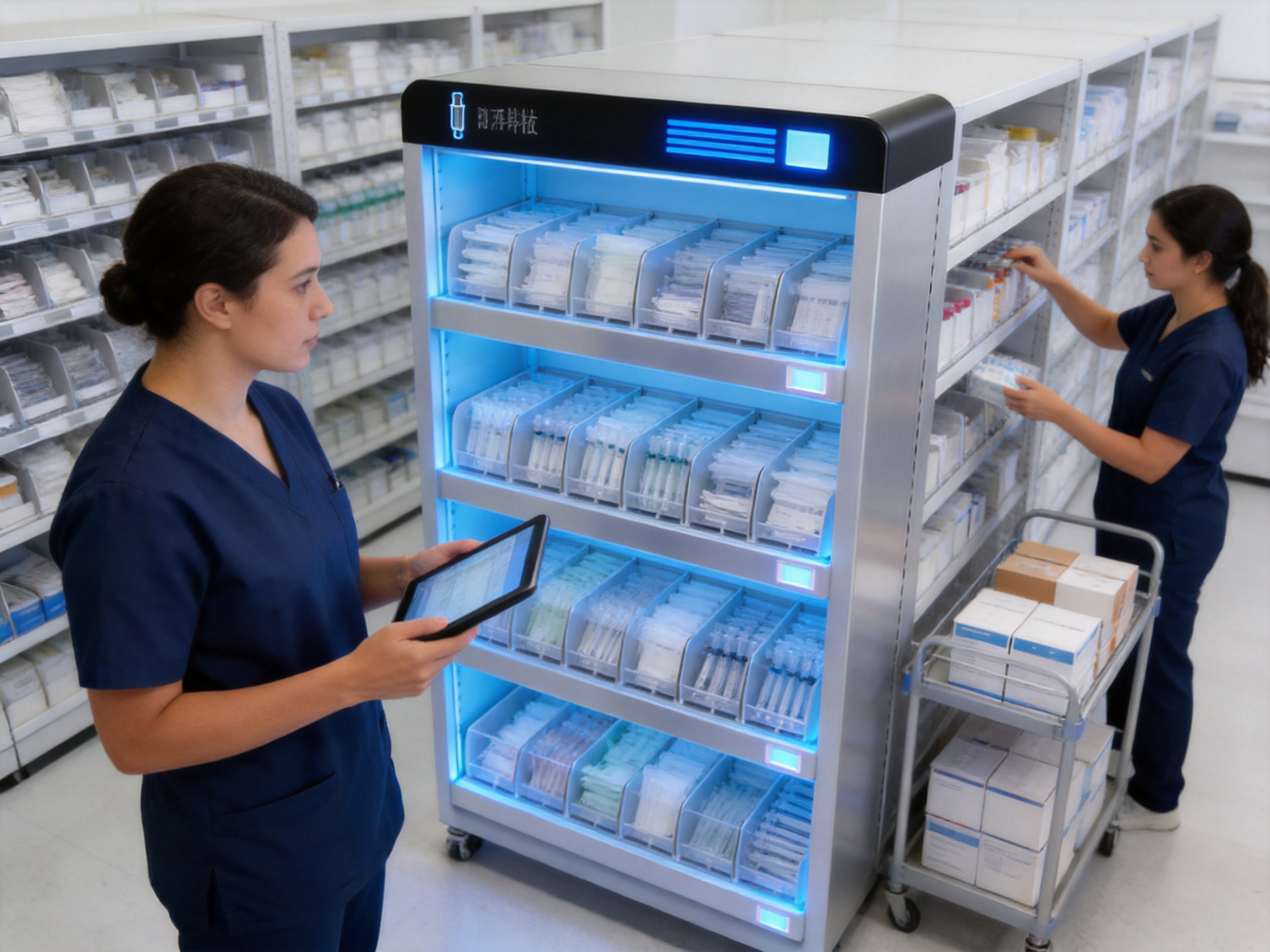
Advantages Compared with Conventional Shelving
Intelligent Shelves have a clear functional advantage over conventional storage structures because they combine physical organization with digital visibility. Conventional shelves provide a place to store products, but they generally do not indicate current inventory conditions, guide employees to a requested item, or exchange information with hospital management systems.
The following comparison illustrates the difference:
| Management Requirement | Conventional Shelving | Intelligent Shelves |
|---|---|---|
| Inventory visibility | Usually depends on manual counting or separate records | Provides shelf-level display and connected inventory information |
| Product location | Relies on labels, maps, and employee familiarity | Uses location notification to guide personnel |
| Inventory updates | May be delayed until a manual record is completed | Supports more timely updates through sensing and system synchronization |
| Picking efficiency | Search time may vary by employee and warehouse layout | Supports a more direct and standardized retrieval process |
| Adaptability | Physical adjustment may not include information-system changes | Modular design supports varied layouts and item specifications |
| Decision support | Data may be incomplete or distributed across records | Provides a stronger information basis for replenishment and procurement |
| Scalability | Expansion often increases manual management workload | Can be expanded through planned intelligent zones and integration |
Compared with low-cost electronic label systems, Intelligent Shelves offer a broader management concept. Electronic labels may display information, but an effective intelligent shelving solution also considers sensing, location guidance, system integration, modular deployment, and the physical requirements of medical consumables storage.
Compared with fully automated warehouse systems, Intelligent Shelves may offer a more accessible approach for hospitals that need improved visibility and retrieval efficiency without immediately investing in a highly complex automated warehouse. They can support progressive digitalization while preserving familiar human-centered warehouse operations.
Compared with isolated smart cabinets, Intelligent Shelves can provide more open and flexible storage for a broad range of frequently handled consumables. The appropriate choice depends on product characteristics, security requirements, environmental conditions, and workflow design, but open modular shelving can be advantageous where high access frequency and clear visual management are priorities.
Advantages Compared with Competing Smart Storage Products
Competition in smart storage includes electronic labeling products, RFID-based systems, automated dispensing cabinets, vertical storage equipment, and software-only inventory tools. Each category has strengths, but Intelligent Shelves are distinguished by their balanced combination of visibility, location guidance, modularity, and integration.
Balanced Hardware and Information Functions
Some solutions emphasize software while providing limited physical guidance. Others focus on a specialized cabinet or dispenser designed for a narrow product category. Intelligent Shelves are positioned as a flexible warehouse management unit that connects the physical shelf with information functions. This balance is valuable in central warehouses and secondary storage areas where product variety is high and different items must remain accessible.
Practical Deployment for High-Volume Consumables
Hospitals do not always need maximum automation at every storage point. They often need a practical system that can improve everyday work in the areas creating the most labor and accuracy pressure. Intelligent Shelves can be introduced in zones containing fast-moving small-to-medium-sized items, allowing hospitals to focus investment where the operational return may be most visible.
Human-Centered Guidance
A sophisticated system is only effective if employees can use it consistently. Light and screen prompts provide direct guidance at the point of retrieval. This supports workers who are familiar with the warehouse as well as those who are new to the role. It can also make processes easier to standardize across shifts.
Support for Progressive Digital Transformation
Not every hospital can replace its entire logistics infrastructure at once. Intelligent Shelves support a step-by-step modernization strategy. A facility can begin with one department or storage zone, evaluate results, refine workflows, and expand the deployment. This progressive approach may reduce disruption and provide useful operational evidence before broader investment.
Application Scenarios
Hospital Central Warehouses
Central warehouses often manage a broad range of medical supplies and serve multiple departments. Product volume, transaction frequency, and demand variability can make accurate inventory control difficult. Intelligent Shelves help central warehouse personnel organize frequently used products, monitor stock conditions, and retrieve requested materials more efficiently.
In this environment, real-time visibility can support replenishment planning, while location notification can reduce picking time. Integration with the hospital’s WMS or other management platform can help connect central warehouse activity with department-level distribution.
Secondary Pharmacy Storerooms
Secondary storerooms may be located closer to clinical departments and may contain products needed for routine treatment or daily operations. Space can be limited, while the range of items may remain relatively broad. Intelligent Shelves can help maintain a clear storage structure and provide faster confirmation of available products.
The system can also support consistent replenishment between the central warehouse and the secondary storeroom. When information is synchronized, staff can make better decisions about when to request additional stock and how much to request.
Operating Room Consumable Areas
Operating room consumable areas require efficient access and clear organization. Personnel may need to locate products quickly while maintaining strict material management procedures. Intelligent Shelves can provide location prompts and visible inventory information for items that must be readily available.
Implementation in these areas should be coordinated with clinical workflows, access controls, cleaning requirements, and product handling policies. The intelligent shelf should support the operating environment without creating unnecessary complexity for clinical or logistics personnel.
Fast-Moving Small-to-Medium-Sized Items
Products with frequent issuance and relatively compact dimensions are particularly suitable for intelligent shelf management. These items may be difficult to monitor through manual methods because their quantities change frequently and their packages may look similar. A combination of display, sensing, and location guidance can produce meaningful operational improvements.
Manufacturing Strengths Behind the Product
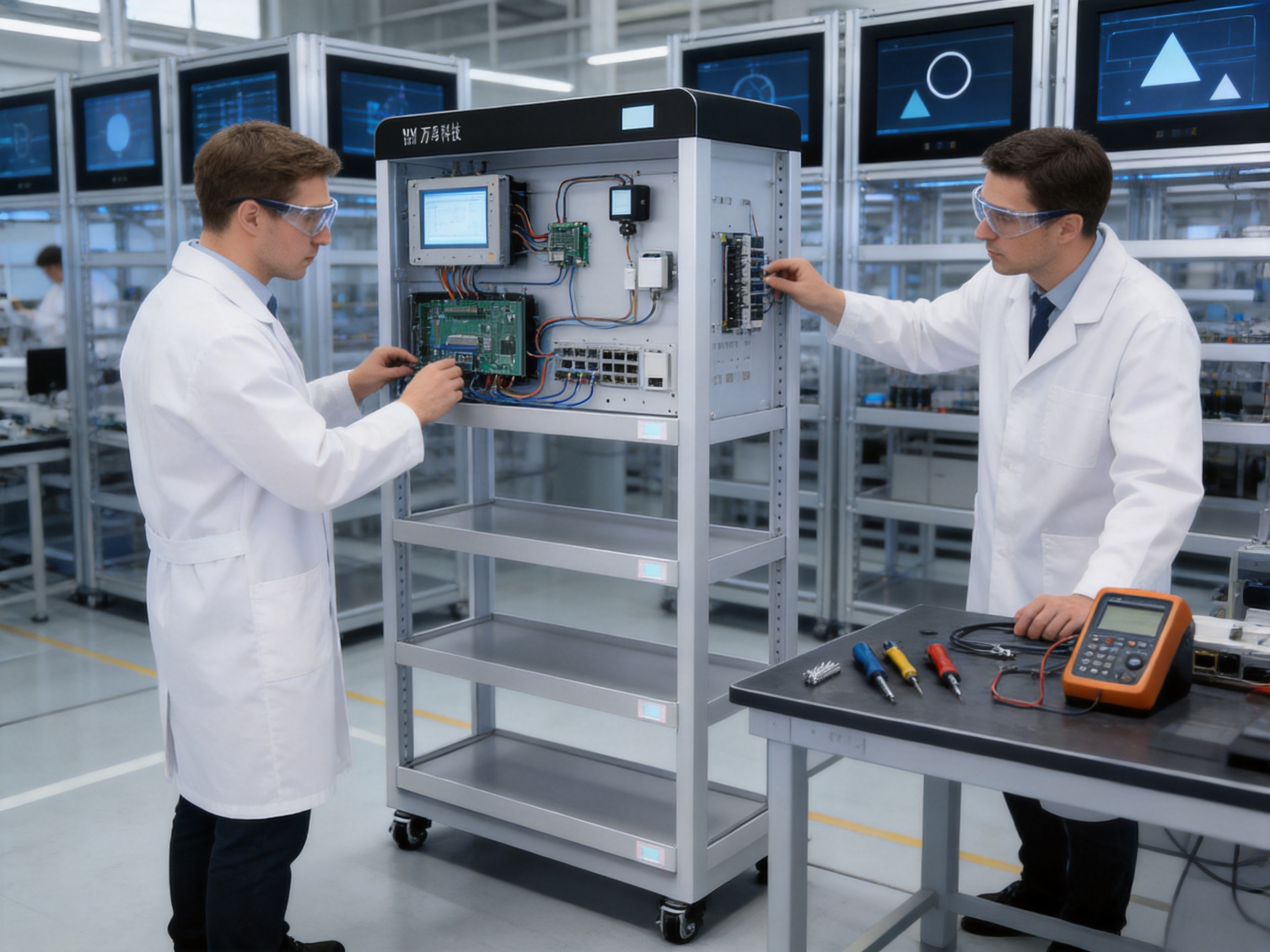
The performance of an intelligent shelf depends not only on its concept but also on the quality of its manufacturing, assembly, testing, and system integration. Wanma Technology Co., Ltd. was established in 1997 and has developed experience in communication cabinets, communication electronic equipment, passive optical components, and network-related products. Its products are used in Ethernet networks, optical communication networks, central equipment rooms, national high-speed railways, and urban rail transit systems.
This industrial background provides several relevant strengths for intelligent shelving development. Communication and network equipment requires careful structural design, dependable electronic integration, organized cabling, stable interfaces, and consistent quality control. These same principles are important in intelligent storage equipment.
Structured Product Engineering
Communication cabinets and electronic equipment must accommodate components in an organized and serviceable way. This experience can support the development of shelving structures that combine storage space with sensing units, display elements, control modules, and communication interfaces. Proper structural planning helps improve accessibility, installation efficiency, maintenance, and future expansion.
Experience with Electronic Equipment
Intelligent Shelves are not purely mechanical products. Their functions depend on electronic sensing, data processing, display operation, and communication with external systems. Experience in communication electronic equipment provides a useful foundation for managing these electronic subsystems as part of a complete product rather than treating them as unrelated add-ons.
Network-Oriented Thinking
Because the shelf may exchange information with SPD, WMS, and other hospital systems, network communication is a fundamental part of the solution. A company experienced in Ethernet and optical communication environments understands the importance of stable connectivity, organized interfaces, signal management, and system-level compatibility.
Manufacturing and Assembly Discipline
Reliable equipment requires consistent assembly. Manufacturing processes should control mechanical dimensions, component placement, wiring organization, display installation, sensor positioning, and final inspection. For intelligent shelves, assembly discipline is especially important because the accuracy of sensing and location notification may depend on the correct relationship between physical storage positions and electronic components.
Customized Product Capability
Hospital environments differ in layout, product specifications, workflow, and integration requirements. Wanma Technology develops and markets its own branded products while also providing integrated solutions for customized products. This capability is relevant when a customer requires adjustments in shelf dimensions, module configuration, display arrangement, communication interfaces, or deployment scale.
Customization should be based on a documented requirements process. Before production, the supplier and hospital should confirm product categories, storage quantities, shelf layout, user roles, data interfaces, notification methods, installation conditions, and acceptance criteria. A clear specification helps ensure that customization improves practical value rather than adding unnecessary complexity.
Advanced Manufacturing and Quality Assurance Considerations
Although the exact production configuration may vary by project, an intelligent shelving manufacturing process generally includes several interconnected stages. Each stage contributes to product reliability and operational performance.
Requirement Analysis and Design Validation
The process begins with an understanding of the customer’s warehouse conditions and management objectives. Engineers may review storage categories, product dimensions, transaction frequency, environmental conditions, available network infrastructure, and integration requirements. The design can then be evaluated against practical use cases such as receiving, picking, replenishment, relocation, stock checking, and maintenance.
Mechanical Structure Production
The shelf structure must provide adequate stability, usable storage space, and appropriate access for workers. Manufacturing controls may include dimensional inspection, surface treatment checks, connection verification, load-related evaluation, and assembly review. A well-designed structure also needs to accommodate electronic modules without obstructing ordinary warehouse activities.
Electronic Module Integration
Sensors, displays, indicators, controllers, and communication components must be installed in a coordinated manner. Wiring should be organized for safety, serviceability, and reduced interference with storage operations. Components should be positioned so that they provide clear information without creating unnecessary obstacles or vulnerable points.
Software and Interface Configuration
The system’s display logic, location notification, inventory information, user permissions, and external data interfaces should be configured according to the project design. Software testing should examine normal operations, abnormal conditions, data updates, communication interruptions, and recovery procedures.
Functional Testing
Before delivery, the complete unit should be tested as an integrated system. Testing may include inventory display response, location notification accuracy, sensing behavior, communication performance, data synchronization, power recovery, and user operation. Testing against real or representative workflows is important because a product can pass an individual component test while still requiring adjustment at the system level.
Factory Inspection and Delivery Preparation
Final inspection should confirm that the product matches the approved configuration. Packaging and delivery preparation are also important because electronic and structural components must arrive without damage or misalignment. Clear documentation can support installation, commissioning, use, troubleshooting, and maintenance.
Installation and Commissioning
On-site commissioning should verify the relationship between physical shelf positions and digital location records. Products or simulated items can be assigned to locations, and staff can test retrieval prompts, inventory changes, replenishment activities, and exception handling. This stage is essential for ensuring that the delivered solution reflects the customer’s actual warehouse environment.
Operational Benefits for Hospital Managers
For managers, Intelligent Shelves provide a more direct view of warehouse performance. They can help answer practical questions: Which products are available? Which locations require replenishment? How quickly can a requested item be retrieved? Where do inventory discrepancies occur? Which categories are moving rapidly? What areas may need layout adjustment?
More visible information can support performance measurement. Hospitals may evaluate picking time, stock-checking time, replenishment frequency, location accuracy, and discrepancy rates. These indicators can help identify process improvements and provide a basis for continuous management.
The solution may also help improve space utilization. When item locations and quantities are visible, managers can evaluate whether storage space is being used efficiently. Frequently used products may be positioned for easy access, while slow-moving items may be assigned to appropriate areas. A modular design makes it easier to adjust the physical arrangement as operational needs change.
Inventory transparency can support cost control. Excessive inventory ties up funds and consumes storage space, while insufficient inventory can create urgent purchasing and service risks. Intelligent Shelves do not replace professional inventory policy, but they provide more timely information for setting and reviewing those policies.
Operational Benefits for Warehouse Personnel
Warehouse employees benefit from reduced search effort and clearer work instructions. Instead of relying on memory or interpreting several independent records, they can use shelf displays and location prompts to complete tasks more consistently.
Training can become easier because new employees can follow standardized system guidance. This does not eliminate the need for training in product identification, handling, safety, and hospital procedures, but it can reduce the amount of information that new staff must memorize about physical locations.
The system can also reduce unnecessary movement. In a large warehouse, repeated searching and walking can consume a significant portion of a worker’s shift. More direct retrieval can improve productivity and allow employees to spend more time on receiving, replenishment, checking, and exception resolution.
Clear information can improve teamwork between warehouse personnel, procurement staff, and clinical departments. When different groups refer to synchronized inventory and location data, communication becomes more precise. Requests can be handled with fewer clarification steps, and replenishment discussions can be based on shared information.
Implementation Recommendations
A successful Intelligent Shelves project should begin with a focused assessment rather than an immediate full-scale installation. The hospital can identify the most suitable pilot area by reviewing product variety, transaction volume, search difficulty, inventory discrepancies, and replenishment pressure.
The next step is to define the data model and operating process. The customer should clarify how products are named, how locations are coded, how quantities are updated, how returns are handled, and how users confirm picking or replenishment activities. These details influence both system configuration and staff acceptance.
Integration requirements should be documented early. The project team should identify the systems that will exchange data, the required interfaces, the responsibilities of each party, security considerations, and the procedures for dealing with communication interruptions or inconsistent records.
Users should be involved in testing. Warehouse employees understand practical issues that may not be obvious during design, such as display visibility, reachability, aisle congestion, product grouping, and the time required for common tasks. Their feedback can improve the final configuration.
After launch, the hospital should review performance against baseline conditions. Useful indicators may include average retrieval time, stock-checking labor, picking accuracy, inventory discrepancy frequency, replenishment response time, and user satisfaction. Continuous review helps ensure that the intelligent shelving system remains aligned with operational goals.
Frequently Asked Questions
What are Intelligent Shelves used for?
Intelligent Shelves are used to manage medical consumables through dynamic sensing, real-time inventory display, precise location notification, and system integration. They are intended for areas such as hospital central warehouses, secondary pharmacy storerooms, and operating room consumable zones.
How are Intelligent Shelves different from ordinary shelves?
Ordinary shelves primarily provide physical storage. Intelligent Shelves add sensing, display, location guidance, and data connectivity. They help personnel understand inventory status and find products more efficiently instead of relying only on labels, memory, and manual records.
Can the system show inventory information in real time?
The solution is designed to support real-time or near-real-time inventory visibility according to the final system configuration and data integration method. Actual update performance depends on the connected hospital systems, transaction processes, network conditions, and implementation design.
How does location notification work?
When a specific consumable is requested, the system can guide personnel to the target position through lights, screen prompts, or other configured indicators. This reduces the need for manual searching and supports a more standardized picking process.
Can Intelligent Shelves connect with existing hospital systems?
Yes. The product is designed to integrate with hospital platforms such as Supply Processing and Distribution systems and Warehouse Management Systems. Interface details should be confirmed during project planning because hospitals may use different software architectures and data standards.
Which products are most suitable for Intelligent Shelves?
Fast-moving small-to-medium-sized medical consumables are particularly suitable. Items that are frequently issued, difficult to locate, or stored in large varieties may benefit significantly from visible inventory information and location guidance.
Can the shelving system be customized?
The modular design can support adaptation to different warehouse environments and item specifications. Customization may include shelf configuration, storage arrangement, display functions, sensing areas, communication interfaces, and deployment scale, subject to project requirements.
Does the solution replace warehouse employees?
No. Intelligent Shelves are designed to assist personnel, not eliminate the need for trained employees. They provide information and guidance so workers can complete receiving, picking, replenishment, checking, and exception handling more efficiently and accurately.
Can a hospital install the system gradually?
A phased deployment can be considered. Hospitals may begin with a high-priority storage zone, evaluate operational results, refine the workflow, and then expand the system. The appropriate deployment strategy depends on facility size, integration readiness, budget, and management objectives.
What manufacturing experience supports the product?
Wanma Technology Co., Ltd. has experience in communication cabinets, communication electronic equipment, passive optical components, Ethernet networks, optical communication networks, central equipment rooms, high-speed railways, and urban rail transit systems. This background supports capabilities in structured equipment design, electronic integration, network connectivity, and customized product development.
What should customers evaluate before purchasing?
Customers should evaluate product compatibility, shelf dimensions, storage capacity, display visibility, sensing functions, location notification methods, integration interfaces, installation conditions, user permissions, maintenance requirements, training, and after-sales support. A detailed requirements review helps ensure that the solution matches actual hospital workflows.
Conclusion
Intelligent Shelves represent a practical evolution from static medical supply storage toward transparent, connected, and data-supported warehouse management. By combining dynamic sensing, real-time inventory display, precise location notification, modular adaptation, and integration with SPD and WMS platforms, they address several persistent challenges in hospital logistics.
The solution helps reduce search time, improve inventory visibility, support more accurate replenishment, standardize picking activities, and provide managers with stronger information for procurement and operational decisions. Its value is particularly evident in central warehouses, secondary pharmacy storerooms, operating room consumable areas, and other locations handling a wide range of fast-moving small-to-medium-sized medical items.
Compared with conventional shelves, the product adds intelligence directly to the point of storage. Compared with isolated smart storage products, it offers a balanced combination of physical flexibility, information visibility, human-centered guidance, and system integration. Compared with highly complex automation projects, it can provide a progressive path toward warehouse digitalization while preserving practical accessibility for staff.
The product is also supported by the industrial experience of Wanma Technology Co., Ltd., which has operated since 1997 and specializes in communication cabinets, electronic equipment, passive optical components, and network-related products. Its manufacturing and engineering background is relevant to the development of dependable intelligent equipment that must combine structure, electronics, communication, and customized system integration.
For hospitals seeking to improve medical consumables management, the most effective approach is to begin with clear operational objectives, select suitable product categories, define integration requirements, involve users in testing, and measure results after deployment. When implemented in this way, Intelligent Shelves can become more than a storage upgrade. They can serve as a foundation for smarter logistics, lower management costs, improved accuracy, and a more responsive medical supply chain.
References
1. Wanma Technology Co., Ltd. Product information for Intelligent Shelves and intelligent management solutions for medical consumables.
2. Wanma Technology Co., Ltd. Corporate information concerning communication cabinets, communication electronic equipment, passive optical components, Ethernet networks, and optical communication networks.
3. General principles of warehouse management system integration in healthcare logistics.
4. General principles of Supply Processing and Distribution management for hospital medical supplies.
5. General practices for inventory visibility, location control, replenishment management, and warehouse process standardization.
6. General engineering considerations for modular electronic equipment, structured equipment manufacturing, and system commissioning.
Product: Intelligent Shelves
PREV:How Intelligent Medical Carts with Electric Lifting Tables Improve Bedside Clinical Workflows
NEXT:Compact Fiber Optic Distribution Box for Flexible FTTH Network Deployment
NEXT:Compact Fiber Optic Distribution Box for Flexible FTTH Network Deployment
Interested in cooperation or have questions?
Related products
-
-
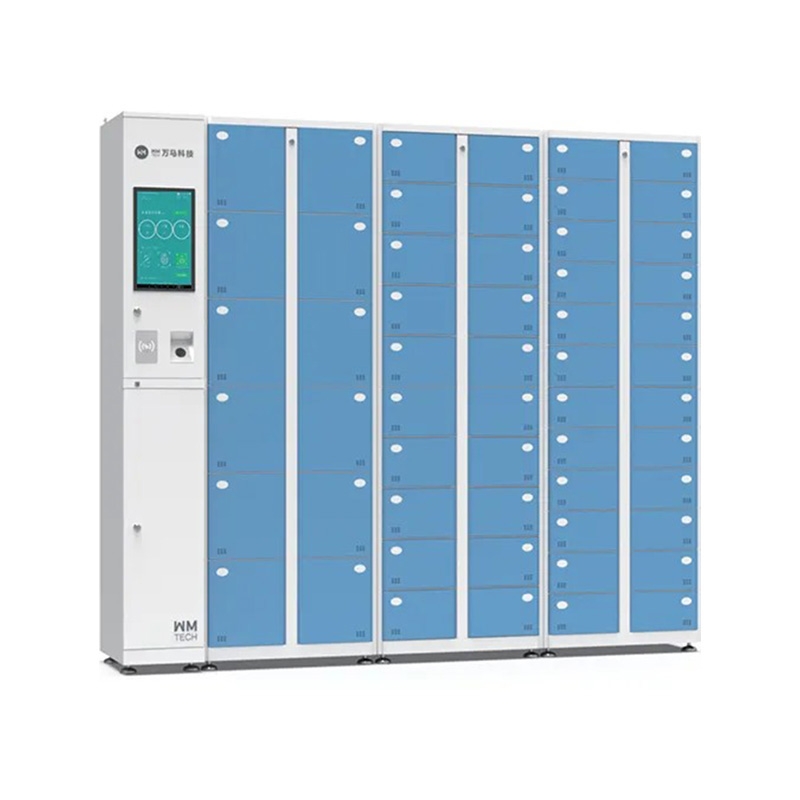
Product Definition:The Intelligent Geng Shoe Box is an advanced storage and management solution for hospitals, operating rooms, and clean zones. It enables automated issuance and collection of shoes a...
See Details -
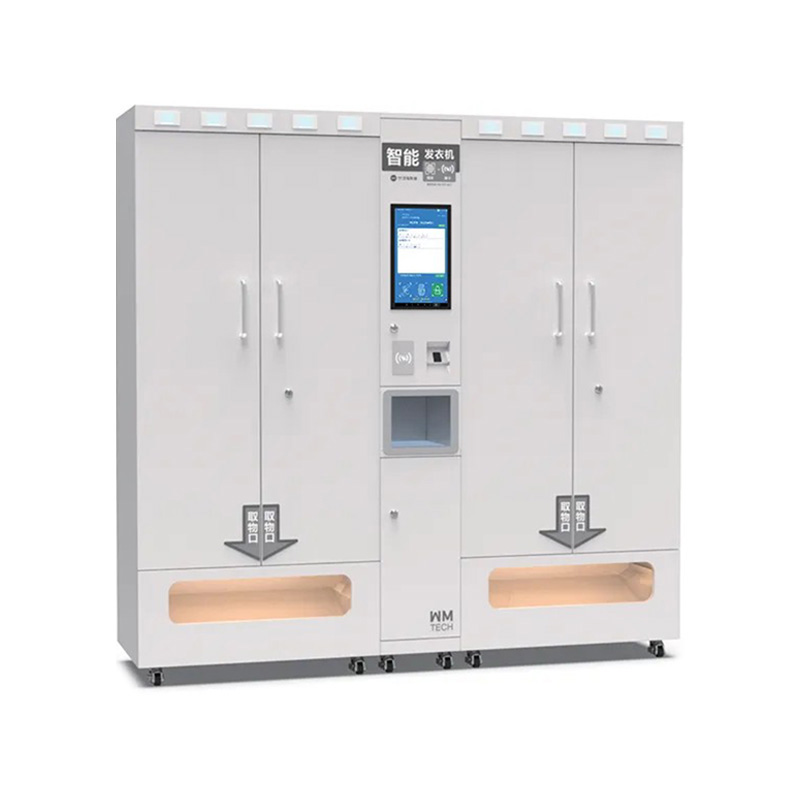
Product Definition:The Turn-over Intelligent Clothes and Shoes Machine is an integrated solution combining automated dispensing, smart collection, and data management, specifically designed for the ci...
See Details -
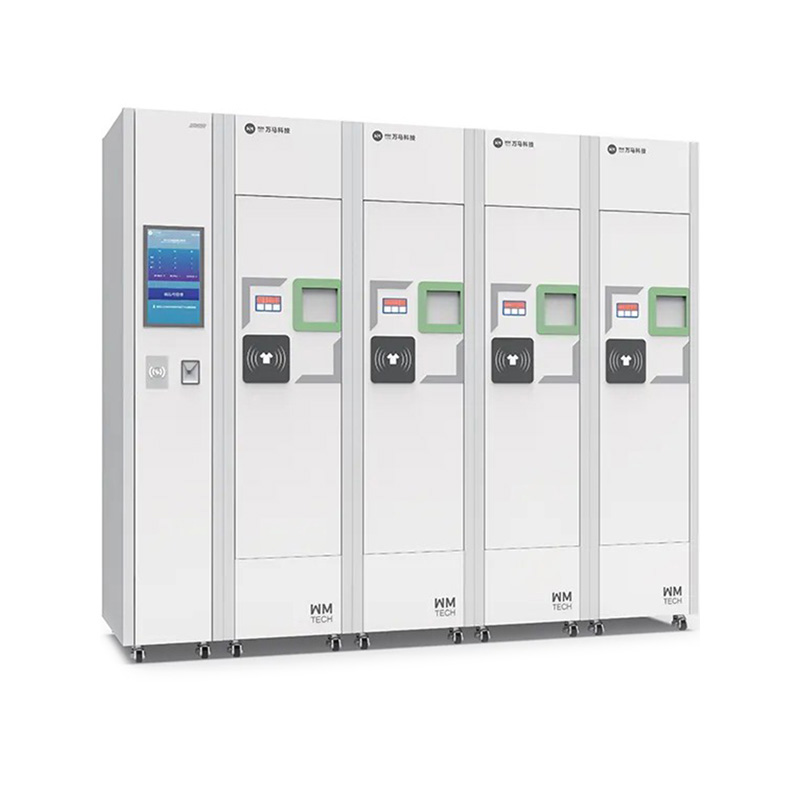
Product Definition:The Chain Intelligent Clothes and Shoes Sending Machine is an advanced management system for hospital operating rooms and clean zones, integrating automatic storage, identity verifi...
See Details
Ready to Get started ? Contact Us Now !

Product.
Contact Details.
-
 +86 13958188250
-
 +86 13958188250
-
 [email protected]
-
 AUDIT Email:[email protected]
- Wanma Industrial Park Taihu Yuan Town Lin'an District Hangzhou City China.
QR Code

Copyright © Wanma Technology Co., Ltd. All Rights Reserved.
Privacy
Custom Ethernet Optical Network Railway Transit Equipments Suppliers
