

 English
 Français
 Español
 Português
 عربى





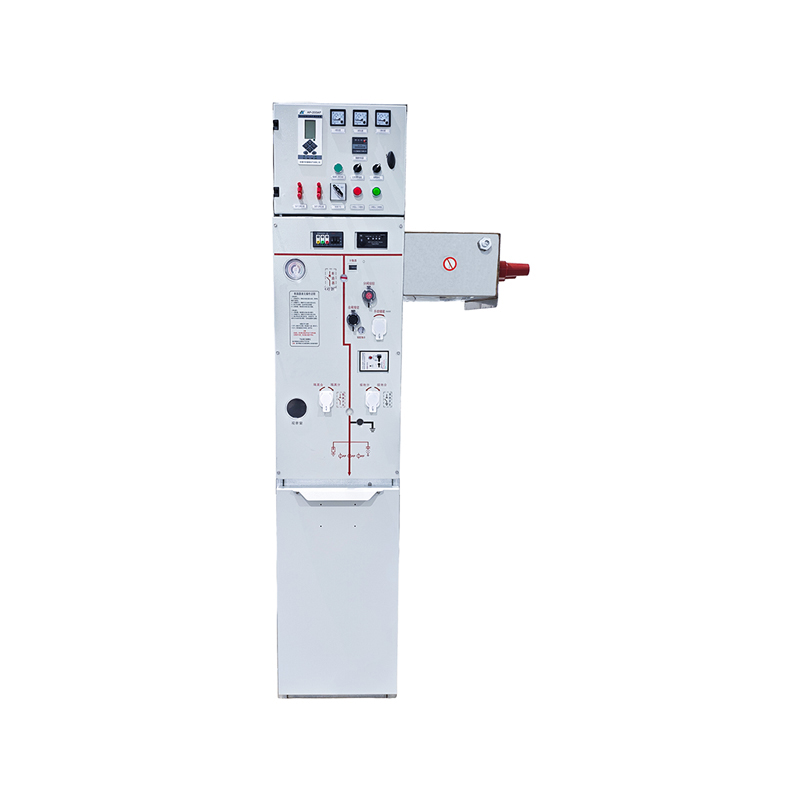
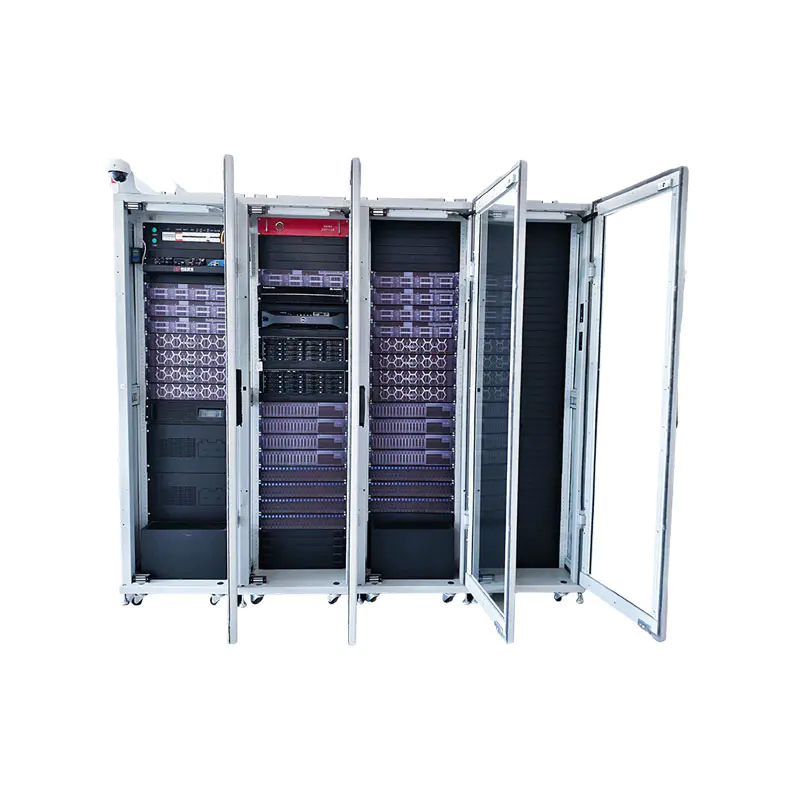
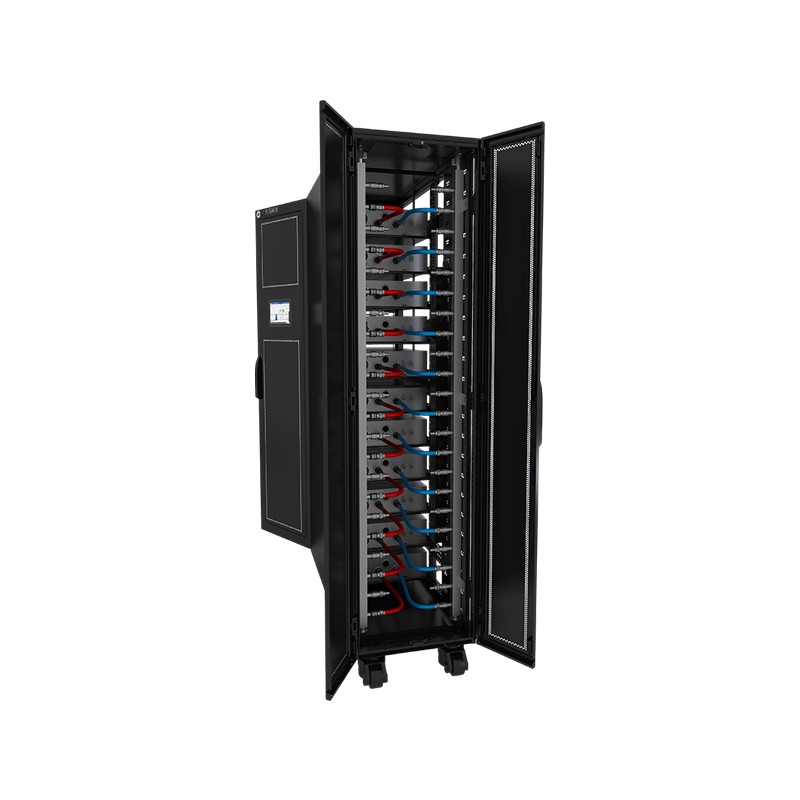
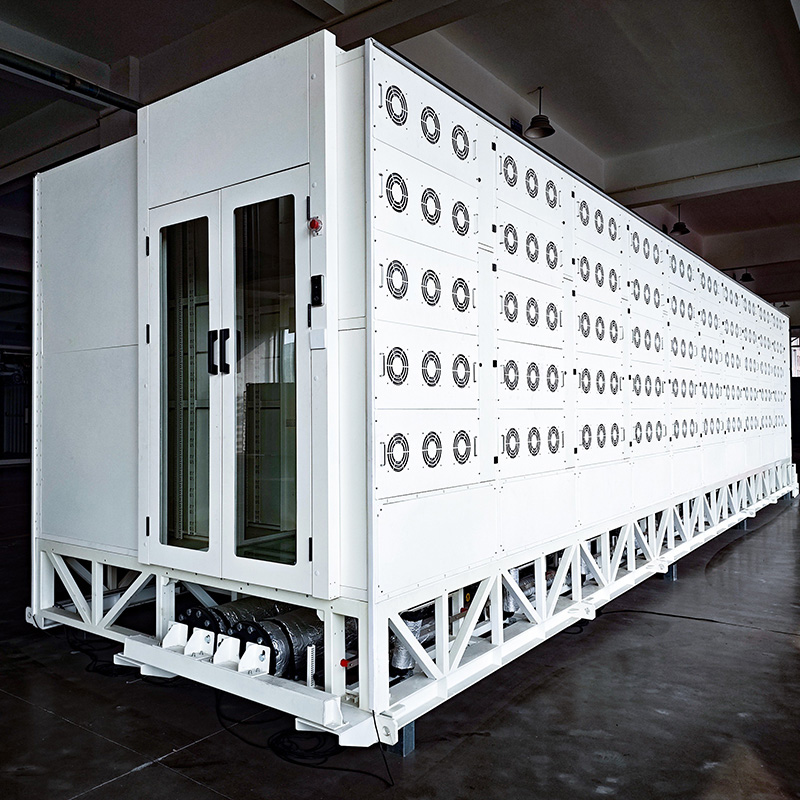

Application:It is used for the fixed network and broadband access, providing physical working environment and security system for the workstation in wired network. Features:•The cabinet is composed of...
See DetailsOutdoor Telecom Cabinet Engineering for Reliable Network Infrastructure
Content
- 1 1. The Role of an Outdoor Telecommunications Cabinet
- 2 2. Product Overview
- 3 3. Galvanized Steel Construction
- 4 4. Integrated Equipment Organization
- 5 5. Thermal Management with HEX Cooling
- 6 6. Anti-Vandalism and Long-Term Protection
- 7 7. Modularity and Serviceability
- 8 8. Competitive Advantages in Telecommunications Projects
- 9 9. Manufacturing Strengths and Quality Approach
- 10 10. Application in Ethernet and Optical Networks
- 11 11. Application in Railway and Urban Rail Transit Systems
- 12 12. Installation Planning
- 13 13. Operation and Maintenance Practices
- 14 14. Selecting the Cabinet for a Project
- 15 15. Why Manufacturer Experience Matters
- 16 16. Summary of Product Benefits
- 17 17. Questions and Answers
- 17.1 Q1: What is the main purpose of the SPX3-RII02V3 cabinet?
- 17.2 Q2: What are the cabinet’s dimensions?
- 17.3 Q3: What material is used for the enclosure?
- 17.4 Q4: What does the IP55 rating provide?
- 17.5 Q5: Can standard rack-mounted equipment be installed inside?
- 17.6 Q6: What is the function of the MDF compartment?
- 17.7 Q7: How is internal heat managed?
- 17.8 Q8: Does the cabinet include a power area?
- 17.9 Q9: Is the cabinet suitable for railway applications?
- 17.10 Q10: What is the benefit of the modular design?
- 17.11 Q11: Is the cabinet maintenance-free?
- 17.12 Q12: What kind of company manufactures the cabinet?
- 17.13 Q13: Can the cabinet be customized?
- 17.14 Q14: What should buyers verify before installation?
- 18 18. Conclusion
- 19 References
- 20 Product: SPX3-RII02V3 Telecom Outdoor Cabinet
Outdoor communication infrastructure must perform reliably in environments that are exposed to rain, dust, temperature fluctuations, corrosion, unauthorized access, vibration, and continuous operational demands. A cabinet installed beside a road, railway, industrial site, housing development, or remote telecommunications facility is not simply a metal enclosure. It is a protective operating environment for sensitive networking equipment, power systems, batteries, distribution frames, and temperature-control components.
The SPX3-RII02V3 Telecom Outdoor Cabinet is designed to address these requirements through a combination of galvanized steel construction, IP55 protection, modular internal organization, dedicated equipment compartments, 19-inch mounting compatibility, and integrated cooling provisions. Its large-format design supports telecommunications equipment, distribution systems, power supply equipment, accumulator batteries, and the auxiliary systems required to maintain stable internal conditions.
Manufactured by Wanma Technology Co., Ltd., the cabinet reflects the company’s long experience in communication cabinets, communication electronic equipment, and passive optical components. Since its establishment in 1997, the company has developed products for Ethernet networks, optical communication networks, equipment rooms, high-speed railway systems, and urban rail transit applications. This combination of product specialization and application experience is important when selecting an outdoor enclosure for long-term network deployment.
This article examines the cabinet’s construction, functions, advantages over ordinary outdoor enclosures, suitability for modern network infrastructure, and the manufacturing strengths that support its use in demanding telecommunications projects.
1. The Role of an Outdoor Telecommunications Cabinet
Telecommunication equipment is often deployed outside a conventional building because network coverage must extend across highways, railways, campuses, industrial parks, residential areas, remote communities, and utility corridors. These locations may not have a permanent equipment room. As a result, the cabinet must provide the functions normally delivered by a small technical facility.
An outdoor cabinet must protect equipment from direct weather exposure while also allowing technicians to install, operate, inspect, and replace the equipment inside. It must accommodate power distribution, cable management, network termination, batteries, cooling equipment, and sometimes metering or service connection components. If the cabinet is poorly designed, even a high-quality network device can suffer from moisture, overheating, dust accumulation, corrosion, or unauthorized interference.
The SPX3-RII02V3 is designed as an integrated enclosure for outdoor wiring and telecommunications infrastructure. It provides space for telecommunications equipment, a distribution frame, a power supply system with accumulator batteries, temperature-maintenance equipment, and line-operated power supply service. Instead of requiring several exposed or disconnected boxes, the cabinet organizes these functions within a unified protected structure.
This integrated approach can simplify site planning. Project designers can define a single cabinet footprint, a coordinated cable-entry strategy, and a common maintenance procedure. Contractors can install related systems in a structured arrangement rather than improvising separate housings for each subsystem. Operators can also benefit from centralized access to the equipment that requires routine inspection.
2. Product Overview
The cabinet belongs to the Cabinets / Racks category and uses a standard 19-inch mounting frame. This format is widely used throughout telecommunications, data networking, fiber-optic transmission, security systems, industrial control, and transport communication applications. Compatibility with the 19-inch standard gives system integrators greater freedom when selecting switches, patch panels, optical distribution equipment, power units, and other rack-mounted devices.
The listed cabinet dimensions are 1550 mm in height, 1900 mm in width, and 650 mm in depth. The large width provides practical working space for separating major subsystems, including the MDF compartment, power compartment, equipment mounting area, and cable-routing paths. The 650 mm depth supports a range of telecom and network equipment while remaining suitable for many outdoor installation locations.
| Product attribute | Specification or function | Deployment value |
|---|---|---|
| Product type | Telecom outdoor cabinet | Protects communications and power equipment in outdoor environments |
| Mounting standard | Standard 19-inch mounting frame | Supports widely available rack-mounted telecom and network equipment |
| Material | 2.0 mm galvanized steel | Provides structural strength and resistance to corrosion and rusting |
| Dimensions | 1550 mm H × 1900 mm W × 650 mm D | Offers substantial internal capacity for equipment, power, distribution, and service areas |
| Protection rating | IP55 | Helps limit the entry of dust and water under defined test conditions |
| Cooling system | Two HEX 100 W/K units | Supports heat removal and temperature management for installed equipment |
| Distribution area | 1801-pair MDF compartment | Provides high-capacity main distribution functionality for telecom wiring |
| Power area | Dedicated power compartment | Creates an organized location for power-meter installation and service connections |
| External service | Power inlet socket connection | Facilitates connection to the incoming electrical supply |
| Design approach | Modular and anti-vandalism construction | Supports serviceability, long-term protection, and replacement of damaged modules |
The specifications show that the product is intended for more than basic cable protection. It is a coordinated infrastructure cabinet with space for distribution, power, cooling, and active or passive communication equipment. This makes it relevant to projects where network reliability depends on the cabinet as a complete system.
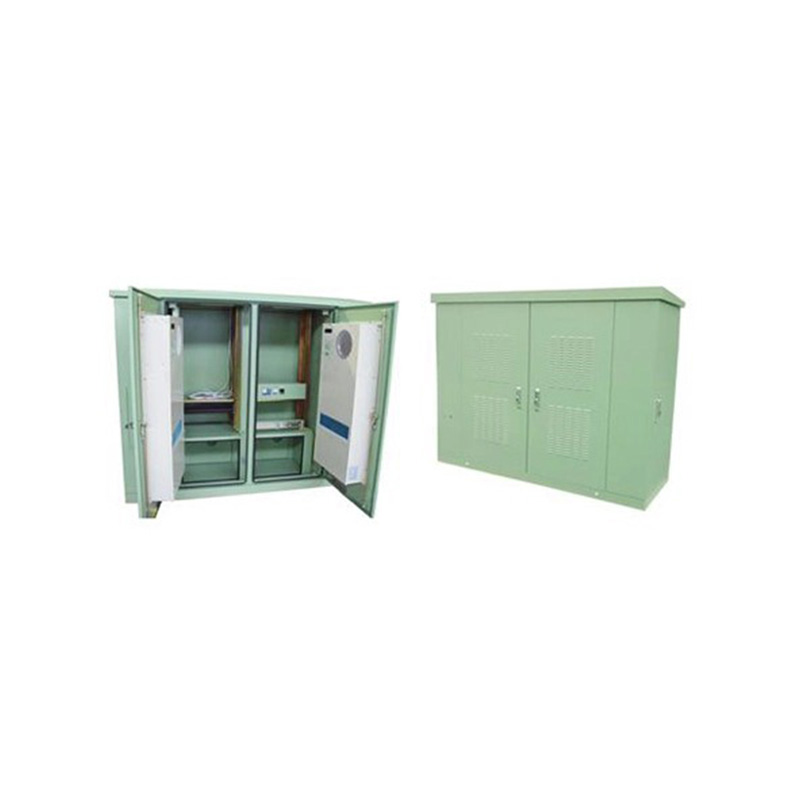
SPX3-RII02V3 Telecom Outdoor Cabinet
3. Galvanized Steel Construction
The cabinet uses 2.0 mm galvanized steel. Material selection is one of the most important factors in outdoor cabinet performance because the enclosure must withstand mechanical stress, handling during transportation, installation activities, wind exposure, and long-term environmental conditions.
Galvanized steel offers a practical balance between strength, manufacturability, and corrosion resistance. The zinc protection helps shield the underlying steel from environmental attack. This is particularly useful in outdoor telecommunications applications where the enclosure may be exposed to humidity, rain, condensation, airborne pollutants, or coastal and industrial atmospheres.
The 2.0 mm material thickness also contributes to rigidity. A rigid enclosure is less likely to deform during installation or when subjected to repeated opening and closing. Structural stability helps maintain door alignment, sealing performance, mounting-frame accuracy, and the fit of internal modules. It can also support more dependable cable routing because panels and brackets are less likely to shift under normal service conditions.
Compared with thin sheet-metal enclosures intended for light indoor use, a 2.0 mm galvanized steel cabinet is better suited to demanding outdoor infrastructure. Thin enclosures may be easier to manufacture, but they can offer lower resistance to impact, deformation, and vandalism. A stronger structure is valuable when the cabinet is installed in an unmanned location or an area where accidental contact and unauthorized access are possible.
Corrosion resistance is also linked to maintenance requirements. The product is described as resistant to corrosion and rusting and as requiring little or no maintenance. In practice, every outdoor installation should still receive periodic inspection, but a corrosion-resistant enclosure can reduce the frequency of surface repair and help preserve the cabinet’s protective function throughout its service life.
3.1 Protection Against Environmental Exposure
The cabinet’s IP55 protection level is another central feature. The first digit, 5, indicates protection against harmful dust deposits, while the second digit, 5, relates to protection against water jets from multiple directions under specified testing conditions. IP ratings do not mean that a cabinet can be submerged or exposed without limits, but IP55 is a widely useful level for outdoor communication infrastructure.
An IP55 enclosure can help prevent dust and water from reaching sensitive terminals, optical components, power units, and electronic assemblies. This is especially important because dust can accumulate on heat-generating equipment, while moisture can contribute to corrosion, insulation degradation, short circuits, and optical connector contamination.
Sealing performance depends on the complete cabinet design, including doors, gaskets, cable-entry points, locks, ventilation or heat-exchange components, and installation practice. The specified protection rating therefore provides a design target for the full enclosure assembly rather than just the steel panels. Properly closed doors, correctly installed cable glands, and appropriate foundation or mounting arrangements remain important during deployment.
4. Integrated Equipment Organization
A major advantage of the SPX3-RII02V3 is its ability to accommodate multiple infrastructure functions inside one coordinated enclosure. The design includes a standard 19-inch mounting frame, an 1801-pair MDF compartment, a power compartment, power inlet socket connection, and cooling equipment. These elements address different operational requirements while remaining part of the same outdoor cabinet platform.
The 19-inch frame provides a familiar installation interface. Network switches, fiber-optic equipment, patch panels, power distribution units, transmission devices, and other rack equipment can be arranged using standard mounting practices. Familiar rack dimensions reduce the need for custom brackets and make it easier for integrators to plan equipment layouts.
The MDF compartment is designed for 1801 pairs. A main distribution frame of this capacity can support extensive copper-line termination and cross-connection requirements. Depending on the deployment, it may be used for subscriber lines, access-network distribution, service interfaces, or other structured telecommunications wiring. Separating the MDF area from general equipment space can improve cable organization and simplify troubleshooting.
The dedicated power compartment provides a defined location for the power meter and related service functions. Separating power equipment from communication equipment is beneficial for organization, safety, and maintenance. It can reduce confusion during installation and provide technicians with a predictable service area when inspecting incoming power or measuring electrical consumption.
The power inlet socket connection further supports a coordinated site installation. A prepared connection point is more practical than routing an incoming supply through an improvised opening. It helps the installer plan the relationship between the external power source, the meter, the cabinet power compartment, and the equipment that requires electrical service.
4.1 Separation of Functions
Outdoor cabinets often become difficult to maintain when power, copper distribution, fiber equipment, batteries, and active electronics are placed without clear separation. The internal arrangement of the SPX3-RII02V3 is intended to avoid this problem. Dedicated compartments and mounting areas allow equipment to be grouped according to function.
Functional separation can improve several aspects of operation. First, it can make installation more orderly. Second, it can reduce the time needed to identify a particular device or connection. Third, it can help technicians work on one subsystem without unnecessarily disturbing another. Finally, it can support future upgrades because available space and connection areas are easier to understand.
For network operators, this organization can be valuable across the entire life cycle of a site. During initial construction, the cabinet provides a defined installation platform. During commissioning, the separated areas assist testing. During normal operation, they simplify inspection. During expansion, the standard mounting frame and modular approach can provide room for additional equipment or replacement modules where capacity allows.
5. Thermal Management with HEX Cooling
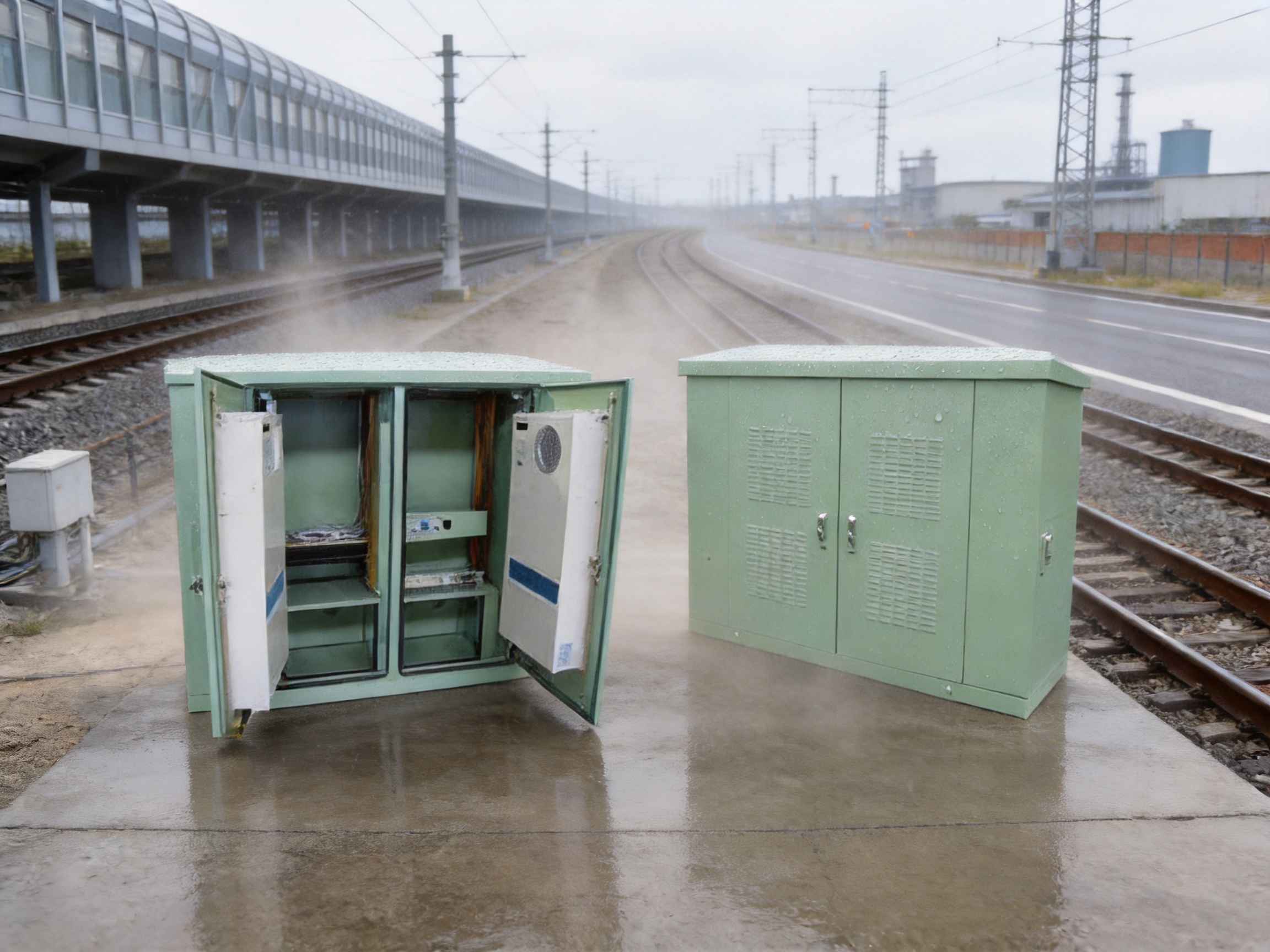
Heat management is essential in an outdoor cabinet because installed electronics generate heat continuously, while solar radiation and high ambient temperatures can raise the internal temperature further. If internal heat is not controlled, equipment may experience reduced performance, shortened component life, unexpected shutdowns, or accelerated aging of batteries and power systems.
The product includes two HEX 100 W/K cooling units. The stated thermal rating indicates the intended heat-transfer capacity of each unit under defined conditions. Using two units provides a distributed cooling arrangement and can increase the cabinet’s ability to manage heat compared with a single small cooling device.
A heat-exchange cooling system is particularly useful when the cabinet must retain a sealed or highly protected enclosure environment. Conventional ventilation can introduce outside dust, humidity, insects, or polluted air. A heat exchanger can transfer heat between internal and external air paths while limiting direct mixing, helping preserve the enclosure’s environmental protection.
The dual-unit arrangement also supports balanced thermal performance across a wide cabinet. Because the cabinet is 1900 mm wide, heat distribution and airflow planning are important. Two cooling units can be positioned or operated to address different internal zones, depending on the final cabinet configuration and the manufacturer’s installation instructions.
5.1 Cooling and Equipment Reliability
Thermal management should be considered together with equipment layout. High-power devices should not be blocked by cable bundles or installed in locations where heat accumulates. Battery systems should be placed according to their operating requirements, and sensitive electronics should have sufficient clearance for airflow or heat transfer.
The cabinet’s internal modularity can help system designers create an organized thermal plan. Rack-mounted equipment, power components, MDF wiring, and battery systems can be assigned appropriate locations. The cooling system can then be matched to the anticipated heat load, ambient conditions, and operational profile of the site.
The two cooling units do not eliminate the need for engineering calculations. Project teams should still assess equipment power consumption, expected outdoor temperatures, solar exposure, battery heat generation, cabinet orientation, and maintenance access. However, the integrated cooling provision gives the cabinet a stronger starting point than an enclosure with no dedicated thermal-management system.
6. Anti-Vandalism and Long-Term Protection
Outdoor cabinets are often installed in locations where no permanent staff are present. They may be placed along railways, at street-side network nodes, near industrial facilities, or at remote access points. In these locations, the enclosure must discourage tampering and resist accidental or deliberate impact.
The SPX3-RII02V3 is described as having an anti-vandalism design. This design objective complements its galvanized steel construction and modular structure. A robust enclosure can help protect expensive active equipment, batteries, distribution modules, and power components from unauthorized access and physical damage.
Anti-vandalism performance is not limited to the thickness of the metal. It also involves door construction, locking arrangements, hinge protection, exposed fasteners, panel security, cable-entry protection, and the ability to prevent easy removal of internal components. A well-designed cabinet should make unauthorized access more difficult while still allowing authorized technicians to perform maintenance efficiently.
Long-term protection is also connected to environmental sealing. A cabinet that discourages vandalism but allows water ingress would not provide complete infrastructure protection. The combination of IP55 protection, corrosion-resistant material, and secure construction is therefore more valuable than any single feature considered independently.
For network operators, physical protection can reduce the risk of service interruption. Damage to a remote cabinet can affect many subscribers or transport services, particularly when the enclosure contains a large distribution frame or serves as a regional aggregation point. Investing in a durable cabinet can therefore support network availability as well as asset protection.
7. Modularity and Serviceability
The cabinet is designed with high modularity, which facilitates the replacement of defective parts due to impact. This characteristic is important in outdoor deployments because individual components may eventually require replacement even when the main cabinet structure remains serviceable.
A modular cabinet can reduce the need to remove and rebuild the entire installation after damage to a door, panel, mounting section, cooling unit, compartment component, or other replaceable part. Targeted replacement can shorten repair time, reduce labor costs, and help operators restore protection more quickly.
Modularity also supports project variation. Different customers may require different combinations of active equipment, distribution capacity, batteries, power metering, and cooling arrangements. A modular platform can be configured more efficiently than a rigid enclosure designed for only one fixed equipment list.
Another benefit is maintenance consistency. If a product family uses repeatable modules and standardized mounting practices, technicians can develop familiar procedures across multiple sites. Familiarity can reduce installation errors and make spare-parts planning more manageable.
7.1 Advantages Over Conventional Fixed Enclosures
A basic fixed enclosure may provide a weather barrier but offer limited adaptability. When the equipment mix changes, installers may need to drill new holes, add improvised brackets, or place auxiliary boxes outside the main housing. These modifications can weaken sealing, complicate cable management, and make future maintenance more difficult.
The SPX3-RII02V3 addresses these limitations through a combination of standard rack mounting, dedicated compartments, integrated cooling, and modular construction. It is better aligned with the changing requirements of modern network infrastructure, where technologies and capacity demands evolve over time.
Compared with a collection of separate small boxes, one integrated cabinet can also simplify the site footprint. The project may need fewer foundations, fewer external cable runs, and fewer independent access procedures. The final installation can appear more professional and can be easier for operators to document.
8. Competitive Advantages in Telecommunications Projects
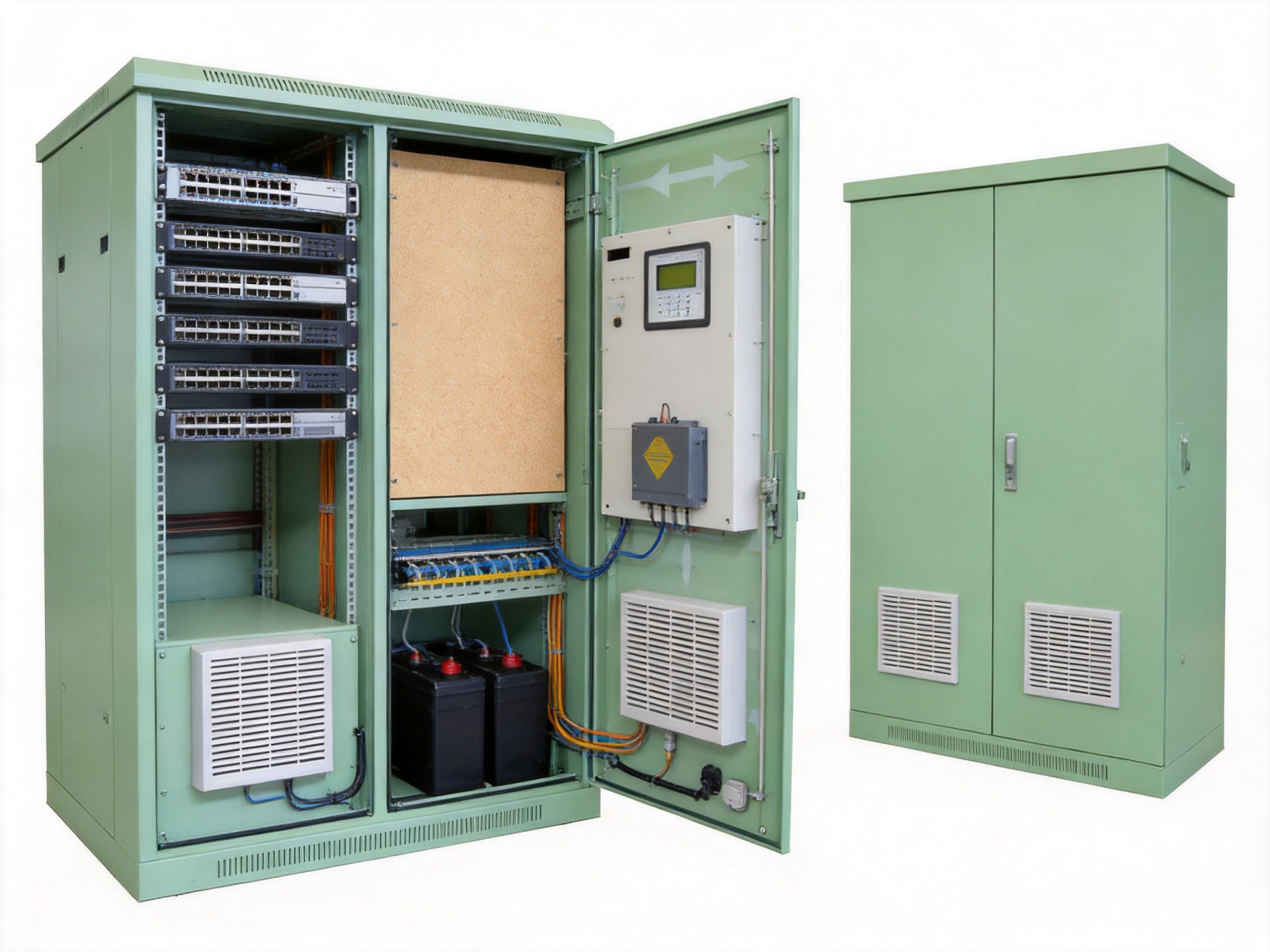
The cabinet’s competitive value comes from the way its features work together. A competitor may offer a weather-resistant enclosure, but not necessarily the same combination of galvanized steel, 19-inch compatibility, high-capacity MDF organization, dedicated power space, dual heat-exchange cooling, IP55 protection, anti-vandalism design, and modular replacement capability.
8.1 Broad Application Coverage
The product can support telecommunications equipment, distribution frames, power supply systems, accumulator batteries, temperature-control equipment, and line-operated power service. This broad application range makes it suitable for network nodes that combine active, passive, and electrical functions.
It can be considered for Ethernet infrastructure, optical communication networks, access networks, railway communications, urban rail transit systems, industrial communications, and large outdoor wiring projects. The final application should be confirmed through equipment dimensions, electrical requirements, environmental conditions, and project standards, but the cabinet’s architecture is clearly intended for multi-function deployments.
8.2 Efficient Use of Installation Space
Outdoor real estate can be expensive or difficult to obtain. A cabinet that combines several infrastructure functions can help reduce the number of separate enclosures required at a site. Its broad internal capacity allows designers to coordinate equipment placement while keeping the installation within a defined footprint.
The 1900 mm width is particularly useful when several equipment groups must be placed side by side. The 650 mm depth provides equipment space without creating an excessively deep structure for many outdoor locations. The 1550 mm height supports practical access to internal equipment while maintaining a substantial capacity.
8.3 Reduced Maintenance Burden
Corrosion-resistant materials, IP55 protection, modular construction, and integrated cooling can reduce routine maintenance demands. The product is described as requiring little or no maintenance, although normal inspections remain advisable for any outdoor installation. Reduced maintenance is especially valuable for remote sites where service visits are costly or difficult to schedule.
When maintenance is required, the organized internal layout and replaceable modules can help technicians work more efficiently. Clear separation of power, distribution, and equipment areas can reduce the risk of accidental disturbance to unrelated systems.
8.4 Compatibility with Network Modernization
Network modernization frequently involves the coexistence of legacy copper distribution, fiber-optic systems, Ethernet equipment, power electronics, and new access technologies. The cabinet’s MDF compartment and 19-inch mounting frame make it suitable for transitional architectures in which different technologies must operate together.
This flexibility is relevant to 5G and FTTH infrastructure modernization. Modern access networks may require new fiber distribution and active equipment while existing wiring and power arrangements remain in service. A cabinet that provides structured space for multiple systems can help project teams manage this transition more effectively.
9. Manufacturing Strengths and Quality Approach
Product performance depends not only on the published specification but also on manufacturing consistency. A cabinet made from suitable materials can still underperform if its panels are poorly formed, its seals are inconsistent, its coating is uneven, or its modules do not align correctly. The manufacturing process must therefore convert the design specification into a repeatable, durable product.
Wanma Technology Co., Ltd. specializes in communication cabinets, communication electronic equipment, and passive optical components. Its long operating history provides experience in the design and manufacture of products used in communication networks and transport-related infrastructure. This industry focus is a strength because telecom cabinets must be designed around actual network equipment, cable-routing practices, field maintenance, and installation conditions.
9.1 Material and Sheet-Metal Processing
The cabinet’s 2.0 mm galvanized steel construction requires controlled sheet-metal processing. Manufacturing normally begins with material inspection and dimensional preparation. Panels and structural parts must be cut accurately so that the finished enclosure can maintain correct geometry, door alignment, mounting-frame position, and compartment interfaces.
Forming operations create bends, reinforcement features, mounting flanges, and structural edges. Accurate forming improves rigidity and reduces the risk of sharp or misaligned parts. It also helps the enclosure maintain consistent sealing surfaces when doors and panels are installed.
For a large cabinet, dimensional control is particularly important. A small error in one panel can become a larger alignment problem after assembly. Controlled tooling, production drawings, inspection procedures, and repeatable assembly fixtures can help maintain consistency from one cabinet to the next.
9.2 Surface Protection and Corrosion Control
Galvanized steel provides a foundation for corrosion resistance, but manufacturing quality still depends on how surfaces, joints, openings, fasteners, and interfaces are handled. Components must be prepared and assembled in a way that preserves the protective function of the material.
Quality control may include inspection of surface condition, edge treatment, coating continuity where applicable, fastener compatibility, and areas that could retain water or contaminants. These details matter because corrosion often begins at exposed edges, damaged surfaces, poorly protected interfaces, or locations where moisture remains trapped.
A disciplined surface-protection process supports the product’s stated resistance to rusting and its intended low-maintenance character. It also helps maintain appearance and structural integrity over extended outdoor service.
9.3 Modular Assembly
The cabinet’s modular design requires the manufacturer to produce interchangeable or consistently fitting parts. Cooling units, mounting structures, compartment panels, service doors, and other modules must be assembled with predictable interfaces. Consistency is important both for initial production and for later replacement of defective or impact-damaged parts.
Modular assembly can also support customization. Wanma Technology develops and markets its own branded products while providing integrated solutions for customized products. This capability is valuable when a project requires specific rack layouts, distribution arrangements, power sections, cable-routing configurations, or environmental adaptations.
9.4 Functional Inspection
A complete quality process should evaluate more than the appearance of the finished cabinet. Functional inspection may include dimensional verification, door and lock operation, sealing checks, mounting-frame alignment, compartment fit, cable-entry arrangement, cooling-unit installation, and electrical connection interfaces.
IP55 performance should be supported by appropriate enclosure testing or verification procedures. Cooling equipment should be checked for installation quality and operational readiness. Power compartments and inlet connections require careful inspection because they combine mechanical, electrical, and safety considerations.
Manufacturing quality is ultimately reflected in field performance. A cabinet that arrives correctly dimensioned, securely assembled, and ready for equipment installation can reduce project delays and prevent costly rework at the deployment site.
10. Application in Ethernet and Optical Networks
Ethernet and optical communication networks increasingly rely on outdoor nodes to extend service coverage and connect distributed users. These nodes may contain switches, optical line equipment, fiber distribution components, patch panels, power systems, and environmental-control devices.
The standard 19-inch mounting frame supports a wide range of Ethernet and optical equipment. Fiber-optic distribution can be organized alongside active networking devices, while the MDF compartment can support copper-line applications where legacy and modern services coexist. The power compartment provides a defined area for electrical service and metering.
For FTTH modernization, the cabinet can serve as part of a structured access-network deployment. Fiber distribution equipment, power units, and related network components can be installed in an outdoor protected environment. The cabinet’s capacity may also help operators plan phased expansion, provided that the available space, cooling capacity, and power budget are correctly evaluated.
For Ethernet networks serving industrial facilities, campuses, transport corridors, or remote sites, the cabinet can centralize equipment that would otherwise be distributed among smaller housings. Its anti-vandalism construction and IP55 protection are useful where network nodes are not located inside a secure building.
11. Application in Railway and Urban Rail Transit Systems
Railway and urban rail transit communication systems require dependable infrastructure because communications support operations, passenger services, security, signaling-related interfaces, maintenance coordination, and data transmission. Equipment may be installed along tracks, at stations, in technical areas, or near other transport infrastructure.
Outdoor rail environments can expose cabinets to vibration, dust, rain, temperature changes, maintenance activity, and limited access. A durable steel structure and secure enclosure design are therefore important. The cabinet’s large internal capacity can support the combination of communication equipment, power systems, distribution modules, and thermal-management devices required at a transport site.
Wanma Technology’s experience with national high-speed railway and urban rail transit applications strengthens its understanding of these demanding environments. Project-specific railway standards and installation requirements must still be reviewed, but application experience can help inform cabinet configuration, access planning, equipment organization, and maintenance strategy.
The modular design is also valuable in transport networks because repair windows may be limited. If a damaged component can be replaced without dismantling the entire cabinet, maintenance teams may restore the site more quickly and reduce disruption to network services.
12. Installation Planning
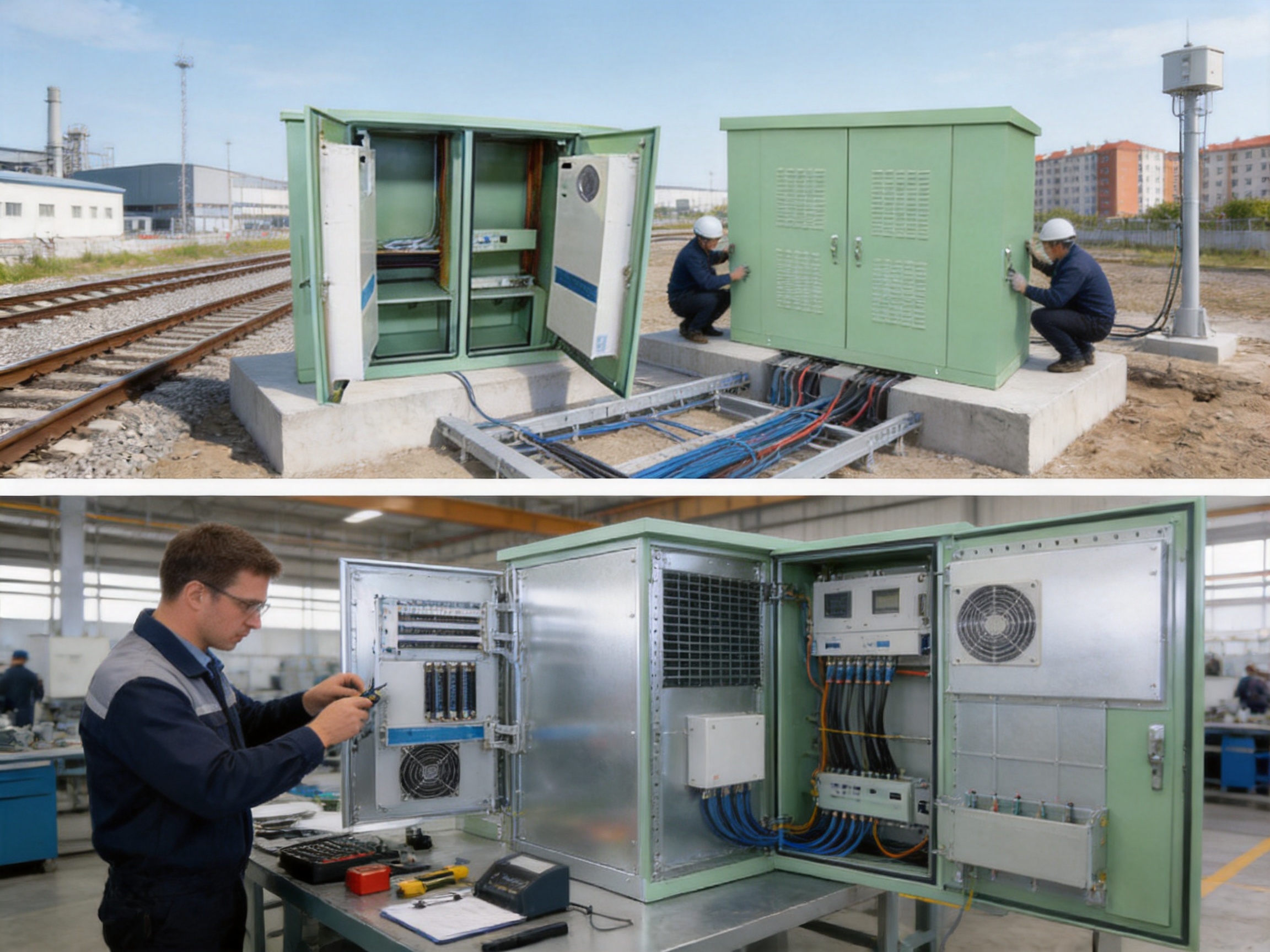
Successful cabinet performance depends on proper site engineering. Before installation, the project team should confirm the foundation, anchoring method, cabinet orientation, access clearances, incoming power route, cable-entry points, drainage conditions, and exposure to direct sunlight or prevailing weather.
The cabinet should be installed on a stable and level base capable of supporting its weight and the weight of all internal equipment, batteries, and cabling. The foundation should help prevent standing water from reaching the lower cabinet structure. Anchoring should be selected according to local wind, vibration, seismic, and civil-engineering requirements.
Technicians should maintain sufficient working space in front of the 19-inch frame, MDF compartment, power compartment, and cooling units. A cabinet may have adequate internal capacity but still be difficult to service if the external access area is restricted. Door swing, lifting access, equipment replacement routes, and safety procedures should be considered during layout planning.
Power installation must be completed by qualified personnel in accordance with applicable electrical regulations. The power inlet socket, power meter area, grounding arrangement, and protective devices should be coordinated before commissioning. Communication cables and power cables should be routed in a way that supports safety, separation, identification, and future maintenance.
12.1 Environmental and Thermal Assessment
The project team should calculate the expected internal heat load and compare it with the cooling capability of the two HEX 100 W/K units. Equipment power consumption, battery charging, solar gain, local ambient temperature, and cabinet orientation all influence the thermal result.
Where the cabinet is exposed to intense sunlight, shade structures or suitable orientation may improve thermal performance. Where the site experiences severe winter conditions, the system design may require additional heating or control provisions. The cabinet’s stated cooling equipment addresses heat removal, but the complete environmental-control strategy should match the local climate and installed equipment.
13. Operation and Maintenance Practices
Although the cabinet is designed to require little or no maintenance, regular inspection remains good practice. Operators should periodically check the external panels, doors, locks, seals, cable entries, grounding connections, cooling units, and signs of corrosion or impact.
Internal inspections should verify that equipment remains securely mounted and that cable bundles do not block cooling paths or obstruct service access. The power compartment should be inspected according to electrical safety procedures. Battery systems should be maintained according to the battery manufacturer’s requirements.
Dust and debris should not be allowed to accumulate around cooling equipment or cable-entry areas. If a seal, panel, or cooling module is damaged, it should be replaced promptly. The cabinet’s modular construction can support this approach by allowing targeted repair rather than full enclosure replacement.
Maintenance records should include installation date, equipment inventory, power measurements, cooling observations, repairs, and inspection results. Accurate records help operators plan capacity upgrades and identify recurring environmental or equipment problems.
14. Selecting the Cabinet for a Project
Before ordering, the system integrator should confirm the total equipment list and compare it with the cabinet’s internal capacity. Important considerations include rack-unit requirements, MDF pair capacity, battery dimensions, power-meter arrangement, cooling load, cable-entry needs, fiber bend-radius requirements, and future expansion space.
The 1801-pair MDF compartment should be matched to the project’s actual copper distribution design. The 19-inch mounting frame should be checked against the depth, weight, and mounting requirements of the selected equipment. Power requirements should be confirmed for voltage, current, protection, metering, grounding, and local utility standards.
Environmental conditions should also be documented. Coastal sites, industrial areas, railway corridors, high-altitude locations, and regions with extreme temperatures may require additional specifications or protective measures. The IP55 rating and galvanized steel structure provide a strong baseline, but the complete installation must still comply with the project’s environmental requirements.
Where a customized arrangement is required, the manufacturer’s ability to provide integrated solutions can be useful. Customization should be controlled through approved drawings and technical documentation so that changes do not compromise sealing, structural strength, thermal performance, or electrical safety.
15. Why Manufacturer Experience Matters
Telecommunication cabinets are closely connected to the equipment and networks they protect. A manufacturer focused on communication infrastructure is more likely to understand the practical needs of rack mounting, fiber management, copper distribution, power organization, environmental protection, and field service.
Wanma Technology Co., Ltd. has operated in the communication-equipment sector since 1997. Its product portfolio includes communication cabinets, communication electronic equipment, and passive optical components. The company’s products are used in Ethernet networks, optical communication networks, central equipment rooms, high-speed railway systems, and urban rail transit systems.
This application coverage supports a product-development approach based on real network environments rather than on general-purpose sheet-metal fabrication alone. It also enables the company to combine individual products into integrated solutions for customers with more complex infrastructure requirements.
The company develops and manufactures its own branded products and maintains a sales network covering more than 20 countries and regions. International project experience can contribute to an understanding of different installation practices, customer expectations, delivery requirements, and network modernization objectives.
For buyers, the value of a manufacturer includes more than the cabinet itself. Technical communication, drawing confirmation, production coordination, quality documentation, delivery reliability, and after-sales support all affect the success of a telecommunications deployment. A long-term supplier relationship can help operators standardize equipment across multiple sites and future projects.
16. Summary of Product Benefits
The SPX3-RII02V3 Telecom Outdoor Cabinet provides a comprehensive platform for protecting and organizing outdoor telecommunications infrastructure. Its principal benefits include:
First, the 2.0 mm galvanized steel structure provides a strong and corrosion-resistant enclosure suitable for demanding outdoor use.
Second, IP55 protection helps defend internal equipment against harmful dust deposits and water jets under defined conditions.
Third, the standard 19-inch mounting frame supports widely available communication and networking equipment.
Fourth, the large 1550 mm H × 1900 mm W × 650 mm D format provides substantial room for equipment, cabling, power systems, and distribution functions.
Fifth, the 1801-pair MDF compartment supports high-capacity telecommunications wiring and structured cross-connection.
Sixth, the dedicated power compartment and power inlet socket connection help organize the incoming electrical service and power-meter installation.
Seventh, two HEX 100 W/K cooling units support heat management for equipment installed in the protected enclosure.
Eighth, the anti-vandalism design and durable construction help protect critical network assets at unmanned or exposed locations.
Ninth, the modular design facilitates replacement of defective or impact-damaged components, helping reduce repair time and lifecycle cost.
Tenth, the manufacturer’s experience in communication networks, optical systems, railway infrastructure, and customized integrated solutions supports the product’s suitability for complex projects.
17. Questions and Answers
Q1: What is the main purpose of the SPX3-RII02V3 cabinet?
The cabinet is designed to house and protect outdoor telecommunications equipment, distribution frames, power supply systems, accumulator batteries, temperature-control equipment, and line-operated power service components.
Q2: What are the cabinet’s dimensions?
The listed dimensions are 1550 mm in height, 1900 mm in width, and 650 mm in depth.
Q3: What material is used for the enclosure?
The enclosure is made from 2.0 mm galvanized steel, selected for structural strength and resistance to corrosion and rusting.
Q4: What does the IP55 rating provide?
IP55 indicates protection against harmful dust deposits and water jets from multiple directions under defined testing conditions. It is suitable for many outdoor applications, but it does not indicate protection against immersion or every possible environmental condition.
Q5: Can standard rack-mounted equipment be installed inside?
Yes. The cabinet includes a standard 19-inch mounting frame, which supports many commonly used telecommunications, Ethernet, optical, power, and network-management devices.
Q6: What is the function of the MDF compartment?
The MDF compartment is designed for up to 1801 pairs, providing a structured area for high-capacity telecommunications wiring, termination, cross-connection, and distribution.
Q7: How is internal heat managed?
The cabinet includes two HEX cooling units rated at 100 W/K each. They are intended to support heat removal and temperature management for installed equipment. Final thermal performance should be confirmed against the equipment load and local environmental conditions.
Q8: Does the cabinet include a power area?
Yes. It includes a dedicated power compartment for installing the power meter and organizing the incoming power service. A power inlet socket connection is also provided.
Q9: Is the cabinet suitable for railway applications?
It can be considered for railway and urban rail transit communication infrastructure because it is designed for outdoor telecommunications equipment and provides protection, distribution, power, cooling, and modular service functions. Project-specific railway standards and environmental requirements should be verified before selection.
Q10: What is the benefit of the modular design?
Modularity allows defective or impact-damaged components to be replaced more easily. It can reduce repair time, simplify maintenance, support customized configurations, and help extend the useful life of the main cabinet structure.
Q11: Is the cabinet maintenance-free?
The product is described as requiring little or no maintenance. Nevertheless, periodic inspection of seals, doors, locks, cooling units, cable entries, grounding, corrosion, and internal equipment is recommended for any outdoor installation.
Q12: What kind of company manufactures the cabinet?
Wanma Technology Co., Ltd. specializes in communication cabinets, communication electronic equipment, and passive optical components. The company has operated since 1997 and serves communication, Ethernet, optical, railway, and urban rail transit applications.
Q13: Can the cabinet be customized?
The manufacturer provides integrated solutions for customized products. Custom requirements should be confirmed through technical drawings and engineering review to ensure that structural, sealing, cooling, power, and installation performance are maintained.
Q14: What should buyers verify before installation?
Buyers should verify equipment dimensions, rack capacity, MDF requirements, battery size, power specifications, cooling load, cable-entry arrangements, foundation design, access clearances, local environmental conditions, grounding, and applicable safety standards.
18. Conclusion
The SPX3-RII02V3 Telecom Outdoor Cabinet is designed as a complete outdoor infrastructure platform rather than a basic weatherproof box. Its galvanized steel construction, IP55 protection, standard 19-inch mounting frame, high-capacity MDF compartment, dedicated power area, power inlet connection, dual HEX cooling units, anti-vandalism design, and modular service approach address the practical requirements of modern telecommunications deployment.
Its advantages are especially relevant to projects that combine active network equipment, passive distribution, batteries, power service, and environmental control in one outdoor location. The cabinet can support Ethernet and optical networks, FTTH modernization, railway communication systems, urban rail transit infrastructure, industrial networks, and other distributed communication applications.
The product is further supported by Wanma Technology Co., Ltd.’s long-term focus on communication infrastructure and its experience in developing, manufacturing, and supplying communication cabinets, electronic equipment, and passive optical components. The company’s manufacturing specialization, application knowledge, international market coverage, and customized integration capability provide a strong foundation for projects that require reliable equipment protection and coordinated technical support.
For organizations planning outdoor network expansion or modernization, the cabinet offers a practical combination of capacity, protection, thermal management, physical security, serviceability, and compatibility with established rack standards. With proper site engineering, installation, and maintenance, it can contribute to a more organized, durable, and dependable telecommunications infrastructure.
References
1. Wanma Technology Co., Ltd. Product specification information for the SPX3-RII02V3 Telecom Outdoor Cabinet.
2. Wanma Technology Co., Ltd. Corporate information concerning communication cabinets, communication electronic equipment, passive optical components, and integrated communication solutions.
3. International Electrotechnical Commission. Degrees of Protection Provided by Enclosures, IP Code classification principles.
4. International Organization for Standardization and International Electrotechnical Commission. General guidance for equipment environmental protection and enclosure performance.
5. Telecommunications industry practices for 19-inch equipment racks, distribution frames, cable management, and outdoor network equipment installation.
6. Railway and urban rail transit communication infrastructure engineering practices concerning environmental protection, equipment access, power organization, and maintenance planning.
Product: SPX3-RII02V3 Telecom Outdoor Cabinet
PREV:WMSBG Single Section Wall Mount Cabinet: Compact, Durable, and Efficient Network Infrastructure
NEXT:Outdoor Railway Signal Control Cabinets: EMC Protection, Manufacturing Quality, and Trackside Reliability
NEXT:Outdoor Railway Signal Control Cabinets: EMC Protection, Manufacturing Quality, and Trackside Reliability
Interested in cooperation or have questions?
Related products
-
-
Application ScopeThis product is used in wireless network coverage systems, providing a safe and stable physical working environment and comprehensive security protection for workstations at wireless ...
See Details -
Application: The enclosure for outdoor wiring is designed for locating of telecommunication equipment, distributing frame, power supply system with accumulator battery, equipment for maintaining tempe...
See Details -
Application:The enclosure for outdoor wiring is designed for locating of telecommunication equipment, distributing frame, power supply system with accumulator battery, equipment for maintaining temper...
See Details
Ready to Get started ? Contact Us Now !

Product.
Contact Details.
-
 +86 13958188250
-
 +86 13958188250
-
 [email protected]
-
 AUDIT Email:[email protected]
- Wanma Industrial Park Taihu Yuan Town Lin'an District Hangzhou City China.
QR Code

Copyright © Wanma Technology Co., Ltd. All Rights Reserved.
Privacy
Custom Ethernet Optical Network Railway Transit Equipments Suppliers
