

 English
 Français
 Español
 Português
 عربى





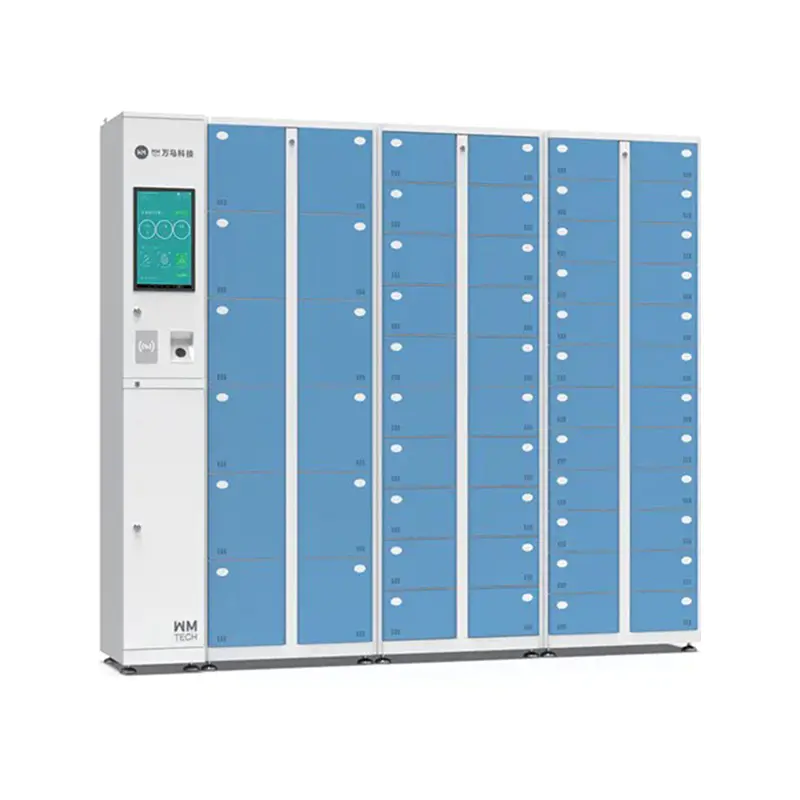

Product DefinitionThe Wanma Intelligent Access Control System is an integrated security management terminal combining high-definition display, biometric recognition, and smart monitoring functions. Fe...
See DetailsIntelligent Access Control for Secure Medical Consumable Management
Content
- 1 Product Concept: From Door Control to Integrated Security Management
- 2 Why Medical Consumable Management Needs Intelligent Access Control
- 3 Key Product Advantages
- 4 Competitive Comparison
- 5 Application Scenarios in Healthcare and Beyond
- 6 Manufacturing Strength and Engineering Foundation
- 7 Advanced Manufacturing Processes Behind the Product
- 8 Operational Benefits for Hospital Managers
- 9 Implementation Considerations
- 10 Q&A Section
- 10.1 Q1: What is the main purpose of this intelligent access control system?
- 10.2 Q2: Why is it better than a traditional card reader?
- 10.3 Q3: How does the 55-inch HD display improve management?
- 10.4 Q4: Can different employees have different access permissions?
- 10.5 Q5: Is the system suitable only for hospitals?
- 10.6 Q6: How does the system help protect medical consumables?
- 10.7 Q7: Does the system support energy-saving operation?
- 10.8 Q8: Can it integrate with hospital information systems?
- 10.9 Q9: What manufacturing strengths support product reliability?
- 10.10 Q10: What types of alarms can be supported?
- 11 Conclusion
- 12 References
- 13 Product: Access Control System
Modern healthcare environments require more than a lock, a badge reader, or a camera at the door. They require a coordinated security and management system that can identify personnel accurately, control permissions dynamically, display operational information visually, and connect with wider hospital management platforms. The intelligent access control system described here is designed for precisely that purpose: to protect high-value medical consumables, restricted hospital areas, laboratories, archives, pharmacy storerooms, and other sensitive environments where personnel, materials, and environmental conditions must be managed together.
This access control system integrates a 55-inch high-definition display, facial recognition, fingerprint scanning, card-based access, motion sensing, environmental monitoring, inventory visibility, alarm linkage, and remote management. Instead of treating access control as a single-function doorway device, it turns the entrance point into an intelligent security management terminal. For hospitals and medical institutions, this matters because every access event can relate to inventory safety, clinical compliance, patient safety, regulatory traceability, and operational efficiency.
The system is especially suitable for intelligent management solutions for medical consumables. Medical consumables often include sterile supplies, high-value surgical materials, implantable devices, emergency kits, precision instruments, controlled items, and temperature-sensitive materials. In traditional storage rooms, managers may rely on mechanical keys, manual registration, simple card readers, or separate temperature monitoring equipment. These fragmented tools create blind spots. The intelligent access control system reduces those blind spots by combining identity verification, permission control, environmental data display, and abnormal event alarms in one visualized platform.
At the same time, the product benefits from the industrial foundation of a manufacturer with long-term experience in communication cabinets, communication electronic equipment, passive optical components, optical communication networks, central equipment rooms, high-speed railway systems, and urban rail transit infrastructure. Such a background is important because security terminals for medical scenarios must not only look modern; they must also be stable, durable, network-ready, scalable, and manufactured under disciplined quality processes. The same engineering habits required for communication and rail transit environments—reliability, consistency, environmental adaptability, structured integration, and long service life—are directly valuable in hospital access control applications.
Product Concept: From Door Control to Integrated Security Management
The core concept of this access control system is to transform an entry point into a comprehensive control and information node. A conventional access control device usually performs one main function: it grants or denies entry. In many cases, it depends on a card, a password, or a single biometric method. If a hospital wants environmental monitoring, inventory visibility, abnormal-operation alerts, or centralized log review, separate systems may need to be installed and maintained. The result is higher complexity, more wiring, more software interfaces, and more administrative workload.
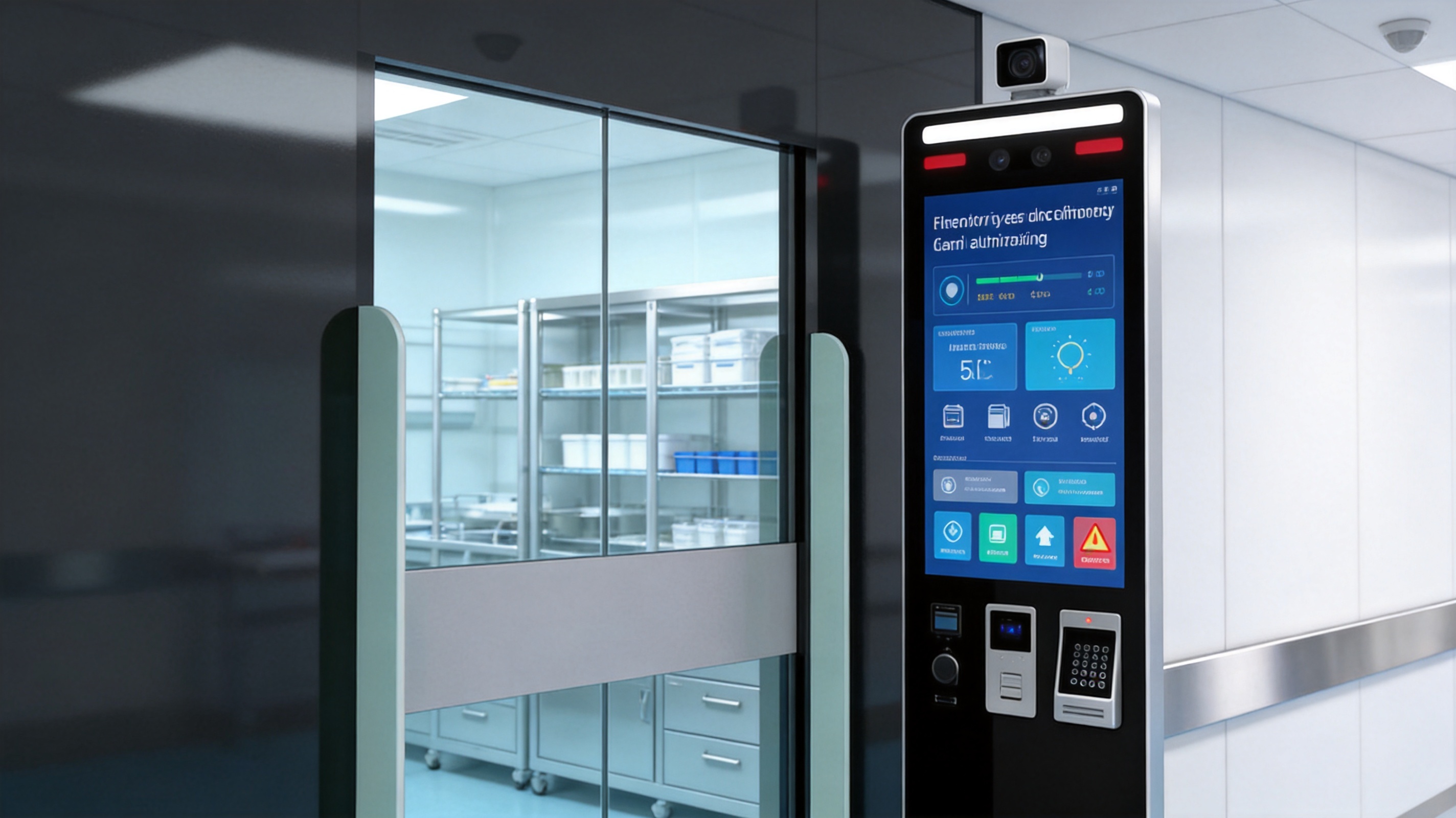
The intelligent access control system takes a more integrated approach. Its 55-inch HD display acts as a visual command surface that can present real-time inventory status, temperature and humidity readings, equipment operating conditions, alarm notifications, and system messages. Authentication methods include facial recognition, fingerprint scanning, and card verification, allowing the hospital to choose the right combination for different areas and risk levels. For example, a general storeroom may require card access, while a high-value implant storage zone may require dual verification through facial recognition and fingerprint scanning.
Dynamic permission management is another defining feature. In healthcare environments, access authorization is rarely static. A surgeon may need access to surgical supplies only during a certain procedure period. A nurse may require access to a supply room on one floor but not another. A logistics employee may have time-limited entry rights for replenishment. Maintenance personnel may require temporary authorization under supervision. By supporting tiered permissions and remote configuration, the system helps managers align physical access with job roles, schedules, emergency requirements, and audit rules.
The system also supports abnormal event alarms. Unauthorized attempts, failed authentication, abnormal operations, and environmental exceptions can trigger real-time alerts. These alerts are important because delayed response can result in supply loss, contamination risk, stock mismatch, or operational disruption. A visual pop-up on the large display allows on-site personnel to notice issues immediately, while centralized management functions allow administrators to review access logs and respond remotely.
In short, the product is not only a door access device. It is a security, monitoring, and management terminal for environments where every person, every item, and every condition matters.
Why Medical Consumable Management Needs Intelligent Access Control
Medical consumables are essential to clinical operations, but they are also difficult to manage. Hospitals must store large numbers of items with different values, expiration dates, handling rules, and usage patterns. Some consumables are low-value but high-volume; others are expensive, sensitive, or subject to strict regulatory documentation. Manual management methods can create discrepancies between physical inventory and system records. Simple access control can prevent some unauthorized entry, but it cannot provide a full picture of who entered, what environmental condition existed, what abnormal event occurred, and how the storage area was operating at the time.
An intelligent access control system addresses this challenge by establishing a controlled boundary around the storage area while making relevant data visible. When the entrance terminal displays inventory status, managers can understand stock conditions at the point of use. When it shows temperature and humidity, personnel can verify whether the storage environment remains suitable. When it records identities and entry times, managers can trace activity in the event of stock loss, contamination, or audit questions.
Healthcare institutions also face pressure to improve efficiency. Nurses and clinicians should not spend excessive time searching for supplies, waiting for authorization, or filling out manual logs. Supply managers should not need to walk repeatedly between storage rooms to check basic conditions. Administrators should not rely on incomplete records after an incident. Intelligent access control reduces friction by combining fast identity verification, automatic event logging, visual data display, and remote administrative functions.
Security is also closely related to patient safety. If the wrong person accesses restricted consumables, if expired materials remain in use, if storage temperature becomes abnormal, or if high-value items disappear without traceability, clinical risk increases. A well-designed access control system helps create a disciplined chain of custody. It does not replace inventory management or clinical governance, but it strengthens the physical and operational layer that supports those systems.
Compared with ordinary access controllers, this product is particularly valuable because it connects access decisions with environmental and material information. The entrance is no longer a passive barrier. It becomes a real-time checkpoint for compliance, safety, and operational awareness.
Key Product Advantages
Multi-Mode Biometric Authentication
One of the strongest advantages of the system is its support for multiple authentication modes: facial recognition, fingerprint scanning, and card verification. Each method has its own value. Facial recognition offers contactless convenience and speed, which is helpful in clinical environments where personnel may carry supplies or need to reduce touchpoints. Fingerprint scanning provides a strong biometric identity factor. Card verification remains useful for compatibility with existing staff identification habits and institutional card systems.
The ability to combine methods gives hospitals flexibility. In low-risk situations, a single method may be enough. In higher-risk areas, multi-factor authentication can strengthen security. For example, access to a high-value consumable warehouse can require both biometric verification and staff card confirmation. This layered approach is more secure than single-card systems, where lost, borrowed, or copied cards can create vulnerabilities.
Many competitor products focus on one authentication method or require additional modules for multi-mode operation. By integrating multiple options in one terminal, this system reduces installation complexity and improves user adaptability. Staff members can be enrolled according to local policies, and access rules can be adjusted as departments change.
Dynamic Permission Management
Hospitals are dynamic organizations. Personnel rotate between departments, contractors arrive for temporary work, emergency teams require rapid access, and department responsibilities change over time. Static permissions can quickly become outdated. The system supports tiered access permissions for different personnel, enabling administrators to define who can enter, where they can enter, and under what conditions.
Dynamic permission management improves both security and efficiency. Instead of distributing mechanical keys or relying on a single shared password, administrators can assign individualized access rights. When an employee changes role, authorization can be revised. When temporary access is needed, it can be granted and later withdrawn. When suspicious activity occurs, logs can help identify the related personnel and time.
This capability gives the product an advantage over traditional access control solutions that require local manual programming or limited access groups. Networked centralized management allows remote permission configuration and log review, reducing maintenance workload and improving governance across multiple rooms or buildings.
Large-Screen Visual Monitoring
The 55-inch HD screen is a major differentiator. Many access control terminals use small displays intended only for prompts, face capture, or status icons. This product uses a large screen to transform the terminal into a visual information center. Real-time inventory status, temperature and humidity data, operating conditions, alarms, and management notices can be displayed clearly.
For medical consumable environments, visibility is critical. A large display can support quick reading by staff and managers, even from a distance. It can present abnormal conditions through pop-up alerts, helping personnel respond promptly. In busy hospital areas, where staff often make rapid decisions, visual clarity can reduce misunderstanding and improve response time.
The display also supports a more professional and standardized management image. When an access control point shows live operational data, it communicates that the area is actively managed and monitored. This can improve staff compliance because users understand that entry events and environmental conditions are part of a traceable process.
Environmental Data Integration
Many medical supplies require proper storage conditions. Temperature and humidity monitoring is especially important for certain sterile materials, diagnostic supplies, pharmaceuticals, laboratory consumables, and sensitive instruments. In fragmented systems, environmental data may be collected by separate sensors and viewed on separate platforms. This can delay awareness when abnormal conditions occur.
The access control system integrates visual monitoring of environmental data at the entrance. Temperature and humidity readings can be displayed in real time, and abnormal conditions can trigger immediate alerts. This helps managers detect potential risks before they affect supply quality. It also supports routine checks because personnel can see environmental status when entering or approaching the storage area.
When combined with inventory and access logs, environmental monitoring improves traceability. If a storage condition becomes abnormal, managers can review who entered during the period, what operations took place, and whether corrective action was performed. This integrated view is more valuable than isolated sensor readings.
Energy-Saving Automation
The system includes motion sensing to automatically turn off the screen when unattended. This feature may seem simple, but it has practical value. A 55-inch display provides excellent visibility, yet continuous operation can increase energy use and reduce component life. Motion-based screen control helps balance visibility with efficiency.
Energy-saving automation is important in hospitals, where equipment operates around the clock and operational costs accumulate across many areas. Automated screen management also reduces the need for manual intervention. Staff do not need to remember to turn the display on or off; the system responds to presence and usage conditions.
Compared with conventional information screens or access terminals that remain constantly active, this feature supports lower energy consumption and longer service life. It reflects a design philosophy focused not only on security but also on sustainable operation.
Remote Management and Low-Maintenance Operation
Remote management is essential for modern facilities. A hospital may have multiple storerooms, laboratories, archives, pharmacy rooms, and restricted departments across a large campus. Managing each door locally is inefficient. The system supports networked centralized management, allowing remote permission configuration and log review.
This reduces the burden on administrators. When a new employee needs access, permissions can be configured centrally. When an incident occurs, records can be reviewed without visiting the terminal physically. When multiple devices are deployed, policies can be standardized across locations. This is a significant advantage over isolated access devices that require manual updates or on-site troubleshooting.
Remote operation also supports timely response. If unauthorized access attempts occur, managers can investigate quickly. If a department changes staffing, access lists can be updated promptly. If compliance audits require evidence, logs can be retrieved in a structured way.
High Compatibility and Scalability
The system is built with a modular design that allows integration with hospital HIS platforms, inventory management systems, and environmental monitoring platforms. This is important because healthcare institutions rarely operate with one single software system. Instead, they rely on multiple specialized platforms for clinical information, inventory, logistics, equipment, and security.
Compatibility allows the access control terminal to become part of a broader intelligent management ecosystem. Inventory status can be linked with warehouse data. Personnel permissions can be aligned with hospital staff systems. Environmental data can be connected with monitoring platforms. Additional security subsystems, such as smoke detection and door contact alarms, can be expanded according to scenario requirements.
Compared with closed systems that cannot easily integrate with hospital infrastructure, a scalable modular design protects long-term investment. Hospitals can begin with access control and environmental display, then expand to additional functions as management needs grow.
Competitive Comparison
The intelligent access control system offers clear advantages compared with ordinary access controllers, simple biometric terminals, standalone card readers, and separated monitoring installations. Its competitive strength lies in integration, visualization, scalability, and manufacturing reliability.
| Evaluation Area | Intelligent Access Control System | Typical Conventional Solution | Practical Benefit |
|---|---|---|---|
| Authentication | Facial recognition, fingerprint scanning, and card verification | Single card, password, or single biometric method | Stronger identity assurance and flexible access policies |
| Display Capability | 55-inch HD screen for data, alerts, and operational visibility | Small prompt screen or no display | Managers and staff can see key information immediately |
| Environmental Monitoring | Temperature and humidity data displayed with abnormal alerts | Separate monitoring devices or manual checks | Faster response to storage condition risks |
| Inventory Awareness | Real-time inventory status can be shown at the access point | Inventory viewed only in separate software or manually | Better coordination between access events and material status |
| Permission Management | Tiered permissions with remote configuration | Local programming, mechanical keys, or basic access lists | Reduced administrative workload and improved traceability |
| Energy Efficiency | Motion sensing automatically turns off the screen when unattended | Display remains active or requires manual control | Lower energy consumption and longer component life |
| Scalability | Modular integration with HIS, inventory, and monitoring platforms | Closed or limited integration architecture | Better long-term adaptability for hospital digital transformation |
| Application Range | Hospitals, laboratories, archives, data centers, precision rooms | General office or simple doorway security | Better fit for high-security and regulated environments |
This comparison shows why the product is more than a decorative upgrade. It changes the way access control participates in facility management. A conventional device may answer the question, “May this person enter?” This system can help answer broader questions: “Who entered, under what permission, what was the storage condition, what was the inventory status, was there an abnormal operation, and can administrators trace the event?”
For medical consumable management, that broader view is essential. Hospitals need systems that reduce administrative gaps and improve accountability. By combining multiple functions in one terminal, the product can reduce the number of independent devices at the doorway, simplify maintenance, and create a more coherent management process.
Application Scenarios in Healthcare and Beyond
Operating Room Supply Areas
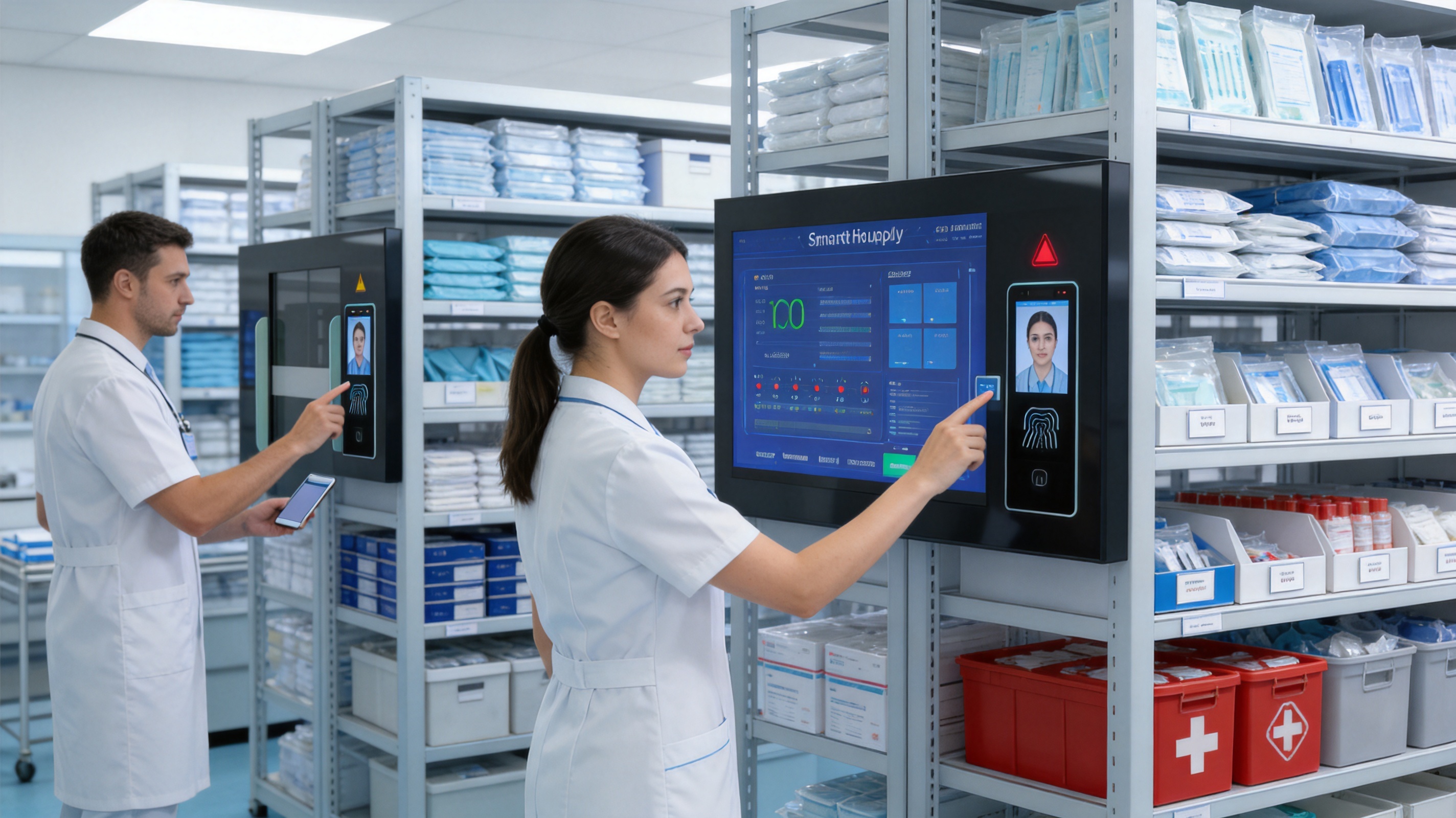
Operating rooms require strict control over surgical consumables, sterile materials, implants, and emergency items. Unauthorized access or poor traceability can create serious risk. The system can support multi-factor authentication for operating room supply areas, ensuring that only approved personnel enter. The large display can show inventory status and environmental information, helping staff confirm readiness before procedures.
In a busy surgical department, fast and accurate access is essential. Facial recognition and card verification can reduce delays, while fingerprint scanning can be used where stronger identity confirmation is required. Access logs support accountability for high-value materials, and abnormal operation alerts can help managers respond quickly.
Pharmacy Storerooms
Pharmacy storerooms often contain regulated, valuable, or temperature-sensitive items. Access must be controlled by role, time, and responsibility. The system allows tiered permissions for pharmacists, authorized nurses, managers, and logistics staff. Environmental monitoring helps protect materials that require stable temperature and humidity conditions.
For pharmacy management, traceability is a major concern. The system records access events and supports remote log review, helping administrators investigate discrepancies. Integration with inventory systems can further improve coordination between physical access and stock movement.
Medical Supply Warehouses
Large medical supply warehouses must manage high-volume inventory and frequent replenishment operations. Traditional key-based access can become difficult to control when many staff members and external logistics personnel are involved. The intelligent access control system enables individualized permissions and centralized configuration, reducing dependence on shared keys or manual sign-in sheets.
The 55-inch display is especially useful in warehouse entrances because it can present stock alerts, environmental status, operation notices, and abnormal warnings. When staff enter the warehouse, they can immediately see relevant management information. This improves operational awareness and can reduce communication delays.
Laboratories
Laboratories often contain sensitive instruments, research materials, biological samples, chemicals, and confidential data. Access control must be accurate, traceable, and adaptable to project-based personnel changes. The system supports biometric identity confirmation and permission management, helping laboratories restrict entry to authorized researchers, technicians, and supervisors.
Environmental monitoring is also valuable in laboratories. Temperature and humidity changes may affect instruments, reagents, or samples. By displaying environmental data at the entrance, the system helps laboratory personnel notice abnormal conditions before entering or beginning work.
Archives and Records Rooms
Hospitals and research organizations must protect archives, paper records, imaging materials, contracts, and confidential documents. Unauthorized access can create compliance and privacy risks. The intelligent access control system provides controlled entry, identity records, and visible alerts. It can also integrate with door contact alarms or smoke detection systems when required.
Unlike simple locks, the system creates a digital trail. If a record is missing or a restricted file is accessed, administrators can review entry logs. This supports accountability and helps organizations meet internal governance requirements.
Research Institutions, Precision Instrument Rooms, and Data Centers
Beyond hospitals, the system applies to research institutions, precision instrument rooms, and data centers. These environments also require integrated monitoring of personnel, materials, and environmental conditions. Precision instruments may be sensitive to humidity. Data centers require controlled access and environmental awareness. Research facilities may need flexible permissions for project teams.
The modular design makes the system adaptable to these different scenarios. Additional security subsystems, such as smoke detection, door contact alarms, or other monitoring modules, can be added according to the risk profile of each site.
Manufacturing Strength and Engineering Foundation
A high-quality access control system depends not only on software functions but also on manufacturing discipline. The company behind this product was established in 1997 and has developed extensive experience in communication cabinets, communication electronic equipment, passive optical components, Ethernet networks, optical communication networks, central equipment rooms, national high-speed railways, and urban rail transit systems. This engineering background provides a strong foundation for producing stable and scalable intelligent terminals.
Communication and rail transit products demand reliability. Equipment may need to operate continuously, withstand complex environments, support network connectivity, and meet strict installation requirements. These requirements shape a manufacturing culture that values structural strength, electrical stability, modular design, quality inspection, and long-term serviceability. When those capabilities are applied to intelligent access control for medical consumables, hospitals receive a product built with industrial-grade thinking rather than consumer-grade assumptions.
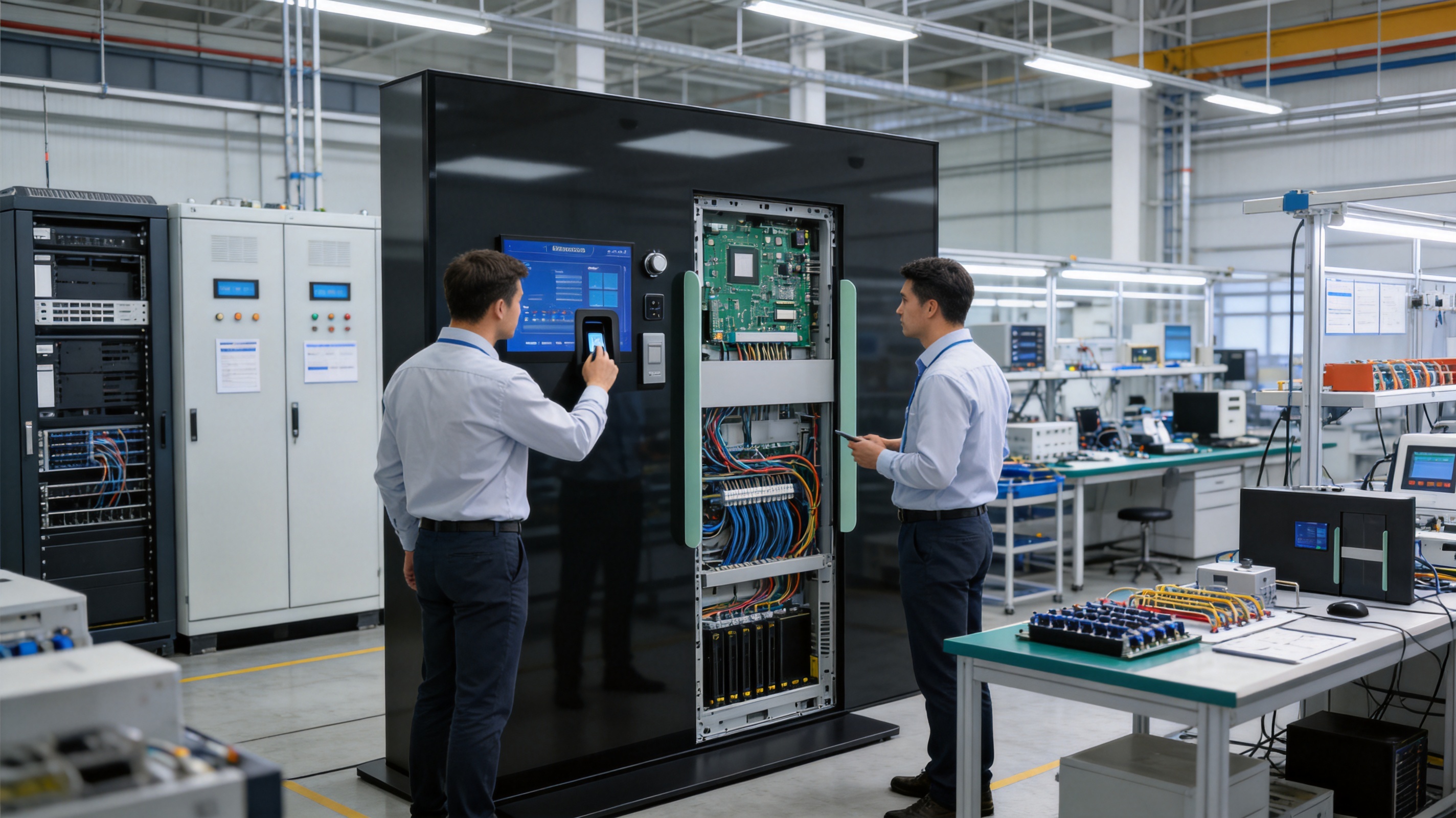
The manufacturing process begins with product definition and engineering design. Mechanical structure, display integration, biometric module placement, wiring layout, heat dissipation, sensor positioning, user interaction, and installation method must be coordinated carefully. The large 55-inch display must be integrated securely and ergonomically. Biometric modules must be positioned for convenient use. Internal electronic components must be arranged to support stable operation and maintenance accessibility.
Material selection is also important. Security terminals used in hospitals and laboratories should have durable structures, stable electronic interfaces, and surfaces suitable for frequent use. A manufacturer with experience in communication cabinets and electronic equipment is familiar with structural fabrication, surface treatment, cabinet assembly, cable organization, and equipment integration. These capabilities help ensure that the terminal is not only functional but also robust in daily operation.
Electronic assembly and system integration require attention to consistency. Authentication modules, display components, control boards, sensors, power systems, communication interfaces, and alarm functions must work together. The system must support accurate signal transmission and stable network connectivity. Proper assembly processes, wiring standards, and inspection routines reduce the risk of intermittent faults, loose connections, or inconsistent performance.
Quality control is a decisive advantage. Products intended for high-security environments must be tested for authentication reliability, display performance, network communication, alarm response, sensor accuracy, power stability, and long-duration operation. Manufacturing teams with experience in communication and transportation infrastructure are accustomed to systematic testing because failures in those sectors can be costly. Applying similar standards to access control terminals improves dependability for healthcare users.
Another manufacturing strength is customization. The company develops, manufactures, and markets its own branded products while also providing integrated solutions for customized products. This means the system can be adapted to different hospital layouts, management platforms, and operational requirements. Some sites may need HIS integration. Others may prioritize inventory platform linkage, additional environmental sensors, specific authentication policies, or expanded alarm subsystems. A manufacturer with integrated design and production capabilities can respond more effectively than a supplier that only assembles standard devices.
Global market experience also matters. With sales coverage across more than 20 countries and regions, including the United States, Australia, the United Kingdom, Italy, South Africa, and Ghana, the company is familiar with diverse customer expectations, project environments, and delivery requirements. International service experience encourages product stability, documentation discipline, and supply coordination.
Timely delivery and reliable product quality are also important for hospital projects. Access control systems are often part of renovation, digital warehouse, smart hospital, or security upgrade schedules. Delays can affect construction progress and department opening plans. A manufacturer with established production capability and long-term industry partnerships is better positioned to coordinate supply, customization, testing, and delivery.
Advanced Manufacturing Processes Behind the Product
Structured Design and Modular Engineering
The product’s modular architecture is a key manufacturing advantage. Modular design allows the display, biometric recognition components, card access module, sensing units, control hardware, communication interfaces, and alarm functions to be designed and tested as coordinated units. This reduces engineering complexity and improves maintenance efficiency.
For hospitals, modularity means the product can evolve. If a facility begins with basic access control and later requires integration with inventory management or additional environmental monitoring, the system architecture can support expansion. For manufacturers, modularity improves production consistency because standardized modules can be assembled, inspected, and configured according to project requirements.
Precision Structural Manufacturing
The terminal must house a large display and multiple electronic modules while maintaining stability, safety, and usability. Precision structural manufacturing helps ensure proper alignment, secure mounting, and long-term durability. Experience in communication cabinets and equipment enclosures contributes directly to this capability. Cabinet manufacturing requires understanding of load-bearing design, component positioning, cable paths, ventilation, surface finishing, and installation conditions.
In a medical environment, structural quality affects user confidence. A poorly built terminal may feel unstable, show misalignment, or be difficult to maintain. A well-manufactured terminal supports professional installation and reliable daily use.
Integrated Electronic Assembly
Electronic assembly connects the system’s intelligence. Facial recognition, fingerprint scanning, card reading, motion sensing, display output, environmental data reception, network communication, and alarm functions must operate together. Integrated assembly processes help reduce compatibility problems and improve stability.
Manufacturing teams must manage wiring, grounding, power distribution, signal routing, and interface consistency. These details are especially important for a terminal installed in busy clinical areas, where frequent use and continuous operation are expected. Strong assembly standards reduce service calls and improve long-term reliability.
Software and Hardware Coordination
An intelligent access control system depends on both software and hardware. The display must show information clearly. Authentication modules must respond quickly. Permission rules must be applied accurately. Logs must be stored and reviewed. Environmental data must trigger alerts when thresholds are exceeded. Remote management must communicate reliably with the terminal.
Software and hardware coordination during manufacturing and testing helps ensure that these functions work as a unified system. A terminal that has excellent hardware but poor software integration will frustrate users. A platform with good software but weak hardware may fail under daily usage. The product’s value lies in the coordination of both layers.
Quality Inspection and Reliability Testing
Quality inspection should cover functional performance, appearance, assembly integrity, electrical safety, communication stability, and environmental monitoring response. Authentication testing verifies that facial recognition, fingerprint scanning, and card reading perform correctly. Display testing checks visual clarity and response. Network testing evaluates centralized management functions. Alarm testing confirms that unauthorized access or abnormal conditions generate proper alerts.
Reliability testing is particularly important because healthcare facilities operate continuously. The terminal should support long working hours and frequent authentication events. Motion-sensing screen control also needs to be tested to ensure that it saves energy without interrupting practical use. Quality processes reduce the risk of operational downtime after installation.
Operational Benefits for Hospital Managers
For hospital administrators, the system supports stronger governance. Access permissions can be assigned according to roles. Logs can be reviewed remotely. Abnormal events can be identified more quickly. Environmental conditions can be monitored visually. Integration with other platforms can support broader digital management.
For supply chain managers, the system improves control over storage areas. Inventory status displayed at the entrance helps connect physical storage with management data. Access records can support investigation of stock discrepancies. Environmental alerts help protect consumables from unsuitable conditions.
For clinical staff, the system can improve convenience. Multi-mode authentication allows rapid access for authorized personnel. The large display provides clear operational information. Automated screen control reduces unnecessary manual steps. When permissions are properly configured, staff can access needed supplies while restricted items remain protected.
For compliance teams, the system provides traceability. A controlled access record is stronger than a manual sign-in sheet or shared key. When audits require evidence of access control, administrators can produce logs. When incidents occur, the system helps reconstruct activity. This supports accountability and risk management.
Implementation Considerations
Successful deployment begins with scenario analysis. Hospitals should identify which rooms require access control, what types of consumables are stored, which personnel groups need entry, what authentication level is appropriate, and whether environmental monitoring is required. High-risk areas may require multi-factor authentication, while moderate-risk areas may use a simpler configuration.
Next, managers should define permission groups. These may include department managers, doctors, nurses, pharmacists, warehouse staff, logistics personnel, maintenance workers, and temporary visitors. Each group should have clear access rights, time rules, and authorization procedures. Dynamic permission management is most effective when the hospital maintains accurate personnel data and review routines.
Integration planning is also important. If the system will connect with HIS, inventory management, or environmental monitoring platforms, interface requirements should be clarified early. Data fields, communication protocols, alarm rules, and user responsibilities should be defined. A modular system can support phased deployment, but good planning reduces rework.
Training should not be overlooked. Staff need to understand how to authenticate, how to respond to alerts, whom to contact if access fails, and why the system is important. Security systems work best when users see them as part of patient safety and operational quality rather than as obstacles.
Maintenance planning should include routine inspection of biometric modules, screen performance, network connection, sensor accuracy, and alarm response. Remote log review and centralized management reduce daily workload, but periodic verification ensures long-term performance.
Q&A Section
Q1: What is the main purpose of this intelligent access control system?
The main purpose is to provide secure, traceable, and visualized access management for high-security environments, especially medical consumable storage areas. It controls who can enter, displays key operational and environmental data, and supports alarms and remote management.
Q2: Why is it better than a traditional card reader?
A traditional card reader usually verifies only a card and may not confirm the true identity of the user. This system supports facial recognition, fingerprint scanning, and card verification. It also provides environmental monitoring, inventory visibility, visual alerts, remote permission management, and system integration options.
Q3: How does the 55-inch HD display improve management?
The large display allows personnel and managers to see real-time inventory status, temperature and humidity data, equipment operation information, and abnormal alerts clearly. It turns the entrance point into a visual management terminal instead of a simple doorway device.
Q4: Can different employees have different access permissions?
Yes. The system supports tiered and dynamic permission management. Administrators can configure access rights for different personnel groups, departments, roles, or temporary needs. Unauthorized access or abnormal operations can trigger alarms.
Q5: Is the system suitable only for hospitals?
No. Although it is highly suitable for hospitals, operating rooms, pharmacy storerooms, supply warehouses, and laboratories, it can also be used in research institutions, archives, precision instrument rooms, data centers, and other environments requiring integrated personnel, material, and environmental control.
Q6: How does the system help protect medical consumables?
It helps protect consumables by restricting access to authorized personnel, recording entry events, displaying inventory status, monitoring environmental conditions, and alerting managers to abnormal events. This improves traceability and reduces the risk of loss, misuse, or storage-condition problems.
Q7: Does the system support energy-saving operation?
Yes. It is equipped with motion sensors that can automatically turn off the screen when unattended. This helps reduce energy consumption and supports longer component service life.
Q8: Can it integrate with hospital information systems?
The modular design allows flexible integration with hospital HIS, inventory management systems, and environmental monitoring platforms. Integration requirements should be planned according to each project’s software environment and management goals.
Q9: What manufacturing strengths support product reliability?
The manufacturer has long-term experience in communication cabinets, communication electronic equipment, passive optical components, optical communication networks, high-speed railway systems, and urban rail transit infrastructure. These fields require durable structures, reliable electronics, standardized production, and strict quality control, all of which support the reliability of the access control system.
Q10: What types of alarms can be supported?
The system can trigger alarms for unauthorized access, abnormal operations, and abnormal environmental conditions. Its modular design can also expand to support additional security subsystems such as smoke detection and door contact alarms according to scenario needs.
Conclusion
The intelligent access control system represents a practical evolution in secure medical consumable management. It integrates identity verification, large-screen visualization, environmental monitoring, inventory awareness, alarm response, energy-saving automation, remote management, and scalable system integration. These capabilities make it significantly more advanced than conventional access controllers or separated monitoring devices.
For hospitals, the value is clear. The system strengthens access security, improves traceability, supports compliance, helps protect high-value and sensitive consumables, and gives managers real-time visibility at the point of entry. For laboratories, archives, research institutions, precision instrument rooms, and data centers, the same advantages apply: controlled access, visible conditions, reliable logs, and expandable security architecture.
The product’s competitive strength is reinforced by a manufacturing background rooted in communications infrastructure, optical networks, central equipment rooms, high-speed railway systems, and urban rail transit applications. This industrial foundation supports strong structural design, reliable electronic integration, modular engineering, quality inspection, and customization capability. In environments where security, stability, and management efficiency are essential, that manufacturing discipline is as important as the product’s intelligent functions.
As healthcare institutions continue moving toward smart hospitals and digital supply chain management, access control will no longer be viewed as a simple door function. It will become a connected node in a wider ecosystem of personnel management, material tracking, environmental monitoring, and operational governance. This system is designed for that future: secure, visual, intelligent, scalable, and built for demanding professional environments.
References
1. International Organization for Standardization. ISO 27001: Information Security Management Systems — Requirements.
2. International Electrotechnical Commission. IEC 60839 Series: Alarm and Electronic Security Systems.
3. World Health Organization. Medical Device and Health Technology Management Guidance.
4. Healthcare Information and Management Systems Society. Smart Hospital Infrastructure and Digital Transformation Principles.
5. Association for the Advancement of Medical Instrumentation. Guidance on Healthcare Technology Management and Risk Control.
6. National Fire Protection Association. Healthcare Facilities Code and Safety Management Principles.
7. GS1 Healthcare. Traceability and Supply Chain Standards for Healthcare Products.
8. International Society for Pharmaceutical Engineering. Good Storage and Distribution Practices for Healthcare Materials.
Product: Access Control System
PREV:Intelligent Medical Carts for Safer, Faster, and More Connected Bedside Care
NEXT:RFID Handheld Inventory Device for Intelligent Medical Fabric Management
NEXT:RFID Handheld Inventory Device for Intelligent Medical Fabric Management
Interested in cooperation or have questions?
Related products
-
-
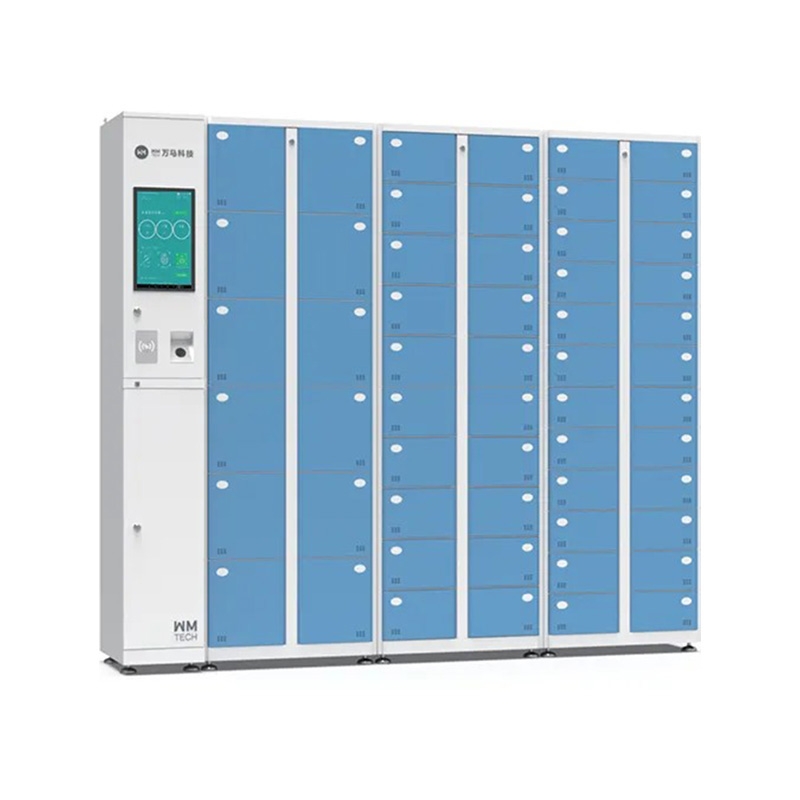
Product Definition:The Intelligent Geng Shoe Box is an advanced storage and management solution for hospitals, operating rooms, and clean zones. It enables automated issuance and collection of shoes a...
See Details -
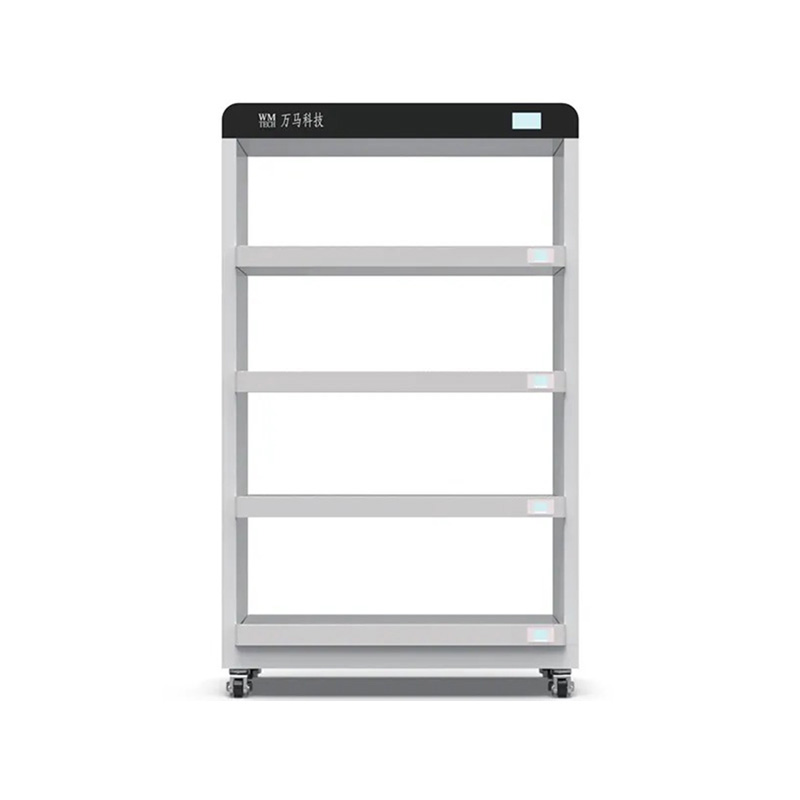
Product Definition:Intelligent Shelves are a smart warehouse management unit that integrates dynamic sensing, real-time display, and precise positioning. By leveraging advanced sensor technology, they...
See Details -
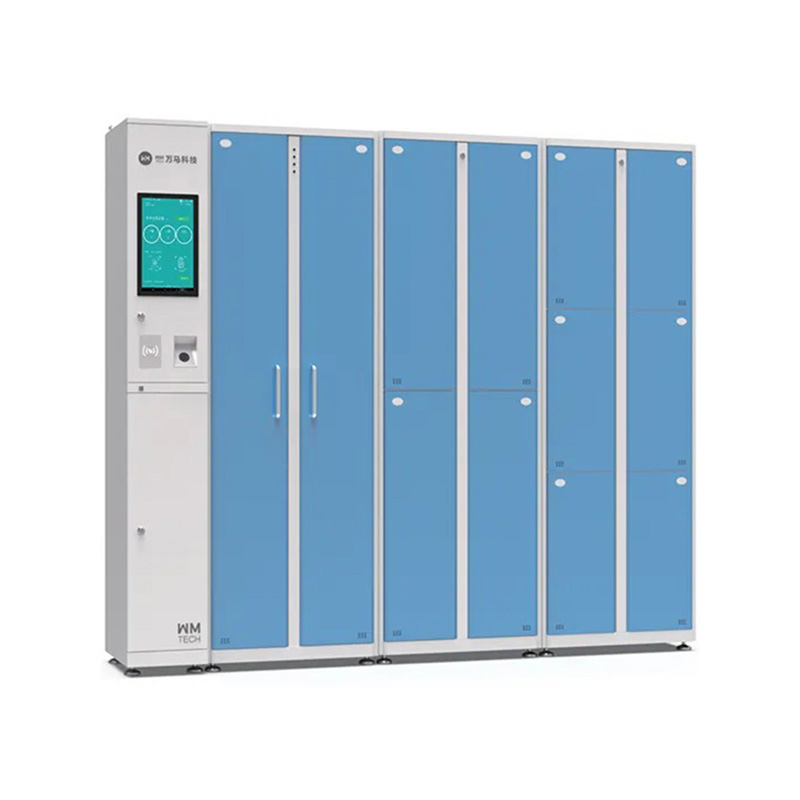
Product DefinitionThe Intelligent Locker is a smart medical supplies and personal items management system developed based on IoT and biometric technologies. Integrating multiple authentication methods...
See Details
Ready to Get started ? Contact Us Now !

Product.
Contact Details.
-
 +86 13958188250
-
 +86 13958188250
-
 [email protected]
-
 AUDIT Email:[email protected]
- Wanma Industrial Park Taihu Yuan Town Lin'an District Hangzhou City China.
QR Code

Copyright © Wanma Technology Co., Ltd. All Rights Reserved.
Privacy
Custom Ethernet Optical Network Railway Transit Equipments Suppliers
