

 English
 Français
 Español
 Português
 عربى






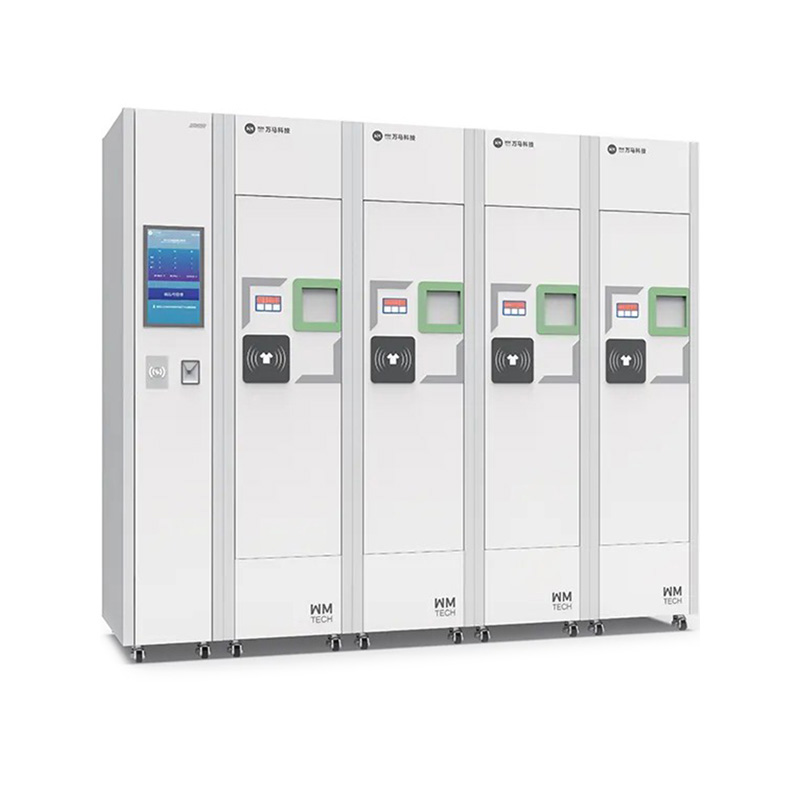
Product Definition:The Chain Intelligent Clothes and Shoes Sending Machine is an advanced management system for hospital operating rooms and clean zones, integrating automatic storage, identity verifi...
See DetailsIntelligent Medical Carts for Safer, Faster, and More Connected Bedside Care
Content
- 1 Product Definition and Clinical Value
- 2 Key Advantages Over Conventional and Competing Medical Carts
- 3 Core Product Configuration
- 4 Smart Nursing Management at the Bedside
- 5 Ergonomic Design for Clinical Efficiency
- 6 Reliable Battery Performance for Long Shifts
- 7 Safe Mobility and Stable Positioning
- 8 Customization for Diverse Clinical Departments
- 9 Application Scenarios in Modern Healthcare
- 10 Manufacturing Strength and Industrial Background
- 11 Advanced Manufacturing Processes Behind a Reliable Medical Cart
- 12 Quality Control as a Competitive Advantage
- 13 Why Hospitals Need Intelligent Mobile Workstations
- 14 Comparison With Ordinary Medical Carts
- 15 Supporting Paperless, Filmless, and Networked Hospital Operations
- 16 Procurement Considerations for Healthcare Institutions
- 17 Long-Term Operational Benefits
- 18 Q&A Section
- 18.1 What is the WMYH-W2-21 Medical Cart designed to do?
- 18.2 How does the cart improve nursing efficiency?
- 18.3 Why is the 24-inch LED screen important?
- 18.4 What makes the cart suitable for long clinical shifts?
- 18.5 How does the cart support medication safety?
- 18.6 Is the cart comfortable for different users?
- 18.7 How does the cart remain stable during use?
- 18.8 Can the cart be customized for different departments?
- 18.9 Where can the cart be used?
- 18.10 What manufacturing strengths support the product’s reliability?
- 19 Conclusion
- 20 References
- 21 Product: WMYH-W2-21 Medical Carts
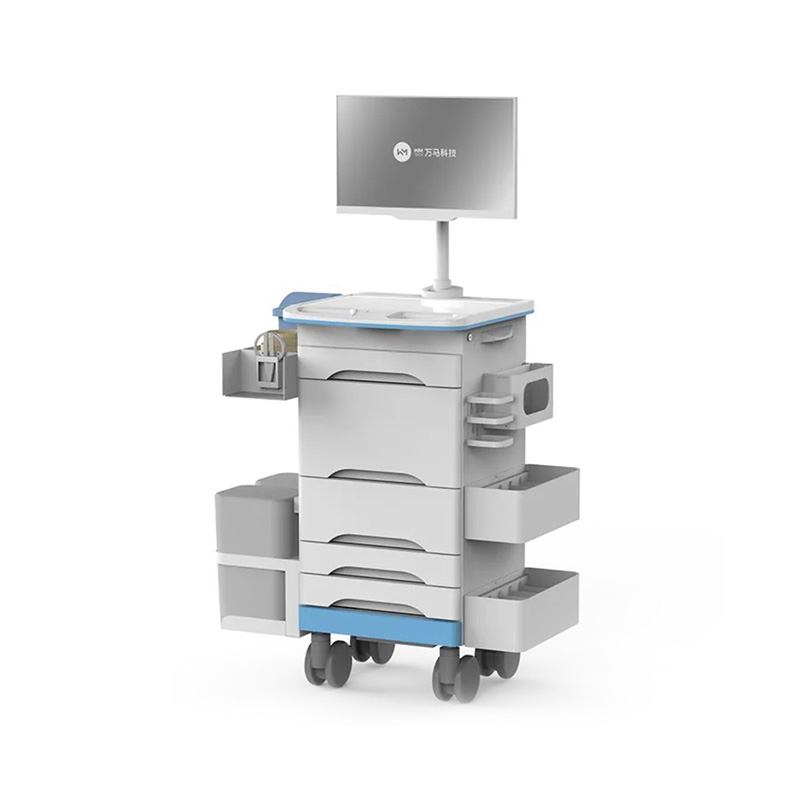
In modern hospitals, the distance between clinical information and the patient’s bedside has become one of the most important factors affecting nursing efficiency, medication safety, and the quality of care. The intelligent medical cart is no longer a simple mobile trolley used to carry supplies. It has become a digital nursing workstation that combines mobility, computing, medication management, vital signs collection, data access, and ergonomic operation in one integrated platform. The WMYH-W2-21 Medical Cart is designed for this transformation. It brings the functions of a nurse workstation directly to the point of care, helping clinical teams perform accurate, timely, and standardized operations beside the patient.
The WMYH-W2-21 Medical Cart is an intelligent mobile nursing workstation developed for hospital wards, operating rooms, outpatient clinics, and mobile nursing environments. It integrates information management, clinical care support, medication administration, and bedside vital signs collection into a compact and movable solution. By supporting paperless, filmless, and networked hospital operations, it helps healthcare institutions improve workflow efficiency and reduce the risks associated with fragmented information, manual transcription, and repeated movement between the nurse station and patient rooms.
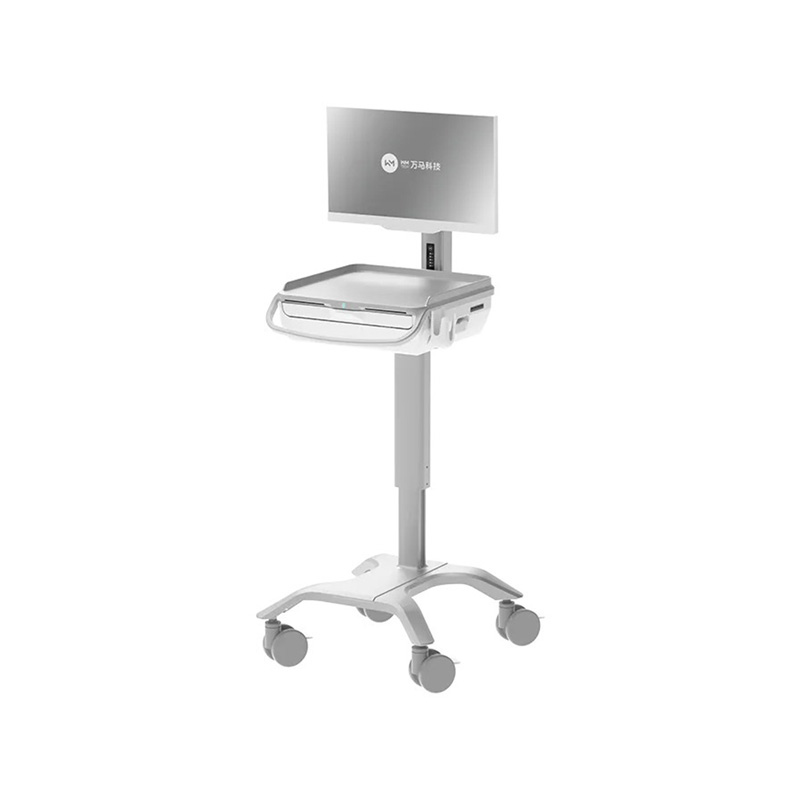
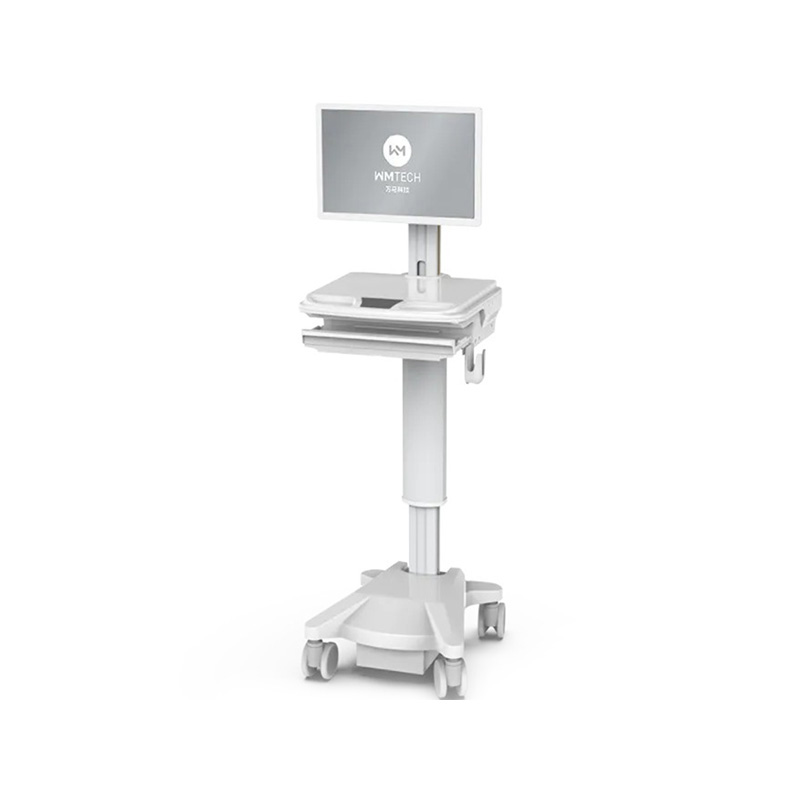
As healthcare systems continue to digitize, medical carts must meet higher expectations. They must be stable, easy to move, safe near patients, durable under frequent use, compatible with clinical accessories, and capable of supporting digital applications for long shifts. The WMYH-W2-21 Medical Cart addresses these needs through a 24-inch LED screen, a sliding keyboard tray with lock, a manual lift mechanism, a lithium iron phosphate battery with an eight-hour runtime, an ABS handle, four casters with two locking wheels, and customizable accessory options such as drawers, sanitizer holders, sundries baskets, and sharps box frames. Together, these features make the cart suitable for complex and demanding clinical environments.
Product Definition and Clinical Value
The WMYH-W2-21 Medical Cart is defined as an intelligent mobile nursing workstation. This definition is important because it separates the product from ordinary medical carts that only provide storage or transportation. A traditional cart may help nurses move materials, but it does not fundamentally change the workflow. An intelligent medical cart, by contrast, becomes a mobile information terminal and bedside care platform. It enables nurses to review patient information, manage medication tasks, collect vital signs, and complete documentation without leaving the patient’s side.
The core value of the cart is workflow integration. In many hospitals, nurses frequently move between the nurse station, medication room, supply cabinet, and bedside. Every extra step increases fatigue, consumes time, and creates opportunities for delay or error. When clinical information and tools are available at the bedside, nursing tasks become more direct and controlled. The cart allows the nurse to confirm patient information, check medication instructions, update care records, and collect essential data during the same care encounter.
Bedside information access also supports safer decision-making. When clinicians can view real-time or near-real-time patient data, they can respond more effectively to changes in condition. For medication administration, digital verification and workflow guidance can reduce the likelihood of wrong patient, wrong drug, wrong dose, wrong route, or wrong time errors. While safety ultimately depends on hospital procedures and staff training, the right workstation design provides a strong foundation for disciplined clinical practice.
The WMYH-W2-21 Medical Cart also improves the patient experience. Patients and families often judge care quality by responsiveness, organization, and professionalism. A mobile workstation allows nurses to explain treatment steps, confirm information, and provide care in a more transparent and efficient manner. Instead of leaving the room to check data or complete records later, nurses can conduct more of the care process in front of the patient, improving communication and trust.
Key Advantages Over Conventional and Competing Medical Carts
The competitive advantage of the WMYH-W2-21 Medical Cart comes from the combination of intelligent functionality, ergonomic operation, reliable power, safe mobility, and customization. Many competing products may provide one or two of these features, but clinical environments require balanced performance across all of them. A cart with a screen but poor battery life is inconvenient. A cart with strong mobility but weak accessory flexibility may not meet department-specific needs. A cart with storage but limited information access remains a transportation tool rather than a nursing workstation.
The first advantage is its 24-inch LED screen. Screen size matters in clinical workflows because nurses need to view patient information, medication lists, vital signs trends, care plans, and digital records clearly. A larger display improves readability and reduces the need for repeated zooming or scrolling. This is especially valuable during busy shifts, when fast recognition and accurate data interpretation are essential. Compared with smaller-screen carts, the 24-inch display provides a more comfortable and productive interface for clinical software and nursing tasks.
The second advantage is its support for smart nursing management. The cart is designed for medication management, vital sign collection, and patient information access. This allows it to function as a digital bridge between hospital systems and bedside operations. Instead of relying on paper lists, handwritten notes, or memory, staff can use the cart to support structured processes. The result is improved accuracy, stronger traceability, and more efficient documentation.
The third advantage is convenient operation. The sliding keyboard tray with lock provides a practical solution for secure and organized input. When not in use, the keyboard can be stored away to save space and reduce accidental contact. The locking design helps maintain order and protect the operating interface. The manual lift mechanism provides flexible height adjustment, helping nurses operate the cart comfortably whether standing, moving between rooms, or working in different bedside layouts. Ergonomics is not merely a comfort issue; it directly affects staff fatigue, posture, and long-term efficiency.
The fourth advantage is long-lasting and stable power. The lithium iron phosphate battery supports an eight-hour runtime, which is well suited to long clinical shifts. Lithium iron phosphate chemistry is widely valued for safety, thermal stability, cycle life, and reliability. In a hospital setting, where equipment uptime is essential, the battery system helps ensure continuous operation throughout daily nursing rounds and mobile care tasks. The smart battery management system further supports dependable use by helping monitor and manage power status.
The fifth advantage is safe mobility. The ABS handle provides comfortable pushing and steering, while four casters allow smooth movement. Two locking casters provide stability when the cart is positioned at the bedside or in a treatment area. Mobility must be balanced with safety. If a cart moves too freely when stationary, it can create hazards. If it is too difficult to move, staff may avoid using it. The WMYH-W2-21 Medical Cart is designed to support both easy movement and stable positioning.
The sixth advantage is customizable accessories. Different departments have different care routines. A general ward may prioritize medication drawers and sanitizer placement. An operating room may emphasize clean organization and instrument-related support. Outpatient clinics may require efficient documentation and rapid patient turnover. Optional drawers, sanitizer holders, sundries baskets, and sharps box frames allow the cart to adapt to diverse clinical workflows. This flexibility gives the product an advantage over fixed-configuration carts that may require hospitals to compromise their processes.
Core Product Configuration
The WMYH-W2-21 Medical Cart is designed around practical clinical use rather than decorative complexity. Each key component contributes to the goal of bedside efficiency and safe operation. The display, keyboard tray, lift mechanism, battery system, handle, casters, and accessory options are integrated into a platform that supports mobile nursing rather than isolated hardware use.
| Product Element | Configuration | Clinical Benefit |
|---|---|---|
| Display | 24-inch LED screen | Clear patient information access, medication review, and nursing documentation |
| Input Support | Sliding keyboard tray with lock | Secure, space-saving, and convenient data entry |
| Height Adjustment | Manual lift mechanism | Improved ergonomics for different users and care scenarios |
| Power System | Lithium iron phosphate battery with eight-hour runtime | Long-shift mobility and reliable bedside operation |
| Battery Control | Smart battery management system | Better power monitoring and operational continuity |
| Mobility | ABS handle and four casters, including two locking casters | Easy movement with stable positioning during care |
| Accessories | Optional drawers, sanitizer holder, sundries basket, and sharps box frame | Workflow customization for different departments |
| Application Areas | Wards, operating rooms, outpatient clinics, and mobile nursing | Broad use across clinical environments |
This configuration demonstrates a balanced design philosophy. The product does not rely on a single impressive feature. Instead, it combines multiple practical features that directly address clinical challenges. Hospitals evaluating mobile nursing workstations often consider ease of adoption, compatibility with daily procedures, staff acceptance, and maintenance practicality. The WMYH-W2-21 Medical Cart supports these needs through an integrated but flexible configuration.
Smart Nursing Management at the Bedside
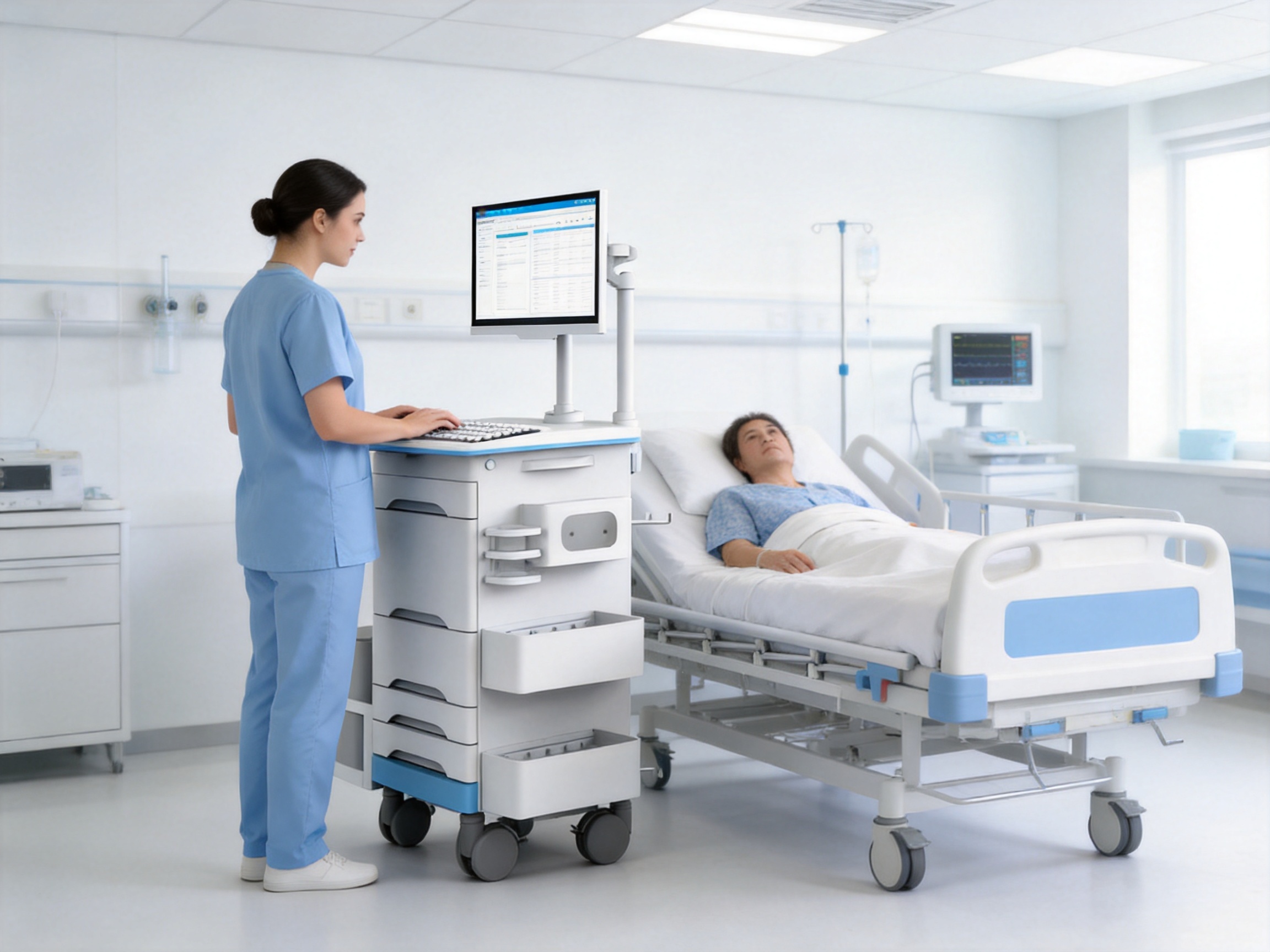
Smart nursing management is one of the most important functions of the WMYH-W2-21 Medical Cart. Hospitals are increasingly moving toward digital management systems that connect patient records, medication orders, laboratory results, imaging reports, nursing notes, and vital signs data. However, digital systems only create value when they are available where care happens. A stationary computer at the nurse station may support administrative work, but bedside care requires mobile access.
The cart’s 24-inch LED screen provides a practical interface for viewing and managing information during patient care. Nurses can use the workstation to access patient details, verify treatment instructions, and coordinate documentation. The larger display can reduce visual strain and help staff compare information more easily. For example, a nurse may need to review a medication order while checking allergy information and recent vital signs. A clear screen helps reduce the risk of overlooking important details.
Medication management is a key application. Medication administration is one of the highest-risk routine activities in healthcare. Errors can occur when information is outdated, labels are unclear, documentation is delayed, or workflows are interrupted. By bringing digital medication management tools closer to the bedside, the cart supports more disciplined verification. It can help hospitals strengthen the connection between electronic orders and actual administration behavior.
Vital signs collection is another major application. Bedside vital signs are essential for monitoring patient condition, detecting deterioration, and guiding treatment decisions. When data collection is integrated into the mobile workstation process, results can be recorded more efficiently and consistently. This reduces dependence on memory or later manual transcription, which can introduce delays or inaccuracies. A mobile cart supports a smoother sequence: measure, confirm, document, and continue care.
Patient information access also improves communication between nurses and other medical staff. When bedside documentation is current, physicians and care teams can make better decisions. Mobile nursing workstations contribute to a more connected clinical environment where information follows the care process rather than remaining separated in different locations.
Ergonomic Design for Clinical Efficiency
Ergonomics is a critical but sometimes underestimated factor in medical cart design. Nurses and clinical staff may use mobile workstations for many hours each day. If the cart is difficult to adjust, uncomfortable to operate, or poorly organized, it can create fatigue and reduce acceptance. The WMYH-W2-21 Medical Cart addresses ergonomic needs through a manual lift mechanism, sliding keyboard tray, stable structure, and easy-grip ABS handle.
The manual lift mechanism allows users to adjust the working height according to their posture and task. Different users have different body heights, and different care situations require different operating positions. For example, documentation in a hallway may require a different height than bedside medication verification. Height adjustment supports more natural posture, reducing strain on the neck, shoulders, and wrists.
The sliding keyboard tray contributes to both ergonomics and organization. During data entry, the keyboard can be pulled out to a comfortable position. After use, it can be pushed back to reduce the cart’s footprint and protect the input area. The lock improves security and stability, particularly in busy hospital environments where equipment may be moved frequently or accessed by multiple staff members.
The ABS handle improves maneuverability and user comfort. A good handle should be strong, easy to clean, comfortable to grip, and positioned for practical movement. The handle helps staff control the cart when turning corners, entering patient rooms, or moving through corridors. Because hospitals often have limited space and high traffic, precise control is essential.
Ergonomic design also supports workflow consistency. When equipment is comfortable and intuitive, staff are more likely to use it properly. If a workstation is inconvenient, staff may return to paper notes or delayed documentation. Therefore, the physical design of the cart directly influences the success of digital nursing implementation.
Reliable Battery Performance for Long Shifts
Power reliability is one of the defining requirements of an intelligent medical cart. Unlike ordinary carts, a mobile nursing workstation depends on continuous power for its display, computing equipment, and related electronic functions. If the cart loses power during rounds, the workflow is interrupted, staff may need to find charging points, and patient care tasks may be delayed. The WMYH-W2-21 Medical Cart addresses this challenge with a lithium iron phosphate battery designed for an eight-hour runtime.
An eight-hour runtime aligns well with typical nursing shifts and daily ward rounds. It allows the cart to remain mobile for extended periods without frequent charging. This is especially valuable in large wards, high-turnover departments, or busy outpatient areas where staff cannot easily pause work to recharge equipment. Long runtime also improves confidence. When staff trust that the cart will remain powered throughout use, they are more likely to integrate it fully into their workflow.
Lithium iron phosphate battery technology is widely appreciated in demanding applications because of its stability and long service potential. In healthcare settings, safety and reliability are central concerns. Battery systems must support stable performance while minimizing operational risks. The smart battery management system further strengthens reliability by helping manage battery status and support continuous use.
Compared with carts that rely on shorter-life batteries or less stable power systems, the WMYH-W2-21 Medical Cart offers a practical advantage for clinical deployment. Battery performance is not only a technical specification; it affects productivity, user satisfaction, and the continuity of patient care. A strong power system reduces downtime and supports more predictable operation.
Safe Mobility and Stable Positioning
Mobility is the essential feature that allows an intelligent cart to extend the nurse workstation to the patient’s bedside. However, medical mobility requires more than wheels. A cart must move smoothly, remain stable when stopped, avoid unnecessary noise, and fit into tight clinical spaces. The WMYH-W2-21 Medical Cart uses an ABS handle and four casters, including two locking casters, to support safe and efficient movement.
The four-caster configuration allows the cart to move through hospital corridors, patient rooms, outpatient areas, and operating-related environments. Smooth mobility reduces physical effort and helps staff maintain pace during rounds. In a busy ward, nurses may move repeatedly between rooms. A cart that rolls easily can reduce fatigue and improve time efficiency.
The two locking casters are important for safety. When the cart is positioned beside a bed or in a treatment area, it must remain stable. Locking wheels reduce unwanted movement during documentation, medication preparation, or patient interaction. Stability is especially important when staff are using the keyboard, operating the display, or accessing drawers and accessories.
The ABS handle enhances steering control. Hospital environments often include narrow doorways, equipment-filled rooms, elevators, and crowded corridors. A well-designed handle allows staff to guide the cart accurately and avoid collisions. It also contributes to infection-control practicality because handles are frequently touched surfaces and should support routine cleaning.
Compared with carts that are either too light and unstable or too heavy and difficult to move, the WMYH-W2-21 Medical Cart is designed to balance mobility and safety. This balance is essential for real-world clinical acceptance.
Customization for Diverse Clinical Departments
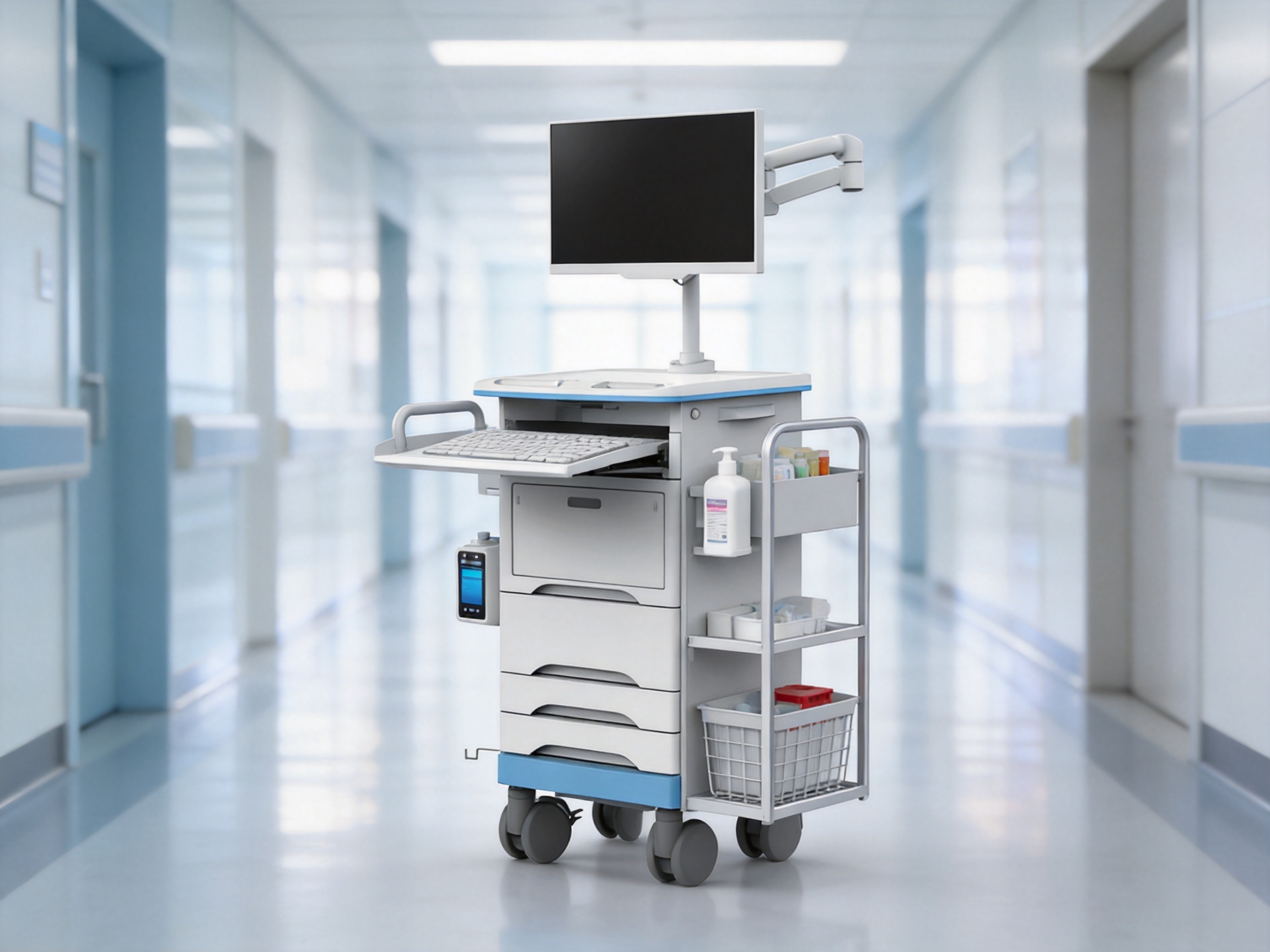
No single hospital department operates exactly like another. A medical ward, surgical unit, outpatient clinic, emergency area, and operating room each have different routines, storage needs, and safety requirements. The WMYH-W2-21 Medical Cart supports customization through optional drawers, sanitizer holders, sundries baskets, and sharps box frames. These accessories allow hospitals to configure the cart around actual workflows rather than forcing staff to adapt to a rigid product.
Optional drawers can support medication storage, documentation materials, small instruments, and routine nursing supplies. Organized drawers reduce time spent searching for items and help maintain a cleaner workflow. Depending on hospital policy, drawers may be assigned to specific categories of materials to improve standardization.
A sanitizer holder supports infection prevention by keeping hand hygiene supplies immediately available. Hand hygiene is one of the most basic and important safety practices in healthcare. When sanitizer is attached to the cart, staff can clean their hands more conveniently before and after patient contact or equipment operation.
A sundries basket provides additional storage for frequently used items. This may include gloves, wipes, small consumables, or department-specific materials. Easy-access storage helps reduce unnecessary trips and keeps the workstation functional during rounds.
A sharps box frame supports safe disposal of needles and other sharps according to hospital protocols. By positioning sharps disposal close to the point of use, the cart can help reduce unsafe handling and improve compliance with safety procedures.
This accessory flexibility gives the WMYH-W2-21 Medical Cart a competitive advantage. Hospitals can deploy a common platform while adapting each cart to different departments. This simplifies procurement, training, maintenance, and spare parts management while preserving workflow flexibility.
Application Scenarios in Modern Healthcare
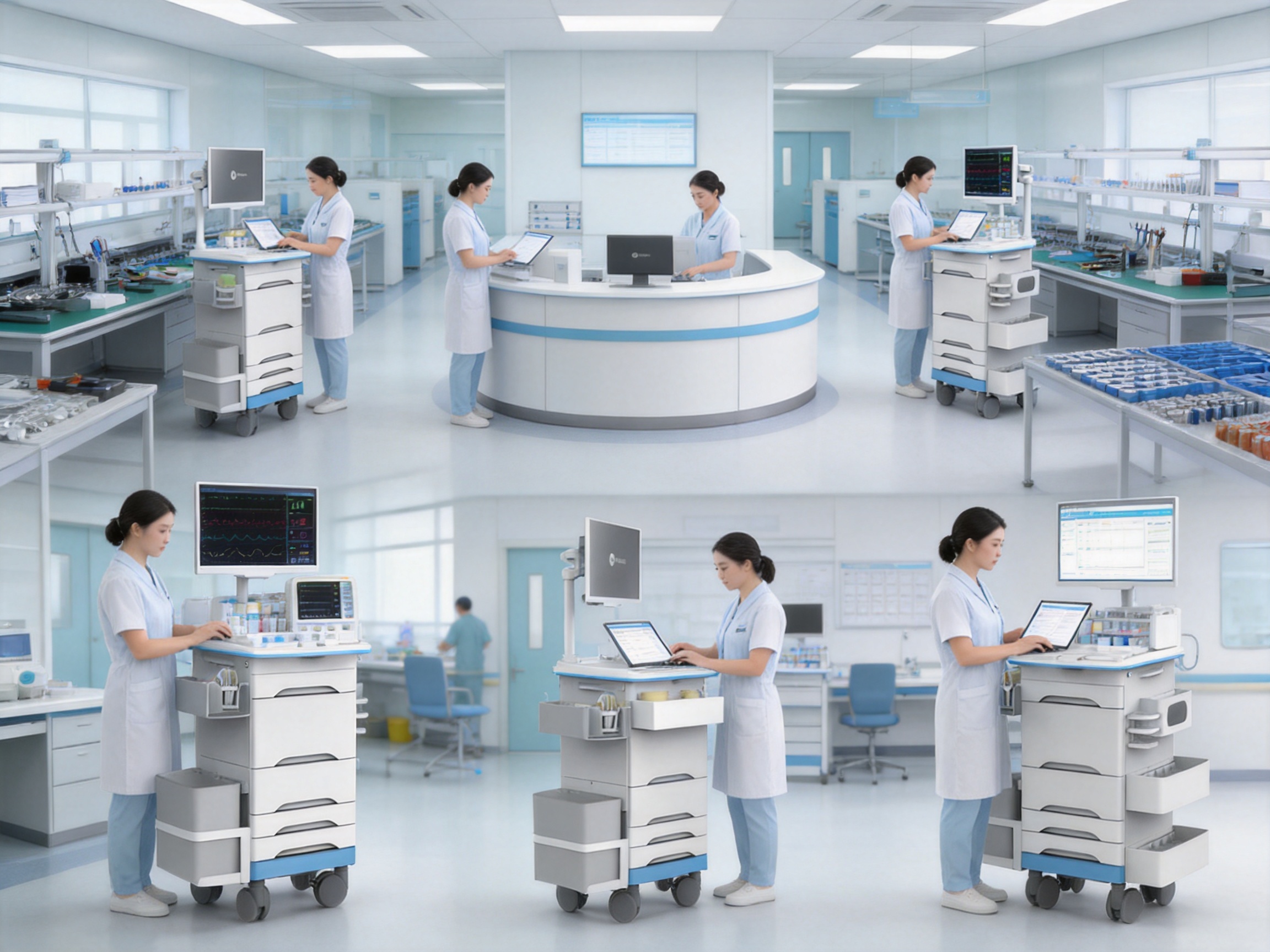
The WMYH-W2-21 Medical Cart is suitable for hospital wards, operating rooms, outpatient clinics, and mobile nursing. Each scenario benefits from the product in a different way, but the common theme is bringing information, tools, and documentation closer to the point of care.
In hospital wards, the cart can support routine rounds, medication administration, patient monitoring, nursing documentation, and bedside communication. Ward nurses often manage multiple patients and must coordinate many tasks within limited time. A mobile workstation helps them access information and complete records without repeatedly returning to the nurse station.
In operating rooms, accurate information and organized support are essential. Although operating environments have strict procedural requirements, mobile medical carts can assist with data access, documentation, and accessory organization when configured appropriately. The cart’s stable mobility and customizable options make it suitable for supporting perioperative workflows.
In outpatient clinics, speed and accuracy are critical. Patient turnover is high, and staff must document consultations, collect vital signs, and manage clinical information quickly. A mobile cart can help clinics adapt room layouts and improve operational flexibility. It supports digital workflows without requiring fixed workstations in every location.
In mobile nursing, the cart becomes a central working platform. Nurses can move from patient to patient with access to digital tools and necessary supplies. This supports paperless and networked care models. It can also help hospitals optimize space because the workstation is not tied to a fixed desk.
The cart also supports the broader transformation toward paperless, filmless, and networked hospital operations. Paperless workflows reduce manual paperwork and improve data availability. Filmless operations align with digital medical imaging and electronic records. Networked hospitals rely on connected systems that allow information to be shared across departments. A mobile intelligent cart is a practical endpoint for these systems.
Manufacturing Strength and Industrial Background
The quality of an intelligent medical cart depends not only on product design but also on manufacturing capability. Wanma Technology Co., Ltd. was established in 1997 and has extensive experience in communication cabinets, communication electronic equipment, and passive optical components. Its products are widely used in Ethernet networks, optical communication networks, central equipment rooms, national high-speed railways, and urban rail transit systems. This background is highly relevant because intelligent medical carts require reliable structural manufacturing, electrical integration, cable management, and quality control.
Manufacturing for telecommunications and rail transit applications demands precision, durability, and long-term reliability. Equipment used in communication networks and railway systems must operate under strict requirements, often supporting critical infrastructure. Experience in these fields strengthens the company’s ability to design and produce robust medical equipment platforms. The same manufacturing discipline that supports network cabinets and electronic equipment can be applied to medical carts, especially in areas such as metal processing, assembly accuracy, wiring layout, power system integration, and final inspection.
The company develops, manufactures, and markets its own branded products while also providing integrated solutions for customized products. This combination of standard product manufacturing and customized solution capability is important for healthcare customers. Hospitals often require products that match specific clinical procedures, space limitations, accessory requirements, and digital system deployment plans. A manufacturer with customization experience can better support these needs than a supplier offering only fixed models.
The company’s sales network covers more than 20 countries and regions, including the United States, Australia, the United Kingdom, Italy, South Africa, and Ghana. A broad international market presence reflects experience with diverse customer expectations, regulatory awareness, logistics coordination, and after-sales communication. For medical equipment buyers, global experience can be an indicator of mature operational capability.
Reliable product quality and timely delivery are emphasized as core strengths. These factors are essential in hospital procurement. Delayed equipment delivery can interrupt digital transformation projects, ward renovation schedules, or new department openings. Inconsistent product quality can increase maintenance costs and reduce staff confidence. A manufacturer with established processes and long-term industry partnerships is better positioned to support stable supply and dependable performance.
Advanced Manufacturing Processes Behind a Reliable Medical Cart
Although the WMYH-W2-21 Medical Cart is used in clinical care, its reliability is created through systematic manufacturing. Advanced manufacturing processes begin with design planning and continue through material selection, structural processing, surface treatment, assembly, electrical integration, quality inspection, packaging, and delivery. Each stage affects the final product’s stability, safety, and usability.
Structural manufacturing is a foundation. A medical cart must support the weight of displays, batteries, input devices, accessories, and supplies while remaining mobile and stable. Precision processing helps ensure that parts fit correctly, the lift mechanism operates smoothly, casters align properly, and the cart maintains balance. Small manufacturing errors can lead to wobbling, difficult movement, or premature wear. Strong process control reduces these risks.
Surface quality is also important. Hospital equipment must be suitable for frequent cleaning and contact with clinical environments. Smooth surfaces, controlled finishing, and careful assembly reduce dirt accumulation points and support routine maintenance. A well-manufactured cart should be easy to wipe down and maintain during daily use.
Electrical integration requires attention to safety, neatness, and serviceability. The display, battery, battery management system, and related electrical components must be integrated in a way that protects wiring and supports stable operation. Good cable management reduces the risk of loose connections and improves maintenance access. A manufacturer experienced in communication electronic equipment is well positioned to manage these technical requirements.
Battery integration is another critical process. The lithium iron phosphate battery and smart battery management system must be assembled and tested to ensure reliable runtime and safe operation. Power components must be positioned to support cart balance and practical charging routines. The battery system should also be protected from unnecessary mechanical stress during movement.
Assembly quality determines user experience. The keyboard tray should slide smoothly and lock securely. The lift mechanism should adjust reliably. The handle should feel solid. The casters should roll and lock properly. Drawers and accessory holders should fit accurately. These details may appear small, but they shape staff perception and long-term satisfaction.
Final inspection helps confirm that the cart meets functional and appearance requirements before shipment. A comprehensive inspection process may include movement checks, locking checks, display support inspection, battery performance verification, accessory fit confirmation, structural stability review, and packaging assessment. This disciplined approach reduces the likelihood of problems after installation.
Quality Control as a Competitive Advantage
Quality control is one of the most important differences between professional medical cart manufacturers and low-cost imitators. A medical cart is used daily, often by many staff members, in environments where reliability matters. Poor-quality carts may have unstable wheels, weak handles, short battery life, rough adjustment mechanisms, unreliable trays, or inconsistent accessories. These problems create frustration and can disrupt clinical operations.
The WMYH-W2-21 Medical Cart benefits from a manufacturing culture built around communication infrastructure and professional equipment. Products used in telecommunications, optical networks, central equipment rooms, and rail transit require consistency and durability. This background supports a quality mindset that is valuable in medical product manufacturing.
Quality control begins with supplier and material management. Components such as casters, battery modules, display supports, handles, trays, and accessory brackets must meet performance expectations. Inconsistent materials can reduce product life and create uneven user experience. Strong procurement and incoming inspection processes help protect final quality.
Process quality is equally important. Even good components can produce poor products if assembly is uncontrolled. Standardized assembly instructions, trained workers, fixture use, and step-by-step checks help maintain consistency. For medical carts, repeatability matters because hospitals may deploy multiple units across departments. Staff should experience the same operation and quality from one cart to another.
Functional testing provides another layer of assurance. The cart should be checked for mobility, locking stability, power runtime, screen installation, tray operation, lifting function, and accessory compatibility. Testing is especially important because the cart combines mechanical and electronic systems. A failure in either area can reduce usefulness.
Packaging quality also matters. Medical carts must arrive without damage and be ready for installation or deployment. Proper packaging protects surfaces, casters, display mounts, and accessories during transportation. For international customers, packaging design is particularly important because products may travel long distances and pass through multiple logistics stages.
Why Hospitals Need Intelligent Mobile Workstations
Hospitals face increasing pressure to improve efficiency, reduce errors, enhance patient satisfaction, and implement digital systems. Intelligent mobile workstations help address these pressures by connecting staff, patients, and information. The WMYH-W2-21 Medical Cart is part of this broader shift from fixed, paper-based processes to mobile, digital, and patient-centered care.
One major need is time efficiency. Nurses spend significant time walking, searching, recording, and coordinating. While not all walking can be eliminated, unnecessary movement can be reduced. A mobile workstation allows nurses to carry digital access and essential tools with them, shortening the loop between task execution and documentation.
Another need is accuracy. Manual transcription and delayed documentation create opportunities for error. Bedside data entry helps ensure that information is recorded closer to the moment of care. This improves traceability and reduces reliance on memory. When vital signs, medication confirmation, and nursing observations can be handled at the bedside, data quality improves.
A third need is standardization. Intelligent carts can support standardized workflows by giving staff consistent access to the same tools and information. Standardization is especially important in large hospitals where many staff members rotate across shifts and departments. A consistent workstation platform helps reduce variation.
A fourth need is flexibility. Hospitals constantly adapt to patient volume, department changes, emergency conditions, and new digital systems. Fixed workstations can limit flexibility, while mobile carts allow departments to reconfigure space and workflows more easily. The WMYH-W2-21 Medical Cart’s mobility and accessory options support this need.
A fifth need is staff well-being. Nursing work is physically and mentally demanding. Equipment that reduces unnecessary movement, supports better posture, and organizes tasks can contribute to a better working environment. While a cart cannot solve all staffing challenges, it can remove some avoidable friction from daily work.
Comparison With Ordinary Medical Carts
Ordinary medical carts often serve as storage or transport devices. They may carry supplies, medications, or instruments, but they do not provide complete digital workflow support. In contrast, the WMYH-W2-21 Medical Cart is designed as an intelligent mobile nursing workstation. This difference affects its value in modern hospitals.
An ordinary cart may require nurses to carry paper records or return to a fixed computer. This increases the risk of delayed documentation and fragmented workflow. The WMYH-W2-21 Medical Cart supports digital patient information access at the bedside, helping reduce these inefficiencies.
Ordinary carts may not have sufficient power systems for electronic operation. Even if a display is added, limited battery life can reduce practical use. The WMYH-W2-21 Medical Cart includes a lithium iron phosphate battery with an eight-hour runtime and smart battery management, making it more suitable for full-shift mobile use.
Ordinary carts may lack ergonomic adjustment. Fixed heights and poorly positioned input surfaces can cause discomfort. The WMYH-W2-21 Medical Cart offers a manual lift mechanism and sliding keyboard tray, improving usability for different staff and tasks.
Ordinary carts may have limited customization. If accessories are not available or poorly integrated, departments may improvise storage solutions, leading to clutter and inconsistency. The WMYH-W2-21 Medical Cart provides optional accessory configurations that support cleaner and more standardized workflows.
In summary, the advantage of the WMYH-W2-21 Medical Cart is not only that it moves. Its advantage is that it moves with intelligence, power, ergonomic support, and clinical adaptability.
Supporting Paperless, Filmless, and Networked Hospital Operations
The future of hospital management depends on connected information. Paperless operations reduce dependency on printed forms and handwritten records. Filmless operations support digital imaging and electronic access to diagnostic information. Networked operations connect departments, systems, and care teams. However, these improvements require practical endpoints where staff can use information during care. The WMYH-W2-21 Medical Cart can serve as one such endpoint.
Paperless care requires mobile documentation tools. If digital systems are only available at fixed stations, staff may still use paper notes during rounds and enter data later. This weakens the benefits of digitization. A mobile nursing workstation helps close this gap by making digital access available at the bedside.
Filmless operations depend on the ability to view relevant information electronically. While the cart is not defined as an imaging workstation, its 24-inch screen supports clearer viewing of clinical information and related digital content. This can help staff review patient status and coordinate care without relying on printed materials.
Networked hospital operations require equipment that fits into connected workflows. The WMYH-W2-21 Medical Cart is designed to support patient information access, medication management, and vital signs collection. These functions align with the direction of modern hospital information systems.
By supporting networked care at the bedside, the cart helps hospitals make digital transformation more practical. Technology creates value when it improves daily work. A mobile medical cart succeeds when nurses find it useful, reliable, and easy to operate.
Procurement Considerations for Healthcare Institutions
When hospitals evaluate intelligent medical carts, they should consider more than purchase price. The true value of a cart includes durability, usability, power reliability, accessory flexibility, manufacturer capability, delivery performance, and long-term support. A lower initial price may become expensive if the cart fails frequently, lacks accessories, or does not fit clinical workflows.
The WMYH-W2-21 Medical Cart offers value through its integrated design. The 24-inch LED screen supports clear data access. The sliding keyboard tray and lift mechanism improve operation. The lithium iron phosphate battery supports long runtime. The ABS handle and locking casters improve mobility and safety. Optional accessories allow customization. These features reduce the need for hospitals to modify the product after purchase.
Manufacturer strength should also influence procurement decisions. Wanma Technology Co., Ltd. has decades of experience in professional equipment manufacturing, communication cabinets, electronic equipment, and optical components. This industrial background supports reliable production and customization capability. For healthcare institutions planning multi-unit deployment, manufacturer stability and delivery capability are especially important.
Hospitals should also evaluate how the cart will be used by different departments. A ward may need multiple carts configured with drawers and sanitizer holders. An outpatient clinic may prioritize screen access and compact mobility. A procedure area may require sharps management accessories. The ability to configure the platform helps maximize return on investment.
Training and adoption should not be overlooked. A well-designed cart can still fail to deliver full value if staff are not trained on proper use, charging routines, cleaning procedures, accessory organization, and workflow integration. Because the WMYH-W2-21 Medical Cart is designed for convenient operation, it can support smoother adoption when paired with clear hospital procedures.
Long-Term Operational Benefits
The long-term benefits of an intelligent medical cart are measured in daily workflow improvements. Each nursing round, medication pass, documentation task, and patient interaction can become more efficient. Over time, small improvements accumulate into significant operational value.
One long-term benefit is reduced workflow fragmentation. When nurses can access information and document care at the bedside, fewer tasks are postponed. This supports more complete and timely records. Better records improve communication and accountability.
Another benefit is improved equipment utilization. A mobile cart can serve different locations and tasks throughout the day. Unlike fixed workstations, it can move with care demands. This flexibility is valuable in hospitals where space is limited and patient volume changes.
A third benefit is better standardization across departments. When hospitals use a consistent intelligent cart platform, training becomes easier. Staff who move between units can operate familiar equipment. Maintenance teams can manage a more standardized fleet.
A fourth benefit is stronger support for digital transformation. Hospitals invest heavily in information systems, but those systems require practical clinical access points. Intelligent medical carts extend system value to the bedside, where many critical care activities occur.
A fifth benefit is improved staff satisfaction. Equipment that is reliable, ergonomic, and useful can reduce frustration. Nurses are more likely to embrace digital workflows when the tools support their real needs rather than adding complexity.
Q&A Section
What is the WMYH-W2-21 Medical Cart designed to do?
It is designed to function as an intelligent mobile nursing workstation that brings information management, medication administration, clinical care support, and bedside vital signs collection directly to the patient’s bedside.
How does the cart improve nursing efficiency?
It reduces repeated movement between the nurse station and patient rooms by allowing nurses to access patient information, manage medication tasks, record data, and support care activities at the bedside.
Why is the 24-inch LED screen important?
The 24-inch LED screen provides a clear and comfortable interface for viewing patient information, medication records, vital signs, and clinical documentation, improving readability and workflow speed.
What makes the cart suitable for long clinical shifts?
The cart is equipped with a lithium iron phosphate battery that supports an eight-hour runtime, along with a smart battery management system that helps maintain dependable power during mobile use.
How does the cart support medication safety?
By enabling bedside access to medication information and digital management workflows, the cart helps nurses verify patient and medication details more efficiently and reduces reliance on delayed documentation or paper-based processes.
Is the cart comfortable for different users?
Yes. The manual lift mechanism allows height adjustment, and the sliding keyboard tray supports convenient data entry. These ergonomic features help accommodate different users and working positions.
How does the cart remain stable during use?
It has four casters for movement, including two locking casters that help keep the cart stable when positioned beside a patient bed or in a treatment area.
Can the cart be customized for different departments?
Yes. Optional accessories include drawers, a sanitizer holder, a sundries basket, and a sharps box frame, allowing hospitals to configure the cart according to department-specific workflows.
Where can the cart be used?
It is suitable for hospital wards, operating rooms, outpatient clinics, and mobile nursing scenarios. It supports paperless, filmless, and networked hospital operations.
What manufacturing strengths support the product’s reliability?
The manufacturer has long-term experience in communication cabinets, communication electronic equipment, passive optical components, Ethernet networks, optical communication networks, railway transit systems, and customized integrated solutions. This industrial background supports structural reliability, electrical integration, quality control, and delivery capability.
Conclusion
The WMYH-W2-21 Medical Cart represents the evolution of the medical cart from a basic transport tool into an intelligent mobile nursing workstation. Its value lies in the integration of bedside information access, smart nursing management, medication support, vital signs collection, ergonomic operation, long-lasting battery power, safe mobility, and customizable accessories. For hospitals seeking to improve efficiency, reduce workflow fragmentation, and support digital care models, it provides a practical and adaptable solution.
Its advantages over conventional and competing carts are clear. The 24-inch LED screen improves visibility and information access. The sliding keyboard tray with lock and manual lift mechanism improve usability. The lithium iron phosphate battery with an eight-hour runtime supports long clinical shifts. The ABS handle and locking casters balance mobility and safety. Optional accessories allow departments to configure the cart for real clinical needs.
Behind the product is a manufacturer with decades of experience in professional equipment production, telecommunications infrastructure, electronic equipment, optical components, and customized solutions. This background contributes to manufacturing discipline, process control, structural reliability, electrical integration, and international supply capability. In healthcare procurement, these strengths matter because hospitals need equipment that is not only advanced in design but also dependable in daily use.
As hospitals continue moving toward paperless, filmless, and networked operations, intelligent mobile workstations will become increasingly important. The WMYH-W2-21 Medical Cart supports this direction by extending digital capability to the bedside. It helps nurses work more efficiently, supports safer care processes, and contributes to a more connected clinical environment. For modern medical institutions, it is not just a cart; it is a mobile platform for smarter bedside care.
References
World Health Organization. Medication Safety in High-Risk Situations. Geneva: World Health Organization.
International Organization for Standardization. Medical Electrical Equipment and Healthcare Technology Management Standards.
Association for the Advancement of Medical Instrumentation. Guidance on Medical Device Safety, Battery Management, and Clinical Equipment Maintenance.
Healthcare Information and Management Systems Society. Digital Health Transformation and Clinical Workflow Integration Reports.
Institute for Healthcare Improvement. Patient Safety, Medication Administration, and Care Process Improvement Materials.
Occupational Safety and Health Administration. Ergonomics and Safe Work Practices in Healthcare Environments.
Product: WMYH-W2-21 Medical Carts
PREV:Clean Fabric Temporary Storage Cabinets for Traceable Medical Textile Management
NEXT:Intelligent Access Control for Secure Medical Consumable Management
NEXT:Intelligent Access Control for Secure Medical Consumable Management
Interested in cooperation or have questions?
Related products
-
-
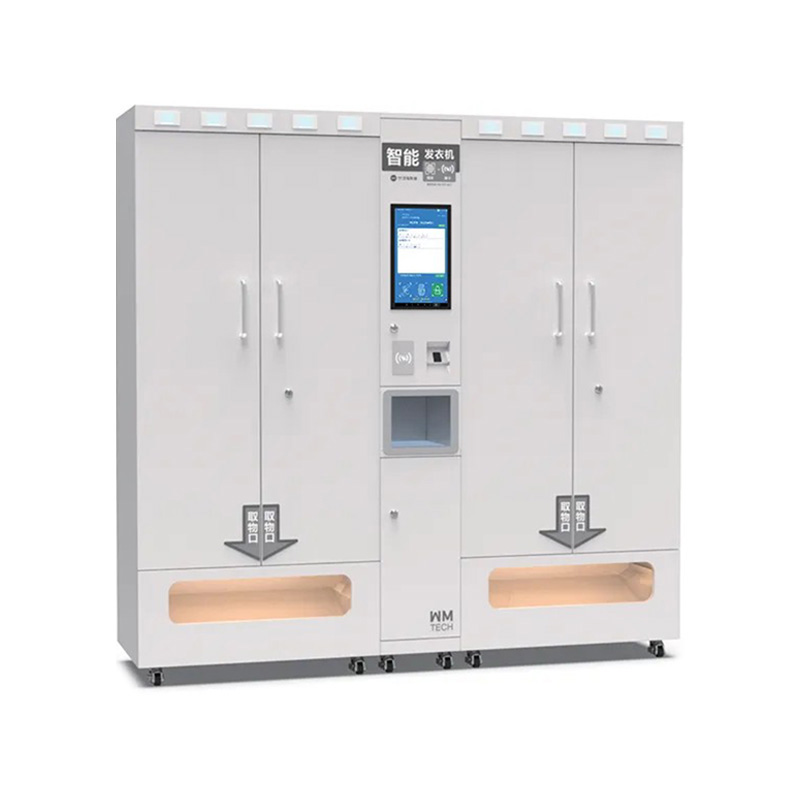
Product Definition:The Turn-over Intelligent Clothes and Shoes Machine is an integrated solution combining automated dispensing, smart collection, and data management, specifically designed for the ci...
See Details -
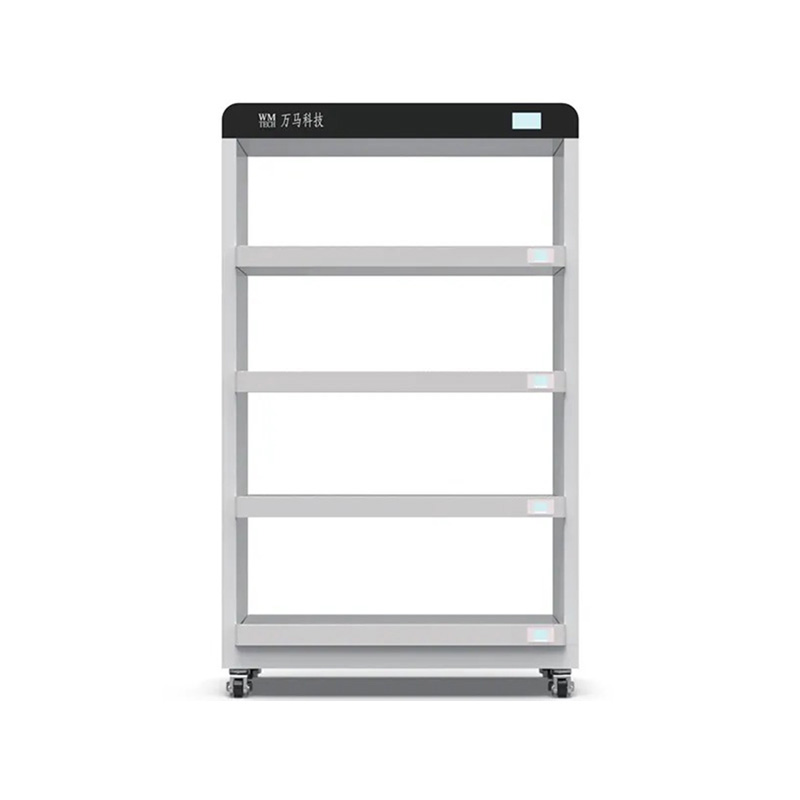
Product Definition:Intelligent Shelves are a smart warehouse management unit that integrates dynamic sensing, real-time display, and precise positioning. By leveraging advanced sensor technology, they...
See Details -
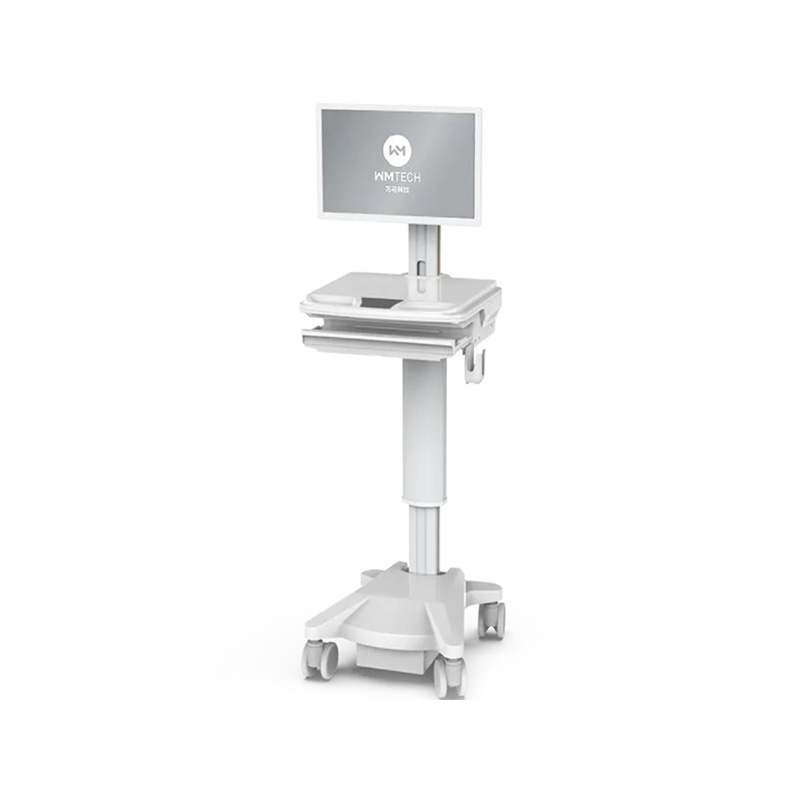
Product DefinitionThe WMYC-D2-30 Medical Cart is an intelligent mobile medical workstation integrating informatization and clinical assistance functions. It supports medical order management, patient ...
See Details
Ready to Get started ? Contact Us Now !

Product.
Contact Details.
-
 +86 13958188250
-
 +86 13958188250
-
 [email protected]
-
 AUDIT Email:[email protected]
- Wanma Industrial Park Taihu Yuan Town Lin'an District Hangzhou City China.
QR Code

Copyright © Wanma Technology Co., Ltd. All Rights Reserved.
Privacy
Custom Ethernet Optical Network Railway Transit Equipments Suppliers
